Practical Guide: How to Improve Gut Health in Daily Life
February 13, 2024
6 min read

Advertorial Blog
Gut weakness, gas, skin rashes, and autoimmune issues can all be signs of poor gut health. Stress reduction, hydration, fermented foods, and beta-glucan can all be effective in improving gut health.
The gut is home to many different kinds of microbes, fungi, viruses, germs, and bacteria that all serve their purpose. (1)
It’s about the intricate balance between our body and the many microbes that call our gastrointestinal tract home.
When we talk about gut health, we’re really talking about how well this complex ecosystem, known as the gut microbiome, is functioning.
The “gut microbiome” refers to the microorganisms that live in your gut.
Each human being has approximately 200 distinct species of bacteria, fungi, and viruses.
When it comes to a healthy gut microbiome, a variety of bacteria is key to reducing the risks of conditions such as inflammatory bowel disease (IBD) and diabetes. (2)
The microbiome can impact everything from mental health to immune function; they truly are gatekeepers for so much of what happens inside us.
Nurturing gut health offers countless benefits, from better nutrient absorption to keeping inflammation at bay.
A healthy gut structure makes it easier for the body to absorb nutrients.
Taking care of your gut system may also have a positive effect on your metabolism, which may help you lose weight or keep it off.
Many aspects of modern-day living can impact your gut, and it is important to speak with your doctor if you are experiencing any of the following too frequently:
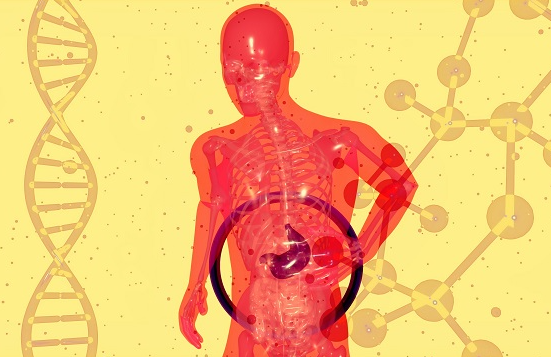
There is a reason why the gut is called the ‘second brain’. (3) The tricky relationship can go so far as linking anxiety and stress to stomach problems and vice versa!
Common experiences such as ‘gut-wrenching’ feelings or feelings of nausea, anxiety, or sadness can activate these symptoms within the gut. (4)
The brain directly affects the stomach and intestines.
For example, thinking about eating before the food is ready may stimulate and release the stomach’s juices, causing it to start working too early.
Plus, this connection goes both ways. (4) Both a troubled brain and a problematic gut can communicate with one another through signals.
As a result, worry, stress, or depression can be the aftermath of a person’s stomach or intestinal problems.
This is all due to the close connection between the brain and the gastrointestinal (GI) system.

Processed foods, like ready-made meals, baked items, and meats that have been processed, can be bad for your gut health. (5)
Eating a lot of processed foods can make you gain weight, raise your chance of getting type 2 diabetes, and cause other problems.
A research paper done by ‘THEBMJ’ revealed some shocking statistics: ultra-processed foods account for 25–60% of the average person’s daily energy intake. (6)
You do not need to be running hundreds of miles a week; just focus on a consistent form of exercise that you can stick to. This could be walking, running, or swimming.
Regular exercise stimulates metabolic health and protects against metabolic disease (7).
It also helps to clear your mind, relieve anxiety, and improve immune regulation.
Eating fiber-rich foods plays a critical role in digestive health. Think of fiber as your GI tract’s best friend; it is like a freshly paved road that can help keep things moving smoothly.
Dietary fiber, present in fruits, vegetables, whole grains, and legumes, may be best recognized for preventing constipation.
Other health advantages of fiber-rich meals include weight management, diabetes, heart disease, and cancer prevention. (8)
Keeping stress at bay can often feel easier said than done. But I speak from personal experience and say that this is like exercising a muscle.
Once you make a small start and stay consistent, you will be telling your stress to leave.
Studies suggest that stress may lead to digestive system abnormalities. (8)
Practices such as mindfulness, which may include meditation, breathing, and yoga, are highly beneficial for dealing with stress and improving gut health. (9)
Environmental pollutants, such as air pollution and household cleaning agents, can disrupt several body systems, including the gastrointestinal system.
Try to eliminate daily exposure to these environments as much as possible.
Beta-glucan, a naturally occurring fiber, is gaining recognition for its powerful role in supporting gut health.
Found in various natural sources like mushrooms, oats, and barley, this soluble fiber acts as nature’s broom through the digestive system.
The human gastrointestinal tract is home to many microorganisms that make up our gut microbiome.
This complex ecosystem works tirelessly to keep us healthy.
Introducing beta glucan into your daily regimen can nurture this community by providing a source of nourishment for beneficial bacteria.
Supporting reading: Healthy Gut Supplements are Key to Robust Immunity
Fiber isn’t just about keeping things regular; it plays an essential role in shaping our internal environment.
When you take beta glucan supplements from trusted sources like Better Way Health, they help maintain your intestinal wall integrity.
Not to mention Beta Glucan has incredible immune system benefits, and considering that 70% of your immune system is in your gut, this is like a “cheat code” for a healthy gut.
Beta Glucan Digestive Benefits at a Glance: (10)
It is important to speak to your doctor about any new supplements you are considering and to do your research.
A healthy gut is the cornerstone of your well-being. From reducing intestinal gas to enhancing mental health, it’s clear how crucial a balanced microbiome is.
Remember, fiber is your friend, and stress is your enemy. Managing both can lead to significant improvements in digestion and overall vitality.
Not only is beta-glucan a trusted natural source of soluble fiber to support your gut health, but it will also help you experience increased health and wellness, and studies have shown it has anti-stress actions.
Get weekly expert content delivered to your inbox.