The Parkinson’s Solutions Summit 2.0
1 Million People in the US Are Suffering From Parkinson’s… Discover 40 Ways To Reduce Parkinson’s Symptoms And Take Back Your Life At The Parkinson’s Solution Summit 2.0
Parkinson’s disease, brain health, and lifestyle factors are deeply connected, and understanding these links is key to managing symptoms and supporting neurological wellness. This summit shares evidence-informed insights on Parkinson’s care, neuroplasticity, mind-body therapies, sleep, exercise, and integrative strategies for both patients and caregivers.
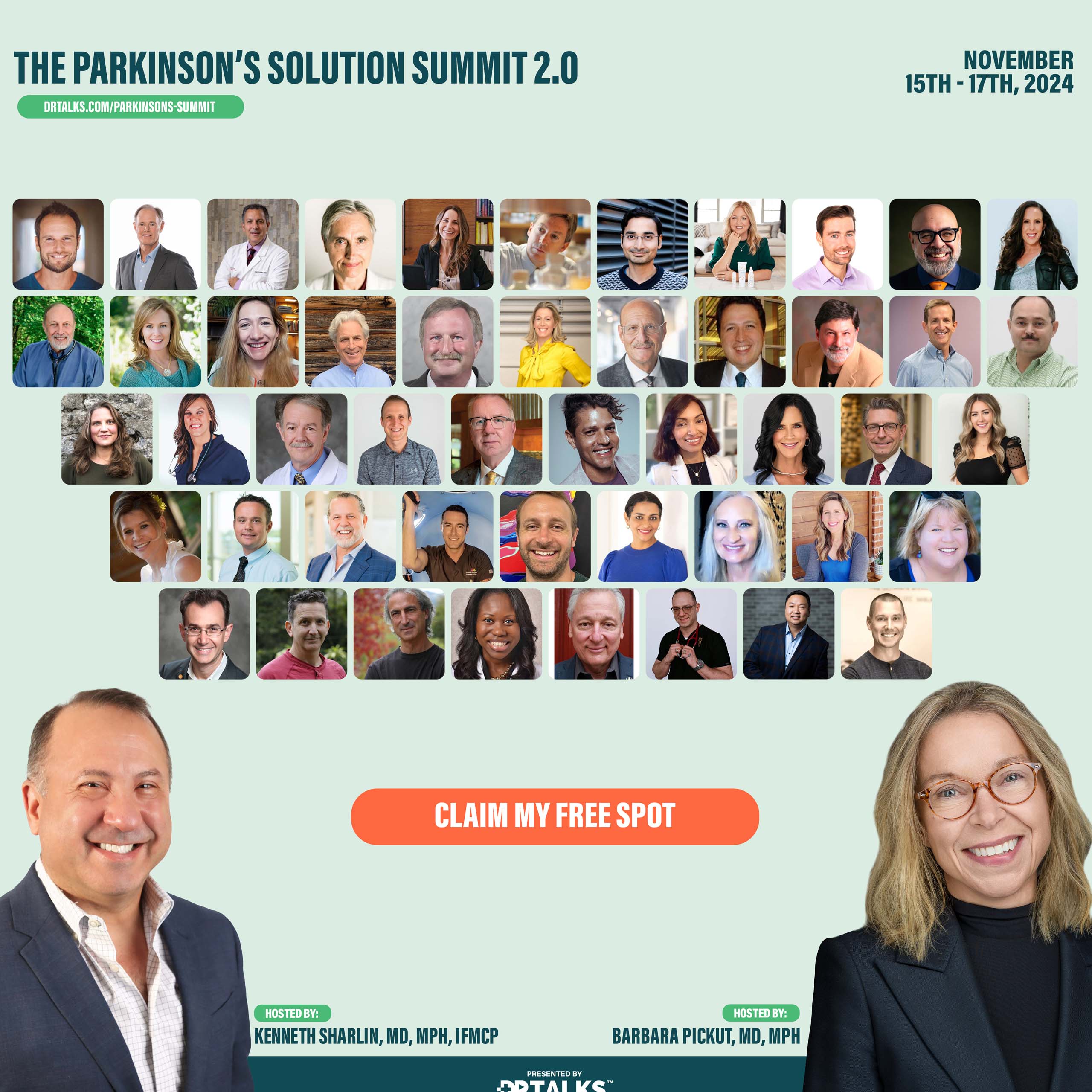
What This Summit Covers
Over seven days, The Parkinson’s Solutions Summit 2.0 covers the latest advances in Parkinson’s care, from understanding Lewy body disease and essential tremor to exploring environmental, genetic, and nutritional influences on brain health. Attendees will learn how lifestyle interventions, exercise, sleep optimization, and functional medicine approaches affect disease progression, symptom management, and overall neurological wellness.
The summit also explores mind-body therapies, neuroplasticity, mindfulness, hormone support, and emerging technologies like photobiomodulation, hyperbaric oxygen, and wearable devices. Designed for people living with Parkinson’s, caregivers, and healthcare professionals, this event provides educational insights to better understand risk factors, monitor symptoms, and apply integrative strategies that support long-term brain and body health.
Summit Chapters
Register for free to unlock all 59 sessions — no account needed, no expiration.
Upgrade to DrTalks Premium for the best experience.
Chapter 1 — Understanding Parkinson’s, Brain Health, and Lifestyle Strategies
7 sessions
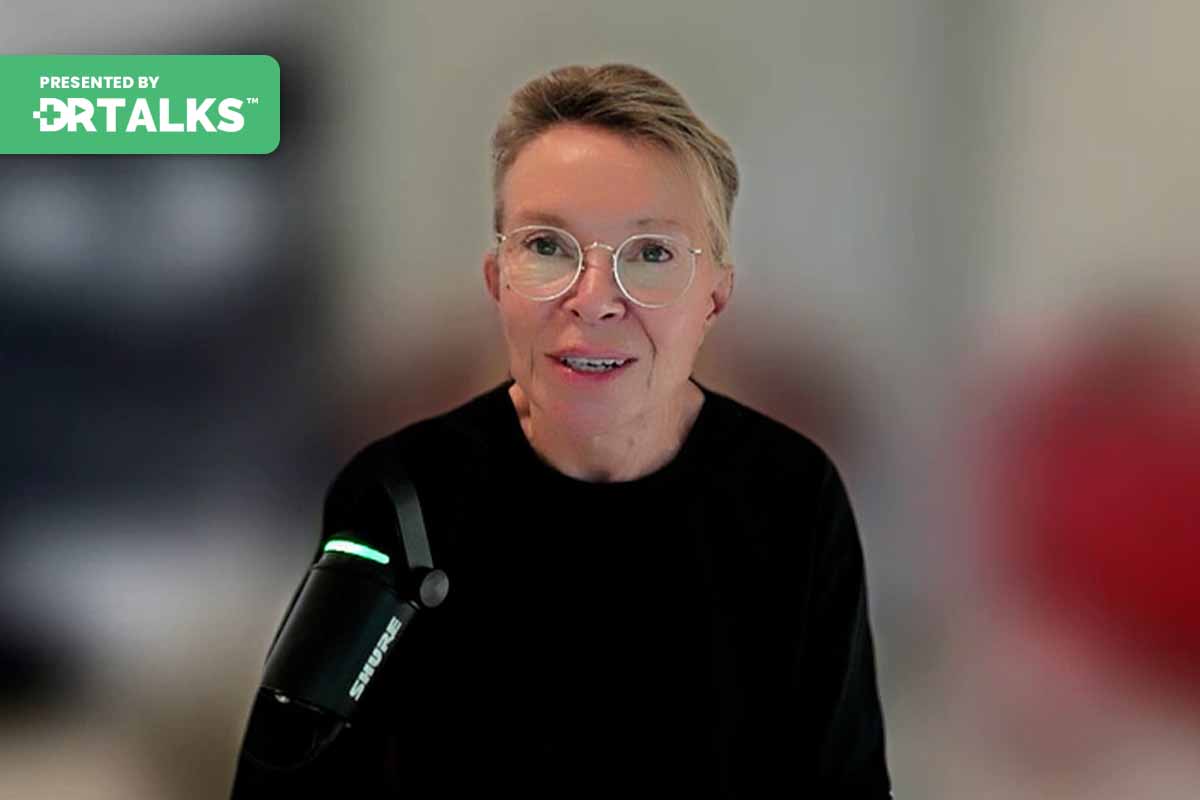
Learn the Basics and Latest Advances in Parkinson’s Care

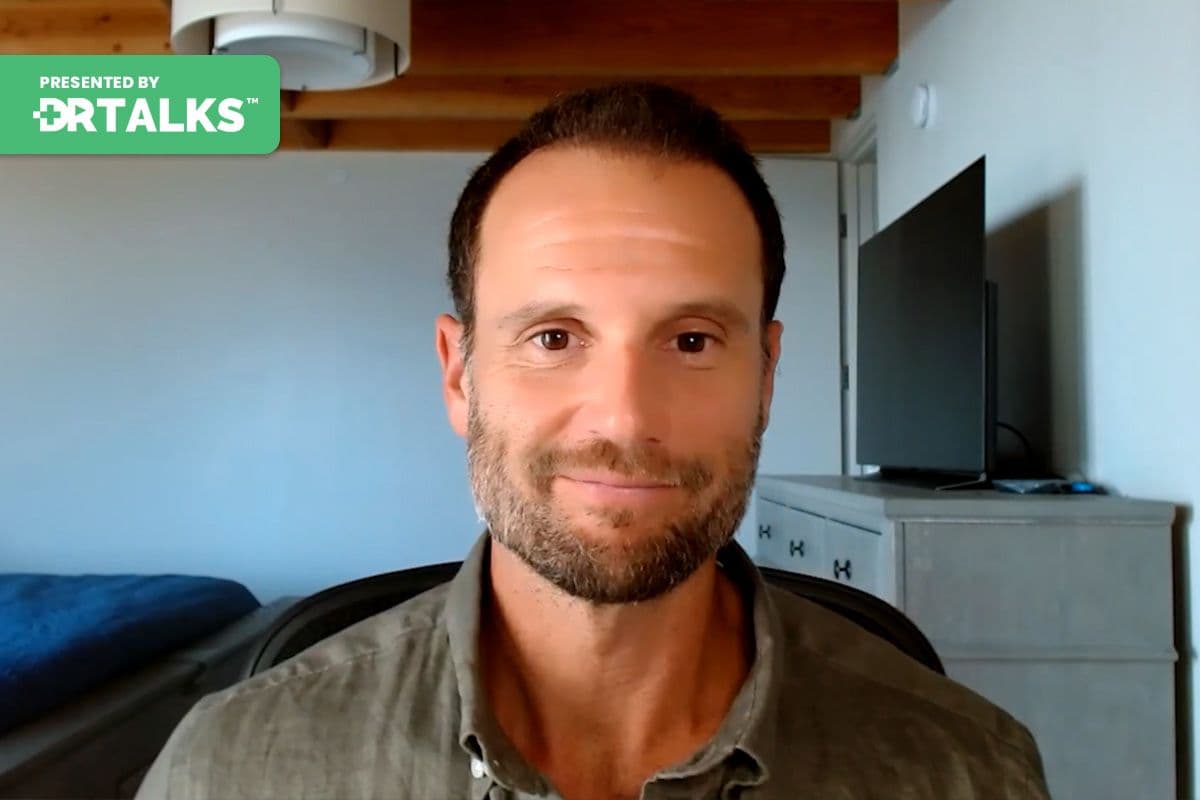
Blueprint to Energize Against Parkinson’s

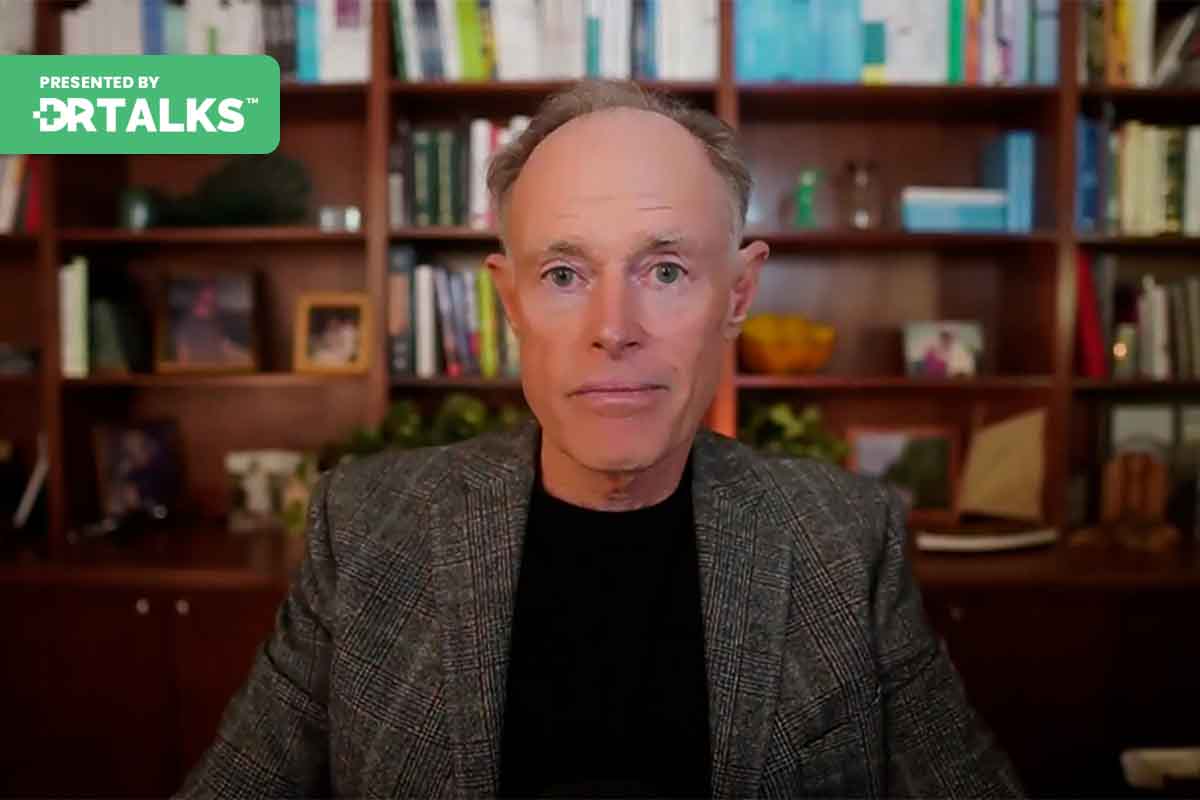
Empower Your Lifestyle To Manage Parkinson’s

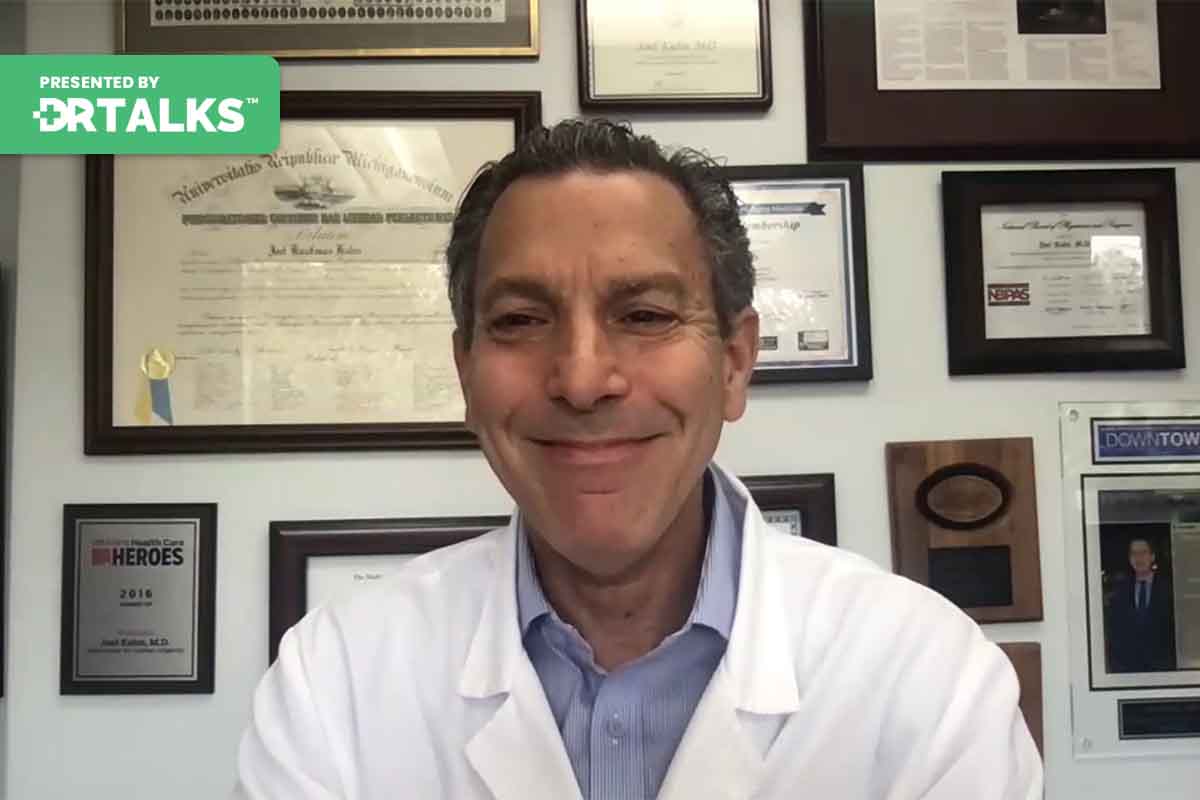
Connect Heart And Brain Health To Prevent Parkinson’s

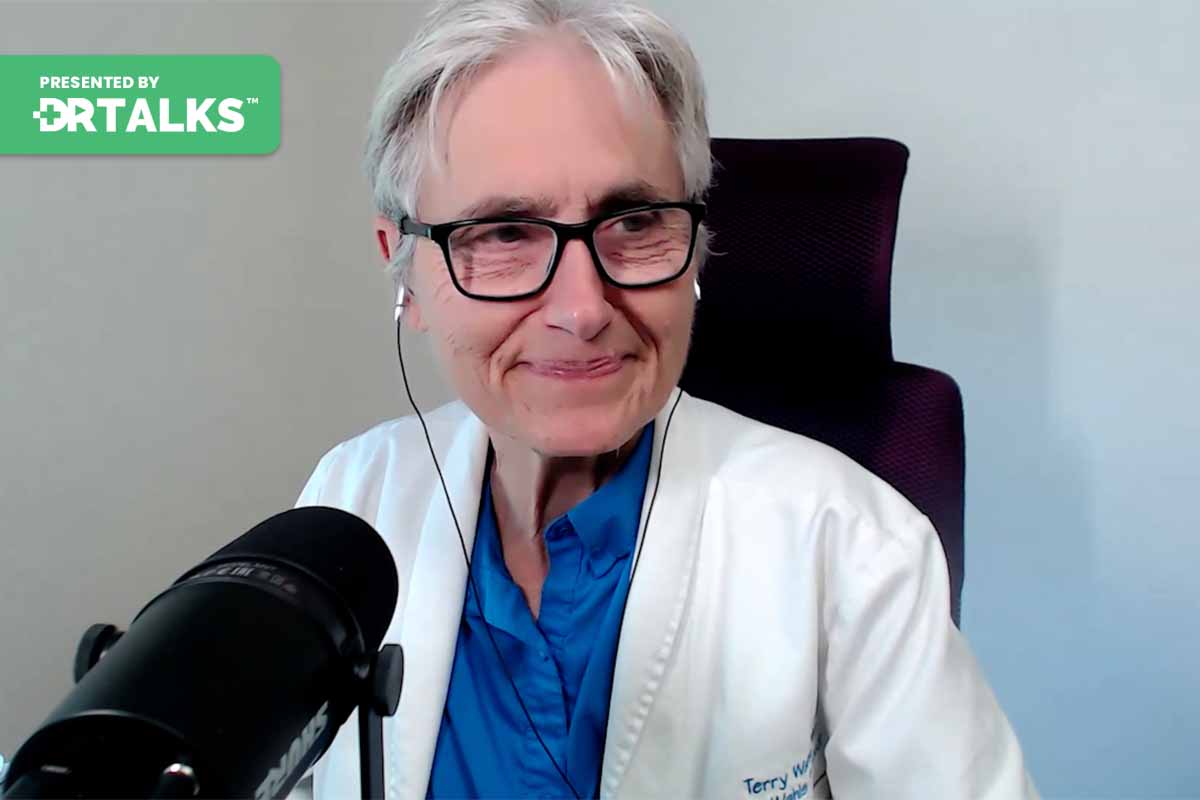
Functional Medicine’s Take On Neurodegenerative Disorders

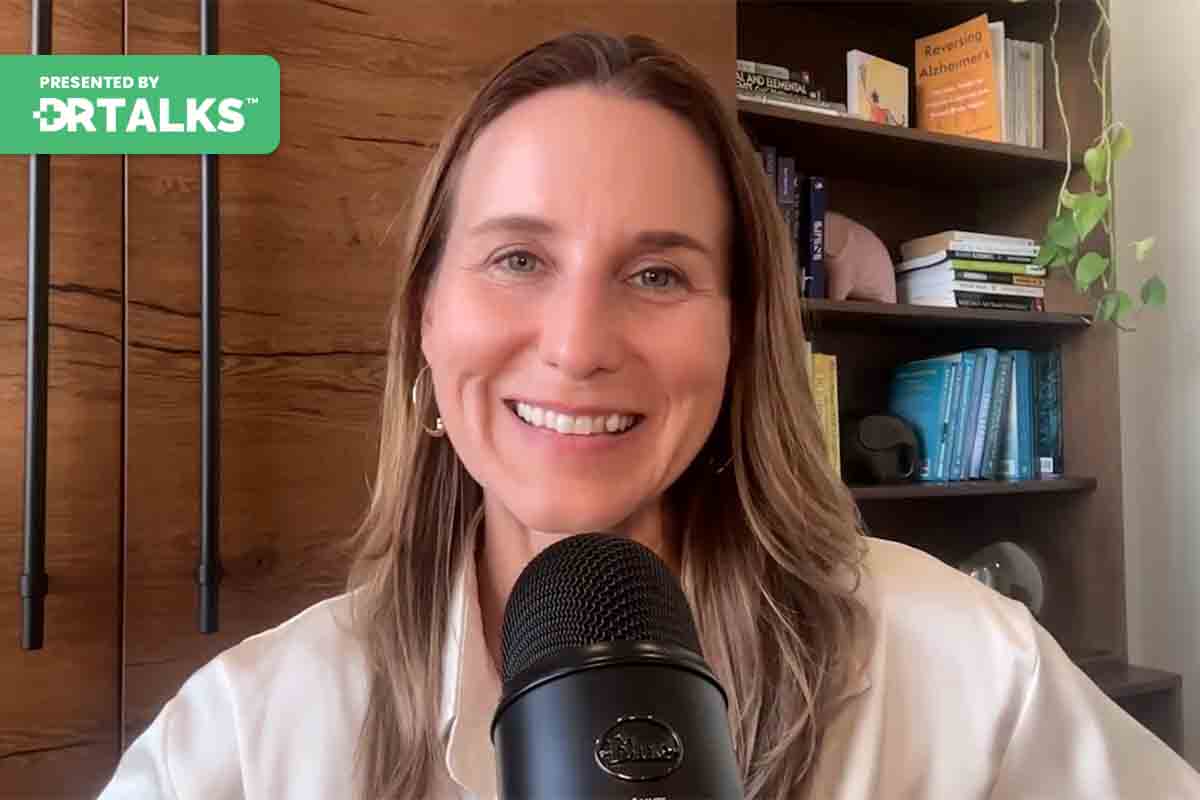
Reversing Alzheimer’s And Parkinson’s Through Lifestyle Changes

Understanding Parkinson’s, Lewy Body, And Alzheimer’s

Meet Your Summit Hosts & Experts
Leading health experts guiding you through this transformative event
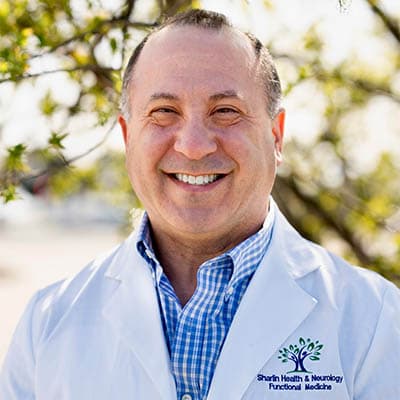
Summit Host
Kenneth Sharlin, MD, MPH, IFMCP
Founder/CEO
Dr. Kenneth Sharlin is a seasoned neurologist and functional medicine practitioner with over 30 years of experience. He has worked with numerous complex neurological conditions, including multiple sclerosis, Parkinson’s, Alzheimer’s, epilepsy, and fibromyalgia. As the founder of Sharlin Health and Neurology, one of the state’s top neuroscience treatment centers, Dr. Sharlin emphasizes treating the root causes of neurodegenerative diseases rather than just addressing symptoms.
Trained under pioneers at Emory University, including Drs. Mahlon Delong and Ray Watts, and continuing his education at leading research centers, Dr. Sharlin’s background is unparalleled. His extensive experience and dedication empower him to bring hope and effective solutions to those affected by these conditions. His compassionate, patient-centered approach, combined with his deep personal connection to his patients’ challenges, fuels his mission to improve their quality of life.
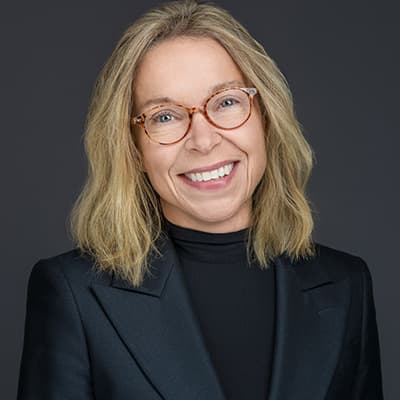
Summit Host
Barbara Pickut, MD, MPH
Dr. Barbara Anne Pickut, MD, MPH, is a neurologist and Parkinson’s specialist researching mindfulness-based training to improve symptoms, brain imaging markers, and quality of life.
Dr. Barbara Anne Pickut, MD, MPH, is a Neurologist and Movement Disorders specialist with profound expertise in Parkinson’s disease and mindfulness-based training as a non-pharmacological intervention to enhance wellness for People with Parkinson’s and their Care Partners. She has an extensive background in clinical research for Parkinson’s, having been an investigator in multiple international new drug development trials.
Dr. Pickut’s ground-breaking research has demonstrated the benefits of mindfulness-based training in reducing Parkinson’s disease symptoms, showing measurable changes on MRI brain scans and improvements in quality of life. Her latest research involves a focus group analysis of the lived experiences of people with Parkinson’s after an 8-week mindfulness training.
Dr. Pickut is a certified teacher of mindfulness-based stress reduction (MBSR) from the University of Massachusetts Center for Mindfulness and a certified yoga instructor.
Website: parkinsonsmindfulness.com
Contact: barbara@parkinsonsmindfulness.com
Dale Bredesen, MD
Senior Director of Precision Brain Health
Heather Sandison, ND
Founder, Solcere Health Clinic and Marama
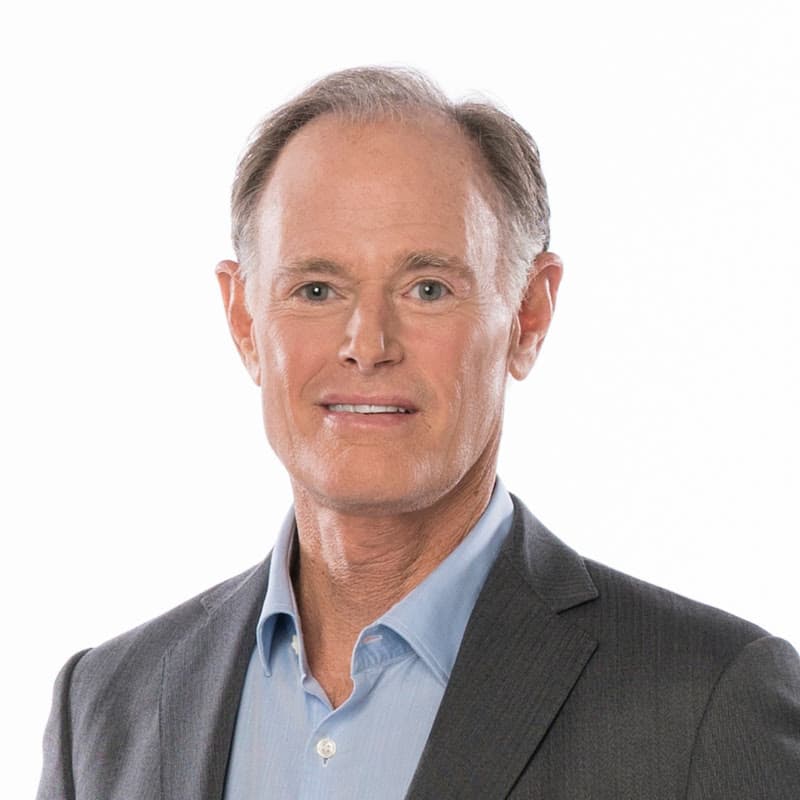
David Perlmutter, MD, ABIHM, FACN
DavidPerlmutterMD
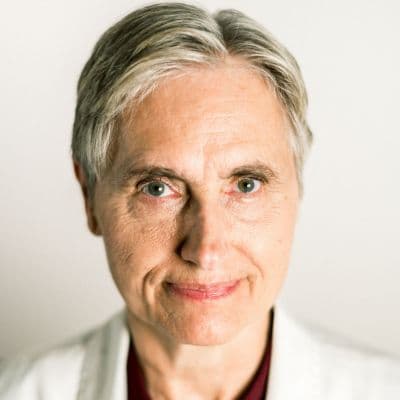
Terry Wahls, MD
Jordan Hamlin, BCN
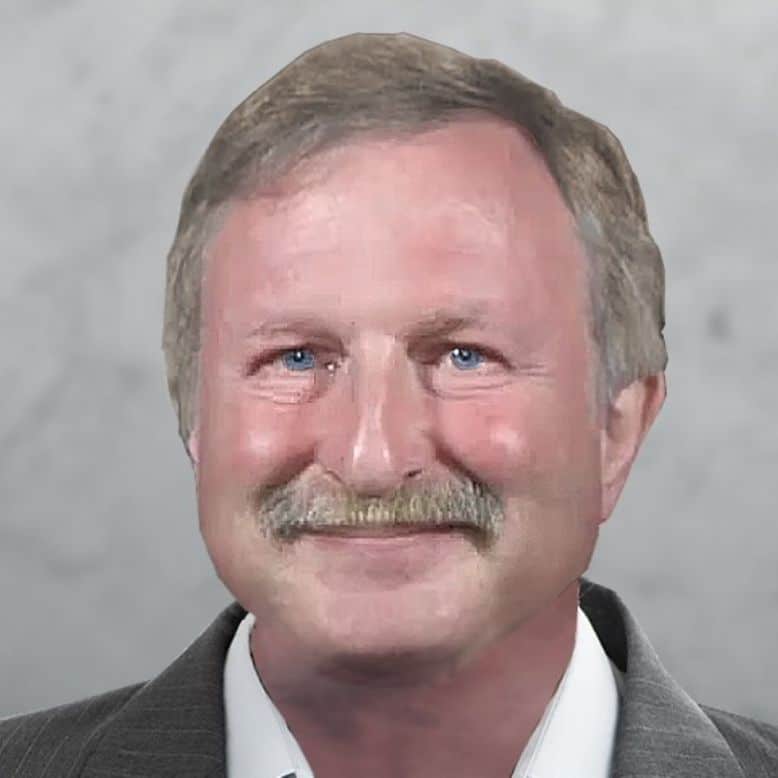
Jacob Teitelbaum, MD
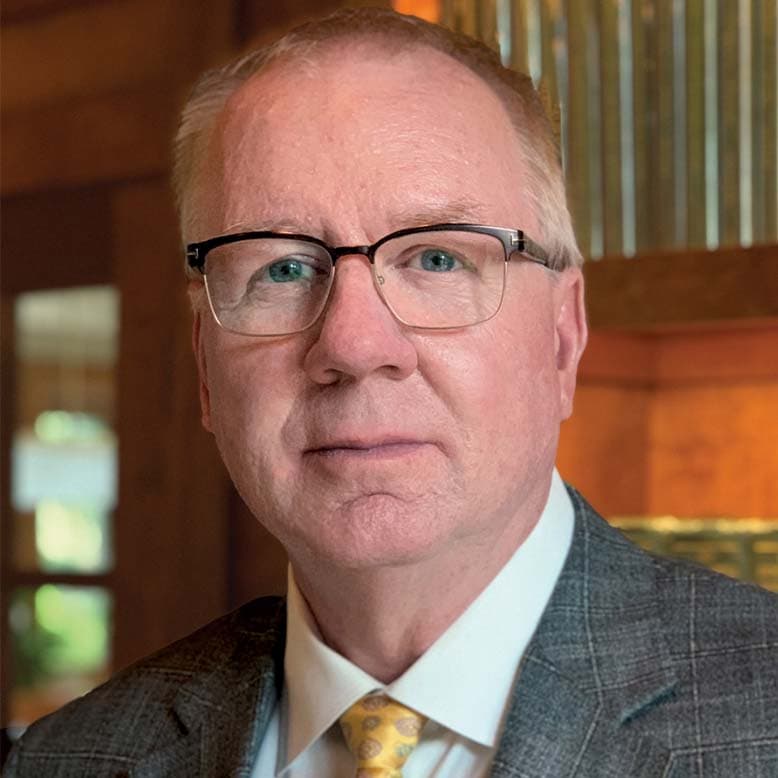
William Noah, MD
CEO, SleepRes, LLC
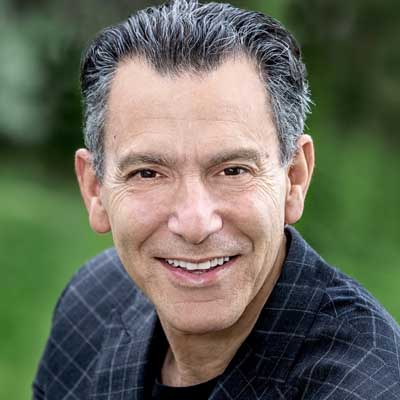
Joel Kahn, MD, FACC
Founder, Kahn Center for Cardiac Longevity
Neil Nathan, MD
Physician at Redwood Valley Clinic

Austin Perlmutter, MD
Senior Director of Science and Clinical Innovation, Big Bold Health
Drew Christensen, MD, IFMCP
Founder & Practitioner, Living Health Functional Medicine
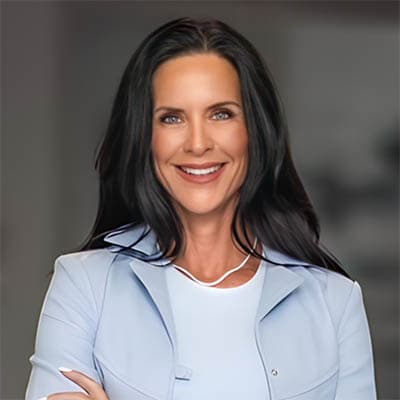
Terri DeNeui, DNP, APRN, ACNP
Founder of EVEXIAS Health Solutions
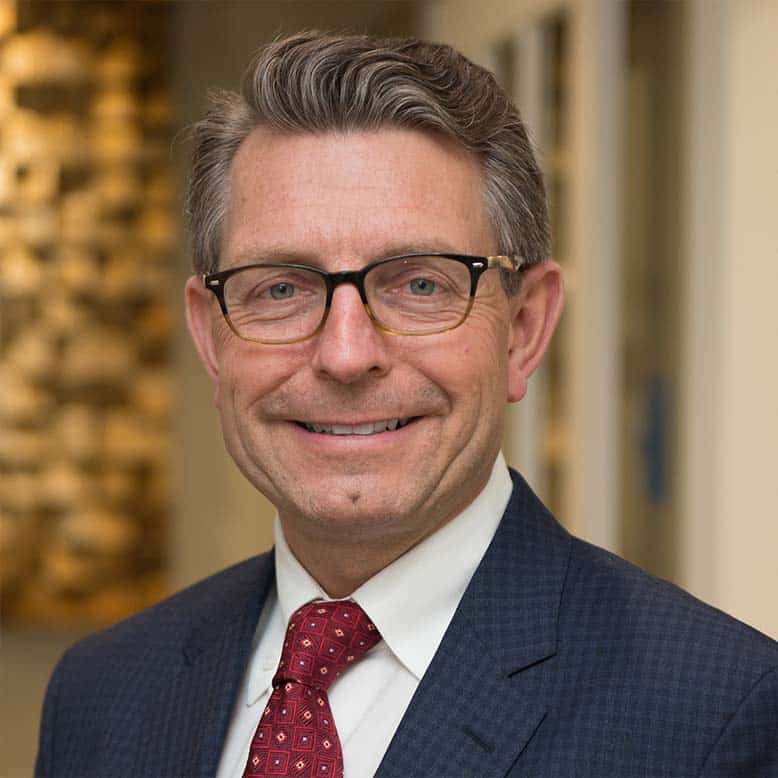
Douglas Thompson, DDS
Founder, Wellness Dentistry Network
Peter LeWitt, MD, PhD
Director, Parkinson’s Disease and Movement Disorders Program, Henry Ford Hospital
Cāllie Maggard
Chief Operating Officer & Functional Medicine Program Director, Sharlin Health & Neurology
Amelia Scott Barrett, MD
Founder, Migraine Relief Code
Howard Urnovitz, PhD
Co-founder & CEO, FBB Biomed

Ben Tammetta
Creator of H2Genesys
William Pawluk, MD, MS
Author, Supercharge Your Health with PEMF Therapy
Ari Whitten, MS
Founder of The Energy Blueprint

Nancy Bogart
CEO of Jordan Essentials

Aly Cohen, MD, FABOIM, FACR
Environmental Health Expert, The Smart Human
Dustin Heldman, PhD
President & Chief Operating Officer, Great Lakes NeuroTechnologies
Laurie Mischley, ND, MPH, PhD(c)
Principal Investigator, Modifiable Variables in Parkinsonism (MVP) Study
Korey Kivett
Director of Neurofitness, Sharlin Health and Neurology

Brian Richards
Founder, SaunaSpace®
Rudrani Banik, MD
Associate Professor, Mount Sinai
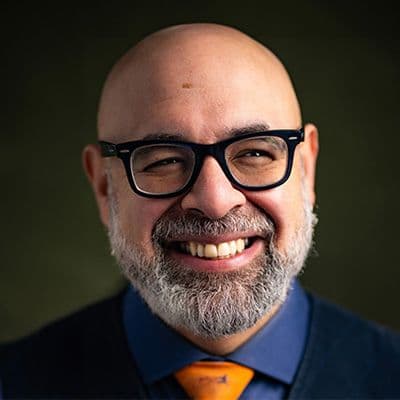
Geo Espinosa, ND, LAc, IFMCP
Faculty Member, NYU Langone Health
David Hagedorn, PhD, BCN
CEO & CSO, Evoke Neuroscience, Inc.

Andrew Freeman, MD, FACC, FACP
Director of Clinical Cardiology & Cardiovascular Prevention and Wellness, National Jewish Health
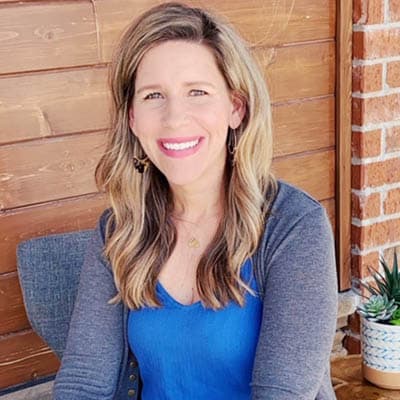
Rachel Wemple, RDN, LDN, LD, CDCES
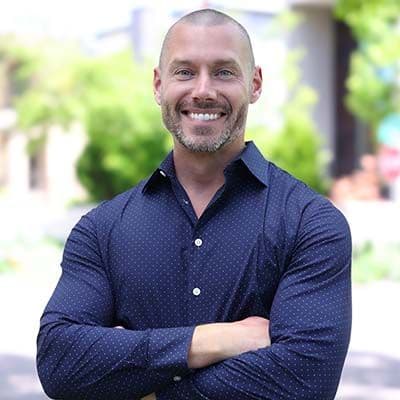
Kevin Ellis
Founder, BoneCoach.com
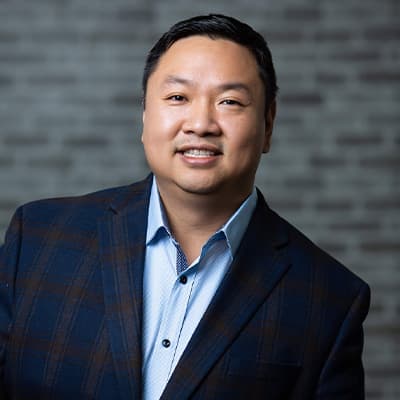
Cheng Ruan, MD
Founder and CEO, Texas Center for Lifestyle Medicine
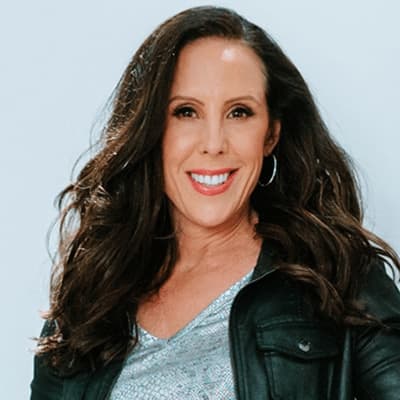
Jill Carnahan, MD, ABIHM, ABOIM, IFMCP
Founder of Flatiron Functional Medicine
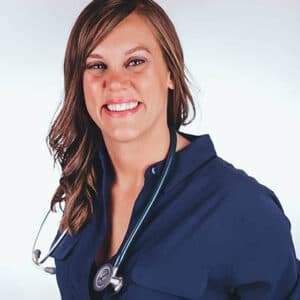
Karin Duncan, NMD
Shawna Tindall
Director of Clinical Research and Imaging Services

David Haase, MD
Founder of MaxWell Clinic
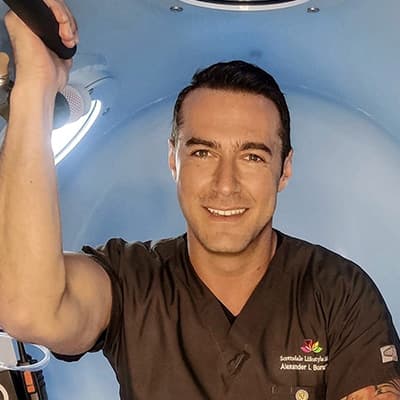
Alexander Borsand, MD, DABLM
President, Arizona Hyperbaric Society; Founder, RX-O2 Hyperbaric Clinics
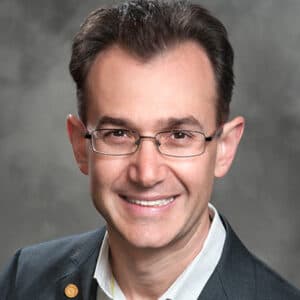
Stanley Fisher, FAAN, FANA, MD
Vice President & Head of Medical Affairs, Specialty Pharma Division, Amneal Pharmaceuticals
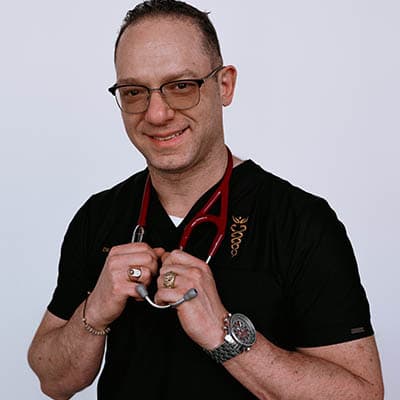
Sergey Sorin, MD, DABFM
Medical Director, Shealy-Sorin Wellness and Real Holistic Doc, LLC
Paul Caron, DC
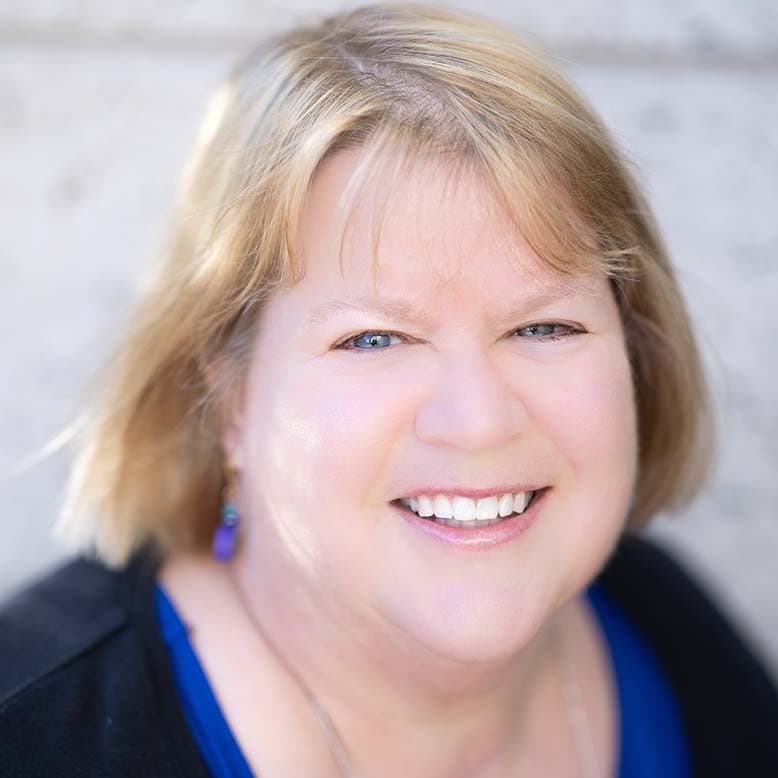
Susan Hughes, MD
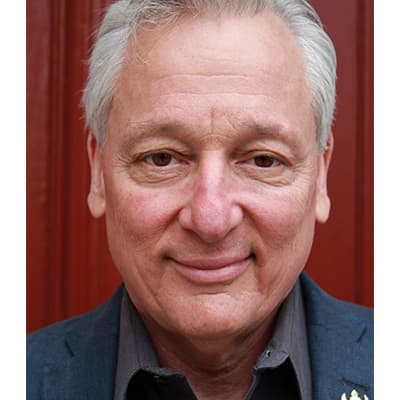
Fleet Maull, PhD
Founder, Prison Mindfulness Institute
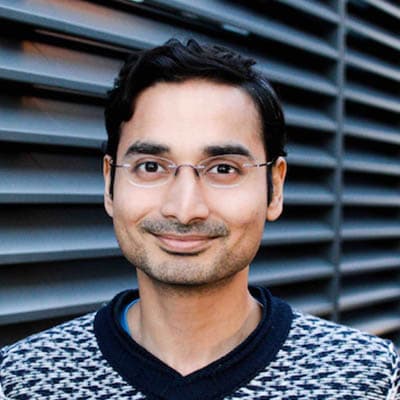
Soumyadip Rakshit, PhD, FIET, FRSA
Co-Founder & CEO, MysteryVibe
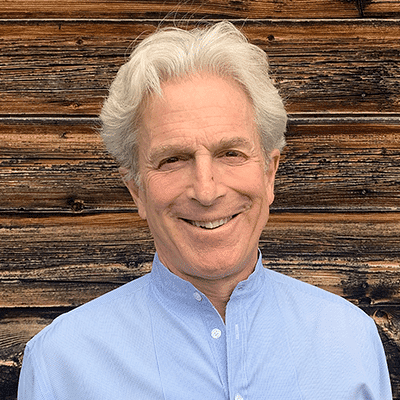
Elliot Justin, MD, FACEP
CEO & Founder, FirmTech
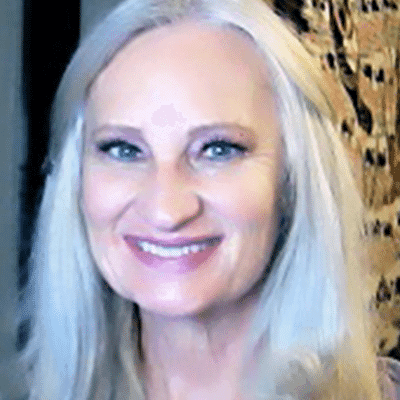
Valerie Sharlin
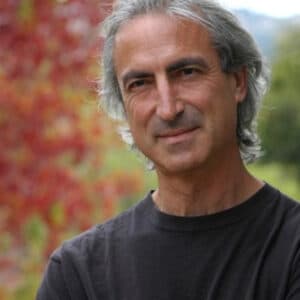
Richard Rosen
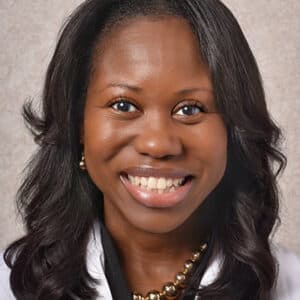
Reversa Joseph-Mills, MD
Director, Movement Disorders Clinic, Chalmers P. Wylie VA

Indu Subramanian, MD
Director, South West PADRECC Center of Excellence in Parkinson Disease
Frequently Asked Questions
The Parkinson’s Solutions Summit 2.0
On Day 2, you’ll learn how exposure to environmental toxins can influence Parkinson’s disease and impact overall brain health. These sessions provide insights into the relationship between toxins, chronic disease, and neurological function, helping attendees understand contributing factors in an educational context.
Related Videos:
Day 1 covers lifestyle approaches that influence neurological wellness, including exercise, nutrition, and functional medicine. Attendees will explore how lifestyle changes relate to managing symptoms and supporting long-term brain health without implying treatment or cure.
Related Videos:
On Day 3, sessions examine the effects of stress and mind-body practices on Parkinson’s symptoms and overall neurological function. You’ll learn educational insights into how integrative and holistic approaches can influence symptom management and patient well-being.
Related Videos:
Day 4 addresses sleep challenges in Parkinson’s disease and how they relate to symptom progression and brain health. Attendees will gain an educational understanding of monitoring sleep, neuroplasticity, and strategies to support neurological wellness.
Related Videos:
On Day 5, you’ll explore how nutrition and specific nutrient imbalances may influence neurological health and symptom management. Sessions highlight the connection between diet, brain function, and integrative approaches to support overall wellness.
Related Videos:
Day 6 focuses on exercise and lifestyle interventions that can influence Parkinson’s symptoms and overall brain health. Attendees will learn about educational strategies for incorporating movement and cellular health optimization into daily routines.
Related Videos:
On Day 7, sessions explore the role of hormones in neurological health and Parkinson’s disease progression. Attendees will understand educational insights into hormone interactions, neuroplasticity, and integrative strategies that support brain and body wellness.
Related Videos:
Day 3 highlights wearable devices and data-driven tools that can provide insights into symptom patterns and neurological health. These sessions offer an educational perspective on using technology to better understand and track changes in Parkinson’s disease.
Related Videos:
Our Sponsors


