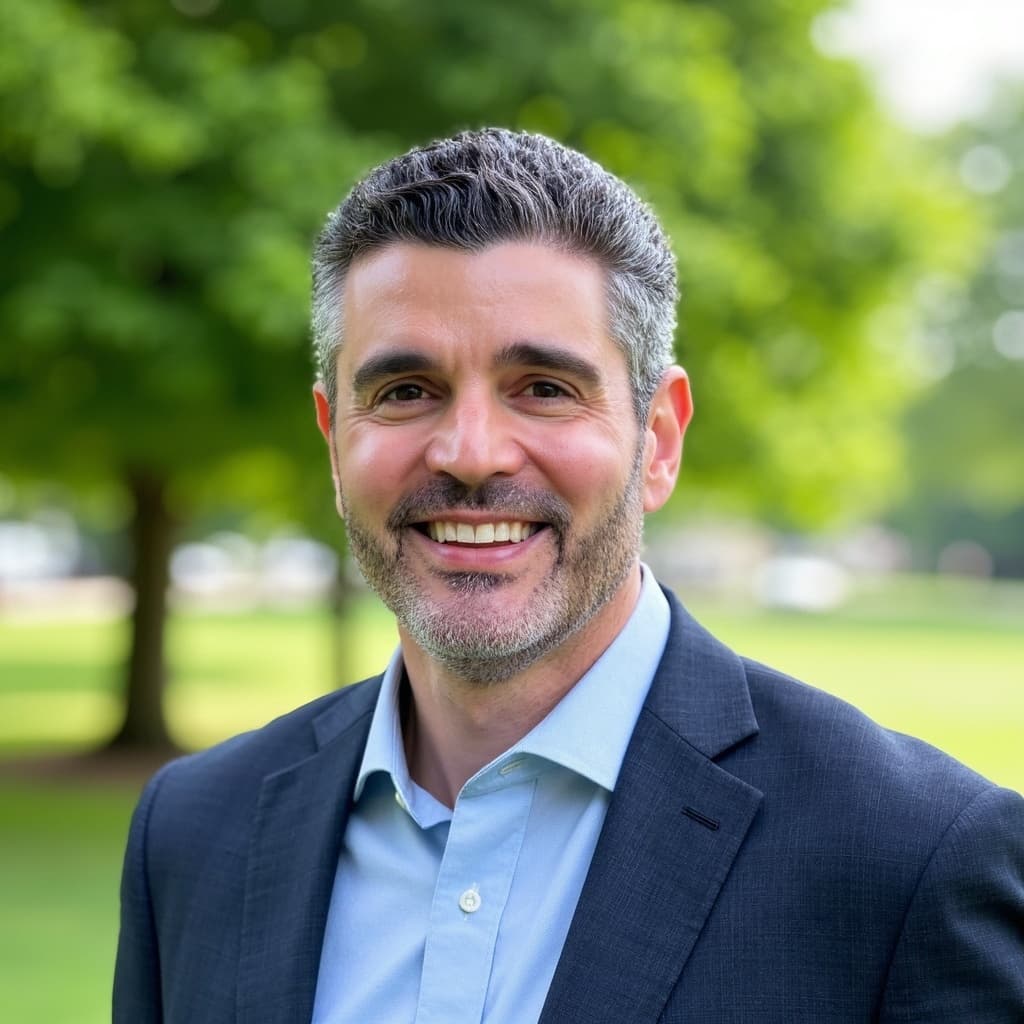
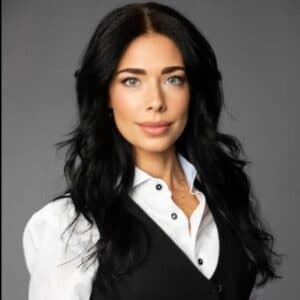
Full Transcript 0:00 You must have had the situation where a patient came and said, I'm a mystery patient. 0:03 Nobody can figure me out. 0:04 You're going to control your own health, and this is a journey we're gonna take together. 0:08 And then I always have to remind them, you're not a mysterious patient, that doesn't define you, right? 0:12 That's not who you are. 0:14 Right, yeah, we just have dig deeper. 0:24 Hi, welcome to the MAPS webinar series, Healing Tomorrow's Future. 0:29 We are thrilled to be bringing you this series packed with valuable information and education within our community. 0:35 My name is Honey Rinusella and I am the Executive Director of MAPS, the Medical Academy of Pediatrics and Special Needs. 0:42 Within these webinars, we're able to empower clinicians on the knowledge and tools to support patients facing a variety of health challenges. 0:50 For more information on MAPS or to register for a conference, please visit us at www.medmaps.org. 1:05 Thanks for joining us on this journey towards a brighter, healthier future. 1:11 So I'm John Gaitanis, I am a child neurologist, almost on the board of MAPS, and we're here at MedMAPs 2026 in Charlotte, 1:17 North Carolina. 1:19 And joining me today is Summer Del Signore, who's coming from Hudson Valley Integrative Associates. 1:25 Hudson valley integrative health. 1:27 Health, all right, missed it, apologize. 1:31 I think we are both enjoying this conference, would you agree? 1:35 Absolutely, just fantastic. 1:36 and I would also say too, these are sort of our people. 1:40 These are people, absolutely. 1:42 Energy, connection, thoughts, you know, the way that we view life, Absolutely. 1:47 Yeah. 1:47 I think there's a certain bond we all have because we're really working towards helping the same kind of patient. 1:53 And so we might all come from it from slightly different backgrounds and approaches. 1:57 But at the end of the day, we're really trying to help some of those critically ill and chronically ill patients that are coming to us. 2:04 Absolutely. 2:05 I think that our goal is to get to the root cause and really provide that comprehensive healing. 2:10 So we definitely all have that health-focused lens. 2:16 This is true of a lot of speakers. 2:18 You spoke on nitric oxide and the role of methylene blue, but really that doesn't summarize your practice. 2:25 Your really a holistic clinician who really sees the full picture in each patient. 2:32 Correct. 2:32 Correct, absolutely. 2:34 And interesting with the nitric oxide talk and the methylene blue, it's based on trends that we see with families and parents and questions that you're 2:42 seeing on social media and that parents bring to you. 2:46 So just wanting to provide that education and give the background from a pathophysiology perspective and biomedically and how that would all interplay 2:56 so that the parents aren't you know, taking it upon themselves to dose their kids with methylene blue and perhaps contribute to something else. 3:06 So really arm them with that education. 3:08 And that's not the only kind of one trick pony treatment you've seen in your life. 3:13 I mean, there've been a few others along the way, right? 3:15 Where some people felt like this is the one. 3:17 Correct, correct. 3:18 Everyone's looking for the silver bullet. 3:20 Yeah. 3:20 And I think we can all agree that there isn't one, and I know that we're all tasked with really focusing in on, again, that biomedical approach to certain 3:29 things like spookivorin, which has been in big craze and viewed as the sliver bullets. 3:35 Very helpful, all of it. 3:37 and then other things like PRP therapy or ozone, but understanding that it's all comprehensive and everything has to be layered in and we definitely have 3:46 to start with that good foundation for treatment. 3:49 And so, well, tell us about your foundation. 3:51 I may think we use the same foundations, but tell me your foundations that you try to get at with each patient. 3:56 Okay, so with every foundation, now every child is coming to me at a different phase, much like you, I'm sure. 4:01 There are some newbies and there's some that come with these six-inch binders that says I don't know what's going on, fix this. 4:08 So I start from the very beginning and system by system I go through and I'm looking for wherever the deficits are, wherever there may be infection, 4:16 inflammation, anything from a genetic perspective and kind of putting all of that on the table and then systematically working through that to correct 4:25 it if we can and provide treatment. 4:28 and give the right nutrients and shore up the gut and reduce the inflammation. 4:33 So those basics before really focusing on health promotion components. 4:38 And those basic are not the silver bullets and they're not shiny new toys, right? 4:43 It's foundational treatment. 4:46 There's nothing really sexy about talking about sleep and nutrition and sun exposure and exercise. 4:52 And we kind of all intuitively know those things. 4:54 Correct. 4:55 But what I like to say sometimes to families is if we don't get those thing right, there's nothing I can provide in a prescription that's going to really 5:04 solve the issue until we get very basic things right. 5:06 So would you kind agree to that? 5:08 I would absolutely agree with that. 5:10 And I think the other part too, as a clinician, is when things aren't working well, it's a little reminder to return back to what are the core pillars 5:19 of health and healing. 5:20 Because sometimes I might have, maybe we had those questions on the first visit, but now we're five or six visits in, something's not working. 5:27 Well, I kind of have to turn back and re-ask. 5:31 It gives me a way to organize that. 5:34 Right, absolutely. 5:36 And that's the way that I approach it in the practice as well. 5:39 There's a questionnaire that we utilize. 5:41 It is the MSEDS protocol, or questionnaire, that Dr. 5:45 Horowitz created. 5:46 Then we modified that to add more of the neuropsych questions on board. 5:51 Essentially, every single time a patient comes in, they're filling it out. 5:53 So we have a very objective view of where they are with their health. 5:58 and ensuring that we're going through each system every single time to ensure that were showing certain things up or for plateauing focusing efforts there. 6:07 And then also I think that it provides a nice visual for that patient too. 6:12 If they're in a chronic bucket, there's a psychology to that. 6:17 Well, I don't feel well, even though what their questionnaire is showing us may be 10, 15, 20 points improved. 6:23 So it's nice way to objectify it too, I mean, you must have had the situation where a patient came and said, I'm a mystery patient. 6:30 Nobody can figure me out. 6:31 That's happened. 6:32 How do you respond to that? 6:35 The same way. 6:36 To say we need to work through this methodically and step by step, system by system until we identify what that trigger may be with you. 6:45 And I am sure you do a lot of the same. 6:46 It's a lot of the same. 6:47 And I think it's really about what always concerns me when I hear that statement, there's passive quality to it. 6:54 It sort of like people can't figure me out. 6:57 I feel like that's my time to say, you're going to figure yourself out, right? 7:01 You're gonna be in the driver's seat, and you are going control your own health. 7:04 This is a journey we are gonna take together. 7:06 Correct. 7:08 Sometimes it is about empowering them. 7:10 to be the person in the driver's seat. 7:13 And then I always have to remind them, you're not a mystery patient. 7:16 That doesn't define you, right? 7:17 That's not who you are. 7:18 Right, yeah, we just have dig deeper. 7:21 Yeah, medicine may not have those answers, but you know, a musician or somebody who loves friends and family. 7:30 But that should never define a person. 7:32 Absolutely. 7:37 But I think, and you must see this out, like I when people do, because these things are so challenging, when someone has, 7:43 say, chronic fatigue, myalgic encephalitis, or someone's really suffered with pans-pandas for years or HOTs or any of these conditions, 7:52 in a way, they do allow to define them. 7:55 But they do, absolutely. 7:57 I find that that's the trauma component to it. 7:59 And what's interesting with those pans hands on immunosophilopathy and many times with the kids who are labeled autism, or perhaps the parents, 8:09 they don't want to let go of that narrative. 8:12 It's almost like that was the way of life for them and that how they've identified themselves. 8:18 and you lift that for them, and it's almost overwhelming to say, oh, well, I'm in a better place from a functional perspective, 8:25 from life perspective. 8:26 What do I do now? 8:28 Do you think the medical trauma plays into that? 8:32 Because I feel like a lot of the patients who see me, sometimes they've suffered medical drama long before they walked in the door. 8:39 Right. 8:40 I could agree with that and I see it quite a bit, absolutely. 8:43 From the older kids, the younger ones don't seem to really have a handle, it just seems to be the way. 8:49 But the older kids, and then again with those parents that come in, there is an enormous amount of medical trauma. 8:55 To the point that it's difficult to treat them because of the trauma, many times when you provide a solution and find some of answers for them, 9:08 it is a fight. 9:09 It's a control component. 9:11 Almost that old adage where you lead a horse to water but you can't make it drink situation. 9:16 And that's kind of what you see sometimes with that trauma And you have to feel through that. 9:20 Yeah. 9:21 And I'm sure you provide a really safe setting, too. 9:27 When you think of that safe settings, it's really one for healing. 9:30 That's the key. 9:34 I guess if you're thinking of our traditional medical training, though, healing is what's left out. 9:39 It is, it absolutely is that I don't find that the traditional model focuses on that health promotion, healing whole person, 9:50 right? 9:50 It's system based. 9:52 Yeah, system or problem based, so I think when And I think this is what happens in someone who's been through a lot of medical exposure. 10:02 They feel like they had, well, first, sometimes the different diagnoses are compartmentalized. 10:07 And so chronic daily headaches or chronic pain, things like PANS, flare ups, POTS, and postural orthostatic tachycardia syndrome, 10:17 all these things are compartmentalized to the patient as different diagnosis. 10:21 and they sometimes don't see it as having a single unified cause. 10:24 Right. 10:26 is pretty empowering once you realize, like, I don't have 20 things. 10:30 I'm not a mystery. 10:32 And I just haven't ever been sent down the right pathway of healing. 10:35 Correct. 10:36 Right. 10:36 In connecting those dots. 10:37 As clinicians, we connect the dots for them to say, these are primarily symptoms of a bigger picture problem. 10:43 Yeah. 10:44 If we focus on that bigger-picture problem, then we get that nice downstream effect and the correction of one of those other things, 10:50 and then you can get your head around it. 10:52 It begins to make sense to the family that unfortunately went down a very different pathway. 10:59 Because one other part of that pathway is you're on 20 different meds sometimes. 11:02 You have a cardiologist prescribe one thing, maybe an infectious disease doc prescribe something, and maybe a rheumatologist prescribes. 11:09 you've got all these doctors and all of these treatments and nobody's moved towards the healing path for her. 11:14 Right, absolutely. 11:16 And then like I think the other part too is with PANS at least, because of the way the medical system has kind of given that idea that there's one problem, 11:25 we'll fix it. 11:27 Sometimes there is an impression that we're going to treat say the Lyme and everything should go away. 11:33 So tell me a little bit about how you manage that part because there sort of that next phase that you have to get into. 11:38 There is, absolutely. 11:39 So I tell my patients that the detox and the anti-inflammatory and system support is just as important as treating the infection itself. 11:54 taking care of the infections, we're gonna trigger other issues that are gonna continue to contribute to those symptoms. 12:03 So mitochondrial fatigue and the inflammation and toxin perspective, and they're still gonna feel bad. 12:08 And then it creates this very confusing state because labs could look better technically on paper, but they still feel crummy. 12:17 You have to definitely look at that person as a whole and treat all components, not just taking of that infection. 12:25 For a lot of patients, is it the first time in their lives they've heard about mitochondria or mitochondrial puncture? 12:30 Of course. 12:31 Is that a brand new conversation? 12:32 That is a new brand conversation all the time. 12:35 Anything that's focusing on those systems and how they're integrated in and answering the why questions to their symptoms is brand-new. 12:44 Yeah. 12:45 So oxidative stress, things like gut microbiome, you're often the first person to ever have presented these concepts. 12:52 Of course. 12:52 Yes, absolutely. 12:53 Yeah, what are the reactions like? 12:56 Overwhelmed. 12:58 Many times it's overwhelmed, many times flooded with questions afterwards. 13:03 And then you do see those certain patients who will kind of fight back with you and say, well, it can't possibly be that simple. 13:13 Yeah. 13:16 The response is, the concept is simple, but the treatment maybe not so much. 13:20 But yes, absolutely. 13:22 But then over time, I mean, it's a journey, right? 13:25 So I think if they know you're on the journey together, that sort of it makes it, a very different kind of impression from often what they've received. 13:37 Absolutely. 13:37 It's more palatable. 13:38 Yeah, absolutely. 13:39 And I know that you are there to support them. 13:40 You're there as an advocate as well. 13:43 Right, and you looking at the whole person. 13:45 You're looking at the whole person, right? 13:47 Yeah. 13:48 Absolutely. 13:49 And we're keeping that nervous system calm too. 13:51 So that's part of it is just how can we really correct from those higher level systems that we know will have that be more impactful down the road. 14:03 So how, well, I mean, MAPS is a place where we come to learn more about how to get to root cause medicine, how be more holistic in our approach. 14:14 But, you know, and I think I knew, before I came here, felt like I know a lot, but then I started coming in Maps, so I start to realize there's a whole 14:22 lot more I needed to know. 14:23 Right. 14:24 Tell me about your journey. 14:25 How did you learn what you needed so you could gain those tools to really help patients heal? 14:30 I think that it began with a healthy curiosity because training was traditional medicine. 14:37 You didn't have the integrative component to that. 14:40 It didn' have a big wellness focus per se. 14:42 But I just think it was seeing a trend in the office. 14:47 My background was in pediatric ICU for a period of time and then I transitioned to primary care. 14:53 And then from there to an integrated practice, just to say there has to be a better way to practice that you're seeing kids coming in chronically, 15:04 almost like a revolving door. 15:05 They're just not getting better. 15:06 What is it? 15:07 And it was just asking those questions and then digging deeper and finding the authorities and the experts in those areas and making those connections. 15:18 And that's kind of how it led me here to MAPS several years ago. 15:21 Yeah. 15:22 So a lot of the learning came after, right? 15:25 Like it certainly wasn't done where you're training. 15:26 Correct. 15:27 Right. 15:27 And it sounds like you'd listened a lots to what was coming into the door. 15:31 I did. 15:32 You probably, like I have, I think you probably have seen really a change in terms of this type of pediatric visit that we're seeing today versus years ago. 15:41 Absolutely. 15:42 Yeah, absolutely. 15:43 Yes. 15:43 and I don't think anybody quite prepared us for what is coming, and we just have to listen and respond. 15:51 Absolutely, absolutely. 15:53 And I think that what MAPS is doing is a very brave thing, because it is really looking to change that paradigm in the medical community. 16:05 Yeah. 16:06 That's what it's given me, at least. 16:08 I don't think you might agree, but it has given this appreciation for how the physiology works. 16:13 So understanding how oxidative stress plays into mitochondrial dysfunction, and how thinking about thinking about how that plays out in all the core pillars 16:24 of lifestyle, the diet and sleep and exercise, et cetera. 16:29 So that is, you start to realize like all of the things I need for healing just were never taught to me. 16:36 Exactly, right. 16:37 And so how often did you focus on the nitric oxide pathway? 16:40 Never. 16:40 Right, it was just something in maybe chemistry or something, sort of a quick blip. 16:45 You mentioned it once maybe in old medical school, like it wasn't a thing. 16:48 Exactly. 16:49 And if you look at those pathways, and I know you've presented on pathways as well, you really dig into it, it makes sense. 16:56 Yeah. 16:56 It's a higher level thing, a way of saying, we can identify why certain kids respond to certain why and why others don't, 17:05 even if they're in the same household, same family, sharing same genetics, why some will respond poorly and others are unaffected. 17:13 And it also sheds light on that cookie cutter medicine isn't the way to go with these kids, that there's a uniqueness to everyone and identifying that 17:27 would make it easier on everyone, the provider and treating and on the patient so that we're really targeting treatment and personalizing it for them. 17:35 And they're not on 15 different things to keep them going every day. 17:40 Yeah, I mean, that's a real, it feels like a win when you can get people off of their prescription medications and you could start to scale those down. 17:49 Absolutely, because you're really healing at that point. 17:51 You're truly getting... 17:52 Right, right. 17:53 I think the one challenge though I do say that in, say an adolescent often, is if I ask about chronic headaches or if ask you about fatigue, 18:03 they'll often say yes, yes yes to a lot of the questions. 18:06 Correct. 18:06 But if I ask them, have you gone out with friends? 18:10 Are you in school? 18:11 How long can you be in? 18:13 You actually see a sense of real improvement. 18:15 Absolutely. 18:15 And so sometimes my patients will say, like, my symptoms aren't better. 18:18 They want them all better, and I get that. 18:21 But if we don't talk about the symptom, if you actually talk the function, you're getting a much different impression. 18:28 Right. 18:28 Would you agree with that? 18:29 I do agree. 18:30 That's a more telling sign, I think, in many ways. 18:33 Understanding that with things like headaches and chronic fatigue, that there can be more physiologically something going on that still needs correction, 18:43 but we're And so if you're asking that same question, it looks as though, oh, we're plateauing. 18:48 We're not doing anything about this. 18:50 But you are looking saying, functionally, absolutely we are. 18:52 So then you looking at asking those next level questions of, well, what's the intensity and frequency of that? 18:57 And rather than just, do you have those headaches and it's a T. 19:03 And I like it too because it's, I don't really enjoy, you know, coming in, having a visit and like you're the person with chronic headaches, 19:11 say, and all we ever talk about are your chronic headache. 19:14 And that's as far as we take it. 19:15 Exactly. 19:16 I'd much rather hear about the fact that you enjoy painting or you enjoyed music or, You know you, enjoy hanging out with friends and see how those things 19:23 are going. 19:23 Then I can really feel the fullness of like who you are as a person. 19:28 But more than that too, when you start to help someone redefine who they are and get away from the symptoms being a defining trait. 19:36 Right. 19:37 Absolutely. 19:38 And that's a way to helps them with that trauma. 19:40 I think it helps with trauma. 19:41 It sort of helps the healing. 19:42 You know, it's part of it. 19:44 Because sometimes it is hard to step out into the world when you've been sick for so long. 19:48 Feels like a deer with shaky feet, you know. 19:51 Correct. 19:52 Yes, absolutely. 19:53 And again, if that's what some of these children who are now teenagers and then rolling into young adulthood know that is their way. 20:00 Yeah. 20:01 Absolutely. 20:02 But I think that's what I love about the teens and the young adults is they're defining themselves and then they begin to, 20:09 when it works and you turn things around, they began to define themselves with their strength and they see their strengths. 20:15 And I've even had a few, and this is always like a very touching thing you hear, who've said that I'm sort of happy I had to go through, 20:21 you know, whether it was PANS or chronic fatigue. 20:24 They sometimes say I am happy to have to through that because it helped me define who I and it gave me a certain strength I didn't know was there. 20:33 Exactly. 20:33 I do find that these kids have an enormous amount of emotional intelligence on the other side of it as well and just have such a great sense of who they 20:43 are and who their becoming. 20:44 It's really beautiful to see. 20:46 Yeah, you could see there, I mean, so many are really bright, really compassionate. 20:52 And I'm hoping some of them will go into medicine and take this on because they know from a first-person perspective what it was to bring themselves to 21:00 that point. 21:00 Do you encourage your patients to do that too? 21:02 Yeah, I do. 21:03 We say that, you know, we have to get you better and I'm going to educate you along the way because I want you to take over for me one day. 21:09 Exactly. 21:10 One day I am going retire. 21:12 I use the same line. 21:14 Great. 21:14 So we'll be well taken care of down the road. 21:16 Absolutely. 21:17 And then we will encourage that they come to MAPS. 21:18 Yes, We will. 21:19 That's right. 21:21 Well, Summer, this is a great conversation. 21:23 You sound like you have an amazing practice. 21:27 Just remind everybody again where to find you. 21:29 So you'll find me at NY Limes and Hands on Instagram and then at Hudson Valley Integrative Health in Beacon, New York. 21:37 Awesome. 21:37 No, thanks for the time. 21:38 I appreciate it. 21:39 Thanks. 21:40 Yeah. 21:41 Um, I don't know how we did on time, Thanks so much for joining us today.
Comments