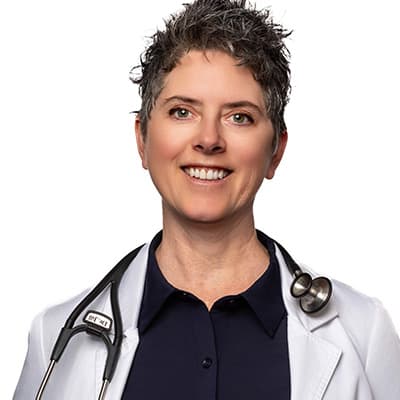
Full Transcript Introduction and Doctor Background 0:00 And what I learned from my patients, you know, I was trained in all of those mushrooms, and I found that when I added the mushrooms, 0:06 if they were still being exposed to mold, it made them worse. 0:09 They had more neurological symptoms and more problems. 0:13 When I stepped back to think about, I was like, well, that kind of makes sense, actually, because if you are, if mold is already winning, 0:21 so if it's colonizing your respiratory passages, if it's making mycotoxins inside your body, It's sending a message that fungus is coming to move in, 0:30 and it's winning. 0:32 And if we add more fungus, more beta-glucans, those kind of things, I think that it just reinforces the message of fungal burden. 0:39 I love to use the mushrooms at the tail end, but in the beginning, I try to use plants that boost the immune system that are not in the fungus family. 0:48 This is Doctor Talks, real talk from real doctors on the issues that matter to you most. 0:56 Hi, everybody. 0:57 Welcome to another episode of the Recharged Biomedical Podcast. 1:00 I'm your host, Ed Park, and we're here with Dr. 1:02 Jill Christa. 1:03 Jill, thanks for joining. 1:05 Thanks for having me on. 1:07 Awesome. 1:07 Fate had us introduced at Alisa Song's A4MP's conference, and I was captivated by your talk on chronic illness and natural remedies. 1:17 So tell us what kind of doctor you are exactly. 1:21 Yeah, I'm a naturopathic doctor, so medically trained naturopathic doctor. 1:24 I went to school to learn how to be a, basically a primary care doctor that integrates medicines. 1:31 So we, when possible, tried to use the most natural thing, the thing that is supporting the body and doing its magical healing, 1:40 because we are wired to heal if we just help get the morbid influences out of the way. 1:45 Sometimes we need medications. 1:47 And so I was trained in the not just the use of medications, but the safe combining of nutrients with medications, herbs with medications, 1:55 homeop medications. 1:57 So yeah, so I have a very unique training that I can kind of blend all of it in a blender. 2:02 do it safely. 2:03 Yeah, so that's so fascinating. 2:05 You know, there's all these great theories about the medical complex or whatever, but so you've studied different settings. 2:13 You got your ND at the University of Natural Medicine in Portland, and then you did some extra training in cancer and fertility, 2:22 ethnobotany also, and have an interest in Native American and in South American pharmacopoeia. 2:29 You know, I have a friend who They study all these herbs and she's an energetic shaman, but yeah, I mean, I don't really make a distinction between drugs 2:39 and herbs because a lot of the great bestsellers were from, you know, whatever herbs, but I do know that there's an entourage effect. 2:48 And you know, there's different strains and I loved how you presented the things that will go into for antibiotics from nature. 2:55 Like there is a cognizance you need for dosing, right? 3:00 And so they are medicines too, you know, so. 3:05 Let's talk about your two books that you've done, or at least two. 3:09 One is Mold, and the other one is about Pan's Pen. 3:11 And I'll be talking to Nancy O'Hara. 3:15 So tell us about those two books and what they meant. 3:18 Yeah, so I was not, I did not consider myself an author. 3:22 I was, you know, just a, I'm a doctor. 3:25 And I had some success with mold and it was kind of getting talked about in my little realm of naturopathic doctors. 3:31 And a lot of doctors said, you know, I don't have time to come study with you. 3:35 Would you just create an online course? 3:38 So I was like, okay, I'll try and figure out how to do that. 3:41 You know, so I was creating an online course while my house was being infested by mold and the online course was how to treat mold.
Mold Exposure and Why It Makes Patients Worse 3:48 So talk about irony. 3:50 And when we found the, when the leak revealed itself to us in our house, I realized that I had been missing mold in my own self and my family, 4:00 and I was the mold lady. 4:04 Once I realized it was mold, I knew the protocol I wanted to go on for myself. 4:09 I knew the protocol to put my family on. 4:11 I knew the inspector to call and what to ask for. 4:14 I knew the remediators I would call because I was already doing this in my practice. 4:18 And I thought, I felt very duty bound to write a book because I thought, you know, I'm not rare case. 4:25 This is happening everywhere. 4:26 It's all very. 4:30 DIY doable if you can catch it early enough and then there's a lot of like little tips on the building side that I'm not a building expert but I've learned 4:39 a lot by following my patients around. 4:42 I was one of the docs that would actually go to the patient's house and be there for their remediation to see how it was done because I was so curious 4:50 about this new learning I was doing. 4:52 So I knew enough to be dangerous on the building side, but I learned a lot about, you know, things that are kind of standard in remediation that aren't 5:01 actually good for a mold sensitive person. 5:03 They're just not going to get better if we just fog. 5:05 Yeah. 5:06 No, I mean, everybody has these horror stories, right? 5:09 Or a lot of people do. 5:10 I just talked to a couple that they were in that really moldy house. 5:14 And it took them six months. 5:16 So actually this week's podcast is Dr. 5:19 Greg Govett, who was head of the environmental medicine. 5:22 And, you know, he, even he had his own, you know, come to Jesus moment when he realized, you know. 5:28 He was not treating this right. 5:29 So let's backpedal a little and talk about that. 5:33 Cause mold is ubiquitous. 5:35 Like I came back from an apartment fire, like six weeks later, there was mold in my coffee and you know, Asprey talks about mold in my coffee, 5:42 but there's mold everywhere, especially in the humid environments. 5:45 And I just got hit with $160,000 bill for the fire that happened because it went down five stories into the drywall. 5:53 So they have to remediate all the drywall because it's no longer dry and it's a home for what? 5:57 Black mold. 5:59 So I know there's people that can smell it when they go into a hotel. 6:03 I can't smell it, but. 6:05 Given that an immune-competent person fights mold and fungus all the time, is it just a dose-dependent thing? 6:12 Do some people just laugh it off? 6:14 Or once you get that black mold and the stacreboites and all the ochratoxins, is it just there's only one way to go and that's take out all the drywall 6:23 and replace? 6:24 Well, there's a misconception you mentioned about some people smell mold. 6:28 The part of mold that makes us the sickest, the mycotoxins, don't have an odor, actually. 6:33 Oh, okay. 6:34 You can have a rampant mold problem if it's trapped behind building material and the other chemicals, the VOCs, those are what stink. 6:44 But the mycotoxins, which are the part that makes most of my patients, the majority of the symptoms in my patients, those have no odor. 6:51 So you can have a moldy building and not know it. 6:54 Is that what they call like okra toxin A and B and aflatoxin? 6:59 Are those common offenders? 7:01 Yep. 7:01 Those are common. 7:02 There's, there's a whole host of them that can happen in a, in an indoor environment. 7:07 So I kind of like, if we go through the alphabet, you know, aflatoxin, citrinin, chudaglobacin, gliotoxin, you know, there's a number of them that can hit. 7:17 The trichothicin, so that's from toxic black mold. 7:20 Those are the most potent and it takes a very, very tiny bit of those to make you as sick as a lot of aflatoxin would make you sick. 7:27 Wow. 7:30 So this stuff is always in our environment, but when you have, let's say, rotten drywall, then they just kind of grow and you've seen these horror stories 7:40 where they remove the wall and it's just black mold everywhere. 7:43 Is that typically what we're talking about? 7:45 Yeah, this problem is really an indoor living environment problem. 7:50 There's mold everywhere in nature. 7:55 We need mold. 7:56 We need it to decompose things in our environment. 7:59 If we didn't have mold, we would have leaves stacked to miles high because that's what it does is break down previously living organic material, 8:08 make it into a nice little nutrient so the forest floor can absorb it and nourish. 8:12 But on the inside, when we bring it into our home, it doesn't have all the other forces of nature to control it. 8:20 So indoor mold is always a problem. 8:22 And it's just a matter of susceptibility and time and dose before everybody in the environment is sick. 8:30 So you were asking like, aren't there just people who can live with mold? 8:34 None of us should be living with a mold problem. 8:36 So if there's a mold colony that is able to grow, a one inch square of mold, just a single layer of it, not even a thick layer of it, 8:44 can have a million spores. 8:46 You don't need that. 8:48 Yeah. 8:48 No, it's, I mean, I used to hang my bathing suit in the kitchen and the baseboard has some black mold. 8:54 I think I'm just kind of like not doing that anymore. 8:57 But, but someone told me that like 5g or electromagnetic can cause the mold to sporulate too.
Testing for Mold Illness and Environmental Exposure 9:04 Is that true? 9:05 Or is that a myth? 9:06 Well, this is based on some research that Dr. 9:08 Klinghardt has done. 9:09 I don't know that there's any published research, but they exposed it to Wi-Fi in general. 9:14 I don't know if it was 5G in particular, but Wi-Fi in general will stress the mold and just like it stresses our bodies and causes it to secrete more mycotoxins, 9:25 I think was the finding. 9:27 Oh, I see. 9:27 Oh, wow. 9:29 Yeah, none of us should live with this. 9:30 I mean, the the militaries around the world are using these mycotoxins as bio warfare. 9:35 So, you know, they wouldn't use it unless... 9:37 Well, and you know, this is where we're kind of going with the talk because like I had a gentleman who had terrible toe fungus and he ended up getting 9:46 pulmonary fibrosis. 9:48 And for some reason, the cookbook was like, well, we got to give you this mycotoxin to suppress your immune system. 9:54 And I just thought that was so backwards because the mycotoxin we use is to prevent organ rejection. 10:01 So it's a profound immune suppressant. 10:03 And so my intuition just says, well, part of the reason people get mold infestation and problems is because their immune system is suppressed. 10:12 And then we often have these comorbid like Lyme and Bartonella and it's like gut dysbiosis. 10:21 It's like, there's many ways onto the cycle, but once you're immune deranged, I feel like the mold does even better with you. 10:28 What do you think? 10:29 That's right. 10:30 Yeah. 10:30 I mean, I want to assess every single person at the beach with toenail fungus. 10:34 I want to assess their home. 10:36 Cause we should not be, I mean, that's how you find a sick tree in the forest. 10:40 They're the trees with the fungus problem. 10:42 So it's like that, that tree is on its way out because the fungus is able to take root. 10:48 That's the same thing with toenail fungus. 10:50 It's like they're either their diet is very sugary or they're an alcoholic or something like that. 10:55 Or, and, or it can be both. 10:58 they're in a moldy environment and that we should never have fungus in our toes, you know, our toenails. 11:04 That's basically the fungus has now taken root just like us. 11:07 It's not interesting. 11:08 Yeah. 11:08 No, I definitely think it's a circulation thing. 11:10 It's an immune thing, but yeah, I know if I have wet socks, sometimes I'll get a little athlete's foot, but that's why wherever I travel, 11:17 I always have, you know, just in case a little fungal crane just to nip it in the bud. 11:22 But yeah, all this thing that you mentioned, like it needs to be dry. 11:27 Everything's got to be dry. 11:29 Yeah. 11:29 So when you do measurement, I know there's a lot of debates over, you know, real time or whatever, great planes, blah, blah, 11:37 blah, testing. 11:39 Like, let's be a little clear because a lot of people are like, well, the environmental inspector came and did an air sample. 11:45 There wasn't anything or there was something. 11:48 Help me understand in a real simple way what the correlation between actual toxin measured, antibodies against the toxin, 11:55 how reliable it is in terms of predictive value and environmental error testing. 12:00 Like how come people get so confused by these three things? 12:04 Because the testing is wanting. 12:06 That's the problem. 12:08 We can test urine mycotoxins. 12:12 That relies on the person being an adequate excreter. 12:16 That also relies on the person not having eaten mycotoxins. 12:20 So if anybody's listening and they want, I have a handout that is a urine mycotoxin test prep. 12:25 So I put people on a three-day low mycotoxin diet before I run an urine mycotoxin testing, because we know that it can come through. 12:34 What you eat can be excreted through the kidneys to the urine. 12:40 Most mycotoxins actually preferentially will choose the kidneys for excretion, not the liver. 12:45 So if you're eating them, we're going to see them in your urine. 12:49 Most mycotoxins have a 48-hour washout period. 12:52 So I'd shoot for three days. 12:55 urine testing be provoked? 12:56 Like there's something you have to take to make excretion higher or not? 13:01 No, we can get to that. 13:02 So I have a 45-minute segment of this on my doctor course because I've done more split sample testing than anybody that I know. 13:10 But the main thing is if you're going to do a urine test, make sure your diet is low mycotoxin. 13:15 Otherwise, what we're seeing in your urine could have been from your diet and not your home or your body. 13:20 We can also test allergies to mold. 13:23 Really, nobody should be allergic to mold because it is a fact of nature. 13:27 So if people are allergic to mold, their immune system is either primed to mold, and why is that? 13:35 Or their cup is too full. 13:36 So these are people who are... 13:38 Now, if it's a Frank and Boldy building, nobody should be in that building. 13:41 But you should be able to deal with the excess fungus in the air in the spring and the fall and not fall apart. 13:50 We might get a little more. 13:51 Okay. 13:52 So what does that mean about antibody testing, serology, IgM, ITG? 13:57 Is that of any benefit or? 13:59 Yeah. 13:59 So this all paints the picture. 14:00 There's no single test that tells us you have mold illness. 14:03 That's the problem. 14:05 That's the problem. 14:06 Yeah. 14:06 So usually I'm doing a cluster, but if somebody's allergic to mold, I'm thinking, okay, that's a little more concerning. 14:13 If they're allergic to mold type foods. 14:16 So if they do an allergy test and they're allergic to yeast, I'm like, okay. 14:20 You know pointing more arrows to the fact that they might have environmental exposure and I'll go back to the provoking of the urine But I just want to 14:27 give the picture of like all the different ways we could take we could look to get a cluster Because we're also asking our patients to spend money on an inspection. 14:35 So we want to be pretty secure as a doc So I'm rarely am I ever using one test only to answer this question So I might run a mold allergy test, 14:44 that's a spore test, and the mold makes you sick with spores, the mold chemicals like you mentioned, the celcept, mycotoxins, 14:52 and there can be bacteria. 14:54 So we can test mold allergy to the spores, then we can test an antibody test to mycotoxins. 15:00 That's through my micro lab. 15:02 That one, diet can affect it, but it's not as highly correlated to diet as a urine test is, because that's an excretion test. 15:11 And then we can test their visual contrast sensitivity. 15:14 This is what the military tests to see if people have been exposed to biotoxins. 15:20 So we know that if somebody is exposed to the mycotoxins, it will affect their vision. 15:26 Some people more than others. 15:28 And that might be another way that we can catch it. 15:30 And then back to the urine test. 15:33 Again, I've done more split sample testing than anyone I know, and I have twins and my friend has identical twins. 15:39 And we ended up doing an accidental control group with my twins. 15:44 And I found that if someone's using the mass spect method, which is what is used with Vibrant and with Mosaic, the glutathione will change the molecules 15:54 so significantly that the camera can't catch it anymore. 15:57 It's moved it too far down the metabolic pathway. 16:01 So I do not recommend glutathione. 16:03 And besides glutathione, while a kidney does use some glutathione, if we're testing a urine test, we want to do something that's helping with urine clearance. 16:14 And that is bioflavonoids, not glutathione. 16:16 So glutathione is working through the liver pathway. 16:19 So if we were to test it. 16:20 So if people think, you know, okay, I found some mold and we took care of it and my air filter is clean, but now I need to know, 16:27 am I sick with mold? 16:29 Are there certain labs to avoid certain ones that you recommend? 16:32 Yeah, you asked about a positive predictive value. 16:35 The study that Dr. 16:37 Neal Nathan and I are conducting right now at moldiq.org, we're finding that actually my clinical questionnaire does give a positive predictive value of 16:46 mold-related illness. 16:47 You could run a lab or you could fill out a questionnaire. 16:50 So if you're scoring a 10 or above on that questionnaire, we are validating that against lab testing of all kinds. 16:58 So it's clinical signs and symptoms. 16:59 It's just as good as lab testing.
Immune Dysfunction, Mast Cells, and Mold Recovery 17:01 And what we found in our test is that our study is exactly what we are experiencing, which is there is no single cardinal symptom for mold-related illness. 17:12 That's what's missed all the time. 17:15 I think so, you know, and you mentioned in your talk that about 31% of kids have some form of chronic illness and we could talk about the different entry 17:23 points to that, whether it be the adjuvants and vaccines or the frequency of the vaccines or the gut dysbiosis was a big common theme during our conference. 17:34 But I guess the question is. 17:36 For me, there's so many people that come to me in my referral network who are just struggling with brain fog, fatigue, autoimmune stuff, 17:45 skin manifestations, which is like gut dysbiosis. 17:51 I guess the thing that keeps on coming up is there has been some history of mold and they get into this immune dysfunction. 17:57 Is that also what you're seeing? 17:59 Yeah. 18:00 Yeah. 18:00 Then the immune system, I mean, mycotoxins are immune toxic. 18:04 They're nerve toxic. 18:05 They're immune toxic. 18:07 They're toxic to the entire GI tract. 18:10 They actually cause death of those cells. 18:13 So the body's constantly having to replace those cells. 18:17 And that's where we can get leaky gut. 18:18 You get a lot of inflammation. 18:20 They're very inflammatory. 18:22 You know, spores are very inflammatory. 18:24 They induce mast cells. 18:26 We see a lot of mast cell activation after mold exposure. 18:29 The body starts to preferentially, because the immune system is getting wiped out, it starts to preferentially choose mast cells over the normal, 18:38 what we would call blastopression T cells. 18:40 Yeah. 18:41 Because that branch of the immune system gets hit so hard for mold. 18:45 And I can't help but think that it's this form of aging and chronic illness production, because once you start grinding up your T-cell system, 18:54 you know, you're susceptible to everything and part and parcel of aging and chronic disease and even cancers, the deterioration of your immune system, 19:03 right? 19:04 So I guess, are there, you know, quick fixes? 19:08 I know people talk about mushroom cocktails like lion's mane and reishi and turkey tail. 19:15 As a naturopathic physician, are there some kinds of things that can help boost our immune system? 19:22 Yeah, and what I learned from my patients, you know, I was trained in all of those mushrooms, and I found that when I added the mushrooms, 19:29 if they were still being exposed to mold, it made them worse. 19:32 They had more neurological symptoms and more problems. 19:36 When I stepped back to think about, I was like, well, that kind of makes sense, actually, because if you are, if mold is already winning, 19:44 so if it's colonizing your respiratory passages, if it's making mycotoxins inside your body, It's sending a message that fungus is coming to move in, 19:53 and it's winning. 19:55 And if we add more fungus, more beta-glucans, those kind of things, I think that it just reinforces the message of fungal burden. 20:02 I love to use the mushrooms at the tail end, but in the beginning, I try to use plants that boost the immune system that are not in the fungus family. 20:11 And there are three that are kind of my go-tos that help to boost the innate immune system, the innate side. 20:18 Because that is the side that mold hits the most with microtoxins and the mast cells. 20:23 And the champion of that is aloe. 20:26 The reason I love aloe is it does so many different things. 20:29 First of all, it's a soother to the mucosal linings. 20:32 We know that mold causes a lot of inflammation. 20:34 People get SIRS, chronic inflammatory response syndrome. 20:38 So aloe is a soother to those passages. 20:42 It also is an immune modulator of the innate immune system preferentially, and it is a potent mast cell stabilizer. 20:49 And it's been studied to be on par with things that we use every day in pharmacy, like ketotapin, chromalin, and even some steroids. 20:58 Okay, so mass self-stabilization, immune and mucosal boosting, aloe. 21:03 Oh, good. 21:03 So it's good that I'm giving you the aloe juice. 21:05 Okay. 21:06 Yeah. 21:06 Well, let's talk about the fact that there are things in nature that we use that can help. 21:11 And I was fascinated by your list. 21:13 Just going down, we have the Nettles, the Perilla, the Oregon. 21:18 Grape? 21:19 Well, I guess I broke it in my mind. 21:21 It's the ones that have strong antimicrobial, antiviral, antibacterial activity. 21:26 What are your greatest hits? 21:27 Because I know there's thyme, echinacea, black elderberry, olive leaf. 21:32 What are some natural things that people can take that will boost their physical ability to fight these critters? 21:41 Yeah, so what you're dealing with is the bug and its toxins. 21:45 So we kind of have to think about both of those aspects. 21:49 And I tend to do things, like the talk that you attended, it was just to talk about all of the herbal options for the many childhood illnesses that can happen. 21:57 With mold, I really focus on the things that are specific to detoxing the mold type toxins and things that are antifungal. 22:05 So we want to make sure that we're preparing the body for the fact that when we start to come after mold with antifungals, 22:12 it will increase its mycotoxin production to protect itself. 22:16 So we know that the body's going to get more toxic as we try and kill things. 22:20 Almost like an oxymoron reaction. 22:22 Yeah. 22:22 Yeah. 22:22 A mold Herxheimer reaction is a toxic reaction. 22:26 Um, whereas the other Herxheimer reaction, the like Lyme Herxheimer reaction, you're actually getting the spillage of the contents. 22:33 But in a mold one, you're getting the reaction of fungus fighting back. 22:38 We know that we're going to get more mycotoxins. 22:40 This has been established in studies. 22:42 So what I do is I, I wait to do the antifungals until I know that we have helped the detoxification systems to get going again. 22:50 Yeah, that's so artful. 22:51 You have to be prepared. 22:53 Do you use binders? 22:55 Well, I have a couple of mnemonics that I go with. 22:58 One is bioflavonoids before binders. 23:02 Explain that. 23:02 If more than half of the mycotoxins preferentially want to leave out through the kidneys, we want to support the kidney clearance, 23:09 because you have two of those and only one liver. 23:11 So we can actually double your detoxification power if we use bioflavonoids. 23:16 And there are a lot of bioflavonoids that have been studied that show that. 23:22 to pull the mycotoxin off the blood protein so the kidneys can just flush, flush, flush, flush. 23:29 So what are some common bioflavonoids? 23:31 Yeah. 23:33 One of the best that's been studied for ochratoxin is astaxanthin and zeaxanthin. 23:38 You can use things in the yellow family, so like quercetin, rutin, lodiolin, resveratrol, lycopene. 23:46 So I like a product formulated. 23:47 This is why I like it, because it's called Color Guard by Alight Health. 23:51 And what I did was I found all the research for all of the mycotoxins and found where they were similar and put them all into one capsule. 23:59 And I use this as a provoker as well as a detoxifier. 24:03 Okay, so that's prepping the kidneys. 24:05 So you don't go to charcoal, zeolite, bentonite. 24:09 That's not your jam before you do the bioflavonoids, right? 24:12 Bioflavonoids before binders because we want to maximize kidney clearance. 24:16 And then you can take the pressure off the liver. 24:19 And then as far as binders for trying to bind in the gut, we think about if we're breathing in a mycotoxin that's going from our nose to our bloodstream 24:28 to our liver, and the liver gets conjugated or packaged in bio, and that's what gets sent to the intestines. 24:36 So the other things like a clay, a charcoal, and those kind of things are adsorbent types of binders. 24:42 That's another thing that aloe does. 24:44 I forgot to mention it. 24:45 It's an adsorbent binder that actually gives back. 24:49 It works just like charcoal and clay, but it's been shown to actually maximize nutrient absorption across the intestinal wall. 24:56 So it's not just taking, it's giving back. 24:59 We age because our telomeres shorten and our stem cells deplete.
Herbal Support, Antifungals, and Detox Strategy 25:02 But what if we could support both? 25:05 I've been taking TA65 for 17 years. 25:08 It's the only supplement I trust to support better mood, better sleep, and exercise recovery. 25:13 And at age 57, I don't have any gray hair and I don't need reading glasses. 25:19 TA65 is available now. 25:20 Go to rechargebiomedical.com slash TA-65 and enter promo code RECHARGE10 to save 10% off. 25:28 But if we're breathing in a toxin that's getting conjugated into bile, really what we're binding with mold is bile. 25:36 We're not binding the mycotoxin unless you're eating it. 25:39 And in most westernized countries, we're not eating all that much mycotoxin. 25:44 We're eating some. 25:45 That's why I take people off, you know, mycotoxin high foods. 25:49 But really what we're binding is bile. 25:51 And when we're doing studies of that, insoluble fiber is a very effective bile binder. 25:59 Insoluble fiber, just like roughage, like. 26:02 Yeah, psyllium. 26:03 Or like psyllium husk. 26:04 Okay. 26:05 You know, Greg Govett, who was an ENT and the president of the Environmental American Academy. 26:11 He said that he wasn't really even aware of how much the nasal sinuses are chronic site of carriage, which was surprising. 26:21 But I started, because I have a CPAP machine, I think it probably gets a little colonized up in my sinuses. 26:28 So I started taking Beggy spray, like Basis Tracen, Gentomice, and whatever. 26:32 I don't know. 26:34 You're not against the idea of Azoles or antifungals, like Capsules. 26:39 Okay. 26:40 Yeah. 26:41 Yeah, yeah. 26:42 But you're just saying like, you got to be careful because they can simulate a defense and a release, right? 26:48 You have to have the protective nutrients on board. 26:50 We know that fish oil is cellularly protective. 26:54 I think of it like sitting at the cell membrane like a guard, like, no, you can't come through. 26:59 And that'll be very protective of the mitochondria. 27:02 You were talking about aging and cancer and those kinds of things. 27:04 DHA is blocking absorption into the cell. 27:07 And once mycotoxins get in the cell, that's where they change mitochondria. 27:11 That's where they change the genes. 27:14 Duke has genetic changes, not just epigenetic. 27:18 So DHA, you get that on board. 27:21 You get the vitamin D, which is helping to, I mean, we could talk all day long what vitamin D does for us, but we know that mycotoxins block, 27:30 they down-regulate vitamin D receptors. 27:32 And that acts as a lung protectant, a nucleosol surface protectant, so you don't need to use as much of the anti stuff. 27:39 There are other things you can have on board before you go into the antis, the antifungals, and that'll protect the body from getting more toxic as we're 27:48 killing off the fungus. 27:49 So, I mean, you're never going to get to like 0% mole, but you're saying like when you reach this brain fog, you know, CIRS, 27:58 mast cell, leaky gut, you need to decrease the burden of the toxicity and the actual live carriage. 28:05 And so what, what's the role of friendly bacteria in that? 28:10 Can we use them to help mitigate and push away some of the bad stuff? 28:15 You bet. 28:16 I have a handout that's called Nasal Options for Mold. 28:19 And one of the things is we start with the pro-terrain things first. 28:23 So in the nose, we have lactobacillus, saccii, and caseci. 28:27 That's the preferred probiotics in those areas. 28:32 And often we can do a nasal swab and sniff, snort basically, old-timey snuffs, you know. 28:39 And that sometimes can normalize those areas, but it really is what you just said is really important. 28:47 I really like how you said that, that we're never going to get rid of the mold. 28:50 And you're right, like there's a study that Dr. 28:53 Burr did in 2013, which completely revolutionized my practice. 28:57 I mean, I was using systemic antifungals, but I was not addressing the sinuses. 29:03 And in his study, what they found is that when you test normal controls and people with chronic fatigue syndrome that had been made sick from a water damage building, 29:12 turns out everybody has fungus in their sinuses. 29:15 We can find aspergillus spores in healthy people. 29:18 There is a key difference. 29:21 And that's when I was like, oh, this is colonization. 29:24 The key difference is the sick people had mycotoxins. 29:27 The healthy people didn't. 29:29 So the way that I understood that was that because it's natural and it's in our air, we're all breathing in and breathing out these things all the time. 29:37 But it's sick people, when they breathe them in, they become residents. 29:42 Yeah, you get like chronic biofilm and it kicks out the good bacteria. 29:48 And then you get immune suppressed and they just, yeah, biofilm in the inner ear, in the sinuses, in the lungs, you know, 29:54 the finger beds. 29:56 Yeah, it seems like a lot to deal with, but I guess people should be encouraged. 30:00 Their immune system is recoverable in many cases. 30:04 So you did some great work on talking about the naturopathic tradition. 30:09 So one of your faves is perilla. 30:11 I know Koreans love eating these leaves. 30:14 Perilla is a good one to inhibit mast cell. 30:17 What about like the great antibiotics of nature? 30:20 What are those? 30:21 Yeah, since we're talking about mold, probably the best is thyme and oregano, those two, and cloves. 30:30 A lot of people say, well, I took the stuff for Candida, so it must not be mold. 30:35 And I say, well, Things that can kill yeast can't necessarily kill mold. 30:41 Mold is multicellular. 30:43 It's harder to get at. 30:45 And so there are only certain plants that can kind of take care of that. 30:49 And that's, you know, those are some of my favorites that thyme, oregano, clove, neem, powder arco. 30:55 These are all lovely plants that are very, very safe to take and can be used long-term. 31:02 That's the key with fungus is they're very tenacious. 31:04 So once they've moved in and become a resident, taking it for a week is not gonna do it. 31:09 Well now, it's like, say there's somebody out there that, you know, has access to well-sourced organic herbs and stuff, you know, 31:17 and they want to make smoothies for their eight-year-old. 31:19 And I know you talked about lozenges, popsicles, different ways of delivery, you know, even talk about frying an onion, all this stuff. 31:29 Is this way above people's ability to do? 31:31 Is there some easy amazon.com solution that they can just order? 31:36 Or is this kind of like witchcraft possible for the average person at home? 31:41 It's so possible. 31:43 This is just like cooking, you know? 31:45 And even if you don't know how to cook, you can do it. 31:48 When I wrote my book, Break the Mold, I took great pains to give specific instructions in a simple way. 31:55 I mean, I remembered when I was sick from mold, My brain did not work. 32:00 My eyes could not read. 32:01 I would get so tired reading. 32:03 So I kept it very simple. 32:05 Dr. 32:05 Neil Nathan's book is toxic. 32:07 He's also a wonderful book. 32:09 It's a lot more information. 32:10 It's more dense. 32:11 Mine is like mold light. 32:13 You know, like this is the place if you're actively brain fogged. 32:16 And if you just need simple, like, what do I take? 32:20 In what order? 32:21 How much? 32:22 And for how long? 32:24 I go through all of that. 32:25 I love it. 32:26 Yeah, it's like a physician's desk reference. 32:28 Present it. 32:29 Yeah, it's very clear. 32:31 Yeah, I mean, I used to be friendly with Suzanne Summers and she had terrible mold. 32:35 And I remember they even like couldn't diagnose, I think she had coccytoidomycosis and it thought she had lung cancer meds. 32:42 So yeah, it's under a lot of people's radar. 32:45 So I think that they only get there because they don't feel well and they're just looking on the internet for why do I have brain fog and all these things. 32:53 And then all of a sudden they kind of get locked into though, I have SIRS, you know, I have this, I have that. 33:00 And it becomes their identity too. 33:02 But I like to see people, you know, who are kind of backing out of it. 33:06 Sometimes the exosomes that we do can help with gut dysbiosis and leaky gut as they can help with. 33:14 But, you know, I'm always very cautious when someone says, Hey doc, I got lime, I got mold, blah, blah, blah. 33:20 I'm like, your immune system is going to go quiet a little bit. 33:23 So you got to be careful. 33:25 And I'm very skeptical of people who have never even tried a Doxycycline with mold. 33:30 I had one lady, it was 30 years chronic Lyme. 33:32 I'm like, you ever tried Doxy? 33:34 She's like, no, all the online groups say it doesn't work. 33:36 I'm like, well, you know, your immune system and 70% of people say, no, you can get rid of Lyme. 33:43 But you gotta be careful because the quality of information in these support groups, because they're all like orphans, aren't they? 33:48 So they're sharing a lot of stuff that may be true, semi-true, and untrue. 33:53 Right. 33:53 They are the zebras. 33:54 You know, if you're not getting better with the standard medical care, you're more of a zebra. 33:59 But that doesn't mean that there aren't herds and herds and herds of horses out there that do get better with standard medical care. 34:05 Let's start there. 34:07 You know, like that's a big thing for me with mold is that when I added the nasals to the systemic treatment that I was doing, 34:14 my patients got better like exponentially faster. 34:17 So now I just do it with almost every mold patient. 34:20 I don't know that I have one that I'm not doing something for the Yeah, I mean, so good. 34:23 And that's what like this gentleman who's the ENT is like, I had to, you know, change my practice. 34:29 So we're all kind of learning and pivoting as we go, but it's very refreshing to hear. 34:33 It's not like, oh, pharma is bad. 34:35 Like, you know, it's your condos all bad. 34:38 You just need to know how to balance it in the context of that patient's current situation. 34:44 Right. 34:44 Yep. 34:44 And I never bring in a drug without the herbs. 34:48 I use them in tandem because I feel like the herbs are doing all of the other homework. 34:53 They're the wisdom. 34:54 They're doing anti-inflammatory. 34:56 They're doing garbage cleanup. 34:58 They're keeping the patient less reactive.
PANS/PANDAS, Gut Health, and Closing Thoughts 35:00 They're managing resistance. 35:02 The reason why I brought up thyme, oregano, and clove, and garlic is also on this list, they have been shown in studies when you combine them with the drug, 35:11 it reduces drug resistance. 35:13 So we have a huge problem. 35:15 I think it's amazing. 35:16 And when I was going through your presentation, I'm like, wow, it's really interesting that these things are both anti, you know, 35:22 gram positive or whatever, but also viral. 35:25 It's almost like you look at like some of these great anti-parasitic drugs. 35:30 that have come along, like, you know, ivermectin. 35:32 They must be working with the immune system in some original manner so as to co-regulate and make it more functional, right? 35:41 Because how could you be working against viruses, bacteria, and, you know, mold? 35:46 Like, has to be immune modulates for you, don't you think? 35:49 Yep. 35:49 Yep. 35:50 And you know, my teachers, the great Paul Anderson, you know, I have a lot of teachers that when we have a cancer patient, 35:58 if we haven't ruled out mold and fungus, I should say, and parasites, like we need to clean that house and also a dental infection. 36:07 Like those houses, it is amazing what can happen. 36:11 And the way that we're doing it often are these things that have multiple activity. 36:16 Like neem, I use it for fungus, but it has anti-parasitic activity. 36:21 Aldoarco antifungal, it also has anti-cancer properties. 36:25 So there are all these, they actually call it the cancer tree when I went and did ethnobotany studies. 36:30 So I'm in the Peruvian jungle and this plant, along with cat's claw, these are very I mean, that's where taxol comes from. 36:39 Yeah. 36:40 Yeah. 36:41 But anyway, I mean, it's like, it's so amazing that people can use these synergistic herbs. 36:48 And so I'm just very grateful that you know the Western science and the big pharma model, but you don't have to be one or the other. 36:55 They can be in tandem. 36:57 And they actually like to work together. 36:59 They prefer to work together, you know? 37:01 So it's actually, you know, it's almost like I can feel I have all my plants back here. 37:06 Sometimes when I'm thinking about, you know, sometimes I'll choose amphotericin over itchoconazole because it doesn't tax the glucuronidation pathway, 37:14 which is just doctors speak between you and I. 37:16 For a regular person, they're like, what? 37:18 But if you have salicylate sensitivity, your glucuronidation pathway is nuked. 37:23 So we want to use something that's not using that pathway. 37:25 So sometimes I'm, you know, when I'm kind of getting ready and I'm like, okay, I think I'm use the drug. 37:30 I can almost hear the plants in my ear saying, I want to play with that. 37:34 I like that. 37:35 You know, they got me. 37:35 Well, that's amazing. 37:37 I mean, to have that kind of deep granular knowledge about biochemical pathways is really commendable. 37:43 And do you ever play with fecal transplant or do you, what do you think about that? 37:48 Especially in pandas and pans. 37:50 It's not an approved indication for that. 37:53 However, there are mouse studies that show in MS, which is a neurodegenerative versus a neuro autoimmune, but in MS studies, 38:02 you know, it has some autoimmune properties. 38:04 You can take a sterile mouse and they've taken twin studies. 38:09 So one twin has MS, one twin doesn't. 38:12 You take sterile mice, you put fecal transplant into the mouse from the healthy kid, fecal transplant into the mouse, another sterile mouse from the sick kid. 38:22 The mouse that received the sick kid's stool develops MS. 38:26 When they take the mouse from the healthy kid does not develop MS. 38:31 When they take stool from the healthy mouse and they put it into the sick mouse, that sick mouse that developed MS recovers. 38:38 Yeah, no, I think it's a lot of extracellular vesicle stuff that people really don't understand yet. 38:45 Yeah, that kind of stuff is very interesting. 38:48 So just finally on the pans panda, I'm going to be going deeper with Nancy O'Hara, who wrote that wonderful book, but you also have your book. 38:56 So just for people who don't really understand. 39:00 I guess there is a flavor of autism that has features that can be inflamed when exposed to strep toxins. 39:09 And how would a parent know that their kid has got some kind of Pan's Pandas? 39:15 Is it triggered by an infection that they can see or detect? 39:19 It's typically what, like social anxiety and rage? 39:23 Describe the typical presentation for someone to think, oh, this is not just autism, but it's Pan's Pandas. 39:30 Yeah. 39:31 And actually, pandas pandas is more commonly happening in, in neurotypical kids than in all. 39:37 Okay. 39:37 Okay. 39:38 Yep, so when you have an autistic kid who also develops pandas or pans, it gets a little more tricky to identify because they didn't start neurotypical. 39:49 So you don't get this overnight change and rapid change in a kid who was able to go to school, functioning, social, all those things. 39:59 And then this overnight change that a kid who has the symptoms of pandas pants. 40:04 And so I just wanted to make sure people were realizing that, There are autistic kids who develop pandas and pans, but the majority are actually neurotypical kids. 40:13 It's in health. 40:15 It presents as some weird aggressive isolation or how does it typically... 40:21 Anxiety. 40:22 Anxiety is a big one. 40:23 So is that after a strep throat or doesn't have to be? 40:28 Pandas has to be after a strep infection. 40:31 It could be strep throat, but the sneaker there is perianal strep. 40:35 So they might have a perfectly normal throat culture, but have a fulminant strep infection of their bottom. 40:42 So pandas, the classic is it has to have been a strep infection and they get through the infection and then it can be weeks to months later they develop pandas. 40:53 PANS, they had to open it up to, it's not always strep, because we had all these kids that fit the PANDAS criteria, but we couldn't find a strep infection. 41:01 Now, some kids are seronegative anyway, even if it is strep, but there are a lot of kids who developed PANS from other types of things, 41:10 and that's where they had to open up the criteria to say, well, it can be other things. 41:15 Of course, in conventional medicine, it's hyper-focused on infection. 41:19 but in my practice, that's why I wrote about pandas and pans, there's a mold correlation. 41:24 In my practice, and I've talked to lots of other, even before I was mold-focused, talked to lots of other doctors who work with kids with pans, 41:33 and they're saying that there's an over 90% prevalence of mold exposure in these pans kids. 41:39 It can be lots of other things. 41:40 It can be influenza. 41:42 COVID started some hands cases. 41:44 It can be mycoplasma pneumonia, Coxsackie B. 41:48 The classic one is a mom who's, oh, and it can be Lyme, of course, Lyme and co-infections. 41:55 So often it's like a worn out mother who has like chronic Coxsackie who keeps flaring their kid. 42:01 Oh my God. 42:02 Wow. 42:02 Okay, mom, we got to treat you too. 42:03 You know, we got to take care of your immune system too, because Yeah. 42:07 No, I remember. 42:07 Yeah. 42:08 She was talking about the fact that somebody in the house with strip care, it's like repeated re-infection. 42:14 All right. 42:14 Well, amazing. 42:16 So if people want to get good herbs in their diet, just eat Korean and Italian foods, that's the main thing I'm taking from you. 42:23 And are you a fermented food person or not so much? 42:26 Yeah, for sure. 42:27 If tolerated. 42:28 I mean, fermented foods are higher in histamine. 42:31 So a lot of mold sick people end up histamine sensitive until we can get their biomes reset. 42:36 You know, my whole goal with an antifungal is not to kill all fungus. 42:41 You know, it's just to get the biome reset so the immune system can catch up, those tissues can heal, and then they can manage a natural microbiome rather 42:50 than being a pathogenic biofilm. 42:52 But yeah, in case you add it to your cooking, you can take them as cordials, you know, like little tinctures that people can take, 43:00 and just do capsules. 43:02 You know, it doesn't have to be hard. 43:04 Yeah, no, I just, I think it's so interesting and I was so glad that I decided to go to that conference because, you know, 43:10 you talked about the gut biome, the pants pandas, there's a great talk about ticks. 43:15 But I think that it's shocking how many young people do have these neurological things and basically talk about why. 43:22 But it's just been so normalized, you know? 43:24 And so we have to fight back and say, no, there's stuff in the diet, there's stuff in the whatever, electro smog, there's stuff. 43:33 in our lifestyles that's creating these imbalances and then we can take back the power with these herbs and with people like you that understand both the 43:44 biomedicine and the energetic sort of naturopathic way to prevent. 43:48 Yep. 43:49 So jillcrista.com or where are we? 43:51 Dr. 43:51 Crista. 43:52 Dr. 43:52 Crista. 43:52 Drcrista.com. 43:53 Yeah. 43:59 I am on a mission to educate. 44:01 I feel like the more empowered people are, the more hope they have, first of all, but also like tools in their own hands. 44:09 And then when they need exosomes and things like that, they work better because we have... 44:14 Yeah, absolutely. 44:15 I mean, that's what I think... 44:17 is why I'm doing this podcast. 44:19 Cause we, there's not that much I have more to teach about exosomes cause I don't really know that much, but you can bring something. 44:26 And I think that's the best role as a physician, a doctor is to educate. 44:29 I never get threatened by somebody with a good question that I don't know the answer to. 44:33 So much of the traditional Marcus Welby is like, oh, no question. 44:37 What the guy really has no idea what you're talking about. 44:40 And they used to talk about Dr. 44:42 Google and my web search, but nowadays even with the large language models, like the answers are really good. 44:47 And so yeah, I think doctors should be much more inviting to learn because then they can educate. 44:53 That's really the mission because we don't have time to be there. 44:56 spoon feeding or managing that people need to be the quarterback of their own health, right? 45:03 100%. Yeah, you got it. 45:05 And that's what our books are about, you know, years off. 45:08 And yeah, right. 45:09 All right. 45:10 Well, Doc, thanks so much for sharing your wisdom. 45:13 And they can connect with you at DrKrista.com. 45:16 You have multiple acupuncture and physicians there. 45:19 So it's really great. 45:20 Good resource. 45:20 And the books are called break the mold and a light in the dark for pandas and pans. 45:25 And I actually do not do brick and mortar anymore, but people can come and take, I have master classes where you can come and engage with me live. 45:35 I'm doing all the like hyper-focused classes. 45:39 So mold and oxalates, nasal treatments for mold, you know, all of these things so that if someone wants to really drill down on one aspect of mold, 45:48 I'll have a whole library of master classes Awesome. 45:50 So it's really very empowering. 45:52 So you don't have to reinvent the wheel, a lot for providers, but also for people who want to take control of their own health. 45:59 Yep. 45:59 And I have training for providers. 46:01 I've trained now over a thousand doctors on mold literate training and very passionate about that for mold, pandas pants, 46:08 and we'll just keep going. 46:10 I'll share whatever I can share. 46:11 Fantastic. 46:12 Great work. 46:12 Thank you so much. 46:14 Thank you for tuning in to Doctor Talks. 46:16 We hope today's episode has enlightened and inspired you on your path to optimal health. 46:21 Each day is a new opportunity to make choices that empower your well-being. 46:26 For more insights and strategies, subscribe to our podcast and visit our website, www.doctortalks.com. 46:35 Stay connected, stay healthy, and join us next time on Doctor Talks, real talks from real doctors on the issues that matter to you most.

Comments