Full Transcript Introduction to Chronic Illness and Validation 0:00 Different diseases get 0:01 you stuck in different places and and it can be happening in different. 0:04 See, what's confusing is it 0:05 we always want to make blanket statements, but it can be happen. 0:08 You can have cells in your body that are stuck in the CD1, 0:12 you know, and then you might have a lot of scarring and hypertrophy of tissue, 0:16 or especially if it's CD or CD2, you'll get a lot of scarring, 0:20 you know, in or when you have a lot of inflammation 0:23 because it's usually you're still signaling the neutrophils to come 0:26 cause problems in CD1 because that's, that's that, that, that, 0:30 that acute phase of inflammation that in some people doesn't tone down. 0:35 Welcome to the Peptides and Longevity podcast. 0:38 Each week we'll dive into groundbreaking science, 0:41 innovative therapies, and the future of health and longevity. 0:45 Alongside visionary physicians and experts, we'll explore how peptides, 0:49 cutting edge medicine, and lifestyle strategies can redefine the way we age. 0:53 Get ready to transform your health, optimize your vitality, 0:57 and unlock the secrets to a longer, healthier life. 1:00 Let's get started. 1:13 Love is doctor Kent Holt. 1:14 Talk with another episode and today we'll be talking with Doctor Eric Gordon. 1:20 These are talk about metabolomics, mitochondria, 1:24 cell danger response or a new way of looking at these chronic illnesses 1:30 and how they relate to health 1:33 and how peptides can be used to kind of fit into the picture, 1:37 but really looking at different way of looking at chronic illness. 1:40 And I think you really enjoy this, and I've known Eric for a long time 1:46 and a great friend and see him at 1:49 almost every conference, and he's been around. 1:52 He's president of the Gordon Medical Research 1:55 Center and founder and owner Carter Medical Associates, 1:58 a private medical practice in San Francisco Bay area 2:01 specializing in complex, chronic illness 2:04 in addition to his clinical practice over 40 years. 2:07 Hey, he doesn't look over 30 to me, though, 2:10 but he's engaged in a lot of clinical research. 2:13 He created a series of medical symposia bringing together thought leaders 2:17 in the international medical community, focusing on chronic fatigue syndrome. 2:23 I mean, Lyme 2:24 disease, autoimmune disease, autism in a collaborative mode. 2:28 And he really loves collaborate and has innovative medical practice. 2:33 Is he's a university researcher, which is but his lifelong dream 2:37 is collaborating with these multiple forces. 2:41 He did a amazing paper with doctor. 2:45 Robert Novo on metabolomics. 2:48 And we'll talk about what the heck 2:49 that is a mitochondrial function for chronic inflammatory disease 2:54 and is really bringing his dream to life 2:57 with all this amazing new stuff and new ways of looking at things.
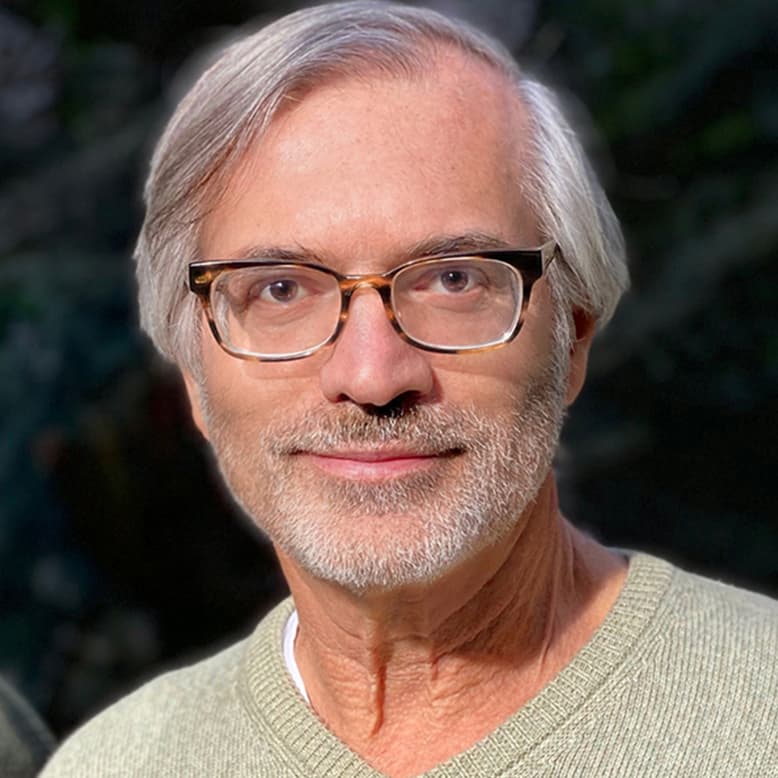
Meet Dr. Eric Gordon and His Background 3:01 In 2016, as I mentioned, he coauthored paper groundbreaking, 3:06 paper with Doctor Novo The Metabolic Features of Chronic Fatigue 3:09 Syndrome, published in the proceedings 3:11 of National Academy of Science, or for his journal. 3:14 He's a medical advisor to Tech Bioscience and is the GMA collection 3:20 site for Lyme Disease Biobank, providing samples for researchers. 3:24 So it's really doing the right thing and really searching for, 3:29 you know, what new ways to look at things and and researching to find, you know, 3:34 cures and treatments for these illnesses that people don't believe in. 3:38 And it's interesting 3:39 if a doctor doesn't understand it or doesn't treat it, it doesn't exist. 3:43 It's the patient's fault. 3:45 And it's it's interesting. 3:46 We'll get into it where they did a study that, you know, they could tell that 3:51 you're seeing chronic fatigue syndrome, fibromyalgia, normals or doctors. 3:55 Oh, there's no studies. 3:56 Although we do our just our panel. 3:59 We can pick out someone with chronic fatigue syndrome, fibromyalgia 4:02 chronic Lyme versus a normal for about 7,080% of time and how bad it is. 4:07 So it's kind of like I think the chronic fatigue syndrome 4:12 diagnosis, fibromyalgia diagnosis did a disservice to the patients, 4:15 allowed doctors not to look at anything underlying. 4:19 So you got this. Here's Nate present, but, 4:23 I'd like to welcome, 4:25 Doctor Gordon, thank you for coming on our summit. 4:28 We're really looking forward to, 4:31 talking about all your information, wonderful knowledge 4:34 base and sharing that with, Well, thank you. 4:37 Thank you again. 4:38 It's a it's a pleasure. 4:40 It was really nice to hear how you, you know, just how difficult it is 4:45 treating people who are not respected because the doctor doesn't understand. 4:50 I mean, that that that's that's been the bane of my existence. 4:53 I got into, what we used to call alternative medicine in about 1990, 92. 5:00 And it always, and, you know, always amaze me how, 5:03 you know, the sicker the patient, the more the automatic I roll of the doctor, 5:08 you know, and the, you know, the positive review systems 5:12 and you we have so many nice ways of saying that a patient is, you know, 5:16 not sick, but a malingering or and it just broke my heart over the years 5:20 to watch that. 5:22 And, you know, we see these people. 5:24 And the more you saw, the more you, the more you saw 5:27 you know, because in the beginning, that was kind of the same way. 5:30 It's like, can this be real? 5:32 Yeah. 5:32 You know. 5:33 Yeah. And more and more, you know, doctors. 5:35 I've one patient said in an ICU and the doctor orders a psych 5:39 consult, says it's all psychological, you know, like, yeah, this I can't. 5:44 So I just had a patient unfortunately passed away last year, a young woman, 39. 5:49 And you know, that that was you know, 5:52 she had been told at least 50 times that, you know, she needs psych consults. 5:56 I mean, they, you know, in all the best places. 5:59 Oh, yeah. 6:00 And it's like, you know, I'm sure you have the same as a, 6:02 you know, people start crying. 6:03 Just the fact that we're working them up and believe them and we're like, yes, 6:07 we've seen this before. 6:08 Like what? 6:09 You know, they told me this is crazy. 6:11 You know, that I'm crazy. 6:12 And then they start wondering if they are crazy. 6:15 You know. 6:15 Well, that that that and that, that is, is is a problem 6:19 and that's what so excited me about this metabolomics, okay. 6:23 Because I had been looking my whole life as you for markers. 6:28 What can we measure for people, 6:31 you know and and we all, you know, we jump down, 6:36 you know, we 6:37 we we always jump on on the bandwagon of measuring this test in the test. 6:41 But at the end of the day, they still just tell us that the patient is sick. 6:45 You know, we have a lot of innate immune markers now, thanks to Doctor Shoemaker. 6:49 You know, Rich has been a great help. 6:52 But I have a little disagreement. 6:54 I just don't think are specific markers. 6:57 You know, these are just markers that you're in. 6:58 And the truth is that a lot a lot of things.
What Metabolomics Measures 7:01 Yeah, yeah, yeah. 7:02 You know, I mean, we started do measuring his stuff back in 2004 7:07 and you know, they're they were they are exciting. 7:11 But there's so much like that out there. 7:13 You know, we have so many tests that tell us the person is sick, but 7:16 we don't know the shows that really tell us what's wrong. 7:19 Just their immune system is triggered, you know. 7:22 And and that's been the problem with getting our patients respect. 7:26 Without a test, we're kind of left to that. 7:29 Well, we know that these people are sick. 7:32 There's there are very few diseases. 7:34 I mean, Horowitz is very good at pointing out to a very few diseases 7:38 that give you transitory or through allergies. 7:42 It just doesn't have it, 7:45 you know? 7:45 I mean, they'll basically say a standard factually start. 7:48 Now, they don't have Lyme, but they've lost the power 7:53 of basically exam and, you know, review of systems in history. 7:56 Like what else does that. Well nothing else. 7:59 Well now your test is negative you know. 8:02 So what's explaining it I don't know. 8:03 It must be psychological. Yeah. Yeah. 8:05 So you know, what the heck is metabolomics okay. 8:08 So but I mean you can say it any which way you want. 8:11 I don't know the metabolome a lot. 8:14 I don't know myself, but I, I guess it comes out at me as metabolomics. 8:19 And then you did a George Bush there. 8:22 Yeah. 8:25 Yeah. 8:26 Look. Nuclear. Yeah. Okay. 8:28 This is looking at the small molecules in the body. 8:31 These, they they call them small. 8:32 They weigh about less than a thousand Daltons, which make them, you know, 8:36 like the amino acids, the glucose, the small, the smaller, small proteins. 8:41 But most and and that's you know, and these are 8:47 we always looked at those as you're basically your raw materials 8:51 for the body, but they're also the end products of metabolism. 8:54 So metabolomics measures, you know, 8:55 the raw materials, the metabolism and most of the end products. 8:59 You know, if you think of it, the genes are the blueprints, 9:03 okay. 9:04 The enzymes tend to be the machines 9:08 and the and the metabolites because that's what we're measuring with metabolomics 9:12 is the metabolites are the raw materials and the end products. 9:16 And what has been so interesting about looking at metabolomics 9:20 is you start to see that they are what is controlling a lot of the information. 9:25 The this is the mechanism that allows for epigenetics. 9:30 Okay. 9:31 We talk a lot about epigenetics, but epigenetics basically is the, you know, 9:34 whether you methylated or assimilate or methylation or DNA stimulate the histone. 9:39 So you begin to expose different parts of DNA, which 9:44 then will give you another. 9:48 Just so the viewers like with epigenetics, it's 9:51 how the environment affects the genes. 9:55 So if you have a gene for like diabetes, let's say 9:58 that if you someone two people on the same gene, one person 10:03 eats great, but the person's not so much that person will get it, 10:06 but someone who doesn't have a gene but they eat terrible. 10:08 They'll still get it. 10:09 So the environment affects the genes that are produced. 10:13 But, yeah. So 10:16 and metabolomics is the way 10:17 that this is the is the intervening step. 10:20 Okay. 10:21 Like I said, if you have too much glucose, you begin to like 10:25 like like light causes glycosylation of proteins. 10:28 And you also change how much insulin is made. 10:32 You know, that happens because you're turning genes on and off. 10:38 And so the doctor Inovio got into this because he 10:43 initially was doing a lot of work with inborn errors of metabolism. 10:46 That's that's usually lipid disorders in kids, things 10:50 that will often cause death in the early in the first ten years of life. 10:54 And of course, he was doing a lot of genetic work. 10:56 That's what he's mostly doing. 10:58 But as the more he did, the more he saw that genetics doesn't predict much. 11:02 Okay. 11:02 Because even two kids with the same gene defect have vastly different prognosis. 11:08 And we see that all the time. 11:10 Take, you know, thalassemia or any, you know, anything. 11:13 You know, you have the gene. 11:15 But some people have symptoms and many people are asymptomatic. 11:20 It depends on whatever else is happening in the environment. 11:24 And that's where the metabolome directly talks to the genes, 11:28 turns them on and off, and and when you're looking at the this, 11:32 metabolome, the metabolomics, are you looking at 11:36 like it's basic taking all these things measured the amount of certain things 11:40 or you look at specific markers because there's so many. 11:44 How do you interpret that? 11:46 Well, that that's the thing is that, I mean, whether there's 2000, 11:49 3000 or 5000, there's still arguing, 11:54 what generally, what can be 11:55 measured is somewhere between 500 and 1000 relatively easily. 12:00 You can measure I know what they are because in metabolomics you can do 12:04 metabolomics is done using these days using mass spectrometry mass specs. 12:10 And you know, it's the kind of device 12:12 that you can get a ton of information, but you just know something is there. 12:16 You don't know what it is. 12:17 But when you measure chemicals 12:18 and identify them, usually you're measuring about 4 or 500 12:22 and you can really identify what the chemical is. 12:27 And what we've been looking at. 12:30 And that will take the chronic fatigue as an example, is at that point. 12:35 And I just want to make it very clear that paper, which is a brilliant 12:39 paper was is to I supplied to patients. 12:42 Doctor Inovio supplied the brains. 12:45 It's like you're you're I know you did more than that. 12:48 So you're very but basically, you know, I mean, I just want that quick. 12:54 It's, he had he is an amazing thinker. 12:57 I really think that if you if you actually look at his website
Metabolomics in Chronic Fatigue and Related Illnesses 13:00 and some of his ideas, I just really, really, I think 13:03 groundbreaking because he's got a very eclectic background. 13:07 He was originally a user named who was got a PhD in virology 13:11 and then went into inborn errors of metabolism 13:14 and has a great interest in evolutionary biology as well. 13:18 So he wants to get a very broad and and I'll do some art. 13:22 His recent articles 13:25 then on the cell danger response and 13:29 on the healing cycle, I think are really worth 13:31 looking at to get a broad view and we'll come back to that. 13:35 But just so patient, the people out there can get a fine copy of those articles. 13:41 Look up cell danger response. Yeah. 13:42 You know it's nab I a you x 13:47 you know and he press Inovio if you just stick that in and cell range 13:52 or just even Cd-R your paper will show up. 13:56 It's there I'll be the same thing. 13:58 Chronic fatigue and chronic fatigue. 14:00 And obviously the paper will show up. 14:02 He's also done a lot of work with autism. 14:05 And I'll touch on that at the end if we have a minute. 14:08 But what we what we did in chronic fatigue. 14:13 He looked at between 4 and 500 chemicals 14:16 in patients, 20 males and 20 females. 14:19 And that's one of the important thing about metabolomics is that sex age matter, 14:24 okay? And it's not just the sex hormones. 14:27 Men and women are significantly different. 14:29 Even subtracting out the sex hormones. 14:32 And it's just like they say, women are a little more complicated. 14:36 I think, if I remember correctly, if we if we, 14:39 we can hit a very good differentiation 14:42 of chronic fatigue patients from healthy patients in men 14:47 looking at about eight chemicals in women, it took at least 12. 14:51 And even then we probably because they're a lot more complicated than we are. 14:56 But that was the beauties. 14:57 What we saw is that, you know, we found basically 15:01 about 40 15:02 chemicals that were two standard deviations 15:05 from the mean from normal in people with chronic fatigue. 15:09 The other thing that's very interesting about and he's done this in PTSD using, 15:16 people from, you know, in the Navy 15:18 before and after, you know, in Afghanistan and Iraq. 15:22 He did it. 15:22 He's done it in depression with a large group from from Denmark. 15:26 He's got it in Gulf War syndrome, you know, chronic fatigue. 15:29 And he's now working on a Lyme cohort. 15:31 All right. 15:31 So you're diving deep into peptides and longevity on this podcast. 15:35 And we're right there with you. 15:36 Integrative peptide stands out trusted by over 15:39 10,000 doctors to deliver real results for their patients. 15:43 These premium peptides are your key to unlocking 15:46 vitality recovery and a longer, stronger life. 15:50 Visit Integrative peptides.com and use the code 15:53 pipeline for 10% off your first order. 15:56 Again, integrative peptides.com. 15:59 Use the code powered life for 10% off. 16:02 It's time to elevate your journey. 16:03 Starting now. 16:06 You know, when we look at our panel, you know 16:08 you guys are looking at 400 things and we do a 35. 16:12 Do you think we're crazy? We do. You know, so many things. 16:15 But it's we we see that the Lyme 16:18 patients, autistic patients, 16:21 Gulf War syndrome patients, they look the same. 16:24 You know that. 16:25 I'm just glad, you know, 16:28 everything just like, wow. 16:29 With that, they have this common pathophysiology. 16:33 What we'll talk about. 16:34 Yeah. 16:34 The common is, is, is is inflammation in different 16:39 the inflammation stuck in different parts of path in different pathways. 16:43 Because one of the things I mean this is just an aside. 16:46 It's that we're seeing is that we did to chronic fatigue studies 16:50 which we thought, oh we one of them has been published so far. 16:53 The other one is kind of in the can waiting to come out. 16:56 And one of them was done almost all with my patients, I should say my patients. 17:01 You had patients from my clinic, 17:02 and the other one was predominantly patients of Paul Cheney. 17:06 I don't know if you know, a lot of people 17:08 don't know about Paul anymore because he's kind of gotten quiet. 17:11 But Paul was one of the original people and, 17:15 you know, Paul 17:15 Cheney and Peterson, you know, basically 17:18 what woke everybody up that this was happening. 17:22 Yeah, he got a lot of arrows, too. 17:24 Yeah, yeah, about half. 17:26 But the thing but what's interesting is that Paul doesn't 17:30 quite believe as much in chronic Lyme as we do. 17:35 I think you're saying. Yeah. 17:36 You know, and one of the things is that I, we get a lot of the people we know 17:41 in the chronic fatigue group started off with Lyme disease years ago. 17:45 We treated their line and their joint pains went away there. 17:50 A lot of their symptomatology went away with. 17:52 They were very 17:53 we were very careful to exclude anyone who had typical Lyme symptoms. 17:57 What they were left with was, to me, the hallmark of chronic fatigue. 18:01 You know, post exertional malaise. 18:03 They couldn't their lives were limited if they did, you know, whatever it was, 18:07 if they did two hours, four hours, whatever, if they passed that 18:11 they crash the next day or late at night, 18:14 that when they did that, there's so many of the academic articles 18:17 on chronic fatigue are not talking about chronic fatigue. 18:20 These guys, the people in academia do not understand chronic fatigue. 18:25 Yeah. 18:26 Yeah. 18:26 Yeah, I wholeheartedly agree with that. 18:29 Yeah, that they confuse I mean, there's no way you can confuse a depressed person. 18:34 Okay, with someone with chronic fatigue. 18:36 Yes. Some people with chronic fatigue get depressed. 18:39 But you know, 18:40 when your family abandons you and you know you can't function, you can't. 18:44 And you wouldn't be depressed, 18:45 you may get depressed, but that's not what's wrong with you. 18:48 And you know, and anyway, this is so getting back to 18:52 so what in our panels, what was so interesting is that 18:58 what we saw was these group of chemicals called single 19:01 lipid, single mylan's and Sarah Mites, things that I had never heard of. 19:05 I mean, I had heard of in medical school, vaguely, 19:07 actually, when I was in medical, I don't know if even talked about this. 19:11 There. 19:13 Kristen. Christine Benton fire. 19:14 Yeah. Okay. 19:15 Right. 19:15 Pretty much I mean, you know, I always left the, 19:21 the what is it? 19:22 See, I'm getting told can't remember things. 19:25 Anyways, it doesn't matter, 19:27 but I would just say they were they were 19:30 the library was not as big. 19:33 And in the 1970s, it really wasn't a prostate gland glands. 19:36 There was. 19:37 There was 19:39 maybe three papers in volumes on prostaglandins. 19:42 When I was in medical school. 19:44 Okay. 19:45 Now you could fill a library with things on prostate gland. 19:49 That's how far we have come with information. 19:51 We haven't learned that much, but we got a lot for patients. 19:54 Yeah. 19:55 So the thing is, is that these lipid, these glycol lipids, 19:59 okay, are a lot which have a lot to do with exosomes. 20:03 Interestingly enough, you know, the exosomes are made up 20:06 of these glycol lipid envelopes a little bit a few proteins inside. 20:10 Well these are what's abnormal significantly 20:14 abnormal in people with chronic illness because they're the 20:17 they are the signals that there's chronic inflammation in the bloodstream. 20:22 So because I just one of the problems in metabolomics is we're looking again 20:25 at the blood when many times the dysfunction is in an organ. 20:31 And so we're 20:31 still looking at just the drainage from the system. 20:35 And that's why a lot of signals get lost. 20:38 Because if it's your liver, you know, or your kidneys that aren't doing so well, 20:42 but the rest of the body is doing okay, if you, you know, obviously, 20:46 if you're measuring the end product of what the liver does, 20:50 especially with the kidney especially, you can discriminate. 20:53 But sometimes you can't tell when it's just a little dysfunctional. 20:56 Or maybe 20% of your liver is not working well,
Cell Danger Response and Mitochondrial States 21:00 that's where the money is. 21:01 Someday we'll figure out how to really check that. 21:04 Yeah, yeah, yeah. 21:06 On the cell signaling on the on the cell surface. 21:09 How do you get blood to check that. 21:11 You know. Yeah. 21:12 Yeah. We're we're we're checking the whole system. 21:14 But we can see patterns. 21:16 And that's the important thing the pattern of inflammation. 21:20 And what's interesting is the patterns. So 21:24 the patterns are 21:25 similar enough amongst different 21:29 symptom groups like the Gulf War syndrome are significantly different 21:33 from the blind people, from the chronic fatigue people. 21:37 Okay. 21:38 But they're all in that same ballpark. 21:40 The single lipids are off, but they're off sometimes in slightly different ways. 21:45 And what makes it even more interesting, okay, is that amongst people, 21:50 I said we had about 40 metabolites that were abnormal, 21:53 you know, in the chronic fatigue group and about, 21:58 you know, 25% were had to do with having chronic fatigue were shared. 22:04 But 75% of the abnormalities were individual, 22:09 were based on that person's 22:10 biochemistry, genetics and environmental exposures, 22:15 like all the other things that they have exact. 22:18 Now, can someone order these tests or is this all well and not yet? 22:25 I mean, there are people selling small panels, but not yet. 22:28 I mean, there's a company called metabolome which you can order your, 22:32 your, your metabolomic panel from, but 22:35 they're giving you I don't think you get really much information like that. 22:39 So thing, how do you interpret it 22:40 without looking at the rest, comparing it to the right. 22:44 So at this point, metabolomics is is still in the experimental field. 22:49 I mean we had the tech bio that you mentioned, we started tech 22:52 Bio with the idea that we were going to measure, 22:56 we were going to be selling Metabolomic testing. 22:58 This was back in 2016 when we first 23:01 and the first paper came out with, oh my God, we're going to be doing this. 23:04 And then we turned around and we discovered something. 23:07 Is that the information really didn't give us in 23:10 chronically ill people a lot of treatment help. 23:13 Yeah. What what do you do? Thanks. I'm sick. 23:16 I know I'm sick. Exactly. Yeah. 23:18 We had been. 23:18 We would have had to charge $1,500 for the test, 23:21 and it would have just told you you have chronic fatigue. 23:24 Now, if we had a big enough sample size 23:27 and I could have made an FDA diagnose this, you know, then maybe 23:31 still a lot of flexibility, but that's exactly. 23:35 But it's really easy because what what what I had hoped. 23:38 Okay. 23:38 Just like I'm sure you, is that if you give me enough numbers, enough chemicals, 23:44 I'm going to 23:44 make, I'm going to change things and 23:47 so and this goes back to the big lesson 23:51 that has a lot to do with the cell danger response. 23:53 But the, the big teaching for me is that what we saw 23:57 is that just because something was high or something was low, 24:01 correcting that didn't change the system, 24:03 sort of like we talked about in the beginning, the right supplement 24:06 doesn't always change the system when somebody is chronically ill, 24:10 because what we're dealing with is compensation. 24:13 Yeah. 24:13 And it's not a cause. It's a result, you know. 24:16 Yeah, exactly. 24:17 And, you know, being a doctor, we got so used to if, 24:20 you know, if you're low in blood, we give you blood, you know. 24:24 Right. 24:24 The blood pressure can be lower and everything's a vicious cycle. 24:28 And you know where what caused what the. 24:30 You know, the genes. 24:31 Great days. And then they affect the genes. 24:34 So what? You know, where where do you go? 24:37 And everything every system seems to be affected. 24:39 These patients and and where do you start. 24:42 You know, one causes the other causes the other. 24:44 And doesn't matter what the initial thing is now it's 24:48 this big vicious cycle but with like so dangerous monsters we'll talk about. 24:52 But mitochondria are key, right? 24:55 Actually let me just a one of one of another 24:59 another doctor Bob aphorism is, you know, like the path to health 25:04 is is not the reverse is not reversing the path to disease. 25:09 You know, 25:10 again, because that is the way we often approach medicine, because we are 25:14 medicine is based on a, a, a trauma, a the story of trauma. 25:19 You know, we really good if you broken traumatically we put you back together 25:24 because the instigating event was the trigger 25:29 and we just have to repair, you know, just remove it and let the body heal. 25:33 Unfortunately with chronic illness, that doesn't happen because the instigate 25:37 the thing that's making you sick is your body's response to the trauma, 25:41 just like we see with our Lyme patients. 25:43 You know, there's a I don't know, a significant number of people. 25:46 You kill the bug, they're better. 25:48 But there's even more that we get stuck with. 25:50 You kill the bug. 25:52 Yeah. They're still there. 25:54 They're still there. 25:55 So anyway, so they'll show you 25:57 the mitochondria of how to think differently about disease. 26:01 And is the mitochondria is mitochondria have different forms. 26:07 I mean, 26:07 obviously we know 26:08 you have like different mitochondria in your heart than in your fibroblast. 26:11 And let me just mention that, you know, mitochondria in the cell 26:15 are taught early in medical school. 26:17 They're basically an evolutionary organism 26:20 that was probably separate and came into the cells, 26:24 but they were taught they make the energy for the cell. 26:28 That's kind of what they do. 26:29 That's what we're taught in medical school. 26:31 And that's what you asked, you know, 99% doctors, that's what they're going to say. 26:35 So I just wanted to explain what that is. 26:37 Yeah. Right. 26:38 And that type of mitochondria that therefore is 26:41 Bob has labeled M2 and you can ignore the the numbering. 26:46 I usually get them confused anyway. 26:48 But he did so. 26:49 But this mitochondria this is the mitochondria 26:52 that's functioning in normally in your body. 26:54 And its job is to produce ATP efficient okay energy. 27:00 Right. Energy energy. 27:02 And and it makes some of the raw materials 27:05 that allow you that your body needs for, for growth. 27:09 But its main function is to take the energy 27:12 that's produced in by burning glucose 27:14 and make that efficiently into a lot of energy, okay. 27:19 By passing the electrons down the electron transport chain. 27:22 Now that's the M2 form. 27:25 Now what happens is that if that if that mitochondria starts to sense 27:30 that it's not getting its share, its normal amount of raw materials, 27:36 it browns out. 27:38 My analogy is that it's like the old days when you knew, 27:41 you know, the vandals were coming, the you know, the barbarians were invading. 27:45 You would like, burn the fields, retreat into the castle and seal the walls. 27:50 And so hopefully they would they they wouldn't be able to survive 27:54 long enough to lay siege. And they move on. 27:58 And so we do the same thing that mitochondria, when it senses 28:02 that it's not getting enough energy, it stops making as much ATP. 28:08 And by doing that it increases the mitochondria 28:11 when you make ATP is when you use oxygen. 28:14 That's when your body's using oxygen. Okay. 28:17 You can burn you can burn sugar without using oxygen. 28:21 But can we call that anaerobic glycolysis. 28:24 But what we when the mitochondria are involved it's aerobic. 28:27 It's using oxygen. 28:28 So when that stops oxygen concentration goes up in the cell. 28:32 And that creates a very oxidative, 28:35 rich environment. 28:36 And so you have to your nucleus then starts to pour out 28:39 your antioxidants as a response. 28:43 Okay. 28:43 So but the other thing that's happening at that time is the mitochondria 28:47 also start to take some of the ATP 28:50 that it's still making and put it onto the cell surface. 28:53 And it becomes a signaling molecule and ATP, 28:56 adenosine triphosphate. 28:59 And all of its derivatives, especially things like things 29:03 that we think about like adenosine, are cell signaling molecules. 29:07 These work like paraquat hormones. 29:11 They're giving information 29:13 to the immune system and this nearby cells that there's danger here. 29:16 There's a problem. 29:18 I think this happens on an ongoing basis. 29:20 I mean, this is kind of how we learn when our cells 29:23 actually put a little more ATP on the outside. 29:26 If it's a nerve cell, you learn faster, okay, because you focus. 29:32 I mean, you can't focus on every every input that comes into your body. 29:35 So you have to know which ones to focus and gain to focus. You 29:40 at all levels. 29:41 Because this is a very conserved us. 29:43 This has been happening since we were amoebas. 29:46 Okay. This is the first thing and what happen. 29:48 And it creates what we call sickness behavior. 29:51 You're fatigued, you withdraw socially, you lose your appetite. 29:57 You know, I mean, 29:57 all these things are happening because you're making less energy. 30:01 Yeah. And it's like, tell people to get the flu. 30:03 It's not the virus itself. 30:05 It's your body's response. Exactly. 30:07 And what happens is that the mitochondria are directly involved 30:11 in creating, with the increasing interference 30:15 into interfering one group which is made intracellular and, 30:19 you know, starts to make the inflammasome in the thing that makes you feel sick. 30:23 Okay. 30:23 So that's the that's the normal. 30:26 Well that that that's that's what happens when. 30:29 So you have the the normal mitochondria are making energy. 30:33 You compute. 30:34 Then it goes to this M1 which is like this battleship form 30:38 of the mitochondria okay. 30:39 And it also causes changes in the cell membrane. 30:42 The cell membrane thickens. 30:44 It starts getting less permeable because it's defending itself. 30:47 It's less if you stop 30:50 communicating when the cell is really injured 30:54 like an injury, 30:55 it stops communicating to the cells next to it because it's got to heal.
Using Metabolomics to Guide Treatment 31:00 So this is this is what's happening when it's healing. 31:04 And then the next state is what we call the M0 state is. 31:09 And this is this is what happens when you're making the energy by burning sugar. 31:13 But the mitochondria have turned on again and are now using oxygen. 31:17 So there's no longer oxidative stress. 31:20 But you are now using that 31:23 ATP to make, you know, you're not making ATP. 31:26 You're using the electron transport chain to make intermediate chemicals. 31:30 The things that make all your pyrimidines, which is part of your DNA and RNA, 31:35 you know, and also chemicals that will help make hemoglobin 31:39 and acetyl CoA to help burn your fat. 31:42 So you're making all kinds of things that help the cell grow. 31:45 This is what happens in a cancer cell okay. 31:48 But this is also what's happening in your normal cells 31:51 when they are rebuilding after injury okay. 31:54 And at that point they're not communicating well with each other. 31:57 And this is this is one of the things if cells and then if the next step is 32:02 they go back and the mitochondria are now operating normally. 32:05 But now you're in what we call the third stage of the cell danger response. 32:08 And the cells are just beginning to begin to communicate with each other. 32:13 And if they don't fully go back to normal communication, 32:17 we now have senescent cells, 32:20 which is one of the dangers of aging. 32:23 It's not too dangerous. 32:24 That's probably how we do a lot of this aging process 32:27 of slowly falling apart is that we have more and more, 32:31 cells that haven't been able to come fully back online. 32:34 They're working. 32:35 They just don't have enough energy and they're not communicating. 32:40 You see, this is the thing is communicate, you know, remember that. 32:42 Cool. You you're old enough cool hand Luke. 32:45 You know, what we have here is a failure to communicate. 32:48 I mean, and it's interesting. 32:50 And you know, with the mitochondria, 32:52 I think, yes, almost every person is chronically ill. 32:56 What's their body temperature? 32:58 You know, it's low. 32:59 We'll check everyone's basal metabolic rate. 33:01 They come in the sick patients. 33:03 They're usually 25% lower, you know. 33:06 So they're burning less oxygen making less heat. 33:09 You know, you're making energy or creating heat and they're all low 33:14 and they don't eat anything and kind of, you know, 33:17 don't gain weight unless they have, you know, terrible gut issues. 33:20 We can't even think. 33:21 But it's it's interesting. 33:23 So, yeah, we see that commonly, I think more and more 33:26 even on a subtle level where people they don't feel horrible 33:30 but very low metabolism or they're kind of that early phase. 33:34 Yeah. It's it's it's where you get stuck, 33:38 you know, that's the thing. 33:39 Different diseases get you stuck in different places. 33:42 And, and it can be happening in different. 33:44 See, what's confusing is that 33:45 we always want to make blanket statements, but it can be happen. 33:48 You can have cells in your body that are stuck in the CB1, you know, 33:52 and then you might have a lot of scarring and hypertrophy of tissue, or 33:56 especially if it comes out CDR two, you'll get a lot of scarring. 34:00 You know, in Co when you have a lot of inflammation because it's usually then 34:04 you're still signaling the neutrophils to come cause problems 34:08 in CDR one because that's that's that that that that acute 34:11 phase of inflammation that in some people doesn't tone down. 34:16 So it helps us think a little bit about this. 34:19 What I'm hoping is going to do eventually is 34:22 help us treat people, you know, as we as we can measure 34:26 metabolomics and enough people and eventually even be predictive. 34:31 I mean, to me, the really hot thing 34:33 is, if I can measure your metabolomics at age 30 34:38 and see where you're headed, 34:40 especially through the lens of the genetics, 34:43 you know, we've all been frustrated by the genetics 34:45 because remember, 20 years ago we thought, oh boy, do we're going 34:48 to open that book of genetics and get all the answers. 34:51 And lo and behold, 34:52 we opened the book of genetics and we mostly get confusion, you know. 34:56 You know, and that is that is a problem. 34:58 And like all especially all these genetic tests going out, which I do like them, 35:03 I just that I'm really correlating them with, 35:06 you know, with metabolomics and you know, or if you're seeing the results like 35:12 I people have, you know myself I have like every gene that's terrible. 35:17 I should have high homocysteine. 35:18 But I don't, you know, and so it's yeah, it's interesting 35:22 I think, you know, using it and correlating it with what's, 35:25 what's happening with what's happening because we, we yeah, I mean genetics 35:29 genetics is, is a mess because we didn't realize 35:32 how much is is variable. 35:35 How we thought it was a binary system on off. 35:39 And it's not at all the way I'm putting it. 35:41 Yeah, yeah. 35:42 And and but but if we combined it with the metabolomics 35:46 and the history of what we see, we can see where things are important 35:50 and then treat appropriately instead of putting people on 35 supplement, 35:54 you know it my, my, my whole thing in life is 35:57 because I said I went through too many years with the with the shopping bags 36:01 people would literally walk in with, with two shopping bags full of supplements. 36:05 Yeah, yeah. 36:06 And I hate that, you know, I made a lot of money with that for a while. 36:09 But I do like it. 36:10 And it kind of goes into like treating a healthy person versus a chronically ill, 36:17 where, let's say treating 36:19 the mitochondria that you can give them all these days CoQ10. 36:23 And but if it's not working, 36:26 it's not going to help or healthy person may get a little boost if they're low. 36:30 Right. But it's chronically ill. 36:31 You got to look a little differently. 36:34 Absolutely. 36:34 You know, 36:35 if you 36:35 some of the things we were talking about there, there, 36:37 you know, there are some of those peptides that seem to work 36:40 just in a very benign manner. 36:42 They always help almost everybody or they don't hurt. 36:45 And there are some of the peptides that seem to have some double edged sword 36:49 to them. 36:50 And that's because I think they're the ones that will work 36:54 powerfully in that CD2 mode. 36:57 When the body is in that place where it is acting actually like a cancer cell. 37:03 But we want, you know, that that's a time when using some of the, 37:07 some of the interventions that will help the cell not kill itself 37:13 is really good, because you don't want to lose 37:14 a lot of brain cells or a lot of heart cells. 37:17 You know, until you're waiting for the, 37:20 for the for the vasculature to, to rebuild, you know, 37:23 you'd rather not lose them because they, they grow back, but not really. 37:26 Well, 37:28 yeah. 37:29 So so you would like to prolong their life. 37:32 And so we there are some peptides that will help do that 37:34 which is really great. 37:36 If you have a stroke or a heart attack. 37:39 But if you've got a tumor 37:40 it might feed the tumor because it's that same metabolism. 37:44 The tumor is in that same metabolic phase of burning sugar 37:49 to grow, and using the mitochondria only to make raw materials, 37:53 not using it for energy production because it's 37:56 so it's that that's the important thing of of of where I think
Peptides, Mast Cells, and Immune Modulation 38:02 understanding metabolome and this was understanding metabolomics. 38:05 But thinking about the cell danger 38:07 response, thinking about these cycles of what's happening in the body. 38:11 Now, it's not easy because it's just 38:13 we're just we're making it up, learning it all at the same time. 38:17 You know, getting that thought process going of like, am I dealing with a person 38:23 who is going through just a, a normal healing process, okay. 38:28 After an injury? 38:29 You know, there's that six month it could be a normal human process. 38:32 Or am I dealing with somebody who is stuck in the early phase of inflammation 38:36 and we can't get them out of there, you know. 38:39 And that would be 38:40 that would be a time, you know, I think something like the BPC 157 38:45 is because I think that's what it helps do 38:48 is helps mobilize and get you to continue the healing phase. 38:53 Right? Right. 38:55 Yeah. 38:55 I didn't hear so many, things that it does. 38:59 It helps you to basically heal and rejuvenate, lower inflammation. Yes. 39:04 What what are the peptides that do you like? 39:07 Well, at the BP, BPC 157 is one of my favorites 39:11 because I do a lot of the a lot of the patients. 39:14 I don't see a lot of patients anymore. 39:16 Okay. 39:17 And the patients, a lot of the ones that I have are people who have failed, 39:22 not just what everybody else does, but also what I do. 39:26 I send them out, they come back and, you know, 39:28 and we tried everything, you know, we we get counseling 39:32 mentally, you know, 10% better here, 20% better there. 39:35 I, I don't live in the world of home runs anymore. 39:39 I miss that. But 39:42 in the but anyways, with those folks often so many things are inflammatory. 39:46 You know. 39:47 So the BPC 157 I've been amazed that even people 39:51 with major mast cell issues have been able to tolerate it. 39:55 Yeah, and that's more and more becoming a big issue with these patient pods. 40:00 But really, I think it has to do with so many of these chronic infections, 40:04 you know, is it mast cells are the allergic cell. 40:07 But they we've learned that they basically secrete tons 40:11 of inflammatory products not necessarily just histamine cause allergic reaction. 40:17 So yeah, calming those down actually impart a lot of Marcel. 40:22 That's why they're still stuck on directly inhibiting mast cell. 40:26 But really looking upstream and affecting the immune system 40:30 which affects the mast cells I think is much more affected. 40:33 Me. That's. Yeah I'm, I'm I'm with you. 40:35 I mean, that was something when Doctor Afrin first started writing about it, 40:39 I, I, I had dinner with him in the first. 40:42 He's he has changed. 40:43 The first dinner I had with him, he he didn't quite get 40:46 how important it was to deal with the infections, but now he does. 40:50 It's really 40:50 I mean, I'm really impressed with that man because not many people were okay. 40:55 Yeah. 40:56 And you know, especially when they when when they think 40:58 they have the answer, you know, and he, you know he really. 41:02 Yeah. I've posted on, on that group. 41:04 But I said you can kick me out of the group. 41:06 But this is what I found that works. 41:08 You know, but it's against. 41:09 But even these, you know, 41:10 and these guys are considered real smart, dedicated people in there too. 41:14 And I've seen you post a lot too. 41:16 Yeah. Yeah. 41:18 It's it's it's just it's nice to see but it would 41:21 but the mast cell thing is one thing that, you know, Bob pointed out to me, 41:25 the mast cell is the original immune cell, the first in the mold. 41:29 And when you have a multi organ system, you know, system, the first immune cell 41:33 that popped up long before T cells and B cells and macrophages was the mast cell. 41:39 So that's why it is. 41:41 So it seems to be everywhere and do everything to our patients 41:45 because it's primitive. 41:46 But it makes like 200 different chemicals. 41:49 And and you know it 41:52 and it's it's so good and treating it I love your idea. 41:56 You have to go a level 1 or 2 levels up to really help. 42:00 So fix the immune system and probably the most important thing, the hardest. 42:04 But sometimes the hardest thing is, is get that sympathetic nervous system 42:09 off the roof, 42:10 because that's what you know 42:12 when you when you stay ill, you can't help it. 42:16 You you're, you're you're activating. 42:19 You're you're you know, you're know that it gets turned down, the sympathy gets up. 42:23 But if we can turn that down, 42:27 we can also really ameliorate the mast cell issue as well. 42:31 And in a little pearl I lecture on is that one major 42:37 stimulator to mast cells is part of controlling releasing hormone. 42:41 So you know basically the sympathetic nervous system 42:44 you're going to stimulate cortisol 42:45 which part of releasing hormone stimulates activates then secretes cortisol. 42:50 So these patients will have even high normal cortisol. 42:53 But their HGH is very high. 42:55 So they're just, you know in fight or flight 42:57 or just give a little more cortisol lower. 42:59 That activates the lowers that creates. 43:01 Oftentimes the symptoms get better. 43:03 Yes. And 43:04 that that's the wise use of low dose cortisol is it is a true art. 43:10 And yeah. 43:11 You got up and some people well it's yeah. 43:14 That can't tolerate you know, 43:15 I mean I know anyway when you think of it, that really is, you know, that's the, 43:20 you know, you know, cortisol is really not an amino acid peptide therapy. 43:24 But say my arm, I get all my arms in the right places. 43:29 Yeah. 43:29 And and actually BPC will actually lower that CRH or lower the active. 43:35 You can't check CRH. 43:36 And when they're high cortisol and you I don't want to give them cortisol. 43:40 But our ACH is even higher BPC will actually lower. 43:44 Thank you. 43:45 That's a really interesting pearl. Yeah. 43:47 No I like that. 43:48 I you know, like many people I started off using BPC, you know, focused on the gut. 43:53 Yeah. 43:53 And and has the gut is very like you know we're finding more 43:56 and more the, you know, gut brain, gut everything axis. 44:00 And it's really again that epigenetics, you know, goes along with that. 44:04 And you just kind of getting close to ending hair like the famous ends. 44:08 Oh I love. Yeah. On that. 44:09 The time is since and again in my population I want to start off 44:13 with the science and data for 44:17 before I'll use the alpha. 44:19 You know I just find that, you know, it's a it's 44:22 often in people who are really have very reactive systems. 44:26 I need to mellow the immune response a bit, 44:30 you know, and then just kind of for everyone watching that. 44:33 So if you, if you look at this oversimplification, 44:36 you have kind of one which is the intercellular immunity 44:40 in to which it goes to 817 but and usually everyone's out of balance. 44:45 So this is kind of the inflammatory autoimmunity VPC lowers. 44:48 This tb4 kind of is modulator of both thymus and alpha one really increases. 44:55 So it's good. 44:55 But it also is to really kill infections. 44:58 And you can have more reaction to that. 45:01 So it's often good to start with the BPC that that lowers that 45:06 that to and lowers that that inflammation that people can tolerate. 45:10 And it's a little side note to 5 million probably 45:13 it's much more anti-inflammatory than all the other famous ins. 45:18 And for hearts is that we use that. 45:20 So just a little side note, you know, that that 45:24 that is always important because it's it's it's balance. 45:29 I mean, and you know, when somebody is staying ill 45:32 for a long time, you know, a, you know, it's 45:36 there's no rules, 45:37 you know, always want to make rules better than you do 45:39 because you think it's the same thing with like the L3 37 stuff. 45:42 You know, it's a really nice immune just goes out there 45:45 and like gives information immune system, you know, kind of killed. 45:48 But you know in a lot of people health it's really easy. 45:53 But in in my patients I go very very very very gently. 45:57 And unfortunately I don't think we can get that anymore. 45:59 Yeah. Yeah.
Fascia, Nervous System, and Collaborative Care 46:00 But you can. But it's hard. It's getting harder and harder. 46:03 But it's not just so because it's antimicrobial peptide. 46:06 So it's very broad spectrum viruses bacteria yeast. 46:11 But also like BPC you don't think of it as an antimicrobial peptide, 46:14 but it kills viruses, Candida. 46:18 And you know one study showed that it killed 46:21 the herpes virus at 1/100 the dose of a cycle beer. 46:25 We will have BPC with k PV, which is alpha monocyte 46:30 stimulating hormone, which is like melanin. 46:32 Tan makes you tan lose weight on Barbie doll peptide. 46:36 It's a small fragment that which doesn't cause the pigmentation, 46:40 but amazingly anti-inflammatory and antimicrobial. 46:44 I would love that because you see, in the old days 46:48 we used and I still occasionally used, you know, when we could get me. 46:51 For now, we have to use the Milan Anatolian. 46:53 But used to get MSH, you know, along with the IP those it 46:57 I mean this is another contribution of shoemakers 46:59 you know I mean like those again they really help reset 47:03 the imbalanced immune response. 47:07 You know, I was very, very, very impressed with those. 47:09 So I think that's the those are really those are really important ones. 47:13 Yeah. It's nice for that. 47:15 That should be out probably the next month. 47:17 But yeah great studies on plan for bowel disease and autoimmune. 47:21 So yeah a lot of literature on it which is nice. 47:25 Yeah. Yeah. 47:25 No no that, that is, that is is fascinating. 47:28 It's fascinating stuff. 47:29 And you know the microbiome just to say is that that's the other thing. 47:33 We can see a reflection in the microbiome. 47:36 We can there's about 30 probably more chemicals that we can 47:40 measure in the, in the in the metabolome, in metabolomics, 47:44 in your blood that are clearly from your body doesn't make them. 47:48 It was it was the bugs in your gut. 47:51 And a lot of them obviously. 47:52 And it's interesting with this gut brain access that it goes both ways 47:56 that the gut, you know, based on fluids, the brain, the rest of the body, 48:00 but also rest of the body, the brain influence the gut. 48:02 So it's like you give all these probiotics, but 48:05 then all of a sudden they're it's back to the way it was, you know, 48:09 because the influence, the other way of what's going on in the system. 48:13 So it's it's interesting. 48:14 Yeah. 48:14 Everything's a chicken 48:16 or the everything, you know, that my, my, my favorite thing to say is yeah. 48:20 Two favorite quotes. One of them is everything works. 48:22 Sometimes I've used your line. 48:26 You actually lectured in the 48:29 I just have to say, I mean, like, I, I love I, 48:32 I've worked with some brilliant 48:33 practitioners over the years who, who have much more patients than I do 48:37 and are able to, like, stick to one therapy for a while, and 48:41 you really get to see the full beauty of what it can do. 48:44 I, on the other hand, 48:45 tend to be a, you know, I'm I'm like, yeah, I'm Andy, I'm moving on. 48:49 Yeah. Moving on. Okay. 48:50 That didn't work. 48:51 You know, I mean, 48:51 and which is a shame because I have learned 48:53 thankfully I had these people around me. 48:55 So I watch and I learn through them that many times, 48:59 if you wait three months, it does work. 49:02 Yeah. That's not the max I. 49:03 Yeah, but and that's the problem too. It gets very complicated. 49:06 If you do treatment A it works. It doesn't work. 49:09 The treatment doesn't work. 49:10 And he does work for the dude together. It works, you know. 49:13 And so there's so much to it. Yeah. 49:15 So yeah, you see, 49:16 I was going to go to a point I was going to make 49:18 is that when, when you get when people are stuck, I just, 49:22 I just fully I really believe that so much of chronic disease can be ameliorated, 49:27 maybe not cured, but ameliorated and helped if people pay more attention 49:32 to the fascia and the connective tissue in the musculoskeletal system, 49:35 because that is often where you're getting that, 49:39 where the glitch is in the feedback 49:42 from the central nervous system to the organ, and vice versa, 49:46 is because those nerves are often 49:48 very sensitive to facial tension. 49:52 And to be honest, just like, you know, the acupuncture meridians 49:55 are probably flowing through the fascia and if that's all tight, 50:00 that's when you acupuncture just, you know, it doesn't do much. 50:03 Yeah. And it's interesting. 50:04 I know Doctor Neil has talked a lot 50:06 about the fascia and go along with that with just practical. 50:10 We have a stem cell doctor and he comes. 50:12 Let's say you have rotator cuff right now. 50:15 We want to check in there right next to where the stem cells right into where the 50:20 you know, where all the problem is he does does it sub kind of sub into the fascia. 50:26 Right. And you're like how is that going to work. 50:28 And ten minutes later the people have full range of motion. 50:32 It's it's incredible where they go like okay this this is this is ridiculous. 50:36 But you know, it's sort of like, 50:38 you know, I mean, basically neural therapy, you know, is where we 50:42 we put information right below the skin that feeds into the sympathetics 50:46 and they're going right to the brain. 50:48 I mean, it's this body is just so amazing. 50:52 I mean, like, you know, doesn't matter. 50:54 I mean, that's my my dream is to have is to have the team of, 50:59 of of people who can dance, 51:01 who can treat different ways, but who could actually work together. 51:05 One of the difficult things 51:06 where you have seen over the many years that you've had your clinic 51:09 is how hard it is to get the a team willing to work together. 51:14 That's yes. 51:15 Herding cats. Yes 51:17 yes yes yes. 51:18 Oh yeah. You're good at doing that. We were just so. 51:21 I think we're running out of time here. Okay. 51:24 And just want to say is. 51:25 Yeah, was I hope, I hope we, I hope people learned something. 51:29 I, you know, it's often hard to convey new, complicated ideas. 51:34 In the, in a short time. 51:36 But I think the main message is that there are more forms of mitochondria 51:41 that we knew than we've thought about before. 51:44 And yeah, and they do actually change shape 51:47 in the mitochondria while they're changing the 51:50 when they're in the normal form, the M2, they're long strings. 51:55 They kind of connect to each other. 51:57 When you go into that danger zone, they break apart. 52:00 They stop connecting. 52:02 And yeah, I think there was a study, very old study 52:05 where they did muscle biopsies in chronic fatigue syndrome. 52:08 Patients and their mitochondria were very different. 52:11 Oh yeah, about 80% of another conversation one day that isn't directly linked to 52:16 peptide is a riff on a recent study of showing that serum from chronic fatigue 52:21 patients actually has some interesting effects on normal people. 52:25 But anyways, there's so much to talk about. 52:27 Can you are you make them sick? 52:30 Yeah, yeah, we actually make them healthy. Not healthy. 52:33 You make them resistant to viral infection. 52:37 Interesting. 52:38 So yeah. So so it's all set up to fight. 52:41 Yeah. 52:42 Yeah. It's at a price. At a price. 52:45 Yeah, yeah. 52:46 Nothing's free. 52:48 Well. 52:49 Oh it's wonderful to to talk to you. 52:51 Always new things. 52:53 So we really appreciate you being on with us and thanks so much. 52:57 Okay. My pleasure. 52:59 Thank you. 52:59 Thanks for joining us on the Peptides and Longevity podcast. 53:02 If you enjoyed today's episode, don't forget to subscribe, share 53:06 and leave a review. 53:07 It helps us reach more listeners passionate about optimizing their health. 53:11 For more insights, resources, and updates, visit our website at 53:16 Dot Whole Turf. 53:18 Mediacom. 53:20 Together, let's embrace a future of health and vitality. 53:23 Until next time, stay inspired and keep thriving.

Comments