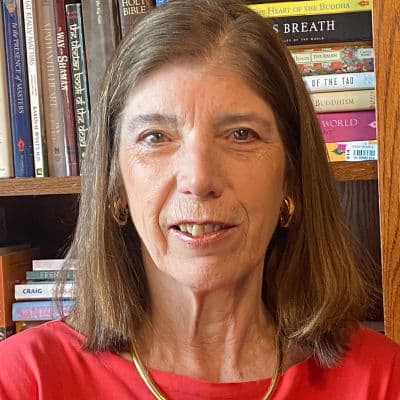
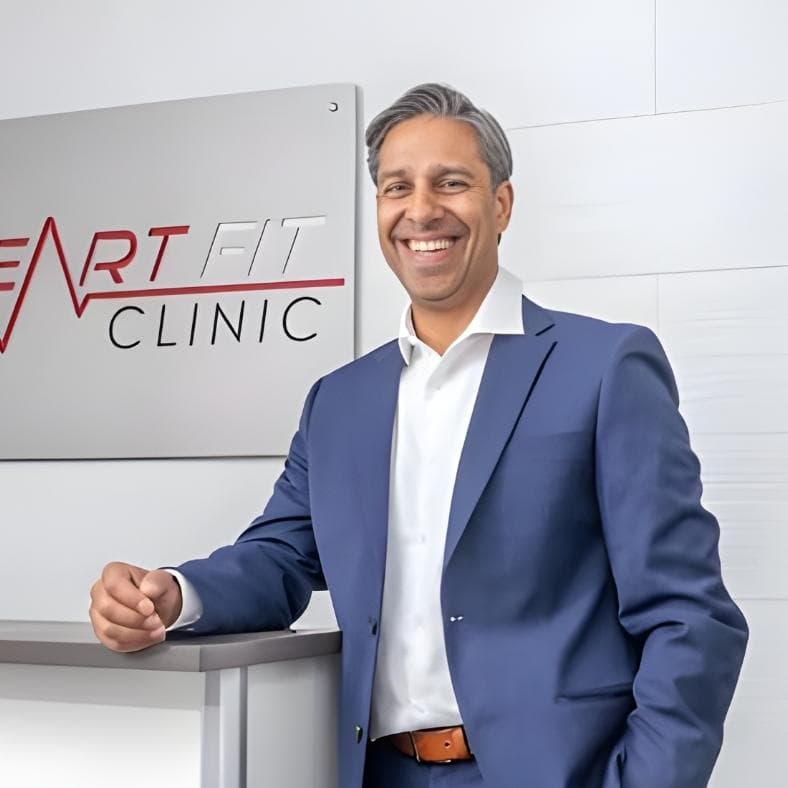
Full Transcript Cholesterol, Inflammation, and Artery Damage 0:00 So think about that for a second, hundreds of things that can damage the lining of the artery wall, cholesterol is not one of them. 0:07 So yes, there are some common ones that we know of like blood pressure and diabetes and overweight and poor nutrition and toxins and environmental exposures 0:16 that were like, if you look at the people that have had a heart attack today and we go to the hospital and look and all the other people have We look at 0:24 the percentage of people that are there, their family history, it's very minimal. 0:29 The majority of the people have put themselves there. 0:32 And, you know, we're exposed to a lot of things and toxins that, are out there that. 0:37 Are damaging the vessel wall. 0:40 and now where and how we put our genetics into play is we try and put them in a dark room and not turn that light on. 0:47 So those are the important things to be able to look out when we talk about cholesterol. 0:50 Have you made it past menopause, or are you going through it now? 0:54 I'm Dr. 0:55 Pat McShane, and on the Women's Health Span Voices podcast, I'll guide you through the menoppausal transition and beyond. 1:04 helping you to thrive in this powerful time of your womanhood. 1:08 Welcome to Women's HealthSpan Voices today. 1:12 We have a very important voice to hear, and I'm delighted to have with us today Diamond Fernandez, who has a background in physiology, 1:21 health physiology and sports medicine, cardiac rehab and now is the manager and owner of a number of heart fit clinics in Canada. 1:35 And I believe you're planning to move to the U S as well. 1:40 At some point, yes, yeah. 1:41 Yeah, and Diamond has a rather, I would call, fresh approach compared to what most of us are used to hearing from our primary care people or even from 1:53 a cardiologist. 1:54 And so I'm delighted to have him with us to explain that a little bit more today. 1:59 Diamond is also an author. 2:01 Beating Heart Disease was your first book and Death of the Stress Test is more recent. 2:08 Is that, that's already out now, right? 2:10 Correct. 2:11 Yeah, both published books. 2:13 So the Death Of The Stress test kind of is a provocative test and maybe you could Start by telling us your overall reaction to the current state of management 2:25 of prevention and control of heart disease by the primary care community and the cardiac community in the US. 2:35 And I imagine Canada is not terribly different. 2:39 So maybe tell us kind of the approach that you think needs adjusting or reformatting. 2:48 If your audience is, you know, if you're trying to prevent that heart attack or you trying There's not much really out there to prevent a heart attack 3:07 or stroke. 3:07 You know, because if you go to your general physician, it's still the guidelines are pushing, okay, well, what's your cholesterol? 3:15 If it is high, go on a cholesterol lowering pill. 3:17 If its low, you should consider a Cholesterol lowering Pill. 3:21 It's just, It still about cholesterol. 3:24 causing the issue. 3:26 And the thing that we focus on, especially when we talk about at the HeartFit Clinic and what we talked about with all our things, 3:32 whether it be virtually with somebody or a person in our clinic, is the idea is that cholesterol is not the cause of heart disease. 3:40 When you look at data and you start to prescribe cholesterol-loving pills to people who've never had a heart attack, or a stroke or stent or bypass, 3:50 and you start to give these medications to people, well, you end up having a chain of effects that can happen, because any medication, 3:58 whatever it is, there are three very important questions that I talk about in my second book, which, obviously, the death of the stress test. 4:06 And the three questions are very importantly are, okay, if I'm going to be prescribed a medication like a statin or cholesterol-loving pill, 4:15 How much longer will I live? 4:17 That's a valid question to ask. 4:18 If you're gonna ask me to take this for the rest of my life, and I wanna live a long time, let's say, I don't know, it's 100 years old or 120, whatever 4:26 number that is, how much long will live if I take that medication? 4:30 Number one. 4:30 Number two is then, if take these medication, what are the actual benefits that I can receive from taking that medications? 4:37 Will it lower cholesterol? 4:39 100% of the time. 4:41 But will it really lower my risk of a heart attack or stroke?
Introducing Diamond Fernandez and His Heart Disease Approach 4:45 Or quality of life, day-to-day quality is also very important. 4:49 The whole goal of taking anything is, will it lower and lower my risk? 4:53 So cholesterol, I'll take something that's very importance. 4:57 Blood pressure we know is a big risk factor to heart disease, right? 5:01 We know if we give a medication to lower blood pressure, it will lower our blood. 5:09 However, if I lower a blood, pressure will make an effect on my artery health? 5:13 And the answer is yes. 5:15 And it'll tell, okay, what percentage of the time, but it's not just about blood pressure. 5:20 So you can still end up with a heart attack or a stroke in spite of you taking a blood-pressure pill. 5:28 And I'll get into this in a second. 5:31 Same thing with cholesterol. 5:32 Cholesterol will, if you take a cholesterol lowering pill like a statin or whatever it might be, 100% of the time it will lower cholesterol, 5:39 but the question is, will that make a difference to reducing the risk of a heart attack or stroke? 5:44 And the answer is barely. 5:47 So why I say this is because it goes beyond cholesterol and then the third thing that is very important to understand is that if I'm going to take this medication, 5:57 what are the harms that you were talking about? 5:59 What are harmful things that can happen? 6:02 So could I, if I lower cholesterol, would it affect my hormonal imbalance? 6:07 Very important with women, especially, specially menopausal. 6:10 Will it effect my risk of dementia or liver concerns or muscle enzymes, whatever. 6:16 There's always a risk, there's a benefit. 6:21 And then how much longer will I live as a result of me taking that? 6:24 Those are three very important questions. 6:26 So that's number one that I talk about in the book is that cholesterol is not the cause of heart disease. 6:32 We think that. 6:33 Cholesterol accumulates to this pipe and you have a whatever our last cheeseburger and fries and he ended up with a heart attack, 6:38 you know, that last greasy meal and end up at heart. 6:41 It doesn't happen. 6:43 And if we understand that these arteries are a muscle, they're not a pipe, you can feel them. 6:49 These arteries expand and contract in different spots in the body and all these artery expand contract. 6:56 If you know that these arteries can expand and contract and make sure that they're doing well, what we're looking for when we talk about the expansion 7:04 and contraction of an artery well. 7:06 We know there's a muscle to it. 7:07 It's not just a pipe. 7:09 And to keep it simple, if you make that A-OK sign and put your thumb and finger together, that's what the inside of the artery looks like. 7:16 it's all skin, just like the skin on our face. 7:19 So something has to damage that skin. 7:22 Then particle cholesterol have to sliver through that lining of the skin. 7:26 And then the third part is then if something slivers in the, skin, you're not able to poke it out with tweezers. 7:31 It gets infected and it builds up like a pimple on our face, but inside the artery wall. 7:37 And if you lower cholesterol, it doesn't mean that you've lowered your risk of a heart attack. 7:41 There are two very important things to focus on as well, is to lower inflammation and lower the infection response. 7:48 Because if we look at the hospital and you look all the people that have had a hear attack, the majority of them have normal cholesterol profiles. 7:54 So this is where it goes beyond cholesterol. 7:57 Yeah, I read recently that in women in particular, C-reactive protein is more predictive of a cardiovascular event, a negative event than cholesterol level, 8:10 which again, just reinforces what you said about inflammation. 8:14 And there are hundreds of markers that you got to look at for inflammation. 8:17 HSCRP is just one of them for sure. 8:19 That's the one that is most commonly used by docs and other healthcare practitioners. 8:27 But there's no medication to lower HS CRP. 8:30 Right, right. 8:31 Yeah, lifestyle. 8:33 Right. 8:33 And that's the key on that. 8:35 Which brings me to my next question. 8:37 If it's not cholesterol that is causing these events in our muscular cardiac arteries, what is it then? 8:47 There's hundreds of things, literally hundreds and hundreds. 8:52 When you look at that, cholesterol is not one of them. 8:56 So think about that for a second, hundreds of things that can damage the lining of the artery wall, cholesterol is not one of them.
Why Stress Tests and Stents Miss the Bigger Picture 9:03 So yes, there are some common ones that we know of like blood pressure and diabetes and overweight and poor nutrition and toxins and environmental exposures 9:13 that were like, if you look at the people that have had a heart attack today and we go to the hospital and look and all the We look at the percentage of 9:22 people that are there, their family history, it's very minimal. 9:25 The majority of the people have put themselves there. 9:29 And, you know, we're exposed to a lot of things and toxins that, are out there that. 9:34 Are damaging the vessel wall. 9:37 Now where and how we put our genetics into play is we try and put them in a dark room and not turn that light on. 9:43 So those are the important things to be able to look out when we talk about cholesterol. 9:49 Cholesterol is not the cause of heart disease. 9:51 Inflammation is. 9:52 Hundreds of things that can inflame the artery. 9:53 Well, the big ones, like I said, are those. 9:55 And yes, exercise is important. 9:57 Yes, eating well is, important yes. 9:59 Keeping stress under control is an important, yes connecting with people and loved ones is always important and of course I wrote those five pillars and 10:06 that's what I was just going through in my first book is that you want to set the right mindset for success. 10:10 That's all the things you wanna be able to focus on to reverse that process and understand those numbers. 10:17 But then you asked me earlier as, okay, well, what about, I'll just go to the cardiologist and they'll check me out. 10:23 And, and not that they don't love you too, but on a preventative level, this is why I wrote the book, death of the stress test. 10:30 It sounds like I really hate the stressed test, really don' like the outcomes because outcome one is, Hey, everything's fine. 10:37 That's not true. 10:38 The worst thing you can tell somebody because you just didn't find a plumbing problem. 10:44 And it's about half accurate for finding a plumbing problem that's over 80%. So the stress test is you'll miss like 90% of heart attack risk. 10:55 That's not a good tool to do, but everyone's adopted the stressed test, right? 10:59 Cause it covered in insurance and it was covered through this. 11:03 But it is the wrong test to see where your risk is of a heart. 11:07 And then the next step is, okay, well, if I pass with flying colors, then that doesn't mean you're clean. 11:14 What really should happen is a cardiologist should, once you finish the test saying, look, everything, you know, the tests looks good. 11:21 However, You could still be on the path of a heart attack or stroke. 11:24 This test is not for that. 11:26 So please make sure you pay attention to your lifestyle. 11:29 this test just shows me that you don't have advanced stages of disease that I need to do something about. 11:35 That's really what should be said. 11:36 That took me 30 seconds to say, no one says that. 11:40 Then the next step is that, okay, well, you end up doing all these things. 11:45 What happens if I fail a stress test? 11:47 And that's where I take people through the journey as to, what are the steps that can happen? 11:52 Do I need to do more radiation and radioactive dyes just to find out and confirm that there was a plumbing problem? 11:59 And heart stents, then that takes me to the third thing is, is that is very important that heart stance and bypass surgeries are not a cure. 12:07 People think that just cause I opened up the artery with a, it's a metal object going inside an artery. 12:12 Well, how long does it last? 12:14 Well it depends on what you do. 12:16 Right. 12:18 It's life saving. 12:19 If you're having a heart attack, It is not life-saving. 12:22 if you go see your cardiologist, fail stress test, now go and do a hard stand bypass. 12:26 The data says, don't do that anymore. 12:29 So why go and investigate and test and do more? 12:32 Because it's just what we're used to doing. 12:36 And the trials have shown that, hey, we don't need to do this anymore. 12:41 Treat that person's biology of the order of law. 12:45 You'll get to see better outcomes just as versus going to a heart stent or bypass. 12:49 That's not me talking. 12:50 These are large, large federal trials. 12:53 of the ischemia trial, the courage trials, of fame trials that orbiter trials. 12:57 These are all trials at showing that, look, these heart stents and bypass surgery should be used when someone's actively having chest pain or they're presented 13:08 in the hospital with a heart attack. 13:10 That's it. 13:11 And, you know, anything that brings you into the hospitalized emergency situation, that's where this is life-saving. 13:17 It's not life saving if you go through that pathway. 13:21 the death of the stress that comes into play is that we gotta be a little bit more critically thinking each patient to be able to go through that. 13:28 But our healthcare system's in crisis. 13:31 I mean, I'm from Canada, we spend $400 billion on healthcare a year. 13:38 And we're, don't know how many million people, but 40 something million. 13:44 If you look at 400 billion, that's a lot of money. 13:47 What's worse about that is 120 billion is wasted. 13:54 Even in my lifetime, you're not much different from yours. 13:57 Yeah, I've seen huge changes in conventional medical care in MY lifetime as a physician, which is, 50 years almost, and there will be more. 14:08 And what you are talking about is a major shift in our focus, but in cardiology we've seen a number of them even in my short lifespan here as a physician. 14:19 I remember when I was an intern we used to do cabbages all the time, coronary bypass through the chest wall, and that was a an extremely aggressive and 14:30 difficult process to get through with very high rate of complications and so on. 14:35 So I'm glad that that era has passed and what you're suggesting is that the era of stents should be passing as well, except for a narrow range of individuals. 14:48 Yeah. 14:49 If you are not able to go along your daily living or if your heart function is getting compromised, there's certain times where surgery is warranted. 15:00 The problem is that if you fail a stress test, it doesn't mean that you're going to benefit from having a stent or bypass. 15:10 And this is where our treatments that we do in our clinics, reverse heart disease, this the conversation that can get into a lot more in depth. 15:17 But yeah, it's very important to be able to look at those things so we can see what's going on in terms of cardiovascular threats. 15:25 So let's imagine that in our audience, many of us, and I include myself here, are on statin and may or may not have calcium seen on a calcium CT scan,
What to Do If Youu2019re on Statins or Have Calcium 15:38 coronary artery scan. 15:40 What would you advise such individuals, women in particular, who are at, it's the major cause of mortality and women is heart disease or stroke. 15:52 cardiovascular disease still in most of the developed world. 15:56 So it's not like we're not at risk even though we may be on these measures. 16:01 What would you advise such a person? 16:05 Well, if your goal is to make it to a certain age, whatever that age is, you have to be able to look at what happens to cholesterol as you age because 16:17 cholesterol is vital for a lot of functions in your body. 16:21 Hormone production is a big one and hormones communicate between cells and this is why risk of diabetes can be there, risk brain health concerns can there. 16:35 Risk of muscle enzymes, liver enzymes. 16:36 All those things can happen because you're lowering cholesterol. 16:40 You need cholesterol in your body. 16:42 There's a time and place where I feel cholesterol-lowering pills are a benefit. 16:48 benefiting someone a little bit more is when they're actively or when the have artery disease. 16:54 When they have had a heart attack or stroke. 16:56 Because then the wall of the artery wall is unstable and that's where that benefit is. 17:02 But lowering cholesterol to the toilet now, which we can do with injectables and all those, you know, these different types of injectable now. 17:12 You can lower and wipe cholesterol off as a risk factor to anybody who has high cholesterol. 17:18 We're in that world now. 17:20 And if you look at the data, like the, you know, the in cholesterol trials with the you, know with that medication or Fourier trial for the other ones, 17:28 but basically shows that we can more cholesterol like 50, 75%, which is quite a big number. 17:36 Yeah, we're still seeing heart attacks and strokes. 17:39 So what I'm trying to share with people is it goes beyond cholesterol. 17:43 And just because you've lowered your cholesterol, it doesn't mean that you're more benefit off or you are benefit. 17:48 It's just more about understanding that it. 17:51 Goes beyond cluster and many people think, well, I'll just take this cholesterol and pill. 17:57 Well, think about it, if you never had a heart attack or stroke, If I am going to take something for the rest of my life, 18:05 there better be some really darn good benefit. 18:07 And more importantly, if I lower cholesterol, will it lower my risk of a heart attack or stroke? 18:12 Well, If you look at that percentage, that's, you want to get it under, like it's less than 1% benefit, so I'm going to take a drug for, 18:22 I am 50 today, and I will take it for the next 50 years. 18:26 Will it lower my risk? 18:27 Well, it'll lower. 18:29 My risk by 1%. Well that's not exciting to me. 18:32 So then what's exciting me is the, Hey, why does it, is it high? 18:36 Where's the fire in the Aruwa? 18:38 What's, what the reason why my liver is producing more cholesterol is because it's going to battle. 18:43 What can I do just by stopping that? 18:45 You're not really stopping the. 18:47 The fire. 18:49 Right. 18:49 Because like I said, the majority of people that have heart attacks and strokes have normal cholesterol profiles. 18:54 You know, people have the means to be able to go do calcium scores and CT angiograms and they're nice tests to get done. 19:00 But you know I've got some good YouTube videos on that part of it to. 19:04 Get more in depth, but those are, those things at the YouTube site is HeartFit Clinic and In those videos, I talk about, 19:12 hey, the artery's a muscle, it's not a pipe, and I've seen people with calcium scores that are zero and still end up with a heart attack. 19:19 And I have seen in the thousands that have never had a hear attack! 19:24 And so then, okay, well, let's go do an angiogram to see where the plumbing problem is because cardiologists are trained to not tolerate ischemia or lack 19:33 of blood flow. 19:33 So they're trained. 19:35 I want to what the anatomy of the artery wall is. 19:38 And the answer is, who cares? 19:40 If the patient is stable, it doesn't matter. 19:45 And this is where, it's nice to see, don't get me wrong. 19:48 But people are like, oh, where's the plumbing problem? 19:51 And it doesn't matter. 19:52 It's about growing new arteries, shrinking the plaque, and strengthening the skin over that plaque so it does not rupture, 19:59 which is a heart attack or a stroke. 20:03 So you mentioned alternative measures to improve the health of your arteries. 20:08 And maybe you could tell us a little bit more about that. 20:12 Well, I mean, lifestyle has a huge impact on that. 20:15 Obviously exercise is important. 20:18 Diet's important, but I think it's just as important as that if you have the means to understand your biology of the order wall a lot better. 20:25 Remember there are hundreds of markers. 20:27 You know, you got to look at at least the top 15 or 20 for sure.
Reversing Heart Disease Through Biology and Lifestyle 20:32 But you gotta look all these markers that are hurting that lining of this kit. 20:37 And fix that because that skin can be fixed. 20:40 So that's the first thing. 20:42 And then the second thing is that if that lining of skin is damaged, then what is going through it? 20:50 And people think, well, we're past. 20:53 the world of cholesterol clogs to the artery wall, right? 20:57 Back in the seventies, they opened up a cadaver and then it was all news seven years later because the statin drugs had been released and say, 21:03 okay, we got to stay away from eggs and anything cholesterol and butter versus margarine and all that stuff went on for years, 21:10 decades. 21:12 Still to today, gotta stay away from those bad fats and you know, that's all nice and dandy, but it's about understanding, 21:20 personalizing your approach to understanding what is happening to the vessel wall. 21:24 So things that are hurting that vessel walls, so you, know what to fix it. 21:29 Cause like I said, it goes well beyond cholesterol. 21:34 All right. 21:34 And in your clinic, you have particular methods of reversing. 21:39 If you know you, have a plumbing problem already, and maybe you could tell us a little bit about that beyond lifestyle. 21:46 Yeah. 21:46 I mean, we use treatments like external counter pulsation and a lot of treatments to be able to change the vessel wall biology. 21:54 and I'll come back to the anatomy, I've come to this because this is the important part. 21:59 if you make that A-OK sign inside the artery wall is all skin. 22:03 That skin has to heal. 22:05 We have to put out that fire. 22:06 That's inflammation. 22:07 Then you want to get rid of the small particles in the body, in a small cholesterol particles, because the way we check cholesterol is too generic. 22:16 You want look at particle sizing, not just, you know, what cholesterol it is. 22:20 What are all those slivers that can sliver through the lining of your skin? 22:23 And the last thing is, when those things get through, they get infected and you activate a bunch of immune cells to go and gobble it up, 22:30 to seed up. 22:31 And that's the next thing you want to be able to do. 22:33 There's a lot of things that we can do to be able to, then that builds up inside the lining of the artery wall, like a pimple on our face, 22:42 but inside, the vessel wall. 22:44 So you want to shrink the pimples is by addressing the biology. 22:48 You want a strengthen the skin of that, of, that artery well with more biology, treatments, and then we can grow new arteries. 22:55 And that's stuff that we do at our clinic, external counter-palsation therapy. 22:59 so those are the things that. 23:00 We do to help reverse our disease. 23:03 Good. 23:04 Excellent. 23:05 One of the things that you talk about in some of your other materials are mitochondria and how important that is in the whole physiology of cardiovascular disease. 23:16 Maybe you could say a word about that and then how we can foster healthy mitochondrion. 23:23 So the mitochondria is a powerhouse of the cell. 23:27 And a lot of times, I'd say one in three people are walking around with poor mitochondrial. 23:34 So they're not functioning like they are supposed to. 23:37 To keep that simple, you're getting not getting enough energy inside the cells. 23:43 A lot it has to do with genetic factors such as MTHFR, which stands for methotetrahydrofolate reductase. 23:51 call that mother effer gene and that is people are walking around about let's say 25-30% of people walking with that gene not even knowing it where their 24:02 energy and their mitochondria is being affected. 24:05 And things like coenzyme Q10 are very important for improving mitochondria function and knowing if you have that genetic step, 24:11 then you want to be able to take methylated things to help improve that part of it. 24:15 So that mitochondrial function is important. 24:17 The heart's full of cells, the arteries are full cells. 24:21 Endothelial cells is what protects the lining of the artery wall. 24:24 All that plays an important role when we're trying to prevent reverse heart disease. 24:29 So that's one of the things that you would test for at the outset with a person coming in to see you. 24:36 Yeah. 24:36 Okay. 24:37 Good. 24:37 Thank you wearables. 24:38 We've talked about different kinds of indicators of heart disease in different settings. 24:44 Nowadays, many of us have on our watches are indications of our heart function. 24:49 Maybe you could comment on that a little bit. 24:52 So wearables are nice because you can look at heart rate variability. 24:56 You can see the quality of your state. 24:58 We can some data that's happening with you. 25:00 But those are very important to be able to look out when we talk about wearable. 25:04 I think now we have the ability to check your ECG really quickly. 25:11 You know, we've got some stuff that is nice, and I think it's just going to get better. 25:16 And the technology can get. 25:18 We can check blood pressures off of wearables now. 25:21 It's going. 25:21 To get, better and that's what's exciting is it. 25:24 Going to. 25:24 Get better, then yes, I. 25:28 Think there are nice tools that you can be able to, get some metrics on this show.
Mitochondria, Wearables, and Personalized Risk Tracking 25:31 You. 25:31 Know, there's some warning signs here. 25:34 Your blood sugar is elevated. 25:35 You know, that's something that we're going to be at. 25:39 And I think wearables are just going get better to look at it. 25:42 We're just scratching the surface of wearable. 25:45 The stuff that you can be able to do from a heart perspective is just getting amazing. 25:50 Like you could take the watch, put it to your chest, and you see if the heart is having any structural concerns. 25:56 How valuable is that? 25:57 That's huge. 25:58 Yeah. 25:59 We're getting to that state where we're just going to be a lot better and people want smaller, quicker things to understand without going into a doctor. 26:07 It's time consuming to go to a Doctorate. 26:10 You got to wait in a waiting room and go through that part of it. 26:12 And it's, it' time-consuming to see that, but this is where understand what's going on further. 26:19 That's great information. 26:20 What else would you tell a menopausal woman maybe who hasn't any obvious risk factors for heart disease? 26:30 I think it's important to understand your risk first. 26:32 Wherever you are located, there's a lot of options that you can see as to what more. 26:39 Know your risks because the first sign of a heart attack is usually the heart You don't get always these nice warning signs. 26:47 I consider that a blessing. 26:50 And if you survive that first heart attack, that's even more of a blessings because that doesn't happen often. 26:55 So you have to be able to know that testing is important and people think stress tests and calcium scores and CT angiograms is that. 27:02 You got to understand the biology of the vessel wall. 27:06 That's the more important part. 27:08 Which is what we've been talking about so far. 27:12 So, okay. 27:13 And lifestyle, this podcast is all about what can do to keep ourselves healthy. 27:19 You've mentioned a whole bunch of diet, exercise, presumably avoidance of a lot of alcohol and good sleep. 27:27 I don't know if we talked about that today, but, and toxic exposures maybe for our last little moment here we could talk about avoiding toxic exposures 27:38 from your perspective. 27:40 I mean, we're exposed to so many different toxins on a daily basis and, and your, your body is going into repair and heal mode. 27:47 And I think it's very important that as we age, if you're looking truly for cardiovascular longevity, which is what we do at the heart clinic. 27:57 If you're looking for that, you have to be able to supplement better because our foods are not gonna be good enough. 28:04 Like you could eat perfect with your foods, but if you don't supplement appropriately to what is exposures, what exposuries we have, 28:11 that's important. 28:12 So, I mean, we're exposed to... 28:14 pollution, we're exposed to microplastics, were exposed, to, you know, mercury fillings and there's a lot of exposures, heavy metals, 28:23 toxins, and even stuff that's affecting our gut health that is very important because many diseases start in our, in out gut as well.
Toxins, Supplements, and Closing Thoughts 28:31 You want to be able to heal those parts appropriately. 28:35 And so if you are toxins think about that as that things that can hurt or damage that vessel wall. 28:42 And so this is where we're trying to put out the fire and it's important to know what you can do to pull out that fire. 28:48 And that's what we talk about at the Hartford Clinic. 28:51 Great. 28:52 And folks can access you remotely as well, right? 28:55 Not just in person. 28:57 Yeah. 28:59 Excellent. 29:00 All right. 29:00 Well, this has been, again, a fresh approach. 29:03 A little bit contrarian, I would say, but fresh is a more positive viewpoint. 29:10 I think the direction that things will be going in not only cardiac disease, but many of our other conditions that affect us coming up immediately in my mind. 29:21 So, thank you so much for this great information and for being able to chat with us today. 29:27 And for our audience, if this is the kind of information that you value, please like and subscribe and tell your friends so that we can reach more people 29:38 who are in need of this. 29:39 Great information. 29:40 Thanks so If this episode spoke to you, please share it with a friend ready to take charge of her health. 29:49 And please leave a review. 29:51 It helps more people to find us.
Comments