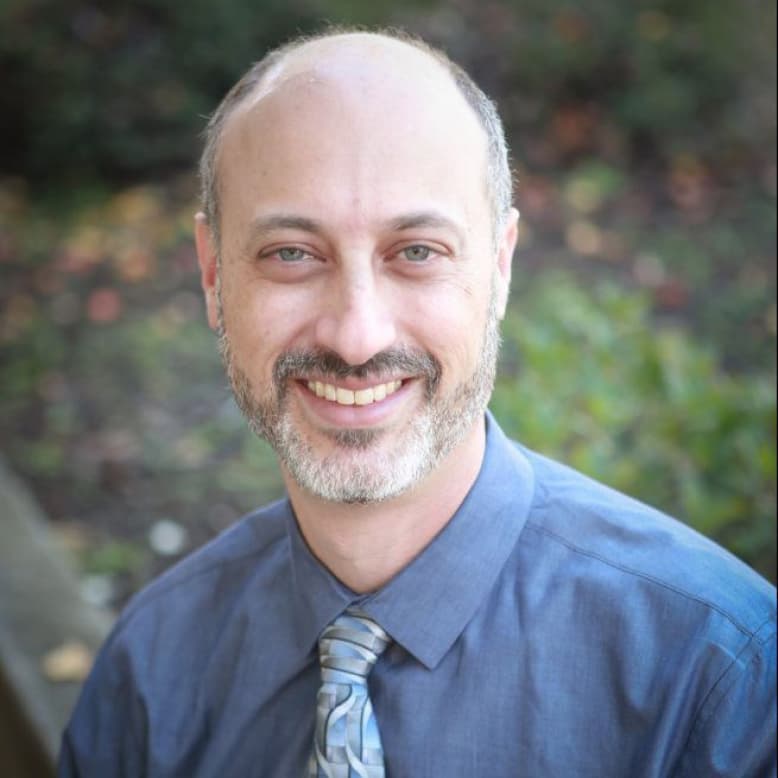
Full Transcript Introduction to Chronic Lyme and Antibiotic Limits 0:00 Even, you know, going back to the chronic Lyme talk we discussed, 0:03 I think that, you know, well, certainly I ascribe to the idea, as you talked 0:07 about the two weeks of doxy or three weeks of doxy, is is often not enough, 0:11 especially if someone has had this infection for, you know, 0:14 more than six months, say, and but endless antibiotics isn't the answer either. 0:19 You know, there needs to be a point at which you say, okay, 0:22 if you can't get off antibiotics because you just continue to have symptoms, 0:27 then we got to lower the threshold at which your immune system's reacting, 0:30 because it's unlikely this organism is causing tissue damage anymore. 0:35 And it's more likely that your own immune system is responsible 0:39 for the damage and the inflammation that's coming. 0:42 And, and and really restoring immune, you know, regulation 0:47 and get rid of these, these toxins and and you know, that's that's part of it. 0:51 And and it's a process for sure. 0:54 This is doctor talks real talk from real doctors on the issues that matter to you. 0:59 Most. 1:02 Hello doctor. 1:02 Can't hold talk for another episode today 1:05 we're going to be speaking with Doctor Corey to shower. 1:09 And we're talking about bio toxin illness 1:12 and basically peptide use of bio toxin illness. 1:15 A little bit about Doctor Corey. 1:18 He grew up in Omaha, Nebraska. 1:20 So a farm farm raised boy as always, remember he wanted to be a physician, 1:25 which is interesting is rare it seems these days. 1:29 He graduated honors from Cornell University with a BA in neurobiology 1:33 and behavior. 1:34 He earned his doctorate in medicine at the National College of Medicine. 1:39 He is the owner and lead physician at Bear 1:42 Creek Natural at the clinic in Medford, Oregon. 1:45 Believe it. 1:45 The body has within itself the inherent ability 1:49 to heal. 1:52 Doctor Corey utilizes 1:53 the integrative Therapy therapeutic model designed to remove obstacles 1:58 to health simultaneously optimizing the self healing mechanisms. 2:02 The body healing is accomplished through the rational 2:06 and sequential elimination of infections and toxicity from the body, 2:10 while helping to normalize 2:11 immune dysfunction, mitochondria, energy production, and cellular 2:15 detoxification, repair, and really looking at the whole system. 2:19 And, you know, it's the one thing that I think 2:23 standard medicine is just missing, you know, 2:26 and so he I know it I consider my great friend 2:30 that we're talking for ever before before we interviewed here. 2:35 And he's just always on the cutting edge 2:39 treats everything the sick of the sick 2:41 and and just loves a challenge. 2:45 And it's just so knowledgeable. 2:47 I know where you're going to. 2:48 You're going to love this interview. 2:50 He focuses on functional medicine approach within the realm of chronic infectious 2:54 illness, neurodegenerative diseases and autoimmune disease. 2:58 For the past 15 years. 3:00 He looks a little young. 3:01 I'm going to question on that with emphasis on tick borne illness 3:04 such as Lyme disease, 3:06 is member of the International Lyme and just Diseases islands. 3:09 He's been a member international Lyme and associated decided since 2009, 3:14 when he seized the prestigious fellowship 3:17 to receive formal training and treatment for Lyme. 3:19 He also was an active member 3:20 of the International Society for Environmental Acquired Illness. 3:24 And so that's what we're going to talk a lot about today. 3:27 He is well versed in treatment of mold illness and series 3:31 of chronic inflammatory response syndrome. 3:33 And all these things are connected and they're so multi system. 3:38 And it's a it's so difficult 3:42 I think of like what standard doctor said would even look at that stuff. 3:46 But it's just and I see him at all the conferences and he's just passionate 3:52 I love it and just wants you 3:55 the best for his patients and always investigating new treatments. 3:59 He's always striving to improve outcomes and provide the best possible care, 4:03 and he's really successful in the patients that have been everywhere. 4:09 And lucky you and all that goes. 4:11 You get, the patients that have been everywhere 4:14 and he's just doing such a great service and getting great results. 4:19 So there are a lot of great things about him as well.
Guest Introduction and Background 4:22 Again, we talked about so much beforehand and so many things are changing 4:26 in medicine and some things for good, some not for good. 4:31 But I think, you know, all these sickest patients are getting left behind. 4:35 You know, and and if a doctor doesn't 4:39 know what it is, it doesn't exist or it's a patient's fault. 4:43 But, you know, you just said, tell me a little bit, I didn't even hello. 4:47 How would you have welcomed him? 4:49 Give me a chance. Here. Thanks. 4:51 Thanks for being on. 4:52 And you're up in Oregon and I see the news, 4:55 the crazy stuff going on up there. 4:57 But again, thank you for taking the time. 4:59 I know you're busy, guy. 5:00 Hey. Yeah. You're welcome. Kat. 5:02 Yeah, we just, got through the fires down here in southern 5:06 Oregon, but, you know, we're we're looking good moving into the fall here. 5:10 And and I wanted to say thanks to you, too, on this topic because my knowledge 5:14 and my, my passion for learning more about peptides really started from 5:18 you as as being the cutting edge on this topic yourself. 5:22 I think that was maybe five years ago at AI labs when you first presented 5:28 on peptide therapy is as a unique option that I had never heard of. And, 5:34 and I don't know if you remember, but I think it was me, like 5:36 just pestering you for months after that and emailing you nonstop. 5:40 And who is this guy? 5:42 I got to learn more about this. 5:44 Yeah, and I didn't leave Cat alone. 5:46 And here we are five years later. 5:48 And and peptides have been a huge, huge part of my practice 5:52 and improving outcomes and restoring physiology 5:56 and neuroendocrine function and, and getting, you know, all these 6:00 chronic people who are suffering 6:02 with this multitude of, you know, chronic functional illnesses, 6:06 fatigue and brain fog and pain and all these things that really the 6:10 the standard medical model doesn't have answers for. 6:15 Peptides have been a huge component 6:17 of the successes we've seen in restoring people's health. 6:21 Yeah. 6:21 And and it's interesting, you know, I give lectures on it 6:24 and people just go, I can't believe there's all these studies. 6:29 Why haven't I heard about it, you know, and. 6:32 Well, because there's no drug rep, right. 6:34 You know, selling this stuff. 6:35 And it's changed my practice and I know it's changed your practice 6:39 for everyone from, you know, healthy people. 6:43 I think it's the best, 6:45 you know, anti-aging, longevity, ability to stay healthy. 6:49 Like you look at epitaph, 6:50 you know, increasing telomere length to the sickest of the sick. 6:54 And it's been those things that people have tried. 6:57 I.V. antibiotics for years, you know, and then, you know, it's like and 7:03 and you specialize in some of the toughest things like bio toxin illness. 7:08 And you know what? 7:09 What the heck do you do? 7:11 And it's mentioned in my own story, my girlfriend 7:15 just recently, I'm feel I'm good. 7:17 I don't know if you ever get rid of Lyme. 7:18 I think it's kind of like, you know, virus that. 7:21 But it's if you keep your immune system up and all, that's fine, but usable. 7:26 Basically dramatic graphy out of out of the blue. 7:29 And so we had a bald guy come around, couldn't find any more. 7:33 But coming underneath the bathtub, there was more toxins. 7:38 Yeah. And right in the bedroom, you know. 7:42 And so it's major. 7:44 And let me ask you just one question, though. 7:46 Do you find because my thought if someone gets Lyme right, they're 7:51 probably if they're not treated well, they get two weeks of doxy 7:56 which studies show they relapse like 3 or 4 months later 80% of the time. 8:00 But if you have like nothing else, you're not going to be terrible. 8:05 It's like when all of a sudden they get they seem to be more 8:09 sensitive to molds, like they'll be everyone in the house. 8:13 This is what I hear from my friends. 8:15 And we got, you know, like all our staff, there are like 8:18 like Lyme patients, bio dogs, patients, 8:22 emphasizing that because of the problem and cause actually mold to grow. 8:27 And, you know, especially the husbands. 8:29 Oh that's crazy, you know, and and but the people that have 8:34 the lime and other infection are much more sensitive now to the bio toxins. 8:39 Can you comment on that? 8:42 Yeah, absolutely. 8:44 So, so much to say about that topic. 8:47 Definitely. 8:48 In these chronic infectious models, there's often a trigger 8:51 that seems to precipitate the immune dysfunction. 8:56 And either the growth of the organism that previously may have been managed 9:01 by the immune system or, 9:04 accentuates the immune inflammatory response to the presence of, 9:09 you know, a latent organism that may not have actually been causing 9:13 tissue damage in the first place. 9:15 And I think Lyme is still something we really don't understand, 9:19 as you talked about, you know, can we ever really get rid of it? 9:22 It's one of these intracellular infections that it's doubtful that we really can. 9:28 And then you start talking about potentials 9:30 for sexual transmission or in utero transmission. 9:34 And I think in utero is the biggest problem. 9:37 I mean, I know in my home that's where I got it. 9:40 I look back one people is bigger and they go away. 9:43 But like, you know, one side of my body flushing my left arm would stop working. 9:47 You know? 9:48 And I think that's just the huge the biggest transmission. 9:52 Right. But anyways, I just have to come in. 9:54 Yeah. Yeah. 9:55 No, I mean it's it's it. Absolutely. 9:57 And you know, if you start looking at just like PCR, 10:01 like urinary PCR analysis, like there's I know at least one labs 10:04 reporting almost 94% positives in cases that were sent to them. 10:09 You know, it's 10:09 obviously it presents itself as an issue in of itself in that you're going to 10:12 if you want to diagnose everyone with Lyme, great. 10:14 But that's probably not accurate. 10:16 It probably represents that there's carriage stages of of Lyme, 10:20 and there's a lot of people who have small amounts of it in their body 10:24 and have been exposed to it. 10:25 And it doesn't necessarily mean you have an infection, but it's one of these. 10:30 Setting people who you think have the symptoms, you know. 10:34 Yeah. Yeah. 10:35 So I mean, you know, bio toxin illness 10:39 itself is is, you know, a term that I think is so associated with mold. 10:43 You know, Doctor Shoemaker really popularized. 10:45 And a lot of what he wrote about is, is really brilliant actually. 10:49 But bio toxin illness is just this topic that incorporates, 10:54 you know, everything that's exogenous from, you know, molds and solvents 10:58 and heavy metals and anything that your body can create an immune 11:01 inflammatory response to, to endogenous things that live in our bodies. 11:06 You know, we're carriers for a number of things. 11:09 There's pathogenic organisms that, you know, are present like that. 11:13 We can't get rid of Lyme and chlamydia, cochlea. 11:16 And and, you know, Brucella and all these intracellular infections. 11:20 And then there's the question about opportunists. 11:22 You know, we talk about Pseudomonas or Klebsiella, Proteus, even strep 11:27 that if it's in the wrong place or if it grows too much, 11:32 we also can see an immune inflammatory response to that. 11:36 And that question brings up well, endotoxins 11:39 and lipopolysaccharide and and antigenic debris in general 11:45 that generates these these chronic immune inflammatory responses. 11:49 And how do you restore your, you know, how do you restore immune regulation? 11:55 I think is is the big question in this and even, 11:58 you know, going back to the chronic Lyme talk 12:00 we discussed, I think that, you know, well, certainly I ascribe to the idea, 12:04 as you talked about, 12:05 the two weeks of doxy or three weeks of doxy, is is often not enough. 12:09 If especially if someone has had this infection for, you know, more than 12:12 six months, say but endless antibiotics isn't the answer either. 12:17 You know, there needs to be a point at which you say, okay, 12:20 if you can't get off antibiotics because you just continue to have symptoms, 12:25 then we got to lower the threshold at which your immune system's reacting 12:28 because it's unlikely this organism is causing tissue damage anymore. 12:32 And it's more likely that your own immune system 12:35 is responsible for the the damage and the inflammation. 12:39 That's coming.
Peptides in Chronic Illness and Longevity 12:40 And and and really restoring immune, you know, regulation and 12:45 and get rid of some of these toxins and, and, you know, that's, that's part of it. 12:49 And, and it's a process for sure. 12:51 All right. 12:51 So you're diving deep into peptides and longevity on this podcast. 12:55 And we're right there with you. 12:56 Integrative peptide stands out trusted by over 12:59 10,000 doctors to deliver real results for their patients. 13:03 These premium peptides are your key to unlocking 13:06 vitality recovery and a longer, stronger life. 13:10 Visit Integrative peptides.com and use the code 13:13 Pod life for 10% off your first order. 13:16 Again, integrative peptides.com. 13:18 Use the code pod life for 10% off. 13:22 It's time to elevate your journey starting now. 13:26 Yeah, I think we're just bombarded 13:28 with so many things like and it's only thing we can test for. 13:32 But you know, glyphosate. 13:35 Why is that even on the market still PCBs? 13:38 Oh, it's actually kind of ironic. 13:40 I went to environmental conference and snuck out 13:43 and had lives and sitting there I open up USA today 13:46 and on the intersection was a cover 13:49 page was a killer whale died. 13:53 I found the eyes and they did a blubber analysis. 13:56 And it had a thousand fold. 13:59 The lethal levels of PCBs, 14:02 which was banned, was 50, 60 years, you know. 14:07 And then I think also an emotional stress 14:11 is just wipes out your immune system. 14:15 You know, I always think it lowers it, but it really modulates it. 14:18 So you can't fight the infection with tons of inflammation. 14:22 And you know, at 14:24 all now it's like, you know, before I'm anyways growing 14:27 up, it's like, oh, we'll send a letter, we'll wait a week, get it back. 14:31 And now it's like everything's instantaneous. 14:32 We're on our phones, we got traffic. 14:35 It's like all just so many different. 14:38 Like even in California, the regulations for fire retardant are so much higher. 14:44 And everyone's. 14:45 And all of this toxic stuff even more in California. 14:48 I mean, there's so many things and it's just I think it's killing us, you know? 14:53 Yeah. 14:53 I mean, it's all getting into the groundwater. 14:55 It's going up into this, you know, it's part of the whole water table 14:59 and getting into the, you know, in the rain. 15:01 I think, you know, they found glyphosate in the Saharan desert. 15:05 It there's no place it isn't. 15:06 And, you know, just incidence of chronic illness 15:10 and incidence of cancer, like these are things that have been 15:13 increasing over the last 40 to 60 years. 15:17 And I don't think it's a coincidence that that same time period represents 15:21 the highest increase in, you know, our our belief that you know better 15:26 living through chemistry, right, that we can add more chemicals, 15:29 we can manage agriculture, we can, you know, manage 15:33 our forests, we can manage our food, we can do all this stuff. 15:37 And yeah, maybe in the short term it helps. 15:39 But in the long term these, 15:41 you know, bio toxins by definition is I don't know by definition, 15:45 but the primary problems they represent is that they are fat soluble. 15:49 So you know, so these things end up depositing 15:53 into areas of our body where we don't easily excrete it. 15:57 And so they affect things like 16:01 or endocrine 16:01 function pretty, you know, proportionally neuroendocrine system. 16:05 I hypothalamus or pituitary gland and then just cell membranes. 16:09 People don't realize they think oh it's, you know in our fatty tissue. 16:12 And you know, it doesn't mean it's in your 16:13 but it means that it's like it's taken into the cell membranes. 16:18 It's in the mitochondrial membranes. 16:20 And it causes, you know, these long chain fatty acids, these odd 16:23 chain fatty acids that, that really it's like cell scarring. 16:27 Right. 16:28 And these are things that impair membrane fluidity, 16:31 the ability to exchange nutrients and waste, you know, protein binding. 16:35 Second messenger molecules, fluid balance, paroxysm function. 16:40 And ultimately you get this auto intoxication 16:43 as cells enter this this cell danger cycle. 16:46 Right. 16:46 As we've all heard about which creates this, this senescence, 16:50 where the cell just kind of stops really operating. 16:53 As we talked about it. 16:54 But can you give you a little short definition 16:57 of the cell danger response like have mitochondria. 17:00 Yeah. 17:01 You know, and I I'm not going to be an expert on, on Robert Navios work. 17:06 But the way that I see the cell danger response is that when you 17:09 have an intracellular toxicant, whether that's an environmental toxin, 17:14 something exaggerates or whether that's like the presence 17:17 of an intracellular infection, like lime or something else 17:20 that our bodies aren't able to clear. Right. 17:23 So we have certain immune cells that are dedicated to this. 17:27 We have proxies ohms that are supposed to push this stuff out. 17:30 We have, you know, subsets of our natural killer 17:32 cells like our CD 57 sets that are designed to try and address this. 17:36 But when the toxicity or the infections kind of reach these critical thresholds 17:42 that the immune system can't manage, it anymore in order to prevent 17:46 further damage to the body in the cell, you get senescence. 17:50 You basically get a phenomenon where the cell goes to protect itself. 17:55 And so in so doing it, it you know, you stop seeing recycling. 18:01 You know, this autophagy I guess is the opposite of cell danger response. 18:05 You stop recycling mitochondria, you stop your ATP, 18:09 and your Krebs cycle slows down. 18:10 You start to see lactate increasing. 18:13 Instead of pyruvate, you see, you know, you know, all these phenomena 18:18 associated with impaired mitochondrial function, impaired cellular function. 18:24 You see increases in toxicity. 18:26 You see, you know, cytokines that that go up. 18:30 And really all of this is self-preservation is the way I think. 18:35 I think and I everything's a vicious cycle, 18:38 you know, and it's like you don't have enough cellular energy 18:41 to kick the stuff out of the, you know, like heavy metals. 18:46 You need energy to get it out of the cell. 18:48 If you don't, it's stuck on the human skeleton. 18:51 Do it's, you know, it's stuck in there. Yeah. 18:54 There's so many things like that. 18:55 It's either, you know, you're you're getting healthier or you're getting worse. 19:01 And I don't know, you may see the same. 19:03 I think it's like I can't go to a party where someone comes up 19:07 and either they're so sick or their family member 19:11 or their friend, you know, and I know you didn't see that. 19:15 You know, ten years ago, 20 years ago, you know. No. 19:18 And it's it's yeah, it's an interesting phenomenon. 19:20 I think a lot of people ask the question of like like what you're saying. 19:24 You see this person at the party, you, you know, you're talking to a friend. 19:27 He talks about an acquaintance or his wife or someone's like a why is she so sad? 19:32 And, you know, the question's always like, well, we live together 19:35 or, you know, we're in the same we're exposed to the same thing. 19:38 Why is this person sick and why am I not? 19:41 And, you know, we we, you know, 19:43 we already cover these sort of direct effects of bio toxins, how 19:46 they impair you know, you know, our membranes and our cellular function. 19:49 But the indirect effect, which is really what sir is, is all about 19:53 that chronic inflammatory response syndrome basically says that about, 19:59 you know, call it 20 to 30% of the population 20:02 lacks the what's known as these HLA receptors that are needed 20:07 to recognize toxins as they're presented from dendritic cells 20:11 that are normally bound to these these major histocompatibility complexes. 20:16 So, you know, when you can't generate an adaptive immune response 20:21 because you can't create CD4 antigen specific T cells, you 20:26 you start driving a chronic 20:30 innate immune inflammatory response, 20:32 and you start to see cytokines going through the roof. 20:36 You start to see, you know, impacts as the toxins end up binding into, 20:42 you know, the hypothalamus and and the leptin receptors. 20:46 And so then you see this whole cascade that happens 20:49 where melanocytes stimulating hormone drops off. 20:53 And and then you see a cascade of vaso active intestinal peptide levels 20:57 dropping down. 20:59 And then the pineal gets affected. 21:01 And of course, you know, we all live up to 1000, which is, 21:05 personally idea as well. 21:07 And, and so you see this huge array and, you know, as you look at the bio toxin 21:10 pathway, you go, well, you know, why is it I have GI symptoms? 21:14 Why is it I have pain? 21:15 Why is it that I'm cold all the time? 21:17 Why is it I'm, you know, achy? 21:19 Why did my my my libido drop off? 21:21 Why am I peeing all the time? 21:23 And it's because these upstream neuroendocrine 21:27 hormones kind of direct a lot of these things. 21:30 And when you shut off the the spigot up 21:33 here, you're not going to water any of the plants down here. 21:37 Controller. 21:38 And it just and and even like, you know Marcellus it's a huge thing. 21:42 And you know, I know you're on the Marcel 21:44 Mastermind group and this it's not gone directly affect the mast cells. 21:48 I might look upstream, you know 21:51 and and it's funny a little things I ask patients. 21:54 Do you, you know, drinking efficiency like a racehorse. 21:56 Like what? Yeah. Yeah. You know, and,
BioToxin Illness, Mold, and Environmental Triggers 22:00 it's interesting and so many things. 22:03 I've been doing some deep dive, you know, on some of these bio regulator peptides. 22:07 And like inflammation, the hypothalamus just causes so many issues. 22:12 And and it just affects everything. 22:16 And yeah. 22:17 So when you have a bio toxin illness you're like I guess 22:20 the standard you know is the mold everyone thinks of. 22:24 But really it's everything. 22:25 Right. That's yeah that's just it. 22:28 It's, it's you know, that it's as you just brought up with 22:31 mast cell activation and you know, why is this happening. 22:35 And sure, we know ways to manage that with, you know, stabilizing the 22:39 the histamine response. 22:40 But the question is like what's what's driving it. 22:43 And so that process of discovery and of trying to understand what it is, is 22:48 I think, you know, the first the first step in this and there's 22:52 there's definitely different ways that you can, 22:56 you know, 22:56 assess or diagnose someone with bio toxin related illness. 23:00 The visual contrast sensitivity test, I think is still, you know, very helpful. 23:05 You can do it online at X Test Comm for free or, or you can buy. 23:10 The what I mentioned more. 23:11 What like why does that work. 23:13 What is it. 23:14 Yeah. 23:15 So I think it was developed by the Air Force if I remember right somewhere 23:19 and like the 60s or 70s to find out when pilots had been exposed 23:25 to excessive amounts of jet fuel, which is, of course, a solvent, 23:28 and it would impair their body's, you know, 23:30 their central nervous systems ability to work. 23:33 So the visual contrast test is it's looking at your 23:37 your brain's ability to distinguish contrast. 23:40 So really it's like these gray circles with gray lines that go that, 23:45 you know, that are hatched one way or the other, or a vertical. And, 23:50 you know, you put 23:51 yourself a fixed distance away from, from the card or the screen 23:56 and you're looking to see which way those lines are going. 23:59 These gray lines on a gray background. 24:01 And what they found is there is a strong correlation between 24:05 the presence of bio toxins in the brain and the inability 24:10 to process that contrast to actually see it. 24:13 The visual processing centers in the brain are capable of doing it. 24:17 And it's it's fairly accurate, actually. 24:20 It's a good way. 24:21 And it's an inexpensive or even free way to actually say, hey, 24:24 look, I think there might be something going on here. 24:27 And, you know, and so that's, 24:29 you know, that's that first step and part of a big picture, of course. 24:34 And from there, you know, you can do a variety of things. 24:37 You can say, well, let's find out what it is. 24:39 So the way I think of bio toxins is there's 24:42 direct and indirect ways to assess for them. 24:46 So yeah, you know, directly we 24:49 we know that you can measure mycotoxins in the urine. 24:52 Like you can use Elisa or mass spec to look for certain mold toxins. 24:57 You can look for heavy metals. 24:59 You can just do a blood draw and compare. 25:01 Like is your level of mercury higher or lower than the 50th percentile? 25:06 It's, you know, that you find in the Nhanes that data. 25:09 Let me ask you, what tests do you like to do for bio toxins? 25:13 And, you know, like the real time or great planes, you're looking at urine 25:17 and yeah, some people just like everyone has, you know, and it's like, 25:22 when does that become significant in your mind. 25:25 So sure, with symptoms. 25:27 And then also with heavy metals, what type of testing do you like to do. 25:31 Yeah. 25:31 So I, I go on the circuit honestly. 25:34 And a lot of these tests 25:36 I tend to prefer using a laser studies 25:39 or antibody based test with real time labs right now for, 25:43 for mold toxin because it captures all of the metabolites. 25:47 Whereas mass spectroscopy like you're only looking 25:50 at a specific molecular weight, right? 25:52 So you're only able to capture that toxin in its conjugated form. 25:56 And so if glued with iron, for example, is bound to oak or toxin 26:00 or glia toxin, you're not going to pick it up. 26:03 So you, you know, so the allied. 26:06 Promise that binds this stuff. 26:08 Yeah. Yeah. Yeah. So so the. Yeah, exactly. 26:11 And so the Eliza I use from real time labs, but if I'm looking at solvents, 26:16 I'm, you know, there's, there's only a few labs that are doing this us 26:19 biotech or, or great claims are both labs that I think are are both good. 26:25 I see great results on both and looking and those are mass spec tests 26:30 but they're looking at metabolites. 26:31 So I think they're you know, I think it's a better option because 26:34 you're not looking at the conjugated form, which gives us better data sets. 26:39 So if we're looking, you know, for petroleum distillates or 26:42 herbicides, insecticides, you know, plasticizers, you know, PCBs, 26:47 like you were saying, all that can be reflected on on those urine tests. 26:51 I still tend to recommend that people do a glutathione challenge 26:56 for a week before those tests, taking, you know, 1000mg 27:00 twice a day to, to mobilize all this toxin. 27:05 And then I tend to even stop it within 24 hours so that we're. 27:09 Just there real quick. 27:10 How do you like to give that? 27:12 I use liposomal glutathione. So, you know, 27:16 actually orally, I do oral. 27:18 Yeah. And oral liposomal glutathione I own. 27:21 If they're able to do a sauna, I say for the, 27:23 you know, the night before they collect their urine. 27:26 I think that helps to mobilize things out of fatty tissues, 27:29 because that's really what we're we're talking about right now. 27:33 You know, and then, of course, in the mold toxin world, 27:37 and this has been a big topic, but you want to avoid foods 27:40 that might have mold toxin in them for ideally a week 27:45 before you do the test, if nothing else, at least three days home. 27:48 Is it some of the healthy foods? Right. 27:50 Yeah. 27:51 You know, you talk about nuts and seeds 27:54 or coffee or, you know, fruit, right? 27:57 Like, you know, a lot of fruit or berries or aged cheeses or wine or, 28:02 you know, any grain. Corn is notorious. 28:06 All of these things or, you know, they're siloed in the United States. 28:10 They can be siloed for years at a time. 28:13 And you get mold forming in the column of grain. 28:17 And then it gets milled into flour. 28:19 And now you got mold toxin mixed with all this, 28:22 which may or may not affect things like, you know, our gap junctions in our gut, 28:27 but ultimately it's going to result in false positives because you're going to 28:30 you're going to be picking up things that are moving through your body. 28:33 And it's thought to be the reason for, you know, one of the plagues on Egypt 28:38 and the first born dying from mycotoxins in the grain. 28:42 Yeah. You know, yeah. Goes way back. 28:45 Yeah. Everyone was hurt. Like, even. 28:47 What was it? 28:47 The French Revolution or, you know, all those things like ergot. 28:51 I mean, in the grain supply, everyone's hallucinating from from. 28:55 Yeah. 28:55 And you wonder, do I don't I just wasn't planned about it. 28:59 But I'm wondering, are people's brains changed now and different? 29:05 Are they more I think kind of fight or flight 29:09 basically polarized like is that part of toxins? 29:13 You know, stress plays a part. 29:16 But I think toxins probably play a part too. 29:18 You know. 29:19 Definitely they do. 29:21 I mean, so again, like how toxins affect us, like we know 29:25 they create these immune inflammatory reactions with, you know, 29:29 all of these innate driven cytokines like, you know, IL 29:33 two and interferon gamma and IL six and all the things we don't want to see. 29:37 But in the central nervous system, which is mostly fat, 29:41 you start creating activated microglia, these cells 29:45 that once they get turned on, they just they're always screaming and panic. 29:50 You know, you you start to see NMDA like all of these toxins tend to, 29:54 you know, what they call excitatory toxins because they stimulate 29:58 the NMDA receptors and drive, you know, intracellular calcium 30:03 build ups and things that actually do impair neurogenesis. 30:08 And para go D'Andrea agenesis and 30:11 and affect our both our 30:14 our cognition as well as potentially, you know, creating or 30:18 setting people up for things like dementia or cognitive decline or 30:22 or worst case, you know, you know, neurologic autoimmune symptoms. 30:26 So yeah. 30:27 Because yeah, it's that, you know, glutamate and you know, basically 30:31 same toxin, which is the side story is that 30:35 I start stuttering so bad, right? 30:38 I couldn't carry a cell phone. 30:39 I got I couldn't say hello, you know. 30:42 And then I read I was going to go to actually 30:45 one of the doctors I did a residency with and was on his team. 30:49 He stuttered really bad, but he opened a stuttering center in Irvine. 30:53 And then I read an article on aspartame and stuttering, 30:57 and I stopped and I stopped stuttering. 31:00 In two weeks. Wow. 31:01 And if all of a sudden I get by one time, 31:05 I change from Starbucks to Coffee Bean and they didn't have. 31:09 Instead of sucralose, they had aspartame. 31:12 I started stuttering and I'm like, what's going on? 31:15 But it's very it's like Diet Coke, too. 31:17 It's like, it's like, I can't get off of it. 31:19 It's like addictive. 31:20 It's like it's an excited toxin. 31:22 You know, you get amped, but it causes stuttering. 31:26 I mean, so talk about a neurotoxin, you know, 31:29 and that's mild compared to all this other stuff we're taking it. 31:32 Yeah. 31:32 Thankfully a water soluble thing that you stop it. 31:35 And within a few days ideally it's clearing out of your system. 31:38 Yeah. Yeah yeah. 31:40 No that's that's a good example for sure. 31:43 And so. 31:44 Oh so how do you approach a patient. 31:46 So I'm sure it's patients that have been everywhere and have this 31:51 complex symptoms like a phantom 31:55 doctor or a doctor or even neurology whatever. 32:00 They come to you. 32:01 What, what how do you start. 32:03 What do you do? 32:05 I take a really, really good history. 32:07 That's that's the first part of it. 32:09 I think that one of the worst problems we see in the medical system 32:13 right now is no. 32:14 One does that. What are you talking about? 32:17 Yeah, I mean, managed care, right? 32:19 Managed care has been a it's great if you have a bladder infection, 32:22 but if you've been suffering from chronic fatigue, 32:26 I don't know how much someone's going to accomplish in ten minutes. 32:28 So you know, at the. 32:30 Box, they're great if you break your arm or something. 32:33 But if you're outside the box. 32:35 And that's what I say, you know, I say, you know, 32:37 the way the medical model right now is great. 32:39 It's set up for heroic medicine. 32:41 Like if your life is in danger, by all means I would, I would, you know, 32:45 and I'm appreciative that the medical model we have exists. 32:48 But if, you know, for the millions of people who are suffering from 32:52 from chronic conditions, there is a process of discovery. 32:56 It's, as you said 32:57 at the beginning of this, you know, this this talk that it's a puzzle and it's
Testing for Toxins, Infections, and Immune Dysfunction 33:01 it is kind of gratifying to try and understand or unravel this whole puzzle. 33:06 But so I'll start off with, you know, usually an hour and a half to two hours 33:10 with someone, which gives me enough time to hear their story, ask detailed 33:16 questions on all of the different systems in their body, 33:20 go back to when things started and try and understand the lineage. 33:24 Whether it was, you know, maybe they were in a house, maybe they were traveling, 33:28 maybe they got a tick by, maybe they were, you know, emotionally 33:32 or or abused or had some sort of, you know, trauma to them. 33:36 There's usually some sort of a trigger and you start there. 33:40 You know, in the absence of that, 33:42 what I tell people is let's throw out a big net, right. 33:45 And, you know, because there's there's usually some. 33:48 I like that term. 33:49 I love getting lots of information. Right. 33:52 And so you're not running down the lane that not that you miss this over here. 33:58 You know. Right. 34:00 And people are like you know, it's like we do so many tasks 34:04 and that freaks out the phlebotomist that like quest or whatever. 34:08 And I remember I went myself and they're like, 34:10 oh, this is the doctor that orders all those tests. 34:12 I'm like, yeah, I've heard these, like really cute. 34:16 But Yeah, yeah, I will say it helps to have 34:20 we have a great lab in our office and our, our lab director is, 34:23 I mean, an unparalleled in our ability to process like, you know. 34:27 Yeah, it's just comes with, like, a lot of tubes. 34:29 Just big. Like, this is what you want to order. 34:31 And what if I don't mind? 34:33 So what labs do you use? What? 34:35 What? Yeah. 34:36 So it depends on what I'm looking for. 34:38 So that wide net question that we sort of talked about a second ago. 34:42 So if I'm like I'm always going to say it's some interplay 34:45 between infections immune dysfunction and environmental medicine. 34:49 So that's kind of the three points on the triangle. 34:51 Right. And 34:53 and so you know, on an infection level, depending on their history, 34:57 I might do a really broad like antibody based study like we'd see from 35:01 like Syracuse has got a great pathogen associated immune reactivity. 35:06 It just test for antibodies. 35:07 Doesn't mean you actually have it of course. 35:10 And and I and I think that's an interesting topic in of itself because, 35:14 you know, in medicine we all hear about these IDM and IgG antibodies. 35:18 And okay IgG means it's you know, it's recent and then you should get IgG. 35:23 But in these intracellular infections is, you know 35:26 can't like you see these IDM spikes that continue to happen. 35:30 But at the same time 35:31 I've seen islands doctors, I've seen other Lyme doctors saying, well, 35:35 you know, at least for me, I'm initially treating IgG and patients 35:39 and once they sero convert to IgG, or if I get an initial patient 35:43 that's IgG positive, I'm going to say, is this really an infection or is this 35:48 just an immune inflammatory response to the presence of this infection. 35:52 Maybe you do an antimicrobial challenge mutant antibiotic or a series of them 35:57 or maybe do some herbal therapies, but it doesn't make them better. 36:01 Or if it just makes them worse. 36:03 Like you need to think that maybe the issue is really 36:05 they've got this is chronic immune driven inflammation. 36:10 So just again on the IDM and so like infection 36:14 these doctors regular doctors say okay we've been taught from medical school. 36:19 Yet I do have antibodies. And you get IgG. 36:23 But a couple things is that if you like with the immune system dysfunction 36:28 you see in these conditions, so that one t 36:31 rag is low and the t h do t 17 times 36:35 that you can't convert near antibodies IgG. 36:39 Yeah. 36:39 And I antibodies are basically like I think of them like a dog. 36:43 Hold on your pant leg like but IgG are more specific 36:47 and they activate complement and they explode the thing you know. 36:51 And then all of a sudden you treat, you either treat the immune system 36:54 or treat the infection. 36:56 All of a sudden they switch the IG but they'll go to the infectious disease 37:00 doctor as well. 37:00 That's false positive 37:02 because you've had these symptoms for a long time and it's IGA. 37:05 It's like no. Yeah. 37:08 And that's just it. 37:09 And it's it's interesting because again is you know 37:12 we go through this, there's clues along the way 37:14 like you're saying like you can look for a split complement. 37:17 You can look at C for A levels. 37:18 And you know, you see a number that 20,000. 37:22 And it's exactly as you're saying. 37:24 Like this is part of the reason why they're not converting like their 37:29 their bodies are constantly pushing this 37:32 to inflammatory reaction. 37:35 They're not converting. 37:36 They're not getting an effective immune reaction. 37:39 They're just generating a lot of smoke right there. 37:42 It's it's you know, it's. 37:43 A kind of body's trying. 37:45 Yeah. Yeah. 37:46 Effective. Yeah. 37:47 Yeah. Hey, let me close this. 37:48 Blind or like quick. I'll do that. This thing. Is. 37:51 Driving me nuts. Can't, 37:56 Hey. Live TV. 37:57 Hey, there we go. 37:59 Getting a lot of lines on my face. 38:03 So. So, anyway. 38:04 So testing, so direct testing. 38:06 I'll do it again. 38:08 Like, we can look at individual organisms, individual infections. 38:11 I use I Gen-X for a lot of that testing. 38:14 But broad nets, things like Chirac's for mold 38:18 I use urine micro toxin with real time for solvents. 38:21 I tend to use Great Plains Lab and for heavy metals it's a whole topic. 38:26 But I, I think a 38:28 lot of a big part of the problem is people jump straight to doing challenge tests. 38:32 They start doing EDTA, DPS, things like that. 38:35 Of course you're going to be high. 38:36 There is no reference range for someone after they got high. 38:41 So the way that I think is most high end, 38:45 the best integrity way of looking at heavy metals is just do a blood drop, 38:48 just measure your, you know, blood mercury and blood lead. 38:52 You can do urinary arsenic. 38:54 And there's the. 38:55 They're going to show just recent exposure. 38:59 So if they're having recent exposure 39:01 you're usually going to see really really high levels. 39:05 Or you're going to see it in year end. Right. 39:06 Like you shouldn't ever see urine mercury or urine leading arsenic. 39:11 Definitely. You're going to see that no matter what. 39:13 But other things you're going to see. 39:15 Arsenic come from. 39:17 Arsenic. 39:18 Well, it's in rice. 39:19 It's in certain like if you have chickens or livestock, 39:23 I know you'll see it in some of those. 39:25 It's a contaminant in well water for certain areas of the country like. 39:28 Or anything you can eat that's, you know, it's like it's scary because it's like, 39:32 all right. 39:33 It gets up in the atmosphere and it rains like even all these, you know, 39:37 and basically biodynamic and, 39:40 you know, stuff that's it rains on there. 39:43 You know. 39:44 I there are things that would be helpful and maybe, you know, maybe it would be 39:48 part of this like preventative, like you want to stay healthy like humic 39:52 and folic acid is a great way to bind stuff in the gut. 39:56 Chlorella probably has some good binding ability. 40:00 I mean, there are binders, but if you start getting you talking about, 40:05 you know, like 40:05 clay or charcoal or prescription polystyrene or, 40:10 you know, glutamine and or any of these other things, my concern 40:13 long term is that you might be impacting your ability. 40:17 To find nutrients. 40:19 And can you just mention the very with the binders? 40:23 Sorry, what was that mentioned? 40:25 The theory like why? 40:26 Why you do binders. 40:28 Yeah for sure. 40:30 So again like when you if we're talking about the chronic patient 40:34 and we're looking at like toxins and embedded in fatty tissue, 40:39 well your body's always trying to move this stuff out, right? 40:42 I mean, on some level, your body is trying to get it out. 40:45 It's maybe not efficient. 40:46 Maybe you don't have this HLA receptor recognition, but 40:49 you're still going to mobilize things on some level. 40:52 So anything that's fatty is going to ultimately end up in your bile 40:56 and get eliminated through renal, you know, excretion. 41:00 Usually you see this hydroxylase ation followed by conjugation. 41:04 And and that and the liver and that comes out through bile, 41:08 which of course is where most fat soluble toxins go. 41:12 That's going to get in, you know, excreted into the small bowel. 41:15 And ideally it's going to get eliminated with stool. 41:18 But the problem with fatty things like fatty toxins 41:22 is you get intrahepatic recirculation. 41:25 So all of this gets reabsorbed back through the distal part 41:30 of the small intestine, back into the bloodstream, 41:32 back into the paddock being where it gets redistributed back into the tissue. 41:37 So again it's just driving all this. So 41:41 binders 41:42 like we're talking about whether it's it's a natural binder like green clay 41:46 or charcoal or a prescription like Kostya I mean it's designed to grab on to that 41:51 bile and, and prevent those toxins from being reabsorbed back into the body. 41:57 So you actually have a net loss, right? 42:00 So things are moving out of you. 42:01 So it's one of the reasons why, you know, you're always going 42:04 to take these binders an hour and an hour and a half before you eat. 42:07 And in my patients I'm always working to give them some collagen, 42:11 something that's going to stimulate a bile release. 42:15 Right. 42:15 And that could be something simple like a bitter. 42:19 Or you could use something stronger like that also has benefits, 42:22 reparative benefits like loss for title colon or, 42:26 you know, some some type of tropic formula to to really. 42:30 Get like a drink with bitters. 42:33 What's that like a nice drink with. Yeah. 42:35 Yeah, exactly. You get a Manhattan. 42:37 You know, that's the best way to get your bile moving. 42:40 And but it's scary. 42:42 I mean, it should be everyone taking binders all the time, you know? 42:46 Yeah. 42:46 So I eat sushi, I take, you know, key leaders, yeah. 42:51 With it. 42:51 And I take Alinea, you know, for parasites, repairs and doctor Stuffy. 42:57 It was an la gi. 42:58 I did a little study on always the parasite, like, 43:02 but on where all the parasites were, all the patients he had, 43:06 and they were not in the low income areas. 43:09 They were in the high income areas. 43:11 And so we're trying to figure out why. 43:13 And we, we thought was, you know, either cats or sushi. 43:16 Yeah. 43:17 So don't even get me started on cats, cat. 43:20 But but, you know, 43:21 it's funny because that, you know, we call it the executive problem. 43:25 You know, you see the same thing in with heavy metals, right? 43:28 Like people who are not often in the most socioeconomically 43:32 depressed area are buying more fish, eating more sushi. 43:36 And predictably, mercury levels are much higher than than in many other. 43:41 Oh it is. 43:43 You can't eat anything, you know, I know. 43:46 So you got to take your DMZ and you know, and like I was saying, with heavy metals, 43:51 like it's really not magic, you can Google the Nhanes 43:54 data and and yes, it's the federal NASA data. 43:57 It's updated every six years typically can't. 44:00 Are alternative wacky. 44:02 You know, stuff. 44:03 You know, not even alternative not wacky. 44:06 And if I remember right the way so say it's all divided into percentile. 44:12 So you're at the 25th, the 50th, the 75th, 90th or 95th percentile 44:17 for mercury, lead, arsenic, cadmium, whatever. 44:20 And if you're at the 75th percentile or higher, 44:24 I think the terminology is it's likely that the heavy metal load in 44:28 your body is contributing to some disease process. 44:31 As soon as you reach the 90th percentile that that, you know, 44:34 the terminology changes to say it's likely 44:38 that heavy metal level in your body is causing symptoms. 44:41 And the problem is, though, 44:42 they'll just adjust the reference range to be 95% of the people. 44:46 Well, that's just good. Yeah. 44:48 So now your normal. 44:50 It's like with testosterone they keep lowering the range 44:53 because people are lower now because of all the right things you know. 44:57 Right. It's it's nuts. It's totally true. 45:01 What is normal. 45:02 And this also brings up the idea of like what answer. 45:05 Is normal when you get older. 45:06 Cardiovascular disease say oh your heart of your normal. 45:10 Yeah. Yeah. Right. 45:11 Right. 45:11 And and it's, it's and there's really sensitive people 45:15 and people react individually and you can't treat everyone like a cohort. 45:19 Right. 45:20 And this brings us to the topic of like, well, 45:22 how do you know if it's affecting you if you. 45:24 So now you have high levels of mold or heavy metals. 45:27 So that brings to the indirect testing. 45:29 And that's all of the Shoemaker markers. 45:31 That's like looking at your MSA levels, your VIP levels, 45:36 TGF beta one I love that test. No one ever. 45:39 I don't think people understand it very well, but I. 45:41 Don't know what work what lab do you like to get that from? 45:45 You know, it's yeah. 45:46 So I bounce around but MSA, VIP, I use lab core TGS is lab 45:51 core C4 a we were using National Jewish Health out of Denver for that. 45:56 They screwed it up like they time and then. 45:59 Well, and actually in this class. 46:02 You know sending it. 46:03 Yeah. Yeah. 46:04 So questions told us they won't be pastors anymore. 46:06 We live in too small of an area. 46:08 So we're not even able to do C4 days. Now. 46:10 We use a lot of lab core. 46:12 We do VEGF and MMP nine through Lab core 88. 46:16 And Osmolality is quest like. 46:18 Bad job. 46:19 With quest, it's zero 90% time. 46:22 It's just they process it wrong. 46:24 Yeah. So yeah. 46:25 And that's and just they don't want to be a downer with patient okay. 46:30 Labs are like you know the gold standard. 46:34 I sent our web guy just for basic labs. 46:39 He did lab core. 46:41 This is LabCorp. Quest of the upper level. 46:43 You walk downstairs or labs right above each other 46:46 and walk down to the same test at quest one. 46:51 He was diabetic. 46:52 The other one, he had great insulin sensitivity like him. 46:55 One day when C was six, yellow was 5.4, 46:59 insulin was 18 on one, and I think eight on another.
Peptide Treatment Strategies and Immune Regulation 47:05 Like that's basic stuff it. 47:08 Yeah. And think about all these other tests. 47:11 You know 47:13 I've seen so 47:14 many botched test I mean I, I could go off on a whole 47:18 someone who I had a simple UTI, I well it was his pilot nephritis 47:22 but but her she had 47:25 you know, they reported no bacteria right at all. 47:28 And so I'm thinking, oh my God, this has got. 47:30 A new tech look in and. Yeah. Yeah. 47:33 And you know what I said, what I get as an answer is like, 47:35 well, have you ever tried to look at a an anthill under a microscope? 47:39 It's all black. 47:40 So they have too many bacteria. 47:42 You can't see it. 47:43 I was like, oh my God. 47:45 So you know, meanwhile I'm 47:46 ordering all these other tests, sending someone to urgent care 47:49 when really they just needed 47:51 to be treated with an antibiotic for an infection, actually. 47:54 And and it was cheaper. 47:56 You have to be an expert in everything. 47:59 You know. 47:59 Right? Right. Exactly. 48:01 You know. 48:02 But but yeah, all those indirect markers are really helpful to understand. 48:05 Okay. 48:06 Now you got the toxin like how's it affecting you? 48:08 A couple other markers I really like, you know, FDG is. 48:12 And don't ask me to tell you what the full name of that is, 48:15 but you can do that test with doctors data. 48:18 It's a urinary test, and it's actually a marker of DNA damage. 48:22 And what was it again? 48:24 80H. Like eight hydroxy DG. 48:28 And it's really, you know, tends it really toward the tends towards 48:32 heavy metals and saying like, are the heavy metal levels actually 48:35 affecting your DNA? 48:36 But it can be used for a lot of things 48:38 tied like glycine is a marker of mitochondrial impaired 48:42 mitochondrial function that you see on the Great Plains Solvents panel. 48:47 And these are markers that you can see improved. 48:49 Right. So it's it's great. 48:51 You know, similarly we talked about the damage. 48:54 Like I mean that's serious. 48:57 You know. 48:57 And it's not going to hurt you tomorrow. 49:00 But ten years down the road. 49:02 That's right. 49:03 I have a lot of issues. 49:04 You know these people. 49:06 And I also a doctors like I 49:08 or I think our first job is convince the patient they're in the right place. 49:12 And how do you do that with these tests? 49:17 I love to get all these tests right, but a lot of times it's not cheap. 49:21 Yeah. And and so it's kind of the art. 49:24 Like do you do some indirect tests or hey, there's something going on 49:28 which I kind of like say. 49:29 So now as you dig deeper, you have a little kind of a strategy to 49:36 how you because it's rare the patient go, okay, give me all these, you know. 49:41 Yeah. 49:41 You know, ten, ten different panels in different labs. 49:45 How do you approach that. 49:47 Yeah. 49:48 So I guess there's two answers to that. 49:50 One is what can you get away with with insurance. 49:53 Right. 49:54 So all these question lab core tests that we talked about 49:57 a lot of the times we can get insurance coverage for that. 50:00 So that's hugely helpful in a scenario 50:04 where we're looking at out-of-pocket testing. 50:07 Hopefully a good history sort of helps to direct in that way. 50:13 But ultimately there's no easy answer. 50:15 Can it's a lot of gut, right? 50:17 It's a lot of seeing a lot of patients. 50:19 It's just a. Lot of familiarity. 50:21 I know that there is you know, there is. 50:23 And I think testing like, you know, like autonomic response testing 50:28 or kinesiology or electrodermal testing and I, I don't do that. 50:32 There is a provider in my office who in some cases I'll send to him 50:37 and say, hey, you know, run up one of these energetic tests for me and 50:41 just give me your top two things that are hits. 50:44 And that helps sometimes to hone things. 50:46 And for some people. 50:48 But as I kind of alluded to earlier, like these big nets, this idea of like, 50:53 let's, let's just do a general antibody study, you know, 50:57 maybe we need to measure immunoglobulins 50:59 to make sure they have enough of them to even, 51:01 you know, see a result that's quantifiable. 51:03 But and, you know, assuming that their humoral immune system is working, 51:08 you can maybe do just general screenings for like, again, like a chemical immune 51:13 reactivity, which is a test or a mucosal immune reactivity. 51:17 These are going to look at, 51:18 you know, solvents and some heavy metals and some infections. 51:22 You combine it with a pathogen associated immune reactivity test. 51:25 You get this. 51:26 You know, you test for everything from strap to chlamydia. 51:28 You know, there's. Likely not the antibodies but the, 51:33 the the 51:34 basic lymphocyte test to see their reactivity. 51:38 So it's a different type of test. It's a different. 51:40 Yeah. It's just saying you've been exposed. Right. 51:43 It doesn't really mean anything more than that. 51:45 But it does help to funnel things a little bit more. 51:48 You know, if I had my way and, and and ultimately I, you know, 51:53 I try and encourage patients to do as much as they can because 51:56 the more information you have when you start, 51:59 the quicker, the quicker you can get from point A to B. 52:03 And honestly, 52:03 a lot of the times the less expensive it is because you're not 52:06 heading into things that you don't need to go down. 52:09 I know you know, and it's but it's hard. 52:12 It's like, well, I don't want to do that, 52:13 I want to the patient is so sick now that I want to do that. 52:17 Like I want to get the information because there's likely 52:21 like you've been to 22 doctors, right. 52:24 This something let's look down some different path. 52:28 But it's it's tough I mean people are paying a lot. 52:31 They have insurance like that not covered. Right. 52:34 And that's what you know, the medical system is it's tough. 52:38 And and these patients with these chronic multi-system illnesses are are they. 52:44 It's just a tough tough. 52:47 But you know even speaking to that like maybe you know and and maybe 52:51 even they'll just leap into the topic of peptides a little here. 52:55 Like, 52:57 you know, 52:57 we had this idea of like upstream versus downstream things, right? 53:01 Like we know that how things get affected, sometimes it's helpful to just test 53:05 for these upstream modulators, like if you test an MSH level in someone 53:10 and it's not measurable like it's it's less than a quantifiably. 53:15 You know, something is probably bound to that leptin receptor. 53:18 You know, something is disrupting the Mylanta system. 53:22 And you know, you've already identified one thing. 53:25 So, you know, this is where like Milnerton comes in. 53:29 And I don't think people really realize that Mylanta is synthetic MSH 53:34 and you can use it and and it works great to like work 53:38 on all these peripheral cytokines, work on reducing 53:42 activated microglia in the brain like preventing these NMDA receptor. 53:48 You know, you know, constant stimulation. 53:51 So, you know, there are simple ways, but, you know. 53:53 It's very meant to like Glanton, sort of like the Barbie doll 53:57 peptide, where you may see a tan, you lose weight, 54:02 you lower inflammation and. 54:04 Yeah, and you increase libido like a sign you. 54:07 But but you do get a pigmentation change if you're young. 54:11 I like it, but oh, my God, I did it. 54:13 And I turned so dark it's like, oh my gosh, what is this guy? 54:18 You know. 54:18 But also if you're all together all in some dark spots and come out. 54:21 So it's not the best, but but that whole system is something that I think is 54:27 finally doctors are recognizing it's 54:30 so anti-inflammatory mast cell activation. 54:34 Yeah. 54:34 And you know I think inflammation is what's killing everyone. 54:38 I mean, just, you know, one common pathway, inflammation, 54:41 mitochondrial dysfunction, which go all go together. 54:45 And I think that's a great. 54:46 So there's KTV, which is the tri peptide, is the piece of it which, 54:52 which attaches to those receptors but doesn't cause the hyperpigmentation. 54:56 Yeah. 54:56 Yeah. 54:57 And people don't I don't I don't think it's really realized 55:00 in that as you mentioned, inflammation drives all of this. 55:03 And Milana Tan and Cfpb have both been shown 55:07 to have anti-inflammatory properties comparable to prednisone, 55:12 without any of the negative consequences of using a systemic corticosteroid. 55:17 So wow. Right. Like isn't that a huge deal. 55:20 And similarly BPC you know, so you start thinking of like 55:24 inflammatory bowel disease is or rheumatoid arthritis or other things 55:28 that really, you know, or, you know, ankylosing spondylitis, 55:31 all these things that people are on chronic steroid therapy. 55:34 This is a such a better option for so many of these. 55:38 Yeah. 55:38 And even if they're on steroids you give it a counteracts it. 55:42 You know there you go. 55:43 And it's like yeah you're you're reducing inflammation. 55:46 But actually anabolic rather than catabolic. 55:49 And yeah. 55:50 So you know what are your favorite peptides 55:53 or what are typically the order you use that I understand is gonna be variation. 55:58 Like you know what tests come up and yeah, but what what 56:01 in general are your go to peptides. 56:05 So so I guess what I'd start off by saying is 56:07 like I categorize peptides in terms of like what they do. 56:12 So the way I deal with any bio toxin illness is like, 56:15 I kind of have this seven hour program in my head that I think of, 56:19 which the first one is always removing or detoxifying the substance. 56:23 Right? Like if you. 56:24 Get out of that environment or whatever it may be. 56:27 Yeah, get it out of the body, okay. 56:28 Whether you got to kill something or help, you know, excrete toxin, 56:32 then we have replenishing upstream neuro regulatory hormones, 56:36 then reducing inflammation, then rebalancing the immune system, 56:40 restoring endocrine function, repairing mitochondrial function, 56:45 and then finally rehabilitating impaired neurologic function. 56:50 And the reason I'm telling you that is because I start in that top down approach. 56:54 Okay. So as we talk about 56:57 the first thing, well, the second thing, 56:59 after removing the substance replenishing neuro regulatory hormones. 57:03 So we already talked about melanin tan I love this stuff. 57:06 I use it a lot in a lot of patients and I find it's incredible vitamins. 57:12 Do you have problems with people getting dark spots or. Yes. 57:17 Yeah, I do actually. 57:18 And so the way I tend to use melanin tan is I tend to kind of 57:22 think of it as a priming the pump, where I'll use higher doses for roughly, 57:27 you know, sometimes 6 to 8 weeks, which is the life cycle of a of a T cell. 57:32 Right. 57:32 So we're trying to actually impact that immune inflammatory response. 57:37 And then I'll reduce the dosage frequency or amount pretty significantly. 57:42 Because by that point, you know, as you're seeing you're seeing melanocytes 57:46 deposition, you're seeing dark spots, you're seeing all of this stuff happening 57:50 and that that's, you know, helpful, that sort of modulated KP 57:55 as you talked about won't do that. 57:57 Unfortunately, as as soon as I had wanted to start using in regulatory bodies 58:02 that we shouldn't speak of, sort of like pulled that off the ability to even. 58:07 Bring it back. 58:08 We should have it in a month, I hope. 58:12 Yeah. Well, I'm going to. 58:13 Yeah, I'll be all over you on that one because I'm excited because 58:16 because theoretically, KP, as you mentioned, has some of the same 58:20 benefits of of using Milana lantern from, you know, its ability 58:25 to reduce all of the inflammation in the body cutting, but. 58:30 It's more potent. 58:31 Is it okay? 58:32 I didn't even know that. Yeah. 58:33 So that's something I didn't know. 58:35 But people don't realize they, 58:37 you know, these MSH or the terminal fragment with KP it up 58:41 regulates IL ten and it induces 58:44 CD4 and CD 25 markers on T red cells. 58:48 So it improves antigenic tolerance. 58:51 The presence you know of these things. 58:53 It you know in models of RA and inflammatory bowel disease. 58:58 I. I think it's going to be huge. 59:01 And they even have, you know, psoriasis. 59:03 You rub it on I don't want to hear it's gone. 59:06 And when my girlfriend was getting that dramatic graph, 59:09 you rub it on like ten minutes late, it's gone. 59:13 Thank you for tuning in to Doctor Talks. 59:15 We hope today's episode has enlightened 59:17 and inspired you on your path to optimal health. 59:20 Each day is a new opportunity to make choices that empower your well-being. 59:25 For more insights and strategies, subscribe to our podcast 59:28 and visit our website w w w dot Doctor talks.com. 59:33 Stay connected, stay healthy and join us next time on Doctor Talks. 59:38 Real talks from real doctors on the issues that matter to you most.

Comments