Full Transcript Sponsor Messages and Podcast Intro 0:03 Quick question. Are you [music] paying more in taxes than you should? 0:07 Most high-earning physicians overpay [music] by tens of thousands because 0:12 their CPA only looks backward, not forward. 0:15 Gelt is different. Dedicated CPAs powered by AI that work 0:21 year-round, [music] not just at filing time. 0:25 Tax strategy and proactive planning for practice owners, [music] investors, and 0:30 physicians with complex financial lives. Built specifically for professionals 0:36 [music] who want to keep more of what they earn. 0:40 Check out joingelt.com. That's j o i n g e l t dot com. 0:52 >> If you work in healthcare, [music] you already know this. 0:55 Conflict is everywhere. In the OR, 0:59 >> [music] >> in labor and delivery, 1:01 in committee meetings, between physicians, nurses, 1:06 administrators, and teams that are all trying to do the right thing. 1:11 But here's the problem. Most of us were never trained to handle 1:16 conflict well. We learned procedures. 1:20 We learned diagnostics. But we didn't learn how to navigate 1:23 [music] the moments when two professionals strongly disagree. 1:29 That's why I developed the Spark framework. 1:33 Spark stands for stop, pause, 1:38 ask, don't assume, reflect and respond, [music] 1:43 and create a path forward. It's a practical system designed 1:48 specifically [music] for high-stakes healthcare environments. 1:52 Through keynote talks, residency [music] workshops, and Spark master classes. 1:58 I teach physicians, nurses, [music] and healthcare teams how to turn destructive 2:03 conflict into productive conversations [music] 2:07 to strengthen teams and improve care. If your hospital, residency program, or 2:13 medical conference is looking for a speaker on conflict, communication, and 2:18 leadership in healthcare, >> [music] 2:19 >> I'd love to work with you. You can learn more in the show notes. 2:24 Because in medicine, conflict is inevitable. 2:29 But handled well, it can make teams stronger. 2:46 >> In every operating room, in every ward, in every clinic, and 2:50 every team meeting, a silent battle brews. 2:53 Conflict, negotiation, identity. 2:58 Welcome to the Scalpel and Sword Podcast, where I, Dr. Lee Sharma,
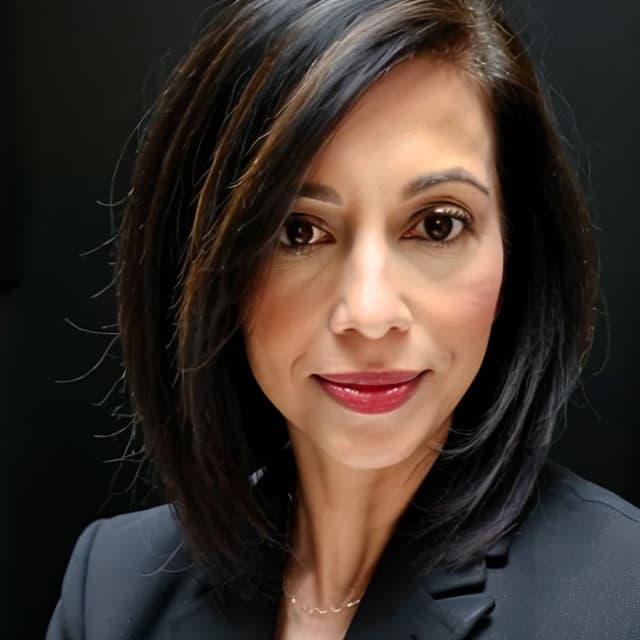
Introducing Dr. Peter Crane 3:02 physician and conflict analyst, explore the hidden negotiations behind modern 3:07 medicine. Let's trade burnout for boundaries 3:09 >> [music] >> and learn the art of healing with 3:11 precision and power. 3:16 >> Hello, my peaceful warriors, and welcome to the Scalpel and Sword Podcast. I'm 3:21 your host, Dr. Lee Sharma, physician and conflict analyst. And I will tell you 3:27 that I love stories. I love hearing stories. I love people telling about 3:33 themselves when they tell stories. But more than anything, I feel like 3:38 storytelling is an art form. And it's an art form that plays very powerfully into 3:44 the world of conflict resolution. Stories shape identity. They build 3:48 trust. They grow leaders, and they build resilience. And our guest today is 3:55 definitely the ideal person to help us delve into the art of narrative and 3:59 storytelling. I'm so happy to welcome to the podcast Dr. Peter Crane. 4:04 Dr. Crane is a graduate of Brigham Young University and he did his medical school 4:08 at the University of Utah. He did his residency at Ball Memorial 4:12 Hospital where he also did his residency not only in family medicine but served 4:16 as chief resident. He is currently in practice as the medical director of Bear 4:21 Lake Family Care and OBGYN. He is also a family physician at the Bear Lake 4:27 Memorial Hospital and in addition to all of these things, he is the host of the 4:32 amazing podcast Doctors Making a Difference. 4:36 Peter, welcome to the show. >> Thank you so much. That's a really 4:40 flattering introduction. I don't know that I deserve any of that stuff, but 4:43 thank you, Lee. That's kind of you. >> Oh my gosh, no, you absolutely all of 4:47 that and more, my friend. I have to say from the jump that I love Doctors Making 4:51 a Difference. What inspired you to start the podcast? 4:57 >> Well, it's a long story. I've shared it on the podcast. So, those who may have 5:00 heard my podcast have heard me kind of talk about this, but I'll share briefly. 5:05 Lee, I was privileged to come back to the same town where I grew up. I grew 5:09 up in rural Idaho and I went to medical school and residency in Indiana and I 5:16 had this opportunity to take the place of the doctor that delivered me. And it 5:20 was like when I were finishing residency and the hospital administrator called 5:24 and said, "We really need a doctor back in our hometown and the doctor that 5:29 delivered you is getting ready to retire, Dr. Wolfe." So, I talked to my 5:33 wife about it and anyway, she's from southern Arizona, so she's used to a 5:37 little bit warmer climate, but she prayed about it and she felt like, 5:40 "Well, that's where we need to be." And so, we came and have been here for 15 5:44 years and have been really incorporated into the community and have enjoyed 5:48 serving a broad spectrum of patients for these last 15 years. And then just to 5:53 shortly summarize why the podcast, I'm super inspired by doctors and I really 6:00 feel like it's a privilege to be a physician. And when it came my turn to 6:03 be a patient, I was just struck to a degree I can't even describe of how much 6:09 what those doctors did for me impacted me. And you know, they spent thousands 6:13 and thousands of hours cumulatively and individually learning this trade and the 6:18 skills. So I had a large 26 cm tumor in my retroperitoneum. It's called a 6:24 solitary fibrous tumor. And that was about 3 years ago. It was a 6:29 terrible thing to go through. But as I went through the process of do radiation 6:34 and chemotherapy and surgery and all the stuff that's come with that, I just was 6:38 so struck by how much that those doctors did for me. And I realized that 6:43 everybody gets to have doctors and we're doctors, we help people, but the impact 6:47 of what physicians did for me and for my family, I just can't even state how that 6:52 improved or how much that impacted me. And when I was recovering from that 6:57 surgery, I wasn't sure if I would ever get to work again. You can't know the
Finding Purpose Through Medicine 7:00 end from the beginning on something so large as that. 7:03 I thought to myself, and maybe it sounds silly or cheesy, but I thought if I got 7:08 to do it again, I'd be a doctor. That's what I would do. I would want to join 7:12 with this amazing group of healers. And so I just felt inspired to start a 7:17 podcast and let's talk about people. Let's hear their stories. Let's not just 7:21 drive everybody away from medicine with burnout and all the craziness that 7:25 doctors have to deal with, but talk about the tremendous impact that you 7:28 have as a physician. It's a really a unique 7:31 and amazing job. I still claim that it's the best job in the world. 7:35 >> Amen. Oh my gosh. That is amazing. You go through this 7:40 experience and I think for any of us being physicians and going through an 7:44 experience like that, I think it would be very easy to 7:48 not look at resentful, but to just you know, why me? I've done this my whole 7:52 life. Why did this happen to me? And I think that's insight into your faith and 7:56 who you are as a person and that comes through and how you tell that story. But 8:01 also too, the gratitude that you felt for the people who cared for you 8:05 got you even more invested in your chosen profession. 8:09 And one of the things I love about what you just said 8:12 that I feel like we all need is that even on our worst days, we are grateful 8:17 to have the positions we have. That it is an honor to do what we do. 8:21 And on your worst day, sometimes it's the day that you need to remember that 8:24 more. Is that we are very grateful to be able to do this. That's amazing. And I 8:30 think that directly connects to how you talk about the mission of Doctors Making 8:34 a Difference. That you are helping people tell stories to connect them to 8:39 their jobs, to connect them to what we do and to stay in medicine. The fact 8:44 that you went through this experience and you felt led to stay practicing says 8:49 a lot about it. But clearly you feel like doing this in the podcast does this 8:54 for other physicians as well. How do you as a podcaster help doctors 8:59 tell these stories? >> Well, again, I don't know if I have 9:03 everything all figured out, Lee, but here's kind of my thought on this. So, 9:06 there's this concept called radical acceptance 9:09 where you accept the very worst outcome is possible 9:14 and then everything else shy of that seems like, well, that's okay. So, 9:17 during the time of that tumor and I still have to take chemotherapy and 9:21 stuff that is not very fun to be a part of. 9:24 But I had accepted that this might be the end of my career. It might be the 9:28 end of my life. And that was devastating and really hard to deal 9:32 with. But I realized that if I I to live, if I got to do this and go back to 9:37 medicine. I wanted to approach it from a perspective of gratitude and then also 9:42 have the tools and resources to not feel like you're stuck in this mindset where 9:47 you can't go forward or that you're so focused on the day-to-day challenges 9:51 that you lose sight of the big long-term objectives that you get to do as a 9:55 physician. So, I still really blessed to be able to be a part of this and to tell 10:00 the stories for other doctors. So, when we have those conversations we help coax 10:05 a narrative out of somebody like, how did you choose this and why would you do 10:09 this? And why do you still do this? And if you were your 18-year-old self 10:13 looking at yourself now that you're a physician, you know, how proud you would 10:17 be of that and kind of tell those stories. And I think it helps keep us 10:21 grounded like, why do I do this? And what kind of impact it might just be 10:26 somebody's follow-up visit and you feel like, well, I'm not making that big of a 10:29 difference, but you need to be there and there's only so many of physicians in 10:34 the United States. If you have the ability to stay engaged and help people 10:38 to get better outcomes, the impact you have is tremendous and I think we don't 10:42 say it enough. >> I 100% agree with you that we don't give 10:47 people the space and the platform to really verbalize that. And I think it's 10:52 one of the things I love about your podcast is that you do create the space 10:56 for people to tell that story. You actually make a platform for them to 11:01 share that with other people. And I think sometimes storytelling is like 11:04 journaling. You don't really know what you think until you start talking about 11:08 it. And when you're asking people these questions of, so what drew you to 11:12 practicing medicine? What's kept you here? What was your inspiration for 11:14 choosing these things? Then all of a sudden, even as you're 11:18 answering the question, I didn't realize I thought that. I 11:22 didn't realize that was something in me. And I do think that's one of the things 11:25 that's powerful about getting people to tell their story is that sometimes you 11:28 will help them discover things that maybe were just under the surface or 11:32 they just didn't realize were there and all of a sudden they're verbalizing it 11:35 to somebody who makes them feel safe. And as they feel that safety, they 11:41 become more open to verbalizing maybe things that surprise themselves. 11:46 >> You know, the other thing I've noticed Lee when we talk to people 11:49 is there's a theme. A lot of people who you started off really kind of 11:54 idealistic and it's all going to work out and then you realize that medicine 11:57 will crush you if you don't care for yourself. And it's almost like people 12:01 need permission to change. If you say like, "Hey, I need to work different 12:04 hours or I need to work a different type of job or I need more support or 12:08 whatever it is that you feel like is depleting you, you have the power to fix 12:12 it." And it's really interesting to me to talk to people. They still find that 12:16 core nugget of why they chose to go on this long journey to become a physician. 12:20 It still is really rings true to each of them. But they have to change something. 12:25 If you just hate a job and you do it just cuz you're just trying to get to 12:28 your financial independence number get out of there, it just feels like this 12:31 slog. But once you find the purpose behind it, it suddenly becomes a joy. 12:37 Can I give you an example real quick, Lee? 12:39 >> Yes, yes. >> A few months ago I had the privilege to 12:42 meet a physician like an article that popped up in one of the Idaho newspapers 12:46 and I called this guy. He is a emergency room physician who is nearing the end of 12:52 his career and instead of retiring, he said, "I'm going to devote an entire 12:56 one-year salary to cure blindness in Ghana." He worked with this 12:59 organization. And he just said, "I went from wanting to finish the work each day
Storytelling, Gratitude, and Physician Identity 13:05 and dreading and kind of having to go out before you can start a shift kind of 13:07 talk yourself into it being okay to just feeling joyful about showing up and 13:12 going to work because I knew that every dollar I earned and every dollar I sent 13:16 overseas to this curing blindness foundation replaced somebody's cataract 13:20 and fixed somebody's vision troubles and helped them with their glasses and that 13:25 impact will spread many, many times over cuz they're starting an organization to 13:30 help teach people how to do the surgeries. And he just said I found this 13:33 tremendous purpose for what I was doing. I didn't hate what I was doing anymore. 13:36 He's like, I might even try to talk my wife into letting me do it for another 13:38 year because I didn't need the finances anymore. I needed the blessing of being 13:42 able to help the person in front of me, but have a tremendous purpose for what I 13:46 was doing. And it was just an example that kind of shows how different it is 13:50 when what you kind of connect back with why you do what you do and you stop 13:54 worrying about all the other barriers because you're so focused on the 13:57 long-term objective. >> Oh my gosh, I'm so glad you shared that 14:01 story. That is powerful. That he discovers his why and when you said, you 14:08 know, you have to talk yourself into the next shift. 14:10 >> Yeah. >> I can't tell you how much that resonated 14:12 with me and so many people I'm sure listening sitting in their core before 14:16 they go into their office or go into the or go into work for their shift. And 14:20 it's like, man, I just got to do this one more time. I just got to get one 14:23 more 8 hours out of me. And all of a sudden 14:26 this doctor who is donating everything he's making to something so significant. 14:32 He's changing an entire country, not just in the short-term, but in the 14:36 long-term. And all of a sudden now he's got his joy back. 14:42 And so those are the kind of stories that we listen to that I think do two 14:47 things. I think number one and we talked about 14:50 this earlier before we started recording, but this whole idea of as we 14:55 tell these stories that we connect and we ground in such a way that conflict 15:03 goes away. I find that I'm connected with you in a very fundamental way. 15:07 We're not so different after all. When we start digging down into these stories 15:11 and it's a beautiful place to start building that relationship and building 15:15 that long-term peace is that I realize in a very fundamental way I'm I'm that 15:20 different from you. What were we in conflict about? All of a sudden things 15:23 start to go away at that point and I love that. 15:25 >> True. >> But the second thing that I love about 15:28 that story is that as he's telling the story to you 15:32 and he's clarifying his why he gets to relive that why. He gets to 15:37 relive the joy of his why. We tell the story enough and there's something that 15:42 bubbles up in us when we share something that makes us that happy. 15:46 And I think if you can get people to tell stories and you sort of allow them 15:50 to relive that joy over and over that's infectious. 15:55 That flows onto so many other people. >> You know, another concept on that I'm 15:59 just thinking as you're describing that Lee is 16:02 on the podcast of mine and probably you do talk about on yours 16:05 when you are no longer doing it just to get through it and you're doing it for 16:10 this higher purpose, suddenly all the dumb little things that drive you crazy 16:14 about prior authorizations or dealing with administration stuff that you don't 16:19 like suddenly that just becomes kind of a nothing and you're like, I don't care 16:23 about that stuff. You can say no. You can be like, no, that's not right for me 16:26 or my patient so I'm not going to do it and you can kind of stick it to them and 16:30 if you want to fire me you can but even more than that, I think it gives you the 16:33 power to say, we're in this for a higher purpose so if there's something you need 16:37 me to do that we have to get through it together, we will but you stop getting 16:41 so crushed by all those little things and you say no to the things you need to 16:46 say no to and you do it for purpose and for joy and then that financial 16:51 independence piece of it is really empowering to people cuz they find their 16:54 way forward and they say, I'm doing this for the purpose of serving somebody and 16:58 that's a very different place than saying, I got to show up cuz I've got to 17:01 make my house payment and my medical payment and my boat payment and all the 17:05 other payments people get. You do it because you want to serve it and that's 17:09 a very powerful place to be in what I would want for every physician to find. 17:14 >> Absolutely. I was very grateful as a young doctor just opening my practice. 17:19 My dad was a general surgeon and a man of just tremendous faith and he gave me 17:24 lots of advice through my life, but one of the things that he said before I 17:27 opened the practice, he says, you never have to worry about the money. You take 17:33 care of the patients, the money will come. And I can still hear him saying 17:37 that and I have shared that with many people, but the people that I have 17:40 shared it with probably the most commonly is my staff. Because we don't 17:44 have to look for the next patient. We're not booking surgeries to make money. You 17:49 take care of the patient, the money will come. And the Lord has never ever failed 17:54 us on that. And I always come back to that. It's like he has always looked 17:57 after us, but I can still hear that in my head and it kind of goes back to 18:01 again the reason why I love the fact that you encourage people to tell these 18:04 stories because I think my dad could have showed me statistics. He could have 18:09 showed me numbers. He could have showed me, if you do all of these things, 18:12 you'll be fine, but that's not what he did. He told me a story that became a 18:16 point of alignment and I used that point of alignment with my staff and thus we 18:23 are now all aligned. We are all on that one point of agreement and that like you 18:29 said, once we're all aligned on that, we all feel that very profoundly, the other 18:36 little things that you can get upset about go away. You know, even the things 18:40 that you are tempted to be in disagreement about, we come back to our 18:44 North Star. This is our North Star. We take care of the patient, the money will 18:47 come. That's it. And all of my staff know 18:51 because I've shared this with them that the reason why I have this is because of 18:55 my father. Because this is a story that he shared 18:58 with me. His picture is up on my wall in my office. So, it's beautiful like you 19:03 said, how when you have that alignment, the little things that we think are so 19:09 disruptive just really lose their importance. 19:13 >> Yeah, I think I've heard it first from Dave Ramsey, so I don't know if he's the 19:16 original person that made this comment, but the comment is if you do a really 19:20 good job, people will give you lots of pictures of George Washington to say 19:23 thank you. 19:26 Well, I chuckled at that and that's true. When you put the person first and 19:30 you say, "Look, the outcome's for the person and their family." If that's your 19:34 first priority, you just don't worry about the rest of it. Like you stop 19:38 worrying so much about well, all the complexities of the electronic medical 19:42 record system and all the insurance garbage that you have to deal with. 19:45 Those things are truly frustrating, but you can learn to see past it and say, 19:49 "Well, I'm here to serve something better. And if I need to change it, 19:53 permission granted. Change it." You know, you're the doctor. You're the one 19:56 that went to medical school. You're the one with the credentials. You're the one 20:00 with the ultimate liability responsibility. So, ultimately, it's you 20:03 that gets to change it. And you don't want to be disrespectful to 20:06 administrators and that kind of thing. That's not the point. The point is 20:10 regain your power. You have that power and the power isn't to make you 20:14 something great. It is to help your patients. And you can be a tremendous 20:18 advocate for them. And when you feel like you're in that job, you're like, 20:21 "Man, I'm here to help these people get through this and get what they need." 20:24 And when you're that kind of a advocate or a voice for people who maybe 20:28 can't speak as much for themselves, it is a tremendously empowering thing. And 20:32 then I think people are willing to see past the difficult moments and continue 20:37 on in a challenging career. And I find it inspiring to talk to people who have 20:40 done that, for sure. >> Oh, absolutely. And one of the things 20:44 you just talked about, I want to go back to this cuz I think it's so interesting. 20:47 And when you talk about being an advocate for patients, that the art of 20:51 storytelling really can move the needle. And I actually think whether you're 20:56 advocating to legislators or you're advocating to administrators, whoever 20:59 you're advocating to, I think very often that stories are more powerful than
Why Narrative Matters in Healthcare 21:04 data. I can show you a page of statistics or I can tell you the story 21:08 about the one patient that had to drive 3 hours to a hospital to deliver her 21:13 baby because this rural hospital closed because they couldn't staff this 21:17 hospital. I can give you all the numbers in the world, but if I tell you that one 21:21 story about this one poor woman who had to drive 3 hours to deliver her baby, 21:26 that will stay with you. And so, if I'm really trying to move the needle, 21:30 that becomes a bigger tool in my toolbox sometimes. 21:34 As physicians, are we losing the art of storytelling? Is this something that we 21:39 feel like we need to resurrect in our medical education? 21:42 >> So, I don't know. That's a good question. I find that it's variable. 21:46 I definitely would say my podcast audience are mostly people who have 21:50 found their story and they're willing to talk about it. But, I also know lots of 21:54 people who feel like they're just sort of floundering and they don't quite know 21:58 what comes next and you just kind of feel like you're sort of in the weeds 22:01 and stuck in the moment. You're helping, but I always tell my wife and like on 22:05 those busy days where you're seeing so much and you can't even breathe. Like 22:09 when like the doctor bought 2,000, I just went through the motions again and 22:12 again and again and again. And you don't even have a minute to sit back and enjoy 22:16 the beautiful moment. Like I just delivered a baby. I just saved 22:19 somebody's life in the ER. I just figured out a diagnosis that nobody 22:22 figured out for 5 years and we figured it out. And you don't even have time to 22:26 process these amazing moments. You're just like, "I'm on to the next one." So, 22:29 I do think it's important from the storytelling standpoint to write it 22:34 down, talk to a colleague, write it in your journal. 22:37 And when you do have those little moments, it's helpful to reflect back. 22:41 I'm not very exemplary on journal writing, but I do find that it's helpful 22:44 if I write it down. Like, "Oh yeah, I remember how things were so uncertain 22:48 and then this worked out in this way and how much you learned." I think all of us 22:52 need to kind of recapture that because whether it be journaling or talking to 22:56 somebody else or leaving yourself audio notes or What it may be, we do need to 23:02 recapture that ability to tell stories because it's about a lot more than 23:07 statistics and numbers. It is about the patient in front of you and why that 23:10 person has entrusted their care to you. And that like you said, that's way more 23:15 powerful than giving somebody a list of data points. They don't care as much 23:18 about that, but they do care about people. 23:21 >> 100% and I'm glad you talked about you know, the idea of journaling and also 23:25 too, there's so many different ways to do the self-reflection. You know, I 23:29 never thought about the idea of recording an audio note to myself, but I 23:33 am going to do that now cuz that's a great idea. I carry a journal around 23:37 with me. I have pens with me all the time. My office staff laugh at me 23:40 because I love my pens. But the discipline of sitting down and writing 23:44 something down, something comes to your mind, you had a really beautiful 23:48 interaction with a patient, something really great happened in your day or 23:51 something maybe you did that didn't fall quite where you wanted it to fall. 23:56 That's something we need to kind of journal and unpack as well. Sometimes 23:59 the stories that we need to tell are the ones that are more cathartic and so the 24:03 idea of being able to have that discipline I think is so important. And 24:07 I think this is something that the younger generation is doing better than 24:10 us. I think they are learning this out of the gate. I think we're having to 24:13 incorporate this later in our careers. Some of these younger kids I think are 24:17 better at journaling, self-reflection. They have been encouraged to do that for 24:23 a longer period of time. So I love that. One of the other things I also think is 24:27 really cool about your podcast and I think especially Doctors Making a 24:32 Difference in general is really as you're spending time with 24:36 your guests, this is definitely more of a long-form storytelling platform. You 24:42 really have time to sit down and really encourage these stories to come out of 24:45 people. And one of the challenges I think sometimes in doing that is that 24:49 unfortunately, we live in a short attention span world. That we live in a 24:54 world sometimes that are based in sound bites and 24:57 30-second TikTok videos. You're not going to capture the essence 25:02 of somebody's story in their joy in 30 seconds. I think that's really hard to 25:07 do. So, 25:10 how do you help people who have developed You've got a guest on your 25:13 show. They're telling these stories and you're really having to encourage them 25:17 to embrace this longer platform of telling the story. Do you do specific 25:21 things to help them learn or help them sort of embrace that experience? 25:26 >> So, well, let me just jump back 1 second. You all have a superpower 25:30 journaling thing in your pocket. These phones have a journal like the iPhones 25:35 at least have a journal app that's password protected. And sometimes when 25:38 I'm just driving home, I'll just turn that thing on and I'll just like audio, 25:43 you know, voice to memo on that thing. And that's how I do a journal entry 25:46 without sitting down and like finger typing the whole thing. So, that was one 25:51 thing I wanted to to say cuz it's a really useful tool. You have it in your 25:54 pocket. You don't even have to spend very much time just You want to 25:57 catharsis right there, you got catharsis. 26:00 >> Yep. >> I love it. 26:01 >> Pertaining to the question of how do you coax a story out of people? You know, 26:04 your podcast focuses a lot on conflict resolution. I think that's the root of 26:08 it is you have to get to why people do what they do. And most people 26:14 I find are willing and pretty interested in telling you their story. You know, 26:18 you've heard that before. You want to get someone to talk and they're going to 26:20 talk about themselves. And I think it's not that people are vain. I think they 26:23 know their story. They live it. And we say, "Why did you become a doctor in the 26:27 first place?" Or "What would 18-year-old you 26:30 say about you now?" You know, "Would you be proud of who you've become?" And And 26:34 some of the people will lead ends have been really helpful for people to think 26:37 about, "Why do I do this?" And another one I've asked people a lot. I've tried 26:41 to think about it myself a little bit. Okay, you're a doctor. You've been at 26:44 this X number of years. And you're still a doctor. You're a tremendously talented 26:49 person. You could do a whole bunch of stuff with your degree or with your 26:52 intellect and your motivation. Why do you still choose medicine now? And I 26:57 think that's a really good thing for all of us to think about, but it does help 27:01 people tell the story like, well, why am I here doing this thing? Even though 27:05 it's not always straightforward, it's a hard job. You know, doctors are 27:08 generally well paid, but it's because it's a really hard job. I'm trying to 27:12 gloss over the difficulty of it. But it when we celebrate that and celebrate the 27:16 wins and get people to talk about some of those things, there's tremendous 27:20 things that come out of it. And people find joy, they find motivation, and I 27:23 personally find it very inspiring. So, I enjoy talking to people about it. And I 27:27 hope the listeners also enjoy hearing about it cuz I think it's fascinating. 27:31 >> And there's something also very interesting. I agree with you. I think 27:34 it's always so great to encourage people to tell their stories. And when I do 27:39 conflict resolution training, a lot of times like I will in labor and delivery 27:42 or on the ward, and one of the things if you're in a conflict situation with a 27:46 patient and you're not really sure where to start, 27:50 I think it's always a good place to start tell me your story. And I do agree 27:54 with you. I think people really enjoy telling their stories. But one of the 27:58 things that I have found with physicians, which I think is so 28:01 interesting, is sometimes physicians are hesitant to tell their story. And I 28:06 think some of that goes back to we're servants, we like to help people. We 28:11 value other people's stories, but sometimes we do forget to value our own. 28:15 We forget that our stories are meaningful and can bless other people. 28:19 And so, sometimes we're not as willing to do that, which is even one of the 28:22 other reasons I love your podcast, is because you're creating a safe space for 28:25 people to do that. I do think people need to feel safe to tell their story. I 28:29 think people need to feel like they're in a place that it's okay to tell their 28:32 story, but also helping for people to feel empowered and 28:37 that they are empowering other people by telling that story. I think sometimes as 28:42 doctors we don't realize how, like you said, what we do is challenging. What we 28:47 do is hard, you know. This is a very difficult profession. It's full of 28:52 reward and so much wonder. But at the same time, it's very hard. 28:57 And recognizing that in such a way by 29:00 saying, "My story is important." And I should tell my story. I think it's one 29:05 of the hardest things to get doctors to do. 29:08 >> People are fascinated by doctors. You know, I'm a physician, but I remember 29:12 thinking it's interesting but it's a listen about why people do what they do. 29:16 But think about all the books and all the TV drama series and all the movies 29:20 that have um something related to being a physician as the core of it. And 29:25 there's lots and lots of examples of that. And I don't think it's necessarily 29:29 the doctor they want to know about that person's personality, but it's because 29:33 you get to do something so unique. You're right there. There's no job like 29:37 it. You're right in the middle of the specific details of somebody's life. 29:41 They'll tell you as a physician things they would never tell another soul. 29:44 Because you're their doctor. And there's this this incredible level of trust that 29:48 people put in us. You hope it's merited and deserved and that we can be worthy 29:52 of that kind of uh trust of our patients. But I think people are really 29:56 interested. And so, even as fellow physicians, when you hear a doctor
Authenticity and Leaving Medicine Better 30:00 telling their story and this is why I do what I do, 30:03 I think there's a power that comes from it cuz 30:05 it's easy to think I'm the only one that feels this way. How could anybody else 30:09 be dealing with this? And yet when you ask and you talk to people, doesn't 30:12 matter even what specialty they're in, there is so much similarity across the 30:17 spectrum of caring for human beings. And you know, whether it's a surgical 30:20 subspecialty or a primary care or if you're doing international work, there's 30:25 just all these themes that run through it. So, I think back to that question 30:28 about narrative, people love hearing the story of another person. And physicians, 30:33 I like to hear the story like, "Oh, I'm not the only one that thought that. 30:36 That's really interesting." Our legislators, you know, they are 30:40 interested in what the physicians think. They don't always do what we say, but 30:43 they're interested in what we're experiencing and what we're seeing 30:46 because there's nothing quite like it. And so, even though you may think your 30:50 story is boring or somebody else has already had it and you're just this or 30:55 just that, none of that is true. You went through something that's incredibly 30:59 difficult. Most people don't go to medical school or can't get into medical 31:03 school and then it's a really big uphill climb and you're in it for years. And 31:06 I've talked to people who have not gone through medical training and they still 31:10 have no idea how many years that is. And it's a tremendous amount of dedication. 31:15 So, when you talk to a physician and you hear their experience, it is really 31:18 interesting to most people. And I think that giving those people a place to talk 31:23 and having those voices be amplified is powerful for our profession and I think 31:27 for our patients to hear it, it's powerful for them as well. 31:31 >> 100%. And as you were talking, one of the things that I think, especially for 31:35 doctors who are not sure if they want to start telling their stories and how and 31:38 whatever shape or form that takes, however that, you know, if you're going 31:41 to be on a podcast or however you want to share that, 31:44 one of the things that I do think makes it so important for us to share it is it 31:48 does build trust in that physician-patient relationship. When 31:53 patients see that we are human, when they are able to sort of look at us 31:58 telling these stories as like, "Oh my goodness, there's a human being in there 32:01 doing all this amazing stuff." That does nothing but augment that 32:06 relationship. And so, I think again, a lot of physicians may be, you know, shy 32:10 or reticent to tell their stories, don't realize how much that bolsters that 32:15 relationship when they are taking that step sharing that narrative. 32:21 >> You know, the other piece of it is we want to do a good job. And I think 32:25 everybody starts out as a young aspiring medical student, you want to change the 32:30 world and have all these aspirational statements in your personal statement. 32:33 And those are really good. The other thing that helps when you hear these 32:37 narratives and you hear people like my friend that was donating a year's 32:40 salary, you hear people that are doing it for these tremendously positive 32:44 reasons. I think it helps us to be better physicians. We hear that and you 32:48 say like, well, that person is dealing with the same kind of challenges I'm 32:52 dealing with and they're still doing this. And oh, when we hear about someone 32:56 that maybe would had an unkind patient interaction or the patient perceived it 33:00 as the person was in too big a hurry or dismissed them, all the negative stories 33:03 you might hear. It's helpful for us to hear that there is a different way to do 33:07 this. When I hear so-and-so, the way they treat a patient and how they care 33:11 for someone and how they create time to do the things that are of greatest 33:14 importance or volunteer their time or whatever it may be. I think it inspires 33:19 all of us cuz, you know, we don't want to just speak in platitudes. Want to 33:23 give people specific examples of this is a fellow physician who works in your 33:27 same field and this is how they're doing this and look at the tremendous success 33:30 and personal joy they derive from this. So, I think those stories are more 33:34 powerful than just telling people about it. Go through and say, this is someone 33:37 that working in 2026, this is their story. You can contact them and hear if 33:42 you want to get involved and change your life, do this. I I think that narrative 33:45 a telling is really powerful, Lee. >> Oh my goodness, absolutely. 33:51 It makes me think if every doctor saw themselves as a living story, 33:57 how would medicine change? >> Yeah, you hope you'd stick with the 34:02 positive features and not give in to the if 34:04 You have the bad angel and the good angel on each shoulder. Try to do good. 34:08 And because you do want to say, if I had to report to somebody, I would want to 34:12 say I did a good job. Like I shared at the beginning, a terrible moment of 34:15 having to recover from a surgery and realizing that I may or may never work 34:18 again, it was just really impactful to me cuz I did really realize that I 34:23 wanted to be a physician. I didn't want to leave this group of healers who do 34:27 nothing but help other people. That doesn't mean doctors are perfect or that 34:30 we get everything right every time or anything like that. But there's nobody 34:34 else that has that degree of training. And so we have to do what we can to 34:37 protect the lives and the well-being of those healers rather than burn them out 34:41 and say you hit your fine number, you're 45, get out of here. We need people that 34:45 have that depth of experience to stay in medicine and find a way to be relevant 34:50 and find a way to find joy in what they do. And like I said, it's been a really 34:55 wonderful experience for me to be involved in. 34:58 >> Oh, it's amazing what you've done and how you've been able to bring your life 35:03 experience into this work of being able to create this platform people to tell 35:08 those stories. It's beautiful what you do, Peter. It really is. 35:12 >> Oh, thank you. >> If you could think of one word that 35:15 defines great storytelling, what would it be? 35:20 >> Authentic is the word that comes to mind. And I know that's kind of a 35:24 buzzword in 2026, but I think it really does mean something to people. We don't 35:29 like stories that are just platitudes or somebody's, you know, Instagram perfect 35:33 life. You want to see, hey, this is a person like me. They have struggles just 35:37 like I do. And you realize after a while when you talk to people, everybody's 35:41 broken in some way. There's nobody that has it figured out. And you all just get 35:46 to live a few decades on this life and you hope you make them good ones cuz 35:50 you're only going to be around for so long. Right now in 2026, this is our 35:54 time to carry the baton. We are the doctors of this time. And one of the 35:58 themes of my podcast is to try to leave medicine better than we found it. And we 36:02 do that by empowering doctors and making lives a little bit better for the 36:07 physicians and do things better for our patients. But after a few years will go 36:10 by and we'll pass that baton on to the next generation. We want to encourage 36:14 the best and brightest to become physicians and we want to be able to 36:17 leave it just a little bit better than we found it. So that authentic self and 36:20 when people describe that, their own personal lived experience, that is 36:24 really powerful and inspiring for most people who listen. 36:28 >> Absolutely. Peters, thank you so much for being 36:33 here. Thank you for the work that you do on Doctors Making a Difference. I love 36:37 your podcast. I listen to it and I do get inspired. It's one of those things I 36:42 can listen to and if you're not having a great day and to listen to these stories 36:47 and you do really start to resonate with these people who have found joy in 36:53 practicing medicine. And like you said, this is our time. This is our time to be 36:59 in this system and caring for the people that we are honored to care for. And 37:04 hopefully be able to have a generation that comes behind us that will feel just 37:09 as blessed if not more so than we do. >> Yep, thank you so much Lee. I'm 37:13 similarly inspired. I love the work you're doing. I think conflict 37:16 management, narrative medicine, I mean all that stuff is really important to 37:20 talk about and the more we talk about it, the more people will do it and I 37:24 find your podcast also inspiring. So, thank you for what you're doing. 37:28 >> I appreciate that Peter. Thank you so much. 37:31 For all of our peaceful warriors who have joined us today on the Scalpel and 37:35 Sword podcast, thank you so much for being here. If this podcast has 37:39 resonated with you, please like it, share it, give it to a colleague and 37:45 also share with them Doctors Making a Difference. Encourage them to listen to 37:48 the podcast. And until next time, be at peace. 37:55 >> [music] >> Every episode is an invitation 37:58 to speak, to negotiate, to choose. [music] 38:02 I'm Dr. Lee Sharma. Join the dialogue by subscribing [music] 38:06 to Scalpel and Sword. Until next time, peaceful warriors. May 38:10 your choices [music] be sharp and your voice be even sharper. 38:18 This podcast is a reflection of lived experience and research in conflict 38:22 resolution. The Scalpel and Sword is not intended as 38:26 medical or legal [music] guidance. For personal matters, please consult a 38:30 qualified professional.
Comments