Full Transcript Intro and Mother-in-Law Bacteria Analogy 0:00 I call Fuso bacterium nucleotum the mother-in-law bacteria. 0:04 And you can see the analogy. 0:05 You know, if you go in and you're like, how can I help? 0:08 I'm not going to stay very long. 0:10 I'm not going to give you any unsolicited advice. 0:13 I'm not going to ask you any questions about why are you doing this? 0:16 Then you're a good bacteria. 0:17 You're the beneficial side of Fuso. 0:22 But it's when you go in, you become fusobacterium, Lori, when you go and you say, I have a better idea. 0:29 Oh, and I'm going to spend the night. 0:30 I didn't tell you. 0:31 And moves their stuff around. 0:31 Or what? 0:32 Saying, I'm too long an overbearing mother-in-law. 0:35 So it's really, it is exactly what fusobacterium is. 0:39 It's good until it's too much. 0:41 Yeah. 0:42 And it travels to the gut. 0:44 Welcome to Take Back My Brain with Lori Hammer, where real healing starts in the brain. 0:51 I'm Lori, a functional nutritionist and mom who's walked the path from anxiety and burnout to clarity and calm. 0:59 Each week, we're going to dive into brain-based tools like amino acid therapy, gut health, fasting and faith to help you reclaim your energy, 1:09 emotions and sense of self. 1:18 Hello and welcome back to Take Back My Brain. 1:20 I'm your host, Lori Hammer, and I am very excited to introduce you to my new friend, Debbie Osment.
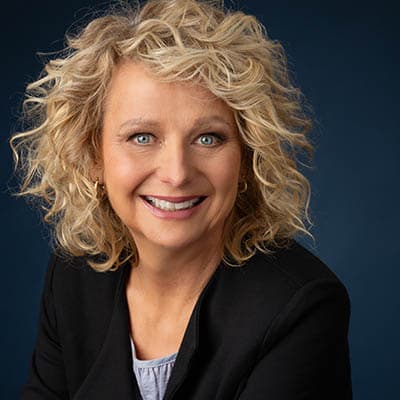
Meet Debbie Osment and Her Dental-to-Functional Health Journey 1:26 She is an amazing woman and you're going to want to stay till the end of this interview, okay? 1:33 So don't cut out. 1:34 Debbie is a dentist. 1:36 And, but she's going to tell her whole story, but she has also become a whole body. 1:42 What I want to say, Debbie, um, she's into nutritional medicine and metabolic health, and she is nationally board certified health and wellness coach. 1:51 She is the host of the amazing podcast, which I was just on, just so make sure you go check that out. 1:56 Vitality Made Simple. 1:58 And she's totally committed to the intervention of periodontal disease because that is her dentistry background. 2:04 So I can't wait to dive into this conversation today, Debbie. 2:06 Welcome. 2:08 Thank you, Laura. 2:08 It's a joy to be here. 2:10 So I have to ask, how does a dentist go from root canals, periodontal disease into metabolic health? 2:19 Well, really based on what I started seeing in my practice, I've been a dentist for over 40 years. 2:25 And, um, you know, back in the eighties, we, we thought the mouth was just this isolated, you know, orifice, you know, my, 2:34 my Ted talks, the forgotten orifice, cause it really is. 2:36 I say, I'm talking about the mouth. 2:38 It's just, you know, it's just the mouth. 2:40 It's just all about teeth. 2:41 It's all about, um, a smile or potentially a toothache. 2:46 Uh, our daughter, when she was six years old in, in. 2:50 Someone asked her, what does your mama do? 2:52 And she said, my mama is a laundry lady and she fixes teeth. 2:57 That's exactly accurate in that order, Laurie. 3:01 We're very much trained as carpenters, especially in the early 80s. 3:06 And still dentists are trained as carpenters. 3:07 We can fix teeny tiny things on moving people in a wet environment. 3:13 have that construction hold up for years and years and years. 3:16 But I started seeing people's med lists getting longer. 3:19 I started seeing anxiety increase, which is why I was interested in talking to you. 3:25 I want your listeners to hear your excellent podcast with me. 3:29 It's going to help so many people. 3:32 I started seeing people collect doctors. 3:34 So they started getting more and more physicians and, you know, they'd be looking at their schedule and say, well, that's my, 3:41 that's my kidney doctor. 3:42 Well, that's my, my cardiologist. 3:44 Oh, that's my psychiatrist. 3:45 Oh, that's my big toe doctor. 3:46 Oh, that's my, you know, and it's just like, something's not right. 3:51 People are getting sicker. 3:53 And so a turning point, Laurie, was a patient that was very committed to her oral health. 4:03 She came in every three months. 4:05 She sat in the same chair. 4:06 She was very regimented, a major person in Oklahoma City. 4:11 She always did what she was supposed to do. 4:13 So she comes in, she always looked inflamed. 4:16 She never looked healthy despite excellent home care. 4:20 And so she comes in and she looks really healthy. 4:23 And I said, what are you doing differently? 4:25 She said, nothing. 4:26 I am doing what you told me. 4:27 And I said, I know you always do what I tell you. 4:31 I said, there's something different. 4:33 You're healthy. 4:34 And she said, no, I'm nothing different. 4:37 So I said, you're going to think of it. 4:38 And when you do, please come back and tell me, or please call me. 4:42 So she left. 4:44 She went to her car. 4:45 We could see her come back. 4:46 I said, she thought of it. 4:48 Sure enough, she comes in, Laurie, and she says, I'm getting a vitamin D injection once a week. 4:55 Now, this was in about the year 1999. I mean, this is long. 5:00 And so vitamin D wasn't in the news. 5:03 And she said, do you think that can make any difference? 5:05 And I said, well, I'm going to figure it out. 5:07 I think it has. 5:08 I think that's all we, that's the only change. 5:11 Um, so sure enough that, you know, that sort of my snowball of research. 5:15 Yeah. 5:17 And so now we know, of course, vitamin D is a hormone and it makes a difference in every single cell in the body. 5:24 So next, I went to a vascular inflammation class given by some cardiologists. 5:29 Back in the early 80s when I was in dental school, there were starting to be murmurings of, oh, maybe these oral bacteria affect heart and it's logical. 5:42 It's an inflammatory, gum disease is an inflammatory problem. 5:46 But literally, when I was in dental school, probably a junior in dental school, I literally got yanked by the hair into the consultation room because I 5:57 told somebody that if they would take better care of their gums, maybe their blood pressure would improve. 6:02 And it was like, oh, We can't say that. 6:05 No, you know, no, you're making a false claim. 6:09 And, but it, but it was logical to me and it is true now. 6:13 So that first big class I took was hardest tech and stroke prevention. 6:17 It now has become preceptorship. 6:20 It's really awesome at that course. 6:23 So salivary diagnostics was launched. 6:26 So that's a saliva test that we can actually, a simple saliva test, people can swish and spit and we can see the parameters of 11 different key oral pathogens.
Oral Bacteria, Inflammation, and Systemic Health 6:38 bacteria in the mouth, you can see their levels, it's based on the DNA of these bacteria. 6:44 So now, you know, that was in, I guess that test first came out in 2010, but this bacteria now we know the DNA is found in the brain, 6:54 it's found in the blood-brain barrier, it's found in swollen joints, very much impacts these pathogens, very much impacts anxiety because they're so pro-inflammatory. 7:07 You know, they trigger interleukin-6, TNF-alpha, all of the things that cause inflammation. 7:13 So that sort of started my journey and now my practice is actually limited. 7:19 I don't fix teeth anymore, Laurie. 7:20 I haven't picked up a hand piece in a long time, but I do help people with their periodontal health. 7:28 It's a common saying for all the listeners that health starts in the gut, but now we know that the gut starts in the mouth. 7:34 So these oral bacteria don't stay in the mouth and actually the teeth are the last to go. 7:42 So they're going to affect other parts of the body long before they harm the teeth. 7:47 Yeah, and I've heard that your teeth are a sign of, like, if you have soft teeth, you know, they're ground down real easy, 7:53 like, that's a sign that you have soft bones, is that true? 7:56 Yes, I mean, osteoporosis can show up in the mouth, even in the supporting structures of the teeth, the bone around the teeth. 8:05 Also, it's interesting, a lot of, and this is really something I've just learned lately in the last few years, that a lot of grinding is oxygen hunger. 8:14 So that is based on airway. 8:18 So a lot of people actually have a small airway because of all the soft food that we've eaten, little kids have eaten. 8:27 It's not chewing on things like they used to also. 8:31 We get wisdom teeth taken out just, you know, as a matter of routine. 8:35 I mean, all the people I've had, you know, we didn't know and it's still happening. 8:40 Now I see it so differently now. 8:42 I mean, God put those wisdom teeth there to help hold the airway open. 8:46 Everything is there for a reason. 8:48 Everything is there for a reason. 8:49 Well, and I know I had cavitations where my wisdom teeth were. 8:53 And I had to have him fixed twice, Debbie. 8:55 Oh my goodness. 8:57 It was awful. 8:58 But the second time I had it done, the biological dentist who did it, he tested the stuff that was in. 9:04 So he tested the bacteria and the stuff that was in those cavitations. 9:10 I'm like, no wonder it couldn't get well. 9:13 Oh, Laurie, I applaud her. 9:15 She's a biological dentist. 9:17 Oh, yes. 9:18 Yes, and I take part in all my clients. 9:21 Everybody has to get their mouth x-rayed. 9:24 We got to know what's going on in there. 9:26 Do you have a root canal that's a hidden infection? 9:28 Because I look at their blood work, their lymphocytes or the neutrophils are high. 9:33 You know, their doc is like, ah, it's fine. 9:35 It's a normal range. 9:36 Well, no, your cortisol is jacked up. 9:38 Well, why is your cortisol jacked up? 9:39 You've got a hidden infection because everything else has been covered. 9:42 So where's that infection? 9:43 And it's usually here. 9:46 You're right. 9:46 It usually is here and it can be so shocking. 9:49 Back in 2013, a physician, so now my patients are physician referrals. 9:54 A physician sends a patient and says, Debbie, I think this woman has cancer. 9:58 I've checked everything. 10:00 Her C-reactive protein, which for our listeners is a measure of inflammation, it's very nonspecific. 10:06 We don't know where it is with C-reactive protein, but it also is a risk factor for heart attack and stroke. 10:11 And her C-reactive protein was 18.1. And yeah, and everything else is coming back, you know, within normal range. 10:20 So she's like, see what you find. 10:23 And if you don't find anything, I'm sending her for an MRI, a PET scan, you know, just all these things. 10:28 And so we did an oral DNA test. 10:30 She had a high-fusil bacterium nucleotin, which for, I'll talk more about that later, but that's a very sneaky bacteria. 10:39 She also had one of what are called red complex bacteria that that could be very inflammatory, pro-inflammatory. 10:47 So bottom line, Laurie, I did a deep scapulinary planning, used, you know, I used a laser, I used, in those days I wasn't using ozone, 10:57 now I'm using ozone, but nevertheless, it was very simple, no antibiotics. 11:01 And I use antibiotics sometimes, but not on... 11:04 She happened to be getting another blood test 60 days after her periodontal treatment, which is pretty close. 11:11 Her CRP dropped from 18.1 to 2.9. Wow. 11:16 And so actually we see better results farther out. 11:21 Right. 11:22 You know, once the body Our bodies are designed to heal and once that healing starts, it frees up resources in the immune system to go other places. 11:31 And so we actually see even better results down the line. 11:36 But that was just such an aha moment for us here to realize how big a simple therapy, really inexpensive therapy is. 11:48 And that's easily overlooked because bleeding gums, like anxiety, like anxiety is normal. 11:53 We talked about that in your interview. 11:57 So normal that it just gets ignored until it's really bad. 12:01 But bleeding gums are the same. 12:03 If someone is not really trying hard to keep their oral microbiome healthy, they're going to have bleeding gums and it just gets ignored. 12:14 It's like, oh, you look fine, a little bit of bleeding, no problem. 12:17 See you in six months. 12:21 And then down the line, it's not really worried about until it's, you know, gum surgery. 12:25 But at one point, it's already impacted the gut. 12:29 It's already impacted memory. 12:31 It's already impacted arthritic problems. 12:33 It's already, you know, it's in fact impacted all the neurotransmitters that you're working in the absorption of these nutrients that you're working with. 12:40 And it's so big and it's so simple at the beginning. 12:45 Your brain runs the show, so don't let toxins run it ragged. 12:51 God designed our bodies to heal when we remove the interference, and Zeo Charge from Zeolite Labs helps me do just that. 12:59 This detox magnet targets heavy metals, mold, and other toxins, while sparing your essential minerals. 13:07 It is clean, third-party tested, and so easy to use. 13:11 So I want you to take back your brain today with ZeoCharge. 13:15 Get it now at zeolitelabs.com. 13:17 That is z-e-o-l-i-t-e labs.com. 13:24 Yeah, it's so true. 13:26 When you're talking about bleeding gums and, you know, keeping the airway open, there's just so many factors there. 13:32 And it can get feel like overwhelming. 13:35 And people like, I just don't want to address it. 13:36 I don't want to spend the money for that, you know, blah, blah, you know, this and that. 13:40 So, I find it hard to get people to address what's going on in their mouth. 13:44 They're like, well, I was sick before this happened. 13:47 I'm like, yeah, but you're not going to get well unless you address what's going on in your mouth, right? 13:51 So, I find it hard to get people to go through with some of those things sometime, but eventually they do.
Migraine with Flossing, Black Seed Oil, and Fusobacterium 13:57 Quick question, and this is for me, if I might ask a question. 14:02 Sure. 14:03 Yeah. 14:03 So crazy thing, and I've never had a dentist been able to like give me a good answer on it. 14:08 They're like, oh, just keep doing it and it'll go away. 14:11 And so even ever since I was little Debbie, and I mean like probably 10, 12, I remember this happening because I always, 14:18 I've always tried to floss my teeth. 14:20 But if I floss my teeth like more than a day in a row, I get a migraine. 14:25 Does that make sense to you? 14:27 Yeah. 14:28 And every time I go have my teeth clean, which is, I only do it once a year. 14:31 I know you're supposed to do it like, you know, twice a year or more, but I get headaches for like days after. 14:37 And sometimes I'll get a migraine that night. 14:40 Nobody's been able to tell me why. 14:43 And my gums aren't bad. 14:45 I mean, they'll bleed around my period. 14:46 So I know that's like hormone related and then they'll stop. 14:51 Um, but my diet is good. 14:53 You know, like, you know, you know what I do. 14:55 So I've never been able to figure it out. 14:59 So I honestly don't floss very often, which I know I need to, but if I do it too many times in a row, I'll get a migraine. 15:06 You know, I would suggest something different. 15:09 I have, let me look around here. 15:12 Okay. 15:14 This is what I would recommend. 15:15 Okay. 15:16 These, these little brush picks. 15:18 Yep. 15:18 I've used those. 15:19 Yep. 15:20 Now with these brush picks, um, let's see if I have one sitting here. 15:25 The thing is you, it's not just like this. 15:30 Okay. 15:31 You actually get in there and scrub. 15:33 Oh, okay. 15:36 Like I'm fishing hard against this tooth. 15:38 Uh huh. 15:40 And then I'm going to push hard against this tooth. 15:43 And I'm way up under the gums. 15:45 I mean, you can hear it squeak, but I'm way up under the gums. 15:51 Now, it makes me wonder, Laurie, if like that's releasing bacteria that some, I mean, periodontal disease is related, even early periodontal disease. 16:03 When we say periodontal disease, you know, I say people think of Billy Bob teeth, you know, these I think it's really bad, 16:09 but it can be something really small. 16:11 When you were 10 or 12 years old, you had quite a few permanent teeth. 16:18 If you had baby teeth, you had just maybe four, not that many. 16:22 This is because I'm at my desk area and this is what I use. 16:31 I bottle up black seed oil, Nigella sativa, for my patients. 16:36 This is a naturally anti-inflammatory oil, black seed oil, Nigella sativa, and it has an active ingredient called thymoquinone. 16:48 And thymoquinone has been heavily studied globally for So many things. 16:57 I discovered it about two years ago and did three podcasts, solo episodes on it because it was so fascinating. 17:06 You can take it internally. 17:08 It's good for blood sugar, but it's also just good in the mouth. 17:12 So I did my own experiment. 17:14 I didn't get my teeth cleaned. 17:17 And when I was supposed to, I got my Fusil bacterium, which is this bacteria I want to tell you about, but it's a very common bacteria that has a lot of 17:26 systemic implications. 17:27 I didn't get it tested. 17:29 I didn't get my teeth cleaned, but I got it tested, found out where it was. 17:32 I used black seed oil. 17:34 with oil pulling, you know, with a little bit of coconut oil, a little bit of black seed oil, swished for at least 10 minutes, 17:42 10 to 11, so I can stand it, for 30 days, got retested, and my fuse of bacterium came down 30% in 30 days. 17:51 Yeah. 17:53 Really huge, really huge for systemic health. 17:57 Now. 17:58 And mine wasn't high, but it still came down. 18:01 Fusobacterium is an interesting little bug. 18:04 It's called a commensal. 18:06 So at low levels, it's actually a beneficial bacteria. 18:12 When it gets, when it overgrows and starts building, you know, it's a bridge builder with bad bacteria, you know, causing problems that it is really, 18:22 you know, detrimental. 18:24 I call fusobacterium nucleotum the mother-in-law bacteria. 18:28 And you can see the analogy. 18:32 If you go in and you're like, how can I help? 18:34 I'm not going to stay very long. 18:36 I'm not going to give you any unsolicited advice. 18:39 I'm not going to ask you any questions about why are you doing this? 18:42 Then you're a good bacteria. 18:44 You're the beneficial side of Fuso. 18:50 But it's when you go in, you become fusobacterium, Lorie, when you go and you say, oh, why is this in the, why, you know, 18:59 why are, you know, oh, I have a better idea. 19:01 Oh, and I'm going to spend the night, I didn't tell you. 19:03 And, you know, move their stuff around or what, you know what I'm saying? 19:06 Too long and overbearing mother-in-law. 19:08 So it's really, it is exactly what fusobacterium is. 19:13 It's good until it's too much. 19:16 Yeah, and it travels to the gut. 19:19 So when a patient sees me, I do a 3D cone beam, which you mentioned. 19:23 You've got to have that on those places like cavitations. 19:27 I do a saliva test and I do a stool test. 19:31 I use the GI map. 19:33 Because the GI map shows fusovacterium in the gut, In the gut, she has a bacterium, stimulates autoimmunity. 19:41 It actually is, by a lot of research, is causal for colorectal cancer. 19:47 I mean, I say fully in full disclosure that that is a big word. 19:53 But after I did my TED talk, I had a lot of researchers writing to me and saying, it's causal. 19:58 It's causal. 19:58 You just said it's correlated, but it's causal. 20:01 And not in every case of colorectal cancer, but also it's correlated with breast cancer. 20:07 I mean, it is so big and I see it so consistently, Laurie, because these patients I'm seeing, I'm seeing a lot of sick patients, 20:16 their referrals, and usually their Fusibacterium is high. 20:20 When we lower their Fusibacterium, their inflammatory index goes down, typically their autoimmunity gets better, lots of things get better. 20:29 Fuse of bacterium, interestingly, if anybody out there is dealing with colorectal cancer, this oral bacteria that starts at the mouth, 20:37 travels to the gut, can render colorectal colorectal cancer cells immune resistant to 5-fluorouracil, cisplatin, oxyplatin. 20:49 Those three types of chemotherapy that are commonly used for colorectal cancer are ineffective if use of bacterium is high in the gut. 20:57 So get rid of it in the mouth and a lot of times have to use the antibiotic in the gut, chemotherapy starts working. 21:05 Wow. 21:06 Amazing. 21:07 It is amazing.
How Oral Health Connects to Gut Health and Cancer Risk 21:08 Okay. 21:09 Good to know. 21:10 I will try that. 21:11 Thank you. 21:12 Yeah. 21:12 Try that. 21:13 Oh, and I have an online free class. 21:15 It's called Upstream Gut Health. 21:17 Yeah, it's Upstream Gut Health and it'll be free for another couple of months at least. 21:21 Okay. 21:21 I'll put that in the show notes. 21:22 Yeah. 21:23 Yeah. 21:23 I mean, have people access it because I talk a lot about this and show techniques because you don't have to do oil pulling. 21:32 Actually, oil pulling sounds Good and it is good. 21:37 It's just hard to be consistent with it for most Yeah, you have to be in the sometimes you just have to be in the mood to do it. 21:44 You're like Not today Not today. 21:49 Or like maybe I could do it in the afternoon, but I wouldn't. 21:52 I can't do it in the morning. 21:53 Not today. 21:55 Not today. 21:58 They say do it for 20 minutes. 22:00 Only 11 is my word. 22:04 When I do do it, when it is the day that I will do it, I'll do it and I'll walk while I do it. 22:10 Like I'm walking my dogs because if I do it around the house, I'm like, Like I kind of tend to like gag if I'm doing something so you're spitting in the 22:18 neighbors What is she doing? 22:19 Yeah, all my old lady lay neighbors are like Oh, yeah. 22:36 No, it's ancient mouth cleaning, but there's other ways. 22:39 There's other ways to get Nigella sativa, black seed oil, in your mouth and get the benefits. 22:44 I will do that, Debbie. 22:46 Thank you. 22:47 Thank you very much. 22:48 And I will report to you and let you know. 22:49 Let me know. 22:50 Yeah. 22:51 Well, that'll be great. 22:52 As somebody tell me, it's probably like an emotional trigger from a trauma childhood, you know, when you were like 10 or 12. Yeah, 22:59 I don't know. 22:59 I feel like I don't feel like I had anything associated with my mouth, but whatever. 23:05 It might just be gross. 23:08 It might just be a bacteria that's just been there and hasn't gone away. 23:11 I don't know. 23:11 Yeah. 23:14 Anyway, craziness. 23:15 So I was watching one of your videos on Instagram and you carry sardines in your purse. 23:25 And I was laughing because like when I travel, I too will carry, you know, cans of fish in my purse along with like olives and tomatoes. 23:36 And I'm assuming like me that you didn't always do that. 23:41 Right. 23:42 And so this has been a progression for you as you have learned, you know, about metabolic health and inflammation and seeing the changes in your oral health, 23:50 like Some people are like, oh, that's just really overwhelming. 23:53 I would never do that. 23:55 But when I saw your video, I'm like, oh, somebody else as weird as me carries fish in their purse. 23:59 It's just a process. 24:00 So I would love for you to kind of walk people through your conversion process. 24:06 What things did you particularly start with personally? 24:09 We talked a little bit about your practice and stuff, but how did your life shift? 24:14 as you came to understand all these, you know, functional health things. 24:17 You know, I used to have a package of Oreos under my car seat or the cheap copies, you know, that were not Oreo or a 50 cent bag. 24:27 And so that was just my go-to because I was generally always on the thin side. 24:33 So it can't matter, right, if you're not sad. 24:38 Then our our first our first child was born and he was was pretty sick and with asthma and you know and that that was gut. 24:51 So we started learning and I mean I think I was a very slow learner actually Laurie. 24:58 I don't think I caught on quickly at all because I thought lunch bowls were like such a wonder do for my children. 25:04 Yeah. 25:04 Right. 25:05 Then I, we had, when our first functional medicine physician came to Oklahoma city. 25:11 Oh my gosh. 25:11 She's so cool. 25:12 Her name's Dr. 25:13 Laura Miles. 25:14 And, um, I, I went to her and I was pre-diabetic.
Personal Health Changes, Diet, and Family Learning Curve 25:19 Oh, wow. 25:20 Like, how old were you? 25:22 I think your test, I think your test is wrong. 25:25 I'm 66. I was probably, I was probably 46, probably 20 years, 20 years ago. 25:31 Yeah. 25:32 But we were super active in Boy Scouts. 25:35 I mean 50, Mike and I joked about Philmont at 50. We, we did Philmont, carried 50 pounds, a bunch of, you know, scouts and, 25:45 um, our daughter went even, and we hiked 11 days, you know, and, So I say, I mean, even then I still probably didn't get it totally. 25:59 Maybe better. 26:00 I mean, I really think, you know, food, food is so good and I love food. 26:06 So, and I've always cooked a lot, but I still, I think the program, you know, the functional medicine training and, and seeing patients, 26:18 um, learning about fasting, learning about intermittent fasting. 26:24 I think it's a very slow progression for you. 26:27 Were you night and day or was it slow? 26:31 Well, it was kind of night and day. 26:33 I mean, I was 23. And I wanted to stop binging and purging. 26:39 I wanted to stop the bulimic cycle. 26:41 So, you know, I did whatever they told me to do. 26:43 I mean, some of the things were progressive. 26:45 Like I didn't know about, well, we didn't know about seed oils and stuff back then. 26:48 They weren't prevalent in everything and high fructose corn syrup, you know, when I was 23. So definitely progression on those things, 26:56 but I did, I did take a pretty deep dive into, you know, whole food eating and, um, and there really wasn't a lot of garbage. 27:04 There wasn't a lot of gluten free garbage back then. 27:07 You know, so I had to learn how to cook a bunch of stuff. 27:10 Um, and everybody thought I was crazy. 27:11 You know, my family members would tell me, Oh yeah, there's no gluten in it. 27:15 And they knew darn well there was, and then I would get sick later. 27:17 And anyway, it was an ordeal. 27:20 Yeah, no, I think, um, At my base, I'm a recovering people pleaser. 27:27 And so probably at family gatherings, I would probably eat things I really didn't want to eat just to not. 27:36 be noticed, your razor ruckus. 27:39 But now, you know, those things don't even sound good, things I used to eat. 27:44 And, you know, as we said earlier, I don't think I'm super strict. 27:50 I mean, if we go on vacation, I'm going to try things and I'm not gluten sensitive, but gluten doesn't love me. 27:58 You know, I'm gluten, I'm picky, I'm gluten, I'm very, you know, picky about it. 28:06 I wish I could say it was night and day, but it was probably more slowly. 28:10 And now it's just a lifestyle. 28:12 But, you know, with our children, we did everything wrong. 28:19 You know, it was a big experiment. 28:25 We did open our, yeah, they're resilient and they're doing fine. 28:31 I did start gaining awareness, Laurie, with our son's asthma. 28:37 I mean, we started doing some herbal things. 28:40 We didn't do steroids. 28:43 Our daughter's hilarious. 28:47 One of our teachers, when she was little, tiny, like first grade or something, she called me and she's like, Micah, somebody was feeling poorly and Micah said, 28:58 well, you need some echinacea. 28:59 And she's like, what is echinacea, Debbie? 29:04 I mean, this is a long time ago. 29:06 She's 30 now, you know, so, so, you know, 27 years ago, echinacea. 29:11 But, so we were doing, you know, we were weird the whole time. 29:18 We're just more weird now. 29:19 Right. 29:20 Yeah. 29:21 I guess that's a good way to put it. 29:22 I've always been weird. 29:23 Yeah. 29:24 Yeah. 29:26 We were crunchy when crunchy wasn't cool, but we still weren't doing, I mean, still I'm learning things. 29:34 Oh my goodness. 29:35 I learned from patients all the time, Laurie. 29:37 Yeah, all the time. 29:38 It's so much fun to. 29:40 It is. 29:41 It is. 29:42 You, I mean, it's such, it's just a privilege to be around someone like you. 29:47 I look forward to meeting you in person. 29:49 And because, you know, we all have different experiences that we can teach each other. 29:57 And I like the simple things, you know, I like. 30:01 Now, do you eat any gluten at all now? 30:04 No. 30:05 No. 30:05 Okay. 30:05 No. 30:05 And I've tried, like I was at a mastermind this summer and they had like wheat from Italy and stuff like that. 30:12 So I should be able to eat that. 30:15 And both my daughter was there with me because she goes everywhere with me. 30:18 So she goes to all the masterminds, all the conferences, everything. 30:20 So anyway, we both ate it and I didn't feel good after it still. 30:26 So it was a good experiment. 30:27 Her ears turned bright red and she said she felt kind of woozy. 30:31 It might just be because we just hadn't had wheat in years. 30:34 I don't know. 30:35 But that's been my only experience intentionally with gluten. 30:40 Yeah. 30:40 Yeah. 30:41 I don't know. 30:41 Yeah. 30:42 I don't know if I would try it again or not. 30:44 That's interesting. 30:45 I had Sue Becker on my podcast. 30:48 She does fresh milled bread, fresh milled bread, a couple of times a week now. 30:55 And, you know, with wheat berries and I mill the wheat. 30:58 And that does, that does not bother me now. 31:00 If I ate conventional bread, which I would feel at my wrist, that's kind of the, the point.
Fun, Real-Life Habits, and Closing Thoughts 31:09 But anyway, this, you know, this does not bother me. 31:12 But I think people just have to figure it out. 31:15 Yeah, you do. 31:16 Yeah, I was expecting it not to bother me because everybody's like, oh, you can eat wheat that's from Italy. 31:20 And I don't know, I just didn't feel good after it. 31:22 But I was willing to try it again. 31:24 You know, we'll see what happens. 31:26 Well, and that's the, I mean, I don't know, I think that's just part of the journey. 31:30 It is part of the journey. 31:32 to learn, you know, how do our bodies react at different times. 31:36 It might be different. 31:38 Maybe if I go to Italy, it would be better. 31:41 How will you know if it's really Italian unless you go? 31:47 Unless I go. 31:48 Yes, and stay for a month. 31:51 I think that would probably fix that issue, Debbie. 31:54 Yeah. 31:55 You could do a podcast every day and say, Hey, I'm going to eat this. 32:00 Did you know how I feel? 32:03 Yeah. 32:04 Definitely couldn't, you know, and I can write off the whole trip then. 32:07 Absolutely. 32:07 I'll go with you. 32:08 Okay. 32:09 You feel me? 32:10 Perfect. 32:10 I can write off your piece. 32:12 We'll be good to go. 32:13 We'll have fun. 32:15 I love it. 32:15 We talked about earlier, fun is such a good health strategy. 32:20 So the overlooked things that make a big difference. 32:24 Yeah, it is. 32:25 And if you go watch Debbie's videos on her Instagram, oh my gosh, she's hilarious. 32:29 My daughter told Debbie, my daughter was telling me the other day, you just need to be funnier. 32:32 I'm like, yeah, I know. 32:33 But Debbie's videos are really funny. 32:35 So go watch those. 32:37 Well, thank you. 32:37 I was going to talk, well, my husband, you know, will say, don't say this. 32:43 Oh, no, Debbie, don't say that. 32:45 You know, I mean, So there's things I want to say that someday I might just say, and I just might be like, we'll be one of those things that you would 32:53 like to say to say it right now. 32:56 Just do it. 32:57 That's a bunch of shiitake mushrooms. 33:03 I think that's hilarious. 33:05 Larry hilarious. 33:06 Do go do it. 33:07 It's just a bunch of shiitake mushrooms. 33:10 That's right. 33:10 You with that, right? 33:13 Yeah. 33:14 You didn't swear. 33:15 I don't know. 33:16 No, you were just talking about a food group. 33:19 Yeah. 33:20 Yeah. 33:21 Awesome. 33:22 Debbie, this has been so much fun. 33:24 Kind of like the Instagram you did about getting up in the night to pee. 33:28 Yeah, you have to pee. 33:29 Yeah. 33:30 Yeah. 33:30 That's not normal. 33:31 People, that's not normal. 33:32 People are real. 33:34 No, people are just real. 33:35 We're all just. 33:36 Yeah. 33:37 Let's just be real. 33:38 That's right. 33:39 Awesome. 33:40 Thank you, Debbie. 33:41 I appreciate you so much. 33:43 Oh, thank you, Laurie. 33:44 It's been a joy to get to know you and I'll see you in December. 33:47 Sounds good. 33:48 And thank you so much, everyone, for listening. 33:49 I know you know somebody who needs this episode, so make sure you share this episode, like, subscribe, and I will see you in the next broadcast. 33:57 God bless you. 33:57 Have a great week. 33:59 Thanks for listening to Take Back My Brain. 34:02 If today's episode helped you connect with hope or direction, I want you to follow the show, leave us a review, and share it with someone who needs it. 34:11 And if you're ready to start your own healing journey, explore our courses and our coaching programs at lorihammer.com backslash store. 34:20 So until next time, remember you cannot medicate away a nutrient deficiency and healing your brain isn't just possible, it's Powerful.

Comments