Full Transcript Podcast Intro and Guest Introduction 0:00 was like very fascinating to me like how the earlier kiddos teeth it leads to early onset puberty. 0:10 It was hard for me to be like are you sure? 0:12 Are you about that? 0:13 It is. 0:13 I've seen it in practice because I see newborns again all the way through and I have been in practices now since 2014 and so yeah I can see it. 0:23 And I'm like oh wow. 0:26 Welcome to the Holistic Truth Podcast. 0:28 I'm Jamie Dorley, CEO of Nutritional Frontiers. 0:31 And I am Christine Genovese, creator of the Soul Intelligence Method. 0:35 We're here to help you break through chronic disease and dysfunction physically, mentally, emotionally, and energetically. 0:41 with real proven strategies, protocols and tools you can use in your practice today. 0:47 Hello, everyone, and welcome back to your favorite podcast for natural healing and wellness, The Holistic Truth. 0:54 Can you handle the truth? 0:56 We sure hope so. 0:57 I'm your host today, as always, Jamie Dorley, I am the owner and CEO of Nutritional Frontiers with my co-host, the lovely and talented Christine Genovese. 1:06 How are we doing today? 1:08 I'm really good, Jamie. 1:09 Thank you. 1:09 I am excited. 1:10 We're both together in Pittsburgh in the same studio for a change, which is so much fun. 1:23 She's the owner of the Wellness Center and Aesthetics and she's a nurse practitioner and also a certified holistic healthcare professional. 1:33 So we're very excited to have her on there. 1:35 She has been a big supporter of Nutritional Frontiers and we are really excited for her to be on here because she has some really cool topics to talk about today, 1:42 doesn't she? 1:43 Oh, I'm excited because I think we're going to talk about what I would call the perfect storm. 1:49 Hormones, adrenals, and cortisol and that whole big mix. 1:52 And where do you even start? 1:55 So let's give a nice warm welcome to Stephanie Urell. 1:59 Hi, how are you? 2:02 Well, I want to hear about dry care wellness and aesthetics is really exciting practice that you own. 2:08 And, you know, maybe give us a little more background on how you got into functional medicine and wellness. 2:16 How long have you even owned the wellness center? 2:19 Yeah, so I have two practices. 2:22 One's RightCare Family Practice, which is family practice. 2:25 So we see newborns all the way through adults. 2:28 And then I had the Right Care Wellness and Aesthetics. 2:31 I opened Rightcare Family practice first.I am medically driven initially. 2:37 Did all of the medical training. 2:40 As I continued that road, I realized, you know what? 2:43 People want to be healthy. 2:45 They don't want stay sick. 2:48 So I took it upon myself to take a deeper dive into health and wellness and got holistic certified. 2:55 So it's a huge like drive for people now because they don't want to be sick.
From Conventional Medicine to Holistic Care 3:02 They don' want be stuck in the sick system and it is a very different mindset from the medical world just in general. 3:08 I have a unique practice. 3:11 So I'm able to do medical and I am also able do the holistic portion. 3:16 So it's very, very helpful. 3:18 It's been a great addition. 3:20 Yeah, we call it the best of both worlds, right? 3:23 And I think you hit a key word, the system. 3:29 you know, early 2003, 2004, and JAMA, the Journal of American Medical Association, actually acknowledges, they says, look, 3:38 our healthcare system is really set up for trauma, right, in acute care. 3:43 However, we've done all the research and over 80% of all doctors visits offer chronic care, So I think that's really where, 3:54 you know, we bring together what you would call complementary medicine, right, or integrative, because not an either-or. 4:01 You know a goth forbid someone is in a car accident, they need to go get medical intervention. 4:06 However, if they get a headache, Probably not the best approach. 4:10 So for me, I had an aha moment in college, you know, when I got diagnosed with psoriasis and I couldn't get any answers. 4:17 And I finally found that, rather running for the cure, let me run for cause, which was candida and liver toxicity. 4:26 Did you have that aha moments where you were like, my God, Oh yeah, that happened actually several years ago when I was treating patients and I giving 4:37 them medication and then changing medication, changing medications. 4:41 And then finally one day I'm like, what are you eating? 4:46 What are taking? 4:47 Like what vitamins are your taking, like what over the counter things are they taking. 4:51 Like, What you are doing that's affecting where some of these medications, they should be working. 5:00 I started having this patient take like food diaries and what all over the counter things she was taking. 5:07 And there were just so many toxins in the amount of sugar she wasn't taking and the gluten. 5:13 I was like, yeah, we can't fight this inflammation with everything that we're taking in. 5:19 So it was just making that like whole body transition and she got healthy. 5:27 And I was able to take her off of some of her medications and I like, here we go. 5:31 And so again, it took me into that deeper dive of let's fix the problem. 5:36 Let's figure out what that root cause is. 5:39 Now there's so many people that are like I just want to be healthy. 5:43 I want be fixed. 5:44 Which is not always the case. 5:45 You can't always fix something with a one time thing. 5:49 But there is so much stress in the world right now. 5:53 whether that's financial, it's jobs, its home life, etc. 5:58 And it is literally causing a storm in the body. 6:01 Oh yeah, you're speaking our language. 6:04 The stress is a big culprit. 6:06 I can tell you are very fulfilled in your career by the smile you have, your glowing. 6:11 It's interesting when you mention the stress because Oftentimes, you can't out-medicate a bad lifestyle. 6:18 You cannot supplement it, and you cannot really address anything. 6:22 Dr. 6:22 Bob at our conventions, he talks about doing the 10-day reset because he found after 35 years of practice that people are too hot. 6:32 They're too stressed out. 6:33 If I don't cool down the nervous system, I can do anything to help them out, We recommend a lot of things at Nutritional Frontiers. 6:41 Of course, Christine, the creator of the Soul Intelligence Program, has been dealing with this for quite a few years. 6:48 I love that you're talking about stress because that is really the foundation of where things start. 6:54 Yeah, I think it's the number one thing that we treat mentally, emotionally, and physically. 6:59 I really do. 7:00 Of all the factors when we talk about lifestyle, stress, because it comes in so many forms, right? 7:06 Between stress and toxicity, then you throw in the poor nutrition, it does create the perfect storm in your body. 7:12 So I know you specialize in cortisol and adrenals and hormones, so when you get somebody in office, where do you start?
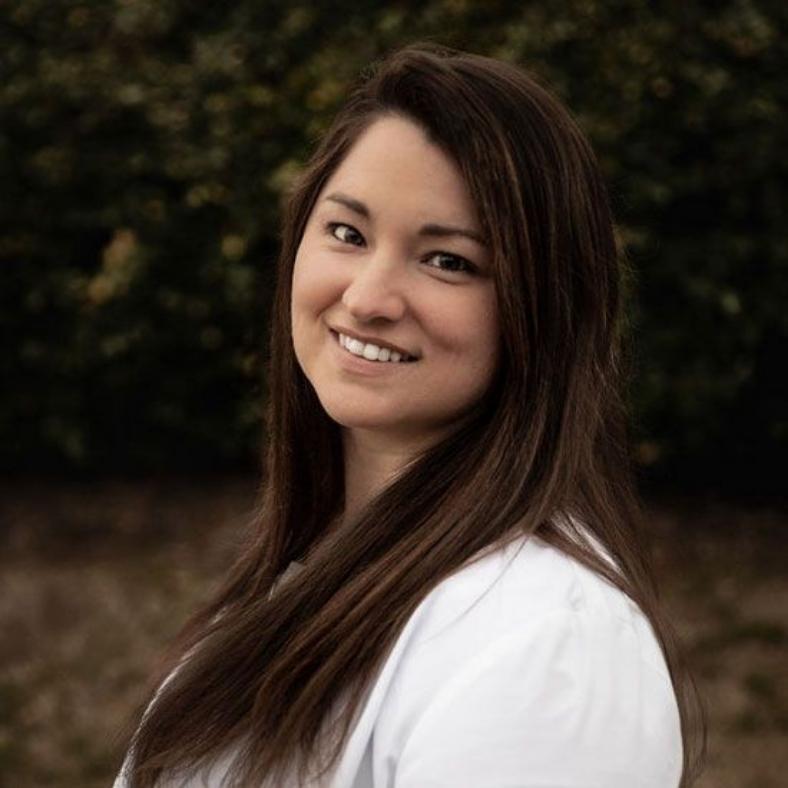
Stress, Inflammation, and Root-Cause Healing 7:22 Well, that depends on the person, you know? 7:25 I mean, a lot of times this starts as childhood. 7:28 So, there's so many childhood traumas that kind of follow people through their adult life and then they kind hold on to that. 7:36 Again, it does go back to the mind, body, and spirit. 7:38 A lot times there is a a of forgiveness, of that spiritual healing that they have to have as well. 7:44 But then thinking like, hey, let's go back and see where did this trigger? 7:49 So a lot of times with hormones, especially, they'll be like oh, well, I've always been this way. 7:54 And I'm like no, you haven't always this this. 7:59 So with hormone, some people think, oh I always have been fat, always big, have always stressed, and I am like okay, but you have it. 8:11 It started somewhere. 8:13 So finding that starting point and then really working from there because sometimes it is genetics. 8:19 You know, there's genetic mutations. 8:21 That's where like the methylated vitamins that you guys have, the methylated B's. 8:25 There's a huge push with the MTHFR gene mutation. 8:28 These are like loaded topics. 8:31 Could go days talking about that, but yeah. 8:34 Do you see a lot of patients with MTFHR? 8:38 I do. 8:38 I Do. 8:39 Yeah. 8:39 And the problem is, is that it triggers homocysteine production in the body and so then it increases absorption of vitamins. 8:48 So homocistine is one of the cardiac markers that we look at. 8:52 It increases your risk of cardiovascular disease, high blood pressure, heart attacks, strokes. 8:57 All of that works together. 8:58 Your vitamins are so important. 9:02 What you're putting in your body. 9:03 Well, we were actually just talking about that earlier today when we're talking the importance of DMG and what that does in the body, 9:11 right? 9:11 And why we have it in so many of our formulations because, you know, for exact reason of what you just talked about. 9:17 Yeah. 9:18 Yeah. 9:18 You mentioned our B complex. 9:20 That's our super B complete. 9:22 And, you know, very proud to say that we are the only company in the world that uses the original vitamin B 15, which is dimethylglycine. 9:30 It's the ultimate methyl donor. 9:36 You know, there was a lot of B vitamins when I first got into this career that were called stress Bs, you know? 9:43 But they would have the same amount of each of the B-vitamins in it. 9:47 And when we did the research, it showed that you actually need the right ratios so they maximize the synergy of absorbability together. 9:55 So they're more bioavailable. 9:57 That's something that I can tell when take and when don't take the Super B complete. 10:02 Are you taking it today just out of curiosity? 10:04 Of course. 10:04 Oh, thank God. 10:05 I take it every day. 10:05 That's why I've been so focused and on points today as always. 10:09 So, can you share with us a little bit? 10:11 Did you meet us with Dr. 10:12 Judy Mikovits? 10:13 Is that how you met us originally? 10:15 I did, yeah. 10:16 Met you guys through Judy. 10:18 And where is your practice located? 10:20 You have the most gorgeous, light southern accent. 10:24 Where in the country can people find you? 10:26 Yes, I'm in Gallatin, Tennessee. 10:29 Nice. 10:30 Which is north of Nashville, but it's growing. 10:32 It's a growing crazy, so. 10:35 Why are your Nashville is one of the big, one, of, the cities that are growing like rapidly. 10:39 So I'm sure people are kind of spreading out from there. 10:41 Yeah. 10:42 Yeah, thankfully there's a lot of subdivisions going up now. 10:46 So can you share with all the listeners out there, there are so many different vitamin companies and brands and, you know, 10:52 different forms and sources. 10:54 Why Nutritional Frontiers? 10:57 Why did you choose to work with us? 11:00 So I obviously have been on vitamins for a long time. 11:04 When I switched to Nutрitional frontiers, I could tell I felt better. 11:09 So then, again, taking a deeper dive into like, hey, why does this make me feel better versus some of the other vitamins? 11:16 And a lot of it is just because there's not as many toxins, there are not many as toxins as some over-the-counter ones, but also they're pure forms. 11:25 And the combination of some vitamins, you know, I'm not a pill-taker, even though I prescribe medicine all day long and I take a ton of vitamins. 11:33 I am not pill taker. 11:35 So I love that a lot of the formulations come in powders. 11:39 So, I take my, my cafe mocha every morning. 11:43 Oh, there we go. 11:47 Yeah. 11:47 And so I just feel so much better. 11:49 I actually had a stroke a couple of years ago. 11:54 Was completely paralyzed on my left side and I was like, how did this happen? 11:58 I'm literally the healthiest I've ever been. 12:02 Um, and I started taking the pro reds after that, just as natural anticoagulation, inflammation, And I'm on zero prescription medications with that. 12:14 And then I obviously take the berberine and the SPM as well, Just to help with inflammation. 12:19 But taking those, I had a complete recovery in eight days. 12:23 Wow. 12:24 Wait a minute. 12:25 In eight, days you recovered from a stroke using what? 12:31 Did SPM the pro reds and I did pro oranges as well and then obviously like my routine stuff with the vitamin D But I added the SP M after that and Then 12:43 I take the NAD as Well And how you feeling now you look great I mean, I exercise every single day. 12:51 I still see 30 plus patients a day, and I honestly feel great. 12:55 And what do you think was the cause of the stroke? 12:58 Was this a brain bleed or is there a blockage?
MTHFR, Methylation, and Childhood Health 13:01 It was a blocking, so I had a small hole in my heart that was basically undiagnosed. 13:08 So a heart murmur? 13:13 and so the blood was shunting from the left to the right side. 13:16 And so it just clotted off like through aging, et cetera. 13:21 So naturally those can clot off and be fine. 13:23 But then when I started doing all the supplements and taking everything, it was eating away at the clot. 13:30 Yeah, so released and went, but I got to see the scans. 13:35 I saw the clot dissolve. 13:37 It was great. 13:38 Oh my gosh. 13:40 I'm so glad that you made that recovery. 13:42 Cool. 13:43 Let me just keep taking my pro red. 13:45 Yes. 13:46 We are in a mission. 13:47 Our mission is very simple. 13:48 Make the world and your world healthy. 13:52 And I got chills everywhere. 13:54 Not that it didn't happen, but that, you've made a full recovery and you give people hope. 13:59 Someone asked me recently on an interview, like, what do you really want to do for people? 14:03 I said, I want give them hope, they don't have any hope They go to the doctor and they have an autoimmune condition and tell them there's no cure. 14:10 It's all genetics, it's not your fault. 14:12 Start on these NSAIDs, then get to their really dangerous sulfasalazine, methotrexate. 14:17 You're going to get worse. 14:19 I can't help you, but I'll see you next month. 14:21 And we just want to give people hope. 14:22 So stories like that. 14:23 Yeah. 14:25 Wow. 14:25 My heart is warm. 14:26 Thank you. 14:27 Well, you talked about one of our powders, Pro Reds, right? 14:29 That's full of wonderful fruits and vegetables, it's a great antioxidant blend, since you said you love the powder so much. 14:39 And then you threw in some SPMs, which is those Specialized Pro-Resolving Mediators. 14:45 I know for people who may or may not know, but what that is, is a really, I would say highly, if I'm talking to a lay person, 14:53 highly specialized, wonderful, form of fish oil, right? 14:57 You start at the top of the chain, you've got your omegas and then the body breaks it down into specialized pro-resolving mediators. 15:03 And what it does, it goes throughout your body like a Pac-Man looking for unresolved inflammation, and it resolves it. 15:12 So thank goodness you knew enough to put your own killer protocol together. 15:19 Again, with that, it's inflammation. 15:21 So from like a medical standpoint, when we check a CRP, which is that C-reactive protein, the SPM will help drive that down. 15:29 Again it is all inflammation-based. 15:31 You mentioned the medical field. 15:33 How is the field affected by the use of nutraceuticals and supplements? 15:40 Well, I'll be honest, if I talk to somebody who is only medically trained, they don't know much about the holistic world. 15:48 They don' know a lot about vitamins. 15:50 I have people reach out to me quite frequently saying, hey, can you tell me about this supplement you put this patient on? 15:57 And so I mean, I've talked to several cardiologists because I use the Natokine Plus and I'm like, okay, so my goal is to break down the plaque. 16:05 I don't want to keep it there. 16:07 You know, statin drugs just push it against the wall and then it builds up over time and they'll have a heart blockage. 16:13 So I have been monitoring calcium scores, which shows plaque buildup along the vessel wall around the heart. 16:20 And I put people on Natalcon Plus and it helped. 16:22 I've had significant improvement in calcium scores just doing that, especially for my patients that don't want statin drugs. 16:30 They don t want to take, you know, one more pill. 16:32 they don' t wanna take something that causes muscle pain. 16:35 And so I use that a lot to help with the plaque buildup, but I mean, there's just so many different combinations and so different things that I use. 16:43 I was saying I could probably talk for days about all the supplements that i use with their nutritional frontiers just because it's there. 16:51 There's so may different combination that can be so beneficial for every single disease process. 16:57 But again, all of that kind of bases back down to the inflammation on the body, just making people healthy with that. 17:05 Yeah, absolutely. 17:06 And you mentioned something, statins, right? 17:09 One of the most prescribed medications. 17:11 You know, we haven't really seen a decline in heart disease, or strokes. 17:15 Right. 17:16 Actually, females, which had a much lower risk factor years ago, have increased their risk factors on that. 17:23 When you mention muscle pain, a lot of people don't even understand why. 17:27 As we know, you know that satin works on the liver and the HMG-CoA reductase. 17:32 So basically an enzyme that creates cholesterol in the body also creates CoQ10. 17:40 And when you decrease the production of the energy, And you reduce the production of the cholesterol on the same basis. 17:46 I mean, Lipitor, for example, published research admits over 40% reduction in energy. 17:53 So for the lay person, I have to say, imagine shutting off half the power in your house. 17:58 You think you would notice it? 18:00 Oh yeah, it would. 18:01 That's what you do when you take a statin medication. 18:04 Short-term muscle pain, long- term, they're looking at type three diabetes, dementia, Parkinson's, and Alzheimer's. 18:12 And there's been a steady increase among those types of long-term debilitating diseases as the increase of statins have been recommended. 18:20 And they really should only be used in rare cases when cholesterol and all the other lipid markers are, you know, three, 18:27 400 plus, and the person's at acute risk. 18:31 But they haven't shown a great reduction in cardiovascular disease as far as what we see. 18:37 So when we talk about like, what kind of is underneath all these things, right? 18:41 You talked about, let's go back to childhood, and when did this start? 18:47 And we talked. 18:48 What are those underlying emotional root causes? 18:50 Like, What's that trauma that they're holding on to in the body? 18:54 that is now expressed in the stress, in high levels of cortisol, being in adrenal fatigue and burnout. 19:02 So when you get somebody, when a patient presenting those symptoms, what do you do? 19:09 What's sort of your first way you approach them? 19:13 Yeah, so again, going back to childhood, because I mean, there are studies showing that even babies like in utero can get stressed from moms. 19:22 And then even through breast milk, you know, which that goes to like the beta zymes and the side zymes and all that stuff too. 19:30 So stress from the mom can obviously trigger into the baby. 19:34 Going back to the genetic mutation portion of that with the MTHFR, if they do have that gene mutation, they're like more likely to have the tongue ties 19:43 and the stork bites and that redness on the back of the head. 19:47 And so a lot of times when I see that at like their first, second visits, we actually start them on a liquid methyl B because that helps.
Adrenal Fatigue, Cortisol, and Energy Support 19:56 Decrease inflammation just starting from you know two weeks of age one month two months so we just got chills oh my goodness. 20:04 Yeah and it's amazing where so many people are like oh they have a tongue tie there's no correlation with anything and i'm like no there is so there so. 20:12 So many kiddos that we start the method be early. 20:16 So we want to decrease inflammation as young as we can to make sure that they are, you know, living a healthy life. 20:24 We've seen huge, huge improvement in kiddos over that amount of time too, and just developmental, so again, the earlier we catch that the better. 20:33 From the adults that I see, hormones goes to the adrenal glands. 20:37 The adrenal gland, which is one of the glands that expresses cortisol, goes the stomach. 20:43 And so then guess what? 20:44 The stomach hits all the cravings, the eating, overeating, stress, that's where they get the insulin resistance. 20:52 They're doing studies now with PCOS and obviously the metabolic dysfunction with that because again, it's all cortisol driven. 21:01 So I was like, the body is one. 21:04 Everything works, everything's affected by something that has happened or that we do. 21:09 So again, even like teething goes along with puberty. 21:14 And so it's like very fascinating to me, like how. 21:18 All right, unpack that. 21:19 What do you mean teathing? 21:21 Goes along. 21:22 I want to hear that one, The earlier kiddos teeth, it leads to early onset puverty. 21:30 So yeah, it's a very interesting concept. 21:33 I was like, huh, okay. 21:36 So, yeah. 21:39 It was hard for me to be like, are you sure? 21:41 Are you about that type thing? 21:43 But it is, I've seen it in practice because I see newborns again all the way through and I have been in practices now since 2014. And so yeah, 21:52 i can see it. 21:53 I'm like oh wow. 21:54 So I always take note of that. 21:57 Of what age they were when they started teething because that's going to kind of lead when are hitting puberty. 22:04 So for boys, it's especially important to note that because they want to be tall. 22:10 They want be buff. 22:11 they wanna be strong. 22:13 And so it was like, hey, avoid the soy products. 22:15 Start, make sure you're taking vitamin D just to help regulate that too. 22:19 So, I mean, again, all of that starts in childhood. 22:23 And then as people get older, just the stresses of life, you know, how their childhood was, did they have a loving environment? 22:30 Did they go to church? 22:32 Do they food every day? 22:35 It's shocking to see how many people that did not have the things that they actually needed outside of what they wanted. 22:44 but just basic needs, but it just triggers a lot of cortisol and a lotta inflammation. 22:48 And so now they're adults and it's like, okay, so let's try to fix all this inflammation and try and fix the adrenal glands to actually work with you. 22:57 There's a little bit of adrenal fatigue that comes with that too. 23:01 So I'll see people and I'm like okay again, when did your stress start? 23:05 Because they are like I am exhausted every day. 23:08 I check their blood work and everything is normal. 23:12 So there's no really like specific test for the adrenal glands. 23:17 I do some muscle testing with that. 23:19 And so I'm like, listen, this could be adrenal fatigue. 23:23 So again, the Adrenal Glandular Plus I utilize a lot. 23:27 The Adrenomax I use a lots. 23:30 See a a of professionals as well and they're stressed to the max. 23:36 Yeah. 23:38 I take the adrenal glandular in the morning and then I actually take Adrenamax at night because I want, because the Adranamaxx is actually an adaptogen, 23:48 right? 23:48 So it's going to either bring your cortisol up or down as you need it. 23:52 So I use them both, but I used them in different ways. 23:56 Yes. 23:56 Why am I a stressed out executive? 23:58 I have no idea. 24:00 Just dealing with people, you know, dealing people. 24:04 No, I think it's also just the pace in which we live sometimes, right? 24:08 You know, Jamie and I have the opportunity to travel throughout the country to see our clients and, you know on and off a plane sometimes can be a little 24:17 bit stressful, travel can But we both do our best to manage our stress and we've been a lot more conscious of our calendars because we realized in the 24:28 last year we were running pretty hard. 24:31 And I think healthcare professionals in general have a tendency to give out a lots and forget about focusing on themselves. 24:40 So we're no exception. 24:42 Yeah. 24:43 Again, the amount of fatigue that people get from that, people are exhausted every day. 24:51 So when they're tired, besides using the adrenal products, have you tried using anything like power fuel to kind of get them up and going? 25:01 Because I know you love powders, so I love our powerfuel. 25:05 That's my three o'clock pick me up because of all the electrolyte blend in there and that gets me going. 25:10 Yeah. 25:11 I use a lot of the Super B Complex, the Vitamin D. 25:15 They're pro oranges, helps a lots of my patients too with energy. 25:19 And so, I mean I used a a of those as well to help with the day. 25:23 Yeah, do you feel like a the fatigue is mental along with physical? 25:29 Cause I noticed when I was doing consults years ago, people would say I'm tired. 25:32 What did you do? 25:33 I haven't done a whole lot. 25:34 they seem really mentally exhausted. 25:37 The reason I brought that up is the pro-oranges actually has a blend in there with inositol and DMG and ginseng that's actually like non-caffeinated, 25:46 but it gives a nice neurotransmitter pop, right? 25:49 It kind of opens up the neurotrasmitters and I think people feel that a lot. 25:53 So what's your thoughts on that, the mental versus the physical fatigue? 25:58 Honestly, I feel like those go hand in hand. 26:01 Sometimes I fell like the mental fatigue could be more than physical fatigue, because I tell people all the time, like, some people don't realize how much 26:11 mental fatigue affects you. 26:13 Like, hey, I do work out every day, but, um, the mental fatigue, some days I'm like, man, it today was a lot, you know, sometimes hearing like again, 26:24 people's histories and everything else, You know? 26:26 And I want to help you mindset. 26:29 Some days.
Recovery Story and Supplement Protocols 26:30 I mean, The mental Fatigue can be a. 26:33 Yeah, 30 people a day. 26:36 Right? 26:36 Yeah. 26:38 What do you do to kind of restore yourself and bring yourself back into balance? 26:42 When I take all of my supplements, that is like my every single morning. 26:46 And again, a lot of it is that mind, body and spirit. 26:49 So I do make sure I'm sleeping. 26:51 I was not doing that a couple of years ago. 26:55 But I make it like routine, like first thing when I get up in the morning, I I like the chocolate ones. 27:04 So I love our chocolate praline greens. 27:07 There are none better. 27:08 I am a big fan myself. 27:10 Yeah, so good. 27:12 That is part of my routine. 27:13 Actually posted about it because people ask me all the time, I'm going to be 40 this year and I'll be like 40. They're like, 27:20 what do you do? 27:21 You have so much energy all day. 27:22 And I take my vitamins. 27:25 I do the do. 27:27 I live the lifestyle. 27:28 And we love that. 27:30 That's one of the reasons why we wanted to have you on The Holistic Truth, because you embody what you practice, and we absolutely adore that about you. 27:39 So I love it. 27:40 You start your day with your Super Shake and your Prolene Greens. 27:43 Every morning. 27:45 Then I'd do Pro Reds and Pro Oranges. 27:52 So that I have recently added some collagen as well, but that's pretty much my routine. 27:59 And then I take my vitamin D and then take fertility. 28:03 So, which is helpful. 28:04 You have a great program for yourself. 28:07 I'll tell you what, you mentioned that exercise a few times as a former American college of sports medicine certified personal trainer, 28:15 I competed in bodybuilding and powerlifting. 28:17 One of the comments I get from people all the time is I don't have time. 28:23 I'm like, you have to make time. 28:24 So I like to do it early in the morning. 28:26 Weekends I may do later on in afternoon. 28:29 If I am ever off, I would like prefer to it after I up for a little bit. 28:34 But I usually do before work. 28:36 When do you put it in your schedule? 28:38 Because I always tell people, You have put this in you schedule. 28:41 It's like a doctor's appointment work or the kids baseball game. 28:44 And if you don't. 28:46 you're not going to do it consistently. 28:47 So when do you incorporate your exercise program and how long do. 28:53 Yeah, I exercise every single evening when I get home, no matter what time it is. 28:57 I'm not a morning person. 29:06 Yeah, I can stay up all night long, but do not ask me to get up early in the morning. 29:11 So I'm not a morning person. 29:13 Then I am, the day's half over for me. 29:14 Oh my gosh, he is the Morning Person. 29:18 That's funny. 29:19 So I'm like dragging myself out of bed to get to my greens and my super shake to start the day. 29:25 But yeah, I work out every night when I get home. 29:27 Depending on the time,I like to workout for at least an hour. 29:30 I do a lot of Pilates.I do have the Peloton, so I ride the peloton or do the treadmill.So I like the competitive portion of that, 29:39 do you know? 29:40 Oh, i do. 29:42 The leaderboard. 29:43 i need to be on top, you So were you an athlete growing up? 29:47 Did you play sports? 29:48 Should you work out? 29:49 Were you a runner? 29:50 Do you do gymnastics? 29:52 What'd you? 29:53 Yeah, I did. 29:54 I played basketball, softball, track and soccer. 29:56 Yeah. 29:58 Wow. 29:59 Love it. 29:59 A sport for every season. 30:01 That was like me. 30:01 Yes.I love it! 30:03 I still compete in tennis, right? 30:06 That's where I get my competitive part out. 30:08 And then I have recently, within the past year, gotten into Pilates. 30:14 Jamie was, like, you know, You should try this. 30:17 My body has literally transformed. 30:20 I'm so excited, you know, and it's given me better endurance on the tennis court. 30:25 So I absolutely love Pilates now. 30:28 What about for your patience? 30:30 You know that was one of the things I would always tell people, look, You have to do something you like. 30:35 You may not enjoy it every moment, but you have ask yourself, do I feel better when I am done? 30:40 And the answer is always yes. 30:42 So take someone that comes in, they're one of your patients, she's 45, 50 years old. 30:48 She does not have an athletic background. 30:50 What do you encourage them to do? 30:51 Do you start with walking or yoga? 30:54 What would you recommend that they start? 30:57 So, and again, a lot of that depends on the person. 31:02 Sometimes I do just have them do Pilates. 31:04 There's literally an app for everything now and there's workout regimens, there is chair exercise, because some people are like,
Exercise, Lifestyle, and Daily Wellness Routine 31:12 oh my gosh, just to sit down in a chair. 31:14 I'm like great, sit in the chair and sit up upright and suck your belly in. 31:19 And again when it's a time factor, I am like okay cool, don't go to the gym, do this at home. 31:25 So there's like calisthenics stuff now where it's just, you know, again, it moving the body. 31:32 What's really interesting, my mom is 80 this year. 31:35 She's going to kill me probably for saying that out loud, but she does chair zumba. 31:41 I'm like, what? 31:44 Get that on the podcast. 31:46 Oh my gosh. 31:47 She's like, no, I will never come on. 31:49 But yeah, so I was like oh, that's cool because they get to hear cool music and they're just moving the body a little bit. 31:57 My mom does a shake a day. 31:59 she is good. 32:00 He is a good girl. 32:01 You can't do a whole one. 32:02 Just like half, but she does. 32:04 It gets in there. 32:05 Yeah, she's a half pint. 32:11 Absolutely. 32:11 Well, Stephanie, I'm sure people are listening to this and are going to want to find you. 32:18 Are you accepting new patients and can people get a virtual consult with you? 32:23 Yeah, I've been working on the virtual console because I'm like I probably really should do that because it's helpful. 32:30 Although sometimes I love using my hands, which sounds kind of crazy sometimes, but I sometimes just have to touch somebody to tell them like, 32:38 okay, does this hurt? 32:40 Is this where your pain is? 32:41 So sometimes people will say, oh, it hurt right here and I am like right. 32:49 I need a pinpoint area. 32:52 Well, share where people can get in touch with you. 32:55 Yeah, so they can call my office to schedule. 32:59 I do offer telehealth, I can't bill insurance through some of that, but especially if it's a new patient, But I offer Telehealth. 33:06 Yeah and that phone number is 615-452-0035 to Schedule. 33:12 And then I mean, pretty much everywhere I have patients in New York, a couple in California, some in Texas. 33:21 They come in, they fly in and see me once a year and then they go back home. 33:25 So I just want to help people. 33:28 And you said you have two different practices in your town. 33:32 Yeah. 33:33 How do you juggle that? 33:35 Talking about stress, cortisol, adrenals, mental fatigue, holy smokes. 33:43 Um, it's a lot of time management. 33:45 It is a time of management and I have two boys who are very, uh, they are into sports and into everything else. 33:52 So I stay pretty busy. 33:54 I love it. 33:56 Well, thank you so much for joining us, James. 33:58 Yeah. 33:59 One more question for you. 34:00 Cause you did mention, and, I was certified in nutrition response testing by Freddie Yulan with the muscle testing and the co-founder of the company, 34:09 Dr. 34:09 Weiner. 34:10 Did muscle testing plus innate the allergy elimination technique and coming more from the medical background. 34:17 How did you get into the muscle test? 34:19 Because that's very unique. 34:21 That was part of my certification for the holistic health care provider. 34:25 And so again, it was very different for me, but it's very helpful. 34:31 I was like, oh wow, this really does work. 34:33 So it is helpful if I'm like I just can't put my finger on what's going on type thing. 34:39 It's been helpful with that. 34:41 Was that through Trinity or another school or who was that? 34:43 It was through trinity. 34:44 Yep. 34:45 Fantastic. 34:46 Yeah. 34:46 We're a big fans of Trinity and part of ours. 34:49 And we're looking forward to doing our convention again this year. 34:52 Hopefully it does not compete with one of our other dates that we have. 34:56 So we got it all worked out. 35:00 The last question, what's your favorite nutritional frontiers formula? 35:05 Oh man, that is a loaded question.
Closing Remarks and Contact Information 35:08 I know you can pick more than one, but you know. 35:11 Okay, I was going to say the one that I personally would not go without just because of my stamina and everything else is the fertility and the super shake. 35:23 Oh, there we go. 35:24 All right. 35:25 Super shake wood flavor. 35:27 I use the Cafe Mocha. 35:28 That's my favorite. 35:31 Right. 35:34 Instead of getting a coffee, if I feel like I want a cofee, I will go to a Moca Super Shake and maybe throw a little more greens in just for fun because 35:43 it's chocolatey. 35:44 Chocolatey, yeah. 35:47 Awesome. 35:48 Well, thanks so much for taking time, Stephanie. 35:50 We know you're really busy personally, professionally. 35:53 we love what you do and we are really grateful for all your support and love you provide for Nutritional Frontiers. 35:59 And we loved that you were a woman of faith. 36:01 That means a lot to us too. 36:03 and uh, we really love, what are you doing? 36:05 So thank you so, much. 36:06 You're a blessing to the community. 36:08 And you're on the same mission as us to continue making the world healthy. 36:11 So we greatly appreciate you and your team out there. 36:15 And I do look forward, I did mark it down to find a time to get out to Tennessee. 36:21 Perfect. 36:23 I hear good things about it. 36:24 My daughter's gone to gone do a couple of bachelorette parties out that way. 36:28 Yep. 36:29 up-and-coming area for that, as I'm sure you know. 36:31 And I looking forward to visiting you and hope to see you at our professional training event in Pittsburgh, October 24th and 25th of this year. 36:41 Sounds great. 36:43 All right. 36:43 Until next time, everyone stay healthy. 36:46 Thanks so much, Everyone. 36:47 God bless. 36:52 If this episode spoke to you, please follow the show and share it with someone ready to take charge of their wellbeing. 36:58 And if you can, leave us a review. 37:00 It helps others find our podcast. 37:02 For more tools and practitioner support, visit NutritionalFrontiers.com.


Comments