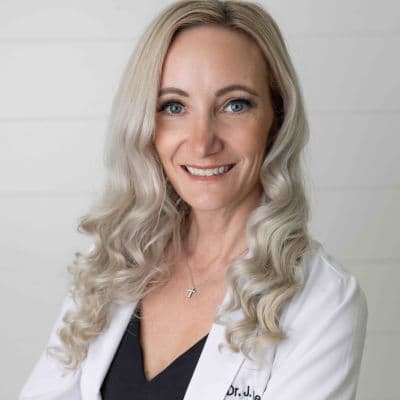
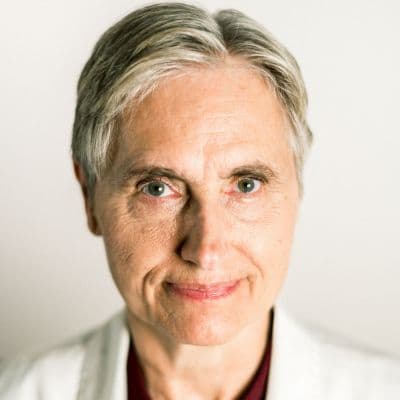
Full Transcript Introduction and Doctor Wallsu2019 Background 0:00 With progressive MPs. That is astounding. 0:03 And then now we we've done, multiple 0:06 clinical trials with, relapse remitting Ms. 0:09 using either the low saturated fat diet, 0:13 modified paralytic diet, two GI diets. 0:16 And again, we can show that people can radically 0:20 change their eating pattern with support and help. 0:24 And when they do, fatigue is diminished. 0:28 Energy's improved quality of life is improved. 0:32 Anxiety and depression are declined. 0:34 Welcome to doctor talks, the podcast where every episode leads to a healthier you. 0:40 Join us as we navigate the world of optimal health, 0:43 uncovering groundbreaking strategies to conquer chronic disease. 0:47 In each episode, we'll bring you the latest insights 0:50 from leading health experts, medical innovators, and wellness warriors. 0:54 If you are seeking to transform your health journey, 0:56 or if you're looking for answers to burning questions. 0:59 You've come to the right place. 1:01 Get ready to unlock the secrets of lifelong health and vitality. 1:05 This is Doctor Talks, 1:07 real talk from real doctors on the issues that matter to you most. 1:14 Hi everyone. 1:14 Welcome back to the Integrative Health Podcast with Doctor Jen. 1:18 I'm really excited today to be interviewing Doctor Terry Walls. 1:22 She is an Institute for Functional Medicine certified 1:25 Practitioner and conducts clinical research at the University of Iowa 1:29 using functional medicine principles in the studying of multiple sclerosis. 1:34 She has published over 100 peer reviewed scientific publications, 1:37 abstracts and posters. 1:39 In 2018, she was awarded the Institute for Functional Medicine's Linus Pauling 1:44 Award for her contributions in research, clinical care, and patient advocacy. 1:49 Doctor walls has secondary progressive multiple sclerosis, 1:53 which you can find her to a tilt reclining wheelchair for 40 years. 1:58 Doctor Rawls restored her health by using diet and lifestyle programs 2:02 she designed specifically for her brain, and now peddles her bike to work each day. 2:08 She is the author of The Walls Protocol How I Beat Progressive Ms.. 2:12 Using Paleo Principles and Functional Medicine. 2:14 The Walls Protocol, a radical new way to treat all chronic autoimmune conditions 2:19 using paleo principles, and the cookbook The Walls Protocol cooking for Life 2:24 The Revolutionary Modern Paleo plan to treat all chronic autoimmune diseases. 2:30 And we will link everything about her clinical trials. 2:33 And it's at Terry walls.com/trials. 2:36 She also has the wall diet handout. 2:39 And I will also link that for you all. 2:41 So welcome doctor Terry Walsh Friedman M.D.. 2:44 She's amazing I've met her and her story is so touching. 2:50 So I'm so excited to have you here. 2:53 Hey, thank you for having me. Love your work. 2:56 Thank you so much. 2:57 Now, when I first heard your story, I was amazed. 3:01 And I had Hashimoto's, so I was in the same boat. 3:05 You know, we're all in in conventional medicine, in our 3:08 in our training, 3:09 and then we get a disease that doesn't get better with conventional medicine. 3:12 So then what happened? 3:13 So tell us a little bit about your story. 3:15 Yeah. 3:16 So I'm a board certified internal medicine physician, 3:20 and I was here at the University of Iowa 3:22 and at the Iowa City VA medical center. 3:26 And I'm diagnosed with, relapsing remitting multiple sclerosis to my left 3:31 leg had, grown weak when I was out, walking with my wife Jackie, 3:36 and I, you know, hobbled home, southern just, 3:40 you know, as I was going through the workout, which took about three weeks, 3:44 I'm thinking about the fact that I've already had 20 years 3:48 of worsening electrical face pain due to, trigeminal neuralgia. 3:53 And for your listeners, imagine a bolt of electricity hitting you 3:58 at the temple, shooting down your face, 4:01 and over, you know, 20 years. 4:04 The intensity of the pain, been getting, worse. 4:07 The frequency was worse. 4:09 The difficulty getting it turned off was worse. 4:12 So, actually, I was hoping for a fatal diagnosis. 4:14 Because it was. 4:16 I knew I had, a progressive neurologic problem, 4:19 and I didn't want to become disabled.
Personal MS Diagnosis and Decline 4:21 So when I heard multiple sclerosis, my physicians, you know, 4:25 were very reassuring. 4:26 I, sought out the best ambassador in the country. 4:29 Saw their best physician, took the newest drugs. 4:34 Three years later, I'm in a tilt recline wheelchair. 4:39 And that's why I decided to go back to reading the basic science. 4:43 The animal models for multiple sclerosis, Parkinson's, Alzheimer's, 4:47 Huntington's disease. 4:49 I decided that my the kind of this function is driving disability. 4:52 I created a supplement cocktail for my mitochondria. 4:55 The speed of my decline slows. 4:57 I'm very grateful, but I am still declining. 5:00 Within four years, I'm unable to sit up. 5:05 I mean, I took reclined wheelchair with zero gravity here 5:07 with my knees higher than my nose. 5:09 I fortunately, I'm still mentally cleared. 5:11 The university in the VA have redesigned my job, so now I'm. 5:15 I'm reviewing, research studies. 5:18 I tell them, please give me everything related to the brain. 5:21 So I'm getting better at reading the research. 5:22 I'm getting more ideas. 5:24 I mean, I'm still working. 5:27 Unfortunately, the, you know, the VA, in the university kept redesigning my. 5:33 What I was doing so I could keep working. 5:36 I was staffing the Rosen clinic. 5:38 I was staffing. 5:40 I was going to the institutional review board reviewing 5:43 clinical trials for safety, and I, was still the, 5:50 medical director for the, 5:52 five state area for specialty medicine, 5:56 in primary care, for the VA. 5:59 So I was still working. 6:01 My my boss at the V.A. 6:04 told me into, his office to say. 6:06 Terry, I'm sorry, I'm reassigning you. 6:09 So the term was detailing to the traumatic brain injury clinic. 6:13 You'll start in January. 6:15 So sort of finish up the projects you're doing. 6:16 You start in January. It describes a job. 6:20 There'll be no residents. 6:22 I'm part of a multidisciplinary team, and I'll be examining these veterans. 6:27 And then, you know, taking care of them. 6:29 I came home, tell Jackie, because there's no way you can do that job 6:34 except you physically can't do it. 6:35 I and, of course, That's true. 6:39 I, I, I knew I probably couldn't do that and that I would probably 6:44 now have to apply for medical disability. 6:48 And I said, you know, how you. In January. 6:50 I'll go. 6:52 Either I can do this or I can't, and then I have to apply for disability. 6:56 So I really quite bumped. 6:58 And then, 7:01 you know, about two weeks later, maybe three, 7:04 one of the studies that I have to review is using electrical 7:08 stimulation of muscles in people who are paralyzed, never going to walk. 7:12 So newly paralyzed folks, they'll start doing this electrical stimulation. 7:17 And I think, wow, I wonder if I could do that. 7:20 So I, call my physical therapist. 7:23 And I, tell them 7:26 I want to try a little sim, a little stimulation muscle. 7:29 He said, well, yes, he does that, for his athletes. 7:33 Because the person I was seeing had a large athletic practice surgery. 7:38 It's really quite painful. 7:40 You have a lot of pain. 7:41 I, we'll give it a try, but you need to know I don't. 7:46 I can grow bigger muscles. 7:47 I just don't know that your brain can talk to the bigger muscles. 7:50 I could be adding more weight to your legs and make it harder 7:54 for you to take the few steps that you can take. 7:57 So there's some risk in doing this. 7:59 But I really want to try. 8:01 He gives me a test session. 8:03 It does hurt really bad, but when it's over, I feel great. 8:09 I mean, 8:10 I, I just feel this sort of euphoria. 8:13 And he says, you know, that's probably, the endorphins. 8:17 So I go every week, every day for two weeks. 8:21 And, he gets, he, finds a home going device, 8:25 and I start doing electrical stimulation at home. 8:28 And, you know, my exercises that I can do only about ten minutes. 8:34 If I do more than that, I just can't function and go to work. 8:39 So I do my little ten minute exercise. 8:41 I add the electrical stimulation, and then at. 8:45 That's about that same time I see this course, 8:50 a functional medicine approach 8:52 to treating neurologic disease. 8:55 So I get that course. 8:57 It's from the Institute for Functional Medicine. 8:59 Catherine Wallner. 9:03 Is part of that. 9:08 Jay is part of that. And 9:13 audio synchronized PowerPoints. 9:16 It's a lot of work. 9:16 I go through it. 9:17 I have a longer list of supplements, 9:20 additional ones that I already had from a mitochondria. 9:22 I take those, Not. 9:25 What's happening? 9:27 I I'm I'm feeling emotionally better with my electrical stim. 9:32 I'm certainly not stronger yet. 9:35 And then I have this new. 9:37 And I laugh at myself. 9:39 How long it took to have a cigar? 9:40 Like, what if I redesigned the periodic diet 9:43 that I've been following already for five years? 9:46 Based on this long list of supplements. 9:47 So I have to figure out where those things are in the food supply. 9:51 And actually, it's the Linus Pauling Institute for, nutrition. 9:55 And my, I go through that. 9:57 I redesign my paleo diet based on all of this. 10:01 It's very structured. 10:03 And I start this new diet December 26th, 2007. 10:06 Now for your audience. 10:07 At that point, I cannot set up. 10:10 I could take just a couple steps using two walking sticks. 10:13 I'm beginning to have brain fog. 10:15 My trigeminal neuralgia is certainly much worse. 10:18 It is very clear to me I'm on track to become bedridden by my illness, 10:23 demented by my illness, and probably die with intractable, horrible levels of pain. 10:30 And I, 10:31 January comes, I go to this new clinic. 10:34 I watch my partners for two weeks. 10:37 And then, the third week of January, 10:40 I have to start seeing the patients. 10:43 And so, Monday comes, I, 10:45 I see my patients, I write the notes, 10:48 I come home, and I tell Jack, you know, that that wasn't too bad, 10:52 and I could. 10:54 I try sitting in a regular chair for supper, 10:57 which I haven't done in years. 10:59 So I sit up 11:01 for supper. 11:04 That's a big deal. 11:06 Amazing. 11:07 And, you know, a couple more weeks passed, 11:10 and I'm back, with my, physical therapist. 11:14 Your chair. 11:14 You're definitely getting stronger. 11:15 Let's have you exercise. 11:18 Ten minutes, twice a day. 11:20 Then we go to 15 minutes 11:21 twice a day, then 20 minutes twice a day, then three minutes twice a day. 11:25 And then I start walking 11:29 in the hospital with my two walking sticks. 11:32 And then with one and then with none. 11:36 And then, 11:38 you know that it was April. I, 11:42 I'm walking around the block. 11:44 No, that was just, you know, a little bit with Jack and say, you know, honey, 11:47 can I try riding my bike? 11:49 Because it's been, you know, it's been six years. 11:52 It goes well, you know, maybe in the fall, things keep going. 11:55 Well. 11:56 Well, you know, two weeks later, it's Mother's Day, and I. 12:00 I really want to try riding my bike. 12:03 So we had this emergency family meeting. 12:05 My both my kids do not want me to ride the bike 12:08 because they don't want me to fall, and get hurt. 12:11 But Jack says, let's let's give it a try. 12:14 She tells my 16 year old son, Zach, you run along side in the left. 12:18 My 13 year old daughter, you run alongside in the right and she'll fall. 12:23 We all get into position. 12:29 You know, 12:29 whenever you tell a story, you get emotional, and it's, 12:33 it's, so, you know. 12:37 Yeah. 12:37 And I bike around the block, you know?
Diet, Functional Medicine, and Early Recovery 12:40 My kids are crying. 12:42 Jackie's crying. 12:43 As you could tell, I'm still, very emotional when I relive that moment. 12:49 You see, that's when 12:52 it was the first time I understood 12:56 how much recovery might be possible. 12:59 And, And, you know, I bike a little further, every day. 13:04 In October, Jackie comes home and says, honey, 13:07 I've signed us up for the courage ride. 13:09 It's 18.5 miles. However far you go. 13:12 Well, we'll it'll be wonderful. 13:16 And I finish that ride 18.5 miles. 13:20 Once again, you're all crying. My kids are crying. Jackie's crying. 13:23 I'm crying, I still cry. Reliving that moment. 13:28 And it changes how I think about disease and health. 13:31 It will change the way we practice medicine. 13:34 It will change the focus of my research. 13:37 You know, I've made it my mission. Now. 13:40 I will have several missions. 13:42 One is to do the research, 13:45 to change the standard of care and publish that, 13:49 and to teach the public, that there's so much that they can do 13:53 to change the course of their, lives and to teach clinicians, you know, 13:59 and, just, last week, 14:02 I had a mother send me this amazing video. 14:06 Her, her, little baby has, 14:09 or dystrophy, Mitchell syndrome. 14:12 So it's greatest in my leg. 14:15 He can no longer sit up. He can't crawl. 14:17 His physician say nothing we can do about the little baby's got a feeding tube. 14:23 Someone sends them 14:25 a copy of my book and with a note saying, read this. 14:29 It will change your life. 14:30 Read it and implement it. 14:32 So they read my book and they, you know, read the nutrients 14:37 I say the brain needs, and they add them to the baby's formula. 14:41 And the baby begins holding his head up, begins crawling. 14:47 And they repeat the brain MRI. 14:51 And the brain is reminding the doctors like, oh my God, what? 14:55 What are you doing? 14:57 Right. 14:57 And so she's she made this, this video on TikTok. 15:01 5 million views on Instagram. 15:03 1 million views. 15:06 You know, shared it with me, tagged me. 15:08 And this happens every month. 15:12 I get, families reach out to me, 15:15 parents or adults saying, I discovered your work. 15:19 And, you know, my physicians had said there's nothing more I can do, right? 15:23 They discover my work, 15:25 and they begin implementing 15:27 the concepts, and their lives are transformed. 15:31 Now, forgive me. 15:32 I have to bite my nose because I always get emotional telling my my story. 15:37 Well, I, I think it's beautiful. 15:39 And I think that how extreme 15:43 this is that you are in a wheelchair and you're conventional medicine, doctor. 15:48 You're you're an M.D.. 15:49 I believe that I, I treated my disease incredibly aggressively. 15:54 Yeah, and her body can heal, but it's not always the drugs, right? It. 16:00 Well, food and nutrients. 16:03 You know what? What I, talk about. 16:06 I think we can visualize that if a windstorm comes through, 16:10 I think of the everybody, who just had, 16:13 Hurricane Helene, hurricane Milton up through wreck their homes. 16:18 They know it's going to take a whole lot of resource to haul away the debris, 16:23 then hire contractors to come in with new materials, rebuild their home 16:28 for you, with Hashimoto's, for me, with multiple sclerosis, 16:31 there was a lot of incorrectly laid molecules, a lot of trash in my brain, 16:37 my cranial nerves, my spinal cord that has to be hauled, hauled away 16:44 and then rebuilt. 16:46 And if you don't have the correct nutrition, you can't haul away the trash 16:51 and you can't rebuild correctly made structures. 16:55 So yes, you can take drugs to stop your body from attacking, 17:00 but you still can't repair if you don't address the nutrition. 17:05 Yeah, that's that's a great point. 17:07 And this is talking about treating a disease versus reversing disease. 17:13 And and that that's a big difference between conventional principles 17:18 versus functional and versus your research in your book. 17:21 Yeah. 17:21 So let's talk about you brought up something that I think 17:24 we really it's a really important point standard of care. 17:28 You want to change the standard of care. 17:31 Now I don't know. 17:32 You guys need to listening out there realize that that is such a big mission. 17:37 And I love that you said that. 17:38 And I didn't know, doctor. 17:40 Well, that that was your mission to change the standard of care. 17:43 So could you explain a little bit here? 17:45 So why this is such a big deal? 17:48 It's, Well, in its heart 17:52 for all of us, our understanding of the world 17:56 is built over the lifetime 17:59 of experience, and it will take a lot of evidence 18:02 for you to change your understanding of the world, whether it is 18:07 about, 18:08 for example, your your spouse, you will never believe 18:11 that your spouse was really a secret agent for a foreign government. 18:15 You just you couldn't possibly believe that, 18:19 or that they have a drug addiction problem. 18:23 It would take a lot of evidence 18:25 for you to finally admit that there 18:29 is this other part of their life you didn't know. 18:32 For the physicians, we have been trained 18:35 in a very conventional understanding of how to treat the disease. 18:39 It will take an overwhelming amount of evidence. 18:43 That's about 30 years. 18:46 I'm 15 years into this journey. 18:49 My ideas. 18:50 When I first started talking about food as a critical part of treating us 18:55 was crazy. 18:57 I was banned, I was condemned, 18:59 there's all sorts of terrible things written about me. 19:03 And, in the internet, people said I did not have missed 19:08 by all of my physicians were completely incompetent 19:12 because clearly, you could not reverse that kind of disability. 19:16 And so, 19:17 you know, my response to them, well, I, we on these, podcasts say like, okay, 19:22 so let's discount my case 19:25 then let's look at my peer reviewed, published research 19:28 where I've had a neurologist verify 19:33 the diagnoses for multiple sclerosis. 19:36 Then we treat them with our interventions. 19:39 And this was with other folks with progressive Ms.. 19:41 We reverse the fatigue, reverse the anxiety, the depression, 19:46 the cognitive decline. 19:48 In half of them in a year's time had 19:51 clinically significant improvement in walking with progressive Ms.. 19:56 That is astounding. 19:58 And then now we we've done, multiple clinical trials 20:02 with, relapse remitting Ms. 20:04 using either the low saturated fat diet 20:08 modified pill, a thick diet, two track diet. 20:11 And again, we can show that people can radically 20:15 change their eating pattern with support and help. 20:19 And when they do, fatigue is diminished. 20:23 Energy's improved quality of life is improve. 20:27 Anxiety and depression are declined. 20:30 And we've also, now added a measure called the Ms. 20:35 Functional composite, 20:37 which combines the 25ft walk test 20:40 how fast you can walk 25ft, 20:43 the nine hole pegboard, how fast you can take pegs out of, 20:48 a pegboard, in them, put them back, 20:52 in the simple digit modalities, 20:56 a a test of working memory, 20:59 very much like Ram in your computer. 21:01 And by combining all of that, you get a, 21:04 a really concrete measure of function. 21:08 We're able to show again in multiple studies 21:12 that changing the diet 21:15 led to reduced functional 21:18 or measured disability, went into a 12 week period. 21:22 Astounding, astounding. 21:25 And now we're doing, one of the largest clinical trials, 21:29 over two years, that includes MRI's, 21:33 in people relapsing remitting multiple sclerosis, 21:37 comparing a ketogenic diet, 21:39 a modified paleo diet to usual that we've got 162 people in, 21:45 in just a couple of weeks, 21:48 we will have gotten everyone through the three months schedule. 21:51 And then by the end of January, everyone will be through 21:54 those six months of the schedule. 21:55 And then by, 21:59 summer of 2026, we'll have everyone through the study,
Research Evidence and Clinical Trials 22:03 and we'll start cleaning the data, analyze it, 22:06 and then, in January of, 22:09 in 2027, we'll be presenting our findings 22:14 at some of the major international Ms. 22:17 meetings. 22:19 That is huge. 22:20 That's amazing. 22:21 Curious, how are the keto people doing? 22:23 Well, we don't really know because we don't get to analyze the data. 22:27 Until this is the first time you've looked at paleo 22:30 versus keto versus regular. 22:32 Actually, it's not the first time. It's the second time. 22:34 We've we've we did a small pilot study, keto versus paleo. 22:39 And that's the paleo did better than keto, 22:42 but it's a very small, you know, very small step. 22:45 And, 22:47 from a biochemical, physiology standpoint, 22:51 one could predict that keto would do better than paleo 22:55 because, when you're in ketosis, 22:59 those fat bodies bypass, 23:02 some of the theoretic problems, in the brain, metabolism, 23:07 the the challenge, in the. 23:10 So you'll be Kyoto's a harder diet to follow and sustain long term. 23:15 Yeah. 23:16 Paleo is socially easier. 23:20 Keto, is harder. 23:23 However, 23:26 we also note 23:27 that if you have, whatever your diet intervention, 23:31 whether it's low fat, keto, Mediterranean, 23:34 paleo, if people experience a symptom reduction on the diet, 23:39 it's easier to sustain or easier to adapt. 23:43 And then over time, 23:47 every dietary 23:48 intervention, people will be slip up. 23:52 They'll have a 23:55 a dietary indiscretion. Yes. 23:58 And then the question is, is there a flare of symptoms 24:04 with that diet discretion. 24:06 If there isn't, people tend to migrate back towards their previous usual diet. 24:12 Yeah. 24:13 However, if when they go off 24:16 they have their dietary indiscretion, 24:19 their symptoms flare and they feel much worse, 24:23 that diet will be sustained. 24:27 In what we've seen, in our paleo 24:30 diet studies is it that's what people tell us is. 24:35 Yeah, I had a cheat meal, man. 24:37 I felt so bad afterwards. 24:38 You know, I don't do that anymore. 24:40 It's like with me, if I have. 24:44 If I came to your house and you accidentally gave me gluten, dairy 24:47 or eggs, in about 6 to 10 hours, 24:50 I would experience a flare of my trigeminal major. 24:55 Yeah. 24:55 It's so painful. 24:58 It is so, so painful. 25:00 It's very easy for me to like. 25:04 You know what? 25:05 I would rather just have tea. 25:08 Yes, a meal if there's a meal I'm not sure about. 25:11 I've learned to just have tea when I travel. 25:14 So I'll be going to, a scientific beauty in December to talk. 25:19 And I'll, I'll bring a bunch of food with me because I. 25:24 The penalty for a dietary indiscretion is so great. 25:30 Yeah, and that's what I tell people. 25:32 If you are not comfortable with the meal or you think it might 25:35 make you feel like crap the next day just fast or I'll just. 25:40 I'll just eat butter like I want to. 25:42 I was out of the meeting and listening to someone speaking and I was like, oh, 25:47 I just don't know about this or I don't think this will make me feel good. 25:51 So I just had some butter, so but I but I know what you 25:54 I know what you mean by like so let me know. 25:56 And this is one thing that everyone listening needs to understand. 26:00 You need to actually follow these 26:02 dietary changes or an elimination diet for 6 to 8 weeks, 26:06 because you're not going to if you just do it 26:08 for a couple of weeks, you're just you're not going to feel the benefits. 26:12 So then when you reintroduce, 26:14 you're just going to feel the same because you never took it out completely. 26:18 But that's yeah, that's wild. 26:19 You actually have a trigeminal neuralgia flare. 26:23 You know, what's, what I try to teach 26:26 our, our our study participants and my clinic patients 26:31 and folks who follow me is I want you to understand your biosensors. 26:36 And so 26:37 what what is the symptom that is most troublesome for you? 26:40 And if it's pain, that is very helpful. 26:43 If it's, optic neuritis so you can't see. 26:47 That's pretty helpful if it's changes in anxiety, 26:51 depression, mental clarity, that's a little harder. 26:55 Because that's a more subtle. 26:57 So motor problems and pain are the most useful. 27:01 Yeah. And 27:03 then if you have a flare of your symptom, 27:08 think back to the previous 24 to 72 hours. 27:11 What was different, 27:13 either in your diet, in your stress level, your toxic exposures, 27:18 you know, people have these wildfires, that, 27:21 with more air pollution, particulate stuff that they'll leave a flare. 27:25 If you had, the coronavirus 27:29 infection, that can lead to a flare. 27:32 If you've had a diet 27:34 exposure that can lead to a flare. 27:38 And so we try to teach people how to tune in to their subtle symptoms. 27:43 The biosensor, if you had a flare of 27:46 symptoms, think back 24 to 72 hours. 27:49 What was the new exposure? 27:50 And say like, okay, that's the problem. 27:56 If it was a diet, I can take it out. 27:57 If it's a fight with my spouse, I gotta deal with it. 28:01 If it's a work problem, I have to deal with it. 28:03 If it is a IR toxin, maybe I need to get a, 28:06 better filtration system in my home. 28:10 And if you can pay attention over time, 28:16 you can narrow in which dietary elements 28:20 are most important for you. 28:24 Yeah, 28:25 that makes a lot of sense. 28:26 And that's really helpful. And 28:30 it's sometimes hard when you 28:31 have a lot going on to narrow it down unless you're following a plan. 28:36 So this is why it's so important 28:37 to have a diet plan if you're it will make it much easier. 28:41 Chronic. Yeah. 28:42 If you're struggling with a chronic illness 28:44 and you know, I see it with my Hashimoto's patients, 28:48 the like be like, well, I'm 90, 95% gluten free. 28:53 And I'm like, that's just that's not gluten free. 28:55 It doesn't work. 28:56 I know, and I and so then I have to talk with them again about it. 29:00 Be like, look, I need you to go 100% for six weeks 29:03 and then go eat a giant pizza and see if you feel different. 29:07 And they'll do that. 29:08 And they're like, oh yeah, I'm they're either, you know, celiac or gluten. 29:12 Non silly sense of yeah. Paternity. 29:14 Yeah. 29:15 You know and what I, what I try to point out is, 29:17 you know, if all you can really do is Mediterranean diet at home 29:21 with your family. Yep. 29:22 That is a huge improvement 29:25 over, a standard American diet. 29:29 And for some folks, that's what they have to do. 29:32 And sometimes that's enough. 29:36 And sometimes we do the 29:38 Mediterranean diet for as long as they're, they want to do it. 29:42 And then I'll point out when you're ready to take the next step 29:46 and take gluten out, 100% 29:50 read all the labels. 29:51 And then I want you to also take out dairy because of the cross reactivity. 29:56 And we can have a negotiation over how long your test period will be. 30:01 But if you if you're gonna do this, do it 100%. 30:04 So your experiment is good because if you're in my lab, 30:07 you did experiment at 95%. 30:10 That's enough. 30:12 Yeah, yeah. You have you have to. 30:13 If you're going to do the experiment, you want to do the experiment correctly. 30:17 Yeah. 30:17 And everyone wants their car working 95% of the time, right. 30:21 You don't want your brakes working 95% of the time. 30:24 You do 30:25 you want to send your children out driving a car that with brakes that work 30:28 95% of the time, do not send your spouse out with the car on the freeway 30:33 with the brake. That works 95%. 30:35 I mean, I love it, and this is how important our diet is. 30:39 And, you know, people want to make every excuse in the book. 30:42 And you you didn't make excuses. 30:44 You went for it. 30:45 You reversed your disease. 30:46 People are talking trash about you. 30:47 Is this doctor that is faking? 30:50 Like, it's just insane to me that, oh, you're so worried 30:54 that we have cures to chronic illnesses, 30:58 but you had to put the work in. 31:01 It is really hard. 31:02 I mean, actually, I'm empathetic for my colleagues. 31:06 It is so hard to change your understanding of the world. 31:10 It's far easier to talk trash, about me. 31:13 It's far easier to say I'm a liar. 31:15 It's far easier to say all these terrible things. 31:18 It's far easier to try and discount me because I write books. 31:23 Because I sell programs to teach people, because I sell courses. 31:29 Even though I do, 31:32 research, 31:33 I published, you know, hundreds of, over 100 31:38 papers, posters, abstracts, scientific presentations. 31:43 But what is gratifying? 31:47 Things are changing. 31:49 When I go to scientific meetings and I send my postdocs 31:53 to scientific meetings, people are stopping talking to us. 31:57 People are pulling out their phone saying. 32:00 And, you know, doctor was, can I get a picture of you, with me? 32:03 My my research team would like this. 32:06 My patients would like this. 32:07 And could I post it on my Instagram like, oh, yeah, it's fine. 32:11 And at the last meeting that I attended, the Consortium of ambassadors, 32:16 this is the largest international meeting of clinicians and scientists together. 32:21 The very last lecture, Saturday morning, 32:26 and that session was about 32:27 diet, impact on immune function. 32:31 And this this woman, fabulous, from Canada, was talking about, 32:36 the research, and they were looking at Reddit, 32:40 and the comments on, 32:43 how people are infecting themselves with parasites to manage their, 32:47 inflammatory bowel disease, rheumatoid arthritis, 32:50 and Ms., super, super interesting. 32:53 And that goes and then we sort of start looking at 32:56 are people, the public's ahead of us. 32:59 They're using diet and they're going to people who are talking about that. 33:03 So we should. 33:04 The next slide are the four leading books, for people that miss about that. 33:08 Of course, the walls protocol, was one of them, 33:12 that and so I went up and chatted with her afterwards. 33:16 We, we, exchanged, 33:18 contact information, talking about, future collaborations. 33:23 It is happening, and, you know, some of the scientific colleagues, 33:28 and I, we, we went out, for dinner, in 33:34 my, my book, my TedTalk, which, by the way, had 4 million views. 33:38 Now, change the conversation, 33:42 change the conversation of donors 33:45 because the donors, want to see, this investigated, 33:51 want to see this addressed, in the public. 33:55 More and more patients with M.S. 33:58 are wanting, to talk about that, 34:01 wanting to change that, and are talking to their clinicians. 34:04 So it is happening. 34:07 We're I'm not so crazy anymore. 34:10 I'm being celebrated. 34:12 I was nominated for the John Distel Award, for my contributions. 34:17 And this is a huge award in the Ms.. 34:19 A research world, for my impact on the field of research.
Changing the Standard of Care 34:24 Because 34:27 I have driven 34:28 the conversation, I have driven the public interest. 34:32 So we'll see. 34:32 You know, I didn't get that award. 34:34 They they traditionally, 34:37 that award has always gone to a basic scientist who is developing drugs. 34:42 I'm the first person who actually takes care of patients 34:46 who, actually is creating a movement. 34:52 So we'll see. 34:53 I, someday it will. 34:56 It will happen. 34:57 I don't know, that'll be me, but there'll be some, 35:01 scientist that is studying nutrition and Ms.. 35:04 That will get that award. 35:07 Well, it's amazing all the research that you have done and that you're still doing. 35:11 And this is no easy feat to this is really, 35:15 really difficult to do these big research, 35:18 you know, studies and it's it's just amazing. 35:21 It's beautiful how you're changing lives in the Ms. 35:23 world. 35:24 The other thing that, is remarkable is 35:29 my, the, 35:30 the funding for my research is philanthropic. 35:33 The funding for my small pipe studies were, all philanthropic based, 35:39 gifts from people whose lives have been 35:41 transformed by my work, basically called up wild. 35:45 Wild. 35:45 They got calls it the university cold call to give, you know, six 35:50 figure, of of, to my research lab, 35:53 the dean of the College of Medicine. 35:57 Schedule an appointment with me or, you know, schedule me to come in. 36:01 And I thought, oh, my God, what have I done now? 36:03 And the the whole conversation was, you know, the universe has never had 36:08 anyone get funded at the level that you're getting. 36:12 It was cold calls. 36:13 So tell me about your research, what you're doing, what's your mission. 36:16 And so really fascinating conversation. 36:19 And I must say that my stay at the university changed. 36:23 Yeah. 36:23 I went from being sort of fringe, you know, sort of crazy people to really, 36:27 you know, sort of laughed at, to now, now people are really excited, 36:34 really proud of, of my work, proud that I'm here. 36:38 When the, chair of medicine talks about in their annual review, 36:44 I am mentioned as part of the annual review, because, 36:48 When I published a lot, I have postdocs were doing really interesting work. 36:55 We have interesting collaborations. 36:58 And, you know, I think the fact that, 37:00 the donors, have 37:04 been so, 37:05 so consistent in funding my studies, 37:08 and that we've had millions of dollars directed to my lab 37:12 so I could do these big, interesting studies 37:17 which allowed me to go from fringe 37:19 to innovative to pioneering to like, oh, my God, we're so proud of you. 37:23 Keep it up. 37:25 And I think that's happening in the EMS world, you know, I've gone from fringe 37:28 to crazy to innovative to pioneering. 37:32 We'll see just how far this goes. 37:35 You know, what will I be like? 37:39 Barry Marshall, you get to the Nobel Prize in medicine. 37:43 I don't know, but, you know, I would love to see it. 37:47 You know, that could be pretty cool. 37:49 Yeah. 37:49 I think, there will be a time when, nutrition scientists will get there. 37:55 Yeah. 37:56 Yeah, I sure hope so. 37:57 Well, what's on the horizon for you now? 37:59 You were sharing with me that you are a grandmother now. 38:02 Oh, yeah. So I am a grandmother. 38:04 That is super exciting. 38:05 My grandson is almost seven months old. 38:09 And so, I will get to have him overnight. 38:13 Sometimes, my, son 38:16 and his wife went away for a weekend, so we had him for, a long weekend. 38:21 Super fun. 38:25 And, 38:26 you know, my research team and I are, evaluating our 38:30 to with our next clinical trial, so we'll be having we're having some, 38:34 discussions looking at, couple of, study design ideas. 38:38 So, planning the next big study. 38:42 That's really exciting. 38:43 And you have three books, correct? 38:46 We have three books. 38:47 So actually, so we have my my, my, the kind of my very first book 38:52 that I self-published that people said, you know, you self-published a book. 38:56 You'll never get a book deal. 38:58 Well, that was wrong. 38:59 I did get a book deal. 39:01 It's actually I sold, I think 30,000 copies of my event. 39:05 Mitochondrial. I'm still selling copies of that. 39:08 Then we have, the walls protocol, 39:11 my first book that came out in 2014, 39:14 that really drove, of course, my TEDx talk 39:19 changed the whole conversation about diet and lifestyle. 39:22 Then, that was all about the paperback. 39:28 And then, in 2017, 39:31 the, cookbook was Protocol Cooking for life. 39:35 Then in 2020, we revised the, 39:39 paperback, with that, 39:42 third new information, of course, 39:45 that came out the week that we all shut down for the pandemic. 39:49 So that was, terribly inconvenient. 39:52 But we have a new book deal. 39:55 I will be a new book coming out in June of 2026 that we're just getting started. 39:59 Right on. And that book is going to be 40:03 a, conversation about, 40:06 sort of nutrition 40:09 impacts, and, the multiple disease states. 40:13 So it go from the spectrum of the pretty symptomatic folks, 40:18 the folks who have symptoms but no clear diagnosis, 40:23 the folks who have diagnoses but without symptoms, 40:27 like metabolic syndrome, prediabetes, diabetes, 40:31 the millions of people, tens of millions of people who are in that category. 40:35 And then the the multiple disease states 40:39 that we have the 40:40 chronic disease that our children now have and we have, 40:43 and the role of nutrition and all of this, and that'll be talking about nutrition 40:48 from the, Mediterranean diet 40:51 to the paleo diet to ketogenic diet and, 40:54 and to even talk about the carnivore diet in this book. So. 40:58 Oh, that's exciting. 40:59 So, I think that'll be a, a huge, hugely important, book. 41:04 Oh, be amazing. 41:05 Now, if anyone's listening out there, they have Ms.. 41:08 Maybe like, newly diagnosed a family member. 41:11 What would you suggest they do right now? 41:14 Well, the first thing to do is pick up my book. 41:17 The world's protocol read. 41:18 It'll shape your understanding of what is possible.
Current Projects, Family, and Closing Remarks 41:23 And then I want you to have a big conversation with your family 41:28 about how to improve your nutrition. 41:31 And for some folks, we're ready 41:33 to do a great big wholesale change. 41:37 And you can if you are. 41:39 Go for that. At least the paleo diet, 41:42 and the wall's paleo diet. 41:46 I also have other folks who are like, 41:48 I, I just can't do a big wholesale change. 41:52 I have to do things smaller bit by bit. 41:56 And then that's a if you're in that group, 41:58 talk with your family, the things to add in the most important nutrition to add, 42:03 it would be more omega three rich fats in the diet 42:07 and more green leafy vegetables, coach greens, big salads. 42:12 Add more and more vegetables 42:14 to crowd out the processed foods. 42:18 If you're if you're ready for wholesale, go gluten free, dairy free. 42:22 You can either do it as a vegetarian if that's spiritually important to you, 42:26 or as a meat eater, which I think is better for you 42:31 because it's complete protein, then you do the Wall's paleo diet. 42:35 And if you have metabolic issues, 42:38 type two diabetes, severe obesity, 42:42 belly bigger than your butt 42:44 is metabolic syndrome. 42:46 Sorry, I I've never heard that before. 42:48 Belly bigger than your butt. It's oh my gosh. 42:51 People understand that. People understand that I love 42:54 I mean I 42:55 and one of the things that that, professor Bill being taught me 42:59 is when you talk to your patients 43:02 at the end of the appointment, ask them, 43:04 what did you learn and what are you going to do? 43:09 And what I learned 43:11 was I was not a very good teacher, 43:14 so I had to learn how to talk simply 43:17 and with understandable metaphors. 43:20 And so I have metaphors for farmers, 43:24 for mechanics, for teachers. 43:28 You want to have metaphors that people can understand. 43:32 You want to have visuals that people can understand. 43:34 So belly bigger than the. 43:36 But people get that. Yes. 43:39 Sugar in the gas line for your car. 43:42 People get that a tornado comes through 43:45 and wrecks your home here in Iowa. 43:48 People get that and they understand 43:50 that takes a lot of energy to clear out the debris and start over. 43:54 And they can understand that if you have a mess, there's been a lot of debris 43:59 in your nervous system that you have to clear out and rebuild. 44:03 And so your nutrition needs to be vastly better 44:07 than someone who's healthy. 44:09 And that's where fixing 44:12 having less trash, more nutrition, and probably also, 44:16 I want people to take, omega threes. 44:19 So some fish oil, vitamin D plus vitamin 44:22 K and a multivitamin multi mineral at a very 44:28 at the very least that that is key. 44:32 And then we could talk about some additional supplements 44:34 if you want to go there. 44:36 But most people with M.S. 44:38 we have a profoundly deep nutritional health 44:41 which we must dig ourselves out. 44:44 Yeah. 44:45 Yeah absolutely. 44:47 And it's it's complex, but at the same time it's reversible. 44:51 It's actually reversible. 44:52 Yeah, yeah. 44:53 And you know, and you did it. 44:55 And this is what I love about you. 44:58 And I always enjoy talking with you. 45:00 I love when I met you. 45:02 Are you going to a forum this year? 45:04 Yes, I am, I think I'm speaking I think I have, two speaks. 45:08 Oh. You're speaking okay. Yeah. 45:10 I was on the fence about going, so maybe I'll. 45:12 Maybe I'll have to go now. 45:13 Well, thank you so much. 45:15 Darker walls for being here. 45:16 I'm so excited for you, for all your research. 45:19 You being a grandmother and being able to, you know, Chase after your grandson. 45:25 You know, none of that would have been possible 45:26 without your dedication and your passion for for Miss. 45:32 You know, I'm doing a lot more strength training now because, Yeah. 45:36 You know, I have to be sure that I can carry, I'm doing 45:40 vertical jumps through little sprints, so I feel sure I can chase after him. 45:45 So super fun. 45:47 I'm walking around carrying 60 pounds. 45:49 I'm doing, blood flow restriction bands as I work out, so. 45:54 Yeah, that strength workout is a big workout. 45:58 I did that this morning, so that's awesome. 46:01 Yeah. 46:02 Well, you look fabulous, so. 46:04 Thank you. Yeah. 46:05 Thank you so much. 46:06 I'm going to link everything website books below for you 46:10 and be sure and, link the trial. 46:13 Oh, yeah. Set up. Yeah. 46:14 So everybody with Ms.. 46:16 Please sign up for a patient registry. 46:18 So you'll be there so we can notify you in our next clinical trials. So. 46:23 And people who don't have a ms.. 46:25 We are also, conducting other trials as well. 46:29 Fibromyalgia, long Covid. 46:31 So we're looking for people with any chronic disease 46:35 state to, join our patient registry. 46:39 There you go. 46:39 That's amazing. 46:40 Well, thank you so much and have a great afternoon. 46:43 Thank you. 46:45 Thank you for tuning in to Doctor Talks. 46:46 We hope today's episode has enlightened 46:48 and inspired you on your path to optimal health. 46:52 Each day is a new opportunity to make choices that empower your well-being. 46:56 For more insights and strategies, subscribe to our podcast 47:00 and visit our website w ww di doctor Talksport.com. 47:05 Stay connected, stay healthy and join us next time on Doctor Talks. 47:10 Real talks from real doctors on the issues that matter to you most.
Comments