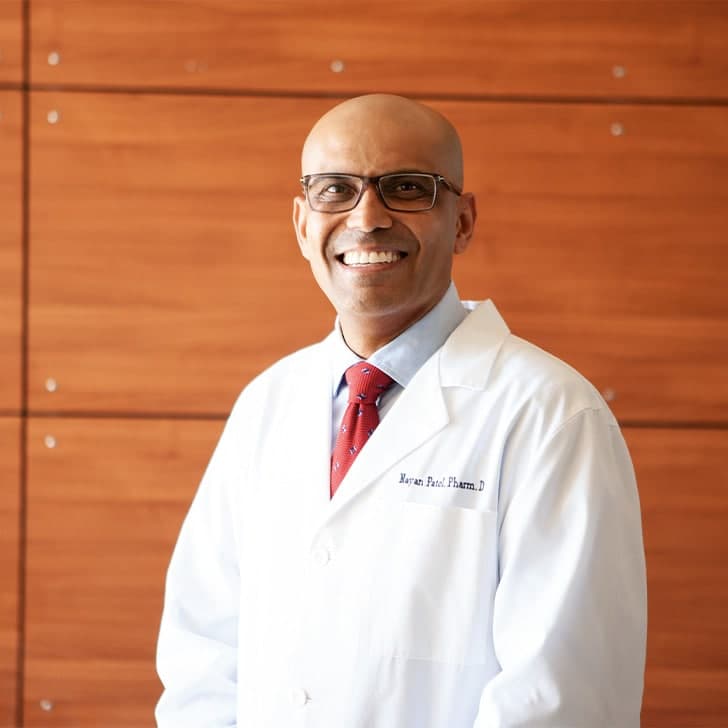
Full Transcript Podcast Intro and Show Openers 0:00 Two and a half. Three years later, I was visiting, him. 0:02 One of these days, I was observing that he was enjoying 0:07 his sweets and carbs and I've never seen that part of his before. 0:11 This, I said, was, what's going on? I talked to my brother's wife. 0:14 He was with my brother. I said, what's going on? 0:16 I said, well, he's enjoying life because his sugar levels are normal. 0:20 I said, what? 0:21 I said, sugar has been normal for almost two years. 0:24 Welcome to Doctor Talks, the podcast where every episode leads to a healthier you. 0:29 Join us as we navigate the world of optimal health, 0:32 uncovering groundbreaking strategies to conquer chronic disease. 0:36 In each episode, we'll bring you the latest insights 0:39 from leading health experts, medical innovators, and wellness warriors. 0:43 If you're seeking to transform your health journey, or if you're looking 0:47 for answers to burning questions, you've come to the right place. 0:51 Get ready to unlock the secrets of lifelong health and vitality. 0:54 This is Doctor Talks, 0:56 real talk from real doctors on the issues that matter to you most. 1:08 Hi everyone! 1:09 Welcome to Rad 1:10 Cast, where science and soul converge to shape the future of human potential. 1:13 I'm your host, doctor 1:14 Melissa Girl Peterson, and today we are diving deep into the power 1:18 of cellular health and longevity with a true pioneer in the field. 1:22 Joining us is Doctor Nyan Patel, a globally recognized expert 1:27 in glutathione, cellular health, and anti-aging longevity medicine. 1:32 He's a sought after speaker researcher in pharmacies and has pioneered 1:36 innovative delivery systems for glutathione optimization 1:40 and is the author of the bestselling book The Glutathione Revolution. 1:45 In today's conversation, 1:46 we'll explore the ground breaking science behind glutathione. 1:51 It can be a game changer for extending healthspan and enhancing longevity. 1:56 So get ready for an inspiring discussion packed 1:59 with actionable strategies to help you live better, longer.
Glutathione Research Origins 2:03 Doctor Patel, welcome to the show. 2:05 Well, thank you for having me to this morning. 2:07 I appreciate the time today. 2:09 I am so looking forward to this conversation. 2:12 You know, you just if anybody's watching the video, 2:15 if you can see him right now, you see what a ray of light he is. 2:18 You are just emitting so much light. 2:20 So many good vibes. 2:21 I'm just so excited to have a really just energized conversation 2:26 that I know is going to impact, inspire and engage everyone listening today. 2:30 So let's kind of dive right into your area of expertise. 2:35 You have been doing research for a very long time. 2:37 And glutathione, what kind of sparked your love 2:40 of this particular molecule? 2:44 You know, well, I was idealistic when I first graduate 2:48 from pharmacy school that, hey, medication is going to save people's lives. 2:52 And in reality, what I quickly found out is 2:55 the medications are not going to save anything. 2:58 All they can do is manage people's problems. 3:01 And that even holds today. 3:03 There is no medication in the world that is solving any problem 3:06 unless you have infections. It's a whole different story. 3:09 But other than that, if you have organ damage, if you have 3:13 cancer with your body, medications is not going to solve the problem. 3:18 And so we all the things that we have is 3:22 we enhancing our own bodies capabilities to basically fight with the problems. 3:28 Yeah. 3:28 And so I look back, I said, hey, if that's true, if that is true, 3:33 what is the number one thing the body produces that we have to enhance it. 3:38 And of course that was easy answer. 3:40 The answer was glutathione. 3:42 And I to look back, I said, hey, I'm a young kid fresh out of pharmacy school. 3:46 I'm sure we would know this for about 100 plus years. 3:50 People have already done the research to figure this things out. 3:53 And guess what the answer was? 3:55 Big fat no. 3:56 Nobody knew how to actually enhance glow without levels about beyond 4:01 what your body can produce. 4:03 And so that's what my research basically says. 4:06 Back in 1999, I started my work on, 4:10 trying to figure out how to basically, get to it. 4:14 Right. And again, 4:17 the best researchers are not the one. 4:19 They're actually doing something what the best researchers are 4:22 actually the one. 4:23 They're observing everything. 4:25 And it's all about observations. 4:28 It's all about observations in my lab and long story short, 4:32 we observed a pattern of how glue with that is actually getting into the system. 4:37 We it has that that technology and Ted several years, 4:42 eight years later, we had a product ready my lab to be tested. 4:46 So anyways, but today's exciting, in a relatively short time frame. 4:51 Well, and you know, you've just brought up 4:52 a couple of great points that I want to highlight. 4:55 And because this is really important for everybody listening, 4:58 you said something a great researcher is an observer. 5:01 And I find that too often in health care, 5:04 both as practitioners, even and even as the patient, 5:09 we forget to ask ourselves the question, you know, for 5:13 not only for what reason, but like, for what reason would we give a medication? 5:17 So what is it supposed to do? 5:18 But how did we actually get here? 5:21 So like you said, most medications don't actually correct anything. 5:25 They manage things but they don't actually correct. 5:28 And we forget in the field of medicine we forget as individuals 5:32 somehow something has occurred. 5:35 And oftentimes it's many things that have just been 5:37 a cumulative effect that have compromised the system. 5:41 And so I like that you got really curious to say, okay, well, 5:44 when the system is compromised, what's the go to process at play 5:49 to help the system recover and kind of ward this off. 5:52 And you found that it was glutathione on. 5:54 And so then you discovered a delivery system. 5:58 So for everybody listening of course the obvious question is 6:03 what is Bluetooth I own of course. 6:06 Yeah. 6:07 I mean it's it's a three amino acid, coming together. 6:11 It's a tri peptide. 6:12 It's it's too much technical jargon. 6:14 So too much chemistry behind that one. 6:16 Nobody wants to know what it is, what they really do 6:19 want to know is what does it do. 6:22 Right. 6:23 So, you know, I don't even need to be here today, gang. 6:26 Like he knows he doesn't like. Yes, yes, yes. 6:28 Keep going. Doc. 6:29 Yeah, exactly what does it do? 6:32 The gluten is known for two of his properties 6:34 because again, keep in mind 140 plus years that we have known glue diode. 6:39 If you don't have the proper delivery system we had, 6:41 we haven't even the hardest all the benefits of clothing yet. 6:45 And so the two things that we do know 6:47 is it's the most powerful antioxidant produced by human body. 6:51 It quenches all the free radicals. 6:53 If you don't know about free radicals, 6:54 free radicals basically dampens your whole organs, all your body systems, 6:58 it blocks the receptors from healing and and basically rejuvenating.
What Glutathione Does in the Body 7:03 So, free radicals 7:06 are actually the word crazy, okay? 7:09 It's a whole body. 7:10 And we do not absolutely not need any of those excess of this. 7:14 So that's one property. 7:15 The second property that we do know is it's a master conjugated 7:20 with basically combines, with no toxic chemicals and heavy metals. 7:25 And absolutely help you eliminate through your liver 7:29 or through your kidneys or through your intestines. 7:32 Either way, we have we have to eliminate all this, 7:35 all this chemicals, either we consume with the food sources comes 7:39 it comes in our, clean beauty, from environmental sources. 7:45 You would kill something, you drink something, everything comes inside 7:49 instead of body. 7:50 And our body has to eliminate that part. 7:52 So the gluten is is actually very helpful in helping those. 7:56 So those are the two things that we do know for, for fact. 8:00 But the ramification of those two things alone are endless. 8:05 Well, when we think about it, you know, 8:07 it's often been referred to as the master detoxify or. 8:11 Right. 8:11 And so and that really speaks to for a moment 8:15 the reality that so like you said, hey, most medications don't correct anything. 8:20 And glutathione is the thing that does. 8:22 But and let's talk about why like what's happening in the body. 8:26 We are living in a time where there are so many demands 8:30 coming into the system, so many inputs, 8:34 specifically burdens. 8:36 Whoo! Much so. 8:37 We know there's toxins, right? 8:39 We know there's a variety of toxins causing these toxicant burdens. 8:43 Even with aging, 8:45 we know the process of senescent cells creates an inflammatory burden. 8:49 So there's let's talk for a few minutes about some of the things 8:53 that the body would need. 8:55 So there's explain natural detoxification and then some of these exogenous 9:00 additional loads that make us need 9:04 more glutathione production because you kind of said, hey, 9:07 how do we make more of it? 9:08 But why would we even need to make more of it? Absolutely. 9:11 And that's again, 9:12 that's that's a very simple answer to me because I just show that analogy. 9:17 So for 9:18 millions of years, right. 9:22 If you're an animal, you live in a jungle. 9:25 The jungle is still the same. 9:27 Even today's date hasn't changed. 9:30 Humans comes around. 9:32 We were at 1 billion population and then we were the 3 billion population. 9:36 Now we had 8 or 9 billion population. 9:38 And we are the biggest polluter of this world. 9:43 We are building things, we are driving things, we are flying things. 9:46 We are creating. 9:47 We are excavating the earth and trying to get some products out of the earth. 9:52 And making some things out of it. 9:53 And it's every single thing that we do is creating more and more pollution 9:59 in a body, in the environment that eventually 10:02 we are the one consuming it in the first place. 10:04 Yeah, it's so 10:07 if you think that that's going to change, 10:09 go back 100 hundred years ago 10:12 and they will tell you that, oh yeah, things are going to change. 10:14 Yes. It has change is a got worse. 10:16 And 100 years from today, it's not going to be any different than what 10:20 today it's probably going to get worse. It would be at today. 10:23 Yeah. 10:23 So knowing and had saying our old defense 10:29 system is the cornerstone for anybody who is willing to 10:34 or who wants to at least stay healthy and have a potential to live a long 10:39 life, you're not going to live a long life if you're not healthy anyways, right? 10:43 So the key is not about living longer. 10:45 The key is can I stay healthy enough? 10:48 Yeah, so that I can enjoy my life or whatever time I have. 10:51 And because I'm still healthy, can I just live a few extra years? 10:55 Absolutely you can. Right. 10:57 But going after a health spend is much more, 11:01 beneficial than going after a lifespan. 11:04 To me, the longevity revolution is about more than just searching online 11:07 for a few habits, or any one of us moving our biomarkers in the right direction. 11:12 It's about coming together 11:13 to learn, share, to connect and create the unlimited future we want. 11:17 That's why you need to be at Rad Fest 2025, in 11:20 Las Vegas from July 10th to the 13th. 11:23 Rad Fest the Revolution Against Aging and Death 11:26 is proud to be partnering for the first time with Doctor Aubrey de 11:29 Gray and Longevity Escape Velocity Foundation. 11:32 The from the single most comprehensive, advanced, 11:35 informative and inspiring event on age reversal for a general audience. 11:39 Meet the people you want to make forever with Rad Fest 2025. 11:43 Take advantage of lower advanced pricing now at Radford. 11:46 Scott. 11:47 Correct. 11:48 I agree we have to be healthy first, right? 11:50 It's like about living better today 11:51 for longer tomorrows because I think we can all agree 11:54 if we're not feeling great today, we're really thinking about 20, 40, 11:58 50 years from now. 11:59 We're like, how do I make it through the day? 12:02 So I'm curious because this has been your area of focus and expertise for so long. 12:07 You've, you've created, you know, delivery systems, your research. 12:11 And we'll dive into more your research. 12:12 I want to know about some of the findings. 12:15 So let's talk about practicality. 12:17 What are some things when. 12:19 Yes. So the demand is getting more and more 12:21 and more year over year, decade after decade. 12:23 So we need as humans some better 12:26 defense system, some better protection, some better inner support. 12:29 And what you're telling us is glutathione is that first line defense. 12:32 So from people let's jump ahead in the story a little bit. 12:36 For people that have been increasing their glutathione, 12:40 whether they're taking it in an exogenous supplemental form. 12:43 And I'll ask your opinion in a minute of the best ways, 12:45 or they're doing lifestyle things. 12:47 What are some of the amazing outcomes or benefits or results 12:50 you've seen from increased glutathione intake? 12:54 All right. 12:55 So I'm going to give an analogy for that one. 12:57 And I want people to viewers to understand what I'm talking first because then
Oxidative Stress and Why Levels Matter 13:01 they'll understand what the next answer is going to be for you. 13:04 So let's say you come home. 13:06 Of course. 13:06 You come, you in a hurry, you open the door, you leave the door open 13:10 and there's a wind coming out, 13:12 and then boom, all the dust comes in, the leaves comes in, the snow comes in. 13:16 If you're in the snow area anyways, the house is a mess. 13:19 So what you do is you take the broom and the vacuum and start cleaning the house. 13:24 But the house doesn't get cleaned up because guess what? 13:26 What you forgot to do was close the door, right? 13:31 And the human body is similar to that one. 13:34 We are always trying to clean the body from inside. 13:38 All we forget to do is close the door. 13:40 You cannot. 13:42 You cannot repair and restore your body from inside. 13:47 If the inside are still coming in, 13:50 you cannot say that, hey, 13:53 I have liver issue and I'm going to fix my liver. 13:56 I take all this medication, but you don't stop drinking right? 14:00 Right. So you have to stop the insults. 14:02 And once this instance are stopped, then the body starts healing from inside. 14:06 And what are the insults? 14:07 The number one insults to the body is oxidative stress. 14:10 Also, stress is linked to literally 14:13 every known diseases today. 14:16 Forget the antibiotics of the infections, 14:18 but even that has some roles in that one too. 14:21 If you look at the top 14:21 ten cause of death in the world today, one of them is accidents. 14:25 Let's take it out of the picture, right? 14:27 The other nine every one of them is linked to oxidative stress. 14:31 It's so if that's a true ox, stress is not the cause of the disease, okay? 14:37 The stress is what prevents the body to heal the from the diseases. 14:42 And so if that's true that having gluten onboard 14:47 it is, what it's going to do is close the door for you. 14:50 Is it going to do the vacuuming cleaning up your house? 14:52 No, it's not going to do that. 14:54 Well, it may eat a little bit, but that's for the purpose of it. 14:56 The purpose of glue with that is to close the door. 14:59 So now you allow your body to heal from inside. 15:04 And so unless you do that part it's not going to happen. 15:07 So the symptoms are just talking about I say what am I going to feel of. 15:09 What am I going to see. 15:10 What what what have I observed the observation 15:13 is all depends on the body's own defense system. 15:16 So if you have a if you're young and you take glutathione, 15:20 but I say young, I'm talking about 30s, 40s and 50s. 15:23 Right. 15:24 If you're young and taking glue with iron, you're going to see 15:27 a change in the body relatively fast. 15:30 You can observe the benefits relatively fast because your body's is 15:34 wants to heal from inside, but the doors are shut yet. 15:37 Right? But you shut the door down. 15:39 And if you have, issues, I'm not sure what issues you have 15:43 because there are thousands of issues that that link to of stress. 15:46 Some people have fatigue issues, sleep issues. 15:49 Some have onset of some diseases or, or did struggling with something. 15:55 They all have a chance to repair itself. 15:58 Now, that does not mean that if you're 90 years old that you cannot heal yourself. 16:03 And I'll give you a simple example for that one to my dad, at the age of 78, 16:07 who had a heart attack, had a, with 16:10 Ed, you had to have was completely blocked arteries presented there. 16:14 And of course, a 78 year old who had a, heart attack, 16:18 infarction stent put it there, had type two diabetes 16:22 for almost 40 years, arthritis for almost 30 plus years. 16:25 He had blood pressure issues. 16:26 He's surviving. 16:27 He's not living his his golden years. 16:29 Right. His surviving. Right. 16:32 And, by the time we discovered the the delivery of glue, 16:36 that's all the thing we added at that time. 16:38 Two and a half, three years later, I was visiting, him, one of these days, 16:42 I was observing that he was enjoying 16:45 his sweets and carbs, and I've never seen a part of his before. 16:50 This, I said, was, what's going on? I talked to my brother's wife. 16:52 He was with my brother. I said, what's going on? 16:55 I'm saying, well, he's enjoying life because his sugar level is adorable. 16:58 I said, what? 16:59 I said, sugar has been normal for almost two years. 17:02 I said, no way. 17:03 So I said, I don't trust you. 17:05 So I looked up all the, 17:06 all the lab results and sure enough, his sugar level has been normalized. 17:10 And so because of that, he's enjoying life. 17:12 So I don't want to tell him that all your your your out of the zone now. 17:16 So I told him that's not all. You know what that that's good. 17:19 You enjoy food, make sure you have the proteins with it. 17:21 But make sure you don't stop walking. 17:23 You should at least walk 30 minutes a day, right? 17:25 So then do the walk. 17:27 I said, son, what are you talking about? 17:29 Here's my here's my health app. 17:31 Check it out. 17:32 He's been walking six miles a day, every single day. 17:37 And it might just might just blew up. 17:38 I said, this guy has to walk for long time. 17:41 Why was it walking with his arthritis? 17:44 And now he's already 82, 83 years old. 17:47 His walking is a joint life. 17:48 And of course, he had arthritis. So his deformed disease. 17:51 So that comes to being said, hey, I need some new replacement 17:53 because I can't walk properly. 17:55 I went to the doctor the age of 83. 17:57 As a doctor. 17:58 He needs the replacement data set that goes here. 18:01 Well it is. These are really bad. 18:03 I don't know, I can't even imagine how he's walking today. 18:06 Sure enough, he convinced him to do w replacement. 18:10 The doctor says, oh my gosh. 18:11 And they did the surgery at the at his age at the, at the at this age, 18:16 at the age of 84, he was scheduled at the age of 80 for double D replacement, 18:20 both at the same time. 18:23 And the doctor says that he'll be bedridden 18:25 and he'll be doing the things for at least 4 to 6 months that the. 18:28 Yeah, that not much bet recovery is going to be hard. 18:31 36 hours after the surgery, he was home walking on his own. 18:34 Of course he had painful. 18:36 It was just not that fun. 18:38 Is he was he he he was so determined to to have perfect feet where he walks. 18:43 They started walking regularly with, with the pain. 18:46 He struggled through that part. 18:47 But he is ultimately three and a half months later 18:51 packed up his bag and he was gone. 18:53 Traveling the world again, traveled the world again. 18:56 And so the the last part of the story is that, 19:00 he passed away last year. 19:02 He was enjoying his life so much. 19:04 He was enjoying his life so much. He was out traveling. 19:06 He was in India. 19:07 He was at the beach. 19:09 He loves eating some street foods. 19:11 Got some stomach bug, 19:12 you know, had some loose bowel movements, you know, for a couple of days. 19:15 And the next morning, bam, he fell down, broke his skull completely. 19:21 You know, he had into the bleeding. He was fine. 19:24 He was coherent. His target was completely okay. 19:27 I arrange arranged neurosurgeon to go see him immediately. 19:29 Got to see him. 19:31 Talk to him. Is. He's fine. Is coherent. Everything is fine. 19:33 There's some bleeding going on. 19:35 But if he survives the next 3 or 4 days, he should be okay. 19:37 Recovery as is again. 19:39 The the that calls us, all of us is. 19:41 Hey, you see, I told you I'm fine. Don't worry about it. 19:43 He facetimes us up to able to talk to the whole family. 19:47 Oh, it's okay. 19:48 It's. It's already midnight. 19:49 I got to go to sleep now, so. 19:51 Good bye. 19:51 What's the phone down? 19:54 And then Will wakes up again. 19:57 And makes me cry at that. 20:00 At that age, he was 89 years old. 20:03 He was 89. 20:04 And I'm telling people is that. 20:06 And for 78 to 89, 20:10 was he surviving or living? 20:14 Are you ready to redefine aging and unlock your full potential 20:18 as a longevity leader at the Human Longevity Institute, 20:22 our world class certification programs train doctors, coaches, and wellness 20:27 professionals how to deliver cutting edge, integrative longevity 20:31 health solutions so people can live better today 20:34 for longer, healthier, and more vibrant tomorrows. 20:37 If you're ready to join the longevity Revolution, visit Human 20:41 Longevity institute.com to enroll 20:44 and become a practitioner today. 20:48 He was yeah, he was fully living. 20:50 And so first of all, I just want to take a moment 20:52 and I want to honor your father and his legacy because, 20:55 you know, like, I think you literally just brought me to tears. 21:01 And I'm sure that anybody listening. 21:03 What what an inspiring story. 21:04 What a reminder that, again, whether we know it or not, 21:08 consciously, even if we don't mean to, 21:11 we have this idea of aging and that it is inevitable. 21:15 It's a natural process. 21:17 There's no escaping it. 21:18 And the moment that any of us start to feel 21:21 something different and oh, oh, this is aging. Ooh. 21:25 And then this slow degradation of our mindset sets in. 21:29 And I watch this. 21:31 You know, I watch this across multiple age categories. 21:34 And it really starts around our 40s. 21:36 Depending on what your practitioners or your zone of influence starts 21:39 to tell you, depending on what your family history is 21:42 and who you're surrounding yourself with and who you're seeing. 21:45 And so people just call it, it to me, I think about the frog that's 21:50 put into the warm water and slowly cooked as the heat is turned up. 21:55 We just kind of lull ourselves into an acceptance and a tolerating
Personal Story of Healing and Longevity 22:00 and we think like, yeah, my best years are behind me. 22:03 So I really want to thank you. 22:04 I really want to thank your father and his and his legacy of just leaving that, for 22:10 all of us to know that it doesn't matter what you think, anything is possible. 22:14 So what do you want? Right? What are you willing to do? 22:16 How are you willing to show up for yourself? 22:18 And, what a beautiful way you got to say goodbye to all of you. 22:22 He got to tell you how he loved you. 22:24 Like how perfect he was at such peace. 22:27 Like, could it be any better to have a transition like that? 22:32 That's amazing. 22:33 And I can talk about this today, because guess what? 22:36 We still feel like he's in India right now, traveling and enjoying life. 22:39 Because in my mind, at the age of 89, he never suffered even one day. 22:45 He never suffered. 22:47 He was living the life he was. 22:49 And by the way, he was single like my mom. 22:51 My mom passed away 25 plus years ago, so he was single 22:54 and he always is packed with bags and leaves. 22:56 He just goes to India, he goes to Africa. 22:58 I'm from Africa personally, myself. So we have properties in Africa. 23:00 So he became a we have a house in Africa. 23:02 So he goes there, he goes to India. 23:04 We have a house over there too. 23:06 And he just he just goes anywhere and everywhere he wants to go. 23:09 Only thing I have to do is buy a ticket and then he, oh my gosh, 23:13 you know, just this is food. Everything. 23:16 He does everything on his own. 23:17 I never do anything for him. And so 23:21 I want to give people the hope that. 23:23 Yes, healing happens fast. 23:25 So what are you, 30, 40, 50 years old? 23:27 But healing never stops until the day you are dead. 23:32 Yes, yes. 23:33 The body is a self-healing organism. 23:36 You don't need a medication or a surgery, though. 23:40 Everything can be a tool. 23:41 But the body is a self-healing organism. 23:43 It just depends on what state it's in. 23:46 And so let's talk for a moment about how we might know 23:50 that we need to increase glutathione levels, 23:53 because if we're not healing, right, like if we're in a place, 23:57 what would be some cues that people could all of a sudden go, 24:00 I might need to think about this. 24:02 Unfortunately, some of the things that you that you find out 24:06 that you have low glue, high levels is after you have some diseases. 24:10 And that's an unfortunate part 24:12 because also stress increases and it takes ten, 15 years. 24:18 Sometimes to basically find out that, oh my God, 24:22 now I have autoimmune conditions or I have metabolic 24:24 disorders, I have heart disease, I have diabetes, whatever that cause is. 24:29 Right? 24:29 It's like, how do you know you have cancer? 24:32 I said, well, the cancer was growing at least 10 to 15 years before you found out. 24:37 Yeah, it was it was not growing. Right. 24:39 And even after that, if it's early on, you can do something about it. 24:44 But if it's later stage, then you cannot. 24:46 And so the the better question is for me is that, 24:50 if I were the researcher, I wanted to find out at 24:55 what age do you think is the levels groups are dropping 24:59 and what age do you think that I should really think about enhancing those levels? 25:04 And to me, it is is very early on in very young, very young. 25:09 Your body has all the tools it needs to make the glue without all the traits. 25:14 Right, right. 25:15 So there's no need for supplements. 25:16 But you're young unless you have some metabolic disorder or metabolic. 25:20 You have some genetic disorder that you cannot conjugate so tired 25:24 that you have the spectrum. 25:25 Some of them people say, oh, everybody on the spectrum nowadays. 25:28 But that's not the that's the truth. 25:29 These people do have a detoxification pathways, shunted. 25:33 And they all show up on the spectrum. 25:36 But those can help with gluten. 25:38 Besides those patients, nobody else is to supplement that at all. 25:42 Fix your diet. 25:43 Make sure you have those three amino acids, rich foods. 25:45 We just need a little bit at glycine, and you're fine. 25:48 Now let's see. Let's progress further. 25:51 Society has said that at the age of 21, you can start drinking well in it to be. 25:56 It's not a good at drinking yet because alcohol depresses glue at that level. 26:01 And, and I'm hoping that the, 26:03 the kids are listening to this, they and deciding, hey, you know what? 26:07 I don't have to drink. It doesn't give me anything. 26:10 I don't have to drink. 26:10 And if we can reframe or, hold them 26:14 from drinking at all, that they can go to the 30, 26:17 35, 40 years of age without having supply of glue, without. 26:21 But even with the alcohol that most people are able to still produce 26:27 enough cloth iron, you know, those 25 year old is completely invincible. 26:31 Yeah. Right. Right. 26:32 That's that's the secret weapon in high production, including iron. 26:36 Yeah. 26:37 So until the age of 30, I have never seen anybody with low glue. 26:40 Tyler. 26:41 So that's a good sign. 26:43 Right now, at the age of 30 ish, people do such seeing low 26:47 glutathione levels, especially if you have multiple pregnancies. 26:51 If we have a lot of horrible issues. 26:53 I have people with extreme fatigue, people that have high stress jobs, 26:58 or high stress environments, people, 27:01 they have exposure to a lot of chemicals, pollutions, things like that. 27:04 Living in a, living in a place where they have in a sea of pollution. 27:09 Those people may need to supplement 27:12 that at the at the start of the age of 30. 27:15 Otherwise, most people can go without gluten up until 35 ish, right? 27:19 Okay. By 40. 27:21 I've never seen anybody with double gluten levels. 27:24 And that's the thing. 27:25 So ultimate 40 and above for sure, 35 and above. 27:29 If you're extremely healthy, which 27:33 which is kind of hard to find holidays, but you should be okay. 27:37 I'm from California right now, 27:39 and the fires have really destroyed our environment right now. 27:42 And so anybody living in California right now, unfortunately, 27:46 I don't care what age you are. 27:48 You probably need to take a out right now 27:51 just to detoxify yourself from all the progressive combustion. 27:54 But regardless if you're California or not, there's always, 27:57 there's always chemicals in the environment. 28:00 So 30 to 35 is a gray zone, 28:03 35 to 40 is a different shade of gray. 28:07 At 40, Debo is for sure. 28:08 You need to have a close eye on the side. 28:10 The symptoms are notice are, creeping forgetfulness 28:14 kicks in, fatigue kicks in, sleep disturbs and kicks in. 28:18 And your ability to heal faster kicks in. 28:22 That's what the it's your ability to your 28:26 your ability to heal faster would be impaired if those levels are low. 28:29 Correct. Is what you were I'm sorry. Yes. Yeah. 28:31 Yeah. Because. 28:32 Yeah. 28:33 So. All right. 28:34 So then let's talk for a moment. 28:37 Best delivery system. 28:38 So since we're at the point and we're also going to come back, 28:41 I want to kind of stay in this area for a few moments and unpack it 28:45 because I know that, 28:47 there's we need to talk about bioavailability 28:51 and again, best ways to get it in and best, 28:56 best ways that we are seeing that it's most effective at a cellular level. 28:59 Absolutely. 29:00 So I always go back to what's approved by FDA, 29:03 what's not approved by the FDA, what's what's good around the world. 29:07 So let's start with that one first, FDA has approved 29:10 medication called Adac and a cell assisted. 29:14 It's an approved medication is a it's an amino acid. 29:16 But they approved as a medication should and even today state 29:20 it's still using the hospital settings, to revive people from title toxicities. 29:25 Acetaminophen which is a painkiller toxicities of that one or people are just 29:30 basically needs a, increased glutathione because they have filled, in the lungs. 29:37 So they use a medication that would today's to improve the globe 29:40 and even today's date only medication ever approved if ever. 29:44 Right. So this was in the 60s. 29:46 So now we're 60 years plus. 29:48 We still talk about the same medication, which is 60 plus years ago. 29:51 Right. Since that nothing has been approved yet. 29:54 That doesn't mean the 29:55 the people have not submitted applications for glyphosate itself to be delivered, 30:00 but what they found out was clear that actually does 30:02 not ever get absorbed in you would body's ever. 30:06 Right. 30:06 So let me unpack that one first, 1991, 30:10 1981 they started doing intravenous. 30:13 They will say that on intravenous form of glow thyroid. 30:16 And what they found that was even if you inject into your bloodstream 30:19 straight up right, it's going straight to the liver. 30:23 You should be okay. 30:23 You'll find it's got there right now. 30:26 Guess what they found out within 5 to 15 minutes, all the gluten was in the urine. 30:33 100%. 30:33 The gluten was in the plasma, which is the water part of the blood, 30:37 and nothing. The red blood cells, nothing. 30:40 And what happened was. 30:41 And then the researchers, of course, they didn't stop the study. 30:44 They were observing what was happening with the spaces. 30:47 And what they found out was about about around half or three hours later, 30:51 they saw a rise in the blood of cysteine, one of the amino acids 30:58 and the stuff. 30:59 Could the scratching the head. 31:00 What happened here? What how did the cysteine get that? 31:03 We didn't inject cysteine. 31:04 We inject glutathione on. 31:06 The conclusion was the body was actually 31:08 breaking down the glutathione to various amino acids. 31:12 Cysteine was reabsorbed. 31:14 Sisters was delivered intracellular early 31:17 and later use to make glue off on its own. 31:22 And so that was a big moment. 31:24 Of course I get it. 31:27 You know. 31:27 So I didn't get that part. 31:29 I was still a young kid. 31:30 I was still in my infancy of, of of researching. 31:33 So I did not get that part about this whole concept. 31:36 And so of course, when I was, I said, doing my own work on glue, 31:41 that the first technology 31:42 that came into my mind at that time was what was liposome technology? 31:46 I'm talking 1999. 31:48 Yeah. 31:48 Okay. 25 plus years ago, life was object. 31:52 I was the hottest thing because it's only available to buy prescriptions 31:55 or the pharmaceutical drugs, but nothing was in the nutraceutical. 31:58 The vitamin world ever so we actually made the first, 32:02 very first liposome products was vitamin 32:05 C, CoQ10, a glow with Iron Peak Z. 32:09 Then all these products. 32:11 And I was so proud of myself, said, 32:12 oh my God, we're going to save the world, right? 32:15 Yeah. 32:15 Two years later, no. 32:19 So the products worked by blood. 32:21 I did not work on B, and I couldn't figure out why was I working. 32:25 It helps some people. Does it help everybody? 32:27 Yeah. 32:27 As a pharmacist, I've got to give medications that 32:30 I want to guarantee the absorption rates. 32:34 It may not work for you. That's a whole different story. 32:36 But at least 32:37 if I give you something, it's going to get to where it's supposed to go. 32:41 If it doesn't do any work, that's that. 32:44 But it never got to where it's supposed to go, which is that intracellular 32:47 levels of growth that there were rows and everybody, I said, what's going on? 32:51 I couldn't figure that portion out. So you know what? 32:54 Since that was not going to work for long term, I refer back to the intravenous 32:59 glue that I said, hey, at least I know that's going to work for 5 to 15 minutes.
When to Support Glutathione 33:02 Yeah, yeah, that I knew that part. Right. 33:04 So I said, okay, let's, let's, let's make that was I made for 20 years. 33:08 I make intravenous form of glue. 33:09 Thought I was making that because I had no other better options. 33:14 Even though I knew it was not going to work. 33:16 2011 comes around. 33:18 This was after five years of what I discovered the glue with I 33:21 that I was making that some researcher up in, Texas at the, at the University 33:26 of Texas in Austin, did a study with liposomal technology products. 33:32 And what they found was that exact same thing is what they found in the IVs. 33:37 What the take the glitter by liposomes. 33:39 There was a net increase of all the amino acids in the blood, 33:45 but the glue failed. 33:47 And later on, two weeks later, the gluten levels were rising 33:52 is because the amino acids were getting broken 33:54 down, was used up to produce its own glue with iron. 33:58 So okay, if you're a consumer, you said, so what if I could make the glue 34:04 that I don't care how it's come there, as long as the level gets up higher? 34:08 Yeah, I'll tell you that. 34:10 Melissa, so you are a very fancy girl. 34:15 I know that, so your needs are about a million bucks a year to survive, right? 34:20 So you work really hard. 34:21 You work really, really hard. 34:23 You do this podcast, you do the C pages, all those things. 34:26 At the best you could do is make up $100,000 a year. 34:30 But your needs are what it take to what you do. 34:33 There's a deficit, there's a huge deficit. 34:36 There's a side gig. 34:37 You picked up 34:38 all those things that you have two arms and two legs, and you said that either 34:42 what God gave you everything you did, why couldn't you work harder? 34:45 And so you work harder, you do extra work and somehow, somehow 34:51 when you in your 20s, you make up a million bucks and hooray! 34:55 Okay, I got this thing. 34:57 But now that you are 30, you can only 35:00 I don't care how hard you work, you only make it $1,000. 35:03 But you need a 1 billion. 35:05 The needs never change. 35:07 If you're depending on your body's ability to produce a thyroid. 35:11 And if you know that it's going to decrease as you age because it needs three 35:15 at least two enzymes, two molecules of ATP and one molecule of energy 35:20 to produce one molecule of glue. The thyroid in its. 35:22 So it's up to produce one ball of glue fired. 35:24 And if your energy is reducing 35:28 and you expect 35:28 the boy to produce enough glue, that ain't going to happen. 35:31 Yeah, it's so all the medications in the world 35:35 were never, ever going to enhance your liver 35:39 more than your body's ability to convert from cysteine to glue violent. 35:45 And to me, that was the biggest moment I ever got in my life. 35:49 I said there has to be a way to deliver gluten internationally, 35:54 and get to the chemical barrier because cell is a chemical barrier lock and key. 36:00 Getting to the cell is a physical barrier. 36:03 So I have to figure out a physical barrier and a chemical barrier 36:07 both into one body said to get through the system. 36:10 Right. Yeah. 36:11 And so that's what technology we, we developed. 36:14 What we did was we took the gluten molecule. 36:16 We we basically did it with a big method. 36:19 Maybe you just twist the protein around it makes and swallowed small. 36:23 But you did the part, but you twisted it because smaller and smaller and smaller. 36:27 But you do the part. It gets through your skin. 36:29 Yeah a barrier, your skin's a physical barrier, right? 36:33 It got to the skin. 36:34 Okay. What what job done. 36:36 The second part was a bigger problem because now we have a chemical barrier. 36:40 The snail does not accept anything other than what it needs. 36:44 So what is a cell? 36:45 These carbohydrates and sugars. Yeah. Okay. 36:49 What if I can give sugar to those of you to give diabetes? 36:53 What if I can take some inert polysaccharide molecules 36:58 and stuff it inside with glue, a thyroid? 37:00 So the cell thinks this is polysaccharides. 37:03 Oh, I can take that. Sucks it up. 37:05 But inside is glue with iron. 37:08 And so that's my second piece of technology. 37:10 That's what we did. 37:11 And when we did that part, of course the body can spit it out if they want to, 37:15 but hey, oh my God, I like this glue that I can use it up. 37:19 And instantaneously. 37:21 Gluten has been absorbed, delivered and ready to use. 37:25 It's like you getting money in your wallet 37:29 like that. 37:30 Okay, so first of all wow, I love it. 37:31 I so appreciate how your brain works. 37:34 It's it's fantastic. 37:36 You know, because you just have such an appreciation of really what is needed. 37:40 And so I do want to back up for a moment. Yeah. 37:43 You've just given us the easy button, so why would we not want to do that. 37:47 And I want to talk about your delivery system 37:49 more and understand like what that is, your product, etc.. 37:53 However, if we back up, 37:56 are we able to bring in what the body needs? 38:00 Are we able by way of end to fork, you know the precursors. 38:04 So it's amino acids, amino acid gang those you know those are in proteins. 38:08 Are you getting enough protein often people or not. 38:11 So it's it's some of those questions. 38:13 Can we bring in the right proteins. 38:16 The right. 38:16 So really those macro micronutrients, those polysaccharides, 38:19 those essential fatty acids that would in theory provide the right 38:23 building blocks to the system that it would kind of have everything. 38:27 So when it needs it brings it in, or are you still finding deficits 38:31 even when people are getting the right 38:34 precursors, you know, with with what they're bringing in their nutrition? 38:38 So the deficit doesn't happen until until like age 40 for sure. 38:42 But until that time deficit could happen even in a 20 year old, 38:45 if you don't have a proper diet. Right. 38:48 So the two things you have to do, no matter what at any age, 38:52 is avoid expenses. 38:56 What expenses do you have that is depleted at our level? 39:00 So exposure to excessive sunlight, exposure to chemicals, pollution, 39:06 or by the way, even a one drink of alcohol 39:10 can deplete the glue that leads to zero 100. 39:14 So if they say that hey, I only drink one water on every Friday and Saturday, well, 39:20 those two days, you might as well, invite everybody in 39:23 in the in the universe to come attack your body. 39:26 Well, that's only one day a week. 39:28 If that's okay with you, go for it. 39:30 If not, like what I did, I stopped really completely. 39:34 Right. But you could do the same thing. 39:36 So that's one thing. Avoid it. 39:39 Avoid expenses of growth Island. 39:42 Right. 39:43 The second thing you could do is ingest those three amino acid rich foods. 39:48 If you could ingest those three foods, your body can produce enough clear diet 39:52 until the day you die. 39:54 So until the last breath, you can still produce up to five. 39:57 And so at this way, we know acids are not 40:00 essential amino acids, right? 40:02 Cysteine, glutamine and glycine. 40:04 Other part of the eight essential amino acids. 40:06 That's to build up your muscles 40:08 and the proteins that every single thing in your body. 40:10 So these are not even the essentially I said. 40:12 So it's not it's not very easy 40:15 to find your diet cysteine in your diet. 40:18 So what I would suggest again, I'm not going to give you 40:21 nutrition advice, but I'm going to tell you that 40:25 putting you through a search engine or call your AI 40:27 robot to say, hey, find me cysteine rich foods. 40:30 And they're all 40:31 going to give you a list of foods you have a choice of vegan, vegetarian. 40:34 Carnivore, omnivore. 40:36 Paleo. 40:37 Adkins I don't care what diet you're on is going to give you all these choices. 40:42 Please, make sure that you have those, foods 40:46 on a daily basis because you body produces gluten every single day. 40:52 It needs it. 40:53 And you have to consume those foods on a daily basis. 40:56 My, in my book, I have a 40 day plan to boost gluten levels.
Delivery Systems and Bioavailability 41:01 Please don't fall for the gimmick. 41:02 It's a marketing plot by the publisher. 41:05 Hey, no, I'm not here to put the publisher down, but I'm just telling you, it's 41:09 a marketing plot. 41:10 That's my lifelong plan. 41:12 It's not a 40 day plan. 41:13 That's the my diet every single day. 41:15 Nice. Good good good good. Yes. 41:18 I'm so appreciative that you just said that. 41:20 Simply because we all do look for just the quick start. 41:23 Like, I just have to go do this thing for a week 41:25 or two weeks, a couple a month, whatever. 41:27 And we think of the word diet, 41:28 I got to do the diet a thing and you're like, no, this is a life plan. 41:33 And so I would invite everybody. 41:35 When you think about that, it's it doesn't have to be a hard 41:38 it's kind of going, what are the things I want to do more of? 41:40 What are the things I want to do less of? 41:41 You are in control of mastering your own destiny. 41:45 So it's little bits. Like, what little thing do I want to add today? 41:47 Let me be conscious. 41:49 How can I bring more of these foods in? 41:51 What of these? 41:51 Do I like you don't have to eat them all. 41:53 What I want to do more of. 41:55 And so food is one part, and I'm assuming there's 41:58 definitely other lifestyle variables. 42:00 You know, some of the things that you do in your life plan. 42:02 Talk to us more about that. Okay. 42:05 So I always want to stimulate my body to work for us. 42:09 Right. 42:10 It's like everybody wants to do the work, but unless 42:14 you tell the body said, hey buddy, can you work a little harder for me? 42:17 So what we call those, what we call them a micro stressors, 42:21 right, a micro stressors. 42:22 So for example, 42:23 I will get I'll get a hyperbaric chamber at least 3 or 4 times a week. 42:27 Right. 42:28 Of course, is pumping oxygen out of the body and oxygen, 42:32 if you do not know that part. 42:34 Oxygen is the healing gas in our body. 42:38 It heals everything inside, right? 42:40 But excess oxygen can also cause oxidative stress. 42:45 So I'm not saying stop breathing because you'll die a second. 42:48 Right. 42:49 So but oxygen is good for you. 42:50 It's the age of life and age of death right. 42:53 You need it a lot of it to get everywhere in the body. 42:56 It produces enough stress to to basically activate 42:59 your body's defense system and start healing the body from inside out. 43:02 And as soon as I come out of chamber, I'll spray the glue with that on me. 43:06 So any excess oxygen that has not been used up 43:09 just gets depleted, it gets neutralized, and I'm done. 43:12 So that's one of my regimen I do I, 43:15 I do use sort of once in a while I don't have I started my house yet. 43:18 I do want to get us of my house soon. 43:20 So hopefully, next day, if you talk. Good. 43:23 I probably have a solid my house already. Okay. 43:25 That's my other goal. 43:27 I do also do some lymphatic drainage. 43:31 So I have a lymphatic system in my house. 43:33 Plus, I also go to a masseuse at least once or twice a week. 43:37 Because I really want to activate 43:41 my body's, cleaning, power. 43:45 I want to actually do anything that cleans my body. 43:47 I want to make sure that it's doing on a regular basis as well. 43:50 So I'll do physically. 43:51 I'll go to bosses that have them do the lymphatic drainage for me 43:54 at least once or twice a week sometimes, but not I had a 43:59 not only has a privilege to do, I can do that part all the time. 44:02 Money, everything else. 44:04 But if you don't have that, they sell those chairs. 44:07 Now they have all these different modalities. 44:09 We can squeeze your body to kind of pump up the lymphatic system, 44:13 do whatever it takes. Right. 44:15 So that's my second thing that I do. 44:17 I, you know, I do a lot of things. 44:19 I exercise only what I can tolerate. 44:22 I don't I don't, I never will over exercise ever. 44:25 Because if you think about it, 44:28 the strongest beast in the jungle is gorilla. 44:31 He is vegetables. 44:33 And, that's around. 44:36 But but guess what? 44:38 He's a strongest guy. 44:40 Yeah. How the heck does he get there? Right? 44:42 Is that pumping iron over there? Just. 44:45 Oh, what a running down up, down the mountains. 44:47 No, he's walking and just doing what it's supposed to do. 44:50 So if you get the right nutrients to your body, I truly believe 44:54 that your body will enhance your muscle growth. 44:57 Your, and your proteins gets into your body. 45:00 So diet is the most important part to be. 45:03 I love it. 45:05 So you just really kind of gave us your roadmap. 45:08 And so I just want to counter check. 45:11 So from a clinical standpoint, 45:12 you know, again, you're you're a leader in anti-aging longevity medicine. 45:16 If you were to build the optimal 45:20 super longevity stat, what would that be? 45:24 So I'm already hearing hyperbaric so h bar obviously glutathione alone. 45:28 So I'm thinking more through a clinical lens. 45:30 Obviously we as individuals want to go out. 45:32 We want to keep moving. We want to rest to recover. 45:35 He absolutely. 45:36 So those were great lifestyle things. 45:38 So clinically, what would that stack look like for you. 45:41 So for me there's only two things we can do right? 45:44 One is to close the door off oxidative stress, buy glow thyroid 45:49 and then figure out everything that repairs your body 45:52 from inside that enhances your stem cells, enhancing your, enhancing your 45:57 your your gene, reducing the mutation of of your genes. 46:01 And so those are the two things that, that, that I would suggest 46:05 for everybody to look into it. Right. 46:08 To, to 46:09 stop the oxygen stress is really one product. 46:12 Actually. 46:14 Let me back up one thing. 46:15 There's three things the body can do to resolve so stressed out one. 46:20 And I put it in three different categories. 46:22 Category number one is you take exogenous from outside the body parts 46:26 like vitamin C, vitamin E, CoQ10, algae extract, C60, 46:32 methylene blue I mean there's a slew of the market is it. 46:36 We are so-called antioxidants. 46:39 Yeah. That's all category one to me okay. 46:42 Category number two is a body produces enzymes called 46:46 catalase or superoxide dismutase. 46:49 Sorry for short or gluten peroxidase which is GGT for short. 46:54 These are enzymes I call this category two because they also quench 46:58 all free radicals. 47:00 Category number three is only one product, which is the thyroid. 47:04 And by the way, if you combine category one and category 47:08 two together, gluten is more powerful, more stronger 47:13 in antioxidant packed than those two combined. Wow. 47:17 So you can say we can save ourselves a lot of money and all those extra 47:21 supplements by just going to the master, to the master? 47:24 Yeah. Antioxidant. 47:26 So what? 47:28 So talk to us then about like, okay, there's only one and yes, we can. 47:32 So thank you for telling us the foods rich in the amino acids 47:36 so that we can do our part by looking at what's on the end of our fork. 47:39 Then what's the product like? 47:42 Where do we what's it? 47:43 Because there's different ones out in the marketplace. 47:44 So that's everything that's liposomal. 47:47 Is your technology patented only to you? 47:50 Is it in other places now? 47:52 Is it a is it a shared technology delivery system? 47:56 Where do we find all the technology is patented. 47:59 And as, as as I said earlier, 48:01 the technology has not been used widely at this point. 48:05 There are few pharmaceutical products in the marketplace today, I get that said, 48:08 I've been working this for over 20 plus years now. 48:12 There's a there are a couple of pharmacies in the marketplace today, 48:15 but there's nothing to just surgical side at this point. 48:18 And because of that, I had to bring the everything in-house, 48:23 the manufacturing of the product, the sourcing of the chemicals, 48:26 the marketing of the products, everything I brought in-house 48:30 because I had to control the whole process. 48:32 I'm fortunate because nobody knew how to do make this part right. 48:36 So at this point, it is not liposome technology at all. 48:39 It's completely different. 48:39 It's a texture and technology that we using, 48:42 which is the first in the world for this delivery system. 48:45 At a at a people would assume that, hey, it's this pattern. 48:48 It's going to be expensive. 48:49 Yes, the price is higher. 48:51 But to control the cost down, I as I said, I had to bring the manufacturer in-house 48:57 because if I go to contract manufacturing for this product, it will be less 49:01 so to control the costs I do. 49:03 I got everything and so, the technology is detection technology. 49:08 It's available through our website. 49:10 Or we do have, quite a few doctors office. 49:14 Any healthcare providers can buy from us and basically give it to the patients. 49:18 So the only distributors we have are all healthcare providers at this point. 49:23 Okay. 49:25 Or as they go 49:26 to about to to our website, everybody just got really excited. 49:29 And then they got really the, the, our listeners that are 49:31 we do have a lot of practitioners that listen. 49:33 But for all of our audience, it's like customer and I'm not a practitioner. 49:37 Where do I go get glutathione on? 49:38 So is there anything on the and I'm not asking you to endorse a brand. 49:42 But again, when we're out there just kind of searching, 49:45 do we look at precursors. 49:47 Is there something if we're not. 49:48 Yeah okay. What what should we look for. 49:50 So the first to by all means, if you're looking for precursors 49:54 to gluten levels, there's only one thing is NSC glycine. 49:59 The glutamate. There's plenty the body part in your diet. 50:01 You don't have to worry about that part. 50:03 Cysteine is the one that's not available. 50:05 Again, if we just, you know, eat every day anyways. 50:09 Basil might as well eat cysteine rich foods that we avoid the supplements. 50:14 Again, I make a living by selling supplements. 50:17 I'm telling you, I by simply take one supplement. 50:21 What's your one supplement? 50:23 I think it's the one you make. 50:24 It's the one you're manufacturing. I do not, do you? 50:27 I don't consider as good as a supplement. 50:29 I don't either positive that a supplement. 50:31 Because that to me is, it's not a it's like a 50:35 the base I it would it should be on it anyways. 50:37 But something that I do take is, magnesium. 50:41 That's what the because I did, I did my, 50:45 my electron transfers electric drive for my muscles the whole time. 50:49 I'm always stimulated by, by muscles. 50:53 So for that, I need a lot of magnesium. 50:55 I did, I eat a lot of amino acids, in my diet. 50:59 So I want to make sure that I have enough magnesium to have the that
Lifestyle Stack for Longevity 51:02 that electrical charge or at work at all times. 51:05 So that's what I take. 51:07 All right, I love it, I love it. 51:08 Well, you've gotten us all excited. 51:10 And you know, what I do 51:11 appreciate is that there is so much that we can do in lifestyle. 51:14 And so as we get ready to round out our conversation today, Doctor Patel, 51:18 which I could just keep chatting with you for such a long time. 51:21 You're just such a lovely human. 51:23 I appreciate how you're informing and educating us today, and I'm keeping things 51:28 like I feel that everything you've shared with us, it's deeply science back. 51:32 It's how the body works, but yet it feels so accessible. 51:34 So I personally want to thank you. You've just been a joy. 51:37 But let's go back for a moment and just kind of talk about your vision. 51:41 So you got to witness your father basically come back to life 51:47 and and really spend his last decade 51:50 plus thriving, just going out and having adventures of aliveness. 51:56 What is what is your vision, your longevity vision for you? 52:02 Like, how has he inspired you to kind of reframe what you think 52:05 is possible for yourself and how you want to be living? 52:08 Oh my God, that's a great question because this is what I visualized 52:12 every single day. 52:14 I spend about 14 50 minutes every morning. 52:17 I close my eyes, I'll do some, 52:21 I'll do some, exercise to increase my heart rate. 52:24 Not a heart rate, but to pump up the blood in my in my body, to get some tingly 52:27 feeling in my body, and then sit back and just have my mind opened up. 52:32 And the first thing I want to do is, is, learn, 52:36 learn how to, be grateful 52:40 for every single thing that has come into my life. 52:44 But, gratitude to me is the most important thing. 52:48 If you have a private jets and big house 52:51 by the beach hours is going to get really, really old. 52:54 Pretty fast. 52:56 But what you. 52:57 What's not going to get old is, is how how you make people feel, 53:03 how you enjoy things in life. 53:05 How do you, how do you, help 53:09 other people get the best out of their life? 53:12 And so to me, my vision of longevity is going to be is that 53:18 I'll be happy with 53:20 every single human being on this planet. 53:24 Had the chance to improve the health of the glue that I had. 53:28 Wow. That's that's my vision. 53:30 And I completely understand that more than 90% of people cannot afford my product. 53:35 I completely understand that point. 53:36 At this point, but I'm trying. 53:39 I'm working really hard to try to figure out 53:42 how can I make this accessible to every human being on this planet 53:45 because, every human being needs a little tired. 53:48 I just need to figure out how do I get to them. 53:51 Right. 53:52 And so that's my that's my vision personally. 53:55 And if my vision is correct, if my thoughts are pure, 54:00 I'm going to be given the life, to make sure that, 54:04 that longevity is going to come because I have a purpose in life. 54:08 Longevity is going to come 54:09 because I'm doing whatever it takes for me to stay alive so I can serve more. 54:13 I can serve more people. So that's my plan. 54:16 I will do whatever it takes. 54:18 I keep dipping my bad habits. 54:21 One by one. 54:22 As I said, I don't 54:23 I don't I don't drink alcohol, I don't I don't try not to eat any junk food. 54:27 I don't eat too much, sweets and things like that. 54:30 I try to stay healthy as much as possible. 54:33 And I just hope that one day people look at, hey, 54:37 I remember this guy from 25, 30 years ago, he was bragging about this day 54:41 is still alive and and still pedaling and still helping other people. 54:44 That's my plan for longevity. 54:46 Serve and serve and celebrate. 54:48 I love it. 54:49 And so when we all start taking glutathione 54:52 and we get it in and we keep those levels supported, this last question for you, 54:56 what what do you believe that could what kind of impact could that make 55:02 on extending healthspan and lifespan. 55:05 So we're thinking super longevity. 55:07 Like could it potentially give us and I know this might be hypothetical, 55:11 you might not have the data, but I'm just thinking, 55:13 what do you believe becomes possible when everybody is actually getting 55:17 that super molecule. 55:18 They have accessibility to it. 55:20 Our bodies are able, the door stays close. 55:22 We're able to, you know, really support those self-healing mechanisms. 55:26 How much how much more, how much longer, how much better 55:30 could we be living so again, my goal is to live to 120. 55:34 So excuse me I'm sorry. 55:38 Goal going to live to 120. 55:39 And my dad's goal was to live to 120. 55:43 He would have lived to 120. 55:44 But as I said, the top ten cause of death 55:47 was accidents. Yep. 55:50 I cannot prevent that. 55:51 Well, I can if I can, I if I increase my awareness. 55:55 But other die causes of live toxins stress. 55:58 So if I can stop oxygen stress in my body I can I can possibly live to 120 56:03 and it's not living to 120 is what I'm shooting for 56:07 is thriving, to 120 is what I'm shooting for. 56:12 And only way I can thrive, only way I can succeed 56:16 is is basically if I have a purpose in life. 56:20 So everybody wants to live longer, but they have no purpose in life. 56:23 There's no joy, there's no fun. 56:26 And with the purpose where the video purpose in mind when you do things 56:29 right, that you listen, they will listen to you. 56:32 I say, okay, what is Melissa breaking today? 56:34 I want to listen to her because I would I would do all these modalities. 56:38 I want to eat healthier exercise. 56:39 I want to do micro stressors in my body on a daily basis. 56:43 I would have all these plans coming to me because everything has 56:46 a small, small role in it. 56:48 Even glue thought it has a small role it. 56:50 I don't expect you to take time for rest of your life. 56:53 I do expect you to keep the levels of high enough and one more secret. 56:57 I'll tell you that if you did that on a daily basis,
Vision for Thriving Healthspan 57:01 after a while your body recycles glue, retired, 57:05 and if you release or stresses that that exposes your body, 57:09 to excessive oxidative stress, guess what? 57:12 Your need for glue to actually stabilize or reduce. 57:17 So instead of 57:18 spraying every single day, twice a day, you maybe get it over with once a day. 57:22 And if you forget a few days it's no big deal. 57:25 Yeah. 57:26 Right. 57:26 And that's the place I want to for everybody be there at. 57:29 So I love it. 57:32 Where can people learn more about you and your exciting research? 57:36 Oh my website is Oro valdez.com AEW. 57:39 Oh well this.com. 57:41 And for those ladies I hear you because glitter is so powerful, that 57:47 I've used the same technology to deliver all the antioxidants for your skin. 57:51 So we have a skincare line as well for those ladies as well. 57:55 Again, that was my that was my thing for my friends and family only. 58:01 And they loved it. 58:02 So they said, can you just make this available for the rest of the people? 58:05 Somebody few years ago I said selling to the skin cleanser. 58:08 So anyways, so for those ladies tri, enjoy that part too. 58:12 All I can tell you is one thing. 58:14 If my dad had no hope to thrive and he was living 58:18 his best time of his life in the last ten years, there's not enough money 58:23 in the world that he would have had to to repeat the same thing again. 58:29 Yeah. 58:29 And so I wanted people to give people hope that, you know what? 58:32 It's not about the glitter. 58:34 It's the hope. 58:35 It's the hope that that you're getting that. 58:37 Hey, I'm closing the door. 58:40 I'll bring you started. My body. 58:42 And I'm allowing my body to heal. 58:44 And when you when you put a mindset that it's not about the product, it's 58:48 about the product and your personal habits that you got to change. 58:53 Yes, you start to heal your body from inside. 58:55 I wish I can be the catalyst. 58:58 I, I can be the catalyst for you. 59:01 So please try the product. 59:02 Please embrace all the good habits and. 59:05 And the last thing you said. 59:07 Doctor Peterson, I know you've been to this form of a lot of podcast. 59:11 This things. 59:12 Listen to her. 59:13 Please listen to her, share her share share share this information, share it. 59:17 At least ten different threads. 59:19 Because this message to get out to everybody saying that, hey, 59:23 it's not about a product, it's about the lifestyle that you 59:27 that you're about to make a change. 59:28 Yes. May we all remember we are the custodians 59:32 of our own health, the masters of our own destiny. 59:35 Doctor Patel, I am, so I want to just reflect to you. 59:39 I am so grateful to you. 59:41 I am so happy that you joined us today, that you shared your heart, your 59:46 your brain, your wisdom, your knowledge and and your stories and your laughter. 59:51 So you've definitely made an impact and a difference in my life. 59:54 And I'm sure everybody who has listened today. 59:56 So thank you truly for being a guest today. 59:59 It's been such a joy and an honor. 1:00:01 Thank you very much. Yes. Thank you. 1:00:04 All right everyone. 1:00:05 Man, I know we could keep going, 1:00:06 but we're going to bring today's episode to a conclusion. 1:00:09 As always, continue to go out and stay bold and curious 1:00:14 to enjoy greater and greater states of aliveness. 1:00:18 Until next time, I'm your host, doctor Melissa Go Peterson. 1:00:21 Be well. 1:00:22 Thank you for tuning in to Doctor Talks. 1:00:24 We hope today's episode has enlightened 1:00:26 and inspired you on your path to optimal health. 1:00:29 Each day is a new opportunity to make choices that empower your well-being. 1:00:33 For more insights and strategies, subscribe to our podcast 1:00:37 and visit our website w ww di doctor Talksport.com. 1:00:42 Stay connected, stay healthy and join us next time on Doctor Talks. 1:00:47 Real talks from real doctors on the issues that matter to you most.

Comments