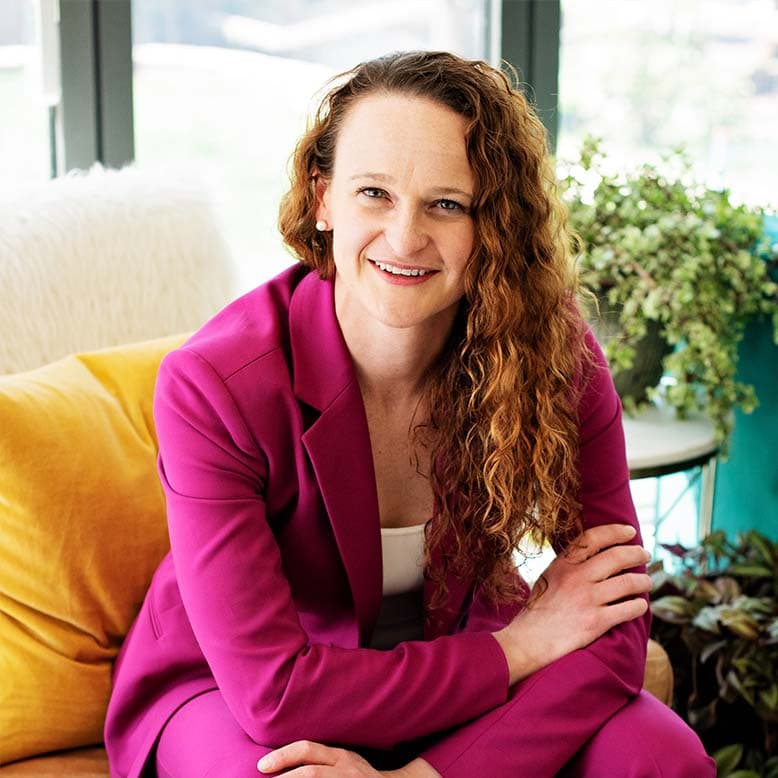
Full Transcript 0:00 It's very interesting that on functional MRI imaging, it is shown that the portion of your brain that is functioning, that it's working, 0:08 when you are isolated and alone, is the same part of you brain, That is working or lighting up on imaging as chronic pain. 0:18 That's why we understand that actually isolation and loneliness is so painful. 0:22 It is actually working in the part you're brain as pain shows up. 0:26 This is Dr. 0:27 Talks. 0:34 This Doctor Talks, we are going to be talking about stress and the relationship with weight, what we can do about it. 0:42 I have Dr. 0:42 Tiger with me. 0:43 She is a double board certified physician in diagnostic radiology and lifestyle medicine and is the founder of the wellness practice Stress Free MD. 0:54 And she combines her training with yoga, medicine, meditation, and life coaching to really help with comprehensive So thank you so much for joining us, 1:04 Dr. 1:04 Robin Tiger. 1:05 Thanks for having me, I'm excited to be here. 1:10 So let's start off just talking about what stress is. 1:14 I think sometimes people use that in lots of different contexts. 1:21 Yeah, so first of all, not all stress is bad, okay? 1:25 And there actually are three different types of stress. 1:30 The first type is called eustress, e-u-stress. 1:35 And that's actually a good stress, it's the falling in love stress that feeling. 1:40 It's excited to come and talk with you today feeling, right? 1:44 So that use stress And then there's new stress, N-E-U newstress, like from the word neutral. 1:53 And that type of stress is type stress where you know something is happening, for example, far away from you, and you're aware that it's not really okay, 2:02 but it doesn't really affect you. 2:04 It's kind of neutral for you And then the third type and the type that we most commonly refer to when talking about stress is distress, 2:15 D-I-S, stress. 2:18 And that's the stress, that the problematic stress. 2:21 That's a stress that chronically, which means over time, causes us dis-ease which leads to disease. 2:31 And there are many, many things that cause chronic stress most commonly it's psychological stress That is the stressed that we are most dealing with which 2:41 is a stressed from our thoughts about whatever it is that is going on in our life. 2:46 And most commonly there, it's related to work. 2:51 Well, thank you for breaking that all down. 2:52 I think probably people don't think about stress as being neutral or even good, but those are really good explanations. 2:59 So I see that with my little, my five-year-old, she'll sometimes say she's nervous, that she just excited, right? 3:04 It's that sort of good stress. 3:06 Yeah. 3:07 That's the, you stress? 3:09 Can you explain the relationship between stress and weight? 3:14 Yeah, absolutely. 3:17 Think about it. 3:19 When you're feeling distressed and you open up the refrigerator, Do you reach for a piece of celery? 3:28 Said no one ever, right? 3:30 Yeah. 3:31 So what happens when you're stressed is that your brain can't tell the difference between a real emergency and an emergency that's not real, 3:42 meaning something that you brain is thinking about. 3:46 And so it treats you the same way. 3:48 What it wants to do is to get you immediate energy. 3:53 to deal with whatever that emergency is that it thinks you're trying to do. 3:58 So it sees you as running from a wild animal, equivalent to concerned about a conversation you had with someone who didn't go so well, 4:07 for example. 4:09 And so when you need that immediate energy, your body does a few things. 4:13 First of all, it craves sugar and fats, which are like immediate energy, right? 4:19 And you don't have time in an emergency to go to the refrigerator and take out stuff and start making a whole meal or go grocery shopping. 4:25 You need energy right away. 4:27 So your body is going to start mobilizing or releasing those sugars and fat into your bodies, and it's going have you crave it so that you want to eat 4:35 those things. 4:36 Going back to that question, when you're feeling stressed when eat, you reach for things that are full of sugar, full fats. 4:44 cupcakes and ice cream and cookies and, you know, French fries and lots of salt, right? 4:51 And things like that. 4:53 When you are stressed, you're craving and eating foods that are unhealthful for you that cause weight gain. 5:04 Another thing that happens is you have increased cortisol. 5:07 That's a stress hormone and I think of it as the big bad wolf and we have too much of that. 5:12 And cortisol is also responsible for weight gained because cortisol's helping to mobilize these sugars and fats But it also suppresses or makes your insulin 5:25 not work properly. 5:26 We call that insulin resistance. 5:27 And insulin is a very important hormone that causes the sugar to get into your cells. 5:33 So when the insulin isn't working well, we have too much sugar or glucose in our bloodstream. 5:38 That's a double sugar overload, right? 5:41 We have sugar that's elevated because our insulin's not working and we've sugar is elevated, because we're mobilizing it. 5:46 And we're eating it, right? 5:48 And so we are eating too much of the bad foods or the foods that cause us to gain weight than we really need. 5:56 And chemically, hormonally, our body is also working in that fashion. 6:02 So two main ways that we gain we weight when we stress. 6:07 Thanks for breaking that down, yeah. 6:10 Yeah, but a couple other things to think about, right? 6:13 So as a lifestyle medicine physician, we see all of these different areas of behaviors affecting you and it affects. 6:20 your weight. 6:21 So when you're stressed, who here sleeps well? 6:26 Again, said no one, right? 6:28 And so a lot of these things that we've already talked about when we don't sleep well happen. 6:32 Your cortisol levels go up, your insulin resistance goes up. 6:37 And another thing that happens is your Leptin, which is a really important hormone that determines when you've had enough to eat, 6:46 we call that satiety, that hormone level goes down. 6:50 And so the next day when your tired and you haven't gotten enough rest, you can eat as much as 300 calories more than you normally would. 6:59 So again, another way that you're eating more or overeating from not sleeping. 7:06 So stress causes you not to sleep well and you don't sleep, well, and therefore you can tend to eat more and more of the wrong foods. 7:14 Another example. 7:16 We can keep going, right? 7:17 Yeah. 7:18 And sometimes I'll talk like sleep goes both ways, so when we're stressed we don't sleep well, but if we also just don' get enough sleep for whatever reason, 7:27 we have a baby that's keeping us up or we dont have enough time to sleep or sleep apnea, that also is a stressor to our body. 7:35 We also have cortisol that goes up and so it's like these chicken and the egg situations sometimes too where it is either way that lack of sleep is having 7:45 that effect on our body. 7:48 You're so right. 7:49 It's just like a vicious cycle, right? 7:51 This bi-directionality wherein you don't sleep, it makes you more anxious and stressed. 7:57 When you're anxious or stressed, you are not sleeping. 8:00 So then what do we do about that? 8:05 So our stress-free MD here, so when we recognize this stress, what we we about it? 8:13 Well, the first thing I like to do is get to the root cause of what's going on, right? 8:20 So instead of, you know, oh, I need to exercise more and I needs to diet and this diet, that diet. 8:27 You know all these things, really taking a step back. 8:30 And that's where that life coaching piece comes in. 8:32 It's really, well, what is the real cause what going here? 8:39 What is causing the behavior that you're doing that is leading you to feel stressed is are you having a lot of worry? 8:51 Are there situations going on at home or at work or in the world? 9:02 Are you having issues around your movement? 9:04 We didn't get into exercise, but when you're feeling stressed, it can actually go two ways. 9:10 But for most people, you just might be like, I'm not doing anything. 9:13 You have no motivation. 9:15 What is it that's driving the behavior that is leading you to gain weight? 9:25 So really taking a step back and getting to the root cause of what's going on is the first thing I like to try and figure out. 9:33 Yeah, that sounds huge, right? 9:34 That's all of these conditions that we've been talking about in the summit is what's the root cause? 9:40 Otherwise we just end up putting band-aids on things, and not solving the thing that's connecting everything together. 9:48 So talking a little bit more about weight, we've talked about how stress can contribute to cortisol levels, insulin levels. 9:57 Our behaviors around eating and taking care of ourselves. 10:01 Why should we care about way? 10:03 Why does that matter as a physician? 10:05 How would you explain the importance of maintaining a healthy weight or losing weight? 10:11 Yeah, I mean, most people might think because I want to look good in a bathing suit, right? 10:15 Most people are concerned about their weight because they care about the physical appearance. 10:20 But what we know as physicians is that overweight or being overweight is associated with the most common chronic diseases in the world, 10:31 so being over with associated high blood pressure called hypertension, diabetes type 2. cardiovascular disease, which are heart attacks, 10:41 strokes, cancer, right? 10:45 Being overweight associated with even our memory and dementia. 10:51 And there's been some conversation about stress and which leads to overweight, conditions shortening your lifespan, right? 11:00 Shortening how long you live. 11:01 And so really understanding that there are multiple reasons why being overweight isn't good for your health. 11:10 It may not be good your emotional, psychological health because you don't feel good about yourself, which will cause more stress, 11:16 and cause you to do more of the behaviors that are causing the problem in the first place. 11:20 But then we know from the inside that all of that stress that's causing you to have that extra weight is putting you at risk and increasing your chronic disease, 11:32 the chronic diseases in the world. 11:35 Yeah, so that relationship of weight affecting so many other health risk factors and then stress having such an impact on weight. 11:43 And again, we talked about this bi-direction where they're kind of just this chicken and the egg thing. 11:48 If we don't address that root cause, I'm not really able to make a lot of progress forward. 11:53 So that was why it was so important to me to have you actually as part of this summit because that's one of the things I see time and time again for my 12:01 patients is If we don't address that underlying stress, it's really hard to make progress and make a change in terms of weight and just overall metabolic 12:14 health without addressing that underlining cause of strength. 12:16 So thank you for being here and talking about the importance of stress reduction and addressing, that is an underlying cause. 12:24 You talked some about how stress impacts hormones, how it impacts our behavior around food, What other ways does chronic stress affect lifestyle and the 12:36 way we behave? 12:37 Yeah, so we talked a bit about lifestyle medicine and some of the pillars. 12:42 There are six key pillars of lifestyle. 12:45 Medicine, we discussed stress. 12:47 We talked about nutrition and sleep. 12:50 And we mentioned a little bit of exercise, right? 12:55 And so When we're not feeling good, we are more likely to not do things that are really good for us, such as moving our body, 13:04 and moving out body in a way that keeps our bones strong, our muscles strong and our hearts strong. 13:12 Lots of times exercise sort of falls off the map there. 13:16 And another thing that happens is that social connection goes out the door, right? 13:22 And we know that we have an epidemic of isolation and loneliness in this world, especially since the pandemic. 13:30 And our own Surgeon General, Dr. 13:32 Vivek Murthy, actually brought that to our attention earlier this year when he made this advisory advisory across the nation for this epidemic of loneliness 13:44 and this pandemic of isolation. 13:47 And so when you are stressed, you're less likely to be connecting with others, right? 13:53 You're more likely be alone. 13:55 You are probably not the nicest person to around, so people don't wanna be around you either. 13:59 That's only, again, creating this vicious cycle of you being lonely and isolated. 14:05 And as a radiologist, I can tell you that I geek out on some imaging. 14:10 And it's very interesting that on functional MRI imaging, it is shown that the portion of your brain that is functioning, 14:19 that it working when you are isolated and alone, is the same part of you brain, That is working or lighting up on imaging as chronic pain. 14:31 So that's why we understand that actually isolation and loneliness is so painful. 14:36 It's actually working in the same part of your brain as pain shows up, right? 14:40 And so when we're stressed and we are not connecting with others, it's just making us feel even more stressed, and more alone. 14:47 And it is also very painful and social connection is important for our health and well-being. 14:53 So it directly impacts that. 14:56 It also causes you to do some things that maybe aren't so healthy for you with respect to other situations beyond food like risky substances. 15:04 You're more likely to over drink and use recreational drugs and smoke tobacco, right? 15:10 All of these other things come into play because you're trying to mask the emotions and the feelings that you just don't want to feel by escaping. 15:20 by choosing other things that aren't so good for you. 15:24 So really lots of different ways that stress shows up to impact the choices that you make and your overall behavior and health and well-being. 15:34 That information about the functional MRI on the brain and that loneliness can look the same as pain on brain is fascinating. 15:43 I have not heard that before, but it really makes a lot of sense to me for what I've seen for patients over my career. 15:51 You know, you said everyone kind of recognizes that we have this epidemic of loneliness, but I'm not sure that everyone is aware that that is going on. 15:59 And so if someone is trying to figure out if that's affecting them and trying figure what to do about it, how would you suggest that someone evaluate for 16:11 themselves if they actually have that as part of what's going for stress for them? 16:16 This lack of community, this lack social connection? 16:20 Yeah, well I would just ask, are you involved in relationships with other people? 16:24 Whether it be your friends, your family, Are you getting out of the house? 16:28 Are involved with your community? 16:30 You know, what in your life, What situations in you life can you see yourself with with people, right? 16:38 And if you're someone that isn't really doing anything with others people or maybe only a little bit here and there, then it might be time to amp that up. 16:48 And if you're someone who's isolated and lonely, most of the time you kind of know it. 16:52 Wow, I really wish I had some more caring people in my life. 16:56 I wish that I could talk to or share things that love to do with. 17:01 It's really a very personal thing. 17:03 So if someone does realize that they've ended up in this place where they have this lack of social connection, which again, 17:09 really intensified for so many people in the pandemic, right? 17:12 We all changed our behavior. 17:13 We, we were told not to spend time with people for, for public health reasons. 17:18 A lot of us started working more from home. 17:20 Lots of things changed. 17:21 Right. 17:21 And so if. 17:23 Has recognized like, yeah, I am, like I have that lack. 17:26 Social connection. 17:27 Do you have any good places to start for people? 17:30 Well, first I like to ask, and when I work with clients, I'd like them, what do you like do? 17:35 Like what brings you joy? 17:36 And if it's something like I love fitness, yoga, okay, instead of doing it remotely in your house, how about getting out to a place where you can do those things? 17:46 If you're someone that's spiritual and you are religious, do want to spend more time in a space where there is community in you religious you know, 17:58 whatever your religious belief is. 18:00 Are you just at home, again, remote, like so many people were, or would it feed your soul to be with individuals in that space? 18:07 What hobbies do you like to do? 18:10 If you're doing it at-home, can you do it in a group? 18:12 what can find in your community? 18:14 Are someone that likes to volunteer? 18:15 Do you give up yourself? 18:18 if so, in what way? 18:20 And how can get out in the community and do that with other people? 18:25 So it's really finding what brings you joy because ultimately, it isn't something that you just say, you need to go do this over here because it might 18:32 not be fulfilling. 18:34 You need do it with people that are on the same plane as you, people who have the hopes and desires and dreams and joy as in whatever it is you're doing. 18:46 That was beautifully said. 18:47 And I think looking at were there things you used to do in person or, um, are there are things that you're doing at home, 18:53 maybe because it is more convenient, but you are losing that social connection with that thing. 18:58 So for me, fitness is the thing where. 19:01 I have all the equipment in my house and it's a great backup option so that I can get my workouts in at home, but there's no community there, 19:10 right? 19:10 And so most of the time I do go to a class where there is this shared energy and shared interest and camaraderie. 19:19 And that to me is, is where I like to find my community. 19:23 I could do it at. 19:24 But I'm missing a component that we really do know is important to health. 19:29 It's so, so good. 19:30 I love that you said that because I get up really early every morning and do my meditation, my yoga therapy, and then I head to a 6 a.m. 19:38 class at the gym and people are saying, you've got stuff in your house. 19:42 What are you doing going to the Being around the people in that class. 19:49 I love seeing them every morning. 19:50 Hey Robin, how you doing? 19:52 And I loved saying hi to other people. 19:54 And then I come home and I can actually still do other things at home that I didn't do at the gym. 19:59 It's a supplement. 20:00 So it's it a way to actually have the best of both worlds. 20:04 But I'd love that you said that because I feel the same way. 20:06 If anybody knows that show Cheers, you know, I want to go everybody knows my name. 20:12 You know, it just feels really good when when people say hi and recognize you and you have that Again that sense of community and I love community the 20:20 end of the word community is unity, right? 20:22 And I always like to come back to that because we are this unified unified, you know And it's, I think in America, we can get a little focused on like 20:32 productivity and efficiency, and that's part of what makes us great. 20:35 But sometimes, you know, instead of focusing on things like community, that has an importance too. 20:42 And you mentioned like, We can see the difference in people's brains. 20:46 So it is part health. 20:48 It's not selfish to spend time with your religious community. 20:54 spend time in a fitness community. 20:56 It's not selfish to have a knitting club or a book club, or go ride horses. 21:00 Like, whatever that thing is that brings you joy and brings your community, it doesn't all have to be efficient. 21:05 it's good for us to sometimes just do things for joy in community Yeah, and it is so interesting because we don't think of that as being something that's 21:16 important for our health and to decrease our stress and ultimately affect our weight. 21:21 We don' think about being with other people as being a prescription for health. 21:26 But Harvard research actually says it's the top of the prescriptions for help. 21:32 This is the one thing that we need to focus on. 21:35 So it is so interesting, and it really is free. 21:39 It's so easy to do. 21:40 Just talking to other, being around other. 21:43 Yeah, we have a lot of this interesting data about longevity and these blue zones. 21:48 And one of things that looks to be one of the keys in these places where people live longer is community, right? 21:56 Like they have this sense of purpose and they community. 21:59 And so it's not indulgent. 22:01 It is really important to our health to have that network, to that human connection. 22:08 I love that you brought that up because I was actually in one of the Blue Zones last month in Sardinia. 22:15 So Blue Zone to me is fascinating. 22:18 For those who don't know what it is, the areas in the world, as Carolyn mentioned, that Dr. 22:24 Francoville mentioned that have the greatest quantity of people that live to be 100 and more and older, right? 22:32 And they are not only living long, they're living healthy and long. 22:36 And so I want to visit all the Blue Zones. 22:39 I went last month to the very first Blue Zone, which is in Sardinia, an island off the west coast of Italy. 22:49 the privilege of being in the home of a family in The Blue Zones and spending several hours talking with them. 22:55 And what you said is true, right? 22:57 It's that that sense of community was palpable. 23:01 Like that was the one thing I took away was their strong sense community. 23:05 The family unit, the friends, it was something that I hadn't experienced before. 23:11 So many. 23:11 the grandmother, she's 97. She invited me to her 100 year birthday party in three years. 23:16 She was smart and funny and clear. 23:18 And then her daughters and the granddaughter and then the friends. 23:21 It was a beautiful thing to witness and feel. 23:25 They don't have assisted livings. 23:27 they don' have nursing homes. 23:28 I mean, they just all take care of each other. 23:30 and it was really beautiful. 23:33 So I'm so glad that you brought that up. 23:35 Well, we have talked about a lot of different things here in terms of weight, stress, and some real concrete solutions to what next steps might be if someone 23:46 is struggling with that relationship between stress and their health. 23:49 What didn't we cover? 23:50 What do we want to make sure people learn? 23:53 Yeah, well, they might be saying, how do I relieve my stress once I figure it out? 23:58 So we talked about what and why, but I frequently get that how question. 24:04 How do i relieve stress? 24:05 And there are multiple ways to do that. 24:08 I love teaching what I call the bottom up, top down approach, which means that it's based on the fact that you can't think of thought and feel the feeling 24:18 in your body at the same time. 24:20 Try it. 24:21 It's really hard, right? 24:22 So it's hard to think a thought and feel a feeling in your body at the same time. 24:26 And so when your brain is full of those 60,000 thoughts per day, most of them not so nice, those are the thoughts that are driving the behaviors that We 24:36 come back to our body and we figure out how to become re-embodied. 24:41 Come back into our bodies and out of busy thinking mind. 24:44 And so I teach multiple different ways to do that. 24:47 One is focusing on your breath, breathing in a way that's calmer. 24:50 Another is moving in away. 24:52 There are several different way you can move your body to feel caler. 24:55 Meditation, which can be Many different types of meditation, guided meditation for those with very busy minds works the best. 25:03 Life coaching is what we can do after we've created that balance, that homeostasis. 25:08 We brought those cortisol levels down and found that balanced in our body between stress and relaxation. 25:14 Then we start to work with the thoughts through life coaching. 25:16 So really understanding that there are lots of tools that you can utilize to feel better quickly and recognizing that also food creates mood. 25:27 And so when you are eating foods that are healthful, lots of plants, vegetables, fruits, nuts, seeds, legumes in their whole form, 25:37 it also decreases your stress and makes you feel calm, grounded and clear. 25:42 And when your eating that sugar and saturated fats and all the chemicals that you can't pronounce or spell, right, those actually have been shown to increase 25:53 your stressed, anxiety and depression. 25:56 So we want to focus on also the food that we're putting in our mouths. 26:01 Wonderful. 26:01 Well, thank you so much for joining us, Dr. 26:03 Tiger. 26:03 If someone wants to connect with you, find more, where can they find you? 26:09 Yeah, they can find me on my website, www.stressfreemd.net. 26:16 And it's there you'll find a few, I have four actually free short stress relief tools if you want to get started. 26:23 My podcast, Stress-Free MD podcast is on there, also on all major platforms. 26:29 There's online programs and coaching information and retreats as well. 26:33 Wonderful. 26:34 Well, thank you so much. 26:35 Thank you for tuning into Doctor Talks. 26:37 We hope today's episode has enlightened and inspired you on your path to optimal health. 26:42 Each day is a new opportunity to make choices that empower your well-being. 26:47 For more insights and strategies, subscribe to our podcast and visit our website, www.doctortalks dot com. 26:55 Stay connected, stay healthy, and join us next time on Doctor Talks, real talks from real doctors on the issues that matter to you most.

Comments