How to Make Nutrient-Dense Eating Easier
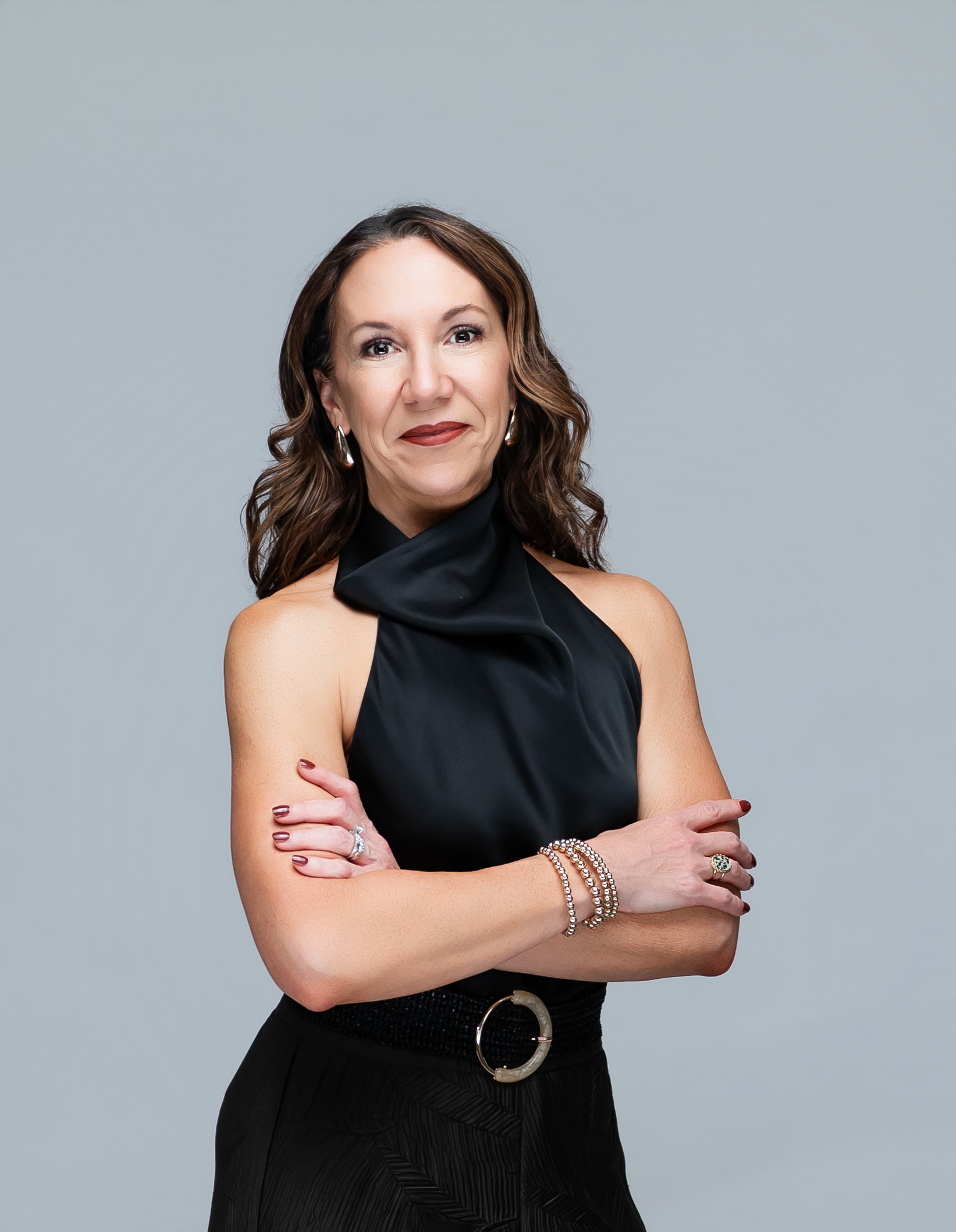
Menopause & Functional Medicine Expert | Women’s Health Nurse Practitioner

Everyday Ancestral
- Discover why removing junk food, counting calories, or meeting protein goals does not necessarily guarantee a nutrient-dense diet.
- Understand why Chef James views organ meats as concentrated sources of whole-food nutrition and how taste, cooking, and sourcing can discourage people from trying them.
- Learn how to begin with small steps, such as adding chicken hearts to sauces, grating frozen liver into ground meat, or using organ-based seasoning on familiar foods.
Full Transcript
We are the only species in the world that looks to someone else to tell us what to eat. There's over 9 million species. We obviously knew. we're not that special.
Yeah, we did know. Our big brain has outsmarted ourselves and we are paying the price. Welcome to the Integrative Medicine Roundtable, where practitioners lead, brought to you by the North Carolina Integrated Medical Society, join integrative health care leaders, clinicians and innovators as they share practical insights, emerging research, and the conversations shaping the future of patient care.
Hey everyone, welcome back to the Integrative Medicine Roundtable. I am Nicole Bentavanian, your nurse practitioner, and I'm here today with the amazing celebrity chef James Berry.
He is the CEO and founder of Pluck at EatPluck.com. Welcome, James. Chef James, so fun to have you. So one of the things we want to make sure we touch on today, I want you to read this because I think this is important.
You have a saying and you say, not eating junk isn't the same as being nourished. So tell me what you mean by that. Yeah. A lot of people define health by what they cut out.
And the reality is, is if everyone remembers back in, you know, the early knots, right? Or nineties, even eighties, what was considered a healthy food?
It was like, like a grilled chicken breast, steamed vegetables and a baked potato. Right. The problem is, yes, that's better than a processed meal, but it's still not necessarily nutritious.
The problems is that we're focusing on calories versus nutrient sufficiency. It's not just about calorie sufficency, it is about what is the quality of the food you're eating.
That's really important. Okay. Why do you think so many like healthy conscious people, right? Everyone is really trying to get their protein in and being health conscious, but they're still undernourished, even though they are eating a clean diet, they aren't getting nourishment.
Well, the figure from a study done in 2015 was 94% of Americans are nutrient deficient. So we're in 26 now, right? So it's got to be higher, probably even closer to 96% maybe.
But the problem is we are not calorie deficent. No, we're definitely not calorie deficient. No. We're an obese nation, right? So it's really about not that we are not eating enough food.
It's that were eating the wrong foods. And you really see it. You see if anyone could just look at their day, how often are you eating? You having snacks throughout the day, or are you getting to that one point in your day where you're just kind of crashing and you need food to, to wake up?
Right. That's a sign that the food you are choosing is not sufficiently nutrient dense. It's not actually kind charging your cells, giving your biological systems the nutrients that they need, your body needs to truly thrive.
And I think. Sadly, we're in that state now where we have food that is overly processed. We have transit times that are contributing to food getting kind of picked early before it's truly been ripened on the vine.
So true. And you have, so with that, the processed foods you also have are agricultural practices. You have the transit time. Food is just not as nutritious as it once was.
Then what happens is people go, well, I need a supplement. Problem is, is supplements are isolates. They're not necessarily real whole food. they're not necessarily connected to what's most absorbable.
They're just a form of the nutrient. One mineral, one vitamin. Yeah. And if anyone remembers back in the day, women particularly were recommended iron pills.
Right. But they had no co-factor in there. So there was no absorption happening. I could feed you the best food in world, but if you're absorbing it, there is no point.
What about, so this is so important, and so true, because we talk a lot with our patients about like having to take a supplement because the soil that the food is being grown in or what the animal is full of vitamins and minerals.
So that's a really good point because just giving them back one mineral, one vitamin without all the other cofactors and vitamins, and that you would normally get if we had that robust nutrient food that was grown to peak ripeness.
And keep in mind too, never in the history of humankind have we ever had the luxury of this current disassociation with our food. So previous, even back in the 60s, my mom grew up in Brooklyn.
If they were eating poultry, they would go to a poultry market. They'd go get it. And it would be alive. Yeah. and they'd say, I want that one. they then come back an hour or half hour and it'd be a warm carcass ready to take home and cook.
My mom grew up in Queens and tells the exact same story all the time. And she talks about as a teenager, her mother would make her go down and she would be horrified to carry home this warm, recently plucked, de-feathered chicken.
But yeah, what a difference. She certainly knew that it was a chicken, right? Kids today don't even realize bacon is from pig. No, they really have no idea.
They look at a Chicken Breast, don' realize it's supposed to have skin. they don''t realize that there's other parts to that bird. And sadly, it''s the more nutritious parts that are missing.
So we're really living in this disassociation. Not only are we outsourcing our health, We're also disconnected with our food sources. So not only we don't know what we're eating and we know how to eat.
And just to cap it off with a real, really kind of like stunning perspective is we are the only species in the world that looks to someone else to tell us what to.
Right. There's over 9 million species. We obviously knew we were not that special. He did know. We are just, our big brain has outsmarted ourselves and we're paying the price.
So what I'm really ultimately trying to help people do is reconnect not only with their own knowledge of what their body needs, but also get back that whole food nutrition that our ancestors, and then when I say ancestors I not just talking Paleolithic, I am talking your great grandparents.
Like it wasn't that long ago, our moms ate these chickens, the whole chicken. It's like we have to get back to that because as we already mentioned, the systems are broken.
They are monitoring the food. Since the late 50s, they are tracking the nutrition in our food, it is absolutely going down every decade. So this is something everyone can look up.
Is this worse in the US? Is it worldwide? Well, it is interesting because the U. S. affects every other nation. True. Culturally, specifically. Yeah. So I'm going to be potentially going into Spain later this year, and I am going potentially talk about Oregon meats.
And they were telling me the context I have, they're saying, well, we're so excited for you to talk to people because no one's eating them. I was like, in Spain, you're not eating?
Wow. but they're not. And Spain is an extremely gastronomic society. So why would they not be eating? Because I guarantee they did eat it. It's socialization, it's influenced by other markets.
US influence, American influence. Totally. Let's face it, Weston A. Price back in the 40s studied this, that as the Western kind of way of eating permeated other societies, you could see their health decline.
You literally could see it. So he was a dentist and this was just observational. But he would see how jaw lines changed, teeth got more crooked, people's height changed.
I mean, the shape of their face would change and we're seeing it play out. Pottinger's cats, if you're familiar with that, that's where they did a study of showing how if raw meat, particular to their diet, and then you manipulate that meat and change it, cook it add other things to it.
You would literally see the cat's health change, but not just in that generation. Like further down, it would keep going. So what affected, let's say us.
Yes, it affected us, but it more affected our children and then our kids' kids. And it just kept continuing until you started to change the food that people were eating.
You know, these inputs, I call them the inputs. These inputs are so important. In a sense, if you're going to choose to eat, You want to eat the food that is going to give you the most bang for your buck, basically.
And so what we have to realize is that if our food systems are broken, then that means we need to start thinking about what are the more nutrient-dense foods.
It's undeniable, but organ meats are the most nutrient dense food on planet. All right. So let's talk about that because you made the comment before that, you know, where kids don't know that chicken has bones and chicken, has skin, right?
But we're eating the breast, we are not eating. The most important part. Yeah, I have to tell you this. I want to hear this is you're going to last so long.
Back in the day, this was how disconnected people are. There was a client my wife was working with, she's a functional nutritionist, and she was getting him to eat a whole chicken.
And the first time he went to get it, he called her up, there's these parts that are inside the chicken, it's in this bag, is that the penis? He thought the neck was the, like that's how he was like, he thought that chicken had.
Wow. Yeah. So. That would be pretty impressive for the chicken. Very impressive. And it's just like what are we thinking? Total disconnect. Total disconnected.
Right, total disconnect, yeah. Sorry to interrupt. No, no, that perfect. Okay, so let's talk about organ meats because to that exact point, I have memories as a child of that, you know, Thanksgiving, right?
They pulled all the gizzards and the necks and everything. The giblets. and put it in for stock and cooked it on the stove, right? And I remember all that.
I happened to be married to a trained chef. And so he does all of those things and my kids think it's gross, but talk to us about what the nutrient density differences are in those organ meats that we're not getting and what we are getting at the regular grocery store.
Yeah, it's interesting, like B12, for example. Someone will say if your B 12 is low, eat beef. Right. But what we're seeing is people that are eating beef still have low B-12.
We are. And yet when they switch to beef liver, just not even switch, Just add beef, liver to their diet, their B twelve goes up. Why is that? Well, it's a concentrated source and it is an absorbable source, and that's really what's key.
We see that in folate as well, we see it in B vitamins, particularly in vitamin A. You can eat tons of vegetables and still not get enough retinol in your diet if you just had beef liver.
So it really is kind of that, I equate it to, you know, when you go to that convenience store and they have the emergency in the front, and it's like, just take this little shot and you'll feel better.
That to me is what eating the organ meats is. It is nature's emergency. It's nature is multivitamin. As nature intended, it's synergized. So you have the nutrients that support each other that are going to support that absorption.
And if anyone wants to test it, okay, just visually, because I'm a very practical kind of person. I like people to really just not just think it but sense it.
Feel it in their bones, feel it their heart. What is the difference? So take a piece of meat and take the liver and leave them out on the counter. and just let them get rip temperature.
And what you'll see is the meat, the muscle meat doesn't change much, but the liver starts to kind of like melt. So if it's doing that at room temperature, what's it doing in your body, right?
Breaking down. One is going to be harder to break down, one's going be much easier to breakdown. Wow. And the other concept that I don't think people really think about is this, it is a very ancestral concept, Native Americans followed it, Chinese still follow it.
I mean, so many other countries really follow this concept. It's like supports like. Okay. So the part of the animal you're eating is gonna support that part in you.
We eat muscle to support our muscle. Because everyone's talking about protein right now. Right? Protein's having its moment. But muscle is harder to break down.
Yes. And what muscle requires is hydrochloric acid. What lowers your hydrocaloric acid? Stress. What is modern life stressful? Yes, what are we constantly replacing in our patients, right?
In my menopausal women, I'm constantly placing enzymes and hydrochloric acid because they're not breaking it down. They're getting bloated, they are having all these symptoms because we're telling them to eat all this protein because want them build muscle, because have good metabolism, but it's hard to break it.
So once you switch to something that's more easily broken down, much more bioavailable, it's incredibly efficient. So what's fascinating, we see that people not only immediately feel better, like immediately, but they also start to lose weight.
Because that also speaks to the fact that we are focusing on these foods that are not as nutrient dense, that our more caloric. And really, the reason why your body's still hungry is not because we have a mental disorder or something, or because life is stressed.
We kind of overcompensate and think that's the reasons, but the real reason is because you haven't met your nutrient sufficiencies. Once you start to get more food that is nutrient sufficient, you're not as hungry.
It's that simple. And your brain probably functions better. Completely. Right? And you gut symptoms probably go away because your absorption Right, that's better.
Absolutely. So, organ meat doesn't need as much, like it's easier to digest. Energy to break it down. Right. Okay. Most of them. There are some that you do want to like slow cook or kind of overcook.
Like tongue, for example. Yeah. Is, so every, So what is organ, right? So everything that is not bone or muscle is considered organ made. okay. so tongue for, example, it, It's very intimidating to people, but it is actually an amazing muscle.
You have that sheath on the outside. That's kind like sandpaper. That's what's overwhelming. But if you just cook that tongue for about an hour and a half, that skin piece peels right off and underneath this is delicate muscle that when cooked like properly will just string just like carnitas style.
And then you can put it under the broiler and crisp it up. It's not only more flavorful than muscle meat, It's more nutritious and it's cheaper. So same, let's say grass-fed grass finished cow, instead of it being 24.99 for a ribeye, it is something like 7. 99. And I guarantee once you actually cook it and see how easy it, you will want to eat it every time when you have tacos or something because it actually tastes better.
That was going to be my question. Because we're used to eating breast. thigh. Not flavorful. We're not used to eating tongue or liver, right? So how do you help people in how they need to think about cooking these things and feeling?
Because I don't eat liver on a regular basis. It's pretty rare that I would think I wouldn't order tongue off a menu in a fine dining restaurant. I'd be intimidated by that.
So, how did we get over that? A couple things. First of all, we wanna think about what are kind of the hindrances, what's keeping us from doing this. So I've identified three main ones.
One is taste, one is how do I cook it? And the other is where do source it. Perfect. What I set out to do is solve those three. And so I created a product called Pluck, which is basically I took the freeze-dried powder orgamines and I combined them with seasoning.
Now getting the nutrients is as easy as just salting your food. So that's kind of a good starting point, but don't stop there. So in a sense, if you want to then continue to get these foods into your diet, what you wanna focus on is small movements.
I look at it as microdosing frequently, cumulative effect. Because what's hindering us is this US mentality of go big or go home. doesn't really work because you will always fall off if you hold that mentality of extremes.
Guaranteed. So we want little movements, just like brushing our teeth is two minutes. If we had to do it for two hours, there'd be a lot of funky teeth out there.
We want the little moments. What I like to take, what are the foods you're already eating and how can I boost those? So if I'm making spaghetti sauce every week, maybe what I might do is I get some chicken hearts, okay?
Because chicken is a species that's very mild and it takes on the flavor of whatever you're using very easily. So it's all about ratios and then starting points.
Okay. I would take chicken heart and I just cut up maybe, when you buy them they're in this little container and there's probably like 12 hearts in there.
So I would take like two, maybe four max, depending on how big the saucepan is. I just chop them up like mushrooms and throw them in. No one will know what they are.
Because I kept the ratio down and it's such a mild organ. And any time you can start with like a heart or a tongue, those are closer to muscle meat. So we're starting with the kind of sensibility, the textures you're already familiar with.
Other things you could do, if you were using the seasoning I created, pluck, you just add that to whatever you are already eating. There's no change to the food you're eating, which is the safety zone.
We're just starting to incorporate those flavors and the nutrition, and your body will notice. I mean, we see kids, once they start tasting Fluck, We see them actually have tantrums when their parents run out of it.
Yes, it tastes good, but that's not because it's good. That's because their body knows what it needs. So the other things you can do is we mostly use a lot of ground meat, right?
When we're making hamburgers or spaghetti or whatever, anything like that. pound of meat, you can buy a beef liver, or could be chicken liver. It doesn't matter, but when you buy those, it's usually frozen.
Okay. Keep it in the freezer because when defrost it, that's when it gets overwhelming. OK. keep it frozen, pull it out and grate it just like you would cheese right into the ground meat.
Only for a pound of meat, you do maybe two tablespoons max. Start with one tablespoon, go up to two. Because you're kind of hiding it within. Just hide it in there, mix it really well.
No one will know it's there. And it's an easy way, you can buy ancestral blends too, but those can get it really expensive. Those can go like $14, $15 a pound, whereas you could buy a pounds of meat for under $10. So get the liver, a little bit of grating and you're done.
And what happens, so we have, our palate is very flexible. A lot of people think that the palate is stationary, that it's not gonna change. If I don't like this flavor, I'm never gonna like it.
And that's true at all. It's very malleable. Its trained by what we eat. So US diets are very salty and sweet. So how do we open the palette up for these other kinds of foods?
You've got to get the other flavors in. So we have a bitter, we had sour, and then we also have fifth one called umami. And they've actually identified a sixth one, which is rancid, because our taste buds can know when something's rancing.
That's a survival technique. That's so true. The body biologically is designed for us to eat food, and then it communicates what it needs or doesn't need, right?
So when we swallow capsules, when don't chew our food when, we don' use this biological communication pathway, the body has no idea what's going on. Because let's just use salt for example.
Okay. If I put salt in your tongue, Your body will stop me at one point. Right, yeah. Maybe the third time, it would be like, no, you'll have a visceral reaction.
Exactly. Get it off. Yeah. If you swallow a salt tablet, You get zero reaction, zero response. And that same thing is happening with supplements. Same thing's happening when we drink protein smoothies.
We're getting bloated or we're suddenly like, oh, I got to go pee. And then you're just peeing whatever out. So because you are taking the taste out, right?
You're taking that part. Well, they're isolates. You are putting in this synthetic flavoring that your body doesn't understand. But most of all, you're taking something that if you were eating, you know how they talk about juice, for example, like if were to eat an orange, right, You would probably have one, maybe two oranges.
but you drink juice and you're getting four or five and would never eat that many. It's the same thing with these protein powders and these capsules. You're not working with your body.
Your body wants the whole food. The body knows the food, the full food communicates to the body, it's satiated or when to stop. Right. Isolates are confusing.
Capsules are confused because they're bypassing. If you think about it, This body we're in is Homo sapien, 200,000 years old, depending on who you believe, right?
But it's old. It's a very old body. Very old and what was its primary development? What was the primary need for communication? Well, if this food, I choose to eat this, food in the wild, is it gonna kill me or is gonna nourish me?
That was it. Right. But it was serious. Yes. Because there were no labels. There was no FDA, USDA trying to support your, you know, help you distinguish, is this going to hurt you or kill you?
There is nothing except this biology. And your senses. Yeah. Mm-hmm. What are we doing right now? We are completely bypassing. Those senses? This biology that is hundreds of thousands of years old.
Wow. To me, it's just, It's so indicative of this system. So if we talk about, for example, the poultry system, so they have a goal. Their goal is to feed as many people as they can and to profit as much as I can.
Basically, what they're doing is their goal's not our health. They're goal completely different than that. Let's say they then say, oh, we're gonna put birds in our cage.
Well, now they're in a cage and we notice they are pecking at each other. Instead of realizing maybe we should back up and not put them in the cage, we go, let's just burn their beak.
Let's cut off their beaks so they can't do that. And that's literally how the system keeps going. That's what we're caught in as well. We're being told, eat more protein.
Oh, how should I do it? Weigh isolates. you know, soy, you're not going back, we're looking back as like, well, why are we needing to outsource or supplement our food?
Maybe we should go backwards and go, wait a second, We used to eat the whole chicken. We use to the eat whole cow. Yeah. we never wasted. Right? We ate the organs.
Our culture was built on this. And if you go around the world, they still utilize organs in most other countries that, within, I was just in, The barbacoa there is where you cook the entire goat or the sheep.
You cook entire thing and it's all mixed in together. And so you got the organs, you've got even bone, the ligament, everything. And that's how they're eating that food.
You go to France, The Pateis, Scotland, and the Haggis. There are elements where they are eating the whole animal because never ever would you hunt or kill an animal and just use one part.
It's a very luxurious concept. So touching on that, I wonder if the US people that hunt, are they potentially, for deer meat, using maybe more… The ones I talk to are.
However, and it's great, but the only issue is they're only doing that maybe once a month of the year. Because the muscle lasts a lot longer, obviously.
And that's the other concept is we think we need so much that we to have liver and onions for dinner to benefit. It's like, no, you just need a little bit.
You know, uh, with pluck, we have this pure product. This is just no different than the organ, the, a capsules, but it's just, okay. One teaspoon of that is equal to two ounces of organs.
If you don't need much, like a half a teaspoon a day and you're good. So it doesn't have to be so hard. Yes. Yeah. And that's something we talked about before we got started was you like to make things easy, right?
Like we don't want to overcomplicate it. We're not trying to Make this hard for people. we live in, like we said, a stress, you know, society where people's guts are terrible.
How can people make this easy? Yeah, there's a couple things. One is it's important that we cook from home, because we need to control the ingredients.
Because if you don't control them, then you're outsourcing your health to the restaurants, to markets. It'll control you. If you control it, it'll be controlling you!
So that's one thing. And then it's just about how I showed earlier, it is just small movements. And start with chicken, for example. Start with something that's easy or that is not as big of a leap.
That is why I create a pluck. So pluck to me is the gateway. It's so easy. it doesn't look like organ meats. Doesn't taste like organic meats, you don't need to know how to cook.
You literally just salt your food with it and you get microdosing frequently, cumulative effect. People immediately start feeling better. Then when you're ready, you can graduate to the other stuff.
But the key is figure out which one you are going to do. that fits your lifestyle. Because if you don't do it, it doesn't matter. And that's the only kind of health I'm interested in is the one that you're actually gonna do.
So whether it's organ seizing or grading the organ or buying those ancestral blends that are pre-made or even just cooking the organs themselves, figure out what fits you lifestyle, but just know that these foundations, this way of getting these nutrients, is far superior than supplements, is connected to your biology, and you will immediately feel better.
When you say people are feeling better, what are you hearing them say? Oh, I mean, seeing skin issues improve. I'm seeing sleep improve, energy levels, you know, the way people kind of go up and down all day.
Seeing them regulate. just cardiovascular help, you know, their cardiovascular systems, immunity improves. Yeah, getting sick less, that makes sense, right?
I mean, it's just, It's incredible. I'm a big believer that nature got it right. Right. We're the ones mucking it up. Yeah, that makes sense, right? I mean, we have everything we need.
It's out there for us, I tell patients all the time. Eating real food means things that walk on the earth, things swim in the water, grow on a tree, or things coming from a garden.
And what's the hardest thing when you work with a client? It's really like making sure that they do it. It is compliance. And let's face it, like with supplements, we usually all fall off.
We starve really well, but we always eat. So it's just a matter of. What are we choosing to eat? And how can we boost that? How can make choices that will support that nutrition of what we're eating?
I'm not suggesting that anyone be drastic. I am not saying that you even have to change your diet. Let's boost the food you are choosing and make sure that it's nutrient dense and absorbable.
you'll see that nature does provide, that Nature did get it right. And you will immediately start to feel better because this body is built on these foods.
That's so important because we say all the time in our practice, food is our first pharmacy, right? Food is medicine or food as a toxin, and I don't want people taking 30 pills a day because people get pill fatigue.
We don' want to be supplementing one thing because just like you mentioned, it's not the same as the synergy of getting it from the animal that has all of what you need.
So getting something in the body, like getting enough iron, getting a vitamin A, get enough B12, right? From the source, not from a supplement is going to be very, very different and much easier to absorb and get in a body and really simpler once you wrap your brain around doing it that way, and knowledge And under knowledge drives behavior.
And that's a concept. I think people are like, they're, trying to find the knowledge, but you know, in the world of, you, all the phones and the social media, their hearing so many things from so, many different people and all they hearing is get enough protein or eat this or whatnot.
But, When they have the right knowledge of what's going to make the changes and then they can do those things and like you said. Their brain feels better their immune system is better maybe they are losing weight or absorbing their nutrients better right that knowledge drives the behavior to keep doing that thing.
Yes. And I think people have to feel, they have, to see the effects. They have feel them and it's hard to intellectualize it. It's just hard say, well, go do this.
My advice is that people just start small and they don't change their diet. They just incorporate these things into what they're already doing. So that way we don' have to boomerang away from it.
That we're just slowly, just like you would a pet, slowly integrating these thing. No new trends, or no new habits, I should say. Just nothing trending, getting back to ancestral foods and easing into your diet And I think once people do it and they start to see that they do feel better in their body, then you can get tested and you could focus on the finer supplements that are going to help to optimize.
But we have to focus these foundations first. And from my experience, as I mentioned, nature got it right. We just have do do. I love that. So tell me a little bit more about Pluck and what what you have as far as all the different choices and options, and what are maybe a couple ways to put that in?
Is it just seasoning on meats, or can you put it on your vegetables? Can you it put on raw salad? What should we be putting this on? How do we work this?
I've made it as easy as possible. If you can salt it you, can pluck it. Ah, okay. So we literally put it on everything. Okay, you if you consult it, pluck.
Yeah, popcorn. My kids, we put on toast to make garlic toast and because we have we, have our original. We have zesty garlic. we Have Southwest. We have habanero lime.we have chimichurri coming.
And then we. have even this salt product that's gonna help replace your salt called lion salt. Then we have our purers, which is pure organ meat, Which is liver, heart, kidney, spleen, pancreas.
And you mentioned earlier the enzymes to support digestion. Well, well, Pancreas supports digestion and then we had brain product as well. Okay. and we've cinnamon that has the brain in it.
So we were truly trying to help you get every organ. Everything. From the animal. Wow. Once we do that, then, we can move on to other things, other species, but we're just, The more we can get these nutrients in, people really will feel the difference, they'll see the different, and it just takes doing it as easy as possible.
Yeah. And so is pluck made from lots of different animal? Right now, beef. Beef. So liver, heart, kidney, spleen, pancreas. From beef? is what the main blend is from.
And then we have the brain kept separately. Just because some people are still a little sensitive to the idea of eating brain and we didn't want to limit all the other products.
So we're trying to provide all of the different options. This like supports like concept. When I talk to new moms or who have kids that are about to start eating food, I say, well, let's back up a bit.
What are the foods those kids What are they developing right now? And it's really bone and brain. So I'm like, those are the foods you should be focusing on, bone marrow, and then get some brain into their diet, whether it is through the cinnamon that we provide or get goat brain and actually cook it.
It's hard to find. But if you talk to your farmers, you might be able to get it. But we have cinnamon brain and then brain. And then if an adult, what are the things you're worried about?
Well, cardiovascular support, immune system, detoxification, and that's what the liver, heart and bone and brain health. That's true. It all supports all of it, but I always tell people because they jump towards just giving their kids liver.
A child who is six months to two years, I don't think they're needing to detox just yet. They need to be developing things, so we don' have to jump to liver for the kids, but definitely for everyone else.
Wonderful. Yeah, and it really is just nature's shot. I personally don't cook organs myself. So I use pluck all the time. I made it because I wanted to get this nutrition to my kids.
Right. And as a chef, I was all about flavor. Sure. But as father. It's gotta taste good. Yeah, it's got to taste, but then as the father, yeah, how do I get the nutrition in them without a fight?
Yeah. That's really what we're trying to do is support people and not having to fight within themselves or within the people they love. Great. So as we wrap up, how can people find Pluck?
Where is it available? What's the easiest way to get started? Yeah, you can go to Amazon. You can our website, eatpluck.com. We are found in some smaller retail, but we're mostly just focused on, really helping people get it online and making it easy for them to do that.
Well, Chef James, thank you so much for being here today. Thank you for having me. This was a great conversation. And tune in next time for more great conversations.
Thanks for joining us on the Integrative Medicine Roundtable where practitioners lead. If you found value in today's conversation, follow our podcast, share it with a colleague, or visit us at ncintegrative.org and join our community today, we'll see you at the next roundtable.
Comments