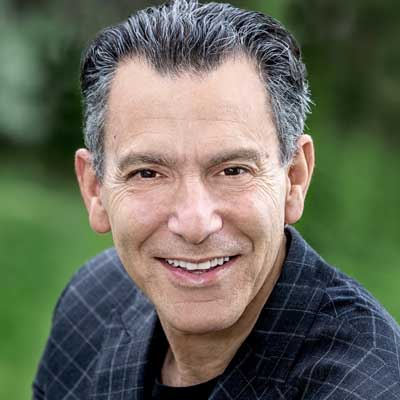
Full Transcript Introduction to Thyroid and Heart Health 0:00 There can be some real dangerous things that happen. 0:01 And of course, just the heart rate can go up. 0:04 And over time, 0:06 if you put your foot on your accelerator in your car and you've always got it 0:10 pedal to the metal, you might do yourself some damage. 0:14 If we talk about cars anymore, I'm going to embarrass myself, 0:17 you know, from Detroit, because I can't tell a carburetor from a flux capacitor. 0:21 But anyways, there's no carburetors anymore. 0:24 I do know that, they're just pedal to the metal. 0:27 If your thyroid is overactive and your heart rate's 90, 95, 9800 and 204. 0:33 Hi, it's doctor Jen. 0:34 Welcome back to the Integrative Health podcast with Doctor Jen 0:38 I'm doctor Jen and today we'll be uncovering a surprising connection 0:42 how your thyroid could be the key to a healthier heart. 0:45 Joining us is America's healthy 0:48 heart doc, Doctor Joel Klein, one of the top cardiologists 0:52 and a passionate advocate for plant based nutrition. 0:55 While we disagree on some of the nutrition aspects, Doctor Con after 1:01 decades of treating acute heart attacks, he transformed his approach, 1:05 focusing on prevention through holistic cardiology, 1:07 from groundbreaking diagnostic tools to the transformative power of nutrition. 1:12 He's on a mission to help your heart thrive. 1:14 Could your thyroid be holding the secret weapon for better heart health? 1:18 Let's dive into the discussion. 1:20 Hello! 1:20 Welcome back, everyone, to the Heal Your Thyroid and reversing Hashimoto's 1:24 Summit. 1:24 I'm your host, Doctor Jen back here. 1:27 And today we have Doctor Joel Kohn. 1:29 He is an expert in all things cardiology. 1:33 He has been on Doctor Phil, the doctor show, Doctor 1:36 Oz, Larry King, Joe Rogan, so many things because. 1:40 Because he knows what he's doing. 1:41 So of course we would have him here to talk about the heart and the thyroid. 1:45 What you need to know. 1:46 So, Doctor Khan, welcome. 1:49 We're so excited to have you here. 1:50 Tell us a little bit about yourself and how you got to 1:55 be so amazing with cardiology. 1:57 I am so kind, but I'm excited to. 1:59 It's a great topic. 2:00 Gear summit is great information. 2:02 And, I'm in suburban Detroit and people might say, 2:06 why don't you live in San Diego, Costa Rica like everybody else? 2:10 But I love it here. 2:11 My family's here, and I trained at the University of Michigan. 2:13 And, at age 18, I adopted a plant based diet at University of Michigan. 2:20 You might call that vegan. 2:21 So I had a strong interest in nutrition for now, over 45, 46 years.
Doctor Klein's Cardiology and Integrative Medicine Journey 2:27 I'm in my, approaching mid 60s. 2:29 Amazing to say that, but I got my first, 2:32 email, letter from Medicare recently. 2:36 Too soon, too soon. Don't want to. 2:38 But anyways, and as I did standard cardiology, I want your heart attack. 2:43 I want to put a stent in your artery. 2:45 I would talk to people about nutrition. 2:47 And out of that, after many years of, really hard 2:51 core cardiology in suburban Detroit, in Ann Arbor, I went back 2:56 and did my full integrative medicine training, functional medicine training. 3:00 And about eight years ago said, you know what? 3:03 That's it's exciting and scary. 3:05 It's frightening to make changes, but I'm going to completely turn my life 3:09 upside down. And it's been a delightful path. 3:11 So we spend a lot of time with people at the root cause, the functional medicine 3:16 cause from, you know, sleep to nutrition to fitness to dental health. 3:21 So I just had a talk to a patient literally five minutes ago as 3:24 the dentist in ten years. 3:26 Oh my God, oh my God. 3:28 His wife had set me up to make sure I knew to ask him about it, 3:30 but I ask every day about it. 3:32 And we spend a lot of time on the thyroid, because it's so critical 3:36 in metabolism in general and cardiac health, particularly. 3:41 Yeah. 3:42 That's awesome. 3:42 And I'm so glad that you did something scary. 3:45 And and now you're helping tons of people. 3:47 I know I can refer patients to you, which is nice, 3:50 because you're just like an hour away from where my office is. 3:54 So I'm so great that I have you as an option. 3:57 So let's talk about the thyroid and our heart health. 4:02 So how does the thyroid hormone impact our heart health? 4:06 Some people might think they're separate because they go to a cardiologist 4:09 and they go to an under chronologies. 4:10 But as we know with integrative 4:12 and functional medicine, they're all connected. 4:15 Yeah. 4:16 Oh, actually, no, there are actually thyroid receptors on the heart 4:19 and on the heart muscle cells and, blood vessels that supply the heart. 4:24 The clearest connection, you know, 4:28 and when you have a healthy thyroid, we call that you thyroid. 4:33 There's the pronoun for the thyroid. 4:34 You, you, that's, you know, full evaluation, 4:39 and your thyroid is making just the right balance of thyroid hormone, 4:43 the free T3 and the free to for us. 4:46 You have a wonderful symphony going on, but there is 4:50 that potential to have overactive thyroid, the hypothyroid. 4:55 And that's pretty uncommon in your practice. 4:57 In my practice. 4:58 Usually requires some referral out to an endocrinologist 5:03 or a thyroid allergist, but an overactive thyroid just whips on that poor heart. 5:08 You know, most people with an overactive thyroid, their energy is low. 5:12 They may have some tremor. 5:13 They may have a progressively higher heart rate because of all that excess 5:18 thyroid hormone, they may start to lose some weight and sweat a little. 5:23 Their eyes may start to bug out a little bit. 5:25 Called graves. 5:27 Eye disease can be quite serious if it's autoimmune 5:31 hypothyroidism, graves disease, grave apostrophe. 5:36 And interestingly, when you're hypothyroid, your cholesterol falls. 5:41 So maybe transiently, temporarily, your risk of heart attack 5:45 may drop a little bit, but that can create a whole 5:48 spectrum of heart diseases in and of itself. 5:52 Because really, we're whipping. 5:54 Just think of, you know, giving yourself adrenaline day after day after day. 5:59 Maybe you have an EpiPen and you eat some nuts accidentally, 6:02 and you bad guy, take an EpiPen and you feel better, 6:05 but for a little while, your heart's racing and you're all jazzed up. 6:08 Think about, you know, 24 hours a day. 6:10 You've got a thyroid nodule or the entire gland 6:14 making too much thyroid hormone and really whipping. 6:17 Not just cardiac, but specifically because it can stimulate 6:21 cardiac muscle cells, and all. 6:25 There can be some real dangerous things that happen. 6:27 Of course, just the heart rate can go up.
How Thyroid Hormones Affect the Heart 6:30 And over time, if you put your foot on your accelerator in your car and you've 6:35 always got a pedal to the metal, you might do yourself some damage. 6:40 If we talk about cars anymore, I'm 6:41 going to embarrass myself, even though I'm from Detroit, 6:44 because I can't tell a carburetor from a flux capacitor. 6:47 But anyways, there's no carburetors anymore. 6:49 I do know that, you know, just, pedal to the metal. 6:52 If your thyroid is overactive and your heart rate's 99, 95, 6:57 98, 102, 104, that's why one of the mainstays 7:02 of the early therapy of overactive hypothyroidism is, a beta blocker. 7:08 Temporary way to, protect the heart 7:12 from excessive, adrenaline and high heart rate at all. 7:17 There's a really interesting and unusual, but well known, syndrome. 7:22 Syndrome means we understand some of it. 7:24 Not all of it, but some people present in congestive heart failure. 7:28 They're short of breath. 7:29 Their ankles are swollen. 7:31 They've gained some water weight. 7:33 They're breathless just walking to the bathroom and taking a shower. 7:37 Of course, these are pretty marked symptoms. 7:39 And in the evaluation, maybe as an outpatient, 7:42 maybe as an inpatient, we find out that their thyroid hormones are out of whack. 7:46 They're hypothyroid. 7:48 And if we do that simple test that we do in anybody 7:51 that's short of breath called an ultrasound of the heart, also known 7:54 as an echocardiogram, we sometimes find a weak heart. 7:58 So there is a and that's a fancy word, but that's called a cardiomyopathy 8:02 a weak heart. 8:04 And there is a cardiomyopathy of hypothyroidism. 8:08 And it can be quite serious. 8:09 You can have rather marked congestive heart failure and develop hypothyroidism. 8:15 And the good news is, I mean, there's going to take weeks to months of 8:18 instituting a variety of therapies, focus that the thyroid, 8:23 from the beta blocker to other drugs that block 8:27 the production of the thyroid hormones, 8:29 maybe ultimately a, 8:32 radiation ablation or, surgery 8:35 to correct the nodule in the thyroid or the diffusely disease gland. 8:40 But generally when you have a weak heart, you really worry about the long run, 8:45 and you don't generally expect the heart to recover completely. 8:49 In hypothyroid, cardiomyopathy, hypothyroid, 8:53 floppy, weak heart, it can recover fully, completely, and entirely. 8:57 So we always will be checking, even though it's unusual. 9:01 But thyroid hormone for thyroid excess in, hypothyroidism, 9:06 you know, even we we create, 9:10 hypothyroidism in our cardiology 9:13 practice on occasion probably everybody knows 9:16 and I'm sure from the other excellent segments on the summit, 9:19 that iodine has a lot to do with thyroid hormone production. 9:24 And there is a particular cardiac drug we used a lot 20 years ago. 9:29 We use less, but my mom is on it. 9:31 So we still use it sometimes. 9:33 And I'm careful with my mama at age 90, but she's on a very low dose. 9:38 It's called amiodarone and am then I od. 9:42 What's the I od I within the structure of this heart rhythm? 9:48 Medication used for atrial 9:50 fibrillation is built on an iodine molecule. 9:54 And it can be a problem because in the process of even at low doses 10:00 using amiodarone or it used to have a name brand Corinna Rhone. 10:05 And it's been around for 40 years at least. 10:08 And the process of getting control of medium 10:12 or serious heart rhythm problems like atrial fibrillation 10:17 or ventricular tachycardia, you're flooding the patient 10:20 with gobs of iodine and their thyroid on occasion will become overactive. 10:26 So we can we're treating one problem 10:29 the heart rhythm problem, maybe atrial fibrillation. 10:32 And we have the potential for creating a completely different 10:35 and serious heart problem. 10:37 Hypothyroid state and maybe even with the cardiomyopathy. 10:41 So we gotta, you know, always when we use medication, 10:45 be so careful that we're not, you know, paying Peter. 10:49 Rob Paul, I think is the statement or paying Paul to rob Peter, but, 10:53 getting one gain and offsetting another, and that's just, you know, a brief 10:57 overview of the overactive thyroid syndrome, the hyper, 11:02 thyroid syndrome, 11:04 the graves disease, the toxic nodule. 11:08 It's just putting out hormone. 11:10 Putting hormone, put it on hormone. 11:12 That's why certainly in my clinic, I'm sure in your clinic 11:14 and most functional medicine clinics, thorough thyroid panel is pretty much, 11:19 a basic just like a blood sodium and potassium level. 11:23 You're going to get a pretty thorough thyroid panel. 11:26 And, you know, I do find a lot of thyroid disease that others don't find. 11:32 And, you know, some of it is the fancy word in medicine. 11:35 If we cause disease, we call it atra genic. 11:39 Sometimes we're doing it. 11:40 We're giving so much iodine drops, iodine 11:44 supplements or medications that we trigger hypothyroidism. 11:48 But the good news is the outcome is usually pretty damn good. 11:52 Yeah. 11:52 And it's interesting because with iodine, it's like there's a sweet spot. 11:57 It's kind of like Goldilocks. 11:59 And it's hard to test for too. 12:01 So with iodine. Yet you don't want to give too much. 12:04 You don't want to get too little. 12:06 You need that sweet spot. 12:07 But definitely when medications like amiodarone, 12:11 you have to know if you have a loved one on that. 12:14 They need to have their thyroid 12:16 be monitored during their treatment on that, right. 12:20 We have a few, 12:22 really 12:23 competent functional medicine doctors around the Detroit area, 12:26 but a few of them just love iodine for a variety, 12:30 thyroid says possesses some cardiac conditions. 12:33 You know, that's a alternative approach. 12:36 You're not going to find most conventional doctors treating anything with iodine. 12:40 And some of them are using really big doses. 12:42 And when I want to know and I don't level, I do a urinary iodine. 12:46 You can do it just on a spot urine. 12:49 You could do a 24 hour urine. 12:50 But I'm told that the spot urine is pretty accurate. 12:53 And these people come back with, you know, levels 12:56 that are 500 times the reported upper limit. 12:59 And I give a call to my colleagues and they tell me not to worry about it. 13:03 But, you know, I'm sure once in a while it's got to trigger hypothyroidism. 13:08 Just like this medication built around an 18 mile kill can trigger hypothyroidism.
Hyperthyroidism, Atrial Fibrillation, and Heart Strain 13:15 So we don't want to do harm. 13:17 We want balance. I agree, and the balance can be tricky. 13:21 Yeah. 13:21 And with that balance, like you said, 13:23 sometimes we cause things as doctors even though we don't mean to. 13:27 So with with patients, if they go on thyroid meds. 13:31 One thing I do tell them, especially if I'm starting, t3 medication 13:35 that watch out if you have palpitations 13:38 or anything going on like that, you know, we got to recheck your levels, 13:42 come down on the dose because medications affect everyone differently. 13:46 So yeah, I don't know. 13:48 You see that from time to time. 13:49 Yeah. 13:50 And I left a little piece of the story out. 13:52 But it's too important not to just double back. 13:55 While we're talking about overactive thyroid, hyper thyroid 14:00 is that, there's this insanely common heart 14:03 rhythm that dominates standard cardiology and also dominates 14:07 a lot of integrative cardiology practice, and that is atrial fibrillation. 14:12 I said that word when I was referencing my sweet mama. 14:16 And if you overdose a thyroid supplement, 14:20 whether it's a pharmacy or a natural compound one, 14:24 you can, really, because of this, 14:26 finding that there is thyroid receptor, receptors 14:31 on the heart muscle throughout the heart, top of the heart bottom. 14:34 There you can promote, somebody flipping into a rapid, irregular 14:40 or uncomfortable, arrhythmia 14:44 or rhythm problem called atrial fibrillation. 14:47 And, you know, very often that requires emergency room 14:50 visits and evaluation or just makes them very anxious and upset. 14:54 Well, it's happening and you find out, oh my, my DSH is so low I can't measure it. 15:00 And my free T3 is sky high or reverse T3 sky high. 15:04 So you're right, sweet spot is obviously the goal is not so easy, 15:10 but, to precipitate atrial fibrillation 15:13 is messing up a patient's, you know, homeostasis. 15:17 So we want to try and avoid that practitioners for sure. 15:20 Yeah, absolutely. 15:21 The other cases of hypothyroid that I find is interesting is 15:26 when they get the subacute thyroid, thyroiditis from a virus. 15:32 So I had a patient that she went to the ER and they just ran a TSH. 15:38 They didn't check a free T4 and a free T3 and her, 15:42 her cheap free T3 was like close to ten. 15:45 And she had had, you know, Covid and she, she got that subacute 15:51 thyroiditis kind of kicked in and she leveled out and she was fine. 15:55 But it was crazy hurt her neck just hurt her and her back hurt her. 15:59 And then she was dropping weight and she you know, 16:01 she didn't really have palpitations, though. 16:03 But if it would have went on and we wouldn't have intervened, she might of. 16:08 So it's really important to make sure that you do 16:11 get a full picture, because just the it might be more subtle. 16:15 And I know you see probably that a lot in your office 16:18 because you're looking for the optimal ranges 16:20 and not just the standard ranges for sure, for sure, for sure. 16:25 Now those are good points. 16:26 And, you know, we just spent ten, 15 minutes talking 16:30 about a relatively uncommon medical condition hypothyroidism. 16:35 Yeah, I'll flip over okay. With you. 16:37 You know, much more common and much more involved in the 16:40 standard practice of medicine and the integrated practice function 16:44 practice is hypo or underactive thyroid, where your receptors in your heart 16:50 are not getting stimulated, to the normal amount. 16:54 And of course, there's a whole variety of reasons. 16:56 You know, I have a practice that doesn't require patients to be vegan. 17:01 Also know this whole food plant based. 17:03 But because I am, many of them are, and they come to me 17:07 partly for that and guidance. 17:08 I want to be the healthy, wholefood, plant based vegan eater. 17:12 I don't want to be a train wreck like I once in a while. 17:15 See you on Twitter or Instagram or, documentaries and all. 17:20 And you know, one potential deficiency. 17:22 This is not a startling statement. 17:24 I don't think there's a perfect diet out there 17:27 because they all could induce some nutritional, weak spots. 17:32 But one of the weak spots in 100% all plant based diet 17:35 is that iodine intake can be low. 17:37 And we just talked about I didn't take too high. 17:40 And we talked about sweet spots in the middle, 17:42 but iodine intake can be too low. 17:45 There's scientific literature in that, in somebody that is eating 17:48 whole foods plant based. 17:50 There are some, you know, easy fixes without supplements. 17:54 People that put kelp flakes on food. 17:56 I'm one of them I find beautiful, you know, mixed spice mixes, organic ones 18:02 that you can buy at spice stores or online that are built on kelp flakes. 18:07 And kelp is a pretty tasty. 18:08 It doesn't taste seaweed fishy. 18:11 And, it has a lot of iodine in it. 18:13 And then you can check that urine test to see if you're in the sweet spot. 18:17 Some people like to eat seaweed at sushi restaurants. 18:20 I go to sushi restaurants. 18:21 I have the pickled radish roll or the, natto roll, 18:25 or the organic tofu roll or, cucumber roll or something. 18:29 But I'll often have a nice seaweed salad. 18:31 That's a good way to get a little iodine. 18:33 More and more, multivitamins. 18:36 And there are multiple sites geared for the whole food plant based community 18:39 have identified iodine as, worth putting in a multivitamin. 18:44 It's not in all motivates, but, just to give a shout out, 18:48 there's a Doctor Furman multivitamin that has iodine. 18:52 I use one called complement Essentials that has eight components. 18:57 I use it for myself for my patients, but I think there's eight milligrams 19:01 of iodine a day, which is just enough to make sure you're not 19:05 missing out on that important nutrient and, starve your thyroid 19:09 and make the hypothyroid potentially, you know, there's a the rumor. 19:13 I don't know how you feel about this, 19:14 that the cruciferous vegetables, particularly the awful kale. 19:18 I don't think kale is awful, but some people paint it 19:20 as an awful, awful green vegetable. 19:24 I mean, if 19:24 you massage it enough and cook it properly, it can be delicious. 19:28 It's not so attractive as raw. 19:30 I'll eat spinach now and then and arugula raw all the time. 19:34 I don't know much raw kale. 19:36 I know it. 19:37 Last time I looked in the medical literature, 19:39 there was very few actually documented case reports that cruciferous vegetables 19:45 can be, going Trojans can, produce hypothyroidism
Hypothyroidism, Cholesterol, and Heart Failure 19:50 or thyroid nodules by interfering with thyroid metabolism. 19:54 It may happen subtly, but to actually produce disease. 19:57 The case report I remember was a Oriental lady 20:00 eating like 5 pounds of bok choy a day. 20:03 And not too many of us are eating 5 pounds of any green vegetable a day. 20:07 Chris Hemsworth said. 20:09 Chris Hemsworth is eating 5 pounds 20:11 of spinach a day, and he got kidney stones from all the oxalates. 20:15 So anybody listening at, you know, plant based diets are super healthy. 20:19 But rotate, eat arugula, eat some, actually eat some spinach, 20:22 eat some romaine. 20:24 Even now rare iceberg I don't eat much iceberg. 20:27 Yeah, I agree with you, doctor con with the cruciferous vegetables 20:31 that that's kind of blown out of proportion. 20:33 And unless you're eating breakfast, lunch and dinner and snacks 20:36 and going out of your way, and also, yes, I Popeye, he had kidney stones. 20:42 I mean, Popeye from all the oxalates from the spinach, 20:45 like, oh, but I didn't know that about Chris Hemsworth. 20:48 So yeah, it was pretty big deal in the news. 20:50 The company, he was plant based, vegan, and he left the movement. 20:54 Hey, you know, whenever a, 20:57 media person, 20:58 leaves anything, it makes news like he has his PhD 21:02 in nutrition that anybody of reasonable value would have said. 21:05 But when you're making those morning smoothies, 21:07 just rotate around a little bit, you know, put some chlorella in there, 21:11 but so it's very lean in there, but, you know, just don't focus on mono foods. 21:16 You know, like variety, like variety of color 21:18 and even within a color variety of sources of that color, 21:22 without making it too tedious. 21:24 I mean, it doesn't have to be, 21:25 you know, painting by the brush with 30 different colors every day. 21:29 But, you know, next week, go to the grocery store 21:31 and try new and tried dandelion greens, for God's sakes, or, kale, 21:36 kohlrabi or, broccolini or something a little different, good stuff. 21:41 So I also a little bit so vegans, iodine, multivitamins 21:46 or seaweed or nori rolls or, 21:49 a little kelp flakes. 21:52 But in general, just talk about the importance hypothyroidism 21:56 from everyday causes slows down the metabolism. 22:00 People are tired, people skin is dry. 22:02 Their hair is brittle and dry. 22:03 Maybe falling out, temperature may drop a bit. 22:07 They tend to have a lower heart rate if it's really profound. 22:10 Opposite, of course, of the hypothyroidism. 22:13 Not particularly prone to the atrial fibrillation. 22:17 But just like the real severe hypothyroidism could trigger 22:22 rarely this congestive heart failure, cardiomyopathy, weak heart, 22:27 a really severe case of hypothyroidism. 22:30 Somebody with they've had their thyroid out. 22:33 They've had a thyroidectomy or a thyroid ablation. 22:36 And they stopped their meds, sick and tired 22:40 or I forgot to pick it up for six months and they get severely hypothyroid. 22:44 It can impact cardiac function, even to the point of congestive heart failure. 22:49 Again, good news. Largely reversible. 22:52 They may get some fluid around their heart. 22:55 Fluid around their lungs. 22:56 That's called a pericardial effusion and a pleural effusion. 23:00 A heart rate may be in the 40s. 23:03 If you do an ultrasound again, an echo test, the heart function may be at 23:06 the low end to normal, even below normal. 23:09 And an interesting thing and important. 23:11 That's why you want this sweet spot you mentioned. 23:14 And I'm going to use that word again is cholesterol. 23:17 Is very much tied to thyroid metabolism. 23:21 And in, hypothyroidism when we talked about beginning, 23:25 cholesterol tends to fall to you bring them back to normal thyroid 23:30 and that not necessarily a bad thing, but the worrisome thing 23:34 is in hypothyroidism, cholesterol can skyrocket up 23:37 and you can see cholesterol as of 300 plus, which for a week or two. 23:42 It may not be dangerous, but, you know, month after month, you might be, 23:46 you know, promoting your already somewhat disease tired arteries 23:50 if you've not had the healthiest of genetics and lifestyle. 23:54 So, you know, again, just like, anybody with atrial 23:59 fibrillation is going to get a full thyroid panel or, 24:02 and all, but anybody with, a high cholesterol should get a full 24:05 thyroid panel because the treatment may not have to be dietary 24:09 tweaks and, cholesterol medication or cholesterol supplements. 24:13 It may just be, replacing their iodine, supplementing 24:18 their thyroid with natural compounded supplements. 24:21 And you just see the cholesterol fall dramatically. 24:23 I've seen some big old cases of that. 24:26 For sure. 24:28 And I think that's a really important 24:30 point to make is if your LDL is high, your cholesterol, the bad cholesterol, 24:36 if something's off before you get thrown on a statin, 24:40 you know, if someone's out there and they just have a primary care doctor, 24:43 for right now, make sure they get a full thyroid panel. 24:47 Make sure you ask for it. 24:48 And not just a TSH. 24:50 You know, at bare minimum, a free T4, free T3. 24:53 And so that way you're not chasing this 24:57 cholesterol number when you're not finding out the root 25:00 cause, which, you know, could be your thyroid. 25:04 And since since you might have an audience for your wonderful summit 25:07 that has a female predominance, because when we talk 25:10 about thyroid disease, that is just the demographic that it concentrates. 25:15 And I just want to run with what you said for a minute, 25:17 even though it's not directly thyroid, but it's so much what I do in my clinic, 25:21 you know, Mrs., 25:25 Mrs. Cole, you're going to 25:27 need to start this low dose cholesterol medicine called Lipitor, 25:30 because your cholesterol is 265, and, you know it's going to put you at risk. 25:36 Well, step one, you just mentioned, 25:38 you know, doesn't matter if you're seeing function. 25:40 Medicine practitioner, gynecologist, endocrinologist, internist. 25:44 Family doc. Yeah. Check the thyroid. Complete. 25:47 Check the liver health check your blood sugar. 25:49 I mean, if you're pre-diabetic, you want to focus on that and see if you, 25:54 you know, change your diet, lose the weight, start to exercise, 25:58 take some berberine or bergamot or some natural supplement bitter melon 26:02 and get your blood sugar down. 26:04 You know, your cholesterol will typically fall 26:06 and you don't need the medicine. 26:07 So those are called secondary causes of cholesterol. 26:12 And before you take a med for life, 26:15 you know, with rare exception, you want to go through that list. 26:18 And certainly thyroid is a big part of it. 26:20 But it's not the only one, you know, excessive alcohol intake. 26:23 Excessive, you know, dietary discretion, indiscretion. 26:27 And of course, 26:29 you're just addicted to Frappuccinos and Mountain Dews and Tim Horton donuts. 26:33 I mean, take Lipitor, take, 26:37 all those beautiful fruits and vegetables we mentioned. 26:39 But the, the new, really endorsed approach to this big subset of women. 26:44 And I'd say that because I see it in women, 26:46 more women that I seemingly and low risk for heart attack and stroke. 26:50 But their numbers on the paper are a little bit worrisome is there's 26:53 a simple test called a heart calcium CD 26:57 scan, not talking to the 32 year old, but the 48 year old, the 51 year 27:02 old, the 46 year old that's been told you need to start cholesterol medicine. 27:07 I'm really uncomfortable with your cholesterol numbers. 27:09 Your mother had a stroke at age 79. 27:11 I'm worried about you. 27:13 The current approach is that there's a CT scan you can get at almost any hospital 27:18 in the United States, and even outside the United States takes about 10s. 27:22 You just lie down, hold your breath. 27:23 Go home. No IV, no injection. 27:26 The radiation exposure can be less than a mammogram. 27:30 So that's considered low. 27:32 And the newer, better of a CT scan, or you're having it done at the lower 27:36 the radiation will be. But nothing injected.
Iodine Balance, Diet, and Thyroid Support 27:39 And there's something called a heart calcium score. 27:41 And if it comes back to zero, it was suggested way back in the 2000 27:47 that people with a heart CT scan of zero don't need, don't benefit from, 27:52 have more risk from than benefit from Lipitor, Crestor 27:56 and the stat and cholesterol medicine. 27:58 So of course you might. 27:59 Your doctor might start just super low. 28:01 But the data was we don't think we need this at all. 28:05 And as the science progressed 28:06 and I adopted that philosophy, I take women off of statins. 28:10 If they go get the CT scan, typically cost about 75 28:14 to 100 and $125 to get the CT scan. 28:18 And you do it once. 28:19 And if you're a good zero perfect card result, big celebration. 28:23 Do it again in about seven eight years, something like that. 28:25 So the radiation is very low and the cost is very low and I take one off stands. 28:30 But in 2019, the American Heart Association 28:33 looked at all the data and said, we actually agree. 28:36 If you've been told you need cholesterol medicine 28:39 in your heart, calcium CT scan is done and it's zero. 28:42 We can't find any evidence you really benefit from Lipitor. 28:46 Crestor, the Canadian Heart Association came on board, 28:49 and just in the past couple of weeks in Denmark, 28:53 they did a massive study and they segregated out 24,000 people. 28:58 I think it was 10,000 that had a calcium score of zero, 29:02 but big numbers, and they looked over up to four years 29:05 and then another subset 16 years if you were zero, even if your cholesterol 29:10 was really high, you did not have a risk identified of strokes and heart attack. 29:15 So, I think cholesterol is always important. 29:18 But what's more important is our arteries, clean or not. 29:20 And if your arteries are clean, you got time to work on your diet, 29:25 get your thyroid balanced, get your eye level balance, get your, you know, 29:29 gym membership to Orange theory and plays, get the weight under control. 29:34 Do the fasting mimicking diet do something. 29:37 But you don't need to take a prescription for life. 29:38 So so many of the women listening to this may well have been told, 29:43 you know, if your cholesterol doesn't come down, you need cholesterol. 29:46 Medicine for life. 29:48 First question is, can I get my thyroid checked and my liver 29:52 checked, or my blood sugar checked and and my iodine level checked. 29:56 And can I work on my diet and I'll. 29:58 But can I get a prescription and I'll go pay $100 30:02 at the hospital to get a heart calcium CT scan. 30:05 If it's like Vegas, baby, if you come back at zero, 30:08 you scream and shout in joy and you do that again about 5 to 7 years. 30:14 I love that you went on that tangent because it is so, 30:17 so important because these statins, they have side effects. 30:20 Many people are not told they deplete CoQ10, so 30:23 then they're taking a stand in their code Q10 is getting depleted. 30:27 So I think that this is really important information 30:31 that you share because like you said, it's quick and easy. 30:34 Not a lot of radiation. 30:35 I know when I need to get to that age where I want to look 30:40 at my coronary calcium score. 30:42 I will get one. 30:43 So very great preventative medicine, which, 30:47 you know, we want to stop people before they have a heart attack. 30:50 And for sure you haven't. Yeah. 30:52 And you know the statins don't really they don't really do it. 30:56 But yes, lifestyle is so important. 30:58 And even for the thyroid making sure your blood sugar levels are balanced 31:02 and, you know, checking the liver enzymes like you said to make sure 31:06 there isn't fatty liver, which is another early indication of blood sugar issues. 31:11 So it's it's just the whole body. 31:13 And that's why this is so cool. 31:15 It's it's all connected. 31:17 So I love that you educate your patients, you know, on nutrition 31:21 and you were like the the OG of eating vegan. 31:25 It seems like almost because you said in med school you started that 31:29 age 18, 45, 46 years ago. 31:32 So, have literally been completely committed to that 31:36 and have benefited from it. 31:38 But I've seen patients not do well with it, and I've got to coach them. 31:42 And, you know, and I don't apologize 31:45 for taking a multivitamin with some key supplements in it. 31:49 Usually I take Algae Omega three 31:52 versus fish oil based omega three, but I don't want my brain rotting. 31:57 I don't want my thyroid rotting. 31:58 And, you know, I, I'm not going to call a vegan diet a natural diet, but 32:03 it's a point of decision to make in 2023 if it may not be the best thing for you. 32:09 So it worked out pretty well for me and a whole lot of my patients. 32:12 Certainly a heart friendly diet. 32:15 Yeah, and 32:16 definitely not every diet is going to fit every person perfectly. 32:20 But like you said, 32:21 the diet has to be done correctly, so anything could be taken extreme. 32:25 Like, I remember reading an article about a guy that just ate bacon 32:28 for 30 days straight and he lost weight and all this stuff. 32:31 And so, you know, that's too extreme. 32:34 So I think during chemotherapy every day and lose weight and 32:38 all right, I'll tip you take before a meal. 32:42 You eat a little apple. 32:43 There's there's certain foods out there that give you a negative calorie deficit. 32:46 You need a 100 calorie apple and a half an hour for dinner. 32:50 On average, people 32:51 eat 200 calories less at dinner because they've got a feeling of satiety. 32:55 So yeah, it's a the other one I just happened to post on social media. 33:00 You take a glass of water with a teaspoon of chia seeds, stir 33:03 it up and wait a couple of minutes and drink it. 33:05 I'm going to a party, and I just know I'm not going to have self-control. 33:08 I'm going to overeat. 33:10 You know that, it really fills your stomach up with great, 33:14 nutrition because, chia seeds are great in omega 33:17 three and fiber, but it gives you a nice feeling of satiety. 33:20 I mean, everybody's injecting themselves now with these, you know, 33:25 genuine indication 33:27 or somewhat shady indications for the weight loss drugs. 33:30 There are some natural foods you can do it with, too. 33:32 And, and get yourself 33:34 well to a healthier weight without any weight shaming going on here. 33:38 No weight check. 33:39 Yes. And I just have that hard conversation with a patient today, 33:43 and she's like, I'm just so desperate to lose weight. 33:45 But we we weren't there yet. 33:46 I'm like, you know, if you need a GLP one agonist, 33:50 you know, if we're at the end of the road and you need it for three months, 33:53 then we can talk about it. 33:54 But, you know, it's not an easy fix. 33:57 You know, it's better to have habits. 33:59 You know, a lot of these patients that are really desperate 34:02 to lose the weight, which is good because less weight, less inflammation, 34:05 you know, less inflammation, less cardiac disease. 34:08 But I usually put a continuous glucose monitor on them. 34:12 And we watch and we do the work and I give them tips. 34:15 I love that tip. 34:16 I might actually start telling my patients about the chia seed tip, because that's 34:20 going to fill your stomach with fiber and hold a little bit of water there. 34:24 So yes, you you're not going to jump right for the desserts 34:29 right when you get there. So it's going to give a little more need to follow. 34:32 You know, you gotta be a little mindful. 34:34 And you might actually say I don't really feel like getting it. 34:36 Yeah I do want to give a shout out. 34:38 I'm sure you've covered 34:39 one of the basic labs I do in my clinic is some sort of a selenium test. 34:44 And, truly, I don't see too many people. 34:47 Selenium, an important mineral, and Bluetooth
Advanced Cardiac Testing and Lab Work 34:50 iron production, but very important in thyroid function. 34:53 I actually see more people with, 34:55 according to the blood tests, a bit of an excess selenium. 34:59 Level in their blood. 35:01 But, I am I pay attention to that. 35:04 I pay attention to it in my, plant based eaters. 35:07 Yeah. 35:08 A lot of them eat a couple Brazil nuts a week. 35:10 Brazil nuts from a natural source are super high in selenium. 35:14 The multivitamin I take again has not just iodine, but has. 35:18 I think it's 200 micrograms a day of selenium, which is pretty typical. 35:22 The vitamin based dose. 35:24 You don't want to overdo it, but you know, if you're suffering 35:28 some thyroid condition, if you're on a plant based diet, 35:31 you might just ask your doctor, can we get a blood selenium 35:34 se Lee and I, level, and might benefit you to, 35:41 you know, supplement a little bit, either with foods rich in selenium 35:44 or a multivitamin that has a small amount in it. 35:48 Yes, absolutely. 35:49 So, Doctor Khan, when someone goes to their cardiologist, 35:54 let's kind of wrap up the they should be getting a thyroid test 35:58 right of some sort or what what do they say when they, 36:02 when they go in like I, you know, how how can we help them out here 36:05 to get what they need? 36:07 The reality is, in standard practice, 36:10 drawing blood is a pain. 36:13 There's no income in it. I hate to say that. 36:16 It takes time. 36:18 When you get the labs back, it takes more time. 36:20 You know that. You see that? 36:22 I spend, you know, a 10th of my life doing nothing but looking at labs 36:27 and emailing patients and giving them feedback, sending them their results, 36:31 sending the results to their other docs to be a team player. 36:35 So they probably aren't going to get any labs, but would it be a good idea? 36:40 And more likely, their primary care provider is going to be more open minded? 36:45 I mean, fortunately, there are some labs out there, like old 36:48 timers like a and life extension where unfortunately 36:52 you may have to pay for them. 36:54 They try and make it reasonably priced. 36:56 You can pick up pretty comprehensive panel labs on your own if you're struggling. 37:01 Maybe your doctor doesn't want to do your iodine level or your selenium 37:04 level or, various other things that I talk about, you talk about. 37:08 So people that are proactive, you know, without completely blowing 37:11 the mortgage, can pick their own labs and get them. 37:15 But, you know, from a cardiology standpoint, 37:17 you are obviously at a minimum of fasting cholesterol panel. 37:21 There is a more advanced version, but at least get that. 37:24 I want everybody to get a blood test called light bulb protein 37:28 A, a inherited cholesterol that can destroy your arteries. 37:31 And you have no clue. 37:33 And it's 20 to 25% of the population. 37:36 So it's extremely common. 37:39 I like to see your high sensitivity C-reactive protein. 37:43 It's always for 20 years plus been an important measure of inflammation. 37:47 But some brand new data says it's even more important than we thought. 37:50 Like to see Omega three blood test. 37:53 That's nothing. A primary care that gives you draws. 37:56 But if you don't have adequate omega three from your diet or 37:59 supplements, your thyroid, your brain, your heart, your cholesterol, your joints, 38:03 your eyes are all suffering and particularly your brain. 38:07 Oh, I don't mind a homocysteine level and a vitamin D level 38:11 and some form of blood sugar, insulin, hemoglobin A1, C. 38:15 But now a lot of these labs you can get there's a new one out there. 38:18 Now, I hate to, give a a name, but I don't have any financial 38:22 ties called life force.com, and Tony Robbins is behind it. 38:26 So, you know, it's got to be medically sound. 38:28 No worries. 38:29 It's got some great advisors and like $399, you get 40 blood tests. 38:34 And it's a pretty damn good panel for $399. 38:38 I've never had I've never referred anybody there yet. 38:41 So I don't know where you go to get your blood drawn. 38:44 They probably send you the tubes, and you got to figure it out. 38:47 But with these kind of options, even if your medical team is resisting, 38:52 you can work around them. 38:53 Then you just got to find somebody that understands them. Like you. 38:58 Yeah. 38:58 And I think that's important is if your doctor's not ordering it for you, 39:02 then find a doctor that will or go out and do it yourself, because these are life 39:06 changing labs that we're talking about that you need to know. 39:10 Like you said, lipoprotein little a I know when I got mine back 39:14 and I was like, yeah, I'm 39:16 good because because it's genetic, like you said it, that's a tough one. 39:20 The LDL, triglycerides, those, those 39:24 you can really make a big impact with your lifestyle diet.
Closing Remarks and Where to Find Doctor Klein 39:29 And if you had an underlying hypothyroidism problem going 39:33 on, you can really turn those around or, 39:36 Yeah. 39:36 So, Doctor Khan, thank you so much for your time and your expertise today. 39:42 I would love for you to share with how everyone could find you. 39:45 They can visit you in Detroit. 39:47 Where else do you hang out with? 39:48 I love your Instagram. 39:50 I chuckle a lot. 39:51 I'm licensed in about 20 states, so I do a lot of telemedicine Florida, 39:56 Georgia, New York, Texas, Ohio, Illinois, Missouri, Maryland and Wisconsin. 40:01 I don't know, Doctor Joel con.com Dr. 40:05 Joey Kay hsn.com 40:09 take you to my podcast, taken to my blogs, taken in my clinic, 40:13 take you to the six books that I've written 40:16 and have a lot of fun and, you know, more excited about practicing 40:21 medicine and cardiology than ever 40:22 because it's just breakthrough after breakthrough after breakthrough. 40:26 And it's so much fun being in a small, hands 40:29 on, high touch clinic where I can really implement 40:32 new technology and new testing, new therapies and see the results. 40:35 So it's good to be free. Free bird. 40:39 Well, you're doing amazing things, so we appreciate it so much. 40:42 Thank you for being here today. Thank you so much. 40:45 That was such an insightful conversation with Doctor Khan. 40:49 I proof that 40:49 understanding the connections in your body can lead to big changes in your health. 40:53 If this episode got you thinking, share it with someone 40:57 who might need this information and make sure to subscribe to the 41:00 Integrative Health Podcast with Doctor Jen for more fascinating topics. 41:05 See you next time and stay well.

Comments