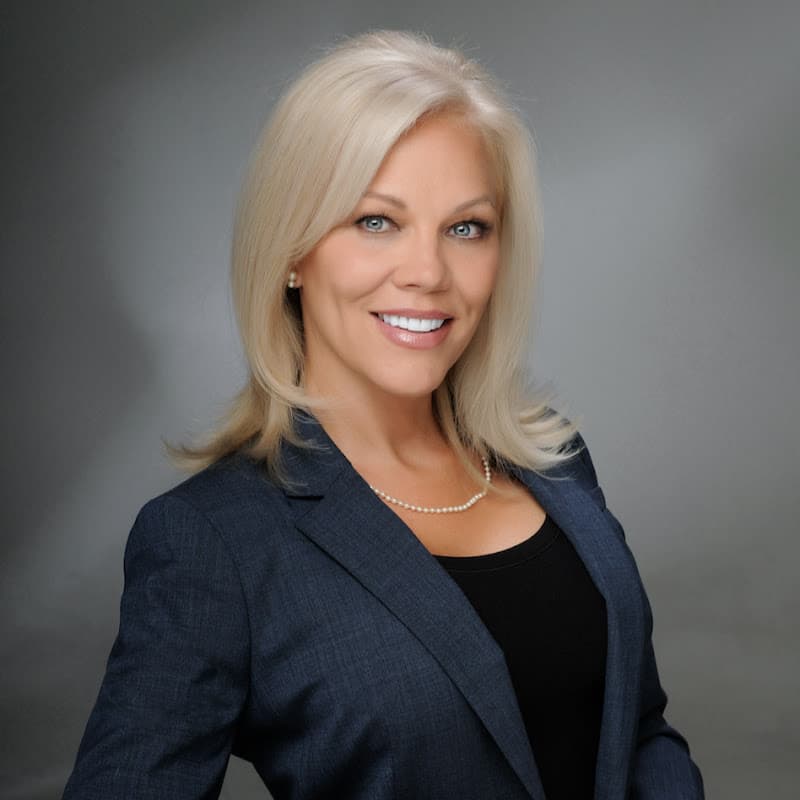
Full Transcript Podcast Introduction and Guest Welcome 0:00 We believe that it's the mitochondria that got damaged and that that's what eventually causes DNA damage. 0:07 So we believe the monocondrial damage comes before DNA in the majority of cancers, right? 0:12 It's not the other way around. 0:15 Welcome to the Holistic Truth Podcast. 0:21 I'm Jamie Dorley, CEO of Nutritional Frontiers. 0:24 And I am Christine Genovese, creator of the Soul Intelligence Method. 0:28 We're here to help you break through chronic disease and dysfunction physically, mentally, emotionally and energetically with real proven strategies, 0:37 protocols and tools you can use in your practice today. 0:40 Hello, everyone, and welcome back. 0:42 We are live at your favorite podcast for natural healing, where we focus on the mind, the body and soul, holistic truth. 0:51 As we say, can you handle the truth, Christine Genovese? 0:55 On a Monday, you betcha. 0:57 I am so excited for today's guest. 1:01 She is an incredible force in oncology and just a delight to be around. 1:07 Well, I'm so exciting as host of The Holistic Truth.I'm Jamie Dorley, CEO of Nutritional Frontiers, where we are on a mission with our chief growth officer. 1:17 What is our mission, Christine? 1:19 It is to make the world healthy in every way, physically, mentally, emotionally, energetically, in all ways, hence the holistic truth. 1:27 Yes, and we're so excited because we have a very special guest on today. 1:31 When we first talked, it was like I knew her for a long time. 1:35 We had some similar people in our history and our background. 1:39 It was so exciting to hear the types of patients that she's working with. 1:45 Where this whole topic came up with mitochondrial health and metabolic oncology, I was, uh-oh, we need to learn more about this. 1:55 You know, sometimes on the show I do most of the driving and sometimes I sit and I'm like, I got my notebook out. 2:01 So I always learn a lot when we've done a few Zooms together with her and very exciting to have her on today is Dr. 2:09 Denise Warden, all the way from Arizona, been running the clinic out there and naturopathic medical doctor. 2:16 And, you know. 2:17 Just. 2:19 Fantastic to have a guest to this caliperon. 2:21 We've had some incredible guests this year, we've been on quite the roll. 2:25 And here we go once again. 2:27 So good morning, Doc, how are we? 2:29 Good morning. 2:30 I'm great. 2:33 My mitochondria are ready to go. 2:35 Oh, they're ready. 2:38 I've been hearing about mitochondrion. 2:40 Dr. 2:40 Lisa Koch was speaking at our event last year and talking about spaghettis and meatballs, how the mitochondrial either open up and function well or tighten 2:50 up in close. 2:52 And it's just a fascinating topic, because way back when we said, oh, it was the powerhouse of the cell, and that was it. 2:59 And now we hear about they're in every cell. 3:01 They're every tissue in the body. 3:03 It's this whole world of itself. 3:06 When you start looking at some of those animated descriptions of this cell... 3:11 It's fascinating, the amount that's going on. 3:14 I always say, this is impossible that we came from an amoeba, right? 3:19 Through evolution. 3:20 We evolved with. 3:22 Yes. 3:24 The way that they're breaking this down deeper and deeper is really a part that I love. 3:30 Somebody asked me, when are you going to sell the company and be done? 3:33 I go, I can't. 3:34 They go why? 3:35 Because I get to learn more every day. 3:38 And the fact that every person on the planet is a potential person we can help is why we do this. 3:45 People say, why? 3:46 That's exactly why. 3:47 So you were like way before your time getting into more of the holistic, I call it functional members, alternative and complementary and integrative, 3:56 all these different terms. 3:58 Now we call functional or even customized health pressure. 4:05 Thank you. 4:08 What was your background growing up that you knew more about the functional integrative side where a lot of your colleagues maybe did not, 4:16 maybe still don't? 4:16 Like, how did you learn more Yeah, I mean, you know, growing up, i was always interested in science, but I was too busy being on the stage in a musical 4:28 theater and playing violin and piano and teaching voice and all those things.
Dr. Warden's Background in Integrative Medicine 4:31 I still love that. 4:32 But science was near and dear to my heart. 4:35 And when I found out that there was a degree, a medical degree that would allow me to learn both sides of medicine, standard of care and integrative medicine 4:45 or naturopathic medicine at the same time, not going back to school later on weekends and going through courses, but to really be at core, 4:52 the core of what you're learning. 4:54 That made sense to me because I always said I would either be a surgeon when it was needed. 4:59 that makes sense. 5:00 But chronic degenerative diseases, we all know. 5:03 Allopathic medicine is missing the boat. 5:06 And so when I knew that I could learn both sides and be able to talk on both side, that's when said, all right, I'll go back to school and become a naturopathic 5:16 medical doctor. 5:18 That's amazing. 5:20 Absolutely amazing! 5:21 Can you share a little bit more of your background and your training and where you went? 5:25 I'm like totally fascinated. 5:28 Well, started out, my son at five years old was actually going to ASU, Arizona State University, taking classes, literal college classes. 5:37 He's one of those kids. 5:39 And I was sitting there with him and I thought, you know, I'm teaching music, which is very, very important to children and adults. 5:48 But then I said, You know what? 5:49 I am missing something. 5:50 I've got this drive. 5:55 uh, speech. 5:55 I have a master's in communication. 5:57 Um, so it was dry. 5:59 It was, I was feeling something, right? 6:01 I need, to teach something important and started working with a nutritionist at that point, um, helping him with his business side. 6:10 And I saw how much that was working in the professional athletes that we were working. 6:15 With and, and you know, post-menopausal or perimenopause of women. 6:19 Okay. 6:20 This kind of, nutrition and medicine makes sense. 6:24 And I want to learn the other side as well, found out about naturopathic medical doctors going to here in Arizona, used to be called Southwest, 6:35 now it's called Sonora. 6:37 But that's when I jumped in and said, all right, I had my master's degree, but I have to do some pre-med, had to go back to school for about another year 6:45 and a half before I went into medical school. 6:47 So it was a lot. 6:48 And it was four more years, but enjoyed every minute. 6:51 And now it's been 27 years since that day of starting. 6:55 So I've been in integrative medicine a long time. 6:59 Wow. 6:59 Yeah. 6:59 You know, I'd seen this whole journey of the naturopathic field. 7:04 The co-founder, Dr. 7:05 James Weiner, always says, we are conventional medicine. 7:10 He called it modern medicine, you know? 7:12 But I feel that there's has been a challenge with natiropathy medical doctors. 7:16 Can you educate our listeners a little bit because you have like the two schools, right? 7:20 I know you went to the medical school. 7:22 Arizona is a licensed state, you know, such as some in New England. 7:26 I think about half of the U.S. 7:27 states now are licensed. 7:29 You know one of our first brand ambassadors with Dr. 7:32 Franny Bres in Pittsburgh, she was an MD, ND in homeopathy. 7:36 She created things like the Estro Cleanse for us. 7:39 And she was the first graduating class of Bastyr, you know, back in 78. She's always like, she's like Jay, there's a big difference, 7:47 I'm just letting you now, they're all good. 7:50 But we tend to like be going, butting heads a little bit, the two schools of thought. 7:56 So can you expand a bit on that for our listeners? 7:59 Because they hear Nature Path and they are like oh well, my state, That doesn't work or they don't take my insurance or, 8:06 you know. 8:06 Right, right. 8:07 Well, it depends. 8:09 You could be a medical doctor and naturopath and accept or not accept insurance. 8:13 So that's one piece. 8:14 But in some states do let natriopathic medical doctors file for insurance for their patients. 8:21 I don' use it. 8:24 insurance visit. 8:26 So I've never accepted it. 8:27 But the difference is, you know, in most states, even if it's not a licensed state for a type of medicine, there's usually one or two there that have been 8:36 through the medical school and they can bring you on as a client. 8:41 Just like when I work with cancer patients all over the world, If they're not in Arizona to establish as a patient with physical exam and those things, 8:50 they become not a patients but a client. 8:52 Now, a Client is, I'm giving medical education. 8:55 I am looking through everything. 8:57 Im analyzing everything as if they were a Patient, but I have to say, Im not your doctor, im not giving you medical advice, 9:03 But they are getting all the advice and the education and then they have go back to their traditional doctor or whoever they working with. 9:11 just to make sure everyone is on the same page. 9:14 So most states, you can find a naturopath or you find someone that's doing virtual medicine and will bring you on as a client. 9:23 Well, Dr. 9:24 Worden, I'm fascinated, first of all, by your background. 9:27 I know you have a strong media background, too, and presence. 9:31 But I wanted to ask you specifically, what led you to the field of oncology? 9:37 Well, you know, it came to me in the sense that I was in pain management. 9:42 I as a diplomate in Pain Management, doing a lot of injections, teaching therapeutic injections to physicians. 9:58 in a lot of things from the nutrition side, pain management side and then general health.
From Pain Management to Metabolic Oncology 10:05 But when one in two people in their lifetime are going to have cancer, you can imagine what was happening in the clinic. 10:10 Oh, I just got chills. 10:12 I didn't realize it was that high today. 10:14 Really? 10:15 Yeah, yeah. 10:16 So, you know, I kept watching and then I would refer out and I wouldn't be disappointed in what I was seeing. 10:23 And when I read a book called Tripping Over the Truth by Travis Christopherson, it rocked my world about how we have studied cancer. 10:32 We think all the money is going into genetics, into DNA, and only 10% or less of cancers are genetic. 10:40 And I went, well, good grief, why is all the billions of dollars and all of the treatment focus being, you know, on DNA? 10:46 So that lit a fire in me and saying, okay, what is it? 10:51 Now I am one of co-founders of The Moore Alliance. 10:55 It's metabolic oncology research and education. 10:57 And we have the top researchers and physicians in the world, and I mean from Singapore to Cambridge to Dominic D'Agostino, 11:06 who's funded by the Department of Defense and NASA, Tom Seyfried at Boston, the top in the world. 11:12 We're looking at it and saying it is a metabolic disease, which is part of that mitochondria topic that we'll probably get to in a minute. 11:20 is that if that's where our research and our thoughts should be, we're not saying throw the baby out with the bath water. 11:27 I work with oncologists every day because a lot of cancer patients want both. 11:34 We can help with chemo sensitivity and radio sensitivity. 11:37 That means you can use less and get better effect, at least that is what we are seeing. 11:41 And we have more money coming in to do more research, that lit the fire. 11:49 And I said, all right, I'm in, they've got to do this. 11:52 And that's been many years ago. 11:54 I guess my specialty is changing into metabolic oncology. 11:57 Now I am part of the landmark paper in the BMJ of The British Journal of Medicine on glioblastomas, because that type of cancer, 12:06 you show any effect in that. 12:09 It wakes everyone up. 12:10 So now we use hyperbaric oxygen, ketogenic diet, repurposed drugs, and we are looking for how to work on the two pathways we consider the most important, 12:19 glucose and glutamine or glutamate over here. 12:22 How do we block those pathways? 12:24 Because that's generally the biggest feeders, not the only, but the Well, you answered my question. 12:31 I was just thinking that what is the shift from the genetics to the metabolic? 12:36 And I think there's so many things in our field that we talk about tying into the glucose pathway. 12:42 And, so is that the biggest change you've seen from that genetic, way of looking at cancer to the metabolic of these two pathways, 12:53 glucose and the glutamine pathway or glutamate? 12:56 Well, we know those are feeders and we believe that, you know, it's the mitochondria that got damaged and that that's what causes, 13:03 eventually causes DNA damage. 13:06 So we believed the Mitochondrial damage comes before DNA in the majority of cancers, right? 13:11 It's not the other way around. 13:13 So we're looking at what are the drivers that damage mitochondria? 13:16 What are things that can support it? 13:18 And of course, we are looking for treatments right now that we utilize in our patients and clients that are showing great effect. 13:28 we're on the right path. 13:29 But you know, we've got a big industry that we got to say, listen, why don't we really open up and consider that? 13:40 We haven't moved the needle much on cancer. 13:43 We've done some good things in conventional medicine and the research that's been done, but it's this big. 13:50 It's THIS big! 13:53 let's open it up and look at it scientifically a different way. 13:56 Otter Warburg won the Nobel Prize many, many years ago for seeing that a PET scan was lighting up wherever there was cancer. 14:06 That's why you do a pet scan to see where it's lighting. 14:09 So he knew then, and why was it lighting? 14:11 Because you put the glucose into the veins and that glucose surrounds goes right to where the cancer is and the Cancer eats it. 14:21 It's metabolically active and it lights up. 14:23 So that's when he said well Cancer is a metabolic disease. 14:27 There's glucose is related to this won the Nobel Prize, but then everything shifted over with you know, the the powers that be. 14:34 and to pharmaceuticals and everything else that we used. 14:38 But we're bringing that back. 14:39 We're saying the science was right from day one and we should be looking at it. 14:44 It's not either or and were not in controversy with them, but we are saying we need to open our eyes and look at different direction. 14:52 So Dr. 14:52 Worden, you said the mitochondria got damaged. 14:55 What damages mitochondrion? 14:59 Oh, many things, stress, antibiotics, we think that we are seeing more and more all of the things that you're right in the natural world from environmental 15:12 toxins to all this. 15:13 We don't have a whole lot of research on all it yet, but we do know enough to know that the basics that all talk about, lack of sleep, 15:22 poor nutrition, all these things damage mitochondria. 15:26 And so, you know, we look at what is it? 15:29 It's back to the basics so far with what we're seeing and how to support mitochondria.
Cancer as a Metabolic Disease 15:34 And then there are certain nutrients that make a lot of sense that I'd like to talk about in a minute. 15:40 But can I back up and talk what mitochondry is important? 15:44 People are going... 15:44 Absolutely. 15:45 What is that? 15:46 What is it? 15:47 There are those little structures inside your cells. 15:50 You mentioned it at the beginning. 15:52 Pretty much everybody learned in school, they produce ATP, the energy in the cell, but they are far more than that. 15:59 They are the motherboard of the whole body. 16:04 They turn your food that you eat and the oxygen that your breathe into oxygen. 16:09 I mean, into energy, right? 16:11 And that's why they're very, very important. 16:14 They power our brain, our heart, and our muscles. 16:18 And they help our body use different fuels. 16:22 fat, carbohydrates, fats, amino acids, they help us and the body know how to use those building blocks. 16:29 They make certain hormones, the ones that a lot of people talk about, right? 16:33 Cortisol, estrogen, progesterone, testosterone, They help make those hormones. 16:38 they're part of the hormone talk that we all talk, about hormone and perimenopausal and this and that, but everybody's forgetting that big piece of production 16:47 is the mitochondria. 16:52 They provide energy and signals that help our immune systems recognize and respond to threats. 16:59 They regulate inflammation, as we all know, very important. 17:03 they manage the calcium inside your cells and calcium acts like a messenger as well. 17:09 and they remove severely damaged cells. 17:13 Those are called zombie cells, so when a cell becomes dysfunctional, it's not working right. 17:20 It should die and go away, but some of them hang around and all they do is cause inflammation in the body. 17:27 They're called zombies cells mitochondria helps participate in that shutdown process when that cell is too damaged to be functioning safely or it can't 17:37 be repaired. 17:38 And the cells do respond to like changing conditions. 17:44 When you're under stress, do you need rise or a lowering of this? 17:49 So they're deeply involved in that cortisol as I mentioned. 17:51 So there, they are organ to organ communication without mitochondria. 17:57 It doesn't matter what else that you are feeding or working with, it's not going to work well. 18:03 So when we're talking about the connection with the mitochondria and the metabolic oncology, is it more like a checks and balances? 18:10 If the mitocondria not working at a good enough level, then these zombie cells are not being cleaned up, and then they're starting to take over and replicate, 18:20 leading to the cancer cells replicating? 18:24 That's one piece. 18:24 A simplified version of what's going on. 18:27 Well, it's only one-piece, so the mitochondria, remember talking about how we utilize energy, carbs and proteins and fats, 18:35 and so when the body can't metabolically shift in these fuels, that's a problem. 18:41 That causes, there's link with all of that with cancer as well. 18:45 So if anybody wants to dig deep, read Dr. 18:49 Seyfried's Metabolic let's see, cancer as a metabolic disease. 18:54 Now, it's science, its head, It's deep, deep deep. 18:57 But you'll get to know all the biology of what we're looking at and we are finding new things every day. 19:03 It is really the cell, our cell or regular cells can't respire, they can breathe or respires efficiently. 19:11 When that happens, They start having problems. 19:13 And when they have problems, that leads to DNA damage, glucose dysregulation and that leads to cancer. 19:21 It's an oxidative kind of respiration. 19:25 You know, it's a hard topic to get into deeply, but it means the cell can't function properly. 19:32 A lot of our clients, you know in the more integrative side or functional side, will say that the cancer feeds on sugar, 19:40 hence that's why you guys are recommending more of this ketogenic diet, which a lot Mm-hmm, that's one of the two main pathways. 19:49 Ketogenic diet was brought back into attention for cancer through Tom Seyfried, who I'm speaking about, you know, the president and leader of our Moore Alliance. 20:00 And so, I just running it and herding the cat, so to speak, bringing in the top researchers in world and those of us that are boots on the ground working 20:09 with patients. 20:10 But yes, with the mainstay, The number one base of what we do and what say needs to happen in most cancers, if not all, is a ketogenic diet because when 20:22 you take out sugar and block sugar, feed fat to the brain and to body, that respiration I'm talking about, it helps those cells function better. 20:32 So now your immune system can help fight the cancer. 20:36 all the other pathways that I'm talking about, hormones, everything starts functioning better and you've got a fighting chance. 20:42 We also work on that glutamine side over here blocking it. 20:46 we're still looking at really good blockers over there because what drives that side is stress. 20:52 So you could be on the ketogenic diet, but still be stressing and your still got little pathway going in there that's feeding that cancer or contributing 21:02 to growth. 21:02 so we have to address all of it And on that side, we've got some molecules that we're looking at right now. 21:09 We can't say it yet, but berberine's looking pretty darn good on THAT side of things. 21:15 So we, you know, started adding that in to a lot of our patients or clients, especially if they're having trouble regulating their blood sugar. 21:23 They can get into ketosis. 21:25 they are doing a ketogenic diet, they aren't making the ketones where they need. 21:29 Do they need metformin? 21:31 Do the need to change the diet up? 21:33 Are they eating too much protein? 21:35 There's an issue of not being able to produce those ketones, and that's what we're after. 21:40 Ketones are the little magic molecules that help us fight cancer and help you preserve muscle, which that is one of the reasons why people die from cancer, 21:51 is cachexia. 21:52 It's the muscle wasting. 21:54 So our therapies are helping you keep the muscle on, starve some of the fuels out as much as we can, and that's why we're having good effect.
Mitochondrial Damage and Cancer Drivers 22:02 Well, the word in my head and my heart right now is hope. 22:06 Yeah. 22:06 I'm looking forward to 2027 for us to work on some really innovative formulations, including the one for berberine, because we need hope. 22:16 You know, when you said, you know allopathic medicine, oncology has done this much, it really hits home. 22:24 It'll be 19 years next month, 11-11, where my mom passed away from cancer. 22:30 Christine's a cancer survivor. 22:32 Dr. 22:32 Len Brantz, who's our medical director, had stage four kidney cancer 14 years ago and still around. 22:38 my two sisters, which I don't usually talk about, survive cancer. 22:42 So if, you know, my own thing when my mom was sick and my sisters was, there wasn't really any hope. 22:47 It was more about how many months you have to live. 22:49 I'm like, that's a really poor thing for someone to tell. 22:53 If allopathic has given us this much, what about the integrative side? 22:58 Can you give us some hope? 22:59 What are some of the things that you feel have taken us leaps and bounds ahead of where we were before, other than we know now it's a metabolic disease. 23:09 What are some of the things that you've seen that says, all right, folks, we have some hope? 23:13 Because if one or two people are going to be running into this, that's, a big concern, obviously, for our country and the world. 23:22 Right. 23:23 Well, first, I think, you know, we're taught in medical schools, don't give false hope, day one. 23:28 I Think we need to give more hope now, not false. 23:31 So agree with that. 23:33 But by making those chains, Don't get false Hope. 23:36 There's not a lot of hope given and I know by all these years and all the clients and patients I've worked with the minute that hope is taken away. 23:46 That there's not much left for them to fight with their immune system is affected by it by the depression by everything else So we have to give hope and 23:53 the hope might be let's live as long as we can in the best help in The best shape that you can be in so you enjoy every single breath and I will tell you 24:02 this that most people who not just survive but thrive cancer they say it's the thing that ever happened to them because it woke them up to what is important 24:13 in their life and and they know who they are. 24:16 Instead of going through life, okay, I was the child, you know, and I'm the good kid, now you're the mother, the boss at work, 24:24 that was your identity. 24:25 As soon as you get a death sentence in your face, it wakes you up. 24:30 And you become this, if you let it turn into this thing where you are in gratitude for every breath and every moment, And they live a different life, 24:39 a more hopeful, wonderful life and, in most cases, healthier and feeling better. 24:44 And we hope someday we'll be able to make definitive, very large claims about what we're seeing metabolically of lengthening life. 24:54 We have proved it in mice and in canines. 25:01 Those of us working with patients, we know what were seeing. 25:03 Tumors are shrinking and they're doing well. 25:06 So, you know, I think the hope thing, Jamie, is very important and that always comes back with my patients. 25:13 I help them decide, say, here's what's being offered, this particular chemotherapy with your type of cancer, do you want to know the statistics or are 25:22 you saying, I don't want to be told I have four months to live. 25:27 I do not want know. 25:29 You have to ask the patient that. 25:31 Or do you want you know so you can make decisions and this and that? 25:35 Now that's on the allopathic side. 25:37 And then what else can we be doing or doing instead of for quality of life? 25:43 So it's risk versus reward and it is what do they believe in? 25:49 Once I know they really understand their options because chemotherapy has a place, certain types of cancer, it's very effective. 25:55 It's toxic as heck. 25:56 They're going to feel horrible, but we can help them feel better with the metabolic and nutritional guidance so they're not feeling as poorly. 26:05 My patients that are going through chemo or radiation, their doctors are and people in the waiting room are Why do you look so good? 26:13 Why aren't you feeling as bad as we are? 26:16 So, you know, that's the point is that whatever they're choosing, they have to believe in and believe what they've chosen, 26:25 combination or one or the other, because now their immune system is involved. 26:30 Now their hope is there because they had a a say in what their treatment will be instead of you have cancer, you're scheduled for surgery at the end of 26:41 the week, no you don't know the name of your doctors and they certainly don t remember you. 26:45 It's an unempowered horrible way to go into any kind of treatment. 26:49 They need to take time, listen, understand all the options because One of the reasons why I decided to focus on it, besides being excited about what metabolic 27:00 cancer means, was the fact that patients would say, if I'd known then what I know now, I would have made different choices. 27:09 So my goal, my mission, part of what do, My monthly is called Truth in Medicine, right? 27:15 I'm all about truth. 27:17 And you guys are kept talking about the truth in it. 27:20 I love it! 27:24 It's when they truly understand, if they want to understand all the statistics, what does it really mean? 27:32 What are the possible side effects? 27:33 Not just go read the insert. 27:35 And they're like, nobody told me I would have neuropathy the rest of my life. 27:39 Nobody told. 27:41 So when the understand they make the decision, they are empowered and they do well. 27:46 That means sometimes in Cancer Smart, It finds a way around. 27:51 You find something that's working, and all of a sudden it stops working. 27:54 Cancer's smart. 27:56 So we have to change things. 27:57 We call it depressed pulse therapies in theory. 28:01 That's part of what we do, too. 28:03 Bring things in and out and in, that way we're fooling the cancer, so to speak, with the therapies. 28:10 And oncology's even coming to that with chemotherapy. 28:13 They're seeing that lower doses and giving the body a chance to repair from their side of it, so they don't kill the patient while they're trying to cure 28:23 the patients, that this pressing and pulsing of therapies is very important. 28:29 Yeah, I have a quick question because You had mentioned chemo does work in radiation for some specific types.
How Mitochondria Support Energy and Cell Health 28:37 Is it true to say that chema works much better if the cancer is localized or is it more the type of cancer? 28:46 Well even allopathic if it's localized and it hasn't spread they probably won't be in most cases even prescribing chemo. 28:54 They're going to go for surgery or and to cut it out and most of the time we agree with that because take that bulk of those cancer cells out they're not 29:02 part of you, they are not talking to you but they creating inflammation and before it spreads. 29:08 So if we can get it before its spreads because metastasis and that muscle wasting cachexia are the two ways that cancer kills you. 29:16 So if we can get it out, radiation is about they cut out and if they're not sure they got the margins, let's radiate around what's left. 29:24 Now, many times I'm not really in favor of radiation because it has its own issues. 29:29 It just depends. 29:30 Everyone and every type of cancer is different. 29:32 But chemotherapy is for when it has spread because they can't cut out every place that it's in. 29:40 They can radiate every places in, all they've got left is a nuclear bomb to say, boom, let me kill as much as I can find throughout the body. 29:51 And chemotherapy, is systemic. 29:54 It can be used sometimes in localized, but most of the time is for systemic therapies when it's throughout the body. 30:03 We mentioned a key thing, power. 30:05 I know you're, the clinic repowered, right? 30:08 And Christine's a lot of talking about, you know, giving the patient and the client the power, empowering people. 30:15 And that's what we talk about at Nutritional Frontiers. 30:18 and I love this because, I looked at quite a few articles and books and, me and Doc used to always talk, about this whole thing with placebo effect, 30:28 and he would always say to people when they came in, I can help you. 30:32 I could help yourself." He says, you may not believe it, but you have to believe in it. 30:38 You know, I think that's where I get a little resistant when people tell us our limitations. 30:44 Because not many people told me, don't start your own business. 30:51 And I feel like, you know, medicine sometimes does the same thing. 30:54 And that's why Christine's work has been so impressive to me because it gets really, and we even talked about Dr. 31:01 Bland, like his first hour of his seminars would just get my mind to go like this. 31:08 What's possible. 31:09 I think that really what you're giving, even though you don't want to give false hope, I thing it's okay to gives people hope because we don' know yet 31:17 in our world just how strong that brain is, right? 31:23 And how strongly this body is. 31:25 And you talked about the motherboard being a mitochondria and just saying, you know, the best computer in the world, The best AI is us. 31:32 You know? 31:33 We can do things that we don't even know are possible. 31:37 I love that, because I know Christine had an experience. 31:39 She wants to share it, but, just having that mindset, I think at least gives us the eyes a little more in our favor, and that's really what we're looking for. 31:50 Yeah, I had a cervical cancer scare at one point. 31:54 And abnormal pap, copal in the office, too many bad cells. 32:00 We need to do a conical biopsy. 32:02 So go in and go under. 32:04 Mm-hmm. 32:05 From the time they told me I needed to go and you hear the C word and the biops word, and how did this happen? 32:14 I was so disconnected from my body at the I was like, I'm done having kids. 32:19 We'll just take my parts out. 32:21 I would just go ridiculous. 32:24 Then I started to go, wait a minute, this is serious. 32:27 This could be a big deal. 32:29 Do I really want a hysterectomy? 32:30 Do we really need to do all that? 32:33 I consulted just about anybody I could think of, allopathic, psychic, energy worker, massage therapist. 32:41 The first person came back to me and I had been working in corporate America for a long time. 32:46 So, essentially, what I had done is stuffed all my femininity down to the seat of my womanhood, right? 32:52 Because I was trying to act like a man. 32:53 A man's trying survive in a guy-dominated world. 32:58 And the first woman that I spoke to said, you need to get in touch with your divine feminine. 33:03 At the time, I said what the heck does that mean? 33:05 Right? 33:05 You know, do I have to grow my hair long, wear dances, dresses? 33:11 But I realized I had really devalued myself as a woman, trying so hard, you know, the glass ceiling. 33:18 I'm sure you still got cuts on the top of your head, right? 33:21 But truly, that's what it was. 33:24 And so once I realised it, I started to do all the things. 33:28 Right? 33:29 So mentally, I just said, okay, well, i'm going to embrace who I am as a woman. 33:35 I started researching incredible female figures and really strong leaders. 33:39 And I was like, oh, women are strong. 33:42 Oh my gosh, they give birth. 33:43 If it was up to men, that wouldn't happen, would it? 33:45 I'm sorry, Jay. 33:48 But I've started to really embrace my femininity. 33:52 You know, the emotional work, and I realized what I had been stuffing down. 33:55 And then I started talking to my body because I told myself, you're going to be happy. 34:00 You're gonna be vibrating. 34:02 We're gong to fight this off. 34:03 It's no big deal. 34:05 Then I heard one other person say to me, by the time you go in for that chronicle biopsy, it's going be gone. 34:10 I went, You Know What? 34:11 It is going to be gone. 34:13 And so sure enough, I will never forget the look on my OB-GYN's face when she came out and she said, we must have cut it all out. 34:20 I was like, yeah, We must've. 34:22 Um, but it was all the things is my point. 34:25 It was the mental work, the emotional work. 34:26 Sure. 34:27 The energy work the physical, all of it. 34:29 You said so many things, you know, how the mitochondria in particular, right, are fueling your brain. 34:35 They're fuel your muscles. 34:37 um, You know they're in control of so Many functions in your body. 34:42 So, obviously, that's a pretty important piece of us to really take notes. 34:47 So what are some of the things that people can do to build their mitochondria, protect their, feed their and really care for themselves so they don't find 34:58 themselves in that position?
Ketogenic Therapy and Cancer Treatment Strategies 35:00 Exercise, one of the most important things because muscles are a glucose dump. 35:06 The glucose goes into those muscles, especially when you're working them. 35:10 And remember, we're trying to not feed cancer, and that means before you have cancer. 35:17 that glucose needs to be going where it needs too. 35:19 There's a lot of real new interesting these three one minute short bursts that new research that's come out. 35:24 So people say, I don't have time. 35:26 I go, yes, you do. 35:27 Exercise, very important. 35:30 Sleep, the glymphatic system, and the way that the brain detoxes. 35:35 Very, very important. 35:36 So those are, when I talk about basics, those were basics. 35:39 And GI health, of course, because your immune system, your hormones, many things are modulated by that microbiome in the gut. 35:47 The other is what you're talking about is the mindset piece, the stress piece. 35:53 You know, I'm working on a mitochondrial meditation right now where we've done it live. 35:59 I tell you what people, that way you attack into your mitochondria. 36:02 All right, put us on the list. 36:04 All right, all right. 36:05 I know this is another conversation for another day, but I just downloaded off of Dr. 36:10 Joe's website all your husband's music because we love that meditation music. 36:15 So if that mitochondrial meditations to anything he's written, holy smokes, it's going to be powerful. 36:21 He's gonna create something new, a new composition specifically with mitochondria in mind. 36:26 That's so incredible. 36:28 We can say placebo to meditation, to music and all that, but placebo is real. 36:34 It activates your body's own immune system when you're in this parasympathetic state where your bodies being told, I'm not in danger so I can do repair, 36:43 clean out the zombie cells, repair the DNA, all the things. 36:47 I was going to say something else that was important right there. 36:53 Oh, we're doing, uh, We're starting mitochondrial studies. 36:57 A seahorse is a type of, of a microscope where you study mitochondria and we are studying human mitochondrion with Barry's music, 37:07 with music. 37:08 So you're asking what things, because there's already been some tiny studies we see the signal. 37:13 Now we going to do a really big or a lot bigger study and prove so music movement. 37:20 Sleep, all the things that our ancestors had, that's how we helped. 37:24 But I'm also going to say, let's talk about CoQ10, specifically for mitochondrial support. 37:30 I want to get into this, right? 37:32 Coq10 ubiquinol especially, it's a form of it. 37:35 It's great. 37:36 Your body makes it naturally, but mitochondria use it to produce the energy that we're talking about. 37:42 And magnesium, very important to help the cells make and use energy. 37:48 We need it. 37:49 B vitamins. 37:50 If you're deficient in B1, 2, or 3, that's a big deal for the mitochondria. 37:55 So B vitamin, something as simple as that. 37:58 And if replacing a deficiency can make a very big difference. 38:03 Creatine looking very good. 38:06 It's helping recharge the cell's energy supply and it helps the system that we have just to replenish ATP by supporting mitochondria. 38:17 The strongest evidence though for creatine is in these short bursts that instead of long-term marathon stuff but strength training and repeated short bursts 38:27 like those three one minutes that have just come out. 38:30 It's really good for those as far as the literature is showing us so far. 38:34 Alpha lipoic acid helps participate in energy production and has antioxidant but it's sometimes used in specific mitochondrial disorders and carnitine 38:47 helps carry the fat. 38:49 into the mitochondria to be used as fuel, and urolithin A. 38:53 Now, it's promising, still being studied, but it looks really good. 38:58 And it is working on this recycling the worn-out mitochondrion, helping get rid of those zombie cells. 39:06 So, uralithine A is great. 39:08 Then foods, pumpkin seeds, almonds, beans, leafy greens, eggs. 39:13 yogurt and milk, if you don't have dairy, of course you want organic, mushrooms, fish, poultry, whole grains, except when you have cancer, 39:22 we take you off most of the grains. 39:24 Right? 39:24 We do. 39:25 But proteins such as fish eggs, beans and tofu, those are the ones as far as the research signal is showing really help support mitochondria. 39:33 So eat healthy, exercise, be around good people, listen to music, meditate and realize that you've got the power to really work on your mitochondria and 39:47 support them so they can do their job. 39:50 And that, we believe, is one of the biggest things to help prevent and fight cancer. 39:57 I love the, this is incredible. 40:00 We both couldn't write fast enough. 40:02 I'm like, I gotta get the transcript to this automatically. 40:07 And I loved how you said, yeah, placebo whatever you want, but you're actually putting your body in a state of mind to tell it, 40:15 of chills, that I am not in danger. 40:18 It's okay to heal. 40:19 That's right. 40:20 Because it will choose run from a bear right now over repairing your DNA or fighting your cancer or a cold or flu. 40:28 It will chose survival for the moment.
Hope, Empowerment, and Patient Choice 40:31 So we can't do digestion, libido, increasing muscle mass, making hormones. 40:40 men and women, but especially women when they're under stress and they go, I don't know why I'm getting hot flashes. 40:46 They've been under control for a while. 40:48 It's because your adrenal glands are pretty much the only organs left that are making DHEA that makes all your hormones. 40:56 So when your estrogen drops, you get a hot flash. 40:59 Its because you didn't sleep well last night or you've being worrying or stressing about something. 41:04 Then they make the connection and go oh, okay. 41:06 Maybe I don't have to run off and change my hormone regime, whether they're on hormones or not, they don' have worry so much if something is wrong. 41:15 They're in control when you realize that the stress resilience is very, very important and mitochondria help us with the stressed resilience. 41:27 You're not going to take away stress, but you can be more resilient to it when it comes. 41:34 Wow. 41:35 Well, you mentioned quite a few nutrients, CoQ10. 41:41 We have something called NrCoQ 10 that also combines DMG with it because that's like the ultimate methylated, right? 41:49 And so when I think about what would be great. 41:53 I think our nutritional frontiers and our CoQ10 would probably be a great complement. 41:58 And you talked about muscle wasting. 42:01 It reminds me, I went to my chiropractor not too long ago, probably about a year ago now actually, and he said, so what are you doing for strength training 42:11 for tennis? 42:11 I said tennis. 42:13 He went, no, what you are doing to strength train for Tennis? 42:17 Yeah. 42:17 And I went tennis because that's not enough. 42:22 So I started with Pilates. 42:24 Jamie actually suggested, why don't you try Pilate with me? 42:28 And that has really, really helped me and build my strength and core strength. 42:35 I've got more endurance on the court, but also on, you know, taking our super creatine is amazing to help with muscle building. 42:45 Cause you said muscle wasting. 42:47 as one of the things that really takes people out from cancer. 42:50 And that's really, huh? 42:52 And just aging. 42:53 You know, sarcopenia happens with aging, and that is one the reasons why we die. 42:58 Without cancer, it has nothing to do with cancer as we age, we lose muscle. 43:03 We have to strength training. 43:05 Weight bearing, you've got your own weight, doing Pilates and all, that great. 43:09 But we're finding you need resistance training, even more. 43:13 Even more, everyone should go get a body composition analysis. 43:17 You can get an in-body or a Zika, those things, usually at the gyms. 43:21 What percentage of you is fat, muscle, bone and water? 43:24 If you're losing or gaining weight, we wanna know what that is. 43:28 And now with GLP-1s, and we're seeing it's a lot of muscle destruction with that, when you lose that weight you losing muscle with it. 43:37 So we've gotta be really waking everyone up to know where your body composition is and you've got weight changes, what are you losing? 43:45 Because if it's muscle, that's not good. 43:47 And remember, muscle's a sink for the glucose, and the Glucose is a feeder for things that we don't want. 43:54 So I think, you know, we've gotta realize that weight loss could be good weight, loss and bad weight. 44:02 and be very individualized in what people are choosing and how they're choosing to lose weight or gain muscle, right? 44:12 And gain muscles. 44:13 Well, we've been taught recently that muscle is medicine and I think you've really driven that point home today as well. 44:21 I can't believe we're coming up towards the end of the episode. 44:29 And weight training, which is my background, way back in the 80s and 90s. 44:34 And I love working with, at the time I was like, you know, middle-aged people, I wasn't my 20s, but I loved when somebody would have that moment where 44:43 they would start to feel their muscle working, or a little bit of tone, and now they're hooked. 44:51 They're buying new outfits, they are feeling so strong, uh, osteoporosis risk factors are going away and they're feeling so good and her and our husband 45:01 are reconnecting and you know, like it's life changing. 45:05 And I always felt that. 45:06 A good friend of mine has a very popular podcast and he says, you having a bad day workout. 45:12 That's right. 45:13 You're struggling financially workout and his answer is always go to the gym and that's what we did this morning. 45:19 I feel that no matter what you always. 45:24 get a benefit from it. 45:25 And I love when you were talking about the creatine because our super creatinine has the alpha lipoic acid, carnitine, vanadil,
Mitochondrial Support Through Exercise, Sleep, and Nutrition 45:35 things like that in there. 45:37 I loved the new research on creatines for brain health. 45:40 Oh, it's amazing. 45:41 The more we learn, the better it gets. 45:45 Yeah, and the more that we want you to take. 45:47 That's right. 45:48 Well, you know, can I end with one thing? 45:51 When you get, I would love that. 45:53 When your at the gym and you're like, do I want to do that last one because it's starting to burn? 45:59 when you have the burn from that lift, that's the moment when BDNF, which is brain derived neurotrophic factor, B D N F actually allows to go through the 46:10 blood brain barrier. 46:11 Your brain has a barrier, it doesn't let things in. 46:14 It's hard to get past that, BDNF, your own fertilizer for the brain can get through in that time when you're in the burn. 46:23 So every time I get the burned, I'm going, yeah, B-D-N-F. 46:27 I see the old no pain, no gain is true. 46:30 That's right. 46:31 It's true, it is. 46:32 True. 46:34 Keep that in mind and know most of this is within our reach. 46:38 Yeah, my friend would always say in the gym, you got to go beyond the burn. 46:42 Now I know why. 46:44 And there is a part, like, Arnold would talk about him pumping iron, he would say that there's this point you get when you're getting past that pain, 46:54 where you get this really high, this endorphin feeling, and you can feel it. 46:59 It's amazing, right? 47:00 And that's what I was talking about before, like it's always a solution. 47:03 And I love how you put some of the technical and the science behind why we're feeling that. 47:08 I think some people are afraid to get into that, I says, look, The more, yes, once you are getting conditioned and you get through that initial warmup, 47:20 that's where you want to live. 47:22 And it's an amazing feeling when you got there. 47:25 So I'm glad I got to look that up. 47:26 We'll do a whole other show and I'll tell you about my powerlifting days because I was trying to perform medicine. 47:32 I actually won an award. 47:35 Wow. 47:36 Nobody would ever know I'm a powerlifter. 47:38 I was 98 pounds at the time. 47:39 Let me, I got one question before you. 47:41 Okay. 47:41 So did you do all three lifts or you did one lift? 47:45 I did all 3 lifts. 47:46 It was a true state competition. 47:47 Wow! 47:48 I training for the world competition because I beating the World Record and I in medical school and said I can't do it. 47:54 Did the state one, won that and enough for me. 47:57 Didn't have time to spend in the gym. 47:59 Right. 48:00 I was in medical school. 48:02 So, um, anyway, I know, what that does, and know what it produces and that'll be a fun show because there's so much new science about how and how we should 48:12 be working out and the exercise and, you know the three, one minute burst or beating 10,000 steps. 48:18 And you only have to get 70% of your heart rate. 48:21 New research is, is we got to keep up with it because it doesn't take that much time. 48:27 It really doesn't. 48:29 It's the intensity. 48:31 We are delighted to have you back on. 48:34 The fact that we were able to schedule time with you, with your incredibly packed schedule as it is, was so gracious of you to make time for us today, 48:41 Dr. 48:41 Denise. 48:42 I appreciate it. 48:42 Now, I'm sure, given everything you've shared today that people are going to want to contact you. 48:47 Maybe other health care providers are gonna want make a referral. 48:50 Can you let people know where to get a hold of, you how to find you and whether you're accepting patients? 48:56 Sure, drwarden.com is the website. 49:01 I am out there on social, starting to do a little bit more there, but the office number is 480-588-2233. 49:14 complicated or most minor stage four cancers. 49:18 But if there's stage one and two, it's far easier, but sometimes I'll accept those as well if I have time that I can pay attention. 49:25 So yes, I'm accepting. 49:26 It just, you know, if somebody's not geographically near you, do they fly out to see you?
Creatine, Strength Training, and BDNF Benefits 49:33 No, they do telemedicine. 49:35 It's all telemedicine, even those in Arizona now. 49:38 I'm on a Zoom and I've taken them through everything. 49:41 So they want to see them in person, they can come, but there's no reason. 49:50 You have to get your terminology here. 49:52 So yes, I am still and I would love and then I have that monthly truth in medicine. 49:56 If they want to learn more, there's a specific cancer group and there is just an elevated health group for everything else. 50:03 They can find all that on the website. 50:05 Thank you so much. 50:08 We did a great job here today sharing your wisdom to help make the world healthy. 50:14 And, you know, I am very grateful that you joined us today and you've been so generous with all the wisdom and knowledge and training I learned. 50:23 So I took like six pages of notes. 50:26 And I want to say one thing, too. 50:28 Your quality of your supplements, I can attest to. 50:31 People who follow me and know me, i'm all about quality control. 50:34 I'm a master. 50:36 It's not just certificate of analysis. 50:38 i require a lot of the companies that I utilize on the webs on my site. 50:45 And you guys passed all the bars. 50:47 it was so refreshing. 50:49 So I wanted to let everybody know that. 50:51 You passed it all. 50:52 It's a tough one. 50:53 Thank you. 50:53 After 35 years of doing this and 18 years in Nutritional Frontiers, I was just talking to our team this morning. 51:00 I feel like we're really at our proudest moment. 51:04 This is exactly why. 51:05 When you're a younger company, you held to a different level of standards, but we are doing our best out there. 51:13 We are open-minded to what's possible, and we'll forever partner with the right people because we truly believe in this mission. 51:21 Like, I will not be done until I'm going somewhere else. 51:25 Like we believe in this mission to make the world healthy. 51:28 And the more we can do that, the my heart's fulfilled and our mission's accomplished. 51:33 So thanks so much, Doc. 51:35 Thanks, Christine. 51:36 Thank you all incredible listeners and followers out there. 51:39 You all have a great day and God bless my friends. 51:45 If this episode spoke to you, please follow the show and share it with someone ready to take charge of their wellbeing. 51:51 And if you can, leave us a review. 51:53 It helps others find our podcast. 51:55 For more tools and practitioner support, visit NutritionalFrontiers.com.


Comments