Full Transcript Listening to Parents and Caregivers 0:00 Listening to the parents, right? 0:01 They know best, right? 0:03 I. One doctor said to me, like always listen to the parent. 0:07 Right. They watch their child change. They know. 0:09 I mean, all the people in our community that I know in the pants 0:14 benders community do more research than probably any other illness. 0:17 Right? 0:18 So like we do know and we know what our child was like prior, 0:22 we do see what the flares mean. 0:24 Sometimes we know. 0:25 I mean, my daughter, for example, was put on SSRI. 0:28 It made her exponentially worse. Right. 0:30 And so I knew that because I knew where we were here and not here. 0:34 And so you just have to listen to the caregivers, 0:37 because all of us want our kids to go to school, all of us, our kids, 0:41 you know, we want all our kids to sleep. 0:43 We want all our kids to be able to socialize. 0:45 None of us want this. So. Right. 0:47 So listen to us because and we're not going to stop until we get there. 0:52 And we want a partner, right? 0:53 We don't want a battle. 0:54 We want a part. This is doctor talks. 0:57 Real talk from real doctors. 0:59 Only issues that matter to you. Most. 1:03 Welcome back to Demystifying Pans Pandas. 1:06 I'm Doctor Nancy O'Hara and I am really excited to welcome two amazing women, 1:12 Jennifer Vitelli and Kathy Wilcox, who are the founders of the Look Foundation. 1:16 I just want to give you a little bit of background 1:18 on who they are, because they're really two remarkable women. 1:22 About 15 years ago, you know, the word pandas was virtually unknown, 1:26 as many of you that are listening or watching now, parents 1:30 facing this devastating, 1:31 complex illness found themselves isolated, confused, dismissed. 1:36 And Kathy and Jennifer were two of those moms 1:39 living in neighboring towns, fighting parallel battles but unaware 1:43 that their fate was quietly stitching their stories together. 1:47 Kathy was the owner and designer of a very successful national jewelry company, 1:51 where her family's world was upended by a sudden, nimble 1:55 shift in her child's behavior and health. 1:58 It was a crash that nobody saw coming, and you guys all know this story.
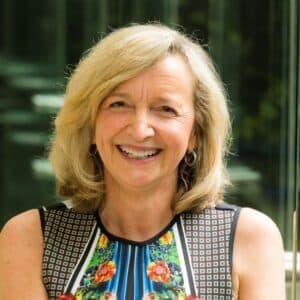
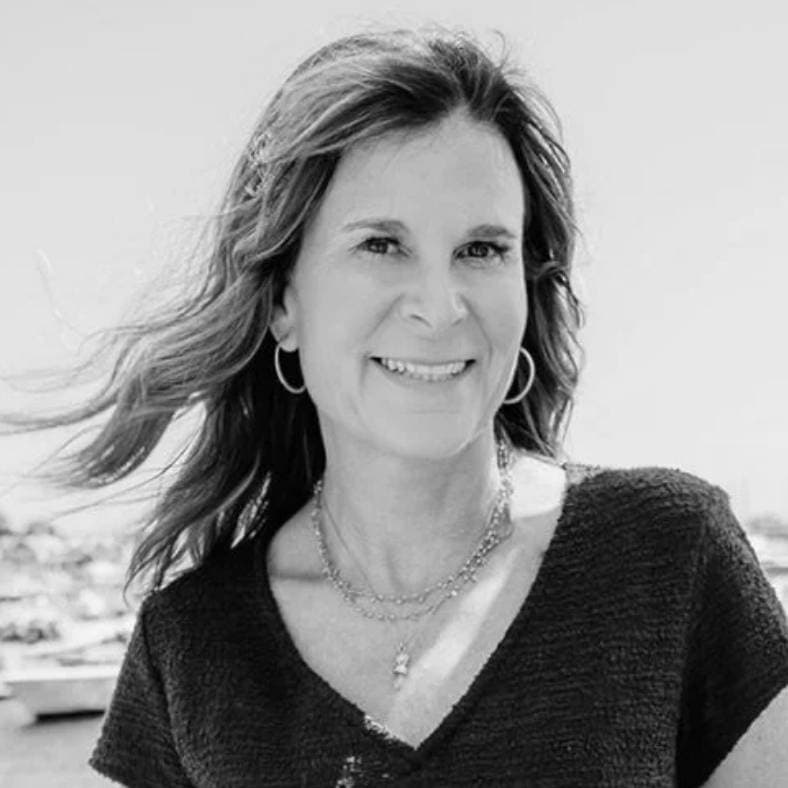
Introducing the Look Foundation Founders 2:02 Determined to understand what was happening, 2:04 Kathy began a relentless search for answers, 2:06 and she uncovered pandas, which we all know is pediatric autoimmune 2:11 neuropsychiatric disorders associated with streptococcal infections. 2:16 And as Sue sweat on said on a previous client, I talk podcast, 2:21 she wishes she had called it, 2:23 you know, autoimmune encephalitis of the basal ganglia 2:26 caused by streptococcal infections. 2:28 And I wish she had called it the psuedo disease. 2:30 But we have pandas and it's a condition few doctors recognized. 2:35 And still we're fighting that battle. 2:37 And even fewer doctors treated it. 2:40 And we're really still working on answers. 2:43 Kathy transformed her grief and her fear into advocacy, 2:47 becoming a founding board member of the pandas network in 2000 and 2:51 and a trusted voice in one of the first state advisory councils in Connecticut. 2:56 And she co-founded New England Plans in 2013. 3:00 And then in 2017, together with Jennifer, launched 3:03 JBC Pans Pandas Foundation to provide direct 3:07 healing and financial support to children and families. 3:11 And then Jennifer. 3:12 So at the same time, one town over Jennifer, longtime recreation director, 3:17 the town of Scituate, was watching three of her four sons slip away. 3:21 And an illness that nobody could name. 3:24 Emotional and physical toll was profound. 3:26 And like Kathy, Jennifer crisscrossed the country searching for treatment, 3:31 piecing together care through trial, error, resilience. 3:35 And in 2013, her advocacy ignited, and she co-founded New England Pans 3:41 alongside five other parents, including Kathy 3:44 and united by a fierce will to educate, support, spark change. 3:50 And then in 2019, she co-founded 3:52 the Massachusetts Coalition for Pans Pandas legislation. 3:56 And as many of you may know, that she played a pivotal role in passing 4:00 that statewide insurance mandate for Pandas and Pans treatment 4:04 that we still need in Connecticut, and establishing a permanent 4:07 Massachusetts Department of Health Pans Pandas Advisory Council. 4:11 She now co facilitates landmark victories 4:14 that she reshaped access to care to families across Massachusetts 4:18 and then through their own stories and in spite of their own stories. 4:22 Beginning separately, Kathy and Jennifer met in 4:26 2011 were drawn together by their shared diagnoses, 4:30 shared determination and quest for helping other families. 4:35 And at a time when pans Pandas community was still in the shadows, 4:38 they became each other's lifelines and sounding boards, as I know, often 4:43 participated in some of those conversations, 4:46 and over the years their friendship deepened, becoming the bedrock 4:50 of some of the movement's most powerful initiatives. 4:53 And in 2024, their joint version vision, came full circle, 4:58 and they launched the Look Foundation. 5:01 As you can tell in the background from Jennifer's profile, 5:05 it's a national nonprofit born from the merger of New England Pans 5:09 and JBC, and Kathy and Jennifer lead look with the same grit, heart 5:13 unwavering belief that brought them together that No Child with Pans 5:18 Pandas should be left behind, and no family should face this journey alone. 5:22 So they're laying the groundwork for a legacy that will endure. 5:27 So in the future, families won't have to struggle as much 5:29 for diagnosis, access to care, and to be believed. 5:32 So I can't tell you how much I appreciate you guys being on, and thank you 5:38 for all you're doing to try to get lasting change for this disease. 5:43 Thank you, thank you. 5:44 Did I forget anything? 5:45 So I really mean that. 5:47 And I think, you know, look as well as the other 5:51 advocacy groups that you co-founded are amazing. 5:55 So Jennifer, let me start by asking you, you know, many families 5:59 dealing with pans, pandas obviously face overwhelming 6:03 hurdles, you know, financial pressures, difficulty finding 6:07 knowledgeable providers, that sense of isolation. 6:11 What's Luke doing to tackle that. 6:13 Thank you. 6:14 So look we're trying to tackle it all Nancy 6:17 I know you're being honest, 6:20 but what we there are three pillars 6:23 that we're working at it support education awareness. 6:26 And so what I mean by that if I initially our financial support 6:31 the look foundation does provide healing grants to families across the country. 6:35 To date we've done a little over $400,000 in healing grants. 6:40 So we do. 6:41 Right now, we do one grant round a year. 6:43 And our hope is is as the foundation expands, that 6:46 our support can expand beyond one grant round. 6:49 So we do the grants, the financial support. 6:51 Then we provide resources. 6:53 And so what started out as Kathy and I fielding phone calls 6:58 and talking to parents one on one has grown.
How Look Supports Families 7:02 Unfortunately, fortunately to almost a call a day, an outreach from someone. 7:07 So that was not sustainable. 7:09 So what we do now is we have what we call our new caregiver call. 7:13 So the new call is for anybody that's new to the foundation or new to pandas pans. 7:18 And it gives them an opportunity to come together. 7:21 And we do it once a month. 7:23 And to meet with other caregivers. 7:25 And then for us to be able to provide those resources because, as we know, 7:29 information is time and something that Kathy and I wished. 7:32 And all of these make, 7:34 you know, kind of ground level advocates had at the beginning of their journey. 7:39 And then from there, we invite them into what we call our village call. 7:43 So that we meet twice a month with families from all across the country. 7:48 It is incredibly empowering and inspiring and, you know, not to be too cliche, 7:54 but like one parent's experience becomes 7:56 another family's roadmap and we get to see that on every call. 7:59 And it is just incredibly powerful and beautiful. 8:02 And they find hope and strength in each other. 8:06 And something that Kathy and I found with each other, thank God, 15 years ago. 8:10 And nobody should walk this path alone. 8:13 And then beyond that, we also do education in education of pandas, 8:17 pans in the schools, medical community and then the community at large. 8:22 And then our last piece is the awareness. 8:24 So basically in the fabric of everything that we're doing very strategically, 8:30 we are trying to bring pandas pants awareness into the world. 8:33 And I think 8:34 unlike a lot of other illnesses, we are trying to educate at the same time. 8:39 Right. 8:39 Because as you know, so many people don't know about pandas span. 8:42 So that's what we're trying to do. 8:45 Kathy, did I miss anything? 8:47 No, I think it's just for parents and caregivers to know 8:50 they're not alone because as we all know, it is very lonely. 8:53 And these village calls and this awareness and our ban. 8:56 So if we I wish we had had that, you know, 15 years ago, but so grateful 9:01 now that we're building this community because it really is changing lives 9:05 and support that these that we're able to provide, 9:07 but just as importantly, that they're able to provide to each other 9:10 and just kind of giving them 9:12 the the power of community so they can take that next step forward. 9:15 Because sometimes, as we know, we all get frozen. 9:18 But if you know you're not alone, it kind of helps with them forward. 9:21 And you know, it's it's helping children heal. 9:23 It really is. 9:24 Yeah. And families. 9:26 And families. Yeah. 9:27 You know, and and you know, I know 9:30 firsthand how much the Earth Foundation's financial support 9:34 has made a difference for so many of these families. 9:38 And I know it's not everybody, but, you know, Kathy, do you have an example 9:44 of how it made a real difference for families struggling with pans? 9:47 Pandas? 9:48 Yeah. 9:49 I mean, it literally helps every family, right? 9:52 Like it gives them money to towards care that they couldn't 9:56 diagnosis and care that they couldn't afford. 9:58 But it also again gives them that next step forward. 10:01 They have the ability to take a step forward, 10:03 which is such a huge part of healing. 10:05 Like John said, we've given over $400,000 worth of grants to date. 10:09 We do surveys after 100% of our grant recipients have said that 10:13 the grant money has helped their child their path to healing, which is amazing. 10:17 You know, one that stands out for me 10:19 is we had a 12 year old girl whose family came. 10:23 They diagnosed with pans. 10:25 They were pretty sure that tick borne illnesses were playing a role 10:28 in her symptoms, and they used their grant money 10:33 to get specialized tick borne illness testing done. 10:36 It came back that she had Bartonella. 10:38 It gave their functional doctor medical practitioner 10:42 the knowledge they needed to start treating. 10:45 They started treating for Lyme and Bartonella and her symptoms 10:49 started to resolve. 10:50 And she is on a path to a full recovery, which they never would have been able to 10:54 do had they not gotten the grant money to get the proper diagnosis. 10:58 So, you know, they use it for testing, they use it 11:01 for practitioners, they use it for alternative types of treatments. 11:05 And honestly, I can say it helps every family. 11:08 Yeah. Yeah, absolutely. 11:09 And I think. Too, 11:11 I mean, the amount that we wish we could give, you know, tons away. 11:14 The other thing it does is it validates what they're going through 11:18 and that hope that there is that there's this whole community 11:22 and foundation behind them that's saying keep going. 11:24 Yeah. Yeah. 11:25 And, you know, my example is very similar to the one you gave Kathy. 11:29 I mean, it was 11:30 I don't think you were talking about my patient there 11:32 because my patient ended up having the visa. 11:35 But it was a very similar story. 11:37 We didn't want to do a shotgun approach. 11:39 We were already treating mold and mycoplasma. 11:42 But, you know, they were able to use the money to find out that 11:46 that baby zero was also present. 11:49 And treating that made a big difference for the child. 11:52 So whether it be therapies or, 11:56 you know, nutraceuticals or herbals or testing or, 12:00 you know, paying for care, yeah, it validates it. 12:04 But it also provides that support. 12:06 So many of these families need. 12:08 It, and it also helps other families because then they get on our village calls 12:12 because they're a grant recipient. 12:13 They're on our yeah, 12:14 they're in our village and they're saying, oh, my child had these symptoms. 12:18 And it turned out to be Bartonella or BPA. 12:20 Oh, we tried this treatment with this doctor and those connections. 12:24 So it just kind of has this 12:27 spiral effect on all the families. 12:29 Yeah. 12:29 And and that has a lot to do with, with building the community too, right? 12:34 Jennifer? 12:34 I mean, that's part of what the money does. 12:38 Yeah. It does. 12:39 It builds community isolation is 12:43 I mean, I think like, I don't know if there's any other illness 12:46 like pandas patterns, but it is incredibly isolating and financially crushing. 12:52 But the and there is so much shame and guilt and fear 12:57 and bringing this community together and knowing that that gets it. 13:01 And Kathy and I say this 13:02 all the time that nobody gets it like a panda's pants family pants parent. 13:06 And I don't mean that like, people are so wonderful and they've got family 13:09 and friends, but no one truly understands. 13:12 Like another panda's pants caregiver. 13:15 And it's not just parents we've got grandparents on. 13:17 And what ends up happening is that they become a lifeline. 13:21 They truly become a lifeline for them. 13:24 And when they start doing that, it empowers them to keep going. 13:28 We see that all the time, like they might get on a call 13:31 and they're feeling down, or they feel overwhelmed. 13:33 And then there's another parent 13:34 that's like kind of meeting them right where they're at and pulling them through. 13:38 And so we've got that community. 13:40 But as important as that community is the rest of the community, 13:44 the medical community, the school community, the community at large. 13:47 And what we're really hoping to try to do here at look is breaking down 13:50 those silos, right? 13:52 And bringing all of these communities together. 13:55 And by doing that, we're reducing stigma around pandas. 13:58 Pandas, and we're empowering the families to be able to talk about it more openly. 14:03 And the children more openly by bringing them together. 14:07 It's it's powerful. 14:07 We're hoping to create a little movement here or a big movement. 14:10 Not absolutely big. 14:12 And, you know, the other silo is nurses. 14:14 You know, one of the things that we found out on that Connecticut 14:17 council all those years ago, Kathy, the only group that really responded 14:22 to a survey about Pans Pandas were the school nurse, Scott Mills. 14:26 So, you know, we used to go out 14:28 and talk to all the school nurses, and I can't tell you how many times 14:32 I hear from a family, you know, we didn't know what was going on. 14:36 But the school nurse said to us, did you ever hear about Pans Pandas? 14:40 And I think getting your foundation 14:44 in front of those school nurses also is really vital. 14:48 Yeah. Agreed. So why do we go ahead? 14:51 I just did. 14:52 A presentation on a local school 14:54 and it was every presentation that we've done is the school nurse 14:58 after this particular one I'm thinking about came up on a piece of paper
Building Community and School Awareness 15:02 with a list of ten kids, and she said, oh my gosh, this is them. 15:06 Like right, 15:07 like so right then that school nurse right off the top of her head was like, 15:10 you have just explained ten kids to me that have been to my office over and over 15:14 again, aren't coming to school, you know, aren't accessing the curriculum, 15:18 like just right there and that it's so powerful to think, you know. 15:21 Yeah. 15:22 And we've done every to that point, every presentation that we've done at a school. 15:26 On average, 20% of the audience is coming up to us after the presentation. 15:32 There is a line and I did they're talking about somebody in their classroom, 15:37 but more than that, they're talking about someone in their life. 15:40 Yeah, somebody that they're thinking about, 15:42 whether it's their child, their grandchild, their niece, their nephew. 15:46 And also there hasn't been a conversation 15:49 or meeting in the last 5 or 6 years that we've done that hasn't ended. 15:54 Was somebody in that meeting saying, 15:56 wait a minute, I think I know somebody with this. 15:58 Yeah, absolutely. 15:59 That's huge. So. 16:01 So why did you rebrand? Why the new name. 16:05 So we were 16:06 we had so we had JBC, which was primarily giving grants. 16:10 And then we had any pans that Jen and I had helped found in 2013. 16:13 And we were no longer on that board, 16:15 and we decided to come together and create one stronger foundation. 16:20 And interestingly, I had done a social media post about Pans Pan this, and I had 16:25 in part of it I said had said, look for root causes with a big look. 16:30 And the reaction was crazy, right? 16:32 Like it was just 16:33 kind of went, you know, for us it was it was it exploded and we were like, wow. 16:37 And so then I started doing more with look 16:39 and it just started resonating and people were liking it and sharing it. 16:43 And so we were trying to rebrand and think of a new name. 16:46 We just kept going back to it. 16:47 Well, what about look, what about look? 16:49 And it just makes sense, right. 16:52 Like it is a word that we find ourselves saying over and over again. 16:55 Oh yeah. Right. 16:57 Like look for root causes, you know, look for doctors, look for answers. 17:02 And I think for it's just turned out to be very simple. 17:07 Yet very powerful and something that parents can really use 17:11 to, again, keep driving them forward and share with the people in their life. 17:15 Like see, look, we need to look. 17:17 So yeah, that was kind of the backing behind it. 17:19 And it's really turned out to, I think, been 17:21 turned out to be a really good name for the foundation. 17:23 Yeah, I love it. That's been great. 17:25 And we wanted to be bold like we're done. 17:27 Nancy, look. 17:28 Why it's like you get asked like we just need everyone needs to look. 17:32 Yeah, exactly, exactly. 17:34 And and you know, we've talked around all the misconceptions. 17:38 You know, there there's so much misinformation. 17:42 And I always share in my talks, 17:44 you know, follow those who seek for truth but flee from those who have found it. 17:48 And, you know, unfortunately, the American Academy of Pediatrics 17:52 is one of those that in December of 2024 came out and said, yeah, it exists. 17:59 But, you know, that was about as far as they took it 18:02 and basically said there's nothing that they that can be done, 18:05 which we all know is a huge amount of misinformation. 18:09 And as we also all know, they they didn't even look at 18:14 or at least mentioned in their report, the over 200 articles that have been done 18:19 since 2017 and all the new information that we have, 18:24 what is look doing to to improve, you know, the early detection, 18:29 you know, the AARP came out and said, don't even do a throw culture, 18:33 which is is crazy and really is is hurting so many of our families. 18:38 It really what's look doing to try 18:39 to create some of these correct some of these misconceptions. 18:44 And that was painful. The AARP report. 18:47 So we'll just name that for all of us in this community. 18:50 So look, in everything that we do we're telling 18:53 we are building awareness around it. 18:55 So our specific some of the specific programs that we have, 18:59 we have this athlete advocate program where we have athletes that are competing 19:03 in premiere events like the Boston Marathon, the Cohasset Triathlon. 19:07 And when they're doing that, 19:09 they are promoting through their press releases and all that. 19:12 They're promoting what Panda's pants are, the shirts that they're wearing 19:15 says mental health symptoms look for root causes. 19:18 And it's got the website. 19:19 So we're that's one area. 19:21 And as we do that to their communities are learning as well. 19:25 Last year. Additionally we are getting very bold. 19:28 We started a banner campaign in Boston, which I'm not sure 19:31 if you got to see those, but they were pretty incredible. 19:34 They lined Tremont Street along the Boston Common 19:37 for the month of October with information on Panda's Pants, a Look Foundation 19:43 incredibly impactful campaign, bringing it literally to the streets. 19:47 Right. 19:47 So people that are commuting and walking or visiting Boston, 19:51 we're seeing that in our we would love to expand that nationally. 19:55 As we continue to grow other initiatives. 19:57 We did an amazing evening of storytelling last year where we brought together 20:02 three caregivers and two young adults who have healed from pandas, pandas, 20:06 and they shared very honestly, raw their experience. 20:10 And they did that to an audience that was filled 20:13 with family, friends, aunts, uncles, grandparents. 20:17 It was. 20:18 And again, breaking down the stigma, making it okay to talk about this. 20:22 Additionally, we just started we just this came out our lookbook. 20:27 So this I know it's so you can find this on our website. 20:31 And it's challenging people to rethink about mental health symptoms. 20:34 So for those of you at home are listening, it says mental health symptoms 20:38 look for root causes. 20:40 And it has these beautiful stories of our grant recipients. 20:43 And you know, the symptoms of pandas pants and an amazing take away to like, 20:47 leave at your pediatrician's office at a state legislators office, 20:51 because we're doing that as well, or at the federal level in a classroom. 20:54 So these are on the website, and we have them here on the office. 20:58 And then our big not and signature event was the look walk. 21:03 Last year we were like, this is it. 21:05 We need to get big. 21:06 We need to get bold and we need to bring this to everyone. 21:09 So we hosted our first annual Wolf Walk making strides for pandas. 21:13 Pandas on the Boston Common last year and virtually so. 21:17 We had 350 people come to the Boston Common. 21:20 We had another 100 virtually walk in across the country. 21:24 It was so beautiful. Powerful. 21:26 Kathy and I are still hearing stories from families that were there, 21:31 and how it changed the trajectory of their healing because they thought 21:35 they were isolated, and they showed up at this walk and realize I'm not alone. 21:39 Yeah. 21:39 And, and, and kids who felt very othered were like, oh, they have pandas too. 21:44 Yeah. 21:45 Well, you know, it was beautiful. 21:46 And then in everything that we do, 21:48 we're always looking to collaborate with community partners. 21:51 So then the reason we're doing that is, again, 21:54 to bring this awareness to into the community. 21:57 So last year at the walk, 21:59 we had the Boston police there, the the Red Sox and New England Patriots.
Rebranding to Look and Expanding Outreach 22:03 So any time we had our state legislators. 22:06 So we're trying to do kind of 22:08 do it all the RNC you are you are Kathy. 22:11 What did I miss? 22:12 I mean, I think the other thing which Nancy you were involved 22:15 in, you know, it's kind of like a it's a grassroots thing, 22:17 which I think is important for listeners right across the country is like, 22:21 actually, you came and spoke to some of our local pediatricians, right? 22:24 You presented we had a lot of school nurses there. 22:27 We had a lot of parents there. 22:28 You know, we created a local event for anybody that could come. 22:31 Listen, doctor O'Hara, speak. 22:33 But even like I think about our pediatrician, 22:35 Jen and I are in the same office. 22:37 And just what they have learned from watching our children heal 22:40 and talking to you, it's like, that's what we're changing, right? 22:43 We're changing pediatricians that maybe aren't. 22:47 Maybe their practice or or the hospital 22:50 that they report up to are not like educating on pans. 22:53 Pandas are supportive of it, but their practice now is. 22:57 And that in itself, just watching that change over the years is incredible. 23:03 They are helping so many of these kids based on how you helped them, 23:07 how were educated, and how they watched our kids heal. 23:09 And I think as pediatricians and doctors get on board watching our children heal, 23:14 that's just going to grassroots change work, you know? 23:18 And hopefully then that leads up to the American Academy Pediatrics. 23:21 Right. 23:22 I heard Doctor Speedo say on your podcast, you know, if every pediatrician 23:26 could have just one pandas fan shot right in their practice, 23:30 it would change everything. You just see. I 23:34 yeah, seeing is believing. 23:35 And and I would also say to like just empowering parents 23:40 that they have power in this to educate, to advocate, to make a change. 23:46 It's one voice, one person in each community at a time. 23:50 As we've watched this right over the last 15 years bubble up. 23:55 And it started with a few parents getting together, 23:58 and hopefully with the resources that we have here, we can empower parents, 24:02 caregivers, their family and friends to, you know, to go to their schools, 24:07 to go to their pediatricians or school nurses and, and help them to learn 24:11 and to share podcasts like this with them. 24:14 Yeah. 24:15 I mean, and and you know, as Sue and I said on that podcast and, and as, 24:20 as I've said in so many of my lectures earlier, diagnosis equals better outcomes. 24:26 So if we can just get pediatricians 24:28 to understand if a child has an abrupt change 24:32 in their behavior and having an abrupt onset of OCD or restrictive 24:37 eating or anxiety or tics, if they could just do that through culture 24:41 because two thirds of them early on are strep related. 24:46 Yeah, do that throat culture, the strep culture of whatever area, 24:50 you know, they may have it in a bad psoriatic eczema. 24:53 They may have it in their rectum. 24:55 They may, you know, 24:56 just do that strep culture and put them on the antibiotic when it's positive. 25:01 And you as the practitioner can see that change. 25:06 Yeah. 25:06 So that's so vital. 25:08 What we are seeing here and that which I think is pretty 25:11 amazing too is that will have parents reach out and it's some good. 25:15 It's they it's not necessarily been months or years. 25:19 It's weeks my child changed. 25:21 So I feel like there is this grassroots bubbling up right of awareness. 25:26 And when parents, as we break down the stigma, like in being able to talk 25:30 like my child has changed, it's not my parenting, it's that 25:33 there could be something else going on. 25:35 They're questioning it. 25:36 And that's why I think that this building, this community 25:39 and the work that's being done is so it's so important. 25:42 It's like everything that's happening at once. Right? 25:44 And the parents are kind of demanding it or hopefully, you know, as they learn. 25:50 And the other. 25:50 Thing that was very impactful for me and always has been, is hearing it 25:54 from the young adults, the teens 25:57 or the children that have recovered. 26:00 And I've taken several to talks 26:04 with me where they've talked rather than me, and hearing it 26:08 from their voice, hearing their recovery story is just so impactful. 26:15 And I know the Pandas, Youth Alliance and and others like them 26:19 are trying to do that and provide a community 26:23 for the people that have gone through it. 26:25 Yep, 200%. 26:26 Those voices are those are they they are going to change the future. 26:30 We're laying the groundwork, but they're going to change it. 26:32 And I agree with you 100%. 26:35 There wasn't a dry eye at that look like last year, when Ian Gulch got up and spoke 26:40 and shared his story with 350 people of, you know, his journey and and we've yes. 26:47 It's just it's powerful. 26:49 Yeah, yeah, yeah. 26:50 And we're talking now about what we want to see. 26:54 But what is looks Foundation's strategic priorities looking more long term. 27:00 Oh well we've been at this a long time. 27:03 So 15 years or 27:05 so and, you know, kind of like we're all of us here, right? 27:08 The first generation of advocates. 27:10 And to make lasting change, we knew that we needed 27:15 to put together a aggressive, bold strategic plan. 27:20 So that's what we're doing. 27:22 You know, when we look back at where we started from in 2013 with that, 27:26 you know, who like, who were we? Right. 27:28 Like here you have five mothers in a medical, 27:31 you know, Peggy, the brilliant Peggy Chapman with us at that time, 27:34 you know, coming together to say, like, we need to do something different. 27:38 We need to bring these providers together 27:40 and put on this conference and and medical and caregivers. 27:44 I think it was the first of its kind doing something like that. 27:47 And at that time, 27:48 we were parents of very sick children just responding to a crisis. 27:52 And what we've been doing ever since. 27:55 And it's been great, wonderful, like any JBC and now is look, 27:59 but we've kind of been triaging and and we continue to do that, 28:02 but we also need to lay the groundwork so that there is a legacy 28:07 for the next generation. 28:08 So our kids kids are not fighting 28:12 for care, recognition or to be understood. 28:15 So our hope is, God willing, what looks to it today 28:18 will serve generations to come. 28:20 And so in our strategy, our goals are three 28:23 areas are still support, education, awareness. 28:26 Some of what that might look like would be like. 28:28 Ideally, imagine a national infrastructure with full time, you know,
Correcting Misconceptions and Promoting Root Cause Medicine 28:34 caregiver advocates, financial assistance programs, peer networks. 28:39 Like enough of this 28:40 crowdsourcing like families shouldn't have to crowdsource their like. 28:44 And that's what they're doing. You know, we're trying to change that. 28:47 And honestly so, so, so much more with a goal in mind that never again 28:52 should a child, a young adult 28:53 with pandas plans be overlooked, misunderstood or left behind. 28:57 I mean, that's our that's our dream. 28:59 Not yet. 28:59 That's all we're going to have. 29:00 So like ultimately when a child, young adult 29:04 have a sudden or even gradual 29:06 onset of, you know, mental or behavioral symptoms, 29:10 that step number one is a medical roll out, like they go to their doctor. 29:14 Step number one is a medical roll out. 29:16 And like Jen said, 29:18 people, schools, 29:20 doctors meet them where they're at and their care and treatment 29:24 doctor recommended treatment is covered by insurance. 29:28 And because every 29:29 every child deserves to heal, which is why we started the grant program, 29:32 it's like some people can heal because they can afford to go 29:35 to the specialized treatment they can afford IVIg, which, 29:38 you know, that's really expensive, but right, like that's not it's not okay. 29:42 That one kid can get better and one can care. 29:44 Like that's just not okay. 29:46 Like these are medical conditions. 29:48 And that that to me like that is the ultimate goal. 29:51 And I think none of us are going to stop until that happens. 29:54 And like Jen says, set it up. 29:56 So the next generation can keep the work. 29:59 Yeah, yeah. 29:59 And it's so inequitable, right? 30:01 This illness, it's just so incredibly inequitable. 30:04 And if to read my gosh, to read these grant applications 30:08 that come in from across the country, they are so painful. 30:13 And to Kathy's point, like nobody should be suffering, 30:16 should have to struggle to get care or to be recognized. 30:21 So yeah, that's yeah. 30:22 And have enough money for where we are now until that ultimate dream happens, right 30:27 where everybody has access to equal care, having our grant program expand 30:32 so that we don't have to say no to people that are applying 30:35 because everybody that are applying is in need. 30:37 And one story is more heartbreaking than the next, and they all deserve the same. 30:42 So I think, you know, we have part a big part of what we will continue to do 30:47 is try to raise more and more money for our grant program 30:49 so that we can at least keep these people on the path that they deserve. 30:53 Right? Absolutely. 30:54 And I think one of the things you said Kathy was about, 30:57 you know, the medical causes. 30:59 And I just want to make sure because we do have practitioners listening, 31:03 we we do have families, you know, watching. 31:07 I think it's important that we all understand together 31:10 that that's looking for the triggers, looking for the root causes. 31:14 Yeah. 31:15 There are triggers to mental illness that it's not just about putting, 31:20 not that they may not need an SSRI or a medication to treat the symptoms, 31:26 but we have to look at where their underlying infections, like strep, 31:30 like mycoplasma like viruses, including Covid, like tick borne diseases 31:35 like Bartonella bbca, Borrelia like mold, mold 31:39 like figuring out what triggers are underneath. 31:43 And that's what we as practitioners need to be better 31:48 detectives and as doctors. 31:50 You know, the the root word for that is teacher. 31:53 You know, then we have to educate ourselves and others. 31:57 But I want our medical community to really better 32:02 understand root cause medicine, not just name attainment. 32:06 Blame it medicine as our Western medical model has more often become. 32:12 Yeah. 100%. 32:14 And I also think listening to the caregivers, listening to the parents. 32:18 Right. They know best. Right? 32:20 I one doctor said to me like always listen to the parent. 32:24 Right. They watch their child change. 32:26 They know I mean, all the people in our community that I know 32:30 in the community do more research than probably any other illness. 32:35 Right. 32:35 So like we do know and we know what our child was like prior, 32:39 we do see what the flares mean. 32:41 Sometimes we know. 32:42 I mean, my daughter, for example, was put on SSRI. 32:45 It made her exponentially worse. Right. 32:47 And so I knew that because I knew where we were here and not here. 32:51 And so you just have to listen to the caregivers, 32:54 because all of us want our kids to go to school, all of us, our kids, 32:58 you know, we want all our kids to sleep. 33:00 We want all our kids to be able to socialize. 33:03 None of us want this. So. Right. 33:04 So listen to us because and we're not going to stop until we get there. 33:09 And we want a partner, right? We don't want a bottle. 33:11 We want a partner. 33:12 Yeah. And two things along that line. 33:15 You know, I often tell my parents I'm just your GPS. 33:18 You know, you're still driving the car, right? 33:20 I may tell you a route to go down. 33:23 You have to tell me whether that route works for you. 33:26 It may not work financially. 33:28 It may not work because your kid won't do it. 33:29 It may not work because you're not comfortable with it. Right? 33:32 But you have to be transparent with your practitioner and listen to each other. 33:37 And then the second thing I wanted to say is take videos, 33:41 whether it be surreptitiously. 33:43 And I'm not recommending lying to your child, but sometimes you can't 33:48 just put the video and say, oh, let me catch that again. 33:51 Take that picture of the horrendous text. 33:53 Take that picture of the horrendous flare. 33:55 Show it to your doctor. 33:57 Sometimes that's the only way they can really understand what it is. 34:01 But also it may give us a clue. 34:04 Wait, that that's not a tick. 34:06 That's actually a seizure. 34:08 We got to do this, this and this or that flare has a different ring to it. 34:12 This kid has decided, no, Mia, we need to, you know, whatever it may be, 34:17 that you know, 34:18 that communication, that transparency with each other needs to happen both ways. 34:24 And it really, really does. 34:26 Yeah. 34:27 So now how do they find you 34:30 their new person they've never heard of look Foundation. 34:33 They want to get involved first their parent. 34:36 They need your help. 34:37 And second they've heard this. They want to donate. 34:40 So how do they think you can do those. 34:42 So they can do both on our website. 34:45 Look Foundation dawg you can donate there. 34:48 You can find information there. 34:50 There is a form to fill out there. 34:51 If you are a parent listening or caregiver and you want to connect with us 34:55 directly, email us at info at Look foundation.org. 35:01 You'll receive an automatic reply with a survey 35:04 to get into the village calls and I. 35:07 Yes, that's step number one. 35:09 I would love to have you. 35:10 And I also think that if you want to get involved we do do this October 4th. 35:15 Oh yeah walk. 35:16 But it's also like Jen said 35:18 earlier across the country we had people hiking mountains. 35:22 We had. 35:22 So, you know, whether you're a donor sponsor 35:25 or you're a family that just wants to walk, 35:28 if you're in the Boston area, please come join us. 35:30 But if you are not in the Boston area, please reach out to us. 35:33 You can create remote teams. 35:35 It's about spreading awareness more than anything. 35:37 So it's just another way to get involved. 35:40 That family. 35:41 Yeah, we're going to do that this year. 35:42 Yeah I'm glad you come I put it aside. 35:44 So awesome. 35:46 Anyway, and anything else either of you would like to say 35:50 to any of our parents caregivers that are in the thick of this, what 35:54 what advice, what words of wisdom would you like to leave them with? 35:58 I'd say, look, 36:00 look up honestly on your hardest days because healing is possible. 36:05 We've seen it and you are not alone. 36:08 Look ahead with hope 36:09 and if you haven't found your people, you need to find your people. 36:12 Find your community. 36:14 They will that we know and know until you find that community. 36:17 But you can find us right away that we see you, we support you. 36:20 We're working for you. 36:23 Keep going. 36:23 Take it one day, one moment at a time, and you will get through it. 36:28 And yeah, that's my advice. Yeah.
Finding the Foundation and Getting Involved 36:31 And I think just watching I mean, because of what we do, 36:33 we see these children heal. 36:35 You know, it's not sometimes it's very quick, sometimes it's not. 36:38 But they do heal. 36:39 And so I feel like for parents like 36:43 I was in it, I didn't have a lot of hope on some days, some months. 36:46 And just stick with it because healing is possible. 36:49 And there's, you know, the network of available 36:52 practitioners and care and support. 36:54 It's growing. 36:55 And so just kind of latch on to that and also want to say thank you to Nancy, 36:59 doctor O'Hara, because you have changed so many lives. 37:03 Like truly, from the bottom of my heart, I really do mean that, like, 37:06 there are not that many people. 37:08 There are no other Nancy O'Hara's out there. 37:10 So thank you for sticking with our community 37:12 and helping us heal our kids, 37:13 because I don't know where we would be without you, honestly. 37:16 So thank. 37:17 You. That's very sweet, but it takes a village. 37:20 And, you know, I'm really just trying 37:23 to find more of us out there so I can retire. 37:26 Thank God 37:28 you know, God and stop doing this someday. 37:30 Oh, I just keep spreading the word and hoping more and more people understand 37:34 that this is a challenging, devastating, 37:38 but treatable disease. 37:41 And and our kids can get better. 37:44 I thank both of you so much for everything you're doing for your own families, 37:48 for so many other families, and for the community at large, 37:53 because this is needed and you are making a difference. 37:57 So thank you. 37:58 Doctor Nancy O'Hara and I had a wonderful podcast 38:02 with Jennifer Vitale and Cathie Wood because of the Look Foundation. 38:06 And after we got done with the podcast, we realized there was more 38:10 we want to talk about about collaboration. 38:12 So in our different clothing and from our different locations, 38:16 we are reshaping a few things to add to the podcast. 38:20 So Jennifer, I really just want to talk about 38:24 how much our families and our organizations and our doctors 38:29 and everybody just needs collaboration and and tell us about that 38:34 from your perspective. 38:35 Yeah, no, 100% like collaboration 38:39 is at the core of everything of this illness, as we've talked about. 38:42 Like you have to collaborate between patients and providers, families 38:46 and advocates, caregivers, educators, legislators, researchers. 38:50 So it's all it's everyone coming together. 38:53 And Kathy and I say this often, it's all of us locking arms 38:58 to ensure that no child or young adult is missed. 39:01 And it's really 39:02 the only way, in our opinion, that we're going to move the needle on. 39:06 This is all coming together, and we feel very blessed to see 39:11 how far we have come as a community, like when we started with this illness. 39:17 You know, 15 plus years ago, there were a few, 39:20 maybe a couple of nonprofits and organizations, 39:23 and yesterday I was looking and now we're at over 30 or 39:26 so pandas pans nonprofit organizations around the world. 39:31 So I think that that's pretty incredible how far we have come. 39:35 And everyone's doing amazing work, and there's some that we work with very 39:40 closely. 39:41 Yeah, some of the organizations that we're working with aspire and 39:46 and Pandas Network, the Alex Mantle Fund, Napa, the Louisa, 39:50 the Luis Louisa, excuse me, Lulu Johnson Fund locally, 39:54 the mass coalition for Panda's pants legislation more recently 39:59 and very exciting the National Pandas youth Alliance. 40:03 So now these young adults are having their own voice in this illness. 40:08 So yeah, it's been very it's incredible. 40:10 And there's so many there's actually so many 40:11 we shouldn't be, you know, totally gone. Yeah. 40:13 And I also think what's so nice about it is that we all complement each other. 40:17 Yeah, we all work really well together and we complement each other. 40:20 What our focus is our what we excel in it 40:23 just as a really nice group of people, all with the same common goal. 40:27 Right. 40:28 And all with the same common goal, but all also with slightly different
Hope, Healing, and Advice for Families 40:33 bent, slightly different ilcs things that they're talking about. 40:37 You know, those who are listening to or watching the podcast know 40:41 that I've interviewed Gabriela true and 40:43 and Sue sweet and we're together on inspired Care. 40:47 This is a wonderful advocacy organization. 40:50 We all know the manuals very well. 40:53 And the manuals have another wonderful podcast, Unlocking Pans Pandas, 40:58 and are doing so much to gain money and so many of the other organizations and 41:03 and by the way, I love meeting all of the young adults. 41:06 Yeah, we're out there stomping the pavement, doing the, 41:10 the the races, doing the legislative ad. 41:13 You see everything because. 41:16 They've lived it. 41:17 They've loved it and you know it. 41:19 They're they're going to be the, the future. 41:21 So yes. And we can't nobody can do this alone. 41:24 This whole illness we can't do alone. 41:25 And then the organizations can't do it alone. 41:28 So we're really lucky to be working together. 41:31 Some recent examples is that we all came together for Columbia 41:35 for the funding to cover the funding that was cut there on that. 41:40 On doctor, I want to make sure I say his name correctly. 41:44 So I thought you saying. 41:44 Yeah, well, it didn't go well. 41:46 Yeah. Doctor Agnew's in his lab. 41:48 You know, the nonprofits came together and made sure 41:51 that we could cover or help cover the funding for the rest of the year. 41:55 And then more recently, while 41:57 locked arms and standing up to the AP. 42:01 In that report, you know, we all felt 42:04 very strongly that that report was pretty 42:08 irresponsible, deeply flawed, and honestly quite harmful. 42:12 And we felt a responsibility to come together. 42:15 And so that will be coming out soon as well. 42:18 And for our listeners who don't know. 42:20 About the. Report, in December of 2024, 42:23 the AP finally came out and said that pandas exists. 42:28 Which is wonderful and thank you. 42:30 But they then went on to say that there is nothing that you can do about it, 42:34 including not even do a strep throat culture. 42:38 And the research that was presented missed the last 200. 42:43 And some articles that have been published already 42:47 about the existence of this disease, the appropriate assessment 42:51 and treatment of this disease and its validity. 42:54 It it was so the AP really did get it wrong in this instance. 43:01 And anyone who has lived this as treated 43:06 this has read that report understands that. 43:10 And yet our families are practitioners, our foundations are all having 43:16 much harder of a time since that report came out, 43:20 because not only is funding dry drying up as as you said, you know, in 43:25 some of our labs, but IVIg and other necessary 43:30 interventions are not being covered by insurance because of that report. 43:35 Yeah. And kids aren't getting diagnosed properly. 43:37 Yeah. Yeah. So and yeah 43:40 and we live we live the heartbreak but we also live the healing. 43:45 So we see these kids heal and these young adults heal. 43:48 And so it's it makes it so hard to hear that in a report. 43:54 Because we've watched the success over and over and over again with our own kids 43:57 and with the people in our village that we support. 44:00 So. Right. Yeah, right. 44:02 So absolutely agree. 44:04 Collaboration is so important. 44:06 I wanted to also say collaboration between practitioners. 44:10 Oh yeah. 44:10 You know, so much of our world these days is divided. 44:14 You know, you believe this. 44:15 Well, I believe that I can't talk to you, you know, whether it be 44:19 religiously, politically, whatever it is. 44:22 And it's it's in our medical world, too. 44:25 And I think my plea to practitioners 44:29 of all ilcs out there is just listen,
Collaboration Across Organizations and Practitioners 44:32 listen to the families, listen to the children, 44:36 listen to other practitioners who may have lived this or are treating it 44:41 and, and, and and maybe just take one step. 44:45 You may not agree with everything that's being done, but just come to it 44:51 with a spirit of cooperation, 44:54 collaboration and curiosity. 44:57 You know, we're not going to do any harm. 44:59 But, but, but let's figure out what we can do together. 45:02 Absolutely. 45:03 Curiosity two we had another cool project with the University of Michigan. 45:07 I'm not sure if you heard about this, but they actually they had a class 45:11 that was writing a book on pandas pens, and quite a few of the nonprofits came 45:16 together, some medical practitioners, clinicians, 45:20 and helping them with that editing process. 45:23 So yeah, it's 100 questions on Pandas Pan. 45:26 So another collaboration. 45:28 And then another cool thing is globally, I'm not sure if you heard about that 45:32 with Inflamed Brain Alliance in Canada, 45:35 which is wonderful, is bringing together a lot of 45:39 I think it's 14 or so of the organizations around the world to light up 45:44 for pandas pans in October, so we're all working 45:48 from now until October to light up landmarks around the country. 45:52 And around the world for pandas Pan. 45:54 So I don't know, just it's it's really wonderful 45:57 to see how far two we've come with collaboration. 46:01 Right. 46:02 And I also was going to say like, 46:03 it's not just the nonprofits, it is our state legislators here. 46:08 You know, we've seen that in Massachusetts. 46:10 They have been our heroes supporting and passing legislation. 46:14 Claimable a company that's out there right now that is helping 46:17 assisting families with pandas, pans, insurance rebuttals and whatnot. 46:21 And it's companies and it's donors and it's families and it's everyone. 46:25 Like it's all it takes a village. 46:27 This illness takes a village. 46:28 And we need to all lock arms and together we will change. 46:33 I feel like we're going to change the course of mental health 46:35 as we start healing these kids. 46:37 I agree, I agree, and you know, it's all about microbes and mental illness. 46:42 Whether we're talking about strep, mycoplasma, 46:45 viruses, tick borne diseases, Borrelia, Bartonella, 46:49 Busia, mold, yeast, these infections 46:54 and other things are triggering 46:57 mental illness in our children and our adults. 47:00 And until we recognize. That. 47:04 And assess it and treated appropriately, our kids are not going to get better. 47:09 I was lecturing last night and a 39 year old with schizophrenia. 47:13 It was shared that after many years, decades 47:18 of dealing with this illness, it was found that that person had tick 47:22 borne disease and is now finally getting appropriate treatment. 47:28 And what do you know? 47:30 Does it really have schizophrenia? 47:31 Right, right. 47:33 It's wild. 47:34 It is. It's just healing is possible. 47:37 We just need to be curious and look for root causes, right? 47:41 Yeah, yeah. 47:42 And work together. Work together on 100%. 47:45 That's how we're going to. Yes. Work together. 47:48 Collaboration is really the driving force behind all of this. 47:51 I think. 47:53 I really appreciate everything you guys are doing. 47:55 I appreciate the model under which you work. 47:58 Is there any last words of encouragement or hope or wisdom 48:03 that either of you would like to to leave us with on our second half 48:07 of our podcast together? 48:11 Yeah. 48:13 I mean, I think at the end of the day, like I said, like we've 48:16 we have this village and, you know, we get some of these families 48:19 with the sickest kids on our village calls and just not even Jennifer 48:24 and I, just them supporting each other is amazing to watch. 48:28 And honestly, watching them heal and then watching 48:32 those parents support the other parents that are having a really hard time. 48:36 And honestly, even parents that are in are in the thick of it. 48:39 They're still supporting the other people and I think 48:42 just having these, having this community of people 48:46 that have healed, that have hope, but also people that are in it with. 48:49 Each other. 48:50 Supporting each other, it's just super powerful. 48:52 And like Jen said, like we will change the course of mental health, right? 48:57 We will. 48:58 Right? Because we see it every single day. 49:00 I do, yeah. 49:01 Yeah we will. 49:02 And the mental health of our children 49:04 and of our parents, because there really is absolutely 49:08 a lot of PTSD and stress 49:11 and everything on our families and our parents. 49:15 And but there is hope. 49:17 Hang in there. 49:18 We'll get there. 49:19 And if you're listening to this after Pans Pandas Day, which is October 9th, 49:24 also remember every year we're going to light it up for pans pandas, 49:28 and every year it's going to grow more and more and more and just keep at it. 49:34 Yeah, keep the faith. 49:35 We're going to do this together. 49:37 Yeah. Yeah, absolutely. 49:39 Well thank you both again. And thank you. 49:42 I'll see you soon. 49:43 Thank you for tuning in to Doctor Talks. 49:45 We hope today's episode has enlightened 49:47 and inspired you on your path to optimal health. 49:50 Each day is a new opportunity to make choices that empower your well-being. 49:54 For more insights and strategies, subscribe to our podcast 49:58 and visit our website w ww di doctor talks.com. 50:03 Stay connected, stay healthy and join us next time on Doctor Talks. 50:08 Real talks from real doctors on the issues that matter to you most.
Comments