Full Transcript Genes, epigenetics, and upstream health 0:00 And I like to look at the genes in a way. 0:01 And this is a this is a cool way to understand it, in the sense 0:04 that the genes are like a dam in a, in a and a river. 0:08 And I've explained this to patients like this and they get it and even clinicians. 0:13 So the dam has to sort of deal with upstream processes. 0:18 The upstream processes come in two categories. 0:20 Number one is those things we do control and those things we don't control. 0:24 So the dam has this interaction with the genes. 0:28 And this is this neutral genomic or perhaps 0:32 epi genetic environment genetic expression. 0:35 And the dam has to make a decision. 0:37 If the dams are genes it has to deal with this stuff 0:40 and make a decision how to let water out downstream. 0:42 Downstream would represent perhaps disease process 0:46 or dysfunction in classic medicine, as if a literal flood water comes up. 0:50 We're going to throw a sandbag at it, a sandbags like a pill. 0:54 Now does that help or is it necessary? 0:55 Perhaps about that long. 0:57 But it doesn't solve the upstream problem. 0:59 So I want to know how someone's dam works so that I can give the right things 1:04 coming into that so that I get the right expression downstream. 1:08 And get this. 1:09 We can predictably increase disease resilience 1:14 by putting our genes in the right environment. 1:17 Therefore, we get the correct expression and it gives us great confidence. 1:21 So we see many, many disease processes go away. 1:24 There's a kind of behind me. 1:26 There's a big base full of empty pill bottles. 1:28 And so I've become a master of deep 1:31 prescription, because it's not that the prescriptions were bad. 1:34 It's just welcome to doctor talks, 1:37 the podcast, where every episode leads to a healthier you. 1:41 Join us as we navigate the world of optimal health, 1:43 uncovering groundbreaking strategies to conquer chronic disease. 1:47 In each episode, we'll bring you the latest insights 1:50 from leading health experts, medical innovators, and wellness warriors. 1:54 If you're seeking to transform your health journey, or if you're looking 1:58 for answers to burning questions, you've come to the right place. 2:02 Get ready to unlock the secrets of lifelong health and vitality. 2:06 This is Doctor Talks, 2:08 real talk from real doctors on only issues that matter to you. 2:11 Most. 2:14 Hi, this doctor can't hold 2:15 talk with another episode and today we have doctor Mark Sherwood 2:20 and he's going to be talking about managing the obesity crisis 2:25 and shedding pounds with peptides, which is just 2:29 such a huge problem in our society nowadays. 2:33 So please let you know how to fix that. 2:36 He is amazing background and he works with this with his wife. 2:40 He's not traffic doctor and his wife is a doctor 2:43 and they are full time wellness based practice in Tulsa, Oklahoma. 2:48 It's called the Functional Medicine 2:49 Institute, where they adopt the whole person approach, 2:53 which is outcome based on really individual needs. 2:57 Their goal is to lead people down a pathway of true healing to the end, 3:01 that there are two purposes to eradicate lifestyle driven conditions. 3:07 So it sounds like it really partner with the patient and, 3:11 and to get for for optimal health and to really eliminate 3:16 the usage of unnecessary medications that just, you know, 3:20 mask the symptoms and wait until you get, oh, you get this medication 3:25 when you got heart disease, why not prevent it 20 years earlier? 3:30 Through their unique clinic, they use a lot of different diagnostic tests, 3:34 including genetics. 3:35 And we're loving the genetics tests. 3:37 I think it's really help. 3:38 Or genomics, I should say bio impedance, neurotransmitter testing, 3:44 vascular aging and is that ultrasound? Yes. 3:48 Yeah. 3:48 The ultrasound we had one I love those. 3:51 Stress management which especially nowadays my gosh 3:55 I think you need to come to our office. 3:56 The couple host a weekly television program airing regionally in the Midwest. 4:02 And they serve patients 4:03 in every state and several countries around the world 4:06 who simply training certifications and age management. 4:09 Neutral genetics. 4:10 Neutral genomics, peptide therapy, hormone 4:14 therapy, stress management, GI health and immunology. 4:18 And as we've talked about, these really all go together. 4:22 And that's key with kind of standard medicine. 4:25 It's like everything's compartmentalized. 4:27 But you put them all together. 4:28 That's really what the power is. 4:30 They coauthored a three Amazon number one bestselling books. 4:36 Pretty incredible The Quest for wellness for your diet, 4:40 good title, and Surviving the Garden of Eden.
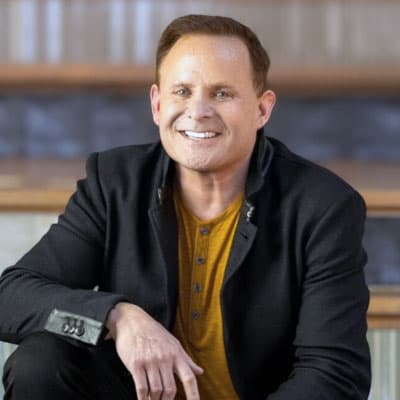
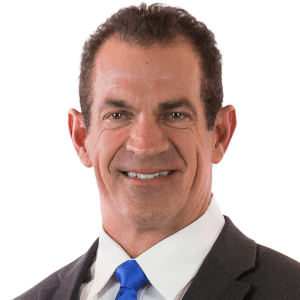
Podcast intro and guest introduction 4:44 They have been on national TV, is quoted on CNN, and they're regularly, 4:50 regular contributors to many national publications. 4:53 And they have a full length movie for your diet that has had over 4:58 15,000,000 minutes viewed in the US, 5:02 in the UK, but pretty amazing stuff. 5:05 And they're now in production of a second motion picture 5:08 with the broad social media network that spans the globe. 5:12 Doctor Mark and Michelle's influence are far reaching. 5:18 The couple understands the importance of nutrition, 5:20 medical food supplementation, exercise programs. 5:25 Rest. Yeah. You don't sleep. 5:28 You don't lose weight. 5:29 Stress management is huge. 5:31 Easier said than done. 5:32 So I'd love to hear how he solves that problem. 5:35 I need some advice on that hormone balancing peptide therapy, of course. 5:40 And functional movement and functional medicine. 5:44 So he's really makes them the modern day. 5:48 They're the dynamic duo duo of wellness. 5:53 So so nice to have you, Mark. 5:55 Well, we've spoken a lot and I've told people, oh, my gosh, he's just the most 6:00 pleasant, polite person 6:03 who had no ego, which is which is wonderful. 6:07 So I thank you so much for taking the time to come on the summit. 6:11 And really looking forward 6:13 to what your knowledge and and share with our viewers can. 6:17 I really appreciate it. 6:17 It's really an honor to be here, 6:19 and it's been the utmost pleasure to get to know you. 6:22 So I, feel extremely blessed and extremely grateful to be here. 6:25 And I'm excited about the information we get to share together because 6:30 without question. 6:31 And and I want the listeners to hang on because 6:34 it's going to help them with 100% certainty. 6:36 Use the principles we're going to give you right now, and it will absolutely work 6:41 to help eliminate this obesity. 6:44 And I'm going to use the word pandemic. 6:46 That's exactly what's happening right now. 6:48 It's the worst pandemic there is not minimizing anything else. 6:51 But we have more people than Covid. You bet. 6:55 And we'll talk about those disease processes. 6:57 And it's it's not that hard to fix if you just have a formula that works. 7:02 And we've got data that show you over 500 7:06 people over the last 12 months that we've tracked. 7:09 So it's going to be cool. 7:11 Wow. Did you have a book coming out, the Beard diet? 7:14 The beard you don't diet. 7:15 Just taking the gluten. It's all good. 7:18 Okay. 7:19 There are a lot of health benefits to beer. Actually. 7:21 It's like, there you go. 7:23 Yeah, ups are antimicrobial, but yeah. 7:26 So tell me, like, you know how long these and peptides. 7:29 When did you incorporate this into your practice? 7:32 Tell me how this kind of. 7:33 Oh, yeah. 7:34 We heard a doctor named Edwin Lee speak on peptides, 7:38 and I was intrigued because I had. 7:40 Yeah, he heard of summit. 7:41 Yeah, yeah. Just amazing man. 7:44 Just again, a very nice guy, very unique in his approach. 7:47 And I heard him, I was, like, completely blown away and intrigued. 7:50 And I said, I've got to learn more. 7:52 So we went on this quest that lasted about a year to really learn these things. 7:58 So we started kind of exploring the data about maybe two and a half years ago, 8:03 and we probably been using the peptides now about a year and a half. 8:07 Isn't that great. 8:08 Like when I give lectures on peptides and like the doctors say, 8:13 how come I never heard of this? 8:15 Because there's hundreds and hundreds of studies. 8:18 Yeah, but because they can't be patented, most of them 8:21 that who's going to bring them out? 8:23 Who's going to, you know, 8:25 they put 8:26 them out as a pharmaceutical and they're compounded right now. 8:29 Or we have them out as a as, you know, as supplements. 8:33 And we're bringing out more. 8:35 And we actually have a weight 8:36 loss one coming out low molecular weight cell wall peptide. 8:40 So I want to get that to you I love to hear that feedback, which 8:45 decreases ghrelin which lowers appetite, increases leptin. 8:50 And as you know, so leptin goes up when you gain 8:53 weight, tells the brain, hey, stop storing energy, 8:56 increase your metabolism, decrease your appetite, increase your thyroid. 9:00 But when you get inflammation, you start gaining weight. 9:03 You get leptin resistance. 9:04 So the leptin goes to the brain, but the brain doesn't see it. 9:07 So your brain thinks your body starving and tells a body to gain 9:11 weight and lowers your metabolism, lowers your thyroid. 9:15 So we're we're excited about that. 9:17 But and so you started using let's say to 9:21 let's say someone comes in as hey, I can't lose weight. 9:26 My husband doesn't believe me. 9:28 He thinks I'm eating bonbons in the in the closet exercise every day. 9:33 Nothing's happening. 9:35 How do you approach that patient? 9:36 Well, you got to approach him from a holistic standpoint. 9:39 You know, from number one, you know, are they getting enough sleep? 9:42 Because as we talked prior to coming on, if you don't get enough rest, 9:45 you're going to drive that cortisol animal, as we call it. 9:48 Driving yourself to this condition we call fat loss resistance. 9:53 And that's just the body's natural survival mechanism. 9:56 So we gotta look at stress. We gotta look at lifestyle. 9:59 We gotta look at current age in life because hormones are going to play a part. 10:03 And you mentioned correctly that the more elevated adipose tissue 10:07 they have, the more leptin they'll have. 10:09 And that signal supposed to say, hey, it's time to turn up the thyroid. 10:14 But when it becomes so 10:16 elevated, it 10:17 becomes where the body says, I can't hear that signal anymore. 10:21 And they have a lot of joint pain. 10:22 So we we talk a lot about dietary principles. 10:25 We don't put anybody on a diet. 10:27 We give them a list of foods to eat. 10:30 We'll give them a compressed window which with to eat inside. 10:34 We'll talk to them about the benefits of fasting, 10:36 how to incorporate that, the benefits of fasting, how to do that. 10:40 When that happens, we measure the body composition. 10:43 I don't want to know weight loss. 10:44 I want to know percent body fat, even though weight is is a measurable, 10:48 of course. 10:49 And so we'll put them through all that gamut.
Holistic obesity treatment and lab workup 10:51 And then we talk about peptides. 10:53 I like to think peptides are the missing link or the secret weapon, 10:57 if you will, to really making someone go from a good program 11:01 to perhaps a great program with predictable results. 11:05 And we really try to get people down in the percent body fat range, 11:10 2 to 3%, reduction per month. 11:12 And we've been very successful with that. 11:14 That's that's nice. 11:16 And like we'll check, you know, people come in, they can lose weight. 11:20 I've wrecked my metabolism. Everyone says, oh yeah, right. 11:23 And we'll check there. 11:24 You know, basal metabolic rate. 11:26 And we find that also like sick people. 11:29 Anyone with information diabetes that have significantly diet 11:33 studies show if you like, do drastic 11:36 diets like let's say three times in a row, which who has done that? 11:40 It drops your metabolism. 11:42 And do you go back to normal eating? 11:44 It doesn't go back. Yeah. 11:46 And so we find they're about 25% lower metabolism. 11:51 So they have to eat 5 or 10 calories less just to stay normal. 11:54 And so they're starving. All that's right. 11:57 And and they're you know thyroid is low even though the the tests are normal. 12:03 So yeah I think it takes all all those different things. 12:07 So yeah. 12:08 So someone comes in and they can't lose weight with the first thing you said. 12:13 You talk about sleep a lot. 12:14 What labs do you do. 12:16 Yeah. We're going to use a comprehensive panel. 12:18 I like to do one that sort of encompasses all of our vascular inflammatory markers, 12:23 because if you have lack of good blood flow, 12:26 you know, the principle is the life in the blood, right? 12:28 So how do we transfer things to the blood stream without good flow? 12:32 I want another inflammatory markers from the Omega index as well. 12:35 Vitamin D I'll look at certainly blood sugar, the classic markers, 12:39 the hemoglobin we're and the glucose. 12:41 But I also look and put a lot of stock in the C peptide and insulin 12:46 because I find that that's the underlying trigger. 12:49 You can really see these people that are against the resistance 12:51 before they're actually clinically referred to as some resistant. 12:55 And then finally I want to look at their hormones 12:57 not just from the thyroid, not just TSH, maybe T4. 13:01 We're going to look at TSH, T4, T3, reverse T3 and the antibodies 13:05 and then a full hormone picture of course, along with, 13:08 you know, our complete blood chemistry which is standard of care. 13:11 And then our hematology. 13:12 So we'll do a complete panel right up front 13:14 because I want the best, you know, observatory picture I can of their life. 13:18 And then it's up to us, isn't it, to convince them that we know 13:22 we're talking about and teach them. Right. 13:25 If they understand, it makes sense. 13:27 Anybody is going to go man. 13:29 It goes from here to the heart and then it becomes normal. 13:32 That's the only way to get lifestyle change. 13:35 Can't when you go from, you know, knowledge is going to become internalized 13:39 and once you do that, people believe it and it becomes something we do. 13:43 And it's not something even though it's counterintuitive to our culture. 13:46 Right? It goes different. 13:48 It will sound very normal because frankly, people should not, and I repeat, 13:53 not be walking around with excess body fat that is abnormal to our physiology. 13:59 It's abnormal to our genetics. 14:01 It's not something we should expect and accept as normal. 14:05 That's just accepting sort of mediocrity, if you will, in our world. 14:10 And we can do better than that. Yeah. 14:11 And so it sounds like you also look at optimal and like you look 14:16 at testosterone ranges for men is every decade they drop significantly. 14:21 Right. 14:22 And because they take 95% of the people, it's just lower and lower is normal. 14:27 And so it's like, you know, basically you're getting the 14:30 if you if it was 30 years ago, you'd be low. 14:34 Oh, now you're normal. 14:35 Or it's like heart disease is normal or cancers normal. 14:39 You know, it's funny you say that because it's like I look at the labs, 14:42 those normal ranges. 14:44 And when someone says, you know, again, not poking fun at anybody, 14:48 let's say my doctor said it was normal. 14:49 I'm like, no, that kind of freaks me out, because that tells me 14:54 we're using these normal ranges from a normal 14:56 population saying you fit right in there, stocks matter. 15:00 They check in. Yeah. 15:01 The sick population. Yeah. 15:03 And people are you know right in the lowest 2.5%. 15:07 Is that where you got a d-minus. 15:09 Oh don't treat it you know. 15:11 No we will we're going to optimize things. 15:14 And and I hope people don't take this wrong. 15:16 But you know labs are simply pieces of information. 15:21 And our job is to look at those things as pieces of information. 15:25 But man, we got to treat people. 15:27 I got to treat can't, can't Scott treat. 15:29 Mark and I, I can care a lot about those last, 15:33 but if I start treating a lab, I have lost sight of the individual person 15:37 that makes personalized health care kind of what it's not supposed to be. 15:42 And most likely that happens a lot. 15:44 And maybe this summit is a way people can kind of get out of that box 15:48 a little bit and realize, you know, there's another way to approach it 15:51 that's going to give you predictable, beneficial outcomes. 15:56 It's going to optimize your life. 15:57 I love that I tell patients and we do a big set of labs, it sounds like you do. 16:03 And try to paint a picture 16:04 and tell me how you do incorporate the genomics and into that. 16:09 Sure do. And I like to look at the genes in a way. 16:12 And this is a this is a cool way to understand it 16:14 in the sense that the genes are like a dam in a, in a in a river. 16:19 And I've explained this to patients like this and they get it and even clinicians. 16:23 So the dam has to sort of deal with upstream processes. 16:28 The upstream processes come in two categories. 16:30 Number one is those things we do control and those things we don't control. 16:35 So the dam has this interaction with the genes. 16:38 And this is this neutral genomic or perhaps 16:42 epi genetic environment genetic expression. 16:45 And the dam has to make a decision. 16:47 If the dams are our genes, 16:49 it has to deal with this stuff and make a decision 16:51 to handle that water out downstream. 16:53 Downstream would represent perhaps a disease process for this function. 16:57 And classic medicine is if a little floodwater comes up, 17:01 we're going to throw a sandbag at it, a sandbags like a pill. 17:04 Now, does that help? Is it necessary? 17:06 Perhaps about that long. 17:07 But it doesn't solve the upstream problem. 17:09 So I want to know how someone's dam works so that I can give the right things. 17:14 Coming into that so that I get the right expression downstream. 17:18 And get this. 17:19 We can predictably increase disease resilience 17:24 by putting our genes in the right environment. 17:28 Therefore, we get the correct expression and it gives us great confidence. 17:31 So we see many, many disease processes go away. 17:35 There's a kind of behind and there's a big bass full of empty pill bottles. 17:38 And so I become a master of D prescription, because it's not 17:43 that the prescriptions were bad, it's just created function now. 17:47 So there's not a dysfunction that the symptoms are being treated with 17:50 that you know, they don't have a statin deficiency or Prozac deficiency. 17:56 And I think it's great to using those 18:01 you instead of shotgunning you go, here's a supplement you need. 18:05 That's right. 18:06 And our way to patient with mast cell. 18:08 And Christopher just make B6 gave or B6. 18:12 Asthma went away. 18:13 Yeah. 18:14 You know and it's just it's really nice. 18:16 So you can actually target 18:18 goes back to that precision medicine that that you're saying. 18:21 That's right. Upstream healing. 18:24 Yeah. Exactly. 18:25 And if we would look at things differently upstream 18:28 healing is really looking at disease as a non-existent non needed process. 18:35 And here's what I mean by that. 18:37 If diseases are nothing more than groups of symptoms we cluster together to name, 18:41 but I think we'd all agree that's probably what it is. 18:44 If we would eliminate the clusters of symptoms by going upstream 18:48 and figuring out what caused those symptoms in the first place. 18:52 Therefore, disease becomes unnecessary, 18:56 and we really got to stop focusing to become 18:59 perhaps Master diagnostician 19:02 and become master upstream diagnostician instead of downstream. 19:07 And that would give us, probably a better perspective. 19:10 We need both ends. 19:11 But if we can master the upper end, 19:14 we're going to go a long ways, because I fully believe that 19:18 the majority of our illnesses today 19:21 that are rampant, rampaging our nation and around our world 19:25 and frankly, started in America, a lot of them are driven 19:28 by lifestyle choices, if you will. 19:32 And so so I think what you're saying is that you may have the genes, 19:37 but you can turn those off. 19:39 You can genes. 19:41 You know, we don't treat the genes. 19:42 We have to understand that we can't change the genes. 19:46 But through epigenetic modification, we can change 19:49 the expression of those things to make them express themselves 19:52 or speak or act or appropriate to our benefit. 19:57 And that's wonderful 19:59 when you look at that, because for years and years we thought the genes were stuck 20:02 and you're stuck with what you got and too bad or sad, deal with it. 20:06 But now understanding that just because one has a set of genes, 20:10 I like to look at it like this man, that's freaking empowering. 20:14 I want to know, man, that empowers me. 20:16 If I got the ApoE4, 20:18 which I know that's part of our subject, but that's for those who are listening. 20:22 That's like the the heart attack gene and or the Alzheimer's disease gene. 20:26 So if I got those, I want to know because I want to know what to do 20:31 and take the the weight of susceptibility off of that through lifestyle 20:36 and wouldn't you know, you can do that, which is really cool. 20:39 And you can probably go from increased risk for heart disease 20:43 and Alzheimer's to lower risk than average 20:47 by interventions, without question, 100% certainty. 20:51 Yeah, I did I really think I think that's awesome 20:55 and really looking at at the big picture. 20:58 Yeah. 20:58 And so, so tell me how peptides play play a part in this. 21:04 Yeah. 21:04 So peptides I use them a lot to sort of lace into a lifestyle protocol. 21:09 And I've prepared a PowerPoint for us if I, if I may at this point. 21:12 Yes. Yes. 21:13 And I think so let's, let's go ahead and do the PowerPoint. 21:17 Great time to show the PowerPoint to people right now. And 21:22 here it is. 21:24 So I think everyone should see that right now. 21:26 And obviously we know that the obesity crisis is horrible. 21:32 And I just saw a couple of statistics here that we can see. 21:35 I was looking back at 2000 by the color code map. 21:38 And it doesn't take a rocket scientist to understand and everybody that certainly 21:42 in 2000 there were very, very few states that were, you know, really a problem. 21:47 We saw some of them approaching 40%, but that was in the South, and that was rare. 21:51 But we go forward just nearly two decades and we see it's shocking. 21:55 Some states are over 50%. 21:58 You projected that on out. 21:59 And this is this is what I find is is terrible.
Genomics, precision medicine, and upstream healing 22:02 Look at this map. 22:03 This is projected by 2030 now okay. 22:08 Obesity is going to be the norm. 22:10 It is now granted. Yes. 22:12 People would say that obesity is measured by BMI, which is I get it. 22:17 It's it's fallible. 22:18 I mean, my wife and I just because we have muscle 22:21 in our frame, we are we are obese by that measure. 22:24 But this is not the norm either. 22:26 This is a great way to measure population statistics. 22:28 So we can sort of dismiss it really means something. 22:32 You go certainly down in the numbers today if you want percentages, 22:35 this is what it is right here for the obesity rates as of today. 22:39 And this is men 35.5%, women 37. 22:43 That's right. 22:44 Now now we talked about just a few moments ago the 22:48 the idea that these obesity rates and obesity itself contributes to disease. 22:53 Let's pull this off. The CDC. 22:55 I mean, clearly we have these all causes of death, all mortality. 23:00 But we can read there some of these things. 23:03 Again, let's understand that heart disease is still the number one 23:06 killer of men and women across our country. 23:09 I mean, I don't want to know why that is. 23:12 I don't want to manage it. I don't want to deal with it. 23:14 I don't want to have it. So isn't it better to be 23:18 rehabilitated 23:19 rather than rehabilitated with our processes? 23:22 Now it's very understand. 23:24 We got to make some more science into this. 23:26 And I want to show a chart right now. 23:27 That's a little bit cumbersome. 23:29 But it's going to show two pathways, two pathways, one being building pathway and 23:35 1AA clean up pathway, the bodies to build appropriately and clean up appropriately. 23:41 And this will give people an idea of how we can use peptides to benefit us. 23:45 Here's the pathway right here. 23:46 And it's a little confusing. 23:48 So I'm just going to use my mouse. 23:50 And I'm going to be looking to my left because I have a screen over here. 23:53 So as you can see the mouse on the screen this is the M tau pathway. 23:58 And there will be a test. 23:59 Yes. There's a there's a 15 question test that will not be open PowerPoint. 24:04 Right. 24:04 But the idea is enter it. 24:07 It has a name. 24:08 It's called mammalian target of rapamycin. 24:11 But nonetheless I just want people to see quickly what upregulate says. 24:15 And I'll start over here. 24:16 And that right corner cytokines. 24:19 So we're talking about a cytokine storm has been much in the news lately. 24:22 So this is inflammation. 24:24 So inflammation can trigger it. 24:26 We also know that there's iron and there is high fructose corn sirup. 24:31 There is NF right. 24:33 You know there's this electromagnetic frequency. 24:35 And then we see dairy over here. 24:37 These hormones in our meats and things like that. 24:39 We see pesticides. 24:41 And lo and behold, over here we see this thing called ATP that is energy. 24:47 So this is more pathways going to sense when we're when we're fed 24:50 when we're in a fed state. 24:51 So if we're not in a fat state the body will bounce 24:55 out of mTOR and go into autophagy, which I'll talk about in just a moment. 25:00 But right here I want people to note this IGF one. 25:04 It stands for insulin like growth factor one. 25:07 And this can be measured in blood. 25:09 And we want to optimize that thing. 25:11 We don't want to have a chronically upregulated, 25:13 but we don't want to have in the tank either. 25:15 This one is going to signal mTOR as well when mTOR is working. 25:20 Right. 25:20 And it's supposed to we're able to build things 25:23 like muscles like repair cells. 25:26 That is good. 25:28 However, if we are building things that from a dysfunctional state, 25:33 that would mean clearly dysfunction upon dysfunction upon dysfunction. 25:38 And it doesn't take a rocket scientist to understand that if we have 25:42 broken cells that are continuing to build and build and build 25:45 that could be a player in this disease process called cancers. 25:50 So we don't want to have immature upregulated all the time. 25:53 So we need to mix in a little bit of fasting. 25:56 We need a upregulate this pathway called autophagy which is cellular cleanup. 26:01 I like to look at like cellular cleanup as a building 26:03 that's become the lab dilapidated like torn down. 26:07 And we to go in there and fix it up so it can be repaired again. 26:11 That's our physical bodies, isn't it? 26:12 I mean, we certainly need to be understanding 26:16 that our body is going to break down 26:17 and needs to be cleaned up, break down and clean up. So 26:21 understand over here, there 26:22 are peptides that will upregulate this pathway. 26:25 And there are times that will upregulate this pathway. 26:28 And if we can use those appropriately, 26:31 the body will not be growing as rapidly 26:34 with generating excess fat over and over again. 26:38 When we're in autophagy, we can break down fat when we're the more we can't. 26:43 So that's the key point here I want people to take away. 26:45 Now again, very busy pathway. 26:48 If somebody wants to study this, they can. 26:50 These in the orange are all these different genes that matter. 26:54 So that's another discussion for another day probably. 26:57 But when we talk about the peptides to use based upon 27:01 building and cleaning up, here is the protocol. 27:06 And I went ahead and put exactly what they are. 27:09 We used some Moreland 27:12 and or CJC 1295. 27:15 If a Moreland 27:15 and the way these guys work is they will in a secondary signaling manner, 27:21 they will upregulate your own body's production of growth hormone, 27:25 which goes down the pathway to eventually make IGF one. 27:29 So these will help build 27:31 this will give you more of a youthful appearance with your skin, 27:34 with your body healing, with body fat loss, and yes, muscle building. 27:40 So these are good. 27:41 Now the only caveat is with this one is I want people to understand that 27:46 it bit more. 27:47 And I know you spoke of ghrelin earlier within our discussion. 27:51 This one will upregulate ghrelin so it can up regulate the hunger. 27:55 Just a bit. 27:56 So I have lean more towards this guy over here. 28:00 This sermon Somalian to upregulate the pathway. 28:03 Now you can can you just describe what those are. 28:07 Yeah. 28:08 So these Somalian and CJC 1295 28:13 and these are peptides that are going to 28:15 they operate on these G-protein receptors that are outside the cell. 28:19 So many times when people take a hormone it has to sort of hit in a receptor. 28:24 Right. So these don't have to do that. 28:26 They can sort of go by and knock on the door and 28:30 say to the cell, hey, I need you to behave yourself tonight. 28:34 So we take these. 28:36 Typically I like them before bed 28:39 so that our bodies will respond 28:42 well by producing quality growth hormone like we produced as we were younger. 28:48 So right. Makes sense. 28:51 All right. 28:52 And then I like to use the BPC 157 the thymus and beta four 28:57 and the moths here for these reasons 29:00 BPC 157 is going to induce healing. 29:04 So think about better cleanup process, reduction of inflammation 29:08 and through the process of possible autophagy, thymus and beta four 29:13 is going to upregulate the proper immune function, 29:16 reduce inflammation and again induce autophagy. 29:19 Because we saw cytokines when they build up 29:22 they're going to upregulate the building process. 29:25 And then we use much is going to upregulate Ampk and autophagy.
Peptides, mTOR, and autophagy 29:28 And if we look one one time back at that and then we'll jump forward. 29:31 There's autophagy. There's more. 29:34 And we really want to make sure we have a balance between those two. 29:37 So if we use those peptides and I'm going to give you an order with which 29:41 to use those two and even dosages, that's worked very well, which works nice. 29:45 So here's our peptide here's our peptides. 29:48 And we go forward. 29:49 We have to talk about exercise two 29:51 because I already told you that strength training would upregulate mTOR. 29:54 And cardiovascular training up regulates autophagy. 29:57 So if we have a, for instance, exercise protocol 30:01 it says strength training Monday, Tuesday, Thursday, Friday 30:04 and then Wednesday, Saturday, Sunday, maybe some cardio 30:08 on cardio days, we're going to compress our eating, as we talked about, 30:11 so that we're not eating all the time and have a presence of calories 30:15 and one more time in a in an unfed state or a fasted state. 30:19 And then we look forward here. 30:22 Here's our rotation schedule. 30:24 So our strength training is on Monday, Tuesday, Thursday, Friday 30:27 we're going to use Somalian or CJC 1295. 30:32 Now this .20 is .20 milliliters. 30:36 Excuse means subcutaneous. 30:39 So I hope everybody is not unfamiliar with what that term is. 30:43 But we're talking about this subcutaneous injection 30:47 into our fat in our belly with a little bitty baby 30:50 insulin meal in the promise you it does not hurt one bit. 30:54 Maybe mosquito bite at the most mostly nothing. 30:58 It's so easy. Men can do it. 31:00 Yeah, I've had guys that are more scared, you know, than that. 31:03 And I in the South we have a saying don't be scared. 31:07 And they're not scared when they do it. 31:10 They actually are like, I can't believe I'm giving myself a shot. 31:13 So they they grow confident like that. 31:15 So maybe they're better fathers like that. 31:16 I don't know, I'm hoping, 31:17 but Wednesday, Saturday, Sunday, this would be our cardio days, right. 31:21 Cardio is going to upregulate autophagy. 31:24 So we're going to capitalize on that. We're going to repair. 31:27 Remember BPC was repairing. 31:29 It was recovering. It was redoing things. 31:32 We're going to work on thymus and beta four because that will absolutely 31:36 down regulate the inflammatory action and improve immune function. 31:40 And in March from these three guys game changers, 31:45 they will induce a lot of fat loss. 31:49 So we've got our proper building. 31:51 And then we got our fat loss. 31:52 So with BPC you can use it subcutaneous 31:56 or oral gray no problem. 31:59 Thymus sub cutaneous or oral and mods. 32:03 It's going to be subcutaneous. 32:05 And it gets like I just want to mention you said, you know, BPC subcutaneous 32:10 oral is studies show that oral and shots 32:14 they're equal potent for systemic. 32:17 And I don't know I think we sent you some of our thymus 32:20 some beta four fragment which is orally active. 32:23 Yeah. 32:23 And so I'd love to hear your feedback on that. 32:25 And I just got it. 32:27 But yeah the mat you can't you can't do orally for you know, 32:30 for people who don't want to do the shots and, and I, I think I, 32:35 I won't exercise unless I'm doing the peptides 32:39 because I'm like I got to exercise three times as long, right? 32:42 Yeah. 32:43 That's really, you know, the the thing about exercise, 32:47 you know, a lot of times we put so much emphasis on that. 32:50 It doesn't take much. 32:51 I mean, 32:51 but when you have a sort of a program or a protocol that you can say, 32:55 like for example, 32:56 on Monday, Tuesday, Thursday and Friday, if I can just dedicate 15, 20 minutes 33:00 to a well-designed, very efficient strength training program, that's enough. 33:04 It really is enough. 33:05 And then with the cardio, you just need to move more, move more, sit less. 33:10 I mean, on my computer, 33:11 I a little thing that pops up for every 20 minutes I need to stand up. 33:14 Right. 33:15 Just standing up will sort of help upregulate, you know, the even the 33:19 the enzyme lipase, which is great to break down fat by standing up. 33:23 And this is great because I just started using thymus 33:27 and beta for about a week and a half ago. 33:30 Thank you for that. That was awesome. 33:32 But you're right. 33:33 I was looking at the studies and lot of efficacy. 33:37 So someone says, man, 33:38 I don't want to stick a needle in myself every day, okay, use oral. 33:42 And certainly this is just a suggestion. 33:45 This is what we do. 33:46 We'll go three times a week for seven weeks. 33:50 Each of these as we roll through this. 33:52 And we will keep bouncing these things in and out. 33:54 And we've had incredible results. 33:57 Now, I guess I would be remiss if I didn't give somebody 34:00 a little bit of, you know, kind of idea of what to eat. 34:03 You know, again, I told you beforehand, we don't do diets. 34:06 So, you know, how do you mix this in? 34:08 And what does that look like? Just really quick. 34:10 And then we'll come back to our pathways here. 34:12 But, you know, I tell people, you know, don't diet, 34:15 you know, when you're hungry, chill out when you're not relaxed, 34:19 always practice some some sort of fasting, you know, remember the body 34:24 when it's in a building state when there's calories around it can't repair. 34:28 Very important. Understand that 34:30 from the standpoint of diseases. 34:32 Yeah. 34:33 Also what you say fasting. 34:34 Like how long do you like fasting mimicking diet. 34:39 Where they're eating something or don't eat I, you know, after 34:45 9:00 or whatever and then don't eat lunch 34:49 or how how do you like to do it. 34:52 Well, I prefer, you know, because it's easiest 34:54 I prefer targeting people to an 18 hour a fast couple times a week. 34:59 They do three times a week. And that looks like about 6 p.m. 35:02 to about noon. 35:03 And yes, people say, can you have a cup of coffee? 35:05 Of course, have some black coffee if that's what you want. Right? 35:08 Just don't put any, any substance in there like cream. 35:10 But general rule, if you can do that and get 18 hours and then not eat 35:15 in a three hour window prior to going to sleep, well, you're going to do well. 35:19 So take pressure off and just do that little formula there. 35:22 There's all kinds of products out there. 35:24 There's a fasting mimicking diet. There's longer term fasting. 35:27 There's other terms that people use. 35:28 But 2 or 3 times a week, if you do do that without question, you'll have 35:33 you'll have a lot more positive results. 35:35 Because we're accomplishing from a science point, we don't really need to do 35:39 now. There is list that I give people. 35:41 Here they are. 35:42 This is this is our anti-inflammatory foods. 35:44 And I just like there it is. 35:46 And I tell people to select wisely. 35:48 I don't give them limitations. 35:50 I don't say no more then or no less. 35:52 Then I just say, this is your selection list 35:54 and just a quick point of no low glycemic non-root non-starchy. 35:58 If someone is obese, travel excess adipose tissue in the frame 36:03 we've got and lower that glycemic load. 36:06 And therefore it's going to lower our insulin output. 36:09 And just remember when we're measuring insulin in labs 36:12 folks, when that's elevated persistently 36:15 you cannot lose weight. 36:18 It's not going to happen. 36:19 Insulin is a building hormone. 36:20 Think insulin in your mind as a fat storing hormone. 36:23 So if you eat like this you're going to drive down the insulin 36:28 which gives you more platform regardless of peptides, 36:32 to be able to access fat tissue for utilization or for fuel. 36:36 You put peptides on this. 36:38 It absolutely causes the success to go up. 36:41 And these that I've got listed here are generally speaking, 36:45 and I use the word general anti-inflammatory. 36:47 I just want to give you a place to start. 36:49 We have to look at the inflammatory foods. 36:51 And here they are. 36:52 You know clearly I know the ones on the the left side would be like this. 36:56 Low hanging fruit will of course they are. 36:59 And then you've got that caffeine and alcohol that can be a variable 37:03 because some people genetically metabolize either or very quickly. 37:07 And there are people that can get some benefit, 37:10 perhaps from a little bit of red wine and alcohol. 37:14 There's there's some benefit there. 37:15 So but if we do anything too much we could have problems. 37:18 Breads and grains probably are the ones that people have the most trouble with. 37:22 And just a side note, when they are digested 37:25 in the belly right now, because of their genetic modification, 37:29 they create these substances that act like morphine in the brain. 37:32 They're called absorbance, 37:33 and those things will bind to your receptors in your brain. 37:36 And making you feel really good and not feel pain. 37:39 And so that's why they're addicting to everybody. 37:42 And that's why when you say some somebody give up your brain's 37:44 grains and breads, they're they're going to 37:46 look at you like you're from Mars or something. 37:48 But you're just a little side note with NutraSweet. 37:52 So I my family stutters a lot and I was just stuttering. 37:56 So bad I could not answer a cell phone. 37:59 I didn't care hear something because I would just stutter. 38:01 Oh, and I read an article on NutraSweet causing stuttering 38:05 when said about two weeks later I stopped stuttering. 38:09 And if I accidentally get some NutraSweet 38:13 and I start stuttering, but it is very hard to get off. 38:17 It is cytotoxic, but it shows out what a toxin it is. 38:21 It causes stuttering. 38:23 Yeah. 38:24 And these, these 38:24 substances in our, in our body that are generated from our food supply. 38:28 I mean, we know I use air quotes, the Environmental Protection Agency, 38:32 I mean, I'm 38:33 not sure there's any protection about that because all these thousands of chemicals 38:36 and, and five digits are released, you know, every year. 38:39 And we don't have studies on them. 38:41 They say, well, this little bit won't hurt you, but honestly can't. 38:44 I mean, you're talking about stacking the deck. 38:46 And so a little bit becomes a lot. 38:49 And it just it's what teaches people over the edge. 38:52 And so, you know, I've found that people just do these two slides, 38:56 you know, just bring in anti-inflammatory foods, remove most probable 39:01 inflammatory foods and they get better just with that, 39:04 you know, no diet just with that and just follow the principles. 39:08 I tell people that too, that it's really important to understand that, 39:12 you know, don't don't use exercise and try to exercise a bad diet. 39:15 That won't work either, because that's just going to create more inflammation. 39:19 I, I tell this story all the time of I call her boot camp mom, boot camp 39:23 mom goes to boot camp five days a week, twice a day, and can't lose any weight. 39:28 What? 39:28 She's chronically inflamed because of the the stress 39:32 she's putting her body under, chronically up regulating, more chronically building. 39:36 And her body is in a fat loss resistance mode. 39:39 So certainly, you know, this brings us back to to this guy. 39:43 You know, our pathways here. 39:45 Remember, we have to balance four days a week with the IGF one up regulators 39:50 and that was with Somalian or JJC at Memorial.
Fasting, anti-inflammatory eating, and exercise 39:55 And then we use our BPC five or some beta four 40:00 or mont in the protocol that I gave you to upregulate autophagy 40:04 three days a week by just using the protocol I gave you. 40:08 That's it. Real simple. 40:10 This is the results that we've got over the last 40:13 12 months of over 400 men and women. 40:17 We've tracked this. 40:18 They will lose 2 to 3% body fat reduction for women 30 days. 40:23 And men sometimes get 3 to 4. 40:25 And this for them is a is a game changer. 40:29 Because I've already told you, the percentage of this obesity 40:32 that's in our world. 40:32 And I let the results speak where they may. 40:35 And and so people ask me, does this work? Yes. 40:39 How often 100% of the time. 40:41 And I'm very confident about that. 40:43 There's nothing. Wow. You know, you look at peptides. 40:46 There's no negative. Right. 40:47 Using them like this. It's great. 40:49 And you're going to get results right I know I love it. 40:53 And if these results came out 40:56 as a pharmaceutical weight loss med oh my god 41:00 it'd be all over the news and would be $1 billion man. 41:05 Well, here's a cool thing though, and we all I think we all can get this. 41:09 I mean, all of our listeners right now said I want that. 41:12 I want to do that. 41:13 You can. It's not that hard. 41:15 You know, it's not expensive. 41:17 You just got to like, 41:18 invest yourself in a process that works and when we talk about reversible disease 41:23 processes, already stated that if you can reduce obesity 41:27 and use this protocol, obviously if obesity causes disease 41:31 or it's associated with them, however you want to look at that, 41:34 then when we lower obesity or matter of fact eliminate it, which is my goal, 41:39 then the disease process is by association would go down. 41:43 And then you have these necessity that when we had these 41:48 these processes of medications being used, you would eliminate the necessity. 41:52 And of course at that point I'm sure big Pharma would not be happy. 41:56 But a mark in the shallow. 41:57 Sure. 41:58 Being really happy because I want to see this fixed 42:01 because yeah, we're really getting killed as a nation 42:05 or as a world is the diseases of aging, right? 42:08 Yeah. 42:09 So it's obviously ties into that. 42:12 And I find it really interesting. 42:14 You look at chronic fatigue syndrome, fibromyalgia, chronic Lyme, 42:17 autism and obesity. 42:20 Diabetes. 42:22 Yeah the same picture. 42:24 Everything matches doesn't it. Yeah. 42:26 And so it's like instead of like oh you get this drug, you get this drug. 42:30 It's get at the underlying because it's, it's there's commonality there. 42:36 Significant commonality. 42:38 I want to see a world where and that's why I was so 42:41 just really keyed up to talk about this subject, 42:44 because I dream of a world where people become. 42:48 And I hope people hear this fat gain resistant 42:52 and let's say one more time, fat gain resistant, because that is normal. 42:56 You look at pictures that were, you know, 75, 80, 100 years old. 43:00 Did you see people that were struggling with this obesity thing? 43:03 It was rare. 43:04 And when someone would go to the doctor in those days, I would presume 43:08 I didn't live back then. 43:09 All the seems like an older than that. 43:11 But, you know, the bottom line is, I'm sure that the doctor would say, 43:15 oh my goodness, can't look, this is serious. 43:18 You're gaining too much weight. 43:19 This is associated with all these these processes 43:23 and they would be generally concerned about that. 43:26 But today we go to go to the clinic and we see, 43:29 you know again this is encouragement. 43:32 We see doctors. 43:34 We see staff that same way with cookies, donuts, hole hoes and sodas. 43:40 They're in the lobby for free and it's not conducive to even health. 43:46 It's an obesity genic environment. 43:48 Whereas today, if you begin to lose weight and I'm encouraging people 43:52 to actually put this protocol to work, do it, it will work. 43:57 But when you lose weight, be prepared because you're going to have people 44:00 ask you the question, hey, you're getting little skinny, you got cancer. 44:03 You know, it's really odd the way it works. 44:06 It's flipped, but as I like to say, become an outcast, become an unusual person, 44:11 become someone that's maybe considered that, maybe a radical 44:16 or a freak because, look, we need more radicals and freaks 44:19 like, can't hold grief in the world so that we can have change because, 44:23 man, we need it. 44:24 We're exporting this obesity in the United States of America. 44:28 It's the fastest growing non-communicable diseases on the planet today. 44:33 This is a problem. 44:35 And if you eliminate it, I don't think I mean, the timing of this. 44:38 We're talking about a Covid pandemic serious, 44:41 but we probably would not be having this discussion 44:45 if our immune system were healthy, know based upon our lifestyle, 44:49 rather than unhealthy, based upon our lack of proper lifestyle. 44:54 Now, I totally agree. 44:56 And do you find I think you see patients, they go 45:00 and they exercise and they diet and nothing happens. 45:03 So they go screw it. 45:05 Yeah. 45:06 You know, and so it sounds like you can really that love the program. 45:11 I can see how that just would work. 45:15 And it's not drastic you know. 45:17 And amazing. 45:18 And we're all of a sudden they're like I'm getting results. 45:21 Which then fuels the motivation. 45:24 And you're seeing changes because yeah, you go to the gym every day 45:28 and again 3 pounds like forget it. 45:31 Yeah. Guy come in. 45:33 This is this is a couple that came in and we've been working with them about 45:37 coming up on a year now. 45:38 And they're in their 60s. Right. 45:40 So they're no spring chickens right. 45:41 So I can say that I'm good. 45:43 But he the male in this period 45:47 he put on 12 pounds of lean body mass, 12. 45:51 And he was just doing the same program, and he lost 16 pounds of fat mass, 45:57 his percent body fat completely turned around. 46:00 His wife, on the other hand, she put on 7 pounds 46:04 and this is cool, 7 pounds of lean body mass completely reversed. 46:09 And then talk about this osteoporosis. 46:11 So she went from a minus two to a plus one. 46:14 Shocking in a 12 month period. 46:16 And she lost 20 pounds of fat mask. 46:19 We saw them and I just 46:20 I mean I don't see them all the time 46:22 because they come in about every 3 or 4 months. 46:24 But it blew my mind and I actually, I actually cried, 46:27 you know, I'm kind of an emotional guy. 46:29 I cried because it made me feel really, 46:32 well, good. 46:33 Because, you know, our job is to really this 46:37 step is to bring healing to people's lives. 46:39 It's never was intended to, to to manage anything. 46:42 And we're supposed to help people, for God's sake, not keep them where they are. 46:47 And so that's why, you know, I think if we really would 46:49 embrace this philosophy that we have, it would work better. 46:53 Yeah. 46:54 I think it is a very different philosophy than you look at, 46:56 you know, like go to the end or whatever. 46:58 They give this phospholipids, you know. Yeah. 47:01 And which basically kill your cells from breaking down the old bone 47:07 and putting new bone on top of old bone, right. 47:10 And people get femur fractures and all this. 47:14 But you've shown what you saying 47:17 is that all of a sudden you reduce the inflammation 47:20 and go to a building, you know, a basically system 47:25 instead of breaking down, like you build bone. 47:29 Exactly. 47:30 And, you know, the best option is don't I mean, they might stop 47:33 after your classic activity, but they're not going to 47:35 they're not going to start on steel blasting activity, 47:38 which basically is with bone building for everyone. 47:40 But the bottom line is like a, 47:42 you know, I've got a pen here, but they're just going to make the bones 47:45 more stiff and they're going to break easier 47:47 like an old pencil leads to have in school. 47:49 You know, they look better on x ray, but it's not healthy. No. 47:53 Or what's your thought on statins. 47:56 Yeah. 47:56 Statins I think as opposed to something I don't think they belong in 48:00 our water supply. 48:01 I think that's a mistake. 48:02 And I think like from what I've seen, genetically speaking, 48:06 I think they tie directly to the the Alzheimer's increase clearly. 48:11 And I think that I've had incredible success not using them, 48:16 because I think the only data out there is a little bit that would fly 48:20 towards the secondary prevention, but not primary prevention. 48:23 Yeah. 48:23 And so I've had really good success using Reggie's and those things like that 48:28 and really seeing the lipid particles expand in size inflammation go down. 48:33 So even with the protocol we just gave you, 48:36 I mean I'm going to go there, but we're not going to use statin drugs. 48:39 And we have a heck of a time convincing someone because honestly, 48:43 if we suppress the the induction 48:46 or synthesis of synthesis of cholesterol, I mean, what did we just do?
Statins, EMF, and patient mindset 48:50 We just 48:50 we just suppress the ability of our body to make hormones that really 48:54 I mean, this goes right in the face of what you just talked about, osteoporosis. 48:57 Women lose bone when they reach menopause because of those hormones. 49:01 Well, now we're just creating a situation where we're going to lose bone quicker. 49:05 So it doesn't make a lot of sense. 49:07 I mean, I know the cardiologists might not care about the the bone 49:12 or might not the brain, but I do I care about it and and it is and I think 49:16 all the studies are showing that they thought, oh, give it to everyone. 49:21 And it's really narrow. 49:22 And they're showing like even elderly diabetics 49:25 it would be, you think the ideal. 49:27 Oh no, it doesn't help. 49:28 I mean, it lowers mitochondrial function. 49:31 You betcha. 49:32 And your memory loss muscle aches because you're you're 49:35 destroying the energy of the cells and it's so underreported. 49:39 And people go like that. These muscle aches. 49:41 Oh, don't worry about it. No. 49:43 And you know, time all the time. 49:45 And it's gusting to me because people come in here with, 49:47 you know, they got familial history of dementia 49:50 and all this and they're on a statin drug and they're told they're honestly told, 49:54 hey, you can eat anything you want as long as you keep your LDL at 70 49:58 because they go in and the doctor does a CBC, a chem panel and a cholesterol 50:02 and the patient's self-worth is based on their cholesterol level. 50:05 The doctor goes, oh, I gave you this pill. 50:07 Look at your cholesterol. 50:09 Oh, it's great, but you didn't do them a favor. 50:12 I kind of like, you know, and this is going to sound a little bit contrary to I. 50:18 I don't mind when I see a lab panel can't 50:21 where LDL is elevated because there's there's a reason for it. 50:24 It gives me an idea, something to go look at. 50:27 But I need to look at oxidized LDL. 50:29 I need to look at MPO LPL too. 50:32 And for our listeners, those are other markers. 50:34 You know, I want to look at them. 50:35 The fraction eight, the particle size down to see what it is. 50:39 That tells me everything you know. 50:41 But the LDL to sort of act on that in any way as or having the ability 50:46 to make a clinical decision on that, I don't think it's there. 50:49 I would consider that that marker by itself is pretty worthless. 50:52 I agree, you look at the studies so people with lowest cholesterol, 50:56 earliest heart attacks, you know, that's right. 50:58 And also anti-depressants 2 to 3 fold increased risk for osteoporosis. 51:04 You know do the doctors ever tell them that. No. 51:06 They freak out when you're they're just suppressed. 51:09 Yeah a lot of the medicines we take, there's a there's a website out there. 51:13 If anybody wants to write this down, it's it's really cool. 51:16 It's called my tab. 51:17 And my tab I in might have a in.com. 51:22 And you can type in any medications you're taking right now. 51:26 And it will spit out the nutrients. 51:28 They're depleted with references. 51:29 And boy you if you know anything 51:32 your clinician knows 51:32 anything about biochemistry and or genetics and stuff like that. 51:35 You can clearly see whole entire pathways becoming dysfunctional 51:40 based upon not a side effect, the effect of medications. 51:45 Now, we're not talking about side effects. 51:47 We know this. So it's expected that. 51:50 And we have to replace that just to get it back to ground zero or a homeostatic 51:55 balance that point, not to mention what we might want to be doing. 51:59 So this this is a big deal. 52:01 So I help people or even utilize that website. 52:04 Yeah. 52:04 And I mean, you look at commercials of medications that's causes that and death. 52:09 And I know one doctor tells all his patients, he goes, 52:12 I can take out my prescription pad and kill you and I. 52:16 Nothing will happen. 52:17 But if I talk to you 52:18 with this functional medicine, I'm going to be in big trouble, you know. 52:22 That's right. And a big difference. 52:24 Just a couple. 52:25 Yeah, we're getting close to time here. 52:27 But you mentioned EMF. 52:29 Yeah, just real quickly. Thoughts on 5G. 52:32 Are you freaked out about it? 52:35 Hey, it's going to be horrible. 52:37 You know, I think it could be actually, but I think that we need to look at it 52:41 from a sort of a soup sort of, viewpoint. 52:45 When you throw that in a soup that's already a milieu of, 52:49 of a quagmire of a mess, it's going to exacerbate it. 52:53 Many times. 52:54 We, you know, yes, EMF does affect our bodies in a negative way. 52:59 I mean, we're all around this stuff. 53:00 Yes, it is. 53:00 And it's going to get worse for environment, period. 53:03 So do we need to take precautions? Yes. 53:05 Maybe move our cell phone to another room and and you know, there's 53:08 there's some ways we can shield it with sheets and stuff like that. Yes. 53:11 All those are good. 53:12 But I think that the bigger picture needs to be addressed. 53:15 All these things, you know, there are food or stress or sleep, 53:18 our lifestyle or exercise, you know, the way we manage things. 53:21 Do we take a vacation? 53:22 Do we go stand on the sand with our feet in the water and just dream 53:26 a little bit, you know, get some sunshine that all matters. 53:29 So, you know, I think that from the standpoint of 5G 53:32 or EMF, yes, it's going to be more negative. 53:36 But the other thing we have or any one thing I think that's right. 53:41 You know, ultimately, like the chronic Lyme patients, 53:44 like if someone just says Lyme, they're probably fine. 53:48 You bet the symptoms. That's right. 53:50 And, you know, emotional stress will just destroy the immune system mold. 53:56 I mean, you know, and it's everything's a vicious cycle I think, too. 53:59 Yeah. 54:00 And does your program work for healthy people also chronically ill? 54:06 What type of range did you treat? 54:10 Well, obviously, I think the prerequisite for someone that I want to work with 54:15 and my wife wants to work with is like, I don't want to get well. 54:19 I mean, they got to like, I had the mindset that I believe I can get 54:22 well. 54:23 And the second prerequisite, and this is probably the hardest, was 54:26 they had to be willing to unlearn some things, 54:30 unlearn some things, just like the doctors we trained. 54:33 Yeah. 54:34 It's like, okay, we've got so ingrained a play on words 54:38 ingrained in something, you know, that we just can't get out. 54:42 And it's like those neurological ruts get so deep or we just do them. 54:45 We don't even know why. 54:46 But if someone wants to get well and they want to unlearn 54:50 and perhaps learn some really cool stuff about how to optimize health 54:54 program works for everybody because it's not, again, 54:59 something that specific healthy people only anybody can exercise. 55:03 Exercise is sort of defined as just moving. 55:06 Isn't that right? Dedicated movement. 55:08 Anybody can use peptides. Awesome. 55:11 Anybody can change their diet. 55:13 Anybody can work on sleep. 55:14 Anybody can learn this stuff. 55:16 It's so it does work for everybody. 55:17 And I really we work with people that are, you know, 55:21 younger that are getting too much fat in their system and work. 55:24 People that are older, they getting too much fat in their system 55:27 and, and even people that don't have fat that want 55:29 to grow muscle and lose excess fat. 55:33 Yeah, this these principles do work. 55:35 I, I think it's great. 55:37 And I think the days of just going to your doctor and my doctor 55:40 gave me this pill, you know, and I think patients really need 55:44 to take an active participation in their health. 55:48 Yeah. 55:49 And unfortunately, the way the medical system, 55:52 I mean, standard doctors are not bad people. 55:55 They're in a bad system. 55:57 Yeah. 55:57 That's right. It's so it's a partnership, right? 56:00 Yeah. 56:00 And like, I can't say hello in nine minutes or whatever 56:03 they have, you know, it's like, oh, here's a pill, go away. 56:06 So you need to have a box of tissues in your office, because if you can connect 56:10 on all those pain points and they do shed tears, 56:12 that means you're going through life. 56:13 And so I got to think about the tissues right behind the screen here. 56:17 It really sounds like I think it sounds like you really connect 56:21 with your patients. 56:21 And I can see you've had so many success stories and 56:25 and your face lights up talking about it. 56:27 And yeah, I love it. It's not. 56:29 And it's just wonderful to see. 56:34 I just, I, I don't what's standard, doc. 56:36 I just get so mad 56:40 when I hear there that patients have gotten especially like 56:43 we treat a chronic chronically ill and the way they're treated. 56:46 But I just I love it. 56:48 You have this dynamic glow and like, you're going to help. 56:51 I mean, you do. 56:52 It's like. 56:53 And it doesn't seem that hard. It's not. 56:56 And I think this we got to like get out of this thing. 56:59 We're identifying ourself with sick, you know, instead of 57:02 my name is Mark and I happen to be a the doctor people identify. 57:06 So I'm diabetic and it becomes a damn excuse quite frankly. 57:09 And we set our bar about that high instead of setting our bar up here. 57:13 This is this is healing. 57:15 This is where we are. 57:16 And we think this is the only place we can get. 57:18 And the thing about doing that, as you might just reach it, 57:20 if that's your goal. 57:22 And so we got to learn to identify ourself as, our core function. 57:26 I like to say I'm, you know, I'm a, I'm a great husband, I'm a great friend. 57:29 I'm a great father, and I live in optimal health. 57:33 I'm not going to say I'm I'm hypertensive, diabetic or demented. 57:37 I mean, that doesn't make sense. 57:38 That changes my whole chemistry within my person. 57:42 I love it. 57:43 I can just see patients smiling walking out of your office. 57:46 Yeah, I love it. Hey, thank you so much. 57:49 I think this all this information, I think is just valuable, for our listeners. 57:55 And I thank you for taking the time. 57:59 I just think you're awesome person. 58:01 And there's so much knowledge, and I've really figured it out, you know? 58:06 Well, I'm still learning. 58:07 I don't I don't have it all figured out yet, 58:09 but I'm still trying to unlearn and learn to. 58:12 So we're in this together. Yeah. 58:14 Well thank you so much and have a have 58:17 a great rest of the week and again, thanks for thanks for being on. 58:21 Thank you. 58:22 It's been an honor. 58:23 Thank you for tuning in to Doctor Talks. 58:25 We hope today's episode has enlightened 58:27 and inspired you on your path to optimal health. 58:30 Each day is a new opportunity to make choices that empower your well-being. 58:35 For more insights and strategies, subscribe to our podcast 58:38 and visit our website. 58:39 W ww di doctor talks.com. 58:44 Stay connected, stay healthy and join us next time on Doctor Talks. 58:48 Real talks from real doctors on the issues that matter to you most.
Comments