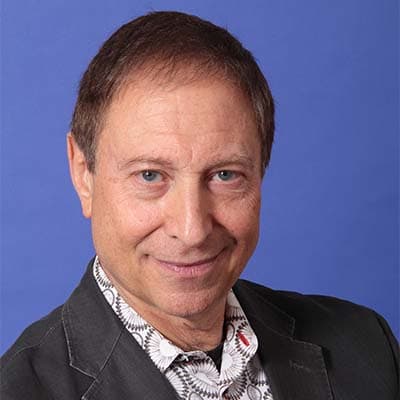
Full Transcript Introduction to the summit and peptide discussion 0:00 Everyone. 0:00 My name is Doctor Richard Horowitz 0:01 and I am the co-host for the Doctor Talk Healing Line 2026 summit. 0:05 And we are today going to be talking about peptides with Doctor Kent Holsworth. 0:09 Kent is a good friend of mine, a colleague. 0:11 We've known each other for quite a long time, 0:13 and the focus of our summit this time is the Neuroinflammation 0:16 Brain Protection Summit. 0:17 So as we talk about peptides today, whether it be for hormones 0:21 and immune function and also the brain, we're going to be incorporating 0:24 some of that in our talks. Kent, thank you for joining us today. 0:27 It's a real pleasure to have you again. 0:29 Thanks so much for having me. 0:30 I like always, I just, really enjoy doing anything with you. 0:34 So thank you for having me. 0:35 Yeah. 0:36 Can tell, tell people just a little bit of your background 0:38 before we get into peptides and what they are 0:41 and how they can be used in patients with chronic disease. 0:43 How did you get into this? 0:45 What's your background? 0:46 Well, I think like most doctors in this kind of integrative space, 0:50 you know, that I had got very sick myself and I was very evidence based, 0:54 very evidence based, and I just couldn't see patients during during residency. 0:59 And I'm like, oh my God, I'm going to have to stop practicing medicine. 1:02 But I went to all the university doctors. 1:04 It which they are in your head, you got, you know, depression. 1:07 I'm like, I'm not depressed. I can't function. 1:09 And then I went to an integrative conferences and I'm like, 1:12 oh my God, this is more evidence based than what they're teaching me. 1:16 So ended up long story short, you know, I went into heart failure. 1:21 I couldn't stand up. 1:22 I couldn't walk up a flight of stairs and said, I can't live like this 1:26 and went around the world looking for treatment, 1:29 or I was going to I was going to up myself on Halloween. 1:32 But also I went to Belgium and I did peptides and know anything about peptides 1:36 and didn't think it would do anything. 1:38 And like three days later I walked up the flight of stairs and I'm like, 1:41 wait a minute, what? 1:42 And I didn't believe it and went back and did it again. 1:45 I was even better. 1:46 And then after a couple of years, I was able to bring those into the U.S. 1:49 and so kind of in basically focusing on peptides, 1:52 we do a lot of things too, and we follow all your protocols as well. 1:55 But, you know, and treated basically the very difficult to treat and, 2:00 you know, the Lyme, you know, it's like 2:03 the team I don't want to be on, but we, we are,
Kent Holsworthu2019s personal illness and peptide origin story 2:06 you know, and so that's what we've, we've focused on for the last, you know. 2:11 Or so. 2:12 So yours is really a personal story of like, it wasn't just 2:15 my patients were sick. 2:16 I had it by the way, I think you know this a lot of Lyme 2:18 doctors and doctors treating these chronic diseases, 2:21 they've had this or their family members have had it. 2:24 It's not that they're not compassionate. 2:25 They don't want to help their patients. 2:26 But a lot of times they have had personal experience. 2:29 And then they see, like you have, hey, peptides was a game changer. 2:33 I really need to offer this to other people, right? 2:35 Yeah. 2:35 I mean, it's, you know, there's so many treatments at work 2:38 and that was just one that just kind of stood out and we found it. 2:41 You know, it's a component and it makes everything 2:45 instead of spending, you know, two years on the antibiotic, I was on I.V. 2:48 antibiotics like doing six at a time, but five times a dose and didn't get better 2:54 because my immune system, my natural killer cell function was zero. 2:57 And I ended up, you know, septic in the ICU. 3:00 And I remember the nurses making a shift change. 3:02 I heard the one say, oh, this is that Aids patient 3:05 that keeps turning up negative for HIV because I had no immune system. 3:08 Yeah. 3:09 And, and so that's kind of what we'll get into a little bit of that with, 3:13 with the immune system, how you know, it's like with antibiotics you got to 3:17 the immune system has to be able to take over. 3:19 You can't take enough antibiotics with no immune system. 3:22 It just will never work. 3:24 So it just you need to push it down and then the immune system takes over. 3:28 So since you got such help with peptides, you've seen you've been doing this now 3:31 for patients for decades. 3:32 Why don't we start off exactly with what is a peptide. 3:34 Tell us exactly what it is. 3:36 And, and you know, compare it to like a peptide bio regulator. 3:40 Sure. Yeah. 3:41 So peptides are a chain of amino acids, much like a protein. 3:45 If there are over 40 amino acids are considered a protein. 3:49 If they're under 40, amino acids are considered a peptide. 3:53 Now bio regulators are, between 2 and 4 amino acids. 3:57 And they work different than peptides. 3:59 So peptides will go to the base of the cell attached to a receptor 4:04 and have paleo trophic multiple downstream effects. 4:08 Bio regulators basically work differently. 4:11 They absorb very well orally, as long as they're capped, 4:14 as long as they're seed plated and laminated, and they will basically 4:17 go into the cell, into the nucleus and attach 4:20 to either activators or repressors and change protein synthesis. 4:25 So they work very differently. 4:26 But they're a subset of peptides okay. 4:29 And how would these bio regulators discovered. 4:32 Yeah. So a very interesting story. 4:34 During the Soviet Union, during the Cold War, 4:37 the Soviet Union found that their cosmonauts, their high 4:40 speed jet pilots and their submariners were aging very fast. 4:44 They were just falling apart. 4:46 And so they went to the KGB hospital, 4:49 and it was, Cabazon and padlocked, same guy as Pavlov's dog 4:55 and said, you need to fix this, and you can't say no. 4:58 And turns out rather quickly, they found that extracts from the pineal 5:03 gland in the brain and the thymus reverse that rapid aging very quickly. 5:08 And so this was basically they found out, you know, they reverse all these 5:12 basically rapidly aging military personnel. 5:16 And but it was it was a military secret. 5:18 They only gave it to the, military personnel and the Olympic team. 5:22 Olympic team did pretty well during that time. 5:24 And so but no one knew about it because it was, again, all us, the Soviet secret. 5:29 And then with the fall of the Soviet Union, they started publishing, 5:33 but it was in Russians and no one paid attention. 5:35 Then over the years, they found that started getting known. 5:38 And basically we still have a Russian researcher that pulls up 5:42 all these studies and more and more every year we find 5:45 and there's thousands of studies on this stuff and people say, oh, there's, 5:49 you know, there's there's no studies on these things. 5:51 And there's actually thousands of, 5:53 studies and they've been translated into English. 5:56 Yeah, yeah.
What peptides and bio-regulators are 5:57 Well, or either or we'll do it. Yeah. 5:59 But a lot of them are by now. 6:01 That's great. 6:02 So you mentioned immune dysfunction talk a little bit about the mechanisms 6:05 behind immune dysfunction and how it contributes to chronic Lyme. 6:08 Because you know obviously we do see a lot of immune dysfunction in our patients. 6:13 Yes. How 6:14 do you know when when basically you get a bit by a tick. 6:18 And, and basically that you get the Lyme spiral key. 6:21 It will actually immediately start secreting 6:24 basically cytokines that will suppress that one immunity. 6:27 So it's an oversimplification like anything what the immune system is. 6:31 But if you think of one side of T one you can add tregs over here. 6:35 Other side t two and 17. 6:38 So normally they're balanced. 6:39 So this gets trapped inside the cell. 6:41 There's just stuff outside the cell in general. 6:43 So the line the Borrelia will secrete 6:46 all these cytokines which will suppress that one. 6:49 So now the body can't fight it. 6:51 Then it goes intracellular. 6:52 So now basically 6:54 it's like there's no immune system fight it and everything's a teeter totter. 6:58 So it raises that two which is called THC 17. 7:01 So now you have all this inflammation all this autoimmunity. 7:05 But you can't fight the intracellular infections. 7:08 So so really what the big power with the peptides is to boost that one. 7:14 So now you can actually fight the infection. 7:17 And when you raise the TH1 it lowers at 2017. 7:21 So now it lowers that inflammation lowers all those autoantibodies 7:24 that we see so much in all these chronic Lyme. 7:26 And so really immune modulation. 7:29 And if you look at even just aging that you get what's called a famous involution. 7:35 And there was a study that they, they gave growth hormone 7:37 and these things to just rejuvenate the thymus a little bit. 7:40 And it was like, oh, that's big news. 7:42 But we find you can just give a peptide, you know, it cost $0.10 a day. 7:48 And instead of trying to do all these things to try to rejuvenate 7:51 the famoso everything from chronic Lyme to anti-aging and everything in between, 7:57 the immune system really is the key to chronic illness, to 8:01 anti-aging and to, you know, basically treating these chronic infections. 8:05 Right. 8:05 Know that that's true. 8:06 And, and for people listening, I mean, just to simplify also, 8:09 what Ken said just here is that and another way of saying this is, 8:12 is that when Lyme invades the body, it affects part of your immune system 8:16 in your lymph nodes. 8:16 It's affects your B cells which make antibodies, 8:19 but it also can affect the T cells, the thymus, right. 8:22 The T cells at the same point in time. 8:24 And the B cells 8:24 which make antibodies can be wiped out in some patients in our population, 8:29 20% of them had chronic variable immune deficiency. 8:31 They weren't making any significant antibodies 8:34 and 85% had subclass deficiency. 8:36 So we do see this frequently. 8:38 And those patients with long Covid, they also get T-cell depletion. 8:42 Right. 8:42 So and then you get more toxins with glial toxins on top of it 8:45 that are immunosuppressive. So it is true. 8:48 I mean, there's a lot of factors that are affecting the immune system. 8:51 And what you're saying is, is that you can give these peptides
Immune dysfunction in Lyme and how peptides help 8:55 for the T cells for the thymic involution and help. 8:57 And you've seen the clinical studies in your patients where it's helped. 9:01 Oh yeah, very much so. 9:02 Everything from you know like you 9:03 look at cancer, we just treat a bladder cancer patient 9:07 who they're going to take out his bladder or prostate everything in two months. 9:11 And then we started all these things and they went in and it was gone, you know. 9:17 And so we basically with the new epigenetic testing, 9:20 but really boosting that immune system is so key for so many things. 9:24 Everything from again, for chronic Lyme, if you don't have an immune system, 9:28 you're not going to be able to get rid of this stuff 9:30 to anti-aging, to chronic illness. 9:33 No. And and what's interesting with bladder cancer, right? 9:35 I mean, you know, this from the literature they used to get people data. 9:38 I'm sorry, the tuberculosis shots, when they would give them the TB shots, 9:42 they found that it actually stimulated 9:44 the natural killer cells, T cells, and they use it for bladder cancer. 9:47 Right. 9:47 So I got one of those, BCG when I was in, Bexhill growing right? 9:52 Bacteria. I got it when I was in Belgium. 9:54 Right. I'm assuming you were. 9:56 By the way, were you talking about Terry Hertog earlier on? 9:58 Was was Terry one of the teachers you were referring to? 10:01 Yeah. 10:02 It was, yeah, 10:02 it went when I saw him and I'm like, hey guy, you know, give me some peptides. 10:06 And I'm like, yeah. And so yeah, I love him. 10:08 He's he's awesome. 10:09 But yeah. 10:09 And so BCG now is a new therapy for bladder cancer you know right. 10:16 Yeah. 10:16 So peptide so similarly for this. 10:18 So again so you mentioned also life span. 10:21 Look I mean I must admit as I'm getting older 10:23 I am taking a lot of supplements to decrease oxidative stress and things 10:28 that are also working on my other two and genes like resveratrol etc.. 10:31 So talk a little bit because we will get a little bit later 10:35 in this conversation about how we get Lyme patients better with 10:38 some of our therapies and your therapies, but what can we do? 10:41 The actual peptides have been shown to help with aging also 10:45 tremendously. 10:46 And for instance, just taking the pineal peptide, 10:50 a Talen, it's shown to increase telomeres 10:53 and adding again the same thing that that got those Russian, 10:58 you know, basically military personnel better 11:01 the pineal and the thymus extracts. 11:03 So those bio regulators dramatically increases the, lifespan. 11:09 And actually the, Cabazon did, the three 11:12 studies, ongoing a number of years. 11:15 And they looked at biologic age and they gave them just a regulators rotating. 11:19 There was like 21 different bio regulators with which work on different tissues 11:24 other heart, brain, spleen, kidney. 11:28 And they rotated those and they lost on average seven 11:32 biologic years, per every year that they did this treatment. 11:37 And then when they did, telomere testing 11:39 and then five years when they did the, methylation. 11:43 So dramatic reduction in biologic age with these basically supplements. 11:50 Right. 11:51 So in that regard, because in our chronic blind population, 11:54 we also see mitochondrial dysfunction be a real problem because of all the free 11:58 radical oxidative stress, the mitochondria have nothing protecting them. 12:01 Right. 12:02 And you need mitochondria 12:03 for energy that you needed for every cell and organ, a system in your body. 12:07 Because and Nicholson and others have published on this 12:10 that it's at least a third of the line patients, 12:12 we regularly use mitochondrial supplements after I'm done with daps. 12:15 But you have peptides for this, right? 12:17 How do the peptides fit into this? 12:19 To help mitochondrial function. 12:21 Yeah. 12:21 And so some of the, the studies are amazing. 12:24 And it's interesting how like SS 31, it protects the mitochondria. 12:29 You got mop C. Now these are injectables. 12:32 And there have been in phase three trials for 20 years. 12:37 Someone's paying them 12:38 not not to bring those to market, which is very interesting. 12:41 But yeah. 12:42 So you know we have like mitochondrial peptides and CoQ10 PCA. 12:47 Well we can get much more potent and much more direct by doing my 12:51 the these are actually made, 12:53 in the mitochondria to basically protect the mitochondria. 12:57 With my C and SS 31. 13:00 Well, they work a little differently now, but you got to be careful. 13:04 You don't want to, like, basically boost the mitochondria too soon 13:08 because when you look at and we're getting kind of in the weeds, but, 13:11 you know, with part of aging, you get immuno senescence 13:15 and cellular senescence, where one thing is the mitochondria, 13:18 especially with chronic infection, they go into cell danger response. 13:22 And that and so the mitochondria, 13:23 instead of making energy they're making reactive oxygen species. 13:27 So if we go and boost the mitochondria too soon, 13:30 especially in these chronically ill patients, chronically infected, 13:34 all of a sudden people go, oh my God, I feel horrible 13:36 because now you're stimulating basically the production of reactive oxygen species. 13:40 So there's ways that we called analytics that we can get rid of 13:44 these senescent cells that are essentially they call them zombie cells. 13:48 And they're just basically not only not doing what they're supposed to be doing, 13:52 they're basically causing problems and making everything worse. 13:56 For instance, with people with congestive heart failure, heart, 13:59 about half those cells are senescent or with diabetes. 14:03 And we find you just get rid of the senescent cells 14:06 and they're dramatically better even just from that. 14:09 So confer and you know, there's a lot in the mitochondrial hypothesis 14:13 about this, about my top veggie autophagy, about, you know,
Peptides for aging, mitochondria, and autophagy 14:16 maybe doing a five day like limited fast, you know, every three months. 14:20 Right. 14:20 This is the idea behind colon in some of these limited fast 14:23 because you got to clean out the cells from these senescent, these old cells 14:26 that are sitting around that are causing a lot of free radical oxidative damage. 14:30 So are you saying that in these with the peptides 14:33 you don't necessarily cause my problem? 14:35 I actually just discusses my wife. 14:37 We have the pro line sitting here. 14:38 But I have such hypoglycemia when I don't eat regularly, I'm 14:42 a little bit afraid of doing it because usually I get these pounding headaches. 14:45 But I realize I have to do it as I get older to clean out my body. 14:48 Are you able to do some of this 14:50 with the peptides without necessarily doing autophagy? 14:53 My tof AG, meaning we're cleaning out those cells from damaged mitochondria, 14:58 which are damaging our body. 14:59 You can do this with peptides without. 15:02 Absolutely. 15:03 So you can take a couple of that peptide. 15:05 But the satin tube in phi satin which is a supplement, 15:08 you take that like three days a month. 15:11 And that will, basically start getting rid of all your senescent cells. 15:15 Or there's a, a peptide called foxo for DRI, 15:19 and that will kind of do the same thing. 15:21 And and yeah, so we can certainly get rid of that. 15:24 And the problem is with all this, 15:26 you know, intermittent fasting, which is great with autophagy. 15:29 But when you look at the thyroid, if, 15:32 if someone diets in their studies by Libo and others 15:36 that if someone significantly diet elite you know in the studies 15:39 that three significant basically sequence of diets at least three times 15:44 their metabolism drop, their thyroid levels drop, and we'll, 15:48 we'll check everyone's basal metabolic rate and their thyroid levels when, 15:51 when they come in with a special task called Di flex, which the blood tests are. 15:56 The TSH is totally is totally inaccurate. 16:00 But we find that if you are dieting, especially if you go on these 16:04 intermittent fasting, you'll basically drop your metabolism by 25% on average, 16:10 and it doesn't go back to normal after you resume eating. 16:14 So people say, I've wrecked my metabolism. 16:17 They have now ways to get around that is taking okay 16:21 and which most people need, whereas 16:23 if they get older or if they've been stressed, 16:25 if they can't sleep or, you know, or at hard, 16:28 hard time losing weight or have dieted, you should be on a little bit of a T3. 16:33 But yeah. 16:33 So, you know, and also trauma. Okay. 16:36 You really want all this ketosis, but just take your MCT oil. 16:40 It goes right to ketones. 16:42 So you can basically take these peptides and take, MCT oil. 16:47 And now you've got everything and you don't need to fast. 16:50 So these are oral peptides. 16:52 These are not all injectables. 16:53 These are things like someone like me could do. 16:56 Yeah. The, the first one, the just at nib. 16:58 And by setting our oral the fox for dry little subcutaneous. 17:03 Okay. Got it. 17:05 So, let's move on a little bit because our focus on this conference 17:08 specifically is brain inflammation and neuro protection. 17:12 I have an article that I just submitted to the Journal of Alzheimer's 17:14 Disease Case Studies. It's under review. 17:16 It looks like it's been accepted 17:17 where we're able to reverse inflammation using some of the standard drugs. 17:22 Now with with Patel 181 Patel 217 beta amyloid. 17:26 In our study, we lowered Patel 217, which is one of the most significant, 17:30 inflammatory markers. 17:32 You know, as far as, like your chance of going on to dementia, right, 18 17:35 to 20 years later, we showed this with our short term 17:38 therapies, with the peptides that you're using. 17:40 Let's talk about cognition. 17:41 Because cognitive functioning is terrible in a lot of these line patients. 17:45 Some are mild. 17:46 But a lot of the ones we see their brain fog 17:48 and their memory concentration is terrible. 17:50 So what peptides can improve 17:51 cognitive functioning and maybe break it down into injectable versus oral. 17:55 So people have a sense like what's available for them. 17:58 Yeah. 17:59 And so if you look at injectable, the one that's been around forever, 18:03 it's approved in like 72 countries. 18:06 The cerebral system, which is basically pig brain all round up 18:10 like totally sterilized with never been an issue with it over the last 40 years. 18:14 And it has multiple peptides and shown to dramatically improve, 18:19 Alzheimer's and other dementias, autism and those things. 18:23 So, that that is an option. 18:25 And, again, it's hard to get in the US because it's safe and effective. 18:29 So they don't they don't like to have it. 18:31 So we came out with with integrated peptides, came out with the oral version 18:36 and with the oral version one dose. 18:38 They had EEGs on on patients. 18:40 And they found for basically about 90 minutes after, taking the oral 18:45 dramatic changes in the EEG to show 18:48 that it actually does absorb and, and it works. 18:51 So that that's what we called our cerebral pap. 18:53 And, and then we have a cognitive pap, 18:57 which actually has the bio regulator version of that, 19:01 which is a single molecule, 19:03 and it is shown to be actually dramatically more potent. 19:06 And then we also add what's called the vessel bio regulator, which actually 19:09 makes things actually, absorb much better in the brain. 19:13 So the the studies are numerous studies on all this showing dramatically improved 19:19 cognition, although there's no huge randomized, double blind placebo control. 19:23 But the testimonials are just incredible. 19:26 With all these things. 19:27 And, you know, with with all this stuff, you look at all 19:30 the vaccination studies and that like just BBS, right? 19:34 I am putting more weight into multiple anecdotal 19:38 studies from our patients than I am in some big trial. 19:41 Oftentimes, just like there is so many things 19:44 that you can do with the cognitive function. 19:48 And then you look at if we look more at the injectable 19:51 and the things like de hexa clanks, Cmax, 19:55 which all they work on, very different things, 19:57 you know, to try to go through in detail while these things right now. 20:00 But you do a little nasal spray of these and I mean 20:04 people can notice an improvement and even just, you know, hours or days. 20:08 So question my new book that will be coming out later 20:10 this year, Ending Chronic Illness. 20:12 We found that all 16 factors on my absence model were associated with dementia 20:16 and Alzheimer's. 20:17 In a lot of our patients, when they have these really bad cognitive issues, 20:21 it's line like number one on top of the list with Bartonella, 20:24 but usually we'll make it worse. 20:27 Sometimes we'll see viral reactivation with Epstein-Barr herpesvirus six. 20:31 But probably afterwards after the infections comes environmental 20:34 toxins like mold and heavy metals affecting cognition. 20:37 Now we still see like leaky gut muscle 20:40 activation with vitamin mineral deficiency sleep. 20:44 There's a lot of things that affect cognition. All 16 M's. 20:46 It's factors for these peptides to work. 20:49 I guess this is an important question for me. 20:51 Do you have to clear mold? 20:53 You have to clear all these infections 20:55 using biofilm persistent drugs, or can you still get some effect? 20:58 Do you do you know, do you have any evidence of that 21:00 at this point of where would doctors fit it in at this point? 21:03 Yeah, and that's a very, very good question. 21:05 And why I wrote is in e-books. 21:07 I don't like your book. It's just an e-book. 21:09 But the the peptide protocol 21:11 for the rapid Treatment of serious chronic inflammatory response syndrome. 21:15 And what, you know, Richie Shoemaker has done so many great things 21:18 for this whole thing. 21:19 And, you know, all these patients have more, 21:21 but also typically Lyme and they are brain on fire. 21:24 So and so we kind of stood on the shoulders 21:27 of rich shoemaker giant and found that we can make all this stuff happen.
Brain inflammation, cognition, and neuroprotection 21:32 So his whole protocol is to get rid of the toxins. 21:36 Right. 21:36 And then that will then boost the immune system. 21:39 But no, we can boost the immune system 21:42 right off the bat, which then allows you to detoxify much faster. 21:46 So it's just kind of flipping one core, part of the protocol. 21:50 And we now have set up because I wrote it because I was like so many 21:54 patients were like, oh my God, I've been doing the binders for seven years. 21:59 I'm like, I'm too A.D.D. 22:00 for that, you know, let's get you better quicker. 22:02 And we found that 22:03 we can really just speed that up by, again, boosting the immune system, 22:07 which then boosts the mitochondria because you need actually intact 22:12 and functioning mitochondria to kick all those toxins out of the cell. 22:16 It's it's it requires energy. 22:19 So it allows that to speed up that whole process of detoxifying. 22:23 So, so for the people, if I'm hearing this correctly. 22:25 So some of the people, most of the people 22:28 we'll treat with that some combination therapy. 22:30 And to Quinn Mallon you know ivermectin and herbs for bobcat 22:33 and were detoxing mold. 22:35 They do get better. 22:36 But there's always going to be a subset. 22:38 We all see it of highly sensitive patients. 22:40 And you'll Nathan probably sees it a bit more than I have. 22:43 But we're they're slow to respond. Right. 22:45 These are the people like you've done everything that works for the majority, 22:48 but they're very highly resistant. 22:50 Is this may be one of those areas 22:51 where we want to consider these type of peptides. 22:54 Yeah. 22:54 And and I think I mean it's a core for us because that's what we, we know. 22:57 And it just you know, but so many people come in, they're doing everything right. 23:02 But just it's not working. 23:04 Obviously you fix the immune system like myself. 23:06 You know, I was doing years of IB antibiotics and didn't get better at all. 23:10 Just had, you know, basically, you know, just all the side effects and Herkimer 23:15 but I wouldn't I could not get a sustained, improvement 23:19 where now the peptides will allow you to, to get that sustained improvement. 23:23 Right. 23:23 I mean, what, what we discovered and I mean, I didn't discover it, 23:26 but what I found in clinical practices, when John Hopkins discovered 23:30 with the Shopee's group for the University of New Haven and Stanford, Kim Lewis, 23:34 that these are biofilm, persistent bacteria, the problem is, 23:37 is that ibuprofen doesn't hit the biofilm, persistent forms of the bacteria, right? 23:41 So, I mean, part of the problem, 23:43 of course, in trying these things I haven't had to use, 23:46 I've had actually in years, ever since we discovered Daptone. 23:49 But but it it is true that even though it's highly effective 23:53 for the majority of people 23:54 and we have this case study now that's, you know, going towards publication, 23:58 you still have to do 23:59 all these other things of treating Bartonella and Bbca and mold. 24:02 And it sounds like this is a very good like integrative therapy 24:05 to add in there, especially for these slow to respond patients. 24:08 Right? I've been on these treatments for years. 24:10 Yeah, absolutely. 24:12 And for instance there's also like 37 antimicrobial peptide 24:16 which will punch holes. 24:18 You know basically it's natural. 24:19 So typically the the body will one you basically it will, 24:24 it will basically try to trap the infection. 24:28 Basically what the a laying down fibrin on it. 24:30 And then it was inject L 37 24:33 is antimicrobial peptide into that space. 24:36 But the problem is is that so immune activation 24:39 of coagulation is a is a part of your immune system. 24:43 But the lime has basically again turned it on its head and wraps itself 24:48 in fibrin and has the same, basically an outer surface molecule. 24:52 So the body just it doesn't see it. 24:54 It just looks like it's fibrin. 24:56 But, yeah. 24:56 So L 37 can be a key one. 24:59 Now it doesn't really the immune system, it actually does more of the inflammatory, 25:04 but it directly kills. 25:05 And it's very synergistic with all the antibiotics. 25:08 That's great. 25:08 You're talking about a lot of different peptides. 25:10 One that I think a lot of people have heard about is is BP 157 25:14 so can you speak a little bit at this point about its use for clear 25:17 trophy killing? 25:18 But there's a debate about its bioavailability and different forms. 25:21 Yeah. 25:22 We talk a little bit about oral versus injectable 25:24 and how we can use it, because I think it's maybe 25:26 one of the most popular peptides that's out there at this point. Right. 25:28 It really is. 25:30 And and because it does, it works for so many different things. 25:32 It works for God. 25:33 It works systemically and and people and and rightfully so. 25:38 You know, doctors say, oh, 25:39 you can't take oral peptides because I just get broken down in general. 25:44 That's true for long peptides. 25:46 Now for shorter peptides. 25:47 And some exception like BPC 157 is 14 amino acids. 25:52 Now it will survive. 25:53 It's it's it's basically you produce from the gut. 25:56 So it will survive if it's acetal eight and emanate if it's capped. 26:01 So the body will cap basically peptides 26:04 and proteins that it wants it to survive. 26:07 So because it has an effect 26:08 so it if it if it needs it to survive, it will put these caps on it. 26:12 So if you look at the products out there, they're actually the company 26:16 had a patent on the, assimilated nominated 26:20 BPC 157, but the patent ran out. 26:23 So they then made arginine salt, which is not capped, 26:27 and said they called it stable BPC and it's 26:30 actually unstable BPC because it basically gets broken down. 26:34 So if it's tapped, it has a much, much better chance 26:38 to be absorbed and basically resist all the enzymatic breakdown. 26:43 In fact, if you look at BPC 157, bioavailability studies, 26:47 the ones that compared oral intraperitoneal, subcu intravenous, 26:52 it was equal potent. 26:53 And every study that that showed that as long as it was capped. 26:57 So yeah, you can totally take it orally again as long as this cap 27:01 and the ones that are Catholic, the arginine salts, 27:03 they'll add what's called snap to it, which breaks open 27:06 the tight junctions in the gut so it so it can absorb weight. 27:11 We're fighting leaky gut. 27:13 And then you take BPC 157 that needs to break open your tight junctions. 27:18 Like you don't want to do that. 27:20 It was your right. 27:20 So it's the opposite of what you want in that particular case. 27:23 Exactly. 27:23 So they're you know, they're fudging the whole thing. 27:26 And let me mention one thing, because I know Andrew Huberman, 27:30 mentioned that he's concerned about BPC 157 27:33 because it may increase 27:34 the risk of cancer, because it increases angiogenesis. 27:37 Right. 27:38 And and no, it is so far from the truth. 27:41 It increases angiogenesis in basically damaged tissue, 27:46 not in general, but also things that increase angiogenesis, 27:50 vitamin C, vitamin D, they don't increase cancer. 27:54 So actually back to studies show dramatic reduction in cancer. 27:58 And all the studies that looked at cancer and BPC. 28:00 157 so you'll we we hear that all the time. 28:03 It gets thrown out there because people do a search like, oh, watch out for cancer. 28:07 There's no reason to believe that it could be increase the risk of cancer. 28:10 You know, my my take on that in part, and I don't think there's been enough 28:13 research done, 28:14 is that when we measure VEGF vascular endothelial growth factor as a marker. 28:19 Right. 28:19 Because that's ultimately what this does is it's creates angiogenesis. 28:23 Right. 28:24 It's Bartonella that shows up even long-covid 28:26 when you find elevated VEGF and you do some of these panels,
Detoxification, chronic inflammatory response, and resistant cases 28:30 I'm convinced at this point it's not just the spike proteins from Covid 28:34 that are sitting in the intestinal walls or sitting in the vascular walls 28:37 that are driving inflammation. 28:39 I think Bartonella 28:39 is there a large part of the time and it's now associated with cancer. 28:43 It's associated with melanoma. 28:44 They're finding in an inflammatory breast cancer. 28:46 And the problem is in cancer. 28:48 They have not looked at these bacteria. 28:50 Even Lyme is associated with certain cancers. 28:52 Have this you know, in my new book with like certain forms of leukemia like CLL. 28:56 I don't think people realize it. 28:58 So bacterial infections do cause it just like viral infections. 29:02 And I don't think there's been enough research there. 29:04 I think trying to highlight just one thing that you know, is driving 29:07 angiogenesis doesn't make any sense to me, like you said, 29:10 because there's other factors that are there. 29:12 And like, I mean, we're finding Bartonella in 90% of our patients. 29:15 How do you say that part or these other things are not even responsible? 29:19 Oh, I'd totally you know, we try to just, you know, single out one thing 29:23 just a little bit. Jeff's story. 29:25 I had the my bed gap was off the chart from from Bartonella and my leg. 29:30 The veins were just so gigantic. 29:32 And they weren't they weren't, you know, a basically sparrow story. 29:36 I mean, they weren't, varicose veins. 29:38 I just had giant veins everywhere, and I remember 29:41 I was walking up the stairs, a little kid goes, daddy, what's wrong with his legs? 29:45 You know, and and so I went and got them sclerosis. 29:47 And they sclerosis. 29:48 My greater sapien is. And I'm like, oh my God. 29:51 And I did my like, I had these big veins here. 29:54 And then I got rid of Bartonella. 29:56 Now I have no IV access because it's corrupt, stole my veins. 30:00 And when I had all the high VEGF. 30:02 But yeah. 30:03 So, just a little side story there. 30:06 Yeah. 30:07 We were discussing as far as, like the factors 30:09 that are keeping people sick and 30:10 one of the things that does cause brain fog is low blood flow to the brain, right? 30:14 Pops to side anemia. 30:16 These patients that stand up, they get dizzy, 30:18 they feel like they're going to pass out. 30:19 They do pass out their fatigue. 30:21 They have palpitations, anxiety. Talk. 30:23 Can you talk a little bit about autonomic dysfunction in Lyme 30:26 and kind of maybe how these peptide 30:28 and by regulators can help a little bit with it. 30:30 Because it's it's a big problem. 30:31 And a lot of our patients 30:32 it is you know and people go oh my gosh we got a pox patient, you know. 30:36 And it's like, oh shoot, what are we going to do? 30:38 I don't even worry about it anymore because we have found 30:41 that when you give basically the by a regular the pineal by a regulator 30:45 and it just kind of baseball boost, adrenal function and synchronize it 30:49 and then but also the vascular bio regulator. 30:53 And so what happens with these patients? 30:55 They have a lot of inflammation. 30:56 And they and all their blood vessels are inflamed. 30:59 And so they're very stiff. So think of like a 31:03 solid pipe. 31:04 Their blood pressure goes high and then just drops really low. 31:08 But if it was more like a balloon then you won't get that. 31:11 So we find when we combine the pineal we use pineal Pep which combines 31:15 a number of different pineal peptides. 31:17 And the and it has vascular peptide in there. 31:20 All of a sudden that goes away. 31:23 So you see an improvement in some because you know there are some Pots 31:25 patients that we'll go through like the anti hopper dynamic neural retraining 31:29 and the up the air and primal tries to go through limbic retraining, 31:33 getting rid of the mold. 31:35 But some of them still need to stay on, fluid cortisone 31:38 and midbrain and drowsy dopa because they cannot maintain a blood pressure. 31:42 You've actually seen these kind of peptides help with the resistance. 31:45 Like, it's funny you started naming those meds. 31:47 Like you wouldn't use those meds forever. Because you don't need to. 31:52 Yeah, that's right, it works. 31:54 Almost without exception. 31:56 And how many, how many patients, for example, have you tried this on? 31:58 Just so I can get a sense for the audience? 32:00 I don't see that many patients anymore. 32:02 But, you know, over the last 20 years. 32:05 Okay, great. 32:07 Yeah. No, it's a it's a very common problem. 32:09 And it does contribute 32:10 to obviously the fatigue and the brain fog that people have. 32:13 Yeah. 32:13 And and and as you know, it's hard 32:15 because like we're treating so many things and all of a sudden because typically 32:19 what happens is they go through like oh how was that. 32:21 Oh yeah. That's gone away, you know. 32:23 And but that wasn't you know, sometimes it is the main thing 32:26 they come in with, but oftentimes it's not, it's like a side thing. 32:29 And so you don't like track it. 32:31 And we're terrible at tracking stuff and, and that. 32:34 But yeah like it used to be like oh no. 32:37 What are we going to do too. Don't worry about it. 32:41 You mentioned a little bit earlier about the TSH 32:44 not being reliable, and there's a thing I should tell the audience about 32:47 because it's true in chronic Lyme disease and in my patients, in my population, 32:52 all the inflammation gets to your hypothalamic pituitary axis. 32:56 And the inflammation basically can affect the pituitary. 32:59 And the TSH goes low. So I have a lot of patients. 33:02 They have a low TSH but they're not hypothyroid. 33:05 We learn in medicine. 33:06 It's like the opposite like high TSH is hypothyroidism. 33:09 Low tissues, hyper. 33:11 But it doesn't apply to line because of the inflammation. 33:14 So what have you found specifically as far as like again 33:17 these peptides and bio regulators, what have you found as far as like 33:20 because a lot of our patients like over 90% have adrenal dysfunction. 33:24 Many of the men have low testosterone. 33:26 The thyroid is thrown off. 33:27 They have autoimmune, you know, issues.
BPC-157, angiogenesis, and cancer concerns 33:30 Where do you fit in these peptides and by regulators in that population. 33:33 Yeah. 33:34 And so thyroid was my my first love. 33:36 And that's what really got me better initially was doing T3 33:40 with my initial line. 33:42 But yeah it all line patients are low thyroid. 33:45 You know or at least 99.99%. 33:48 And the problem is and you look at all the studies 33:51 and I published a number of review articles on this, and we have actually 33:54 a nonprofit site, the National Academy of Hypothyroidism 33:57 Integrative Sciences, but shows that the way 34:01 that we diagnose and treat thyroid in this country is wrong. 34:04 It is, especially with any chronic illness. 34:06 What you'll see is and I have a basically eight hour PowerPoint on this, 34:11 but to explain that these patients will have low normal TSH, high normal T4. 34:16 And so the doctors go, oh they're kind of high thyroid. 34:19 No it's low because they have low normal 34:22 three and high normal university. 34:25 And these patients will respond to T3. 34:28 You know it can be dramatic. 34:30 I mean not everyone totally responds but it's everyone's low. 34:34 I mean they have numerous things going on. 34:36 You just want to make sure their adrenals are covered. 34:38 And because then they may not tolerate it because they're low adrenals, 34:41 but they are all low thyroid. 34:44 And just I had also, you know, patients who come in, 34:47 they've been on great treatments, but why aren't they getting better 34:50 all of a sudden? 34:51 We add a little T3 and it makes all the difference. 34:54 So so in these patients and again we were both treating 34:57 a lot of these patients with thyroid diseases. 34:59 It's extremely common in this population. 35:01 So explain a little bit like apart from giving them T3 which, 35:05 which can be helpful. 35:06 And you know there's a difference between tissue hypothyroidism, right, 35:09 of what actually gets into the cell and what you're finding in the blood. 35:12 Do use the salivary hormones. 35:14 Do you still use the blood to measure it. 35:16 And how does this go along with your bio regulators? 35:19 Like do you sometimes use them together? 35:21 Yeah. No, thank you for asking. 35:22 With the thyroid we do what's called thyroid flex, 35:25 which measure the tissue level of the British Medical Journal 35:28 showed that a knowledgeable doctor looking at someone's 35:31 ankle reflex was a better test for thyroid than blood test. 35:35 So this was a British medical journal, you know, top five journal. 35:38 Then we also check people's based on that a bollock rate right. 35:41 But and so with that so we will give to you, which 35:45 now we're now kind of replacing with the bio regulators. 35:49 So there's a thyroid bio regulator 35:51 which studies show that you give that let's say people are low thyroid. 35:54 You give it and that will raise their or T3 levels. 35:58 But it didn't work for Hashimoto's. 36:01 But the thyroid access by our regulator 36:04 not only would boost their thyroid levels, 36:07 but it would also dramatically reduce those autoantibodies. 36:11 So that's is in the integrated peptides, thyroid PAP, 36:14 which is the thyroid access by a regulator. 36:16 So a lot of patients can do without thyroid with that, 36:20 but will tend to combine, just because we want to get them going quickly. 36:24 So so speaking of hypothyroidism, 36:26 you want to discuss a little bit the effect of GLP ones, 36:28 because a fair number of our patients, right, who are overweight 36:31 have been using things like gooseneck 36:33 will govi, a semaglutide and all the different derivatives. 36:36 You want to talk a little bit about the relationship of that in the family. 36:38 Yeah. 36:39 And the GOP ones, obviously everyone's just, you know, going crazy with them, 36:43 but they're actually it's one of those things usually when you try to take a drug 36:48 that is for a specific thing, let's say diabetes, 36:51 and then you try to use it for everyone should be on it for weight loss. 36:55 Usually there's a lot of side effects, but there still can be. 36:58 But it's showing that the side effects are actually good. 37:02 Lowering brain inflammation. 37:04 You know, and and basically having a lot of anti-inflammatory effects, 37:08 but also again comes down to people don't eat. 37:12 And there they basically get into, you know, where the body senses 37:16 that, hey, we're starving now, it's going to drop your thyroid levels 37:20 and the thyroid won't go back to normal even when they go back to, eating. 37:24 So the same thing we're talking about with that intermittent fasting, 37:27 you got to watch out with the GOP one. 37:28 So patients are like, oh, I'm doing great. I'm doing great. 37:31 All of a sudden. 37:31 Now they have to take it 37:32 just to stay even, and then they'll start gaining the weight back. 37:36 So it's one of those things where a little, thyroid by 37:39 a regular thyroid access by a regulator or, and, 37:42 or a little bit of T3 can just basically make all the world of difference. 37:47 That's great. 37:48 I hear that you have a new cutting edge epigenetic test for complex cases. 37:51 And I think this is about like some unique custom peptides that you figured out 37:55 for people for these help with these abnormally upregulated genes. 37:58 You want to talk a little bit about this. Yeah.
Autonomic dysfunction, thyroid, and GLP-1 effects 38:00 Beyond beyond your genetics of how these things can help. 38:03 And it's not me. 38:05 It's actually a research lab that we work with. 38:07 And it's like it's like Nobel Prize stuff. 38:10 So they'll check the person's blood, either that's cancer 38:14 or chronic illness or even just anti-aging. 38:17 And, look at what genes are upregulated abnormally. 38:21 For instance, I mentioned before 38:23 we got on where I have this basically have terrible genetics. 38:27 And with the chronic Lyme upregulated, all these horrible 38:31 genes, I'm dumping amyloid in my brain as up. 38:35 So basically it will they will synthesize custom peptides unique 38:40 that will target like 15 different abnormally activated genes and, 38:45 and then will basically repress those in over a year. 38:49 And we're we just started doing it. 38:51 But we're already the results are amazing. 38:54 I mentioned that the cancer patient the bladder cancer patient and it just 38:58 it just is just it I'm blown away with the the science behind it. 39:02 Right. 39:03 So this this is really something for people to consider. 39:05 For example, if they do the genetic testing 39:07 and they notice that they've got certain markers, right, that they may age quickly 39:11 or things that these are things that might be able to help. 39:14 Yeah. 39:14 But again, it's genetics versus epigenetics. 39:16 So genetics is basically what you're born with. 39:19 But epigenetics is what is upregulated. 39:23 And so the genes maybe have 39:26 15 to 18% of well we're going to affect your health. 39:30 But epigenetics is basically what is going on. 39:33 So you look at you know basically infections will upregulate the 39:37 the worst genes. 39:38 And they'll basically rapid aging. 39:40 So all these line patients, 39:42 they're rapidly we're all rapidly aging with our Lyme people. 39:46 And and so that is basically will tell you what is actually causing 39:50 the symptoms or is really going to be the, the risk. 39:54 So, so they're going to basically shut those genes down, instead of 39:59 just saying, oh, you're, you're likely, you know, more at risk for this. 40:03 Well, that's that's basically a static thing. 40:04 These are dynamic. 40:06 And we can monitor them and see and see what, you know. 40:08 Basically genes respond. 40:10 So it's pretty incredible. 40:12 That's great. 40:13 So one final question that I'll ask you if people can get in touch 40:17 with you, websites and help people in touch. 40:19 But just one other quick question. 40:20 So inflammation ultimately is underlying all these chronic manifestations 40:24 for Lyme infections. 40:26 In fact, for all the the chronic diseases that we're seeing, 40:28 it's the basis of my new book. 40:30 The question I would have for you is insulin resistance and metabolic syndrome. 40:34 It's 50% of Americans. 40:35 A third of the world has nonalcoholic stay out of hepatitis 40:39 or fatty liver disease, which causes metabolic syndrome, insulin resistance. 40:43 It's known that it causes also brain inflammation. 40:46 It's one of the causes of dementia, right. 40:48 Do you have treatments for this because it's so common in the population, 40:51 whether they have fatty liver or whether they just have metabolic syndrome. 40:54 Do you have peptides or anything you can do for this population? 40:57 Yeah. 40:58 And the nice thing about all these by our regulators, they're very tissue specific. 41:02 So for instance like with if someone has answers 41:05 we give them the pancreas by a regulator dramatically improves insulin resistance. 41:10 Kidney. 41:11 You know I have chronic kidney disease from, from Lyme 41:14 and it just kind of hangs around. 41:15 But if I just take the kidney by a regulator and drops my creatinine 41:21 dramatically, normally it's like 1.6 and then it goes down to 0.8. 41:25 We've had people on dialysis that we've gotten them off dialysis. 41:29 And in like for instance, 41:31 one of our medical systems, our mom was on dialysis, like, oh, you take this. 41:35 I forgot about it. She forgot about it. 41:37 And her mom calls her and says, 41:38 the doctor said she's never had anyone get off dialysis. 41:42 And and so it just like, oh, wow, 41:45 you know that saying does it every time like we know, but it's, 41:49 They're incredible. 41:50 You know, liver we we give you they do elevated liver enzyme fatty liver 41:55 and give that dramatic reduction in, liver enzymes. 41:58 And so what the nice thing is, yeah, whatever it may be
Epigenetic testing, metabolic syndrome, and contact information 42:02 that we can, you know, basically give those specific bio regulators. 42:06 The problem is, you know, there's 21 different bio regulators you want to take, 42:10 you know, this one, this one, this one. 42:11 So that's why we're putting them all together. 42:13 For instance, for the thyroid, you know, the thyroid pep. 42:16 And we'll, we'll combine them all for more or with the a cognitive pep. 42:21 We'll put all the brain peptides together. 42:23 So that way you don't have to take 21 different peptides. 42:26 So you're talking about a lot of different peptides today right. 42:29 We've heard a lot about BPC 157 the others. 42:32 How do people learn about this. 42:33 Where do they get more information? What is your website? 42:36 How do they contact you? How do they how do they get more information? 42:39 Yeah. 42:39 And and we're going to finally keep threatening it, 42:43 you know, an online training program. I'd love to have you involved. 42:46 And, and they can go to our website. 42:48 Whole medical group. 42:50 Joel TRF med.com. 42:53 Then for thyroid, we have the nonprofit National Academy of Hypothyroidism, NIH. 42:58 Uh.org. 43:00 And then integrative peptides has a lot of information. 43:04 And if anyone has any, if they have any questions, 43:06 they can just email integrated peptides. 43:08 And I'll send them a bunch of information. 43:11 Great. 43:11 And I mentioned that we have our 43:14 the e-book, the Peptide Protocol for the Rapid Treatment of Sears. 43:17 I think that's available as a gift. 43:20 That's great. 43:21 So again, one more time, just so people have because 43:24 I think a lot of people they know about the peptides, 43:26 but they really want the right information from an expert like you. 43:30 So again, just one more time, the website and the best way to contact you. 43:33 Yeah. 43:33 So integrative peptides integrative peptides.com 43:38 whole talk Mediacom whole TRF Mediacom. 43:43 That is great Kat this was fascinating. 43:44 You know I always learn every time I speak to you about these things, I, 43:48 I learned that I think to myself, gee, I'm trying to have healthy aging. 43:51 And I'm thinking maybe I should speak to Kat to better I as well. 43:54 I'm doing. 43:55 And I know it's kind of like drinking from a firehose. 43:57 We're all over the place, and, I apologize for that, but, 44:00 hopefully you will give people kind of an introduction and where 44:03 that will kind of pique their interest and to do a little deeper dive. 44:07 No, I think it's important because people need to know 44:09 all the options that are out there, you know, at this point for healing. 44:12 I mean, I have certain protocols have developed with Daptone and the M6 model, 44:17 but there's a place for all of these, especially in these resistant patients. 44:21 I may have great results with the majority, 44:23 but there's always going to be a certain grouping of patients that need something 44:27 else, right? 44:28 Whether it's peptides, that's what they need 44:29 something else to move them in the right direction. 44:32 So I think it's important for people to learn about it. 44:34 And I'm really glad 44:35 you've been kind of pioneering this for, you know, decades at this point. 44:38 And it's been your own healing, right? 44:40 I mean, you're you wouldn't be where you are now if it wasn't for the peptide. 44:43 Yeah. No, it's totally true. 44:45 But yeah, it it's basically it's a good time to be alive. 44:48 I think, you know, there's so many new things coming out and it's 44:51 just it's hard to take in what's bogus, what's not. 44:55 But there's a lot of cool treatments. 44:56 Seems like every month there's something new and but, you know, publishing 45:00 all all the things that you're doing and, and writing. 45:02 I got a I got to read your book. That sounds amazing. 45:06 Yes. Thank you. 45:07 So for everyone who's been listening, my name is Doctor Richard Horowitz. 45:10 I'm the co host for the, 2026 Healing Line Talk. 45:13 We're talking this year about the Neuroinflammation Brain Protection Summit. 45:17 You were just speaking to Doctor Kent Huff and myself about peptides 45:21 and how we can help the chronic Lyme disease patient 45:24 who has, in fact, multi systemic issues and how peptides help 45:27 with a broad range of hormones, immune issues, leaky gut. 45:31 We covered a lot today. 45:32 So please make sure you're listen 45:33 because there was a lot of information we covered. 45:35 And Kent, when we come off you and I need to touch base a little bit. 45:38 But I want to thank you today for spending the time with us. 45:41 And again, please tune in for another episode soon. 45:45 Thank you so much.

Comments