Full Transcript Introduction to the podcast and guest 0:00 How long does a molecule at DHA last in the brain? 0:03 Two and a half years. 0:05 That's why it's called a half life. 0:07 The average half life is two and a half years. 0:10 Only half of it's gone. 0:12 You still have the other half still left. 0:14 So half of it's three and a half, half of it's one and a half. 0:18 The average is two and a half. 0:20 years where it stays there and that's why you don't need what these are telling you like i said the mitochondria of the heart causing congestive heart 0:30 failure which there's epidemics of now heart disease is hitting people in their 30s like you wouldn't believe cancer is getting them and talk about that 0:39 too after we have time Welcome to Take Back My Brain with Lori Hammer, where real healing starts in the brain. 0:47 I'm Lori, a functional nutritionist and mom who's walked the path from anxiety and burnout to clarity and calm. 0:56 Each week, we're going to dive into brain-based tools like amino acid therapy, gut health, fasting and faith to help you reclaim your energy, 1:05 emotions and sense of self. 1:14 Well, everyone, welcome back. 1:16 Today I have a real treat for you. 1:17 So if you have wondered about how oils affect your brain, affect your heart, affect your health in general, and we hear all of this information about bad oils, 1:28 good oils, omega-6, omega-3, what are we supposed to be consuming? 1:34 Are they really that bad?
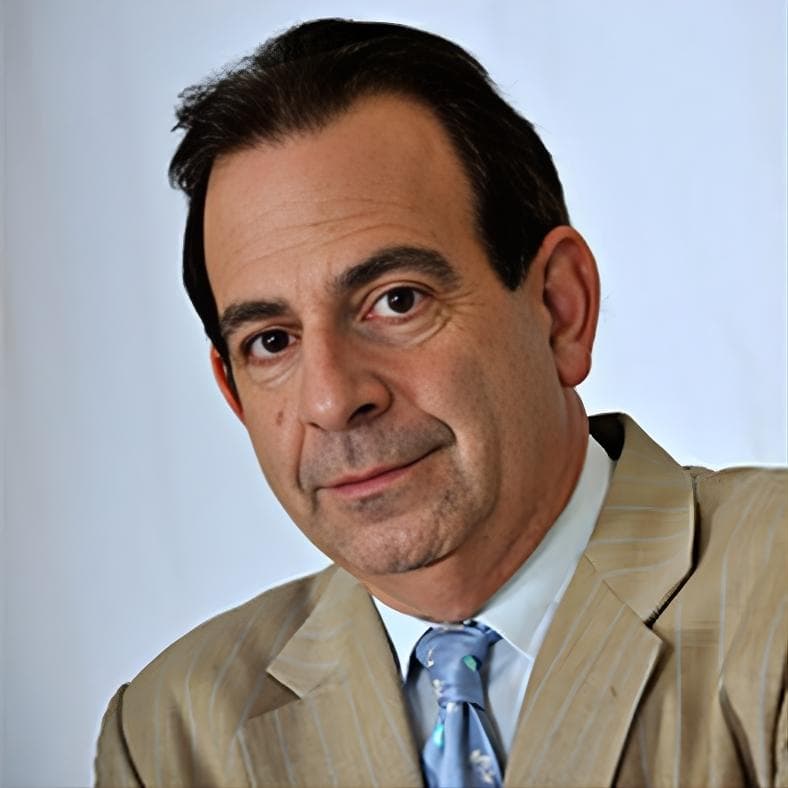
Brian Peskinu2019s background and systems approach 1:35 Et cetera. 1:36 So I have with me today a very special guest. 1:38 His name is Brian Peskin. 1:41 And if you have not read this book, this is like the Bible, the PEO solution. 1:46 This is a phenomenal book. 1:49 It's amazing. 1:50 And I take Brian's supplement Pureform on a regular basis, myself and the rest of my family. 1:56 And I love this stuff. 1:58 So we're going to talk about why this is all so important and Brian, welcome to the podcast. 2:03 Thanks for having me. 2:05 Awesome. 2:06 So like you're a genius in this area and you are so full of information. 2:12 Well, it's all I do. 2:14 We're the only group in the world that specializes in physiologic lipids, meaning how are they incorporated into the cells and tissues, 2:24 not just floating around in the bloodstream. 2:27 So the insight we've gained over 25 years, it's all I do, is Incredible. 2:34 And everybody is getting highly misled in the seed oil thing. 2:39 But I'll clarify all that easily. 2:41 Yeah. 2:41 I mean, well, let's dive into it. 2:42 Well, first of all, how did you get into all this? 2:45 Because, you know, what's your story? 2:48 Like what led you to this? 2:50 Excellent question. 2:51 I'm a degree in electrical engineering from MIT, Mass Institute of Technology. 2:56 So I can think. 2:58 Very good with systems, input, system, output. 3:02 So I like the game type one diabetic in her 30s, doing everything right, exercising her tail off, eating at the time the high carb diet and goes out to 3:12 California to Whitaker's Institute, big diabetic name at the time since closed because of the immense failure rate with the high and low glycemic index food, 3:23 which is utter nonsense. 3:24 I could talk about that later. 3:26 So it was perso. 3:27 It was perso. 3:29 And it was like, goes out there, spend thousands of dollars, mother's diabetic too, comes back. 3:35 They're both worse. 3:36 So it's like, now I see why they don't give you the blood chemistry when you're there. 3:41 They wait till you get home and send it to you because nobody'd pay the bill because you're worse. 3:47 And it was like, look it, you're a good science guy. 3:50 These doctors don't know what they're doing. 3:51 This is back in the eighties now. 3:53 It's going way back. 3:55 And luckily I, in Houston, we have the world's biggest cancer center, MD Anderson Cancer Center. 4:02 And they were kind enough to let me stay in the Jesse Jones library that has 300,000 journal volumes and medical textbooks. 4:13 So after years and years of being there, it was my goodness. 4:19 The science says this. 4:22 And what they're saying says the opposite. 4:25 Somebody's got to start doing something. 4:27 Now there were a few decent books at the time. 4:30 You had Atkins with no science, anecdotal, which is okay. 4:34 But you had Protein Power by Eads that was excellent. 4:38 You had Martinis and Whitcreen was excellent. 4:41 You had The Exercise Myth by Simon and Schuster by a cardiologist, 1950, that was excellent. 4:48 So you had a few books, but nobody had. 4:52 the breadth of science. 4:54 So after years, the first book came out, Living Beyond the Zone. 4:58 I think this was the late nineties. 5:00 Yeah. 5:01 And it was my goodness. 5:04 We had the top nutritionists at Methodist telling you to have 60 teaspoons of sugar a day. 5:15 That's 300 calories, 300 grams of carbohydrates. 5:20 Right. 5:21 Five grams per teaspoon. 5:22 Burn that into your mind, everybody. 5:24 Every 20 calories of carbohydrate is a teaspoon of sugar every five grams. 5:30 So the question is, okay, big deal. 5:31 How much is in the bloodstream? 5:33 Being an engineer, no loss per deciliter. 5:36 That doesn't mean much to me.
Carbohydrates, blood sugar, and the diabetes epidemic 5:38 I like teaspoons. 5:43 Took about five minutes and it was like, less than a teaspoon. 5:47 This can't be right. 5:49 They're telling us to eat 60, and there's a teaspoon of sugar in the bloodstream. 5:55 Well, I double-checked it. 5:57 It's 70 to 90 milligrams per deciliter. 5:59 It translates to seven-tenths to nine-tenths teaspoon, less than a teaspoon. 6:04 Sugar in the entire bloodstream, five quarts of blood. 6:06 Then the next thing was, where does it go if I'm eating this 60 teaspoons? 6:14 Well, if you're an athlete burning it up, you can burn up the sugar. 6:19 But if you're not an athlete, all goes to fat. 6:21 Why? 6:21 Insulin response. 6:23 And what everybody needs to know and is not told, there's no insulin response to fat at all. 6:29 So fat does not go to fat. 6:31 Right. 6:32 Anybody telling you that's a liar. 6:33 Liar, liar. 6:34 I don't care if you're a liar or if you just don't know. 6:37 It's all the same to me. 6:38 You're mis- That's why I'm brutal. 6:39 If I let people get away with saying the wrong information, hundreds and thousands of people listening Your podcast is good because you know what you're 6:50 talking about, but there's a pile that don't. 6:52 It's called political nutrition. 6:54 They're going to kill people. 6:55 And our government created the diabetes epidemic in America. 6:59 Endocrinologist Dr. 7:00 Beebe said, Brian, probably don't know this, but pre 1940, zero type two diabetics, zero type one diabetes with vanting. 7:11 That was an academic exercise. 7:15 Nobody was type one. 7:16 Nobody. 7:17 biggest epidemic in the world, and it's not stopping. 7:22 So carbohydrates are sugar. 7:26 It goes right to them. 7:28 And to answer the high versus low glycemic index, I'm a science guy. 7:33 Show me the graph. 7:34 Don't tell me more or less. 7:35 That means nothing to me. 7:36 How high is up, an inch or to another planet? 7:40 It doesn't tell me anything. 7:41 10 minutes. 7:43 This was out of the Dan and yogurt group in France. 7:46 When you look at the curves, the low glycemic index food took 10 more minutes to reach the same level of blood glucose and it gets worse. 7:59 The low glycemic index people had a higher resting glucose level. 8:04 which is putting on a run diabetes. 8:07 So my comment is you want to eat carbs, have the simple sugar. 8:11 You want to half a Coke, do that. 8:13 That's four teaspoons of sugar. 8:15 You'll have a lower blood sugar level, but we keep getting misled. 8:20 And today nobody wants the science. 8:22 It's so rare. 8:23 We're in the TikTok six second generation. 8:26 Yeah. 8:27 Oh my gosh. 8:27 Yes. 8:28 Well, here's why nobody has any attention. 8:31 And I say we're in the walking dead area, just like the TV show, because they don't have these oils. 8:37 We'll talk about it in the brain. 8:38 There's no blood flow. 8:40 You have guys with ED in their 30s. 8:43 I'm watching TV going, what on God's earth is this? 8:47 This guy looks like he's 35. Half of them are getting balding. 8:52 No blood flow to the frontal lobe. 8:54 ED all over the place. 8:56 Sperm counts down by over half. 9:00 They're effeminated guys. 9:02 The women are getting masculinated. 9:05 The shapes of people are hideous. 9:09 All tied to these oils. 9:11 Everything in moderation, Brian. 9:14 Little cyanide moderation, little arsenic in moderation. 9:18 Anybody telling you that knows nothing. 9:20 Because that's what somebody would say if you didn't know anything. 9:23 Minimize your risk. 9:25 Just take a little of this, a little of that, a little of that. 9:28 Wrong. 9:29 Take a little poison, you're still dead. 9:31 So it's not that. 9:33 You need to know what you're doing. 9:35 And the deal with lipids. 9:39 Oils, 100 trillion cells, Laurie, and it's called the bilipid membrane. 9:45 It's a double membranolipid. 9:48 And 25 to 33% are the parent oils, what I call parent omega-6 and parent omega-3. 9:56 Parent omega-3 is the parent. 9:58 The derivatives are DHA, EPA. 10:02 LA is the parent, the parent omega-6. 10:04 Derivatives are GLA, AA, arachidonic acid. 10:09 They get bigger. 10:10 So derivatives are bigger. 10:12 It's like parents and offspring. 10:15 If you get the parents, you will make the offspring and we'll talk about the brain extensively because everybody listening is going to be shocked when 10:24 they hear what I have to say why DHA for the brain is next to worthless. 10:29 Nobody tells anybody that because people don't believe me when I say that. 10:33 So I'll give you the answer right now. 10:36 First question is with all these recommendations, how much DHA is used by the human body? 10:44 Well, your biggest depository is the brain. 10:47 Next one is the retina. 10:49 Next one's in the nerves a bit.
Why oils matter for cells and tissues 10:53 And how much? 10:55 is used, milligram-wise. 10:57 I'll give you the answer. 10:58 Yeah. 10:59 It's 0.7 to 7 milligrams. 11:02 How come? 11:03 Milligrams. 11:06 Compare that with your thousand milligram Tapsol, which is at least a third DHA, EPA. 11:14 DHA and EPA are retro-convertible, so they're the same. 11:19 EPA goes to DHA, DHA can go back to EPA. 11:22 They don't tell you that either. 11:24 So they're the same pool. 11:25 So if you look at 30%, and I'm being conservative, that's 300 milligrams. 11:29 300 milligrams take an average of a normal brain person because the 0.7 is for a small person. 11:37 The seven is for a 300 pound linebacker, you know, playing football. 11:41 It's size, because it's physically incorporated. 11:44 Other things are not. 11:45 Minerals aren't physically incorporated. 11:47 Vitamins aren't. 11:48 They're coenzymes. 11:50 Can you explain that a little more before you go on, Brian? 11:52 What do you mean by physically incorporated? 11:54 They make it. 11:55 OK. 11:56 So when I give you an organ like the heart, 4% of it is LA, for example. 12:06 You know, it's made up of those oils in the composition, in the cell membrane. 12:14 That's why I'm a theoretical physiologist, because you can't see it. 12:17 but it's the cell structure and that's where we start. 12:23 The cellular structure, it is the brick and mortar of your body. 12:28 So the analogy is, I have a house, the beams are falling apart, but I have beautiful paint, beautiful sheetrock covering it up. 12:36 The house is dying. 12:37 And all of a sudden it falls apart and you go, how can it fall apart? 12:39 It looks beautiful. 12:40 Well, you've got an illusion. 12:43 And that's what a lot of people are doing today. 12:45 So we start with the brick and mortar, which is parent omega-6 and parent omega-3. 12:52 And what people aren't told either is there's 12 times more parent omega-6 than parent omega-3 in the body. 13:01 Anybody telling you, oh, we're overdosed on omega-6. 13:05 No, we're not. 13:06 It's 12 to one. 13:08 Average organ is four times. 13:10 The muscles are six and a half times. 13:12 The fat stores are 20, 25 times. 13:16 If you're starving, the parent of omega-6 is key. 13:20 And if you look at all the foods, they're all loaded with omega-6. 13:25 Yeah. 13:27 The only ones that aren't grass, a lot of omega-3, lettuce has some, but even the cow. 13:37 Doesn't want it it burns most of it up because as you probably know grass-fed beef is 2 to 1 parent Omega 6 to parent Omega 3 So even though it's 90% Omega 3 13:49 in the grass. 13:50 It's the rare one I was not using it. 13:54 So we're stupider than the cows with what we're recommending. 13:58 It's horrible. 14:00 Back to how much is used in the brain. 14:02 I had to digress a little bit because it's just so much here and we don't stop getting misled where nobody's giving you facts. 14:10 They're just giving you their opinion and it's going to kill you. 14:16 It is absolutely going to kill you. 14:18 The walking dead. 14:21 is our result now. 14:22 There's no blood flow. 14:25 So the amount used is like a milligram to seven milligrams. 14:33 300 as average, and say five milligrams a day. 14:39 If I take 300, that's 60 times more than I need. 14:44 Right. 14:44 Okay, Brian, you didn't add the I. 14:46 Fine. 14:47 It's 30 times. 14:49 And you didn't add everything else. 14:50 Fine. 14:51 It's 25 times. 14:54 The analogy, Laurie, would be take 25 aspirin, call me in the morning, don't, I'm being facetious. 15:00 You will bleed and you could bleed to death. 15:03 This is what, and that's one capsule. 15:07 People are always saying, oh, the reason the DHA didn't work is because we need more. 15:11 And you're saying four grams, that's 4,000 milligrams. 15:16 That could be 50 to 500. physiologic overdose on a daily basis. 15:28 Why is that a problem? 15:31 It's a good question. 15:32 Doesn't your body just burn it up? 15:34 Hell no. 15:35 Number one, it gets shoved where it shouldn't be. 15:38 There was this per vertical came out 2018, 2017. They looked at hearts and the conclusions were the parent omega-6 replaced the DHA in the mitochondria 15:56 of the heart tissue because these people were suffering congestive heart failure, which means the heart doesn't have enough energy to go boom, 16:04 boom, boom, boom. 16:05 It's just sitting there. 16:07 So your rejection fraction, the amount of blood coming out is decreased. 16:13 Omega rescues. 16:17 the overdose of DHA. 16:21 So DHA displaces the parent omega-6 where it's supposed to be. 16:27 The other big one, skin. 16:29 Another thing nobody's been telling you, skin's 100% parent omega-6. 16:34 No omega-3 in there, parents or derivatives? 16:37 The minute a derivative is in there like DHA displaces the omega-6, what's the problem? 16:45 Another thing nobody's been told, fish oil is rancid at 70 degree room temp. 16:53 Can you say that one more time for the audience? 16:55 Say it again. 16:56 70 degrees, fish oil turns to rust, spontaneously oxidizes. 17:04 Okay. 17:05 It goes bad in the body. 17:10 Now we're at 98.6. So you're making it. 17:15 three, four times worse in the body, it's going wicked bad. 17:20 What does that cause? 17:21 All the antioxidants come out of your brain. 17:24 Why do we have dementia and Alzheimer's through the roof? 17:27 Your body goes, this genius just took all this DHA.
DHA, half-life, and why more is not better 17:31 It's going bad. 17:33 Get the antioxidants in. 17:35 Now your brain's unprotected. 17:38 That precisely explains a little bit about why we see an astronomical rise in dementia and Alzheimer's and cognitive ability. 17:49 Nobody has any memory. 17:50 I go to Starbucks every day. 17:51 I tell them three things I want. 17:54 They may get one. 17:56 Small iced coffee, black unsweetened, whipped cream on top, powdered cinnamon on top of that. 18:01 And I'll miss the powdered cinnamon. 18:03 They'll miss the black. 18:06 Make sure there's no cream in there. 18:10 Well, a lot of people get it black with cream, so then it's not black. 18:15 Black means no cream. 18:17 You put the whipped cream on top and then it's, you know, what size? 18:21 I always start out small, you know, and they have no memory. 18:26 And you hear how I'm talking. 18:28 Yes. 18:29 I was up at 4 a.m. 18:30 Go to bed at midnight every day. 18:33 Imagine your kid having the focus. 18:36 of a laser like I do. 18:39 It's unbelievable. 18:42 So, back to the AHA. 18:43 See how I can pop around like this, not lose my train of thought? 18:46 Get shoved into the skin when you shouldn't be there, the sunlight hits it. 18:51 Well, yeah, we all know how bad radiation is, you know, A and V, ultraviolet. 18:58 It's not that at all. 18:58 It's heat. 19:00 Remember, DHA spontaneously oxidizes at 70. I'm out in the sun. 19:05 My skin's hitting 100, 110. Boom. 19:09 Age spots call lipofuscin. 19:11 Dermatologists don't have a clue how to stop skin cancer. 19:15 All of the people taking our oils. 19:18 Hey, I used to get headaches going out in the sun after 20 minutes. 19:20 That's a sign. 19:21 Get out. 19:22 You're EFA deficient. 19:23 You have the oils now? 19:26 No issues. 19:26 No problem. 19:27 You get a great tan? 19:28 I'm in Houston. 19:29 I'm in the heat all the time. 19:30 It's nothing. 19:31 Not to stay on the Sundays. 19:32 I'm working all the time, but I could stay at the pool for an hour and I'd have a beautiful tan in a week. 19:38 No problem. 19:39 I just don't care. 19:40 Because you don't get sunburned, correct? 19:42 The oils are correct. 19:43 You don't get any sunburn. 19:44 No, you will if you stay out two hours the first day or something crazy. 19:48 But with any kind of common sense, you build it up. 19:52 because your skin is made to take the sun with the oils. 19:56 I have two cats and I'm always looking and I take pictures of them. 20:00 Where do they sit? 20:01 Maximum sun. 20:04 Maximum sun. 20:05 And what's your doctor saying? 20:06 Oh, wear sunglasses indoors. 20:08 Wear sunglasses. 20:10 I'm looking at these older people looking like an idiot with sunglasses. 20:14 They can't even see inside. 20:15 They're walking hitting things and it's, they didn't ask me a question so I don't say anything. 20:21 Here's the other kicker for the oils. 20:23 How long does a molecule with DHA last in the brain? 20:27 Two and a half years. 20:29 Really? 20:29 What? 20:30 What? 20:32 That's why it's called a half life. 20:35 The average half life is two and a half years, meaning only half of it's gone. 20:40 You still have the other half still left. 20:42 So half of it's three and a half, half of it's one and a half. 20:46 The average is two and a half. 20:48 So you get years where it stays there. 20:50 And that's why you don't need what these nuts are telling you. 20:54 And why you're going to kill yourself with the oils going in to, like I said, the mitochondria of the heart causing congestive heart failure, 21:03 which there's epidemics of now. 21:05 Heart disease is hitting people in their thirties, like you wouldn't believe. 21:09 Cancer is getting them and talk about that too, after we have time. 21:14 Never used to have that. 21:15 These were diseases of old age. 21:17 Now it's diseases of younger age. 21:21 Yeah. 21:21 Can I ask a question about the DHA? 21:23 Where did they come up with that your brain needed so much? 21:27 How did that come about? 21:29 There is a lot in there. 21:31 What they also don't tell you is 14% DHA. 21:36 They don't tell you 10% is AA, which is a long chain omega-6 lipid. 21:46 So to an engineer like me, it's the same order of magnitude, 10% versus 14%. It's only 40% difference, four tenths difference percentage-wise. 21:57 So there's a lot in there. 21:58 They didn't look at the half-life. 21:59 How long does it stay in there? 22:01 Where'd the half-lives come from? 22:02 National Institutes of Health. 22:05 And the USDA, department of agriculture. 22:08 I found it. 22:10 Why didn't anybody else, if they cared to look lazy or they do not want you to know, so they can mislead you. 22:21 That is why the analogy, or is the gas tank is full in your car. 22:26 Hey, I want it right to the top. 22:28 I'm going to put in another five gallons and it all goes in the ground. 22:31 Well. 22:33 The extra DHA you're eating and wasting your money on, by the way, is displacing the critical omega-6 and killing you. 22:43 Everywhere. 22:45 And nobody is talking. 22:47 I have doctors around the world using my oil protocol and virtually everyone goes, Brian, my sickest patients have been taking fish oil for years. 22:57 Yeah, mine too. 22:59 Your tooth. 22:59 Yeah. 23:00 Everyone says mental health issues. 23:03 There's a huge issue there. 23:05 And this is the problem. 23:07 And then when a lot of doctors will go, thank God you were taking it because you would have been as bad as you are now two years earlier. 23:13 That's how they weasel out of that. 23:14 They're liars. 23:16 And. 23:18 You see these books, I was talking to you off air and back, I've read every one. 23:22 I don't get a book and not read it. 23:24 It's read. 23:24 You know how many decades to read those books? 23:27 Textbook of Medical Physiology, you can see it in green. 23:30 It's the standard one every doctor sees in medical school, but it took me a year to go through it as a systems guy. 23:37 The physician looks at it the past one course. 23:40 So how does salt interact with anything else? 23:42 And salt is required for diabetics. 23:44 They're telling you to not eat any salt and it's high blood pressure. 23:47 You have anti-diuretic hormone that normalizes the blood pressure within three days. 23:53 And this is directly from Dr. 23:55 Leroux at the hypertensive Institute at Cornell. 24:00 I think it was Cornell, but he was on the cover of Time Magazine. 24:03 And I actually talked to him and he called me back and said, Brian, salt is not the cause of high blood pressure in anybody. 24:10 One out of 5,000 people, but everybody is told get rid of the salt and it's a co-transporter of insulin.
Oils, heart health, and brain function 24:19 So it makes insulin more effective. 24:22 And it's the number one, that's for cellular nutrient in your body is salt. 24:27 Now I like a good salt like flower, the ocean or something, not the industrialized salt, but we keep getting this lead. 24:35 That's why I had to write the books, but DHA is half life. 24:40 two and a half years. 24:42 People need to burn that into their memory. 24:45 I don't need anymore. 24:48 There's enough. 24:48 And then Dr. 24:49 Rowan, who co-wrote PEO solution with me, said, Brian, there's seven landlocked countries. 24:54 They have no marine life. 24:57 There's no fish. 24:59 Do they have visual acuity, brain acuity problems, neurological problems? 25:06 No. 25:06 Well, why don't they? 25:08 Because from the paranoia, which they get. 25:11 body makes the derivatives just fine. 25:13 Like I told you, all this is on my website, by the way, it's complicated stuff, but I've tried to make it as easy as I can, 25:20 but it is complicated. 25:22 And what I tell people is look at, you know more about how your car works than you do. 25:27 If you don't want to take a couple of hours and learn about how you work, I can't help you. 25:30 You're not going to listen to me. 25:32 You're not going, I don't want anybody believing a word. 25:34 I'm the only one that on the bottom of every page, I give you the reference where it came from. 25:40 So I give you the, you read the books. 25:42 I give you the actual quote. 25:44 I'll translate it if it's complicated what it means, but I give you the quote so you can see what was actually said because they lie about that too. 25:53 I've seen numerous articles give a quote that was a lie. 25:58 And I'd have to run down to the empty Anderson library, go my gut, cause I don't do quotes of quotes. 26:04 If I see a quote, I get the original paper, where it came from. 26:08 And that's a lot of work. 26:09 Sometimes I'd be driving for an hour and a half just to go to the medical library three times a day. 26:17 And thank goodness it can all be done on the internet now, but people need to see the science or they're doomed. 26:24 Like I say, what I'm seeing walking around with all these fish oil people and you go into health stores and they're all taking it and on TV, 26:32 they're all taking it. 26:34 Seed oils, there's one word these people don't know. 26:38 It's called an adjective. 26:40 I guess they all failed English. 26:44 processed, adulterated, versus unprocessed, fully functional. 26:51 So what the oil manufacturers do is process the omega-6 oils. 26:58 Nobody cooks with the omega-3. 26:59 You don't fry with flax oil, for example. 27:02 It's too reactive. 27:03 That's the three double bonds. 27:06 Fish oil has five double bonds. 27:09 You would never fry it, but you go through the fish area in the supermarket and you used to get horrible smells. 27:16 Now they bleach it and use all kinds of chemicals. 27:18 So nothing smells, but that's the fish going bad before your eyes. 27:24 So it goes bad, but they never cook with that. 27:27 So to get longer shelf life when they make a sixth side, they hydrogenate it, they enterosterify it. 27:33 There's all kinds of stuff you do to make it last longer. 27:37 Problem is you don't get the oxygen transfer in the cell membrane. 27:41 And on our Warburg show, there's one prime cause of cancer. 27:46 lack of cellular oxygen, and these oils are cellular oxygenators. 27:52 That's why you have the energy like me. 27:54 Today has been just boom, boom, boom, boom. 27:57 Every 15 minutes. 27:58 I just got back here after bringing my wife over to a doctor's appointment to take a look at her because she's She had a problem. 28:05 So I got a real quick thing. 28:07 So I kept screaming back, but it's just no problem. 28:11 Calm as heck inside. 28:13 The mental acuity is just there. 28:15 Boom, boom, boom. 28:17 And it's just one thing after another, after another, calm as heck, not tired, not drained. 28:23 I mean, I'm going to be working till midnight tonight. 28:25 No problem. 28:27 Seven days a week. 28:29 and it is just horrible, so they're changing the structure. 28:36 How they're doing it doesn't matter. 28:38 It's cis versus trans. 28:39 You've heard all this stuff. 28:41 Hydrogenated oils, interesterified fat. 28:44 That's what New York came up with to change it after they banned the trans fats. 28:48 And I would tell my colleagues, wait till you see what they replace it with. 28:52 It's going to be worse. 28:54 And an interesterified fat is worse. 28:57 Makes you even more diabetic. 28:58 So they're killing us and they give it a name. 29:03 And people don't ask any questions. 29:05 So when I'm asked a question, I'll answer the questions and go, ah, that implies that. 29:11 That implies that. 29:12 Well, three levels deep, because I like physics, mathematics, engineering. 29:16 This is the way they used to do things 50 years ago. 29:19 Hey, Laurie, you said this, but you didn't think about it implies two levels deep, this. 29:24 And you go, my God, I didn't think about that. 29:26 Well, I did. 29:28 And nobody else does. 29:29 I call them all surface dwellers. 29:31 It's like, why is there so much DHA in the brain? 29:34 It's there, but nobody asks the half life. 29:37 Cause it stays there. 29:38 I don't need any new ones for two and a half years. 29:42 So this is the problem. 29:44 So there's an adjective. 29:46 adulterated, fully functional. 29:49 So anybody using any oils, organic. 29:52 That guarantees there's no pesticides and the processing is nonchemical. 29:59 Your brain runs the show, so don't let toxins run it ragged. 30:05 God designed our bodies to heal when we remove the interference, and Zeo Charge from Zeolite Labs helps me do just that. 30:13 This detox magnet targets heavy metals, mold, and other toxins, while sparing your essential minerals. 30:21 It is clean, third-party tested, and so easy to use. 30:25 So I want you to take back your brain today with ZeoCharge. 30:29 Get it now at zeolitelabs.com. 30:32 That is z-e-o-l-i-t-e labs.com. 30:38 If it's not organic, it's not sufficient. 30:41 Cold press alone is not sufficient. 30:42 You want organic. 30:44 So any cooking oil, sunflower, safflower, canola oil is horrible. 30:50 Soy oil is food for a pig. 30:52 I would lecture extensively in Iowa. 30:54 If you ever smelled soy, you would run like the dickens. 30:59 It's awful. 31:01 You would never eat it. 31:02 So they deodorize it. 31:03 They conned women initially, refrigerating the garbage. 31:07 They called it soy milk. 31:09 It's not milk, it's soy water. 31:11 Now they stop doing it. 31:13 But all they do is con you, con you, con you. 31:16 It's estrogen and it's effeminating all the guys. 31:19 So I know a lot of people that their mothers put them on that garbage. 31:23 You know, 40 years ago and they had problems, developmental problems because of soy and then the women get overdosed on estrogen. 31:31 So what kills me is you want an estrogen receptor blocker because estrogen is going to kill the woman for cancer. 31:38 Wait a minute. 31:39 It's a natural hormone. 31:41 Nature wants you dead. 31:43 It's like with the Omega-6, it's in everything except the grass and a few other things. 31:48 Nature wants to kill you. 31:49 Are you out of your mind? 31:50 Nature wants you to thrive. 31:52 So it's not giving you something to kill you. 31:54 It's what we're doing to it. 31:56 Nature never thought we would be this stupid. 32:00 That's the problem. 32:01 So anything with fat, organic, that's why you spend your money, eggs, bacon, butter, cheese, milk, cream, not big on milk because it's homogenized. 32:09 You don't want that. 32:11 It has XO, xanthine, oxidase, that's like battery acid. 32:15 So half and half, but get unhomogenized, low temp, longer pasteurization you can get. 32:23 If you need to get it, there's a couple of brands, one out of Iowa, Super Naturals, it's great for that. 32:29 There's a lot people need to know or you're going to try and harm yourself. 32:35 Right. 32:36 But bang for the buck is anything that's oil-based, fat-based, organic, because all the residues get stored in the animal's fat. 32:44 and you're gonna be eating it. 32:46 And the same thing, when you start being on a weight loss program, your fat has got all this stored junk, it comes out.
Processing, seed oils, and food quality 32:53 So that's why I like a detoxifier. 32:55 You know, I started with Essiac, people can look it up. 32:58 It's been around a long time. 32:59 I turbocharged it, biting cat's claw. 33:02 And I'm sure Pureform has that too, if you want it. 33:05 So that's a detoxifier. 33:07 And it's just to help you get rid of the junk in the body you don't want from the food. 33:14 But we keep getting misled and we keep getting stuff in the food. 33:20 Now the colors are a good start with Kennedy. 33:22 I applaud him. 33:24 Don't get me wrong. 33:25 I applaud it, but it is all the processing of the oils and nobody knows this. 33:31 Nobody knows how bad it is. 33:32 And of course you may see a sentence. 33:35 Oh yeah, you don't want highly processed, super processed food. 33:39 That's not specific enough. 33:40 You need to stay with the one thing. 33:42 It's only those proteins don't get processing to any big effect. 33:46 Carbs don't either. 33:48 Carbs are. 33:50 junk. 33:51 I mean, they're cheap, so people eat them. 33:53 Protein, steak, hamburger, meats, that's the proteins, but they typically not processed much. 34:00 So there's nothing to worry about. 34:01 It's all in the oils. 34:03 So everything is not equal. 34:05 Everything is not moderation. 34:07 Spend your money over here. 34:08 You don't need to spend too much over here. 34:10 Right. 34:11 So when people are eating... 34:12 Yeah. 34:14 Grass-fed meat. 34:15 Yeah. 34:16 Do you see much like, if we're buying conventionally grown meat from like the grocery store. 34:22 It's loaded with steroids. 34:24 It's loaded with hormones. 34:25 It's loaded with all kinds of- That changes the fat content, right? 34:29 goes into the fat and even these people what they're saying is all natural that means nothing never any antibiotics they're lying because they will take 34:39 an animal out give it antibiotics shove it back in and they have some exclusion in the law to get around that so It's horrible. 34:50 It's horrible how we're misled. 34:52 If it doesn't say organic or like at Whole Foods where there's no added antibiotics or hormones, where they don't specifically say that, 35:03 you're getting it. 35:04 I don't care what they say because there's no definition that means anything. 35:10 It's like. 35:13 Cage free eggs means nothing. 35:15 Nothing. 35:16 All that means is they have a cage with a door that's open and they can go out, but they're not encouraged to go out. 35:22 It has to be pasture raised. 35:24 That means something. 35:25 It means they're in a pasture. 35:28 So people keep getting misled and misled and misled. 35:33 It is tragic. 35:35 Yeah. 35:36 When we're talking about the brain and stuff, there's been, you know, omega-3 for the brain, omega-3 recovered diet. 35:41 It failed all over the place. 35:44 They have a couple dementia, Alzheimer's drugs that do next to nothing. 35:49 They basically got approved because so many people said approve it because we have nothing. 35:54 And the FDA just said, give them some hope. 35:56 Well, to me, I'm not big on false hope. 35:59 No. 36:01 That's misleading people thinking there is hope when there was never any hope to begin with. 36:06 So the FDA is great. 36:08 Don't get me wrong. 36:09 The FDA tries. 36:11 They really do. 36:12 Because we're working on them turning, I'm working on a drug to reverse heart disease. 36:18 And they're just a pleasure to work with. 36:21 They want to see, and it's going to be the first organic drug. 36:26 So if there's anybody out there with somebody, it's about 7 million to do the trial. 36:34 And we have the former. 36:37 director, cardiovascular disease of both Merck and Bayer on board going, Brian, you have a winner. 36:47 And the cool part, Laurie, is 10 years ago I saw him, spent a lot of money, a lot of time going to New York, look at what I had. 36:54 Brian, I'll never forget it. 36:55 I don't share your enthusiasm. 36:58 I said, but look at the science here. 36:59 You don't have anybody on your staff that doesn't know. 37:02 We just look at lipids in the bloodstream. 37:04 I said, well, I look at them in the tissue. 37:07 Said, we don't have that. 37:09 So I figured I'd send them where I am now. 37:11 It was 10 years later. 37:12 I was 20, 15. So I sent him it. 37:15 Brian, this is really compelling. 37:17 And what we can do is we have proof. 37:19 We can reverse coronary artery calcium. 37:22 It's called CAC. 37:23 It's the number one predictor of heart events. 37:27 It dwarfs LDLC. 37:29 And anybody on a statin should be petrified because statins increase CAC. 37:36 The number one predictor of heart disease, a statin makes worse. 37:41 These physicians don't have a clue. 37:43 There's 50 million people on statins. 37:45 This will be the biggest drug anybody's ever seen. 37:48 And we already got a phase two approval. 37:50 We're working on phase three, which means we're going to be ready to go at the end of the year. 37:55 And it's just exciting as the Dickens, the former chair of MD Anderson, plastic reconstructive surgery is on board because He wanted expedited healing 38:07 in all his breast reconstruction patients. 38:10 And he put about a hundred people on the pure form formulation and the results were spectacular, helping them heal faster. 38:19 So we have clinical inhuman people with these results that is very exciting. 38:28 Very, very exciting. 38:30 But the brain is helped enormously. 38:33 Now there's not a lot of parents in the brain, but there was a major article that came out because everybody talks about proteins, 38:41 proteins, proteins, folding and unfolding, being told what to do. 38:45 It's DNA is a protein, RNA is a protein. 38:49 Lipids tell the protein what to do. 38:51 So the lipid is the puppet master. 38:54 The proteins are down here and the oils are telling the proteins what to do. 39:01 Came out in 2018. I have not seen one other journal article pick it up. 39:09 Zero. 39:10 In seven years. 39:13 Here's the problem. 39:13 It doesn't like the Journal of Biological Chemistry. 39:17 There's no physician that's going to read that. 39:19 They read JAMA, New England Journal of Medicine, Lancet. 39:23 I live in the physiology journals, journal of lipids, journal of biological chemistry, journal of molecular chemistry. 39:33 So this stuff comes out, but it never translates, which is sinful. 39:37 So the physicians don't get it. 39:41 I try to give it, but I'm only one small guy. 39:43 I'm not big enough. 39:45 So the physicians never get this. 39:48 Well, their recommendations are 20 years old. 39:51 It's not their fault. 39:53 You try and stay cutting edge, but it's hard, hard, hard when something big comes out that nobody sees. 40:02 And you look at how many views there are 50, a hundred. 40:07 There should be 20,000, 100,000. It's sad. 40:14 So I specialize in stated the art physiology and that's why the results we get are unbelievable. 40:22 I burn a heck out of my first finger because I smoke cigars. 40:25 Here's one. 40:26 Uh-huh. 40:27 And like an idiot, I was on the phone talking to somebody. 40:30 So the top, you know, was hot. 40:32 You know, I got this nice, nice lighter. 40:33 The top was high and I put my finger on it and I'm talking this like, ah! 40:39 So I ran it under cold water, but white underneath, pus, you know, which is healing. 40:46 Took half an hour where it hurt when I touched it. 40:50 After the half an hour, that's called acute phase of inflammation. 40:55 After the half hour, it's called the resolution phase where healing already came in. 41:00 Half an hour later. 41:03 Now, touch it. 41:05 Nothing. 41:06 I mean, this was three days ago. 41:08 Nobody gets healing like this, the oils. 41:10 And it's not topical. 41:12 Internal because it makes. 41:15 the structure. 41:17 So we have these kinds of testimonials from physicians and their patients all over the place. 41:23 I've got 11, 12, 13 pages of them. 41:27 And the results are so, we've had people taken off a COPD inhalers, oxygen, less than a week. 41:35 Love it. 41:35 And I read it and I said, I could believe it maybe 90 days, but it was a doctor I knew, my MD. 41:42 They're not gonna lie. 41:43 I'm not paying them anything to lie. 41:45 I don't want you lying. 41:46 I always tell them, just be direct honest.
Cholesterol, statins, and lipid transport 41:49 I want to conserve everybody. 41:50 I don't need liars. 41:51 I don't want you embellishing anything. 41:55 It's a vasodilator. 41:57 So the parent omega-6 is an oxygenator. 42:01 So that is the number one complaint of all married. 42:03 I have no energy. 42:04 I'm tired. 42:06 You know, getting the walking dead running around and you're all exhausted and there's no excuse for it. 42:12 Immediately. 42:13 We have athletes taking these oils. 42:16 within 20 minutes. 42:18 If you're tired, like I said, I'd work late at night. 42:20 They're amazing. 42:22 Yeah. 42:22 I'm sure you've seen it, get a little tired at 11 o'clock, take two oils 20 minutes later, I got another hour. 42:28 I have surgeons taking these. 42:29 I said, doc, I'll work on a new deal with you. 42:32 You get them free, but I want 10% of your additional surgery charge because one big one at MD Anderson doing thoracic, I can do an extra surgery now. 42:42 Wow. 42:42 These are big, long, four or five-hour surge. 42:47 I can do an extra one. 42:49 And it gives you the attention like you wouldn't believe. 42:54 But people don't know what feeling good should be like. 42:57 And the only way to get this kind of energy is these oils. 43:00 There's other ways you can get it temporarily. 43:03 But again, changing the physiology because these oils incorporate into the brick and mortar, into the cell, into the organ, 43:10 into the tissue, nothing like this. 43:14 So it is like, you don't need the oxygen things they have on TV. 43:18 They have people, casters of oxygen for sports, wolfing pure oxygen in, which isn't really cool, but you don't need it. 43:27 We have athletes all over the place. 43:29 With the advantage of these oils, it's amazing. 43:33 Back to your brain. 43:34 You want to hear why these oils are critical to the brain? 43:36 Because I know you're big on that. 43:39 What nobody's told, 70 million capillaries. 43:43 Capillaries are where the oxygen transfer is and where the nutrient transfer is into all the cells, the neurons everywhere. 43:51 What's a capillary made of? 43:54 Parent omega-6, 100%. So I have a whole paper on my website, just my name, bryanpeston.com, won't cost you a nickel, Alzheimer's dementia talks about this. 44:09 70 million, it's all parent omega-6. 44:13 They're so small, you can't see them on an X-ray. 44:16 You see them on a, you know, it's electron microscopy you have to do, electron microscope, and 70 million. 44:27 So just imagine they're all clogged up. 44:30 No oxygen, no nutrients. 44:32 You get a zombie. 44:34 So it's predictable. 44:35 And I actually went to Methodist Hospital at a conference, is dementia Alzheimer's a cardiovascular disease? 44:43 And her answer was yes. 44:44 It has nothing to do with beta amyloid. 44:46 Beta amyloid is a protein. 44:47 It's leaking out of the cell. 44:49 Because we have defective parent omega-6 and parent omega-3 in that membrane, you get a whole leaks out and goes everywhere. 44:59 So you think this stuff leaking on a neuron is going to do anything after it's, no, the membrane's gone. 45:07 So just looking at beta amyloid, which they've been a one trick pony for 25 years in this getting nowhere. 45:14 And none of their drugs have worked at all. 45:17 I mean, our effectiveness is unbelievable with like CAC. 45:22 We had a 30% difference. 45:24 The people, we reversed hard plaque by 14 and a half percent. 45:33 or 17%, one of the two, and the people not taking the oils increased 14 to 70% per year. 45:41 The CAC goes up by 30% net difference between the two groups. 45:47 That's enormous, statistically significant. 45:50 When the physician saw this, it was like, my goodness. 45:53 And we submitted it to the FDA and they're impressed. 45:57 And they're really impressed. 45:59 So 70 million... 46:01 capillaries can now be fully functional with these oils. 46:05 And we just started to get some people with dementia. 46:08 We had one that was non-communitative woman. 46:14 90. Won't talk. 46:16 Just look at you with a scowl. 46:18 She started talking within a month. 46:20 That's amazing, Brian. 46:22 And is cognitive. 46:24 So she was aware instead of a zombie. 46:26 Now they have ads where you just see agitation. 46:29 You got a zombie on TV. 46:31 the poor mother that's in her nineties, and then she gets mad and starts swearing at you. 46:37 It's horrible. 46:38 And there's no need for it. 46:39 Alzheimer's was a disease, a very old age, you know, in the seventies. 46:47 One or two, you'd hear it now and then, but nobody'd get it till late eighties and nineties. 46:52 And there's no reason even, my mother is 95 sharpens of death. 46:57 And she's fallen a few times because she has a walker. 47:01 no broken hip, no broken anything, the doctor's speechless. 47:09 What is this woman doing to miss this? 47:14 Because you fall from standing up, that's a big fall. 47:17 It is. 47:17 They typically break their hip, they're in the hospital and they're dead within six months. 47:22 You know, anybody can look up those statistics, you get a broken hip, you're not coming out of it. 47:29 It's unbelievable what these oils do. 47:31 The bone matrix is made of these oils. 47:33 Calcium is just dumped on the end. 47:35 It's supposed to have flexible bone. 47:37 I don't want a bone like a rock. 47:39 It hits, it shatters. 47:41 You want a flexible bone. 47:43 And she even fell on a parking lot, slipped off of a newer car, hit her head on the stop where you stop for a car, you know. 47:53 Yeah. 47:54 Yeah. 47:56 out of the hospital three days, they were going to release her that day. 48:00 I said, you're not releasing anybody, you're keeping her overnight for OPCD. 48:04 Yeah, but she has no, no anything. 48:06 We CT's get it, said you're keeping her three days. 48:09 Cause if she falls again, they'll have a lawsuit. 48:11 They cap her. 48:12 No problem. 48:14 No meds, no pain meds, the oils. 48:18 And she was taking the oils for years before she fell. 48:22 So it's pre-treated. 48:23 It's not just after the fact. 48:25 Right. 48:28 This is the way the human body is designed. 48:30 We're a human Ferrari turned into a piece of junk because of the wrong fuel. 48:36 Nature never saw the problem. 48:39 Now back to the brain. 48:41 There's not a lot of parents in the brain, but remember they control the proteins. 48:50 And it's a hundred to one parent omega six to parent omega three in the brain. 48:58 So again, your little nutritionist is telling you you're overdosed on omega. 49:03 Go back to school, learn some physiology or shut the hell up. 49:12 I mean, I can't contain myself with these people because every word out of their mouth is wrong. 49:19 I was over at the Texas Southern University and they brought me into the nutrition department and I saw the president and said, 49:26 I can't be here. 49:28 The head of the department had a stroke himself. 49:30 He's on oxygen. 49:31 Given all the books he has, he obviously doesn't know what the heck to do to stop a heart problem. 49:37 I said, I need to be somewhere else. 49:38 He goes, you need to be in the pharmacy division. 49:40 I said, if I'm not a pharmacist, they won't want me, you know, because they like their own. 49:45 They said, look, give them some of your work. 49:47 These guys are pretty good. 49:48 Get a call back in a month. 49:50 Your work's outstanding. 49:51 Come on over here for a year. 49:53 So I was over there for a year. 49:54 That's the professor part. 49:57 And it was really exciting doing some research and nobody has this. 50:03 But my joke with nutritionists is a nutrition degree does not qualify you to teach nutrition. 50:09 You're not qualified. 50:11 I've had people cry in lectures when I say that I've lectured around the world extensively. 50:17 I wasted my entire degree and I couldn't argue. 50:23 They don't learn any signs. 50:25 No, not at all. 50:27 It's sad. 50:28 It's political. 50:28 An average person doesn't know this. 50:31 They don't know it. 50:33 Yeah. 50:34 The mistakes are huge. 50:36 I'm over at the doctor's office with my wife. 50:38 She had a little pressure ulcer because of the way she's using her wheelchair. 50:42 So we fixed that. 50:45 The nurse putting in the info goes, there's no pressure ulcer listed here. 50:48 She has some type of cyst. 50:52 I said, well, that's their diagnosis, not mine. 50:55 I said, it's an ulcer. 50:57 Well, it's a scissor. 50:58 I said, they wrote that. 51:00 I'm not disputing that. 51:02 I'm telling you. 51:03 It's wrong. 51:04 I know what an ulcer is. 51:05 I know what a cyst is. 51:07 Surgeon comes in. 51:09 This is an ulcer. 51:12 I have a look at my wife. 51:15 Well, wound healing because of Dr. 51:17 Robby taught me a lot. 51:19 And over to Dr. 51:20 Anderson. 51:22 The mistakes that are made are incredible. 51:27 And I remember when statins came out, I'm seeing a couple of professors over at University of Southern California. 51:34 Oh, statins are going to stop all heart disease. 51:36 There's nobody in our offices anymore. 51:37 I said, well, my office is back in Houston and we're overflowing.
Brain capillaries, dementia, and oxygen flow 51:41 What are you talking about? 51:42 And you can go in today, statins have done nothing. 51:46 Nothing. 51:47 Now here, let me tell you. 51:48 They create lots of problems though. 51:52 The adverse effects are horrible. 51:53 Let me tell you what they do. 51:55 They lower LDLC. 51:56 I didn't tell you. 51:58 How are these oils transported in the bloodstream? 52:01 And we're told not to smoke them. 52:02 They're not just floating around in the bloodstream. 52:04 They're tied to the cholesterol molecule, which is called the cholesterol molecule. 52:10 So picture the cholesterol molecules here. 52:13 The oils are here with a magnet. 52:16 It's called lipoprotein. 52:17 So that's how they go around in the bloodstream. 52:19 So you take a statin. 52:22 It lowers it. 52:24 So it lowers the bad oils. 52:26 Remember, there's a ton of bad oils from the food processors and there's also good oils because they're not all bad. 52:32 If they were all bad, you'd die. 52:34 So even with food processing, maybe 60, 70% of the oils are ruined. 52:41 So you're going to get 30% that are okay, but that's not enough. 52:46 The answer is not to lower it. 52:48 The answer is to put more of the good oils. 52:51 back in and minimize the bad ones. 52:54 Right. 52:55 Now, thank God, Professor Lanz did a great study in 1990, showing the oils go in as a percentage of what you consume. 53:05 So the more oils like with pure form, the more good stuff comes in. 53:14 And that's the way you do it. 53:16 So no matter what statins do with your doctor, you need the good oils to come in. 53:22 That's the answer. 53:24 And actually the people who won the Nobel prize, Goldstein, who's in Dallas now, said you need to be looking at the cholesterol esters. 53:33 That's what the oils are. 53:35 It's an ester. 53:35 It's attached. 53:37 You just get rid of the water. 53:38 It's called an ester. 53:39 It's chemistry. 53:40 You don't need to know it. 53:41 I like magnets. 53:42 It's just magnetized to it. 53:45 That's where you find the answers in the esters and they did nothing with it and nobody did anything with it. 53:52 So we stand on the shoulders of giants like Warburg and Goldstein and advance the science to what the root cause is. 54:03 So I'm real good at connecting the dots. 54:05 And because I'm a systems guy and puts the food, you're the system. 54:09 Output is your state of health. 54:11 All fat, you're simple. 54:13 There's a problem with the output is real simple. 54:15 Sick as hell, you got a problem. 54:17 But the system. 54:20 God doesn't make mistakes. 54:23 Human Ferrari. 54:25 Well, Brian, there's no cholesterol sensor in the bloodstream, and there isn't. 54:29 First thing when I saw that? 54:31 Why? 54:31 Hmm. 54:35 Genetic mistake? 54:36 No. 54:38 Because it's not needed. 54:40 Why? 54:41 Because if you know mathematical systems, it's called a dependent variable. 54:45 What the hell does that mean? 54:47 It means when I have a system, Everything is whatever it is. 54:51 And the last one, so it fits, is constrained. 54:55 It is what it is. 54:57 And that's what cholesterol is. 54:59 It's a dependent variable. 55:01 And that's why no sensors needed. 55:03 It doesn't matter. 55:04 And by the way, they kept changing the number. 55:06 It used to be 250, then it went to 230, 220, 210. Now if you've had a heart attack, they're saying to bring your cholesterol down to less than 70, which 55:14 will kill you. 55:15 Will kill you. 55:16 And I see people sick. 55:17 It will kill you. 55:17 Oh my gosh. 55:19 It's transporting the good oils. 55:21 So if I bring it down to 70, I don't have any of the good oils being transported. 55:26 I'm going to die. 55:27 They're in a hundred trillion cells, a quarter to a third are them. 55:35 What if there's not enough? 55:36 I got a hundred. 55:37 Now you got this nonsense on the internet, some oil fact they're selling. 55:45 They're calling it a new EFA. 55:46 I'm not even going to give the brand name, but it's insane. 55:50 There is none, there's two, baron omega-6, baron omega-3, and the amount of what's in this other oil in the cell membrane is next to nothing. 56:01 It's less than like a half a percent. 56:03 So how can it be essential? 56:05 The other one is 25 to 33%, a quarter to a third, and this is minuscule in the noise, there's not enough in there to do anything. 56:16 Right. 56:17 I just look at this and go, it never ends. 56:21 People get conned and conned and conned. 56:26 It doesn't stop. 56:28 It's the blind leading the blind. 56:31 And unless they have physiology, which no doctor studies. 56:35 They don't. 56:35 I got a big lecture in A4M in Vegas and a professor came up at the end and we were talking. 56:40 He goes, you know, Brian, you just gave so much stuff. 56:42 You lost me after 15 minutes. 56:44 I said, doc, you're being too hard. 56:46 I gave you 20 years to shove down your throat in an hour. 56:48 That's impossible. 56:49 I said, but don't you have your students learning physiology? 56:52 He started laughing. 56:53 He goes, no, that's too hard. 56:55 We don't, we don't typically do undergraduate degrees in physiology. 56:59 Right. 57:01 It's like with cholesterol, it doesn't matter what you do, your body varies it. 57:06 They had one guy at Harvard who was a physiologist eating 12, 14 eggs a week. 57:12 His cholesterol didn't change. 57:14 And it was like, why don't you do this study 20? Cause they didn't want you knowing. 57:18 Right. 57:19 So what do you do with the people that have high cholesterol numbers and those kinds of things, and they're eating a fantastic diet. 57:26 They don't have any bad oils in it. 57:28 They're exercising. 57:29 What do you do with those people? 57:31 Cholesterol, I really don't care what the number is like. 57:35 I told you it's a dependent variable. 57:38 Even with people with hypercholesterolemia, meaning like 500, if it was as bad as they say, they'd be dead in a year if they're not. 57:46 They live a long time. 57:48 There's other problems they typically have, but it doesn't concern me. 57:52 But the cool thing is when you start taking these oils, the LDLC does go down because Dr. 57:56 Rob told me that. 57:58 I said, you know, honestly, I don't care, but you're an MD, so all you guys do care. 58:03 So that's great. 58:03 And the reason why, why the heck's it go down? 58:06 Because now I have more of the good oils. 58:09 So I need less cholesterol to go around the body. 58:12 That's true. 58:13 By the way, anybody looking at this with a cigar, what's this jackass doing? 58:18 Obviously I'm no jackass. 58:20 So if this was hurting me, I have to have a way around it and the oils and I can prove it. 58:28 because there's a device called digital, plus a tomography, it's blood flow. 58:32 You just put your finger in, you can see it on my website, and it measures the arterial flexibility, like a balloon of the large arteries, 58:39 like your aorta, your transverse artery, and the small arteries, like in your legs, so your peripheral arteries, and also the amount of occlusion plaque 58:48 you have in the artery. 58:50 I come out 98 out of a hundred, meaning my arteries are as flexible as you'll ever get. 58:55 And the amount of plaque is of a 25 year old, which is nothing in spite of this, which is not good. 59:03 I'm not telling anybody to smoke, but I like smoking and writing and typing and researching and talking and stuff. 59:10 You know, it's just relaxing to me, not because of the nicotine or anything. 59:14 There's nothing addicting to a cigar. 59:16 People don't understand that. 59:19 I have to do stuff that's not good, so I can say in spite of not being perfect, like exercise, I like it, like bodybuilding, 59:28 I just can't do it, because I can't say, so you eat great, you don't smoke, you don't do this, you exercise your tail off, 59:38 take the oils and you'll be good. 59:40 Well, I'd say in spite of not exercising, in spite of, I'm a social drinker, in spite of smoking the cigars, I say the health is outstanding. 59:51 So that's proof. 59:53 And everybody else taking these oils is the same thing. 59:56 It's not weird as one guy you got lucky. 1:00:00 No. 1:00:01 Good genes aren't going to circumvent a dietary deficiency. 1:00:08 It's like exercise cannot influence physiologic structure. 1:00:15 It can give you a little more stroke of the heart, you know, make your mitochondria a little more, but minor. 1:00:22 The oils are what it does. 1:00:25 Any more specific brain things? 1:00:27 So the Paranomega 6-3 in the brain is 100 to 1, 6 to 3. The oils control the proteins, and you got 70 million capillaries where the oxygen transfer Nutrient 1:00:44 transfer takes place and it's easy to screw them up because they're so small. 1:00:50 So it takes a long time to screw up the big artery. 1:00:53 You know, I order something just because it's so big so I can get plaque and plaque and plaque. 1:00:59 But a little capillary, I don't have the luxury. 1:01:03 So when those go, they're gone. 1:01:06 And that's why you get the walking dead. 1:01:10 It's not in your future. 1:01:12 It doesn't have to be the number one supplement. 1:01:16 Anybody should be taking these oils because they make the brick and mortar structure. 1:01:21 So I hope people look at brianbeskin.com. 1:01:24 I mean, I know I'm going real fast and there's a lot of ping-ponging because if I get out what area, oh, by the way, this and by, 1:01:30 but you can see how I connect it. 1:01:32 And this is after a day of running around like you wouldn't believe. 1:01:36 I've already been to six places driving. 1:01:39 So it's this person, that person, this work, six places in spite of doing stuff at home on the computer. 1:01:46 Boom, boom, boom, boom, boom. 1:01:47 So I'm running around like a chicken with my head cut off, but I'm very calm, very controlled. 1:01:52 And I still have this kind of facility and you and your kids can too, just put these oils in you. 1:02:02 That's it. 1:02:04 That's the only variable. 1:02:06 So people have been eating crappy for years.
Supplement formulation, recovery, and practical takeaways 1:02:08 They've been adjusting all these oils and they start taking, you know, like pure form. 1:02:12 Yeah. 1:02:13 How long does it take to displace those bad oils and get your body? 1:02:17 Excellent question. 1:02:18 It takes 18 weeks to get rid of the fish oil. 1:02:22 That was looked at. 1:02:24 So to get rid of these, thank God it's only 18 weeks. 1:02:27 That's only four and a half months. 1:02:28 It's not like four years. 1:02:31 You keep getting better and better and better, probably a year and a half. 1:02:35 Because it's like, I can't solve iron deficiency by taking a bottle of iron capsules, right? 1:02:40 Your body's not going to let you do it. 1:02:42 It'd be too much all at once and you could risk dying. 1:02:45 Same thing with the oils, even though they're critically good. 1:02:48 Taking five times more isn't the answer. 1:02:51 Your body's only going to assimilate it so fast. 1:02:55 But one year to get everything replaced isn't much. 1:03:02 And is that, if not ever having a bad oil again? 1:03:04 Well, it goes in as a percentage. 1:03:09 So you can have fast food once a week. 1:03:14 It's not, you have to be a monk. 1:03:17 It's all percentage. 1:03:19 So if you're going to eat some junk food, take an extra couple of oils. 1:03:23 That's what you can do. 1:03:23 You'll counteract most of it. 1:03:25 I'm going to get a banh mi sandwich. 1:03:26 You know, it's not going to be organic. 1:03:28 It's not going to be anything. 1:03:30 But most of the time I cook at home. 1:03:32 I'm a good cook because I'm heavy science and I sous vide everything, which is controlled water temperature cooking. 1:03:40 I actually have a peer. 1:03:43 silver pan because it has the highest conductivity of any metal in the world. 1:03:48 So it preheats in three minutes. 1:03:52 Yeah. 1:03:52 I love cooking. 1:03:53 Love, love cooking. 1:03:55 So what's the difference between your supplement and then somebody who was going to go get something else? 1:04:03 Like an evening primrose oil supplement from another company. 1:04:06 Evening primrose oil is, uh, it's all Paran omega-6 with GLA. 1:04:11 It's not bad. 1:04:12 I like using some of it, but I like a mixture. 1:04:16 Number one, by having a mixture of oils, you minimize the chance of being sensitive to any particular oil. 1:04:24 And then it's made for an overall formulation. 1:04:27 Even though you don't need a lot of Paran omega-3, you want some of it because like I said, the tissue is heart, lungs, kidneys, 1:04:34 four to one. 1:04:36 So it's not zero omega-3. 1:04:37 So I like balance and then you want the GLA from the evening primrose oil. 1:04:42 So something like Puriform or any company I recommend will have the right ratio that's just phenomenal. 1:04:50 Very good question. 1:04:52 These oils don't go bad on their own easily. 1:04:56 You need at least three double bonds. 1:05:00 So everybody says, oh, omega-6 goes bad. 1:05:02 It's highly resistant to going bad in the body. 1:05:06 No, it doesn't. 1:05:07 Even cholesterol doesn't go bad in the body. 1:05:09 It's gone bad from the food processors when you eat it. 1:05:14 And this actually comes from Professor Spyteller, top German biochemist. 1:05:19 He was the number one guy and I've talked to him. 1:05:22 wrote extensively on this, that the food processing has the omega-6 go bad and has the cholesterol go bad. 1:05:31 They are highly resistant to going bad in the body. 1:05:34 Again, nature doesn't want you dead, but you have antioxidants in the body. 1:05:41 Like when you look at the antioxidant level to the level of cholesterol, it's 165 molecules or cholesterol to one molecule of the antioxidant. 1:05:52 So wait a minute. 1:05:54 I got one defender, one guy defending 165. Yeah, that's all that's needed. 1:06:02 So again, nobody prints this, nobody publishes it. 1:06:05 Yeah. 1:06:06 It's all you need. 1:06:07 It's efficient because it's not going bad in the body. 1:06:10 Now Flax has three double bonds, but EPA has five, DHA has six, and it's not just a percentage going bad faster. 1:06:19 It's more exponential. 1:06:21 So it's a curve that, you know, gets real bad. 1:06:25 So there's a pile of science here again, that nobody looks at, they just lie to you. 1:06:32 and mislead you. 1:06:34 And that's why it's critical people really start seeing what I've written. 1:06:39 And there's a lot of lectures on there where I just talk this kind of stuff. 1:06:44 This is like trying to take a drink from Firehose. 1:06:46 Yeah, for sure. 1:06:47 There's a lot of talk out there about And this is what I learned when I first got my certification as an NTP out of college and those kinds of things. 1:06:56 Cod liver oil is the best thing you could ever have in the brain. 1:06:59 Can you dispel that for us please in Brian Peskin way? 1:07:04 Big study in 1997 came out of, I believe, Norway. 1:07:10 They looked at women taking cod liver oil. 1:07:12 Three times more melanoma than the women that didn't take it. 1:07:17 Incredible study. 1:07:19 Nobody had cancer when they started. 1:07:21 Everybody that had cancer had to be confirmed with pathology. 1:07:25 The registry was for the entire country. 1:07:29 It lasted 12 years follow-up. 1:07:31 I write about it in my book on cancer, Hidden Story of Cancer. 1:07:35 Nobody wanted to see this because... 1:07:37 Right. 1:07:39 the country surrounded by water. 1:07:41 They're fishing. 1:07:43 So they buried it and made it under publicized. 1:07:46 But I found it. 1:07:47 And it was published in a cancer journal. 1:07:49 So anybody taking cod liver oil, throw it down the toilet where it belongs. 1:07:55 Which I think is key because- The poison. 1:07:57 And it has nothing, let me make this clear. 1:07:59 Yes. 1:07:59 It has nothing to do with the purity of the oil. 1:08:03 Thank you. 1:08:04 Marine oil is antifreeze for a fish. 1:08:08 Prove it to you because Dr. 1:08:09 Rowan gave me some info. 1:08:12 I throw you in the water, you're going to freeze hypothermia, right? 1:08:17 Because we're all water inside, 70% water. 1:08:20 30 degree water, you'll freeze. 1:08:22 Well, nature has two ways to not have that happen. 1:08:25 Lose you up with alcohol because I put vodka in the freezer, it doesn't freeze. 1:08:29 Or long chain fatty acids. 1:08:31 They don't freeze either. 1:08:32 If I do the alcohol, I have a drunk fish. 1:08:36 So it gives way more DHA. 1:08:39 But here's the kicker. 1:08:41 There are warm water fish at 70 degrees. 1:08:44 How much DHA do they have? 1:08:46 More or less than the cold water fish? 1:08:49 Less. 1:08:49 Less. 1:08:51 You know how much less? 1:08:52 I don't. 1:08:52 14 times. 1:08:54 Wow. 1:08:54 Not 14%. 1400%, a factor of 14. So if there was a hundred in the cold water fish, it'd be next to nothing in the warm water fish. 1:09:15 Right. 1:09:15 You'd go down to 14. So it's way, way, cause the body doesn't want it. 1:09:22 What are we doing? 1:09:24 We're 98.6 and we're taking this super physiologic overdose. 1:09:30 Like I'm all right. 1:09:32 If nature could ever see and talk about what we're doing, we are killing ourselves as well as you could possibly do it if I want to get dead. 1:09:46 How the hell can we, because we're not getting blood flow. 1:09:50 And again, these oils are vasodilators. 1:09:53 Well, I can have this and I'm getting the blood flow to counteract it. 1:09:59 So there's no issue in getting the blood flow to the frontal lobe. 1:10:03 And there's no empathy anymore. 1:10:04 People are typically, they don't care. 1:10:06 They're driving on the road. 1:10:07 They're shooting people. 1:10:09 There are accidents all the time, but you know, they're always running around mad. 1:10:15 That goes when you're taking these oils. 1:10:17 It completely changes. 1:10:20 You had to see a big difference. 1:10:21 And a lot of the. 1:10:23 improvements people don't see until I tell them, did you see this, see this, see this? 1:10:28 You know, actually I did see those two other effects. 1:10:31 I just wasn't looking for it. 1:10:33 You know, I was looking for the energy because that's the number one complaint and the lack of tiredness and the increased focus. 1:10:40 But now that you mention it, I'm calmer. 1:10:43 I don't get the damn headaches. 1:10:44 A lot of women get headaches all the time. 1:10:46 They take a hike, blood flow. 1:10:49 Yeah. 1:10:50 Skin, phenomenal. 1:10:52 We've had numerous eczema cases go way down. 1:10:56 A self-patient doc, 90% of his body had eczema, three months, down 90%. Natural bath, so he's tied to everything too. 1:11:09 Until he found these oils. 1:11:12 and the flexibility of heart disease, because that's our number one killer, and cancer, auto warburg conclusively showed 35% less cellular oxygen to the cell. 1:11:25 Not the pulse oximeter where you put your finger in and get, oh, 98. Everybody's got that unless you're half dead. 1:11:33 Cellularness never measured. 1:11:35 You don't feel it. 1:11:36 You don't see it. 1:11:37 Cancer is spontaneous and it can be intermittent. 1:11:40 And this was proven in America where they deprived heart cells of oxygen. 1:11:46 Everyone developed cancer. 1:11:49 The oxygenated cells got no cancer. 1:11:53 1953, 1955, buried in the textbooks, published in the cancer journals. 1:12:00 And I'm the only one making use of this. 1:12:04 Well, thank you for making use of it, Brian. 1:12:07 Well, thanks for having me. 1:12:08 And whoever hears this, you've impacted their life if they want to implement it. 1:12:14 Right. 1:12:15 That's all we can do is get it to them. 1:12:18 I can't take a gun and make you do it, nor would I want to. 1:12:21 You have freedom of choice in America. 1:12:23 I just hope you'll listen to this three or four times because there's so much. 1:12:28 It's like trying to take a drink from a fire hose and then hit my website, hit the books, go to lectures, have a physician like you or health coach like 1:12:39 you that can consult that knows this stuff. 1:12:42 Because outside of somebody like Dr. 1:12:43 Pampa that knows to sell membrane, there's next to nobody. 1:12:47 There are very, very few groups that get this that I lecture to. 1:12:51 I do now and then the forum for integrated, you know, medicine. 1:12:55 I had a big lecture in April in Austin. 1:12:59 So a couple hundred docs heard me, knocked them off their chair. 1:13:04 So I've never heard anybody talk like this. 1:13:06 We keep getting misled. 1:13:08 And you can't get enough of this because everybody, seed oils are bad. 1:13:11 Seed oils are going to kill you. 1:13:13 Process adulterated will kill you. 1:13:18 And they need to put the adjective in there because they're organic, unprocessed. 1:13:23 They are essential. 1:13:25 EFA stands for essential fatty acid. 1:13:28 And I like the word fatty acid. 1:13:29 That's why I call them parent essential oils, because it's a chemical thing. 1:13:32 It's not like battery acid or sulfuric acid. 1:13:35 People think that. 1:13:37 So I don't like the term, but parent oils are in the literature. 1:13:40 I didn't make that up. 1:13:41 I did come coin parent essential oils, but parents are in the literature because they're the foundation. 1:13:48 And then they make the offspring. 1:13:50 And with the offspring, it's called the Delta six to saturate. 1:13:54 We really specialize in that can be impaired. 1:13:57 So you don't get enough. 1:14:00 of the conversion, but it's very little. 1:14:03 It's less than a 10th of a percent go to derivatives. 1:14:07 And the mistake in the medical community was initially they thought it was 37% got converted. 1:14:13 They didn't have high resolution chromatography. 1:14:15 So they misled everybody. 1:14:18 It's less than a 10th of 1%. So if I have a hundred starting with the parent, I end up with a 10th of the derivative And that's normal. 1:14:29 And they act like, oh, that's so low, there's a problem over here. 1:14:33 There's no problem. 1:14:35 It's supposed to be low because that's all you need. 1:14:37 Unless you're overdosing with that DHA fish oil, marine oil, it's all the same junk. 1:14:42 Antifreeze for a fish, I don't care if it's super squid, blue-green lipid-tipped mussel. 1:14:49 They come up with a hundred things to sucker you that this garbage is special. 1:14:54 It's a marine oil. 1:14:56 It's all the same stuff. 1:14:57 Let me leave you with one other thing in the seed oils. 1:15:00 Here's how stupid they are and they are stupid. 1:15:03 And I didn't like this, but I tell everybody you look at conservative media now and they're all beside themselves with swearing at the other side, 1:15:11 derogatory terms. 1:15:13 I said, they have to do it because there's nothing else. 1:15:16 A moron's a moron. 1:15:18 I mean, I can't get around it. 1:15:19 Oh, you're a nice guy and you know, you're smart. 1:15:22 No, you're not. 1:15:22 You're an idiot. 1:15:23 You're absolutely wrong. 1:15:27 The impairment cannot be fixed. 1:15:30 So you have to compensate. 1:15:32 And that's why GLA is important. 1:15:35 And that's why it has to be in a formulation. 1:15:37 So any right formulation, organic, more parent omega-6 and parent omega-3, needs none or extremely little of the DHA. 1:15:48 and it needs GLA to help compensate for the impairment. 1:15:52 Nine diseases and disorders have the impairment in the Delta-6, making the derivatives, and that's heart disease, diabetes, 1:16:01 even if you're shooting insulin or taking oral meds, fatty liver disease, COPD, asthma, eczema, heart disease. 1:16:11 Any inflammatory-based disease has an impairment. 1:16:14 in this pathway and no drug company is touching it because it has to be accentuated, not blocked. 1:16:22 So they have cholesterol reductase inhibitors, beta blockers, everything in a drug company is a block. 1:16:28 And that's why you get the side effects. 1:16:30 But the Delta-6 needs to be accentuated and get bigger. 1:16:34 And they don't know how to do it. 1:16:36 So that's what you need to look for on a supplement like Puriform or anybody I consult with. 1:16:43 You just can overdose with DHA so little, you don't need it. 1:16:48 Your body is going to make it. 1:16:50 They even looked at vegetarians eating no fish. 1:16:53 They had normal levels of DHA. 1:16:55 This is all in my publishing. 1:16:57 It's all there. 1:16:57 And I give you where it was. 1:16:58 End of quote. 1:17:02 And as far as the seed oils being bad, the American Heart Association 2007, 2017 said, anybody saying omega-6 is pro-inflammatory has a naive understanding 1:17:15 of the biochemistry. 1:17:16 That's the quote. 1:17:17 That's what I was going to say. 1:17:18 Has a naive understanding of the biochemistry. 1:17:22 They're an idiot because it's so critical. 1:17:26 Any of the inflammatory areas, because everything is inflammatory. 1:17:30 I cut myself. 1:17:32 I need inflammation to have the blood scream out. 1:17:35 And then the anti-inflammatory comes in the ceiling. 1:17:38 So you always have to have inflame and anti-inflame. 1:17:44 But the anti-inflammation on the omega-6 side usurps is much stronger. 1:17:51 than the inflammatory side. 1:17:52 Naive understanding of my, I'll never forget it. 1:17:55 It's like whoever said that had to see my work because I can be pretty derogatory and I'm shocked they used it. 1:18:02 They used it because that was not my term, but they were beside themselves and now look at what it is. 1:18:11 Yeah. 1:18:12 They don't say anything except. 1:18:15 How bad it is everywhere. 1:18:17 And the last thing is everybody's a parrot. 1:18:19 People go, oh, this journal says the same thing as this. 1:18:22 And now they're pulling AI stuff. 1:18:24 I tell them there's no intelligence in AI. 1:18:27 It's wicked fast. 1:18:28 And instead of looking at five websites, it's looking at 55. But all 55 are still wrong. 1:18:36 It's the same garbage because they parrot each other and you can see. 1:18:44 When you look at it and I have doctors going, oh, AI is wonderful. 1:18:49 And here's what is, I said, doc, this is dead wrong. 1:18:53 You read my work. 1:18:54 How are you putting this on your website? 1:18:58 It's the same wrong garbage. 1:19:01 It's just so sad. 1:19:04 We're in a world where lie is the truth and truth is a lie. 1:19:09 Yep. 1:19:09 And people can't discern. 1:19:12 And if you put these oils in, you'll be able to discern pretty fast gold from tin. 1:19:17 Brian, thank you. 1:19:17 Thank you. 1:19:18 Thank you. 1:19:18 I appreciate all the work you're doing. 1:19:20 I learned something from you every single time I hear you. 1:19:24 There's so much. 1:19:25 So much. 1:19:26 Yes. 1:19:26 I mean, I have people doing that all the time. 1:19:28 Even I'll read my own stuff and go, Hey, this is pretty good. 1:19:31 Yeah. 1:19:31 Oh, oh, oh, you wrote that. 1:19:33 People quote me and I'll go, Hey, this is a hell of a good article. 1:19:37 Oh, and then they reference me at the end, you know, thanks. 1:19:39 Some of them do that. 1:19:41 A lot of them just steal it and don't give any, any do words do, but I always give proper do to anybody I get information from like Warburg and all of 1:19:51 them stand on shoulders of genius. 1:19:53 Well, it's been great. 1:19:54 It's been great. 1:19:55 Thank you so much. 1:19:56 Thank you everyone for listening. 1:19:58 Make sure you leave this podcast an amazing review because I know each and every one of you learned something or 10,000 things today that you didn't know before. 1:20:06 So go back and listen to it again. 1:20:08 Leave a review, share it with everyone and God bless each of you and I will see you in the next episode. 1:20:14 Bye bye. 1:20:45 powerful.

Comments