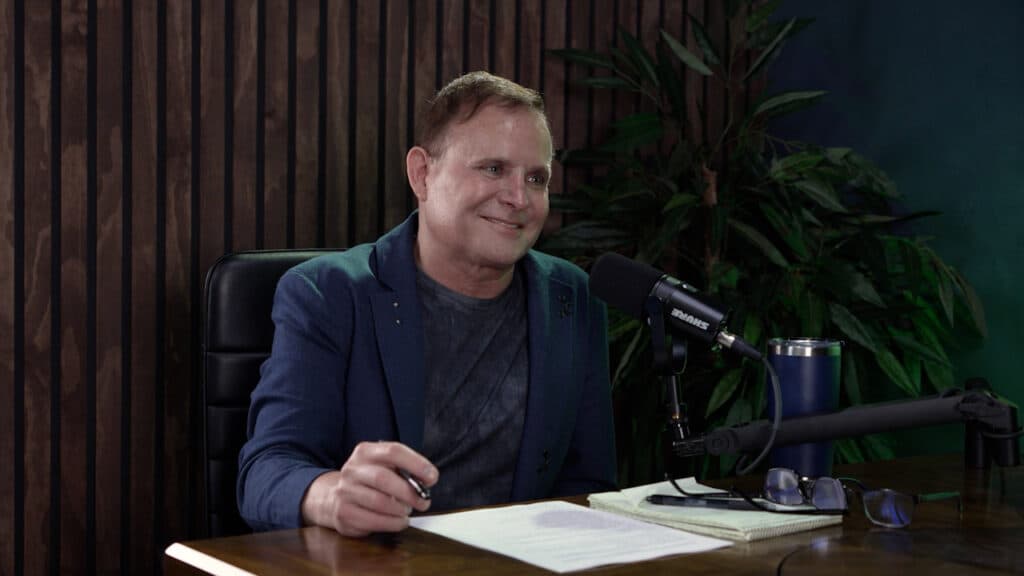
The Digital Peptide Protocols Coach Every Biohacker Needs

Nathalie Niddam

Founder & CEO, PeptidePro
The Digital Peptide Protocols Coach Every Biohacker Needs
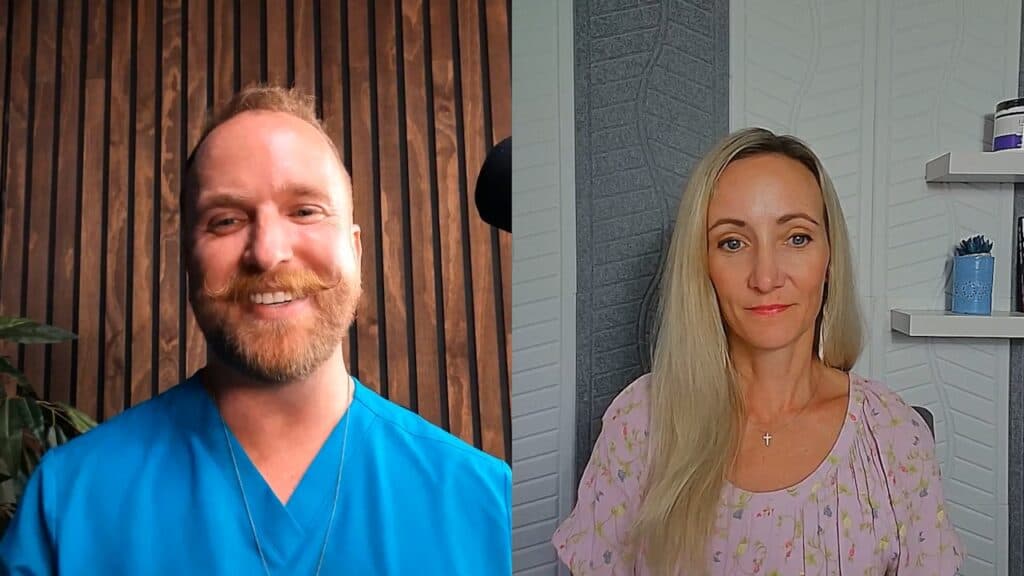
Rachel Nicholas, FDN-P
Full Transcript
Introduction and Rachel's peptide origin story 0:00
Rachel Nicholas, welcome to the bio regulator and Peptide Summit. We are so happy to have you here. Thank you so much for having me. I'm so excited to chat and tell everyone about what we've built. Yeah, well, you have built an amazing thing. I have to say, as someone who's been in the peptide space for a long time and managing communities and talking to people. This is definitely one of those innovations, if you will, that a lot of people sat scratching our heads thinking, God, I just wish someone would build something like that.
And you came along so. So maybe, talk a little bit about yourself and your business partner. Who is your, I believe, your partner. Partner? Your fiancée. But maybe talk a little bit about your personal story when it comes to peptides and, and how this all kind of came to be. Yeah, absolutely. So, my name is Rachel, and I'm a PhD practitioner, and Sean, my business partner and fiancé, he is in medical school, but before that, he's a neuroscience and biochemistry guy, a researcher. So he loves just science and research.
And he's published on, I think, seven now pediatric neurosurgery papers. So this yeah, this kind of realm is really what we're into. And back when he was in his late 20s, he had a really big back surgery. So he had an L5, S1, micro disc ectomy. And just ever since then he was living with just uncomfortability and pain and inflammation that he didn't even know that he really even had, because it had become his 24 hour baseline. It's just what he was used to. Yeah. And he still is really active in the gym, but I just could tell it was limiting him.
And so by this time I had been reading about and researching peptides for a few years. And I asked him, like, would you mind being my guinea pig? Why? Like, let's just try this. And he said, okay, remember how many, how many people started their peptide journey with, I think I'll be a guinea pig. Exactly like, and so we, we put him on a healing regeneration and kind of like a muscle growth stack. And it changed his life. So he went from what he says, he said every single day. He didn't even realize he was at an eight out of ten back pain.
Just constantly. And so when he felt that be alleviated, he said it went to a zero. Wow. He was on the peptides and he just it completely changed his world and he felt stronger in the gym. He slept better. He was just able to not have that mental load of gritting through that pain. So ever since then, we've just become completely obsessed with peptides, people in our lives. They say that I'm like a super spreader of excitement, excitement for peptides, because it's just what I talk to. Clients. Yeah, I love it and I get everyone else excited about it and they start trying it.
So, that really is where we jumped in with this. We're kind of biohackers, and we like having all these metrics and being able to improve. So peptides were just a natural fit right into that. Yeah. No kidding. So I mean Peptide Pro really took a leap forward here. Like it definitely. It takes everybody's game of either whatever it is they own like a little notebook or trying to use their calendars or having a spreadsheet, which is, you know, what the engineers do, but, you know, like like you must have had a pretty high level of either you hit a high level of frustration or you just must have had some moments saying, okay, this, this is what we need.
And yeah, like what? What got you there? Like it's, you know, because it must have been quite a, quite a push to create something as elaborate as you've created now. It was, it was a big undertaking, but I just kept noticing there was a big gap. We have all of this technology nowadays, but exactly like you said, when it came to peptides, I was just printing out printable calendars and marking every day, you know, thymus and alpha one every three days and mark it on the calendar, then count every three days.
You know, keep doing this, figuring out how long when my cycle ends at eight weeks and how to restart all of the stuff. It was so manual for me. And when, especially when you're stacking and more and more peptides, because you get excited and you want to try different ones, it's all so much. And I was noticing as my friends and my family and people were DMing me asking about peptides, it's such, kind of a high barrier to entry with just all of the knowledge that you need to have about reconstituting
Why Peptide Pro was built 4:47
and how much to order and what all of the different things to do. So I just really wanted to centralize everything and give a real, true beginner a place where they know they can start. And not only that, with all of the information to to get started, but to really map out and take control of protocol management and visualize things and automate and send notifications. So it was just one of those things that I, I kept thinking, man, if I had this, it would really help this DM right now, I could just send them somewhere like, yeah, transmit all this information.
And then the next time I would say, you know, well, this other feature, like everyone asks me, well, how many vials do I have? All these things, like I just kept thinking, oh, this is what's needed. So it started with just like, let's do something that notifies us and has a calendar and then switched over to, okay, every single tiny part of a protocol. We've created a little solution in our app for it. Yeah, I love it. And I think what would be what might be helpful here is, you know, helping people to understand what is this app like, what's what lives in in the app.
Because, you know, you tell people, oh, there's this great Peptide Pro app and they go, oh yeah, yeah. And then and then they move on. And I think it's it's amazing to wonder. I think it's quite something for people when they first get in there to see the, the amount of information and the tools that you've built in, you know, it's probably one of the most comprehensive guides of how what are you at now, like over 100 different compounds, right? Yes, over 115 different peptides, peptide by regulators, both oral and the synthetic versions.
We have different amino vitamin blends as well as just like peptide adjacent things like l-carnitine and different things like that. All with research mechanism of action. What is a synergistic pairing for that peptide? Just all this information. We worked on it for a really long time and we are always adding to it as well. I was going to say it's it's got to be one of those living, breathing entities because you're never really done. We're still learning so much in this space. There's, you know, there's such a great need for clinical research and it doesn't sound like that's coming any time soon.
So which is really leaving either individuals or clinicians to monitor and and learn and apply these principles. And so having a guide like this and something that that where you can track not just what you're doing, but I think you also have a section where people can actually mark down, like how do they feel or what are the what's the because this is the thing I find, right? Just like Sean you said, can essentially normalize being in pain all the time, which we see this, we see people normalizing feeling crappy or having no energy or being tired or being in pain.
We forget 4 or 5, six weeks in how we felt at the beginning. Exactly. Or right or or people will sit there and go, oh wait, I suddenly have a rash. Could it be this or could it be that? Or is it the new detergent you started using last week? Right? Right. Yeah. And we wanted something that really was your all in one tool. Kind of like your own peptide coat right in your pocket. So I always say because there, like you said, there's there is so much there's so much in hair, but it really functions off of three main pillars, that are kind of at the core of what we're trying to bring to everyone.
So the first pillar is protocol management. So for example, you know, the app every single day when I wake up, it tells me what peptides are on deck. And then as soon as I take them I just check it off as green. So tonight I have one to take. And until then it's not going to be checked off. But it just tells me whenever I peptides on deck I get a notification, I can easily do it. And then it also maps it out on a calendar for me so I can see every dose I'm going to take over the eight, ten weeks, anything like that.
So the protocol management is the biggest part of this, for you for using it daily. And then the second pillar is the education. So that big peptide encyclopedia where we have the 115 different, peptides by regulators, all of that with all of the safety call outs. You can read about the mechanism of action, the history of it when it was first discovered. Summary. Who's a good candidate for it? Because sometimes you hear about a peptide and you're like, well, that's exciting, but what is it going to do for me?
So on every single peptide, we really tried to say, okay, if your goal is longevity, you know, then you might be matched to Foxo for DRI or EPI. Talen, you know, any of these different ones. So we really try to segment information in a way there that it's not overwhelming. And so the, the education part is just huge for what we're doing because we also have a getting started guide. And that's where like some even someone like me, I still reference it where I go back and I see, okay, what are the supplies I need to have on hand, you know, when I'm going to get my annual blood work?
Like, what do I need to do? Because I am a big fan of setting a baseline and understanding
Whatu2019s inside the app: encyclopedia, tracking, and tools 10:20
and being able to measure as you go on. Just different things like injection technique, how to be sterile, how to store. So we kind of move you through everything you need to know, reconstitution. There's even a frequently asked questions for people who get kind of freaked out about, oh, am I doing steroids? I know I'm injecting something like, what is it? But we just, you know, we explain, okay, this is the difference between a hormone and a peptide or a steroid and a peptide. So there's just a lot of information that's really great reference material that even I keep going back to.
We have like PDFs in there so that you can get ideas and have like a starting range of, hey, how much reconstitution solution should I be adding or what's a normal dosage. So all of these things are encompassed in there. It's it really is like my go to place for all of this. And then the third pillar is the smart tools that we've done to eliminate the peptide math that yes, so dreaded peptide mat. I've seen clinicians who can't do peptide math. Yeah, even. And what the great thing about what we do in here is we still give you all the calculations.
So like we're also kind of, you know, teaching the man to fish as well. Yeah. Yeah. But I mean the, the tools like the ordering calculator just being able to know, like, okay, if I'm doing BPC one, five, seven twice a day, this many micrograms for this many days a week, this many weeks, that's a lot to know. Like, okay, but what does that mean for vials. Like what does that mean right to. So we have a tool for figuring that out so you can figure out okay you need this mini five milligram this mini ten.
Blend calculator which is one of our newest additions, which helps just fraction it out and helps you understand what dosage is in the blend that you're making, whether it's glow or CLO or anything else. That's been a really big hit. So yeah, we really just wanted to make this a place where, you're able to do your biohacking, but also leverage technology and, and like you said, take observations because that's one of the most important parts of being able to look back and say, oh, I appeared on this day, or, oh, I slept like my aura ring.
Told me I slept like a rock. Like, this is the most deep sleep I've gotten. So a lot of those little things we try to encompass in here, there's a lot of like note taking ability and just different things for really having a smooth protocol as well as a history section. So you can actually see a timeline of every single moment down to the minute that you took your peptide and any note that you kept alongside it. So you can go back and see those things side by side, which is been really helpful. Yeah. No, that's fantastic.
Are people also able I'm just curious about this. I don't know if you've built this in, but are people also able to add in the supplements that they're taking? Yes. Yes, that or not. Because that's another thing, right? Like what am I what what's my stack like? Not just like let's say I'm building. I'm really focused on building muscle and bone right now. And so I'm like, you know, I'm on a very specific list of supplements. I'm actually not using a lot of peptides at the moment, mostly because I'm allergic to the ones that would be the most obvious. Oh no, which can happen.
But but but I think that's another it's another thing that I think people want to have is, is tracking their, their supplement protocols alongside what they might be doing with or without peptides at any given moment. Yeah, we built that in, just because we didn't want this to be just another kind of another health app that you have. We wanted it to really be like a platform for optimization. Your go to place that you can look back at everything. So we did add in the ability to track anything. So we're talking creatine methylene blue.
You can create all of your own create like compounds in there. And I even for myself I even schedule like my nano needling with GHQ and Red lab once a week. So it's it's just a great way to like these habits that I want to like, stay on. Because of course, for anything, consistency is the key to being able to have it like they're on my calendar and get a notification. Okay, this day it's time to, you know, put GHQ on, sit in front of the red light and stick to that so that I have the best outcome.
So yep, you can track. A lot of times people are tracking like their HRT because those pair so synergistically with peptides. So it's a way where you're really able if you can dream it, you can do it. That's amazing. Well, the other thing, I think that's great, from the conversations we've had in the past, is that you're very responsive to to feedback. And I want to talk in a minute about the clinical side of your business because you have two sides of your business. We've really been talking about the consumer side for the, you know, self quantification, individual biohacker, whatever you want to call yourself.
But there's a very there's a side that you there's another aspect of the app that you've developed for clinicians to use in practice, which I think is it's such a powerful tool, again, for clinicians to be able to aggregate information from it, particularly because with peptides, there's there's a lack of formal, research in many areas. And even even though there's research in some areas, the the way that people respond to peptides because of the types of compounds that they are can really range.
Right. And so for a clinician to be able to say, you know, I've got x number of patients using this, and then under saying, oh, you know, there's, there's these ten people that have this reaction, maybe I should go back and see, is there a common thread that runs through them that can help me to develop understanding about what's driving different conditions? So maybe talk a little bit about the now that I've heard about this, can you talk a little bit about the clinical side of your business, which is really quite impressive.
Thank you so much. Yeah. We the same way that I saw there being a gap for just biohackers needing this app as a practitioner and having a lot of provider friends, DNP and nurse practitioners, I really was hearing a lot of, oh my gosh, peptides are so life changing in my practice, but it's so confusing for the patient because I write down their protocol on a notecard and then when they go home, they stick it on a fridge and it drops and it goes under the fridge, and then they fall off their protocol.
They don't know where the email is that I sent it. And so all of these issues, even, one of my clinics that uses us, said we were having to go on our phones and set alarms for like eight weeks in the future to know that we were going to be able to restart the protocol. So all of these things, I kept hearing a lot of frustration from providers, and I knew that if the providers were feeling frustrated, the patients also probably felt, you know, it's so much information reconstituting all this stuff so well, I can tell you that people would pay me to do the peptide math after they paid that, or they would reach out to me on Facebook and say, you know, my doctor gave me this, and how do I do this?
And I'm like, well, ask your doctor, right? But but anyway, so not to interrupt, but I can I can vouch for it being a two way challenge to manage all this. And I think when what we were saying was when a lot of when the patients felt frustrated and didn't know really how to proceed or have a lot of confidence in what they were doing, they would reach that point where they're just like, okay, I'm just quitting. Like I'm just quitting and I'm not going to say anything. And they wouldn't, you know, tell the the practitioner they would just kind of what I call quiet quit and just never, you know, just not, you know, not talk to them again.
So we wanted to make this really beneficial for both sides. So on on one end, of course, I want to take work off of the plate of the providers and really, help their staff and, and make sure that they can communicate all this information to the patient without always having to be on the phone or an email. But on the other hand, when a provider offers something like this, like a custom app to their patient, it really offers a new standard of care. And, you know, it almost feels to the patient like the provider's right in their pocket because they're getting, you know, updated notifications on when to dose and they have a chat feature in there as well as the provider adds in their own like, proprietary educational information, they can put in PDFs or handouts, all this stuff so that really improved a lot of, return patients to the providers that are using it.
So they're noticing that when the patient has all of this information and they have this right at their fingertips, they get a little bit more excited because they look through the encyclopedia and they see, oh, GHQ, it's like a beauty molecule. Well, like I'm I'm definitely going to take every dose versus when you don't really understand. It's harder. Yeah to have that excitement in that vein. So when they're more excited and they're looking through and staying on protocol because the provider is able to see exactly how much adherence each patient has to every peptide, then they're getting better outcomes when they're more consistent.
And then they return more to the other peptides that they've seen in the encyclopedia. So they're like, okay, now that I'm done with this one, like can you get this one? And let's do another protocol. So it's been really nice to hear just how much the patients feel supported, but also how much it's taken off of the plate of the providers. Yeah, I think I mean, from where I said, I just think it's it's helped clinicians to be more supportive. And to your point, what you were just saying, like, it really empowers the individual to feel because, you know, you you go to meet with your practitioner, they tell you they download a ton of information, people walk away and they're like, oh, yeah, that best t something I think, you know, because the names are so challenging.
You know, even just remembering the name of the, of a compound and, and for them to be able to reassure themselves, to go back and read and research about it and educate themselves to your point, helps them to it helps to cement the information in their minds that the clinician may have delivered in the appointment, but they kind of forgot. Yeah, right. Like it's a it's not at once. Yeah. Until you become literate in this space it's it takes quite a long time. I remember when I first started doing peptide math, way back in the day,
Clinical workflow and provider benefits 21:00
I was like, I was pregnant. I was like, I don't know how I'm ever going to get this until the day I figured out that there's a thousand micrograms in a milligram and then everything bodies, you're fine. But until you hit that watershed moment, which for some reason can take a while, it's just really, really, really frustrating. So, so I mean, look, I mean, I think that I would imagine that your list of clinicians is growing by the day because this just makes their life so much easier and it will be so powerful for them in their practice.
In terms of even, like we said, like looking back and seeing and starting to connect the dots, in their own practice. Yeah, it's kind of using their practice as their own mini clinical trial and able to see, okay, when my patients who are on Mars see, I'm noticing all of the dots. They're like, have so much energy. Oh, I'm noticing on, you know, maybe on tests. Marilyn, people are adding a little bit of muscle mass. So all of these things, when we're adding in new features where you're actually able to survey your clinic and say when they finish a peptide, like, hey, you just finished BPC 157, here's three small questions.
Did it improve your main complaint? Would you do it again? Are there any notes you have for me? So in that way, you're also able to really get a lot of information to better inform your future protocols that you write. I love that it also gets the individual thinking. Yeah, yeah. And deflecting and reflecting back and saying, you know, I, I recently, you know, suggested to my mom and dad, I, I, I gave them an actually an oral supplement stack, that had BPC, la Raza tied Cfpb, it had all of that healing stuff in there.
And what I didn't expect and of course, a they didn't listen to me, so they doubled it. My mother says, no, that's what you told us to do. I'm like, no, I'm pretty sure I didn't. Anyway, but that's classic, right? Right. And, they came, but what I didn't expect was both of them to come back to me and talk about how their physical aches and pains had vanished, which is not what necessarily we expect from an oral formulation, usually the oral formulation. I'd certainly given it to them for gut healing, but probably the combination of healing the gut and the ensuing reduced inflammation and all the other systemic benefits that came with that.
You know, my mom, who ripped her shoulder up pretty badly, and my dad, who's got a chronic back issue, both of them are saying, we feel so much better. Wow. And, you know, and I'm sure you you know how this feels because I didn't tell them it was going to help those parts of them. Right, right. So there's no there's no sequence. Right. Well, that's why that's what's so exciting about peptides. And it's only going to grow and grow. And that's also what's exciting about the bio regulators is we're at this point where we don't have to just accept aches and pains as like, oh, I can't escape it.
This is just part of aging. Like there's ways now that we can really support our bodies in a, in a better way that our bodies recognize. So yeah, it's I mean, it's a really exciting time. I had this same similar story with my dad who I started on, BPC 157 and TB 500 subcutaneous, and he was really skeptical, as, you know, as he should be. And he was like, okay, he would call me every week and give me an update. And around week two already, he was like, because, you know, some peptides have like a loading phase and then some are pretty.
But those those two are pretty. They're pretty frickin very dramatic. Yeah. And he he felt if he was like, okay, I could walk longer today. And I definitely felt like my knee that I didn't even realize was always nagging. He's like, but I'm not sure I'm going to give it another week. So he really tried to resist it. But then now he is like the most gung ho addicted person I know. So, it's I love it. It's so amazing what they can do. And for the clinicians as well, having a tool like this, I love that it positions them always as the expert because no matter what, for every single compound they know a safe suggested dosing range.
They have a starting point. Yeah, yeah they have like that to work from. They have okay. Who's the good candidate. Let me match this up. What works. And or just so they have all this information that they can use for their practice. Even if it's a it's a peptide that's a little more lesser known, like foxo for a dry or something like that. You know, there still have not only a suggested range, but we also any time there's like an alternative protocol, you'll get multiple suggestions. So we'll say like here's a commonly anecdotally reported dose.
Or here's our suggestion that we give nice and low and slow. But then we also provide other research backed findings. And we always put, you know, what papers are in there. So it's really something that Sean, it's his biggest like undertaking and hobby to be able to really, you know, validate the research, go and find more research, see what is out there. So he's constantly scrubbing and adding and really want this to grow and evolve. So yeah, there's a few compounds that are up next. She has I always am out there kind of seeing what's new and that I give him a little list and we discuss and we say, okay, does this make sense to put in where the papers.
So we always are adding and like you said earlier, we really want to be community led. So a lot like a feedback that we get is just so valuable to even the smallest little things that people say, hey, this would just make it so much easier. Or if you put this here, it might be easier to see. So we we take all of that information and I always say, oh my gosh, thank you so much for being such an active, involved user of this. You're making it better for everyone else. And then, you know, I always let them know, hey, we added your suggestion that that's so nice and people gives people some ownership.
That's awesome. Yeah. A lot of fun. Oh, yeah, I know for sure. It's, so I think you kind of went through this, but I think maybe what might be helpful to the audience who's listening. We talked about it a little bit, but let's say someone's brand new to the space and they feel really overwhelmed. What's their journey when they first turn on the app? Yeah. Good question. Like what's what's the you know, how does it how does Peptide Pro kind of help them guide. Yeah. Great question. So the first thing when you get in there you're able to immediately see our big encyclopedia.
Because of course the first thing you're going to want to do is identify really what your goals are. You know, what is the outcome that you want. That's the the best starting place. Of course, after you've consulted with your primary care physician and maybe you've done a little bit of baseline lab work once you're diving in, it's just really helpful to know, what is it that I want to get out of this. Yeah. So it's it's nice to be able to say, okay, here in the app, in our encyclopedia, we have things grouped.
So say for example, if you have a concern. So something like leaky gut, you can just click on the leaky gut area and then you're matched with what components guide you. Right. What compounds could be helpful in that instance. Or something like maybe mold that you're dealing with or any underlying infections. But even if it's just like, oh, I'm just a biohacker, I just want to feel better. I don't have, an active issue that I'm dealing with. We have little, areas that are like longevity or anti-inflammatory or, you know, all of these little groupings that really help you determine what's that first one I want to start with.
And I always like to tell people, start with one, start low and slow, titrate into the dose so you don't have to go full, full dose right off the bat just to see how you respond. Because even though our bodies recognize these things, we everybody's so unique and bio individual. So something that I do fine with and that maybe I had the best outcome with Sean's a little bit more reactive too. So it's really important to take it nice and low and slow. Yeah. And then from whenever you've decided, okay, I've chosen my first peptide, we have a lot of tools in the app that actually help you build a stack.
So on every single encyclopedia page, if you scroll to the bottom, we give you some nice ideas of what are synergistic pairings for that one peptide, because a lot of times, you know, one peptide is great, but when you use it together with something else, it really enhances the healing effect. It really enhances the anti-inflammatory effect, anything like that. So there's stacking ideas as well as we built a like a, a checker. So we built an interaction checker where you can put select BPC and GHQ and it'll give you a result of yes, these are synergistic when used together or use caution.
Not enough research is known about it. Right. There's a lot of kind of guiding information in there. Great. And then there's the does the app coach people kind of to start one at a time,
Getting started safely and dosing guidance 30:30
because I think that one of the things, you know, people come in two basic flavors, the I want to throw everything at my body at once because I'm so excited. Right. Which can not go very well. And the second flavor, which is I'm, you know, and especially anybody with any kind of autoimmune issues or people who have co-infections or Lyme or, you know, like people who've got a lot going on health wise. Peptides are, are are very power furious. Yeah. Right. And so it can in some cases cause like a Hertz reaction, which is like a healing crisis.
So is there is there something in the app that helps people to understand, like if you're going to start 2 or 3 things that are brand new to you that you've never done before, you know, maybe consider starting one and then starting the next one without the first one, and then starting the next one without the first two, and then start building them on, like, do you have that kind of built into the app, that kind of guidance? Yeah, we have that in our Getting Started guide. Just to be really observant.
Do it one at a time. Make sure that you're really paying attention because you can do a little bit of injection site redness of course, is normal. You just put an insulin needle in your tummy or in your glute area. But something like to watch out for as well. Like, any hives, maybe any warm to the touch. Itchy. Exactly. Even sometimes, people will have like an increased kind of heart rate. So any of these things, we also give those as kind of parameters to watch out for. If you're having a reaction as well as to preemptively, you can take vitamin C and quercetin or have Benadryl on hand.
So we really tried to think, sit down and think like when I was a beginner, beginner, beginner. What are the things that I really wished I knew because we try to add those little real world nuggets in like for example, for me, my like one of my favorite peptides. I love epi Talon. I love it so much. But in the encyclopedia page we actually note we give all of the protocols that are well known, like, hey, this is, doctor William Seeds protocol that he suggests this is the Ukrainian protocol, and those are all a little bit high.
And I remember you telling me that's because there was a translation issue. Yeah. And yeah, the Apatow on the synthetic is really the, the, you know, the, the, the baseline kind of hold the ship steady dose. We have nothing going on. We're just doing it to give the body some love. Is 100 microgram 1 or 200 micrograms. Maybe for a therapeutic dose you might push it to one milligram. But for the longest time, people were telling the 10 to 5 to ten milligrams a day. So the good news with that battalion and the bar regulators in general is you won't get a negative effect from it, but you're really not going to get much benefit. Exactly.
And it's an expense. It's a little bit of a more expensive one as well. So it can be. Yeah. So on on our encyclopedia page, we give all the protocols that are out there just so people know the information. But we make a little note at the bottom and we say, hey, you know, just so you know, our team really likes lower doses for a longer period of time. And I think that to your point, I did the 200 micrograms and I've never slept better. I swear I just I love everyone, right? Okay. I mean the ten milligrams is appropriate for the oral natural version, right?
Yeah. Right. Just not for the for the injectable. And that's another good point that in in all of the data that we put for all of the different compounds that we have, we do note, hey, there's an oral dosage. This is it. Hey, there's a subcutaneous dosage. This is it. There's an intramuscular dosage. This is so we really try, to give all sorts of different options I love it, I love it. Okay. So we know the precision is everything in peptide dosing. So how did you design peptide Pro to handle that complexity and still make it user friendly for both providers and patients.
Like that's a tough line to walk, right? Yes. It took a lot of tweaking and perfecting and figuring out different situations and a lot of feedback from clinicians. Just like you said, where to to figure out those even those one off dosing situations like, I recently had a provider who was like, hey, I'm not quite sure how I would do a loading phase with the peptide. And I thought, oh, that's a really good point. So we're working on okay, how do we adjust our algorithm so that we can have a loading phase and then a different.
And we've even done things like for microdosing any peptide you there's a setting where you can put in every x amount of days. So maybe every 30 days increase the dose by x micrograms or x milligrams. And so we really try to think of these cases where you do need your dosing to be precise, and you need to be aware of it. So any time your dose changes when, you're titrating up or doing kind of a unique microdosing schedule, you do get notified in the app so you're able to see so that you won't accidentally do your prior dose.
Yeah, I, I disaster I mean like it's not the end of the world of course, but definitely it's it's nice to have that guide and have it all written down. So okay, so as we're, as we're kind of drying to like the end here, If every clinician and biohacker were to in the world adopted Peptide Pro tomorrow, what would be the single biggest shift you think we'd see in patient outcomes? Oh wow. I definitely think people would just be able to have that feeling of reclaiming their health and feeling empowered and being able to have a direct hand in their overall wellness.
I think peptides, that's one of the greatest things about it, is being able to have that influence on your biology and really help your body maintain, you know, homeostasis and feel better. So I definitely think that when you're able to measure and dose properly and stick on schedule and know when to take your peptides, when to rest from them, get notified when you can start another cycle. All of that. It would just really give people a big improvement to their overall health and well-being. I love it, I think it gives them clarity to apps, right?
Like confidence and clarity. So, so are there people that you would in general kind of steer away from peptides? Like we talked about all the beautiful things about peptides. But are there populations of people that either maybe shouldn't use them at this point or perhaps really, I mean, I think everybody would be well-served to have a coach or a practitioner, someone help to guide them, because as great as the app is, it's still, you know, having the the feedback of the person. So something about you is, is is powerful.
But are there people that you really think, especially if they're super enthusiastic and don't want a practitioner that should maybe really take a pause and think before they jump in here? Oh, absolutely. I think that, you know, people with, CAS can be really reactive to peptides. And it's not always just the peptide, but can even just be starting something new or being. I know that when I did my first subcutaneous injection, I was sweating, I was nervous. So even something like that, where you're in a little bit of a heightened nervous state, can stress a system with more cast.
People with histamine issues should be cautious. So like you said, even though there's so many, great, wonderful things that can be improved with peptides, there's also things that really be cautious in aware, start low and slow, and just be mindful of your immune response. Yeah. And I think also I mean, just to add to that list, I think you've got pregnant women where there's just not we just don't have enough data yet. And then, people with autoimmune conditions, people with people with diagnosed cases of cancer, like, you know, any kind of really, a diagnosed condition, I think at that level, first of all, you're waste less time and money, right.
If you can find a clinician who has experience in that area,
Who should use caution and where to find Peptide Pro 39:20
who can guide you. So I just, you know, I always feel like we kind of can't say this enough because especially with something so powerful in your pocket, to remind people that if you if your body's way out of balance. Although I interviewed a doctor today who talked about since she started using peptides in her practice, she's cut back healing on people from five years to two years or two years to one year like it's been. It's peptides have been a real have really accelerated the speed at which they see results in practice.
But I think that people who have a lot of things going on in the system would really be well-served to find that clinician, to, to help with them. Do you think you'll ever add some kind of a clinical directory of clinicians across the U.S. that that have certain specialties as. Yeah, that's that's I mean, people look for all the I've been thinking about that and, kind of compiling and testing out if our providers that use us now would want to be involved with something like that. Because exactly to your point, there's just so many things that just because you can doesn't mean necessarily you should without love that expression and because you just never know.
Maybe sometimes, even with the best intentions, what you might accidentally be switching on. Yeah. In your body, even though you know you want it to do one thing. But if you already have really elevated, you know, IGF one, and then you do a growth of growth hormone secreted peptide there. You know, there's just risks that are involved there. So definitely getting an like an expert opinion is really helpful, especially with these molecules that are so powerful. Yeah. No. And and and what you just said is so important for people to, to hear again and again is that these little tiny, bitty molecules are incredibly powerful.
Like we're talking about fractions of a milligram that really move the needle in powerful ways, like one tenth or 1/20 of a milligram can make a difference for people sometimes. So and you get the you get the vial and you're like, is there anything in here I can't even see? But you just I mean, what's in there is incredible. Yeah, 100%. Okay. So Rachel, I, I mean, I don't know, I think anybody at this point is, is who's listening to this is like, where do I sign up? Like, what do I do? So where do people find you?
Where, where and how do they get their hands on the Peptide Pro app? Do you have a code for them for the summit? Like what do we how are we leaving our people with the resources in the to manage their excitement? Yeah. So, if you guys want to join us in our peptide Pro community, we would love to have you. All you have to do is in your web browser, either on your computer, on your phone, go to www.peptidepro.app. And we are a web based app. So there's not going to be anything in the Apple Store or the Google Play Store.
We really built our own platform, just so we could add all of the information that we wanted to and, and really kind of control our community the way we, we wanted to build it. So, if you sign up for the app, you can use the code DrTalks and you're going to get a free month on top of the two week free trial that we get. Yes. And that's on the the monthly or the annual subscription. I love it, Rachel. Thank you so much. Thank you for what you and Sean took on. It was a huge job. You did a brilliant job.
So thank you for doing that and thanks for taking the time today to talk to us. Thank you. I'm so glad to get a chance to talk to you. Pleasure.
Comments