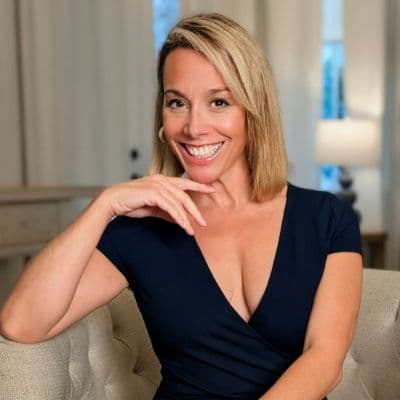
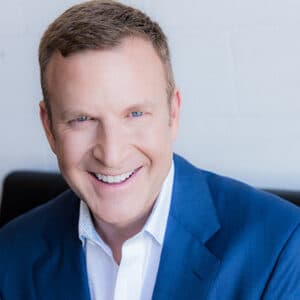
Full Transcript Longevity, Wisdom, and Economic Impacts 0:00 Well, I think the one thing that comes out of this and assuming 0:03 in the premise of your question that the brain is including the brains. 0:07 Yes. Not breaking down as well through these approaches. 0:10 I think the wisdom of someone to have lived centuries, will be amazing. 0:16 I mean, listen, if you if you follow, you know, some of the fantasy writers 0:20 and the vampire shows, the vampires have been around for hundreds of years. 0:24 They they've seen it all. 0:26 They don't. 0:26 They make fewer mistakes, or they repeat them knowingly. 0:30 So. So I think the wisdom and how that's applied, 0:34 can impact, hopefully everyone in a positive way, 0:39 because there's a negative side to this, too. 0:41 Think about the economic stress of 0:44 a, a population that's, you know, living older. 0:49 And how do you prepare for retirement and when do you retire, 0:53 or do you ever retire? 0:54 You know, you know, you know, most 401 K's are designed, you know, to, 0:59 to meet the, life expectancy tables, which are horrible. 1:03 So how how do you plan to live to be 250. 1:07 You know, economically that's, you know, you're going to have to extend 1:11 the work life. 1:12 And in, in a world where I is taking up a lot of the jobs, 1:16 you know, that wisdom is going to come in handy to, to really figure it out. 1:19 So, on the health side, I think it's going to be wonderful 1:23 because what what we learn in this 1:26 realm, longevity and radical longevity and regenerative medicine 1:31 will impact all forms of diseases that escape that. 1:35 For example, cancer, which is many diseases, 1:39 you know, can come from genetic errors. 1:41 We still need to address that. 1:43 And that's one of the projects I'm working on with regenerative medicine. 1:46 But I think it'll help us continue 1:49 to fix those kind of medical and biological problems. 1:52 And we're going to need that. 1:53 If someday we're going to get off this planet 1:56 and explore the galaxies. 1:59 Welcome to Doctor Talks, the podcast where every episode leads to a healthier you. 2:05 Join us as we navigate the world of optimal health, 2:08 uncovering groundbreaking strategies to conquer chronic disease. 2:12 In each episode, we'll bring you the latest insights 2:14 from leading health experts, medical innovators, and wellness warriors. 2:18 If you are seeking to transform your health journey, 2:21 or if you're looking for answers to burning questions. 2:24 You've come to the right place. 2:26 Get ready to unlock the secrets of lifelong health and vitality. 2:30 This is Doctor Talks, 2:32 real talk from real doctors on the issues that matter to you most. 2:39 Hi everyone. 2:40 Welcome to Rad Cars. 2:41 I'm your host, doctor Melissa Peterson, 2:43 and I am honored today to be joined by Doctor Jeff Gross. 2:47 He is a visionary leader in regenerative medicine and longevity science. 2:52 He has dedicated his career to pioneering breakthroughs in stem cell therapy, 2:57 spinal biomechanics, and regenerative health, 3:00 helping thousands of patients to regain movement,
Why Conventional Medicine Lags Behind 3:03 vitality and quality of life without the need for surgery. 3:07 With decades of experience at the intersection 3:10 of cutting edge science and compassionate care, 3:13 he is redefining how we think about aging and healing. 3:17 So today, we are going to dive into the science 3:20 of self-repair, the promise of regenerative biotechnology, 3:24 and a bold vision for a future where pain free movement 3:28 and extended healthspan are within everyone's reach. 3:32 Doctor Jeff, welcome to the show. 3:34 Wow. Thank you. 3:35 That's a great intro. 3:36 I may need to, borrow that bio back from you. 3:39 Yeah, we'll pass it on to your PR team. 3:42 Thank you so much for having me. 3:44 It's so great to be here, you know, to have you here with us today. 3:48 Because I love your story. 3:50 And I know as podcasts typically start the interview is kind of about the origin, 3:55 but I'd really like to kind of jump into the. 3:57 Now, first, you're 3:58 at this beautiful convergence point of you started in neurosurgery, 4:03 but you're really out there leading the way in regenerative medicine. 4:07 And so, you know, maybe share with us a little bit about your passion 4:11 around this topic and how it's really fueling 4:15 your your future endeavors, your work right now. 4:17 And you're promising future endeavors to continue to help people to really heal 4:22 and thrive through Stem cell and regenerative therapies. 4:27 Thank you. 4:27 Well, this is a reboot for the practice of medicine, at least in in my office. 4:32 You know, I was doing the same old thing for well over 20 years, and, 4:37 that was treating patients with neck and back problems as a spinal neurosurgeon. 4:41 And, you know, I was disappointed in things not changing. 4:45 Not improving. 4:46 I was disappointed in how the tail was wagging the dog and the health 4:50 insurance sector cookbook watered down system that we have. 4:54 And through the encouragement of my patients, I have this, 4:59 you know, a chance to tap back into my undergraduate love, 5:03 which is molecular biology and biochemistry. 5:06 And I said, let's take a look at Stem cells again, because they asked me to 5:10 and I meant to do it to help them with neck and back problems. 5:14 But now it's so much more. 5:15 It's reinvigorated my, you know, 5:18 nerd level science, you know, 5:23 you know, 5:23 background combined with the, you know, the, the, the way I'm wired, 5:27 which is to, you know, help people and push the envelope scientifically. 5:32 So, I have this sort of fire 5:35 within me now to to do new things and, 5:39 and help, in a way that wasn't being looked at and isn't. 5:43 It's so interesting that, you know, the field of conventional medicine, 5:48 as we've all come to study it and know it 5:50 and either be a practitioner of it or a patient within it. 5:54 It's if we really look at how it's delivered, as you said, 5:58 it is a lot of the same old. 6:00 It's for all the innovation. 6:02 The conventional system doesn't want to change much. 6:06 And yet, you know, to see as a practitioner 6:09 to, to want to give, to love, to heal, to support, to serve those that we are 6:13 in front of really does require a fire passion, a purpose every day to show up. 6:18 And and it's kind of interesting that the model takes the fire out 6:21 of us a little bit. 6:24 Why? Before we go into I want 6:25 to talk about the fire and I want to talk about these incredible small molecules.
Patient Advocacy and Incentivizing Health 6:29 But I'm just curious on your just belief around that. 6:33 Why do you feel that all of the amazing research and science 6:39 and breakthroughs that we have, why do you feel that conventional medicine 6:42 is on average, 50 years behind, at least in how we are delivering 6:47 and what we're taught to deliver to our patients every day in practice? 6:52 I, I, I think we we're all aware of some of the elements here. 6:55 And I'll boldly say there are a few things. 6:57 First. 6:58 The system is designed not to advance quickly. 7:02 The I was trained by surgeons who are trained 20 years 7:08 earlier by surgeons who were trained 20 years earlier by surgeons, 7:11 and by and large, at least in the spine realm, we're doing 7:14 the same thing that they were doing, you know, 60, 80 years ago. 7:18 We may have a new way of doing it smaller. 7:20 We may have a new widget. 7:22 We may have a way of, you know, not disrupting as much, but 7:26 ultimately, you're either making more room for the spine 7:29 or you're stabilizing the spine, 7:30 meaning fuzing it together. 7:32 Those are the two categories you choose from, and they haven't changed drastically. 7:36 In many years. So. 7:37 So what you learn to do is based on what someone learned 7:41 a generation before to do, and that's just not advancing fast enough. 7:44 The second reason the the political and economic pressures and, 7:48 you know, here in my Las Vegas clinic, we always worried that when we start 7:51 to speak out like this, we're going to get buried in the desert, you know. 7:56 Yeah. 7:56 And East Coast, you guys might say something else, 7:58 but here we have a desert and you get buried in the desert. 8:01 But, you know, listen, the tail is wagging the dog. 8:04 You have, you have economic pressures by people who make money, corporations 8:09 who make money from surgical implants, from, pharmaceuticals. 8:15 And that means they need a reason to apply those. 8:18 They have to create the disease 8:20 so they can have the, solution or at least the symptomatic solution. 8:25 So I think those are the reasons why, real advancements 8:29 have to have to extricate themselves from those those shackles. 8:33 Yes. And and, doctor Jeff, what do you feel about 8:36 the role of patient advocacy? 8:38 So I'm with you 100%. 8:39 And so the tail wagging the dog, and it keeps this nice, 8:43 you know, fiscal, financial profiteering 8:47 system going that may not be in the best benefit of the individual. 8:51 And I'm highlighting this for a moment because, you know, soon, 8:54 the coalition for Radical Life Extension is going to do a big march on Washington. 8:59 And as we think about what does the new human look like 9:03 when we are living longer, we are actually living better. 9:05 And you and I are going to get into 9:06 that today around the science of stem cells and small molecules. 9:09 But like we meet ourselves in the moment right now 9:12 where we can think about these beautiful ideas all day. 9:15 And yet the system is still kind of again tail wagging the dog. 9:19 And if we really think about it as a consumer for a moment, 9:22 I don't feel that anybody would be using a cell phone. 9:27 There wasn't even a cell phone 50 years ago, 9:29 let alone a cell phone from, you know, ten years ago. 9:32 Most people are each year, 9:33 every other year 9:34 getting the latest, the latest and greatest and their system updates 9:37 constantly happening because there's such exponential technology at our fingertips. 9:42 And so on the one hand, we can look around everyday life and go, 9:45 oh yeah, things are moving pretty quickly and there's a lot of advancements. 9:48 And yet it's interesting how we've not been 9:52 empowered as individuals to realize, 9:55 wait, why doesn't the supply everywhere like we can?
How Stem Cells Support Repair and Renewal 9:58 We can get the best TV and the best phone 10:00 and the best piece of technology, but technology is driving health care. 10:04 So what role do you believe patient advocacy, self-advocate 10:07 advocacy could play in kind of moving this needle faster to really bring 10:12 some of these therapies to the forefront, quicker in a more democratized way? 10:17 You have to switch around the carrot and stick. 10:19 The incentive has to be for health, and it has to be an economic, incentive. 10:24 And, you know, whether you you know, that's, 10:28 how much people pay for health care or how how you reform 10:32 health insurance back to the way it was perhaps before the mid 80s. 10:36 When there was, you know, it's like a public utility back then. 10:39 You could only make so much instead of the profiteering that's happening now. 10:43 And we know that some of the popular press recently, 10:47 I think you have to create an economic incentive that, 10:51 your retirement dollars will last longer 10:54 if you're not spending them on health care. 10:57 Because if you rely on Medicare here in the US, after the age of 65 or so, 11:02 that's that product has been so watered down and so restricted 11:07 and so, transferred, bought and sold for people to make money on it, 11:12 that, that take away from the health care that it doesn't work. 11:17 So let's talk today about how we become first 11:21 and foremost advocates for our own health, to take back the reins of our health 11:25 at whatever age we are, so that we can begin. 11:29 Because, again, if we think through health first. Right. 11:32 So again, insurance, 11:33 the insurance model is really sickness and it's sick care management. 11:37 Right? It's not health care. 11:38 We're not focusing on keeping people healthy. 11:40 We're paying to manage problems. 11:43 And we we appreciate that now. So I love what you just said. 11:45 It's a it's about kind of flipping the model on its ear. 11:48 So let's incentivize health. 11:50 Let's really look at what that means. 11:52 So let's dive into that because you've come up through a system 11:56 in a time in practice where it really was just kind of treating the problem. 12:00 And then your fire was reignited 12:03 when you discovered this world of small regenerative molecules. 12:06 So let's talk about the potential of how stem cells can really 12:10 bring our health back. 12:12 Help us first, 12:12 give us a little framework about what these beautiful stem cell molecules are. 12:18 Well, you know, it's it's kind of interesting. 12:20 We have the blueprint for this. 12:22 We have stem cells within us. 12:24 They're working all the time. 12:25 They helped us grow as a fetus, they and become a baby. 12:29 They helped us grow from a baby to an adult. 12:32 And then after that, they help us repair, replace and renew. 12:36 But they tend to lose steam with age. 12:40 And I'm going to say physiologically meaning, 12:42 you know, accumulating, you know, chronic cellular stress and damage. 12:46 And in chronic, chronic inflammatory changes. 12:49 And we use that phrase, that phrase vaguely, but, 12:53 you know, a whole set of molecules 12:56 that are busy defending, ourselves against all the bad stuff in the world, 13:01 in the environment, electromagnetic forces, free radicals, oxidants. 13:06 You know, things we shouldn't have in our food and water and the air and, 13:10 and, neuro stress and all kinds of things that, that affect us. 13:15 So we can't be an optimal maintenance mode. 13:18 Unless, you know, we get some help, and that's where we tap back into 13:23 what's called regenerative medicine, where we use that knowledge now to, to 13:27 to help reprogram our cells, encourage them to go back into maintenance mode, 13:33 help them repair better at a more youthful, 13:36 less inflames manner. 13:39 The longevity revolution is about more than just searching online 13:42 for a few hacks, or any one of us moving our biomarkers in the right direction. 13:46 It's about coming together 13:47 to learn, share, to connect and create the unlimited future we want. 13:52 That's why you need to be at Rad Fest 2025, in 13:54 Las Vegas from July 10th to the 13th. 13:58 Rad Fest the Revolution Against Aging and Death 14:01 is proud to be partnering for the first time 14:03 with Doctor Aubrey de Gray and Longevity Escape Velocity Foundation perform 14:07 the single most comprehensive, advanced, informative 14:10 and inspiring event on Aids reversal for a general audience. 14:14 Meet the people you want to make forever with Rad Fest 2025. 14:18 Take advantage of lower advanced pricing now at Radford. 14:20 Scott. Beautiful. 14:22 So you just said in a less inflamed manner. 14:24 So let's talk for just a moment. 14:27 I think this is although it's very common sense. 14:30 And as the listener hears this, they're going to go, oh, of course.
Stress, Recovery, and Lifestyle Foundations 14:34 Yet I think it's actually, it's 14:37 it's missed, which is when we always talk about the role of stress, 14:41 we talk about it from, chronic stress breakdown disease. Yes. 14:46 Of course, of course. 14:46 Hormone cortisol. 14:48 Insulin. Yes. Of course, of course. 14:51 Yet let us go even more basic if we think of cortisol in action, 14:56 if we think of the stress response, it's the fight or flight. 14:59 And let's talk about when healing, 15:03 maintenance, repair, renewal, rejuvenation can actually happen. 15:09 It doesn't really 15:09 happen in the sympathetic dominant state, does it, doc? 15:13 Not not at all. 15:14 So give us a little wisdom of just some practicality 15:18 of before we go, think about I'm going to go take stem cells, 15:21 because by the time they're done listening to our conversation 15:23 today, everybody's going to be calling your office. 15:25 But before we even get there, like, let's back up the train and realize 15:29 these are a part of us. They're part of the human system. 15:32 They're online from the moment of conception, 15:34 and they are guiding our our growth, our repair, our rejuvenation. 15:38 And yes, as we chronologically age, they're being compromised, 15:41 they're being decreased, but they're still there. 15:43 So we're saying, hey, how do we leverage them before we start injecting? 15:47 What are some things, even from this stress paradigm 15:51 that we need to be aware of before, 15:56 that will help our own stem cell production and utilization? 16:00 Well, everything your grandmother told you to do was probably right. 16:03 Get a full night's of sleep, restorative sleep, eat. 16:08 Right. 16:09 And, you know, that's a whole different podcast. 16:11 And that means macros are, you know, enough protein, good protein, 16:16 filling the gaps in nutrition through good supplementation. 16:23 And getting real food. 16:25 Whole food, you know, not the chemically processed, stuff. 16:29 And, and we could go into great detail, but I think that's beyond the scope of 16:33 today. 16:33 But, I mean, and and and then think good thoughts. 16:39 Mindfulness, meditation, diminished neuro stress to 16:44 to flip that sympathetic into parasympathetic, 16:48 which can be measured in your nerve, your heart rate variability 16:52 and now there are even devices that help you 16:54 stimulate the vagus nerve, the key nerve to the parasympathetic system. 16:58 So that's a that's that's a third broadcast. 17:02 That's it is we're we're we're teeing up to have doc back very soon I love it. 17:08 So so 17:09 all those things your grandmother told you have been known for thousands 17:13 of years, through through ancient 17:16 medicine, Chinese herbology. 17:19 I mean, these are not new concepts, but we understand them 17:23 better at the molecular level now. 17:24 So now we say, we've got this great idea. 17:26 Well, it's not a new idea. 17:28 Yeah. Okay. 17:30 Perfect. 17:30 So, you know, just we always have to have that little dose, that reminder of that. 17:35 The ancient wisdom, the common sense approach is there for a reason. 17:39 And it actually works with the intelligence of the body. 17:42 You know, doc, your work, you really started, as you said, in neuro, 17:46 as a neurosurgeon doing a lot with musculoskeletal health, 17:49 dealing with these patients that were coming in for spinal surgeries. 17:52 And they kind of brought you on the path to say, hey, what can I do 17:56 before I have surgery? Is there something else I could do? 17:58 Is there another approach? 17:59 And that was really a bit of the way that you found your way 18:02 into this field and, and new solutions. 18:06 So what are, you know, for our listeners, how can these therapies, these stem 18:13 cell therapies that are always present with us, 18:15 how can they actually create or how do they create, 18:20 regenerate and regenerate, cartilage surfaces, tissues 18:24 and can we only use them in musculoskeletal senses? 18:28 Let's talk about the role, the application and the benefits of stem cell therapies. 18:33 Oh, those are great questions to help explain this. 18:36 So, the how they work 18:39 is they help our inflamed cells who aren't doing their job. 18:45 Well, let's take let's take the cartilage joint spine, you know, regeneration 18:49 model as an example because it's the low hanging fruit of regenerative medicine. 18:54 It's it's a common problem. 18:55 It can really slow people down. 18:57 It's fairly simple to apply without surgery.
Stem Cell Types and Signaling Basics 19:01 And we get pretty good results across the board. 19:03 Generally speaking. 19:04 Now, you know, this is for educational purposes. 19:07 I'm not allowed by the FDA to make any claims that I'm curing 19:10 or treating a disease or condition their words, not mine. 19:13 So having said that, that doesn't mean 19:16 I can't tell you stories of success or what we're doing or how we do it. 19:19 Right. 19:20 There's a myth that this is illegal in the US. 19:22 You know, it's medically non-compliant. 19:27 If you make a claim. 19:29 It's not illegal to do this. 19:31 There are things 19:31 we're not supposed to do, like manipulate tissues and whatnot, but, 19:35 you can use these naturally. 19:37 They're they're they're good, fresh off the shelf. 19:39 And, what happens is we are addressing cells that can't do their job. 19:45 So let's talk about a cell type called the Condra site. 19:50 Now, there's no quiz later for those of you watching at home. 19:53 Okay. Good. 19:54 A Condra site is a cartilage making cell. 19:57 These are the cells at the tip of your bones 20:00 in what used to be called the growth plate area 20:04 that created the joint in the first place. 20:06 It's the joint factory. 20:07 It made the cartilage just like your follicles in your scalp. 20:10 Make a protein, extrusion that comes at the top of your scalp called hair. 20:16 Countrysides extrude proteins called, 20:20 cartilage, proto or glycans and cartilage is another. 20:24 Other squishy things that become a meniscus in the knee 20:29 or part of the disc, in the spine, or any part of a joint. 20:33 They make the fluid that lubricates the joint, the synovial fluid. 20:36 A lot of people go get injections of these fluids or of some fluid 20:41 like that to keep the joint, you know, more lubricated when it's degenerating. 20:46 But as these sites are not no longer doing their job because they're busy 20:49 fighting, the world through defense mechanisms 20:53 we call chronic inflammation, and they're very sensitive. 20:57 So you get this problem in it's called osteoarthritis, 21:01 which is a vague term, but it really means the condo 21:03 sites are so inflamed they're not making cartilage. 21:07 And then you get degeneration of the bone edge, loss of the cartilage. 21:12 It gets thinned and wears down. 21:13 And you get eventually bone on bone. 21:17 Well, that entire 21:18 process can be taken backwards. 21:21 By re igniting re stimulate. 21:24 Just like my own practice, very stimulating the countryside activity 21:28 by helping them to turn off the inflammatory re defense mechanisms 21:32 and go back to optimal operating mode when they were more useful and restorative. 21:38 So instead of degenerating, we do the opposite. 21:41 We're regenerating. 21:42 And we do that by delivering these regenerative 21:45 biologics like stem cells or stem cell derived signaling 21:50 and growth factors such as stem cell derived exosomes. 21:53 And that's another word that won't be on the quiz. 21:56 And that helps those cells, you know, flip their programing 22:02 and what genes are called upon because the blueprint doesn't change. 22:04 It's their to, to to go back to making cartilage. 22:09 And that's, that's what we're working on. 22:11 That's what we're seeing. 22:13 And the clinical benefits to go with that improved pain and improved function. 22:17 And if you want to have radical healthspan radical longevity, 22:22 you got to keep the moving parts in order, because moving parts, you know, they 22:25 they break first. Right? 22:26 So if you're if you're living to be 180 22:30 and know your knees are bad, it's going to be no fun, right? 22:35 So we want to have height span. We have to keep the moving parts in order. 22:38 We got to do like the Tin Man is getting ready to go see the Wizard of Oz. 22:42 You have to get all tuned up and polished 22:44 and lubricated and and ready to maintain that that lifespan. 22:49 I love it. 22:49 Okay. So we're going to look at this through a few lenses. 22:52 So Aubrey de gray often refers to to the human body 22:56 and longevity escape velocity as if it's just a car. 22:59 And and so yes, there is a certain amount of keep the moving parts working. 23:03 There are, there's mechanical operation and and one facet of regenerative medicine 23:10 allows us to restore, to help, to really restore 23:15 some of that functionality and, 23:16 and do some of that repairing, which is really exciting. 23:19 And we're going to keep talking about this. 23:20 But back up for one moment, 23:22 just for our listening audience, because again, it's 23:24 we have just such a beautiful mixture of experts, enthusiasts alike that 23:28 one of the words that you're hearing, Doctor 23:30 Jeff, use repeatedly is about signaling. 23:32 And Doctor Jeff, in a moment, I want you to kind of help us understand 23:36 truly stem cell, because there are different words and terms. 23:39 And I, I know this is what can get a little confusing to the end user. Stem 23:42 cell exosomes, regenerative, you know, molecules like what does it all mean. 23:48 What's what PRP. 23:49 So we're going to break that down in a moment. 23:51 But for our audience, what I want you to appreciate. 23:54 And one of the things that longevity and super longevity radical life
Delivery Methods and Clinical Applications 23:58 extension is really looking at 24:01 is understanding that the DNA is our code, it's your hardware, 24:05 but it is the quality of the inputs, the signals 24:08 from the outer world that are informing and influencing the inner world. 24:12 This is the science of the epigenome. 24:15 Epigenetics above the gene, above the DNA. 24:17 What's the quality of the signal? 24:19 So one of the things that 24:20 whether it's gene therapy, whether it's cell therapy, right. 24:23 We're looking at therapies to say in what ways can we impact the signal. 24:30 Because the code is there, code is still there. 24:33 What's disrupting the expression of that code is just some of the noise. 24:39 And that's inflammation is the chaos. 24:41 It's the scratches on the record. 24:42 So so ultimately any of these conversations 24:46 we are having, it's this exploration to get really curious and interested in 24:49 what's the quality of the signal and what's available to us to signal. 24:54 And so again, that's why there's this beautiful pairing of life style. 24:58 These are the things that we can control, the quality of the input. 25:01 And then we can go to experts like Doctor Jeff to help us take targeted approaches 25:07 to improving the mechanic, the mechanical function. 25:10 Right. 25:11 So there's kind of this level one, we can improve mechanical function 25:14 and then we can evolve into. 25:16 And I'm excited to kind of extrapolate out how we go from basic maintenance 25:20 into actually utilizing these regenerative therapies 25:25 in a way to further reverse biological age. 25:29 So before we go on that journey, break down kind of these divisions, 25:33 what would fall under this umbrella of stem cell as a larger conversation 25:38 topic and the specifics within it so that everybody can understand? 25:42 Yeah, I mean, we use that we use this phrase stem cells 25:45 because we know people have heard maybe something about that, that stem 25:48 cells are many different types of cells from many different types of sources. 25:52 And, you know, the, the, the simplest form is 25:57 the one that happens when, a sperm fertilizes the egg. 26:01 You get this embryo and the embryo has the most 26:04 powerful stem cells called omnipotent stem cells. 26:07 And that can grow a person. 26:08 It can make a person, it can make a limb. 26:12 And as those cells divide in the embryo and become a small 26:16 early fetus, they're not omnipotent anymore. 26:19 They're pluripotent, which means they can do a whole lot. 26:22 They could grow a limb and all kinds of great things, and they have power. 26:26 But but they can't make a whole person. 26:29 And then as the fetus grows and develops, right, and becomes born or right before 26:33 it's born, many of those pluripotent cells become multiple. 26:38 And so when we talk about stem cell therapies, 26:41 we're talking about multi potent. 26:43 They can't go back and grow a limb. 26:45 They can't grow back and make a person. 26:47 Now we can we've learned to Nobel Prize winning. 26:50 You know Doctor Yamanaka there are little small molecules 26:54 that can encourage those stem cells to go backwards along the embryonic line. 27:00 Those are in research and in certain cancer treatments. 27:04 They are currently not available in my clinic, or most clinics in the US 27:08 or elsewhere might be some outside the US, because here in the US, let's face 27:12 it, we're behind in the stem cell world because of all the restrictions. 27:16 You know, most of that, most of the research that we base 27:20 our treatments on come from Europe or China with 20 years of, of experience. 27:25 So we use those multi potent 27:26 stem cells or those stem cells give off growth factors. 27:30 And those are very heavily anti-inflammatory growth factors 27:34 that go to our DNA in our cells to say, 27:38 I want that gene and that gene because they're going to help 27:41 turn off the inflammatory process and turn on the optimum 27:45 optimal functioning, what you're supposed to do process. 27:48 And those those small gross growth factors are what you mentioned earlier. 27:52 Transcription factors, 27:54 or they encourage a cascade in the cell that turns on transcription factors, 27:58 and, and pathways in the cell 28:01 like mTOR or, you know, all the different all the different ones, some that might 28:06 we might want to take an old cell and have it kill itself, 28:10 to through a, senescent cell and go through a process of what 28:14 we call apoptosis, which is, hey, you're just taking up space and resources. 28:18 If we could recycle your parts, 28:21 we would be a more optimal, you know, human being. 28:24 So that's what we want as a more youthful cell population. 28:27 So a lot of the stem cell treatments we do IV, for example, 28:31 for, for people who are not just fighting inflammatory problems, 28:35 but for anti-aging and biohacking, that's really what we're getting, where 28:39 we're helping to to improve their their useful stem cell. 28:42 They're useful cellular population, useful cellular activity, more 28:46 so that their body, 28:47 their cells are behaving more like a younger version of themselves. 28:51 Are you ready to redefine aging and unlock your full potential 28:55 as a longevity leader at the Human Longevity Institute, 28:59 our world class certification programs train doctors, coaches, and wellness 29:04 professionals how to deliver cutting edge, integrative longevity 29:08 health solutions so people can live better today 29:11 for longer, healthier, and more vibrant tomorrows. 29:14 If you're ready to join the Longevity Revolution, visit Human 29:18 Longevity institute.com to enroll and become a practitioner. 29:22 Today. 29:25 All right. 29:25 You just said something really important. 29:27 You were talking about delivery method.
Inflammation, Prevention, and Biological Age 29:30 So when I hear you talk from a we're looking at bone 29:34 joint, I heard you refer to injection, but now I just heard you say IV. 29:39 So let's talk about the different delivery methods 29:42 of these types of regenerative molecules and when we might choose one 29:46 versus another. 29:48 Great question. 29:49 When when people come and have, you know, overall inflammation, 29:54 maybe a rheumatoid arthritis or recovering 29:57 from a long Covid and maybe they have lots of joints that are hurting them. 30:01 It's not it's it's not efficient to inject each joint. 30:06 So what we would do is start, you know, after that person is optimized 30:10 from from other approaches to longevity medicine. 30:15 And that could be, 30:17 you know, lifestyle, diet, sleep bioidentical hormones, everything. 30:20 Then then we would do an IV. 30:23 Let's, let's see if we can help the entire body somewhat. 30:25 Now, of course, you don't get, a whopping dose to any one location, 30:30 but sometimes it's enough to suppress a lot of the inflammatory burden. 30:34 And we see this, at time to time. 30:38 If someone comes in and they have a very bad joint, a very bad 30:40 knee, for example, and they were trying to avoid knee 30:42 surgery, we're going to treat the knee directly. 30:45 Yeah, we do want to optimize that person first because they're going to get more 30:48 out of the therapy. 30:50 So we have intravenous we have the joint procedures. 30:54 We have joint and spine. 30:56 We have also breathing treatments. 30:59 So we can put the regenerative medicine, the stem cells 31:03 or the exosomes in, a breathing treatment, a nebulizer machine. 31:07 And we have had some improvement, with breathing functions. 31:12 And then, it's very interesting, but a nasal spray delivery 31:17 is actually very good for brain and nervous system uptake. 31:20 So we see, especially with the exosomes because exosomes are small enough 31:24 to cross the blood brain barrier, whereas stem cells generally are not. 31:29 They're bigger. 31:30 So, the these delivery mechanisms for problems with the brain, 31:35 the spinal cord, the nervous system can be done through a nasal spray. 31:38 And we see that in the autistic population, improved 31:41 behaviors, more attention, things like that. 31:46 I, I love it 31:47 and I wanted to ask to some of the best case uses. 31:51 So clearly they're on board for us for all the things. 31:55 But from a clinical perspective, where have you seen the most significant, 32:00 hopeful, impactful type of results from the use 32:03 and or inclusion of stem cells and in therapy and treatments that, well, 32:08 anything with an inflammatory component and the more inflammation, 32:12 the, the probably bigger dent 32:15 we're going to make in it with a, with a, with a regenerative treatment. 32:19 So, we've got, we've got inflammatory diseases. 32:23 So we've got things we can help address like autoimmune thyroiditis. 32:29 We've got, you know, diabetes 32:32 has that component, cardiovascular disease. 32:35 We have, inflammatory, problems in the brain. 32:40 Like, Parkinson's has an inflammatory component, Alzheimer's. 32:44 You know, there's an inflammatory, attack against the beta 32:47 amyloid proteins, the misfolded proteins. 32:51 We also see, benefit in diseases with a very significant, 32:56 infectious diseases with a very significant inflammatory 32:59 component, like long Covid lines. 33:02 And we we have patients who just have chronic 33:06 toxic exposures, whether it's just hard living or whatever, 33:10 you know, they have a lot of inflammation. 33:13 And we can look at inflammatory markers 33:15 ahead of time and see if we can make a dent in those, 33:18 so that that's the low hanging fruit there. 33:21 We have some benefit in helping people recover from, 33:25 an insult or injury, like traumatic brain 33:27 injury, heart attack, stroke, because there's an inflammatory component. 33:31 We want the acute inflammation, the healing response. 33:34 But then we don't want the chronic inflammatory leaky response. 33:39 So if that's sort of, akin to a leaky gut, 33:42 there's a leaky inflammatory system in our body. 33:45 And we have to we have to stop that. 33:47 And then of course, the, the, you know, the structural stuff 33:51 we talked about, which is, you know, inflammation in the joints, 33:56 we have some good work there. 33:57 We've done, there's some cosmetic things for, 34:00 for people who seen that you can help with thinning hair in some cases, 34:05 if the scalp, we have sexual function shots 34:10 for people, looking to enhance, tighten, and, 34:14 and in that realm as well. 34:17 So, of course, you know, as you're all listening, you're thinking 34:20 it's the panacea. 34:21 Well, it's what they're in our bodies to do, 34:24 you know, and I think what's so beautiful is one of the things I like to do 34:28 is, is take the phenomenal intellectual, scientific information 34:32 that our, our experts are sharing with us and ground it in a tactical, 34:36 practical way. 34:37 So wherever you're at, as you're listening in on your own health trajectory, 34:41 you know, through the lens of a clinical triage, as practitioners, 34:45 there's kind of this health continuum that we all kind of show up on. 34:48 And about three out of every four people out there are currently dealing 34:52 with some level of a pro-inflammatory, 34:56 dysfunctional state, either early or progress. 34:59 So whether we want to call that breakdown 35:00 to dysfunction to a full blown diagnosed disease, 35:03 we know about 73.6% of our current population is dealing with that. 35:08 And so we need tools in our toolbox as practitioners and as patients to say, 35:14 well, what do I do? 35:14 Yes, yes, we're going to reduce and remove. 35:16 Yes, we can look around our environment. 35:18 Yes, we're going to look at the 35:19 quality of our inputs, our thoughts, our foods, our relationships, all of it. 35:23 And sometimes some things are just not as quick and easy to clean up as others. 35:27 Right. 35:27 And so there does become kind of this foundational health approach 35:31 that we say, what can help us bring down this inflammatory burden. 35:36 So we're hearing today from Doctor Jeff that stem cells are showing us 35:40 in the literature and in case studies to be quite effective at that. 35:44 So if you've been dealing with anything chronic in nature, 35:47 you've tried all the things you can't seem to get over the hump.
Movement, Recovery, and Heart Rate Variability 35:50 Then you may want to consider finding an expert like Doctor Jeff 35:54 and doing a little bit deeper dive into this. 35:56 So that's that's kind of level one. 35:58 Yet something amazing begins to happen when we're no longer 36:03 beating the drum of the problem, when it's no longer that health care 36:06 is just about managing problem states, but it's actually designed, as you said, 36:10 Doctor Jeff, to incentivize health and healing because the body, it's mean 36:15 state is a homeostatic state where it's in balance, it's in harmony, 36:20 it's expressing its ability to repair and to reach to heal and regenerate. 36:25 And so after we built those foundational approaches, 36:27 then we want to look at solutions to optimize healing and renewal. 36:31 And we're hearing that as well. 36:34 And then this really fun thing happens. 36:36 And this is where I want to dive in with you, doc, 36:38 which is kind of looking at the future future forecasting, 36:41 which is this regenerative in a sense of optimizing. 36:45 So there's so much that we don't know about our own potential 36:49 because we've spent so much time, money, effort in as a health care system 36:54 focused on the problem that we don't even know yet what really is possible 36:59 when we're working from a healthy system and optimizing it and creating 37:04 even greater states of function, functionality and health and thriving. 37:08 And so what I'm wondering from your current data sets 37:11 is do you have I know you do a lot of testing. 37:14 I know you do a lot of pre and post. 37:15 Do you have any just clinical data from biological age 37:20 for example, of pre and post or do you have, you know, 37:24 do you have some interesting stories that can kind of shine 37:27 the light of potential of what happens once we actually are working 37:31 from a healed state? 37:32 Let's talk biological age. 37:34 What kind of age reversal have you seen? 37:35 Is that something you've looked at with this? 37:37 Yeah, we're we're looking at it, I should say, because, 37:40 you know, we're doing biological age testing in some people. 37:42 It's, 37:43 you know, the people that are interested in doing that, you know, 37:46 there's a little expense in that. 37:47 So it's usually my, my biohacking crowd. 37:50 And those people are already optimized. 37:52 So we're not seeing as big a move in them because they're already 37:56 10 to 20 years younger than their state, than their stated age. 37:59 So, it and and for most of my other patients, they're coming for a knee 38:06 or a hip and, and they're not going to do much more than that. 38:09 And, and, so we haven't looked at the biological ages we're collecting 38:14 before and after MRI, eyes on the joints so that we can show, 38:18 and we have some early examples of, of cartilage thickening and regeneration 38:22 in the knee for the knees, the low hanging fruit, for some reason, 38:25 there's just so many knee problems. 38:27 And it's just we get the earliest and best responses. 38:30 And that correlates with the European literature, 38:33 which, you know, they have published 15 year follow ups on on those techniques. 38:38 So we're just following them. Okay. 38:41 I'm so sorry, Doctor Jeff. Really quickly with that. 38:43 When should we actually consider me? 38:45 Like, should we be proactive even if we're not experiencing symptomatic problems? 38:50 Should we? 38:51 Because there is for so many people or if we know 38:54 we have any issues, instabilities, gait issues? 38:58 Is there kind of early checks 39:00 that we might want to think about being a proactive preventative? 39:04 I think if you don't have any joint problems, but you're at risk. 39:09 Maybe you have a family history of rheumatoid arthritis or something. 39:12 I would want at least talk to you. 39:14 Maybe, you know, 39:16 you know, see if we can just keep an eye on you. 39:19 The, if you've had an injury, maybe a small scope surgery of a joint. 39:26 Those surgeries are helpful, but they also are associated 39:29 with accelerated degeneration. 39:30 So we want to stay ahead of that. 39:32 And if you're an athlete or you want to be an athlete into your later years, 39:36 especially if you are interested in radical, longevity, 39:40 then maybe we would want to talk about, let's look at an MRI. 39:45 Let's see if there's, you know, a target that we can treat, as a preventative. 39:51 Because I do feel that, prevention goes a long way here. 39:55 I would love to catch people, 39:58 you know, right after a scoped surgery and help them, 40:02 so that even though they're healing from the surgery and getting better, 40:06 we can help them with, you know, maintaining that cartilage 40:09 better than they would, 40:11 because any orthopedic surgeon will tell you if you have a knee scope, 40:14 you know, 20 years later, 40:15 you're going to be coming back for, potential replacement. 40:18 So, yeah, definitely get ahead of it. 40:21 So anybody with knee issues, my dad, it just watching him go through it. 40:25 He's had multiple knee surgeries and he had to get one. 40:29 Right in like at 70. 40:31 And man like to watch. 40:34 And he was sitting he is filled with life energy, vitality 40:37 and all of a sudden to really watch what that did 40:41 and how he can't go out and, you know, golf and just the, 40:45 the recovery of it was so intense because there was so much scar 40:48 tissue from before. 40:49 And so, the earlier you can get out there to save yourself 40:53 quality of movement, because movement is fundamental. 40:57 When we really look at the the longevity game. 41:00 Right? 41:01 I mean, the research goes without saying, that movement is the best way 41:05 that we can slow and reverse that biological aging process. 41:09 But just by getting up, getting out and and moving on a daily basis, 41:13 so hundred percent maintain your muscle mass helps maintain your bone density. 41:17 And muscle mass and bone density, of course, are both correlated with 41:21 great longevity. 41:22 So why is that? 41:23 It's, I think in part your bone, 41:26 your bone marrow is your main source of more source of stem cells. 41:30 And by exercising you're actually stimulating your own stem cell activity. 41:35 Is there a 41:35 certain amount or type that has been shown in the literature to stimulate 41:39 more or more effectively than than other types of movement? 41:44 Yeah. 41:44 The high intensity burst, type activity are best.
The Future of Radical Longevity 41:48 They have to be weight bearing. 41:49 Of course, you can't just go cycling. 41:50 You're not going to get it. 41:52 So, you know, a combination of 41:55 of short burst activity, high intensity. 41:58 You don't have to exercise for hours. 42:00 Yeah. 42:00 And just just keep moving, you know, even even when you're not exercising. 42:06 Just move. 42:07 You know, keep the metabolism, 42:10 increased a little bit, and you'll sleep better. 42:13 You rest. 42:14 And if you sleep better, you sleep deeper. 42:16 You'll restore about your cells, actually restore better at night. 42:19 Yeah. 42:20 When you're hibernating through the night, if you've exercised. 42:24 Yes. Perfect. Doc, I want to ask. 42:27 You were saying that there's one group of your patient population 42:30 that are the biohackers. 42:31 And of course, when they're already optimized, 42:34 we don't see huge shifts in biological age reversal. 42:37 It might be, 1 to 3 years, you know, over the course of time, 42:43 however, I am curious, what are you seeing in other markers? 42:47 So age reversal. 42:49 Not worried about that, but what are we seeing in. 42:52 They're already optimized and now they're bringing this therapy in. 42:55 What's the net net positive gain of them doing that. 43:00 Well, 43:00 we'll only be able to look back at that 100 years 180 years from now. 43:03 But the, 43:06 interesting thing that we notice, because, you know, we're not seeing 43:09 their blood tests are so good. 43:10 We're not seeing much in those markers. 43:13 Is, improvement in heavy heart rate variability. 43:18 So I have this, you know, man, 43:22 I think he's in his 30s, and, he is a biohacker. 43:25 He's very active exercises. 43:27 He's he's, he, takes all the supplements. 43:31 He's he's a clean eaters. 43:33 He does everything right. 43:35 And his biological age was something like in his 20s. 43:39 I think he's ten years below his actual age. And, 43:44 so we did an exosome I.V., his first one a couple of years ago. 43:48 He's had multiple, he wanted to try it. 43:52 And, you know, a couple days later. 43:55 So, you know, I really didn't feel anything. 43:57 I said, well, if you're probably pretty optimized. 44:00 And a day later, he sent me a screenshot of his HRV. 44:04 It had jumped 50%. 44:05 And for those of you that track HIV, that is significant. 44:11 And and just to prove that there's actually, in our, in our, 44:16 our brand, we celebrate in our Instagram. 44:18 If you track back long enough, you'll find the post 44:20 where I put the screenshot with his permission in there. 44:23 So and and he's not the only one we've seen this over and over. 44:26 I tell people to track it so that that means his body did feel it. 44:32 It did. 44:33 And and to our listeners, if you're not yet familiar with heart rate 44:36 variability and tracking it, one of the easiest ways to think about 44:39 why it's so important for overall super longevity is because that's showing the, 44:45 that the adaptability, if you will, the capacity 44:48 of your central nervous system and its ability to recover. 44:52 So recovery is key for longevity to recover and increase resilience. 44:57 So it's about recovery resilience, adaptability. 45:01 And that means in the short version we're able to grow 45:05 stronger to live longer better right. 45:08 So that's that's a really important metric to understand. 45:11 And of 45:12 how it's showing that your body is doing life responding to life really well. 45:16 The lower it is, the worse it is, the faster we're aging, the higher it is. 45:20 The more resilient we are, the slower we are biologically aging. 45:24 So that's really that's really significant. 45:26 That's a great number to hear, doc. 45:28 All right. 45:28 Listen in our last few minutes together 45:30 let's let's go to, let's go to a world beyond limits. 45:34 So, you know, you started medicine in a time where 45:37 you were really dealing with people coming in with limitations of matter, 45:41 and you were providing solutions to make their life as, as stable 45:46 as best as, you know, as healthy as it could be. 45:50 With those limitations. 45:51 And then you moved into regenerative medicine 45:53 that started to bring down those barriers of limitation 45:57 and started to show potential for for true regeneration and healing. 46:02 So now let's imagine a world together. 46:04 I want to hear from you where physical decline is no longer inevitable. 46:10 So right now we all look around and think in age that aging is 46:13 an inevitable factor of just breakdown and decline. 46:17 But I'm a big proponent that aging is optional, 46:19 and I think that's what regenerative medicine is showing us. 46:22 So doesn't have to be doesn't have to be what it once was. 46:27 What kind of lives do you personally think people would live if they knew 46:32 that their bodies could remain healthy 46:35 and functional for centuries? 46:38 Like, how do you envision like what? 46:40 What the new human would be that all of a sudden knows, like, oh, 46:43 I don't have to break down in my 40s, 5060s, I don't have to think 46:47 I'm going to be in a wheelchair in my mid to late 70s. 46:50 And I'm checking out in my 80s and it's done. 46:52 No, we're just getting started in our 80s where we're running marathons. 46:56 Like what? What's your thoughts on this? 47:00 Well, I, 47:01 I think the one thing that comes out of this and assuming 47:04 in the premise of your question that the brain is included in the brains. 47:07 Yes. Not breaking down as well through through these approaches, 47:11 I think the wisdom of someone to have lived centuries, will be amazing. 47:17 I mean, listen, if you if you follow, you know, some of the fantasy writers 47:21 and the vampire shows, the vampires have been around for hundreds of years. 47:24 They they've seen it all. 47:27 They don't. 47:27 They make fewer mistakes, or they repeat them knowingly. 47:31 So. So I think the wisdom and how that's applied, 47:35 can impact, hopefully everyone in a positive way, 47:40 because there's a negative side to this to think about the economic stress 47:44 of a, a population that's, you know, living older. 47:50 And how do you prepare for retirement and when do you retire, 47:53 or do you ever retire? 47:55 You know, you know, you know, most 401 K's are designed, you know, to, 48:00 to meet the, life expectancy tables, which are horrible. 48:04 So how do you plan to live to be 48:06 250, you know, economically, that's, 48:10 you know, you're going to have to extend the work life. 48:12 And in, in a world where AI is taking up a lot of the jobs, 48:16 you know, that wisdom's going to come in handy to, to really figure it out. 48:20 So, on the health side, I think it's going to be wonderful 48:23 because what what we learn in this 48:27 realm, longevity and radical longevity and regenerative medicine 48:32 will impact all forms of diseases that escape that. 48:36 For example, cancer, which is many diseases, 48:39 you know, can come from genetic errors. 48:42 We still need to address that. 48:43 And that's one of the projects I'm working on with regenerative medicine. 48:47 But I think it'll help us continue 48:49 to fix those kind of medical and biological problems. 48:53 And we're going to need that. 48:54 If someday we're going to get off this planet and explore the galaxies. 49:00 I love it. 49:01 And so I will I will share this with everybody. 49:03 You know, to me, everything is perception, right? 49:07 And so what we resist persists.
Personal Longevity Habits and Cancer Research 49:10 If we're fighting against, if we're fearful, if we're worried, 49:13 that accelerates the rate and pace of aging 49:14 because that's really the fight or flight response. 49:16 And so we're literally fighting. 49:18 We've got to go fight the thing. 49:19 And that's the cortisol and all the stuff. 49:22 And so I believe that there is this 49:25 exciting opportunity that awaits us through 49:28 reframing how we think about the economics and the new human experience. 49:32 I call it the new human paradigm, where we already know 49:36 that just by extending Healthspan one year, instead of it costing us 3.8 49:41 trillion to manage sickness, it can infuse 49:45 38 trillion into the economy. 49:48 So there's actually this massive economic gain and benefit 49:52 when we are healthier, longer and and it does. 49:55 You brought up such a great point, doc, is that all the sudden 49:59 AI's coming in, there's all these new advances 50:02 in the ways that we've been spending our time doing the busy 50:05 work of life, that now I can take over in a moment. 50:08 It really does free us up to get to look deeper into what 50:13 drives the human experience. 50:14 So I actually think we are sitting at this amazing time of new markets, 50:19 new industry, reimagining the old, just like how you were doing 50:23 things, old medicine. 50:24 And it was kind of same old, same old, and it was not lighting your fire. 50:28 And then you found a new inroad. 50:30 You found another way to look at it, and it totally lit you on fire. 50:34 And it's massively changed the trajectory of you, 50:36 your life's work, your purpose, how you're engaging with your patients. 50:40 And I believe that's what longevity can do for any of us. 50:43 All of a sudden it's like, well, it's not just writing my time to retire. 50:47 It's like, let's actually talk about aliveness and a life worth living. 50:50 So to me, I think we're at a really exciting time, 50:53 and I'm wondering what is your most important 50:56 longevity hacks that you're practicing for yourself every day? 51:00 Well, and thank you for that. 51:02 I totally agree. I have 51:03 it's like my own practice has longevity now because I have this new fire. 51:07 So I see the parallel that you pointed out. 51:10 The easy one for me is intermittent feeding. 51:14 Some people say intermittent fasting, but we're really not supposed to eat 51:17 in the dark phase. 51:18 So I probably me intermittent feeding or time 51:21 restricted feeding or circadian feeding. 51:24 So it's easy for me. 51:27 It doesn't require any effort not to eat right. 51:29 You just you so I, I my first meal is around midday. 51:34 And you can call it breakfast. 51:36 You can call if you want, but that's my first meal. 51:39 I love it. I'm, 51:44 I'm a big proponent of circadian fasting, or. 51:46 I like how you're saying intermittent feeding. 51:48 That's a better way to do that. That's great. 51:51 But you caught me in the 51:52 middle, since, you know, we're we're here is January 2nd this day. 51:56 We're recording this, and, you caught me in the middle of a New Year's 52:00 72 hour fast. 52:02 So I'm, I let's see at seven tonight. 52:06 I'll be 48 hours, so I'm just past the halfway point. 52:09 Nice. Congratulations. 52:11 I love it, I love it, I love it. 52:13 The brain is on all going on all cylinders 52:15 and the stomach rumbling has stopped because that's just the first day. 52:19 And and, it's it's it's good. 52:23 Get a reset the immune system. 52:25 Get those stem cells activated. 52:27 So join one. 52:28 Do it I love it. So. 52:31 So some intermittent feeding. 52:33 Definitely movement with some high intensity. 52:35 Getting up getting out getting active. 52:37 Those are some of our lifestyle things doc, as we get ready to close, 52:42 as someone at the forefront of regenerative medicine, what legacy 52:46 do you hope to leave for future generations in the field of longevity? 52:51 Well, I really am focused on a project, 52:55 which is a subset of regenerative medicine involving the immune cells, 53:00 particularly natural killer cell derived exosomes 53:03 that are selectively, deadly to cancer cells. 53:08 But not and don't hurt normal cells. 53:10 So we're trying to get our hands on those, they're available 53:14 in research settings in China and in Europe. 53:18 And I hope to be able to have them here in the U.S, 53:22 we're building a state of the art, 53:25 injection facility where we will be able to, 53:30 instead of surgery, perhaps inject these into tumors and have them 53:35 just eat away at themselves without harming the rest of us. 53:38 No chemo, no radiation and other applications. 53:42 That's my wish. That's what I'm working on. 53:44 That's what I'd like to leave behind. 53:45 And, that's that's the project that's deep in my heart. 53:51 Well, that is deep in my heart. 53:53 Having been touched by cancer with my my mom passing days after her 54th birthday, 53:58 which is kind of what led me deep down the longevity rabbit hole myself. 54:02 That is just I think that's what's so beautiful about this time. 54:06 It doesn't have to be what it once was. 54:08 We have so much knowledge, we have so much technology, 54:12 and we have so much ancient wisdom. 54:14 And and it's this beautiful blending of the science and the soul, 54:18 trusting those innate impulses, being in nature of nature 54:22 because we are a part of nature while also really embracing the technology, 54:27 embracing the solutions, because all that regenerative medicine is doing 54:32 is really harnessing what's already in our bodies 54:35 and doing it with so much intelligence and specificity 54:39 that it helps us to, to just harness what's already there. 54:43 So thank you for being at the forefront of this work. 54:45 I will be excited to hear how that project goes. 54:48 We'll definitely have you back to continue to learn more about that. 54:52 And doc, of course, we'll put it in the show notes, but where would you like 54:55 people to find out more about you and the ongoing work you're doing? 54:59 Thank you so much. 55:00 And for having me. Of course. 55:02 My my practice is rebranded as We Celebrate because we're celebrating 55:07 the renewal of your cells and that's spelled r 55:10 e c e l e brt. 55:14 And if you just type that into your search browser, you'll find us. 55:17 That's our website. 55:18 That's our LinkedIn, that's our our Instagram, that's our everything. 55:23 Wow. Okay. 55:25 I love that name. For every reason. 55:27 Let us all celebrate. 55:29 Celebrate ourselves, celebrate our aliveness, 55:32 celebrate this new beautiful year together. 55:36 And every day that we get to just experience 55:39 this amazing adventure called life. 55:41 Doctor Jeff Gross. 55:42 Thank you. It has been such a phenomenal time. 55:45 I'd love to take more and more, but we'll have you back 55:48 because we've already decided there's multiple conversations we still 55:50 need to have together. 55:52 It's my 55:53 honor and pleasure to spend this time with you and your listeners. 55:56 And, we can help just one person through our discussion today. 56:00 It's been worth it. 56:01 Yes, yes, man, you've given us so much. 56:03 So breaking down the complex into the accessible and, 56:07 So just take one thing away today. 56:09 Share in the in the comments below what you found to be most impactful 56:14 from today's episode. 56:15 Be sure to go follow Doctor Jeff and his team and the work that they're doing. 56:19 And until next time, continue to stay bold, stay curious, 56:23 and go out and express your aliveness. 56:26 Thank you for tuning in to Doctor Talks. 56:28 We hope today's episode has enlightened 56:30 and inspired you on your path to optimal health. 56:33 Each day is a new opportunity to make choices that empower your well-being. 56:38 For more insights and strategies, subscribe to our podcast 56:41 and visit our website w w w dot Doctor talks.com. 56:47 Stay connected, stay healthy and join us next time on Doctor Talks. 56:52 Real talks from real doctors on the issues that matter to you most.
Comments