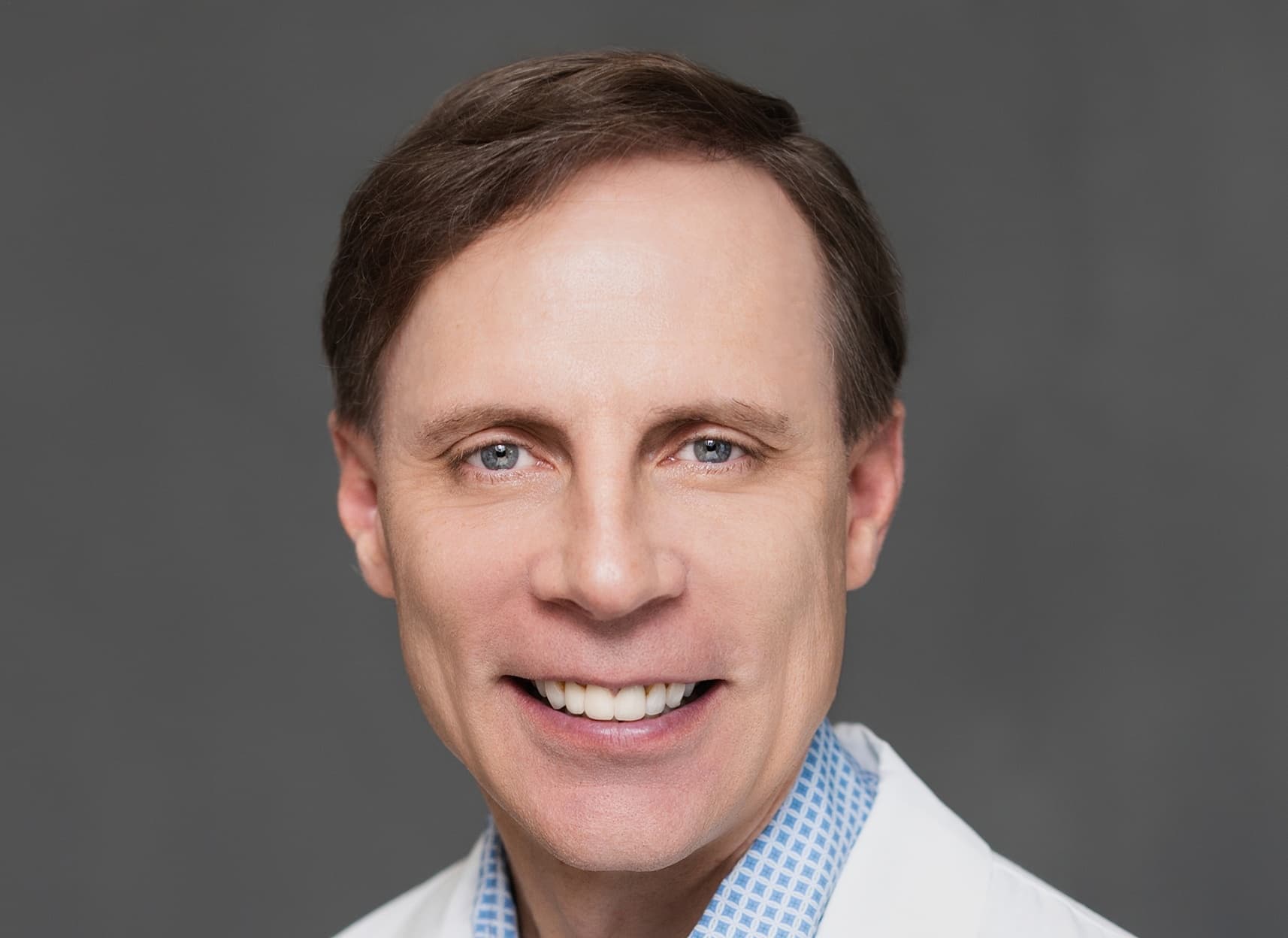
Full Transcript 0:00 Hey everybody. 0:01 I'm so excited to have doctor Bill Sears with me. 0:04 Really? 0:04 In my opinion, one of the most well known health experts in the world, 0:08 very famous pediatrician. 0:10 But he's taken his his treatments of people far beyond pediatrics 0:14 into general functional health, integrative medicine, super nutrition, 0:18 I would call it. And he's got quite the bio. 0:20 So before I introduce you to him, I want you to hear his bio. 0:23 He's a father of eight. 0:24 Children of course are grown now medical practice for 52 years. 0:29 Wow also has been a voluntary professor at the University of Toronto, University 0:34 of Southern California, University of Southern California, and UC Irvine. 0:39 He's also the founder of the Doctor Sears Wellness Institute, 0:42 which has certified over 13,000 health coaches. 0:46 Coach Little League sports for 20 years and together with his wife Martha, 0:50 who I know very well, he has written 47 books on family health and healthy aging. 0:56 Doctor Sears has made many contributions to health, family health 1:00 and he was also featured on the cover of time magazine. 1:05 Well, Bill, that's quite a bio. 1:06 I don't know if I would get to 1:07 that point in my career, but that's very, very impressive. 1:10 Well, thank you, Mark. And it's been what? 1:13 Yes, I get every day I go to the office, 1:18 I have what I call a high dose of the helpers. 1:21 High. I go to bed that night. 1:23 I drift off to sleep, feeling so good 1:28 in the head brain and the gut brain 1:31 because maybe 1 or 2 little babies or mothers 1:35 or grandparents are healthier because of some advice I gave them. 1:40 And you share that too. 1:41 We both share as integrative doctors. 1:44 Have helpers high. 1:47 Oh, absolutely. 1:48 I know talking with you and getting to know you over the years. 1:50 You were like that 1:51 from the beginning of your career. And there's some people 1:53 getting the medicine because they love helping people. 1:55 I mean, there are some people that's just face 1:57 that are into it for the career and the money. 1:59 But I, you know, 2:00 I think without a doubt, you and I are motivation from the beginning until now, 2:04 just we like to see people get better and we don't like to see people suffering. 2:08 Yes, exactly. 2:10 Well, we have an important 2:12 topic and I know it's one you understand well, you've written about in your books 2:16 and that is the topic of gut health and brain health. 2:18 First of all, tell the listeners about your, 2:20 you know, one of the books that's fairly recent on brain health. 2:23 Tell us a bit about that book, 2:24 and then I'll talk about gut health, which you do get into, into the book as well. 2:28 Yes. As I was writing the book about the head brain, 2:34 I kept running more about the gut, 2:37 and I realized that why the gut 2:40 is appropriately called the second brain. 2:45 So follow me closely. 2:47 Picture your head, brain 2:50 drain smiling, 2:53 and the head brain sends biochemical 2:55 text messages down the middle of your body. 2:59 The vagus nerve, the biggest nerve in your body. 3:01 Magazines wondering. 3:03 And those text messages go to the gut, 3:06 the second brain and the head and said, hey, good. 3:10 How are things going down there? 3:12 And the gut? Check back from that brain. 3:14 Everything's moving along fine. 3:17 It's great. 3:18 I feel good down here. 3:20 As long as you feel good up there. 3:23 I feel good down here. 3:25 You eat good up there. So that's a headline. 3:28 But brain connection, Mark, that's so vitally important. 3:33 And it's very interesting. 3:34 It's what they call this bidirectional axis. 3:37 So there's communication from the brain to the gut and then the gut to the brain. 3:41 So tell us more 3:43 how that works in terms of pediatrics up to teenagers adults and seniors. 3:48 I mean what's why do people really need to get this connection to enhance their, 3:53 you know, their brain health where they're young 3:54 and they need to be able to focus, 3:56 not have attention problems and learn in school and life. 3:59 And then the seniors are worried about them. 4:00 Tell us more about that. 4:02 Well, well, first of all, come and say for spring, 4:05 counselor, at all ages, I see I see seniors now. 4:09 It's funny, the young people are bringing their mom and dad in and their say 4:14 that I'll still listen to doctor Bill, and it's kind of funny. 4:18 And so I open with, say, well, what are things going in your gut? 4:24 And they say, oh, what's that got to do with my depression? 4:27 And, and tell me about your gut. 4:30 We talk about gut health and I tell them good 4:35 is where most of your happy hormones like an army. 4:40 So if your gut is okay, got 4:43 a happy hormones up into your head brain, and you feel better up here. 4:48 My gosh, doctor Bill, I never heard that before. 4:52 And for example, hey, 4:54 I give them my rule of twos. 4:58 I say I want you to eat twice as often. 5:02 It has as much and to twice as long 5:06 to take twice as long as long to die. 5:09 And then. 5:10 So the kids, the kids like all party talk. 5:12 I say, no, the better you chew, the better you poo. 5:19 Because we are a constipated society. 5:21 Mark. That's true. 5:22 I remember a teen coming in recently and I was given a consultation. 5:26 She said, no, no, it's a bill so much better. 5:30 And every day 5:31 I remember that one more thing you told me as I was leaving the office. 5:35 To better you choose, the better your food. 5:37 Thank you, doctor Bill. 5:40 Well, it's interesting because they have demonstrated the last decade or so how 5:45 you can reabsorb toxins through the colon back into the bloodstream. 5:49 Also, that blood flow is going to go through 5:51 to other organs of the body, including the brain. 5:53 So that makes a lot of logical sense. 5:55 What about the microbiome, these trillions of bacteria in the gut 5:59 we know that influences brain function? 6:02 Two yes, Mark, and that you just mentioned one of the magic terms in medicine 6:07 right now, I probiotic microbiome 6:11 simply means a community of both 6:15 the bacteria 6:17 that normally reside in your phone mainly, 6:21 and in return for free food and a warm place to live. 6:26 These little bugs produce medicines for you, 6:29 just like your own internal pharmacy. 6:32 In your gut. 6:34 It's called the microbial. 6:36 So our microbiome feeds on our 6:39 the leftover some our food the fiber. 6:43 So as you digest the food and the upper intestines 6:46 the Lester has come down into this. 6:49 You can test in the colon and the microbiome says yummy. 6:54 Here comes our food. 6:55 We'll see it on your food and we'll make medicines for you. 6:59 This is why a lot of medicine right now, 7:04 what you might be when I'm a patient, you would see and say, 7:07 hey, how's your microbiome? 7:10 So the microbiome. 7:12 Now we know why the brain, gut brain connections. 7:17 Because that pharmacy down there of trillions of little gunboats, 7:22 I call them micro pharmacists 7:25 because they're making lessons for you. 7:29 So now, whether it be 7:31 your pediatric patients, your teenagers, the adults, 7:35 again, for brain function, walk us through a bit what you do 7:38 with patients in terms of diet and, you know, microbiome treatments and stuff 7:42 to directly affect cognitive function, brain function. 7:46 Yes, and I'm glad you mentioned that, because a lot of people 7:50 don't realize connection between food 7:53 and health. 7:56 And number one is grain. 7:59 Is the organ most affected, for better or worse, by what you eat? 8:04 Put smart foods in your mouth and your gut. 8:07 You're just smart thinking. 8:11 So smart food. 8:13 So first of all, I actually give them 8:16 my list of smart food. 8:19 First thing I do is I give them a I don't see brain book. 8:23 I give them, I think you I sent you a copy of one of the 8:28 chapters on the. 8:29 Yes. So we're going to make that available to the guests. 8:32 That's true. 8:33 This is the smart food. 8:35 Like the list 8:38 that I said, I want you to come a grazer 8:42 and not a gorgeous. 8:45 And the wife of the mom said, 8:47 how did you know she was a gorgeous? 8:50 Because I guessed. 8:51 And you know, this time you're in a restaurant, Mark, or restaurant. 8:56 What's the gorgeous? 8:57 I call them Wolfers. 9:01 Now they choose five times. 9:03 That's going on now. Interesting. 9:06 This is not always a correlation, 9:10 but sales teeters tend to be set eaters. 9:15 Notice that. 9:17 So that's the first thing. 9:19 But I say it's a slow down 9:22 two twice as often smaller meals. 9:27 If your gut could talk it doesn't. 9:29 We don't listen to it. 9:30 The gut says the smaller meal, the better 9:33 I feel like the more the smaller your meal. 9:37 On steel. 9:39 So smaller meals once you chew twice as much. 9:45 Okay, 30 choose. 9:47 Now why does that change? So 9:50 just because the more we chew. 9:55 Saliva, life is full of digestive enzymes. 10:00 So just can begins with chewing in your mouth. 10:03 And when you take a nice like a a salmon 10:07 or like that or a salad chew and you shoot 10:13 saliva and that mixes with food. 10:17 We call it goop, 10:20 goop. Nice. 10:21 Now seal. 10:22 And then the more you chew, the more saliva you make, 10:26 the more digestion occurs up here in the mouth. 10:31 Then the saliva helps observe slide down into the gut. 10:35 Still make the stomach is your body's wonder 10:40 and the stomach says, thank you for chewing longer 10:44 because I don't have to work so hard now. 10:47 And then it slide down and Justin's and our nutrients 10:52 into the lower gut and then the stomach. 10:56 Texas, the gut, a lower gut says, hey, colon, we're foods coming down. 11:02 Prepare to evacuate on the gospel. 11:05 Call it flex. 11:06 And so that's sort of how a normal meal should take place. 11:11 And take a bite and talk a little bit. 11:15 Sure. 11:15 On time there's another bite. 11:18 And that one little tip. 11:21 Amazing how much better you will feel in your gut. 11:26 Excellent. 11:26 And I know you're a big fan of fermented foods and foods, which have the naturally 11:31 occurring probiotics and foods have the pre biotic and the post box. 11:35 Tell us a little bit about that if you would. 11:37 And then of course how that's going to help get health and help brain health. 11:41 Yes there's my smoothie. 11:46 So we 11:48 and they because smoothie 11:50 because it makes makes everything smoother down there. 11:55 And my smoothie I make my own kisser Berry easy to make. 12:00 Make your own keeper. 12:02 So see from that you mentioned the magic term 12:04 from measurements or simply your microbiome. 12:08 Favorite food 12:11 heifer. 12:14 So so 12:18 and and that's 12:19 because that happens to be so biotic 12:23 at your microbiome whites. 12:25 So one of the chip I call it the sipping solution 12:29 five days a week make a big smoothie. 12:32 And right now I have 13 ingredients in my eyes. 12:36 I start with a handful of pumpkin seeds and then nuts, 12:40 and then a whole bunch of Asian kale 12:45 and regular and chard or pomegranates. 12:50 Blueberries. 12:51 Blueberries are called the brain berry for a reason. 12:54 Kiwis, vitamin C, 12:56 and a whole bunch of other ingredients ginger, cinnamon, oil, 13:02 and then protein powder. 13:04 I like the sweet taste. 13:06 Sometimes I'll put some honey in it once we and that's nice. 13:10 SIP on it. 13:12 And the my body is saying, you know 13:16 like the smaller your meal together 13:19 we feel so we don't have to. 13:22 So that's part of that 13:25 connection again. 13:26 Yeah that's great. 13:28 Well we're going to have another segment for you 13:29 and the listeners to that people can look for. 13:32 And that's got health and senior health. 13:35 So we're going to talk more about specifically for seniors. 13:38 But maybe just wrapping up, 13:39 what are your summary statements, would you say in terms of gut health 13:42 and the importance of connecting it to brain health? 13:46 Well, the main connection is when you're sitting down for a meal 13:52 and you want to feel good. 13:55 That's what we want to know. 13:56 You want to feel good. 13:58 The gut and the head. Great. 14:00 All the things we're talking about are feel good chips 14:05 because you're again, you're you're feel good 14:08 hormones are made in your gut. 14:11 So the better you are to good, right? 14:15 That's right. 14:17 Because the gut brain, about 90% of the Sheraton on your happy hormone. 14:22 Yeah. It up. 14:23 And actually if you measure the text messages that go from head brain 14:28 to bring, the more text messages go from your true headline. 14:36 Really health, 14:39 physical health. 14:39 Mark Jones with good gut health. 14:44 That's a great that's a great summary. 14:46 And if you want more information on Doctor Sears information, nutritional medicine, 14:50 brain health, his book on brain health, go to his website ask Doctor sears.com. 14:55 Right. 14:56 Yes yes that's Doctor sears.com. Excellent. 14:59 Well again thank you Doctor Sears. 15:01 And we look forward to our another segment that we're going to go over our senior 15:04 health with you and gut health in an upcoming episode. 15:08 Thank you Mark.

Comments