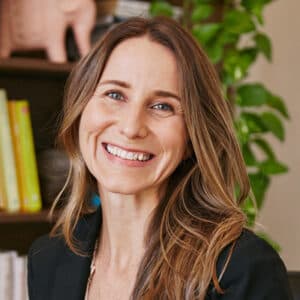
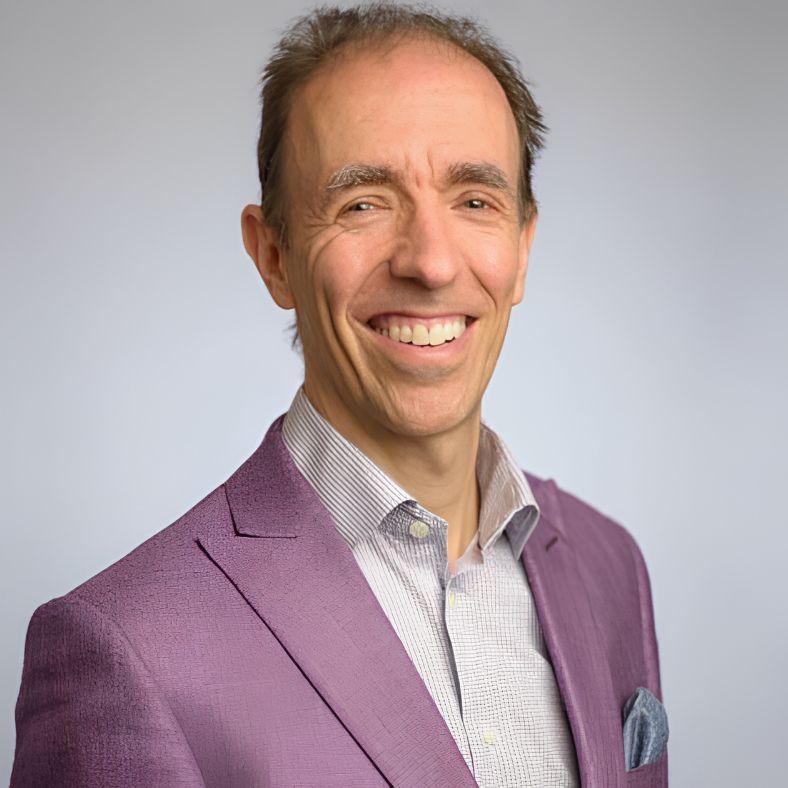
Full Transcript 0:00 If you're brushing your teeth in the morning or you are flossing and you spit out in a sink and there's blood there, that's a problem. 0:05 That is what we call leaky gums and that showing there is a program. 0:09 And if you were in morning washing your hands and it was blood pouring in sink, you'd be really freaked out. 0:15 You go and see a physician. 0:16 you go to emergency room straight away. 0:18 But for some reason, people think when they spit blood from their mouth, That's normal, but it's not. 0:28 Welcome back to the Think Well, Age Well podcast. 0:31 I'm your host, Dr. 0:32 Heather Sandison. 0:33 When we think about protecting our brain and living longer, healthier lives, we often focus on nutrition, exercise, sleep, 0:41 metabolic health. 0:42 But there is one incredibly important part of the body that often is overlooked, our mouth. 0:49 Emerging research is revealing fascinating connections between oral health, systemic inflammation, metabolic disease, cardiovascular disease and Alzheimer's. 1:00 Today, we're going to discuss how taking better care of our teeth and gums is an important strategy for protecting our brain as we age. 1:09 Today I'm joined by James Gulnick. 1:11 He's a London-based dentist, holistic health advocate, and bestselling author who believes that oral health is inseparable from whole body health. 1:20 He's the founder of the Optimal Dental Health in London, where he integrates traditional dentistry with nutrition, sleep, 1:28 airway health, oral microbiome testing, and prevention-focused care. 1:32 He is also former president of The British Academy of Cosmetic Dentistry and the author of Kick Sugar. 1:39 He's been recognized as one of the most influential figures in UK dentistry. 1:43 He is also trained in the Bredesen Recode Protocol and so he understands why protecting the brain requires looking at the whole person, 1:50 including in mouth. 1:52 So today we're going to explore what your mouth can tell you about your overall health and how oral bacteria and inflammation may influence brain aging 2:01 and what the practical steps you can take today to protect your smile, your brain, and your longevity. 2:08 Welcome to Think Well, Age Well. 2:09 James, it's a delight to have you. 2:11 Thank you, Heather. 2:11 What a great intro. 2:12 So, thank you! 2:13 I'm really excited to be chatting to you So I wanted to learn about your own personal journey into holistic, holistic gentistry. 2:21 Most people don't start there. 2:24 And I know you spent a couple of decades practicing conventional dentistry, so what made you start shifting? 2:31 So I've been a dentist for 30 years and I got more and more frustrated by the damage that initially sugar does to our bodies. 2:38 I was in, I'd been in one clinic for 23 years, so I get to see my patients as they grow up and they get married and have relationships, 2:45 have kids and seeing how disease affects their bodies and saying the same person for 10, 20 years. 2:52 And then noticing when things shift. 2:54 And then looking back and then more and more I looked at this and thought, actually, in dental school, we're told we tell our patients to brush more floss better. 3:03 We tell them not to snack. 3:04 You tell him not have sugar or carbohydrate, but that's about it. 3:08 And I'm realizing that actually there's a whole bigger picture to that and trying to help reverse disease. 3:13 So the first thing I started was actually tooth decay and doing a deep dive into how we can actually reverse that and realizing that we cannot shift somebody's 3:25 microbiome and actually stop them having toothed decay, and reverse and heal things. 3:29 Because me as a dentist, actually the best dentistry for me is no dent history. 3:33 So if I can work together to try and actually improve your mouth health and improve the energy, improve you life, and prove everything out there, 3:41 but through the mouth. 3:42 And it was really fascinating. 3:44 I could see with our patients when they're pregnant, before they even know they are pregnant by looking at their gum health. 3:49 There's so many signs, there's over 57 different diseases that show up the signs in the mouse first. 3:55 Most conventional dentists don't really look at that. 3:58 They see a cavity and they go, okay, you've got a cavity here, we're going to fill it, they give you a couple of options, 4:05 fill the cavity, and say, I'll see you back in a year's time, or we'll check and take x-rays. 4:09 Well, actually, for me, why have you had a Cavity? 4:13 I've seen you for years in front and you never had anything, what's changed? 4:17 and then we start doing salivary diagnostic. 4:20 We do a pH test, for example, and see acid alkali of your saliva and actually your saliva is quite acidic. 4:26 And then, we started having a conversation about silent reflux, about GI symptoms. 4:31 we might then test the vitamin D levels and say, actually, your vitamin d level is suboptimal. 4:38 And actually we know that vitamin D is a hormone and it's the master driver for immune health, but also makes a huge difference to teeth health and bone 4:47 health as well. 4:47 So we find so many patients that are vitamin deficient, we then supplement them on vitamin d, go back up to optimal levels again, 4:56 and suddenly they don't have any more teeth decay and we're realizing, okay, there's more to it than telling somebody not to eat sugar. 5:02 Then we worked as a health coach to say, let's try and reduce the snacking and have a bigger, more satiated meal with more protein. 5:10 That's when I started, actually, I need to know more about this. 5:14 I wrote the book, Kick Sugar, looking at how we can give our patients more tools to try to get them off the sugar highs and lows. 5:24 The more I delved down, we didn't know enough at dental school. 5:28 Then I started working with nutritionist and then I realized actually for me it's all about food first, so I needed to know more. 5:35 So now I've done a diploma in functional nutrition and I'm a qualified nutritionists as well. 5:40 How can I realize with my patients that food is the ultimate way of healing our body and if we remove enough of the stresses on our body, 5:49 our bodies are clever enough to reverse disease and heal themselves, but unfortunately in this modern age with all the stressors, 5:56 with the other quick convenience meals, the sugars, artificial sweeteners, all these different things, that's the problem. 6:03 That's when I came across some of Dale's work and realised that actually not only can we fix tooth decay, we can fix much bigger issues that our patients 6:13 have got. 6:13 So we talk, you mentioned earlier about cognitive health and brain health, but realizing that three of the drivers for Alzheimer's are sleep apnea and 6:25 sleep disorder breathing and whether we've got enough oxygen at night to our brains to recover. 6:31 The second one is inflammation, and we'll talk about that later on, mainly gum inflammation and bleeding gums. 6:37 And the last one is mixed metals in the mouth and in particular metal amalgam fillings. 6:42 And we get patients that have had amalgan fillers for 20 years and then they move house to somewhere where they've got mold or damp and they're also swapping 6:53 jobs or they are going through a divorce and have extra stress and suddenly those three extra stresses are what then affects and pushes the cognitive decline. 7:02 Then what we have to do as practitioners is try and reverse that. 7:06 And the simplest one we can do is oral health. 7:10 Really interesting, the oral microbiome is the second most diverse microbiomes in the body. 7:15 And it actually reverses and repairs itself within literally 10 days. 7:19 So if I get somebody that's got what we call dysbiosis, where they've got lots of bacteria and inflammation in their mouth, 7:25 and we actually can reverse that within 10 And we make a huge improvement on their inflammatory markers and therefore their body and their immune system 7:33 can then fight other things rather than having just to focus on the gum disease. 7:37 So that's the fascinating thing. 7:38 The more you look at this as conventional dentistry, you realize that actually I shouldn't be putting metals in my patient's mouth. 7:46 I really shouldn' be doing any filling and if I'm doing fillings, I want to be avoiding BPA. 7:51 I want to try and get BPA free and using ceramics, and then I wanna look at their airway and breathing health. 7:57 So those are the things that we can work really well on as dental care. 8:01 Let's break each of those down. 8:03 Maybe let's start with the sleep and that air way, especially at night. 8:08 As a dentist, how do you evaluate for that and what kind of support do give your patients if you notice that there's signs they might have sleep apnea? 8:18 Yeah. 8:18 I mean, the biggest thing we ask people and we start the conversation is how do you feel in the morning? 8:23 Do you wake up full of energy? 8:25 You feel tired? 8:26 Uh, do need caffeine to get yourself going? 8:28 And that's a really good pointer. 8:30 And I'm sure you know all the questionnaires, but there's the stop bang questionnaire. 8:34 There's an Epworth scale, which is a questionnaire that we can give to our patients to to discover how they feel in their energy levels throughout the 8:41 day but then looking in the mouth we look at things like a tongue scalloping so if you look the side of your tongue you see these little dense grooves 8:49 on the site which is usually a sign that you're clenching at night and often you clench in because your brain is waking yourself up because there's not 8:57 enough oxygen. 8:58 And it's a really easy way your brain is going, hang on a second here, we're not getting enough oxygen. 9:02 How can I wake you up the quickest? 9:04 And often the quickest way is clamp down or bite and you often bite your tongue and also the side of your cheeks as well. 9:11 So if you're listening or watching this, a simple check is with your time. 9:16 just to move on the inside of your cheeks either side and if you can feel some scarring or ridging or some roughness, it's actually called linear alba 9:24 and that's usually a sign of sleep disorder breathing or sleep apnea. 9:27 So sides of the tongue and then the sides your cheek, that is a good sign. 9:31 And then we are looking down the throat and actually look at how open and how patent the airway is, look adenoids and tonsils. 9:38 But there's a thing called a Malpati score and we score you from one to four and the higher the number, the more closed your airway is, 9:46 therefore you're more likely to have sleep disorder breathing. 9:49 And then we often then do, if we're worried about that, we would then doing overnight sleep tests. 9:54 In the UK, it's about $300 and you have a little device that works. 9:59 you wear on your finger, it's a pulse oximeter, little probe that goes in your chest and it measures your respiration rate, 10:05 heart rate and also position at night and you just sleep in you're normal bed and then what happens when you finish the test it uploads it to the cloud 10:14 And as a dentist, I can't diagnose sleep disorder breathing or sleep apnea, but we have sleep physicians who are consultants who'd actually then read the report, 10:24 send us a report for us to send it to the patient. 10:26 And at that stage, depending on what we find, we would then look at treating them. 10:31 A really simple one, probably 20% of my patients who have asleep disorder of breathing have a thing called positional sleep Apnea. 10:38 Which basically means when they fall asleep, if they lie on their backs, And what happens is their muscles will relax, their jaw drops back, 10:46 the tongue is attached to the jaw and it blocks the airway and they start snoring or they stop reducing airways. 10:53 So it depends on the position they are at. 10:55 And really simple thing that lots of people can do is you can buy a wedge from Amazon that goes under your mattress and basically you fall asleep on a 11:03 side and every time you roll over, you hit this wedge and naturally sort of rolls you back or you tennis ball into your pajamas or something just to help that. 11:13 But it's a really simple thing and then we do another sleep test and you notice a huge difference in improvement. 11:17 So that's really a simple things we can do. 11:20 Then also if they have more positional sleep apnea or more AHIs with the number of times that they reduce oxygen and stop breathing throughout an hour. 11:32 The higher the score, the more advanced the sleep that apnoea is. 11:36 then we cannot obviously make something called a mandibular advancement device which is basically like two mouth guards that are joined together. 11:42 You pop them in just before you go to sleep and as you fall asleep your muscles relax and this stops the airway dropping back and it keeps the way open 11:50 throughout the night and then you take it out in the morning and for a lot of people that is much more cost effective than the traditional CPAP and also 11:57 you don't need to go around and you can travel very easily with it because it's a small device whereas We also offer CPAP machines where they go over either 12:06 the mouth or the nose and mouth and it produces continuous positive airway pressure to keep the air way open. 12:11 A lot of patients find them quite uncomfortable to wear, it dries the mouse out and also it's not so easy to travel with it and can make some noise so 12:20 it does affect your partner. 12:23 If you're listening to this and your partner snores at night, makes noises, holds their breath or stops breathing at some point to that the night would 12:31 be a really good idea to get an overnight sleep test first to have a diagnosis to see how whether it's positional and whether its something that we actually 12:40 can do, whether help with and then your local dentist if they're sleep trained can help work on that because it is a huge difference. 12:47 Not only you have so much more energy but also you're going to get your repair much easier and also have much less chance of having any sort of cognitive 12:57 impairment at all because sleep we need to recover from the day and a lot of people don't even realize they have sleep apnea and it's just slowly creeps 13:05 on it. 13:05 It's not The traditional thought is somebody who's overweight, but actually nowadays it isn't often. 13:11 We get a lot of slim people who are not overweight who do have sleep apnea. 13:15 And then one other treatment that can be looked at is something called a myofunctional therapist. 13:20 That's somebody whose trained in, it's like going to the gym for your jaw muscles. 13:25 They teach you to strengthen the jaw muscle. 13:28 to swallow, they teach you for tongue positioning and breathing and trying to encourage you to breathe through your nose as much as possible. 13:35 And they help tighten all these muscles up for you. 13:38 For some people that is enough to improve their airway at night. 13:43 Amazing. 13:44 And a lot of feedback I hear from patients is, yes, that they don't like their CPAP. 13:50 It's hard to get used to. 13:51 There's all of these issues. 13:52 But also with the mandibular placement devices, there's a a resistance to treatment. 13:59 I couldn't agree more. 14:00 This is one of the most important things to address as we age is if we're not getting oxygen to our brain at night, it's essentially like mild brain damage 14:09 every night. 14:10 This is a really big deal and we've also seen people, you know, go from severe cognitive impairment to doing quite a bit better, 14:17 doubling their MOCA score when they address sleep apnea. 14:21 So I'm curious, you know, how you help patients navigate that resistance, that concern that I feel like I am choking and I can't do it. 14:33 What comes up when you have a patient who is resistant to all of these things? 14:38 I mean, that's the biggest job for us as almost health coaches to try and get them because most of them know what they need to do, 14:45 but actually overcoming that. 14:46 So the first reason is why they're coming to see me in the 1st place. 14:49 Sometimes their partner is sending them, because they making a snoring or they are affecting their sleep. 14:54 and it's affecting their relationship. 14:56 So it might be that is why, that's their driver, it may be their blood markers and their Bredesen practitioner has sent them in for these tests. 15:06 But I think once you've got the report and you see it in front of them, they then realise there's something that needs to be done. 15:13 Then it is also working out with them giving them options. 15:16 For us, we have these mandibular advancement devices, but we also have three different versions. 15:20 so we can show them different versions and they can feel them and try them, and see what they think is going to work for them. 15:28 And then give them the option and if it's something that they're slightly overweight and we think actually it is because of the fat around the neck and 15:36 the muscles need tightening up and say, well look, one option if you don't want to wear this is like going into the gym. 15:41 If you can commit to it for the next eight weeks, we get a result, but if can't commit, then it a matter of accountability and giving them exercises to do. 15:52 We then do FaceTime or Zoom calls with them every week to check they're doing the exercise and then test them on it. 15:59 And just giving them different options and see what makes a difference. 16:03 Often when they sleep one night with a mandibular advancement device, They feel so much better in the morning. 16:10 They have so many more energy and that is enough to get them through further on. 16:16 When we make them, we start really slowly and the devices are usually made so they lock together. 16:22 So when you fall asleep, the jaw doesn't drop back. 16:25 What we started with for feeble is Let's give them just the upper appliance. 16:30 Obviously it won't stop their sleep apnea, but it will just get them used to sleeping through the night with the device in. 16:36 So they do that the first night and if they sleep fine, then the second night they have them both in together. 16:42 And the third night we lock them together so they actually then start working. 16:46 Then we start with a really mild prescription. 16:49 We start when the jaw is just in neutral position and then as we go through and they say, yeah, I'm sleeping all the way through, 16:55 they're comfortable. 16:57 Then we start dialing up prescription, so me moving the jaw slightly further forward. 17:02 But I find that when you go to a dentist and they give you the device straight away and haven't got a sort of follow-up, 17:09 that's when he can get resistance. 17:10 Once you've had one bad night's sleep and then they come in and go, I couldn't sleep all night, and I feel awful, worse than before because you made me 17:17 wear this appliance, then it's really hard to backtrack. 17:21 and try and say well actually can we do this, can you do that, but if you start, let's do the upper one first, yeah you slide through the night, 17:27 great, now we give you the lower one, yep that's great. 17:29 Now we collect them and then we slowly do it, we get much better compliance from people and they feel a difference and if they're energized afterwards 17:37 and go you know what I don't want to wear that CPAP machine, this is much for me, I can travel a lot better. 17:43 I don't disturb my partner and it's often the partner that's pushing them. 17:47 So it is the family history of Alzheimer's or cognitive decline or something, the ApoE gene score. 17:54 It's something that is, so we've got to find out why they're here first and push on that because otherwise they are not going to want to wear them." And 18:01 I actually have myself, myself I've been diagnosed with positional sleep apnea. 18:05 So I have had all the tests and I had a device and and i've tried all these things and sleep with a wedge under my mattress now and it works amazingly. 18:13 And then my daughter who is 12. Basically, she is a bit of a mouth breather. 18:21 If any parents are listening or watching here and if you go into your child's bedroom when they're asleep and you see them sleeping on their back or their 18:28 mouth wide open, or they wake up with really dry mouth, they have what we call venous pooling, which is these dark patches under their eyes, 18:35 and they are even more grumpy in the morning, And then you think, actually, they're a mouth breather. 18:45 And we start with them using mouth tape, and that works so well. 18:49 We're just getting them to encourage them, to breathe through their noses. 18:54 Only do it when somebody hasn't got a cold or block airways. 18:58 I always get my patients to do for an hour a day during the week, just when they are awake, when their doing homework or emails or whatever, 19:05 Just to get used to wearing the tape and getting used them breathing through the nose. 19:10 Once they can do a whole week Then we then get them to tape at night, just before they get to sleep. 19:15 They're used to the tape and they wake up with way more energy. 19:18 My daughter's so much more energetic in the morning when she's mouth taped. 19:22 We don't have the venous pooling underneath it and you get much better breath in morning as well. 19:27 So for adults who wake with bad breath, that's often a reason that their mouth breathing at nighttime time. 19:34 And that something we can work on with kids a lot to try and help that. 19:37 It's not expensive, you just buy tape from Amazon. 19:41 That was going to be my next question, is what do you think about mouth taping? 19:44 So that's fantastic. 19:46 All right. 19:47 So let's switch to the oral bacteria and inflammation. 19:51 This is a really fascinating line of work that you're in, and I think so overlooked by most conventional neurologists. 20:01 And we've seen that there's very clear research implicating periodontal pathogens, so gum disease, particularly porphyromonas. 20:11 I don't know about that. 20:16 Thank you for the help there. 20:18 I'm curious what you make of this research and just how compelling the evidence that this oral bacteria could contribute to neuroinflammation and cognitive decline, 20:26 as well as cardiovascular risk. 20:29 How do you communicate that to patients and what do we do about it? 20:33 So we have a zero tolerance for gum bleeding here. 20:36 So basically if somebody, if you're brushing your teeth in the morning or you are flossing and you spit out in a sink and there's blood there, 20:42 that's a problem. 20:43 That is what we call leaky gums. 20:46 And that showing there is a program. 20:47 If you were in morning washing your hands and that was blood pouring in this sink, you'd be really freaked out. 20:53 You go and see a physician, go to emergency room straight away. 20:56 But for some reason, people think when they spit blood from their mouth, That's normal, but it's not. 21:02 The great thing about oral health and gum disease is that we can reverse it really quickly with three or four days. 21:10 If somebody comes to see us, the first thing we're going to do is take a swab from the gums and we put it on a big phase contrast microscope with a screen 21:18 in front of them. 21:19 We actually look directly at their microbiome and see what is going on. 21:23 What we are looking for is white blood cells, which shows signs of inflammation. 21:27 Looking for any blood. 21:30 different spirochetes and different bacteria and also how much movement there is in the slide. 21:35 Because everyone has bacteria in their mouth, everyone else has viruses, everybody has protozoa, but we want a nice balance. 21:42 We need them to break down some nutrients, we need for enzymes, and if you've got a complete sterile mouth you're just going to get worse bugs. 21:51 So if use some of these really antiseptic mouth bronzes you'll kill everything and you will then get worst things. 21:56 It's almost like taking antibiotics every single day. 21:59 you just get worse, more virulent, harder to kill bacteria. 22:03 We want bacteria in our mouth, but we want a nice mixture. 22:07 So when we are examining somebody, we feel around and we're looking, if there's any bleeding anywhere, that's an issue. 22:14 And for some people, it's just going through their brushing technique, what sort of sticks they're using, because a toothbrush will clean about 70% of 22:22 the plaque or the bacteria off your teeth. 22:24 but the last 30% is in between your teeth. 22:26 So that is floss or sticks or waterpicks or anything you can get regularly in-between because a lot of the bacteria are anaerobic bacteria, 22:35 which means they don't like oxygen. 22:37 If we can clean them out regularly, flush them with oxygen with the floss, with a water pick or something, that breaks them down and then you get new bacteria forming, 22:47 but they're not as virulent. 22:48 You want to keep them clean regularly. 22:51 and if you ever sort of poke in between your teeth or floss it and smell it afterwards, it doesn't smell great because they've started to ferment. 22:59 So we clean them regularly, that's the first thing. 23:01 And then what we've noticed for our patients is that if their gums are bleeding or slightly swollen or inflamed, what they're finding is the bacteria in 23:11 the mouth can then go straight into the bloodstream rather than having this nice hard connection between the tooth and the gums when nothing gets in. 23:20 There's actually the barriers broken down. 23:22 It's almost like leaky guts you get. 23:24 You get leachy gumbs. 23:25 The barrier breaks down and then we find that the bacterial products themselves and the lipopolysaccharides and all the sort of cytokines from the bacteria 23:35 get into the bloodstream and they can go through. 23:37 And unfortunately, the mouth is very close to our brain. 23:40 So it's a very closed mouth-brain barrier and bacteria gets in it. 23:44 As you said before, porphymol and gingivitis is an oral bacteria only. 23:49 It should only ever be seen in the mouse. 23:52 For most people, we do get some of that, but what we don't want is to have a really high amount of it So if you've got leaky gums, 24:00 bacteria gets in, gets into the bloodstream and then causes inflammatory cascade and it's very similar to anything else. 24:06 And most of these connections we talked about, it is all about chronic inflammation. 24:10 It is daily fighting of those cytokines, daily triggering of the immune system that over time causes the damage. 24:18 And you've got the brain, but you're also going into the heart and the cardiovascular system. 24:24 We also know long-term, as well, we've seen there's one bacteria called Fusibacterium nucleatum, or F-nucleatium. 24:32 Again, it's an oral pathogen, which most people have, that they've now started to find in colorectal cancers. 24:40 It's getting into to the bloodstream, through into into GI tract. 24:44 But also we're finding now, especially with patients who are on PPIs where basically their acid from their stomach is being suppressed. 24:53 So when you're swallowing these bacteria, it's not being killed properly in the stomach. 24:57 It's getting into the GI tract as well. 25:00 That's a really important thing if you've got patients with PPI's or anything. 25:03 We want that stomach acid to work and if we've go that. 25:07 The really simple thing for a dentist and hygienist is can we work on the gum inflammation and that could be just cleaning and brushing technique. 25:14 That could be using ozone therapy, which is medical grade oxygen to try and reverse the gum disease. 25:20 That can be looking at vitamin D levels to trying to rebalance it. 25:23 It could also be oral probiotics as well because the first stage is we do this live microbiome sample, but the second stage we'll actually take a swab. 25:31 We send it off to laboratory and grow a culture. 25:34 can we use something cool shotgun metronome x when we look at actually what is going on in your mouth at this time and when if you are so forty year old 25:43 lady and then we do this and we can compare it to the samples of all other forty old females at the same time it shows your microbiome what the diversity 25:52 is compared to other. 25:53 microbiomes at the same age and it will then tell us actually you've got too much of this P. 25:57 gingivalis or you haven't got enough of F. 26:00 nucleartum and then we look at targeted probiotics to try and rebalance it. 26:05 And it's really important when people have had antibiotics because that will affect the microbiome quite easily. 26:11 It takes about six months to get back to normal and anyone who takes alcoholic mouthwashes and also alcohol as well. 26:18 Stress will effect the the diversity as well and it will also reduce the salivary flow. 26:25 Somebody that's snacking regularly will affect the microbiome aswell and so there's loads of different things so we're trying with our patients to understand 26:34 what is going on in their life at the moment and how we can help protect that microbiomes and help reverse these diseases. 26:42 I can't help but ask here, at least in the States, that we are used to hearing those ads, four out of five dentists recommend, 26:50 nine out 10 dentist recommend. 26:52 So are there particular products? 26:54 And if you're paid as an influencer for these, please let us know. 27:00 Toothbrushes, toothpaste, what do you recommend your patients use? 27:05 First of all, I'm not being paid by any company, so I am going to tell you some products that I personally like and use. 27:11 But the number one thing for it is a product you're going use regularly. 27:14 So the first thing is actually using it. 27:17 I get patients who spend a lot of money on these fancy electric toothbrushes and don't use them or don t use it properly. 27:22 The first one is something to use for most people, most adults, an electric tooth brush will outperform a manual brush. 27:30 And the two reasons that we recommend an electric toothbrush is one, they have a two-minute timer, because most people don't spend long enough brushing 27:37 and they spend 45 seconds or so, and the research is showing two minutes dividing into 30 seconds every quadrant, so two minute in total twice a day is 27:47 the most evidence-based. 27:48 And a lot of adults are also slightly aggressive when they're brushing and they put too much pressure on the brush, and also with the electric brush rather 27:56 than moving it from tooth to tooth and letting it do the work, they sort of manually use it as an electric brushes as well which causes damage. 28:03 So you want to get a toothbrush with a pressure sensor. 28:07 So they're the two things to look out for with a toothbrush. 28:10 You want with the timer and a pressure sensor. 28:12 And we use a lot of Braun Oral-B products in the UK. 28:16 We quite like that. 28:17 But there's also Philips Sonicare. 28:19 They're two brands that are most recognized and I like as toothbrushes. 28:24 There are other companies coming out. 28:26 Dyson's just brought out a tooth brush as well. 28:29 So there are different brushes out there. 28:31 For most people, electric toothbrush and using an Orale-b a brawn brush or a Philips Sonicare are the ones to use and then as said the toothbrush will 28:41 get most of the area but then it's also what you're going to need to clean it and for most people use some sort of toothpaste and this is where the holistic 28:50 and the general dentist will have an argument. 28:54 In general dentistry, they love fluoride and fluorite is a toxic chemical used to help slow down tooth decay and also reduce sensitivity. 29:05 And it does work, but however, it's just a topical effect. 29:08 So it is just the surface effect, so if you're swallowing fluorate toothpaste, you are not doing any benefits for your teeth at all and you could potentially 29:17 have a neurotoxic effect special in children so i don't recommend for a toothpaste in my kids are the biggest thing for me is to work on the diet and finding 29:27 out why they're getting teeth decay and snacking. 29:29 There's more more evidence down a product called hydroxy appetite which is actually naturally in our teeth. 29:35 And a lot of toothpaste out there have hydroxyapatite, which works as good as fluoride to reduce tooth decay and sensitivity, 29:42 and if you want something more natural. 29:44 And in the States, there's loads of products. 29:45 There's one called FYGG, Feed Your Good Guys. 29:51 dimples, there's one called guttology. 29:54 I'm trying to think what else you've got in the States. 29:56 They've go there. 29:57 There's so many different ones out there, so have a look. 30:00 And the evidence I've gotten is for one that's got 10% nano hydroxyapatite. 30:05 So there are different types of hydroxylapatites, and that the one has got the most evidence on. 30:10 If you're looking at a toothpaste. 30:12 But then we've got to think about why we're using a toothpaste. 30:15 And for me, the number one thing is desensitizing and using either fluoride or hydroxyapatite. 30:21 The second thing, is actually stain removal, because most adults will have tea, coffee, sodas, they'll have soy sauce, things like that. 30:30 Then naturally, your teeth are made of enamel, which is very porous, so over time it picks up stain. 30:36 So most people want a mild abrasive in their toothpaste, so that could be silica, that can be bicarbonate of soda. 30:43 So actually looking at what abrasives you had. 30:45 But we also don't want to have a whitening toothpaste because some of the whitened toothpaste are very abrasif. 30:51 If you look at the side of your packet or ask the manufacturer, there's a thing called the RDA value, which is the relative dental abrasivity. 30:59 It basically means how rough your toothpaste is. 31:02 The lower the score, the less rough it is. 31:05 Zero is water and you really want an RDA value of just under 70 is the ideal one for a toothpaste that you can use regularly. 31:13 If you're using a whitening one, you may only use it once a week just to remove stain, but it can be a bit Graces and non-winey toothpaste, 31:20 RDA of just under 70 is perfect. 31:24 And then a lot of people want a toothpaste with a mint flavor or something just to freshen their breath up sometimes. 31:29 But you can, I've got so many patients who make their own toothpaste. 31:32 They use bicarbonate of soda and they put some mint in and maybe some silica or or, something else in there and that's it. 31:39 So you can make your own toothpaste, you don't need to spend a lot of money. 31:42 And again, if your diet is really clean, and you're not snacking, your not having carbohydrates and much sugars, You can just brush with water, 31:48 but it won't have the stain removal. 31:50 So if you have a tea and coffee, then it's seeing your hygienist or your therapist to clean it up. 31:55 So they're the main things on cleaning and then it's what you use to clean in between the teeth. 32:00 And what do you want to use is something that is a snug fit, so it is quite a tight fit and it physically rubs the tooth either side. 32:08 So if it goes in really easily, it will remove the food but it won't clean off the plaque and the bacteria and disrupt the microbiome. 32:16 You want something this tight-fit So you can go to your hygienist and try different brushes. 32:21 Most adults end up with two different sizes, whether they're TP brushes or some sort of interdental aids to clean in between. 32:27 You can use floss, and again, you could use waxed or non-waxed. 32:31 Because I'm holistic, I prefer biodegradable silk floss. 32:35 So therefore, it decomposes rather than something that goes into landfill. 32:40 But again you want something as a tight fit that gets between your teeth. 32:43 Ideally, go into your dentist or hygieneist with your products. 32:46 you show them they'll give you some advice to show you what works best for you and then they will do a bleeding score and hopefully a microbiome sample 32:55 to see what's going on in your mouth and how easy we can repair it. 32:59 All right, so then another area where conventional and holistic dentists tend to disagree is about metals. 33:08 So I've often heard someone will come in, they'll have a mouthful of amalgams that have been there for over 20 years because dentist haven't been using 33:17 amalgam for the past 15, 20, years at all. 33:20 And so if they're in there, there they tend be old. 33:23 And they'll say, oh, my dentist said the worst thing to do is take them out. 33:27 They're not broken, so I don't want to fix them because I'll get more exposure. 33:31 And I'm looking at their mercury testing going, well, I can see that you've got a bunch of inorganic mercury. 33:37 So it's coming from somewhere. 33:39 Yep. 33:39 A diet, a fish or something, what's happening with it. 33:42 Well, the methylmercury comes from fish. 33:44 So we can usually look, using the Quicksilver testing, we could tell the difference between inorganic and methyl mercury. 33:50 How do you explain to patients what is going on there and how to navigate? 33:57 Do I take them out? 33:58 do I leave them? 33:59 Are they really harmful? 34:00 Brilliant question, Heather. 34:01 Yeah, so, I mean, we use the Quicksilver Tri-Test, which is a hair, blood, and urine test to help and see what's going on with our patients. 34:09 But the first thing is we would examine the fillings first of all. 34:13 We take radiographs, x-rays. 34:15 we do photographs as well. 34:17 So anytime anyone has any metal mercury fillers in their mouths, We have photographs of every single one of them because we want to see how they are changing 34:26 over time. 34:27 And the really important thing is if you decide to take them out, if they're clinically leaking or they show signs of deterioration, 34:35 and that's the advantage of seeing the same dentist for many years or saying the the practice, they should have x-rays and they have photographs so they 34:42 can watch them deteriorate. 34:44 And actually in the UK, they've only banned mercury two years ago. 34:47 So until two year ago, dentists were still putting mercury fillings in there. 34:51 There are millions of mercury filling out there, so first thing we would do is clinically examine them to see if there are signs that they are leaking 34:58 and they're deteriorating. 34:59 Second thing then we would do is discuss if we are going to take them out, what we're going replace them with, and then also when is the right time to 35:09 them because we know that even if you take it out with the SMART protocol, the IMOT safe protocol and I'll talk about that in a minute, 35:17 you're still going get a slight spike in mercury release. 35:21 So it's a matter of we want to get them when you are as metabolically healthy as possible. 35:26 We put you on an anti-inflammatory diet. 35:28 And then also we have a whole protocol to do six weeks before we take out the amalgams. 35:34 So we would do high dose vitamin C and some people do IV vitamin c. 35:38 We do a high-dose vitamin and then we also look at all the other sort of binders that we can use as well. 35:43 And we had a protocol for somebody beforehand. 35:46 And then when we actually do it on the day, we use smart protocol which basically means the patient has a mask over their nose and it's covered so they're 35:54 breathing 100% pure medical grade oxygen. 35:57 We then use a charcoal mouth rinse beforehand which coats their mucosa. 36:02 We then would put a rubber dam over the top of their tooth, so this is a latex-free dam that covers the whole area and the only thing that's exposed is 36:11 their teeth. 36:12 And we seal that, then we cover their whole face, their body with a gown, almost like COVID times. 36:19 and then we use a high-volume aspirator, which is basically like a huge suction machine that will suck air out of the patient's mouth the whole time. 36:28 They're breathing through their nose the entire time, and we would then chunk the amalgam into bits. 36:34 So rather than drilling it for ages, we're heating it up because that's when you get the most mercury released. 36:39 Rather than just doing that, We're going to be wearing FFP2 masks, which have charcoal filters in, we're gonna have visors, 36:47 and we are gonna be covered up because our team is just as important as the patients from the mercury. 36:52 And then we chunk it in bits and once we've taken it out, uh, We use chlorella into the socket to try and suck up as much metals that are already in the tooth. 37:01 Then we use ozone water afterwards and then we build it up as well. 37:05 Then afterwards, we take all this protection off to rebuild the tooth. 37:10 Also, the biggest thing that people forget is to triple their water intake for the next 24 hours because we want to flush out any metals that might have 37:18 been exposed. 37:19 That is the only safe way to take them out. 37:22 And it's really important to do it when you're as healthy as you possibly can do and do in stages. 37:28 So if you've got 12 American fillings, we're not going to the morning one go. 37:32 We will do them in phases to it. 37:35 And then afterwards you can have activated charcoal as well. 37:38 Then you'll do, depending if your working with a reticent practitioner or a functional medicine doctor, you may then have a detox proton to try and help 37:47 flush them out of your kidneys aswell. 37:50 This is the safest way to do it and the only way it's take the Mergam out if you're going to take it out. 37:54 But you've got to realize that whatever you going replace it with, you want to make sure it is BPA free because there's lots of then composite or plastic 38:02 filling materials that have other things, maybe not mercury, but they're gonna have plastics in them. 38:07 And then we also want use ceramics or zirconia, which is also doesn't leach anything as well. 38:14 So this is such a rich conversation. 38:17 There's so much we've just been through that's very practical about conversations we can have with our dentist. 38:25 I feel like we could go in lots of different directions to help our listeners. 38:30 But you're the first UK-based practitioner we have had on the podcast. 38:34 And we get a lot of questions asking, how can I get access to the Bredesen Protocol in London or in the UK? 38:41 So do you mind sharing who you partner with, who do refer to, and what it might look like for a UK-based patient who is interested in exploring the recode protocol? 38:50 Yeah, so if you're interested in our food, you can go on our website optimaldentalhealth.co.uk. 38:55 You can reach out to me, I'm on LinkedIn and Instagram. 38:58 I am the only UK dentist that is RICO certified at the moment.I'm hoping that touch wood, there might be some more. 39:06 i'm also a dentist and a nutritionist as well, but I work with so many functional medicine doctors in the UK. 39:13 So if I'm happy to work remotely, because we do a lot of remote consultations, people send their cbcts, which is their 3D scans, 39:21 they send all their x-rays, their photographs, we can have a chat about the Smart Amalgam protocol, send that blood markers through as well, 39:28 so we go through it, and we work on sleep aswell. 39:31 But we need to physically see you if we're then going to remove the amalgams fillings. 39:35 We're going work the gum information aswe. 39:39 Because a lot of conventional dentists don't understand this connection or they don' understand the timing of it and how best to do it, 39:47 people get stuck. 39:48 So you can email to us. 39:50 You can actually go on to the Bredesen website and you'll see all the other UK providers. 39:56 I said we have health coaches that we work with, functional medicine coaches and nutritionists as well that have all been recode certified aswell. 40:04 So we're talking the similar language and we understand that were staying in our lane but working on those bits and working as a team to try and reverse 40:14 whatever damage that may have happened or to prevent it in the future and I think it's really fascinating how there's so much more conversation about cognitive 40:23 health and brain health, and realizing that actually it's multifactorial. 40:27 And as we get older, we need to keep challenging ourselves. 40:30 That's one of the reasons I did my training for two years to be a nutritionist, realizing the best thing we can do as practitioners is live the dream, 40:39 is actually making sure we've got no inflammation, no metal amalgams in our mouth. 40:44 and we can actually keep up the brain training because it's really fascinating getting your home assisting checked, getting all the markers checked as 40:53 well because its really important for us to understand the process that our patients are going through. 40:57 Yeah, I almost feel like in the UK there's maybe a little bit more acceptance. 41:00 The Lancet Commission report around dementia comes out every few years, and that's a UK-based journal that is clearly showing that half of worldwide dementia, 41:12 nearly half worldwide dementias, could be avoidable. 41:15 And a lot of it is the things that we're talking about. 41:17 Nutrition, they talk about obesity, hypertension, diabetes, all as drivers of risk. 41:24 And you and I have covered quite a few of them here today. 41:29 And so I'm excited for there to be more and more, you know, an embrace of this Bredesen approach in the UK and throughout Europe. 41:38 It's also giving people simple ways they can access it. 41:42 So for some people we start the conversation because they've got inflammation. 41:45 We start and they suddenly say they took about family history with type 2 diabetes and we can talk about the link between it, 41:51 And then we say, have you tried a continuous glucose monitor? 41:53 And they go, oh no, what's that? 41:55 We then talk. 41:56 All right, nice. 41:59 And it's brilliant because they're only sort of $60. They're very simple to use and people can understand how food and drinks work for them because otherwise 42:10 everyone is different. 42:11 If I have something and my wife has something, we have different reactions to it. 42:15 So how does it specifically work? 42:16 For you, how can you tweak things and just change? 42:19 You don't have to have a radical change in your whole diet. 42:22 You might say, well, actually, I need to have my vegetables before I have carbohydrates because it makes my blood glucose not spike as much or I had this 42:30 chocolate rather than this and it make everything more stable. 42:33 The number one thing is we want to be enjoying our life. 42:36 Or we want to be having a great as health span as we possibly can. 42:39 And these little markers, whether it's continuous glucose monitors, or a microbiome test, we do finger prick tests for vitamin D tests. 42:47 So what can we to give people a snapshot of what their body is doing and where they are at the moment, how we can get them to an optimal level. 42:56 That's the brilliant thing about mouth health, because it rapidly changes. 43:00 Most people see their dentures are hygienic at least once a year. 43:03 We take photos of different things. 43:05 Now we're taking photos in the tongue. 43:06 If we put it through AI software, we can look at nutrient deficiencies from the tongues. 43:11 There are so many things that we could do now with people and understand their their family history as well and their risk factors and what matters to them, 43:22 whether it's movement or exercise or sleep or breathing, what can we do to actually improve? 43:26 And most of these things are free, hydration, sleep, exercise, all these you can do. 43:32 You just have to understand what are the ones that are going to make the biggest impact for that patient and that they can sustain it long-term because 43:40 most people can floss every day for six weeks. 43:43 But then after the six weeks, they start tapering off, how can we sustain that behavioural change? 43:49 and make it more relevant for them. 43:50 And I think that's what we're trying to do in the holistic world is to see the best dentistry is no dentistry. 43:57 What chemicals are we going to use in our mouths? 43:59 How can we not affect the microbiome so much? 44:02 And we, I didn't mention actually on the toothpaste, it just come to me, but looking out for something chemicals like sodium larosulfate, 44:09 SLS in a toothpaste. 44:10 It's a foaming agent. 44:11 For some people it causes lots of ulceration and bleeding. 44:14 So there are simple things you can do to read the instructions on that. 44:18 the packets of your products and see, let's find one that's better for my microbiome. 44:23 That's one, that is better from my general health and also will cause less systemic problems long term. 44:29 Double clicking on your nutrition training, you talk about retraining our taste buds in your book. 44:35 And I love about your approach that you are just telling people to stop eating sugar, but you're really helping them change their relationship to it, 44:42 not just with continuous glucose monitors, our tastes preferences. 44:47 So can you touch through a strategy or your favorite strategies for helping not, just patients, their entire family kind of shift that relationship? 44:57 It's really hard if there's one person in a relationship who's trying to change their diet and the rest of the family isn't or that the kitchen or the 45:04 setup is not the same and they have to rely on willpower, which no one can do for long-term sustain. 45:11 Actually, what triggered me to write the book was the paper that came out that showed that after 10 days of cutting down on processed sugar and processed 45:21 food and sugar, your taste buds recalibrate and then sweet things taste way sweeter. 45:26 So in the book, we've got two weeks worth of breakfasts, lunches, dinner, all reduced sugar. 45:31 And we look at simple swaps that trick your tastes buds that you're still having sweet thing. 45:37 Like what? 45:38 Tell us the secrets. 45:38 Cinnamon. 45:39 Cinnamon's amazing. 45:41 You put cinnamon on something, it makes a big difference. 45:43 Putting salt on food as well makes it taste sweeter aswell. 45:47 But also, there's evidence on artificial sweeteners and actually when you have something with an artificial sweetness, like NutraSweets or something like 45:54 that or Candarello or you find that actually your taste buds want more sweet things. 46:01 So actually after having a can of diet drink, you're going to crave sweeter things and also it affects your microbiome so therefore you're going to have 46:10 long-term effects on that as well. 46:11 So it's actually for my patients I try and get them to fruit sugars if possible and whole fruits because if you have a whole apple you are going feel fuller 46:19 and more satiated than you had apple juice. 46:21 You can drink a liter of apple but you can't have more than two apples you feel too full. 46:26 We look at what they're having especially breakfasts. 46:29 we try to get more proteins in breakfast first thing. 46:33 when they're having porridge or something, or cereals, we look at what, if you're going to the supermarket with your kids, 46:40 look how many grams per hundred grams of added sugar. 46:43 And we try and get them under 10 grams. 46:45 So if your buying a cereal that's got 27 grams for 100 grams, try to find a version that is 20 or 15 grams and slowly pull people off. 46:54 Cause if go straight cold turkey from the 27 gram cereal to one with zero, your kid's are gonna resist it. 47:02 How can we slowly over that two-week period mix the cereal with another one to reduce the sugar? 47:08 Add whole fruits on it. 47:11 Add cinnamon on as well. 47:13 Try and do different things that you're still enjoying the food, but reducing the total amount of sugar. 47:19 That makes a huge difference. 47:20 Cooking from scratch because you at least know what's in the foods. 47:23 Otherwise, if you buy in a supermarket, it's quite quite difficult and when you're eating out is very hard. 47:27 But if you can get through that 10 day window, suddenly when we have the next sweet things, it tastes too sweet and you go, 47:33 wow, I didn't realize that. 47:35 And vegetables taste so much different after that ten days. 47:38 So it's just about retraining those taste buds. 47:41 When they turn over the neck bash, don't want the sweet thing anymore. 47:45 It works like a dream but the whole family need to do it we don't think of the sweet sweeper so they go around the house the car the office get rid of 47:53 all the snacks this and replace them with something more healthy carrot and humus if you're having cereal bars look at the hundred grams and reduce that 48:02 as well but also think about why you doing it when we do these food diets. 48:08 And when you find that a lot of people are eating something sweet around three or four o'clock in the afternoon, and that's usually either because of a habit, 48:15 they've always done it that way, or they're bored. 48:18 So it's actually in afternoon when start to feel bored at 2.30, maybe you phone a friend, you go for a walk, get some fresh air, 48:26 have a glass of water, do something that is nourishing, read a book, something else, try and tie that habit into it. 48:34 It's not that usually you're hungry, it's you are bored. 48:36 And again, as soon as you have the sweet thing, you going to then be hungrier and want something else, and you tend to get snack, 48:42 make poorer food choices. 48:44 Almost like when you've had bad sleep, You tend eat worse food and snack more. 48:49 Because you think, Oh, I've had a bad sleep and I deserve it. 48:52 Well, actually you don't. 48:53 And we're looking at how we can retrain it and again, that's why me and my team, we are accountable for our patients and we first thing when somebody comes 49:02 in is like, We asked them about their snacks. 49:04 We also about that diet. 49:05 And the oral microbiome and the saliva, it naturally can repair disease and reverse tooth decay and treat gum disease inflammation if it's given long enough. 49:15 And what society at the moment is, people are eating every hour, every half hour. 49:20 They're grazing all the time. 49:22 So they don't give the chance for the saliva to naturally rebalance. 49:25 If we can first work on increasing the gap between meals and making sure that you don't eat or drink anything really three hours before bed. 49:35 So trying to make that so you sleep better because you're not digesting the food and then just let's have bigger meals, bigger snacks. 49:42 Therefore I can slowly go two hours between eating and three hour before eating. 49:46 And then suddenly my microbiome is so much better and there's less disease going on. 49:51 There's simple tricks that we can do, but it's all about accountability and make sure our patients will go along with it. 49:58 That's amazing. 49:59 Well, thank you for those simple tricks and tools. 50:02 We ask everyone who joins us on the podcast here, what brings you the most joy at this stage of your life? 50:08 Well my family is the biggest thing. 50:11 I've got three kids, my wife, so that gives me the greatest joy. 50:15 But interestingly I went to, I don't know if any of you are listening, there's no George Michael, it's music. 50:20 but I went to a George Michael tribute act last night with my brother and we just danced. 50:26 And actually it was four people and he was the first one to get up dancing in the seat and I was looking at him going, why not? 50:33 So I got up and danced as well and actually, it felt so good just to dance and then suddenly the people next to us danced and suddenly there's a whole ripple. 50:40 So, I think for me, just being silly and dancing brings me loads of joy. 50:47 What fun. 50:47 And with family. 50:48 No less. 50:50 So good. 50:51 James, it has been such a pleasure, such privilege to have you here today. 50:55 Thank you so much for sharing. 50:58 I love this reminder that our bodies are so interconnected. 51:04 And protecting our brain isn't just about what's happening in our brains, but also in the mouth, the microbiome, our metabolic health, 51:11 and our relationship with sugar and these daily habits that we all have in these households. 51:17 This plays a huge role in how we age. 51:20 And one of the most encouraging takeaways from this conversation, I think, has been that oral health is something we can influence every single day, 51:27 but also really fast. 51:29 You said within a few days, you'll notice differences. 51:32 And these small, consistent actions can really make a meaningful difference in our brain health and how we're aging. 51:39 So I just hope that this conversation inspires everyone listening to look at your next dental appointment a little differently than you might have before 51:47 and to be thinking about your oral health as another important lever you can pull in terms of your overall longevity strategy. 51:54 So James, I want to make sure before we sign off here that people can learn more about work and find your books. 51:59 Would you tell us again the website and where they can buy your book? 52:03 Yes. 52:04 So you can find us at optimaldentalhealth.co.uk and then the book is here called Kick Sugar. 52:10 You can buy on Amazon. 52:11 Uh, so you find that and, uh, yeah, you send, find me on Instagram or LinkedIn as well. 52:17 And, and yeah. 52:18 If you're in London coming by, come and say hi, I will give you a free tongue scraper. 52:22 It's one of my favorite oral hygiene products. 52:24 Very simple. 52:25 you get a three tongue spraker. 52:27 Just mentioned that you sort of listened to Heather coming into London and we'll get you your tongue scrapers. 52:32 Extra bonus. 52:33 Fantastic. 52:34 To everyone listening, thank you so much for joining us today on Think Well, Age Well. 52:38 Remember, it's never too early, never to late to start making the choices that support a healthier brain and a healthy future. 52:45 Until next time, keep thinking well and aging well. 52:48 Thank you for listening to the Think well, age well podcast. 52:52 If you enjoyed today's conversation, please take a moment to subscribe, leave a review, and share this episode with someone you care about. 53:01 It's one of the best ways to help others discover tools and inspiration for aging well. 53:08 To stay connected, get bonus resources, and never miss an episode, head over to drheathersanderson.com and join my email list. 53:18 Until next time, keep thinking well and aging on purpose.
Comments