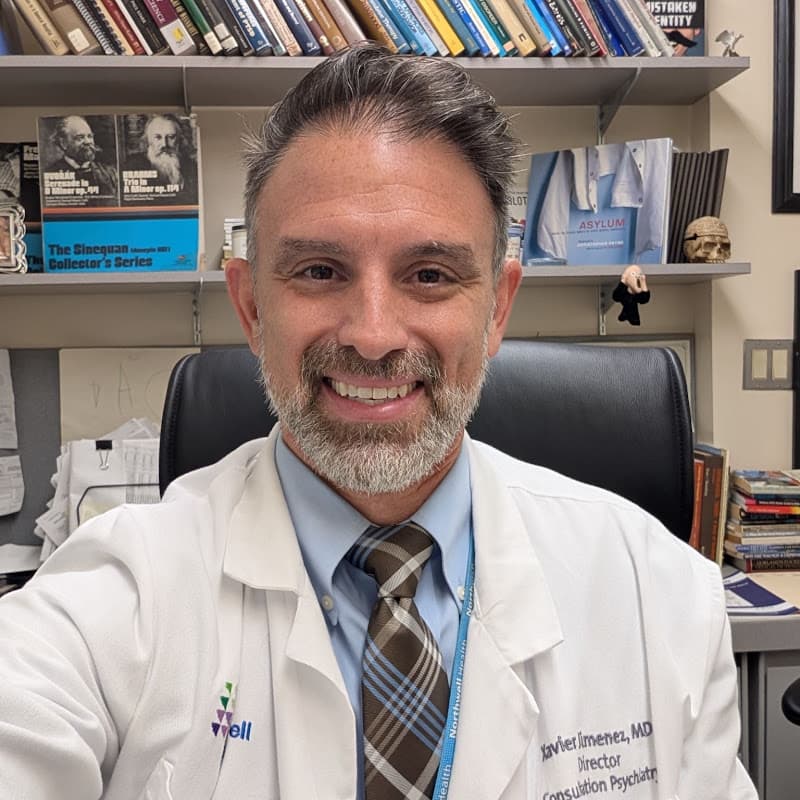
Full Transcript Introductions and backgrounds 0:12 Hi all, welcome. My name is Stephanie 0:12 Hi all, welcome. My name is Stephanie Berer. I'm here from Override Health. Um 0:14 Berer. I'm here from Override Health. Um 0:14 Berer. I'm here from Override Health. Um I am very delighted and excited to speak 0:17 I am very delighted and excited to speak 0:17 I am very delighted and excited to speak with two um prominent physicians in the 0:20 with two um prominent physicians in the 0:20 with two um prominent physicians in the pain field today. We have Dr. Lashort 0:23 pain field today. We have Dr. Lashort 0:23 pain field today. We have Dr. Lashort and Dr. Gimenez. And I would love for 0:25 and Dr. Gimenez. And I would love for 0:25 and Dr. Gimenez. And I would love for you to go ahead and introduce yourself. 0:27 you to go ahead and introduce yourself. 0:27 you to go ahead and introduce yourself. Welcome. 0:28 Welcome. 0:28 Welcome. >> Hi everyone. I'm Dr. Javier Jimenez. I 0:31 >> Hi everyone. I'm Dr. Javier Jimenez. I 0:31 >> Hi everyone. I'm Dr. Javier Jimenez. I am the director of consultation 0:32 am the director of consultation 0:32 am the director of consultation psychiatry and chronic pain at Long 0:34 psychiatry and chronic pain at Long 0:34 psychiatry and chronic pain at Long Island Jewish Medical Center, which is 0:36 Island Jewish Medical Center, which is 0:36 Island Jewish Medical Center, which is the academic hub for Northwell Health. 0:38 the academic hub for Northwell Health. 0:38 the academic hub for Northwell Health. It's a large health system in and around 0:41 It's a large health system in and around 0:41 It's a large health system in and around New York City, comprised of 28 hospitals 0:43 New York City, comprised of 28 hospitals 0:44 New York City, comprised of 28 hospitals and many clinics. Uh my uh current role 0:48 and many clinics. Uh my uh current role 0:48 and many clinics. Uh my uh current role is clinical and nonclinical 0:51 is clinical and nonclinical 0:51 is clinical and nonclinical administrative. I I see patients with 0:53 administrative. I I see patients with 0:53 administrative. I I see patients with mental health needs, but also I'm pain 0:55 mental health needs, but also I'm pain 0:56 mental health needs, but also I'm pain medicine boarded and see chronic pain 0:57 medicine boarded and see chronic pain 0:58 medicine boarded and see chronic pain patients in my clinic. I'm also 1:00 patients in my clinic. I'm also 1:00 patients in my clinic. I'm also addiction medicine boarded. So I do see 1:02 addiction medicine boarded. So I do see 1:02 addiction medicine boarded. So I do see some of individuals who unfortunately 1:05 some of individuals who unfortunately 1:05 some of individuals who unfortunately are afflicted with chronic pain and 1:07 are afflicted with chronic pain and 1:07 are afflicted with chronic pain and associated concerns that are mental 1:09 associated concerns that are mental 1:09 associated concerns that are mental health concerns and addiction. It's a 1:11 health concerns and addiction. It's a 1:11 health concerns and addiction. It's a pleasure to be here today. 1:13 pleasure to be here today. 1:13 pleasure to be here today. >> Thank you for joining us. 1:16 >> Thank you for joining us. 1:16 >> Thank you for joining us. >> And I'm Christina Lashort. Um I'm a pain 1:18 >> And I'm Christina Lashort. Um I'm a pain 1:18 >> And I'm Christina Lashort. Um I'm a pain physician anesthesiology um by 1:21 physician anesthesiology um by 1:21 physician anesthesiology um by background and I am the medical director 1:23 background and I am the medical director 1:23 background and I am the medical director and VP of clinical delivery here at 1:25 and VP of clinical delivery here at 1:25 and VP of clinical delivery here at Override Health. Um so here I also have 1:28 Override Health. Um so here I also have 1:28 Override Health. Um so here I also have sort of two hats I wear just like you 1:30 sort of two hats I wear just like you 1:30 sort of two hats I wear just like you Dr. Jimenez where I am seeing patients. 1:32 Dr. Jimenez where I am seeing patients. 1:32 Dr. Jimenez where I am seeing patients. I have a cl clinic as well as do some of 1:35 I have a cl clinic as well as do some of 1:35 I have a cl clinic as well as do some of the operations work um and oversee the 1:37 the operations work um and oversee the 1:37 the operations work um and oversee the teams that are uh delivering the 1:39 teams that are uh delivering the 1:40 teams that are uh delivering the interdisiplinary care that we um do 1:42 interdisiplinary care that we um do 1:42 interdisiplinary care that we um do here. 1:43 here. 1:44 here. >> Great. 1:44 >> Great. 1:44 >> Great. >> Welcome. Welcome. Well, I um why don't
How each doctor entered pain medicine 1:49 >> Welcome. Welcome. Well, I um why don't 1:49 >> Welcome. Welcome. Well, I um why don't we just jump right into it? I have so 1:51 we just jump right into it? I have so 1:51 we just jump right into it? I have so many questions um for you all, but I 1:54 many questions um for you all, but I 1:54 many questions um for you all, but I always like to start with understanding 1:56 always like to start with understanding 1:56 always like to start with understanding your journey a little bit, right? I feel 1:58 your journey a little bit, right? I feel 1:58 your journey a little bit, right? I feel like folks that end up in pain medicine 2:02 like folks that end up in pain medicine 2:02 like folks that end up in pain medicine are um are a special kind of person. And 2:05 are um are a special kind of person. And 2:05 are um are a special kind of person. And so I'm curious, you know, what first 2:07 so I'm curious, you know, what first 2:07 so I'm curious, you know, what first drew you into pain medicine? Um and how 2:10 drew you into pain medicine? Um and how 2:10 drew you into pain medicine? Um and how has your perspective evolved as you know 2:14 has your perspective evolved as you know 2:14 has your perspective evolved as you know you've worked across different 2:16 you've worked across different 2:16 you've worked across different disciplines? 2:17 disciplines? 2:17 disciplines? >> Um I you know went into medicine 2:20 >> Um I you know went into medicine 2:20 >> Um I you know went into medicine thinking that maybe I'd become a 2:22 thinking that maybe I'd become a 2:22 thinking that maybe I'd become a surgeon, maybe uh an oncologist, 2:25 surgeon, maybe uh an oncologist, 2:25 surgeon, maybe uh an oncologist, something of the sort, but all 2:27 something of the sort, but all 2:27 something of the sort, but all physicians need to experience a variety 2:29 physicians need to experience a variety 2:29 physicians need to experience a variety of of disciplines. And the one that 2:31 of of disciplines. And the one that 2:31 of of disciplines. And the one that really resonated for me and really uh 2:34 really resonated for me and really uh 2:34 really resonated for me and really uh moved me was psychiatry. And so I 2:37 moved me was psychiatry. And so I 2:37 moved me was psychiatry. And so I actually trained first in psychiatry at 2:39 actually trained first in psychiatry at 2:39 actually trained first in psychiatry at the University of Pittsburgh Medical 2:40 the University of Pittsburgh Medical 2:40 the University of Pittsburgh Medical Center. um had stellar training in 2:43 Center. um had stellar training in 2:43 Center. um had stellar training in psychiatry but along the way I always 2:45 psychiatry but along the way I always 2:45 psychiatry but along the way I always wanted to have some impact in the 2:48 wanted to have some impact in the 2:48 wanted to have some impact in the medical space and so I specialized 2:51 medical space and so I specialized 2:51 medical space and so I specialized further in what's called medical 2:52 further in what's called medical 2:52 further in what's called medical psychiatry or consultation leaison 2:54 psychiatry or consultation leaison 2:54 psychiatry or consultation leaison psychiatry and that's when I went to 2:56 psychiatry and that's when I went to 2:56 psychiatry and that's when I went to Mass General Hospital part of the 2:58 Mass General Hospital part of the 2:58 Mass General Hospital part of the Harvard system and did a fellowship 2:59 Harvard system and did a fellowship 2:59 Harvard system and did a fellowship there in that specifically again mental 3:02 there in that specifically again mental 3:02 there in that specifically again mental health issues in the in the medical 3:04 health issues in the in the medical 3:04 health issues in the in the medical space and and I've not looked back I've 3:07 space and and I've not looked back I've 3:07 space and and I've not looked back I've only worked in the medical space and 3:08 only worked in the medical space and 3:08 only worked in the medical space and it's been now 15 years of of working 3:11 it's been now 15 years of of working 3:11 it's been now 15 years of of working with mental health concerns in the 3:14 with mental health concerns in the 3:14 with mental health concerns in the medical space. That first experience at 3:16 medical space. That first experience at 3:16 medical space. That first experience at Mass General actually exposed me to 3:18 Mass General actually exposed me to 3:18 Mass General actually exposed me to acute pain patients. I worked on a burn 3:21 acute pain patients. I worked on a burn 3:21 acute pain patients. I worked on a burn unit and a trauma unit um as a 3:23 unit and a trauma unit um as a 3:24 unit and a trauma unit um as a psychiatrist and of course there were 3:25 psychiatrist and of course there were 3:25 psychiatrist and of course there were other mental health concerns to think 3:27 other mental health concerns to think 3:27 other mental health concerns to think about trauma anxiety but we were 3:30 about trauma anxiety but we were 3:30 about trauma anxiety but we were actually assisting other doctors in 3:32 actually assisting other doctors in 3:32 actually assisting other doctors in alleviating acute pain surrounding skin 3:35 alleviating acute pain surrounding skin 3:35 alleviating acute pain surrounding skin grafts and other interventions that 3:37 grafts and other interventions that 3:37 grafts and other interventions that these individuals would face. really 3:39 these individuals would face. really 3:39 these individuals would face. really terrible situations, but I learned a lot 3:42 terrible situations, but I learned a lot 3:42 terrible situations, but I learned a lot about pain management and how that could 3:44 about pain management and how that could 3:44 about pain management and how that could really alleviate alongside mental health 3:47 really alleviate alongside mental health 3:47 really alleviate alongside mental health interventions the suffering that some 3:49 interventions the suffering that some 3:49 interventions the suffering that some patients faced. And I never really 3:51 patients faced. And I never really 3:51 patients faced. And I never really forgot that lesson. After that, I 3:54 forgot that lesson. After that, I 3:54 forgot that lesson. After that, I trained and worked in a variety of 3:56 trained and worked in a variety of 3:56 trained and worked in a variety of different spaces that were medical, some 3:59 different spaces that were medical, some 3:59 different spaces that were medical, some more related to pain, some less. I went 4:01 more related to pain, some less. I went 4:01 more related to pain, some less. I went to the Cleveland Clinic and worked there 4:03 to the Cleveland Clinic and worked there 4:03 to the Cleveland Clinic and worked there for about eight years and once again 4:06 for about eight years and once again 4:06 for about eight years and once again inserted myself in a number of medical 4:07 inserted myself in a number of medical 4:07 inserted myself in a number of medical spaces, transplant medicine, 4:09 spaces, transplant medicine, 4:09 spaces, transplant medicine, orthopedics, rheumatology, epilepsy, but 4:13 orthopedics, rheumatology, epilepsy, but 4:14 orthopedics, rheumatology, epilepsy, but the one that really uh took more of my 4:16 the one that really uh took more of my 4:16 the one that really uh took more of my attention and time and focus was chronic 4:19 attention and time and focus was chronic 4:19 attention and time and focus was chronic pain. It was a program there. It's a 4:22 pain. It was a program there. It's a 4:22 pain. It was a program there. It's a multid-disciplinary program with 4:24 multid-disciplinary program with 4:24 multid-disciplinary program with physicians, psychologists, physical 4:26 physicians, psychologists, physical 4:26 physicians, psychologists, physical therapists, occupational therapists, 4:28 therapists, occupational therapists, 4:28 therapists, occupational therapists, nurses, all working together to help 4:31 nurses, all working together to help 4:31 nurses, all working together to help severe chronic pain patients. And I 4:34 severe chronic pain patients. And I 4:34 severe chronic pain patients. And I actually became the director of that and 4:36 actually became the director of that and 4:36 actually became the director of that and worked with the team. And we had a it 4:38 worked with the team. And we had a it 4:38 worked with the team. And we had a it takes a village approach, if you will, 4:41 takes a village approach, if you will, 4:41 takes a village approach, if you will, for these endstage individuals with with 4:44 for these endstage individuals with with 4:44 for these endstage individuals with with chronic pain. And so, it's sort of an 4:46 chronic pain. And so, it's sort of an 4:46 chronic pain. And so, it's sort of an accidental trajectory for me to get to 4:48 accidental trajectory for me to get to 4:48 accidental trajectory for me to get to this point. within that space I became 4:51 this point. within that space I became 4:51 this point. within that space I became pain medicine boarded and addiction 4:52 pain medicine boarded and addiction 4:52 pain medicine boarded and addiction medicine boarded and felt very strongly 4:55 medicine boarded and felt very strongly 4:55 medicine boarded and felt very strongly that this is something that I should try 4:57 that this is something that I should try 4:57 that this is something that I should try to assist with and help with. So that 4:59 to assist with and help with. So that 5:00 to assist with and help with. So that was my journey. 5:00 was my journey. 5:00 was my journey. >> Wow. Wow. Thanks for sharing that.
Defining successful chronic pain care 5:03 >> Wow. Wow. Thanks for sharing that. 5:03 >> Wow. Wow. Thanks for sharing that. >> Sure. 5:05 >> Sure. 5:05 >> Sure. >> Amazing. Uh well my journey may be a 5:07 >> Amazing. Uh well my journey may be a 5:07 >> Amazing. Uh well my journey may be a little bit more direct I suppose 5:09 little bit more direct I suppose 5:09 little bit more direct I suppose [laughter] than yours Javier. So, I came 5:12 [laughter] than yours Javier. So, I came 5:12 [laughter] than yours Javier. So, I came to pain medicine um through a traumatic 5:15 to pain medicine um through a traumatic 5:15 to pain medicine um through a traumatic accident that happened when I was um in 5:18 accident that happened when I was um in 5:18 accident that happened when I was um in medical school. And essentially what 5:20 medical school. And essentially what 5:20 medical school. And essentially what happened was my house that I lived in 5:23 happened was my house that I lived in 5:23 happened was my house that I lived in with my younger sister burnt down. And 5:27 with my younger sister burnt down. And 5:27 with my younger sister burnt down. And in that um accident, my sister had to 5:30 in that um accident, my sister had to 5:30 in that um accident, my sister had to jump out of the second story window. She 5:33 jump out of the second story window. She 5:33 jump out of the second story window. She suffered first lumbar spine fracture, a 5:36 suffered first lumbar spine fracture, a 5:36 suffered first lumbar spine fracture, a um something called a Lisf Frank 5:38 um something called a Lisf Frank 5:38 um something called a Lisf Frank fracture of the foot compound. um 5:41 fracture of the foot compound. um 5:41 fracture of the foot compound. um fracture of the foot and so she had to 5:43 fracture of the foot and so she had to 5:43 fracture of the foot and so she had to go through numerous surgeries, nine in 5:45 go through numerous surgeries, nine in 5:45 go through numerous surgeries, nine in total. Um [clears throat] 5:47 total. Um [clears throat] 5:47 total. Um [clears throat] had injections, stem cell treatments, 5:48 had injections, stem cell treatments, 5:48 had injections, stem cell treatments, medications and I watched all of this as 5:51 medications and I watched all of this as 5:51 medications and I watched all of this as I wasn't a medical student and deciding, 5:53 I wasn't a medical student and deciding, 5:53 I wasn't a medical student and deciding, you know, what I was going to do with my 5:55 you know, what I was going to do with my 5:55 you know, what I was going to do with my life. And in the end, you know, all of 5:58 life. And in the end, you know, all of 5:58 life. And in the end, you know, all of the treatment she got, the interventions 6:01 the treatment she got, the interventions 6:01 the treatment she got, the interventions and medications weren't doing it right. 6:03 and medications weren't doing it right. 6:03 and medications weren't doing it right. They they weren't solving the problem. 6:06 They they weren't solving the problem. 6:06 They they weren't solving the problem. And what I saw, what finally worked for 6:08 And what I saw, what finally worked for 6:08 And what I saw, what finally worked for her over the years was um staying 6:11 her over the years was um staying 6:11 her over the years was um staying active, getting out into nature was 6:12 active, getting out into nature was 6:12 active, getting out into nature was something that was really healing for 6:14 something that was really healing for 6:14 something that was really healing for her, building a really healthy 6:16 her, building a really healthy 6:16 her, building a really healthy lifestyle, and she got into Pilates and 6:19 lifestyle, and she got into Pilates and 6:19 lifestyle, and she got into Pilates and all of that sort of um you know, helped 6:23 all of that sort of um you know, helped 6:23 all of that sort of um you know, helped her deal with the the pain of the 6:25 her deal with the the pain of the 6:25 her deal with the the pain of the accident and now she's thriving, you 6:28 accident and now she's thriving, you 6:28 accident and now she's thriving, you know, and it's been so many years and it 6:31 know, and it's been so many years and it 6:31 know, and it's been so many years and it could have gone really wrong in a in a 6:33 could have gone really wrong in a in a 6:33 could have gone really wrong in a in a really sad way, But um so yeah, that 6:37 really sad way, But um so yeah, that 6:37 really sad way, But um so yeah, that shaped a lot of you know my experience. 6:39 shaped a lot of you know my experience. 6:39 shaped a lot of you know my experience. Um anesthesiology was a way to get to 6:42 Um anesthesiology was a way to get to 6:42 Um anesthesiology was a way to get to pain medicine and um so I did my 6:46 pain medicine and um so I did my 6:46 pain medicine and um so I did my training down in Miami in anesthesia and 6:49 training down in Miami in anesthesia and 6:49 training down in Miami in anesthesia and then followed up at MD Anderson for my 6:52 then followed up at MD Anderson for my 6:52 then followed up at MD Anderson for my fellowship. Um and you know it's been 6:55 fellowship. Um and you know it's been 6:55 fellowship. Um and you know it's been incredibly rewarding. Um, what I've not 6:58 incredibly rewarding. Um, what I've not 6:58 incredibly rewarding. Um, what I've not what I've noticed throughout my 7:00 what I've noticed throughout my 7:00 what I've noticed throughout my experience is that, you know, the, you 7:03 experience is that, you know, the, you 7:03 experience is that, you know, the, you know, I was an interventional 7:04 know, I was an interventional 7:04 know, I was an interventional proceduralist and a lot of that there's 7:07 proceduralist and a lot of that there's 7:07 proceduralist and a lot of that there's a time and a place for, but what most of 7:09 a time and a place for, but what most of 7:09 a time and a place for, but what most of my patients needed more of wasn't more 7:11 my patients needed more of wasn't more 7:11 my patients needed more of wasn't more procedures. They needed more time, 7:14 procedures. They needed more time, 7:14 procedures. They needed more time, guidance, empowerment. They needed a 7:18 guidance, empowerment. They needed a 7:18 guidance, empowerment. They needed a team- based approach. And so, you know, 7:21 team- based approach. And so, you know, 7:21 team- based approach. And so, you know, hence why I ended up joining Override 7:23 hence why I ended up joining Override 7:23 hence why I ended up joining Override Health to uh help build that. 7:28 Health to uh help build that. 7:28 Health to uh help build that. >> Thank you. Yeah, I've I'm familiar with 7:32 >> Thank you. Yeah, I've I'm familiar with 7:32 >> Thank you. Yeah, I've I'm familiar with how both of you speak about, you know, 7:34 how both of you speak about, you know, 7:34 how both of you speak about, you know, biocschosocial pain care and this team 7:37 biocschosocial pain care and this team 7:37 biocschosocial pain care and this team approach, right? This truly 7:39 approach, right? This truly 7:39 approach, right? This truly interdisciplinary approach to pain care. 7:41 interdisciplinary approach to pain care. 7:41 interdisciplinary approach to pain care. Um, but I was wondering if you could 7:43 Um, but I was wondering if you could 7:43 Um, but I was wondering if you could define, you know, for for the folks that 7:46 define, you know, for for the folks that 7:46 define, you know, for for the folks that will watch this, how do you define 7:48 will watch this, how do you define 7:48 will watch this, how do you define successful pain care beyond, you know, 7:51 successful pain care beyond, you know, 7:51 successful pain care beyond, you know, just reducing pain scores, for example? 7:54 just reducing pain scores, for example? 7:54 just reducing pain scores, for example? Feel free to jump into. 7:55 Feel free to jump into. 7:55 Feel free to jump into. >> Yeah, I'll just jump in if that's okay. 7:57 >> Yeah, I'll just jump in if that's okay. 7:58 >> Yeah, I'll just jump in if that's okay. Thanks so much, by the way, for sharing 7:59 Thanks so much, by the way, for sharing 7:59 Thanks so much, by the way, for sharing that that very personal experience with 8:03 that that very personal experience with 8:03 that that very personal experience with with pain and how it affected your 8:04 with pain and how it affected your 8:04 with pain and how it affected your family. And I'm just grateful for the 8:07 family. And I'm just grateful for the 8:07 family. And I'm just grateful for the silver lining here that now you're 8:09 silver lining here that now you're 8:09 silver lining here that now you're helping others as a result of this 8:10 helping others as a result of this 8:10 helping others as a result of this terrible um experience. But to answer 8:14 terrible um experience. But to answer 8:14 terrible um experience. But to answer your question, Stephanie, I I when I 8:17 your question, Stephanie, I I when I 8:17 your question, Stephanie, I I when I think of chronic pain in particular, 8:19 think of chronic pain in particular, 8:19 think of chronic pain in particular, acute pain might be a different ball of 8:21 acute pain might be a different ball of 8:21 acute pain might be a different ball of wax, if you will. But particularly 8:23 wax, if you will. But particularly 8:23 wax, if you will. But particularly chronic lasting debilitating pain, I do 8:27 chronic lasting debilitating pain, I do 8:27 chronic lasting debilitating pain, I do think very often much more about pain on 8:30 think very often much more about pain on 8:30 think very often much more about pain on a 0 to10 scale. I think that's critical 8:33 a 0 to10 scale. I think that's critical 8:33 a 0 to10 scale. I think that's critical to think about the effects of pain, the 8:35 to think about the effects of pain, the 8:35 to think about the effects of pain, the impact on quality of life, on 8:37 impact on quality of life, on 8:37 impact on quality of life, on functioning, on socialization. Um, to 8:41 functioning, on socialization. Um, to 8:41 functioning, on socialization. Um, to use your word that I use very often, 8:43 use your word that I use very often, 8:43 use your word that I use very often, it's not just biological but 8:45 it's not just biological but 8:45 it's not just biological but psychosocial ramifications of chronic 8:47 psychosocial ramifications of chronic 8:47 psychosocial ramifications of chronic pain. Chronic pain is in a way a complex 8:50 pain. Chronic pain is in a way a complex 8:50 pain. Chronic pain is in a way a complex syndrome. It's not just uh a pain signal 8:53 syndrome. It's not just uh a pain signal 8:54 syndrome. It's not just uh a pain signal that just keeps hitting the individual. 8:56 that just keeps hitting the individual. 8:56 that just keeps hitting the individual. It's also the effects of that uh 8:59 It's also the effects of that uh 8:59 It's also the effects of that uh constant bombardment of pain and uh you 9:03 constant bombardment of pain and uh you 9:03 constant bombardment of pain and uh you see a snowball effect right a vicious 9:06 see a snowball effect right a vicious 9:06 see a snowball effect right a vicious accumulation of different psychosocial 9:09 accumulation of different psychosocial 9:09 accumulation of different psychosocial u you know elements to chronic pain. So 9:11 u you know elements to chronic pain. So 9:11 u you know elements to chronic pain. So when I think of uh you know chronic pain 9:14 when I think of uh you know chronic pain 9:14 when I think of uh you know chronic pain and alleviating it and and see a new 9:16 and alleviating it and and see a new 9:16 and alleviating it and and see a new patient or evaluate someone, of course I 9:19 patient or evaluate someone, of course I 9:19 patient or evaluate someone, of course I ask about pain and location and 9:22 ask about pain and location and 9:22 ask about pain and location and alleviating factors and aggravating 9:24 alleviating factors and aggravating 9:24 alleviating factors and aggravating factors and all of that and do an exam, 9:27 factors and all of that and do an exam, 9:27 factors and all of that and do an exam, but I I really also am thinking 9:29 but I I really also am thinking 9:29 but I I really also am thinking simultaneously about um you know things 9:32 simultaneously about um you know things 9:32 simultaneously about um you know things like pain disability, pain avoidance 9:34 like pain disability, pain avoidance 9:34 like pain disability, pain avoidance patterns, pain thinking patterns like 9:36 patterns, pain thinking patterns like 9:36 patterns, pain thinking patterns like catastrophizing and things of that sort. 9:38 catastrophizing and things of that sort. 9:38 catastrophizing and things of that sort. Not to get too jargony, but all of that 9:41 Not to get too jargony, but all of that 9:41 Not to get too jargony, but all of that has to be done at once simultaneously in 9:44 has to be done at once simultaneously in 9:44 has to be done at once simultaneously in parallel, if you will. 9:47 parallel, if you will. 9:47 parallel, if you will. >> Absolutely. We we talk a lot about all, 9:49 >> Absolutely. We we talk a lot about all, 9:49 >> Absolutely. We we talk a lot about all, you know, fear avoidance, you know, all 9:51 you know, fear avoidance, you know, all 9:51 you know, fear avoidance, you know, all the cycles of of pain here. Um, I'm 9:55 the cycles of of pain here. Um, I'm 9:55 the cycles of of pain here. Um, I'm curious how you feel 9:58 curious how you feel 9:58 curious how you feel that you can, you know, cover that in in 10:01 that you can, you know, cover that in in 10:01 that you can, you know, cover that in in one appointment, right? How does how 10:02 one appointment, right? How does how 10:02 one appointment, right? How does how does a physician in your position 10:05 does a physician in your position 10:05 does a physician in your position address that, you know, realistically? 10:08 address that, you know, realistically? 10:08 address that, you know, realistically? Um, given that there that chronic pain, 10:11 Um, given that there that chronic pain, 10:12 Um, given that there that chronic pain, to your words, I've heard you say this 10:13 to your words, I've heard you say this 10:13 to your words, I've heard you say this before, that chronic pain isn't pain 10:15 before, that chronic pain isn't pain 10:15 before, that chronic pain isn't pain that has just lasted longer. It's a 10:17 that has just lasted longer. It's a 10:17 that has just lasted longer. It's a completely different beast and requires 10:19 completely different beast and requires 10:19 completely different beast and requires a completely different approach. Um, is 10:22 a completely different approach. Um, is 10:22 a completely different approach. Um, is there any way that you can address that 10:25 there any way that you can address that 10:25 there any way that you can address that in in a in a health setting like that? 10:29 in in a in a health setting like that? 10:29 in in a in a health setting like that? >> Well, the short answer is no. not in the 10:31 >> Well, the short answer is no. not in the 10:31 >> Well, the short answer is no. not in the first visit and I think it's actually 10:34 first visit and I think it's actually 10:34 first visit and I think it's actually very important to set the stage in the 10:37 very important to set the stage in the 10:37 very important to set the stage in the first visit that there is complexity 10:39 first visit that there is complexity 10:39 first visit that there is complexity here right patients will come in and say 10:42 here right patients will come in and say 10:42 here right patients will come in and say doc treat or fix my pain right fix it 10:45 doc treat or fix my pain right fix it 10:45 doc treat or fix my pain right fix it fix it fix it make it go away which I 10:47 fix it fix it make it go away which I 10:47 fix it fix it make it go away which I think is perfectly understandable 10:50 think is perfectly understandable 10:50 think is perfectly understandable perfectly natural for somebody who's 10:51 perfectly natural for somebody who's 10:51 perfectly natural for somebody who's living with unrelenting pain but to do 10:54 living with unrelenting pain but to do 10:54 living with unrelenting pain but to do that or to alleviate pain and its 10:56 that or to alleviate pain and its 10:56 that or to alleviate pain and its ramifications it's going to take some 10:58 ramifications it's going to take some 10:58 ramifications it's going to take some time there's no shortcuts in this in my 11:01 time there's no shortcuts in this in my 11:01 time there's no shortcuts in this in my experience. So I actually one of the 11:03 experience. So I actually one of the 11:03 experience. So I actually one of the very first things I love this question 11:04 very first things I love this question 11:04 very first things I love this question you're posing. One of the very first 11:05 you're posing. One of the very first 11:05 you're posing. One of the very first things I do is to say we're going to 11:08 things I do is to say we're going to 11:08 things I do is to say we're going to need time for this and I sort of expand 11:11 need time for this and I sort of expand 11:11 need time for this and I sort of expand the goals beyond analesia or pain relief 11:15 the goals beyond analesia or pain relief 11:15 the goals beyond analesia or pain relief so that it's about pain relief but it's 11:18 so that it's about pain relief but it's 11:18 so that it's about pain relief but it's about other goals functional restoration 11:21 about other goals functional restoration 11:21 about other goals functional restoration if you will achieving you know quality 11:23 if you will achieving you know quality 11:23 if you will achieving you know quality of life expanding your level of activity 11:26 of life expanding your level of activity 11:26 of life expanding your level of activity expanding your world which very often in 11:29 expanding your world which very often in 11:29 expanding your world which very often in the world of chronic pain people's 11:30 the world of chronic pain people's 11:30 the world of chronic pain people's worlds sort of shrink over time because 11:33 worlds sort of shrink over time because 11:33 worlds sort of shrink over time because of reduced activity and and and and 11:36 of reduced activity and and and and 11:36 of reduced activity and and and and socialization. So that's the answer I 11:38 socialization. So that's the answer I 11:38 socialization. So that's the answer I would give is that no, I don't promise 11:39 would give is that no, I don't promise 11:39 would give is that no, I don't promise anyone that this is going to be fixed 11:41 anyone that this is going to be fixed 11:41 anyone that this is going to be fixed quickly. In fact, it's the opposite. 11:43 quickly. In fact, it's the opposite. 11:43 quickly. In fact, it's the opposite. It's going to take time. Let's devise a 11:45 It's going to take time. Let's devise a 11:45 It's going to take time. Let's devise a care plan that may take many visits and 11:49 care plan that may take many visits and 11:49 care plan that may take many visits and many providers that are working together 11:52 many providers that are working together 11:52 many providers that are working together to really treat you completely, right? 11:55 to really treat you completely, right? 11:55 to really treat you completely, right? Sort of whole care of the uh not just by 11:58 Sort of whole care of the uh not just by 11:58 Sort of whole care of the uh not just by the way patient, the person that we are 12:01 the way patient, the person that we are 12:01 the way patient, the person that we are seeing, right? I mean that's they're 12:02 seeing, right? I mean that's they're 12:02 seeing, right? I mean that's they're they're different not just patient 12:04 they're different not just patient 12:04 they're different not just patient person. And so that's that would be my 12:07 person. And so that's that would be my 12:07 person. And so that's that would be my response to that. I I'm the very first 12:09 response to that. I I'm the very first 12:09 response to that. I I'm the very first to not promise a quick fix. 12:12 to not promise a quick fix. 12:12 to not promise a quick fix. >> I'd love to hear from you Christina what 12:14 >> I'd love to hear from you Christina what 12:14 >> I'd love to hear from you Christina what your thoughts are you know in this 12:16 your thoughts are you know in this 12:16 your thoughts are you know in this conversation um around successful pain 12:19 conversation um around successful pain 12:19 conversation um around successful pain and care and even you know to the 12:21 and care and even you know to the 12:21 and care and even you know to the expectations point. 12:22 expectations point. 12:22 expectations point. >> No I think I mean ditto all you've put 12:26 >> No I think I mean ditto all you've put 12:26 >> No I think I mean ditto all you've put it very well Dr. Jimenez but um so one
Barriers to whole-person pain treatment 12:29 it very well Dr. Jimenez but um so one 12:29 it very well Dr. Jimenez but um so one on the successful pain care so 12:31 on the successful pain care so 12:31 on the successful pain care so completely agree what it you have to 12:33 completely agree what it you have to 12:33 completely agree what it you have to focus on the function and the functional 12:35 focus on the function and the functional 12:35 focus on the function and the functional goals for me it's when does pain no 12:37 goals for me it's when does pain no 12:37 goals for me it's when does pain no longer control your life but when do you 12:39 longer control your life but when do you 12:40 longer control your life but when do you have control of it right patients might 12:42 have control of it right patients might 12:42 have control of it right patients might still have pain but it doesn't stop them 12:44 still have pain but it doesn't stop them 12:44 still have pain but it doesn't stop them and that's successful pain care to me 12:47 and that's successful pain care to me 12:47 and that's successful pain care to me and so we're looking at we're looking at 12:49 and so we're looking at we're looking at 12:49 and so we're looking at we're looking at you know what are their goal their 12:50 you know what are their goal their 12:50 you know what are their goal their functional goals we're looking improved 12:53 functional goals we're looking improved 12:53 functional goals we're looking improved just function at sleep you know having 12:55 just function at sleep you know having 12:55 just function at sleep you know having fewer flares 12:57 fewer flares 12:57 fewer flares um less going to the urgent care center. 12:59 um less going to the urgent care center. 12:59 um less going to the urgent care center. You know, all of those things are sort 13:01 You know, all of those things are sort 13:01 You know, all of those things are sort of the successful care to me and 100% 13:05 of the successful care to me and 100% 13:06 of the successful care to me and 100% agree with the expectations and letting 13:07 agree with the expectations and letting 13:08 agree with the expectations and letting patients know that this is not a quick 13:10 patients know that this is not a quick 13:10 patients know that this is not a quick fix. You know, this isn't going to be, 13:12 fix. You know, this isn't going to be, 13:12 fix. You know, this isn't going to be, you know, a band-aid. This is we're 13:14 you know, a band-aid. This is we're 13:14 you know, a band-aid. This is we're working to treat that central nervous 13:17 working to treat that central nervous 13:17 working to treat that central nervous system that has been changed due to your 13:19 system that has been changed due to your 13:19 system that has been changed due to your pain. And so I like to remind patients, 13:22 pain. And so I like to remind patients, 13:22 pain. And so I like to remind patients, you know, think of how long it's taken 13:24 you know, think of how long it's taken 13:24 you know, think of how long it's taken you or how long you have been in this 13:26 you or how long you have been in this 13:26 you or how long you have been in this chronic pain and your nervous system has 13:29 chronic pain and your nervous system has 13:29 chronic pain and your nervous system has learned it. And so it's not going to 13:32 learned it. And so it's not going to 13:32 learned it. And so it's not going to reverse overnight. It's not going to 13:33 reverse overnight. It's not going to 13:33 reverse overnight. It's not going to just turn off. It's going to take a lot 13:36 just turn off. It's going to take a lot 13:36 just turn off. It's going to take a lot of time and a lot of chipping away, but 13:38 of time and a lot of chipping away, but 13:38 of time and a lot of chipping away, but over time things will get better. 13:42 over time things will get better. 13:42 over time things will get better. >> Absolutely. Yep. I think we're we're 13:45 >> Absolutely. Yep. I think we're we're 13:45 >> Absolutely. Yep. I think we're we're preaching to the choir here. We're 13:47 preaching to the choir here. We're 13:47 preaching to the choir here. We're deeply aligned in this. Um but uh 13:50 deeply aligned in this. Um but uh 13:50 deeply aligned in this. Um but uh shifting slightly I'm curious you know 13:52 shifting slightly I'm curious you know 13:52 shifting slightly I'm curious you know there are some barriers of course to 13:54 there are some barriers of course to 13:54 there are some barriers of course to delivering this kind of care this whole 13:57 delivering this kind of care this whole 13:57 delivering this kind of care this whole person care um you know with timing and 14:01 person care um you know with timing and 14:01 person care um you know with timing and um so many so many barriers but I'm 14:04 um so many so many barriers but I'm 14:04 um so many so many barriers but I'm curious to hear from you what do you 14:06 curious to hear from you what do you 14:06 curious to hear from you what do you feel that um what are some of the 14:09 feel that um what are some of the 14:09 feel that um what are some of the biggest barriers that you experience by 14:11 biggest barriers that you experience by 14:11 biggest barriers that you experience by delivering this kind of care integrative 14:13 delivering this kind of care integrative 14:13 delivering this kind of care integrative pain care um and how can we address it 14:17 pain care um and how can we address it 14:17 pain care um and how can we address it >> I've said this poor um it's we have to 14:20 >> I've said this poor um it's we have to 14:20 >> I've said this poor um it's we have to change our our system you know 14:22 change our our system you know 14:22 change our our system you know unfortunately that it's incentivizing 14:25 unfortunately that it's incentivizing 14:25 unfortunately that it's incentivizing the the quick fixes the procedures and 14:27 the the quick fixes the procedures and 14:27 the the quick fixes the procedures and the prescriptions less so the 14:29 the prescriptions less so the 14:29 the prescriptions less so the anti-disiplinary care but um I've also 14:32 anti-disiplinary care but um I've also 14:32 anti-disiplinary care but um I've also said before that I am hopeful that we 14:33 said before that I am hopeful that we 14:33 said before that I am hopeful that we are shifting towards more of a value 14:36 are shifting towards more of a value 14:36 are shifting towards more of a value based system in the future and that you 14:39 based system in the future and that you 14:39 based system in the future and that you know there will be more of a focus on 14:41 know there will be more of a focus on 14:41 know there will be more of a focus on functional rehab programs that I I think 14:44 functional rehab programs that I I think 14:44 functional rehab programs that I I think will make a resurgence um as we see that 14:47 will make a resurgence um as we see that 14:47 will make a resurgence um as we see that this the health care system and the you 14:50 this the health care system and the you 14:50 this the health care system and the you know the costs that we are we are using 14:53 know the costs that we are we are using 14:53 know the costs that we are we are using just are not sustainable [snorts] and so 14:55 just are not sustainable [snorts] and so 14:55 just are not sustainable [snorts] and so I I do I am hopeful that things will 14:59 I I do I am hopeful that things will 14:59 I I do I am hopeful that things will improve but um that's the biggest 15:01 improve but um that's the biggest 15:02 improve but um that's the biggest barrier I'd say 15:08 >> yeah I I would uh agree with those 15:08 >> yeah I I would uh agree with those barriers and there are plenty others 15:10 barriers and there are plenty others 15:10 barriers and there are plenty others I'll just highlight a couple of others 15:11 I'll just highlight a couple of others 15:11 I'll just highlight a couple of others that come to mind I think one is in 15:13 that come to mind I think one is in 15:13 that come to mind I think one is in medical education um maybe Dr. Lure can 15:16 medical education um maybe Dr. Lure can 15:16 medical education um maybe Dr. Lure can remember this also in medical school we 15:18 remember this also in medical school we 15:18 remember this also in medical school we receive very little information or 15:20 receive very little information or 15:20 receive very little information or education on what chronic pain is some 15:23 education on what chronic pain is some 15:23 education on what chronic pain is some on pain and and pain physiology if you 15:26 on pain and and pain physiology if you 15:26 on pain and and pain physiology if you will but to extrapolate the lessons from 15:29 will but to extrapolate the lessons from 15:29 will but to extrapolate the lessons from acute pain on to chronic pain is is 15:31 acute pain on to chronic pain is is 15:31 acute pain on to chronic pain is is actually an error. We need to think of 15:33 actually an error. We need to think of 15:33 actually an error. We need to think of chronic pain differently and as a more 15:35 chronic pain differently and as a more 15:35 chronic pain differently and as a more complex syndrome. As I mentioned 15:37 complex syndrome. As I mentioned 15:37 complex syndrome. As I mentioned earlier, I agree completely with what 15:39 earlier, I agree completely with what 15:39 earlier, I agree completely with what you just said a moment ago about how 15:42 you just said a moment ago about how 15:42 you just said a moment ago about how time changes the central nervous system. 15:44 time changes the central nervous system. 15:44 time changes the central nervous system. That's not something that most doctors 15:46 That's not something that most doctors 15:46 That's not something that most doctors really are equipped with when they leave 15:48 really are equipped with when they leave 15:48 really are equipped with when they leave medical school. You learn that in 15:50 medical school. You learn that in 15:50 medical school. You learn that in practice and and and that's really not 15:53 practice and and and that's really not 15:53 practice and and and that's really not the best way to disseminate education. 15:55 the best way to disseminate education. 15:55 the best way to disseminate education. And then related to that, the second 15:57 And then related to that, the second 15:57 And then related to that, the second thing, the second barrier that I think 15:59 thing, the second barrier that I think 15:59 thing, the second barrier that I think about is sort of the exceptionalism, if 16:02 about is sort of the exceptionalism, if 16:02 about is sort of the exceptionalism, if you will, the the specialness that 16:04 you will, the the specialness that 16:04 you will, the the specialness that neurologic uh health sort of um you know 16:08 neurologic uh health sort of um you know 16:08 neurologic uh health sort of um you know gets in society. people tend to really 16:11 gets in society. people tend to really 16:11 gets in society. people tend to really learn a lot about, for instance, heart 16:13 learn a lot about, for instance, heart 16:13 learn a lot about, for instance, heart disease, kidney disease. Um, but when it 16:15 disease, kidney disease. Um, but when it 16:15 disease, kidney disease. Um, but when it comes to the nervous system, there's 16:17 comes to the nervous system, there's 16:17 comes to the nervous system, there's really this vague abstracted sense of 16:20 really this vague abstracted sense of 16:20 really this vague abstracted sense of what it is, how it works. Um, does it 16:23 what it is, how it works. Um, does it 16:23 what it is, how it works. Um, does it really affect me? It's more invisible. 16:25 really affect me? It's more invisible. 16:26 really affect me? It's more invisible. That's, I think, a huge barrier, not 16:27 That's, I think, a huge barrier, not 16:27 That's, I think, a huge barrier, not just in the medical education space that 16:29 just in the medical education space that 16:29 just in the medical education space that I mentioned, but also in the community. 16:32 I mentioned, but also in the community. 16:32 I mentioned, but also in the community. Imagine somebody with no medical 16:34 Imagine somebody with no medical 16:34 Imagine somebody with no medical training now trying to grasp how their 16:38 training now trying to grasp how their 16:38 training now trying to grasp how their central nervous system has changed over 16:40 central nervous system has changed over 16:40 central nervous system has changed over time. So I think more public 16:41 time. So I think more public 16:42 time. So I think more public dissemination of information about this 16:45 dissemination of information about this 16:45 dissemination of information about this coupled with upstream medical education 16:48 coupled with upstream medical education 16:48 coupled with upstream medical education of our providers uh you know along with 16:51 of our providers uh you know along with 16:51 of our providers uh you know along with the other functional restoration 16:53 the other functional restoration 16:53 the other functional restoration paradigm changes that Dr. Lashort 16:55 paradigm changes that Dr. Lashort 16:55 paradigm changes that Dr. Lashort mentioned might alleviate part of the
Training the next generation of pain physicians 16:57 mentioned might alleviate part of the 16:57 mentioned might alleviate part of the issue. 16:59 issue. 16:59 issue. Yeah, that's a good point because once 17:01 Yeah, that's a good point because once 17:01 Yeah, that's a good point because once you're in the, you know, the pain field, 17:04 you're in the, you know, the pain field, 17:04 you're in the, you know, the pain field, it feels like there's a lot of 17:06 it feels like there's a lot of 17:06 it feels like there's a lot of conversation around the nervous system, 17:08 conversation around the nervous system, 17:08 conversation around the nervous system, right? But delivering that to a patient 17:11 right? But delivering that to a patient 17:11 right? But delivering that to a patient really isn't, you know, might not land. 17:14 really isn't, you know, might not land. 17:14 really isn't, you know, might not land. Um, but I'm curious what advice you 17:16 Um, but I'm curious what advice you 17:16 Um, but I'm curious what advice you might give um to just this next 17:19 might give um to just this next 17:19 might give um to just this next generation of physicians as you're 17:20 generation of physicians as you're 17:20 generation of physicians as you're talking about, you know, some of the 17:21 talking about, you know, some of the 17:21 talking about, you know, some of the barriers. What who would you 17:25 barriers. What who would you 17:25 barriers. What who would you how would we build more whole person 17:27 how would we build more whole person 17:28 how would we build more whole person models of care um in your opinion? Dr. 17:31 models of care um in your opinion? Dr. 17:31 models of care um in your opinion? Dr. Lort, you can go first. 17:33 Lort, you can go first. 17:33 Lort, you can go first. >> Uh well, I think um Javier, you kind of 17:37 >> Uh well, I think um Javier, you kind of 17:37 >> Uh well, I think um Javier, you kind of touched on it. It does need to go back 17:38 touched on it. It does need to go back 17:38 touched on it. It does need to go back to medical education. That's how we're 17:40 to medical education. That's how we're 17:40 to medical education. That's how we're going to build that next generation. It 17:41 going to build that next generation. It 17:41 going to build that next generation. It has to come through the system. And so, 17:45 has to come through the system. And so, 17:45 has to come through the system. And so, I would love to see more training in 17:46 I would love to see more training in 17:46 I would love to see more training in pain, neuroscience, and behavior change. 17:50 pain, neuroscience, and behavior change. 17:50 pain, neuroscience, and behavior change. I think it it would be amazing if we 17:52 I think it it would be amazing if we 17:52 I think it it would be amazing if we taught young physicians motivational 17:54 taught young physicians motivational 17:54 taught young physicians motivational interviewing, you know, and how to to to 17:57 interviewing, you know, and how to to to 17:57 interviewing, you know, and how to to to speak with patients in that way. Um, and 18:01 speak with patients in that way. Um, and 18:01 speak with patients in that way. Um, and then maybe there should be more of a 18:02 then maybe there should be more of a 18:02 then maybe there should be more of a focus on function, functional goals and 18:06 focus on function, functional goals and 18:06 focus on function, functional goals and not just pain scores. You know, a lot of 18:09 not just pain scores. You know, a lot of 18:09 not just pain scores. You know, a lot of our our measures of of quality have to 18:12 our our measures of of quality have to 18:12 our our measures of of quality have to are related to like pain scores, but 18:14 are related to like pain scores, but 18:14 are related to like pain scores, but what about function? Um, and 18:18 what about function? Um, and 18:18 what about function? Um, and I I encourage anyone to also try working 18:22 I I encourage anyone to also try working 18:22 I I encourage anyone to also try working with a team and and see how that that 18:25 with a team and and see how that that 18:25 with a team and and see how that that turns out for your patients. And if you 18:27 turns out for your patients. And if you 18:27 turns out for your patients. And if you can find that type of care or that type 18:29 can find that type of care or that type 18:29 can find that type of care or that type of system where you're getting to work 18:30 of system where you're getting to work 18:30 of system where you're getting to work with um in an interdisciplinary fashion, 18:34 with um in an interdisciplinary fashion, 18:34 with um in an interdisciplinary fashion, you'll see this amazing shift in 18:36 you'll see this amazing shift in 18:36 you'll see this amazing shift in patients and their outcomes. 18:38 patients and their outcomes. 18:38 patients and their outcomes. >> Yeah, I agree uh with those comments. I 18:41 >> Yeah, I agree uh with those comments. I 18:41 >> Yeah, I agree uh with those comments. I I think in addition to that, this is 18:44 I think in addition to that, this is 18:44 I think in addition to that, this is even harder to protocolize. I think it's 18:47 even harder to protocolize. I think it's 18:47 even harder to protocolize. I think it's important to 18:49 important to 18:49 important to cultivate in the next crop of physicians 18:52 cultivate in the next crop of physicians 18:52 cultivate in the next crop of physicians to be u a desire for or a sensitivity 18:58 to be u a desire for or a sensitivity 18:58 to be u a desire for or a sensitivity for complete person care despite 19:01 for complete person care despite 19:01 for complete person care despite specialization. I think very often 19:04 specialization. I think very often 19:04 specialization. I think very often physicians will pursue, you know, in 19:08 physicians will pursue, you know, in 19:08 physicians will pursue, you know, in [snorts] very technical specialized 19:10 [snorts] very technical specialized 19:10 [snorts] very technical specialized identities and they're needed. They 19:12 identities and they're needed. They 19:12 identities and they're needed. They they're absolutely needed, but in that 19:15 they're absolutely needed, but in that 19:15 they're absolutely needed, but in that process might lose to no fault of their 19:17 process might lose to no fault of their 19:17 process might lose to no fault of their own because of the, you know, cognitive, 19:19 own because of the, you know, cognitive, 19:19 own because of the, you know, cognitive, you know, bandwidth they may have and 19:21 you know, bandwidth they may have and 19:21 you know, bandwidth they may have and the pressures that they face, they may 19:23 the pressures that they face, they may 19:23 the pressures that they face, they may lose sight of of sort of the the 19:25 lose sight of of sort of the the 19:25 lose sight of of sort of the the patient, the person, if you will, that 19:27 patient, the person, if you will, that 19:27 patient, the person, if you will, that is uh being attended to in that very 19:30 is uh being attended to in that very 19:30 is uh being attended to in that very narrow technical sense. And so you have 19:32 narrow technical sense. And so you have 19:32 narrow technical sense. And so you have a number of specialists um trying their 19:34 a number of specialists um trying their 19:34 a number of specialists um trying their best, but they're really only addressing 19:37 best, but they're really only addressing 19:37 best, but they're really only addressing one part. And in that effort, we might 19:39 one part. And in that effort, we might 19:39 one part. And in that effort, we might be tripping up on each other and not 19:42 be tripping up on each other and not 19:42 be tripping up on each other and not quite seeing the big picture. That's a 19:44 quite seeing the big picture. That's a 19:44 quite seeing the big picture. That's a little harder to get around. But I think 19:47 little harder to get around. But I think 19:47 little harder to get around. But I think mentorship programs um clinical 19:49 mentorship programs um clinical 19:49 mentorship programs um clinical experiences with complex patients that 19:51 experiences with complex patients that 19:51 experiences with complex patients that haven't responded to highly specialized 19:54 haven't responded to highly specialized 19:54 haven't responded to highly specialized interventions. I think these kinds of 19:55 interventions. I think these kinds of 19:56 interventions. I think these kinds of experiences in medical education might u 19:58 experiences in medical education might u 19:58 experiences in medical education might u you know spark that awareness so that 20:01 you know spark that awareness so that 20:01 you know spark that awareness so that when these you know students graduate as 20:04 when these you know students graduate as 20:04 when these you know students graduate as physicians and specialize they still 20:06 physicians and specialize they still 20:06 physicians and specialize they still have that sensitivity and awareness and 20:08 have that sensitivity and awareness and 20:08 have that sensitivity and awareness and if it's not them who's going to do the 20:10 if it's not them who's going to do the 20:10 if it's not them who's going to do the whole person care at least they can 20:11 whole person care at least they can 20:11 whole person care at least they can refer appropriately and tactfully and 20:13 refer appropriately and tactfully and 20:13 refer appropriately and tactfully and humanely. 20:15 humanely. 20:15 humanely. Yeah, exactly. 20:17 Yeah, exactly. 20:17 Yeah, exactly. >> Yeah. 20:17 >> Yeah. 20:17 >> Yeah. >> Yep. Exactly. 20:19 >> Yep. Exactly. 20:19 >> Yep. Exactly. Well, I feel really deeply honored to, 20:22 Well, I feel really deeply honored to, 20:22 Well, I feel really deeply honored to, you know, to be able to have had this 20:23 you know, to be able to have had this 20:24 you know, to be able to have had this conversation with you both today and I 20:25 conversation with you both today and I 20:25 conversation with you both today and I hope that um a a physician listening 20:29 hope that um a a physician listening 20:29 hope that um a a physician listening might, you know, be sparked to uh 20:32 might, you know, be sparked to uh 20:32 might, you know, be sparked to uh explore this uh further. Um so, I really 20:35 explore this uh further. Um so, I really 20:35 explore this uh further. Um so, I really appreciate your time today and uh thank 20:37 appreciate your time today and uh thank 20:38 appreciate your time today and uh thank you so much for joining us. 20:40 you so much for joining us. 20:40 you so much for joining us. >> Thanks. 20:40 >> Thanks. 20:40 >> Thanks. >> Thank you.
Comments