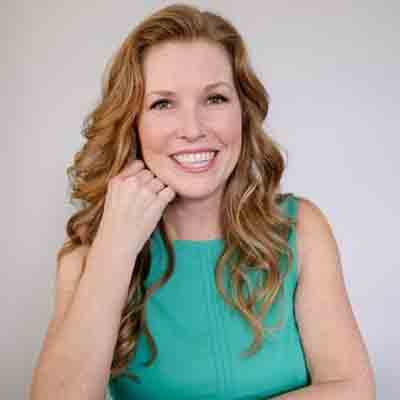
Full Transcript Introduction and Julia Lundstromu2019s mission 0:00 Welcome back Joining me now is Julia Lundstrom. 0:03 She is a neuroscience and a brain health educator and CEO of Simple Smart Science. 0:08 She's on a mission 0:09 to not only make a measurable improvement in 10 million people's brain health, 0:13 but to have a 50% reduction in the amount of dementia cases by 2050. 0:17 Using her ten pillars of Brain health over the last ten years. 0:21 She has over 110,000 copies of her book, The Brain Owners, Owners Guide 0:26 three Simple Solutions to Quickly Boosting Your Memory in Print, and had over 0:30 1.4 million people attend her workshops on preventing dementia 0:34 and getting optimal brain health. Today. 0:36 And now she is bringing it home to you. 0:38 Julia, thanks for joining me. 0:40 Thank you so much for having me. 0:41 What a pleasure to be here. 0:43 So I'm curious, how did you get started in this thing that we call memory? 0:47 I mean, this is a deep rabbit hole that I don't even think we've fully solved. 0:51 And when it comes to brain science. 0:53 But undoubtedly you have a ton of information. So what? 0:56 What kicked you off on this? 0:58 As it gets bigger every day. 0:59 I still feel like I only know a speck on the wall of everything there is to know. 1:03 Yes, well, it's like many people's stories. 1:06 My aunt got dementia about 15 years ago 1:10 and 13 years ago, and she was one of the cases that rapidly declined. 1:14 I mean, within a year 1:15 and a half, two years, she didn't even recognize her children. 1:18 And she was one of my favorite aunts. 1:20 And it was incredibly tragic to see. 1:22 At the same time, my brother, who was at that time 44, 1:26 had a heart attack and had to get on statins and heart attacks 1:29 run rampant in my family, especially on the male side. 1:32 And prescription meds, especially statins, really ruined the memory. 1:37 And he had another heart attack about five years later. 1:39 And so it just there's this kind of snowballed now. 1:43 My mom got dementia about five years ago, and luckily we've been keeping it 1:46 kind of in check. 1:48 But we like to say she's in the final stage of dementia, where she calls you
Personal family experiences that sparked her work 1:52 and says, happy birthday. 1:53 I do know this. Yeah, I know this is kind of funny. 1:56 It's kind of cute, right? 1:57 It's kind of cute. It's a diary. 1:59 So for me, it just became a very big passion project. 2:02 I also was going through a very one, probably the most difficult 2:06 time in my life. 2:07 And depression is also one of the symptoms, 2:11 one of the causes of having a very bad memory. 2:13 And so, serendipitously, we met a scientist who was working on the tropics 2:17 and back then 2012, this was, you know, before Alpha Brain. 2:22 I read it was before the tropics were a thing, 2:24 and we came out with my first supplement, Minus Day. 2:27 And from there it's just been a giant snowball 2:30 getting into all areas of holistic health and really starting 2:35 to create my ten pillars of brain health, which we have come to today. 2:40 Beautiful. 2:40 Yeah, well, I'd love to get started on that because as we're uncovering 2:44 and I think as the evidence is showing us more and more each day, each year, 2:47 we're finding that there's so many things that impact our brain health and 2:51 dementia is now, I think, recognizably not this genetic thing 2:55 that just happens to us haphazardly when we get to some certain age, 2:59 but it can happen really young. 3:00 Of course, we may have genetic predispositions, have constitutions, 3:03 always plays a role in in every, every case. 3:06 And yet there's things we can do, right? 3:08 There's there's unbelievable amounts of opportunities to correct some things 3:13 and to prevent them, these, these type of cases. 3:16 Right. So what are some of these. 3:18 And you can just 3:19 start off with some of the most I think let's say impactful 3:22 of the ten pillars, where do you what do you start people on those $10. 3:25 Sure. 3:26 So what we do is we have a memory guru program that we put people through. 3:29 And basically we look at their whole lifestyles 3:32 with the huge intake that we do with people, and we decide where 3:36 which one of the ten pillars 3:38 is going to have the greatest effect, what's going to be the greatest lever? 3:41 And as you know, everybody's individualized. 3:43 So it's really different for everybody 3:45 to say what's going to be the most impactful. 3:48 I will say we work with older people, typically 60 plus, 3:52 not really a generation. 3:54 A lot of people are working with on prevention. 3:56 I like to say they're the Betty Crocker generation. 3:58 You know, they grew up their parents, probably homemade everything. 4:02 And then all of a sudden Betty Crocker put a cake in a box and put it on the shelf. 4:05 And there you go. 4:06 The rest is living out of boxes and TV dinners. 4:10 So it's really teaching them. 4:11 I'd say food and nutrition is a huge one, of course, for everybody. 4:16 But we really look at it as, you know, a lot of people do have their nutrition 4:20 dialed in. 4:20 And so we'll look at the other areas on what's beginning to affect their memories. 4:25 Or a lot of times they just want to prevent 4:27 dementia and Alzheimer's because they have it in their family, kind of like I do. 4:31 Right? 4:31 I mean, it's symptoms for decades after all the damage is done. 4:35 And so it's really important to hit it 4:37 earlier, even though we do only typically work with older people. 4:41 So it's taking all the amazing information that your remarkable speakers 4:45 have put together, like Doctor Bateson, one of my heroes, you know, 4:49 and he says there's 36 reasons for that. 4:53 We know of potentially a couple more, 4:55 probably a couple more, but not many more for getting dimension Alzheimer's. 4:59 And really memory issues in general. 5:01 And so we've come up with the ten pillars, which are really lifestyle changes. 5:06 And to solve the majority of those, we can't solve all of them, 5:10 you know, heavy 5:11 metal poisoning, mold, those are things that need much more detailed care. 5:15 But we can solve a lot of them by just changing lifestyle. 5:20 And it's a lot of things people don't think about. 5:22 And especially coming out of Covid, I would say one of the biggest things 5:25 we hear from all of our clients is they've been stuck inside, right? 5:30 They're not being social. They're not getting that social component. 5:32 And for me, the social side is something not a lot of people are talking about, 5:37 but it is a giant component that actually there was an 80 year Harvard study done
The ten pillars of brain health and lifestyle prevention 5:42 where they determined that being social and having a good family 5:46 unit was almost twice as important as student, as diet and exercise combined. 5:52 And so we really helped people to get out there. 5:55 And part of that is also purpose. 5:57 Purpose is another one of the brain health pillars. 5:59 Because, you know, I can talk all day about sleep and diet 6:03 and exercise, but those are really the common ones. 6:06 We like to focus on ones that and we do focus on those, 6:09 but we like to really drill down on other sides. 6:12 And, you know, those two days of your life that you're most likely to die. 6:16 Do you know what those are? 6:18 I don't. 6:19 Okay. 6:20 So it's the day you're born, of course. 6:22 And then the day you retire. 6:23 And in this country, we have this mentality 6:27 that we stop working and do nothing or go play until we can't play. 6:32 And then we really do nothing. 6:34 Whereas in Japan, they don't even have a word for retirement. 6:37 It's a change in purpose is their word. 6:40 And so it's getting people back to purpose. 6:43 And I love we had one of our clients say, you know, the best part 6:46 about our program is that it brought purpose back into their life. 6:49 They were feeling very purposeless and that of course, challenges the brain, 6:54 which is another pillar, being able 6:55 to challenge and learn something new and continually grow. 6:59 So we we focus on all ten, but a lot of the fun ones 7:04 that people don't think about using your memory is another great one. 7:08 The cell phone. 7:09 The biggest damage to modern technology, to our memories that we have, right? 7:14 Don't use our memory anymore. 7:15 And it's like a muscle. 7:17 You don't use it, you lose it, right? 7:19 I mean, do you remember anybody's phone number? 7:21 Well, not only the phone numbers, right? 7:23 I mean, because this is 7:24 this is we joke we this is a common joke in our generation, right? 7:27 Like the ones that I mean, I remember dozens 7:31 and I recall remembering dozens of phone numbers. 7:35 Right? And then not only phone numbers, but 7:38 I remember as a kid 7:39 I would ride my bike all around the the city that I grew up in. 7:42 And I knew I knew how to get anywhere and everywhere. 7:45 I knew seven ways to get to the same place, you know? 7:48 And now I've moved into a new city. 7:50 I've been here for a number of years, but still my memory's not as good. 7:54 My directionality is not as good because I rely on Google Maps way too often. 7:58 Right. 7:59 And it's funny because I was in Europe recently and didn't have service. 8:03 And so I actually had to 8:06 I had to get back into a mode that I, that I hadn't 8:08 been in in a long time, which is okay, look at this thing here. 8:12 Where's the sun? 8:13 Where's this building? 8:15 You know, like, what's the street name? 8:16 Now look what's what's near it. 8:18 So I was actually having to do some spatial recognition 8:21 and like, I mean, it challenged my brain in a new way. 8:24 Fortunately, I grew up in an era where that was the case. 8:28 Right. And so I kind of remembered how to do it. 8:31 But I can see this, these new generations, they're just not 8:35 they don't have the wiring, so to speak, like it has to be trained into that. 8:39 Yeah. 8:39 I mean, we have built in navigation into our system, right? 8:42 Like we were live and die by the sun for the most part, and where it is in the sky. 8:48 And I think that that's something that's really we're losing 8:52 as each generation just depends on their phone. 8:54 So that's something we actually talk to people a lot about. 8:56 Do not use Waze, do not use Google Maps, try to use your memory. 9:01 I tell all the people my company that I feel like just don't use it. 9:04 They all are grown. 9:05 So. So yeah. Denver. 9:07 Yes. So? 9:08 So what do you do with them? 9:09 I do you, do you recommend some specific exercises 9:12 or some fun some, some of fun games so to speak, that we can use to sort of 9:16 challenge our brain on a regular basis? 9:18 Yeah. 9:19 So really what we're trying to do is get them to use 9:21 different parts of their brain that they're not used to using. 9:25 So, for instance, my husband is amazing at every musical instrument, right? 9:29 But if they try to put a spreadsheet in front of it in front of him, 9:32 but his eyes go foggy, so it's trying to get people 9:35 to use things that they're not used to. 9:38 So if they haven't played a musical instrument, 9:41 maybe they can't play a musical instrument. 9:42 Learn how to read notes, learn how to paint. 9:46 You learn a different language. 9:48 Just even reading on a new topic, trying to learn about space, right? 9:51 Become endlessly fascinating last couple of years with space and just 9:55 using your brain to think about things that are much bigger than yourself, 9:58 but then also driving them towards that, using 10:01 challenging themselves to use that knowledge for a purpose as well. 10:05 So the AARP has an amazing program called Experience Corps, 10:10 and we have spent a lot of our people to them.
Purpose, social connection, and staying mentally engaged 10:12 And what that does is take older individuals that go 10:15 into elementary schools, retired individuals, and tutor them. 10:19 And it has such a double bonus, right, for the kids. 10:22 Their grades go up on average 20%. 10:25 And within six months we've seen a 20% increase in memory on the older adults. 10:29 Right. 10:30 Because their challenge, they have to get there, right. 10:33 They got to be on time. 10:34 They got to do curriculum. 10:36 They got to be patient 10:37 and they're the best tutors anyway because they're so much more patient. 10:40 By doing so. 10:42 It's things like that. 10:43 It's it's not only challenging yourself for challenging yourself for a purpose, 10:46 because people do lose their purpose after they retire. 10:48 It's such a such an ugly word in my book. 10:51 Yeah. 10:51 No, I mean, you're hitting on something so fundamental, 10:54 and I didn't realize our, our works sort of cross so much. 10:57 But in the Human Longevity Project, when we went around the world, 11:00 this was something I noticed over and over again in the, the, 11:03 the people that I was talking to that were in their 80s, 90s and beyond. 11:07 I met an 85 year old man in Japan, in Okinawa named Fuji, and he he 11:13 he was running a huge construction business with hundreds of employees. 11:17 He had another business that he was that he owned, and he had no, 11:20 no intention of retiring. 11:22 That didn't it wasn't a thing. 11:23 He just wanted to work. He's going to work till he died. 11:25 Another man in in in Japan. 11:28 He he stopped working at his job. 11:31 And then he does his hobbies, which is like 11:34 rebuilding cars and playing in a band. 11:37 He was in his 70s. 11:38 Right. And then. 11:39 And then my favorite case was that, a young lady of 94 and I. 11:44 And I asked her straight up, I said, look, you know, a lot of your your, friends 11:48 in your family have passed away, you know, like, what gets you up every day, right? 11:52 What keeps you going? 11:53 And she said, well, I have to learn a song for the violin on Tuesday. 11:57 And I thought, what a preciously wise answer that was, right? 12:01 Like, she understands that. 12:02 Like, it's the little things that we can we can have, we can build purpose around. 12:07 And for her she this violins you picked up when she was 92 12:11 and I mean I used to play the violin when I was a kid 12:13 and mean she was terrible, but it was unbelievable to watch her, 12:17 how skillful she actually was from going from 92 to 94. 12:22 And she was going and playing with her, you know, her music group. 12:25 And, you know, I thought like, 12:27 that is somebody that has so much wisdom and understands life. 12:30 Right. 12:31 And she was sharp as a tack at 94. And 12:35 she figured it out. 12:37 Yeah. 12:38 And it it comes with having that mental attitude. 12:40 Right. The optimism. And that's a huge one too. 12:43 And we work with our clients a lot on that because of course 12:47 they fall into depression. 12:48 They get sad when their body starts to fall apart and they don't have purpose. 12:51 They don't have something to get up in the morning for. 12:54 And I remember I did a live long well summit about seven years ago, 12:57 and I interviewed my dad, who has since passed, but I he lived to 88 13:02 and he went through, I mean, he had both hips replaced triple 13:06 bypass surgery when he was in his 50s for heart and he had three heart attacks. 13:10 They gave him ten years to live at that time. Right. 13:13 You know, till he was 88, pacemaker, all this stuff. 13:16 And I just said, hey, dad, 13:17 you know, and all of life's adversities that have thrown at you, 13:20 you've always just kept this amazing, positive attitude and outlook. 13:25 And everybody thinks you're 13:26 the happiest guy around, you know, how did you how did you do it? 13:30 What's the secret? 13:30 I was like, I didn't know I had a choice, right? 13:33 It just is that it's being sad and depressed of all these things. 13:36 It's it's a it's not a choice for me. Right? 13:40 It just doesn't come into my sphere. 13:42 So I always took that. 13:43 I remember that. 13:44 So specifically and I love that know I didn't I didn't have a choice. 13:47 Whereas most people think they do. 13:48 And they a lot of times choose the sadness and the down. 13:52 And I know that chemically that isn't always a choice, but totally. 13:56 And look, I mean, I think we all get it right. 13:59 Like there are certain things that when, when a phase of our life or situation 14:03 passes, right, there's a certain warning sometimes that that can take place 14:07 that's over. 14:08 And then oftentimes we don't know where to turn to next. 14:10 Right. So that's where it gets a little tricky. 14:12 And things can get a little stuck and stagnant. 14:15 But this and this is a fundamental challenge 14:17 I see in our culture, in the Western culture 14:19 and especially in the United States, is that after retirement, 14:23 there's this searching of, I don't know what to do 14:26 and or so therefore, I'm not going to do anything. 14:28 I'm just going to kind of just stop and sit and, 14:31 and and I don't blame that on the individuals per se. 14:34 I think we actually lack the fundamental structures 14:37 for that sort of next phase of life to support that. 14:40 And I love what you're doing 14:42 connecting people in their 60s, 70s, in their retirement age with younger kids. 14:45 And the studies that I've looked at on longevity 14:49 benefits people get the older people get younger, 14:52 like biologically speaking, all their markers start to improve. 14:55 Right? 14:56 And I think that's fascinating just by hanging out with the youth. 14:59 Right. 14:59 So something about that sort of youthful vibrancy 15:02 that sort of restores that vitality in the older generation. 15:06 Right? So there's so much there. 15:08 What are some other things? 15:09 How do you how do you maybe coach people better? 15:11 Because right now, undoubtedly we have a lot of people in their 15:13 in their 50s and 60s 15:14 and kind of approaching retirement work or have passed retirement age. 15:19 What are some ideas where they can kind of reengage with life 15:21 if they're not, not quite sure what to do next? 15:24 Yeah. 15:24 So that's one of the initiatives we're working on right now. 15:28 It's been a year in progress, probably another couple 15:30 before we can fully get it in, but we really want to go to where people live. 15:34 And a couple of years ago, Heather, who does some of your other interviews, 15:39 she I actually took my mom to her to house, you know, to put her. 15:42 And I brought us some protocol 15:43 and I was there for the grand opening of one of her centers, 15:47 where she was taking people from around the world that have to mention 15:49 Alzheimer's and putting them in there to live for six months to a year. 15:53 And it sparked the idea of, well, let's not make people move. 15:56 Let's take this to where people live. Totally. 15:59 And so what we're doing 16:01 is going into retirement communities and basically taking with Dan Buettner. 16:04 But, you know, I always pets around villages, is doing with larger 16:08 communities, but bringing it down 16:10 to their retirement community and we're, we're bringing it in. 16:14 So not only are we changing the diets, I mean, my mom and her retirement community, 16:19 it breaks my heart. 16:20 They they serve a dessert for every single meal, donuts for breakfast. 16:24 You know, it just it breaks my heart. 16:27 And the exercise class. 16:28 She lives in a community of 200 people, and I think five. 16:30 Go to the exercise class and they sit on a chair and move their legs up and down. 16:33 You know, it's just there's no weight lifting. 16:36 There's no muscle is such a big piece. 16:38 There's a direct correlation 16:39 of how much muscle mass you have in the overall health of your brain. 16:42 So that's a huge piece right. 16:44 So we're going to go into the communities and certify the communities to be brain 16:47 health communities where the residents 16:51 will have this opportunity to join the program. 16:54 And the best part is, is we're going to create these pods 16:57 where each of the members that join this program will be part of a group, 17:02 and it's up to them to create the the memory exercises 17:06 and have a memory class for the challenges. 17:09 And so you get the social component, which is huge, which is huge, right. 17:14 Because a lot of them, 17:15 I mean, my mom sticks to the same 2 or 3 people out of 200, right?
Retirement communities, accountability, and community-based brain health 17:20 So it kind of mixes things up a little bit where, you know, they can go on walks 17:24 together, they can exercise together, they have this little pod, 17:27 but also they're going to be the ones teaching. 17:29 They're going to be the ones who are keeping each other accountable and 17:33 learning and bringing this information. 17:35 And so it creates this kind of upwelling where they help each other social, 17:41 and they're challenging their brains and it gives them purpose. 17:44 Yeah. 17:45 And then what's really cool, what we're seeing in our current member 17:48 juror program, which is just it's a one on one coaching program. 17:51 It's spreading. 17:53 So we had a teacher of an inner city school come in and take our program, 17:57 and now she's going in and teaching at the health 18:00 and the diet and the purpose and talking to the kids about it. 18:04 Right. Because that's what we need, right. 18:07 And we just need more boots on the ground. 18:08 We need more people teaching this. 18:10 We have this serious problem in this country with education around health. 18:16 Yeah, I agree, especially in in sort of the geriatric population, 18:20 the elderly population, you know, I same thing when I, my, my grandmother 18:25 through my grandfather passed and she joined a retirement home. 18:29 And at first it was funny. 18:30 It was almost like college. 18:32 She was meeting all these people and everything was great. 18:34 And she had all these stories. And I was like, this is hilarious. 18:37 It's like college for old people. This is amazing. 18:39 And then over time, what I noticed, same thing. 18:41 It was it was the food was absolutely horrid. 18:45 They were serving. 18:46 And then eventually, you know, 18:49 it's a retirement home. 18:49 So there's a lot of turnover, right? 18:51 I mean, people pass on and new people come in and and there is 18:54 this kind of change eventually in, in her social 18:58 kind of atmosphere, you know, when it was new it was all exciting. 19:01 And there's all these people. 19:03 And then that same thing, there wasn't a lot of social engagement 19:07 put on by, by the community. 19:10 And so they were kind of left to fend for themselves, like, here's your life. 19:13 And they had some things. 19:14 So they had a couple things, but it wasn't activities. 19:17 Right, exactly. 19:18 But it wasn't engaging in in contrast to the retirement home 19:21 that I went in in Okinawa and they did karaoke, 19:25 they had a dance thing, they put on a presentation. 19:28 They had this amazing exercise program, like every day that would engage them. 19:33 They had all the people that weren't living there, 19:36 but they would come in and just and either hang out 19:40 or sometimes they would need a little bit of care, like 19:41 maybe they would need a bath or whatever, but they weren't even living there. 19:44 So there would be. 19:45 It was like a very engaged community 19:48 with people from, from all around that didn't even live there. 19:51 And so it was just a totally different environment. 19:54 It felt like in Okinawa they call it genki, which is kind of lively and vital. 19:58 Right? 19:58 And so it was it was had that energy of vitality as opposed 20:02 to, you know, at least 20:04 the one that my grandmother was into was was just kind of low. 20:07 It was very and it didn't lack that sort of lively kind of energy. 20:12 So know I think about that in and this is probably why a lot of people 20:16 don't want to go live 20:17 into a retirement home, especially if they're maybe a more introverted type. 20:21 Right. 20:21 And so I think your your whole idea on purpose becomes massive 20:26 because at that point and it's like we can find something, 20:29 whatever it is that excites us and pursue that. 20:32 Right. 20:33 But I think that is perhaps an under discussed topic in, in terms 20:39 of how important it is for brain health, for longevity, for overall health. 20:43 Right. 20:43 So, what other things 20:45 can we sort of look to when we're getting into our 50s and 60s? 20:49 And because 20:51 a lot of the stuff we 20:52 would love to have known about when we're in our teens and 20s 20:56 and living the optimal lifestyle and, and the optimal diet, 20:59 but by the time we get to our 50s and 60s, maybe we didn't make the right choices. 21:03 Maybe we didn't grow up in an environment where we knew some of these things. 21:05 What can we do at that point to kind of put the brakes on, on any progression 21:10 and perhaps even reverse some of the symptoms that might be showing up? 21:14 Absolutely. 21:15 So I think one of the best ways 21:17 and we've actually expanded, we've started with just meditation 21:21 and that has, you know, working with the older generation. 21:24 That's actually a dirty word to some of our clients. 21:26 So they think it's yeah, they think it's cultish or just anti, anti-Christian. 21:32 Sure. Yeah. 21:33 But they don't understand is that prayer does the exact same thing to the brain. 21:37 And so we work with people. 21:38 It doesn't matter the syntax I don't care what you call it. 21:42 It's taking that space to grow your prefrontal cortex. 21:45 Right. 21:45 We've seen the studies of practice meditators 21:48 where they're able to grow their prefrontal pre prefrontal cortex by 20% 21:54 in the course they can remember for six months or a year. 21:56 But it's remarkable what they can do. 21:59 And so it's bringing these practices in and enhancing them. 22:02 Most people don't know how to meditate. 22:04 They don't do it because they think they just need to sit there. 22:06 I went to Dave, asked for two years of Zen and learned 50 different 22:10 techniques of meditation. 22:11 It was remarkable. 22:13 And so then the next year we're going to start retreats as well, teaching people 22:16 how to do more of that, but bringing more of our our time, colors and breathing. 22:20 I don't know if you've ever read James Nestor's book Breath. 22:24 I've done a lot of breath work on my own. 22:26 Yeah, and it's for those who say they can't meditate. 22:29 I tend to direct them towards breathwork because I can start here, that 22:32 because you can breathe. 22:33 I know you can. 22:34 And it's something you can notice right away. Right? 22:36 Breathwork is unbelievably powerful, whether it's a 22:39 calming breath or an energizing breath or something in between. 22:42 There's so many different sort of pranayama 22:44 that you can explore in the Vedic culture too, right? 22:46 So I love that it's not just about the breathwork, though, right? 22:50 It's about how you breathe. 22:51 I mean, we see these people sitting in their wheelchairs 22:53 and they just mouth readers. 22:55 And how much science is around that we're supposed to be breathing 22:58 through our mouths, 22:59 and they're all the whole reason we have to is in case one gets blocked. 23:01 But really, it's the nose and it's about the nose 23:03 and how much difference 23:04 that makes in your heart health and your brain health and everything. 23:08 Just breathing through your nose, even through exercise, 23:10 which I'll admit, it's very hard for me to do. 23:12 If I start out breathing through my nose for exercise, I can. 23:15 I can, it depends on the level, but I can usually continue. 23:17 But if I remember half 23:18 way through the night the other day, like, oh, credit to just like nose breathe, 23:22 I can't, it's too late, but I'm way up the mountains. 23:27 But it is right. 23:28 It's how you breathe. 23:30 Yeah, that's a big one. 23:31 And this is, 23:32 you know what you're touching on are things that anybody can do, right? 23:35 That's what I love. 23:35 It's not there's no limitation to this stuff, you know again meditation 23:39 or prayer and then breath work and nose breathing stimulates nitric oxide. 23:44 Right. 23:44 Like this is this is the fascinating part is that it's mechanical. 23:47 Right. 23:47 It's actually the breath coming in the nose hitting these little sensors 23:51 that trigger nitric oxide production, parasympathetic tone. 23:55 It calms us down. 23:57 Right. 23:57 Like there's there's really, really important aspects to to that breath in.
Meditation, prayer, breathwork, and nasal breathing 24:00 And of course using the diaphragm 24:02 which is a massive muscle which controls a lot of different functions itself. 24:06 Right. 24:06 So instead of just breathing in the chest, that was a big one for me, was 24:09 I was such a chest breather. 24:11 And so for me, it's been learning really 24:12 how to breathe in that, in that sort of belly area, expanding the diaphragm. 24:16 But these are massive. 24:17 And I think especially when it comes to 50, 60, 70, if we have limited mobility. 24:23 Again, meditation and breathwork are not hindrances in any way. 24:27 Right. We can do those things. Absolutely. 24:30 What are some other things that we can include? 24:32 What about some some either supplements or foods that we might 24:35 want to look to and stay away from. 24:38 Sure. 24:38 So I mean, nutrition, we typically start everybody out on nutrition. 24:42 Just we gear the program towards them with nine out of ten people 24:46 need help on the nutrition side. And I think context is a huge piece. 24:49 And of course that's one of the biggest levers. 24:51 We all know that food is medicine, right? 24:53 And people get put on these 24:54 prescription medications and typically they're for a few problems 24:57 and the doctors know to put them on and then they don't know how to take them on. 25:02 And so it messes with everything 25:05 with the chemical balances, with the hormones, with everything. 25:08 And so we really work to get people more back in balance with their food. 25:12 We fully believe in fasting. 25:13 We typically have people do Doctor Walter 25:16 Longo's food based fast every six months. 25:20 It's a five day food based fast where you're limited calories, 25:22 but you're still eating, so you're not you know, a water fast is incredibly 25:27 don't up people, but that really puts your neurons. 25:31 And sure, kind of this ultra protective mode, 25:33 which they've seen with chemotherapy, actually increase 25:36 the results of chemotherapy because it protects 25:38 the healthy cells and chemo can go in and kill the cancer cells. 25:42 So we definitely talk a lot about fasting. 25:44 We talk about hydration is a huge one where, you know, 25:48 one of my favorite stories is a woman who came in with massive migraines 25:52 and literally with just hydrating her over 30 days. 25:55 Her hydrate, her migraines went down to once a week instead of once a day, 25:58 which is I mean, it's some things are just that simple, right? 26:02 Yeah. But supplementation is a huge one. 26:04 I know a lot of, the people you talk to talk about why? 26:08 So I'm not going to go 200 detail there with that poor soil quality 26:11 and things like that. 26:12 But really what we're looking for in the supplementation, 26:16 it's most people think of just taking a pill like our mind. 26:19 It's great. 26:20 It has amazing scientific studies behind the ingredients. 26:24 We have a zillion testimonials over the last ten years, 26:27 and it's an all natural product. 26:28 But but what happens is if you're just going to take one a day, 26:32 right, you're not really going to reverse, which is the protocol. 26:36 You're not really going over diverse the damage. 26:37 So if you've ever worked 26:38 with a nutritionist, if you've ever worked with a dietician, 26:41 what they're going to do is have you up the dosage of the amount 26:45 that you take for a certain period of time to really kickstart and help 26:49 reverse the damage, all within safety measures, all within scientific studies. 26:54 And then you can lean back 26:55 and get back to where you're just kind of at this maintenance level. 26:59 But that's what happens a lot of times. 27:00 And supplementation, I mean, I can go out and say, 27:02 you know, go out and take your omegas, right? 27:04 Your fish oil highly concentrated with DHEA, which is what you want me 27:08 to probably say 1 to 1, but over 500mg, even 750 for the DHEA component, 27:13 which is really hard to find with someone, but it is hard to find. 27:18 And the people just we like to give them the protocol. 27:21 Right? 27:21 It's not just about going 27:22 and taking the two that's on the bottle that we have to put. 27:25 It's let's, let's boost you up a little bit 27:27 and see how you perform and kind of work with that a little bit, 27:30 and then we'll get you to a maintenance level. 27:32 But if you're incredibly inflamed, too little, you know, 27:36 capsules of omegas aren't going to do anything for you. 27:41 So it's that it's building the protocol for people 27:43 and working with the dosages, not just here. 27:47 You should go take your Q10 and your probiotics. 27:49 I mean, obviously if I was going to say 27:51 there are two supplements, you should take it 27:53 that you should look at your gut and your brain. 27:55 Yeah, right. You need to have your gut health. 27:57 That's so, so important. 27:58 The probiotics, prebiotics even work with some amino acids. 28:03 And really looking at 28:04 I mean, I got to say, 28:05 when you're talking about supplements, you got to be talking 28:07 about getting people off of prescription medications. Yeah. 28:09 Which is something we're just now looking into hiring 28:13 someone that can really work with our people. 28:15 We talked to a couple specialist. 28:17 It's a specialty. 28:18 Yeah, totally. 28:20 Didn't want to do that on your own. 28:21 Yeah. 28:21 No doctors know how to get people on them. 28:24 And there's very little follow up afterwards. Right. 28:26 We are in such a sick care system that I think is slowly changing, but 28:31 it's it's going to take education and time and probably the whole system for, 28:35 you know, the whole pill system, the pill popping system to break down. 28:38 And that's really what we're about is it's kind of encouraging that 28:43 that new system to come up and working with the people, 28:47 you know, doctor puts you on anything. 28:49 The antidepressant, for instance. 28:52 There's no protocol to get you off. They're not talking about 28:55 Valium following up with you, except for when you call to make an appointment. 28:59 And I think that's such a tragedy because it's they are they work. 29:02 Let's not talk about antidepressants. 29:04 But, you know, a lot of these prescription 29:06 medications are needed, and they do work acutely. 29:08 But there's no protocol for getting people off of them. 29:11 And sleep medications are one of the worst we work with. 29:14 We do a lot of work with people around their sleep. 29:18 Yeah. 29:18 And that I think, is, you know, I'm always like, 29:20 well, decisions on with the, with the sleep is so important. 29:23 You know, 29:25 our very first client Jason Susannah, bless her heart, I love her to death. 29:28 She's still around and in our program very, very much involved. 29:32 But she, as she was taking care of mom who had Alzheimer's 29:36 and she wasn't sleeping at all, her mom was getting up about every two hours.
Nutrition, fasting, hydration, and targeted supplementation 29:40 And so Susannah was just a train wreck and her every free moment during the day. 29:47 She was sleeping, right? 29:48 She was just exhausted, trying to work, trying to sleep, take care of her mom. 29:51 Her husband was taking care of her mom during the day. 29:53 She had no time with her husband, no time to see grandkids, no time to do anything. 29:57 And so we actually worked with the mom as well to get her sleeping better. 30:02 And then once the mom started sleeping 30:04 five six hours a night, it completely changed Susanna's life 30:07 to now she could spend quality time with her mom 30:10 versus just taking care of her mom and her finances, 30:13 and she then was able to go out and challenge herself 30:17 and take classes and become social so that when her mom did pass, 30:20 she wasn't starting from down here having to come back up. 30:23 She was already up here able to handle it, right, 30:27 able to just start accelerating your life right after her mom died versus 30:32 having to come up from depression and anti-anxiety pills 30:35 that she was on that we got her off of. 30:37 And I mean, all this stuff, right? 30:38 It's just creating this, this space for people. 30:42 That and a lot of them know what to do. 30:44 They just don't have the accountability, which is huge. 30:46 That's really something that we focus on. 30:49 And and giving them the the execution of the executable plan for them. 30:53 And it's it's so important that it's something that they're going to do. 30:57 And a lot of times we teach them and then we let them tell us 31:00 what they're going to do. It's got to be their idea. 31:02 Yeah, right. It's got to be their plan. 31:04 Otherwise they're not going to do it. 31:05 So yeah. 31:06 Well, I mean, what you're saying about sort of the supplement 31:08 and pharmaceutical aspect, I think is so, so huge 31:11 and I find this in my, my practice as well with all kinds of supplements. 31:15 Right. 31:16 So the pharmaceutical aspect again, maybe it's not worth even mentioning 31:19 because you I think you said it so well, but it's just becomes this, 31:22 this downward spiral. Right. 31:23 Because drugs get piled on more drugs and more drugs and, 31:26 you know, it's just prescription after prescription after prescription. 31:29 And you can't unwind that unless you have 31:30 somebody really understands how to do that safely, effectively. 31:34 And more than that the the not like it's the support angle. 31:37 Right. 31:38 So it's I'm not even anti-drug as much as I am. 31:40 Like where's the support. Right. 31:42 Because the pharmaceuticals aren't support there to suppress something, 31:46 to turn off some symptoms to that provide relief. 31:49 Like that's kind of what they're designed to do. 31:52 So to speak. 31:52 But there's no support. Right. 31:54 And this is where the supplementation can really come in and be helpful. 31:57 But your point is really, really important, which is that oftentimes 32:01 we see something on a bottle or we get a protocol from a practitioner. 32:05 And it's a it's a template protocol. 32:07 It's a blanket protocol. 32:09 And what I've found, especially with things like, let's say 32:12 medicinal mushrooms like my taki or turkey, 32:15 and these are supplements that I recommend often. 32:17 It's nice, I find that people benefit from like 8 or 9 three times a day. 32:22 And that's in contrast to what's on the bottle, 32:24 which is like one three times a day. 32:26 And so like, that's ludicrous in a sense. 32:29 And yet that's what it takes for some people. 32:31 Now, I don't think people should be doing this on their own, 32:34 especially with certain supplements. 32:36 But your point is really well-taken that working with somebody who can guide 32:39 that process, find that threshold where they're starting to actually 32:43 notice benefit and then scale it back, right. 32:46 Like that's that really starts to become an important thing. 32:48 And again, that's what I find. 32:50 And I think to some degree practitioners and the manufacturers, the supplements 32:53 are cautious with the recommendations of how much to take. 32:57 I think that's a good thing. 32:58 And what I find is that people, they're taking on these supplements 33:01 and they're not noticing a difference, and oftentimes it's because they don't 33:05 know which ones are working, which ones they actually need, 33:08 and how much they need and when to scale them back. 33:11 Exactly. 33:12 And it's when you 33:12 scale it back, especially with prescriptions, 33:14 you have to replace it with something, right? 33:16 It can't just be this, okay, just get off your prescriptions. 33:19 We had one client that before she came to us, she got off her 33:23 antidepressants and are sleeping pills all at the same time. 33:25 She just cold turkey that, like, 33:27 you know, I mean, that just creates this trainwreck scenario. 33:30 You have to replace it. 33:31 And a lot of times you have to replace it with even therapy. 33:35 We we had someone that had been on Valium for 15 years 33:38 and all of a sudden as she's working on, we're working with her doctor 33:41 and her practitioners. Right. 33:43 Or and it's a group effort. 33:46 This is not a us them. 33:47 It's a all of us together working on client care. 33:50 And you know as she started to come off she's feeling emotions again. 33:54 She's been numb for 50 years. 33:56 And it's it's overload. 33:58 It's sensory overload. 33:59 And she feels like she's a train wreck because she's feeling much more deeply 34:03 and that it's, you know, she wants to get back on it 34:06 because she wants to be back to what she's comfortable with. 34:09 This numbness. 34:10 And so it takes the psychologist. 34:12 It takes therapist coaches to help work through that progress process, too. 34:16 It's not just, hey, go get off at ease, right? 34:19 I mean, we gotta look at the effects it has. 34:22 And replacing amino acids I mentioned before is so critical 34:25 when you're getting off of 34:26 even if you're 34:27 reading back on supplements, if you're really used to them and you're 34:30 performing at a high level but you don't want to be taking, 34:33 you know, 34:33 ten Omegas a day or whatever it is, and you want to wean back to a normal level. 34:38 It is replacing that too. 34:39 And a lot of times that could just be with food. 34:41 Yeah, I know. 34:42 Absolutely. Well, you're painting a really a broad picture here, right? 34:45 Because if somebody is on 34:46 a pharmaceutical medication that's kind of numbed them or depressed them 34:49 and it's hard for them to find a purpose or find meaning or reason social, 34:53 perhaps right to to go 34:55 do the things that are required for good brain health and longevity. 34:58 You know, we may need to start somewhere over here, right? 35:01 So there's there's a really complex picture, 35:02 I think some times that you can face. 35:05 And so again, 35:05 I love the work that you guys are doing working with individuals in this regard. 35:09 Where can people find more of you work and how can they find more support 35:12 from what you guys offer? 35:14 Sure. 35:14 So right now we're really concentrating fully on our one on one coaching program. 35:19 We called our memory to reprogram with Memory Mastery as well, 35:22 where we will start to take some DNA tests that can show us 35:25 the bigger picture of things. 35:27 But they can. I sent a link to you. 35:29 They can go and, look at our website we have on our website is simple 35:33 smart science.com. 35:35 We have our coaching program portion of that. 35:38 They can go read about it, 35:39 and they can book their own call to talk to one of our memory strategists, 35:42 just to see if there is an opportunity to work with us in one of our programs 35:47 and if not, honestly, we always send people resources
Medication support, sleep, and replacing unhealthy habits 35:50 or refer to other people depending on where their situation is. 35:53 We're a 100% preventative company, and when we do get dementia 35:57 and Alzheimer's cases, we usually send them to 35:59 emails or a doctor to send, you know, to put them into their programs. 36:02 Because I do believe in what they're doing is remarkable. 36:05 Truthfully, we're starting an academy. 36:07 A lot of our people that have been through our program, 36:09 which is another amazing thing, 36:11 get these older people who want to go out and teach this to other people. 36:14 And so we've been working on our academy the last year 36:17 where we're going to help people that are health coaches, 36:20 and even get their health coach certification board certified, 36:23 become memory and cognition coaches, and go get more boots on the ground. 36:27 So really for us, we're, you know, that's one initiative 36:30 the academies and others should have. 36:32 And then of course, going to retirement community is 55 plus communities 36:36 where we can bring it to that. 36:37 We're really trying to bring all these out there. 36:40 So we need people that want to be involved. 36:43 So of course we want to work with us and get in the program. 36:45 Fantastic. 36:46 Talk to us if you want to get involved in what we're doing and help us 36:50 build this community, go to the retirement communities, build 36:53 the academy to get more boots on the ground, 36:55 to teach the education in schools and everywhere you can go. 36:59 You know, in companies. 37:00 That's what we're really looking to do, and build partnerships 37:03 and have the right collaborators to make this a reality. 37:06 Bring this information to everybody, 37:08 because that's what everybody gets at the program. 37:09 It's I can't believe nobody knows this. 37:12 I can't believe this isn't being taught in schools I care about, you know, 37:15 and it's for you and I and live it and breathe it every day. 37:18 It seems so natural. 37:19 But really, brain health is not even a topic of conversation. 37:22 Well, and it's it's one of the things that people fear 37:24 most, right, about getting older is losing the mental faculties. 37:27 Right. And and especially the connections with their loved ones. 37:30 And I think what you're doing, 37:31 I mean, I'm got goosebumps when you 37:33 when you mentioned kind of that coaching mentorship program, I think, 37:36 I mean, I'm thinking that right now, if there's anybody watching this 50s 37:39 that wants to prevent and looking for the next phase of their life, 37:43 this is something you can go through. 37:44 Not only get educated on how to improve your health, 37:46 how to maintain good brain health for yourself, 37:49 but then you can become the teacher and the coach on the back end, right? 37:52 Like it's kind of like going to college again 37:54 for brain health and then teaching others. Right? 37:55 And you get to work with peer groups and help others prevent, cognitive decline. 37:59 I mean, I think that's to me, 38:01 I again, I get goosebumps talking about that 38:02 because I think it's such a fantastic idea. 38:04 I love that you're doing that. 38:06 Yeah, I get that out faster, please. That's what we need, right. 38:08 Like again, I think what has me so excited about that is the fact that you're 38:12 providing an outlet, an avenue for people to to seek that next phase of their life. 38:17 Right. 38:17 My mom actually just got went through that,
Programs, academy plans, and how to get involved 38:19 and she's doing, like, voiceover recording stuff. 38:21 She found kind of a thing. 38:23 I was like, oh, that's awesome. 38:24 Like, what a random thing to stop. 38:26 But it's perfect. 38:27 And she's really good at it, and she's having to figure out 38:29 a little bit business stuff and develop websites. 38:31 And so I'm like, that's awesome that she found that. 38:33 And I know so many other people maybe haven't found that are looking. 38:36 This is such a great avenue. So I love that you're doing that. Please do. 38:39 Please tell me what that's called. Do you have a name for that yet? Is it. 38:41 We do have a name. 38:42 And off the top of my head we've been working on for a year, but, 38:44 I think it's it's a simple sport. 38:45 Science academy is the academy. 38:47 And then the certification for, the retirement communities and going into 38:51 that is we're still working on that. Cool. 38:53 Well, go to simple Smart Science and go to the the coaching program. 38:57 If you want to talk to us 38:58 individually about your individual health to create a plan for you. 39:01 And like I said, everybody gets resources 39:03 from the phone call, whether they join the program or not. 39:05 We will definitely support them and give them something from that call 39:09 that's going to help them. 39:10 We never let anyone walk away empty handed. 39:12 We're an education first company, so we educate 39:16 and then yes, if you want to reach out, you can reach out to our support. 39:20 It's simple smart science.com. 39:21 If you want to join the course we would love bring it on people. 39:24 I love that and at the very least join. 39:25 Join their newsletter and you can find out more information 39:27 for the things coming out. Right. 39:28 So you guys are doing amazing stuff. 39:30 Julia, thank you so much for coming on and sharing your wisdom. 39:32 So welcome. Thank you for having me, Jason.
Comments