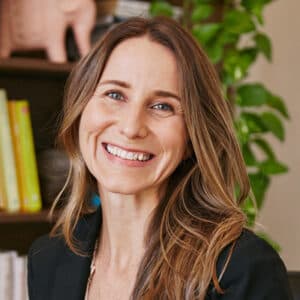
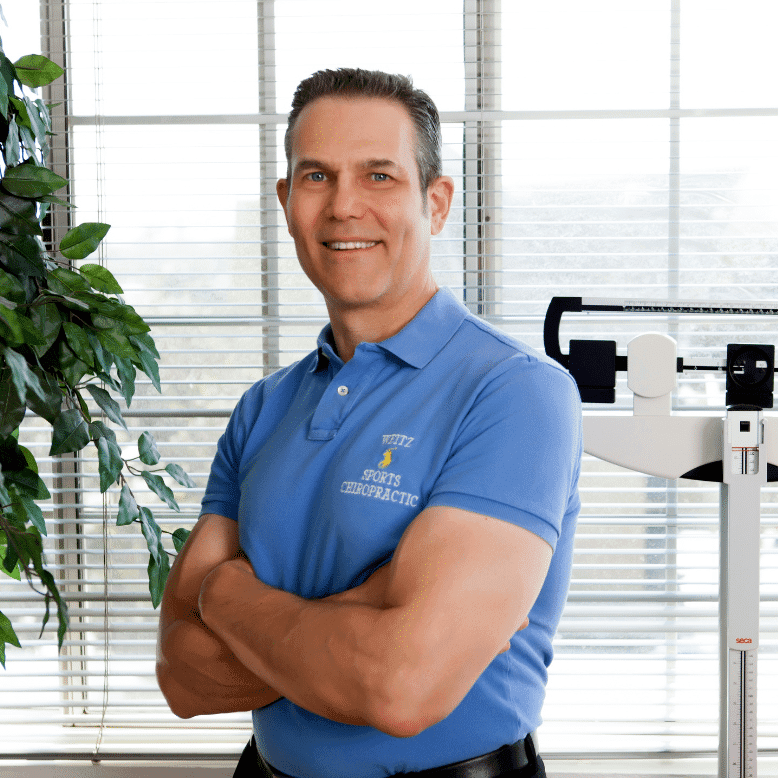
Full Transcript Opening on Bone Remodeling 0:00 What most people don't realize is as you go through your normal day's activities, you're actually breaking down bone. 0:06 And you want to do that. 0:07 There's an upside to it. 0:09 Absolutely. 0:09 Yeah. 0:10 It's like breaking-down muscle. 0:12 You know, people go to the gym, they think they're building muscle, but you don' t build muscle in a gym. 0:17 But then the body rebuilds it stronger afterwards. 0:21 The rebuilding stronger afterwards is so important, right? 0:24 Because if you don't break down bone, your DEXA scan looks better, you're x-rays of bone density appear better. 0:31 But you actually have more fragile bone. 0:33 This is a lot of people find this very counterintuitive. 0:37 And it's scary to think like, oh, actually, I'm at higher risk of a fracture, even though my bone intensity appears better Absolutely. 0:44 So taking a drug like that, I'm not a big fan of those drugs necessarily, but it certainly wasn't going to be indicated for a non-union. 0:58 Welcome back to the Think Well, Age Well podcast. 1:01 I am your host, Dr. 1:02 Heather Sandison, and today we're diving into a topic that doesn't get nearly enough attention until it becomes personal. 1:10 This is bone health, healing and what happens when the body doesn�t follow the expected recovery timeline. 1:17 My guest is Dr Ben Whites. 1:18 He's a doctor of chiropractic medicine with nearly four decades of clinical experience. 1:23 He is a certified sports chiropractor, functional medicine practitioner, and host of the highly respected Rational Wellness podcast, 1:31 where I've been lucky enough to be a guest, one of 450 guests, with leaders in health and medicine. 1:38 Beyond his clinical work, Dr. 1:39 Weitz has spent years building community among functional medicine practitioners through functional medicines discussion groups in Santa Monica. 1:48 In his educational platforms, they also connect clinicians and researchers and health enthusiasts alike. 1:54 What I'm really excited about in today's conversation, and what's especially unique, is that we're not just talking about bone health from the clinical perspective. 2:02 We're talking about Dr. 2:03 Ben's own experience with a serious fracture that failed to heal as expected, leading him into the challenging world of non-union fractures, 2:12 but also through a discovery process around his own health, his mortality, and really shifting the relationship that he had with his patients as he became 2:22 one himself. 2:23 He uncovered valuable lessons about bone biology, nutrition, healing, resilience, recovery that we all get to benefit from today. 2:31 So Ben, welcome. 2:32 I'm so delighted to have you here.
Dr. Weitzu2019s Hip Fracture and Non-Union 2:34 Thank you so much, Heather. 2:36 Well, I just want to start kind of at the beginning of your, your injury, take us back to what happened. 2:43 And then I really curious about that moment when you realized like you were not going to follow a normal path to recovery. 2:49 Right. 2:50 So I, just wanna say as, as an intro. 2:54 Many functional medicine practitioners get into functional because they have a problem, they a gut problem. 3:00 They have something that doesn't heal. 3:03 And so they go down a functional journey. 3:05 I've been to conferences where they try to help you become a better speaker and they say, you got to talk about your journey, 3:13 your crisis, and I never had a crisis. 3:16 I lived a relatively healthy life and despite minor things, I now have had my major health crisis. 3:24 So Halloween of 2023, i'm handing out candy to kids and I've got a bowl of Halloween candy in my right hand and i've Got the dog's leash on the left hand 3:37 And we have a very enthusiastic dog that would love to jump around and play with the kids, but we can't allow that so And I decided to just have socks 3:49 on on a wood floor. 3:50 So I had no traction and I was actually backing up from the door and the dog pulled my leg. 3:58 You know, I twisted my legs went straight out and went right down on my right hip. 4:04 And my wife was there and she said, help you up. 4:08 I knew something severe had happened, but I wasn't quite sure. 4:12 And then I looked down and my right leg was turned out. 4:16 My foot was churned out and I thought, that's funny. 4:19 I think I'll just pick my foot up. 4:22 And I couldn't pick up my feet up and at that point I told my wife, you better call the paramedics. 4:28 So I broke my leg and so I went to the emergency room and the next day I had emergency surgery from a trauma surgeon. 4:39 I had a big debate. 4:40 I called an orthopedic surgeon I knew when I was in the hospital and said, you know, Gary, what should we do? 4:46 Should I let this trauma surgeon do it? 4:49 Because he's an expert at trauma. 4:52 But he is not a hip surgeon. 4:55 And then we discussed and I talked to a hip surgeon. 4:57 Well, hip surgeons are used to doing hip replacements and fixing certain other things, but they're not used You know, there's no time to wait because you 5:13 can't stay in intensive care for days on end. 5:15 And if the insurance didn't cover it, you'd be paying like $50,000 a day given our health care system, which is probably a topic for another discussion. 5:24 But so I elected to have the trauma surgeon do it and he did the surgery. 5:28 He put two steel rods inside my femur that crisscross and hold the bone together. 5:33 Unfortunately, After the surgery, what was supposed to happen is that the two bones were supposed be touching each other so the body could meld it. 5:43 But unfortunately, there was a gap. 5:45 And so for whatever reason, I was waiting for the gap to close. 5:50 So once a month, i was getting another x-ray and every time there's still a cap. 5:57 Even though I'm feeling a little better, so I knew some sort of healing was probably occurring, but it wasn't bone. 6:04 So then at that four month mark, what am I gonna do? 6:08 So I saw a consult from a couple of different orthopedic surgeons and I was told at point that I'm gonna have to get a revision surgery. 6:18 And so that meant pulling the steel rods out from inside my femur. 6:24 And of course, I'm sure the bone would have formed around it. 6:27 So they'd have to chisel them out. 6:28 Then I had to have a hole in my Femur and, and then they wanted a steel rod down the outside with like 15 screws. 6:36 and I said, you know, i'm not going to do it What are my options here? 6:40 Oh my gosh, anything but that. 6:42 Yeah. 6:43 Well, you know, unfortunately the surgeon I was talking to said, well, if you don't do it, your leg's going to collapse. 6:49 So, You know unfortunately that means that, 99% of most people would have just gotten a revision surgery, but So he said to me, 6:58 look, you got to get this surgery. 6:59 If you don't get the surgery, your leg's going to collapse. 7:01 And I said, Look, You don' know that. 7:04 and if my leg collapses, I'll be back, but I'm not going do it. 7:07 So I then came up with the strategy to Get my Leg to Heal. 7:11 I talked to a bunch of different clinicians I know I had already known about specific medications that help bone formation. 7:20 So when it comes to medications that stimulate bone or medications are used by patients with osteoporosis, they fit into two categories. 7:30 And most people are familiar with the medications from the one category, which we can call anti-resorptive medications. 7:38 So what that means is when you understand bone physiology, you realize that there is osteoblastic cells that are constantly building up bone and osteoclastic 7:50 cells at a breaking down bone. 7:52 And this occurs throughout your whole life. 7:55 We can consider an analogy would say, brain cells, which we, you know, we're told you have all the brain cell is you're going to have, 8:03 and you just going go downhill from the time you are 30. And it turns out that brains regenerate and bones regenerated throughout your life. 8:11 It's just a question of the balance. 8:13 Do we want to tip the balanced one way or the other? 8:16 And I needed to tipped it towards bone healing. 8:22 I knew that there were, so most of the drugs are called anti-resorptive drugs. 8:26 So they block the osteoclastic activity. 8:30 These are drugs like the bisphosphonates, like Fosamax and Actinel and Boniva, and so they blocked the bone breakdown.
Anabolic vs. Anti-Resorptive Bone Drugs 8:42 So you end up with more bone. 8:45 The problem is that you're basically the osteoclastic cells that do the bone breakdown. 8:52 You're like the cleanup crew that comes in at night. 8:55 What most people don't realize is as you go through your normal days activities, you are actually breaking down bone And you want to do that. 9:04 There's an upside to it. 9:05 Absolutely. 9:06 Yeah. 9:07 It's like breaking down muscle. 9:09 You know, people go to the gym, they think they're building muscle, you don't build muscle in a gym you break down muscles. 9:15 But then the body rebuilds it stronger afterwards. 9:18 The really building stronger afterwards is so important, right? 9:21 Because if you don't break down bone, your DEXA scan looks better. 9:25 Your x-rays of bone density appear better, but you actually have more fragile bone. 9:30 This is a lot of people find this very counterintuitive. 9:35 And it's scary to think like, oh, actually I'm at higher risk of a fracture, even though my bone intensity appears better Absolutely. 9:42 So taking a drug like that, I'm not a big fan of those drugs necessarily, but it certainly wasn't going to be indicated for a non-union. 9:52 After four months, they said it's a Non-Union. 9:55 It's not going heal. 9:56 That's because statistically, You know, but I never consider myself a statistical average person anyway, so there's a limited number of drugs that we could 10:07 call anabolic bone drugs, meaning they stimulate osteoblastic activity to cause new bone formation. 10:14 And so I did some research. 10:17 So I had to find, I found a couple of meta-analyses that showed that a drug called Forteo had been shown to be beneficial, 10:26 not in all the studies, but in some of the study for non-union. 10:30 And, so, this is a synthetic form of parathyroid hormone. 10:36 It's been around for a while. 10:38 There's some possible risks with doing it for long period of time, like more than two years. 10:44 Not in humans, but in rats, there's has been some increase in bone cancer. 10:48 So meaning you're just revving up the bone formation so much. 10:53 And with parathyroid, so parothyroid hormone controls calcium in the blood. 10:56 And it's interesting that you say that, I'm a little confused. 10:59 I want to dig into this because when we see elevated PTH and elevated blood level of calcium, oftentimes what's happening is that the Pth, 11:06 the parathyroid hormone made by the para thyroid glands that sit behind the thyroid, but actually aren't related in thyroid to thyroid function. 11:14 They send out PTH, or parathyroid hormone, and it can elevate whenever Pth is high. 11:21 And then the half-life of parothyroid is like 15 minutes. 11:24 It's very quick. 11:25 Right. 11:25 But a lot of people will miss a parthyroid adenoma because it's gone so quickly, it won't always be elevated, but it could be elevating in fits and spurts. 11:34 Then it is pulling calcium from bone. 11:37 So one of the signs or symptoms of a parathyroid adenoma is osteoporosis. 11:44 So this is a little counterintuitive to me that a medication that mimics parothyroid hormone would be helpful for bone. 11:51 I want to take a moment to share something really exciting with you. 11:55 This is something that's been a long time coming for us. 11:58 At Solcery, our mission has always been to make dementia rare and optional. 12:03 To give people real tools, real answers, and real hope when it comes to brain health. 12:08 But one of the biggest barriers we've seen over the years is access. 12:13 So many people need this care. 12:15 They're motivated, they're ready to do the work, but they simply haven't been able to afford it. 12:21 And this is why I'm incredibly excited and proud to share that we are now participating in Medicare's Guide Program. 12:28 This means that for the first time, eligible patients can receive ongoing support for cognitive decline, Alzheimer's and dementia through Medicare, 12:38 with significantly reduced out-of-pocket costs and support from caregivers. 12:43 We are not just opening the door, we are expanding our team to meet this need. 12:47 We now have two new nurse practitioners trained in our functional root cause approach to brain health. 12:53 They're working alongside us with our teams to deliver this care in a way that's personalized, comprehensive, and deeply supportive. 13:02 This is about reaching more people earlier and staying with them longer on their journey. 13:08 It's about supporting caregivers who have been carrying too much for too long. 13:12 And it's about making sure that the cost is no longer a reason that someone doesn't get the care that they deserve. 13:18 If you or someone you love is experiencing memory loss or cognitive decline or has been diagnosed with Alzheimer's or dementia, 13:25 I want you to know that there are options and that now there's more access than ever before. 13:30 You can learn more and see if you qualify by visiting salseri.com or calling 760-385-8683. 13:39 This is just the beginning and I'm so honored and excited to be able to bring this announcement to you today. 13:47 So if the medication was like infused and was in your system all day long, it would have that effect. 13:55 But when you take the injection, It's a subcutaneous injection. 13:59 It is bumping it up and actually stimulates bone formation. 14:03 Oh, interesting. 14:05 It's been on the market for a while. 14:07 And so I got a prescription for that and started taking an injection of that every day. 14:13 The activity for Fortale peaks at about five, six months. 14:19 So I decided I was going to do it for as short a period of time as possible where I could potentially get the maximal effect. 14:26 So, I ended up doing it five months and I also elected to human growth hormone to put my body in a state of healing. 14:37 No, I actually got human growth hormones from a compounding pharmacy and I took two IUs five days a week. 14:44 Yeah, the conventional medical doctor didn't want to prescribe it, but one of my integrative doctor friends did. 14:51 And so I think what you're doing, it sounds like both of these maybe would potentially have this side effects risk profile of potentially stimulating cancer. 15:00 And that makes sense here because what your trying to do is promote growth, right? 15:04 A human growth hormone that anything that's going to signal bone growth specifically. 15:09 But all of you, and that why you mentioned like this potential side effect of bone cancer because you are stimulating growth and when you have something 15:15 to repair, you really, really want that. 15:18 Right. 15:18 And a potential risk for cancer later on is like, probably not that big of a deal if what you need is for your, a union, 15:26 that union. 15:26 Yeah, you know, it's interesting because this kind of parlays into the whole discussion we have about longevity for so many years and you have practitioners 15:35 out there saying, anything that promotes growth, mTOR, it's bad, and when longevity medicine first got started it was all about promoting growth and everybody 15:46 was doing HGH and there have been a fair number of studies. 15:50 In fact, the first study that actually showed improvement in biological aging use growth hormone as the Fahey's study as one of the measures. 16:02 But it's a question of balance. 16:04 You need a certain amount of growth and regeneration and rebuilding because you don't want to fall apart. 16:17 possibly cancer. 16:18 So there's a healthy balance that we need for these things. 16:22 At this point, I need to put my body in bone growth mode. 16:26 I also used a bone stimulator directly on the area and it was an ultrasound one and I used it twice a day. 16:33 And I took all the bone supplements. 16:37 So I bumped up my vitamin D to 10,000 a day. 16:42 I've been monitoring my Vitamin D for years and I get my Vit D up to about 60, take in five to ten thousand and If I'm not super consistent or don't get 16:55 much sun, it'll drop down to 40 or 45. And so I want it to be at the upper end. 17:01 So I said, okay, let's do 10,000. Now I've also become convinced that MK4, which is the form of vitamin K2, is probably the more beneficial form. 17:13 Vitamin K is super important for bone formation.
Supplements for Bone Healing 17:18 Yeah, for anyone with osteoporosis, that's the takeaway here today is the MK4. 17:23 Are you using the Ultra K2? 17:24 Is that what it's called from SFI? 17:29 No, I'm using the one from Designs for Health, and it's their BRF bone regenerative formula. 17:35 It's 45 milligrams. 17:37 Most people are taking K2 at 50 or 100 micrograms MCG, but this is milligrams, so a thousand times that. 17:46 Okay, let's just underline that for everyone. 17:48 Microgram dosing of K-2 is not enough for osteoporosis, for bone regrowth. 17:54 Wait, what Dr. 17:55 Ben is talking about here. 17:56 You need milligram dosin. 17:59 And I've heard anywhere from 45 to 90 milligrams of K2. 18:03 So a lot of people are taking the D3-K2 combo products. 18:07 That is never going to have enough for bone health. 18:10 Most of them are also doing the MK7 version of k2 and that's the popular version and people touted as more effective and yet there's a lots more studies 18:23 for bones formation for MK4. 18:27 And if you look at the form that vitamin K2 exists in most of the organs in the body other than the liver, it's in MK4 form. 18:36 including the brain. 18:38 So yeah, it's important for brain, important, for bone health. 18:41 Awesome. 18:42 Yeah. 18:42 You got on this whole stack, so you said vitamin D, the MK4 version of K2. 18:47 Boron. 18:47 And then boron, and so the minerals, a mineral stack. 18:51 Yes. 18:52 Talk us through that. 18:53 A magnesium, borons been shown to be something beneficial for a bone. 18:58 Health. 18:59 It's also been, shown be helpful in increasing free testosterone and So there's a great article by Lara Pezzorno. 19:08 She wrote years ago called nothing boring about boron. 19:11 You can check that article out. 19:13 she wrote a book about osteoporosis and bone health. 19:17 And I also took calcium magnesium and. 19:20 So when we come to calcium magnesium, there's lots of controversies as there is for a lot of things in nutrition. 19:28 And I had stopped taking calcium for, I hadn't taken calcium, for couple of decades because everybody became afraid that calcium is going to increase heart disease. 19:40 And the reason why calcium was even studied in terms of heart disease is because there were a number of studies that showed that taking calcium supplements 19:49 or consuming more calcium actually helped lower blood pressure and had other beneficial effects on the heart. 19:55 And then there were a couple of studies that seemed to show that it was harmful and the worry was that would cause calcification of the cholesterol leading 20:06 to plaques in the arteries leading heart attacks. 20:08 And I think for the most part, that's not correct. 20:12 Yeah. 20:14 Also, with what you were going through, some extra calcium probably made a lot of sense. 20:19 Now, you mentioned boron, but I'm curious, like with strontium, vanadium, silica. 20:24 I did stromium citrate. 20:26 Yeah, okay. 20:27 See, we're doing other minerals too. 20:29 You know, what I tend to tell people, and I want your pushback, like you've been through this personally, I think there's a happy ending at the end of this, 20:36 but I, want to understand, you know I wanna have this conversation and flesh this out, because what i typically tell is take a mixed mineral, 20:45 take like sea salt, almost encapsulated sea-salt, in these ratios that our body knows what to do with. 20:53 And whenever we have like a ton of calcium all at once, I do worry that it's almost at the expense of the ratio and magnesium, 21:02 right? 21:02 If you have, and I guess there's these different debates about like, well, why are we mineral deficient? 21:07 Is it because the soil is depleted? 21:09 You know, in some areas of the world, there is more of one type of mineral versus others like selenium. 21:17 There's more selinium in certain soils so that people in those areas won't be as degraded. 21:27 there's more good stuff, there are more bad stuff. 21:31 Lithium being a big one. 21:33 So when you're getting a mixed mineral, I guess my thought is our body knows what to do with that. 21:39 We evolved with sea salt. 21:42 coming into our system in the ratios that it naturally occurs. 21:46 And so whenever you take sodium really high, like in canned foods and preserved foods, now all of a sudden you end up with high blood pressure. 21:52 But sea salt actually modulates blood, pressure because it has magnesium and potassium in it, which can bring high pressure down a little bit and low blood 22:03 So you actually get better balance in the system if you're using a mixed mineral. 22:07 And you had a non-union fracture that needed to heal. 22:11 So extra calcium, magnesium, some of these specific minerals for bone health make sense temporarily. 22:17 But do you think for someone who is a post-menopausal female with osteoporosis, how important do think it is to think through these mineral ratios? 22:27 So I think, first of all, I think it does make sense. 22:31 I thing most of us are not getting enough calcium in our diet unless you're eating lots of dark green leafy vegetables. 22:39 A lot of are us not eating dairy partially for gut problems and because of other issues with dairy and there may be questions about whether that calcium 22:47 and dairy is really that well absorbed. 22:49 And so I do think that massive amounts of calcium probably don't make sense. 22:55 But I think if you look at the studies on calcium that made people worry, first of all, the first thing you have to think about is when it comes to a plaque 23:06 in your arteries, or when comes the cholesterol in arteries. 23:10 There's two kinds of plaque. 23:11 They're soft plaque and there's hard plaque, and the hard plac is calcified. 23:15 And the biggest risk is the soft plac. 23:19 So one of the benefits that say statin medications have and very controversial medication, a lot of people in the natural world don't like statins, 23:28 but they tend to calcify the plaque. 23:32 And so some patients will see their coronary calcium scan get worse, You want your plaque, first of all, you don't want any plaque. 23:41 You wanna have zero plaque but if you do have plaque it's better that it be calcified because it is a soft plaque that breaks off and forms a clot that 23:50 leads to a myocardial infarction. 23:52 Calcifying your plaques is generally not a bad thing. 23:58 And taking calcium is not going to make more cholesterol deposit in your arteries. 24:04 It's a totally different mechanism. 24:05 And when you look at the studies that showed some risk with calcium, they also didn't use vitamin D and vitamin K and magnesium and so you know you need 24:19 vitamin d to direct the body to take the calcium and bring it into the bones and the vitamin k to make sure it doesn't end up in the soft tissues like 24:28 the arteries. 24:30 Yeah. 24:30 So it's important that these all, they collaborate, right? 24:34 Like they complement each other. 24:35 And so it is not just about... 24:37 I think taking in, say, four or five hundred milligrams of calcium with some magnesium and vitamin D and K several times a day, 24:46 I Yeah. 24:50 Awesome. 24:51 Take it with a meal because you want the hydrochloric acid from the meal to help you break it down. 24:56 We used to think it was better to take it at night, but I think its probably better take with meals.
Recovery, Rehab, and Exercise for Bone Strength 25:03 So how long did you do all this for? 25:05 You're swallowing a bunch of supplements. 25:08 five months after the four months, so a total of nine, and my hip ended up healing 100% with no pain, no restrictions, all limitations. 25:20 There's the happy ending we were looking for. 25:23 But it took, I think the point of your story, if I can just extrapolate this for other people, is that a surgeon has a surgical tool. 25:34 What they're going to want to do is another surgery if the first one didn't work. 25:38 And the question becomes, is there something less invasive I can do? 25:42 Is there a reason that I'm not healing? 25:44 Can we work with someone, you know, if I cannot do the research, I cant make sense of it myself, can we with somebody who can help me think through this 25:52 so that we can really explore, like, what are the things preventing my body from doing what it does best, which is healing. 25:58 Does it need more nutrients? 26:00 Do we need to get toxins out of the way? 26:01 Right. 26:02 Do you need infections out the ways? 26:03 We need rest. 26:05 What is the imbalance that's here preventing the body from healing itself? 26:10 There was another interesting discussion that we had along the which was when we decided or when it was decided that it is a non-union. 26:19 Was any healing actually occurring? 26:20 Was there a fibrotic tissue that was closing the gap? 26:26 I was convinced that there must have been, it was a CAT scan that seemed to show that. 26:30 But then the question was, I talked to several experts, is that a good thing or is it a bad thing? 26:37 And I, you know, my doctor said, well, think it might be a thing because I had a non-union in my wrist and to get it to heal, 26:44 we had to scrape out the fibrosis to allow it heal. 26:48 And then I talk to another friend of mine who's the top physical therapist at USC and he said no, no. 26:55 Your body's trying to close the gap, so it's going to put fibrotic collagen to start to closed the cap and then later turn it into bone. 27:05 So I also took supplements to help promote collagen formation. 27:11 I took collagen, I take glucosamine and chondroitin. 27:14 And I'm a big supplement guy and I don't have a problem taking 20, 30 pills at a time. 27:20 Vitamin C is important for collagen production as well. 27:24 Yeah, big believer in vitamin C. 27:26 We always leave out vitamin c. 27:28 You know, we go for the exotic ones, but Yeah, it can make a big difference. 27:33 And I'm sure you were eating well. 27:35 You were resting. 27:35 Of course. 27:36 I was doing rehab, you know? 27:38 Yeah. 27:39 One of the things that happens after hip fracture is a lot of people go downhill. 27:44 In fact, there's a high rate of... 27:46 Death. 27:47 ...people dying. 27:48 Yes, absolutely. 27:49 So I wasn't going to let my condition go down hill. 27:53 After the hospital, I went to a rehab facility. 27:57 They told me it was going be super vigorous rehab. 28:00 The best place. 28:02 It was okay. 28:03 I'm sure it's better than a lot of the places, but after four or five days I was out of there and I took my walker to Gold's Gym and was working out. 28:13 You probably couldn't get in the pool at that point. 28:16 But did you? 28:16 I am not a pool guy. 28:17 Okay. 28:18 Yeah. 28:19 So I did use a vibration plate to stimulate the bone before I could really do any leg exercises. 28:26 but I I walking around on my Walker and in a crotch and It was a big ordeal, but it's behind me now. 28:35 And now, the one thing I never did, which is interesting, is get a bone density test. 28:41 Why not? 28:41 Have you now at this stage? 28:43 I still have it. 28:46 You know, I do a lot of testing. 28:48 I thought, do I really want to know? 28:50 Because the word is, if you fall and have a hip fracture, you probably have low bone Now, I personally think I just happened to fall at the right angle, 29:03 landed right on that greater trochanter. 29:06 I don't have a ton of fat, so it landed on right that bone. 29:09 And I didn't brace myself. 29:11 So I think it was just freak. 29:12 But I thought, you know what? 29:15 I'm just going to treat myself like I have low bone density. 29:19 OK. 29:19 As soon as I could start doing leg exercises, when it comes to exercise for bone So there's a lot of controversy about this. 29:31 And a lotta people think that walking is enough, or using three-pound dumbbells. 29:38 And unfortunately, that's not been shown to be the case. 29:42 A lot of studies that have looked at exercise have not shown a lot a benefit. 29:47 And the one set of study that has consistently shown an increase in bone density and reduction in fracture risk are the Lift More trials from Australia 29:58 from Dr. 29:59 Belinda Beck, who I had on my Rational Wellness podcast. 30:03 And so her protocol involves doing squats, deadlifts, overhead presses at five rep max. 30:12 That means as much weight as you can possibly lift for five reps. 30:16 So, you know, You got to put down those three pound dumbbells and you might have to do 150 pound dead lifts or more. 30:23 Lift heavy. 30:25 Yes. 30:25 And then the other thing you have To include is some ballistic activity, which is scary, but Define ballistic activity. 30:34 Yeah, something where you're in the air and landing and loading your bones. 30:40 So she has patients jump up onto a pull-up bar and drop down. 30:44 Like a burpee kind of maybe? 30:46 No, more dramatic than that. 30:50 So what I did was I just started to slightly jump in the air, just slowly leave the ground higher and higher over time. 31:00 And now I continue to include like I do my leg routine today at gold and I get up on like a 24 inch block and just jump down and do that repeatedly. 31:12 Oh, great. 31:13 Good. 31:13 Okay, that's helpful. 31:15 I mean, for everyone listening, work with a trainer. 31:18 Work with someone who can help you make sure that you don't get hurt. 31:21 Absolutely, 100%. If you're going to do some kind of ballistic activity, I recommend working up to it slowly. 31:29 In fact, probably the first thing to is to just go up on your toes, And drop down. 31:36 We call that a heel drop. 31:38 Yeah. 31:38 And that's great after a big meal to help you digest too, right? 31:42 By the way, it's also a treatment for hiatal hernia. 31:48 You drink a bunch of water and you do some heel drops and it pushes your diaphragm down! 31:53 Just use gravity as medicine. 31:55 I'm curious, Dr. 31:56 Penn, when going through this process, How did it change how you relate to and work with patients? 32:03 Well, I feel like I know more about bone health. 32:06 And I think there's a lot more thinking about how do we treat patients in terms of pharmaceuticals for drugs, for osteoporosis. 32:17 Traditionally, you're most likely, if you go to your doctor and you get a bone density scan, and by the way, we could have a whole discussion about bones 32:25 density scans, because there are a lots of things to know about that. 32:29 Well, let's do it. 32:29 Let's dive in. 32:31 Okay. 32:31 So let me just finish this first. 32:33 Most likely, they're going to prescribe a bisphosphonate because those are the most common drugs. 32:38 And the newer thinking is you use an anabolic drug first This anabolic means stimulates growth rather than stops breakdown. 32:49 Exactly. 32:50 And then because when there's an increase in bone formation, the body will tend to increase the bone breakdown, so when you stop,
DEXA Scans, TBS, and Bone Markers 33:00 you do a bisphosphonate or you a prolia, which is another classification of drugs that blocks the bone breakdown. 33:09 So like a common combination that is being used is a drug called Avista, which is another anabolic drug followed by Prolia, 33:20 so that you ramp down the bones breakdown Now, I think there's a better way to do it, which is what I did, by testing. 33:32 Western medicine does not like to test because insurance doesn't want to cover it. 33:39 Because you didn't do bone density testing, right? 33:41 What you did was blood testing? 33:42 Yes. 33:44 So like a P1NP and osteocalcin, beta cross-laps, those ones? 33:49 So to top it through those. 33:50 Yeah, use the CTX and the P-1-N-P on the osteocalcin. 33:54 So the p1np stimulate is measuring bone formation, and a CT-X is, measuring, bone breakdown. 34:03 Okay. 34:04 And so if you go, if someone's going to their doctor, it's ctelopeptide, right? 34:09 Is what ctx stands for and p1 and P stands. 34:13 You know, I actually wrote it down. 34:16 It's a long name. 34:17 Here it is. 34:19 Yeah. 34:19 it stands pro and, and this is the short version of it. 34:24 Pro collagen type 1N terminal propeptide. 34:30 The CTX is C-terminal telopeptide of type 1 collagen. 34:38 Okay, so if people know to ask their doctor about this, how can they track changes over time? 34:45 Because a DEXA scan is what we use for bone density, right? 34:49 And you don't want to look at that more than every two years because you're not going to get enough of a signal on those images. 34:56 So what you are suggesting is basically there are things that we can look in between to understand if our bones are going in the direction of osteoporosis 35:05 or if they might be improving even. 35:06 Exactly. 35:08 And so how would someone talk to their doctor about this? 35:11 Would you want to look at them every six months? 35:14 What would the ranges be? 35:15 How do you interpret it? 35:16 Well, it depends what you're doing. 35:17 So if you are going to be taking medication, really important to get it done first. 35:23 And have a baseline. 35:24 Yeah. 35:24 And then I would say two or three months in to see what's happening. 35:29 Like if you're taking a drug and you are trying to increase bone formation and don't see the P1NP going up, then maybe it's not the right drug for you. 35:41 So, you know, we tend to just do things. 35:43 You know? 35:44 You have an infection. 35:45 Here, take this antibiotic. 35:46 How do you even know it is a bacteria? 35:48 Well, insurance company doesn't want to pay for it. 35:53 Yeah, and I don't think that those are particularly expensive, right? 35:57 They're maybe a couple hundred dollars, but they're not thousands of dollars. 36:02 Absolutely. 36:03 Yeah. 36:03 So, you know, as we're aging, bone health and strength becomes increasingly important. 36:09 When you, especially through the lens of your experience, what do you think the biggest mistakes people are making when they are trying to protect their 36:17 bone or think about treating osteoporosis? 36:21 I talk to a lot of women who think that doing three-pound dumbbells means they're putting stress on their bones, and it's just not. 36:29 What about the weighted vest? 36:31 I see a lotta people walking around the neighborhood with the weighted vest. 36:34 Do you think THAT'S enough? 36:35 Yeah. 36:36 I don't. 36:38 And the studies haven't shown that to be the case. 36:41 So I think something like the good old-fashioned deadlift is, can be super beneficial. 36:47 You have to load the bones and then you need some bit of ballistic activity, I think as well. 36:54 Now there, there are, you know, use the vibration plate because at first I couldn't, do a squat, but, and I, think that gives some stimulation. 37:05 And what about people who say I can just do the Vibration Plate and that's enough for my bones. 37:10 Do you think. 37:11 That's true. 37:12 It's not been shown in studies to really have a significant enough effect. 37:16 Okay. 37:16 And then what about supplements? 37:18 What if you just take the supplements, could that be enough? 37:21 I don't think so. 37:22 You've got to tell your body what to do. 37:25 The way you tell you body, what you do is you put stress on your bones and the body reacts by making the bone stronger. 37:31 More resilient. 37:33 And do you think there's a place for bone, for bisphosphonates, anything in that category that stops bone breakdown? 37:43 Yes. 37:43 So what you should do is if you have osteoporosis, consider talking to your doctor, consider doing an anabolic drug and for a period of time, 37:55 six months to a year, something along those lines. 37:58 And then when you stop, see if your bone resorption markers go up, and if they do, then use a bisphosphoronate. 38:07 But the protocol now is to just automatically use abisphosporinate So sequence them in a way that promotes actual good quality bone production. 38:17 You need that cleanup crew to come and clean up the junky bone. 38:23 Yeah, absolutely. 38:25 I am curious, you know, with how you're doing now, doing well, and what did your recovery teach you about patience, resilience and healing that you share 38:35 with patients? 38:37 We can never forget the amazing ability of the body to heal itself. 38:44 And really, we need to just support it, right? 38:47 I know you wanted to talk about the DEXA scan. 38:50 Yeah, let's do it. 38:51 Let's dive in, because I want people to understand how to evaluate this for themselves. 38:56 Right. 38:56 First of all, you've got to make sure you're being properly positioned in the machine when you getting the dexa scan, and that doesn't always happen. 39:06 There's supposed to be a cushion there so your feet are slightly turned in and you should, if you get a DEXA scan and then you another scan a year or two later, 39:17 it's ideal if it is on the same machine because machines can differ. 39:23 Yeah, I've learned a lot of this looking at brain MRIs. 39:27 If you have a 1.5 Tesla machine versus a 3 Tesla MRI machine, you are talking apples and oranges. 39:34 You cannot compare them. 39:35 And although this is an X-ray, it's slightly different. 39:38 It's a little bit easier. 39:40 you really do want the same sequences, the x-rays, same positioning. 39:46 We really want to limit the variables between those two images. 39:52 Otherwise, really hard to compare them. 39:55 And then if the patient happens to have scoliosis, that can change the reading because you're not seeing a relatively flat spine. 40:03 You're seeing rotation. 40:06 So that could skew the findings if they have osteoarthritis and bone spurs. 40:12 That can make it look like there's more bone when there is not. 40:16 If there are surgery, then that all can affect it. 40:20 Wow, a lot of things. 40:22 And then when you get the findings, they'll tend to give you this brief report and it'll typically give a few things, it will tell you your T-score and 40:35 they will compare you to a 30-year-old and give your a reading for your hip and your spine. 40:40 But as for the complete printout, It should be like five pages or so and should have a little diagram showing exactly how they collimated it and what they measured, 40:51 because they don't always do it the way it's supposed to be done. 40:55 So you want to make sure it is done exactly the right way, at the part of the hip, the same part as the spine, etc. 41:02 And then if the lab offers, you wanna look at not only bone density, but the quality of a bone. 41:11 Well, so I've had a bunch of patients recently who, you know, especially people on GLP-1s, they're getting their body composition tested. 41:20 And they tell me they've got a DEXA, that they are getting a dexa. 41:24 But they go to a body-composition thing that's like either a pop-up in a gym or there's a mobile unit that comes around and they get a package of six and 41:34 are going to look every 12 weeks as they were losing weight. 41:37 And they tell me that there's a DEXA on there. 41:39 But what you're describing is something much more sophisticated, much, more nuanced. 41:43 So you want to ask for a trabecular bone score. 41:50 What does that mean? 41:51 What is that indicate? 41:52 Okay, so that's gonna measure the quality of the bone, bone resilience, which has a lot to do with its ability to resist fracture. 42:02 So it's a calculation done and they have to have the software. 42:06 Bone consists of cortical bone which is the outside of a bone and then inside the bones you have trabecula which are these cross hatches that gives a bones 42:17 a lots of its flexibility and strength. 42:20 And so you want to get that TBS score as well. 42:24 And that will calculate your fracture risk by telling you how resilient your bone is. 42:30 And then you can get a DEXA at almost any place that has an x-ray machine, right? 42:34 But it almost sounds like it would be better to be going to a bone specialty imaging center. 42:40 Is that true, or is there a way that you could ask your doctor to order this more advanced DEXTA scan that would include this tribecular score? 42:48 Yeah, you just have to call the lab and see if they have the software for it. 42:53 They have buy a software package. 42:55 Got it, got it. 42:57 Okay, so not every place is going to have that.
Longevity, Healing, and Closing Thoughts 42:59 It's basically not a small rural hospital or something. 43:03 Or imaging center. 43:04 Yeah, the other thing that we've seen come up with that is, like you mentioned, you want to use the same machine year after year and maybe have even the 43:13 radiologists reading that or the AI system or same software involved. 43:18 And what we saw, at least with the NeuroQuant Neural Reader software for brain MRIs, is that one imaging center would have it for a year and then they 43:27 would lose their software license and so then, they wouldn't be able to run it the next year. 43:31 It's really, it's nuanced, right? 43:33 There's a lot and I think that that speaks to the value of the P1NP and the CTX scores. 43:40 Is there a way to get out of nuance of needing imaging? 43:44 So get the imaging done, get your DEXA scores done. 43:46 Understand that there is some complexity to to that, do your best, get the advanced DEXAs done with this tribecular score and make sure that they put you 43:55 in the right position and do what you can to evaluate for that. 43:58 But don't get overwhelmed. 44:00 Use those blood biomarkers in between to understand what's going on with your bones. 44:05 Does that feel like a fair takeaway? 44:06 Absolutely. 44:08 Yeah. 44:09 And then K2, MK4, that's the other big takeaway, right? 44:15 I'm curious, you know, after 40 years in practice and hundreds of podcast interviews, this personal journey, adding to that, 44:25 what are you most excited about in the future of bone health and really like medicine in general? 44:30 I think we're on the verge of increasing longevity. 44:37 So I think we're trying to figure out the matrix and I feel like there's hints at what's gonna work. 44:45 And so I that we are close to new developments that are gonna help us to be able to live longer, healthier lives. 44:53 There's all sorts of advanced strategies that people are using, plasmapheresis and ways to cause regeneration. 45:03 So, I thing all that stuff's really exciting. 45:06 And how long would you want to live? 45:10 Well, the key is, can you be active? 45:13 Right. 45:13 Healthy. 45:14 Yeah. 45:14 Who wants to be in a bed not able to do anything? 45:19 Yeah, well, what brings you the most joy at this stage in life? 45:23 What would want be doing if you could live forever? 45:26 I don't know. 45:27 I really think about it that much, but I guess I want continue to help people like I am doing. 45:34 You know, that gives me a lot of satisfaction, feeling that I'm contributing to the world. 45:41 Keep handing out Halloween candy. 45:43 Yeah, create more diabetes. 45:49 Hopefully not break any more hips though. 45:53 What fun. 45:54 Well, Dr. 45:54 Bennett, always a privilege, it's always fun to catch up with you. 45:57 Thank you for sharing this deeply personal story and all of the insights. 46:02 You know, I think that is really one of most powerful aspects of this conversation. 46:06 It just reminds us that Healing isn't always linear, it doesn't go the way we expect, and even a very experienced healthcare professional can find themselves 46:16 in this unexpected labyrinth that you need to navigate with unexpected challenges. 46:23 But they often, this path becomes our greatest teacher. 46:26 And so I really, really appreciate your willingness to share about the science, the research that you did, and the personal side of your journey so that 46:33 it can really help someone else who's navigating a difficult recovery and both bone health issues that come up. 46:39 There's a lot of practical tools that that discussed that, you learned through this perseverance and dedication to getting through. 46:48 So for our listeners, I hope that you've enjoyed today's conversation. 46:52 And if you have, please be sure to check out Dr. 46:54 Weitz's Rational Wellness Podcast and also his extensive educational work in the functional medicine community. 47:01 You can go to my website, drweitz.com. 47:05 Yeah, will you spell that for people? 47:06 Yeah. 47:07 DRWEITZ.com. 47:11 Excellent. 47:12 And so you can see all that Dr. 47:14 Ben Whites has to offer there. 47:16 Until next time, thank you so much for joining us on the Think Well, Age Well podcast. 47:21 Remember, it is never too early or too late to invest in your brain, bone, and body health for your future. 47:31 Thank you so much for listening to the Think Well, Age Well podcast. 47:35 If you enjoyed today's conversation, please take a moment to subscribe, leave a review, and share this episode with someone you care about. 47:44 It's one of the best ways to help others discover tools and inspiration for aging well. 47:51 To stay connected, get bonus resources, and never miss an episode, head over to drheathersanderson.com and join my email list. 48:01 Until next time, keep thinking well and aging on purpose.
Comments