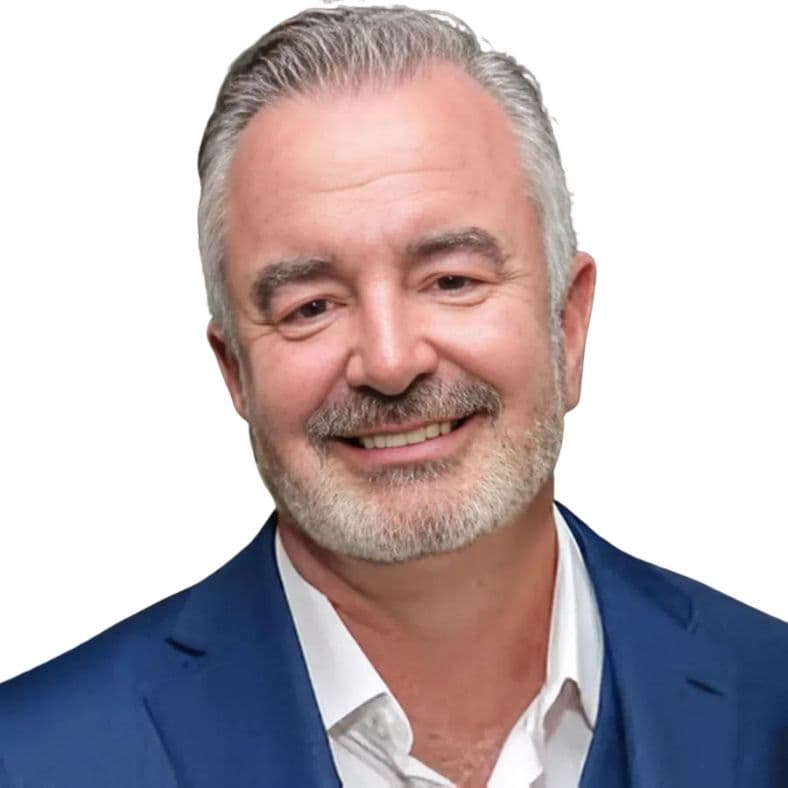
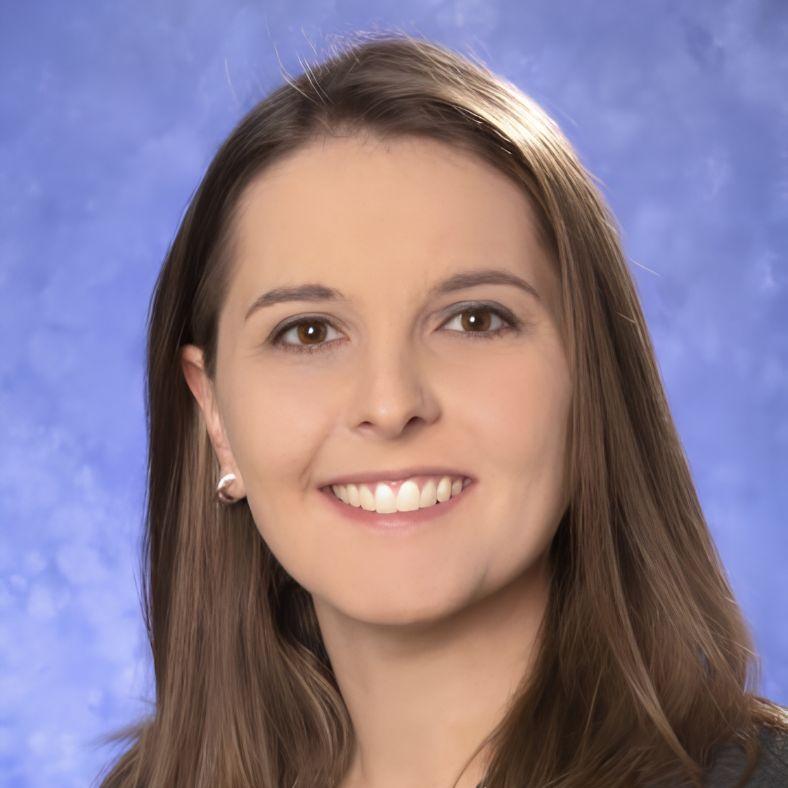
Full Transcript 0:00 as a doctor get to the point where I have to beg for permission to do something that is standard of care, not experimental, 0:06 just standard-of-care for my patient with standard insurance. 0:10 It boggles my mind how many people I had to pay to to these things. 0:14 Yeah, it really is mind-blowing. 0:16 You didn't build your clinic to feel like an employee in your own business. 0:19 I'm Matthew Kolobly, and on Out of the System, hosted by Doctor Talks, we challenge the broken rules holding healthcare entrepreneurs back. 0:26 hear from clinic owners, rebels, and builders who are creating bold, profitable patient center practices and doing it their way. 0:33 Welcome to the Out of the System podcast. 0:35 I'm your host, Matthew Gallobly, where we share with you how doctors are getting out of French, Australian, it's all of them, 0:50 because we have clients in all over those places. 0:52 And today we've Dr. 0:53 Sally Primus here, and we're going to be, she's a little bit different. 0:58 We met via LinkedIn, we'll talk about that in just a bit, but she is a board certified, that's more of a tongue twister, 1:06 Sally, than it should have been. 1:06 She's board-certified ophthalmologist and she has her own private practice. 1:11 And what I want to dive in today. 1:13 So Sally made a post on LinkedIn that I thought was really fascinating because You generally don't see, when we see doctors that are making comments about 1:25 the reimbursement rates and things like that, you know, my feed is going to be more of the orthopedic surgeon or it's going be the pain management because 1:33 those are kind of people that follow us. 1:34 And Sally, I found it really interesting that you popped up on my feet. 1:37 Um, and, uh, You do quite a bit. 1:41 You like to take time to explain. 1:44 you have a whole process. 1:45 It's the, um, what slice of life MD is that? 1:48 Do I have that correct? 1:49 Yeah, that's my social media handle. 1:51 Yeah. 1:51 Okay. 1:52 And so tell everybody what you what your kind of doing in that space. 1:55 Like what are you? 1:57 You're talking a lot about insurance policy and things of that nature. 1:59 Can you share with us just a little bit about who you are and what to do and all that good stuff? 2:04 Yeah so I'm an ophthalmologist in southern Indiana. 2:07 I've been out on my own for five years and I have learned a lots about the frustrations of our health care system the hard way and people don't understand 2:19 our system at all, and they don t understand systems around the world. 2:23 And so I was bored last fall and just started making social media content, just explaining the things I know, the broken parts of our systems, 2:31 how other countries do it better. 2:33 It just exploded into something where I've got over 100,000 followers now and a newsletter and all sorts of things, because there's actually a decent portion 2:41 of the population who actually would want to know these things it seems like. 2:45 Yeah, it's isn't it kind of fascinating how complex the system is. 2:48 I mean, I hear stories every single day, and the more I research, when I dive in and I do the research I'm like, really? 2:56 Seriously? 2:57 This is what we've developed. 3:01 What are some of the things that just blow your mind with regards to the systems that you sit there and go, how the bleep did they create this? 3:08 So I would say just how many different systems we have. 3:12 We just keep layering it on on top with band-aid after band aid and just I guess even like just the prior authorization, 3:22 all of that and how it's expanded over the last 10 years. 3:24 How did I as a doctor get to the point where I have to beg for permission to do something that is standard of care, not experimental, 3:32 just standard of care for my patient with standard insurance. 3:37 It boggles my mind how many people I have to pay to do these things. 3:41 You get paid less to it. 3:45 Yeah, it really is mind blowing, right? 3:46 Like, when we go and we work with someone, my favorite story is we tell the story all the time, because it's kind of like the gold standard of the store. 3:53 And so Dr. 3:54 Petra Polly had almost, I think it was anywhere between 38 to 42. We can never, he and I can ever decide on what the actual number was. 4:02 But let's just call it 40 employees, for a four plus million dollar orthopedic surgery, you know, independently owned facility practice. 4:13 When I was doing an analysis, he had 10 people that were involved in prior offs and billing. 4:20 10. Like, it was just, It was insane. 4:23 I'm like, Mark, you're spending 50% of your gross revenue on payroll, which for those of you that don't understand, your number should be around 28 to 32%, 4:31 including what you pay yourself. 4:33 Right? 4:33 I mean, He was almost, You know, It's just it's silly. 4:38 So what are some of the things that you see on a regular basis that You just sit there with regards to prior authorizations and in your work What are Some 4:48 of The things That you See that Just are, some Of the most mind-boggling That are the silliest and stupidest So I got a good example from this year. 4:55 Okay, so generally, traditional Medicare does not require prior authorizations for just about anything. 5:00 It's actually been the easiest one to work with. 5:02 But they rolled out the WISER program this years where they were going to test certain states for certain procedures requiring prior authorization. 5:11 I think the whole point is to do a study. 5:13 If we do prior autorizations, will we cut down our total spending? 5:16 It has been a complete shit show. 5:20 So Indiana is not one of the states. 5:23 One of those surgeries are requiring is blepharoplasty. 5:26 It's like where I removed the skin on the eyelids. 5:30 And I technically, as a surgeon in Indiana, am not required to do the prior authorization. 5:35 But for some reason, Medicare is requiring the surgery center to have a prior authorisation for this, even though they're not technically in one those states, 5:45 I, as a practice, am not allowed to use the online portal to submit the prior authorizations because as physician in the state of Indiana, 5:53 I shouldn't need to. 5:54 So now we have to get the surgery center to give the priority authorization while we can't even do it ourselves, which now the Surgery Center is pissed. 6:02 And then we got denied. 6:04 The first 10 bluffs I did after April this year with this thing into effect got And we're trying to figure out why Medicare, 6:12 the people that nobody knows with the right hand and the left hand, they don't know what each other's doing. 6:16 So we finally find out they want the prior authorization on the claim. 6:21 If you even submit the claims with prior authorizations that the surgery center got, you're going to deny it. 6:27 I'm like, I spent more time paying my assistant to do all this than I made from the like $400 or $500 reimbursement I got from this surgery. 6:40 It, this is not a profit making surgery. 6:44 Why are we prior offing this? 6:46 It is just, it's ridiculous. 6:48 But yeah. 6:48 And how long, how do long does that surgery? 6:50 How long is that? 6:50 Surgery take? 6:51 I booked the room for an hour, but that includes all the turnover, the anesthesia, and that's doing both sides. 6:57 It takes less than 30 minutes, 40 minutes. 6:59 I'm well, I like to be precise, And so I want to be clear, this is, and so some of these questions I'm going to ask for the listeners, 7:09 everybody understands. 7:10 So my work is with purely cash-based practices. 7:13 They might be insurance- based, like I would work with someone like you to say, okay, we're going wind down a portion of the insurance, 7:20 maybe go 50-50 cash insurance. 7:24 I want everybody to understand it's because I just don't know and quite frankly, you know, that's why because we just want to deal with this so So this 7:33 is Medicare that is doing that you're so now we're these sites based on The insurance company that handling it. 7:41 So is it a United Health because United Healthcare? 7:43 Yeah, so it just pure government Correct. 7:47 We've always needed the prior authorization stuff for all the other plans. 7:52 The golden child that did not beat us behind the shed was Medicare. 7:57 And now they're joining in with the others. 7:59 They started that April this year. 8:01 Why do you think they are doing this? 8:03 What would be your best guess? 8:07 I can tell you my opinion. 8:09 I think that they were trying to crumble traditional Medicare because... 8:14 Why? 8:15 Because the companies that make a lot of money through Medicare Advantage can make more money if more patients are on advantage plans. 8:22 Yes. 8:22 Now, that's my opinion. 8:23 I don't have data to back that up. 8:25 But I feel like just like they're trying to maybe crumble some of the public schools with all the voucher things, I think they are trying crumble and deteriorate 8:33 traditional Medicare. 8:34 Yeah, so 40% of UnitedHealthcare's revenue. 8:38 So United Healthcare did $449 billion with AB, billion dollars, revenue last year in 2025. of that 40%, $171 billion, came from Medicare Advantage. 8:55 It would make sense. 8:58 UnitedHealthcare alone spends about $17 million a year funding senators, congressmen, and women. 9:09 They basically can control Congress for $70 million out of the $449 billion that they that they generate. 9:17 To put that into perspective, if I were to take golf balls, and every golf ball represents a dollar, I would lay them on a football field. 9:26 End zone, end zone. 9:27 Side line to sideline. 9:29 Those football fields would cover all of Manhattan. 9:35 And so it's I forget how many football fields it is, I'd have to look it up. 9:39 But basically, six of those football field is what they use to cover to pay for control of the government base. 9:49 And that's just, let's be frank, right? 9:52 If you look at the numbers, you can look up the contributions. 9:55 you can go on scoop snoops or whatever there's like a whole this is all public record information of how much they spend and by it's it doesn't it says 10:02 in a republican or democrat thing right like this. 10:05 Yeah, no, this isn't this Is the system a shit thing? 10:07 Yeah. 10:08 Nonpartisan. 10:10 So, yeah, nonpartisan partisan, which is the partisan is making money. 10:14 So when you look at it, it makes complete and total sense. 10:19 Like if you. 10:19 Look at what is happening to health care in America since the Affordable Care Act. 10:25 Now, I'm not saying the affordable care act is. 10:26 The only driving mechanism behind this. 10:29 It's a big contributor. 10:32 which I'd love to talk to you about that as well, your insights on it. 10:34 But if you look at it, and you looked at the revenues and look the numbers and the growth, the five large health insurance companies control 80% of the 10:42 health care in this country. 10:44 They make billions. 10:46 The medical loss ratio and vertical integration that spun out of Affordable Care Act set up incentives to increase total spending and consolidation. 10:57 So tell me about that. 10:58 Tell me what you've seen with. 11:00 So just to kind of there's a few things with that so the medical loss ratio says that an insurance company can If it's a small group market, 11:10 80% of all premiums collected, and that includes from Medicare, like from the government, that has to be spent on healthcare. 11:18 If is a large group, it is 85%. So let's, you know, obviously we can say like United and Anthem are a larger group. 11:25 That means for every dollar of premium, 85 cents has go into healthcare, but that other 15% can go in to admin and profit. 11:33 And so if you're, If your total health care spending, say you're UnitedHealthcare, your health spending is $100 million. 11:43 That means your profit, the max profit you could have if you just took the admin out of it would be $15 million Well, if you want to make $30 million as 11:55 your profit, you need to double the premiums and double to spending. 11:59 You want health care costs to go up because you're going to collect it as premium. 12:03 It just flows through you. 12:05 And then vertical integration. 12:07 you have United Health Group, which owns United Healthcare, Which owns Optum, almost 100,000 physicians working there. 12:14 90, 000 physicians. 12:14 Yeah, 90 thousand physicians, yeah. 12:21 Yeah, so they can actually pay them in certain ways and pay the pharmacy benefit managers in ways where the 85% stays true for the health insurance company, 12:32 but they capture those profits elsewhere within the other companies they own. 12:37 And so the way that medical loss ratio is set up, it just incentivizes increased spending and consolidate and just lose the transparency of where money 12:48 is going. 12:49 Yeah. 12:50 So the research that I've seen, and I talk about this quite a bit, is that let's use UnitedHealthcare as an example. 12:58 And by the way, this is with all of them, but United Healthcare is the biggest, they're the 10,000-pound gorilla in the room. 13:04 Absolutely. 13:05 They pay their practices that they own through Optum. 13:13 So the Medicare rates are the suggestion. 13:19 That would be the right way to put it, right? 13:20 That's the suggestions. 13:22 The health insurance companies can pay more or less. 13:25 Right? 13:26 So they pay, on average, if they don't control, let's say they control 20% of the practices in a market, they'll pay about 17% more to their practices 13:37 than they would you. 13:39 If they can control over 50% over market they are paying 60% to more their practice than to you, so what that means So what they want is they wanna own you, 13:50 and they wanted to drive down your value and your profit. 13:54 They're gonna pay you based on revenue or they're going to pay based profit, okay? 13:58 Well, if your revenue is down because you can't control what you charge, they can buy you for less. 14:03 And not only buy, when I'm saying buy your practice, I am talking about buying you. 14:08 Because part of the reason why they are going buy is that they gonna say, Okay, Dr. 14:12 Braymuss, we are gonna give you a five-year contract. 14:15 You've only been making X, you know, were gonna double your salary, which is nothing to them. 14:19 So they can get more control of the market. 14:21 And so this model that we've put in place, if by the way, If you and I were to do this, let's say you, and i own these, We had a health insurance company, 14:31 and let's say we only sent our health-insurance people to you and I, that would be against the law. 14:40 But because this isn't a corporation, because they own the practices in many forms as in, quote-unquote, non-profits in the hospitals, 14:46 like that's how you get past the corporate practice of medicine, they can do whatever the hell they want. 14:51 This is what people don't understand. 14:54 So it really is. 14:56 And when you look at the growth since the Affordable Care Act. 15:00 It's disgusting. 15:05 It is. 15:06 I was just reading an article today about Humana, and how their profits have shot up, how linked they are with Medicare. 15:20 Earlier this year, their stock tanked because Medicare had announced they were only going to give Medicare Advantage's plans a raise of 0.09%. But then 15:31 they changed it to over 2% and all of a sudden their stock shot up like 11% in a day. 15:37 And then later this year, they got an announcement that like 80% of their plans were four star plans. 15:44 That means they're going to get a bunch of bonuses from Medicare, from our tax dollars. 15:49 Um, and then their stocks shot out like another 15%. So like they went. 15:56 through the roof earnings based off our tax dollars, based on how they're finagling the system with Medicare. 16:03 If I were to do anything like that, I would end up with some sort of anti-kickback fines or bigger penalties. 16:11 It's just not fair. 16:12 Yeah, it's not at all. 16:14 And the thing that is mind-blowing, which most people, again, probably don't realize, is that what is most likely happening, 16:21 you could watch the members of Congress and their buys of how they were spending their money with regards to their investments. 16:29 And I bet there was a huge buy by a lot of the leaders, especially the people in the communities. 16:35 I would bet that there were huge buys on this before it went up 11% in a day. 16:40 So it's really scary. 16:49 So I had to adjust my microphone. 16:52 So what is the horse out of the barn on this thing? 16:55 Is this something that is fixable for us? 17:00 I mean, or is it just too far gone? 17:04 So if we had the right people with the write intentions and power, yeah, it's fix-able. 17:10 But the question is, do we have those people? 17:12 Well, I'm not optimistic. 17:14 There was a little sarcasm in that comment, Sally. 17:17 Well, yeah. 17:18 I mean, you could realistically, if you had the right people, just offer a public plan. 17:26 You could offer Medicare for purchase on the Affordable Care Act marketplace or something like that and remove the requirement that employers have to provide 17:36 health insurance if they have over 50 employees. 17:38 So that way people could choose between the ever increasing employer plans or a Medicare plan that is accepted by all doctors pretty much, 17:47 like 90% of them, and watch it compete. 17:52 But we have banned that. 17:53 I mean, the idea of a public option, I think Nixon was one of the first ones to suggest something like that, if you set it up right, 18:00 it potentially could compete and potentially give some legitimacy to some of it. 18:06 The people who are spending all those golf balls, are preventing anything from that happening. 18:11 And there's probably other ways to fix it too. 18:13 It is fixable if we had the right people with the I don't play as much right now, but I've played for 50 years. 18:26 I have been members of country clubs. 18:28 So I used to be a golf professional. 18:30 And I was playing golf one day in Charlotte at the club I as a member of and a good friend of mine worked for one. 18:38 This was in 2000, right when the Affordable Care Act was passing. 18:41 and it hadn't passed yet. 18:44 And he works for a large investment group in Charlotte, North Carolina. 18:50 I can't remember the name of it, but like, you know, an average size trade is $50 million, right? 18:55 Like that's the kind of money they're moving, high pressure, this guy's brilliant. 19:01 and he's very analytical and very logical. 19:03 And he was like, yeah, you know, quite frankly, he goes, I don't want the Affordable Care Act to pass personally, but I am telling, 19:10 we are gonna make work. 19:12 He said, We've been making huge buys. 19:13 We're telling all of our clients, this wasn't insider information, like this is published information. 19:17 Goes, were telling him to buy all these stocks. 19:21 I said why? 19:22 He goes because the federal government is basically going to be underwriting their bad debt. 19:26 And he goes, mark my words. 19:27 What's going to happen is he said all these like not-for-profit hospitals, like there's gonna be massive consolidation over the next 10 years. 19:38 And you said 10 to 15 years, what's it gonna happen? 19:40 Is you're gonna see all this private equity money coming in. 19:42 They're going start paying like crazy. 19:44 He nailed it. 19:46 Buy up all the practices, buy up the hospitals. 19:50 These things are going be some of the largest corporations. 19:52 We are buying heavy. 19:54 of all the major players in the health insurance industry. 19:57 And he said, it's going to completely decimate and transform American healthcare. 20:03 He goes, and it is not going be pretty. 20:05 Nailed it. 20:05 This was 2010. I remember we were riding the golf cart. 20:09 Remember what hole we are on. 20:10 We were on 15 at Piper Glenn in Charlotte. 20:14 and he's explaining this to me and drawing it out on the scorecard. 20:16 It was like, I wasn't in medical space then. 20:25 What do you think's gonna happen? 20:26 I mean, this current path, what do think is gonna be happening to this system? 20:31 Yeah, I'm not optimistic we're gonna actually have the right people in place to do good things. 20:35 So I think the private equity space, we'll continue to expand a little bit, but we are starting to see some pushback. 20:46 hit hard with private equity. 20:47 A lot of private-equity practices came in, and the older owner said, okay, great, I can make some money, i'm heading towards retirement. 20:56 And it ended up kind of screwing over the younger associates. 21:00 I talked to a lot residents and you would be amazed how many just in the last five years are coming out saying, we will not work for a practice that is 21:09 owned by private equities. 21:10 Yeah. 21:11 Five years ago, they didn't say that. 21:12 Now they're saying that just because physicians are starting to realize they hate it. 21:17 But the problem is there may not be other options. 21:20 It'll be work for the hospital system or work or private equity because practices like mine, small independent practices are dying on a daily basis, 21:29 especially if they are completely insurance based. 21:32 Yeah. 21:32 Well, okay. 21:33 So let's talk about that because we see that in the orthobiologic space and functional medicine space where conferences, 21:40 we orthopedic surgeons in residency come up. 21:43 We have a couple of them that have done it. 21:44 They come out of residency and they go, I'm starting my own practice. 21:47 I am going to do cash.I am not going be part of the insurance system.So I m curious on your end, you do a little bit of cash, 21:55 but most of your stuff is insurance based. 22:01 What's the reason why you haven't tried to do more cash? 22:04 Time, energy, understanding? 22:07 Age. 22:07 The age of my patients. 22:09 Okay. 22:09 So there's not as much cash in my area of the country. 22:18 in 80 year olds. 22:19 Like I do a lot of intramural injections, which are injections into the eye of medications to keep people from going blind from macular degeneration or diabetes. 22:29 The majority of those meds are about like $1,500 a dose. 22:34 So that's not a cash space kind of place. 22:38 And it's they fall within like the part B Medicare space. 22:42 So it doesn't send them. 22:43 It's like they're not going to be going the pharmacy and picking up the med. 22:46 I have to buy a bill and it just. 22:50 There's very few cash pay ophthalmology practices that exist if you are serving the standard opthalmologist population. 22:56 If you're doing younger with LASIK, you can do it. 22:59 But I'm in several private ophtalymology groups and we talk about these things. 23:05 And there were one or two of us that had gone out and tried to do the cash paid practice and it failed. 23:11 So we're scared. 23:13 Okay, I understand. 23:14 Can I offer a different point of view on this? 23:16 Okay. 23:17 So we hear the same thing in pain management in orthopedic surgery. 23:23 Okay? 23:24 So if you think about joint replacements, so joint replacement is a, you know, well, they just cut that reimbursement by 20%. So they used to get 1400. 23:33 Now it's like 950 for joint or placement. 23:36 ACL is like 800, approximately. 23:42 The lot of our, especially the pain management docs, they say, You know, they're dealing with elderly client base, 65 plus. 23:51 They're used to having all of these things covered. 23:53 Now the, there's a, the difference is this, I will, admit the differences is that instead of doing the nerve blocks, They are doing PRP to, 24:02 to help, you know heal the joint and take care of the arthritis or whatever. 24:08 But that has been a common thing. 24:10 What we find is it's not that the patients won't pay, it is the way that it It's the way that it's offered, meaning how the discussion goes. 24:19 Now, I'm not going to sit here and say that all your 80-year-olds, and I understand what you're saying. 24:24 It is a specific injection. 24:25 it is done in office. 24:27 A specific medication, right? 24:30 But what I have found is it has been rare that we haven't been able to find some things, not just one thing, some thing that can augment and reduce the 24:43 dependence on the insurance medicine, because like, how much of your reimbursement rates dropped for that type of injection in the last two or three years? 24:54 Only by a small percent, but that is because I am a solo practitioner, my pay raise for shit to begin with. 24:59 So shit times a smaller drop is a smart job. 25:02 Okay, so what is shit? 25:04 So I want to say maybe I went from $100 an injection to like 95 on average. 25:09 What? 25:09 It's like You're getting $100 to inject somebody's eyeballs. 25:18 Yes. 25:18 I don't know if you're surprised because that's too little or too much. 25:21 Too little? 25:22 You should get paid like $700. So, well, but we're doing, I'm sometimes doing like 30 a day, you know, like, so it's a pretty quick procedure, 25:35 That includes, you know, the setup and all the sterile materials and the betadine and that kind of stuff. 25:40 So yeah, it should be more to cover supplies and staff labor. 25:43 But if I were to work for a large practice on the other side of town, and not Medicare, but say Medicare Advantage or more likely commercials, 25:53 say Commercial Anthem, if Medicare pays me $100 to do that, I might make $250. doing the exact same thing on the exactly same patient because they've negotiated 26:04 a better pay rate. 26:05 So because I am solo, I can't even get Anthem to pick up the phone when I call them. 26:11 I haven't had a pay raise from them in five years. 26:15 Well, you've had a cut because the cost of living. 26:17 Yeah, exactly. 26:17 Well yeah. 26:18 Dude, yeah, your gauze is more expensive. 26:20 Your betadine is much better than I bet you it's twenty five percent more expenses. 26:25 Easily, easily. 26:26 I wouldn't be surprised if it was 50 percent given the tariffs and everything and the costs of oil and all that stuff that's been going on. 26:33 People don't realize like oils and everything like literally And it's needed to transport it Yeah, yeah, even our little tubes of numbing gel are like $30 26:43 for half an ounce. 26:45 It's it the cost just keeps going up. 26:47 Its astronomical Which is why a lot of practice is closed So wait a second. 26:50 Okay. 26:51 So the numbing agent is $30 and you're using it as patient specific, right? 26:56 No. 26:57 The numming medicine, we can use that probably on like six or seven patients. 27:02 You squirt out a little bit of gel and then spread it. 27:06 But that's five dollars first. 27:09 Yeah. 27:10 Okay. 27:10 And then you've gauze, the needle, I have no idea what pay to die costs these days. 27:16 What is that? 27:16 I mean, they're reusable bottles. 27:18 So, that part's not too bad because you only need like a few drops. 27:22 But we have to sterilize our lid speculums. 27:26 I had to pay my staff to do all of that. 27:28 Of course, we had like the sterile setup. 27:30 Then the medication, i have buy that ahead of time. 27:34 If I don't get paid, So that's a whole nother fun. 27:39 What's the medication run, ballpark? 27:42 Okay, so there's four main medications we use. 27:45 So if we say the best one, which is like Vibismo, I believe the Medicare reimbursement is somewhere around maybe $2,400, and I buy it for about $2300. 27:54 There's like a limit of 6% markup on those kind of things. 28:01 Now, if I was part of a large group, I could be part a buying group and then I can make a $300 profit every minute instead of $100 profit on every medication. 28:11 But if i get one single denial, that eats up the profit for like 20 of those injections. 28:18 Jesus. 28:21 What would you say denials are per hundred? 28:24 How many do you have per 100 you think? 28:26 Less than one, because I'm a bear. 28:27 OK, like I have an in-house biller and I. 28:31 Have a another lady who is not afraid to yell at everybody at United Health Care. 28:36 I call her Michael. 28:37 She doesn't. 28:39 But you can't survive without being like that. 28:41 My collection rate on injection medications is over 99% because we don't let it go. 28:46 There is one particular anthem plan that when you do an injection, they deny it, then you appeal it. 28:52 They deny. 28:53 You appeal, it they denied and you peel it the last time and they pay it every single time. 28:57 So we've got this one guy that we just know they're going to deny the first three times. 29:00 And then the fourth time we submit it to finally pay. 29:03 Wow. 29:05 How long does that take? 29:06 Is that a month and a half, two months? 29:08 Yeah, about probably 60 to 90 days. 29:11 My God. 29:11 Yeah. 29:12 I mean, this is just I hear these stories all the time. 29:15 So this isn't shocking to me, but it's still unbelievably shocking. 29:19 To me. 29:19 Like I sit here and I'm like, This can't be real. 29:22 This this can be the design that the quote unquote greatest country on the planet can do now. 29:29 It's it to making some people a fuck ton of money. 29:34 Right. 29:35 I mean, all you have to do is look at what the executives at a UnitedHealthcare Etna or Blue Cross Blue Shield make. 29:40 Like, I'm mean the numbers are pretty silly, right? 29:43 $150 million a year comp plans and things like that. 29:47 So, alright, so let's talk about a couple things. 29:50 Elizabeth Warren, Senator Warren out of Massachusetts, has proposed a bill. 29:55 I don't know if you've seen this. 29:56 She's proposed to bill that private equity can no longer own- Break up the Medicine Act. 30:02 Yep. 30:03 Have you had a chance to review that you have any thoughts on it? 30:06 It's a big bill. 30:07 It there's A lot of funny pieces to it. 30:10 I have reviewed parts of it, I'll be honest, haven't read the whole thing because I who has time. 30:14 But so well, Nancy Pelosi told us that she didn't even read The Affordable Care Act. 30:19 So if I was in Congress, i would read that. 30:23 Um, so the it's good because it wants to keep private equity out of owning health care. 30:29 It doesn't solve the underlying problem. 30:31 The problem is that these practices are suffering in the first place. 30:35 If your practice is thriving, you give the middle finger to the private equity guy who's calling you, right? 30:40 You only go to private-equity when you're suffering and you are afraid you will close. 30:45 So the decreasing reimbursements, all of these other things, those are still there. 30:52 then these dying practices are just going to get bought up by the hospitals. 30:55 Now you could say hospitals are better than private equity, but it doesn't actually help independent practices survive. 31:02 Yeah. 31:03 Well, okay. 31:03 So let's say, let us play this game, right? 31:05 So, I'll put my business school hat on. 31:10 And I always have to remind our listeners, so when I was in business school, we did what's called Harvard Business Case Studies. 31:17 So every week you would get a Harvard business case. 31:21 And this was before the internet. 31:22 It's not like we'd go and go on the Internet and see how they solve the problem. 31:24 We had to figure out in our group how we were going to solve this, how were we going sell more Zepo fly fish rods. 31:32 Those were the kind of cases, right? 31:35 the teacher, the professor would then present what they did. 31:38 It was a way for us to start to think about these things. 31:40 So there's a whole process that you go through. 31:42 There's all research and all of this. 31:45 The process is still valid today. 31:47 I'm going to put my business case study hat on. 31:52 Let's say that we pass a law that says that private equity can no longer own practices and or hospitals. 32:04 So the first thing that comes in is, what do you do about those that are already owned? 32:10 Because right now they control 60% of the market, 65% percent of market. 32:15 In your city, they probably control 80%of the markets, maybe. 32:21 So what are you going to do then? 32:22 And then because the whole model of private equity is they buy to sell. 32:29 They don't buy to hold. 32:30 They know they don' care about they hate they. 32:32 Don't give a shit about patient outcomes. 32:34 they ain't tracking patient. 32:34 Outcomes they, don''t care. 32:35 About they Don'''t, care, about somebody going septic sepsis you know, like they ,don'''t care About any of that right all they care? 32:41 About is can i what's my profit margin this quarter am i gonna get my bonus check and then What are we gonna resupply this thing for in three to five years? 32:48 So now they're having money to flip it to which means that a huge group of these are stuck with it And those facilities, 32:57 in my mind, what would happen is because of that, they would start dropping and cutting services so deep, you would have a health crisis on your hands. 33:07 Because they wouldn't care about sterility, They wouldn' care any of the stuff. 33:11 They just wouldn'' care. 33:13 Right? 33:13 Because the doctors are going to be the ones primarily that are gonna get sued. 33:16 And they're gonna use their malpractice. 33:17 These are all just assumptions without any really kind of researching it. 33:22 But then what happens is then who's gonna own the practices, because now these practices are gonna be worth 50% of what they bought them for. 33:30 So then they have to go bankrupt. 33:33 That creates a huge issue with, cause you have account for that money on the balance sheet, right? 33:40 So if you bought it for 50 million and you sell it 25 million, you had the write down or you bankrupt, like practices could close, 33:48 hospitals could closed. 33:49 I think you could wind up having a really Horrible issue on your hands and That's what I when I think about people will come into my comments and say we 34:00 just need to shut down all private insurance companies Medicare for all no private-insurance companies today. 34:05 Just do it all the system would collapse And your 401k would Collapse. 34:11 Yeah, and so would your grandma's, you know, so So much of our in the stock market is wrapped up in stock of these these companies and there's so many 34:26 ramifications that any any reasonable transition has to be a slower transition anything sudden like that would require a bailout and we know how people 34:35 feel about bailouts. 34:36 Yeah. 34:37 And then if OK, so if the government is going to bail out all these hospitals and clinics that you're talking about, OK. 34:42 Now all of a sudden we have government owned health care facilities like they have in the UK. 34:47 Well. 34:48 that opens up a whole other world we've never. 34:50 That's not very good. 34:51 I have a client in the UK. 34:52 It's Not very Good. 34:53 The UK is, I mean, the people are proud about the health care system they have. 34:58 it's a point of pride, but there are a lot of part of it that are crumbling. 35:02 And they're one of the few places where the government actually runs the healthcare facilities. 35:08 Yeah, there's A lot Of issues over there. 35:12 So for our listeners, we have clients in Canada. 35:16 We now have a client in England, Australia. 35:20 And for those of you listening there, yes, you can do cash-based services. 35:26 They're not a problem. 35:27 There's no issues. 35:29 Well, when I say no, every place has its idiosyncrasies, okay? 35:33 But here's some basic information. 35:36 An orthopedic surgeon in the UK makes about 80 to $120,000 a year, US dollars in personal income. 35:45 That's what they make. 35:46 Now their tax rate over there pushes 40%, 50%. Okay. 35:54 So like they're not paid anywhere. 35:56 And now the difference is, is they don't go into debt the way we do to become a doctor. 36:02 But basic knee replacement is 18 to 24 months waiting. 36:13 I understand the argument that the government should just run healthcare. 36:20 However, the examples that exist out there It's not perfect. 36:26 In fact, it's far from perfect in fact Canada in a lot of places. 36:30 They have like, for example, in nerve blocks and I don't have all this data. 36:34 It has been a while since I've heard this for my Canadian doctors. 36:37 Um, let's say in their blocks, they were able to do so many, right? 36:40 They cut the number in half and they're all like, that's not going to solve the problem. 36:44 So then they just like basically for pain management, That whole system in Toronto and Ontario is bankrupt. 36:51 They don't have the money to be able To pay for the health services that they used to. 36:54 so then They just give people opioids and They wind up getting addicted to them. 36:59 I guess what I'm trying to explain to people, I understand the argument of Medicare for all. 37:04 But in the models that exist out there in world, it doesn't work very well. 37:09 That's my observation. 37:10 What are yours? 37:11 Have you studied it at all? 37:13 Oh yeah. 37:13 So I actually started my whole social media journey was me picking one country a week and I would make like seven or eight videos all about the healthcare 37:23 system sitting on my couch. 37:25 Sally, I love you. 37:26 You're great. 37:27 I loved this. 37:27 This is great And I had, I mean, look at my original videos and cringe with like how bad they were. 37:32 But I just started to say, okay, this is what they do in Germany. 37:35 This is why we do it in Switzerland. 37:36 It's what we're doing in all these countries. 37:38 And like Germany, they have like 90 something public sickness funds. 37:43 They're basically like non-profit insurance companies, but they're not one single payer. 37:48 Switzerland is kind of like Affordable Care Act, where it's a ton of private plans you get from a marketplace and then there's subsidies to help people 37:55 afford them. 37:55 Everybody's in the same pool. 37:57 But can those health insurance companies own the practices in Switzerland? 38:00 No, no. 38:01 Yeah. 38:01 See, that's the problem. 38:03 So there's separation and there are a lot more guardrails. 38:07 And then you have like Australia is really interesting because they have basically a Medicare for all as a base model for everyone. 38:14 Everybody has access to Medicare. 38:17 However, they have an entire private sector with private insurance. 38:21 And in fact, if you are a higher earner, you're penalized for not getting private interest. 38:26 There's like a tax penalty. 38:28 So it serves as like, a release valve. 38:29 People with more money can go to the private system, get their procedures faster, but then it actually makes it faster for the people in the public system 38:38 because they don't have as many people waiting in that same line. 38:41 That's an interesting model. 38:44 And so when people say like, OK, what do you think we should do in the United States? 38:48 One, I'm still learning. 38:49 I've only been doing this for less than a year. 38:51 So I am learning, but I think something like Australia's model where there is a public safety net, nobody's going bankrupt. 38:58 You might wait a years and a half for a knee replacement, But you're not going to go bankrupt from it. 39:03 And you know what, there's plenty of Americans that are waiting far longer than a year and a half to even go to the doctor about their knee because their 39:11 current insurance sucks. 39:13 But then you have a robust private market to keep those people happy as well. 39:18 And that allows some competition, it allows innovation and things like that. 39:22 So it doesn't come grinding to a halt. 39:24 The government does not run everything, which I don't think we should have UK system. 39:27 I think that would work well Yeah, so there's a couple of components to this to me, and I'd love to get your feedback on this. 39:35 So one of the things that I look at is let's look the cost of medications in the United States versus in Australia, Canada, 39:42 or in England. 39:44 The same medication in Germany, again, these are ballpark numbers, right? 39:53 Rogan, Joe Rogin has done some great work on this with Brigham Bueller. 39:57 There's a whole bunch of episodes that they do deep dives into this. 40:00 So that's one place I would go if people wanted to learn a little bit more. 40:04 But basically, the same medication in Germany may sell for $50. Here in America, it sells for 500. Okay? 40:13 So one, what we have is all the other components that exist for the medications are driven by the fact that one of the ways that our costs are so high 40:29 is there's very little opportunity to put a cap on the cost of medication. 40:34 Now the Trump administration has tried to address this saying that they can't charge more than whatever, 60% of their highest price in another country 40:42 or something under 20%. I forget what the number is, right? 40:46 But like a lot of those things that are executive orders and try to be put into law, they're slowed up in the courts and they are not really as clear and 40:53 as transparent as you think they sound, all of that. 40:57 But one, our cost of medication in this country in many cases is 5 to 10x more. 41:04 than other developed nations for the exact same medication. 41:08 Okay. 41:08 That's the first thing. 41:09 So one, that's going to contribute to the cost of your plan. 41:13 Because I believe that everyone should have not just healthcare, but quality healthcare. 41:20 There should be no reason that anybody should go bankrupt in this country and no one should without healthcare in the country. 41:28 We're the wealthiest country on the face of the earth. 41:30 You want to tell me we can't figure this out? 41:32 So that's the first thing. 41:34 There should be a public safety net. 41:35 But one, the price of our medications are through the roof. 41:38 Two, we have to get rid of this multi-channel integration that the health insurance companies have. 41:46 This monopoly has to be broken up. 41:49 UnitedHealthcare, Aetna, Cigna Blue Cross Blue Shield, they cannot own the Health Insurance Company. 41:54 They cannot the pharmacy benefit managers, they can't own the practices, and they make a fuck ton of money on the EMRs. 42:04 It's insane, right? 42:05 My bill is huge, I understand. 42:06 They control 11 of the 13 channels of healthcare. 42:08 they own home healthcare, physical therapy, end of life, all of it. 42:23 So this cross channel integration can't be allowed because of the fact that we talked about the beginning. 42:29 They pay their units more than they pay the independent. 42:33 So like to me, if we did those things, we could create a system. 42:38 There's plenty. 42:39 there's money in the system, right? 42:43 If we made these changes, what are your thoughts on that? 42:45 What do you think about all that. 42:47 few things. 42:47 So yeah, in the United States, we spend roughly $15,000 per person per year on health care is just shy of $1,500. That's total spending divided by people. 42:58 The next runner up is Switzerland, and they're like revolting about the prices of their health and there's still just under 10, Really? 43:06 Per person. 43:08 Japan is like six thousand. 43:10 Germany, I think, is, like, eight or nine thousand per person, and we are at fifteen. 43:14 So we're spending dramatically more. 43:16 And it's not just medications, because I thing medications are, what, twelve percent or something like that of our total expenditure. 43:23 But we have the power to bring the prices down. 43:26 In just about every other country, the government negotiates drug prices on behalf of the country. 43:31 Whether they have private plans or not, a lot of them is the Government sets a price. 43:36 or it sets a range of price or a max price. 43:39 The Inflation Reduction Act of 2022 said Medicare could start negotiating drug prices. 43:44 the first 10 drugs at a lower price came out January of this year, the next 15 come out next year and the 15 every year after. 43:53 Billions of dollars that that's going to save Medicare just with those 10 medications over 10 years is astronomical. 44:01 I really understand with how many people we have working in our government. 44:04 Why can we only negotiate 10 a year or 15? My thoughts like I want I'm like, come on, like our I know you work for the government, 44:12 but come That we have the ability to bring drug prices down. 44:18 We're doing it. 44:19 Just do it faster. 44:21 And then as far as like the vertical integration, I think that is probably driving costs more up than the drugs itself. 44:28 But there is still billions upon billions of dollars to save just by drug negotiation. 44:33 Yeah. 44:33 Drug negotiation, yeah. 44:35 So, okay, so let's say that's 12 percent. 44:39 But I don't know if you've gotten your latest healthcare rate increase, your health insurance rate increased, like they're starting to come into the mail. 44:46 So all my friends are entrepreneurs, we all own companies, right? 44:49 And they all call me like, what do I do? 44:53 Like, I dunno. 44:54 And so a friend of mine, he has like 75 employees or something like that. 44:59 Healthcare costs went up 33% this year. 45:03 Health insurance premiums have gone up to 33 percent this years for him. 45:10 you know, 80% as good as it was, like, coverages are going down, premiums are growing up. 45:17 And he goes, Matt, this is on top of like a 22% increase the year before that and a 25% and he was shopping like we're shopping, 45:23 we got somebody that does it's not like you So he goes, this is that's that causes his costs like his prices go up. 45:31 This causes inflation, all of these things. 45:32 There's, you know, he's not eating. 45:34 I got news for everybody. 45:36 He's Not eating that cost. 45:38 he is increasing his price is because, You know he got a company to run, right? 45:43 He is not sharpening his pencil to make sure and while operating on razor thin proffered margins, I mean, we still making this 20%. And he can do that, 45:50 but I can't. 45:51 Right. 45:51 You can because you don't control your price. 45:53 I don' control what comes in. 45:55 And compared to like 20 years ago, the physician reimbursement compared inflation is like down 30 percent, especially when you count like the cost of running 46:06 a practice. 46:07 We can't increase our prices if we're in the insurance world. 46:12 I offer a small portion of cash things and we expanded what we offer this year compared to last year to compensate. 46:18 And that's one of the reasons ophthalmology can survive in a private practice space more so than most other practices is because the premium lenses we 46:27 can do during cataract surgery. 46:28 I don't do cataract surgery, but my colleagues that do, that's where you make the money. 46:34 Instead of putting the standard implant that Medicare pays for, you can upgrade it $2,500, $3,000 an eye to get a premium implant for glasses and dependents. 46:44 But yeah, You have to have those kinds of cash pay services to stay private. 46:49 So why haven't you walked? 46:50 Why haven' t you? 46:51 Is there a reason why you're not doing catarax and offering that service? 46:54 I did cataract surgery for a decade. 46:56 It is very difficult to do that as a solo person because of all the equipment I would need in my office. 47:01 And I actually have a passion for oculoplastics. 47:04 I like doing skin cancers. 47:06 This is not a money thing, it's just a me thing. 47:09 But there's a shortage of certain specialties in area. 47:13 Oculoplastic is one of them. 47:15 So, and I'm not talking cosmetic, I am talking about functional. 47:19 So explain that to me. 47:20 Help me understand. 47:20 What is oculoplastics? 47:21 So oclopastics is eyelid reconstruction and things like that. 47:24 So when somebody has... 47:25 So blepharoplasty. 47:26 That would be one of them, but like somebody... 47:29 Okay. 47:29 ...has a basal cell carcinoma on their eyelid and they need an entire section of their eyelids removed and reconstructed. 47:34 Or their eye lid is hanging all the way down and I got to sew it back to the bone to get it tightened back up. 47:39 These are functional symptomatic things in what I'm working on. 47:44 And there's nobody in my area that does those surgeries for like 50% of the insurances. 47:50 And, there is one person who does it if you have like a very good commercial insurance or traditional Medicare. 47:57 I did a year of additional training driving up to Indy to get more training just so I could offer those procedures to my, 48:04 I practiced in hometown. 48:06 Was it a smart financial decision? 48:08 No, but I live in a low cost of living area and I can eat it. 48:14 But cataract surgery, I didn't enjoy it enough to make it worth it, it's not the smart financial position. 48:21 I followed my heart on this one. 48:23 Well, look, there's nothing wrong with following the heart. 48:26 Look, you were called to be a healer. 48:29 At what age did you know you wanted to become a doctor? 48:32 Well, I grew up with those families that said you're either going to be a doctor, a lawyer, or an engineer. 48:36 And so I picked doctor probably around age 19. Okay. 48:41 Yeah. 48:41 I grew up in an Irish Catholic family in Chicago, which meant at the age of, since I'm the youngest of six, I could be a bartender or a priest. 48:47 Those were my options. 48:48 Like, yeah. 48:50 Either way I was serving drinks. 48:51 So it's a good deal. 48:53 Right. 48:54 By the way, was neither. 48:55 Well, been a bar tender when I, being a Bartender is just like being, a Priest. 48:59 Okay, so what are some of the things that you do from a cash standpoint? 49:06 I am curious. 49:07 So we do a lot of eyelid lesions, so like a bunch of lumps and bumps around the eyelids that are not cancerous. 49:14 I can't really justify submitting it to insurance. 49:17 Nobody else in town wants to do those. 49:19 The dermatologists don't want to to those because they're so close to the eye. 49:22 So I just have a cash pay list. 49:24 You want this bump off, it costs this much. 49:26 And you just pay cash at checkout or credit card and it's off. 49:30 What do you charge for something like that? 49:32 So it ranges from 250 to 500, but it's a procedure that takes me very little time. 49:38 It's low risk. 49:38 They don't need a post-op. 49:41 If it needs sutures, I just put dissolvable stitches in so I don' have to see them back. 49:45 And then we've started doing like reversal drops for dilation. 49:50 it is a small thing but adds up where people pay cash for the reversal drop to undilate quicker. 49:56 um additional retina photos like a lot of those places like at the mall where you get glasses they'll offer like additional eye screening with photos um 50:05 for you know 40 dollars well we have a super fancy retinal camera i need for medical stuff so i was like well why don't we just start offering that for 50:13 our routine exams i don' want to get dilated and a lotta people are paying that so it's just little things to add up just throughout and i have staff incentives 50:20 so if they get somebody to do this thing, they get a cut of it. 50:24 And when I started doing that, the uptake went way up. 50:28 So when you in ophthalmology, so cataract surgery with the upgrade of the lens is is one of those things. 50:36 Yeah, that's the link biggest LASIK is that still I have a friend of mine here in town in LA owns 15 locations. 50:41 That's still that can still fluctuates with economy. 50:45 Okay, but that could do quite well. 50:47 What are some other cash modalities for So for your space, not for me personally, but some people go into the med spa space with like medical botox. 50:56 So it wouldn't be a hard jump to start doing cosmetic botax and the filters and all that. 51:01 Some people jump into that and then I have an optical shop. 51:06 That's another way. 51:07 People can, a few people have vision insurance, But a lot of my elderly population does not. 51:12 They're buying glasses from me and that I can raise the prices of that as time as my costs go up and I ask. 51:18 Yeah. 51:20 Common way we make extra money and optimality. 51:22 Yeah vision insurance is one of the fun vision and dental insurance are two of The funniest things in the world. 51:27 You're basically pre paying for care, right? 51:29 It's like I'm like, I looked at the numbers. 51:32 I'll just pay for the freaking glasses And what a lot of Medicare patients don't realize is like if you're 60 or above You have at least the start of a 51:42 cataract or something. 51:42 I can bill your medical insurance for your eye exam. 51:45 If you have a, unlike dental, I don't take vision insurance on my side of the practice, my optometrist does, but everything I do is medical. 51:53 You come in for routine eye exams, and I run it through your medicine insurance. 51:56 So you might pay for the glasses part, the which is better one or two, But everything else goes medical versus dental. 52:02 It all has to go through dental insurance, for most part. 52:04 Yeah. 52:05 How long have you had your practice? 52:07 So I was part of a larger practice as a partner for five years, and then I've been on my own for 5 years. 52:14 Well, I know the biggest challenge has been the reimbursement. 52:20 But aside from that, what's the hardest thing about owning your own practice, about being your boss? 52:28 So in a non-monetary way, it's people, HR. 52:34 Like, dealing with the stupid shit. 52:36 Like come on people, we're adults, behave. 52:38 Replace the toilet tube. 52:40 If the toiler paper runs out, A2, toilet paper roll. 52:45 Sally, this is complex shit, you've got high demands, okay? 52:49 I know, but if you go in there and there's no toilet papers, that is a crisis. 52:52 It doesn't matter how high ranking you are, it's a crises. 52:55 But just navigating the people, keeping everybody happy, and trying to find ways when your reimbursements are not going up. 53:03 How can I make my staff happier without only monetary raises? 53:07 What can do to make the workplace environment good enough that they want to stay? 53:12 Yeah. 53:12 Because I can't pay as well as a hospital. 53:15 You can pay well at the hospital, your health care benefits are going to be as good as the hospitals. 53:19 What you have is you less BS of a large corporation, right? 53:29 Yeah, the people thing is always, it's so funny because I get asked all the time, Matt, how do I find really good people? 53:36 And I used to say, you know, You have to have a culture, your values, and those are important, right? 53:42 That's like the type of culture that you have. 53:46 But that is really hard to stay on top of every single day. 53:49 I mean, I teach this stuff. 53:50 This is what I taught my doctors and our culture kind of waned over the last 90 days. 53:56 You know it just it wasn't as crisp as it was. 53:58 It had been. 53:59 And we had to move somebody out, you know, and we're bringing on one or we've brought on some other people that have like, 54:06 we work constantly. 54:08 And what I like to remind people, You know I teach this stuff. 54:11 I'd teach how to grow companies, I've been doing this for 20 plus years, i've done it in 30 industries, like and how do you get great people on staff and 54:20 all of it. 54:21 And how do you keep them and how you get them excited? 54:24 And part of it is the owner, the law of the lid. 54:27 You, if your leadership skill is a four, you're going to attract like twos and threes. 54:31 If your relationship skills are seven or eight, your going attract fives and sixes and sevens. 54:35 But the biggest thing that I would say is it's the jadedness. 54:43 of the people that cause like this energetic output from the founder of, oh, we got to do this again. 54:51 Like it's like you're creating this expectation of well, it was just a matter of time before they leave or I hope this one works out. 54:58 Remember when you first started, how excited you were to open your practice? 55:03 What was that? 55:03 Tell me about that. 55:06 Well, it was actually kind of terrifying because it is 2021 and still half the people were wearing masks. 55:11 Um, and I was, when I leaving my previous practice, they told me I shouldn't do it, that I wouldn't survive. 55:17 So, you know, like, okay, well, nerve wracking. 55:21 From a staffing perspective though, most, every single staff person that had, I started with five staff members and all five of them followed me from my 55:31 old practice. 55:31 They left with me. 55:33 they call me so and they are all of them but one are still with me and the one who left only left because her husband got a job and she wanted to follow him. 55:41 So I had no one quit me in five years. 55:46 I fired some people I'm a higher slow fire fast kind of mentality. 55:49 But I think it would have been far more terrifying if I didn't already have a crew that had worked with me for five years. 55:57 Yeah. 55:59 That's big. 56:00 Have you ever wanted to give up? 56:01 Have I have not wanted to go back to the group I was at. 56:10 I do like the doctors I with, but the practice environment was not for me. 56:14 At this point, I don't want to join another practice. 56:20 It's Wednesday at one o'clock, and here I am talking to you. 56:22 Yeah. 56:37 Yeah, you know I tell people all the time, I'll be 59 in about a month. 56:45 And I've been an entrepreneur officially since I was like 30. My first side business was when I 16 at the golf club. 56:55 I told people it's like joining the mafia. 56:58 Once you take the vow of emerita, it is pretty hard to get out, right? 57:03 And the only difference is we don't whack people, we're not killing people. 57:08 Just blinding them on accident, I'm just kidding. 57:10 Yeah, in your case, you're definitely not going to kill anyone. 57:14 It becomes a way of life. 57:17 When the recession hit and I was involved heavily in real estate and we basically almost lost everything. 57:23 We barely kept the house, cars got repoed, the whole thing. 57:28 I couldn't even submit my resume to go work for somebody else because I'd tasted freedom. 57:34 Even though on paper I had failed, air quotes, I don't really feel like I failed. 57:40 We just learned a bunch. 57:41 But I'm with you. 57:44 My office is at my house. 57:46 I have a separate building in the backyard of my home, that's my office. 57:50 Christine, my partner works for me, she works from the home. 57:53 This is our life. 57:56 This is wonderful. 57:58 And to me, it's worth the headaches. 58:00 You know, like there are days when I'm like, God, why did I sign up for this? 58:05 But every path has its downside. 58:09 Right. 58:10 If you were working for the group, would you be making significantly more personal income? 58:16 probably would be. 58:17 Yeah, I would probably be making, making more money. 58:20 But I also like I save money on wine because I don't drink as much now. 58:31 I gave up drinking, so there you go. 58:34 Yeah. 58:35 I live comfortably and I take extra call at the hospital to supplement things and you know what? 58:40 Social media is paying my mortgage now. 58:42 So I have a lot of other streams of income and investments and things like that. 58:47 But I am fine making a little less money to have peace of mind and not have some pencil pusher and an A-line skirt telling me what to do. 58:58 Yeah. 58:58 So, um, so you have side hustles that are making you money. 59:02 You said social media, how does that work? 59:04 So I, like I said, I started like last November, December, started posting on TikTok. 59:11 Then I. 59:12 Started an Instagram on in January, then linked Facebook and I just kept adding on platforms. 59:17 And so I get a lot of engagement on my content because I'm talking about how healthcare systems work both here and around the world. 59:24 I make enough money, and I just found out today, I have enough hours to qualify to monetize on YouTube. 59:31 Way to go. 59:33 I'm making more money just from the videos that I can pay my mortgage. 59:39 And then I have an entire line of courses I developed like understanding healthcare, understanding Medicare, how to file insurance appeals, 59:47 like little courses that are like five, $27. So I occasionally throw out videos, say, Hey, check out my link, and then you can take my course. 59:54 And they're at an affordable price point. 59:57 pay for, especially right now it's open enrollment period for Medicare. 59:59 So I'm hitting Medicare hard, sharing advice and like the shit I've seen when people make bad decisions and I am not pushing anybody towards one plan. 1:00:08 I just, here's how it works. 1:00:10 When you meet with your broker, they can't take advantage of you. 1:00:12 People pay that. 1:00:13 And then I have a sub-stack newsletter that comes out every week where I take a problem with our healthcare system, how another country handles it differently. 1:00:22 Then I had paid subscribers for that kind of stuff too. 1:00:27 That's great. 1:00:28 Yeah. 1:00:28 It's been pretty cool. 1:00:31 I, you know, I always encourage people to have a different, like something that you do on the side. 1:00:38 Like I. 1:00:39 Always tell people they're like, well, how to one I'm working 80 hours. 1:00:43 How do I do that? 1:00:43 And I get that completely right. 1:00:46 But how are you making time for it? 1:00:48 Like, are, do you, have you married? 1:00:49 Do you have kids? 1:00:51 I am married. 1:00:52 Three daughters. 1:00:53 So 14, 12 and nine. 1:00:58 They are we just moved into this new house and there's no rugs anywhere. 1:01:01 So the echoes are horrible So they are all banned to the basement while we're doing this podcast Dogs were locked outside and my husband is a he works 1:01:10 part-time But it's mostly like a support spouse and he is moving all the shit out of our other house right now But I'm I am the breadwinner and we I mean 1:01:19 we buy houses and flip them into rentals let me do my husbands real good at that kind of stuff, but But yeah, I have a lot of facets more than just working, 1:01:27 but I work four days a week, unless I'm on tropical fall for the hospital. 1:01:30 So that's how I balance it. 1:01:31 Yeah. 1:01:32 And, you know, a lotta people are like, well, have to work five days and I've spent, like you can, what you'd realize, that really what your saying is, 1:01:40 is you've figured out a way to make 30%, 40% of your work hours the thing that kind of is the consistent stable income, right? 1:01:50 And making sure that you have enough time for the three girls, because that's a handful. 1:01:55 I have three kids. 1:01:58 You are in the freaking witching hour, no pun intended. 1:02:01 Oh yeah, there's three little witches. 1:02:03 yeah so um and uh but yeah that's brilliant like we we're gonna be doing a we'll do a podcast episode here soon probably in about a month a gentleman in 1:02:14 my mastermind group marcus is an expert at showing people how to invest in the markets, like stock market and all of that stuff and EFT funds and his average 1:02:23 client makes like a 25% annual return, right? 1:02:26 So like, I'm a big advocate of those kinds of things because if you're just taking a little bit of money and what it does is it takes all the pressure 1:02:34 off of this thing having to work. 1:02:37 And if this, when you have this pressure of if thing doesn't work, we're screwed. 1:02:43 That, it puts a lot of stress resistance, cortisol is released, all of this, on making that thing work, and then you don't operate at your highest level, 1:02:52 right? 1:02:52 Have you noticed that now that you, yeah, talk about that. 1:02:56 So I actually was talking about that with my scribe the other day about how, like, I'm working four days a week, but I feel like I make more money per 1:03:04 hour on a lot of other things I do than actually seeing patients. 1:03:08 I mean, if I start figuring out how to take more days off per month, then I can probably see more patients on the days that I am there, 1:03:17 and I'll be focused. 1:03:19 And I won't be distracted by all of these other thing going on, because I I can focus, I turn and burn, do a good job, but also be very efficient when 1:03:29 my mind isn't feeling like I'm behind on 14 other things. 1:03:32 And so I may start consolidating days just so that I could thrive on those days. 1:03:38 So, Sally, I love this topic because I'm a big believer of 80-20, right? 1:03:42 20% of your efforts give you 80% your results. 1:03:44 It's in nature. 1:03:46 And anytime something is in the nature, like not every hour is built the same, okay? 1:03:52 All you have to do is just spend a day, I couldn't sleep this morning. 1:03:56 I've been up since four, right? 1:03:57 So I had a massive chunk this mornig of two hour work. 1:04:01 Obviously, Christine was asleep, she wasn't up until seven. 1:04:05 Had about a two-hour window where I cranked out a ton of work, things that I have been waiting on, crank it out. 1:04:14 This interview, we've got a CFO meeting in the afternoon and then I am an evening training class and that's it. 1:04:19 Like I got three hour chunk in middle of the day where i'm generally tired anyway. 1:04:23 where I don't have anything on the schedule. 1:04:26 And so I would bet this, if you went to three days, let's say you did, would you do what a 10 hour day? 1:04:31 Would you go like 10 to six or eight to 6 or, or would go eight, nine to five? 1:04:35 I wouldn't, I couldn't extend my hours. 1:04:38 I could just eight or four 30 more. 1:04:40 Yeah. 1:04:40 More patients. 1:04:41 Okay. 1:04:41 So eight two, four, 30, And you had your team and they were fully focused on that. 1:04:46 And then the days that you're not in, is your Team in? 1:04:49 Are they in the office? 1:04:50 Some of them are. 1:04:50 Yeah. 1:04:51 Okay. 1:04:52 So then they can do all the admin work uninterrupted. 1:04:54 Exactly. 1:04:55 That's the point. 1:04:55 Right. 1:04:56 It would be way more efficient. 1:04:58 This is what we've been talking about. 1:05:01 I know it would. 1:05:05 Um, you know, when we, people start to understand that not every hour is the same and that's what the insurance, the, insurance companies, 1:05:13 what they're doing is they've trying to teach you that every our is exactly is worth the. 1:05:18 And it's not like there's wealth is not created by working 12 hour days, getting paid the amount of money wealth has created, 1:05:27 by identifying the times of the day. 1:05:29 So 80 20 is really simple. 1:05:32 If you sleep eight hours. 1:05:34 That means that there's 16 hours left in the day, okay? 1:05:36 Of those, 20% of those hours, which is going to be 3.2 hours. 1:05:39 Those 3, 2 hours are worth 4 to 8x more than the other 80% hours Okay. 1:05:53 And if I take the 20% of the, 20%, that means that I have about a 55 to 60 minute window that is worth eight to 16 X more in productivity. 1:06:05 Usually, and what we know from studies, Andrew Huberman's done a whole study on this. 1:06:09 There are three time blocks throughout the day. 1:06:13 that people are their most productive. 1:06:15 These are all 45 minute to 60 minute blocks. 1:06:18 There's a couple of factors that factor in like kind of how you're designed. 1:06:21 One is 30 minutes after you wake up. 1:06:23 The other is three hours after wake you up and the other's 11 hours. 1:06:26 After you woke up, and I have people track this in our program all the time. 1:06:29 If you Wake up at six, my highest production is six 30 to seven 30. Then the another one is nine to 10 and The Other is five to six. 1:06:37 I always have this burst from five To six I mean, I get nothing done from one to five. 1:06:43 Like nothing gets done. 1:06:45 I'm worthless. 1:06:45 Okay. 1:06:47 Um, so like there's a biology to this as well. 1:06:51 like we the studies are really fascinating on this. 1:06:54 So I see it too, like from about five to six, i come home and I tell my family I am in scurry mode like scurry like yeah, 1:07:01 yeah. 1:07:02 Leave me the F alone. 1:07:03 i'm going to get some more done in this next hour than all of you combined are for the rest of the evening. 1:07:08 Just let me go. 1:07:09 Yeah. 1:07:11 Yeah, it's great. 1:07:12 Yeah. 1:07:12 So I agree. 1:07:13 I think you should do it. 1:07:14 You should go to three days a week. 1:07:16 Once I sell my other house I haven't sold yet, I will be doing that. 1:07:19 Perfect. 1:07:21 What do you think is going to happen to health care in the next 10 years in this country? 1:07:26 I believe it will continue to decline in quality. 1:07:30 I think there's going to be more consolidation, and I do think that there is going be a breaking point for employer-based insurance. 1:07:39 There's a penalty that you get if you don't provide insurance as an employer if have more than 50 employees. 1:07:45 there's a certain point where insurance is going to get so expensive. 1:07:48 And I had a meeting this morning with an insurance, I was looking at new plans for my office. 1:07:54 I have to pay at least 50% of the premium. 1:07:56 At a point, the required portion of premium is gonna be more than the penalty. 1:08:02 Some insurance companies are gonna say, you know what, we don't offer insurance anymore. 1:08:05 That is the stream that gets pulled that unravels the knot. 1:08:11 That's really interesting. 1:08:12 I hadn't thought about that component of it. 1:08:14 And I think that's pretty accurate. 1:08:15 There will come a point, yeah, where it's just worth it to pay the penalty. 1:08:20 Right? 1:08:21 I'm always fascinated by unintended consequences. 1:08:23 The law of unintended consequence is of like, we put something in place thinking it is going to be brilliant, but it actually has the reverse impact. 1:08:29 Yeah. 1:08:35 When you talk with your other doctor, you know, doctors in your field or outside of your. 1:08:43 You do a lot of posting online. 1:08:46 That's always a generally a big issue with doctors over the majority. 1:08:51 A lot them don't want to be posting on line. 1:08:54 They feel like it's beneath them or they don' want be seen as a particular way. 1:08:59 Why do you think it so important? 1:09:02 Why you do think that that's such a, such big thing? 1:09:05 because the people with the big loud mouths and the bad information are taking up too much space. 1:09:15 We need to fight the misinformation. 1:09:17 Like us staying behind when somebody is telling, like if people are making videos about how cool it is to get your eye tattooed so the white of your eyes 1:09:25 is black, I need be out there saying, you want me to show you how I took out an eyeball that had this happen? 1:09:31 Like we need fight them this information. 1:09:33 because it is getting louder because you just don't need credentials to be online. 1:09:38 And I think it's our duty as physicians to fight bad information for to save our patients. 1:09:44 Yeah, and we need to speak up about the crumbling system is if we have any hope of reform because we're the ones in it. 1:09:50 Do you do you find yourself getting clients from patients from the work that you're doing online like? 1:09:58 No, but I don't want them. 1:09:59 That's not my goal. 1:10:02 I put my name out there occasionally, But I'm very vague. 1:10:06 Because the goal of the majority of my stuff is actually healthcare reform related and international healthcare. 1:10:15 So that's really going to drive clients to me. 1:10:18 But my own patients are starting to see it, which is pretty cool. 1:10:29 What is the, when you look at your other, so you talked about the one thing with, you know, where you see the future of healthcare going, 1:10:40 what do you think is gonna be the impact on doctors your age that are in the system? 1:10:45 Like, are they leaving earlier? 1:10:46 Do you seem to see, do think that there is going to be a crunch at all for demand for quality doctors? 1:10:53 So, yes, there's statistics out there talking about the average age of a physician who's retiring, and that continues to decrease. 1:11:00 So more and more are just saying, this is not what I signed up for. 1:11:04 I'll work until I've paid off my debt, then I'm either going to work part-time or walk away. 1:11:10 That is something that comes up a lot in the forums. 1:11:13 A lot of private physician groups, like thousands fund thousands of us, that come up. 1:11:18 I think if more and more of us become employees, we're going to just, again, work part-time, buy inside houses, live smaller lives. 1:11:28 And I do think it'll contribute somewhat to the shortage, except for the fact that we have so many nurse practitioners and PAs that are less expensive 1:11:35 than doctors. 1:11:36 I they'll just fill more more those roles with physician extenders. 1:11:41 Yeah, without a doubt, that's going to happen. 1:11:43 And it's already happening. 1:11:44 Because with private equity owning the practices, they're going at the state level, to lobby to get those changed. 1:11:52 It's cheaper to control at a state-level than it is at federal level. 1:11:58 They'll push to just get the laws changed, I think you'll find a situation where If I look at a hospital and I looked at, 1:12:07 and if I, if was a private equity, I would say, what's my biggest expense? 1:12:12 My biggest expenses, my doctors. 1:12:14 And what the biggest pain in my ass is my doctor's. 1:12:17 Cause they want, cause they have the audacity to think about what best for the patient, right? 1:12:21 Not what is best the bottom line. 1:12:23 So. 1:12:24 Again, as a private, if I were to put my private equity hat on, I would say, okay, how do I get rid of the doctors? 1:12:30 Well, there's some things that AI can do. 1:12:32 I mean, look, AI, can build a piano, right? 1:12:35 So, in a pool table, it's not that far away from them doing joint replacement surgery. 1:12:40 And the orthopedic surgeon is like, that's impossible. 1:12:44 That would never happen. 1:12:45 It happens all the time. 1:12:48 Don't be naive to think that it won't happen. 1:12:50 But then the other thing is they're going to say, well, we can pay PAs and MPs less, let's get rid of this oversight. 1:12:56 We don't need this over site, you know, or whatever the state law is. 1:13:00 They're gonna push to change state laws so that they can have PAS and NPs at a less cost to be doing the same things that you're doing now. 1:13:09 How does that land for you? 1:13:12 So that's why I have an exit plan. 1:13:18 I'm 41, and I am set to retire by age 50. Really? 1:13:22 Good for you. 1:13:23 And that I live below my means, I bought a second house, so once the first house sells, then I'll have no debt. 1:13:31 and i am preparing to be able to walk away and go teach biology at the university. 1:13:37 If I need to, if medicine is bearable, I'll stay into it, but I'm not selling my soul for it. 1:13:43 That's not what I signed up for. 1:13:45 Good, good deal. 1:13:47 Sally, so how do people find out about, how did they follow you online? 1:13:51 They want to find more. 1:13:52 They wanna get some of your inexpensive guides during this time of season. 1:13:55 What's the best way for them to follow and track you and learn more? 1:14:01 So my handle is slice of life MD and I am on every major platform, everything. 1:14:06 If you just search slice-of-life MD on Google, you will find me. 1:14:10 Okay, great. 1:14:11 And there'll be a link there for them to be able to go on by some of the guides and things like that. 1:14:15 Yeah, I have every platform. 1:14:17 I've got my bio. 1:14:18 All the links are in there. 1:14:19 Yep. 1:14:19 Great. 1:14:20 Awesome. 1:14:20 Fantastic. 1:14:22 Sally, any final thoughts? 1:14:23 Any final things that you want to share with the listeners? 1:14:26 No, I just appreciate what you're doing because I feel like it's important that more people need to understand what the system is like. 1:14:31 Yeah, thank you. 1:14:32 Appreciate it. 1:14:34 So it is beyond a labor of love. 1:14:37 I see the abuse that is going on and we're going to figure out a way to free... 1:14:43 I believe when we free 100,000 doctors and they're outside of the systems and their profitable, then we can actually have a seat at the table to discuss 1:14:49 policy because they won't have enough doctors to work. 1:14:52 That's a smart idea. 1:14:53 Yeah, there you go. 1:14:54 All right. 1:14:55 Thanks for joining us today, Sally. 1:14:57 And thanks for joing us and listeners. 1:14:58 Check out Sally and her slice of life MD on all the social medias and check her out.
Comments