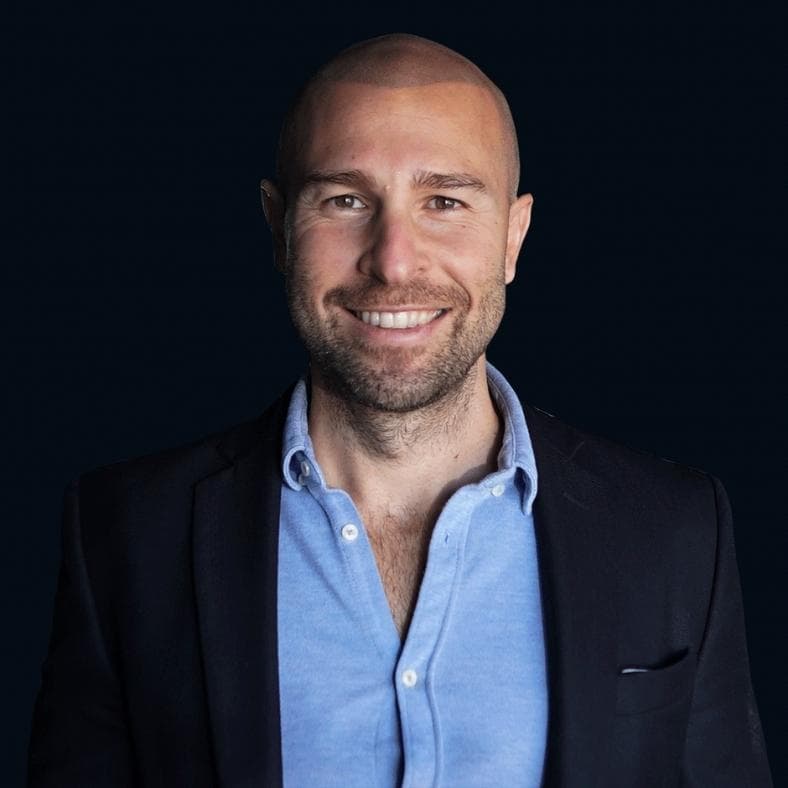
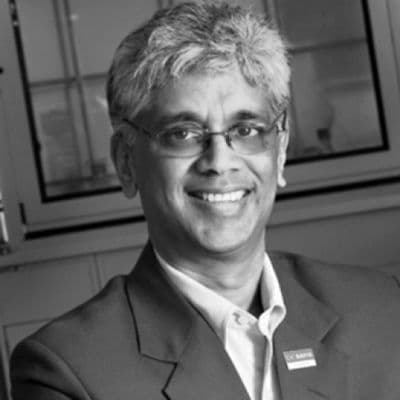
Full Transcript Introduction and Guest Background 0:00 What we realized, finally, is that the mitochondria make this very specific steroid that is initiated through reactive oxygen species. 0:09 The ROS is not bad for you. 0:11 If you have too much of it or too little of, it's bad. 0:15 It's like water is no bad, but if you're too low water, too water could kill you, oxygen is bad but too oxygen and too can kill. 0:24 So again, remember homeostasis, it's the balance to the right amount of rust. 0:29 Welcome to The TBD Fit Podcast on Dr. 0:32 Talks. 0:33 I'm your host, Daniel Keeley, and I will be guiding you through this wellness journey in terms of optimizing health and longevity where we unpack the science, 0:43 the do's, and everything in between. 0:46 Come join us. 0:47 Look forward to seeing you inside. 0:48 Today, we're honored to welcome a visionary in the world of drug discovery, mitochondrial science, and metabolic innovation, 0:55 Dr. 0:55 Sandeep Dugar, with more than 35 years of experience in small molecule drug psychology, neuromuscular disorders, cardiovascular health, 1:05 inflammation, central nervous system conditions, and metabolic disease. 1:09 Dr. 1:10 Dugar is one of the brightest scientific minds of our time. 1:13 He's the co-inventor of Zedia and Viteron, has authored over 70 publications, holds over 100 patents, and has received prestigious honors, 1:23 including 2005 National Inventor of the Year. 1:27 His latest mission-driven venture, Blue Oak Nutraceuticals, introduces a nutraceutical inspired by his 15 plus years of discovery of natural flavanols 1:36 that mimics an endogenous steroid produced by mitochondria during exercise. 1:42 So this molecule supports mitochondrial biogenesis, mitochondrional density, and overall mitochondrical quality. 1:48 We are definitely in for a treat today as we dive deep into the energy deficits and chronic conditions, mitochondrial collapse, 1:56 aging, and how we can restore the Energy Currency that sustains life. 2:02 Welcome to the show. 2:03 Thanks, Daniel. 2:04 Wonderful to be here today. 2:05 So what brought you to doing what you do today? 2:08 Well, actually it was, you can say a happenstance or an accident that happened about 16 years ago. 2:15 when a colleague of mine who I worked with on this project, George Schreiner, and I looked at coming out of some clinical studies at UC San Diego from cardiologists. 2:29 And this was the time when antioxidants were the big rage. 2:35 Antioxidants, everything, would do everything. 2:38 But as I look at the data, I said, no, this is not an antioxidant. 2:42 There's something more happening here. 2:44 So the clinicians had done some very good clinical studies published and that led to this whole idea. 2:50 And unlike you, that was my first introduction to the mitochondria. 2:55 And I had no idea what I was looking at with that data. 2:59 And then when I looked at it, it just became very, very clear that there's something amazing is what the data is showing us. 3:08 That led to this huge, big journey for me. 3:11 Here we are today. 3:13 It's been an amazing revelation about mitochondria. 3:18 I hope that we touch on those points as we go. 3:21 Yeah, let's start with mitochondria. 3:23 So maybe if you can paint a picture of kind of what is it, why is relevant, and why it's important. 3:31 Simply put, no mitochondrial life. 3:34 How about that? 3:37 People are publishing now that genes are not the blueprint of life, Genes can't make proteins unless the mitochondria provide the energy for those proteins 3:45 to be made. 3:46 The mitochondrion decide on what proteins be make. 3:49 If you ask yourself the question that when you exercise or when do something, what initiates, how is that protein synthesis initiated? 3:59 When is it terminated? 4:01 Who decides all that? 4:02 That all process is controlled by the Mitochondria. 4:05 And it came, it's the one came into our life, what, two and a half billion years ago to a process of endosymbiosis. 4:13 So mitochondria are a bacteria body. 4:16 And what is fascinating is that every living creature, thing, species on planet earth have mitochondrion.
Why Mitochondria Matter 4:24 That includes plants. 4:26 fish, animals, name it. 4:29 If it's an oxygen consuming living thing, it will have mitochondria. 4:35 So if you think about it, this is the fundamental particle or organelle that we share with everybody, every living being on planet Earth. 4:44 And it is one that is sentinel of our health. 4:48 Every pathology, ever disease touches the mitochondrion. 4:54 whether you have metabolic disorders, or you had neuromuscular disorder, Cut yourself or break a bone. 5:05 That gives your body an internal process of what a good colleague and friend of mine, Bob Navio at UC San Diego coined the word cellulogenesis. 5:15 So our bodies have an innate capacity to heal themselves. 5:19 It's just that when the insult becomes chronic and continuous, you start to lose the capacity. 5:25 To heal yourself. 5:26 Now, what is the mitochondria? 5:28 I mean, it has its own. 5:31 Oh, yeah. 5:33 And it only comes from the mother, it replicates itself, It fixes itself. 5:43 Without it, the cell cannot make mitochondria. 5:45 If you were to take all the mitochondrial out of the cells, The cells have no capacity to make my mitochondrion. 5:50 The mitochondrid decide when to Make more of themselves. 5:57 And if you think about this, every motion, even right now, as we are talking, we're shaking our head, um, We are thinking, 6:06 were looking, Every action of our body requires mitochondrial energy. 6:12 Without this we wouldn't even be able to move. 6:16 And it makes ATP. 6:20 And it makes it instantaneously at that time of need at the tissue that needs it. 6:26 And what is fascinating is that the product is ATP, but the reactants are two highly negatively charged molecules. 6:35 ADP and inorganic phosphate. 6:37 And if I were to try to do that reaction in a lab, I couldn't do it. 6:41 The energy required to that would just not be possible to make one. 6:47 Yet every cell in our body has the capability to made that in an instant. 6:52 Just imagine what it does. 6:54 It does a reaction that physically or energetically is almost impossible outside the mitochondria. 7:00 And it does it to the point where each cell in a highly active energy use situation, each sell can consume up to about a billion ATP, 7:12 right? 7:13 You have over a million trillion mitochondria in your body. 7:17 So just think about this, how important is it yet we have completely. 7:22 kind of ignored it because it is the holistic system that, that it treats the whole body processes. 7:33 You know, in physics, they call the, you know the God's particle was the Higgs boson, right? 7:37 I call mitochondria the god's particles for life. 7:40 Without it ain't no, there's no life, so I could go on and so you can, see what we have learned, what I have learnt. 7:47 And what is fascinating is that the most natural way to make more mitochondria is exercise. 7:55 Because that initiates the energy demand, the mitochondrial sense it, and then they make mitochondrion within the cell without the self dividing that allows 8:05 the cells to more energy. 8:07 What is known very clearly that at the bottom, exercise and nutrition are the two most validated processes for health span or whatever you want to call it, 8:19 longevity or anything. 8:21 It's the key. 8:22 But we keep going into the reductionist phenomena. 8:25 right? 8:26 Let's tweak one part, let's take the other part. 8:29 But that's not going to help the whole system. 8:31 And that is why exercise and nutrition is so important. 8:35 If you think about it, exercise produces the mitochondria, and nutritional is the fuel that your mitochondrion needs to provide ATP. 8:48 What do you think of in terms of nutrients also drive this process beyond just the exercise? 8:53 So there are two complimentary things, right? 8:58 Think about it, in your house you have a fireplace and now you need the wood to provide the heat, so the mitochondria are your fireplace. 9:07 Nutrients are the wood, and the type of nutrients makes a difference. 9:12 So, for example, if you have all the firewood I can stack in your house, but if don't have a working fireplace, it's not going to do a whole lot of good. 9:19 At the same time, you can build all of the fireplace and not the right kind of wood. 9:23 You're not gonna get the heat you want. 9:25 So yes, you can take supplements. 9:27 A lot of these supplements, they promote mitochondrial function. 9:30 But remember, starting age 21, your losing 10-15% of mitochondria every decade. 9:36 That's aging, that's the natural process of aging. 9:39 So you've got to figure out how to stop that loss of Mitochondria. 9:44 Now on top of that, the environment and the food you eat, processed food, sugars, Uh, the pollution, air are all stressors, 9:54 right? 9:55 So our lifestyle, our diet is not helping. 9:59 We don't exercise enough to replenish the mitochondria we're losing. 10:03 That's not. 10:04 So that is what I call is the energy deficit, energy crisis. 10:08 Your body is falling behind the eight ball. 10:11 And as it falls behind further and further, as we age, we lose our skeletal muscle strength first. 10:17 Right. 10:19 because that's what you see. 10:20 Then your metabolic processes slow down. 10:23 No matter what, you gain weight because you keep eating processed foods without the exercise. 10:28 And then of course your genetics start to play a role, right? 10:31 Because you have other issues, pollutants in the air. 10:35 So if you are given the opportunity to do this and you eat healthy and your exercise at the level you need to, you will have a better health, 10:45 but we just don't. 10:46 And we can't, our modern lifestyle is antithetical to that whole system. 10:51 We all love our donuts in the morning. 10:53 That's the problem. 10:54 Constantly in this fast food convenience based culture is only to our detriment naturally. 10:59 So in terms of, um, Nutrition for your mitochondria. 11:03 Let's put it that way. 11:04 What's best? 11:05 All right. 11:06 So eat proteins and fat, get rid of sugar, fiber. 11:10 Okay. 11:10 I say to people, don't drink orange juice. 11:13 Orange nature made for us to eat an orange, not drink it. 11:16 Eat an apple, Don't Drink It. 11:18 Because when you drink an Apple, you've gotten rid a lot of the other fibers and other components that is present in an We give our kids juice and we feel 11:28 it's great. 11:28 Yeah. 11:29 But what are we doing? 11:30 We're just giving them a boot, a big load of fructose that the body absorbs very quickly. 11:36 Now here's the interesting part that there's another bacteria system in your body that works in connection with the mitochondria and it is the microbiome. 11:46 Right? 11:47 So imagine two bacterial systems are responsible for our health. 11:52 Fascinating. 11:53 The one in the gut, its only purpose is to take the food you eat and convert it to the foods that the mitochondria can use. 11:59 But if you don't give it the right food, it's not going to give the good food to mitochondrion. 12:03 So you have the microbiome, which is everywhere. 12:06 You have a skin microbiomes, you got a gut microbiom, You got the mouth microbioms, and you know, have microbiomas for everything. 12:14 And what we do, and so if you eat an apple, you don't absorb all the fructose. 12:20 But that fructose that is not absorbed is excellent for the microbiome, right? 12:25 It's food for them that creates the healthy microbiomes. 12:28 And the microbial mitochondria axis, the connection, is very clear. 12:33 So the kind of food you create is the right nutrients, creates a healthy microbio. 12:38 and your mitochondria with exercise are ready to receive this wonderful nutritious food and you stay healthy.
Exercise, Nutrition, and Energy Deficit 12:44 Of course, the issue comes in is that what if you can't exercise, right? 12:50 There are issues, there are situations, and I respect that, that it's easy to say to everybody, go exercise two hours a day or two-hours every other day, 13:00 or whatever. 13:03 That's modern lifestyle, that's the reality of art, but that does lead to the consequence we're seeing. 13:08 Excessive obesity, metabolic disorder, mental health issues. 13:12 These are all deficits of energy. 13:14 Looking at NAD and NAHDH and the ratio of NAAD to NNADH. 13:21 So you mentioned nutrition, you mention juices. 13:25 Because once people recognize how much sugar they're intaking, it is astounding. 13:29 It happens at the level of both the microbiome and the mitochondria. 13:35 So, let's go a little bit into the myocondrial structure itself. 13:41 The idea here is that the Mitochondria have two membranes. 13:45 Inside the inner membrane is what we call is the matrix. 13:48 That's where the TCA cycle is. 13:51 So that's what the nutrients go in. 13:53 And that inner matrix also holds all the electron transport chains, okay? 13:58 And they quoncriste, which is these bends in the intermembrane where ETC5 sits that makes ATP. 14:08 Right? 14:08 So in this very simplistic one, ETC 1, 2, 3, 4, the primary role is to pump protons into this intermembrane space. 14:18 And we call it creates the proton motive force. 14:21 That proton then comes through the ETSI-5 back. 14:25 It's a rotor, and the ET-C5 as it rotates through that proton moving makes ATP by combining ADP to inorganic phosphate. 14:35 and that ATP is released out into the cytosol and used by the cells for energy. 14:41 Now, of course, you can have primary mitochondrial mutations, because remember, as mitochondria multiply a lot on demand, 14:51 so because it has a small genome, the degree of mutation can increase. 14:57 or they have a higher degree of mutation possibility in the mitochondrial genome. 15:01 But when we're young and we are healthy, our health cells have respectable energy to get rid of these. 15:08 mitochondria, mutated mitochondrial. 15:11 So even today, as we're talking, our cells are making mitochondrion, but we are healthy enough to get rid of these mutating. 15:16 But imagine that as the cellular energy goes down, the cell will decide to expend that energy to keep it alive and functioning and starts to let go of 15:28 the mutated or dysfunctional mitochondria. 15:31 Okay, so the process of what we call mitophagy goes down. 15:35 And as that mitaphaggy goes, down the dysfunction or damaged mitochondria accumulate, and they themselves release more and more of these things like reactive 15:48 oxygen species, et cetera, that starts to become detrimental to the cell health, cellular health. 15:53 And this is what is called as heteroplasmy, where dysfunctional mitochondriacs continue to accumulate and then those cells become dysfunction and eventually die, 16:03 right? 16:04 So the process is that the insults coming in to the cell, if, for example, you have excessive sugar in your diet, that sugar makes the mitochondrial more glycolytic, 16:18 right, because it has sugar. 16:20 But your mitochondria are best functioning when the fuel is fat. 16:25 It takes longer, but it is less harmful for the cell. 16:28 So the diet as it goes in, because the whole idea of the TCA is for glucose to be converted to pyruvate and pyrovate enters the TC cycle. 16:39 Okay. 16:40 And that whole process is what is responsible. 16:50 too much pyruvate and the cells are not, the mitochondria is not doing it, it goes into lactic acid and that creates lactic acidosis. 16:58 Okay. 16:59 So that your pH goes. 17:02 It's a very dynamic complex phenomena that goes on between what's coming in, how the cell is processing it. 17:11 On the other hand, glucose is also a critical nutrient, so it's not to say glucose it not a critically nutrient. 17:19 It's the fructose that's a problem, okay? 17:21 If you have excessive fructose in your body, right? 17:25 But when you refined sugar, it is 50% glucose, 50 % frucose. 17:30 But glucose in itself, for example, your brain primarily uses glucose because it needs high amounts of energy. 17:40 And so the whole energy homeostasis or balance is between right amounts and right amounts of physical demand. 17:53 And what is fascinating is that we say, you know, with your brain, use your or lose your, right? 17:59 Use it or loose it. 18:00 Same thing goes with the mitochondria and your physical function. 18:03 Use or it lose it? 18:04 If you are sedentary and you don't walk around, your cells will get rid of excess mitochondrion because it costs the cell energy to maintain more mitochondry. 18:19 So if your mitochondria are not working well, slowly your cells will get rid of the mitochondrion. 18:25 So there's this whole dynamic process going on where the homeostasis and the balance happens within the cell. 18:32 And one of those examples I give people is, look at it, what's your basal body temperature, right? 18:39 98.4 degrees Fahrenheit, that's what most of our basally body temperatures is. 18:44 That's healthy. 18:44 0.6 degrees Fahrenheit up at 99 degrees, Fahrenheit, you're febrile. 18:50 At 1.60 degrees above that, at 100 degrees you have a fever. 18:54 That's not a big temperature variance. 18:57 So 1 point 6 degrees fahrenheit. 18:59 And if I can say, and you add another thing about, global environmental health. 19:05 When we talk about a one degree rise in temperature, just compare it to 1.6 degrees Fahrenheit, and our body is a fever. 19:15 One degree centigrade rise, in global temperature you're giving Earth a fevers. 19:21 Just think about it. 19:22 This is the whole total balance we have. 19:26 So we're not detached from that. 19:27 All this is, a big systemic balance of homeostasis. 19:33 Our health relies on it. 19:35 Our help relies in this whole environment we live in. 19:39 So it's as good for us to take care of our body and also as a good, for the environment, we're living because that will affect our bodies. 19:48 People don't realize that as these systems change, has the environmental changes and we living in it, it will effect our health. 19:57 So even I, you know, as I said, mitochondria are the sentinel. 20:02 They sense everything we do, how much we sleep. 20:05 If you don't sleep well enough, it affects your mitochondrion. 20:11 Your thoughts, the stresses in your life affect the mitochondrial. 20:17 Everything boils down to mitochondria. 20:20 So, as I said, because of mitochondrial we have life, and so we need to really have good nutrition and mitochondrion to sustain health. 20:27 It's about as simple, but also very complicated, given our modern lifestyle. 20:33 That was a very elegant explanation of mitochondria and cellular metabolism. 20:38 So mitochondrion are never static. 20:41 They're changing accordance to the cell in accordance, to restore homeostasis, they will fuse and divide and elongate and change function. 20:49 And when looking at, you know, the CDR or DAMPS and PAMPS, and nanolipids and nano particles and then nanoplastics now and all these different. 20:59 danger signals that perturb the system very quickly in the kind of upregulation of this oxidative burden that now we're exposed to. 21:10 And so when you get into phase three, disease becomes so perverse and that's when things are stuck. 21:17 The mitochondrial normal state is in this M2 here. 21:20 So when your phase 3, you're sick and we are all walking wounded. 21:24 We all have the heightened toxic burden. 21:28 Um, which yeah, damaging to the mitochondria, all of us then, as you said, you know, alters lactate into perubate. 21:34 And now you have high in, uh, in your lukins, IL-6 IL 10, L1 beta TNF alpha. 21:40 Um. 21:41 Then you. 21:42 The cell danger response where it's just a plethora of different toxins and intoxicants and pathogens and infections and adjuvants decreasing complex four 21:51 to make ATP. 21:51 You have the prevalence of heavy, heavy metals. 21:54 So fructose, um. 21:56 People think, okay, fruit, then is fruit bad for you? 22:00 Should we monitor fruit content? 22:02 What is the? 22:04 No, no, not fruit is not bad. 22:06 For you, it's how you consume it. 22:09 Right? 22:09 Now, just imagine that you're not going to eat 100 apples a day. 22:13 You can't, right? 22:15 And also when we have seasonal fruits, you eat them in season. 22:20 Nature made these things to be seasonal, to So fructose, as I told you, is great for your microbiome, but also fructose we convert to fat, 22:31 okay? 22:32 Just like bears do. 22:33 We cannot metabolize frugtose. 22:35 The only reason for fruktose is evolutionarily, it was there so that we could have that stored as fat for future use when we didn't have food, 22:44 right? 22:47 Five thousand years ago, there was no refrigerators. 22:50 We couldn't walk down at midnight and have a pint of ice cream. 22:53 That's what we do. 22:54 But it was made for evolutionary pathways. 22:56 So we're living in a body that is 10,000 years and is not modern technology. 23:01 It has not evolved to modern technologies. 23:04 Yes, please eat fruit. 23:05 All I said was don't drink an orange. 23:08 Eat an Orange. 23:08 that's What nature made it for because you get the fibers, you Get the other things with it, right? 23:13 It's not processed. 23:15 So, you know, evolutionarily, but also, I was just at the Cal Academy of Sciences, we're only, the homo sapiens are only about 200,000 years in existence. 23:28 I mean, we're like in a microsecond on the evolutionary time scale of the planet. 23:32 But look at the impact we have created globally in 200,000. I means, it is incredible. 23:38 It is incredibly, but that impact is going to come back and haunt us. 23:46 Yeah, because we're the only species now that just lives for ourselves. 23:51 We have detached ourselves from nature. 23:53 Just imagine I was just in the Antarctic, you know, a month or so ago. 23:57 I mean, we couldn't survive there for two days. 24:01 I mean, so what I'm trying to say is that, well, these are, this is okay. 24:05 I am not trying say we should live outside our houses and live in trees and stuff like that.
Mitochondrial Structure and Dysfunction 24:10 But we need to really be really cool that look, you know, spend a little bit of time to exercise and spend little time, to make your meals correct. 24:18 All right. 24:19 Eat what your body wants, not what you want or needs, but of course, given where we are the reality of the situation is, 24:29 that is. 24:31 in a hope, but the reality is that we still need to figure out how to function in the environment we have for ourselves and live as best as we can and 24:44 address the posities of the deficits we've created. 24:47 Just as a segue to the part of the conversation, Anil, is that what intrigued me was that while everybody knew exercise is good for you, 24:58 nobody will debate that if you exercised, it's going to be bad for your, and nobody would debate. 25:05 So the question became, and exercise makes new mitochondria, but how does it happen? 25:09 And I went around and I asked the questions, nobody could tell me. 25:13 And, I said, here's one of the most fundamental things of human health, exercise based. 25:17 The first thing exercise does is makes more mitochondrion. 25:20 People say, well, exercises makes you lose weight. 25:23 How? 25:24 Exercise makes more muscle. 25:25 Well how? 25:26 It all starts with the mitochondria. 25:29 First thing that exercise does is makes the Mitochondria and then the my mitochondrion respond to the body's demand to make more muscles if you're lifting weights. 25:38 To make your heart function better because you are working better. 25:42 So your heartbeat is lower. 25:44 Your cognition is improved. 25:45 All that is a consequence of that. 25:47 But the first thing is the So you had to ask the question, how does exercise make mitochondria? 25:52 And nobody could tell me the answer. 25:54 I went to PubMed and that was the part that made me really move forward to figure out how that happens. 26:00 And that's what we figured out. 26:02 What we figure it out is what actually happens biochemically in your cells that tells the cell to make more mitochondia. 26:10 That learning, that discovery, Daniel, was to my mind was a game changer, because now you can have an intervention in a situation. 26:21 So while we can talk about all the things we should be doing, but let's live in the real world, right? 26:28 And to the extent we and humans who really are in an energy deficit. 26:36 That became my purpose because I'm a drug hunter at the end of the day, but I decided that this is what we can learn. 26:43 And by the way, I have to very much acknowledge all of my colleagues over the 16 years at various places, universities who worked with me. 26:53 So I happen to be speaking about it, but I am not the only one. 26:58 This required a whole group of scientists and people who thought through this thing with me, okay, alongside me. 27:05 And I thought with them. 27:06 So as much as they contributed to my thinking, I contribute their thinking. 27:10 It was a work that required lot of good, smart people. 27:16 So let me acknowledge all of them. 27:18 I don't want to name them because we'll take a whole lot of time on doing that, but I want acknowledge their contribution to what I'm speaking to you about today. 27:28 And what we realized finally is that the mitochondria make this very specific steroid that is initiated through reactive oxygen species. 27:37 The ROS is not bad for you. 27:39 If you have too much of it or too little of, it's bad. 27:41 For you, right? 27:43 It's like water is, not that for, you but if you're too, little water, too. 27:46 Much water could kill you oxygen is. 27:48 Not bad, for. 27:49 You, but too Little oxygen and too Much can kill, so I can't remember homeostasis. 27:54 It is the balance. 27:55 So the right amount of ROS is good for you. 27:58 So it's the same thing I tell people that, hey, if you go to the gym regularly, don't take antioxidants, please, because we have shown that when you up 28:07 the mitochondrial level, the Mitochondria automatically make catalase superoxide dismutase. 28:15 The cells know how to protect themselves. 28:19 You just have to give them the resources to do it, right? 28:22 People say, well, I take exercise and I go antioxidant. 28:26 This literature there now says that if you say take vitamin E post exercise, actually it inhibits the benefit of exercise because you are inhibiting that 28:37 specific signal for the cells to make mitochondria to more mitochondrion, yeah? 28:43 So it's again, and what that happened is that understanding of that mechanism led to what we have in apicaticin, which is the blue oak, 28:56 is that it mimics that steroid. 29:03 It's found in cacao, and the Mayans introduced cacow to humans. 29:10 In Mayan culture, this is 5,000 years ago, in the royal family, ate cacao extracts. 29:17 It was bitter and they put chili in it. 29:20 I don't think you and I could even consume it, but they did it! 29:24 But the royal family used it and the other group that were allowed to consume this concoction were the messengers, the messages that carried messages from 29:33 village to village. 29:34 And that's when we all realized that the importance of that was endurance. 29:40 They just didn't know how, they just did know what was doing it. 29:43 That's what we figured out. 29:45 So the endurance, we have demonstrated that very clearly. 29:48 The endurance of what the mitocatalyst E is. 29:55 It enhances endurance because levels of mitochondria levels go up. 30:00 You have internal energy and capacity to sustain the exercise or the demand you're making on your body. 30:08 And so the whole idea here is that this understanding of how biochemically the cells signal or the mitochondria signal the nucleus to make more mitochondrion 30:22 without cell division is a resident on this steroid. 30:25 And then this steroids is released by the exercising cells into the general circulation we have detected in human blood. 30:33 That is why when you exercise, your whole body feels good. 30:37 your brain feels good. 30:38 Your brain is not running. 30:41 You're brain's not lifting, but you feel good, and imagine people who exercise regularly, suddenly you don't go exercise for a week, 30:48 you'll feel like something is missing, right? 30:52 A little bit. 30:53 you know, on the edge. 30:54 So, and we have shown that the levels of the steroid goes up in tissue beds like liver, kidney, brain post-exercise. 31:02 The whole system is upping its mitochondrial process just because you're running. 31:09 It's amazing how the body is so geared to do this. 31:13 This is triggering mitochondria biogenesis, similar in a way that exercise does. 31:18 Yeah, exactly. 31:19 So this is the first molecule that I know of that mimics, replicates your natural process of mitochondrial biogenesis. 31:29 This is all it does. 31:32 One thing I have to say, because it's been in human diet for thousands of years, and it is so safe that all is does is initiate the mitochondria biogensis 31:45 and then the body does the rest. 31:47 And so now you can imagine that its application is widespread. 31:52 And we have finished six studies. 31:54 We're doing seven, eight more studies, everything from muscle steatosis to you know, frontal lobe dementia to primary mitochondrial myopathies to cardiovascular 32:09 to metabolic issues, because they all affect the mitochondria. 32:12 And the argument we have is that if you up the metachondrial levels in these patients, how does the body respond? 32:19 And what we are seeing is the bodies response by addressing those pathologies. 32:25 So remember, I told you that we haven't inherent capacity to heal ourselves. 32:29 that we lose the energy, the bioenergetic to heal our body as we age through the other stressors and our genetics, et cetera. 32:38 If you can give the body back at, does the bottom respond? 32:42 And so far our evidence is suggesting, yes, it does. 32:44 And some of these studies are now happening through clinicians who are experts in their field. 32:52 I don't know if you know this, but the Expise Foundation, we were selected as one of the teams to study this for health span and longevity in that study 33:06 starting at University of Glasgow. 33:10 So I think what is happening, and one thing is that we are very, very clear that want to continue to collect clinical data. 33:18 on these things so that we're not simply saying, take this and hopefully you'll feel better. 33:23 Our purpose is to continue to understand that if you supplement mitochondria, that it is agnostic to the pathology. 33:31 It doesn't matter what affects your body. 33:33 If you give the body the resources, it will try to fix itself. 33:38 Perhaps the best it can do at this point is address progression. 33:41 Or decline. 33:42 Yes, progression of the disease. 33:44 Yeah, but we have seen in muscles, turned microscopy of muscles and this was done at UC San Diego, the muscle sarcomeres of patients who are in their 60s 33:56 after three months look like muscles of people who would be in the 40s. 34:01 This is published data. 34:01 I mean, this is not. 34:03 And so, but the main intent right now is, not just reversal, the idea here is can we support patients with a very simple intervention? 34:12 And it can sit in the background of everything else you're doing, because all it is doing is upping your mitochondrial process. 34:18 That's it. 34:19 It is telling your body, hey, I just exercised, even though you didn't. 34:23 So there's a direct correlation with myocatalyst and the steroid function, and we have you know, studied both next to each other that says, 34:33 okay, whatever the steroid does, the mitocatalyst does. 34:37 It's less potent, of course, mind you. 34:40 And the steroids that we found is about the most potent stero- compound in your body that it's incredibly potent. 34:48 So you need very small amounts of it for it to function. 34:51 That's why just a little bit of exercise does a lot of good. 35:14 No. 35:14 Let me unravel that for you. 35:17 Peptides are, again, nutrients. 35:19 When you say AMP kinase is simply a signaling process for the mitochondria. 35:39 So these I would classify as nutrients.
ROS, Homeostasis, and Chronic Disease 35:42 Some of these peptides break down into amino acids. 35:45 Okay? 35:46 First of all, they're injectables, all of them. 35:48 They're not oral, okay? 35:50 People are trying to come up with oral peptides, but then oral peptides will break down to the functional amino acids within it because the gut will destroy them, 35:59 so you are in a way providing a lot of good amino acid as nutrients, right? 36:04 Number two, that for them to function, at the end, you still need the mitochondria. 36:09 they can improve the Mitochondria you have, But they don't create the They can improve the function of your residual mitochondria for sure, 36:18 but can they create more mitochondrion? 36:20 No. 36:21 As far as I know, we're the only product that actually creates new mitochondrial naturally as if your body exercised, which is how your does it to begin with. 36:34 Hence the safety, but also in the peptides, there has been no really established clinical studies, right? 36:42 These are a lot of studies that have come in and people are doing it and I'm sure they have benefit like NAD has a benefit, 36:47 OQ10 has benefit. 36:49 Eating steak has the benefit eating an orange has benefits. 36:53 I am not saying they are not beneficial, But they act mostly on the mitochondria you have and they make them function better. 37:00 But what if you don't have enough? 37:01 Are you losing them? 37:04 What is the name of the molecule as well? 37:05 Yeah. 37:06 Which one? 37:06 The steroid? 37:09 The steroid, I just call it by the chemical name. 37:11 It's 11-beta-hydroxypregnenolone. 37:14 So we published that paper. 37:16 We haven't named this like cortisol or estrogen. 37:20 But it's just this, because we're the first ones. 37:22 I mean, if you go to PubMed, you'll still not find any biology, pharmacology, except for a couple of papers from us. 37:30 And it is a flavanol naturally found in cacao, as you had mentioned. 37:35 If nature made it, it was okay. 37:36 Man-made it stay away. 37:37 That's my philosophy. 37:39 Is this suggestive of people, you don't really need that this is a replacement for exercise? 37:44 Well, I wouldn't go, that's what people come down to, is it exercise. 37:48 I would go down there that path because I think, remember your body makes it on demand. 37:54 So yes, it's not simply just you take this and everything will be okay. 37:59 It will improve your function. 38:02 We do have evidence that It prevents, and this is not the work done by us, it was done other people, that you have what is called as disuse atrophy. 38:13 If you don't use your muscles, you lose it. 38:15 We have shown that this flavonol prevents dis-use-atrophy, so we've shown. 38:22 That means if you stop exercising, the muscle loss is curtailed by the presence of this flavanol. 38:31 So we've shown that. 38:33 So the question here comes in that, can it replace exercise? 38:38 I wouldn't go that far, but what I would say that yes, it can definitely accentuate the exercise need. 38:46 Because as you get older, you need to do more and more, and you're not capable of doing it more. 38:50 And it could be your lifestyle. 38:53 But most of our focus right now is in the area of where you have a deficit of the mitochondria. 39:00 That's what we're focused on right now. 39:03 That includes aging, mental health, neurodegenerative diseases, metabolic disorders, cardiovascular disorders et cetera. 39:13 So that's where we are focused. 39:14 But the continuation to normal healthy people is clear because all of us have mitochondrial deficit. 39:25 It's like most of have vitamin D deficiency too. 39:30 So if I understand this can arrest the deficit indefinitely, or is it short acting? 39:38 If someone's not training during that duration, will this preserve the benefits in terms of the metabolic adaptation acquired from fitness? 39:47 How long can I preserve, arrest that deficit? 39:51 So our data suggests that that. 39:53 It would be true, but I cannot, we don't have enough longitudinal data to say how long it will go. 40:00 But it's like exercise, right? 40:02 If you keep taking it, just like you'd keep exercising, it should continue to do the function. 40:07 There's no reason why it shouldn't stop, because all you're doing is you giving the body the biochemical signal that it would get if you were to exercise. 40:15 See, if your exercise you'll make the steroid that gives the the signal. 40:19 Now, if you're not exercising, and instead of making the steroid, you give the body the flavonal, the bodies still gets that same signal. 40:25 And that's what we are seeing. 40:27 But in terms of patients, we have not seen what the logic. 40:30 So most of our studies have been where people have on it continuously, because the insult doesn't go away, right? 40:37 And the insert is, let's not talk about insult just as a disease. 40:41 Insult is lack of exercise. 40:43 That's also an insult to the party, If you think about it. 40:46 Right? 40:46 Because exercise is essential for good health. 40:50 And if you're not exercising, that is a quote unquote insult to the body. 40:54 So my thought on that, is it should keep working as long as you keep taking it. 40:58 But we don't have the longitudinal data on patients that way, where we have taken them off of the, so that study was just done where, 41:06 we did a 15 day study and we could very clearly see that the muscle atrophy was arrested. 41:11 How long- How are you testing the state of mitochondria? 41:15 How can people learn about the health of their mitochondrion? 41:18 That's a very good question. 41:20 One of the things we're trying to do is develop a base to understand the levels of this steroid in your blood as an indicator of mitochondrial health. 41:29 That work is still in progress. 41:32 Now, that would be the easiest way. 41:34 You can look for markers. 41:37 in your blood, but this is not so standard because see, not many people have had a mitochondrial biogenesis product to define a diagnostic, 41:48 correct? 41:49 Because if you want to understand what mitochondria proteins you wanna study in the blood you need a tool that would initiate mitochondrian biogensis so 41:57 you can see the effect. 41:59 But we are the first ones in that field. 42:01 So we're working on it. 42:02 So, we are looking at proteins like GDF15, citrate synthase, and others to see what acetylated proteins, to if you can reduce the redox. 42:11 But a lot of these are indirect markers. 42:14 Because first of all, you don't want to have mitochondrial DNA in circulation. 42:19 That's not a good thing. 42:21 Okay, so mitochondria are best within the cell, not outside the cells. 42:27 Okay? 42:29 So that presents a challenge. 42:31 I mean, what we have done, our mitochondrial process is through muscle biopsies and electron microscopy. 42:36 We can look at the mitochondrion levels, but you can't do that all the time. 42:41 So you are relegated to the secondary markers, which are direct mitochondry-related proteins that are in circulation. 42:49 You can look at the redox status of the body. 42:52 You could look the other markers of citrate synthase and GDF-15. 42:57 But one of direct readouts for mitochondria would be this steroid because mitochondrion make it. 43:03 If you have good mitochondrial levels, you should have a higher level of this steroids in your body But that would require us to develop a lot of background 43:14 data to validate what those levels are and what they should be, right? 43:19 And that work is in progress and it'll take a while for us. 43:23 But this could be the first direct marker of mitochondrial levels in your cell and their function because mitochondria directly will make it. 43:31 What we're discussing today, which is certainly very thought provoking, is where mitochondrion medicine is now arriving at, 43:39 right? 43:40 And kind of the frontier, which you're staying on that cutting edge. 43:43 So in terms of, let's say, mitochondrial medicine, it sounds like it really falls into that same foundation phi philosophy that that I've integrated, 43:56 um, but you're, per my understanding, you are considering obviously ATP efficiency, edox balance, membrane integrity, circadian signaling, 44:05 I would presume someone there. 44:07 And obviously, uh, recognize the impact of inflammation or, buffering against the inflammatory burden. 44:16 So nutrition certainly matters. 44:18 As you said, stress will impact the mitochondria. 44:20 I know we mentioned peptides, which we use very effectively, obviously. 44:25 PQQ or CoQ10 NAD, which has been very much the latest craze. 44:33 Yeah. 44:34 So, you know, P Q Q, I'm not so sure about to tell you frankly. 44:40 Structurally, it worries me. 44:43 There's very little, I don't know if there's any clinical data on PQQ. 44:47 It's all preclinical data. 44:48 I've not come across a clinical study about Pqq. 44:52 So I'm just fascinated why people would want to be doing that. 44:58 Now CoQ10 is itself a part of the mitochondrial inner membrane, correct? 45:07 NAD plus NNADH is part of the redox process, correct? 45:12 And they are part the mitochondrial function. 45:14 Again, as I said before, the question is, yes, you can take CoQ10, but how much of it is such a big molecule? 45:23 How much if it goes through your gut, through the systems, and ends up in the inner membrane of is not clear to me, right? 45:34 Because remember, these membranes, so it has to go through the plasma membrane, to the mitochondrial outer membrane through to inner membrane. 45:44 It has go to all your gut and the liver and everything along the way. 45:48 So yes, clinical evidence and anecdotal tests, CoQ10 does something for sure, but I'm not so sure how much. 45:58 So because there's a shorter version called Idebinone, and people have studied Idaibinone for a long time, it's been done in clinical setting, 46:06 then it is a smaller molecule than Coq10, But it has a very poor pharmacokinetics, right? 46:13 And if that has poor pharmacy kinetics the pharmacogenetics of Co Q10 is gonna be similar, if not worse. 46:23 That's why IDebaNone has not really shown good clinical data outcome in clinical studies. 46:31 It has now. 46:31 Now, some members, something happened with NAD, et cetera, and now they've come up with an MN, you know, another conversion of NADA, 46:40 but you gotta take a lot of it and you've gotta really rely on the cellular machinery and again, not to sound kind of like a broken record, 46:50 the mitochondrial function to be able to use it. 46:53 Right. 46:53 But also remember redox balances, just saying that I'm going to. 46:58 Use an antioxidants or address the oxidative challenges to the cell. 47:03 Just do it, perhaps may not be the best way to think about cellular homeostasis. 47:09 Remember Ross is a very powerful signaling biochemical. 47:13 The cells make it for a reason. 47:15 If it was so bad, why would they make it? 47:18 And part of the process is that the raws... 47:21 So remember one thing. 47:22 So here are a couple of things I'll tell you. 47:23 That mitochondria initiate all steroid synthesis. 47:27 All of your steroids synthesis is initiated by the mitochondrion. 47:31 That includes testosterone. 47:33 That include estrogen. 47:34 The first step of cholesterol synthesis happens in the mitochondria.
Blue Oak, Cacao, and Mitochondrial Biogenesis 47:41 And that happens because of ROS. 47:43 So people forget that ROS at the right balance is a very good thing, and the cellular machinery knows how to control it. 47:52 If it didn't, we would have cellular ROS damage from the day we were born. 47:57 But that's not the case. 47:58 The problem is we lose control of it because our intracellular machinery is falling apart. 48:04 And that machinery, is the mitochondria. 48:07 When the Mitochondria can't make more of themselves, can fix themselves can get rid of the broken ones, ROS starts to take a bigger role. 48:16 of damage proportionality. 48:18 But if we reverse that and allow the mitochondrial and intracellular processes to kick in, your Ross will be fine. 48:26 So the idea here is we keep bringing things down to a reductionist idea. 48:34 Science says, let me look at this thing and find one thing, but they cannot differentiate causality and concept. 48:40 Is the levels of ROS related to a cause? 48:43 Is it the causal or is it a consequential issue? 48:46 It's very hard for science to do it. 48:48 People will say, well, this protein has upregulated in cancer. 48:52 Well, is up-regulating because it's trying to address the insult or it is the one that is causing this? 48:58 Very identical premise when we treat beta amyloid plaque with Alzheimer's medication, right? 49:04 It's a huge misnomer, I think just up in evolutionary medicine, how we're just treating kind of the end stage is very reductionist, 49:13 things are in isolation, nature doesn't work that way. 49:19 So Daniel, let me tell you a couple of things, right? 49:21 And before we run out of time, number one, inflammation, mitochondrial control information. 49:26 To this day, we do not have anything that addresses chronic inflammation. 49:31 And one of the things in Alzheimer's and everything is chronic information, in diabetes is, chronic, information all these chronic diseases cause chronic 49:40 and we don't have a single idea of how to address chronic. 49:45 Can you believe it? 49:47 Not one. 49:48 And we take about inflammation as if it's one thing here. 49:51 Inflammation is a systemic process and it is controlled by the mitochondria. 49:56 They initiate it. 49:58 One tidbit around this is that, you know, why sleep is so important? 50:02 Your brain is 2% of your body weight, uses 20% percent of its energy, okay? 50:08 Can you imagine when is the highest use of brain energy? 50:15 When you're sleeping, your brain actually uses the most energy when you are sleeping. 50:22 In your REM sleep is when your body is in paralysis. 50:29 Your brain lets go of your physical function because it is so focused. 50:34 on its own bioenergetics. 50:36 So our brain doesn't use more energy when we're awake or exercising. 50:40 It uses the most energy. 50:42 When you're sleeping, it needs that energy resource to be able to do it. 50:46 That's when you lay down your short term memory. 50:52 And that's mental health. 50:53 Right. 50:53 We no longer live in congruence with our biology. 50:55 Why? 50:56 Because we have blue lights. 50:57 The industrial area that has allowed us to be more productive and perform better at the consequence of sleep and the detriment to our health, 51:06 metabolically is the brain is physically repairing itself. 51:11 And yet we don't prioritize that. 51:13 What time do you set your alarm to go to bed? 51:16 It's very different philosophy. 51:19 No, but the thing is, I go to the gym and I see these young guys exercising and between each set, take up their iPhone and look. 51:31 I actually went to one guy, finally the other. 51:33 You know how much harm that causes to you when you go and you look at this screen with the blue light? 51:40 There's a very clear correlation. 51:43 between this because your optic nerve is full of mitochondria. 51:49 Imagine, as you and I are talking, it's processing everything we're seeing in an instant between colors and depth and expressions, 51:57 and it is directly connected to the brain. 51:59 I said, you guys listen to good music and exercise. 52:03 Why do you have to, between sets, pick up this phone? 52:07 I just find it amazing, but you're absolutely right. 52:10 that these simple things, these simply things are affecting. 52:15 We don't understand the damage that we're doing, especially in our youthful population, because now it's starting with children, 52:22 right? 52:22 We just we don' recognize the long-term damage. 52:26 We're aware of this short-term damage, but again, long- term, we're living kind of in this very large experiment. 52:34 So you said, you know, the intracellular damage which happens at the foundation of the mitochondria looking at homeostasis and ROS or reactive oxygen species. 52:44 It's interesting because you mentioned that all the time, people don't realize, right? 52:47 Exercise drives a lot of stress. 52:50 It regulates that heightened burden of reactive oxygen species, but we need that, right? 52:56 It's that trade-off. 52:57 And so that's why people realize even nutraceuticals can be harmful, what drives dysfunction at the cellular level or the impacts of mitochondria. 53:07 So I call it the unlucky seven, which is parasite, virus, bacteria, fungal. 53:11 Now we have environmental toxin, heavy metal, and trauma or stress. 53:16 Is there any overlooking in my unlucky 7 that drives... 53:20 Yes. 53:21 that upregulates inflammation that is now the consequence of unhealthy aging. 53:29 I think you've touched on some of the major ones, and I thin malnutrition is one of key ones too. 53:37 What we eat has significant role. 53:40 I mean, if you look at our grocery stores are 85% highly processed food. 53:47 The fresh vegetables are in one aisle at the corner one place, in the next 15 aisles. 53:53 You know, and sometimes as scientists are thinking, I mean, yesterday I was watching a history channel where, you know Philip Morris, 54:00 to reduce the irritation of the throat in their cigarettes, put in ethylene glycol in those cigarettes. 54:07 Now, ethlene, just imagine, imagine the consequences of that. 54:13 So we often don't look at things in a broad systemic sense. 54:18 We look and say, hey, if I do this, I mean, this is also the story in the pharma industry, which I've been part of. 54:25 But looking at it, we say hey here's one thing, let's define a drug and feed it. 54:31 but we haven't moved the needle. 54:32 You know, cancer still sits where it is, cardiovascular disease sits, where is. 54:38 So we continuously look for these simple answers rather than a systemic understanding of what is happening. 54:46 Malnutrition is a huge, I don't talk about malnutrion as deficit of nutrition. 54:51 I think it's an abundance of bad things we eat every day, right? 54:56 I mean, just imagine we take our kids to Little League and then when they're done, we give them sugar, water, and pizza. 55:04 I mean, what are we doing, right? 55:07 And then they become obese and they don't function well, they are tired. 55:14 Well, it's no surprise. 55:15 It's not surprising. 55:17 And so to me, one thing that the Malkan has taught me is that, look, solutions can be simple if we are diligent, if are focused, 55:27 nothing has proven better than nutrition and exercise to be the foundation of good health and longevity or healthspan. 55:36 Nothing. 55:38 And which is not surprising, nutrition keeps your microbiome healthy, which provides the good food for your mitochondria that you generate through exercise. 55:45 It's nothing more complicated than that. 55:48 And it is shown people that exercise have less cancer, live better. 55:53 But if you look at it this way, go to some of the underdeveloped countries where people have lack of nutrition. 56:00 They're physically working, they're lean, healthy. 56:04 What kills them is infection. 56:06 Physiologically, they are very happy. 56:09 So there is evidence in human history about good diet, not so ultra processed food and exercise. 56:17 Same foundation part. 56:19 We don't know how to master the foundation and we're looking for the shortcut. 56:22 Because we had a conversation with a nutritionist here the other day. 56:25 She was sitting in our office. 56:27 I said, can you imagine that you see patients Right? 56:30 You were talking about nutrition. 56:32 And to me, I said, it's so simple. 56:33 If nature made it, It's okay. 56:34 Man made, stay away. 56:36 But we don't, we have to read the label. 56:37 I had said there should be no label, the ingredient is a label but we didn't even stop to think about these things. 56:42 if you look at some of the indigenous tribes, in Tanzania, prevalence of cardiovascular risk, heart attacks, diabetes, Alzheimer's does not exist. 56:51 You said they die from infection. 56:52 The sad reality of that kind of environment. 56:56 We are in an environment that is just crippling us internally. 57:00 It is. 57:02 I'd mentioned to you the Mayan culture, right? 57:04 When they were up there, there was really, and people have done these studies, they had no cardiovascular diseases, no metabolic disorders. 57:12 The Mayans that moved down into the cities, the CVDs skyrocketed. 57:18 There's so much evidence around us. 57:20 See, we are our own worst enemy that way. 57:25 We want the privileges of modern technologies. 57:28 But in some cases, I think science is looking at very myopic ideas. 57:33 It's missing the forest for the trees, right? 57:36 It is saying, No, life ain't that simple. 57:44 It's not that simply. 57:46 How many conversations we have with people on nutrition and exercise, right? 57:51 It is not. 57:52 Okay, you mentally don't feel, well, just take an SSRI. 57:57 76% of the approved drugs by the FDA are toxic. 57:59 Because we say that efficacy is okay. 58:09 The safety is a collateral damage deal with it. 58:12 Right, no one talks about the nutrient drug-induced depletions, the microbiome drug induced depleations, and the mitochondria drug, 58:19 induced depletions. 58:20 We're not one cell, we are not on pathway, We are one organ, but that's how we're treating it at the end stage, that reductionist philosophy. 58:28 Exactly, exactly. 58:30 And so to me, for the 16-year dynamic, what I've learned is that at, again, you know, tell me why. 58:36 I mean, we are the mitochondria maniacs, mitochondriacs, right? 58:42 That to me, it eventually all boils down to the myocondria. 58:45 Take good care of it, and it is geared to take, because remember, evolutionary, this is the reason we're here. 58:52 It is because of the metachondrium. 58:53 We're not here because anything else, not because our genes. 58:59 The intersection of the mitochondria and the microbiome. 59:02 And one of peptides too, which I didn't mention previously, is SS31, an inner mitochondrial membrane enhancer. 59:11 The target is the inner... 59:13 Oh, I know Hazel very well. 59:15 She's one the founders of SS 31. It started with her work at Cornell.
Testing Mitochondrial Health and Future Therapies 59:20 I knew stealth biotherapeutics very, well I interacted with many years ago. 59:24 Yeah, so SS31 just got approved for bars and it's an injectable peptide and stabilizes the mitochondria. 59:33 It bends the electron transport chains the right way for it to make more ATP. 59:38 The question still goes down, Daniel. 59:40 What if you don't have? 59:41 You're focusing nationally. 59:43 That's it. 59:44 But it is a great science and actually I have a two-hour conversation with Hazel first week of January because we're really starting to think about it 59:53 Because I'm trying to bring a lot of these people into my circuit, working with them to, bring their knowledge also. 1:00:01 Because these are the people who have thought about these problems in a more holistic, systemic way. 1:00:07 Right? 1:00:07 And that's what we need. 1:00:09 We need people who are willing to go down a path. 1:00:12 I mean, what I learned about the mitochondria has taken me 16 years. 1:00:15 It didn't happen over a year, but it led to the fact that if you believe what this is capable of doing, you've got down to, 1:00:24 go to down the basics and discover it. 1:00:26 And you're absolutely correct. 1:00:27 If science does it the right way, there is a better path forward with science. 1:00:32 But we cannot be really stuck with the idea of finding reductionist solutions. 1:00:38 Methylene blue, obviously, that's quite ubiquitous now as well, which helps the mitochondria and feeds into complex four, 1:00:47 can also be considered a very good methylater, free radical scavenger without creating more oxidations. 1:00:55 I have not really looked at it much in the sense of what it does in terms of mechanistically, to tell you frankly, I've not had the chance to really delve 1:01:06 into it. 1:01:07 Now, see, one of the things that I'm also a chemist, whenever I see flat molecules, right? 1:01:15 And they're small. 1:01:16 I also think about what has been done in terms of their association with DNA. 1:01:24 and things like that. 1:01:27 Maybe the studies have been done. 1:01:28 So let me preface this with the idea that I don't know. 1:01:32 But same thing that comes to my mind. 1:01:37 This is merely my scientific mind with no data. 1:01:40 Things like PQQ and methylene blue, these are flat molecules. 1:01:44 They can be intercalators. 1:01:47 And so we don' know what the longitudinal outcomes are. 1:01:50 It's been in human use long enough. 1:01:52 And, uh, so perhaps it's okay. 1:01:55 Uh, but I couldn't tell you in real, with veracity about what it would do. 1:02:01 The question remains, what if you don't have enough, which is really concerning or modern chemical soup that we reside in where the mitochondria take the 1:02:10 biggest hit. 1:02:10 I appreciate the mini masterclass in mitochondrial maniacs. 1:02:13 So you're, um, mitochondriacs, we're mitochondrionics. 1:02:22 Everybody around me is now tired of me because that's all I keep talking about. 1:02:27 Okay, enough already. 1:02:28 But hey, it's been an amazing learning for me about human function and animals and the world around us. 1:02:36 That you see how nature has evolved to give us something that is so wonderful and capable that allows us to work. 1:02:48 I'm not saying forget everything. 1:02:50 Just work to take care of your mitochondria. 1:02:55 Everything else is great. 1:02:57 Don't stop. 1:02:58 Do whatever you want to do. 1:02:59 All the supplements you wanna take. 1:03:01 But please make sure you get yourself. 1:03:03 What I am going to toast to now is a healthy microbiome with healthy mitochondrion. 1:03:07 Maybe I'll call it the mitobiome. 1:03:13 That's there you go. 1:03:16 Yeah. 1:03:16 And that's a phraseology even I use because it is fascinating. 1:03:21 There's two beautiful bacteria bodies in our life and they keep us healthy and strong. 1:03:29 Take care of them. 1:03:30 Microbiome by eating good food. 1:03:32 mitochondria by X. 1:03:34 Where can people learn more about Blue Oak Nutraceuticals? 1:03:39 We're constantly working with clinicians. 1:03:41 We are listing them. 1:03:43 As the trials complete, we'll publish them, you can go to blueonx.com. 1:03:50 and that's where we will put everything out as we can. 1:03:55 We are registered with the FDA, FDA knows about us, we are very, very clear that we make our product pharmaceutical grade. 1:04:04 As you mentioned, just because it grows in nature doesn't mean it does not contain negative things. 1:04:14 And then, yeah, stay tuned. 1:04:16 So please go there. 1:04:18 There's info. 1:04:19 Ask us questions and communicate with us. 1:04:23 But we are very dedicated to make sure that we're still very scientifically sound. 1:04:29 that when we go out there and say something that there is clinical evidence we are gathering and working some of the leading clinicians and KOLs in the 1:04:39 world and the country to really see how we can continue to, you know. 1:04:45 gather the information, speak with folks such as yourselves to get the message out, right? 1:04:50 They say, hey guys, and perhaps you're right, we have a product, We are a business, but we're also a public benefit corporation, 1:04:58 Daniel. 1:04:58 That's why we are funded by ourselves, have no VC funding. 1:05:03 And the idea was to make it affordable and accessible. 1:05:06 We're developing programs so that we can make this more and more available. 1:05:11 that is our mission. 1:05:13 We're not in it to simply say, hey, we're going to just... 1:05:16 So, you know, the idea here is that if we can start to make people healthy, or at least contribute towards that, I think that's what our mission and goal is. 1:05:26 So we are social, impactful, mission-driven, and want to work with you and others to say how can we continue to learn more and more? 1:05:35 At the end also, We are a business, so we want alive and not go bankrupt. 1:05:43 But at the same time, we will work with folks to continue. 1:05:46 And no question, We will not entertain. 1:05:49 We'll entertain all the questions that we want. 1:05:52 You're providing a lot of value, you're staying at the cutting edge of science and research. 1:05:56 Our goal is to always serve as educators. 1:05:58 Let's help our parents understand why we do what we, do when we. 1:06:02 The last question that I end every episode with is if you could have one superpower, what would it be? 1:06:09 One superpower to disseminate the knowledge of mitochondria to everybody. 1:06:17 You practice what you preach, right? 1:06:19 You stand true to exactly what believe in. 1:06:24 I do believe it and it's our nature's gift to us. 1:06:30 and this is it, this the reason why we are who we. 1:06:34 This is the world around us the way it is. 1:06:37 The diversity of species, the life and everything is energy. 1:06:43 And at the end, you know, often said, and even a quote ascribed to Einstein, at end it's all about energy and that's it. 1:06:52 It's not about philosophy, it not physics, its about the energy, And the universe functions on it Imagine the two things the sun gives us is light energy 1:07:02 and heat energy. 1:07:03 That's it. 1:07:03 It's energy, and imagine if that light and the heat goes away, the energy source goes way. 1:07:08 Life would vanish. 1:07:11 Right? 1:07:12 So, so just think about it, the whole entire universe. 1:07:15 I mean, you can, matter and energy cannot be destroyed. 1:07:18 There's a constant amount. 1:07:20 They can interconvert, but you cannot destroy it. 1:07:23 That's how fundamental it is. 1:07:25 So everything else follows. 1:07:29 Beautiful. 1:07:30 Beautifully said. 1:07:31 You said because the frequency of the sound waves, The decibels can change the bioenergetics of our brain. 1:07:38 I mean, it's amazing. 1:07:44 To me, I'm just crazy. 1:07:46 I can spend the entire day just keep going at it. 1:07:49 People get tired of me. 1:07:50 So I know you probably have other people to speak with. 1:07:54 Really thank you for taking the time for the conversation. 1:07:58 You've been a very astute You know, person to talk about, you brought in some very diverse sets of topics in our short conversation that covered a lot 1:08:09 of stuff. 1:08:12 So be well, have a great new year. 1:08:14 For everyone tuning in and listening, please like, review and subscribe. 1:08:18 Share this with anyone who you think can benefit with improving their mitochondrial health, their metabolic health. 1:08:25 Because certainly this is the core of our existence. 1:08:28 Until next time, stay healthy, Stay wealthy, my friends. 1:08:32 Thank you for tuning in to the TBD Fit Podcast on Dr. 1:08:37 Talks, where we unpack all things health and longevity. 1:08:40 If you enjoy the show, like, review, and subscribe. 1:08:43 This allows us to have a greater reach and help others on their health & wellness journey.
Comments