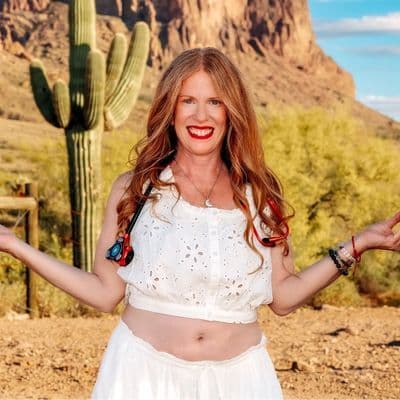
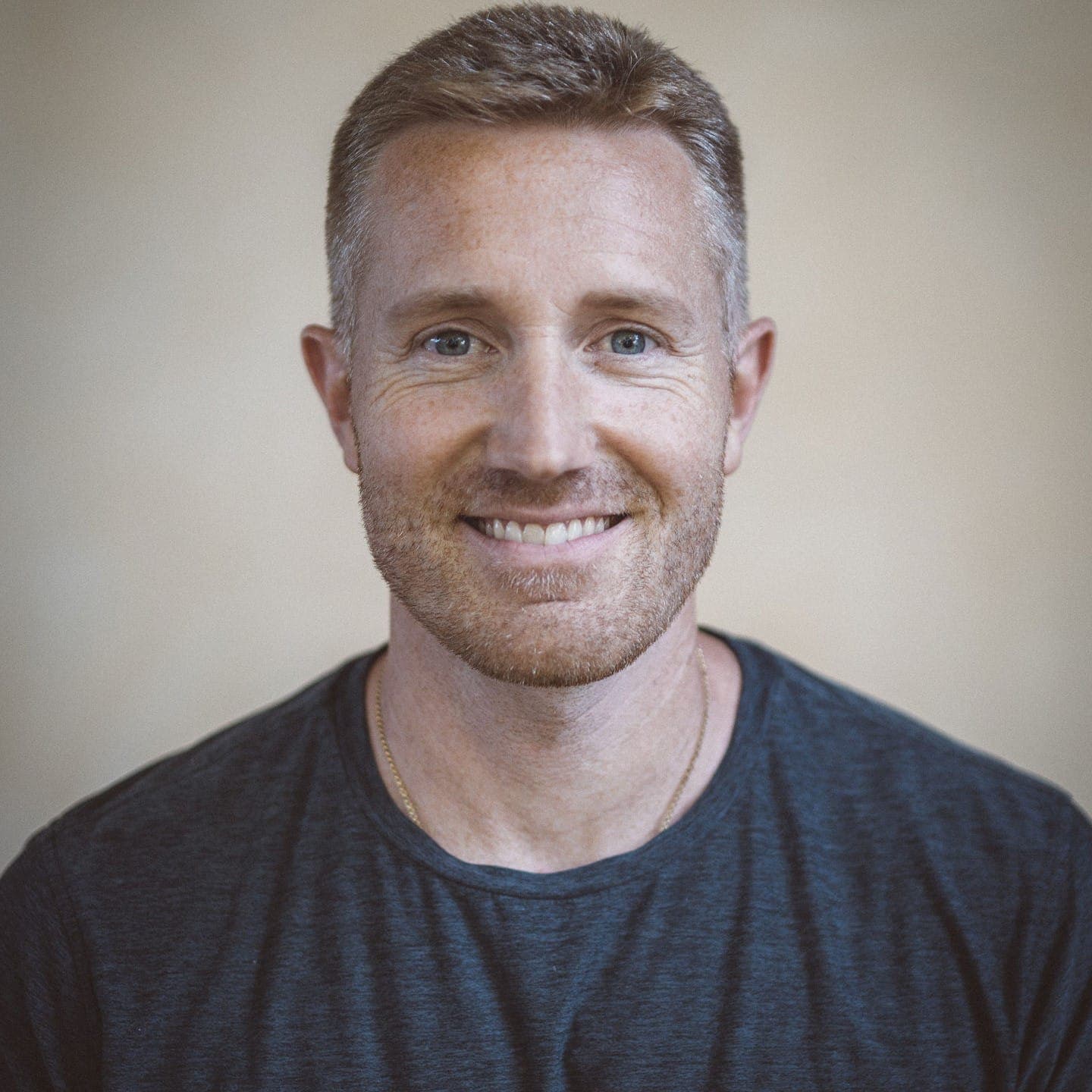
Full Transcript Introduction to the summit and guest bio 0:00 Ladies and welcome back to the Future of Menopause Medicine Summit. 0:05 I am your host, Doctor Sharon Stills. 0:09 This is our fifth year edit. 0:11 We change the name and we change the content. 0:14 So we've got all new content coming at you to give you the latest, 0:18 the greatest, uncensored, unapologetic and unconventional. 0:22 And I am super excited to have this conversation today with our special guest, 0:29 who I've been trying to interview for the summit for many years now. 0:33 So we finally got him. So hooray! 0:36 So Jason Prall, who many of you watching probably already like 0:40 I know him, he's a health educator. 0:42 He's a practitioner. He's a filmmaker. 0:44 He's the creator, 0:45 the host of the Human Longevity Project, which definitely has my interest. 0:50 It's a nine part documentary series exploring the lifestyle, 0:55 environmental and physiological factors behind long lived healthy populations 1:00 and the true nature of chronic disease in our modern world. 1:05 He draws on two decades of work with clients worldwide, 1:09 and he focuses on integrative approaches to support energetic alignment 1:13 and embodied well-being. 1:15 He offers his courses, films and programs through the Awakened Health Academy 1:19 and is the author of the critically acclaimed book Beyond Longevity 1:24 A Proven Plan for Healing Faster, 1:27 Feeling Better, and Thriving at Any Age. 1:31 So awesome. 1:33 Welcome. I'm thrilled to have you here. 1:35 I know we're going to have a fun conversation. 1:39 Yeah, it's a pleasure to be here. Thank you. 1:41 So I think you know where I'd where I'd just like to go first 1:47 is your longevity series and what that entailed. 1:53 Because when women get to menopause 1:57 and not around here, we're here to change that conversation. 2:01 But a lot of women, especially in our society 2:04 in the States, and I know there's women watching from all over the globe. 2:07 So welcome. 2:08 But we're kind of taught like, oh, menopause is the beginning of the end. 2:13 You know, you're your big useless cow. 2:16 Now we're 2:16 just going to put you out to pasture and you don't matter and you're better. 2:20 Your best days are behind you. 2:21 And I know that's not true. 2:24 And so I want to talk about longevity because I truly believe 2:30 I experience myself and my patients and know that this can actually be 2:35 one of the most vibrant chapters of your life
Longevity lessons from blue zones and elderhood 2:38 as you are aging, as wisdom is accumulating in your vessel. 2:42 And so what did you learn along that whole journey? 2:47 Well, I learned a lot. 2:48 I would say, you know, 2:49 as it pertains to aging and particularly with women in menopause, right? 2:53 I mean, 2:54 I have no personal experience with this, so I can't speak from that lens. 2:57 Right? 2:57 So so really for me, it's all about observation, right? 3:00 Like, what can I understand from the women around me 3:03 parents, grandparents, whoever goes through that process, 3:06 my clients, and how can I understand it from their lens. Right. 3:08 Like that's really what I have to do and try to get some perspective from that, 3:12 that point of view. 3:13 And then when we did the Human Longevity Project, we traveled to 3:17 Ikaria, Greece, Sardinia, little villages in Sardinia 3:21 near Italy, the Guanacaste region of Costa Rica, as well as Okinawa. 3:25 And I think the biggest difference that I noticed 3:28 is that the women who had kind of gone through menopause, they seemed to embrace 3:34 that part of their life, you know, as like they were the elders. 3:37 Right. 3:37 And so these weren't tribal societies, but nevertheless, 3:40 they kind of stepped into this role and, and embraced it 3:43 as, as an elder, you know, the men and women both were kind of seen that way. 3:47 And so there was a certain level of respect from the younger generations 3:51 that, okay, these are our elders 3:52 and they have gone through life and they're worth listening to, 3:55 their worth respecting, and they're worth taking care of. 3:57 And then that group, the elder population, kind of stepped into that role. 4:02 And I think that's one of the things that I've noticed that in our culture, 4:06 we kind of lost a little bit of that as we've gotten less sort of tribal, 4:10 you know, and communal based and more individualized. 4:13 Then we kind of just forgot that, like, 4:16 we actually it's not about 65 retire and just wait till you die 4:21 or go off and play golf or, you know, move down to Florida or whatever. 4:25 The sort of modern idea of that stage of our life is. 4:29 But there can be a role that we can play and, 4:32 and it's and it's valuable, like it's really, really valuable. 4:35 And I think it's we're kind of missing that from both sides. 4:39 Right. 4:39 The sort of willingness to step into that and embrace it 4:43 and really take sort of pride and honor in that. 4:45 And also the younger generations, not really respecting elders. 4:49 So we're kind of missing it on both ends. 4:51 But I'm seeing your resurgence. 4:52 I mean, that's the cool thing is that it does seem to be that 4:57 that we're having more people step into that kind of leadership, elder role. 5:01 And so I think that that would be probably the biggest thing that I noticed 5:06 in sort of the 65 and older crowd or 60 and older, it's like, 5:09 are we really willing and able to embrace that 5:13 as a very positive part of our life's journey? 5:16 Right. 5:16 It's an arc, and it's not like we get to 65 5:19 and it's all it's all downhill and it sucks. 5:22 Now there's a really valuable purpose. 5:23 And I think 5:24 as we do that, that contributes to health, that contributes to longevity, right? 5:28 It's one of the things that we kind of lose in our modern world 5:30 is that sort of sense of purpose that, you know, kids are gone. 5:34 Maybe work is gone now what? 5:36 Now what is my role? What do I do? 5:38 Right? Like, what value do I serve? 5:40 And I think that can be one of those things, 5:42 is really finding whatever that is for you. 5:44 And it can look so many different ways. Right? 5:46 So there's no one way to do this, but there is something really valuable 5:51 for, you know, within somebody that has lived on this earth for 60 plus years 5:56 because there's so much experience and there's so much change happening now. 5:59 Right? 6:00 We're seeing, of course, AI is the now the biggest one. 6:03 But even in the in the realm of health, right. 6:05 Somebody that's 65 years old right now, all the things that they've experienced, 6:09 right. 6:10 The food changes and everything like so much has changed. 6:14 So there's there's wisdom there and there's value to add. 6:16 And so I think that would be my sort of 6:17 invitation and encouragement for anybody in that stage of their life is really look 6:21 and see where you can step into that role as an elder, as a leader 6:25 in your community and your family or whomever might need that. 6:29 I love that, and I think, you know, a lot of women in their 50s, their 60s, 6:35 if they're blessed enough and still have their elders, 6:39 their mothers, their aunties alive, that to really, you know, 6:45 sometimes we just get drawn into the drama 6:48 or the, you know, the responsibilities, but to like, 6:52 take a step back and be like, wow, there's 80 years of wisdom in there. 6:57 And can you it can you video them, can you ask them questions. 7:02 And so I think that's a beautiful invitation. 7:06 Like if every woman listening made an effort to do it both ways. 7:12 Right. 7:12 And whether it's a relative, a blood relative or a stranger. 7:17 But to connect with someone who's older and then to share with someone 7:23 who's younger and just to bridge that gap because it is true, like it is such. 7:28 I was at a conference last weekend and someone said, yeah, 7:31 my my kids say that I went to school in the 1900s. 7:35 You know, we we all laugh, but it's like, oh yeah, I guess we did go to school. 7:40 Yeah, yeah, that's where we're at. 7:41 And I think about, you know, I graduated from medical school. 7:45 It was 2001. 7:48 I went through medical school without a computer, without the internet. 7:53 And so now I think kids are coming 7:56 out of the womb and they already know how to use ChatGPT. 8:00 And so it really is a different world. 8:03 And there's a lot of beauty in all of it. 8:06 And so being where you are present, but remembering where we came from 8:11 and the tribal community and how can you create tribe. 8:16 And I think, you know, when Covid happened, 8:19 we created a lot of tribes online, which is beautiful. 8:23 But what can you do in your own community and how can you, 8:27 you know, get human connection, get that hug. 8:30 So I would also be curious as to the other things, 8:35 like what you saw in their purpose. 8:38 And I can't think of is it a geek or I'm trying to think of the Japanese guy? 8:43 Yeah, guy that was close. 8:45 Yeah. 8:46 Well, you know, you know, as far as ikigai. 8:49 Yeah, ikigai is a little different. 8:50 It's interesting because there's a common way it's perceived sort of online. 8:54 I think it came from somebody book, but it's sort of a westernized version. 8:58 So I'm going to skip kind of getting into that whole mess. 9:01 But really, I think the most important thing that I saw was 9:04 that, you know, they lived a very different life and they still do. 9:07 Right. 9:07 So if we think about a 90 year old in Ikaria, Greece, 9:11 or in Sardinia, in these little villages, that means it's 2026. 9:17 So that means they were born in 1936, in a remote village
Creating meaning, gratitude, and purpose in daily life 9:23 in a very tiny island, or, you know, so it's they didn't have electricity, 9:26 they didn't have cars for most of their life, 30, 40, 50 years. 9:31 They lived without a refrigerator. 9:34 Right? 9:34 Like, we can't even comprehend that life, right? 9:37 So they say that to put everything in context, right. 9:40 So, sure, now they're 90 and there's electricity and some of this, 9:43 but it's still not like what most of us picture in the West. 9:46 And so their purpose was not like ours. 9:50 And I think there's something to gain from that, 9:52 which is that when we think about purpose, it's more it's grandiose. 9:56 You know, what is my sort of souls mission and what am I here to do? 10:00 And am I going to build that company or build a huge fan, whatever it is, 10:04 like there's a there's some kind of grand purpose 10:06 and that can that can really stifle people, right? 10:08 Because it's like, oh my God, you know, especially as we, 10:10 as we sort of cross 50 in in the second half of our life, it's like, 10:13 what am I going to do to find a purpose and how, you know. 10:16 And so I think, I think we need to sort of reframe that a little bit. 10:19 And that's what I noticed in those cultures, 10:21 what they didn't have that type of a purpose, 10:23 there wasn't to transform their village and create all this. 10:27 No, no, it wasn't that. 10:28 It was it was more about creating meaning in the mundane. 10:32 So and this is, you could say, sort of, 10:36 you know, similar to kind of echoes of sort of Buddhist philosophy 10:41 and some of these sort of ancient Asian, East eastern philosophies. 10:44 But it's like really like throughout your day, where do you create meaning? 10:49 You know, and this is a practice, 10:50 this is something that we can all, I think embody in various ways. 10:53 But when I go get a water from my filtered water that comes from 10:58 that is livered from a spring near me to my door, I have an opportunity 11:02 to really, in that moment, as I'm pouring it, go, wow. 11:04 I'm really grateful that I have access to clean water 11:08 delivered to me at the Or even out of the faucet. 11:11 Right? 11:11 Like whatever the case is, because these people, 11:13 some of them walked miles to to get water and bring it back. 11:17 Right. 11:17 And it's from a stream. 11:19 So we've taken so much for granted, right? 11:22 I mean, let's take the most practical example. 11:24 I go on to Amazon. 11:25 I get something delivered the next day. 11:27 I mean, that's absolutely insane, right? 11:29 Like totally insane. But we've normalized it. 11:31 And so the gratitude for even something like that has just been gone. 11:36 So this sort of kind of hyper novel, super convenient world 11:41 has left us in a place where we don't have a lot of meaning in the mundane. 11:45 And so it really requires a little bit more conscious effort, 11:48 I think, to acknowledge some of this stuff. 11:50 But we can generate meaning in whatever we do, right? 11:54 So it's really about what is it for you? 11:56 You know, I was talking to a 94 year 11:58 old from Loma Linda in California, which is a sort of quasi blue zone. 12:02 But it's not not really. It's a little bit different. 12:04 And I asked her, I said, look, 12:05 you're 94 said, I'm sorry to be so blunt, but you're 94. 12:08 Your husband's past, your kids are out of the house. 12:11 All your friends have died. 12:13 What gets you up in the morning? 12:15 Like, what is it? 12:16 And she said, well, I have to learn this song for the violin class on on Thursday. 12:21 And I was like, what a beautiful answer. 12:23 So this was somebody who was able to create meaning in the mundane, 12:26 as I like to call it. 12:27 Right. 12:28 So how can we create meaning and find meaning in all the beauties 12:32 within our day? 12:33 So to me, that becomes a more valuable practice 12:36 than than sort of setting our sights on some grandiose purpose. 12:40 Because the reality is, is that your purpose is really to be able to connect 12:44 with everyone, to provide support, nourishment, care, and to enjoy life. 12:48 Right? So really, this is what we're missing out on. 12:51 I think a lot of the time is the simple pleasures of life, right? 12:56 Sitting down for a really good meal, like there's there's meaning in that. 13:00 So so to me, I think that's the big thing. 13:02 And if we can do that 13:03 and it's really about how frequently or how often can I tap into that. 13:08 Right. 13:08 And it's sort of a gratitude practice meets meets like meets purpose. 13:12 Right. 13:12 It's like it's like there's something really valuable 13:14 and anything and everything we do. 13:16 Now, look, when I'm at the DMV and I'm 13:17 standing in line and it's chaos and all that stuff. 13:20 Yeah, maybe a little hard, right? But. 13:22 But where can we find in our life something that is meaningful to us? 13:25 And this creates a lot of downstream effects, right? 13:30 It changes our brain chemistry. 13:31 Write it down. 13:32 Regulates our nervous system into the parasympathetic right, 13:35 which is where we digest. 13:36 It's where we detoxify. 13:37 It's where all healing takes place. Right? 13:40 So so to me, this ties into a lot of the work that I do 13:44 with people that are chronically ill, which is that we have this nervous system 13:47 that has been dysregulated due to the mold, due to the metals, due 13:51 to the traumas, due to head injuries, due to any number of things, pharmaceuticals, 13:57 anything that's going to put our body into stress, body, mind 14:01 that our nervous system is going to then going to get conditioned to that, right. 14:05 So imagine a person that's been basically stressed their whole life, 14:09 not just mental emotional stress, but physiological stress, biological stresses. 14:14 The nervous system doesn't care. 14:15 All it sees is stress. 14:17 And so whenever stress comes and it's in, it's happening so regularly 14:22 or significantly, then it's going to create these neural connections 14:27 and this sort of mode of operation that says don't worry about detoxing 14:31 this glyphosate or mold that I've been that's impacting me. 14:35 Instead, we got to survive dedicate resource over here 14:39 to this immediate threat because the nervous system sends 14:42 the nervous system is sensing it constantly, this sort of threat 14:47 that it's under attack, it's going to mount that response. 14:49 So we're not doing all the things that we want from a physiological, 14:53 biological level, the nervous systems condition. 14:56 And even when you remove the threat. 14:58 This is the crazy thing about the nervous system, is that you remove the threat. 15:01 You get the person out of mold, 15:02 you clear the glyphosate, you clear the the mycotoxins, the metals. 15:06 The trauma is gone. You process the trauma. 15:08 The nervous system still conditioned. 15:10 It's still wired. That's it's like a golf swing. 15:13 It's like playing the piano. 15:14 It's it's it's like driving to work that those neurons have literally fired 15:19 together and wired together for so long that even when the threats removed, 15:23 the nervous system still wired for hypervigilance, threat stress. 15:27 And so that becomes the process of how do we recondition that? 15:31 And this is one of those ways, is just dropping 15:34 into meaning, being grateful, constantly being in the state of joy, gratitude, 15:39 relaxation because the reconditioning process, 15:42 like a golf swing, like playing the piano, takes repetition. 15:46 It takes relearning a new mode of operation. 15:49 And by the way, this is not just mental. 15:51 This is literally in the nervous system. 15:53 This is tissue in the body, and it requires repetitive sort of engagement. 15:58 So this sort of deep meaning, gratitude and really understanding 16:03 that life has a purpose and you generate meaning in 16:07 so many ways can help us recondition that nervous system. 16:10 Well, 16:12 that's like a public service announcement. 16:15 I like want to drop my mic, but I can't. 16:17 But it's so true what you're saying and I hope, you know, 16:21 I think we hear this a lot. 16:24 We hear it in different versions, we scroll by it 16:27 and then we just continue what I'm doing, what we're doing. 16:31 Right. 16:31 So it's like, this is like such a deep invitation 16:35 because if we don't really what I find is, you know, women 16:39 fly in from all over the globe to see me, and they want their hormones, 16:42 and that's great. 16:43 And they want their detox and that's great. 16:47 But if we're putting hormones into a dysregulated, non grateful body, 16:53 we're not getting the best out of those hormones. 16:56 And that's not truly what we're here as beings 17:00 as humans to have this experience. 17:03 And so what Jason is saying about 17:07 finding gratitude, about finding purpose. 17:11 Like I just hope you all take this to heart. 17:14 And it's not one of those things where you listen and then you just skip away. 17:20 And now you're a grateful, purposeful person, right? 17:23 Like it is a practice and we have to do it over and over and over. 17:28 And when we catch ourselves maybe not being so grateful 17:33 or mindful, it's not an opportunity to beat yourself up, right. 17:37 It's an opportunity to just catch it, acknowledge it, and then go, how can I? 17:43 How can I shift into this? 17:44 So I don't want anyone thinking like, you're going to just be 24 over seven. 17:48 You know, like you said, you know, 17:49 we all go to the DMV and anyone, you know, what's the saying? 17:54 Like, anyone can be calm and peaceful as a monk or monk s in the mountains, right? 18:00 But come down and stand in the middle of Times 18:02 Square and hold that same stability and reverence. 18:06 And so this is like, if you take 18:09 nothing else from this whole entire summit, 18:12 I think what you just talked about is, at least to me, as a human 18:17 and as a physician, it's the foundation of everything. 18:21 And it is also what leads to longevity. 18:25 So, you know, we want to have quality with those, the quantities. 18:29 So I am curious what you think because I think society, you know, 18:35 we have this magic number of 65 where you retire 18:38 and then like, you know, you just kind of fade away. 18:41 And so many people, you know, they work 18:45 towards that retirement and then what happens? 18:48 They get sick. They can't even enjoy it. 18:50 So I'm curious like what do you think we're biologically design age wise. 18:56 Like I have my theories, but I want to hear what you think first. 19:00 Well, by 19:01 all available evidence, I think 120 is about right. 19:04 I haven't seen any reports of anybody living longer in the sort of modern world. 19:09 I know we have sort of biblical stuff, and we've got things from from scriptures 19:12 and these type of things. 19:13 But at the end of the day, I haven't seen any evidence of that, 19:16 you know, and there's a lot of talk about can we live to 200 and maybe beyond 19:20 and aging as a disease that can be cured 19:23 and death is is not necessary thing. 19:28 I think there's some dangers with this thinking. 19:30 I'm a huge fan of people that have sort of, you know, 19:34 audacious goals, that big, big thinking, like, I love that. 19:37 And it comes with caveats when it comes to life, right? 19:42 I want everybody to think about what it would be like 19:45 if you could live to 150.
How presence and nervous system regulation support healing 19:49 That's not even that. 19:50 You know far over what we think we can live. 19:52 So if you were to live 150, the reality of that is, is that you're 19:56 not going to stay the same function and form that you are now. 20:01 You are going to degrade. 20:02 This is just the reality, right? 20:04 And sure, we can clean up the body. 20:06 We can sort of quote unquote anti age, which just means allowing the body to heal 20:10 really is all that is. That's possible. 20:13 But the truth of the matter is we will decline. 20:16 And and so there's that. 20:17 And then the other part is what happens to everybody around you. 20:21 Kids get older, friends die, spouses, everybody 20:25 that you know starts to die unless they're all living to 150. 20:28 So at that point, there's some magical pill or shot 20:31 or something that people are taking short of that. 20:33 Then is it really that interesting and fun and valuable 20:39 to live 20 years or 30 years beyond everybody that you know and love? 20:43 And my my thinking is no, you know, 20:46 and there's a lot of people that when they get to 94, 95, in fact, 20:50 there was a scientist, I believe, in Australia, and I'm forgetting his name, 20:53 but he got I think he was 94 and 98, something like that. 20:56 And he, he basically got to the point where, 20:59 you know, his eyes weren't as sharp as they once were. 21:02 His hearing wasn't as good as it once was. 21:04 He wasn't able to move as well as he once was. 21:07 Right. 21:07 This is the picture of what it looks like to get old. 21:10 And he got to that point and he said, you know what? 21:12 Like I'm done. 21:13 And he went to Europe and he had assisted suicide. 21:16 Now I'm not condoning or even condemning that, but 21:20 that shows you the mentality that when we lose all the things 21:24 that we value, then what value does life have? 21:28 You know? 21:28 So it takes a lot, I think, mentally and emotionally to be able 21:31 to accept that decline and still be excited about life. 21:36 So that leads me to sort of I think the more important point, 21:40 which is that on some level, you'll never be as young as you are today. 21:44 Right? 21:44 And this is a more healthy mindset because that that, again, 21:48 brings us back into that state of, hey, I can walk today. 21:51 Yeah, I got some pain. 21:52 You know, I can't run as like I was when I was 20, 21:55 but I can walk and I can see and I can hear and I can play 21:59 with my grandchild, or I can see pet my dog. 22:02 All of these things that were taking for granted. 22:05 That's that's kind of what I'm pointing to, 22:06 is that that's this is now an opportunity to be grateful for today. 22:10 Right? 22:10 So this idea that and I see it a lot in the anti-aging longevity 22:14 world, people are trying to claim that they're going to live to whatever. 22:18 And yet every every couple of years I see them, they look older. 22:21 So, you know, sort of delusional. 22:24 And I think it's more important to instead of focusing on 50 years from now 22:29 or however long you think you're going to live instead, like right now. 22:34 Right now, how happy are you right now? 22:36 How content are you right now? 22:38 How compassionate are you right now? 22:39 How present are you right now? 22:41 That, to me is a more important focus. 22:44 So there's so many times throughout the day that I am not present. 22:48 My mind is elsewhere. I'm thinking about the past. 22:50 I'm thinking about what's going on in the future. 22:52 I'm scattered. 22:53 Okay. 22:53 That's an opportunity for me to go, here I am. 22:57 Everything is good, right? 22:59 And that kind of leads into another sort of point that that 23:02 I've heard from a few different teachers, which is something to the effect of. 23:06 And it was said in different ways, but the idea is the same, 23:09 which is that disease cannot exist in the present moment. 23:12 Disease is always a source of the past, past, prior 23:16 things that were hanging on to mentally, physically, emotionally, spiritually, etc. 23:21 it's all locked up in our present and worrying about the future, right? 23:25 And so 23:27 if we 23:27 have sort of a loose idea of that, that might be correct. 23:30 Then then the remedy, the solution, the cure is to come into the present. 23:35 And if you are truly present and this happens when time 23:38 dilates, it extends or it shrinks, right? 23:41 And it's time flies. You're having so much fun. 23:44 You're immersed in something. You're in the flow state. 23:46 Artists and musicians and athletes, 23:49 they're frequently in these places of flow state. 23:52 That is the point where disease doesn't exist. 23:55 And I have I know this for a fact, because I remember my athlete days 23:59 in high school and college that there was, you know, I'd be banged up, right, 24:03 a little bit of injury, not not terrible, but just banged up. Right. 24:06 Definitely soreness, knee, 24:07 elbow, shoulder, whatever it was and whatever play was happening. 24:12 And this is the point where I'm kind of like limping you know or what have you. 24:14 And then we'd run a play. 24:16 And during that play in the live action there was no pain. 24:20 I was able to move without pain. 24:22 So I wasn't sensing pain. 24:24 My body wasn't moving as if it had pain. 24:26 I was able to fully participate. 24:29 And then when the play was over, man, you know, limping back again, 24:33 this wasn't a performance. This was real. 24:35 So when you get into that state of truly being present, 24:38 your whole being as present as possible. 24:41 That's where disease can't exist. 24:43 So to me, this is my message in the longevity anti-aging spaces. 24:48 Don't worry about 50 years from now. 24:50 Next we can get it by a bus. 24:51 So, you know, thinking that you're going to live another 50 years 24:54 is kind of pointless. 24:55 And going back to the Human Longevity Project, 24:57 I would ask these people that were 96, 97, something along in this sort of 25:01 line of questioning, and they would say, oh, when God takes me, he takes me. 25:05 You know, a lot of them had a religious bent. 25:06 And so that was their perspective. And they said, I met God's mercy. 25:09 And to me that whether you're religious or not, that is the proper approach. 25:13 In other words, there's no guarantee for any of this, right? 25:16 It's it's a it's about accepting the reality that you're in right now 25:20 and being grateful for whatever you have, because there's no indication 25:25 that ten years from now you're going to, you know, have better eyesight or, 25:29 you know, better hearing or be able to move better. 25:31 You may, you know, 25:32 especially if you've got some stuff going on that's 25:34 absolutely possible and worthwhile pursuing. 25:37 But but it's not guaranteed. Right. 25:39 And so I mean, I feel pretty good. 25:41 But at the same time, what I trade my sort of current health status 25:45 for the 20 year old version of me, totally, 25:49 totally, you know, I was much more capable and youthful back then. 25:52 So it is worth maintaining. 25:55 And there's a I think it's really worth focusing on that. 25:57 And how long can we maintain our function and our in our mind and all these things. 26:02 But it is not guaranteed. 26:03 So that's a that's a long winded answer to, to say 120. 26:07 That's my answer, 26:10 which is I upped mine to 130 26:13 when I started inducing autophagy through, you know, I utilized the prolong. 26:18 And so I was like, I'm getting an extra ten years, right? 26:21 Because I was at 120 before this. 26:23 But I kind of think, like, we can really be productive 26:27 if we take care of ourselves to about 100, and then I'm going to have a really nice 26:32 rocker and a hammock, and I'm just going to be chillin on the porch. 26:36 And anyone who wants to come learn from me and get some wisdom, 26:40 they can come because I think here's what's interesting too, because I met 26:43 with a guy named Julio in Sardinia and he he was 105 or maybe 104 26:49 when we met him, 104 about to turn 105 and he was able to ride his bike. 26:54 He was whittling wood. 26:56 He was playing chess with his 80 something year old son. 26:59 Wow. So in many ways, he was quite capable. 27:02 Yet he was hunched over, couldn't hear very well. 27:06 He couldn't speak very well. 27:08 He was slow moving. He got on his bike. 27:10 He was very wobbly, but he was able to do it. 27:11 And then I think about a year later he passed. 27:14 And so generally what happens 27:16 when we get into those older ages is the the decline is rapid. 27:20 That's why it's so hard. 27:21 You don't see a lot of people that are 110, 111, whatever. 27:24 And seemingly relatively healthy people in those 27:27 in those age ranges just fall off a cliff, right? 27:30 Because something in the system is starting to really go right, 27:33 even if a lot of the function is there, 27:35 whether it's the immune system or what have you. 27:36 So again, this is where it gets a little dicey when we get into those older ages. 27:41 And if anybody's been around, you know, their parents or grandparents 27:44 at those ages, they'll they'll probably see it. 27:46 Like if they don't go a slow way, like Alzheimer's, dementia, that type of thing. 27:50 Oftentimes it just it happens pretty suddenly, 27:52 especially to the healthy people, the quote unquote 27:54 healthy people that are in that age rank. 27:56 It's like, and look, I mean, to be honest, for me, that's how I want to go. 28:00 I want to just go in my sleep. 28:02 I want to go rapidly. 28:04 It's relatively healthy and then just drop dead. 28:06 Like I'm good with that. Right. 28:08 And that's kind of how it goes. If you if you sort of do it right. 28:10 If you could say, yeah, I was laughing when you said you'd go back to your 20 28:16 year old body because I'm always like, heck no, I don't want to go. 28:19 I was like a hormonal hot mess back then. 28:22 I'm very happy in my 58 year old body. 28:25 I will stay so. 28:27 And yeah, just back to like you were saying, 28:30 you know, when God takes me and you know what I have found 28:35 through 25 years of clinical medical practice
Realistic longevity, aging, and acceptance of decline 28:39 and working with a lot of chronically ill, and especially in the oncology 28:43 field, that my patients who do the best always have, like a connection. 28:49 And it doesn't matter what their religion is or 28:53 if it's just to Mother Earth, but that when they have that higher power, 28:58 that higher connection, they always have better medical outcomes. 29:03 And that yeah, I think part of it is that you can you can rest into that. 29:07 You can let go a little bit. 29:08 There's not such a tight grip on that. 29:10 I'm the only one, you know, dictating my future, but rather 29:15 there's a relaxation. 29:16 There's a feeling of support. There's a feeling of connection. 29:18 You can just you can kind of rest into. Right. 29:20 I think I think that's a really important. 29:22 And so whatever that is for you can absolutely serve a valuable function. 29:26 And like we can explain it on a very physiological level. 29:28 Again going back to the nervous system. Right. 29:30 There's a sense of relaxation that there's not as much that we feel like 29:34 we have to carry. Right. 29:35 So that that gives the nervous system just that much more resource 29:38 to be able to do what we want it to do, which is to perform 29:41 a variety of functions depending on what we're doing. 29:44 Yeah. 29:45 What are your favorite like if are there any like tidbits or tips, 29:49 other tips other than the most important of being mindful and grateful. 29:55 And I was thinking about when you were talking when I spent 29:58 a couple of months in India and I came home and I was so grateful, 30:04 like kissing my washing machine, my toilet, like so, 30:10 you know, just sometimes we need to take ourselves out and maybe it's 30:15 just going for a weekend camping trip where you don't have electricity or Wi-Fi. 30:20 But I think that we, you know, I always find it interesting when we lose power. 30:25 Like, I still go to turn on the lights and then I'm like, oh, 30:29 they don't work like, oh, we should. 30:31 We really need to be. 30:33 I don't want to should, 30:34 but it would be really great to be just so grateful for all these things. 30:38 Like you were saying, like these people who didn't have fridges. 30:41 And how many times do you go to the fridge during the day 30:43 and not like, say, a blessing that, oh my God, this is so amazing 30:46 that I have this box that keeps my food cold and I can just grab anytime I want. 30:51 Yeah, and it doesn't even need to be anything big, right? 30:53 It's like when you're grabbing that food, it's just 30:54 an internal acknowledgment of feeling, this is great. 30:57 You know, like I'm grateful for this, right? 30:59 So it can be small. 31:00 And, you know, 31:01 I think the lights going out, you know, losing power is a great example. 31:05 It also happens whenever there's a sort of snowstorm or 31:08 enough snow, that what you notice is that everything slows down. 31:11 Everything, right. 31:12 There's nowhere to go. There's not as much to do. 31:15 Especially when the power's out. Right. 31:16 So what do you find? You find people connecting again. 31:19 Maybe playing a board game, maybe playing a card game, maybe 31:22 sitting by the fire, maybe reading by the fire. 31:24 Like everything just slows down. 31:26 So that is probably one of the biggest tips. 31:29 None of the tips that I'm going to give you are fun. 31:31 They're not exciting. They're not sexy. They're really not. 31:34 That's our favorite kind. 31:35 Yeah, but but this is this is actually the medicine, right? 31:38 It really is. 31:39 You know, we're always looking for the next newest, 31:42 you know, deep thing that we're going to employ. 31:44 But really it is the foundational basics that are the thing that will pull us out. 31:50 And it's constantly what I'm giving to my students in my courses 31:54 that I'm really drilling this in, like this stuff 31:57 that you don't think is a big deal is the very thing that will pull you out. 32:01 And so slowing down is important. 32:04 This is a hard one, though, because, you know, we are products of our environment. 32:07 So, you know, when we went to Costa Rica. 32:11 This was our first trip to kind of film and meet these 100 year olds. 32:15 And look, there's not a list of 100 year olds, right? 32:17 It's not like they're on a list and we can just go to their house, right? 32:20 They all speak Spanish. 32:21 My Spanish is terrible, but I can understand it a little bit. 32:24 So we had to find somebody, right? 32:26 That can sort of speak Spanish well enough to translate during a filmed interview. 32:30 But we also define these people. 32:32 So we had ten days and we had to go find 100 year olds or 90 year olds. 32:36 And so, you know, fairly pressurized work environment. 32:39 And yet when we were in Costa Rica, everything was so slow 32:43 that the days felt longer. 32:45 Now you want to talk about longevity, extend the day. 32:48 Right. Like that's that's one of the things. And so 32:52 and we didn't do anything. 32:53 In other words we were still pressurized. 32:55 We were still like, okay, we got to do this. 32:56 We got it. 32:57 But the day felt bigger. It felt longer. 32:59 So we could felt like we had we could do more in that in that time. 33:03 And so that's what I noticed was that the environment 33:06 slowed me down, slowed my nervous system down, slowed everything down. 33:09 And then the interesting part was as soon as we landed 33:12 back into the Houston airport, we're going through customs. 33:15 I instantly felt it 33:16 my nervous system could pick up on and we were just standing in line. 33:19 So even in that moment, standing in line, waiting for customs, I felt, 33:23 oh my God, it's it's like madness in here, you know, this is chaos. 33:27 Like, what are we doing? Right? 33:28 So it's that indoor, constantly busy, frenetic environment 33:32 that pings our nervous system and raises the sort of that vibration of like, 33:37 oh, there's so much going on. 33:38 So some of it is consciously choosing to slow down, 33:42 trying to put yourself in in healthy, healing, relaxed environments. 33:47 And I think more importantly now is, 33:50 is this idea of constantly being stimulated, right. 33:53 We are constantly stimulated and we've normalized all this. 33:57 So this is the hard part. 33:58 You know, Sharon, you and I remember a time when and probably most 34:03 people listening to this remember a time when there was no internet, right. 34:06 And when you turned on the TV, there was 13 channels or whatever 34:10 it was for you, 34:11 and you had to go up to the TV and you had to switch it by hand, 34:14 and whatever was on was on, and it probably wasn't that interesting. 34:17 So you might watch for 30 minutes or whatever the case. Right? 34:19 So we remember a time when everything wasn't on demand 34:23 that you weren't able to like, everything's accelerated now. 34:26 So we're in a hyper novel hyper stimulatory environment 34:30 and that is affecting us. 34:32 And we've sort of normalized it. 34:34 So the advice that I'm going to give again is not sexy, but 34:38 do whatever you can do to simplify everything in your life. 34:43 Go on your phone, remove as many apps as possible that you really don't need 34:48 that are occupying your time, that are distracting 34:50 you, that are pulling your attention in a million different ways. 34:53 Go into your fridge. 34:54 Clean out your fridge. 34:55 Of all the nonsense, your cupboards, all the cleaning supplies, simplify 34:59 all that stuff. 35:00 Go into your shower. 35:01 If you've got 12 products in your shower, fine, I understand why, 35:05 but you don't need it. You really don't. 35:07 I know we think we need the latest cream and the latest this and the latest that. 35:11 To do this, we have 15 products that really don't need to be there. 35:15 And so I'm not shaming anybody. 35:17 I've got some products and I've got some things. 35:19 But be mindful and reduce where you can. 35:22 You'll be surprised that as you reduce and as you simplify 35:25 everything in your life, how much more time, how much more space, 35:30 how much more life that you can create just by getting rid of stuff right? 35:35 Going to your closet? Clean out your closet. 35:37 This is an exercise I have people do just because. 35:39 If we're wanting new things in our life, one of the things that we have to do 35:42 and some of this is sort of like an energetic quality. 35:44 We have to clean out the old get rid of the old. 35:47 And so if you're on a healing journey, this is a really good practice 35:51 for you to get into with whatever it is. 35:53 Have a garage sale, donate it to the goodwill, 35:56 whatever you can do to just get rid of stuff. 35:59 This on an energetic sort of meta 36:02 level is sort of you saying, I'm done with the old. 36:06 I'm stepping into a new phase of my life, one that is more coherent, 36:10 one that is more aligned. What is one that is more simple? 36:13 One that is more dedicated to myself and my well-being and my healing? 36:17 So it really is a simple, simple game. 36:20 When you go to these other places where you have people living to 100, 36:23 they don't have anything, they have very little and they're fine. 36:27 Not only are they find they're happier. 36:29 So we have this paradox that we're in and we don't need all this stuff. 36:34 We like it. 36:35 It's fun, it's exciting, it's cool, it smells good, whatever.
Simplifying life to support health and resilience 36:39 But we really don't need it. 36:40 And when it comes to products, we are 36:43 we have so many chemicals in our environment. 36:45 No matter how clean you think your stuff is, it probably isn't that necessary. 36:49 So to me, it's really a game of simplifying as much as you can. 36:53 Go to your calendar, remove all the BBS that you don't want to attend 36:57 and that you don't want to do, and all this stuff. 36:59 So it's a and again, part of this is this it's a process of discernment. 37:04 What is what is benefiting you? 37:06 What is not betting fitting you address that's been hanging in your closet 37:09 for five years that you haven't worn, that probably doesn't fit that well. 37:14 That's out of style, whatever. 37:15 But you have an emotional attachment. 37:17 Is that really serving you? Probably not. Right? 37:20 So it may not seem like that 37:22 getting rid of that can improve your health and well-being, 37:25 but I'm here to tell you it does, especially when you do that at scale. 37:29 Clear the space out. 37:30 This gets into feng shui from from Chinese medicine. 37:33 It gets into Vastu in our Veda. 37:34 It's the energetics of spaces. 37:36 And so we can clean this stuff out, organize it, get rid of it, simplify, 37:40 and it will radically change your environment for the better. 37:44 Oh, I didn't know. 37:45 We were like simplification. So many. 37:49 I could talk to you all day. 37:51 I mean this is the medicine. 37:53 Like a as you were talking I was thinking I should create like, 37:56 you know, we have the food pyramid. 37:57 Like we should create like the healing pyramid. 37:59 And, you know, for all of you who are like, 38:04 but yeah, what's the what's the dose of vitamin B? 38:08 Or should I take it with my food or not 38:10 like that, that come this is the foundation that. 38:14 Yeah. That's not that. 38:15 This is like so please, please, please like listen to this again and again. 38:21 Like this is the guide for setting 38:24 the stage for, you know, not only physical healing, 38:27 but emotional healing, spiritual healing, mental healing. 38:31 And just like Jason was saying, like being present, 38:36 being grateful, enjoying. 38:39 You know, I always say, if you listen 38:42 loud enough like silence is screaming, silence will speak to you. 38:45 And being able to be in that and 38:50 turning off the phone and you know, I'm by no means perfect. 38:54 It's a practice because it gets harder and harder as our society is just like this 38:59 giant snowball just barreling forward, you know, gaining more speed. 39:03 How much more can we throw at you? How much more can we do? 39:05 And so, like, it has to be this really mindful 39:09 paid attention to practice but. 39:12 Well, and that's the paradox because the people that I spoke 39:15 with in these countries, they didn't have to deal with that. Right. 39:17 So we always talk about some of these things. And what do they do? 39:20 What do they do? Well, what didn't they have to do? 39:22 They didn't have to walk through my organic grocery store and still say no 39:25 to 85% of the things in that grocery store. 39:28 They had the opportunity to eat organic food from their gardens 39:33 and from their neighbors gardens, because that's all there was. 39:35 So in some ways, their life was was easier. 39:38 They didn't have to make these conscious choices that we have to make. 39:41 But now we are in a world where we can either 39:43 extract ourselves from the modern world and go live in a very different way, 39:47 which most people don't want to do or can't do in some way. 39:51 We can. 39:52 We can live in this modern world and find some kind of happy balance 39:55 and learn to work with it in a different way. 39:57 And again, I agree the this is the foundation. 40:00 So hormones great. 40:01 I love bioidentical hormone replacement therapy. Love it. 40:04 Especially done correctly. 40:06 Not when it's not done correctly. It's it's a mess. 40:08 But when done correctly by somebody who can integrate with 40:11 an integrative practitioner who can look at a variety of things, fantastic. 40:14 But if you don't have your circadian rhythm dialed in, meaning 40:18 you're not getting up with the sun 40:19 and sort of going to bed with the sun and your nervous system dysregulated, 40:23 well, it's still going to be beneficial, 40:25 but you're going to always swim against the stream, right? 40:27 The currents always working against you. 40:29 So we have to get these foundational things correct. 40:32 And then the acupuncture, the hormone replacement, the 40:36 the gut test, all the things that are coming down, coming later. 40:40 Now they have a chance to work if done correctly. 40:42 Otherwise you might do it. 40:43 Follow the protocol and the protocol might be fantastic, 40:46 but it still may not get you where you want to go, 40:48 because there's a whole basket of other things that are left unaddressed. 40:52 So we're skipping over 40:53 some of these things that are so foundational that at one time 40:57 we're not even considered, because that's just the way life was. 41:00 You woke up with the sun, you worked in the garden, 41:03 you did something with the animals you went to, whatever the case was. 41:06 Now we live in boxes and temperatures controlled, and we're eating 41:10 and working at different times of the day or the night. 41:13 And this is the thing that causes problems. 41:15 Is this, this foundational living that we've really screwed up in the West. 41:18 And now we have to sort of consciously take that back under control. 41:21 We gotta like, plow out of the emfs and all the things. 41:25 But look, with that, by the way, if you figure out how to 41:27 get away from these emfs, like, I'm still looking, you know, like, 41:31 I just put up all this, these sheets, these, like, panels that I brought in 41:35 from Europe to block the emfs on my windows in my office, 41:39 like, yeah, you got the whole thing. 41:41 It's a thing. 41:42 So. Wow. Well, we got a wrap. 41:45 Although I don't want to, but where can the ladies listening? 41:49 Continue the conversation with you. 41:51 Where can they learn more? Where do you hang out? 41:53 You know, I don't hang out much online. 41:55 I did social media stuff, but I don't really do anything with it. 41:59 So the best place to me is at Awakened Health Academy. 42:02 Com okay. 42:04 Awakened health academy. 42:07 Well, this has 42:09 just been a pure delight, and I'm just smiling. 42:13 I just I think this is the medicine. 42:16 This is the conversation. 42:17 This is. I'm going to go make. 42:20 We should make a health pyramid together. 42:22 I want to make my health Barremian. 42:24 So thank you so much, Jason, for taking time, 42:27 for being here, for sharing your your true, true wisdom. 42:31 And thank you everyone else for being here. 42:34 I feel like this is a conversation. 42:36 Go commune. Go. 42:37 You don't need to wait for a snowstorm. 42:39 Go find a few friends, grab some tea and like 42:42 listen to this conversation and talk about it. 42:45 Communicate about it. Implement it. 42:48 You know, it doesn't have to be. Everything could be one thing. 42:50 And just see how much life and health that gives you. 42:54 So thank you for being here. 42:56 We'll be back with another talk and sending you a love, and we'll see you soon.
Comments