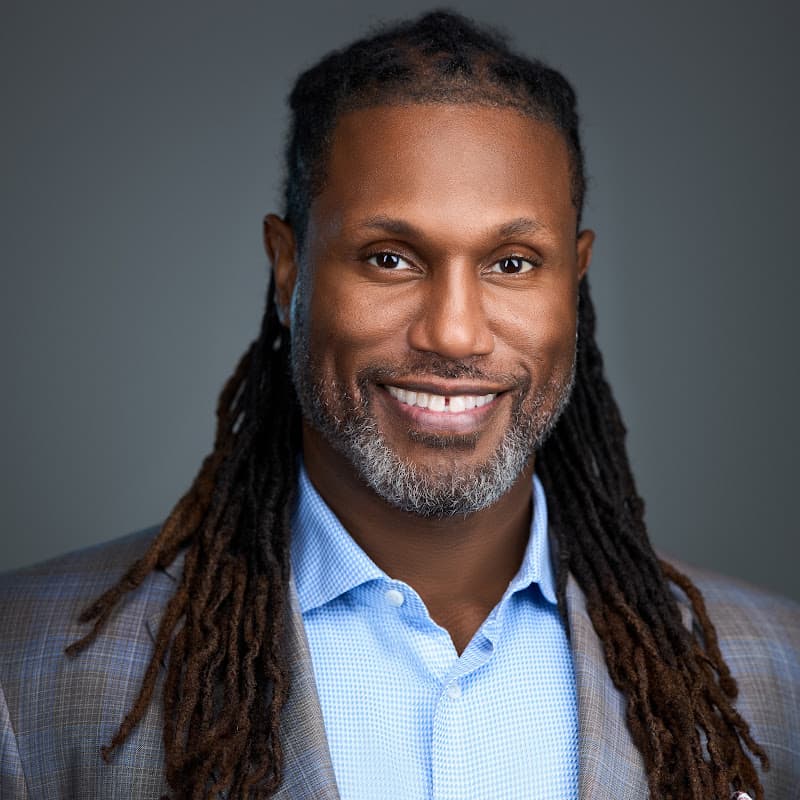
Full Transcript Matching the Right Peptide to Your Injury 0:01 People often ask, 0:01 People often ask, “What peptide is 0:01 “What peptide is 0:01 “What peptide is best for 0:02 best for 0:02 best for healing?” But 0:03 healing?” But 0:03 healing?” But perhaps this is not the 0:03 perhaps this is not the 0:04 perhaps this is not the question to 0:04 question to 0:04 question to start with. It's better 0:05 start with. It's better 0:05 start with. It's better to ask: what kind of 0:06 to ask: what kind of 0:06 to ask: what kind of damage are you 0:07 damage are you 0:07 damage are you dealing with? Is this a 0:08 dealing with? Is this a 0:08 dealing with? Is this a torn tendon? 0:09 torn tendon? 0:09 torn tendon? Is this a painful inflammation of the 0:10 Is this a painful inflammation of the 0:12 intestinal lining? Or is it 0:12 intestinal lining? Or is it chronic 0:13 chronic 0:13 chronic joint inflammation? And these three 0:14 joint inflammation? And these three 0:14 joint inflammation? And these three types of pain require 0:15 types of pain require 0:15 types of pain require three very different 0:16 three very different 0:16 three very different types of signals. Welcome 0:17 types of signals. Welcome 0:17 types of signals. Welcome back to my 0:18 back to my 0:18 back to my podcast. I am Dr. 0:19 podcast. I am Dr. 0:19 podcast. I am Dr. Greg Jones, a naturopath and 0:20 Greg Jones, a naturopath and founder of 0:21 founder of 0:21 founder of Innovative Wellness Center here in 0:22 Innovative Wellness Center here in 0:22 Innovative Wellness Center here in Phoenix, Arizona. 0:23 Phoenix, Arizona. 0:23 Phoenix, Arizona. Today we’ll 0:23 Today we’ll 0:24 Today we’ll talk about the five 0:24 talk about the five 0:24 talk about the five best 0:25 best 0:25 best healing peptides I 0:26 healing peptides I 0:26 healing peptides I see most often in 0:27 see most often in 0:27 see most often in clinical practice. 0:28 clinical practice. 0:28 clinical practice. We will discuss what these 0:29 We will discuss what these 0:29 We will discuss what these peptides are, how they 0:30 peptides are, how they 0:30 peptides are, how they work, what 0:30 work, what 0:30 work, what mechanism of recovery 0:32 mechanism of recovery 0:32 mechanism of recovery or pain relief is 0:33 or pain relief is 0:33 or pain relief is behind them, and what 0:34 behind them, and what 0:34 behind them, and what injuries or pain each 0:35 injuries or pain each 0:35 injuries or pain each of them is 0:35 of them is 0:35 of them is best suited for. A quick 0:36 best suited for. A quick 0:36 best suited for. A quick warning before we 0:37 warning before we 0:37 warning before we begin: this is educational 0:39 begin: this is educational 0:39 begin: this is educational content, not medical 0:40 content, not medical 0:40 content, not medical advice. The use of 0:41 advice. The use of 0:41 advice. The use of peptides should be 0:41 peptides should be 0:41 peptides should be individualized under 0:42 individualized under 0:42 individualized under the supervision of a 0:43 the supervision of a 0:43 the supervision of a qualified 0:43 qualified 0:43 qualified professional. So, 0:44 professional. So, 0:44 professional. So, let's define the basic
BPC-157 for Tendon and Ligament Repair 0:45 let's define the basic 0:45 let's define the basic rules. This is not a 0:46 rules. This is not a 0:46 rules. This is not a ranking from 0:46 ranking from 0:46 ranking from best to 0:47 best to 0:47 best to worst or a 0:48 worst or a 0:48 worst or a top five list. It's 0:49 top five list. It's 0:49 top five list. It's simply five different 0:49 simply five different 0:49 simply five different tools to 0:50 tools to 0:50 tools to address five 0:51 address five 0:51 address five different types of 0:51 different types of 0:51 different types of damage. The peptides 0:52 damage. The peptides 0:52 damage. The peptides we will talk about today 0:53 we will talk about today 0:53 we will talk about today can 0:54 can 0:54 can directly 0:54 directly 0:54 directly restore the 0:55 restore the 0:55 restore the structure: tendons, 0:56 structure: tendons, 0:56 structure: tendons, ligaments, or connective 0:56 ligaments, or connective 0:56 ligaments, or connective tissue. Some of them 0:57 tissue. Some of them 0:57 tissue. Some of them mobilize the body's own 0:58 mobilize the body's own 0:58 mobilize the body's own repair 0:59 repair 0:59 repair cells. What 1:00 cells. What we will 1:00 we will 1:00 we will discuss today can 1:01 discuss today can 1:01 discuss today can strengthen the systemic 1:02 strengthen the systemic 1:02 strengthen the systemic signal that 1:02 signal that 1:02 signal that makes any 1:03 makes any 1:03 makes any recovery possible. And one of 1:04 recovery possible. And one of 1:04 recovery possible. And one of them will turn off the inflammation, 1:06 them will turn off the inflammation, 1:06 them will turn off the inflammation, which is actually what 1:06 which is actually what 1:06 which is actually what causes the pain. 1:07 causes the pain. 1:11 Let's start with BPC-157, the " original", 1:12 original", 1:12 original", the most famous of them all, 1:14 the most famous of them all, 1:14 the most famous of them all, BPC-157. Most of you 1:16 BPC-157. Most of you 1:16 BPC-157. Most of you already know that BPC-157 is a 1:17 already know that BPC-157 is a 1:17 already know that BPC-157 is a 15- 1:18 15- 1:18 15- amino acid peptide 1:19 amino acid peptide 1:19 amino acid peptide found in our 1:20 found in our 1:20 found in our gastric juice. 1:21 gastric juice. 1:21 gastric juice. The body already has 1:22 The body already has 1:22 The body already has receptors for it and 1:23 receptors for it and 1:23 receptors for it and ready-made pathways for its 1:24 ready-made pathways for its 1:24 ready-made pathways for its absorption. So how does 1:24 absorption. So how does 1:25 absorption. So how does it help you 1:25 it help you 1:25 it help you heal? BPC-157 1:26 heal? BPC-157 1:26 heal? BPC-157 stimulates angiogenesis. 1:28 stimulates angiogenesis. 1:28 stimulates angiogenesis. This is the growth of new 1:29 This is the growth of new 1:29 This is the growth of new blood vessels at 1:30 blood vessels at 1:30 blood vessels at sites of injury, which 1:30 sites of injury, which 1:30 sites of injury, which is often a real 1:31 is often a real 1:31 is often a real bottleneck in 1:32 bottleneck in 1:32 bottleneck in tissues that 1:32 tissues that 1:32 tissues that heal slowly, such as 1:33 heal slowly, such as tendons. And I want 1:34 tendons. And I want 1:34 tendons. And I want to clarify one 1:35 to clarify one 1:35 to clarify one point. You can often 1:36 point. You can often 1:36 point. You can often hear that BPC-157 1:37 hear that BPC-157 1:37 hear that BPC-157 increases the number of 1:38 increases the number of 1:40 growth hormone receptors. This is a rather 1:40 growth hormone receptors. This is a rather generalized 1:40 generalized 1:40 generalized statement. 1:41 statement. 1:41 statement. Studies 1:41 Studies 1:42 Studies actually show 1:42 actually show 1:42 actually show that it increases 1:43 that it increases 1:44 growth hormone receptors on 1:44 growth hormone receptors on 1:45 tendon fibroblasts, and that's an 1:45 tendon fibroblasts, and that's an important distinction. 1:46 important distinction. 1:46 important distinction. BPC-157 also accelerates 1:48 BPC-157 also accelerates 1:48 BPC-157 also accelerates the migration 1:48 the migration 1:48 the migration of fibroblasts and their 1:49 of fibroblasts and their 1:49 of fibroblasts and their growth from the site of 1:50 growth from the site of 1:50 growth from the site of damage. This 1:51 damage. This 1:51 damage. This accelerates the appearance of 1:52 accelerates the appearance of 1:52 accelerates the appearance of cells that are 1:52 cells that are 1:53 cells that are directly 1:53 directly 1:53 directly involved in 1:54 involved in 1:54 involved in repair. What 1:55 repair. What 1:55 repair. What about the pain itself? 1:56 about the pain itself? 1:56 about the pain itself? The mechanism of action of BPC-157 1:57 The mechanism of action of BPC-157 1:57 The mechanism of action of BPC-157 indicates a pronounced 1:58 indicates a pronounced 1:58 indicates a pronounced analgesic effect 1:59 analgesic effect , which is realized 2:00 , which is realized 2:00 , which is realized through our 2:00 through our 2:00 through our peripheral and 2:01 peripheral and 2:01 peripheral and central nervous 2:02 central nervous 2:02 central nervous systems. And this operates 2:03 systems. And this operates 2:03 systems. And this operates separately from the 2:04 separately from the 2:04 separately from the tissue repair process. 2:05 tissue repair process. 2:05 tissue repair process. I would like to note that 2:06 I would like to note that 2:06 I would like to note that clinical data on the 2:06 clinical data on the 2:07 clinical data on the effects on pain in 2:07 effects on pain in 2:07 effects on pain in humans is still limited to 2:08 humans is still limited to 2:08 humans is still limited to small pilot 2:09 small pilot 2:09 small pilot studies. 2:10 studies. 2:10 studies. The mechanism of action is well 2:10 The mechanism of action is well 2:10 The mechanism of action is well established, but 2:11 established, but 2:11 established, but the evidence base from 2:12 the evidence base from 2:12 the evidence base from clinical 2:12 clinical 2:12 clinical trials in humans is 2:13 trials in humans is 2:13 trials in humans is still insufficient. With 2:14 still insufficient. With 2:14 still insufficient. With that in mind, in my 2:15 that in mind, in my 2:15 that in mind, in my opinion, BPC-157 is best 2:16 opinion, BPC-157 is best 2:16 opinion, BPC-157 is best suited for 2:16 suited for 2:16 suited for treating 2:17 treating 2:17 treating tendon and ligament injuries, 2:18 tendon and ligament injuries, 2:18 tendon and ligament injuries, muscle strains, and 2:19 muscle strains, and 2:19 muscle strains, and repairing the 2:20 repairing the 2:20 repairing the intestinal lining. 2:21 intestinal lining. 2:21 intestinal lining. So, how about 2:22 So, how about 2:22 So, how about an analogy? Imagine a 2:23 an analogy? Imagine a 2:23 an analogy? Imagine a construction 2:24 construction 2:24 construction site where 2:24 site where 2:24 site where workers have arrived, 2:25 workers have arrived, 2:25 workers have arrived, but there is no truck 2:26 but there is no truck 2:26 but there is no truck with materials. 2:27 with materials. 2:27 with materials. So, BPC-157 doesn't just 2:28 So, BPC-157 doesn't just 2:28 So, BPC-157 doesn't just send more 2:29 send more 2:29 send more workers. He 2:30 workers. He 2:30 workers. He actually builds 2:31 actually builds 2:31 actually builds roads to get 2:32 roads to get 2:32 roads to get more labor 2:33 more labor 2:33 more labor to the site. Next is
Thymosin Beta-4 and TB-500 for Broad Tissue Damage 2:34 to the site. Next is thymosin beta-4, and we'll 2:35 thymosin beta-4, and we'll 2:35 thymosin beta-4, and we'll also touch a little on 2:36 also touch a little on 2:36 also touch a little on TB-500. So, 2:38 TB-500. So, 2:38 TB-500. So, thymosin beta-4 is a 2:39 thymosin beta-4 is a 2:39 thymosin beta-4 is a natural peptide of 43 2:40 natural peptide of 43 2:40 natural peptide of 43 amino acids that is 2:41 amino acids that is 2:41 amino acids that is produced in 2:42 produced in 2:42 produced in our thymus. This is the 2:43 our thymus. This is the 2:43 our thymus. This is the main molecule in 2:44 main molecule in 2:44 main molecule in our cells that 2:45 our cells that 2:45 our cells that binds actin. And TB-500 2:46 binds actin. And TB-500 is a synthetic 2:47 is a synthetic 2:47 is a synthetic fragment of seven 2:48 fragment of seven 2:48 fragment of seven amino acids. We do not 2:49 amino acids. We do not 2:49 amino acids. We do not manufacture the TB-500 2:50 manufacture the TB-500 2:51 manufacture the TB-500 ourselves. It is a 2:52 ourselves. It is a 2:52 ourselves. It is a fragment of thymosin 2:53 fragment of thymosin 2:53 fragment of thymosin beta-4, but both 2:54 beta-4, but both 2:54 beta-4, but both have the same 2:55 have the same 2:55 have the same healing mechanism. It is the 2:56 healing mechanism. It is the 2:58 actin-binding action that stimulates 2:58 actin-binding action that stimulates cell migration. 2:59 cell migration. 3:00 cell migration. That is, repair 3:00 That is, repair 3:00 That is, repair cells 3:01 cells 3:01 cells are directed to 3:02 are directed to 3:02 are directed to damaged tissue 3:03 damaged tissue 3:03 damaged tissue over a large area, 3:04 over a large area, 3:04 over a large area, not just in one 3:05 not just in one 3:05 not just in one place. TB4 also promotes 3:06 place. TB4 also promotes 3:06 place. TB4 also promotes angiogenesis— 3:07 angiogenesis— the formation of new 3:08 the formation of new 3:08 the formation of new blood vessels. 3:09 blood vessels. 3:09 blood vessels. Studies 3:10 Studies 3:10 Studies show that it has 3:11 show that it has 3:11 show that it has anti-inflammatory effects in 3:12 anti-inflammatory effects in 3:12 anti-inflammatory effects in skin wound models. 3:13 skin wound models. 3:13 skin wound models. Furthermore, TB4 3:14 Furthermore, TB4 3:14 Furthermore, TB4 exhibits 3:14 exhibits 3:14 exhibits 3:16 cell survival signaling and 3:16 cell survival signaling and cardioprotective 3:17 cardioprotective 3:17 cardioprotective effects under 3:17 effects under 3:17 effects under oxidative 3:18 oxidative 3:18 oxidative stress, keeping 3:19 stress, keeping 3:19 stress, keeping more cells alive 3:20 more cells alive 3:20 more cells alive during recovery. 3:21 during recovery. 3:21 during recovery. Therefore, TB4 is best 3:22 Therefore, TB4 is best 3:22 Therefore, TB4 is best suited for 3:23 suited for 3:24 large-area soft tissue injuries, 3:24 large-area soft tissue injuries, such as 3:25 such as 3:25 such as muscle tears covering a 3:26 muscle tears covering a 3:26 muscle tears covering a significant area. 3:27 significant area. 3:28 Animal studies suggest that 3:28 Animal studies suggest that it may be 3:29 it may be 3:29 it may be beneficial for 3:29 beneficial for 3:29 beneficial for the repair of heart 3:30 the repair of heart 3:30 the repair of heart and nerve tissue. 3:31 and nerve tissue. 3:31 and nerve tissue. You will often see 3:32 You will often see 3:33 You will often see TB4 used 3:34 TB4 used 3:34 TB4 used in conjunction with BPC-157. One 3:35 in conjunction with BPC-157. One 3:35 in conjunction with BPC-157. One recruits repair 3:36 recruits repair 3:36 recruits repair cells on a large 3:36 cells on a large 3:36 cells on a large scale, the other 3:37 scale, the other 3:37 scale, the other creates local 3:38 creates local 3:38 creates local blood supply and 3:39 blood supply and 3:39 blood supply and structural 3:39 structural 3:39 structural signaling. Imagine a 3:40 signaling. Imagine a 3:40 signaling. Imagine a natural disaster that 3:41 natural disaster that 3:41 natural disaster that affected an entire neighborhood, 3:42 affected an entire neighborhood, 3:42 affected an entire neighborhood, not just one 3:43 not just one 3:43 not just one house. BPC-157 is a 3:44 house. BPC-157 is a 3:44 house. BPC-157 is a road crew 3:45 road crew 3:46 road crew repairing one street, 3:47 repairing one street, 3:47 repairing one street, and TB4 is the central 3:48 and TB4 is the central 3:48 and TB4 is the central dispatcher. He 3:49 dispatcher. He 3:49 dispatcher. He sends repair 3:50 sends repair 3:50 sends repair crews to each 3:51 crews to each 3:51 crews to each damaged facility 3:52 damaged facility 3:52 damaged facility simultaneously. He does not 3:53 simultaneously. He does not 3:53 simultaneously. He does not specialize 3:54 specialize 3:54 specialize in just one type of 3:54 in just one type of 3:54 in just one type of building renovation. It 3:55 building renovation. It 3:55 building renovation. It forces the forces to move 3:56 forces the forces to move 3:57 forces the forces to move toward whatever is 3:57 toward whatever is 3:57 toward whatever is damaged, wherever it may 3:58 damaged, wherever it may 3:58 damaged, wherever it may be. Next up is the 3:59 be. Next up is the copper peptide GHK. This is a
GHK Copper for Collagen and Connective Tissue 4:01 copper peptide GHK. This is a 4:01 copper peptide GHK. This is a natural tripeptide 4:02 natural tripeptide 4:02 natural tripeptide that binds copper and 4:03 that binds copper and 4:03 that binds copper and circulates in our 4:04 circulates in our 4:05 circulates in our body, but its 4:06 body, but its 4:06 body, but its levels drop by almost 4:07 levels drop by almost 4:07 levels drop by almost 60% from 20 to 60 years of age. So 4:09 60% from 20 to 60 years of age. So 4:09 60% from 20 to 60 years of age. So why does GHK-Cu, a peptide 4:09 why does GHK-Cu, a peptide 4:09 why does GHK-Cu, a peptide known for its 4:10 known for its 4:10 known for its benefits for hair, 4:11 benefits for hair, 4:11 benefits for hair, skin, and nails, have anything to do 4:12 skin, and nails, have anything to do 4:12 skin, and nails, have anything to do with 4:13 with 4:14 with pain relief and healing? 4:14 pain relief and healing? 4:15 pain relief and healing? Because GHK-Cu 4:15 Because GHK-Cu 4:15 Because GHK-Cu directly 4:16 directly 4:16 directly activates genes 4:16 activates genes 4:16 activates genes responsible for 4:17 responsible for 4:17 responsible for collagen and 4:18 collagen and 4:18 collagen and elastin synthesis in 4:19 elastin synthesis in 4:19 elastin synthesis in dermal 4:19 dermal 4:19 dermal fibroblasts. It 4:20 fibroblasts. It 4:20 fibroblasts. It also modulates a 4:21 also modulates a 4:21 also modulates a wide range of genes 4:22 wide range of genes 4:22 wide range of genes associated with 4:23 associated with 4:23 associated with 4:24 tissue remodeling, wound healing, 4:24 tissue remodeling, wound healing, and antioxidant 4:25 and antioxidant 4:25 and antioxidant defense. But when it comes 4:26 defense. But when it comes 4:26 defense. But when it comes to 4:27 to 4:27 to pain relief and 4:28 pain relief and 4:28 pain relief and healing, it 4:28 healing, it 4:29 healing, it suppresses inflammatory 4:30 suppresses inflammatory 4:30 suppresses inflammatory signals, particularly 4:30 signals, particularly 4:30 signals, particularly NF-kappaB activity. This 4:32 NF-kappaB activity. This 4:32 NF-kappaB activity. This partly explains 4:32 partly explains 4:32 partly explains why it appears in 4:33 why it appears in 4:33 why it appears in protocols for both 4:34 protocols for both 4:34 protocols for both skin healing and 4:35 skin healing and 4:36 connective tissue repair. And 4:36 connective tissue repair. And new 4:37 new 4:37 new gene expression data 4:38 gene expression data 4:38 gene expression data also point to an 4:39 also point to an 4:39 also point to an analgesic effect 4:40 analgesic effect . Currently, this 4:40 . Currently, this 4:40 . Currently, this pain-relieving 4:41 pain-relieving 4:41 pain-relieving aspect is 4:41 aspect is 4:41 aspect is in its early stages and 4:42 in its early stages and 4:42 in its early stages and is based on 4:42 is based on 4:42 is based on gene expression; it has 4:43 gene expression; it has 4:43 gene expression; it has not yet been confirmed by 4:44 not yet been confirmed by 4:44 not yet been confirmed by specific 4:44 specific 4:44 specific clinical 4:44 clinical 4:44 clinical trials in 4:45 trials in 4:45 trials in humans. I want 4:46 humans. I want 4:46 humans. I want to emphasize this 4:47 to emphasize this 4:47 to emphasize this very clearly. So, when 4:48 very clearly. So, when 4:48 very clearly. So, when should we 4:48 should we 4:48 should we use 4:49 use 4:49 use GHK copper peptide? 4:49 GHK copper peptide? 4:50 GHK copper peptide? Possibly for 4:50 Possibly for 4:50 Possibly for treating skin wounds, 4:51 treating skin wounds, 4:51 treating skin wounds, healing after 4:51 healing after 4:51 healing after surgeries or scars, 4:52 surgeries or scars, 4:52 surgeries or scars, and for general 4:53 and for general 4:53 and for general connective 4:54 connective 4:54 connective tissue support. I have personally 4:55 tissue support. I have personally 4:55 tissue support. I have personally used 4:56 used 4:56 used copper GHK in 4:56 copper GHK in 4:56 copper GHK in treatment protocols for 4:57 treatment protocols for 4:57 treatment protocols for microfractures and 4:58 microfractures and 4:58 microfractures and bone injuries. So, imagine 4:59 bone injuries. So, imagine 4:59 bone injuries. So, imagine your skin and 5:00 your skin and 5:00 your skin and connective tissue as a 5:01 connective tissue as a 5:01 connective tissue as a building with an 5:01 building with an 5:01 building with an original 5:02 original 5:02 original blueprint. Over time, 5:03 blueprint. Over time, 5:03 blueprint. Over time, this copy fades. And 5:04 this copy fades. And 5:04 this copy fades. And when repairs are needed, 5:05 when repairs are needed, 5:05 when repairs are needed, the result begins 5:06 the result begins 5:06 the result begins to deviate from the 5:07 to deviate from the 5:07 to deviate from the original design. 5:08 original design. 5:08 original design. So a copper GHK is like 5:09 So a copper GHK is like 5:09 So a copper GHK is like handing over the 5:10 handing over the 5:10 handing over the original 5:11 original 5:11 original blueprint to a construction crew. He doesn't 5:12 blueprint to a construction crew. He doesn't 5:12 blueprint to a construction crew. He doesn't just fix what's 5:13 just fix what's 5:13 just fix what's broken. It 5:14 broken. It 5:14 broken. It tells the cells what 5:15 tells the cells what 5:15 tells the cells what the structure should 5:16 the structure should 5:16 the structure should actually look like 5:17 actually look like 5:17 actually look like so that the restored 5:17 so that the restored 5:17 so that the restored area matches 5:18 area matches 5:18 area matches the original, rather than being a 5:19 the original, rather than being a 5:19 the original, rather than being a rough copy. I 5:20 rough copy. I 5:20 rough copy. I understand. Choosing 5:21 understand. Choosing 5:21 understand. Choosing supplements can be 5:22 supplements can be 5:22 supplements can be exhausting. There are 5:24 exhausting. There are 5:24 exhausting. There are hundreds of brands, 5:24 hundreds of brands, 5:24 hundreds of brands, conflicting 5:25 conflicting 5:25 conflicting claims, and 5:26 claims, and 5:26 claims, and it's impossible to understand 5:27 it's impossible to understand 5:27 it's impossible to understand what's actually good quality and 5:28 what's actually good quality and 5:28 what's actually good quality and what will truly make a difference in 5:29 what will truly make a difference in 5:29 what will truly make a difference in your health 5:30 your health . That's why I created the 5:31 . That's why I created the 5:31 . That's why I created the Dr. Supplement Store. Joe. 5:32 Dr. Supplement Store. Joe. 5:33 Dr. Supplement Store. Joe. Every product in the 5:33 Every product in the 5:33 Every product in the store for energy, 5:34 store for energy, 5:34 store for energy, gut health, 5:35 gut health, 5:35 gut health, sleep, 5:36 sleep, 5:36 sleep, hormone optimization, 5:36 hormone optimization, 5:36 hormone optimization, recovery, and more is 5:37 recovery, and more is 5:37 recovery, and more is personally reviewed 5:38 personally reviewed , tested, and 5:39 , tested, and 5:39 , tested, and recommended. These are the 5:40 recommended. These are the 5:40 recommended. These are the formulas I 5:41 formulas I 5:41 formulas I use and 5:42 use and 5:42 use and recommend to my 5:42 recommend to my 5:42 recommend to my patients, friends, and 5:43 patients, friends, and 5:43 patients, friends, and family. So go 5:44 family. So go 5:44 family. So go to drjonesupplements.com, 5:45 to drjonesupplements.com, 5:45 to drjonesupplements.com, sign up for our 5:46 sign up for our 5:46 sign up for our newsletter, and you 5:47 newsletter, and you 5:47 newsletter, and you will receive a 10% discount on your 5:48 will receive a 10% discount on your 5:48 will receive a 10% discount on your first order. You will 5:49 first order. You will 5:49 first order. You will also receive 5:49 also receive 5:49 also receive exclusive 5:50 exclusive 5:50 exclusive protocols and insights 5:51 protocols and insights 5:51 protocols and insights that I share only 5:52 that I share only 5:52 that I share only with my community. 5:52 with my community. 5:53 with my community. So let's cut through the 5:53 So let's cut through the 5:53 So let's cut through the noise and choose 5:54 noise and choose 5:55 noise and choose what really works. 5:55 what really works.
Growth Hormone Peptides for Systemic Recovery 5:56 what really works. Next are 5:57 Next are 5:58 growth hormone-releasing peptides. These 5:58 growth hormone-releasing peptides. These peptides do not act 5:59 peptides do not act 5:59 peptides do not act directly on the 6:00 directly on the 6:00 directly on the site of injury. They 6:01 site of injury. They 6:01 site of injury. They increase levels of 6:02 increase levels of 6:02 increase levels of growth hormone and IGF-1, 6:03 growth hormone and IGF-1, 6:03 growth hormone and IGF-1, and this is the anabolic 6:04 and this is the anabolic 6:04 and this is the anabolic signal that 6:05 signal that 6:05 signal that enables 6:06 enables 6:06 enables tissue repair in the first place. 6:07 tissue repair in the first place. 6:07 tissue repair in the first place. So, what is the difference 6:08 So, what is the difference 6:08 So, what is the difference between the three of them? 6:09 between the three of them? 6:09 between the three of them? Let's 6:10 Let's 6:10 Let's dive deeper into 6:10 dive deeper into 6:10 dive deeper into the mechanisms of their action 6:11 the mechanisms of their action 6:11 the mechanisms of their action for healing. First of 6:12 for healing. First of 6:12 for healing. First of all, what are they 6:13 all, what are they 6:13 all, what are they ? CJC-1295 is 6:14 ? CJC-1295 is 6:14 ? CJC-1295 is a copy of our 6:15 a copy of our 6:15 a copy of our own GHRH, or 6:16 own GHRH, or 6:18 growth hormone-releasing hormone, which 6:19 growth hormone-releasing hormone, which is produced by the 6:19 is produced by the 6:19 is produced by the hypothalamus, 6:20 hypothalamus, 6:20 hypothalamus, travels to the 6:21 travels to the 6:21 travels to the pituitary gland, and signals 6:22 pituitary gland, and signals 6:22 pituitary gland, and signals the body to release 6:23 the body to release 6:23 the body to release growth hormone. So, 6:24 growth hormone. So, 6:24 growth hormone. So, essentially, we give ourselves a 6:25 essentially, we give ourselves a 6:25 essentially, we give ourselves a copy of it. More specifically, 6:27 copy of it. More specifically, 6:27 copy of it. More specifically, growth hormone 6:27 growth hormone 6:27 growth hormone is released from 6:28 is released from 6:28 is released from the pituitary gland, travels 6:30 the pituitary gland, travels 6:30 the pituitary gland, travels to the liver, 6:30 to the liver, 6:30 to the liver, binds to 6:31 binds to 6:31 binds to receptors on it, and 6:32 receptors on it, and 6:32 receptors on it, and the liver releases IGF-1 6:34 the liver releases IGF-1 . IGF-1 is the anabolic " 6:35 . IGF-1 is the anabolic " workhorse" of this 6:36 workhorse" of this 6:36 workhorse" of this peptide, actually 6:38 peptide, actually 6:38 peptide, actually all three of these 6:38 all three of these 6:38 all three of these peptides. IGF-1 is an 6:39 peptides. IGF-1 is an 6:39 peptides. IGF-1 is an anabolic, it 6:41 anabolic, it 6:41 anabolic, it builds muscle and 6:42 builds muscle and 6:42 builds muscle and repairs tissue. 6:43 repairs tissue. 6:43 repairs tissue. So, tesamorelin is 6:44 So, tesamorelin is 6:44 So, tesamorelin is also a GHRH peptide, which 6:45 also a GHRH peptide, which 6:46 also a GHRH peptide, which means that it 6:47 means that it 6:47 means that it will also bind to 6:48 will also bind to 6:48 will also bind to GHRH receptors on the 6:49 GHRH receptors on the 6:49 GHRH receptors on the pituitary gland to 6:50 pituitary gland to 6:50 pituitary gland to release 6:51 release 6:51 release growth hormone. But 6:51 growth hormone. But 6:51 growth hormone. But the peculiarity is 6:53 the peculiarity is 6:53 the peculiarity is that tesamorelin 6:54 that tesamorelin 6:54 that tesamorelin causes a stronger 6:56 causes a stronger 6:56 causes a stronger release of IGF-1 than CJC-1295. 6:57 release of IGF-1 than CJC-1295. 6:57 release of IGF-1 than CJC-1295. Tesamorelin 6:58 Tesamorelin 6:58 Tesamorelin has also been approved by the FDA to 6:59 has also been approved by the FDA to 6:59 has also been approved by the FDA to reduce 7:00 reduce 7:00 reduce visceral fat 7:01 visceral fat 7:01 visceral fat in HIV 7:01 in HIV lipodystrophy—a condition in which 7:02 lipodystrophy—a condition in which the medication 7:03 the medication 7:03 the medication causes an 7:04 causes an 7:04 causes an increase in 7:04 increase in 7:04 increase in visceral fat. 7:05 visceral fat. 7:05 visceral fat. So for me, 7:06 So for me, 7:06 So for me, the biggest 7:06 the biggest 7:06 the biggest difference 7:07 difference 7:07 difference with tesamorelin is 7:08 with tesamorelin is 7:08 with tesamorelin is this 7:09 this 7:09 this increase in IGF-1 levels, which 7:10 increase in IGF-1 levels, which 7:10 increase in IGF-1 levels, which means that for 7:11 means that for 7:11 means that for many 7:12 many 7:12 many recovery protocols, I 7:12 recovery protocols, I 7:12 recovery protocols, I lean towards 7:13 lean towards 7:13 lean towards it. This doesn't mean 7:14 it. This doesn't mean 7:14 it. This doesn't mean you can't 7:15 you can't 7:15 you can't use other 7:16 use other . And the last one is 7:17 . And the last one is ipamorel. 7:18 ipamorel. 7:18 ipamorel. Ipamorelin is also a 7:19 Ipamorelin is also a 7:21 growth hormone-releasing peptide, but it works 7:21 growth hormone-releasing peptide, but it works on a completely different 7:22 on a completely different 7:22 on a completely different receptor. 7:22 receptor. 7:23 receptor. Ipamorelin 7:23 Ipamorelin 7:23 Ipamorelin binds to the 7:24 binds to the 7:24 binds to the ghrelin 7:24 ghrelin 7:24 ghrelin receptor to 7:25 receptor to 7:25 receptor to trigger the release of 7:26 trigger the release of 7:26 trigger the release of growth hormone. As I 7:27 growth hormone. As I 7:27 growth hormone. As I said in the 7:28 said in the 7:28 said in the previous video: 7:29 previous video: 7:29 previous video: think of tesamorelin and 7:30 think of tesamorelin and 7:30 think of tesamorelin and CJC-1295 as inflating a 7:31 CJC-1295 as inflating a 7:32 CJC-1295 as inflating a balloon. 7:33 balloon. 7:33 balloon. The ball will 7:33 The ball will 7:33 The ball will release air, 7:35 release air, 7:35 release air, which is your 7:35 which is your 7:35 which is your growth hormone. And 7:36 growth hormone. And 7:36 growth hormone. And Ipamorelin is like 7:37 Ipamorelin is like 7:37 Ipamorelin is like squeezing a ball, which 7:39 squeezing a ball, which 7:39 squeezing a ball, which causes 7:40 causes 7:40 causes more growth hormone to be released. 7:41 more growth hormone to be released. 7:41 more growth hormone to be released. Synergistically, you will often, or 7:42 Synergistically, you will often, or 7:42 Synergistically, you will often, or rather almost always, 7:44 rather almost always, 7:44 rather almost always, see CJC-1295 7:45 see CJC-1295 7:45 see CJC-1295 combined with 7:46 combined with 7:46 combined with Ipamorelin to 7:47 Ipamorelin to 7:47 Ipamorelin to get a greater 7:48 get a greater 7:48 get a greater increase in 7:49 increase in 7:49 increase in growth hormone and subsequently IGF-1. 7:51 growth hormone and subsequently IGF-1. 7:51 growth hormone and subsequently IGF-1. So often people 7:51 So often people 7:51 So often people think of these 7:52 think of these 7:52 think of these peptides when it comes 7:53 peptides when it comes 7:53 peptides when it comes to body composition and 7:54 to body composition and 7:54 to body composition and deep sleep. But 7:55 deep sleep. But 7:55 deep sleep. But when it comes to 7:56 when it comes to 7:56 when it comes to healing, these peptides are 7:57 healing, these peptides are 7:57 healing, these peptides are best suited for 7:58 best suited for 7:58 best suited for people whose ability 7:59 people whose ability 7:59 people whose ability to repair 8:00 to repair 8:00 to repair has slowed due to 8:01 has slowed due to 8:01 has slowed due to aging. Because as we 8:02 aging. Because as we 8:02 aging. Because as we age, 8:03 age, 8:03 age, our growth hormone release 8:04 our growth hormone release 8:04 our growth hormone release decreases. And why is 8:05 decreases. And why is 8:05 decreases. And why is this important? Because 8:06 this important? Because 8:06 this important? Because growth hormone, through the 8:08 growth hormone, through the 8:08 growth hormone, through the release of IGF-1, 8:09 release of IGF-1, 8:09 release of IGF-1, helps the body 8:10 helps the body 8:10 helps the body repair and heal 8:11 repair and heal . So BPC-157 and thymosin 8:13 . So BPC-157 and thymosin 8:13 . So BPC-157 and thymosin beta-4 are the construction 8:14 beta-4 are the construction 8:14 beta-4 are the construction crew on site, and 8:15 crew on site, and 8:15 crew on site, and these peptides are the 8:16 these peptides are the utility company 8:17 utility company 8:17 utility company that makes sure the entire 8:19 that makes sure the entire 8:19 that makes sure the entire neighborhood has electricity. 8:20 neighborhood has electricity. 8:20 neighborhood has electricity. This is necessary, but it is 8:21 This is necessary, but it is 8:21 This is necessary, but it is not the same as swinging a 8:22 not the same as swinging a 8:22 not the same as swinging a hammer, clearing 8:23 hammer, clearing 8:23 hammer, clearing debris, or 8:24 debris, or 8:24 debris, or directly 8:25 directly 8:25 directly carrying out repairs. This 8:26 carrying out repairs. This 8:26 carrying out repairs. This causes an increase in 8:27 causes an increase in 8:27 causes an increase in IGF-1 levels, which 8:28 IGF-1 levels, which 8:28 IGF-1 levels, which does all the work.
KPV for Inflammation-Driven Pain 8:29 does all the work. 8:29 does all the work. Next on my 8:30 Next on my 8:30 Next on my list is KPV. KPV is a 8:31 list is KPV. KPV is a 8:31 list is KPV. KPV is a fragment of three 8:32 fragment of three 8:32 fragment of three amino acids: lysine, 8:33 amino acids: lysine, 8:33 amino acids: lysine, proline, and valine. 8:34 proline, and valine. 8:34 proline, and valine. It is cut off from the 8:35 It is cut off from the 8:35 It is cut off from the tail part of 8:36 tail part of 8:36 tail part of alpha- 8:36 alpha- melanocyte-stimulating 8:37 melanocyte-stimulating 8:37 melanocyte-stimulating hormone. This is our body's own 8:38 hormone. This is our body's own 8:38 hormone. This is our body's own anti-inflammatory 8:39 anti-inflammatory 8:39 anti-inflammatory hormone 8:39 hormone 8:39 hormone . And this one 8:40 . And this one 8:40 . And this one works differently. It 8:42 works differently. It 8:42 works differently. It directly 8:43 directly 8:43 directly inhibits NF-kappa-B, which is a 8:44 inhibits NF-kappa-B, which is a 8:44 inhibits NF-kappa-B, which is a master switch for 8:45 master switch for 8:45 master switch for inflammation. This is the 8:46 inflammation. This is the 8:46 inflammation. This is the same master 8:47 same master 8:47 same master switch that turns on the 8:48 switch that turns on the 8:48 switch that turns on the expression of 8:49 expression of 8:49 expression of inflammatory genes. KPV has been shown to 8:50 inflammatory genes. KPV has been shown to 8:50 inflammatory genes. KPV has been shown to significantly reduce 8:51 significantly reduce 8:51 significantly reduce inflammation and 8:52 inflammation and 8:52 inflammation and accelerate recovery 8:53 accelerate recovery 8:53 accelerate recovery in two different 8:54 in two different 8:56 animal models of colitis. So, how does it 8:56 animal models of colitis. So, how does it work? It enters 8:57 work? It enters 8:57 work? It enters cells through the 8:58 cells through the 8:58 cells through the PepT1 transporter, and at 9:00 PepT1 transporter, and at 9:00 PepT1 transporter, and at this point of entry, it 9:01 this point of entry, it 9:01 this point of entry, it inhibits inflammatory 9:02 inhibits inflammatory 9:02 inhibits inflammatory NF-kappa-B and MAPK signaling. 9:03 NF-kappa-B and MAPK signaling. 9:03 NF-kappa-B and MAPK signaling. It does not regenerate 9:04 It does not regenerate 9:04 It does not regenerate tissue. It reduces the " 9:06 tissue. It reduces the " noise" of inflammation. This is 9:07 noise" of inflammation. This is 9:07 noise" of inflammation. This is often the real 9:08 often the real 9:08 often the real source of pain. 9:09 source of pain. 9:09 source of pain. What is it best 9:10 What is it best 9:10 What is it best suited for? KPV is 9:11 suited for? KPV is 9:11 suited for? KPV is best suited 9:12 best suited 9:12 best suited for pain and 9:12 for pain and 9:12 for pain and tissue irritation 9:13 tissue irritation 9:13 tissue irritation where chronic inflammation is the driving force 9:14 where chronic inflammation is the driving force 9:14 where chronic inflammation is the driving force . 9:15 . 9:15 . This may apply to 9:16 This may apply to 9:16 This may apply to gut health, 9:17 gut health, 9:17 gut health, inflammatory 9:17 inflammatory 9:17 inflammatory skin conditions, and 9:18 skin conditions, and 9:18 skin conditions, and joint pain with a 9:19 joint pain with a 9:19 joint pain with a pronounced inflammatory 9:20 pronounced inflammatory 9:20 pronounced inflammatory component. I should 9:21 component. I should 9:21 component. I should note that 9:22 note that 9:22 note that 9:23 human clinical trial data is 9:23 human clinical trial data is still limited. At 9:24 still limited. At 9:24 still limited. At this stage, this is 9:25 this stage, this is 9:25 this stage, this is mostly evidence 9:26 mostly evidence 9:26 mostly evidence from 9:27 from 9:27 from animal models. Here's another 9:28 animal models. Here's another 9:28 animal models. Here's another analogy. Imagine a 9:29 analogy. Imagine a 9:29 analogy. Imagine a fire alarm 9:29 fire alarm that continues to sound 9:30 that continues to sound 9:30 that continues to sound long after the 9:31 long after the 9:31 long after the fire has been put out. 9:32 fire has been put out. 9:32 fire has been put out. This is chronic 9:33 This is chronic 9:33 This is chronic inflammation. Most of 9:34 inflammation. Most of 9:34 inflammation. Most of our therapeutic 9:34 our therapeutic 9:34 our therapeutic peptides respond 9:35 peptides respond 9:35 peptides respond by sending more 9:36 by sending more 9:36 by sending more firefighters or 9:36 firefighters or 9:36 firefighters or more building 9:37 more building 9:37 more building materials. KPV 9:38 materials. KPV 9:38 materials. KPV does not do this. He goes 9:40 does not do this. He goes 9:40 does not do this. He goes straight to the panel and 9:40 straight to the panel and 9:40 straight to the panel and turns off the alarm 9:42 turns off the alarm . No repair 9:42 . No repair 9:42 . No repair crews, no 9:43 crews, no 9:43 crews, no materials, just a 9:44 materials, just a 9:44 materials, just a quieter building. 9:45 quieter building. 9:45 quieter building. Let's summarize.
Matching the Mechanism to Your Condition 9:46 Let's summarize. 9:46 Let's summarize. Let's quickly go through 9:47 Let's quickly go through 9:47 Let's quickly go through the categories and 9:48 the categories and 9:48 the categories and mechanisms. We won't 9:49 mechanisms. We won't 9:49 mechanisms. We won't explain 9:50 explain 9:50 explain everything again. First, 9:51 everything again. First, 9:51 everything again. First, for structural 9:52 for structural 9:52 for structural healing and 9:53 healing and 9:53 healing and repair of tendons 9:54 repair of tendons 9:54 repair of tendons and ligaments, I lean 9:55 and ligaments, I lean 9:55 and ligaments, I lean towards BPC-157. For a wider 9:56 towards BPC-157. For a wider 9:56 towards BPC-157. For a wider area or more severe 9:57 area or more severe 9:57 area or more severe inflammation, I look for 9:58 inflammation, I look for 9:58 inflammation, I look for ways to 9:59 ways to 9:59 ways to mobilize cells more. 10:00 mobilize cells more. 10:00 mobilize cells more. This is where 10:01 This is where 10:01 This is where thymosin 10:02 thymosin 10:02 thymosin beta-4 or TB-500 comes into play. When it 10:04 beta-4 or TB-500 comes into play. When it 10:04 beta-4 or TB-500 comes into play. When it comes to 10:05 comes to 10:05 comes to restoring collagen 10:06 restoring collagen , skin, bones, etc., I 10:07 , skin, bones, etc., I 10:07 , skin, bones, etc., I lean towards 10:08 lean towards 10:08 lean towards GHK copper complex. For 10:09 GHK copper complex. For 10:10 GHK copper complex. For more systemic 10:10 more systemic 10:10 more systemic recovery, 10:11 recovery, 10:11 recovery, especially in my 10:12 especially in my 10:12 especially in my older patients, I 10:13 older patients, I 10:13 older patients, I prefer 10:14 prefer 10:16 growth hormone-releasing peptides such as CJC-1295, 10:16 growth hormone-releasing peptides such as CJC-1295, ipamorelin, and 10:17 ipamorelin, and 10:17 ipamorelin, and tesamorelin. And 10:18 tesamorelin. And 10:18 tesamorelin. And finally, if it's pain 10:19 finally, if it's pain 10:19 finally, if it's pain caused by 10:20 caused by 10:20 caused by inflammation, 10:20 inflammation, 10:21 inflammation, KPV might be my choice. The 10:22 KPV might be my choice. The 10:22 KPV might be my choice. The real 10:22 real 10:22 real skill is not 10:23 skill is not 10:23 skill is not choosing the best 10:24 choosing the best 10:24 choosing the best peptide, but combining 10:25 peptide, but combining 10:25 peptide, but combining the mechanisms of action with what 10:26 the mechanisms of action with what 10:26 the mechanisms of action with what actually 10:26 actually 10:26 actually happens in the 10:27 happens in the 10:27 happens in the body. This should be 10:28 body. This should be 10:28 body. This should be done with the 10:29 done with the 10:29 done with the involvement of a 10:29 involvement of a 10:29 involvement of a qualified 10:30 qualified 10:30 qualified physician who will assess 10:31 physician who will assess 10:31 physician who will assess the condition or injury and 10:32 the condition or injury and 10:32 the condition or injury and help determine 10:33 help determine 10:33 help determine which peptide is 10:33 which peptide is 10:33 which peptide is best for you. 10:34 best for you. 10:34 best for you. So, if you're 10:35 So, if you're 10:35 So, if you're struggling with an injury 10:36 struggling with an injury 10:36 struggling with an injury that won't fully heal 10:37 that won't fully heal 10:37 that won't fully heal , or pain that 10:37 , or pain that 10:37 , or pain that keeps 10:38 keeps 10:38 keeps coming back no matter what you 10:39 coming back no matter what you 10:39 coming back no matter what you try, and you're 10:40 try, and you're 10:40 try, and you're told to just 10:40 told to just 10:40 told to just rest or 10:41 rest or 10:41 rest or take another 10:42 take another 10:42 take another anti-inflammatory 10:42 anti-inflammatory , the right peptide 10:43 , the right peptide 10:43 , the right peptide for your 10:44 for your 10:44 for your specific type of 10:44 specific type of 10:44 specific type of pain may be a 10:45 pain may be a 10:45 pain may be a key piece of the 10:46 key piece of the 10:46 key piece of the puzzle worth 10:47 puzzle worth 10:47 puzzle worth exploring. So, if 10:48 exploring. So, if 10:48 exploring. So, if this analysis was 10:48 this analysis was 10:48 this analysis was useful for you, give it 10:49 useful for you, give it 10:49 useful for you, give it a like, 10:49 a like, 10:49 a like, subscribe to the 10:50 subscribe to the 10:50 subscribe to the channel for 10:51 channel for 10:51 channel for more science- 10:51 more science- 10:51 more science- based 10:52 based 10:52 based information about 10:52 information about 10:52 information about hormones, peptides, and 10:53 hormones, peptides, and 10:53 hormones, peptides, and longevity medicine, 10:54 longevity medicine, 10:54 longevity medicine, and don't forget 10:54 and don't forget 10:54 and don't forget to share this video 10:55 to share this video 10:55 to share this video with someone in your 10:55 with someone in your 10:55 with someone in your circle who 10:56 circle who 10:56 circle who might need it. 10:57 might need it. 10:57 might need it. Thank you for watching. 10:58 Thank you for watching. 10:58 Thank you for watching. Dr. Greg Jones was with you 10:59 Dr. Greg Jones was with you 10:59 Dr. Greg Jones was with you , see you in the 11:00 , see you in the 11:00 , see you in the next video.
Comments