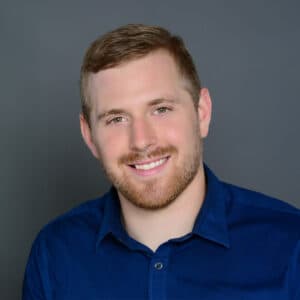
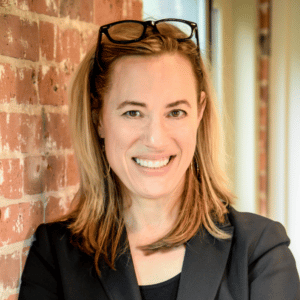
Full Transcript Introduction to epigenetic age reversal 0:00 We showed in our treatment group a epigenetic age 0:04 reversal of over three years as compared to the control group. 0:08 So it was the first study of its kind. 0:10 That was the third looking at these epigenetic clocks in humans. 0:13 But it was the first with a control group. 0:15 So we could see that we did something differently than the control group did. 0:19 It was also the first diet and lifestyle intervention. 0:22 So it was it was a cool first and a lot of things. 0:25 This is doctor talks. 0:33 All right. 0:33 Welcome everyone. This is Doctor Rudy Mueller. 0:36 And today we are joined by Doctor Kara 0:37 Fitzgerald who is a leader in epigenetics and longevity research. 0:41 Her groundbreaking clinical studies 0:43 have shown that a targeted diet and lifestyle intervention 0:47 in reversing biological age is possible, and we can get that reversal anywhere 0:52 from 3 to 4 years, men and women, within just eight weeks of intervention. 0:58 So Doctor Fitzgerald is the author of The Younger You and the companion 1:02 cookbook Better Broths and Healing Tonics 1:05 sharing the science behind her approach, really, to Aging and Reversing aging. 1:10 She's a natural path physician with extensive training in nutritional 1:13 biochemistry, has contributed to key functional medicine texts, and was honored 1:18 with the Rosalind Franklin Society Special Award in Science for her research. 1:22 I have had the privilege of listening 1:24 to Doctor Fitzgerald speak at numerous conferences, 1:26 whether it be a forum or the Institute for Functional Medicine. 1:30 So it's a pleasure to have you on today and to hear your expertise.
What biological age means 1:33 Doctor Fitzgerald. Yeah, it's great to be with you today. 1:36 Thanks for inviting me on. Yeah, absolutely. 1:38 So I think just to kind of start what when people hear 1:42 biological age, you know, what should they be thinking? 1:46 Biological age is. 1:47 And then let's dive into a little bit more detail around epigenetics and longevity. 1:52 Yeah for sure. 1:53 So chronological age is the number of birthdays we've celebrated. 1:57 You know we can't change that. 1:59 It is what it is. 2:00 Biological age is the rate that we're physically aging. 2:03 And that's where science is really 2:06 putting a serious stake in the ground or many stakes in the ground, 2:09 because it turns out that we have, say, in our rate of biological aging. 2:15 I mean, we all know people who look older than their chronological age, 2:19 and we know people who look younger than their chronological age. 2:22 And there's actually a really interesting study suggesting that that's accurate, 2:27 that if we look old, in fact, if you measure the rate of aging, 2:31 that individual is probably aging at an accelerated rate. 2:34 So there's just an epic amount of science happening right now 2:37 in investigating biological age and how we can, you know, slow it down. 2:42 Yeah. 2:42 And I think I mean, obviously you're leading that movement in your research. 2:46 So when we're talking about your work, 2:49 it really emphasizes the importance of epigenetics in aging. 2:53 So could you explain to us a little bit 2:54 about epigenetic modifications that really influence this aging process. 2:58 And then what are some practical steps 3:00 we can take that will positively affect our epigenetic expression. 3:04 Yeah. 3:05 So I want to just I want to give a little bit of background. 3:10 There's a little 3:10 bit of a tussle happening in the scientific space right now as to, 3:15 you know, there's a variety of tools around measuring biological age. 3:19 The aging phenomena is incredibly complex. 3:23 And so one of the things that we're doing is we're tightening up our terms. 3:27 And what I would say that we showed in our research 3:31 is that we slowed biological aging as measured by the epigenetic clock. 3:36 So we changed specifically the epigenetic 3:39 fingerprint of individuals stored something more useful.
How epigenetics shapes aging 3:43 It's it's incredibly important. 3:45 But there's this there's this background tussle in the scientific community 3:49 that makes me want to get my terms, you know, buttoned up. 3:53 So epigenetics is above the genes. 3:56 Epigenetics is the study of the scientists, 3:59 the of all of the biochemical variables that are influencing gene expression. 4:04 So we've got the same DNA really in every DNA carrying cell with the same thing. 4:08 But an eye cell is very different than, you know, a skin or a muscle cell 4:13 or a heart cell. 4:13 I mean, it's very, very different. 4:15 And this is epigenetics. 4:17 So we've got these biochemical marks allowing different 4:21 gene patterns to be expressed in different cell types. 4:26 It's extraordinary. 4:28 And there is a continuum of epigenetic expression. 4:32 So when an eye cell is not going to become a liver cell. 4:36 So those epigenetic imprints are lasting, they're not changeable. 4:39 And ISIL will always be in cell or retina cell or whatever, 4:43 you know, whatever cell type you're you're thinking of. 4:45 But then there's this area that's rich with change 4:49 where how we eat, how we live, how we feel, what we're breathing. 4:53 You know, just if we're moving our bodies, the stress load that we're under, 4:57 these variables can very profoundly influence epigenetics, i.e. 5:02 influence gene expression. 5:04 And it turns out that we just have an incredible 5:08 amount of say in whether we're optimizing gene expression 5:13 by our choices, our daily choices, our habits or not. 5:17 And it turns out B's choices really make a difference 5:22 in epigenetic clocks in the rate of biological aging. 5:28 So this is you know, this science is new. 5:31 It's exciting. 5:32 Just as I preface, there's a lot of change and growth happening. 5:36 But the bottom line is that, you know, we're being validated over and over again. 5:41 You know, things that our moms and our grandparents told us, you know, 5:45 eat your vegetables, you know, exercise, just all of these, 5:48 these this tried and true lifetime of wisdom. 5:51 I mean, there's really some truth in this when we look at gene expression. 5:55 So let me just put a pin in it there. 5:57 And yeah you can ask me something some clarifying questions. 6:01 Well I think you know, the importance of lifestyle 6:03 and the impact on epigenetic age is I mean, it's the foundation, right? 6:07 We learn it through the Institute for Functional Medicine. 6:09 We have that corps base that we need, the foundation that we need 6:12 to be focused on, whether it be diet, lifestyle or exercise, 6:16 sleep, stress, relationships, connection to religion, connection to purpose. 6:21 So outside, I mean of those things, 6:24 what are you really seeing that are making a big epigenetic shift 6:28 when it's concerning biological age within your research? 6:32 Just I want to say again, yeah, you know, putting it, looking at it 6:36 through a functional medicine lens is is just so exciting. 6:39 You know, just to have the science, you know, validating what we've been 6:43 teaching in the functional medicine model forever is ridiculously cool. 6:48 So it turns out our dietary pattern, you know, what we think is healthy 6:55 for the most part probably is the dietary pattern 6:58 that we use in the younger you program 7:01 is very dense in veggies, colorful green 7:06 veg, lots and lots of them, fruits, berries, things like that. 7:11 It's dense and high quality protein, mushrooms, 7:15 a whole array of spices, things 7:18 like rose, rosemary or turmeric. 7:22 You know, green tea, varieties of peppers. 7:24 I mean, actually the list sort of goes on and on. 7:26 Seeds, nuts, you know, fatty fish, etc.. 7:30 So a dietary pattern. 7:32 Eggs, let me say eggs, liver. 7:33 If people are are willing to eat liver the dietary pattern 7:37 there's a lot of options. 7:38 So there's a lot of these nutrients that we've identified to be epi nutrients. 7:43 That is they favorably influence epigenetics. 7:46 They favorably influence gene expression. 7:49 Probably the dietary pattern is doing the heavy lifting in our intervention. 7:54 So we've we have a paper in peer review right now 7:58 looking at all of the elements of what we did to see 8:03 which had the strongest influence on the epigenetic clock measuring bio age. 8:08 And it was nutrients. 8:10 In fact, it's 8:10 a particular collection of epi nutrients that we call methylation adaptogens. 8:15 These are phytochemicals. 8:16 So, you know, compounds coming from plants. 8:19 Polyphenols are one of the groups of these compounds. 8:22 And so these these veggies really seem to do the heavy lift. 8:26 I mean, we would argue that the whole dietary pattern together 8:30 and not just isolating these nutrients is, you know, is where we see the benefit. 8:36 But when we look at the data, it suggests, you know, definitely your veggies, eat 8:41 your colorful veggies, get your turmeric, drink some green tea, etc. 8:45 that those seem to be particularly important players. 8:48 I love it and you know, I remember, 8:51 you know, Deanna minnick and her research around eating the rainbow. 8:55 And so in integrating this with people in the research or people
Dietary patterns and epi-nutrients 9:00 that are going through the younger you program, their particular tips around 9:04 how many blues or purples or greens or reds they should be trying to get in. 9:09 So we want people. 9:11 This is an eight week intensive program, and we'll just I'll underscore 9:16 that one needn't live this diet all the time. 9:20 You know, you're in and year out unless, you know, unless it really works for you. 9:24 It may be something that you choose to do a couple times a year. 9:26 We have people do that and repeat with us. 9:29 But you're going to, you know, just hunker down 9:30 and know you're going to be eating a good chunk of edges. 9:32 You're going to be doing like anywhere from 7 to 9 cups. 9:35 You're going to be doing quite a bit of greens. 9:37 Again, the colorful cruciferous, you know, sulforaphane is beautiful compound. 9:43 That's an EP nutrient extraordinaire. 9:45 So it's a matter of just kind of being with the idea 9:49 that it's going to be a vegetable intensive moment, plus others. 9:53 We're not leaving out protein, we're not leaving out good fats. 9:55 And then just, you know, hunkering down and being willing to get those in. 9:58 One of the cool, cool things about the book. 10:01 One of my favorite parts about the book, Younger You, is 10:04 that we've got a 30 page epi nutrient appendix. 10:07 So if you're wondering what to eat, what you can eat, 10:10 we actually have a down and dirty diet that we're going to give your listeners 10:16 the full program in a, you know, PDF reference. 10:19 They can download it and they can see all of the target nutrients to go for. 10:24 But if you want sort of the breadth of the nutrients in our 10:30 in our book publication, that appendix is fabulous. 10:34 So what kinds of greens do we know are epi nutrient extraordinaire, 10:37 what kinds of colorful and cruciferous, etc.? 10:41 It's just it's just this massive 30 page nutrient 10:44 appendix that only nutrient epi nutrient appendix that I'm aware of. 10:47 But you can go in there and just make sure you're eating what you like. 10:50 You can see what you're already doing. 10:52 But yeah that's a it's it's it's a veggie intensive program. 10:56 There's there's no no ifs ands or buts around that. 10:59 Yeah. Nice. Nice. 11:00 And I think one of the things that you emphasized 11:01 earlier that I think is often overlooked 11:03 is really the herbs and the spices and how much they can benefit. 11:07 So you mentioned rosemary and turmeric. 11:10 There are any ones that any other ones that you're noticing are making 11:13 and helping shift that or contributing to that shift in biological age. 11:17 And if so, how are the mechanisms that they're that it's, 11:21 you know, that you think it's performing to be able to do so? 11:24 Yeah. 11:25 I mean, name spice, you know, time, 11:28 sage, Pepper, you know, a variety of peppers. 11:31 I've lived here. I live in Mexico now. 11:34 You know, arguably the pepper country in the world. 11:37 There's hundreds of different pepper types. 11:39 And I have no doubt that they how's important, important, important epi 11:43 nutrients. 11:44 So our spice rack in general is just incredibly bioactive. 11:49 It's just an EP nutrient, you know, wonder resource for us. 11:54 So there's many, many, many they influence 11:57 the enzymes involved in, you know, methylation 12:01 involved in methylation, one of the fundamental 12:04 biochemical processes that influenced gene expression, 12:08 which genes are on and which genes are off. 12:09 And so we want the best genes on the ones that are associated 12:13 with health and longevity. 12:15 And we want the ones that promote disease to be really turned off. 12:19 I mean, it's that simple. 12:21 And so these nutrients seem to influence how that is happening. 12:26 So there's two components. 12:27 There's two nutrient classes in the diet we want to support. 12:32 Again DNA methylation. 12:33 More broadly we want to support this biochemical process called methylation. 12:38 Foods like eggs, liver, leafy greens, mushrooms. 12:42 Fatty fish can support methylation foundationally. 12:46 And then you need to direct sort of how and where methylation is happening. 12:51 And that's this layer of nutrients. 12:53 And to your point, spices are a rich, rich, rich, rich 12:56 resource of these sort of traffic directors. 12:59 So methylation we want methylation to be happening with the foods in our diet. 13:03 We want to support methylation with the foods and then direct 13:06 how and where methylation is happening specifically. 13:09 So good genes are on. 13:11 And then, you know, bad genes are off. 13:13 And so we can do that through all of this 13:16 information that we're getting from our food. 13:19 But then circling back to a study that we've got in the works right now, 13:24 those the class of epi nutrients called methylation adaptogens, the spices, 13:28 the polyphenols, the colorful fruits and beds 13:30 really seem to be, you know, extra important, beautiful. 13:35 And so one one tool 13:36 that I've really utilized from I think your teachings and Diana 13:40 teachings is providing our patients with food diary. 13:44 Right. 13:45 Might be mindful of what you're eating, but then also to be able 13:48 to like grab a box of crayons or markers 13:51 and then be able to label out, you know, 13:54 I ate four greens today and two blues, purples, reds, oranges 13:59 and then really track that over the week of that food diary to be able 14:03 to see what kind of nutrients they're getting in, just as a way to 14:07 take inventory of what you're doing before implementing a program 14:11 like the younger you program, 14:12 and then while you're implementing the Younger you program. 14:15 So I can appreciate so much how those polyphenols, those nutrients 14:19 that were getting from those wide variety of vegetables 14:22 and fruits and spices really can impact our, our epigenetics. 14:26 And, you know, even the methylation, I like that. 14:29 I mean, that's that's fabulous. 14:30 That's a really, really nice tool that will, you know, 14:34 will resonate with some people. 14:36 And in doing this, I mean, that's one of the things that 14:39 there's in the group we spend a good deal of time on. 14:43 How do you get these in, you know, and what are the creative preparation 14:48 methods, doing smoothies, etc., to make sure you hit the targets of the 14:52 younger you program. 14:53 There's somebody there's a woman who reached out to us recently 14:56 who has done an extraordinary job above and beyond, kind of reversing her 15:00 biological age as measured by methylation, who just thinks about it in quantity. 15:05 She's like, you know, I basically eat it pound of veggies a day. 15:08 So you could do that. 15:09 You could just pop them on the scale, measure out your veggies, 15:12 and then just get that in over the course of doing the intensive program. 15:17 Sure, sure. 15:19 So when we're talking about nutrition, I kind of want to stay in this 15:22 in this lane for a little bit. 15:24 Talked about 7 to 9 15:25 servings of vegetables, maybe a couple of fruits in there as well. 15:29 Herbs and the diet being heavy in there. 15:32 We talked you mentioned liver, which I definitely want to hit on liver 15:36 because some people can't handle that. 15:38 We talked about fatty fish or, you know, maybe potentially good, good 15:41 lean protein sources, eggs being another one 15:45 with the choline benefit, I would assume, for the methylation 15:49 when we're talking about. 15:51 So that's like what to eat. 15:52 How about when to eat. 15:55 Is there is there a fasting recommended with inside of this program. 15:59 And that within that eight weeks or or 16:01 where do you see fasting fitting into something like this? 16:04 Yeah. 16:04 So in our research we've only it's a very gentle 16:10 structure, intermittent fasting structure. 16:13 So 12 hours on 12 hours off which, which some people would just call 16:17 normal eating right stop after dinner basically. 16:20 I mean I know today in this, you know, in that world we live in 16:23 now, people are sort of north, you know, all day and all night. 16:27 But we want people to have a hard stop, really, after dinner or maybe, 16:30 you know, three hours before bedtime. 16:31 So just 12 hours on, 12 hours off. 16:33 We wanted it to be just broadly adaptable. 16:35 We really wanted this program to be doable, really by by virtually anyone. 16:41 So we and the other pieces is that we didn't want to research. 16:44 We didn't want to turn it into a fasting research study. 16:47 So we just 16:48 we just looked looked at this in it, you know, in what we know we can do. 16:52 So we we actually worked on this program in our clinical practice for years 16:57 before we got to research. 16:58 And the design, as it is, was what was most broadly 17:02 adoptable by our patient population. 17:04 Yeah, it makes a lot of sense. 17:05 So I want to touch on before getting into the research itself 17:09 and hearing about what kind of exciting things 17:11 you were seeing there and then I'd love to hear a little bit 17:13 more about the one that's in peer review currently. 17:16 What about liver? 17:17 So yeah it's funny. Yeah.
Vegetable targets, spices, and fasting 17:21 So it's funny. 17:22 You know, I'm thinking when we originally submitted our paper 17:25 that, you know, kind of put us on the map was I think it was the third paper 17:29 ever really in the world to show 17:31 this biological age reversal phenomenon measured by epigenetics. 17:35 So, yeah, we got a lot of attention. 17:37 But one of the peer reviewers said, you know, what's up with liver? 17:42 You got some pushback from a peer review. 17:44 It's really funny. 17:45 But, you know, if you have a nutrition background, if you have a background 17:49 with, you know, thinking about nutrition, biochemistry, thinking about nutrient 17:53 density, you know, that liver is, I think, without exception, 17:58 the most nutrient dense food on the planet. 18:01 I mean, it's a multivitamin in a food matrix. 18:04 It's a multivitamin mineral, actually, there's there's plenty of minerals in it. 18:08 So it's just this incredibly nutrient 18:11 dense food, and it's delivered in a food matrix. 18:14 So it's delivered with and, you know, all of these accessory compounds 18:19 that help with bioavailability, that help you know, that deliver the appropriate 18:24 nutrients and the appropriate structure for our body to use. 18:27 I mean, we can't create that, you know, in a synthetic hell. 18:32 I mean, we just can't do that. 18:34 I'm a fan of vitamins, you know, I take them myself. 18:37 I prescribe them all of the time. 18:39 But I definitely have a food first approach. 18:43 And, you know, you can't beat liver. But how do you do it? 18:46 You know, how do you actually take it? 18:47 Our when we looked at adherence data in our, you know, 18:51 two publications out now, one looking at men, one looking at women liver 18:56 especially in the first study was pretty poorly adhered to. 19:00 People don't like to eat it. Nobody knows how to cook it. 19:02 It doesn't taste great. 19:04 You know, for me, the only liver I like really 19:07 is like liverwurst or Patty or something like that. 19:10 And it's. 19:11 And it's hard to find, you know, really good, clean source paté sometimes. 19:15 By the time we did the women's, we were recommending liver caps. 19:19 So you can buy super clean sourced mostly from New Zealand liver capsules. 19:24 And if you take, you know, you don't even have to take six. 19:27 A serving size is six. 19:28 You can take a little bit less than that to adhere to the our recommendations 19:33 and hit your liver targets. 19:35 And and that's what I do now like I'm not cooking liver you know 19:39 and there's not a heck of a lot of pity that I found down here in Mexico. 19:43 So I do liver caps. 19:44 Okay. Cool. 19:45 All right. 19:46 Yeah. 19:46 So I'm German, and my dad was the first one born here from Germany and my family. 19:51 So liver was something that he really enjoyed. 19:53 So liverwurst. 19:55 It sounds amazing to me, but I know what they do to those animals 19:59 prior to getting the liver. 20:00 I mean, they, 20:01 they feed them all of this crap to be able to fatten the liver up anyway. 20:04 So if you can, I mean, if you can find an organic source of liver, 20:09 obviously that's what we're we're looking to target. 20:11 But I love that we can do liver caps as well. 20:14 I know it's easy. 20:15 You just have to make sure. 20:16 And I talk about sources in the book a lot. 20:20 It and you can get the book these days books for pretty cheap on Amazon. 20:24 There's used available and there's the paperback is out now. 20:27 But you need to make sure that that it's not defeated. 20:31 So you can get this freeze dried non fatted liver. 20:35 And you're good. 20:36 You know it's it's liver in a capsule. 20:38 It's it's you know it's freeze ride liver and a cap. 20:41 You're basically getting you know exactly what we're recommending. 20:44 Yeah. Perfect. 20:45 Yeah that's that's great 20:46 because I can only just imagine my wife in the kit coming into the kitchen is me. 20:50 I'm cooking up liver and her reaction to the smell of it. 20:54 And if you can handle it, 20:56 liver is a great source for for many vitamins and minerals. 20:59 And if you can't, liver caps may be the way to go. 21:03 Yeah. 21:04 So with, you know, with your research on the methyl aging and aging reversal, 21:09 can you talk to me a little bit about your study on that process 21:12 and kind of maybe some of your trials and tribulations and the implementation? 21:16 I know the first studies with men. 21:17 The second study was women with with women. 21:19 And then what were the findings that really got you excited about, 21:22 you know, where this was headed? 21:24 So this was a program that I started thinking about. 21:30 So I started to really keenly think about epigenetics, you know, gene expression 21:35 through a functional medicine lens in, you know, maybe 2013, 2014. 21:40 That's when the research was really sort of coming across my desk 21:44 in a manner that really prompted me to stop and read it. 21:47 Most of the epigenetic science coming out at that time was looking at cancer, 21:52 because cancer very potently hijacks 21:56 epigenetics, hijacks gene expression from us, changes gene expression 22:01 in the tumor microenvironment to push the cancer growth forward. 22:05 So it really takes it over from us. 22:07 And my biggest question was are we influencing 22:11 this favorably or not in functional medicine? 22:14 And my sense was that we, you know, that we were that was my hypothesis. 22:18 And are we doing it favorably? 22:20 As I teased that out, it prompted me 22:23 to, with Romilly Hodges, the director of our nutrition programs, 22:27 to create this diet and lifestyle pattern, I could see that we needed. 22:32 So methylation always needs to be supported as we age. 22:35 We're not doing it as efficiently. 22:38 DNA methylation is just one type of methylation process happening in the body. 22:42 There's hundreds of enzymes doing all sorts of things, 22:46 from metabolizing estrogen to making adrenaline and dopamine, etc., etc. 22:51 that require methylation. 22:53 And it's just a carbon with three hydrogens. 22:55 Going back to really basic biochemistry from high school. 22:59 But we're doing this process. 23:00 We're either taking this carbon in three hydrogens and putting it on 23:03 to change compound activity or taking it off, or we're making them in 23:07 something called the methylation cycle. 23:09 As we age, we do this less efficiently. 23:11 And this is this definitely shows up in DNA methylation. 23:16 We do it less efficiently. 23:17 So we knew foundationally we needed to support methylation. 23:21 And so we include tons of methylation foods. 23:23 And that includes livers. 23:25 We talked about to your point eggs you know decent protein mushrooms 23:30 greens etc. etc.. 23:31 So there's tons of foundational support for methylation. 23:34 And then we layered in optimizing methylation. 23:38 And it's these cool polyphenol compounds that seem to direct traffic. 23:43 So that methylation is happening on the genome like where we want it to. 23:47 And going back to cancer, which was our original question. 23:51 There's also there was this a lot of in vitro. 23:53 So cell studies or animal studies. 23:55 So preclinical not looking in humans but showing that these polyphenols 24:00 are really incredibly important players in allowing like 24:06 those 24:06 genes that the tumor microenvironment can turn off. 24:10 I mean it's amazing. 24:11 So we look at these beautiful polyphenol compounds and see that 24:14 they've got this monumental epigenetic role in protecting us from cancer. 24:20 And we can actually see this in like the chronic diseases of aging more broadly. 24:24 But the most of the science is looking at cancer. 24:28 And so we built this program out sort of looking at the lens of cancer. 24:33 Aging came in so 24:35 biological age as something that could be reversed was a pipe dream. 24:39 When we first started this investigation. 24:42 I mean, we weren't we weren't even thinking about it when we midway, 24:47 I mean, we so we knew that we would be able to 24:49 measure that a clock was available and that we would be able to look at it.
Liver, methylation, and food sources 24:53 But I wasn't holding my breath around changing it. 24:56 I did have I did expect or hope that we would be 25:01 changing gene expression, changing epigenetics favorably. 25:05 But in terms of changing the epigenetic clock, you know, 25:09 we just hadn't seen that in humans. 25:11 And Steve Horvath, 25:13 really the father of this field, didn't think that it was possible in humans. 25:17 So it was mid-way in our study that the first paper was released 25:22 showing that these epigenetic clocks could be reversed in humans. 25:26 And that was the Trim study led by Greg Fay. 25:29 And it was extraordinary. 25:31 I mean, it was extraordinary. 25:32 And we were underway already, but it made us, you know, 25:36 it just was an exciting thing. 25:37 And we were excited to look and see if we may have, 25:40 you know, if we influenced the the first clock at all. 25:43 So when we did, you know, when we finished our study 25:46 and we started to do our analysis and saw that we in 25:50 fact had a favorable influence on Steve Horvath clock on the it's 25:54 called the multi, the pan tissue clock, the 2013 pan tissue clock. 25:58 It was a big deal like it was. 26:00 It was really really exciting for us to to see that we had done that. 26:05 And you know, you know commensurate to that finding the paper got a lot of 26:09 just a lot of attention. It was very, very exciting. 26:12 So we showed in our treatment group a epigenetic age 26:16 reversal of over three years as compared to the control group. 26:20 So it was the first study of its kind. 26:22 So it was the first in a lot of ways it was the third looking at these 26:26 epigenetic clocks in humans. 26:27 But it was the first with a control group. 26:30 So we could see that we did something differently than the control group did. 26:33 They didn't have that same change. 26:35 And it was also the first eight diet and lifestyle intervention. 26:39 So, you know, just it was a cool first in a lot of things and offer 26:43 forever be grateful to, you know, Brant Ek at Meta 26:46 who he was their CEO at the time who green greenlighted this. 26:50 He gave us they gave us an unrestricted grant to study it. 26:53 I mean, just I feel just enormously grateful 26:57 for that and for their support in doing it. 27:00 Super, super exciting. 27:02 So yeah, it was it was a first for a lot. 27:05 We've since gone on to not only tease out the heavy 27:09 lifting nutrients, but we're also looking at. 27:12 So we started by looking at the clocks and now we're looking more broadly 27:17 and we're writing up an iOS investigation. 27:20 So this is called this is an EP genome wide association study. 27:23 So beyond just those methylation marks associated with the epigenetic clocks, 27:28 the next question is how are we influencing 27:31 methylation more broadly or gene expression more broadly. 27:34 And it turns out, you know, that original question looking at cancer 27:40 and looking at some of the gene changes, we can see that our study, in fact, 27:45 favorably influenced some of those genes that the tumor microenvironment 27:49 takes over. So we're pretty excited about that. 27:52 And that's a fourth publication that will come out 27:55 or that will we're writing right now, but we'll submit it in the 27:58 not so distant future. 27:59 So just all sorts of exciting things to investigate and unfold with, you know, 28:05 with what we've created 28:07 and what I like about the younger you program and the content of the book, 28:11 and then the research that you've done in reading those reading the two 28:14 that were published from the male study and the female study, was 28:17 that it really is geared towards 28:19 the things that are modifiable, that people can change rather easily. 28:23 It's not some expensive, 28:26 you know, gray area intervention that we're that you're implementing 28:31 to try to reverse biological ages, things that people can do today. 28:34 Yeah, yeah, yeah. 28:35 Well, and it's a healthy dietary pattern by any measure. 28:38 And then of course we have. 28:39 Yeah. 28:39 It's just like it's like a one on one really healthy dietary pattern. 28:43 You know it's good. 28:44 It's good fats. 28:45 It's rich in it's a little bit keto leaning. 28:48 And we do have you know 28:49 the triglycerides in our participants dropped significantly. 28:52 So we likely put them into some background ketosis. 28:55 There's a gentle intermittent fasting structure. 28:57 It's anti-inflammatory. It's hypoallergenic. 29:00 So all of those really foundational and important things that, you know, as 29:05 a functional medicine physician, are baked in 29:08 to this dietary pattern and then layered in our, 29:11 you know, basically every single bite, every morsel of food is is an 29:16 EP nutrient is packed with a complex interplay of epi nutrients. 29:20 That's the perhaps the unique angle that this dietary pattern has from, 29:25 you know, other dietary patterns that we really built that with it, 29:29 you know, with the epi nutrient influence in mind. 29:31 But it's also, 29:32 you know, brick by brick layered into a just a smart dietary pattern that I think 29:36 anybody trained in functional medicine would, you know, agree with. 29:39 There's no alcohol for the eight weeks. 29:41 I'm sorry, folks, after the eight weeks, yes, you can you can go back to drinking. 29:44 But there's you know, it's anti-inflammatory. 29:47 So we pull some foods out that you may love, 29:48 but it's just again for the state week window. 29:50 And then once you get to the other side of that, 29:52 you know, you can bring them in depending on how your body responds to that. 29:56 And then just to your earlier point, we bring in lifestyle pieces as well. 30:01 Do you want me to talk about those? 30:03 Yeah. Are we are you ready to talk about this? 30:05 So they're they're important. We've been giving the diet. 30:07 We've been talking about the diet a lot here. 30:09 So it turns out sleep is an epic nutrient. 30:11 Exercises in epi, nutrient stress reduction, some kind of 30:15 an intentional stress reduction practice or epi nutrients. 30:19 That is, they move favorably DNA methylation and epigenetics more broadly. 30:25 So all of the lifestyle components that we added to this intervention 30:30 have research on them showing favorable changes with good habits 30:35 and really conversely, negative changes with bad habits. 30:39 So if you're not sleeping well, you're you're aging.
Study design and age reversal results 30:42 You know, we know that this is true by many different measures, 30:46 not just by epigenetics. 30:47 But if you're not sleeping well, if you're not, you know, 30:50 if you're not hitting your targets there, it's pro aging. 30:53 Unfortunately, stress is potently pro aging again 30:56 by many different measures, including the epigenetic clocks. 31:00 High chronic stress. 31:02 I'm not talking about short term sort of healthy stress of exercise or, 31:07 you know, something exciting happening, but just that long term grind 31:13 that so many of us in the US are exposed to that is incredibly pro aging. 31:18 Meditation, it turns out, is anti-aging. 31:22 No great surprise there, you know, whatever that looks like. 31:26 So we used a simple meditation exercise called the Relaxation Response, 31:30 created out of Harvard many years ago by somebody named Herbert Scientist. 31:35 Their name, Herbert Benson, the Relaxation Response. 31:38 It's a simple breathing exercise, 31:39 and we wanted people to do that a couple times a day. 31:42 I think, you know, likely, I mean, and the research suggests 31:46 that a good prayer practice, a yoga practice, a Thai chi 31:49 park, like there's many ways we can we can do that. 31:52 But in our research today, we've used the Herbert Benson 31:56 Protocol exercises and epi nutrient extraordinaire, I mean exercise, 32:01 if you're looking at the epigenome, you know, looks like kale, I swear. 32:06 Like it moves some of the same genes as, you know, 32:10 a really good, you know, veggie choice does. 32:13 It's amazing. 32:14 It will help those negative cancer patterns that I talked about 32:19 very potently. 32:20 And one of the cool studies that I love so much is that 32:24 it's most effective in older adults. 32:27 So the epigenetic benefit of exercise is actually true the older you are. 32:33 How cool is that? 32:35 So every element of the program is designed 32:39 to optimize epigenetics and specifically DNA methylation. 32:43 I like the reclassification of these lifestyle factors as epi nutrients. 32:47 Right. 32:47 Because all of them are are impacting that epigenetic or the epigenome. 32:52 And also, you know, can be considered 32:55 or thought of as a nutrient because of how it's impacting the epigenetics. 32:58 So it's similar. 33:00 I know, like if you could do a blind study and say, what's this budget? 33:04 Or was this exercise, 33:05 I mean, I don't know that you would always be able to tell the difference. 33:08 It's pretty cool. Yeah, that's really neat. 33:10 You know, something that you mentioned earlier was community and connection 33:14 and prayer practice. You know, like a connected. 33:16 We obviously couldn't study that in a, you know, in a randomized control study 33:21 like have, you know, the control group, no community, no contact. 33:25 And then, you know, our group, lots of community, lots of hugs, etc.. 33:28 But of course, those are important players as well, you know. 33:32 And science bears that out. 33:33 Yeah, I think, you know, a lot of the research that 33:37 that the retrospective research looking at the blue zones 33:39 and seeing all of the commonalities between these different areas, 33:43 whether it's Okinawa or 33:46 Seventh, the advantage of the Adventists. 33:50 Yeah. You know, they have that. 33:52 They have the community. 33:53 They have, you know, a higher power. 33:55 They have prayer, they have movement involved. 33:58 And it's not go out and let's jack up your VO2 max and see how great 34:02 we can get that. 34:03 Although I think that can be beneficial, not trying to take it away from it, 34:06 but it's just movement, regular movement that we were designed functionally to do. 34:11 So yes, that's right. 34:12 I couldn't agree with you more. 34:14 You know, on both ends, 34:15 you know, if you're 34:15 if you're up for some high intensity interval training yet smart. 34:19 We didn't we didn't put that into our program again 34:22 because we wanted it to be broadly doable. 34:25 So our exercise recommendation, it was simply, you know, 34:29 a minimum of 30 minutes, five days a week with a perceived maximum exertion 34:35 between 60 and 80, a perceived exertion between 60 and 80 of your max. 34:40 So what you think is 60% to 80% 34:43 of your max, and you choose what it is you want to do. 34:46 So yeah, I'm an exercise. 34:48 You know, I'm a committed, fairly intense exerciser. 34:52 But, you know, for this program, we we're meeting people where they're at. 34:56 Yeah. And that's that's what's really nice about the program too. 34:59 So to shift kind of gears from being, you know, more group oriented to 35:03 maybe more personalized medicine, 35:06 you know, obviously with the background and functional medicine. 35:08 And we are implementing 35:10 personalized interventions that are specific to an individual. 35:13 I mean, are there are key markers that people should be monitoring 35:16 to optimize their specific health 35:19 or slow aging or reverse biological age? 35:23 Such a good question. 35:24 So I would say, yeah, I have a couple of thoughts there. 35:28 If you have the book or if you go to the website and on your summit page, 35:33 there's a downloadable and you'll get all of the details 35:36 to get over to my website and find these things. 35:39 We have a biological age quiz. 35:40 I mean, that could be the first entry point into this conversation. 35:44 If you're completely new to thinking about biology, you could take this quiz 35:49 and this would give you an idea of what your habits are looking like. 35:53 You know? So it's I think it's very useful. 35:55 And we've recently looked at it in relation 36:00 to the one of the key epigenetic clock. 36:02 We're using this these days to see if there's any correlation. 36:05 So we looked at 70 individuals who took our quiz and did this clock. 36:10 And we saw that it's actually tightly correlated. 36:13 It's that's great. 36:14 I know we designed it you know with the best science. 36:18 And we used a group of people to figure it out. It wasn't validated. 36:21 But now we're actually validating it and seeing it tracked. 36:23 So as far as a 36:25 budget biomarker because it's 100% free, you could start with our quiz. 36:28 But to that to you know, to your point, beyond that there are the clock 36:33 that we use currently is something called the pace of aging, the pace of aging. 36:39 There's just great, great data on it. 36:41 And I think it's a fun tool. 36:42 I think it's an important tool that we can incorporate it 36:45 into an overall wellness plan. 36:49 People like, you know, to that end, 36:51 people are welcome to work with, nutrition team in this space. 36:55 But in terms of personal and, and I should say have a personalized 36:59 bend towards, you know, the younger 37:03 you dietary pattern based on what your that individuals findings are. 37:06 But I would argue that, you know, all of us 37:10 hopefully annually work with a functional medicine provider 37:14 who can really kind of look under the metabolic hood, 37:18 look at our essential and our conditionally essential nutrients, 37:21 look at our oxidative stress markers, look at our inflammatory markers, etc.. 37:26 You know, do a stool test, do an oral microbiome, you know, just kind of 37:30 do a cast a net as appropriate and identify 37:34 what's going on with that individual and correct those things. 37:38 And then, you know, layer in specific, 37:41 you know, biological age pieces or concurrently layer them in. 37:44 But it's to your point that we the personalized 37:48 approach is so, so, so, so important. 37:52 Having somebody work with you as you and not just jumping towards 37:58 the endless bio hacks that were being inundated with these days, 38:02 you know, just who are you? 38:03 I, you know, just a quick a quick case from my practice 38:07 because I have a lot of these bio hackers coming to see me now, which is fabulous. 38:10 It's fun. 38:11 I love working with them, but I look at each individual through a functional lens. 38:15 And so this was somebody who came to me taking all of the sexy new biohacking 38:19 supplements out there, and there's many of them not paying attention 38:23 to the inflammation of allergies, you know, 38:26 and we know that inflammation really of any form will drive aging forward. 38:31 So she was defeating herself with these these sexy supplements. 38:35 But you know, it's fabulous. We identified it. 38:38 We saw her individual needs corrected her her protocol. 38:44 She can continue to do those those supplements. 38:46 I actually just want I want a first actually work on our foundational stuff. 38:50 And then we can bring those supplements back in. 38:51 I'm not I'm not opposed to them, but it's, you know, it's that person. 38:56 It's that it's that individualized component that we're 38:59 so good at in functional medicine is that that I just think is essential. 39:03 Absolutely. 39:04 And it is so funny because you see the same thing. Right? 39:06 But be coming in with blue light, red light necklaces or wristbands or, 39:12 you know, I mean, I think all of these things have their place 39:15 methylene blue and taking different sense. 39:18 And all of these, all these have their place. 39:20 But really it is beginning at the foundation. 39:23 And you're really hitting home 39:24 and echoing what other speakers that we've had on this summit have said. 39:28 It's the foundation that matters. 39:30 And and what I really appreciate is how much the research 39:33 that you've been able to do is backing that. 39:36 We I think we all intuitively knew it, but to be able to have it in the research 39:40 is such a thing. 39:41 Yeah. Really great. Yeah, yeah. 39:44 Beside of outside of that foundation, now that we're kind of 39:47 hitting on some of these, these bio hacks, how are you 39:51 utilizing technology or AI 39:55 to help with, 39:57 you know, whether it's patient protocols 40:00 or helping with reversing biological agent? 40:04 Really leave this question very broad so that you can kind of take it 40:07 where you would like. 40:08 But I just like to get 40:09 a little bit more insight from you on how you're utilizing technology. 40:12 Is it through biohazard AI? 40:14 Is it a combination? 40:15 Well, I don't do a lot of direct charting anymore. 40:19 Yeah, it's just kind of a which is amazing. 40:22 It's such a gift for those of us who are kind of lousy charters. 40:25 So yeah, using AI there I am. 40:27 We you know, we're using AI in our research for sure. 40:31 We're using AI in researching patient cases. 40:34 It's not it's not without 40:37 pretty intense limitations.
Lifestyle factors, biomarkers, and personalization 40:40 So I would say that anybody who's really in there using 40:43 it knows that the appropriate questions need to be asked. 40:48 You always have to, you know, you have to check and recheck everything. 40:52 So will it expedite the process? Yeah. 40:55 In this amazingly useful way. 40:57 In fact, we just looked at all of our genes 41:00 that we changed in our, you know, initial cohort 41:03 and compared them to another publication that just came out. 41:07 I'm going to present this. 41:08 And we used AI to do that investigation and to help us analyze 41:12 what genes were doing what. 41:13 And, you know, we did it in 30s. 41:15 Now all of that has to be validated. 41:17 But, you know, I'll be presenting this. 41:19 I'm leaving on shortly for a conference and I'll be showing. 41:22 Wow. Here's all this. There's a lot of overlap. 41:25 It was a polyphenol. 41:26 It was an intervention using a polyphenol compound. 41:28 And then our our protocol. 41:30 And we can see that there's a bunch of gene overlap. 41:32 And we did that using AI in about in about 30s. 41:35 But you know, if we write that up for publication, which we might 41:38 yeah, we have to do seriously due diligence, drill down and everything. 41:43 AI, I am thrilled about some of the technology. 41:47 So the next generation MRIs with an AI overlay, 41:51 forget about it for, you know, for brain MRIs, man, it's just game changing. 41:55 It's game changing. It's game changing. 41:58 There is using a coronary CT scan with an AI overlay is also game changing. 42:03 To be able to really discern 42:05 the type of plaque and the quantity of plaque and the danger associated with it. 42:08 Game changing and it's only going to continue. 42:11 So I am very much you know, Peter Diamandis has been talking about it 42:15 for a while, like the, 42:17 you know, the AI train is leaving and you really need to be on it. 42:20 So I'm very much a believer in that. 42:23 We need to be kicking the tires of AI for sure, 42:26 because the possibilities are massive and it's really, really exciting. 42:29 And you've got to check you absolutely have to follow up 42:34 with everything like it is. 42:35 It seems like it's a lazy technology. 42:37 You know, 42:37 it's kind of going to give you the lowest common 42:39 denominator body of information unless you really, you know, make it 42:43 deliver the quality and caliber of information that you want. 42:47 At least that's that's been my experience thus far. 42:50 But it you know, we use it all the time. 42:52 We use it in, you know, in content 42:55 we're developing and editing and just all sorts of stuff. 42:57 Sure. Yeah. 42:58 And I think that, you know, I think the most exciting area is going to be in 43:02 that diagnostic perspective and being able to really quote unquote 43:06 screen and really understand where we are with, 43:09 you know, avoiding those big, big diseases that cause, you know, 43:13 cardiovascular disease, the brain health, cancer. 43:17 That's really where I think that next phase is going to be the big thing. 43:20 And then, yeah, yeah, you know, I think AI we're still really early on 43:25 if I, you know, give an analogy. 43:27 And I heard somebody else say this. 43:28 So I'm not going to claim this is my own quite yet. 43:30 I'll give it three more times and then I'll claim it as my own. 43:32 But it's you know, it's like a word word processor or spell check. 43:36 We're kind of in that area versus being able to, you know, 43:40 put in a thought and dump out 43:41 a bunch of a bunch of information when it comes to, in respect to being able 43:46 to look at a person's labs and genetics and all of that 43:49 and be able to spit out a protocol that's specific. 43:51 So there's a lot of there's a lot of expertise 43:55 that needs to go into developing that personalized approach. 43:58 Which individual. Yeah, that's right. 43:59 We're not and we're we're not there yet. 44:01 But you know what? 44:01 I had a 44:02 so I have a podcast that people can that people can find if they're interested. 44:07 New fun new frontiers in functional medicine. 44:09 And I talked to Nathan Price, who is tussling with this. 44:13 So he was he's at the Institute for Systems Biology, and he's, 44:16 you know, he's got Thorne as well. 44:18 And they're working on a, quote, digital twin, which is it's just really cool. 44:22 It's really, really interesting. 44:24 And so to be able to like 44:25 throw interventions at that digital twin and see it's you. 44:30 You know. 44:30 Yeah you get so this digital twin is you and then you can 44:33 yeah you can go in there and try different cocktails of interventions 44:37 and see what's going to come, what's going to benefit. 44:40 Yeah. So this you know hopefully he'll launch it. 44:43 I had volunteered our clinic to be in the testing. 44:46 I'll have to circle back and see that with it. 44:48 But that's just incredibly exciting. 44:51 You know what he's working on what he and his team are working on. 44:54 So if anybody wants to learn about that, that's a 44:56 they could just go to the website or go to iTunes and just search 44:59 on unique and Price Kara Fitzgerald and find that conversation. 45:03 Yeah. And I'll just echo this. 45:04 You have a great podcast with some really interesting people on there. 45:07 So definitely if you want to continue to learn more about this, check out her 45:11 Kara's podcast. 45:12 Yeah, I think we've covered a lot here today. 45:15 Is there anything 45:17 additional that you really want to mention that you're excited about in this space? 45:21 And then I'll, you know, then I want you to open it up. 45:22 And really, if people are interested in learning more about you. 45:25 We've mentioned the podcast, 45:26 we've mentioned the book, but where can they get more information? 45:29 I am ridiculously excited about this space. 45:32 So I just mentioned the conference that I'm preparing a slide deck for. 45:36 And, you know, there was a time when I was presenting on the Younger 45:41 You program, which, you know, we we called it the Methylation Diet 45:45 and Lifestyle before it was christened the Younger You program. 45:48 And there was crickets like there was just nobody doing anything like it. 45:52 And I think there was some, you know, 45:54 there was some eyebrows like, what is this? 45:56 And it was by the grace of, you know, getting this unrestricted grant 45:59 that we got to really study it and contribute to the first data in humans. 46:05 So as I was preparing this lecture, I just hopped into look at 46:09 what's happening using, you know, nutrition and lifestyle interventions, 46:13 looking at biological age as measured by epigenetics, 46:16 looking at epigenetics more broadly and the influence of nutrition. 46:19 And there are study after study after study after study. 46:23 So I limited it to 2000, 2000, 2022 to 2024. 46:27 And there's just a ton. 46:29 There's an explosion of research 46:31 in looking at nutrients, looking at polyphenols, 46:33 looking at lifestyle in humans in this space. 46:36 And it was just really, really exciting to be able to, you know, report, 46:40 I will go to this conference and just report on this explosion of science 46:44 that's happening that we've been thinking about in functional medicine for so long. 46:49 But the reality is there it is, you know, clinical study after clinical study. 46:52 And it's just and, you know, 46:54 retrospective investigations and all sorts of stuff just, you know, 46:58 to break neck pace, coming out looking at, you know, nutritional epigenetics. 47:01 And it's very, very exciting and satisfying. 47:05 I just, you know, I expect we'll just see this moving forward. 47:09 And we want to continue to research. 47:11 We're working on grants through the NIH. 47:13 We're refining the program. 47:14 So like the younger you 2.0 in the clinic, 47:18 you know, thinking about personalized medicine, taking the younger you 47:22 principles and really interpreting them through the individual. 47:27 So just creating a younger program that's individually tailored to that human 47:31 sitting in front of you and their specific needs, 47:34 I think I haven't tested it, but I think has the best chance of, you know, 47:38 the most profound biological age, less epigenetic clock reversal.
AI, future research, and closing remarks 47:42 Certainly. 47:43 You know, in patient after patient we see really good outcome 47:46 using the dietary pattern interpreted for the individual. 47:49 So I just you know, I'm very excited about the field. 47:52 I'm just really, really excited. 47:53 I think some of those more sophisticated and sort of out there 47:57 hacks are probably going 47:59 to come to pass and become a part of the functional medicine world as well. 48:03 Those are still, 48:04 you know, thinking about Yamanaka factors and so forth and so forth. 48:07 They're not ready for prime time in humans at this point. 48:11 But I have my eye open on it, you know, and to your point, 48:15 bringing AI in and doing the heavy lift for us. 48:18 Yeah. You know, I've got my eye towards that as well. 48:20 So it's a very exciting time. 48:22 And then, you know, coming over to our website. 48:24 So first of all we're going to gift you with the program. 48:27 It's an awesome, beautiful PDF of all of the important elements of the program. 48:32 So your listeners will 48:33 are the people who are participating in the summit can download that and get it. 48:37 And then if you want to have that interpreted for you 48:42 by one of the nutritionists on my team, or one of the physicians 48:46 who know this inside out and who've participated with me 48:50 in the research around it, you can work with our clinic. 48:53 And then I'm also adding that we have that bio quiz. 48:56 So get the download, it'll guide you over to the website. 48:59 You can, you know, figure out what you want. 49:02 And I think, you know, I think people will enjoy, you know, incorporating 49:05 some of these younger elements into their lives. 49:09 Well, certainly it's a very generous gift and greatly appreciate it. 49:13 Thank you for your time today, Doctor Fitzgerald. 49:15 Appreciate you. 49:16 And yeah, I mean, 49:16 it was a great interview, and I think that we've simplified things 49:20 and the research that you've been able to provide with reversing anywhere 49:23 from 3 to 4 years in the biological age is impactful. 49:26 And I love the fact that if I go into PubMed 49:29 and I search epigenetic age or biological age and interventions 49:33 or polyphenols, I'm probably going to see this hockey stick 49:37 that really, you know, 49:38 you were at the beginning of and now we're seeing more and more research. 49:41 So it's so exciting. Yeah. Yeah really cool. 49:44 Well thank you again I appreciate your time. 49:46 Yeah. Thank you. 49:48 Thank you for tuning in to Doctor Talks. 49:50 We hope today's episode has enlightened 49:52 and inspired you on your path to optimal health. 49:55 Each day is a new opportunity to make choices but empower your wellbeing. 50:00 For more insights and strategies, subscribe to our podcast 50:03 and visit our website.www.drtalks.com. 50:09 Stay connected, stay healthy and join us next time on Doctor Talks. 50:13 Real talks from real doctors on the issues that matter to you most.
Comments