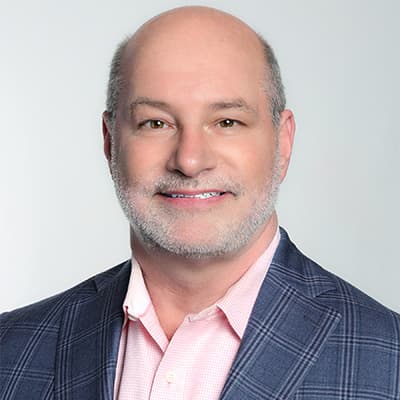
Full Transcript Introduction to Rad Cast and Dr. Patrick Porter 0:00 Most people don't understand that 5% of what you do is conscious, but most 0:04 people are working in that 5% all the time thinking, I'm going to change this 5%. 0:07 I'm going to change this 5% where it's the 95%. 0:10 You know, when Bruce Lipton says 0:11 95% of your life is controlled by your subconscious? 0:13 This is doctor talks, real talk from real doctors 0:17 on the issues that matter to you most. 0:27 Welcome back to Rad Cast, where science meets soul 0:30 in the pursuit of ageless living and limitless human potential. 0:34 I'm your host, Doctor Melissa Peterson, and today's guest is a true pioneer 0:39 at the intersection of neurotechnology, consciousness, and human. 0:44 Doctor Patrick Porter For over 30 years, Doctor Porter has been on the cutting edge 0:50 of brain wave entrainment and mind based medicine 0:53 as the creator of Brain Tap, a revolutionary, neurotic platform 0:57 designed to enhance brain fitness and debate neuroplasticity. 1:02 His work is helping people reset their stress response, boost 1:05 resilience and rewire their brains for health, healing and high performance. 1:11 He is the dean of mind based studies at the International Quantum University 1:15 of Integrative Medicine and award winning author, speaker, and the creator 1:20 of over 1500 guided audio programs that have touched millions of lives. 1:25 And he's on a personal mission to better a billion brains. 1:29 Today, we're diving deep into the science of thought, power of perception, 1:33 and how brainwaves can literally influence the way we age. 1:38 We'll explore how we can begin to live longer, starting with the way 1:42 we think today. Doctor Porter. 1:44 Welcome to rad cast. 1:46 Hey, thanks for having me. It's great to be here. 1:48 Absolutely. 1:49 I'm going to tell you all that. 1:51 I love getting to have these moments to sit down with friends and peers 1:56 and thought leaders. Just like Patrick. Doctor. Porter. 1:59 I've been a friend of his for a long time. 2:01 I've been a user of his technology as educator and his technology. 2:05 And you guys are going to love everything that you hear about today. 2:08 But, doc, 2:09 I'm hoping that we can kind of dive right in a little bit to science first. 2:13 I know you're probably used to always getting asked about your story, which I'm 2:16 sure we will circle back to, but, you know, you've been a leader 2:19 in brainwave entrainment for over three decades. 2:22 Again, such an early adopter and really, helping us to understand 2:26 the power of our brains over our bodies. 2:28 But can you break down, just for a moment, what brainwaves are 2:32 and how they influence our health, our thoughts? 2:35 And of course, we're talking about longevity. 2:38 There's there's six primary brainwaves I'll go over 2:40 that are important for the listener to know about. 2:42 So I'll start at the top. Gamma. 2:44 Gamma is a high frequency wave about 40Hz and higher. 2:47 Think of it as the bass drum of the brain. 2:49 So if this gets dysregulated, you're going to have dementia 2:52 that will lead to Alzheimer's. 2:54 So think of it 2:54 like if you're if a marching band and you don't have the big bass drum.
Brainwaves, Brain Fitness, and Longevity 2:58 That's what that's what gamma does. 3:00 It's really important. 3:01 And if you'd asked me 15 years ago, I'd have told you gamma was for psychopaths. 3:05 And, you know, 3:06 they didn't know what it was about because we didn't have technology to measure it. 3:09 Now we do because of the research they're doing, like in, 3:12 University of Wisconsin and other places with the Buddhist monks, 3:16 they're showing that these people are actually going up to 200Hz, 3:19 which most of us are in the 40 to 70Hz 3:22 frequency, depending upon what happens when we have those high level look. 3:25 Think of it 3:26 like when you have a mountaintop experience, high flow states, creativity. 3:30 If you're a healer, you probably have. 3:32 What we're finding is that peak performers have a lot more gamma than other people. 3:36 So we see that a lot now, beta, which is where most people hang out 3:40 in, unfortunately, that if you want to be about 45% beta. 3:44 So when you're thinking about percentages while you're awake, 3:48 gamma should be about 5% or less. 3:50 It could be more. 3:51 I mean, we've had people 3:52 that if the more is better, but most people will have less than 2%. 3:56 But as long as you have 2% or more, you're going to be fine. 3:59 And what I mean by that is there's a percentage of brain waves. 4:01 So don't think of each brain wave as you don't like in one brainwave 4:04 state at a time. 4:05 You're in all the brainwave states. It's just some are less than others. 4:08 So and I'm talking about cognitive, how we function in the real world. 4:12 So 45% of your brain should be in beta. 4:14 This is your reactionary mind. 4:16 Think of it like the you know, we need that to drive our cars, 4:19 to catch a ball, to protect ourselves, to bad, to actually 4:22 walk low level beta is there between beta and alpha. 4:25 There's a brain. 4:26 We pulled smar sensory motor rhythm. 4:28 And what we've shown here in the lab is that balance is 4:32 of course, it's a feature of muscle. 4:34 But what moves the muscle? 4:35 What moves the bone, what moves the ligaments? 4:37 What moves the tendons? It's the brain. 4:39 So what we showed was 4:40 if you can increase this brainwave and this is what happens to us as we age, 4:44 unfortunately, this is the brain wave that atrophies. 4:47 And as soon as it does, we don't have cognitive recall 4:50 because in order to recall information, we need to dip into alpha, 4:53 which is the next one we're going to talk about. 4:55 So think of Asmr as the balancing brainwave. 4:57 It's it's what you need in the morning. 4:59 It's when you wake up, you should have a lot of neuro preference 5:01 dopamine, cortisol these are all things that the brain produces. 5:04 Coffee does that as well. 5:06 But you want to wait to have your coffee hopefully. 5:08 One of the things that I always tell people is wait about two hours, 5:12 because there's a cortisol trough that you don't want to crush, 5:15 you know, first thing in the morning. 5:16 I know you talk about that in your circadian rhythm classes 5:18 and things, but it's really important. 5:20 And I've been preaching that you know, for years 5:22 because people just get up and you just slept all night long. 5:24 Why do you need a cup of coffee? 5:25 You pretty for a little bit. You're going to find that you don't. 5:28 What you should do is exercise, do some breathing, do some stretching, 5:31 get your body going, get your brain working. 5:34 And then when you drop into alpha, Alpha is a timeless place. 5:37 It's a creative state where actually time starts to suspend. 5:41 So if you've ever been in a daydreaming state, you go, wow, 5:43 what happened to a half hour? 5:44 Some people call that behind the computer, right? 5:46 We call it almost like windshield time. 5:48 We used to call it when we're driving, when I was working in the oil fields. 5:51 You know, what happened to the time you're driving behind a windshield? 5:54 So you're daydreaming. 5:55 Now, that can be really good. 5:57 And as long as you have positive motivation, 5:59 then that help is going to be good. 6:01 That should be about 30% 6:02 of your prevailing brain wave, because that's how you recall information. 6:06 So the reason that brain wave is so important is for communication. 6:10 So if you think about the biggest fear in the world, 6:13 up to about ten years ago, used to be the fear of public speaking, right? 6:16 You used to say the guy giving the eulogy was scared. 6:18 More scared than the guy in the coffin. 6:20 But the the reality is, of course, the guy giving the eulogy was scared 6:24 because when you stand up and you don't have Alpha, 6:27 you don't have memories, you can't access your memories. 6:30 And this is what happens to autistic kids. 6:33 So when we measure them, they're mostly missing alpha. 6:35 So as soon as we increase their alpha to 23%, like in one study 6:39 we did with your computer handy out of California, 6:41 we had 90% of the kids speaking. 6:44 That's how important health is for communication. 6:46 So when you think about that's why when you relax, when you're around 6:48 family, friends, coworkers that you're comfortable with, you're fine. 6:52 But as soon as you get up in front of the group 6:53 and they're all staring at you, that's why you got to practice those things, 6:56 to rehearse them. 6:57 Because the brain will act out what you've rehearsed, not what you intend. 7:01 Intentions go out the window because emotions drive behavior. 7:04 Now, when we drop into theta, what I was saying about autism is true with theta. 7:09 For most adults, 90% of the people we scan have very little theta. 7:14 We should have about 10 to 20% theta if we if we, 7:18 you know, the more theta the better. 7:19 So think of theta is the low grade gamma because these brain waves 7:24 also trigger neuro activity, neurotransmitter activity. 7:28 So when you think about of course beta is dopamine. 7:31 And for those who don't know what dopamine does, it doesn't do anything. 7:34 It just motivates you to do something. But it never pays you off. 7:36 It's kind of like friendly, keeps on giving, but it doesn't get it. 7:40 Keep going. 7:41 Yeah, it's just foolish. 7:42 You get it. You're like, that's why we say there is no there. 7:44 You know, you can't, you can't. 7:46 You never win chasing dopamine. 7:48 So you've got to. 7:49 That's why you've got to create that balance between the brain waves. 7:52 Alpha creates more acetylcholine. 7:54 But there's actually, you know, there's 54 different neurotransmitters. 7:57 So we're not going to go into all of them. 7:58 But they're all triggered when you go through the sleep cycle. 8:00 So when you go through the sleep cycle 8:02 that's when you fill up your neurotransmitter bank account. 8:04 Theta is important because it produces gab. 8:07 Gab is a precursor to DMT. 8:09 So for those that know about psychedelic journeys, 8:11 they know that they you can stimulate DMT by taking it. 8:15 But every cell has it. 8:16 And we have receptors just like we have cannabinoid receptors. 8:19 So when you when people say, hey, I had a mountaintop experience, it's 8:23 because they triggered that beat up brainwave 8:25 and call it the inventive brainwave. 8:28 So think of, 8:30 the alpha brainwave as the intuitive brainwave. 8:32 Think of theta as the inventive brainwave, because this is where 8:36 all the great inventors, they all had a practice, like they say 8:39 that, Edison would sleep with a big iron ball in his lap. 8:42 And when that ball rolled out of his lap and hit the floor, he'd wake up. 8:45 That was his cannon. 8:46 But he would he would always have a problem in his mind 8:49 while he was doing it. 8:50 And when the ball hit the floor, 8:51 he triggered his subconscious to give him a solution to that problem. 8:54 And many times he got his inventions at that moment 8:57 because he was going from his subconscious or other than consciousness. 9:00 I like to call it, because I don't think it's sub. 9:02 I think it's it's just other than what we do 9:06 and think of these prevailing brain waves like flashlights and people 9:10 look into the closet and say, that's all there is in there, but there's a lot more. 9:13 So we, you know, there's actually 16 different brain waves. 9:15 I break it down into bigger detail, but then we have. 9:18 So data is really important for sleep. 9:21 So that's why one of the most researched neurotransmitters right now is Gaba. 9:25 Because the pharmaceuticals want to make a pill of it. 9:28 But the reality is you can't have a pill without a skill. 9:30 So that's what brainwave entrainment comes in. 9:33 You can have the pill, but if you don't build the skill 9:35 your brains, you don't want to be dependent upon them. 9:38 You can't you can't ingest as much Gaba. 9:42 You can produce in one night. 9:44 You know, like they say, 9:45 a couple hundred thousand dollars worth if you had to go buy it off the shelf. 9:48 So your brain is the most powerful pharmacy on Earth, 9:50 and it's triggered through brainwave activity. 9:52 And then when we drop into the last brain, what we're going to talk about is delta. 9:57 Now, Delta should not be available while we're awake. 10:00 We want that to be less than 10%. 10:02 The lower the better. 10:03 When you're awake, if you could have it at 3%, 10:06 you're going to find somebody who's highly energized. 10:09 That has a lot of focus. 10:10 As long as these brain waves are, they call it the master brainwave. 10:12 And and I wasn't the one who created that. 10:14 It was, and wise who used to work for, 10:17 light and sound research when I was their researcher. 10:19 She was the master researcher. 10:20 I worked under her, 10:21 and she traveled all over the world measuring people's brains with something 10:24 called the mind mirror, which is still available as a different brand. 10:27 But it used to be nothing like what we see today. 10:29 It was a crude thing, but it didn't measure brain waves. 10:31 And what we found was that all, every high 10:35 performer had the same brainwave profile, the one that I just said. So. 10:39 And what we're finding today, by the way, 10:41 in how we know that the brain's out of balance is 90% of the people 10:46 that use our neuro check, and we do about 30,000 scans a year 10:50 with all of our doctors. 10:50 And what we do, 10:51 we're finding that about 90% of them, over 60% in Delta, when they're awake. 10:56 Remember I said it should be below 10%. 10:58 So you're talking about now, what that means to the listener is when you're 11:03 if your brain is in high delta, you either have a lot of inflammation. 11:06 You know, in which we can measure it. 11:08 A lot of people have a lot of inflammation or you have brain damage, you know, from 11:11 maybe a fall or an accident or, you know, just, 11:15 not sleeping well, that can cause brain damage because of you.
From Self-Help to Brain Tap Technology 11:18 You're not detoxing, you know, 11:20 and that's and you know, what I like to tell people is, you know, 11:22 during 2015, when they figured out we had this clear lymphatic system, right? 11:27 They I tell people, could you imagine all the physiology books before 2015? 11:32 They never talked about the lymphatic system. 11:34 In fact, the lymph system stops here. 11:36 And we were all taught in physiology class that anywhere there's a blood 11:39 vessel, there's a lymph vessel. 11:40 But for some reason, every textbook in the world 11:43 stopped the lymphatics at the neck 11:44 because they didn't know that during level four sleep, the system activated. 11:49 So I tell people, 11:50 what other things do we have inherent in our body that we have not activated? 11:54 There's probably other dormant systems that once we learned 11:57 this combination of brainwaves because they didn't even know. 12:00 But it happens during what we call level four sleep, 12:03 and it doesn't happen all at once. 12:05 So when you're using your, whatever you're using to sleep, 12:09 you know, watch your sleep, whether it's in a read watch or whatever methodology, 12:14 we find that if you have an hour of deep sleep now, that doesn't come in one burst. 12:18 Like most people don't just get it, it comes in many. 12:20 So you're going through these waves. 12:22 Remember, you're going through these brain waves 12:23 while you're sleeping, trying to stay out of data, hopefully. 12:26 But you're because you don't need dopamine when you're sleeping. 12:28 That'll wake you if you want to stay in the lower brain waves. 12:31 And if you can stay in those lower brain waves, 12:33 you're going to build up this neurotransmitter or bank account, 12:35 and in the morning, going to wake up filled with energy. 12:37 You're going to have a positive attitude because, 12:39 you know, it's just all about energy and the energy in the brain. 12:42 If the brain has to fight for these, 12:44 it's good to try to preserve these neurotransmitters. 12:47 So it's good I'm stingy with them if you don't have a lot of them. 12:49 So you want to have a lot so you can be gracious and, you know, be at peace 12:53 with your surroundings and things. 12:55 Longevity Revolution is about more than just searching online for a few hacks, 12:59 or any one of us moving our biomarkers in the right direction. 13:03 It's about coming together 13:03 to learn, share, to connect and create the unlimited future we want. 13:08 That's why you need to be at Rad Fest 2025, 13:11 in Las Vegas from July 10th to the 13th. 13:14 Rad Fest the Revolution Against Aging and Death 13:17 is proud to be partnering for the first time with Doctor Aubrey de 13:20 Gray and Longevity Escape Velocity Foundation. 13:23 The form the single most comprehensive, advanced, 13:26 informative and inspiring event on age reversal for a general audience. 13:30 Meet the people you want to make forever with Rad Fest 2025. 13:34 Take advantage of lower advanced pricing now at Radford. 13:37 Scott I love it. 13:38 And and so we just jumped right into the science 13:41 and I'm going to make a connection. So really keep keep listening. 13:44 And I want to thank you for that doctor Porter. 13:45 Because you know it can seem complex but at the most simplified 13:49 level aren't we are one big bundle of electricity. 13:52 Our brain is this big, beautiful surge of of electrical, 13:57 you know, of of electrical impulses. 14:00 And so these brain waves are just different speeds at which 14:03 the electrical signals are being emitted is a simple way to think about it. 14:07 I always think of it like a gearshift in the car. 14:09 Right. 14:09 And and so as Doctor Porter so eloquently just said, 14:13 these brainwaves are firing all the time, but they're supposed to be different 14:17 brainwaves and frequencies happening at different parts of the day. 14:20 They align very closely to the 24 hour light dark cycle, the cues 14:24 we're getting from our environment. 14:26 And so the point, the reason I wanted to start with the science 14:30 is because, you know, you actually started your career, started in self-help. 14:35 And of course, much of the work 14:36 that you do is still helping us all to help ourselves 14:40 live longer, live better physically, mentally, emotionally, spiritually. 14:44 Yeah. 14:44 I'm curious, you know, how did you kind of start 14:46 where you started in that land of self-help 14:49 and make the jump into really studying 14:53 the science of the brain waves and finding and developing this technology piece 14:58 that could allow us to get right into those frequencies and start to better 15:03 modulate for more kind of optimized outcomes, if you will. 15:07 So you think of God, universe, whatever they put me in the position to do that. 15:11 I mean, I 15:12 my dad was a sailboat instructor, so the civil method had something called 15:15 the silver sound. 15:16 They didn't tell us what it was, but it would 15:19 it would synchronize the brains in the room to Alpha. 15:21 It was a nice Socratic tone. Now that now that I know what it is. 15:23 But back then they would just play this a weird sound. 15:25 It sounded like a bunch of machine noises. 15:28 And then. And that's what it would sound like. 15:29 If you heard my algorithm, it would be weird. 15:31 But what we found was we can bury that below the music. 15:34 It carries the carry weight of the music so it doesn't interfere 15:37 because it's kind of weird. People hear and they go, what's going on? 15:40 But it creates a critical response in the brain. 15:42 So what fascinated me was, how could we synchronize a room? 15:46 Now when you said a ball of energy, remember, we have a heart 15:49 that is a magnetic frequency. 15:51 So that broadcast out up to 18ft away, 15:53 the brain know we have to put probes on the brain 15:55 because it's very low energy, but we can still measure them. 15:58 But the whole thing is I tell people, think about each of those brainwaves 16:02 like a Wi-Fi network. 16:03 If they're they turn on and off switches in the body. 16:06 And with your background and epigenetics, 16:08 you know, every 40s the DNA is switching on and off. 16:12 These, these pairs to to prepare us either for what we're doing or not doing. So. 16:17 But what always interested me 16:19 and what got me into it was there's more than just thinking. 16:22 So I got into my dad. 16:24 My mother was into nutrition. 16:25 So she got us from nutrition to my dad getting into the brain stuff with with, 16:30 NLP, hypnosis. He was also a PhD. 16:33 So he got into therapy and doing therapy, he found out using these 16:36 kind of therapies were much faster than talking about it, 16:40 because most people when you talk about a problem 16:42 you exacerbated and actually you hardwire it in 16:45 so you can talk about it once but get over it, you know, the the whole thing. 16:49 And what I tell people in my first book, I call it the Dragons of the past. 16:53 If you only have 100% energy so you can drag the past on and on, drag 16:57 on, you know, that's. So I made a little play on words. 17:00 So when you think people want in, sometimes you meet people 17:02 and they want to tell you about all their past baggage. 17:04 And you're like, I don't need to know, you know, TBI or whatever it is TMI. 17:10 But but 17:10 they don't understand 17:11 that they're running the neural networks when they talk about it. 17:14 So what I did was I tell people and I did this back in 96, 17:17 I tell when I wrote the book, I said, I wrote the chapter 17:20 how I was blessed to be the son of an alcoholic 17:23 because it doesn't serve me to say, poor me. 17:25 My dad was an alcoholic. I could definitely be one. 17:27 I'm pretty good at everything I do, so I think I could be a pretty good alcoholic 17:30 if I wanted to. 17:31 You know, I've got the Irish name and I could probably do it 17:34 really well know, but I'm not going to do that. 17:36 Right. 17:37 Because you can make a choice. What? You know. 17:39 So what got me into it was when I was when I'm working with my clients. 17:42 This was way back in the 80s and we were working with them and they can't relax. 17:47 I mean, I'm 17:47 trying to do hypnosis with them or in NLP and they're there's fidgeting, 17:51 they're moving, they're doing all this stuff. 17:52 So I so I started leading meditation classes and then the universe 17:57 arranged a meeting with me with these people from like on research. 18:01 And it was a, it's in a book called miracles 18:04 because I think it's a miracle that we met and, because we met in Vegas 18:08 and the, 18:10 the founder of the system called the Cells of Sensory Input Learning System. 18:13 He died that weekend, unfortunately. 18:15 But I was at their booth and they didn't know what to do. 18:18 They only had two of these big machines left. 18:20 They were $10,000 each. 18:21 And I said, you know, my background's 18:22 electronics, my undergraduates in electronics. 18:25 So I said, you know, if you where are you going to go next? 18:27 They said, we're going to go to Phoenix. 18:28 That's my family lives in Phoenix and we don't know what to do next. 18:31 I said, well, I have an office in Scottsdale, come and see me. 18:34 So we we arranged that some things happen. 18:36 It was it was kind of weird. I lost their number. They lost my number. 18:39 Then this Jerry guy that my my buddy, he calls me up 18:42 and says, I got met these two people and I really think you need to meet them. 18:45 I didn't put the two together, but they showed up at my office, 18:47 so the universe made sure we met 18:49 even though I tried to sabotage by something. 18:50 So, at the time. 18:53 So I didn't know what I know now. 18:54 But it all happened. 18:55 And then what we did was 18:57 we wanted to show people that we were doing biofeedback, not neuro. 19:01 If there's no neurofeedback, I think, so we were using hand temperature, 19:05 respiration, all these kind of things to teach people how to get out of pain, 19:09 get rid of headaches, because I would get a lot of referrals from doctors 19:12 because I was a psychologist, you know, my dad was really the psychologist. 19:15 I was still going to school, but I worked with people 19:17 because he let me work with him. And in his clinic. 19:20 And then as we were, as we were doing the work, we found out, hey, this 19:24 this is much faster. 19:25 It's a much faster way to get somebody to their other than conscious. 19:28 So their subconscious where really the problems exist. 19:30 Most people don't understand that 5% of what you do is conscious, but most 19:34 people are working in that 5% all the time thinking, I'm going to change this 5%. 19:38 I'm going to change this 5% where it's the 95%. 19:41 You know, when Bruce Lipton says 19:42 95% of your life is controlled by your subconscious, you know, 19:45 could you imagine 19:45 trying to keep track of 86,000 heartbeats or 20,000 eye blinks, or, 19:49 you know, how to take electrical impulses from the world around 19:52 you make sounds out of it? 19:53 I mean, this is all being done 19:55 by a higher consciousness that's within you right now. 19:57 It's it's it's not something you have to go search for. 20:00 You got to pay for it. 20:01 It's what you were born with. 20:02 It's an eight, 20:03 you know, so we if we tap into that power, we can make incredible changes. 20:07 And I wanted to find a way. 20:09 How could we get more people there faster? 20:12 Because, you know, you can do it through meditation. 20:14 And when I was in India, Guatemala City University, this was a number of 20:18 years ago, I took a guru up on stage, and I and I measured their brain. 20:23 They were doing a great job. 20:24 You know, most people don't meditate, right? 20:25 By the way, we could I could count on one hand 20:28 the people who meditated that actually got a less than a stress response 20:31 when they meditated, because the default mode network never shuts off. 20:34 So you're they're going to and they're going 20:36 to a level of relaxation, but they're amplifying all their negative stuff. 20:39 Because 90% of what you thought about 20:41 yesterday, you're thinking about today, and 80% of that is negative. 20:44 So we need to change those thoughts, you know. 20:46 So you need an upgrade. 20:47 So that's where the positive thinking comes in. 20:49 And the positive programing if you will, that people need. 20:52 So this guru gets up there and I chose Brian profile. And 20:55 I knew exactly where I was going to see because we've seen it a thousand times. 20:59 And so I asked somebody in the audience, I said anybody here never meditate, 21:03 brought 21:03 him up, put the brain tape out and put the EEG cap on him. 21:06 And we did the thing I said in seven minutes, 21:09 he's going to have the same exact brain profile as the guru. 21:12 They thought, I was crazy, and we did. 21:14 That's all I got at that time. 21:15 We got a working relationship with him. 21:17 Pope Paul, which is the leader in meditation research all over the world. 21:21 They now research with our equipment because we showed how 21:24 we could do it very quickly. 21:25 And they also used neuro check because it's an easy measurement. 21:27 But we we did that with the EEG but I in the in. 21:30 Then I remember Doctor Broom going that's cheating in front of the whole group. 21:34 You know there's a few hundred people there. 21:36 I said that's not cheating. I said, have you ever meditated to a candle? 21:40 He goes, oh yeah, all the time. 21:41 I said, you know, that's cheating, because what do you mean? 21:43 I said, that's technology. It's just really old technology. 21:46 But that candle flickers at ten hertz frequency. 21:48 All fires burn at ten hertz. 21:50 All fires emit infrared light. 21:52 So when you think about people doing health optimization, 21:54 those are both things that are really good for our brain. 21:57 So when you've ever stood in front of a fire,
Light, Sound, and Frequency for Health 22:00 so you're synchronizing brainwaves. 22:01 I said, do you ever wonder why the gurus go to the Himalayas to meditate? 22:05 He goes, yeah, to get away from people. 22:06 I said, no, they're cheating because what do you mean? 22:08 I said, the mountains, those mountains resonate at 4.7Hz frequency. 22:13 That happens to be a low band of theta. 22:15 Yes. When you're when your body, every cell of your body right now, even 22:19 while the listeners are our viewers are watching this, 22:22 your cells are vibrating to the room around you. 22:26 Every cell is listening and everything is playing into this. 22:28 It's not one thing. 22:30 So you're and that's changing, you know, the 10 billion miles of DNA, 22:34 which is pulling in light and transmitting light to the cells 22:37 and feeding the cells. 22:38 That's all being changed based on a couple of things. 22:41 But the main filters are, 22:42 if you look at life as a threat, what do you look at as a challenge? 22:45 And if what they've shown with light, 22:47 because every cell of your body is emitting light, you're emitting light. 22:50 I'm emitting like that's 22:51 why we can be seen, you know, and we all have a corona discharge. 22:55 The NIH, actually, 22:56 if you go to their website in 1994, they say we all have a biosphere 23:00 and all illness starts in the field, but they don't tell the medical doctors that. 23:04 But it's right in there. 23:05 It's right on the online. 23:08 So we have this energy field 23:09 that surrounds this is not metaphysical mumbo jumbo. 23:11 It's physical science. 23:13 And we influence stat they they actually prove that when you're 23:16 a negative thinker you produce 200 times less light energy. 23:21 So that light energy is what upregulate or down regulates 23:25 the DNA because it's part of the signaling system. 23:29 It's called the bio fatigue system. 23:31 So the more energy you have, the more capable you are. 23:34 And if you look at life as a challenge, 23:36 then your cells are being upregulated to meet the challenge. 23:40 If you are thinking it's a threat, it will down regulate 23:44 to basically make you right. 23:46 You know that you perceive that as a threat. 23:48 So you, you kind of you actually show shallow breathing. 23:51 You get into the fight or flight. 23:52 So if you're meeting a challenge, you don't do that. 23:55 You know, you can't really meet a challenge by being weak and cowardly. 23:59 You got to meet it full on and go for it. 24:01 So and that that has to do a lot with how people prepare 24:05 and in their brain function if they don't have the right balance, 24:08 if you're in high delta, I tell people it's all about frequency. 24:11 So what you frequently see. 24:13 So think about when you think about your frequency. 24:16 What do you frequently see. 24:17 So if you're high frequency high energy you're going to see high energy people. 24:21 You're going to see high energy food. 24:22 You're going to see high energy activities. 24:23 You're not going to put up with the trainers. 24:25 If you're local G, you're going to be a naysayer. 24:28 You're going to be negative deli. 24:29 You're going to sit on the couch potato chips and say, all this is hogwash. 24:32 But the reality is that it's not what you do every once in a while. 24:35 That's important. 24:37 It's what you do consistently that needs to change. 24:39 So we wanted what I wanted to find was a practice that people could do. 24:43 And we're very lucky. 24:44 With Brain Tap, the average user uses a 28 times a month, 24:47 and we only have 7% of the people ever join, ever quit. 24:51 So I mean, it's a pretty good 24:52 that's what those are numbers that are unheard of in most apps. 24:55 But if you if you get a value out of it, people are going to keep using it, 24:59 you know. 24:59 And so that's that I always look for 25:01 how can we bring value more than what they're paying us? 25:04 Because I also the reason I want to get to those billion brains 25:07 so I can get it in here is I believe, that field of energy that surrounds us. 25:11 They know that we're sharing that, 25:13 you know, during Covid, they said we had shutting, but we've always been shut. 25:17 We always, you know, we're around people. 25:19 There's a certain thing when you're around good people, you're on a 25:22 you're in an event or something and you're around high energy people. 25:25 You leave and you're charged up and then there's always that 25:28 that negative person, you know, the room gets a little darker when they walk in. 25:31 You know, those traders, 25:33 you know, we have to protect ourselves because there are people out there. 25:36 And what what the energy does, it tries to find balance. 25:40 Yeah. 25:40 So group, if you're a high energy group, you raise the energy of everyone else. 25:44 But if you have a drainer in the group, 25:45 you got to get rid of them because it's almost like having a battery. 25:48 That's that's grounding. 25:49 That's the or just leaving. 25:51 So that's why it's so important that we, we find our tribe and, 25:54 you know, hang out with those people that are going to build our value 25:57 and try to recruit other people into a positive lifestyle. 26:01 You know, the the main thing. 26:03 Are you ready to redefine aging and unlock your full potential 26:07 as a longevity leader at the human Longevity Institute, 26:11 our world class certification programs train doctors, coaches, and wellness 26:16 professionals how to deliver cutting edge, integrative longevity, health 26:20 solutions so people can live better today for longer, healthier, 26:24 and more vibrant tomorrows. 26:26 If you're ready to join the Longevity Revolution, visit Human 26:30 Longevity institute.com to enroll and become a practitioner today, 26:37 I love it. 26:37 And so, and you've just made so many great points, 100%. 26:42 Thank you, thank you, thank you. 26:43 I want to connect us back to, really talking about this 26:47 this phenomena around again. 26:49 We all emit light and we are all frequency, right. 26:53 And so frequency is on the spectrum, just like light is on the spectrum. 26:56 Some of it we can see, some of it 26:58 we can't, some of it we can hear some of it we cannot. 27:00 And so, you know, if we really come down to the foundation 27:04 of what we're talking about today, we are looking at light and sound. 27:08 We are looking about at the frequencies emitted 27:11 and how the brain and body responds to them. 27:14 And now I want to go ahead and kind of build a bridge and look 27:18 through the lens of your technology and your science to say, oh, 27:22 so you've been getting faster results with the technology that you developed. 27:26 So how can we leverage the technology or the science behind it 27:32 to live 27:34 healthier, to live longer, to longevity? 27:38 Hack, if you will, to start to influence our frequencies 27:41 in a way that really produce new enhanced health outcomes. 27:45 I know we're probably gonna learn about the Krebs cycle 27:46 at some point in your in your thing, right from you or somebody else. 27:50 So think about the the cells all have this cycle. 27:53 Think of it as a clock. And the little guy in the middle. 27:54 And every time it spins around he can spit out 2 or 4 ATP module molecules. 28:00 This is the energy or currency of the body. 28:02 So let's introduce the right frequency like healing frequencies. 28:07 And we introduce light that coordinates with that frequency those cells they know 28:12 will now start to spit out not two but 32 ATP molecules. 28:17 So when we measure the brain and this is important 28:19 because when you were born, like when your children were born and you were born, 28:23 your brain was probably at 18.1V and it was balanced. 28:27 And that that's important to know because as we age, 28:30 unfortunately, what happens is when our brain gets dysregulated 28:34 and it's all starts with voltage. 28:36 Voltage is key how much energy you have. 28:38 And it's a factor of mitochondrial function. 28:41 I know you talk about that a lot too. 28:42 So then in the process of mitochondrial function, 28:45 your eyes bring in the most light of any other organ. 28:49 So when you think about when you're looking at somebody's 28:51 eyes, you can you got beautiful eyes. 28:53 You're really saying you got a beautiful brain 28:54 because it's brain matter and it's a it's a whole job. 28:57 There's more mitochondria in your eyes 28:59 than there is by square centimeter than anywhere else. 29:01 Of course, the brain has 200 mitochondria. Purcell. 29:04 So you have a lot more in the brain, of course, but the eyes bring it in. 29:08 So you're always transmitting and receiving light through the eyes. 29:10 So if and this is what actually powers your frontal lobe. 29:14 So if you're wearing blue blocker glasses during the day you're doing a disservice. 29:18 You're going to have seasonal affective disorder. 29:20 Now if you want to use them while you're on the computer 29:22 or after 6:00 at night, that's that's different. 29:24 But I see these biohackers using blue blockers during the day. 29:27 I'm going, you're hurting yourself. 29:29 There's a reason we have a blue sky. 29:30 We we our body is designed to have that and that which creates vitamin D 29:35 and a lot of it is resolved through the eyes. 29:37 Now every cell has receptors to they're called chroma forms. 29:40 So when you think about the cells there every cell is absorbing light 29:44 and using it in some way. 29:46 Now when we're not outside we're not getting enough light. 29:48 So we're going to we're going to simply we're going to basically, 29:53 fake it with with what Brain Tap has. 29:55 We use red and blue light because when we mix those lights, 29:58 it's, it's more like the light we get in the morning, in the evening. 30:01 So we're trying to imitate sunrises and sunsets. 30:04 Now it'd be best if you get outside, 30:06 you know, maybe do some methylene blue in your eyes and, you know, 30:08 look at the sunrise and sunset, really activate those, those light receptors. 30:12 But what happens is when we, 30:14 when we give light into the brain, speeds up that energy, 30:17 when you're about 27 years old, you reached your zenith, right? 30:22 You realize you're not going to live forever. 30:24 You know, whatever. 30:26 You know, you're not gonna get back in the wrestling ring. 30:27 You know, whatever you're going to do, you know, you're going to say, 30:30 you know, this body doesn't heal as quickly as it did before 30:32 because that for some reason we have a time clock on our cells, 30:37 you know, used to be a 35 year old. You're an old person. 30:39 You know, I'd be like a geezer, super geezer at this age. 30:42 But they in the in the process. 30:45 But I, I regulate it's a 31 year old so that's what I identify with there. 30:49 You go I love that. Yeah. There you go. 30:52 So when you, when you think about the cells, cells don't have to age. 30:56 I wrote a paper about this 30:58 based on the chicken cell experiment they did at Harvard. 31:02 They kept cells alive for 35 years. 31:04 They claim that they got a couple of life forever. 31:06 As long as they detox them and gave them light, energy. 31:10 So think about that. 31:11 These cells were kept in a petri dish for 35 years. 31:15 So when somebody says we're destined to age, no, we only age 31:18 because of trauma, stress or our thoughts. 31:23 Right? 31:24 So thoughts, traumas and toxins, it all breaks down to that. 31:26 So we have a belief that we age, you know, and the reality is
Stress, Recovery, and Performance Optimization 31:31 I like Wayne Dyer when he says, never let an old person inhabit your body. 31:34 That's probably they know. 31:36 The number one thing you can do for longevity is have a positive attitude, 31:39 because negative people die six and a half years earlier 31:42 when people can have a positive attitude. 31:44 So I always tell the positive people, don't worry about them. 31:46 They're going to be gone in six years. You're like six and eight years of peace. 31:49 You know, you just be relaxed. 31:51 You let them go, you know? 31:53 So when you think about the the technology, what we're doing is we're 31:57 designed. 31:58 If you and I were 200 years ago having this conversation in the cave, 32:02 you know, we wouldn't be doing it on timeline, 32:03 but we're going to tell the tribe about this whole thing. 32:05 We're talking about light, energy and getting out there. 32:07 We would be walking around all day long. 32:09 We would have different environments. 32:11 We would go to each of those different environments. 32:13 We might walk by a stream that's going to trigger elephant. 32:16 We might walk up a mountain that's going to trigger Gaba. 32:18 You know, it's going to trigger gamma. 32:20 You know, all these things are being triggered by nature. 32:23 We're not getting those anymore. 32:25 We are, we are. 32:26 We really want variety. 32:28 You know, our our body loves variety. 32:31 And, you know, we do the same thing every day. 32:33 That's actually the death kill to the brain. 32:35 You know, if you do the same thing they say neuroplasticity for the listeners 32:39 that don't understand what that is, think of it as energy in the brain. 32:42 Really, that's what we're talking about. 32:43 The more energy you have in your brain, the more capable you are having 32:46 the additional neural pathways so you can think about. 32:50 I always tell a story of going through Canada with my kids when they were little 32:54 and we watched it, there was a bear with their cubs in the middle of the highway. 32:57 So we're watching safely. 32:58 Well, there's a show called, you know, Faces of Death or whatever, 33:01 and we're thinking, this guy gets out of his car, 33:03 this camera starts walking to the the bears. 33:05 I'm thinking we're going to see a bear eat this guy, you know? 33:08 So closer. 33:09 He got Mama bear, got up on her, you know, he ran back to the car, thank God. 33:13 But she was fine. 33:14 As long as we were safe enough away. 33:16 That's the same with our cells. 33:17 So our cells are. 33:18 They're in growth mode or protected mode. 33:20 So we keep our cells in growth mode 33:24 and we give ourselves variety. 33:26 Then our selves will do what 33:27 they're supposed to do, which is to really respiration, 33:30 you know, they're they're meant to bring you're meant to have stress. 33:33 In fact, if you don't have stress, a lot of people say, I just I'd be fine 33:37 if I didn't have stress. No, you would die early. 33:39 They did a experiment with mice and they gave these mice everything. 33:42 I mean, everything, even mates. 33:44 They didn't have to move. They just laid there. 33:45 They brought them to them. 33:46 You know, this is like the, I guess the 16 year old's dream or something. 33:49 You know, you just lay there and they bring you sodas, they bring you 33:52 whatever junk food you're just laying there. 33:53 They found out the and the other mice that they tricked all the time. 33:57 They never gave them a mate. They they they made them suffer. 33:59 They live 25 times longer because we need stress now. 34:04 We don't. 34:05 What we don't need is lack of recovery. 34:08 Biggest thing is people don't recover. 34:10 When you think about the cortisol trough and and when you think about the stresses, 34:14 it should be okay. 34:15 High peak peak stress okay. 34:18 Peak recovery. 34:19 Yep. Stress. 34:20 Peak recovery used to be 34:21 when if we were having this conversation 20 years ago, we might go, man, that bear 34:25 almost got me, or that tiger almost got me. 34:26 Or, you know, I almost didn't think I was going to find any fruit today, but I did. 34:30 You know, you're you're dealing with life and death. 34:32 So they say that we might have had the stress responses maybe 3 to 5 times a week 34:37 now that before breakfast, because we've we've self-identified having a cell phone. 34:42 Right. 34:42 If if you look at that cell phone first thing 34:44 and you have a propensity to have a negative belief, 34:47 you're. 34:48 Yeah. 34:49 The biggest thing that causes aging when you look at our presidents is an example. 34:53 You know, when you think any president doesn't 34:55 matter if they're Democrat or Republican or whatever, 34:57 when they go into office, they're usually not anymore. 34:59 They're old men now. They leave even older. 35:01 But when they were they used to be young men and they leave old because 35:05 stress in the biggest stressor is the stress. 35:07 It's put on the liver because people don't understand 35:09 the 70 actions of the liver that help brain function. 35:14 So there's a definite connection between the two. 35:16 And the biggest connection is in this gut brain access. 35:19 And when you're under stress the liver holds this. 35:22 It's it's equivalent to 25g of sugar. 35:24 But it's not exactly that. 35:25 But it's dumped into the bloodstream. 35:27 And if you have chronic low level stress, 35:30 which a lot of people have because they're not having recovery, 35:33 then your insulin doesn't just shoot like you used to be. 35:36 Just get rid of the extra sugar, you know, because you only have one tablespoon 35:40 in your bloodstream or you're going to have toxin here. 35:42 So you can't really just have all that sugar. 35:45 But when you're what happens is the body says, you know what, 35:48 we're just going to keep dripping the sugar. 35:49 We're going to keep dripping this insulin. 35:51 And it's going to happen all the time. 35:52 And then you get what's called insulin resistance, 35:54 because now the body says, I don't know what to do 35:55 with all this stuff because it's just coming all the time. 35:58 And so it's like a mother with ten kids. 36:00 It doesn't know what to do with them. 36:01 You know? 36:01 So we have to we have to have clearly defined it's okay to have stress. 36:05 That's what working out it, you know, when you work out. 36:08 That's why 36:08 some people that work out too much, you know what you can measure three job. 36:12 If you're if you don't recover in four hours 36:14 back to your original baseline, you're working up too much. Yeah. 36:17 You know, you should always that's one of those standards. 36:20 But I think the biggest thing is people don't understand that you can't 36:23 just go from a stressed out state to sleep either. 36:27 A lot of people watch the news. 36:29 You know, one of the biggest things you can do for 36:30 longevity is turn off the news, especially after 6:00 at night, 36:33 because it's you. 36:34 We tend to dream about what we think about right before bed. 36:37 So it used to be people would watch the news and go to bed. 36:40 Well, that's back when the news was your hometown and you were learning 36:44 about Betty over there at the school or or Bob or whatever. 36:47 Now we're learning about people all over the world having 36:50 they have to scour the earth to give us an hour's worth of bad news 36:52 so they can report it to us, and we can't do anything about it. 36:55 The worst thing for the brain is uncertainty. 36:58 Yeah. 36:58 So yeah, that's where meditation comes in. 37:01 Relaxation, brain tap. 37:02 So when you start to have certainty and also we can when we talked about 37:07 brain captors, it's not about meditation because a lot of people meditate. 37:10 Like I was saying, it's about brain fitness in the morning. 37:13 We need that brainwave right? Called smile. 37:16 So we do wave sessions in the middle of the day. 37:18 We need to reboot sessions. 37:20 And that's a 20 minute theta because most adults are missing theta. 37:24 And then like we need to down regulate because we've been geared up all day long. 37:28 It used to be, if you and I were together 200 years ago, we'd meet at the campfire. 37:34 Burn a few logs, we wouldn't go, hey, go grab five more logs. 37:37 I'm going to binge watch these logs tonight. 37:38 You know, I want to see what happens at the end of the episode, you know? 37:42 No, we would. 37:42 When the logs burned out, we went to bed, you know, and we were getting down 37:46 regulated by the alpha, you know, the the fire was burning at Alpha. 37:50 So all those stress hormones, all the stress, anxiety was being dissipated 37:55 because we're electrical systems and it was being routed into the Earth. 37:58 Most people don't round anymore either. 38:00 So that's why when you're when your hemispheres are balanced, 38:03 then the man who runs a company called Radiation Nation 38:06 Brain Tap is their resource to balance the brain. 38:09 Because even in an airplane, 38:11 we can balance the brain because it's only just sharing electrons. 38:13 When your brain you will start, 38:16 you'll start getting rid of those extra electrons in your. 38:19 Your body will become grounded even in an ungrounded state. 38:22 Because we're we're we are our own universe. 38:24 You know, it's just we we just don't realize it. 38:26 And we don't. We're not. 38:27 I think as we move forward, 38:28 we're going to see more of this frequency based kind of solutions. 38:32 And using light and sound of vibration to, to tune up the completely. 38:36 Yeah, completely. 38:37 And and so okay, we, I only get you for a few more minutes. 38:41 So I want to do a couple of things. 38:43 First, I want everybody to know if you are curious 38:46 about what you're hearing, 38:47 if you're in loving what you're hearing, you want to go deeper. 38:51 Doctor Patrick Porter and the entire brain tech team will be with us at the 10th 38:55 Anniversary Rad Fest out in Las Vegas July 10th through the 13th. 39:00 So we're going to be doing immersive experiences this year. 39:03 If you want to come try this for yourself. 39:05 And you know, doc, there's so many things I love about this technology. 39:09 I've been a big advocate of it for years. 39:11 I use it personally on myself and my family. 39:14 I use it in clinical practice at the Human Longevity Institute. 39:17 We teach our practitioners about brain ways and brain health and 39:21 and all the different types of neurotechnology, with brain tap 39:24 being the one I endorse the most. 39:26 I've got meditations on your platform and I love it 39:29 and could go on for an hour plus, plus plus just all the reasons that I love it. 39:33 But one of the things that I think is so stand out and you've mentioned it. 39:36 So if I were to kind of surmise everything that you've shared with us today 39:40 is that, first of all, you know, in order to live, to live a just really long life, 39:46 like part of it is the body needs to know it's got a reason to live. 39:49 And stress inputs to the system helps to give us something to respond to. 39:55 So the body's always going to take the the inputs to the system. 39:58 We're going to recognize it, we're going to respond to it. 40:00 But then we've got to recover from it. 40:02 And when we recover, we get stronger so that we can live longer. 40:06 But the way that our systems have evolved, we've gotten overloaded, 40:10 we've gotten overwhelmed. 40:11 We've gotten out of balance with nature. 40:13 We've gotten stressed out. We've gotten burnt out. 40:16 Our brains are not wiring and firing the way that they were naturally intended. 40:20 And so we are at a time to say, well, what can we leverage? 40:24 What can we do, if anything? 40:27 You know, this is this is both about increasing healthspan and longevity, 40:31 but it's also what do we do today to deal with kind of all the mismatching 40:35 of our all the gifts of modern living that have created a lot of of curses 40:40 at the same time. 40:40 And your technology is that tool that's like, 40:44 I think what you've done really well is you've mimicked nature, right? 40:48 You've looked and you've learned and said, okay, what fires what? 40:51 So yes, if we live by the ocean, we can go to the ocean 40:55 and will we will, you know, intervene with Alpha. 40:58 If we live in the mountains, you know, we'll be able to entrained 41:01 a certain gamma. 41:02 So just like you said, we used to be in our environments 41:06 that would naturally and train us to those optimal brainwaves. 41:10 But now we don't do that as much. 41:12 And so we can look to tools like your brain tap technology. 41:17 And one of the things I think is so stand out in the literature 41:21 is how with one 22 minute session, 41:25 correct me if I'm wrong, if something has changed 41:27 since the last time I looked at some of your research studies, 41:29 it's equivalent to approximately six hours of recovery of that time. 41:35 When are we can all of a sudden press 41:38 pause, press the brake on that stress response 41:41 so the system can actually recover because stress isn't bad. 41:45 It's just are we getting the time to recover from it? 41:47 So talk to us about some of these. 41:49 I mean, because that alone. 41:50 Like Tom Brady's group, the TBI group that Alex Guerrero 41:54 that runs his is a recovery team really now he's with the Oakland Raiders. 41:58 But they use Brain Tap as part of their solution 42:01 because Tom says for every one minute of exertion into two minutes of recovery, 42:06 that's how important it is when somebody says, 42:07 how can you play at a high level at 44 years old because he recovered? 42:11 When you look at his body, he didn't look like, 42:13 you know, you look at him without a shirt on. 42:15 You think, I mean, he's a good looking guy, 42:17 but you you wouldn't think this is a guy 42:18 that's like the world's greatest quarterback of all time. 42:20 He looks like it looks like an idiot, an average person. 42:23 I mean, he doesn't look like a 44 year old, but he's. 42:25 He doesn't look like he's a superhuman athlete. 42:28 Yeah, but he's got his brain. 42:29 So as you age, you really want. 42:31 But what good is it to have a great body and to function if you don't have a brain, 42:35 you know, so we our brain working in there's no better time. 42:39 So we've even done studies with people 90 years old 42:42 where we've improved their brain function by 19%, 90 year olds. 42:46 And and so the brain can, can improve at any age. 42:49 And and because it's 42:51 it's just like, again, we're creating we can always create new neuro. 42:54 We can create more neuro plasticity with this tool, 42:57 which is again, think of it like muscles for the brain. 43:00 Doc, really quickly though, you just talk to us about 43:03 some of the amazing findings you guys have around, 43:07 cognitive decline, dementia, Alzheimer's, some of the there's. 43:11 A good book out there. 43:11 Doctor Kelly Miller wrote 43:13 it called Saving Your Brain, and he did the saving Your brain research. 43:16 We did. It's now in a longer study with Seminole College. 43:18 We have over 100 people within six weeks. 43:21 They're all taken off the dementia scale. 43:23 People think cognitive decline is a feature of our aging. 43:26 It is. It's a feature of our energy. 43:29 So if we can increase our energy. 43:30 Now we did the study with just brain tap. 43:32 But when we add in nutrition and movement 43:34 that decelerates it, we get the results even faster. 43:37 So we showed that, you know, dementia is not a foregone conclusion. 43:41 It's an energy equation. 43:43 And then when we when we talk about, 43:46 productivity, when people want to be more productive, 43:48 you know, we have more peak performance moments. 43:50 We did a peak performance study with Julia Art with Googlers and Microsoft users. 43:54 She did a whole Ted talk about it. 43:56 Now it's it's pretty interesting where she talks about it. 43:58 But what we did was we all we had them do 44:00 is 20 minutes a day in the middle of the day. 44:02 That's when your biological clock, your temperature drops two degrees. 44:05 So you're the biological know most people go seek out 44:08 chocolate or coffee or tea or some biological solution. 44:11 It's really an electrical solution. 44:13 And they they've actually proven Virginia Hunt proved 44:16 that as we lower our brainwave states during these levels of relaxation, 44:20 we actually increase that energy field, which can now be measured. 44:23 It's not a it's not like a just a gut feeling or, you know, a 44:26 metaphysical thing. It's actually a science thing. 44:29 And so what they did was they found out when they did that 20 minutes, 44:32 their their happiness score improved 54%. 44:34 But their, their production, 44:36 they actually got 26% more work done every day that they took that break. 44:40 So imagine that in the end when we showed Google and Microsoft 44:43 was and that's why we're part of their their programs, is that 44:47 they got one and a quarter days more work done by taking a 20 minute break 44:50 in the middle of the day in their brains became sharper, their sleep improved 47%. 44:54 We didn't even do anything about sleep. 44:56 But when you think of the energy. 44:58 So and then, the one study that we did with, 45:03 we're doing with schools 45:04 down in Seminole College, we're doing a whole school thing now 45:06 because they're our golfers have now been national champions for years in a row.
Brain Tap Results, Biological Age, and Closing Remarks 45:11 But what we noticed about them and now the softball team is doing it 45:14 there, and they're doing extremely well. 45:18 Not just in performing on the field, but in the classroom. 45:21 They were the smartest kids in the school. 45:23 They had the highest GPA. 45:24 So now we're doing a for the university itself. 45:26 And we have several universities doing this now, 45:28 but the they're the only using the app 45:30 because we can't afford to give them all headsets. Yeah, yeah. 45:33 The app alone even can get results. It just takes longer. 45:36 Like our sleep study, which we did with the coal miners, 45:39 where we improve their sleep by 70% in three weeks. 45:42 That that happened with the headset. 45:44 And then the people that only use the app because we had a group 45:46 that didn't use the headset, it took six weeks. 45:49 So it's just a matter of, again, it's not what you do occasionally, it's 45:52 what you do every day. So this is something you can do every day. 45:55 Your family can do it 45:56 and at least every 72 hours, because that's when the cycle 45:59 of your nervous system resets. 46:00 And we want to keep upgrading the nervous system, 46:02 keep upgrading the nervous system. 46:03 It's going to go down because you're going to get hit. 46:05 Like Mike Tyson says, everybody has a plan to they get hit. 46:08 You've got to have a plan when you get hit because it's going to happen. 46:11 You know you're going to be pushed by time. 46:13 You're going to be pushed by meetings, 46:15 you're going to be something's going to happen, you know. 46:17 And how do you readjust? 46:18 How do you reset so that you can get your biological system back on line 46:22 and, you know, start living in the moment instead of 46:26 spending all your time in the past or worrying amusing about the future. 46:29 Yeah. 46:30 And one of the things that your system when you and you'd mentioned earlier, 46:34 one of the assessment tools that you all use is the neural check. 46:38 And, and there's an algorithm within it that it's really able to assess 46:42 biological age. 46:43 Now, is it the definitive will it match up with your true true age 46:47 diagnostic testing. 46:48 Maybe not, but it is a metric. 46:50 And so I'm curious, 46:52 I don't know if you've got this type of information, 46:54 but if you had to give kind of maybe a percentage or a big picture 46:57 before and after, because a lot of times you guys will go into a conference 47:01 and somebody will come in, they'll sit down, they'll do a neural check, 47:04 they'll get, you know, an assessment of their brain profile, 47:07 and they'll get a glimpse into their biological age, 47:10 and then they'll just go do one 20 minute starter session, 47:14 and then they'll come back and they'll do another neural check. 47:17 And you guys have been grabbing this data for years now. 47:21 What percentage? 47:22 And obviously, I know when there's a shift this doesn't 47:24 mean it's permanent, you know. 47:26 So we're not making any claims. 47:28 But just to give an indicator to our listening audience 47:31 of what can be possible in affecting how our body is perceiving the stressors. 47:36 And, you know, the the influences that affect that rate and pace of aging. 47:42 How significant how often do you see a shift 47:45 from pre and post on that biological age? 47:48 Seen a reversal? 47:50 Oh yeah. 47:51 The average person comes in six years older than they are. 47:53 Just to give you an idea 47:54 that we do have that statistic, and we do know that the average 47:58 first time session will reduce their age by 10 48:01 to 10 years, and that's measured by other people. 48:04 So imagine our 30,000 data base is 30,000 people 48:08 your age that have taken this test. 48:10 So we know the people that are at 100%, people that are at 10% in is 48:15 and really is an energy equation because every cell has a frequency 48:18 and a vibration in the Russians on that pattern. 48:20 And that's why we partnered with them. 48:22 And, you know, as we're sitting here now, we're working with them 48:26 to partner on a mobile app, which I have the the demo 48:29 which is going to be a lot more affordable because the others for clinical use. 48:32 And, you know, a lot of people don't want to spend 48:34 thousands of dollars for it, but it's a great metric. 48:36 And like you're ordering in groups and things like that. 48:39 We know there are only about 60% accurate, 48:41 but as long as you're using the same metric, 48:43 you know you're going to get a pretty 48:44 good a pretty good read for you, but it's not going to be clinical. 48:48 You couldn't use that information in clinic 48:49 because it's it's not really accurate. 48:51 I mean, there's there's so many other variables. 48:53 And what we do is we get nine variables, the nervous system. 48:56 And then that will give us the in. 48:59 This was they own the patent on HIV. 49:01 So and when people say they have HIV unless they've done it through the group 49:04 that we work with, they don't have the real HIV because they. 49:08 So I mean, 49:09 it's like I went 49:09 to the people I wanted to go to, the people that actually invented it 49:12 instead of somebody else. 49:14 So and we're we're working right now, hopefully by the time we are 49:17 there in Vegas will open the company because we're we're in negotiations. 49:21 We're almost finalized to buy that company because I want to I want to make it 49:24 affordable to everybody and put it in the app right now and save. 49:28 And it's a great tool, but it's too expensive. 49:30 So if we bought the company, 49:31 then we can lower the price and get it out to our 220,000 users. 49:35 Incredible, incredible. 49:37 Wow. I mean, you're you're always, you know, you that's why you're a leader. 49:41 You're an innovator. 49:41 You've been doing it for for so many years, and you're continuing 49:44 to stay ahead of it all and bring the best to all of us. 49:47 And so, you know, again, I want to keep talking, 49:50 but I know we are at time. 49:52 And so I want to wrap up I want to let people know where they can find you. 49:55 And but I want to give again, just another personal, 49:59 just endorsement to you, to what you're doing, 50:02 to your dedication to brain span, you know, bettering a billion brains. 50:07 And so really and truly, everybody listening, listen, this technology 50:11 is in as little as three sessions a week will radically change. 50:15 And and I think that's really what it's coming down to. 50:17 You've learned today from Doctor Porter about the power of perception. 50:20 So we can already give ourselves a swing of seven and a half years 50:24 based on the research and the studies, just by perception alone. 50:28 But if we're in a place that our perception is a little stuck, 50:30 it has an opportunity for improvement. 50:32 You know, one of the things that you get to tap in and listen to, no pun intended, 50:36 are some really great sessions that can help us to shift our perception. 50:40 And I will tell you, I'm going to give a nod to myself. 50:43 The longevity sessions that I have in there are all about that. 50:47 How do you start to shift your own perception of what is possible 50:51 and how to perceive? 50:52 Because aging is optional 50:54 and it really does begin right here within that six inches of real estate. 50:57 Right. 50:58 And so, 50:59 we really want to be able to give you guys access to these, these resources. 51:03 So from shifting this perception to and training your brain 51:07 with nature, getting out, being and trained to that light dark cycle. 51:10 And if you need some help, 51:11 Doctor Porter, where can they find out all about your incredible technology? 51:15 And you? 51:16 Well, if they go to brain to ABC.com, they didn't get a lot of free tips. 51:19 They can also download the free app and try it for themselves. 51:22 I always say try it for yourself. 51:23 You won't be charged until the 14th day, so if you don't like it, just cancel 51:27 and you want be. 51:28 So get the rest of the 14 days to try it out. 51:30 But if you have a sleeping issue which two thirds of the world is having, 51:33 usually within that 14 days, 90% of the people will be sleeping 51:36 well or better enough that they believe that the apple work. So. 51:40 And then of course, they can just look me up online. 51:42 There's my YouTube channel, I have lots of free videos and, 51:45 you know, things like that are interviews there from years ago to. 51:48 So we have I mean, I've done a couple interviews, so 51:50 there's a lot of free information online that they can learn about the technology 51:55 and just about what we're doing and where we're at and things like that. 51:58 Fantastic. 51:59 And if you guys come out to the ten year anniversary of Rad Fest, 52:03 then you want to be able to get over to that booth right away 52:07 because I'm telling you, you'll get the neural check. 52:08 That's when you're be able to get the full assessment of your brain profile. 52:11 You'll be able to look at biological age, you'll get your own pre and post. 52:15 And so you'll understand what can become possible to truly, truly, 52:18 truly help to enhance that brain span. 52:21 And and you'll have fun learning along the way. 52:23 So, Doctor Porter, as always, it's simply a joy. 52:28 I love getting and you made. 52:29 You have so many little quips. 52:31 So I mean, I'm just like literally sitting here going, 52:33 okay, there's probably 20 little 30 to 60 second reels out of today's interviews 52:40 with just the little nuggets of wisdom of all these things that you say. 52:43 So thank you for for just all of it today. 52:45 It's been a joy. 52:47 Okay. Well, thanks for having me and love to be out there. 52:49 And if you're listening, remember we're going for a billion brains. 52:51 So it's your brain we're talking about. 52:53 So let's try to get that brain on online and help the rest of the people. 52:56 That's right. We're all in it together. 52:58 All right everybody, as always thank you for tuning in 53:01 to another wonderful episode here. 53:03 Continue to be bold and stay curious 53:07 while you express your greatest states of aliveness. 53:10 I'm Doctor Melissa. 53:11 Until next time, be well. Take care. 53:15 Thank you for tuning in to Doctor Talks. 53:17 We hope today's episode has enlightened 53:18 and inspired you on your path to optimal health. 53:22 Each day is a new opportunity to make choices that empower your well-being. 53:26 For more insights and strategies, subscribe to our podcast 53:30 and visit our website WW 53:32 Dot doctor Talksport.com. 53:35 Stay connected, stay healthy and join us next time on Doctor Talks. 53:40 Real talks from real doctors on the issues that matter to you most.

Comments