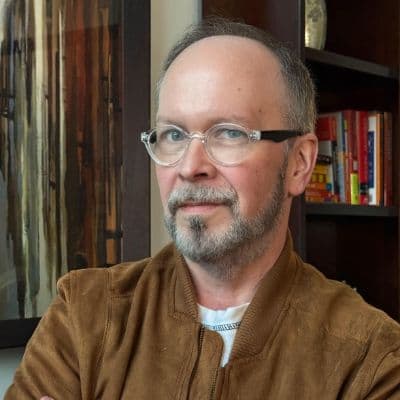
Full Transcript Introduction to Marc and Centerpointe 0:08 - Our next expert guest is somebody that I've been looking forward to this interview because 0:14 I want to learn more about what he does and what his company, 0:20 Centerpoint does. I'm very familiar with the company, 0:23 I knew Bill Harris, the founder, the company, I've used the holy sink meditation for many, 0:28 many years. But today I get to get behind the scenes with 0:31 him and really figure out what's going on behind the scenes. 0:34 So Marc is a lifelong student of the therapeutic power of sound and music and he's 0:41 always had a passion for helping other people and for over 25 years now. 0:45 So you go way back into Center Points history you have been part of the company 0:52 and what I find most interesting is you're the chief product designers. 0:56 So all these amazing products that have been created through Center Point like Hollis inc 1:02 the trauma sweet, I think getting rid of pain I think is one of them. 1:08 I mean so many cool things you've had your hand in and you've been developing these products 1:14 for a long, long time. So you're you're an expert in neuro audio 1:18 technologies and how to use meditation to reduce stress. 1:25 Marc, it's really great to have you here. Thanks for being on with us today. 1:28 - Hey, it is a pleasure Tom. Thanks so much for inviting me. 1:31 It's great to talk to you. - Yeah, so I found out about holly sink because I 1:37 was in a group with Bill Harris, the founder of whole sink called the transformational 1:41 leadership council. And actually no I found out about it 1:46 before that somebody had gotten holla sink, a friend of mine from the corporate world and 1:52 they're like, I never was able to meditate and this enabled me to meditate. 1:58 So give us some of the background of of center Point and and particularly maybe start with the 2:04 whole thing because I think that was the first product. Right? 2:06 - Well yeah, you're right, I mean I never really thought about it that way, 2:10 but it really was the first product. I mean of course Bill had been experimenting 2:15 with all kinds of meditation you know from his youth, 2:19 you know into the 19 eighties and he has, he had been experimenting with something called 2:25 Binaural Beat Entrainment which may be a lot of the audience members will, 2:29 will recognize but he recognized you know that both the power of that technology and also some 2:35 of the limitations of it and without putting too fine a point on it.
How Holosync Works and Why It Helps Meditation 2:38 The main limitation is that it does create benefit, it generates benefit in the moment, 2:43 but it really doesn't create the long term changes that Bill was looking for. 2:47 So to you know, kind of take this from a big picture standpoint to start because everything 2:54 for for us here at Centerpoint revolves around hollow sake. 2:57 There is no center point, there is no trauma suite, there is you know, 3:01 none of these, these products without this core technology, so hollow sink is really a form of 3:07 what we call neural audio technology, which is basically just you can think of it as sound 3:12 that affects the brain. It can take you. 3:15 The basis is I said is binaural beats and treatment so that alters brain wave states so 3:20 it can take you to or through virtually any brainwave pattern and therefore virtually any 3:27 state of consciousness. 3:29 And I think one of the cool things about it that sometimes people don't tune into 3:32 necessarily immediately is that it's totally non invasive. 3:35 There's no drugs, there's no magic spells, there's this, 3:39 it's just sound, but Hubble sink is a very refined version of that technology. 3:45 So one of the things real quickly that sets it apart from other types of binaural beat 3:49 entrainment is that it actually replicates the benefits of long term mindfulness meditation. 3:55 And you were talking about, you know, I have been at the center point for quite a while 3:59 since 1996 and you know, back in that time mindfulness meditation was 4:06 kind of New agey, you know. And not in a good way, 4:09 I guess, you know, something that, you know, old monks and mystics were doing way up high in 4:14 the Himalayas or something, but today um we've got all this new science that backs up the 4:20 power of mindfulness. And so you see these practices now that used to 4:24 be really esoteric and they're being taught in boardrooms, they're being taught in the 4:28 military, they're being practiced by professional athletes because it helps so much 4:34 with focus with calming this, you know, stress with boosting creative performance and just a 4:38 ton more. So when you have something like Hello sink, 4:42 which makes meditating easier and way faster. You know, 4:46 you're talking about a really transformational tool but but one more thing and this is kind of 4:50 what I think you're getting at earlier is that holistic is really in a different class of even 4:56 binaural beat entrainment because it's what we call a neural driver. 5:00 So what's that? It's something that uses low carrier 5:03 frequencies and I'll kind of skip the science part of it. 5:06 But these low carrier frequencies can saturate or drive the nervous system and cause 5:13 the system and the brain to reorganize itself And growth. 5:17 So the kinds of benefits that I think you've experienced that, 5:20 you know, everybody has been using hollow sink over the last 30 years. 5:23 I mean reduction in stress and feelings of depression and anxiety, 5:28 the improvements in memory and focus and concentration. 5:31 The increase in mental and emotional resilience, which to me is big. 5:36 And then of course the other really big e is the release of old trauma and mental and 5:40 emotional material. 5:42 - Yeah, and I want to get into that too because that's really interesting. 5:45 We'll get into that just a little bit later. But you said it makes getting into a meditative 5:51 state easier and faster for people explain that like because some people do struggle with it 5:57 right there mind super busy and then they try to meditate and it didn't work and then they I 6:03 can't meditate this actually meditate even though even those people with the super busy 6:08 minds by using this, they're able to go deeper to meditations 6:15 and get the a lot quicker. But - Yeah, well I mean you said it perfectly, 6:21 it is first and foremost really a meditation tool. 6:24 Now I will say that it doesn't really matter to us if somebody picks up hollow sink and uses it 6:30 and thinks of it as meditation. Because for some people there's a distinction. 6:34 But unfortunately that distinction for a lot of people is that meditation is hard. 6:39 You know, it's not easy because you're taught in conventional meditation to kind of sit down 6:44 and clear your mind and not think about anything and get into the, 6:47 you know, and the expectations of meditation are high, 6:49 you're supposed to have something kind of magical happen while you're sitting there with 6:54 your eyes closed and that's really, you know, if you talk to somebody who's really a truly 6:58 long term meditator, that's not what happens most. 7:01 I mean it can but it doesn't usually happen that way. 7:04 So because hello sink does the work for you of getting you into these deep meditative states. 7:11 Your job is to just put the headphones on and push, play and listen and get out of the way of 7:15 the process and just let things unfold naturally. 7:18 So you don't have to clear your mind. I mean your your brain is built to think 7:22 thoughts, right? That's that's what it's doing all the time. 7:25 Whether or not you're really consciously aware of it. 7:28 So with for example, you don't have to clear your mind if mike, 7:34 if thoughts and stuff come up what we tell people to just watch it, 7:38 just like sitting next to a stream is flowing by, you may be very aware of the sound of that 7:43 water flowing by at first. But the longer you sit there and don't fight 7:47 with it and don't try and stop it, the more that just blends into the the the ambient 7:52 environment, so to speak. And you kind of merge, 7:55 getting to cosmic, you know, you sort of merge with that feeling and we've all had that 7:59 sensation. You sit there and you get used to the sound and 8:03 pretty soon it's pleasant. It's part of your environment. 8:05 So it's just it makes it pleasurable. It makes it easier. 8:08 But again, most importantly it speeds up the benefits. 8:13 Most people don't have 30 40 50 years to do 25,000 hours of meditation 8:20 to get the benefits. And so that's what really motivated Bill to 8:23 work so hard for so long to create holistic and the holistic solution pro which is our core 8:29 program. - Yeah. And when we're listening to holistic, 8:35 explain to people what we're listening to, right? 8:37 Because there's different tones. And I love the one with the ocean sounds 8:43 because usually have like well, I'm talking about more in this, 8:47 the sweets, you know that you have you can do it without the ocean sound where it has,
Binaural Beats, Brainwaves, and Neural Driving 8:53 you know, different sounds of the ocean sound. To me, 8:55 just the ocean sounds are always like water. And so you can pick that. 8:59 But what what's going on behind that? What what are these tones and sounds and things 9:06 doing? And then there's even some embedded in some of 9:09 your programs, some embedded affirmations that you can you're out loud or you are there more 9:14 subliminal. So what's going on underneath this? 9:18 That makes it so powerful? - Well, you know, on the one hand, 9:22 it's interesting. And it would seem seem kind of complicated 9:26 on another way of looking at it, it's actually really simple. 9:28 I mean we are, after all talking about two distinct tones. 9:32 So what's really fundamentally happening? And then if you want me to to kind of drill 9:37 down a little bit more, I can but but you know, we know that the brain operates in sort of a 9:42 neuro electrical manner. As we're sitting here talking there are these 9:46 micro voltage, no electrical fluctuations happening in our brains all the time. 9:50 24 7 and we can measure the frequency or the rate at which those impulses are occurring. 9:57 So if they're happening roughly between say about eight and 12 cycles per second or eight 10:03 and 12 hertz. And I'm just picking an example. 10:05 Well, that means you're generating a lot of alpha waves. 10:08 So alpha is one of the four or five main brainwave patterns in this case, 10:13 Alpha is associated with light relaxation, heightened focus. 10:17 Some people call it the super learning state back in college, 10:21 we used to call it the two beer state. You know, 10:24 it's just, you're kind of just relaxed and you're sitting back and you're getting into a 10:28 very pleasant state of consciousness. Well, if we play a tone and let's just pick a 10:32 number, let's just say 220 herds and we play that to the right year and then we pick a tone 10:38 that's slightly different, let's say 230 heard. So we play that into the left ear what the 10:43 brain does. And this was established initially by a paper 10:46 by Dr. Gerald Oster back in 1973. 10:50 You know, you can look that up if you like. But he was really one of the first to publish a 10:53 paper describing what he called the frequency following response. 10:57 So Oster said, look, if you play this 222, 130 or either way, 11:02 the brain does something really cool. It takes those two tones and it synthesizes 11:07 them and it creates a third phantom tone or harmonic based on the difference or what we 11:13 call a beat frequency. That's where the beat and binaural beat comes 11:16 from. So everyone knows the difference between 222 11:20 130. That gives you a 10 hertz signal. 11:24 It's a standing wave formed right in the middle of the brain and the brain stem and the brain 11:29 essentially in trains or locks into that stimulus, which is the state exactly, 11:35 it's right in the middle of alpha. So that in a nutshell, 11:38 is how binaural beat works. The one character. 11:41 - I didn't know that. So I learned, I just learned something. 11:43 I didn't get playing at 10 hertz and that just sink. 11:46 But it actually the brain is is creating the difference. And then that's what 11:50 - That's right, yeah, yeah. Each side of the brain has its own hearing 11:56 center and process that sounds differently. And there's some fascinating reasons why that 12:01 is in terms of how we specialize and locate sounds in our environment. 12:06 But the bottom line is that we can take advantage of this frequency following response 12:12 that Dr. Oster described back in 1973 and use binaural beat entrainment, 12:18 use entrainment to go to or through any of these states. 12:21 So when this first came out, of course, you know, you had people, 12:25 probably before Bill a little bit, but they were saying, 12:28 you mean to tell me we can get into a sleep state. 12:31 We can combat jet leg, we can get energized without drugs, 12:35 Okay. Which a lot of people are using recreationally 12:37 and otherwise in the seventies to expand their consciousness to alter their states. 12:42 The answer is, yes. So ever since then, you know, 12:46 this little industry has kind of sprung up and I'd like to think Centre point has always been 12:51 at the forefront of that since bill started back in 1989. 12:54 And we're always trying to refine it, improve it, 12:57 explore it, discover what it can do and with about two million people around the world who 13:01 have used it. That is a huge body, you know, of data that we 13:06 can draw from. Some of it's, you know, 13:09 obviously a lot of anecdotal, but it's a lot of data that tells us a lot of things about how 13:14 this technology works. - Yeah, I know it's a phenomenal program, 13:18 whole sink. And again, I've had it for years and, 13:21 and you really feel the power of it when you use it. 13:26 - Yeah. Good. Yeah. - Get into a nice, alpha state, 13:32 you know, or deep state really quickly and then it just like you said, 13:37 it accelerates your ability now to just experience that state and the benefits that 13:42 that brings without having to do 10,000 hours or however many hours it takes normally to get 13:48 there. Yeah, go ahead. 13:50 - No, I just want to add one thing because you're exactly right. 13:53 But just to make this distinction because this is kind of in my mind, 13:58 this is the coolest part, right. You know, it really is like exercise for the 14:01 brain because we don't just pull you into that deep state. 14:05 We open, we, you know, saturate the nervous system with enough stimulus because we use very 14:10 low carrier frequencies to do it. So when you, 14:14 when you do that, you know, it means that you're kind of, 14:18 you know, a good thing is like to talk a little bit about exercise when you work out, 14:21 right? You know, you're you're giving your body more 14:24 stimulus than it's used to handling, you know, your weightlifting or you're running or you're 14:28 cycling or something like that. And if you do that consistently enough, 14:32 you're gonna see benefits, You're going to see gains, right? 14:35 But you also lose something when you exercise, right? 14:38 You if you're a little bit pudgy around the middle, right? 14:41 You know, I mean, you're a little out of shape, you burn off the excess fat. 14:44 So, I mean, I think that's that's key too, because in our uh frame of 14:50 reference, a lot of people have things like trauma. 14:54 They have old unresolved mental and emotional material that is the kind of fat mentally and 14:58 emotionally speaking, that we need to burn off. So the appeal to hollow sink is as we've been 15:04 talking about the benefits of mindfulness meditation, just making it a lot easier. 15:08 But it also absolutely changes the actual functioning. 15:12 It causes the brain to reorganize and he'll and release so much of that old stuff. 15:18 So to me that's, that's, that's one of my favorite things about it. 15:21 - Yeah, that's really cool. Well and a couple of the, 15:24 this being the global energy healing summit, the Holy sync program is amazing, 15:29 right? Because it'll get people down into a state 15:31 where they're in their parasympathetic, the healing response can really start to work right? 15:37 But you have all sorts of cool suites and two in particular I think would be really 15:44 important for people to know about. One is the trauma Oh yeah, 15:49 sweet. And then the other one is the one around 15:52 getting um, you know, relieving pain. So talk to us like how can listening 15:59 to tones and, and and sounds, how can that go in and start 16:06 to dig out traumas that have been in people's minds for years and years and years. 16:11 - Yeah, it's huge, isn't it? And you know, 16:14 this is where holistic is really effective and pretty much all of us 16:20 obviously are going to experience some kind of trauma in our lives or we certainly already 16:25 have. But for about 60% of us, a lot of that 16:29 trauma really stems from our childhood. So we, 16:32 we know there's trauma from experiences like, you know, 16:35 physical abuse or sexual abuse or emotional abuse or PTSD, 16:40 but you know, we can also suffer trauma from, from neglect, 16:44 from the sudden loss of a loved one, the loss of a job, 16:48 you know, poverty, community or family violence war, which we're seeing, 16:53 you know, natural disasters. In fact, you know, 16:56 you might find this interesting, you probably know this already. 16:59 But psychologists have been reporting a real uptick in trauma, 17:02 like cases among patients in the wake of Covid, which makes sense. 17:06 Right? - I mean, a lot of physicians actually, 17:09 - Yeah, absolutely. 17:11 - Actually, physicians are one of the occupations most likely to 17:17 experience trauma. Now. A lot of that happened with Covid,
Trauma Relief, Repressed Memory, and Resilience 17:20 but just in just the stress that they encounter every day, 17:24 even without Covid. Right. Is is there there a friend of mine, 17:29 Dr. Cheng Ruan just gave me that statistic, which I didn't know. 17:32 But there's 75% more likely to experience trauma, Right? 17:37 - Yeah, Yeah. And I mean, that's even tougher because 17:39 it's occupational, right? It's, I mean, it's not necessarily tougher, 17:43 but it's certainly it's striking. I mean, 17:45 they're just doing their jobs and they're exposed to so much. 17:47 And and with Covid, I mean, not only do you have the doctors and the nurses just, 17:52 you know, obviously, just working to the bone to respond to this, 17:55 this pandemic. But then of course, you've got, 17:57 you know, people losing loved ones losing jobs, losing contact and connection with friends. 18:03 I mean, my dad, on a personal note, you know, he was in hospice for over two years and this 18:08 is right during Covid. So even though he was only an hour away, 18:12 I really didn't get a chance to see him and spend as much time with him as I wanted to. 18:16 Now, that wasn't traumatic per se. But I will tell you that it wasn't easy. 18:21 And I think a lot of people had those kinds of situations. 18:24 But um, you know, whether you've endured trauma as a child or you or as an adult, 18:29 I think that we all know that trauma goes way beyond the experience itself. 18:35 So, you know, one other thing I'll say about this is just that I think it's important. 18:39 You know, I am not a doctor, I'm not a mental health professional, 18:42 but I've been watching thousands of people cope with their trauma in different ways and getting 18:47 benefit From Hollow Sink, which will continue to talk about. 18:50 But it's important to know, I think that we can't just water down or erase memories of the 18:56 past and think that we've dealt with the trauma, we have to address the impact the trauma is 19:01 having on our lives today, even if it happened 30, 40, 19:05 50 years ago. 19:07 So you asked about holistic, I can jump into that. 19:09 - And so it will know. So how does, how does it work in in terms of 19:14 helping helping us with trauma, like what's going on when we listen to and the trauma suite 19:20 has several several tracks that you can listen to recording and they all have 19:27 specific purposes. And by the way, we'll announce later you're 19:30 giving, you're giving us a gift. One of the tracks from. 19:33 - I am. Yeah. Spoiler earlier, right? 19:35 Yeah, I'll talk about that. I don't know if I have time to talk about every 19:39 one of the tracks, but I'll certainly talk about some of them. 19:41 - We don't need to talk about all the tracks. Maybe the mechanism like sure on. 19:46 And when we listen to this, we're always - Question. Yeah. 19:50 Yes, absolutely. Well, you know, I mentioned neural saturation a 19:54 few minutes ago that neural driving, um, property that Hollis inc has. 19:58 So, and we talked about exercise and so when we exercise, we're causing the body to change and 20:05 grow. We talked about the fact that the mental and 20:07 emotional equivalent um losing excess fat is that unresolved mental and emotional material. 20:14 So, again, hello sink is pushing that brain, right? 20:18 It's flushing out that old stuff. And what happens is people continue to listen 20:22 to it is the brain reaches a certain threshold for what it could handle. 20:27 So there's a cumulative effect to listening to hollow sink consistently. 20:32 And, you know, people sometimes can say, well, what if I miss a day? 20:35 Hey, that's no big deal. We're all human and we're all going to miss a 20:37 day. But that consistency really generates the 20:41 changes because it causes the system to reach that point where it says, 20:45 look, if you're gonna keep feeding it feeding me this tough stimulus every day. 20:48 We've got to get rid of some of this old stuff that's been holding us back, 20:52 holding us down for years, so it builds resilience in that process. 20:57 And to me this is key because, you know, people who've experienced trauma of course know this 21:03 instinctively, but trauma lowers our capacity, our threshold for handling stress, 21:08 right? So with holistic, you're not just meditating 21:11 the trauma away, you're actually reconditioning the brain, 21:14 your conditioning the nervous system to become a lot more resilient. 21:18 And this is particularly important, I think with what we call silent trauma, 21:23 okay, which is repressed trauma, and you might find this this interesting because people and 21:28 I'm sure, you know, people like this, you know, and and it's just it's so difficult to watch, 21:33 but people live lives riddled with depression and anxiety and poor self esteem and they live 21:38 that way for so long that they just kind of assume that's life, 21:42 that's just how things are gonna be, it'll never change. 21:45 But we have to call that out as a myth because I think it's a really dangerous one, 21:49 living that way shouldn't be the norm. You know, 21:52 we talked about kind of neural plasticity, you touched on that a little bit, 21:56 we now know the brain is not hard wired, you don't have to live that, 22:00 you know, with the brain you were dealt, you can change, 22:03 it can be plastic, you can fundamentally change the way and improve the way the brain functions 22:08 that can reorganize, so when if we if we feed it negative stimulus, 22:14 like memories and was like, I can never heal, this is never going to get better, 22:19 we're going to get a negative result. But if we feed a positive stimulus like hollow 22:23 sink, then we start to kind of cause that fitness process to 22:30 be triggered, I guess I could say to change to reorganize and grow and as you know, 22:35 tom I mean I've seen you talk about this a little bit before everything good in life, 22:39 everything starts with with a better, with a better brain. 22:42 Brain health is key to virtually, it all starts there. 22:45 If you can improve your brain health, there's a correlative improvement in every other part of 22:50 your life. So when we get to this, you know, if you want 22:55 me to jump ahead a little bit, there is one thing that that kind of occurs to me. 22:58 You know, I saw a video of you actually tom you were talking about stories 23:05 and how they can limit us sometimes and I started thinking about how true that was with 23:12 with trauma and I think you said something like, you know, 23:15 we get addicted to stories and I think you were talking about that more in terms of a 23:22 sense of self and success in the way you're running your business, 23:25 but I think it applies to this as well because when trauma is so much a part of our story, 23:30 we gotta be careful not to get addicted to tell the story over and over - And part of what you 23:36 need to do right is to I mean you need to have a better story, 23:41 but if you put a better story on top of a you know, crappy foundation where the trauma is, 23:47 it's not gonna it's not gonna have, you know, it's not gonna be able to grow from that. 23:51 So in my book, the breakthrough code, I talk about, you know, 23:55 letting go of your old baggage, which is exactly what holistic allows you to do it. 24:00 It let it makes it easier just for the mind to release it and let it go 24:06 and and now you're better able to take on this and more empowering story. 24:11 - Yeah. And so this is what we found out what we're 24:14 beginning to build this week because we're you know, we're spending 30 plus years watching 24:18 people heal trauma and then we go, okay, we have plenty of data. 24:22 Now let's create something that zeroes in on this. 24:26 And so we created the total trauma relief suite and what we discovered is that most trauma is 24:32 truly repressed and I don't mean just ignored, okay, but packed away store deeply in the 24:39 unconscious out of the way of your conscious awareness. 24:41 So it sort of gets tamped down impacted. - Yeah, yeah, 24:47 yeah, I don't remember everything from two years old. Yeah, 24:49 - Well you certainly don't have the skills to process that. 24:52 I mean, but even as adults, we don't always have that. 24:55 In fact, that's a good point. I wanted to talk about too because repressing 25:00 uncomfortable thoughts and memories is not abnormal or wrong. 25:03 Right? And I emphasize that because sometimes people 25:06 kind of talk about that like they're they're they're ashamed of it or that there's some kind 25:10 of weakness or a character that's not, it's absolutely a coping mechanism. 25:15 - But it traps energy. It does. 25:18 And then with that energy trapped you can't move forward. 25:21 - Yeah. Well, again, it's like boxing up that toxic 25:24 waste, hauling it in the basement, thinking you're you're done and then you wonder why 25:28 you're still kind of sick or you don't feel well it's because you're living a little with 25:31 this toxic waste, so it affects every part of our lives. 25:34 But but what we found out that's cool. I think it's cool because I geek out about this 25:39 stuff is that, you know, we've been working, we talked about alpha brainwave patterns beneath 25:45 that, we have theta brainwave patterns. And beneath that still we have delta brainwave 25:49 patterns and delta is commonly associated with very deep sleep, 25:53 very deep meditative states. But recently, and this is something not many 25:57 people know there's been this interest in a subset of delta way called epsilon 26:04 waves now, frankly not a lot is known about these exceptionally deep brainwave states just 26:10 yet because they're quite hard to detect and to measure. 26:14 but we're talking extremely slow deep brain wave patterns below one cycle per second. 26:20 And while we're still learning about these very low brainwave states, 26:23 it's believed that they come for from the deepest parts of the brain, 26:27 the parts that are kind of like a storage locker for that old repressed trauma. 26:32 What do you want to do when you repress the stuff that you don't want to have to face or 26:36 deal with? You don't know how to face or deal with. 26:38 You get as far away from your conscious awareness as possible that we think is epsilon. 26:44 So with this wweet that I mentioned the total trauma relief suite, 26:48 we actually used hello sink on one of the soundtracks to target these epsilon waves um 26:54 and access these very deep states of consciousness. 26:57 And then of course we also have the track that we'd like to give away to people today, 27:02 which is really focused on that resilience, that neural driving piece. 27:05 So, I mean when you add all this up, that's called radiant resilience. 27:11 Yeah. And before we're finished, you know, 27:14 remind me, I'll go ahead and hand the link out so people can check that out. 27:17 But ever since we released this sweet late last year, people are getting loads of this old 27:23 negative stuff coming up and flushing itself out and it's like a massive weight has really 27:29 been lifted on their shoulders. So, and even if you don't have a lot of trauma, 27:34 you know, unfortunately I had a pretty good childhood growing up, 27:38 but we all have difficult emotional things too. And so getting into these really super deep 27:43 brainwave states is really powerful and transformative and it'll absolutely 27:47 revolutionize your meditation practice. If nothing else. 27:50 - That's awesome. Hey, let's give out that. 27:52 Let's give out that link now. Okay, Because then everyone's like, 27:55 alright, you said you're going to give them, what is it? 27:58 How do they get his track that is part of the trauma 28:03 sweet mart. - Yeah, the radiant resilience track is yours 28:07 free as a thank you as a free gift. If you just wanna experience hello sink. 28:12 If you want to experience what it can do in terms of the neural driving effects. 28:16 I'm going to give you this like I think it might appear elsewhere, 28:19 but I'll give it to you now. It's myholosync.com - And then let's spell 28:25 so M. Y H O L O S. 28:30 Y N. C. - Correct. You got it. 28:34 myholosync.com forward slash and this is all one word to of course healing Summit
Youthful Mind and Gamma-Based Brain Support 28:40 Marc. They decided to put my name on it. 28:42 So it's M. A. R. C. So it's healing summit. 28:44 H E A L I N G S. U M M I T. 28:48 M A R. C. And if you visit that link, you'll be able to 28:52 sign up use that today. And and by the way, I mean at Centerpoint were 28:56 huge on feedback. So even if you're not a long time participant 28:59 in the program is the first time you've ever heard of us who are the center point people. 29:03 When you try it out, send us a note and let us know what you think of it. 29:07 We collect that feedback. It's gold to us. 29:09 So we always appreciate anybody who takes the time to tell us what they think. 29:12 - Awesome. So we've got the core holistic program which is amazing. 29:18 - Yes. - I have a you have a trauma suite and then 29:22 you attack all sorts of other issues. Like there's a sleep suite which you can listen 29:28 to to get to sleep quicker and then if you wake up get back to sleep even quicker, 29:33 all sorts of great things. And then you've got also I think this is the 29:36 newer one is the pain - Well there's chronic pain. 29:41 Yeah the 12, if we have time, I wanted to squeeze in because I've had so many questions 29:46 come up about this and I don't know if you've seen questions too because it is 29:53 related specifically to we call it youthful mind. 29:58 I'll just get right to the point. It's called youthful mind and the reason we 30:01 created this. It's based on some really interesting research 30:04 that's been coming out about Alzheimer's disease and about neurodegenerative problems 30:09 and about dementia and things like that. And this research is ongoing but we built a 30:15 track or we built a sweet I should say. 30:18 That was based in part or inspired by that research and it's just incredible. 30:24 And I'm trying to I've been a real preacher about this. 30:27 I've been trying to get this information out to as many people as I can you know for the past 30:31 seven years because as I get older as my family gets older my mom gets older and so forth. 30:36 I really want to you know be be benefiting from the latest research and this is really cool 30:41 stuff. - And so what's happening with that? 30:44 What's happening with the impact on the brain with that particular 30:51 suite that allows us to hopefully be more resilient to dementia. 30:56 Alzheimer's things like that. 30:59 - Yeah it's mind blowing. You know back in 2016 31:05 Dr. Lee Y Sai and I'm so sorry if I got her name right or wrong. 31:10 I always try and do a good job pronouncing it. But she is a fantastic researcher from M. 31:15 I. T. And she started researching ways of treating 31:18 Alzheimer's now. This this could almost be sort of a trigger 31:22 word for some people and I completely understand why if you know anything about 31:25 Alzheimer's it's a terrible disease. It's not just something that you know kind of 31:31 messes up your memory and makes you forget where you put your car keys right? 31:35 It literally decimates the brain's ability to function and I mean, 31:39 on all levels and over time, it essentially causes the brain to forget how to keep your 31:45 organs functioning, basically how to keep you alive. 31:48 And so people who are familiar with it sometimes wonder why it's so deadly and that's 31:53 why it slowly kills the brain. Now. I know that sounds terrible, 31:57 but that's because it is. And you know, if you've personally experienced 32:01 Alzheimer's with a loved one, you know, full well that this is a serious and agonizing 32:07 thing and not only that we're not on top of this problem. 32:12 Alzheimer's cases are expected to rise exponentially over the next few decades and 32:18 many of us will experience it, unfortunately. And most of the drugs currently anyway are only 32:23 really marginally helpful and some of them just cost a fortune. 32:26 So one of the things that scientists believe contributes to Alzheimer's disease is a build 32:32 up of a kind of plaque within the brain. It's called a beta amyloid plaque. 32:36 It's a sort of protein based plaque and this plaque is a little like the same kind of plaque 32:40 that forms on your teeth. It's just sticky and it's nasty stuff. 32:44 Now, the brain has these kind of, you know, they're called janitor cells right there, 32:50 like the janitorial team that comes in at night, they're called micro glia and they come in at 32:55 night, usually as this plaque builds up, which it does for all of us. 32:59 It is right now these micro glia cells come in and scoured out just like we do when we 33:05 brush our teeth to remove the plaque that's forming on that. 33:08 So and by the way, you know this is why sleep is so important among you know many other 33:14 reasons is because it gives the brain a chance to do this cleansing process. 33:18 But as that plaque builds up and up and up with somebody who is suffering from, 33:23 you know the early stages of Alzheimer's, there's this cascading effect where the micro 33:28 glia can't keep up with the the beta amyloid plaque build up in the called tau tangles. 33:33 And that's when you've got a real problem. But going back to Dr. Sai's research, 33:39 what they did was they started to treat mice who had lots of this brain plaque but they 33:44 didn't give them drugs, they gave them gamma exposure in the form of sound. 33:49 So basically they just played gamma waves at a frequency of 40 hertz. 33:53 - So it's a really fast wave. - It is for you know, 33:59 compared to other, you know, brainwave patterns, it's a rather low tone. 34:04 But yes it is. So 40 hertz and then they course went back and 34:08 looked at their brains and they found a significant reduction in these beta amyloid 34:12 plaques and an increase in this microglia activity. 34:16 So then they added light stimulus on top of the sound and the results were even more dramatic 34:21 and anyone can can, you know, go to Professor google and research this. 34:25 But my understanding is that they're now approved to do human clinical trials using the 34:30 same gamma therapy. Um and I think this is, I mean you think about 34:36 this, this is a possible, I'm not saying secure, but this is a possible way to treat alzheimer's 34:42 or improve it or stave it off without any kind of drug therapy. 34:47 And I just want to mention because I know at least some of our folks out there listening are 34:51 probably centerpoint people and they go, hey, wait a minute, 34:53 I think I've got a gamma soundtrack from you guys and you know, 34:56 you probably do. We learned about gamma Many years ago, 35:02 there was a study in 2004 where a group of monks with extensive meditation 35:08 practice and experience. We're I mean we're talking like 10,000 hours or 35:12 more um were studied and they were experts in practicing a form of meditation called the Meta 35:19 Bafana, which is a very specific kind of meditation focused on, 35:23 excuse me, unconditional loving kindness and compassion. 35:27 Anyway, typically as you might expect when you see somebody's brain waves as they meditate, 35:32 they're going slower and slower and slower and they're dropping. 35:34 Um but with this form of meditation, what they found was that these monks brainwave patterns 35:40 were going up, they were elevating up into this gamma range which is higher than beta, 35:44 higher than the state we are in right now in fact. 35:48 So this was really interesting and it showed that meditation is usually an activity of 35:52 slower brainwave states. But there's a lot of benefits to Gamma. 35:56 So even before Dr. Sai's research and all this really exciting stuff that's now coming out. 36:01 We, you know, remember Bill coming in one day and say, 36:04 have you read this thing about the meta bafana monks? 36:06 You know, and so we started building Gamma tracks left and right and spending weeks and 36:10 weeks try them out. And we have several soundtracks. 36:13 In fact, we do include one with the trauma relief. 36:17 So it's actually a bonus soundtrack called worry reliever that uses these same gamma 36:22 patterns that you see there with the medal of honor practicing monks. 36:27 - Yeah, awesome. Well, hey, you're blowing people's minds today. 36:31 All this great information. And again, I'm a huge proponent of whole sink 36:36 and, and actually I was talking with Dr. Eric Robbins, a medical doctor 36:43 that After 20, I think at least 20 years of chronic fatigue, 36:49 you know, finally is is overcome that and he's a energy healer and just an amazing doctor. 36:56 But one of the core things in his arsenal to get over chronic fatigue was 37:02 hosting. So yeah, very powerful and I'm so excited to 37:09 expose everybody that doesn't know about it. Two whole sink and and all the great sweets 37:15 that you have whole sink is the core program. But then you've got the pain sweet,
Free Gift and Closing Remarks 37:21 get rid of pain. You have the trauma, you have the one you talk, 37:25 you talked about where we can help our brains not have to - Got useful mind. 37:31 We've got something for super learning and memory were coming out with a brand new one and 37:37 stay tuned. It's going to be one of our best ones ever. 37:40 But yeah, I think is a very versatile technology. 37:42 So we'd like to think that whatever you're dealing with whatever challenges or just 37:46 whatever your desired outcome is, whatever your goals are, 37:49 no matter where you are in life, this is a tool that has a place you know in your toolbox and 37:55 it can make a significant difference. So certainly appreciate having the chance to 37:59 come on and talk about that a bit. - Great having you Marc. 38:02 Let's give that link out one more time just so everybody can can remember that. So, 38:07 - Absolutely yeah. And again, that's for the radiant resilience 38:10 soundtrack from the total trauma relief sweet. 38:13 And again, that link, I'll read it and then I'll spell it. 38:16 It's myholosync.com/healingsummitmarc 38:21 So it's M. Y H. 38:22 O L. O S. 38:23 Y N.C.com/H E A L I N G 38:30 S U M M I T M A R. C. - Awesome. Beautiful and that's a free gift for all of you. 38:36 - That is an absolutely free gift - Giving you. Yeah. 38:39 Hey Marc, wonderful having you on. You are such a, 38:41 you're such an expert on this. I love talking with you and I've learned some 38:45 things, even though, you know, I thought I knew a lot about it. 38:47 You've taught me a couple of things here today too. 38:49 So thanks so much for being with us. - Well, likewise, 38:52 Tom, I mean you're an inspiration to a lot of people and it's been great to get to know you 38:56 and have a chance to talk and just appreciate the opportunity you bet. 39:00 - Thanks so much. - Thank you Tom take care.

Comments