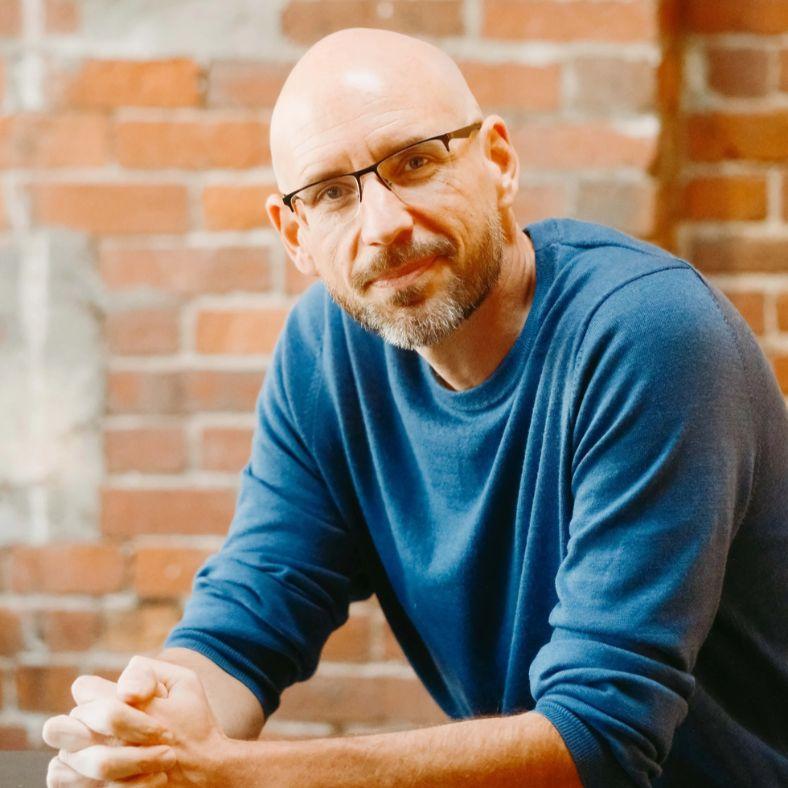
Full Transcript 0:00 But what's absolutely intolerable to us is to suffer without meaning. 0:04 That we cannot endure. 0:06 Oh, this is an explosion. 0:07 This is not just the same thing. 0:10 It's actually heightened. 0:11 An endless stream of children, young people with suicide. 0:19 self-injury to say that I've taken ketamine in a public-facing venue such as this. 0:27 We never want to see, for example, someone leave the ketamines session and then go file for divorce, sell their house, and buy a ticket to having used 0:35 ketamine and sedation for like 20 years and not having known that this was possible. 0:40 You know, we're probably onto something here in terms of a new day and mental health treatment. 0:48 Do they need less medicine in general? 0:52 tend to be more cautious with dosing young people than they do with adults. 0:57 And I don't know if that's— We are here to challenge the status quo. 1:14 We're curious about the connectivity and complexity between diverse fields of knowledge as a relief to consciousness, chronic illness, 1:22 mental health, resilience, and beyond. 1:24 Learning more about art and science of healing, or listening to stories of extraordinary healing. 1:30 You're in the right place. 1:31 Let's dive in. 1:33 Welcome to the Two Curious MDs podcast, where medicine is more than science. 1:38 It's imagination, it's play, its creativity, and it is integrative medicine. 1:45 And here today with me is Dylan McKinney, MD. 1:52 is a graduate of the Larner School of Medicine at the University of Vermont. 1:56 He completed residency in General Psychiatry and Fellowship in Child and Adolescent Psychiatric at Maine Medical Center in 2014. Dr. 2:04 McKenney was Director of Pediatric Behavioral Services at St. 2:08 Mary's Medical center from 2014 to 2023. where he oversaw treatment programs including emergency and inpatient services, 2:17 IOP, day treatment, and a variety of outpatient service for children, teens, families. 2:22 He then served as medical director at the Portland Maine Office of Boston Children's Studies Center until 2025. Since 2023, he has been serving as medical 2:33 director for the Maine Health Accountable Care Organization's behavioral health care program. 2:37 Dr. 2:37 McKenney has completed the certification course in psychedelic therapy and research at the California Institute for Integral Studies in 2024, CIIS, 2:47 and subsequently completed advanced training in ketamine-assisted psychotherapy with doctors Phil Wolfson and Bessel van der Kolk at The Ketamine Training 2:56 Center in 2024. He now operates a private practice group in Portland called Awaken Mental Health, where he provides psychiatric care across the lifespan 3:05 and where specializes in ketamine-assisted psychotherapy. 3:08 Dr. 3:08 McKenney, you have a particular interest in the application of psychedelic treatments to address the mental health needs of individuals with autistic spectrum 3:15 disorders in particular. 3:17 You've been a friend of The Two Curious MDs podcast and Ayaka from right in the beginning of the inception of both these ideas. 3:24 And it's just really lovely to connect as we have evolved our trajectories. 3:30 So I'm really looking forward to our conversation today. 3:33 Me too. 3:33 It's great to be here. 3:34 Thanks for having me. 3:35 And so we are delighted to have you, where all of these topics have been explored and we're just gonna dive right in. 3:45 Okay, sounds good. 3:47 Wonderful. 3:49 So tell us a little bit about your career path and how you got to where you are now. 3:54 How did you find yourself here, Dylan? 3:57 Yeah, thanks. 4:01 The first part of my career, I had a career change about three and a half, four years ago. 4:07 And prior to that, I was doing very traditional psychiatric work, working in a medical center and its associated practice. 4:19 treating mostly teenagers in an inpatient setting. 4:22 And it was about 2017 when the commercial product S-ketamine received FDA approval for the treatment of major depressive disorder. 4:39 Following that, we saw a pretty substantial expansion of the use of regular old ketamine, racemic ketamine, in clinics across the country and I think a 4:54 massive boost in the awareness that psychedelic assisted psychotherapy is a thing and that ketamine assisted therapy in particular is the thing which can 5:07 be done in a context of everyday clinical practice in mental health or otherwise. 5:15 And as I began to see this process unfold, I got really curious about it and being someone who had spent lots of time and have spent lot of times working 5:29 with young people who in many cases seem to have everything going for them yet want to or have even tried to end their lives. 5:40 And wrestling with this problem as an epidemic in an adolescent mental health, how it is that we can help young people to separate themselves from this 5:58 sort of zeitgeist of nihilism and despondency and be hopeful and aware of themselves as living, growing beings and excited about their world. 6:12 that the prospect of these kinds of treatments really grabbed my attention. 6:17 And I thought, oh my God, there's something here, I need to see what it is. 6:21 I also had reservations about the use of heavy duty controlled substances in this population that I don't come from a background where I would say, 6:32 Oh, that's a good idea. 6:34 So all of things together led to me for a kind of a personal transformation, a professional transformation and ended up leading to a massive career change. 6:46 So yeah, long-winded answer, but there it is. 6:49 That's it. 6:50 It's clear from your answer that it starts from the place of caring. 6:56 You were seeing these patients who, it's exactly as you described because we take care of adolescents now and I'm coming from pediatrics, 7:03 so we would have met in some of those corridors talking about some these really, really difficult to treat patients, who just seem to suffer so much. 7:11 The nihilism that you've mentioned, the isolation, And just the ability that some of these medications are telling us that actually we can change that 7:22 and that we change it really quickly. 7:24 I can see how that was the spark that kind of followed and then the Still a leap, right? 7:32 Just as you're talking about it, it's like this is not a culture you were steeped in. 7:36 This was not something that gets talked about in the hospital very much. 7:41 Is there a patient case or a situation that happened that kind of really you can think back to really solidify that? 7:51 Yeah, I think it it is interesting because the story of my first ketamine case actually starts with me. 7:57 And I had become aware of a group practicing this healing for healers model, which is, I'm sure most of your listeners will be aware the idea, 8:10 but this is sort of the term that has come from ketamine assisted psychotherapy directed to really healthcare workers in particular, 8:21 others dealing with compassion fatigue, moral injury, occupational burnout, these kinds of things. 8:31 After dealing with the pandemic, the isolation, what felt to me like an endless stream of children, young people with suicide and self-injury and the trauma 8:50 that they endured, I began to accumulate this vicarious trauma. 8:57 And it was having a pretty substantial effect on my health. 9:00 And as is typical, I think, for doctors, it's the last one to know this, but I really didn't see it happening to me. 9:14 I was in a place where I needed a change. 9:16 And so I went to a Healing for Healers group. 9:20 I had two ketamine-assisted psychotherapy sessions. 9:23 There were two or three other physicians in the group and a number of other healthcare workers. 9:34 can only describe really as a mystical experience, one that fundamentally changed my self-awareness in ways that I continue to integrate. 9:46 And it led, along with a lot of sort of research and interest in this leading up to my deciding to actually take this medicine. 9:59 I'm so curious as you're kind of in a different part of the country from where I am, you know, we're in California bubble here as we've talked about before. 10:07 Sure. 10:08 You know, there's just a lot of quick uptake. 10:10 I mean, you're in Maine. 10:12 And so when you started to kind of develop this interest and go for these trainings, like, what were some of the reactions coming at you, 10:19 or, did you find, even as you were kind sharing maybe your personal story, too? 10:24 Like, were other people going, oh, that sounds really good, I want to go ahead and do that? 10:29 Or, yeah, What are some attitudes that are out there? 10:33 I found, I mean, one of the things is you sort of know who to talk to and who you can tell these things to, and you know, 10:41 in your professional circles. 10:43 And it's taken me, actually, it took me quite a long time to say that I've taken ketamine in a public facing venue such as this. 10:55 It's something that took some time for me to really become comfortable with. 11:00 And, you know, I mean, as physicians, we have to answer those questions in a test to, do we use substances, et cetera, and just how our peers will sort 11:13 of see this. 11:13 I continue to meet with some, at this point, patently outdated views about what what ketamine treatments in particular in psychedelic treatment in general is. 11:29 But I think we collectively have made the case that these treatments are not just valid, but that they hold immense promise. 11:38 And so I feel like now it's sort of incumbent on me to sort like proclaim, yes, this medicine actually was profoundly healing for me. 11:50 and has taught me new ways of seeing and interacting with the suffering that my patients endure. 11:57 Beautiful. 11:58 Beautifully said. 11:59 I mean, absolutely. 12:01 Our journeys have started when we first even started to talk about this. 12:06 It is a coming out process. 12:10 You take it up with yourself first. 12:12 Is this what I want to do? 12:15 Me? 12:16 Because you know what you're engaging in and you yes, you read the science and I see the stack of books behind you. 12:22 And the top one is, the Ketamine for Depression book that all of us have to read by Stephen Hyde. 12:29 The more and more we kind of understand it and the potential of it, it really gains a certain kind like, oh, impetus, right? 12:36 It's like okay, I got to do this because these are my patients. 12:40 Then you experience the medicine yourself and then that part of transformation kind of starts to occur. 12:48 And how did it change your, yeah, how do you change kind your daily experience of your patients' journeys maybe even? 12:56 Yeah, so in late 2022, I had already resigned from the hospital where I was continuing to work. 13:05 I'm was in that space between having given my resignation and finishing out my 90 plus days to the end of my contract. 13:16 And I had a young person admitted to my psychiatric unit who was incredibly depressed with catatonic features and they had been in this downward spiral 13:31 for quite some time and none of the conventional tools were making a difference. 13:36 So after six weeks of being on an inpatient unit in very highly restrictive setting and And really being unable to be outside of direct adult supervision, 13:47 otherwise the young person would attempt to end their life. 13:52 And with our conventional medications, not really creating any movement and the therapeutic things that we do to support young people in the hospital and 14:04 their family work and all of that, really not getting anywhere. 14:09 And that's the point where historically we've said, you know, in the sort of traditional practice tools, we say, okay, well, 14:16 let's think about electroconvulsive therapy. 14:18 And this family said absolutely not, no way. 14:23 Then they asked, what about ketamine? 14:27 And I said, what about ketamine? 14:29 And so I had been working at that point with a group of peers who we were doing education and a fellow physician who was teaching about the medicine and 14:47 psychotherapists teaching the practice of ketamines-assisted psychotherapy. 14:50 So I worked with the family. 14:55 maybe bypassed a little bit of what the committee process might have been, taking a personal risk here and did a lot of prep work with this young person 15:08 and with the family and along with a social worker therapist on the unit. 15:17 We administered a quarter milligram per kilogram of ketamine, a tiny dose really. 15:25 And almost before, I mean, it takes what, three minutes from the injection until the onset of the effect. 15:35 I watched this person transform before my eyes. 15:39 It was the most incredible thing I've ever seen, except maybe in the Robin Williams film, Awakenings, where he portrays the famous discovery of for the treatment. 15:54 For Parkinson's, yeah. 15:55 Parkinson, I remember that moment. 15:58 Yeah. 15:58 Wow. 15:59 A true awakening happened in the ward there. 16:02 Pain us the picture. 16:07 So just seeing this young person who had been so shut down and so locked in to this isolated place, being unable to share their experience of themselves, 16:22 to talk about anything of their internal world with others. 16:29 They began to talked about things that I can't really translate, but they began talk a way of seeing the world. 16:39 Their way to seeing world in terms of understanding other people, of hopes and disappointments and things. 16:50 And this session went for the typical 25 minutes or so before beginning to taper off. 17:01 And then they went back after we had used a separate room to create a container that was not the hospital room. 17:12 They went to their room and recovered for a bit and then shortly after came out of their room seeking to interact for the first time in six weeks. 17:23 For the time since they had arrived, it was much longer than that I think, but this is the the unit and the staff was sort of like, 17:34 what did you do? 17:35 Witnessing this, right? 17:39 Just witnessing because at that point you can't deny the evidence of your eyes. 17:45 Yeah, exactly. 17:45 It's just absolutely phenomenal. 17:48 And so two days later we give a second quarter milligram injection and had a similar, but less sort of intense experience. 17:57 Then two day following that, we gave half a milligram per kilogram injection. 18:01 I stepped it up a bit, which was a session quite similar to the first. 18:09 Progressively throughout this stretch of about nine days, the most miraculous recovery in my inpatient career. 18:23 That was the beginning of my career as a ketamine specialist. 18:28 I then decided I need to know everything I can about this medicine and what else might be able to achieve similar kinds of changes in consciousness. 18:42 Beautiful, beautiful. 18:43 I'm just even thinking of how having trained in conventional psychiatry, having been through all of that training, all that learning, 18:53 knowing about child development and everything, and then there's this thing that just kind of appears in front of us. 19:00 kind of as something we weren't prepared to confront, right? 19:03 And I can speak to my experience of, you know, having used ketamine and sedation for like 20 years and not having known that this was possible. 19:12 You know thinking of all the patients with catatonia that we would give other medications to in your right would go to ECT. 19:17 But we would not have ever thought to do this other than incidentally if they were getting a procedure, they happened to get ketamine and then there was 19:25 some effect maybe. 19:27 But this is kind of like a different way of doing it where the intention was to test out this. 19:34 I mean, the parents must have been delighted. 19:36 This kind experience changes a young person's trajectory. 19:41 for the rest of their life completely completely and this is where the power of this medicine is right we're not talking about somebody who's been through 19:49 this for 30 years and treatment resistance depression and and you know they're 60 years old it's like we are talking teens, 19:57 twenties, and just nothing has worked for them for whatever reason. 20:04 And you mentioned something about consciousness. 20:06 So let's just kind of get to this because we're really honing in on, yes, the stuckness that you talked about. 20:12 This person was stuck in this way of apprehending the world, comprehending world that was very constricted, very slow, and separated them from everybody 20:27 else so they couldn't even talk about what they were experiencing. 20:32 because it was so out of the box. 20:33 And here's this tool, this one medicine that we know how it works when it comes to anesthesia. 20:40 We know it how works it when comes it to pain. 20:43 How does it work when is comes consciousness? 20:45 You know, what's your take on this? 20:47 Yeah, yeah. 20:50 I have looked, I think, you know almost obsessively at trying to understand exactly what is happening here. 21:00 And I think what we see are effects that take place on multiple levels. 21:05 And it's pretty clear, I thing, from a variety of avenues of research about what ketamine is and does, that the change is not just happening on one level. 21:17 It's not about the neurotransmitters. 21:19 Right? 21:19 It is also about mitochondrial functioning. 21:27 Consciousness is a whole brain process that there's a massive shift in the mode of consciousness out of default presets and into a kind of immediate experience 21:43 of this moment, which is the perpetual now. 21:48 And at the proper dosing and with the set and setting, the therapeutic preparation and the safe therapeutic holding environment that one can be catapulted 22:07 into a sense of wonder and a mystical apprehension of the exploding miracle of now. 22:17 And just the loss of all the mundane drudgery that shuts down wonder and shuts curiosity and leaves us feeling trapped and isolated in our own ruminative 22:32 thought process. 22:37 I think augmenting the functioning of GABA interneurons and jamming on the the excitatory neurotransmitter pathways through glutamate channels and activating 22:52 the neuroplasticity response following the treatment, but also increasing metabolic energy availability in the prefrontal cortex and other limbic system 23:08 centers associated with the production of mood. 23:11 We see this sometimes, sometimes. 23:15 we see this incredible. 23:16 And I think looking back on it, it's hard for me to see that response as anything other than fate. 23:25 It could just as well have been that this person would have a non-responder. 23:30 I would've thought, well, that was too bad. 23:32 You know, I really thought that there was something to this ketamine or something like that. 23:36 But I happen to have someone who had that really classic, abrupt and robust you know, antidepressant response. 23:46 And so I guess I have to see that as a kind of cosmic fate, I don't know. 23:54 Right, I mean, when you're in the moment, it's feeling kind of that way. 23:57 It's like, oh, wow, now what do I do with this, right? 24:01 Because it could have been otherwise. 24:03 I love that idea of it, could've been, otherwise, and it wasn't. 24:06 So, you know, finding what you were describing, And I want to bring it in because in kids, When this happens, You know it is happening at a time when their 24:17 development still has a ways to go. 24:20 And so what is the impact of mood disorders in children and how is that part of where this medicine really kind of maybe connects, 24:32 right? 24:32 That constricted consciousness we're talking about, the ruminative pathways that are built up. 24:37 And I love that word nihilism because more and more I'm seeing that there is within this generation right now that's kind of going through this development, 24:46 there's this kind externally almost confirmed nihilism that is so hard to avoid. 24:53 And so it takes something like this. 24:56 It takes this frame shifting. 25:01 to really, you know, we could get there. 25:03 Sure, as the pile of books behind you also talks about, there's sacred knowledge here. 25:08 You know the Tibetan Book of the Dead talks, about there are just so many layers, the Vedic literature also kind of has a framework for all of how that 25:18 has been put together, right? 25:19 And so, yeah, We could spend the next 20, 30 years learning about this, but none of us has got that kind time. 25:26 And we may not make it that far. 25:30 And if we, as health professionals, if can inspire people to become interested in their own mystical experience of reality, 25:43 I think it's pretty clear what we deliver to them is the opportunity to pursue what's meaningful in there life. 25:54 Lots of divergent pathways in my life here, but Yeah, I was an undergraduate philosophy student and, you know, at that age, 26:08 was really taken with the existentialist and phenomenologist perspectives. 26:15 And, one of the quotes that stuck with me from that time is that, from Nietzsche, that as humans, we have no problem with suffering. 26:24 We don't mind suffering at all. 26:26 as long as it's meaningful. 26:29 But what's absolutely intolerable to us is to suffer without meaning, that we cannot endure. 26:36 And I think that that translates directly into the suicidal state and how these tools offer us an opportunity to intervene that's new, 26:56 You know, you don't need to look outside yourself. 27:03 Okay, okay, so here's a drug that does this thing, but this pathway is already there within you. 27:10 You can get to it in other ways, through breath work, meditation, all sorts of heightened experiences. 27:16 But here is something. 27:26 now you can cultivate that in your life. 27:31 Absolutely. 27:31 And as we're even talking about it, yes, to a certain extent, this kind of questing has been part of the adolescent experience and the young adult experience, 27:42 right? 27:43 We grow this awareness of like, oh, I am a person. 27:46 Oh, conscious and then what does this even mean and how should I approach it? 27:52 That was what this time of our life was for and somehow that's become derailed or some other load-bearing, the allostatic load of that time-of-life has 28:05 just increased. 28:06 Can you address some of what you're seeing? 28:09 How is this modern existence really kind of shaping some of these trends that we're seeing. 28:15 Because only then can we say, oh, this is an explosion. 28:18 This is not just the same thing. 28:20 It's actually heightened. 28:22 And that's where the emergency comes from, is when you look at a graph of incidents, it's just absolutely exploding in this now. 28:29 Yeah. 28:30 I mean, kids are increasingly over the past few decades and beyond that. 28:39 are especially, in let's say Western society, I don't mean to generalize, but we are increasingly raising children in hyper materialistic society with 28:58 a lack of spiritual direction. 29:03 And here's another place where I've had to sort of unlearn some of my psychiatric training to feel more comfortable talking about spirituality. 29:14 Now, it's always been okay in psychiatry to address one's established religion or worldview. 29:21 These are things that have always be okay, but I was taught to stay out of the spiritual, that I am not a spiritual advisor. 29:35 and that it's dangerous and it is outside of our scope to talk pointedly about spirituality. 29:45 And I think while I would never endeavor to advise someone about religious matters or anything like that, these questions of meaning are fundamentally spiritual. 29:58 What is it that animates my experience of being a being in the world? 30:04 or how I experience my sense of becoming, my personal growth, all of these things. 30:14 And so I think there are some perennial elements of spirituality that show up, regardless of your religious perspective, 30:30 things that divergent cultures come to on their own. 30:41 But each maybe has a little bit of a different view. 30:43 There's sort of the Chinese proverb or metaphor of, you know, the sages that are all blindfolded and they're feeling the elephant, 31:00 right? 31:01 has the tail and one has a leg and has one the trunk and the tusk and they all report that the nature of reality is different. 31:10 And accounting for that. 31:13 Yeah, beautifully said. 31:17 Just the idea that we're each approaching it from a different place, it's this mystery. 31:23 It reveals to us that, we inherently have a need for meaning that is spiritual. 31:31 that there is some sort of element of that, and that is where the meaninglessness crisis that we're talking about right now, 31:39 that has been happening for decades and is just kind of accelerating and getting, you know, it's come into our bedrooms now. 31:46 It's coming to our screens and into out consciousness. 31:49 That's such a close perspective that were having trouble separating ourselves. 31:56 And that is something that I think when we talk about psychedelic medicine and ketamine-assisted psychotherapy, one of the things that one my patients 32:05 has said was, oh, wow, I asked, what do you think this session did for you? 32:11 I can confirm for me that that's not my thoughts. 32:15 And just that concept, right? 32:19 That concept lives in the spiritual teachings. 32:22 but it is also a very alive in the moment, active, felt experience of consciousness that we can feel, right? 32:31 So it's not just in The Dusty Books. 32:33 It's actually the practice of it. 32:35 And I love how this makes spirituality a practical science. 32:42 We can move through the world in this way where we honor, let's say, that everybody else is a full universe within themselves, 32:51 just like I am. 32:52 And how do I work with that and how to I be in the world in that way is a different question from, oh, I'm in a class of this many people. 33:01 I am judged by whether I bring in As or Bs or Cs and whether am a jock or not and what are my materialist perspective life paths in this world. 33:15 And I see that a lot of young people are confused by this. 33:19 Because our reality is also shifting so tremendously, is that that old path that was able to kind of carry Western materialist society for so long, 33:29 it's also breaking down. 33:30 And so into this uncertainty steps in, what can we do? 33:35 And as you said so beautifully, the answer is not outside. 33:39 the answer is inside. 33:40 It always has been, right? 33:42 And just so beautiful how it really matters to remember that and confront that. 33:47 And I think I'll end with like how, you know, suffering has and kind of a challenge, the challenge of suffering is, has, 33:56 been taken out of modern day childhood to such an extent, there's a constant comfort. 34:02 And so there's not a lot of even, let's say, for example, in the ways in which we would have the, you know, rituals of like 13 year old boys going out 34:14 into the bush and, kind of confronting nature and using their skills and really being challenged in that way to then discover their own strengths. 34:24 It's like there is something about the annealing process where we make ourselves stronger by also confronting the difficulties. 34:35 That's part of this, right? 34:37 Absolutely. 34:38 Absolutely, and this constant chasing after material happiness is Of course, we know consciously it's a losing game, but that doesn't stop me from going 34:53 after it. 34:54 I still want the shiny new toy. 34:59 This becomes a practice, not an answer. 35:02 A practice of looking inward, a practices of sitting with our experience, and a practise of connecting that experience with others and realizing that that 35:15 sense of connectedness. 35:16 And I think the psychedelic experience or any transcendent experience, what it delivers is the experience. 35:31 It's not the thought. 35:32 it's it not really the insight. 35:35 That insight doesn't necessarily change anything by itself. 35:39 Its that beautiful moment of apprehension that takes your breath away. 35:48 that there's something about the nature of consciousness that is universal and that I can experience that, I am this universe, 36:03 it is me, and this self is one of a multitude, an infinity of expressions of that. 36:16 over time and space and who knows what's out there. 36:21 But it's all what I am. 36:24 Absolutely. 36:26 And as you're even kind of talking about this, we're framing it within the concept of consciousness, but we're also, and this is where I think being a 36:37 practitioner in psychedelic medicine kind of opens us up to really expanding our knowledge base and in connecting. 36:44 How do you connect then? 36:46 Let's talk about maybe the specific to neurodivergent related or, you know, how do you describe autism and neuro divergence? 36:58 Maybe we start from there. 36:59 It's like, How do frame them in this way? 37:01 Because we have a lot of patients who are coming to us for, kind of asking these questions. 37:06 A lot parents who were very curious about, well, what does this experience have to do with, maybe some of the ways in which my child is experiencing reality? 37:17 Let's talk about that. 37:19 Great. 37:20 You mentioned allostatic load earlier in reference to some of these themes and there's some really interesting models about what it is maybe that leads 37:33 to the development of autism early on that have to do with a kind of highly stressful experiences that may drive the mitochondrial pathways, 37:56 inflammatory pathways and the development of neural frameworks in different directions. 38:07 And when these frameworks are sort of driven toward a kind of rigidity, that this may somehow be causative I'm not doing a great job of explaining the science, 38:19 but it's fascinating to have kind of a new sort of ground for understanding what autism is and isn't. 38:29 It's clearly not what we used to think it was. 38:32 Absolutely, yeah, and it's such a multi-kind of, you know, it has multiple layers to it. 38:40 It also presents differently. 38:41 There are processing difficulties that are underlying. 38:44 And we can sometimes kind of apprehend these different diagnoses in different stages as you're describing. 38:52 So the severity and the complexity is so variable, right? 38:56 So when we say autistic disorders, and so you're talking more about the rigidity and how that aspect of autism can be maybe kind of helped by ketamine-assisted psychotherapy? 39:12 Yes, it sort of goes like this, that our brains are predictive machines. 39:18 That our brain are all about first taking in information and then assimilating these, we call them presets, these notions about what reality is. 39:28 And therefore, before I can perceive that, oh, that object is a chair, my preset for a share needs to be present and meet the incoming perceptual information. 39:41 And there are a few different theories about how this might work in autism in particular, but in other neurodivergent conditions. 39:53 The idea is that when the incoming information doesn't match the presets well, we then have to assimilate a new framework and that this becomes very, 40:06 very difficult. 40:07 You see people struggle with assimilating that what's happening is not what I predicted would happen. 40:16 And therefore, I can now become flooded by sensory information and really shut down. 40:23 And that shutdown can go internally, you know, toward depression or anxiety. 40:29 It can externally toward aggressive behavior or dysregulation, and it can in all sorts of directions. 40:35 But it's got to go somewhere, that this is a... 40:38 It's a kind of a breakdown. 40:40 Absolutely. 40:41 And you're talking about this almost on a computational neuroscience level, which is just that there is a certain point above which it passes a critical juncture. 40:51 If in a child's life, this junctures passed over and over again, that tunes the nervous system to kind be ready for kind a very uncomfortable experience. 41:04 What does the nerve system do? 41:06 when it gets flooded, it learns to avoid those stimuli, to isolate, self-soothe in ways that just kind of take over. 41:17 So it's a perceptual kind-of dysregulation in that way. 41:23 Yeah, yeah, absolutely. 41:27 And this, of course, makes it very difficult to function in settings that are unfamiliar or unpredictable. 41:35 And the cumulative load of dealing with that kind of stress can lead to depletion, really a state of depleation, which I think has really beautifully been 41:52 framed in this concept of autistic burnout, there's a lovely literature around what autistic burn out is and how that's different from depression. 42:02 and that it is quite literally the experience of being out of batteries in your brain cells that were depleted. 42:13 That's right. 42:15 How do you tell that apart? 42:17 I'm very curious. 42:17 Just for people to know. 42:26 There's actually a clinical checklist that's available, a public domain that you can use for patients and caregivers, which was developed and continues 42:42 to be fine-tuned by Aspire, Portland State University research group there. 42:51 That's a tool that I've been using in my practice and talking about with peers. 43:01 It's important to understand the difference between depression and autistic burnout that, you know, what we typically will recommend. 43:09 Yeah. 43:10 How does that change recommendations, whether it's depression or autistic burn out, let's say. 43:15 Do you do extra testing? 43:17 Is there more, yeah, kind of a... 43:19 Sure. 43:23 When you are able to see that... 43:26 Autistic burnout conceptually has come from the lived experiences of people who are living with autism. 43:36 And the term first surfaced on the internet and then kind of came to more academic attention and has been developed as a phenomenon that's distinct from 43:50 occupational burnout. 43:52 So it's, I think, a really well-categorized phenomenon at this point. 43:57 Most importantly, it is something that that people identify with in a way that feels validating. 44:07 Absolutely. 44:08 I definitely hear our patients also kind of, as you learn about it, then it becomes something that you can use in your everyday going, 44:15 okay, I'm going to be able to, you know, recognize that I'm going to get burned out. 44:21 So I am not going feel guilty about leaving that social situation and as long as I explain it to people and they'll be okay with it. 44:28 You know that's such a different experience from like I just sitting there trying to withstand this and I just collapsing. 44:35 And there's no hope, you know, in that way of like, how do I prevent that? 44:40 So this is such a great framework. 44:42 Yeah, I'm definitely seeing more and more of this kind of lived experience that's really helping us out. 44:50 Sure, sure. 44:51 It helps us see how, as the burnout intensifies, symptoms of autism become more, or rather characteristics become, more problematic. 45:03 such that sensory information becomes more overwhelming and this can make it harder to eat, harder sleep, and harder function. 45:11 It can just be this terrible downward spiral leading to suicidal behavior and shut down. 45:18 What we need when we see this as the causative problem We recognize that these are folks who they don't need to be told, 45:34 oh, you just need go and do more fun things, or the behavioral activation that we encourage people to do in the treatment of depression that's actually 45:43 going to make things worse. 45:45 We need them sensory breaks, we need give them the opportunity to recharge in various ways. 45:55 And we need to address to the best of our ability what's happening on this cellular level to replete the supply of mental energy. 46:05 So this is where I think there's some really exciting things. 46:10 About a year ago, a group published a really excited paper in the journal Nature, which demonstrated that infusing the particular areas of the brain with adenosine, 46:29 the power currency within cells, replicates the effect that we see both in treatment with electroconvulsive therapy and in treatments with ketamine. 46:45 And yeah, yeah. 46:47 So, huh. 46:49 You know, and- Wow. 46:50 Energy. 46:51 Yeah, energy. 46:52 Right. 46:52 Being at the basis of both of those things. 46:55 Okay. 46:56 Interesting. 46:57 And so, you know there's obviously there is a lot of work to be done here in terms of how to deliver these treatments safely and most effectively to people 47:07 in these conditions. 47:08 I'm kind of pulling at some disparate threads here, but But what seems to be emerging here along with a variety of other fields, 47:17 this metabolic psychiatry as a concept or nutritional psychiatrie, finding that there's probably a lot more going on at this subcellular level that's driving 47:34 psychopathology in general, not just autism, but all mental disorders. 47:38 And so I like to think that we're probably onto something here in terms of a new day in mental health treatment and how we... 47:50 how we sort of might be able to approach that going forward. 47:54 That's amazing. 47:55 And so you've got this kind of energy reset capability on the brain networks level. 48:04 There's an increased amount of entropy in the system, connections that haven't been laid out before suddenly become available. 48:13 Tell me what you're learning about how adolescents respond differently, for example, than adults even in this framework. 48:23 Because we're always talking about this with adults, but are there ways in which the adolescent brain handles energy differently or responds to ketamine 48:32 differently for, example? 48:33 Yes and no. 48:36 I mean, I think it's hard at this point to tell. 48:41 I've provided something around, I would say somewhere around probably something like 200 to 300, there's a wide range, let's say 250 ketamine treatment 48:55 sessions at this point. 48:56 And about 15% of those experiences have been with people under the age of 18. The majority of them have been with adults. 49:12 By and large, some people become quite activated in ketamine treatment, but the majority people go inward and they have these very experiences. 49:22 And certainly, there's a higher number of outward experiences, throwing off the eye mask, you know, tossing off the headphones and sitting up and interacting 49:37 and staring into the eyes of the guide and examining one's hands and all of this sort of like exploring that I see much more often with young people than 49:52 I do with adults. 49:53 Adults do it sometimes and many young have these inward journeys. 50:00 But that seems to catalyze the experience more. 50:05 Yeah, that's beautiful because absolutely. 50:10 I'm with you there on that. 50:12 Do they need less medicine in general? 50:16 Are they more sensitive to medicine? 50:18 Is that another framework that we can float out there? 50:21 Like how do adult brains and adolescent brains kind of differ? 50:24 Yeah. 50:26 They seem to vary along the same kind deviations as adults in terms of, you know, the sensitivity, I think, for a variety of reasons, 50:40 folks tend to be more cautious with dosing young people than they do with adults. 50:45 And I don't know if that's right or wrong. 50:50 Quantity, as I mentioned earlier, a quarter milligram per kilogram is actually very, very low. 50:58 When we, you know, in psychedelic dosing, that would be, typically what we would call like psycholytic dosin, where one is still very mentally present. 51:07 And, as we get up closer to a milligram per kilogram, we tend to see these really sort of more intense psychedelics experiences. 51:17 I can definitely experience working in those ranges with people at various ages. 51:26 And I think that to be safe and responsible, we want to use the minimum amount possible to get the results we're looking for. 51:38 But we don't want underutilize it either. 51:40 The sessions themselves are require a lot of work and they're very expensive and there's all these things. 51:48 Tell me how you've noticed autistic burnout with ketamine, like with patients who have been experiencing autistic burn out. 51:56 Is it kind of like a sudden shift in the energy availability? 52:01 Can we talk about it on that level or is it more kind social anxiety kind of is also being worked on because ketamine works on so many different levels, 52:11 it's almost like we can parse out its effects on these various levels. 52:15 Yeah, I think what I see is sort of the unifying response that's helpful and it can vary in magnitude from person to person, 52:24 which to me seems to be actually not so connected to dose, the magnitude of their response. 52:31 that there's a threshold that we need to get past and then there is a therapeutic window. 52:37 We don't want to go higher than that threshold either. 52:40 But any dose within that range in terms of the medication-based response will seem to work. 52:53 The psychological experience or the personal experience, the subjective experience in the treatment session is what will change. 53:01 And that, you know, both are, I think, really very important. 53:07 That's beautiful. 53:08 Yeah. 53:09 I can maybe, kind of, talk about as this is kind, of coming forth, and you, know I, think our journeys are running in parallel here. 53:18 Whereas, that first initial transformation, the kind increase in understanding of what we're doing, then now we are testing it out. 53:28 in the real world, right, on patients, and we're seeing some of the changes that can happen. 53:33 And now we are kind of getting really into, yeah, how do you create a practice out of this? 53:38 Right? 53:39 Now that we've kind, like, that's a whole other level. 53:42 So what are you finding as you, you know, have begun to work in your own practice, in clinical work, running a process? 53:50 Yeah, How has that gone? 53:51 You talked a little bit about price as well, And that is definitely a consideration. 53:57 Well, I had sort of lost the thread of what I was saying before, so I'll come back to it, because it connects, actually. 54:04 What I see is the common thread here in response, is this sense of unlocking. 54:09 And the magnitude of that unlocking may vary. 54:11 Some people have these extraordinary experiences, like the first person I were fortunate to experience that with a really profound shift. 54:20 Others, it's maybe more like a, you know, the door cracks open a little bit. 54:25 And so the work then is what do we do with that open door or the crack in the door? 54:33 Where do go with? 54:35 How do facilitate change from that experience? 54:40 And that to me is really where the practice of mental health treatment comes in. 54:46 I find the discussions about psychedelic medicine. 54:56 This hot topic in research is whether the therapy assisted with these agents is really all that helpful or not. 55:07 And this is a silly conversation to anyone who's actually experienced the transformative work of this medicine, we need to know what to do. 55:17 That just because we had this profound experience, that doesn't change our behavior. 55:24 Yeah, yeah. 55:25 And so to try to parse that apart and disconnect those seems silly. 55:31 What we're discovering here is that ketamine can open that door, but you've got to step through it, right? 55:37 You've gotta step though it. 55:39 Yeah. 55:39 You know, and we don't want to do that too rashly. 55:43 That is the really careful work of integration. 55:48 We never want to see, for example, someone leave the Akedamine session and then go file for divorce, sell their house, and buy a ticket across the world. 55:58 Slow down. 56:00 What did you experience? 56:01 Let's sit with this. 56:02 Let us unpack it. 56:04 Maybe you need to do all of these things. 56:08 But let's see what's going on. 56:12 The insight is not always as concrete as we imagine it to be. 56:18 And how do you take something like an insight but then take its message? 56:22 And that's the work. 56:23 That takes not just a partner alongside you who can reflect that back to you, but your own inner work So when you're working with these individuals with 56:33 autistic burnout, for example, what are some of the techniques that you are engaging in in this integration? 56:38 I'm really curious. 56:41 I like to keep a fluid approach, but I have become increasingly interested and increasingly I am using the internal family systems framework, 56:52 which I think speaks to most people. 56:56 There are folks who sort of don't find that to be so intuitive or there's something about, you know, no psychotherapy is right for everyone. 57:08 But I do find that framework to be very helpful. 57:11 I also find just good old fashioned cognitive behavioral therapy to really helpful and its derivatives. 57:17 And I actually have spent some time working in a dialectical behavioral program, a high fidelity DBT model, where we were using ketamine to help, 57:27 and unfortunately I haven't done as much of this work as I'd like to, but we're using ketamine-assisted psychotherapy to help bridge the gap between when 57:35 you start DBT, there's all this rote learning that takes place. 57:39 You learn all these skills for emotion regulation, communication, managing the internal environment, and using a variety of things, 57:51 maybe autonomic nervous system regulation techniques or other sensory techniques to helps self-regulate. 57:57 So you learn these skill. 57:58 There's acronyms and all that stuff But that alone doesn't change anything. 58:04 You have to think of and enact these things when the problematic feeling arises. 58:14 And that's a leap of faith. 58:16 It requires a tremendous amount of willingness to be uncomfortable and to not do what comes naturally, but in DBT language to do the opposite, 58:28 to take opposite action. 58:31 And so how can this consciousness expanding, consciousness changing treatment sort of help bridge that gap, help fuel that leap of faith from, 58:44 and as you said, I think what it boils down to is this realization that maybe I am not my thoughts. 58:55 maybe these experiences I'm having are not as representative of objective reality as I have assumed. 59:10 And therefore, maybe I can experience these things in a different way. 59:14 That maybe is the beginning of transformation. 59:17 We're building on that appropriately and we're reinforcing these skills and their implementation. 59:24 So that's one framework. 59:26 I think the idea that ketamine or psychedelics can function as a non-specific amplifier of psychotherapy, I love that term, 59:37 and I really think it can apply. 59:39 And I'm also I don't personally practice EMDR, but I work with a number of therapists where I prescribe the ketamine or administer the Ketamine for their 59:54 treatment sessions. 59:56 And I've been seeing beautiful things with that work, too. 59:59 Beautiful, beautiful, absolutely. 1:00:01 The kind of overlaps that ketamine provides because so many people do experience barriers to therapy, the inability to kind make it through that rote learning 1:00:13 part or to see. 1:00:14 And so sometimes what ketamine and these treatments are doing is maybe accelerating that acceptance, because there's just an ability to make that different choice, 1:00:24 to recognize that you've always made this one choice but have this availability of this different pathway suddenly opened up because biologically a new 1:00:32 pathway has opened out. 1:00:34 And what you're doing then is just really amplifying that, crafting it, strengthening it. 1:00:39 The predictions are changing then. 1:00:45 the ability to, right, then the predictions are over time in that neuroplasticity getting reversed, getting rewritten. 1:00:55 And so then a different experience of reality becomes available incrementally almost. 1:01:00 So that is the job of the psychotherapy and how wonderful that we can even think of this biological acceleration of psychotherapy, 1:01:08 like biologically supported. 1:01:11 neuroplastogen-supported psychotherapy, which is so necessary because we can't possibly, we do not have the resources to meet the needs of the moment. 1:01:21 And so as we're kind of wrapping up this conversation, Dylan, what a wonderful journey we've had. 1:01:26 What are your hopes? 1:01:27 What're your visions? 1:01:28 what are you curious about? 1:01:30 You know, What do you see as you're experiencing this? 1:01:33 I'm so curious, having made the journey that you did, maybe a moment of reflection before we end. 1:01:39 Yeah. 1:01:40 Yeah, great, well, I'm enormously hopeful about this emerging, Zeitgeist maybe is too strong a word, movement, let's say, 1:01:55 that is represented, in part, by the psychedelic movement but other kinds of emerging consciousness about our collective experience and where things can go. 1:02:05 I think we're seeing this beautiful merger in the work of lots of different folks, blending of science and spirituality and understanding of what this 1:02:23 reality is. 1:02:23 I think there's lots and lots reason to be optimistic in all these disparate voices that threatened the world, the sky's falling down, 1:02:47 world is falling apart, AI is going to wipe us all out, all the fears of our time. 1:02:54 There's also this, I think, this hope that's been ignited in a new era in history. 1:03:06 Not to get too grandiose about it. 1:03:10 It does feel like it. 1:03:13 How to change your mind. 1:03:15 Some of the people that we have been learning from have doing this for 20, 30 years. 1:03:21 These researchers, these writers, the storytellers. 1:03:26 They've really accumulated a big base of information. 1:03:31 I think in the time that they've been doing it, we've only had it confirmed. 1:03:35 from various reports from all across the country and the world that this is not going anywhere. 1:03:42 So I think in that way, yeah, I'm sharing that optimism of yours that amidst all of this, this kind of like a little potential that has existed within 1:03:55 ourselves and we're being challenged to recognize it and, you know, bring it forth, even to sometimes, yeah, a great professional or personal, 1:04:08 cost or, kind of just because it is so important, because the time is critical right now. 1:04:15 So thank you so much, Dylan, for this conversation. 1:04:17 My pleasure. 1:04:18 Yeah, it really helped us to kind understand, like, what are some of the ways that we can think about you know, some of the illnesses and conditions that 1:04:28 our patients and families have, how we can as professionals invite our other professional colleagues even to really listen and to witness with their own 1:04:40 eyes these stories that we've been talking about and therefore understand that this is a different time that were entering into. 1:04:46 There's a whole potential here of a science that We're just scratching the surface of and what a delight and an honor to be in this conversation with you, 1:04:54 to practice with. 1:04:56 Thank you so, so much. 1:04:59 Yeah, wonderful. 1:05:04 Thanks for joining us on the Two Curious MD podcast. 1:05:08 We hope today's episode inspired you to ask new questions and explore fresh perspectives. 1:05:30 post or comment with a question or curious inquiry that you have and seek to explore or learn with us. 1:05:36 Stay curious and we'll see you next time.
Comments