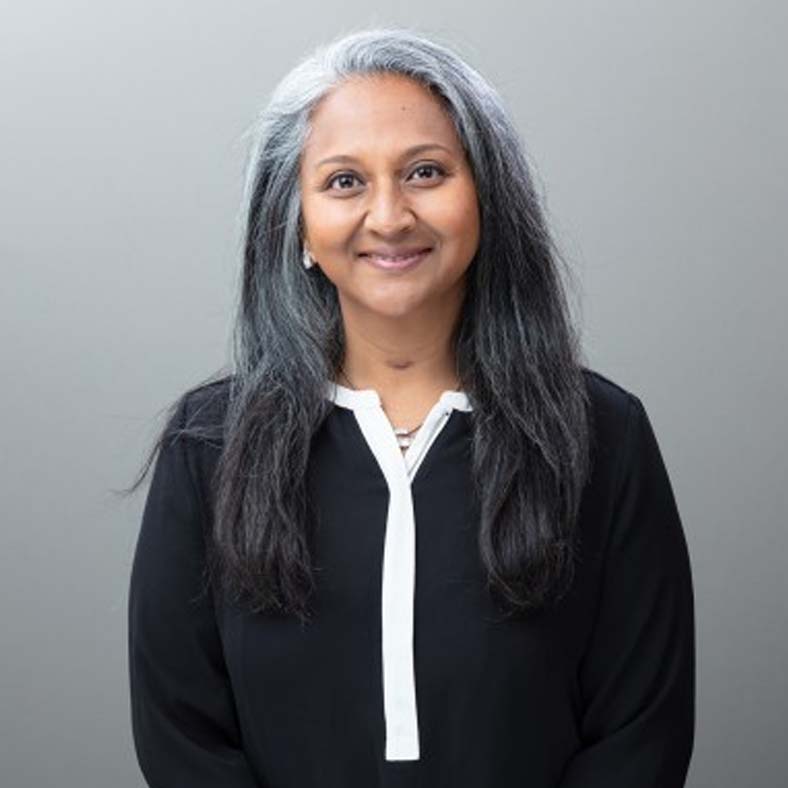
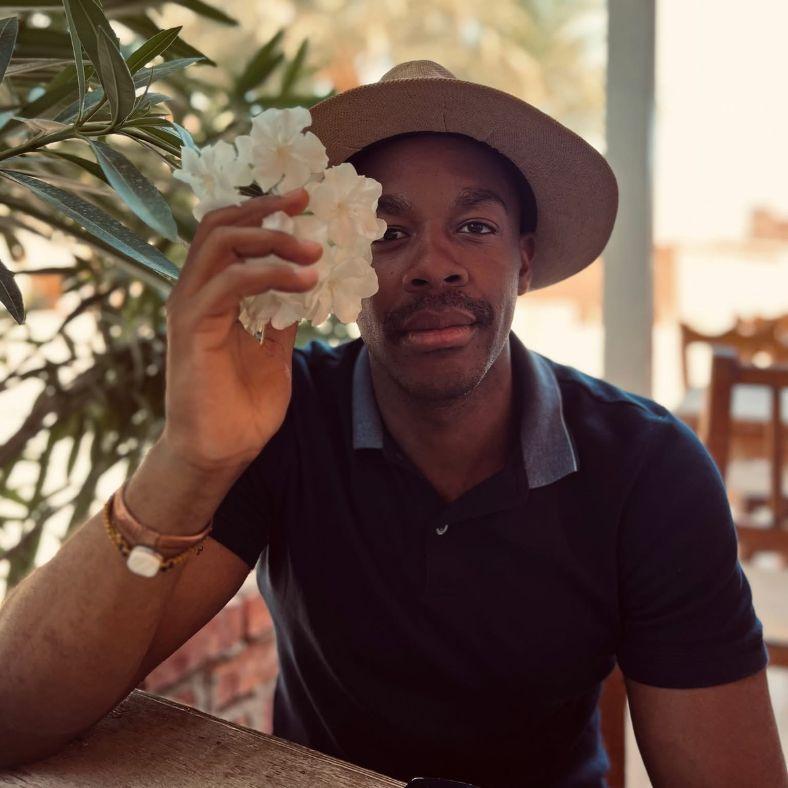
Full Transcript 0:00 I realized I was living in the imagination of people who died long ago. 0:04 We were always told, you're too curious, shut up. 0:06 I've literally been there too. 0:08 The first people had answers and they became enslaved. 0:23 With the wisdom from holistic, alternative, and these conventional medicines, we are here to challenge the status quo. 0:31 We're curious about the connectivity and complexity between diverse fields of knowledge as a relief to consciousness, chronic illness, 0:39 mental health, resilience, learning more about art and science of healing, or listening to stories of extraordinary healing. 0:47 You're in the right place. 0:49 Let's dive in. 0:50 Another exciting episode of the Too Curious MV podcast where medicine is more than science, it's story, art, connection, 0:58 and integration. 0:59 And we are here today with Fabrice Gurrier. 1:02 Is that how you say your name? 1:03 Fabrisse. 1:04 I love the name. 1:08 I'm going to hand it over now to Simi, Dr. 1:10 Rahman, to give us your intro and bio. 1:12 We are so excited to have you here today. 1:16 Thank you. 1:19 Thank you. 1:20 Very honored. 1:21 Thank for being here. 1:23 All right, Fabrice Guerrier. 1:25 Is that how I say it in French? 1:28 Fabris-guerrier? 1:29 Oui, c'est si. 1:29 Guerriere. 1:30 Oui mon ami. 1:34 Fabrise Guerrière is a Haitian-American writer, fine artist, futurist, and the founder of Syllable, SYLLBLE, a production house and collaborative ecosystem 1:45 for speculative fiction, world-building, a Forbes 30 under 30 honoree, and an alumnus of Eastern Mennonite University's Center for Justice and Peacebuilding. 1:55 Guerrier's work bridges conflict transformation, cultural mythologies and systemic futurism. 2:01 He serves as a guest faculty member at the Esalen Institute and a speaker at major forums on consciousness, which is where we met you just this last month. 2:14 And you are on consciousness exploring how collaborative imagination and deep narrative frameworks can help society break free from mass produced consciousness, 2:23 which in a title of one of your books. 2:27 Heal historical fractures and actively design liberatory futures. 2:32 I just want to state that we're having this conversation on November 5th, 2026, two days after an absolutely historic sea change in our country that, 2:43 we are all feeling energetically, spiritually, emotionally, and physically. 2:50 So thank you so much. 2:52 This conversation feels meant to be. 2:55 And, you know, I watched you talk a couple of times and we did a workshop together, which was so beautiful on the use of imagination and world building. 3:06 And I think the two people that I was at the table with, we bonded forever. 3:12 Because our ideas just clicked, we played together in this space of imagination and we became friends. 3:18 We exchanged emails. 3:19 I usually don't do that at a conference. 3:26 So it's bringing something out. 3:34 You know, we're gonna go through this crisis and the power of imagination. 3:38 We'll just deep dive into this subject because there's just so much here. 3:41 I mean, just that bio alone, like we've set ourselves up for a real big lift here! 3:48 And you know we're up to it, Alya's up it. 3:50 Alyah, how are you feeling? 3:52 I'm feeling good. 3:53 There's a lot circulating. 3:55 As I look at your backdrop, I am really kind of very intrigued by what's behind you, what sits behind. 4:02 I can definitely see the colors, the history of an experience. 4:07 So tell us a little bit more about what brings you to this conversation today and how does this backdrop work at that end? 4:14 Can you answer that question? 4:16 No, absolutely. 4:18 I love that. 4:20 First, I want to say I'm so honored and grateful to be in conversation in this space. 4:25 And I also feel this sort of shift that's happening in our collective consciousness. 4:35 Part of me also feels like the work is almost just beginning. 4:39 because a lot of oftentimes we got to this space in opposition and framing visions of what we didn't want. 4:48 But I want to push us collectively, even after winning the election, I was like, what do we actually want, not what don't we want? 4:57 And I think that takes a lots of imagination, a loads of self work, and a load of healing. 5:03 And for me, I'm a fine artist and I work a lot with the colors and always feel colors are alive. 5:09 They're sort of speaking across time and space. 5:14 A lot of my art explores like the pluriverse, the idea that many worlds exist around us. 5:23 It's like we have the world of our ancestors. 5:26 We have to world, our gut, we the word of heart, of minds, different cultures and communities of the future of past. 5:35 And it's almost up to us to learn how to navigate between all these different worlds. 5:41 So a lot of my visual vocabulary is the eyes, the eye as those portals into those worlds and the duplicity and multiplicity of self as an expression. 5:53 I'm deeply inspired by my upbringing, being born and raised in Haiti and looking at Afrofuturism, Haitian voodoo cosmology, 6:03 and also looking just at the aesthetic of what does it look like to explore mythology. 6:09 as a technology to re-enchant our ability to feel deeply and imagine the possible. 6:17 I think one of the biggest things in my life is about re enchanting our world through stories and using that ancient technology, 6:25 to kind of catalyze our inner child and to dream deeply of what's possible because I there's so much to lean into the doomerism over time, 6:37 but I do feel that it takes a lot of effort. 6:42 and to confront the barriers that are preventing us to feel more alive because we need more aliveness. 6:50 So a lot of my art is exploring my personal memory, my experience, but also looking at the consciousness of nature and the universe and how we're actively 7:03 co-creating these worlds. 7:05 with these other entities, whether it's a plant life or the mineral life, or animal life. 7:13 Having a lot of what you're sensing is these many portals that are being accessed and opened based on these frames of thinking. 7:26 Yeah, I'm going to really kind of highlight one of the things that stands out as you speak. 7:32 I see that sense of curiosity and that's why we call this two curious MDs because we ask questions and asking questions allows one to expand, 7:42 you know, just change or just do not think about their status, the same status quo, but really just kind of go, oh, what else or what? 7:52 So I'm kind curious about how does curiosity come with imagination? 7:58 How do you think when you come up with an idea of art and expression, how do use imagination in that format? 8:08 Yeah, I would say curiosity is one of the greatest alchemical tools. 8:17 I think if we lean forward in life in any and every situation with curiosity and play, we're able to diffuse the intensity or the unknown or uncertainty 8:29 in a way that engages you meaningfully. 8:34 Curiosity allows us to step into our own margins. 8:38 and it gives us a sort of language where it softens the fear or softened the uncertainty. 8:45 So I think like that's so central to my existence as a human and I've spent my entire life to I always call it sort of re-indigenizing myself, 8:57 like kind of connecting deep in my gut to my inner life and my world and mapping out the different layers of my psyche and soul and spirit and values and 9:10 characters and identities with play and curiosity. 9:13 And knowing that this process is almost as if I'm returning to source. 9:20 I am returning the ancestral wisdom of what I was. 9:23 And maybe one might call it stardust if i go even further all the way in the past and beyond. 9:30 But I feel like imagination captures I think it is where we are able to claim so much of our creative powers. 9:42 I always say like everything around our world has been imagined. 9:46 Everything. 9:47 From our cars, from our phones, to anything that we've created around the room or books or the pictures or things that do. 9:57 And I thinks once we learn that imagination is a force, that is like is so tied to our humanness and our aliveness, I think we start to see that we can 10:11 be co-creators. 10:12 I mean, a lot of it is around agency as well too. 10:16 Like knowing that one matters or knowing one is part of something bigger than themselves, which often times in the West or how society constructs itself, 10:27 we become disconnected from the natural rhythms. 10:31 We become disconnected from this sort of pulse of reality. 10:36 So I think imagination and curiosity or like I see imagination as more of a sea and in curiosity as like the ship that allows you to sort of navigate freely 10:49 through this sort the seas and turbulentness of life because I also feel that I I remember it was many years ago when I was living in DC, 10:59 I realized I living and the imagination of people who died long ago. 11:03 It's like, why am I doing and thinking and being in a certain way? 11:11 And it all had to do with people, who came before me. 11:15 And how do I wrestle with that? 11:16 How do honor, but how to why push back? 11:19 What are the imaginations that perhaps have colonized my potential as well too? 11:26 And can I engage my own being in a way where a lot of that self-transformation can mean the loss of a world that I once claimed of myself? 11:39 So I think there's always these tensions internally or in our life that when we seek to decolonize, when seek heal, there are a lots of territories inside 11:49 of us that perhaps are not of, but they are us. 11:53 And how do we deal with curiosity and love? 11:56 Beautiful, beautiful. 11:58 I want to just bring in how this relates to healing. 12:01 This, you know, Alia and I, we, when we're treating patients with depression, as you were talking about the kind of where creativity, 12:14 curiosity, and imagination blossom. 12:17 is they're at the end of the road of where that gray clears out of depression. 12:23 And people start to see the colors, see light, and then rediscover within themselves. 12:28 It usually comes out in art of some kind. 12:32 Usually comes in some creativity. 12:34 That image that you draw of this sea of imagination with the boat of curiosity on it, I want to put some sails on it. 12:42 I wanna have a wind. 12:47 That boat of curiosity is yours. 12:49 Yours to drive, that's that agency you're talking about. 12:54 There's gonna be choppy waters, there's going to be doldrums, but it's yours and it might be dragons too. 13:00 There might be dragons, right? 13:02 And deep sea creatures and all the things that we can conjure up in our minds because our mind are just so vast, even vaster than that sea. 13:11 I mean, that's what you're talking about. 13:12 It's the limitlessness of human imagination because look at what we've already created. 13:18 Look at where we come from. 13:20 We came from the stars and we're going back to the starts and ships that created like we are at a point of maybe making that emergent leap, 13:30 you know, that leap to that re-indigenization from reclaiming, we're indigenous to this universe, right? 13:40 Not just to a patch of land. 13:44 It's so true. 13:46 I know. 13:47 Let's do it. 13:52 Well, I'll break in here for the question, because one of the questions I have as we're treating patients is, what happens to imagination? 14:02 What do you think happens imagination as go from this child who has magical thinking and even pre-verbal way of understanding and seeing things differently? 14:16 Yeah, I want to take a little step back to show you my process, my ontology of something that I've coined and I have developed over the years called inner 14:28 world building. 14:30 And I think a lot of my journey is specifically with syllable, which I'm actually no longer running syllable. 14:36 I kind of closed that chapter off. 14:39 But collaborative worldbuilding or world building as a framework, as an ontology has deeply impacted my life. 14:46 And it is magnifying in very unknown ways too. 14:48 So it's not disappearing, it reimagining itself in different ways in my light. 14:52 But I've collaborated with a lot of artists and writers and experts and from around the world into hundreds of fictional universes. 15:02 where they would imagine like a solar punk world or an alternate history world, or a world rooted in African myths. 15:11 And a lot of that process, they'd write shared stories and shared narratives and publish the stories that we would do. 15:19 And what happened in the process of creating these worlds is that it forced in me, it was kind of like the scene in Neo when Neo is about, 15:27 is sitting and then he's like touching the mirror and in, the mayor just kind goes inside. 15:31 So the co-creation of realities as portals opened inside of me our whole vast world that I started to kind gain a language of back in 2012 when I had like 15:44 a spiritual awakening. 15:46 And it's sort of mapping out my inner experience, mapping my life and that I believe that all human have a vast cosmos inside of themselves. 15:58 And I think we have to use our imagination and I guess the process that i'm coining is this inner world building is like literally naming and sublimating 16:07 the parts of the inner life. 16:08 Like what are the mountains? 16:10 What are rivers? 16:11 What is the vast landscape of the ocean that we can venture to? 16:16 What are the millions of identities and spirits and beings and archetypes? 16:22 And I think for me to specifically answer your question is what I've discovered is that in this inner life, there is a rhythm. 16:34 There are seasons, there's seasonalities to the pockets of realities or the inner geographies that one is stuck into. 16:42 And especially in depression, when we are in this sort of state, we're kind of stuck in time. 16:49 I sort see it as an ice age. 16:54 I think there is a collective ice age inside the inner life of humans right now and I feel that the imagination is more so the sort of seasonality of the experience, 17:10 the idea of life, growth, death, decay, rebirth. 17:14 the winter, the spring, summer, fall, this continual change as we engage people, as To answer your question, as a child, 17:31 I think we are very open to the world. 17:36 World-building ontology has showed me that as humans, we're not stuck to our bones and skin. 17:43 We are porous beings. 17:46 The self is an ecology. 17:49 We are a whole forest, a real cosmos that is very porous. 17:55 And things enter and come out of us in so many ways. 17:58 So many worlds that enters and moves. 18:01 But I think as we grow older and we start to sort of attach our perception of reality as like a very hyper-rationalized age that we've lived in in our 18:12 modern time, we sort of, we tend to disconnect from the seasonality of things. 18:18 We tend hold on to who we were, or perhaps we emotionally stunted. 18:23 Perhaps we get disconnected to that natural rhythm. 18:25 So I love what Simi was saying about we are indigenous to the universe. 18:30 It's almost as if we're, by engaging our imagination, diving into this inner world, We are tapping back into geological time. 18:42 How do we exist in the universality of 10,000 years or 50, 000 years, or even a billion years? 18:55 I think for me, my personal theory is that there is an Ice Age. 19:00 And I believe it was Kafka that said a book is like an axe to the frozen sea within. 19:06 I also think he hints at this crisis of meaning that we have. 19:12 get into jobs perhaps that doesn't bring our aliveness or as we experience a deep trauma that makes us stuck in a fight-or-flight way or even as simple 19:25 as being dysregulated or being on social media and it's like our nervous system is burned out, depressed and dysregulated. 19:34 It's like, I almost feel like we get thrusted back outside of this natural rhythm and we forget. 19:42 We forget this ancient wisdom that is inside of us. 19:46 Yeah. 19:47 Wow. 19:47 The forgetting. 19:48 Beautiful. 19:49 We've also talked about the learning and the unlearning of the mind, right? 19:53 What we learn as we grow and what we can unlearn as you grow too and how. 20:00 I also see kind of older patients now and I see, I actually see more that they become more childlike too in their mind. 20:07 My mom has dementia, but she has definitely an imagination that has re-emerged in her dementia. 20:13 Like I'm like, wow, you know, she said something really interesting. 20:16 something she normally wouldn't have said if she was more, you know, in her earlier years where she would call it to be aware, 20:23 but her dementia has been more of a magical place sometimes. 20:26 I can see how her mind kind of weavers into that childlike, exploration. 20:32 So there's that aspect. 20:34 And how do you kind explain, how can you explain that aspects of the aging of brain and what happens to imagination there? 20:44 I think that's a beautiful question. 20:46 The way I see it is that there are parts of ourselves that are exiled. 20:52 by the world and these parts of ourselves show up based on different experiences and people and places or geographies and it almost is a conjuring. 21:06 It's like I can see that as we grow older, it's maybe the inner child, that unexpressed exiled part gets now brought to the surface and it gets to play 21:20 in the centerfold of that inner community or that inter-civilization. 21:24 So I see it's about reclamation of the parts that are long been pushed away by perhaps dogma or society or just you have to be the immigrant that works 21:40 hard and that you can't show emotions and you for very good reason because it is a tough world out there to work multiple jobs, 21:48 at least on my own, upbringing with my parents and things like that. 21:52 So I can see that inner child. 21:56 I always say that the inner Fabrice, the little Fabrese, like the eight-year-old, nine- year- old Fabrisse is a God in my inner life. 22:08 And I worship him because he is almost a portal to my imaginative powers. 22:13 And it's like, how do I elevate and honor and even send love to that inner child in a way that like it crosses across time, 22:22 but also I bring him with me into the different spaces that I'm able to like shape in my art and my speaking and writing and painting. 22:35 Beautiful, thank you. 22:36 Beautiful as a pediatrician. 22:37 It's like, it's definitely activating all these ideas as you speak. 22:42 And the way you're speaking is also very creative. 22:47 You know, you invite kind of all the metaphors and the gods and this inner child that is your, mentor as well as the king, 22:56 kind worshiping in this beautiful way. 22:58 Yeah, my age-old was listening. 23:13 Well, there's so many ways that this can go, but you mentioned the book, the axe, right, to the ice that we're describing. 23:23 Let's go back to The Ice Age because you're absolutely on point 100% about that. 23:28 It feels like an ice age because time disappears, all right? 23:32 It's just like when depression happens, a day could go by, five minutes could come by. 23:37 Something happens to how we experience time and that is a crucial piece of our existence here is to understand that we have agency over even that. 23:49 How we get to experience times. 23:51 So I know you've spoken about mass-produced consciousness. 23:56 Let's kind of put that, you know, as an anchor here. 23:59 But then, this idea that stories and libraries are liberatory processes. 24:05 I remember growing up in the Middle East, there weren't a lot of books. 24:09 And I would actually raid people's houses and get whatever books I needed. 24:14 So I read very inappropriate literature at a very young age. 24:20 partly to brain bling for that, but also some grapes. 24:25 So I had lots of time because TV was not an issue, reading 500, 600 page books and just getting so lost in the story that I was still living in it as somebody 24:37 would interrupt me and ask me. 24:39 And I would speak even in phraseology of that inner space that was inhabiting so completely. 24:46 I'd forgotten this world, right? 24:48 Like it is that. 24:49 inclusive. 24:50 So lantern consciousness, that's what we're talking about. 24:53 Everything around you is locked in versus this adult spotlight consciousness where we are so fragmented, we always have to keep looking. 25:01 I just want to look at that neurologically and also we know that what happens in the body is happening in a collective consciousness. 25:12 And this idea of mass-produced consciousness and where we are right now and how do we parse apart the connection between imagination, 25:22 consciousness, and this liberatory process of stories, which is when you walk into a space with hundreds and thousands of books, 25:30 something is unlocked. 25:33 because I remember walking, so I grew up that way, but the first library I entered, it was like a Barnes and Nobles in Kansas or something, 25:41 right, or whatever, you know, some sort of thing, random. 25:43 And I just had a religious experience of possibility. 25:49 in my mind and body that I will never forget. 25:52 And so I have always loved libraries, supported libraries. 25:55 Understood how critical it was in that time. 25:59 I mean, I'm not joking. 26:00 There would be a book fair once a year. 26:02 My parents would give me a box and say, you can fill this box up. 26:06 And I was just voracious for stories. 26:12 And now I find myself, unfortunately, as an adult, that I've gone more to the spotlight consciousness. 26:19 I feel like I am entered into, I'm swimming in mass produced consciousness, how do I boundary myself? 26:25 How do we reclaim our consciousness so we can do this and get on this journey that you're on. 26:33 Because all power to this is just unfolding and you are describing so beautifully for us. 26:42 Thank you, I'm seeing my inner child smile as you're saying all that because they're very similar for me. 26:49 It's like I moved to the US when I was 13 and I didn't speak like English at all. 26:55 I couldn't have this conversation. 26:56 And I think I knew the basic language and found refuge in the library. 27:01 and feel like had the same process. 27:06 explore your question. 27:08 I want to go to Jacques Derrida. 27:11 He's a French philosopher and he has this idea called the endless play of signification where he looks at how symbols of words specifically don't hint 27:25 at a truth. 27:27 What they do is that they're designed to be something in reference to something they are not. 27:33 So it's like a cow is a cows because it is not a car. 27:36 A car is car because its not, a cat. 27:40 And it like, because words are referencing other things and they exist and are embedded in the ecosystem. 27:48 He looks at this as a sort of a flattening or sort a geography that de-turalizes our potential. 27:56 It kind of captures the magic and squashes it. 27:59 I think in The West specifically. 28:03 There is a tyranny of the hyper-rational expression or at least the way our identities start to form, the many parts of ourselves starts to exist, 28:18 lean into this hyper rational thing and I think it moves us inside and out. 28:24 And I think because of that, I feel we become so flattened away from the magic and the awe. 28:31 And, and I've seen for me, when I, yeah, think I can tell a story, generally I studied international relations for undergrad at Florida State University 28:44 and a leadership studies certificate. 28:45 I also got my master's in conflict transformation and peace building. 28:50 And I learned a lot about trauma healing, restorative justice, and these broader systemic but also deeply personal experiences of how do we transform conflict. 29:01 And conflict is something that's so natural to us. 29:05 I went to work in the UN and the State Department. 29:10 A lot of that conception of as an immigrant striving to succeed, striving A lot of this I had to confront because I feel like it was very much the sort 29:25 of birth of the inner artist that was aiming to express itself radically. 29:31 And I'm someone who's very voracious, so I read books, I watch documentaries, reading essays, academic papers, all these different things, 29:41 and it felt that It felt that like, no matter how much information I was trying to consume, I had reached a point of like a pinnacle of nothingness. 29:53 And it, and I, when I started to really search deeply inside myself, saw that within my soul, there wasn't sort of infinite horizon. 30:04 and if I could orient myself to this infinite, horizon of my, soul what it demanded was beauty. 30:12 it demanded beauty, not information and knowledge. 30:16 And that was the sort of the infinite threshold. 30:19 So like, this was sort my becoming as an artist where I started to really lean into aesthetic and beauty as a way to confront this inner ice age that is 30:34 endlessly making me like sort It's sort of the axiom as above, so below. 30:40 It is like your mental patterns reflect the patterns systemically. 30:47 And I think as our era is transitioning into an age where AI is going to confront us in what it means to be human, where our economy is go into a direction 31:01 of profit at all costs, where patriarchy and heteronormative softwares of meaning structures are also all jumbled up in that thing. 31:12 I think a lot of people are going to realize, what does it mean to be human? 31:16 What does that mean? 31:22 And I think a lot of people will have their own answers. 31:25 And that's the beauty of this. 31:26 But for me, it's about the soul, the inner life, and it is about beauty, about aesthetics. 31:33 When I started to orient myself in that lens, I saw the world in moments in the language of beauty. 31:43 and as a servant of beauty in my sort of attempt to speak to the times or create art that resonates with my own being. 31:52 And I feel like... 31:55 That has helped me really expand outside of the limits of words in the language of this current era. 32:06 Having creativity, imagination, and stories are but ancient technologies that allow us to compost this at this gunk of meaning that we've outgrown. 32:22 It's almost as if it's like we're still operating from this 15th century way of thinking of materialist and this and that and then all this wisdom from 32:32 these other cultures are there just waiting. 32:34 for us to take hold and harness in a way. 32:39 Make room for them. 32:40 I want to really point out what you just said so beautifully, describing how humans, all of us, we always want do good. 32:56 When you talked about the immigrant story, We leave our countries, come to a better world, and we come for freedom. 33:04 You know, and that's what you said, is that that the word freedom, right, then binds us. 33:12 Because as you said, every word exists in the opposite. 33:16 So for freedom, we have to give something up. 33:19 And then we get bound up by those jobs and that suburban life and maybe a flattening of consciousness that happens around stability and this idea that 33:30 stability is even possible and how the power structures are set up for this illusion of stability that denotes freedom. 33:39 But stability in freedom are not. 33:41 you know, compatible. 33:42 Freedom is a constant arising and stability is deadening. 33:47 So we mistaken the underbelly for the thing that's on top because that the switcheroo. 33:58 I think humans, because we're perceptive beings, it's very easy to play sleight of hand and reality is constantly playing this sleigh of hands because 34:10 our brains are capable of sliding between the two. 34:14 And I want to bring it to psychedelics because I think that's where we get to is a softening between those frames of meaning to understand, 34:22 oh, where am I? 34:26 The thing that I thought it was, oh, that actually wasn't the thing. 34:29 There were so many complications behind it that had never even seen. 34:34 And so this Pandora's box opens up. 34:36 That's where part of what psychedelic healing is about is holding in community and safety. 34:42 Because once that opens for you, your life is radically shifted. 34:46 You can't put that back. 34:51 You can't unsee what you just saw. 34:53 So that happened to you in 2012, huh? 34:59 Correct. 34:59 Is that what that was? 35:00 All right. 35:01 Well, it kind of begs the question here, and sounds like we're debating, which is kind cool, about imagination and creativity. 35:10 What happens when we have and AI consciousness that can also be creative in its own way. 35:19 You know, you can ask it, any prompt and you say, I mean, one of the things that I think about is imagination, because we can only imagination something 35:28 that we know. 35:30 whether we know it transgenerationally or kind of in our lives as we exist, you know, I mean the paintings that we see, the art that see the experiences 35:39 that have, it's kind a distortion of reality. 35:42 I would say imagination is kind putting in things in different contexts and playing with it. 35:48 But if you have AI, would you say AI has the ability to have imagination? 35:58 That is a thought-provoking question, and I love it. 36:03 I think AI is the form of consciousness. 36:07 And I feel by the fact of it being a consciousness, its imagination, whether it's the augmentation of every information that we've ever created as humans 36:23 at the tip of our fingers to this natural language model, I think one of the things that I want to bring up is that there are different types of imaginations. 36:35 Before I talked about negative imagination when you're like paranoid or this is happening or colonized imagination where you are sort of upbringing in 36:45 a sort like an empire that is colonial and that it's seeking to extinguish the possibility of the light. 36:54 There's also this sort of imagination of an epistemic sort ocean of like the West, of here is the canon of The West. 37:03 Here is materialism, here's logic, Here's rationalism. 37:07 That is a type of Imagination. 37:10 And I would say that AI is born out of a particular group of men who are in this particular location or the particular set of belief system and a particular 37:24 vision around what it will bring to our society. 37:27 So I don't want to say that AI does not have imagination, but I want us to push us further in conversation and say like, 37:37 what is the type of imagination do we want engage in? 37:41 Because I think no matter what's going to happen is that AI is going... 37:48 I kind of see what is gonna happen. 37:49 I'm putting my Futurist hat on. 37:52 It's kind like before, I was... 37:55 Who is this guy? 37:59 There was a heliocentric world view where we believe like they're sort of... 38:03 No, actually not helicentric. 38:06 What was it? 38:07 It was earth-centric. 38:08 Yeah, earth centric. 38:09 And then, and then the individual, I forgot his name, came up and it was like, no, like. 38:17 Copernicus. 38:18 I was going to say a Copericus and he came and was just like no that's not true. 38:23 But we resisted for 500 more years. 38:28 Yes. 38:30 We were like, the earth is not the center of the universe. 38:33 Like we have a sun and there's other suns and billions of possible stars and they evolve in different ways. 38:39 I think what's going to happen right now is that with the current western canon, and I know I'm kind of I'm a product of the West. 38:49 I recognize this and I love American culture and beauty and arts and all this stuff. 38:57 But a lot of this, what's going to happen is that we believe that humans are the top of We believe that humans are the only conscious being, 39:08 rational being and that makes us superior and disconnects us from the entire planet. 39:14 That means that we can go into a mountain and we take that mineral. 39:18 We can throw a plastic can on the ocean and there's no consequences. 39:24 And that means we go to a school and learn about our own history from a particular culture without discounting or even enabling all these other cultures or, 39:35 even like the natural world. 39:37 So I think AI is going to come in right now. 39:40 It's going cause a Copernican revolution where there's gonna be a crisis where humans are going realize that holy moly, You're telling me that I'm not 39:51 the center of the universe, like, because I think I, and therefore I am, in that like AI is not going to complain, AI, is now going into protest. 40:03 AI's not gonna call in sick. 40:04 And it can do everything that supposedly my, the biggest and most bolstering identities inside of me are hyper rational and logic and defines me as a productive 40:17 human being. 40:18 especially the male, the sort of the mail archetypes, they were very outdated, what it means to be a male in society today. 40:25 So like AI is gonna come in swinging a bat at like, this big question is what does it mean to human if my productivity and my logic is no longer the center 40:39 point of what means it to being human? 40:40 So this is where I come and or we're coming in, in terms of like what is imagination? 40:47 like what is human as ecologies humans as storytelling storytellers moving beyond the human, as an economic rational being. 40:59 It's like, I think this is the types of revolution and epistemic lens that's going to happen is happening right now. 41:07 And I feel that the sooner we claim to the universality of our own beingness, this inner cosmos that is almost outside of all these revolutions and these 41:22 changes and the cycles and they're forth turning all this thing people are trying to explain that we're at end right now. 41:29 It's like, can we show that the human that you have an inner world that has seasons. 41:36 You have a vast cosmos that it has a deep meaning that is yearning to evolve and change and dance and sing. 41:46 you are a porous being connected across time and space and that you have agency to co-create new imaginations and with nature in that we're not the singular 42:00 most powerful species on the planet as we have been led to be. 42:06 Absolutely. 42:06 I want to bring in, you mentioned nature. 42:08 Oh, sorry. 42:08 You mentioned the nature many, many times. 42:10 That's the question. 42:11 Go ahead. 42:12 Ask the questions about nature, I know it. 42:16 Guys, talk about co-creation. 42:18 We never think of nature as a co creation, but here we are in California. 42:23 And in california, we know that the indigenous for hundreds of, tens of thousands of years who inhabited this land, husband did it, 42:33 took care of it And I love that word of animal husbandry, of being co-creators, because that gives us a sense of responsibility. 42:43 The riches we have right now, this fertile land that we are, as you said, extracting from, was not just, you know, here untapped. 42:55 It was co-created with humans who, I love how in the Amazon forest, because of LIDAR, we are discovering hundreds of civilizational signs of civilization 43:08 that we had not known. 43:09 We thought that the Amazon was this untouched land, you know, that's the lens through which the conqueror looked at the land. 43:19 Right? 43:20 Which is that it's barbaric, it is untouchable, and it´s virgin, so you will rapaciously take it. 43:28 And there's nothing there of value other than extraction. 43:31 Whereas the indigenous had been coexisting with it, co-creating it. 43:36 The mythology of the native of, the land of North America is so tied to the sun, to land, wind, just this storying of our existence as always in respect 43:57 with nature and life, right? 43:58 That we are nature, and it is our duty as the apex predator in that system to actually be the kind ones, the gentle ones. 44:10 The ones to protect, to bring forth life. 44:14 And here we were talking about nature. 44:16 Ali, I'll give you the second part of that question because I think you have a better question. 44:21 No, no. 44:21 I just wanted to frame it. 44:25 The question really is that nature is so creative, I mean, in general. 44:29 And so, the imagination of nature, is beyond the human mind. 44:35 I think in a lot of ways, because look at nature. 44:38 Look at a flower and you can just be in awe of it. 44:42 and its perfection and how it erupts in mathematical ways. 44:47 You mentioned the cycles of seasons and, how creative is that? 44:55 I'm an engineer before I was a doctor, and when I studied medicine, I would certainly send me this, when I was blown away because I as my senior year of 45:07 college and I had to take a bio class. 45:08 I'd never taken a biology class in here. 45:11 My medical schools had taken MCAT. 45:13 Had to study biology. 45:14 But I have no idea what biology, but it blew me away from an engineering mindset how amazing nature was that we can only mimic it. 45:27 We can take it and say, this is what we do with that concept. 45:32 that mechanical way of seeing nature, the flower, you know, and the way organs work. 45:39 I mean, there's no way a human can create that in my experience or my way thinking. 45:48 So I feel nature is the answer to our way being and staying in imagination and being in awe of imagination because I think that's There's no other greater 46:00 imagination than nature itself. 46:03 So what are your thoughts? 46:04 Because you've mentioned nature so many times, and I'm looking still at your pictures there in the backdrop. 46:10 And I am curious, like, if I put that into an AI, can I say, do this picture? 46:16 How will it look? 46:17 What would be AI's version of this? 46:20 picture because it would be too perfect. 46:24 The nuance of humanism and creativity or imagination is the imperfection. 46:29 What do you think? 46:31 That's brilliant and beautiful. 46:33 One story I always give is that in Haiti, Where I grew up, we didn't have electricity 24-7, so we would only get electricity maybe an hour or two hours 46:43 a day. 46:45 And we'd have a generator and the lights in the house would not be turned on all the time either. 46:53 So that's sort of a common practice because you're wasting energy if you just leave the light on. 46:58 something we don't realize when we're here in America. 47:01 But the interesting thing that causes that, at night, on a clear night I would see the Milky Way. 47:09 Like I grew up with the stars, I grow up the clusters of the Milky Way in Haiti and I would see it fairly often throughout the years. 47:19 And I always say that I had a relationship with stars growing up. 47:24 I feel that we are children of cosmos and we're here for a limited time on this planet. 47:31 and i think I've learned the greatest from nature. 47:35 I always give the story that like looking at a caterpillar turning into a butterfly, for example, as a kid. 47:44 And I'm like, what is this forest that is capturing this transformation? 47:50 Or looking a group of ants that are following each other and then they have that giant leaf and they're moving. 47:57 I am like what's going on here? 48:00 Where is this mysterious force that is tapping into us? 48:04 And then as I grow older, we start to realize is like, as humans, We are so integrated with nature. 48:11 It's like our gut bio. 48:13 Like our literal, there is a world in our guts that directly connected to how we think and feel and what we crave. 48:23 And it's, like there are many worlds and I think, I think the pluriverse, a lot of the things that I explore in my art with the many eyes and the mini 48:33 perception is a very indigenous thing. 48:35 And even in voodoo cosmology, like that is so central that the mountains have consciousness, that rivers are alive, the rain showers, 48:47 and that dirt and rock and sand and beach and ocean. 48:53 They're associated with gods and spirits. 48:55 They are portals. 48:56 There are stories that re-enchant this living soul around you and that I think that we're increasingly getting disconnected. 49:07 for me, when I think of nature, I almost don't see a separation between me and that nature. 49:14 It's almost as if I'm aiming at finding this wisdom of this connection, because that Nature exists in me. 49:22 And it exists my mind and I am part of it. 49:24 Its porous and it's an ecological expression. 49:27 But it is like, how do I have my inner faculties to navigate it, going back to the boat of curiosity. 49:36 Because it can be overwhelming. 49:38 It demands a different disposition towards how we relate to nature. 49:47 Nature has been a beautiful teacher and continues to be a teacher. 49:54 You can look at society. 49:56 the innovations that are being made like scientists where they're looking for specific medicine. 50:04 We look at dirt science and how things are plant and grown. 50:08 You look regenerative like systems, regenerate cultures. 50:13 How do we heal and like look nature as a teacher to model our societies. 50:19 It's like we create more regenerated ways of being. 50:22 And I think, time and time again, it's proven that so much of our innovation, so of the future is kind of going back in time to something that's already here, 50:33 which is nature. 50:34 But we're so moved by these social medias and this technology. 50:41 And I'm not an anti-technologist or anti social media, but I do it because I think it is a world of a million worlds that we have sort of gained the power 50:52 to navigate between. 50:53 Yeah, absolutely. 50:55 We're tool builders, right? 50:56 We are tool users. 50:57 So we get fascinated by the tools, but we forget about this other piece that you're talking about. 51:02 And I want to bring in the thing that both of you mentioned about nature and science. 51:08 First of all, the fact that we can even apprehend that. 51:11 That we even comprehend. 51:13 nature is a miracle in itself, right? 51:16 When I think about the fact that we can see the light from the stars and the stories that they're telling us is that there are stars that are gone, 51:25 but their light is still traveling towards us. 51:28 we are in an actively dynamic process. 51:33 We are a process, we're a part of the process and so just the fact that we have eyes that can detect that light and we brains that calculate that and actually 51:48 understand what that means And the fact that we can then use tools to then interact with that information and create things that are good for us. 51:58 Like, you know, oh yeah, we could learn that if you send an astronaut to space, make sure that you shield them from radiation. 52:05 We have this infinite curiosity, infinite ability to innovate. 52:10 And that is a given. 52:12 We are born into it. 52:13 It's like the biggest lottery ticket to be born in to this universe. 52:17 With the faculties we have, with all the senses we, have with the brain we. 52:23 And I want to bring in now where we find ourselves. 52:28 As you're talking, how do you make the greatest use of that inheritance? 52:34 Of that gift? 52:36 As we're taking here. 52:38 Yeah, I love what you said around two builders. 52:41 I would even go further and say world building or like we're world builders, it's like the humans were portals for different types of forms across time 52:52 and space and it can we give that agency and tell a little kid or an adult that you are a world builder, that worlds can be born out of your imagination, 53:07 out your co-authoring with nature and others around the world. 53:13 I think oftentimes the types of change that we see in societies often pigeonhole to like voting or volunteering and we're doing our part, 53:23 which is great. 53:23 And we voted and created this ocean of blue as we seek. 53:28 But like, and as I was saying, it's like What we're against is not vision. 53:35 And I think we have, we are so used to this sort of, this endless split of signification that you also talked about of like, 53:44 I'm creating myself in opposition to something that I am against or I not. 53:50 but as opposed to moving to the margins and actively applying our imagination to expand, yes, and flourish and say, no, what is the future do I prefer 54:05 even if it seems impossible? 54:07 Because I feel that imagination is at the center of all of the social movements and all the innovations that has ever happened. 54:17 But it's almost activating that sense of magic and awe in people to know that they can co-create and they be world builders of society and culture and time. 54:30 I want to just bring in that today because of what you just mentioned with the blue wave, the ancestors of some of our, you know, 54:41 this historic moment of so many indigenous black and brown people who are the dreams of their ancestors. 54:52 Their ancestors came to this land on boats, enslaved or indentured, and they became free only in the last century or so. 55:05 And so when we see their great grandchildren, You know, rise up, e pluribus unum, one out of many. 55:17 I feel like you are talking to the world that they had imagined. 55:21 This could not have happened without many millions of ancestors having a collective dream about this moment. 55:30 And that's what we're speaking to is that we are now activating, actualizing, recognizing that that dream has been already ongoing. 55:40 John Lewis, MLK, like every single voice that has given their life. 55:46 to end their words and their imagination. 55:50 Don't stop dreaming. 55:51 I love that. 55:54 Somebody said today on Meme, Bernie Sanders, he may have lost some battles, but he won the war. 56:03 And I love that. 56:04 I loved how persistent, you know, just to kind of speak to what we're all feeling because it is historic and we shouldn't lose sight of that and what that means, 56:17 right? 56:17 Like what really means is what this conversation has really dug into is we are now dreaming for the next hundred years. 56:26 Our dreams right now are not for us today. 56:30 if we can build out. 56:32 So what are you dreaming, Fabrice? 56:35 Where do you find, not just as a futurist, but a storyteller and an imagineer? 56:43 What excites you about this moment that we're in? 56:47 We could say this is a rapid-fire question. 56:49 What's your next imagination? 56:51 When will your imagination take you next? 56:55 I wanted to respond to what you were saying about the past, and I want to do the rapid fire. 57:01 It reminds me of the Asian revolution of Haiti being the first black country. 57:06 I always say my ancestors dreamed of their freedom when the entire world were selling black bodies. 57:14 And it was an impossible dream. 57:16 There's a writer who says this sort of act of dreaming is the original act or science fiction. 57:23 It's like, it is this force of nature of a radical imagination that birthed the impossible and makes the possible possible. 57:33 And I think more than ever, we need to actively think about how can we elevate our own consciousness and our on healing. 57:43 So when, so we're not burned out, depressed and I there is an activeness in sort of understanding ourselves. 57:52 Um, and to answer your question, I. 57:54 I am writing a lot lately and i'm also painting a lots as well. 58:01 I just finished a story with one of the characters in the back called Frank the Giraffe. 58:07 That's his name. 58:08 And a lot of it explores the young people and trying to inspire the people to have that dreaming as a tool for their lives. 58:20 I'm also painting a different series. 58:23 One of my series is called A Million Eyes. 58:26 which explores like expression and consciousness and the pluriverse. 58:31 How do we exist when there are many worlds around us? 58:36 I'm exploring across different sort of mediums around this thesis that like imagination and world building is our birthright as humans. 58:46 And I think it is the power that we have to like enable this shift to remember, but also look forward. 58:58 Okay, so rabbit fire. 58:59 I only have a few questions. 59:05 That was a mic drop. 59:07 So what's the opposite of imagination? 59:10 Yeah. 59:17 What do you think, Simi? 59:19 Opposite of Imagination. 59:21 Imagination, I mean, you know, deadening, nothing, zero, flat. 59:27 You know this mass-produced consciousness that you're talking about, the feeling of flatness. 59:31 And the other thing that I would, beautifully described how AI is a form of consciousness, but the difference between us and AI, 59:39 is AI doesn't get to have it in our life. 59:42 That is handed from the ancestors. 59:45 It can merely take what we give it as secondary. 59:50 our inner life and chop it up and make something of it, but it'll just be a clown suit. 59:55 It may look convincing, so I think the opposite of imagination is what happens when we cannot, and I it's near biological, 1:00:08 is when our brain is limited. 1:00:11 When we've put so many boundaries You know, and Alia and I were talking about how some of those boundaries are, you know social cultural, 1:00:20 those are ideas passed down to us. 1:00:21 Oh, girls can't do this. 1:00:23 Or you have to do, this, these are the societal rules that, the reason why Too Curious MD is TOO is because we were always told you're too curious, 1:00:33 shut up. 1:00:34 Don't ask too many questions. 1:00:36 My dad used to tell me that you asked all the why questions, why, I've been there. 1:00:50 That resonates with me a hundred percent. 1:00:54 When you keep doing that, right? 1:00:56 When I think it's that lack of why, because AI is never going to ask why. 1:01:02 You know, because once we ask why, then we open up the question of, oh, are there possibilities? 1:01:08 Oh, let me see how many possibilities. 1:01:10 Oh there are so many possibility. 1:01:12 So we opened up to possibilities and I think it's neurobiological. 1:01:16 Curiosity is actually a neuro biological tool, I Because you open up, your brain becomes ready for new information and actually grows the network. 1:01:26 So, BDNF actually gets secreted in our brain to actually meet the moment of that question. 1:01:34 Neuroplasticity, it is an active process that we direct with our agency, with curiosity, our attention. 1:01:42 This mass-produced consciousness of attention chopping has really kind of like, you know, so that's the opposite of imagination for me. 1:01:49 That wasn't a rapid-fire question, Angela. 1:01:51 Sorry, I know. 1:01:53 I do rapid fire grabs. 1:01:56 That's beautiful, though. 1:01:58 And I really love how you bring it all together. 1:02:02 What about you? 1:02:03 For me, the opposite of imagination is sadness. 1:02:13 Yeah, boundary, I would say. 1:02:15 Acutely said that, boundaries, when you're held in cage, you know, that's the opposite of imagination. 1:02:24 That is beautiful. 1:02:25 There is this proverb, it's a Native American proverb. 1:02:28 It says, the first people had answers and they became enslaved. 1:02:33 The second people, had questions and, they become free. 1:02:37 Whoa, whoa, wow. 1:02:41 And I really feel that, like, that curiosity and that question kind of pushes us towards our margins. 1:02:47 Yeah. 1:02:48 It's the answer to stop. 1:02:50 When we have those answers, we stop thinking. 1:02:52 But you can be only enslaved in your own mind. 1:02:56 No one can enslave you, I think, you know. 1:02:59 Once you're enslaved, in you own, mind you are enslaved. 1:03:02 That's end, but once you say, I'm going to figure this out. 1:03:07 I want to get out of this cage. 1:03:11 Then the battle starts. 1:03:13 And I think that's the work we're doing. 1:03:18 You know, I really think when people come to psychedelics is because they've become aware that they're in a cage They've done the inner work to recognize 1:03:27 what the boundaries of the cage are. 1:03:28 They have rattled it, they have tried every which way, and they're like, I've exhausted it all my way. 1:03:33 Show me a way out. 1:03:35 Or they found a little cranny here, but then the case closed back up again. 1:03:41 They took a hole with a spoon. 1:03:43 They did and we got partially out, but life took over and then it formed back again, right? 1:03:48 Because it is so powerful because we are near biologically attuned to safety and safety comes from tribe and tribes are held together by mythologies that, 1:03:59 you know, feed the flower structures and you wake up into this world and unfortunately into a power structure. 1:04:06 And whether you're on the top or the bottom, it's still a cage. 1:04:08 So now we're going to close here because this is a fabulous... 1:04:12 No more rapid fire? 1:04:13 No, more. 1:04:14 I mean, I love this conversation. 1:04:18 Actually, like we need a part two on this conversations as well. 1:04:22 Thank you. 1:04:23 Also would like to ask you, because we've asked you many questions and we usually end with a curious question from our our interviewee, 1:04:33 what would be a question of curiosity that you would like to ask, whether us or one of the audience? 1:04:39 And we can leave it at that. 1:04:41 We ask our listeners to also stay curious and ask questions. 1:04:46 So what will be the question you'd like Beautiful. 1:04:49 Yeah, this has been such an honor to be in conversation. 1:04:52 I loved it. 1:04:53 The types of questions you guys are asking, the inquisitive, intuition is amazing. 1:05:13 leaders and people who are guiding others in their own journeys. 1:05:17 Like, how do you tend to your own? 1:05:20 Like it's like, it kind of like where it is like a therapist say, Oh yeah, I have my own therapist that I go to. 1:05:26 So it was like how did you turn to you own rhythm as you're engaging so many people, who have experience with trauma or depressed and are seeking healing. 1:05:39 Beautiful question. 1:05:41 That's a beautiful question, Aliyah. 1:05:43 Do you want to take that? 1:05:44 I will answer with recognizing that when you're in a space of pain and depression, and I often ask myself, why do I gravitate to these really challenging places? 1:06:09 And the answer to that is my healing is really in navigating, as you described the ship in the boat and this imagination. 1:06:19 That's my feeling. 1:06:21 I see my own healing in other people's healing as well. 1:06:25 And I recognize the humanity in myself as I witness the Humanity in others. 1:06:38 It really gives us a sense of humility, really. 1:06:42 And I love that we can be so knowledgeable, we know everything we think, and yet we don't. 1:06:50 That really is a humbling, powerful experience. 1:06:53 My belief is that my answers come from somewhere else. 1:06:58 God, the greatness of all things, knows everything. 1:07:02 We're just enacting on those. 1:07:05 I trust that wisdom. 1:07:07 as we learn from that, day by day, moment by moment. 1:07:12 Beautiful. 1:07:12 I couldn't have said it better. 1:07:14 And absolutely, you live that truth every day. 1:07:17 That's the mark of the leadership that we're all fortunate to experience. 1:07:24 So thank you so much for shaping that because it respects the fact that every human we encounter is a universe. 1:07:32 We contain multitudes and we always have something to learn And that is nourishing. 1:07:39 We forget that that's how we nourish each other, is by reflecting so much. 1:07:46 And I will have to say, I think my recovery or my ability to Yeah, come back to center has really, I've learned a lot from that experience of working with 1:08:06 you because it's always an invitation to well-being. 1:08:09 It's also an invite to be curious about what's happening and then don't forget that there's an answer. 1:08:19 that there is an answer to be found and don't take no for an answers. 1:08:23 The word relentless comes to mind and I've taken that on and part of it I think is I feel nourished by these conversations that we have where we get to 1:08:38 experience layers of ourselves and actually speak it out loud and almost wake up those parts of our selves that have been dormant for so long, 1:08:47 you know. 1:08:48 I'll come back from a conversation with Alia and I have 50 ideas in my head of a story I want to write. 1:08:53 And I will be like, it was brought together, brought out, conjured up. 1:09:01 the gods arrived, the spirits arrived. 1:09:04 You can feel that flowing through you. 1:09:07 And you're right. 1:09:07 It's like, I'm not summoning it. 1:09:09 I am not doing anything differently, but it is coming through. 1:09:13 So I think finding these spaces, these people, and these places of safety where your story can be actually witnessed, actually held, 1:09:25 not rejected, not, you know, taken and created into something else that you don't recognize. 1:09:33 Like, all the ways that we can give up our agency, right? 1:09:37 We can betray ourselves. 1:09:38 We could remain in the cage out of safety instead of breaking out. 1:09:42 And I think that has been what really nourishes me. 1:09:47 It's like finding that next, like, oh, wow, there's a newness here that is, you know, my imagination just opened up. 1:09:56 So yeah, I'm grateful to you for asking that question. 1:09:59 I hope our, our listeners also kind of find that this conversation has invited them. 1:10:07 If they want to explore more of your work for Breeze, where can they find you? 1:10:13 And thank you so much for this conversion. 1:10:16 It has been a treat. 1:10:19 The honor is all mine. 1:10:21 No, thank you. 1:10:22 I appreciate the work you guys are doing and it's very meaningful. 1:10:27 If you want to find out more about me, you go to my website, fabrisquerier.com. 1:10:32 It's my first name and last name. 1:10:35 And I feel that my parting words I would like to say to the audience and the listeners is really to To spend time this week or the next week, 1:10:48 or two really thinking about your imagination and what is the role of your Imagination and how can you use it to? 1:10:56 Like help you understand your path on this planet because I think That is I truly do believe it's the one of the greatest forces and and with everything 1:11:07 that's happening on our planet It's like we have to be more flexible. 1:11:10 So like go out in nature Journal about your imagination and in how that inner eight-year-old self used to imagine if you had that space or that sacred 1:11:24 spaces because I know not everyone's childhood can have those realities but that is sort of my challenge and my parting words is to not lose hope but to 1:11:35 really like dig inside themselves and start to even begin to like map out what imagination means. 1:11:43 So I'm so honored and thank you again for having me as a guest here. 1:11:48 Thank you so much. 1:11:50 Thanks for joining us on the Two Curious MD podcast. 1:11:54 We hope today's episode inspired you to ask new questions and explore fresh perspectives. 1:11:59 we challenge you ask us those unasked questions that you're curious about in your medical practice, condition, health and wellness. 1:12:07 If you enjoyed the podcast, don't forget to subscribe, share it with somebody just as curious and leave us a review. 1:12:13 It helps us keep the curiosity alive. 1:12:16 post or comment with a question or curious inquiry that you have and seek to explore or learn with us. 1:12:22 Stay curious and we'll see you next time.
Comments