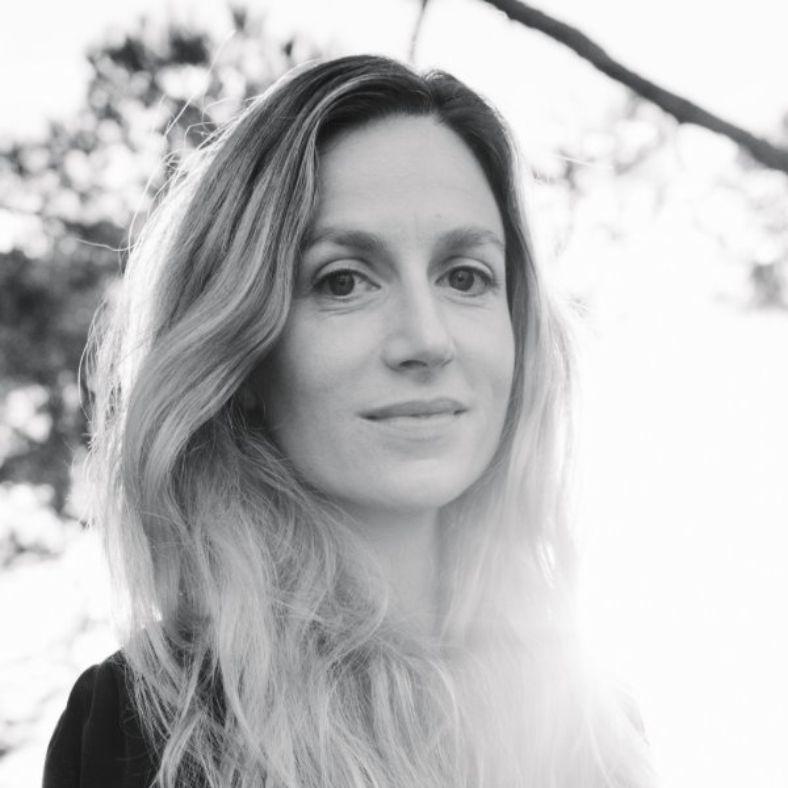
Full Transcript 0:00 I mean, they're literally living in a different reality than we grew up in. 0:04 They're terrified to talk to somebody to order food because you have this edited version of the self that is displayed publicly. 0:12 And I'm like, but it's so boring. 0:15 I'm like, yeah, that's support. 0:17 I have this idea that the human brain will change anatomically within the next couple of decades. 0:32 And I'm Dr. 0:33 Surya Ravan. 0:34 With the wisdom from holistic, alternative, and these conventional medicines, we are here to challenge the status quo. 0:42 We're curious about the connectivity and complexity between diverse fields of knowledge as it relates to consciousness, chronic illness, 0:50 mental health, resilience and beyond. 0:52 Learning more about The Art and Science of Healing. 0:54 So welcome to another episode of the Too Curious, Emny podcast where medicine is more than science, it's story, art and connection. 1:01 Today we have another special guest, Sarah Seischer. 1:07 It's like Fisher with an S. 1:09 Yeah, it's beautiful. 1:12 She's a board certified adolescent and child psychiatrist whose practice integrates psychotherapy, medication management, 1:19 and a whole person approach to mental health. 1:22 And she's a ketamine assisted psychotherapist, psychiatrist in Los Angeles. 1:30 And, she is also providing TMS treatments for the adolescent and young adult population. 1:37 So, we're keenly interested in learning more from her about her experience in adolescence, recognizing when a need, when the need comes in. 1:50 the professional help, what's the most effective and developmentally appropriate treatment and how to really approach that treatment, 1:59 especially in the adolescent and young adult population, because I believe they have a different set and setting, call it, 2:08 or different brain, you know, a different experience. 2:12 And also there's a lot to talk about when we talk developmental effects and the family dynamics that shows up in treatments. 2:22 So thank you for being here, Sarah. 2:25 I'm very happy to be here. 2:27 Thank you for having me. 2:29 So what initially drew you to child and adolescent psychiatry? 2:36 So I have a background in pediatrics. 2:40 I didn't finish a pediatric residency, but I started one. 2:45 And I sort of knew in towards the end of medical school that I was interested in working with. 2:53 children and adolescents. 2:56 I think there's a part of me that can really still identify with the adolescent part or that's very accessible and so it makes the work a kind of natural fit. 3:20 And I've also always been very, very interested in development and kind of how development trajectories are more than linear and multidimensional and unfold 3:37 throughout our lives. 3:39 And, I like kids, always have. 3:44 Yeah, I definitely agree with that. 3:46 Being a pediatric hospitalist in training and now I'm doing adult medicine, mental health care, and I see the child and the adult now more so. 3:59 Exactly. 4:00 It's like that, I think it's Ursula Le Guin that has a quote, like the creative adult is the child who survived this sort of idea that we grow up with 4:15 this narrative that you reach adulthood, you reached some point that you'll be an adult, you know how to do things, have it all figured out. 4:25 And it's such an untrue narrative, and such in some ways a damaging narrative. 4:33 But I certainly think there's something very healthy about keeping that playfulness, the ability to play, to engage in the world in that way. 4:43 Yeah. 4:45 Alive. 4:46 And to stay creative, I think. 4:49 We talk about this in our work too, neuroplasticity, the effect of neuro plasticity. 4:56 What changes from the child brain to the adult brain has an effect. 5:03 losing that explorative way of thinking, you know, the openness, intrigue, curiosity, creativity that children have when it becomes the adult kind of restricted 5:17 in just the default mode system and operating through that. 5:21 What have you learned from working with teenagers and young adults in your practice currently, knowing the current environment of mental health, 5:30 Um, well, it's so much. 5:33 I mean, I think that, A, we were talking a little bit before the show about the systems being really broken. 5:42 And I, think, that's an understatement. 5:45 Um... 5:45 I thing, um, psychiatry in particular, and psychiaty for children and adolescents in particularly, has, uh, really not evolved at the pace that the experience 6:04 of growing up in today's world has changed and evolved, right? 6:11 And we see this discrepancy all over medicine where the real world is sort of like outpaced the research and regulatory world. 6:22 And I think in child psychiatry, it's so hard to do studies, and I'm not a researcher, I am a clinician. 6:33 And what I see is it has always been very hard for me to grow up. 6:40 It's a daunting task, whatever that means to you to grow up. 6:46 But I think in today's world with technology, with changes in the economy, and with the difference in expectations of what it is to launch out of the home 7:01 after schooling, how competitive schooling has become, social media, with technology. 7:08 I mean, they're literally living in a different reality than we grew up in. 7:14 And it's obvious in the numbers and the data that they are struggling. 7:24 I think what I've learned is that people come in with a very similar story often of feeling like they are terminally different than everybody else. 7:40 that they don't know how to connect with people, that, they, don,t know, how, to sustain relationships. 7:46 They don t know. 7:47 How to interact. 7:50 they. 7:50 Don't. 7:51 Know. 7:52 Okay. 7:54 I have a lot of teenagers, surprisingly, who, like, I was surprised when this started coming up, but, won't order food, on the phone, 8:04 They're terrified to talk to somebody to order, food because they've learned to do it all. 8:10 on an app where they don't have to interact with another human being. 8:13 And I think this isolation while being in proximity to other people is a common experience of adolescence always, but I kind of environmental and technological changes. 8:31 And I think drives actually a lot of the increase in mental health issues that we see. 8:40 Yeah. 8:41 Isolation, but still in proximity with other people, you mentioned. 8:45 Yeah, that's sort of like, what is connection? 8:47 Like, is a friend that you make on a video game? 8:51 What is the difference in the sort-of quality and fabric of that connection from a friends that make in real life? 8:58 Or not in life, like in person, where you're sharing physical space and... 9:05 Yeah, it creates a kind of a different kind experience of living and understanding of just even the access to technology and yet you're in the same room 9:17 and no one's talking. 9:18 Exactly, exactly. 9:19 Yeah. 9:20 Yeah. 9:21 Definitely can see that as, you know, just observing people. 9:26 You know sometimes when you go on a train or in a subway station, there used to be a time when everybody used have a book or, 9:33 listening to music or talking and then if you take a picture of that and translate it from, the 80s to the 90s, to 2000s. 9:43 Suddenly, now everybody's on their phone and no one's looking up. 9:47 No one even cares. 9:49 And so there's definitely a disconnect in proximity with other people and that itself creates a sense of isolation, depression, 9:58 not knowing, I imagine. 10:00 And I think an increased sense of self-consciousness, right? 10:05 Because you have this edited version of the self that is displayed publicly. 10:10 And so these old ideas from old developmental specialists and analysts about false self and true self, I think it is just amplified. 10:25 The volume has turned up on that tension so much because not only do you have the opportunity to edit what version of yourself you're putting out in public, 10:42 but then you also get real-time feedback. 10:46 real-time rejection or real time validation and I think it's really my theory you know like the triune theory of the brain which is the reptilian brain 11:00 the mammalian brain and the cortex I have this idea that like that the human brain will change anatomically within the next like a couple of decades, 11:13 like very, very rapidly because of how we're interacting with our environment. 11:21 Yeah. 11:22 That's already happening. 11:24 I mean, how many things can people remember now versus what they used to? 11:28 Exactly, attention spans. 11:30 The attention, everything's much more fast-paced. 11:33 You can't watch a show that's slow or old school and people are just used to a certain way of getting information. 11:44 A quickness of dopamine and this conversation. 11:47 I had it four times today. 11:49 And with patients, it's sort of like fast versus slow dopamine. 11:53 And that it really difficult, especially to like a 16 year old, to be like, you should pick up a boring book and read it. 12:08 But it is so boring. 12:11 I'm like yeah, that's so, like do it anyways. 12:16 Well, what do you, how does this show up? 12:18 How are these conditions that we're living in or young adults or teenagers are living and show in their mental health that you see that require treatment? 12:28 So I do, because I'm child and adolescent board certified, I see a lot of ADHD. 12:36 And I think the discussions around ADHD, what qualifies as a disorder, would we all have sort of symptoms of diminishing attention spans that are, 12:49 I happen to believe that it's related to sort late-stage capitalism trap where that's exactly what is meant to happen when you engage in these technologies 13:04 on a regular basis, is that you're training your brain to rely on immediate hits of dopamine, small hits dopamine on the regular bases, 13:16 and that kids are spending much less time outdoors, much time interacting with nature. 13:24 much more time in imaginary worlds, which for some kids is developmentally appropriate, but then at some point it becomes less developmently appropriate. 13:36 And so there's this, I think, odd thing that happens where kids are more connected in some ways, like they're always plugged in, 13:45 But they are less connected, in meaningful ways. 13:49 And so with ADHD, there's been a lot lately about girls with ADHD and the difference in presentation in girls. 14:00 With ADHD and I've seen a of that in my clinical practice, including older women who feel like they were missed sort of or overlooked. 14:12 And then a lot of depression, anxiety, and school-age kids. 14:18 I think the repercussions of COVID are echoing still, even though it's, what, six years behind us, like, that those years and the effects that they had 14:34 on these kids are still profound in their development and their social development. 14:41 And then I live in Southern California, so pot is everywhere, but it's not like regular pot. 14:50 It's like 95% THC pot, which is psychomimetic and much more dangerous. 14:58 And it was just the access that the teens and young adults have to I mean, they've always had access to marijuana, but it's a different game. 15:11 I would argue that it is an entirely different substance, in fact. 15:17 And then how does that show up? 15:20 I see a lot of more confusion about whether marijuana is being used to self-medicate or to treat certain symptoms like insomnia or anxiety, 15:34 and then how that sort of snowballs into unhealthy relationship or dependency on the substance. 15:44 A lot of cannabinoid hyperemesis syndrome developing. 15:51 And then psychosis. 15:54 Kids, there are certain populations who are at higher risk for psychosis anyways, but the high concentration THC products are so much more likely to trigger 16:13 a psychoses that I just find it to be that the effects are much dangerous and end up leading to much acute situations. 16:30 Yeah. 16:31 And in a developing brain, you mentioned, a mental health kind of showing up at different developmental stages and the effect that kind has on development. 16:43 But in particular, with any type of substance exposure, what effect do you feel that has Yeah, so there are two things. 16:54 Actually, my first association when you asked the question was about eating disorders because I've seen a movement towards younger, 17:02 the development of especially anorexia in younger people. 17:06 So it used to be that we'd see it usually around like 12, 13. And during COVID, I started seeing it eight year olds, 10 year old, 17:17 and there have been some meta-analyses and trying to figure out why this is. 17:23 And the thoughts are sort of around like social media and isolation and being on Zoom, even seeing that there's a draw towards a hyper-focus on one's appearance, 17:37 if you can see your face on camera. 17:41 But in terms of the substance use, the data is very clear that adolescence is a time of pruning neurologically. 17:54 And I think what happens, and it also interferes with learning, I What I see is there ends up being a really intensified struggle around differentiation 18:20 of the adolescent and the parents being scared out of their minds about what it's doing to their kid. 18:25 And the kid having, the young adult, having very little insight because they think that it is medical, it serving a medical purpose. 18:36 And they're getting conflicting information from the internet and different websites. 18:42 And I think the adolescent brain is particularly vulnerable to injury neurologically. 18:51 It's robust. 18:54 I mean, kids are more resilient than we give them credit for. 18:59 I think particularly the adolescent brain is vulnerable to developing these sorts of tracks, right? 19:08 And that's where ketamine comes in, that we have some opportunity to Instead of entrenching those maybe negative tracks, 19:19 even further giving individuals an opportunity to maybe make some new, take some directions, have some adjacent possibilities. 19:29 Yeah. 19:30 So what's your view on ketamine as a treatment? 19:36 I mean, ideally in adults kind of we use it for treatment resistant depression, right? 19:41 Two to four drug failure, you know, other alternatives, not working, side effects, something that requires, again, another modality of treatment. 19:51 That is for one kind a cohort of patients. 19:54 But what is your views on Ketamine for adolescents and young adults? 19:58 being the first line treatment. 20:02 So I, that's very interesting. 20:06 I don't think I've ever used it as a first-line treatment, but there are times where I will bring it into the conversation earlier than let's try a different SSRI, 20:22 for example. 20:27 we have these blind spots in psychiatry. 20:30 For example, in adults, there's been a lot of research on the sexual side effects of SSRIs on adults. 20:37 And the numbers are that really large percentages of adults who are on SSRIs have sexual effects where they have decreased libido, 20:47 decreased sexual functioning, decrease stability to orgasm. 20:52 Now, if you have a 16-year-old and you wipe out their sex drive, that to me is a huge developmental problem because their experience of themselves and 21:07 their body and their experience of themselves as that those are normal psychosexual developmental experiences. 21:18 And I don't think we know enough yet. 21:22 We haven't researched it enough to know what the implications of that are for young people. 21:30 as opposed to somebody who's established their relationship with their body and with her sexuality. 21:38 But in particular, I think I've found ketamine, so I'm not a cowgirl, like I am still pretty conservative with how I use it. 21:50 and it's off-label for adolescents. 21:55 I've treated some older adolescents, but I found it very helpful in acute suicidality to prevent hospitalization as probably one of the most kind of practically 22:09 helpful ways. 22:10 Um, I have had a few patients where I combined starting a low dose of lithium at the same time for the anti-suicidal self-harm effects, 22:24 like a sub, not a mania dose of lithium, but like 150, something like that. 22:29 And then the way I do ketamine, my practice is once weekly, usually on a Friday for three weeks. 22:38 I work with a therapist who does integration and prep work. 22:42 that I feel like we have successfully kept several patients from having to go to the emergency room and be hospitalized. 22:51 And that always, to me, feels like a huge win because I guess it's all circular. 23:00 But the system is so broken that oftentimes going, sometimes it is necessary, but sometimes going into the systems of that is really, 23:11 really traumatic. 23:12 Yes. 23:14 A lot of times, even our type of patients were treating that history of that exposure. 23:20 Exactly. 23:20 It's a medical trauma. 23:22 Yeah. 23:24 And there has to be a better way to treat. 23:30 even, I mean, you mentioned, and thank you for bringing that up about the development, hadn't thought of that before, as the sexual side effects being 23:38 a component of an important part of development and the relationship to body that it can have. 23:46 So I again pose the question, right? 23:50 If something is doomed to failure, which kind of we see when this arises and the stacking of medications, and then by the time the fourth line treatment 24:00 comes in, you're not effective at all. 24:03 Why even bother with that line, that algorithm, I call it. 24:09 When the efficacy of ketamine, even in comparison, if it wasn't used for post-treatment depression, why not just start with that? 24:22 Because the advocacy is better, as you compare the two. 24:27 One of the things I consider with ketamine is the durability of it and concerns about durability because while I have found it, 24:36 I think the data supports this too, that it's very, very effective and very safe. 24:42 It's been around for a long time. 24:43 We know lots about it. 24:44 we know a lot about safety profile of in all sorts of populations, right? 24:49 Kids, people with comorbid medical conditions. 24:55 So I have been very confident that it's a safe drug and in some ways probably safer than, certainly safer, than like a second generation antipsychotic 25:05 in a lot of ways. 25:07 But it doesn't really have the data to support durability. 25:13 And I think for, and that's where TMS kind of comes in, because Tms is a little bit the opposite. 25:21 Like it does work right away. 25:25 But it has evidence for much greater durability. 25:29 So there's some interest in emerging research about the relationship between ketamine and TMS and how you can combine them or not combine. 25:39 Yeah. 25:40 Well, give us an idea of how do you decide on modality of treatment for the adolescent or young adult. 25:49 What's your approach like? 25:50 For our audience, what would be your approaches for treatment? 25:56 What is required in preparation? 25:57 And also making that assessment of choice between which option would the best. 26:04 in a supporting? 26:06 So I think one of the first assessments is the family structure, right? 26:10 And that's one the biggest differences between doing child and working in adult populations is that really the child's family environment is of utmost importance. 26:20 So what does the familiar environment look like? 26:23 Is it a family who can communicate effectively? 26:28 Are they open? 26:29 are they supportive? 26:35 not presence with a T, but presence, like their psychological presence. 26:40 Like how informed are the parents? 26:42 How open are they? 26:43 And then how stable are, they right? 26:49 Are they dealing with substance use disorders? 26:53 I think that context really can sway because I mean, a ketamine in a younger person really requires a holding environment from the family that is different 27:10 than doing ketamine work with an adult. 27:21 I guess some of it is acuity. 27:23 If a patient is really acutely suicidal or really, really acute depressed, they need something that's going to be immediately effective, 27:33 I would reach for ketamine first. 27:39 TMS is tricky because it's a very good example of where the sort of clinically and industry outpacing research and regulation. 27:52 And so the only FDA approved indication for T.M.S. 28:01 is treatment-resistant depression. 28:05 Some machines are approved for OCD, some are approve for smoking cessation, but all machines really can do the same thing. 28:16 One of the big differences is whether they use functional MRI or not, or different type of neuro-navigation. 28:23 And then there was two machines that were approved for 15 and up. 28:29 But the other machines can do the same protocol. 28:35 And so there's nothing particularly special about those machines. 28:39 It's just, again, it circles back to this idea of the system being what other forces are at play that influence decisions. 28:53 Yeah, I mean, the marketing around the machines as well as what's been cleared and what is approved, FDA approved versus cleared. 29:00 Exactly. 29:02 It makes it very tricky for providers as for patients. 29:06 And it puts this kind of question in, you know, is a machine capable of treating the patient or is it a dose treating a patient? 29:16 So tell us a little bit more about that for our audience. 29:20 Yeah, so I ended up, I was interested in getting more exposure to the world of TMS, but as a solo private practitioner, it's very hard because the machines 29:32 are very expensive. 29:34 Tms has been around for a long time, Um, a lot of it is sort of like still rooted in research based. 29:42 So, um, the machine, older machines are sort like, they're a dental chair with like a, this hood and it's bulky and that costs a lots of money and, 29:53 uh, you have to have staff to run it. 29:55 And I am not, I'm a one person in an office. 30:01 And so a couple of years ago, I heard about a machine called Ampa. 30:06 That's a company up in the Bay Area. 30:11 And they developed a portable machine. 30:17 So it's actually portable. 30:20 It's like 40 pounds. 30:21 And it fits in a suitcase, so it can be moved to somebody's home. 30:26 It can move to a treatment center. 30:31 Like it really is legitimately portable. 30:33 I've taken it to other places besides my office. 30:38 And there's a little bit more flexibility in how the patient can be during the treatment. 30:45 So they can, like in my office, I have a massage table that goes up. 30:51 It really can prioritize patient comfort in a way that some of the other machines can't. 31:02 And then AMPA did their own studies on, there's a lot of interest in accelerated TMS. 31:08 So traditional TMs is usually 36 sessions over six to seven weeks. 31:15 That's the kind of Tms that's covered by insurance usually. 31:18 And, and then in like 2000, So the research started 2008, 2009, and 2014, 2015. The same protocol was FDA approved. 31:33 That was a compressed protocol through Stanford. 31:40 And then AMPA did smaller sample size research on working on the parameters that could compress the treatment even further. 31:53 medication augmentation with a medication called D-Cycloserine, which is an old tuberculosis drug. 31:59 And then there's, mm-hmm, yeah. 32:03 I don't use it with everybody, but I do use and it's really, the papers and data really support that it almost doubles the efficacy of each. 32:15 It's very hard to get. 32:17 There's one compounding pharmacy in LA that you can get it from. 32:22 But it's not so expensive, and the dose that we use it at for augmentation is pretty low, like, it is a relatively safe drug. 32:32 It's been around forever. 32:34 Its old, its metabolized through the kidneys. 32:38 But really it does seem to enhance the efficacy of each treatment. 32:44 So then you can, instead of doing 40 treatments, you could do say 20 treatments. 32:49 And then a researcher named Sadiki did a lot of research about, like, the time between magnetic pulses and how much time the brain needs to recover in 33:02 order for the next treatment to be effective. 33:05 And it's actually, with high-frequency treatments, about 30 minutes, and with low- frequency treatments it is about 50 minutes to an hour. 33:12 And so if you look at it, if add deseglycerine and you do intermittent theta-burst TMS, you really can do it in one day or two days. 33:27 And the efficacy is... 33:31 Very good. 33:32 The durability is very good, it doesn't work right away, so there's usually a week, two week kind of period of time before people will start to see results, 33:47 but So this is one of the issues, again, and it comes back circularly to the, I would say, irrationality of our healthcare delivery system. 34:01 But basically, no, it's not covered by insurance. 34:03 So the same protocol is covered. 34:06 By some insurances, like TRICARE, the VA, there's I think another two insurences that cover it. 34:12 I don't think the V.A. 34:15 covers the It's very confusing and this is again where sort of like research and clinical experience have really outpaced policy and a lot of people even 34:33 if they do use insurance to cover the traditional protocol, they require more than 36 sessions. 34:39 And the extra sessions are usually out of pocket and not covered by insurance. 34:47 Accelerated TMS, I think, is this weird paradox of increasing accessibility because a lot of people can't do six weeks of treatment. 35:00 So, for example, college students could do an accelerated protocol when they're home for winter break or spring break. 35:09 People who work or have a demanding job or small children could take two days off work and do it. 35:19 But it's not covered by insurance. 35:21 And so part of developing the TMS portion of the business has also been trying to look at like financing options, sliding scale, 35:36 how to make it feasible for people to access this as an option, as opposed to it being like just a straight concierge because then that makes it inaccessible 35:52 to so many people. 35:53 Yeah. 35:54 And healthcare, I believe this to be true as well. 35:58 I mean, we're not treating conditions, were treating social disparities. 36:03 We're really treating injustices and the way people are living, and we are really not trading conditions. 36:10 Were really trading everything that brings on that condition in our environment. 36:16 And I also agree with you that understanding the family, and often I see this too, this is a question, do you believe that the presentation that a teenager 36:32 comes in, is it a presentation of something else too? 36:39 What's happening in the families? 36:41 Or what kind of presentations have you seen? 36:43 Yeah, for sure. 36:45 to open your office? 36:47 So I would say one of the more common, yeah, I'd say probably one the most common ones is whether implicit or explicit pressure from the family system 37:02 that the child either achieve something academically or athletically or perform to some level, and the parents sort of not giving the child or young adult 37:21 the room to differentiate, to internalize their own motivations for figuring out who they are in the world. 37:32 And even if that's different, if their values are different if, their goals are, different than their parents, parents being able to tolerate that and 37:42 support that. 37:43 And so oftentimes when the kid comes in as the identified patient, but there's a lot of inflexibility in the in the system. 37:54 And then another one I see very frequently is talking, I share my office with a developmental and behavioral pediatrician, 38:02 and we were talking that oftentimes in families where there's one kid who has a medical issue or a development issue, or severe allergies or something 38:17 growing up, the other sibling oftentimes ends up with a lot of internalizing symptoms because they had to not take up so much space. 38:31 And the the child who took up a lot of space with their externalizing symptoms or medical issues, then the sibling without that delay, 38:45 like years later, a few years, later will sort of fall apart. 38:51 In your experience, who's bringing in the patient? 38:55 Is it the adolescent coming in because they need help or is it a parent or somebody else referring to them? 39:02 I would say it's a mixed bag. 39:06 the school pick up on it and recommend an evaluation. 39:12 Sometimes, a lot of times though, it's coming from the adolescent or young adult, and a lots of time it is driven by social media. 39:21 I saw this TikTok about XYZ. 39:23 I think I have that. 39:24 A lot of school refusal. 39:25 And then the parents or the school recommends we'll bring the kid in. 39:42 What I find is that if an individual, whether they're an adolescent or young adult or an older adult, if they are forced into treatment, 39:54 it's much less likely to be effective. 39:57 And if there's no buy-in, they don't want to there, or they see anything wrong with them, to me it is almost every time a waste of everyone's time and energy. 40:09 And that is a very hard reality for a lot of families to face because it's an excruciating position for them to be in. 40:20 But if the kid is not willing to engage, There's no magic dust. 40:28 Maybe they can find the right provider to crack in somewhere, but it can be really challenging if the parents are seeing that the kid needs help, 40:41 that they kid is not willing to engage in care. 40:44 That's true. 40:47 Well, let's talk a little bit. 40:49 You mentioned suicidality, and this is something that we're seeing more and more of. 40:54 The numbers have increased. 40:55 I mean, the number one death in adolescents and young adults is by suicide. 41:03 And it never used to be as a number-one indication. 41:11 high numbers of suicide rates. 41:14 More so than accidental death, more so then homicidal death. 41:17 I mean, that should never be there anyways. 41:21 So when a teenager or an adolescent or young adult has suicidal thoughts or has self-harm behaviors, what can parents do? 41:32 What are the concerns that shouldn't ever be dismissed? 41:38 Yeah. 41:39 It's a really good question, and it's complicated topic. 41:42 And it reminds me, I recently had a conversation with somebody that we're living in such odd times where like longevity medicine and people having increased 41:57 lifespans and like that dying until later is increasing. 42:07 And then younger people being like, all right, I'm done. 42:10 I want to check out because they're hopeless about their future. 42:14 They're homeless about ever feeling different or differently. 42:19 Their hopeless, about being able to get a job. 42:20 There are hopeless. 42:21 About having a voice. 42:23 Um, they are. 42:24 Hopeless about, um, being. 42:26 Able to not feel like a failure. 42:29 because this system is set up, I think, where so many of them feel like they're climbing an impossible mountain. 42:41 I tend to have a pretty broad range of being able to tolerate the discomfort and like provocativeness of self-harm and suicidality. 42:59 And so I always, I think it's very important for young adults and adolescents to be able talk about it because some of it is existential, 43:10 right? 43:10 Some of is like, what is the point? 43:13 Why am I here? 43:14 I don't want to wake up and feel like this every day. 43:16 I have meaning in my life. 43:17 These are old questions that humans have been struggling with forever. 43:22 Maybe not forever, but of meaning and purpose. 43:37 And that, to me, is very different than I have a plan to get a knife from the kitchen and kill myself. 43:48 And I think the same thing goes with self-harm. 43:51 People self harm for lots of reasons that don't have to do with ending their life. 43:56 They self harmed to feel something because they feel numb. 43:59 they self harmed because They can't tolerate how anxious they are and that sort of stops how dysregulated they feel, they self-harm because seeing blood 44:12 makes them feel real. 44:14 I have a lot of young adults and teenagers who describe feeling unreal, which I think is probably a symptom of technology. 44:24 And so people self-harm, it's not always, is very provocative and scary for parents. 44:29 And I feel that, and I'm very sensitive to that. 44:33 But I don't think it is always with intent to end one's life. 44:42 I think a lot of times it serving a different purpose. 44:46 And so oftentimes I try to look at, okay, well, what purpose is it serving? 44:52 And is there a way to get that need met without hurting your body? 44:59 And so some of the work is working with parents to tolerate the distress of how provocative it is. 45:06 I find that the people who don't talk about it are the ones who worry me the most. 45:15 Like if a kid is, if the teenager or young adult is talking about, I am much more reassured. 45:23 But if I get a spidey sense and then they're not talking about it at all, then I'm very, very worried. 45:32 Yeah, the masking or the avoidance or denial of something that exists in hidden plain sight, something. 45:41 And people who end up killing themselves oftentimes don't talk about because they know what will happen if they talk And we're there in a double bind and 45:51 we are in double-bind because of professional obligations and finding space to encourage people to be honest and open about what they're experiencing but 46:06 also knowing that there are limitations to what you can hold it under kind of a professional ethics is really challenging. 46:15 Yeah, well, this has been a fascinating talk, and there's so many more questions I have. 46:22 But I'm going to ask you, kind of condense some of those questions in a rapid fire. 46:25 We do this in the last part of our podcast, some rapid fires, just to give opportunity to all the questions that we have, 46:35 in playful way, too. 46:38 So answer whatever comes to mind, or if you want to say something more, I'd be happy to hear about that too. 46:46 Anxiety or depression, which is more often overlooked in teens? 46:51 So I'm going to I think the distinction between anxiety and depression is completely artificial in some ways. 46:58 I am not a big fan of the DSM. 47:05 siloing out anxiety from depression. 47:08 Anybody who has experienced either will be able to usually articulate that they're deeply intertwined. 47:17 What is the biggest mental health myth parents believe to be true? 47:22 I would say that their child's symptoms are solely located within the child. 47:37 So I see a lot of families where they're a little resistant to therapy because there's this sort of idea that, oh, everyone's just gonna blame mom and dad. 47:52 And there is a resistance to seeing the child as unfolding within an environment. 48:03 and that the child is born, that parents are not engineers of their kids, right? 48:11 The child was born with traits, hundreds and hundreds of genetically determined traits temperaments, aspects of the personality, 48:22 and the parents cannot just mold the children to be how they parent actually doesn't have as big of an effect is they think that it has their, 48:37 again, like presence, openness, connection, emotional, sustained connection is far more important. 48:50 Very, very true. 48:52 What is the biggest mistake parents make when seeking help? 48:59 I would say stay off of WebMD. 49:02 Or chat GPT. 49:11 There's a lot of bad information out there. 49:15 And again, I will say I'm not, over the years I've become less of a believer in kind of evidence-based protocols and algorithms, 49:30 especially in children and teenagers, because I think our data sets are just so incomplete and we really haven't updated them so much. 49:43 So more medication is, more is not always better. 49:46 And I think that there are many families where the parents or somebody they know has had a bad experience with a medication and then that taints their 50:03 view on everything. 50:04 And so I tend to feel that like gold standard treatments, the SSRIs can be extraordinarily useful for certain individuals. 50:18 But they're not totally benign. 50:20 They're safe, but they are not total benine. 50:24 And that exploring, having other options, other choices, and other ways of looking at the experience. 50:35 And having other ways for the young person to understand that they're not broken. 50:40 Like this idea of like, my brain is, this narrative of, like I have a chemical imbalance, My brain Is broken and I need to be on medication for The rest 50:54 of my life. 50:56 I think is a huge misconception. 51:00 And I would blame that more media and the pharmaceutical industry. 51:05 Totally. 51:06 My practice has moved more. 51:08 I do more deprescribing now than I did five years ago. 51:15 SSRIs were never meant for people to be on them for 20 years. 51:19 Yeah. 51:20 I think I missed the boat on that because in my medical school, I learned about, you know, that eight, nine to 10, 12 months you did medication and you 51:31 weaned and all. 51:32 And when I went overseas and came back I was like, wait a second, when did we stop, continue these medications and why are the children on four medications, 51:42 five medications? 51:43 Yeah, yeah. 51:47 And I think some of it again is like a desire to decrease the distress and discomfort of the family system. 51:58 And so you treat, there's a pressure to treat symptomatically, right? 52:04 Like we have to get their sleep. 52:06 and I talk to people all the time, sleep is not static, or sleep, yeah, it's not, static. 52:11 It never was meant to be static in human beings. 52:15 it changes with the seasons, It changes, with lunar phases, that changes the weather, changes barometric pressure, hormones, 52:24 right, like there are all sorts of things and so you're not a machine, you are not supposed to sleep exactly the same every night. 52:37 And that's like a foreign concept, like as if we should just be able to click our fingers, go to sleep when we say so, and have it be consistent throughout 52:50 the year. 52:50 It's human beings were not meant ever to asleep like that. 52:55 And now I'm going to ask a very bold, dangerous question that relates to social media. 53:00 What is your biggest concern about TikTok and mental health advice? 53:04 And just this question probably will screen us out of the algorithm because of TikTok. 53:08 Totally. 53:10 It's funny. 53:10 I don't have TikTok, and I am actually like a self-proclaimed Luddite in a lot of ways. 53:19 I think that it's over determined. 53:25 I there are many, many ways in which social media is is detrimental to the developing brain. 53:36 And I think one is the attentional issues and this sort of, it's doing what it supposed to do. 53:42 It's hooking kids on quick dopamine hits and not slow dopamine experiences. 53:50 So like learning a new skill, reading a book, having an interesting conversation with a friend. 54:01 Those are slow dopamine experiences that are going to be much more sustainable. 54:07 I think that families have a very hard time limiting screen time and that things like not having phones at the dinner table, 54:21 having them locked away at a certain time. 54:23 I mean, kids get really dysregulated around limitations. 54:30 And at, at this same time, I think it's a double bind for parents because this is how kids, we can't escape it. 54:38 So I'm not I understand that it is a fact of modern life that we have to contend with. 54:48 So I think the approach is not to necessarily cut it off entirely, but to really talk to kids continuously about what you're consuming, 54:59 what accounts you are following, and what information you allow into your brain, what energies are you allowing into your brain? 55:09 Right? 55:10 You can follow accounts that are about animals, if you're interested in our wildlife or the environment. 55:19 And talking about sort of that you are, that kids have more control over and choice over what they let into their mental worlds. 55:34 But that it takes some conscientious effort and it take modeling from parents, right? 55:41 Because if they see their parent Yeah, like yeah at the dinner table they're gonna Do the same thing? 55:50 Yeah so finish this sentence a mentally healthy teenager needs a Room to be imperfect. 56:02 Oh, I love that. 56:04 That's beautiful. 56:06 I think, yeah, room to grow and be perfect. 56:08 Room be to imperfect, that just seals the deal on this talk. 56:13 It really does bring a lot of this interior context, right? 56:19 This idea of perfection, both that's visible in social media or what it appears to be or their expectations are from themselves and their parents and this 56:31 idea perfection in not having this opportunity to learn and explore and make mistakes. 56:37 Exactly. 56:38 And be messy and ultimately be like you are the only you that's ever been in the universe in this exact configuration and what that there's value and worth 56:51 in that in and of itself. 56:53 Yeah. 56:55 If a parent has to remember just one thing, it should be what? 57:00 That their child does not have to earn love. 57:07 But their child is worthy of love, attention, acceptance, no matter what. 57:16 Yeah, makes the biggest difference in outcomes, too, with that. 57:22 Thank you for that, and I really appreciate being here this evening, doing this talk, particularly some of these, a little bit more to learn from you, 57:32 I'm sure. 57:33 How would somebody contact you? 57:35 What's your website? 57:37 Yeah, my website for my private practice is sarahcishermd.com, I think. 57:48 And then the TMS practice is sort of like getting up and running, and that's actually called Elysian T.M.S. 57:54 Center. 57:54 And it has E-L-Y-S-I-A-N tmscenter.com because the t.m.s. 58:07 is under a separate business. 58:12 And that offering is, I'm sort of in the midst of getting it out of beta and into... 58:21 Well, just to learn more because we're doing TMS at our center and very interested in adolescent young adults as well. 58:29 And knowing that the marketing around the different machines is there to have cornered, you know, really taken over the market around that. 58:42 And I think more education and more knowledge is needed in treating children with TMS, and I that's definitely a very promising, 58:53 non-medicated way I also think neurofeedback is vital for what you described as on the phone, using the form of neuro feedback. 59:06 Exactly. 59:06 It's a reinforcing. 59:08 And TMS really is based on learning theory, like long-term potentiation, long term depression. 59:14 I think Tms, especially the mobile options and the accelerated options, I there's very exciting research around dementia and around postpartum periods 59:30 where it could allow women to get treatment that's not medication, that won't interfere with breastfeeding, um, That won' t separate mom and baby, 59:39 and will also allow eyes in the home, which I think is so important in a post partum period. 59:49 So I think there's so much potential and there is more that we're learning every day and I it's a really exciting part of psychiatry that's developing. 1:00:04 Yeah, we'll stay in touch because I think this is an ongoing discussion for sure. 1:00:10 Absolutely. 1:00:11 We do have a platform called IOCAP. 1:00:14 It's a adolescent and young adult care assisted provider group. 1:00:19 And I know you're a part of that. 1:00:21 And I'd like to make that announcement for all the people listening, providers and therapists and clinicians who are treating adolescent and young adults, 1:00:29 that there is hope. 1:00:30 There are ways, again, non-medicated ways as well as ways that you really look at root cause. 1:00:36 You mentioned family systems and really, Delvin, we talked a lot about technology, the effect of technology. 1:00:46 And of course, this idea of development, and the effective development and other things can impact that both in a healthy and in an unhealthy way. 1:00:54 So yeah, it's a great talk. 1:00:56 And there's more, I think, to be said about what's happening in the current environment of the new technologies and the research. 1:01:07 Somehow, adolescents and pediatric patients always left out of that. 1:01:12 I hope that we can kind of continue and connect on ways that can really look at the outcomes on the special population. 1:01:20 Yeah, absolutely. 1:01:21 It was a pleasure and I appreciate being invited to talk. 1:01:26 And yeah, it was lovely to speak with you. 1:01:31 Thank you Thanks for joining us on the Two Curious MD podcast. 1:01:36 We hope today's episode inspired you to ask new questions and explore fresh perspectives. 1:01:41 we challenge you ask us those unasked questions that you're curious about in your medical practice, condition, health and wellness. 1:01:49 If you enjoyed the podcast, don't forget to subscribe, share it with somebody just as curious and leave us a review. 1:01:55 It helps us keep the curiosity alive. 1:01:58 post or comment with a question or curious inquiry that you have and seek to explore or learn with us. 1:02:04 Stay curious and we'll see you next time.

Comments