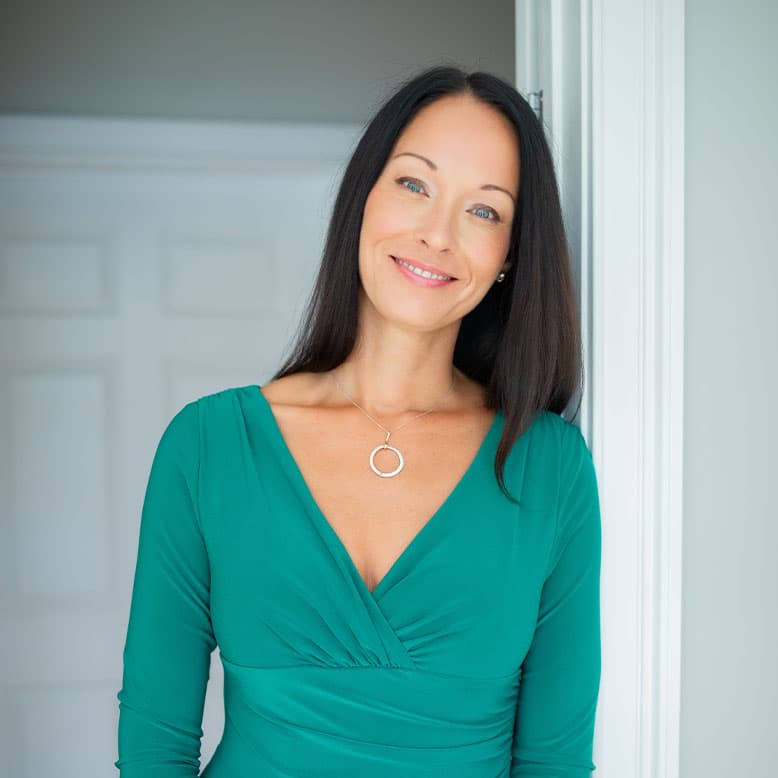
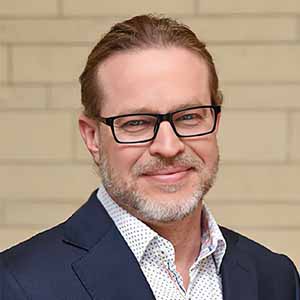
Full Transcript Podcast intro and episode setup 0:00 Breast implant illness is another chronic inflammatory process of which, in this case, a breast implant is playing a role. 0:06 It's not the only thing playing role, so that's why I don't ever tell people that explant loan is going to solve any problems. 0:16 because we're a collection of experiences over time and exposures and limitations and detoxification and how we live and all the things we do, 0:22 right? 0:23 So, I mean, it would be simplistic to just say, if we just do this surgery, everybody's gonna be fine. 0:27 If it was that easy, and I wish it wasn't easy. 0:33 It hasn't worked out. 0:34 Hi, and welcome to the Lime Bites podcast, where we shine a light on the misunderstood science of Lyme and other vector borne diseases, 0:42 as well as the truths that many still miss. 0:45 I'm Dr. 0:46 Mariah Hinchy, naturopathic physician and fellow of the Medical Academy of Pediatric Special Needs. 0:52 I specialize in treating chronic Lyme disease, as well as other complex inflammatory conditions. 0:59 In this podcast, we break down what's working and what is not. 1:02 We share the facts that most people miss, challenge outdated thinking, and give both patients and practitioners the tools to heal smarter. 1:12 So let's get into it and change the way we heal Lyma. 1:18 Hi and welcome to another episode. 1:20 I'm your host, Dr. 1:21 Maria Hinchey, and today we're going to be talking about rest implant illness. 1:27 So in complex chronic illness, particularly Lyme disease, mold illness and other infection driven conditions, Patients often remain stuck in cycles of 1:37 inflammation despite targeted therapies. 1:40 One commonly overlooked driver is the presence of implanted foreign materials, which can perpetuate immune activation, biofilm formation, 1:49 and toxic burden. 1:51 Dr. 1:51 Robert Whitfield is a board certified plastic surgeon and founder of the SHARP Method, a biologic recovery system integrating surgery, 2:01 genomics, detoxification, mitochondrial optimization, and regenerative medicine. 2:07 He is nationally recognized for his work in breast implant illness and has published the largest series of PCR-tested explant capsules, 2:17 demonstrating bacterial contamination in nearly 29% of cases.
How breast implants may drive chronic inflammation 2:22 With thousands of explants surgeries performed, he is also a pioneer in combining explan surgery with fat transfer to restore natural form without synthetic materials. 2:34 Dr. 2:35 Rob, thank you so much for joining us. 2:37 Thanks for having me on, I appreciate it. 2:40 I feel like the Lyme, the Parasite, The Mold, EBV reactivation, all the things end up troubling my patients quite a bit. 2:49 So what do you think are the biggest ways that breast implants can contribute to the overall chronic illness picture with systemic inflammation? 3:00 I think if we just generalize that any device causes inflammation, that's not native to your body. 3:08 So our body from the T cell response is always going to recognize what's foreign or what not self. 3:15 And so I used to do breast reconstruction and before I knew anything about There really wasn't breast implant illness probably in 1996 or to the early 3:27 2000s in that kind of nomenclature or terminology. 3:32 I always thought that obviously any hip, knee, breast, dental, cardiac, neurologic, whatever device that somebody had to put in to help a patient with 3:43 that wasn t their own tissue could get infected. 3:45 We all knew that. 3:46 And then there were studies done on particular blood vessel grafts. 3:53 So things that would replace a blood vessels. 3:56 They were tubular graft. 3:58 and they would become infected. 4:00 It was very hard to determine what was causing the infection and the concept of biofilm was talked about a lot. 4:08 And it actually took a study where they vibrated the vascular graft and that was able to release the bacteria off the surface of the graft so that they 4:17 could figure out that it was something like staph epidermidis, which is a common bacteria associated with biofilm. 4:25 Original bio film was like plaque on your teeth. 4:29 Knowing that, I was taking care of patients with breast cancer reconstructions with implants that had been referred to me because they were having problems 4:38 with firmness, hardness, which is a capture-contracture. 4:42 And one patient in particular, she came to be, it would have been like 2006, and she had redness of her chest intermittently and had pain and some tightness 4:54 and sometimes difficulty catching her breath. 4:57 And she said, you know, is there anything, available now that you can do for me? 5:03 And back then I was one of the early people providing. 5:08 what's called DIP free flap reconstruction in the country. 5:12 I had trained from 96 to 02 and 02 to 04. And I was now in practice after my microsurgery fellowship in 04 or 05. and I really wanted to do this type of surgery. 5:25 So I traveled to Europe and Asia because we weren't necessarily doing a lot of it in United States at that time. 5:34 And I really pushed and pushed, pushed to start doing that surgery. 5:37 And it's basically a technique where you preserve the muscles and the nerves and just take the associated blood vessel with the skin and fat of the lower 5:48 abdomen that's discarded in the tummy tuck to make a breast rig instruction. 5:52 You hook up the blood vessels underneath the sternum like you would use in heart surgery, so I did this for this patient and this redness, 6:02 this tightness. 6:03 All that stuff went away because the tight-ness and the limitation on breathing is more a restriction of the expansion of ribs and weight of device is 6:13 something that once you remove it is like doing a breast reduction. 6:16 So there's multiple things happening, right? 6:18 You're removing restriction and expansion from taking the scar tissue away. 6:24 So the chest can expand better. 6:26 Then you're taking weight off the chests. 6:27 Imagine having two Coke cans tied around your neck on a string. 6:32 Three NR-30CCs is a can of Coke. 6:34 So put one on each side and tied it around a strain and that's kind of having a set of average size implants. 6:39 Now for reconstructive patients, because they've had mastectomies, those implants are always bigger. 6:43 Normally. 6:45 If you do all those things and then you replace it with, think of your own tissue. 6:50 It's healthy, it's hooked up, and has a blood supply. 6:55 That's the best of all, right? 6:56 So now all the foreign materials gone, all those scar tissues gone. 7:00 You can breathe easier. 7:03 The weight is different because your own tissue is not as dense or heavy as saline or silicone, Right? 7:10 so that's a better natural form of reconstruction. 7:13 Plus it's always going to be smaller, not bigger. 7:16 It can't be the same size. 7:19 I did that without knowing what I was doing essentially was removing this generator of inflammation. 7:28 Now, some people don't deal with that. 7:32 as well as others, right? 7:33 So there's genetic differences and detox capability and pathways. 7:39 And then there is overall toxicity burden that we acquire through life. 7:42 In these patients, they were getting more and more treatments. 7:45 So some of those treatments were platinum-based treatments, some those would be other chemotherapeutic agents and then get potentially radiation. 7:52 There's a lot of things that are getting thrown at those patients in addition to where they grew up, where You know, the food they ate, 8:01 air they breathe, fluids they put into their bodies, things they'd put on their skin. 8:06 So all those things matter and all of those affect how that person would, you know cope day to day. 8:15 Obviously when I removed all that material and just did their reconstruction with their own tissue, that would solve this problem. 8:24 So when I have patients come in and they have chronic inflammatory symptoms, I tell them all the same thing. 8:31 Breast implant illness is another chronic, inflammatory process of which, in this case, a breast implant is playing a role. 8:38 It's not the only thing playing role, so that's why I don't ever tell people that explant loan is going to solve any problems.
Biofilm, capsule removal, and explant surgery 8:47 because we're a collection of experiences over time and exposures and limitations and detoxification and how we live and all the things we do, 8:54 right? 8:54 So, I mean, it would be simplistic to just say, if we just do this surgery, everybody's going to be fine. 9:00 If it was that easy, and I wish it wasn't easy. 9:05 It hasn't worked out like that. 9:08 So there's typically some other type of infection that is underlying and causing more maybe immune dysregulation. 9:18 And that's why a particular person would be reacting to the implant versus somebody else. 9:25 Are you ready to revolutionize your approach to diagnosing and healing complex chronic inflammatory illnesses in both adults and children? 9:34 The Lime Bites Symposium is your gateway to cutting-edge education, groundbreaking research, and innovative therapeutic solutions. 9:41 Join us at LIME BITES SYMPOSIUM. 9:45 at the Fort Lauderdale Marriott Pompano Beach Resort and Spa. 9:49 Lion Bites is the premier functional medicine conference on complex, chronic, infection-driven inflammatory illnesses. 9:57 This year's meeting is jam-packed with leading industry experts discussing lung COVID, mycotoxin illness, PANS Pandas, as well as Lyme and other vector-borne diseases. 10:07 This conference will arm you with the knowledge, clinical pearls, and practical solutions that you can implement immediately into your practice Monday 10:16 morning that will literally change your patient's lives and get them on their path to true healing. 10:21 So join us at Pompano Beach or virtually from anywhere. 10:24 Register now at limebites.com. 10:27 That's L-Y-M-E-B- Y-T- E-S dot com. 10:33 So we showed that in 694 consecutive ex-plant specimen samples tested with PCR analysis that 29% have bacterial contamination. 10:45 What type of bacteria? 10:47 Staph epidermidis and QD bacterium acnes. 10:50 Okay. 10:51 And have you ever looked to see or do you know if your patients also have like some sort of chronic infection? 10:59 You know, like Lyme or another vector-borne disease or chronic Epstein-Barr or even like interactions with the spike protein from COVID? 11:09 So the way we look at it right now is with my program, we looked at their genetics and we do do a total toxicity burden test with Vibrant. 11:18 And we did a gut test. 11:20 We look at food sensitivities and we look hormones and then basic blood labs. 11:25 I haven't because it's from a scope standpoint, you know, when people are coming to me, they've already typically either been through the gauntlet or know 11:34 they have Lyme or, or no something about a chronic disease process. 11:39 Those folks are being taken care of differently. 11:42 Do not get down with the workup for Lyne. 11:45 Um, I do have something that is a little bit. 11:49 frustrating for me, which is parasites. 11:53 I feel like when I interview someone about Lyme, I can get some pretty straight answers most of the time. 11:59 When I talk to somebody about parasites, don't feel I get any straight answer because I don' know that anybody has any. 12:05 So I rely on history. 12:09 And so I just was seeing a patient before I hopped on this and she's nine months post-explant, still has gut trouble, acne, 12:17 doesn't fell well. 12:19 Um, that's code four, I have a parasite. 12:21 And so I just asked her travel history and I say, you know, have you guys been down to Mexico recently? 12:27 I'm like, yeah, we go all the time. 12:28 I was like well, okay. 12:30 So that the problem, right? 12:32 Their microbiome is different and can tolerate that. 12:35 Ours is not, and we cannot. 12:38 Right? 12:39 So you can't have Entomoeba histolytica and you cant have hers, which is gosh, fragilis diametis fragillis or something. 12:47 I mean, it has to be taken care of, and I don't know. 12:51 It's not like I can't do it, because obviously I understand, you know, basic things, traveler's diarrhea, entomoeba histolytica, 12:59 but my use of some of these other antiparasitics is pretty limited in my practice, right? 13:04 It is not really something that I've traditionally taken of. 13:08 I do handle a bunch of upfront antifungal therapy now with intracondazole and cholestyramine. 13:15 because I do a lot of simultaneous explants and fat transfers to help patients. 13:19 And I want a patient who's got a pretty high mycotoxin level to have little to no myotoxins if I can get them in a better position for that. 13:29 Then the number of patients who lived around agriculture, grew up around a golf course, were exposed to organophosphates is very high. 13:38 So I'm constantly dealing with that now. 13:40 That's a big problem. 13:45 But how do you determine if it is actually the implant versus one of these other, you know, whether it's a toxicant, an infection, 13:55 how you do determine what is the issue? 13:59 What are red flags that our listeners should be looking out for? 14:02 I don't try to determine that. 14:04 Oh, okay. 14:05 So your feeling is if they're there and you have a complex chronic illness, they are a piece of the puzzle, then they should come out. 14:12 Well, pretty much the patients have self-selected, Dr. 14:15 Hanchy. 14:15 So if you've shown up to Austin, Texas to have an ex-plant surgery, you have already determined that that's your course. 14:20 I don't ever tell anybody to ex plant. 14:23 That's not my role. 14:24 My role is to simply provide the educational information so you can make the best informed decision. 14:29 That's a big decision for a woman to make, and I'm not making that for you. 14:32 Absolutely. 14:33 So let me rephrase my question. 14:35 For someone listening who has complex chronic illness, they've looked at all of the other things. 14:42 They've look at Lyme, vector-borne disease, mold, toxins, etc. 14:45 they have addressed it, maybe well, not so well. 14:49 But they're still suffering and they still have implants. 14:52 Are there certain red flags that should suggest to someone, hey, maybe it's my implant that are the driving cause here? 15:01 Well, none of the biomarkers outside of research biomARKers are commercially available to tell you if it is biofilm. 15:07 There's something called oxylipentinhome that in the research environment has been tested and shown to be elevated in breast implant illness patients, 15:16 but you can't commercially test for it. 15:18 The thing that tells me, honestly, whether or not someone who's going to They're suffering, right? 15:24 So you got somebody who's really got a lot of symptoms. 15:27 They've tried all the things and they finally like give us a call. 15:31 And usually either virtually or in person, I can get them to give me enough information. 15:39 So they'll say, you know, feel bad all of the time. 15:43 Like my muscles hurt, my joints hurt. 15:45 It's hard to walk sometimes. 15:46 Start to get out of bed, all these things. 15:48 Now in that select group of patients, many of them have had a trial of steroids. 15:54 So if they've had a trial of steroid, I'll say, hey, did any of these symptoms get better? 15:59 And invariably, they all will say yes. 16:03 So going back to what I said earlier about removing a implant-based reconstruction and doing a natural or autologous reconstruction. 16:14 That would be like doing an organ transplant between genetically identical twins. 16:20 You don't need drugs. 16:23 because they have the exact same immune system. 16:27 Everything else after that needs a drug. 16:31 So a non-identical twin would need some form of immunosuppression. 16:37 And then if I were to give you a kidney or you were giving me a kidneys as a transplant to save our lives, I would need drugs or you would needs drugs. 16:44 Those would be steroids and some other immunosuppressants, cyclosporine, azathioprine, whatever that may be. 16:51 Now, the first kidney transplant was done between genetically identical twins because that's the case. 16:56 It's just a technical exercise to establish blood flow and hook up the ureter to drain the kidney into the bladder. 17:04 Similarly, papers out of Denmark last year showed that at the tissue level, people who have capsular contractures or thickening or firmness of the scarring 17:15 are having more of a organ rejection picture, so they're having increased T cell response, which is the natural thing that we see normally,
Testing, toxins, and implant-related heavy metals 17:25 but they are also having an increased B cell, plasma cell and macrophage response at the tissue level. 17:31 And they measure it with RNA. 17:33 So that means the proteins are being produced that they can measure from those cell types. 17:38 That's very different. 17:39 It's the first time that's ever been reported in the history of the world. 17:42 But it makes perfect sense, right? 17:44 I said that if you replace the implant-based reconstruction with tissue that's your own, that should end it. 17:52 That should stop the signaling. 17:54 So this is why I advocate for capsulectomy. 17:57 It's why it makes sense to me. 17:59 Because if you leave capsules in that's got bacterial contamination, that a signaler. 18:03 If you leaves capsule in, it's gotten debris from the device. 18:06 That's a signaller. 18:08 if You have a firmness thickness and you have this up regulation of cell types at the tissue level and You leave the capsule in. 18:16 You still have the signal. 18:18 So that's why when you hear people say that like they either have ex-plant regrets or that they still have some symptoms after ex plant, 18:25 you should ask them, did they have a complete capsulctomy? 18:29 And if anybody listening asks the question of like, why do I advocate for that? 18:34 Like one, just go back to what I said, all cancer patients I would treat the same way. 18:38 A complete Capsulectomy, because you have to send that off to make sure they don't have recurrent cancer. 18:43 You have to check everything and make sure it's not infected when you take it out. 18:47 Those are just basic fundamental principles. 18:51 So I do the same thing for the cosmetic patients because I already showed that and I have the largest series in the world that 29% have bacterial contamination 18:58 on PC or testing. 19:00 And I think the problem would be easily solved if everybody who had this showed up to the emergency room or their doctor's office with a red swollen breast. 19:08 Everybody'd figure it. 19:10 But because it's not, it in the prodromal phase, for everybody listening, that's the phase before you get the red swollen breast. 19:16 It's just, on a slow burn. 19:20 And so for our listeners that maybe don't know all of the terminology, when we're talking about the capsule, we are not talking the implant. 19:30 We are talking of capsule that the body forms around the implants. 19:36 That's the collagen sac your body makes, so it's scar. 19:39 And the misperception is that scar is impervious. 19:43 It blocks everything. 19:45 That is not true. 19:46 Think of it like a screen door, which allows signaling between the breast tissue and anything inside, including the bacteria on the surface of the implant 19:54 and the plant itself. 19:56 Okay. 19:57 So any debris that comes off of that, your T cell receptors would look at as foreign. 20:03 Any bacterial biofilm, you body would see that as for foreign and that can oxidize the oleic acid, the fatty acid in the breasts and lead to the production 20:12 of oxylipentenone. 20:14 Okay. 20:15 So the difference is most standard explant surgeries are just taking out the implant itself. 20:23 They're not addressing the capsule and this is what is different about what you're doing. 20:29 And you are not only removing the capsules but you doing that fat transfer, which is actually now introducing healthy, normally functioning tissue back 20:41 into that area to basically turn off the immune response in that are where the capsule was. 20:49 Am I following you correctly? 20:53 I know that there are plastic surgeons around the country who are saying that you are advocating not to remove the scar tissue castle because they think 21:02 it's dangerous. 21:03 It's not necessary. 21:05 And logically, those things are just flawed, right? 21:08 So taking out scar tissues is not quote unquote dangerous, you're not going to injure anybody. 21:13 Saying it is important is being familiar with the literature or understanding the basic immunology I just described. 21:21 I was going to say how the body works. 21:24 I always tell patients the same things. 21:29 If someone says they're not comfortable as a surgeon doing something, then you should just leave. 21:34 That's fine. 21:36 Just say you're comfortable. 21:37 Fear monger the patient. 21:38 Don't scare the patients. 21:39 It's not hard to do. 21:42 Just because you can't, don't want to, or don' feel comfortable. 21:45 Don't say somebody can have something done just because, you don''t want do it or you know how to do or, and you feel uncomfortable. 21:51 That's not fair. 21:53 Like, I don ''t do noses anymore. 21:54 So what? 21:56 Right. 21:57 Doesn't mean someone doesn't wants their nose done or need to have it done. 22:00 Yeah. 22:00 If you call my office and ask for your nose to be done, they'd tell you he doesn'' t do them anymore? 22:06 Right. 22:07 So tell us what's different about your SHARP method. 22:10 How does it support patients before and after their surgery? 22:14 I think fundamentally in 30 years of taking care of patients, The more you can do upfront to take care of the patient and get them in the right situation, 22:23 the better the outcomes are. 22:24 So I don't like reacting to problems. 22:27 I would prefer my old age to really just have them organized and start crossing them off the list. 22:34 It's been a lot of time with genetics and have a really good understanding of a genetic archetype of patient that has the most symptoms. 22:45 And I have some basic assumptions, like you have a poor vitamin D pathway, BDR, GPX, or just genes. 22:51 You have poor methylation pathway. 22:53 Everybody's heard about MTHFR, although I had a patient recently tell me they didn't know what that was. 22:57 It's hard to believe. 22:58 The gluteuronidation pathway is one that I find pretty fascinating because that one handles a lot of burden, I think, from a liver standpoint, 23:09 and it's probably been underappreciated. 23:13 And then the final one is the SOD2 pathway or the antioxidant pathway that handles our oxidative stress burden. 23:19 So our cells work really hard, build up a lot of free radicals, then it has to be detoxified. 23:24 Think of it like you're working out hard and you get really, really sore. 23:27 Your body's got to recover. 23:30 Those are fundamentally flawed in my patients. 23:33 Plus many of them have really poor estrogen metabolism, high levels of estrogen. 23:39 So if you have all five of those going on, you are going to be the most likely to have this problem developed. 23:45 But honestly, if he just took the implants out of the equation, that would really be a pretty good combination problems to give just any chronic illness picture. 23:54 So what is your method? 23:57 I mean, obviously you're prepping them before and what are you doing? 24:02 The toxicity burden, like most of the patients will have toxins like mycotoxins or organophosphates or heavy metals or something. 24:09 Now, I don't try to solve heavy metal burden upfront because I do not know what, if any, is coming from the implant. 24:17 I try to get a mycotoxin burden diminished. 24:21 So we have an antifungal protocol for that. 24:24 And I recommend they do hyperbaric before that as well, before they get here. 24:28 We look at a gut test to see who, if we can, has a parasite or another O growth to try and help them. 24:35 Try to get their diet organized with a sensitivity test so we can not put them on an elimination diet, which seems very crude, 24:42 but actually just have them eat according to what currently makes the most sense for them and then check their hormones. 24:50 I have a lot of people with testosterone suppression. 24:54 And we try to help them with some basic guidelines before that. 24:57 So that's the prep. 24:59 It can take two weeks, six months, depending on what their logistics are to get here. 25:04 And then through those protocols and preparations, they show up the day before we see everybody go through everything. 25:11 Then I have a ERAS protocol the night before, which is. 25:15 a couple of medications to diminish nerve pain, nausea, inflammation. 25:20 And then the next day, our anesthesia providers do ultrasound guided nerve blocks with local anesthetics to provide anesthesia before they ever get back 25:29 to the operating room. 25:30 Then we provide more when we do it. 25:32 You mentioned doing simultaneous fat transfer, which I feel should be the way forward for this in the country and around the world.
SHARP method prep and surgical approach 25:40 Although I don't want to write another book, I think that's going to have to get written at some point. 25:45 If you take fat from other places after preparation of the patient properly and looking at their DEXA scan, knowing their BMI, 25:52 counseling them on diet, sleep, nutrition, all the things, you set them up to have a less, I would say, emotional or psychological change from the appearance. 26:04 Because everybody's worried about the parents. 26:05 That's why you got them typically. 26:09 Obviously we know that we're trying to do our best all the time, but usually the toughest cases are the low BMI patients. 26:17 So low body fat patient, big implant. 26:21 Never a good combo. 26:22 So I always tried to help wherever I can to prepare them, get them ready. 26:29 And if I could do a simultaneous, I feel like that at least gives them the best kind of one time, uh, treat anything after that. 26:37 If they want more volume, certainly if they have enough fat over time they can do another fat transfer because that's natural and you can add to it. 26:46 If someone had skin that needed to be revised over time, most of those things are just done under local in the office. 26:53 So it's not the easiest group of things to get done for patients, but still find it very challenging. 27:01 I try to help this group patients. 27:04 It hasn't gotten the attention it deserves and certainly has gotten me a lot of grief for providing attention for it. 27:11 I'm sure it has anything controversial, anything that isn't relying on drugs and things like that tend to get scrutinized these days. 27:21 Well, oddly enough, the two major implant companies are owned by pharma companies, just so you're super clear. 27:30 Doesn't surprise me at all. 27:33 I want to talk about what factors determine whether someone would have a successful explant surgery versus those who continue to struggle. 27:44 But before you answer that question, are there actual like toxins that are being leached out of these actual implants that our contributing to the overall 27:57 toxic burden with a patient? 27:58 Are you suffering from Lyme disease or another complex chronic illness and aren't sure who to trust when it comes to herbal supplements? 28:06 Hi, I'm Dr. 28:07 Mariah Hinchey, founder of LyMe Core Botanicals. 28:10 As a naturopathic physician specializing in complex, chronic, infection-driven illnesses like LyME disease, i needed herbal medicine I could truly trust. 28:20 That's why I formulated LyMe Core botanicles. 28:23 where our herbal tinctures are handcrafted in small batches right here in Connecticut. 28:28 We use the whole herb, never isolates, to preserve the full spectrum of medicinal compounds. 28:34 Every single step from sourcing to extraction is done with precision to ensure maximum purity, potency, and consistency. 28:44 These are the same herbal formulas I used to heal myself and have used for years to help my patients and family members heal too. 28:52 And now I'm making them available to practitioners and patients everywhere. 28:57 Lymecore Botanicals, herbal medicine you can trust from a doctor who lives this work. 29:03 Learn more at LymencoreBotanicles.com Yeah. 29:15 I mean, I got in a lot of trouble for this on a show I did with a patient of mine, Lauren Bostic. 29:20 So Lauren Boston is my patient and she had a very aggressive sauna regimen. 29:25 She had to dry sauna that got to over 200 degrees Fahrenheit. 29:29 And she would do that for 60 to 90 minutes at a time. 29:32 And so she would come to me and say, Hey, I think I was just melting my implants. 29:38 I felt terrible after those sessions. 29:40 And on our podcast, we said, yeah, you're probably just melt in your implants, but that got me accused of an ethics violation. 29:47 And so the proper scientific terminology is leaching. 29:50 So think of a plastic water bottle. 29:52 You overheat the water, bottle the phthalates come out of the plastic, which is a platicizer that make it firm. 29:58 Gets in the, water you drink the. 29:59 Water disrupts your endocrine system. 30:01 In this setting, you're getting overheated. 30:04 The shell components, the heavy metals, tin, cadmium, platinum, aluminum, all the things come. 30:09 Out into your system, And then you, your body tries to deal with them, right? 30:14 Your liver's trying to handle them. 30:15 You're trying excrete them in your urine. 30:19 So without any provocative challenge, I think we did her toxicity tests and she had the most heavy metals of any human I've ever taken. 30:28 Wow. 30:28 I never would have imagined that there's heavy metals. 30:32 And I mean, maybe I'm, you know, I've never really looked into the topic and I know this might sound very naive, but like I'd never ever would've imagined 30:41 there are heavy metal in breast implant material. 30:45 Yeah, tin in particular is a bad actor for your brain. 30:48 So if you get high levels of tin, then you can have a lot of neurology. 30:51 Yeah. 30:52 Well, like an aluminum being like, an adjuvant, right? 30:54 That stimulates the immune system and whatnot. 30:56 Like, I guess just hearing that and understanding that connection to me explains a lot. 31:03 Yeah, so I mean, and the shit's under trouble for that, which is nice. 31:07 I means, but people stop sauna. 31:09 And then now, you know, when we want to rise out of people, just say some of that. 31:13 Usually gets a few comments. 31:15 But nonetheless, I would have been able to answer the question had I never said that on her show, because more and more people just kept doing it and coming in. 31:24 But because of that show and her influence, a bunch of people, just stopped in their tracks and that was probably better for them. 31:33 So I think as a public service announcement, if you feel bad after sauna and you have breast implants, then just don't sauna. 31:41 Just be mindful of, that as potential thing that's happening. 31:45 And if you want some guidance, you know, I can't operate on everybody around the country and around world. 31:50 So we have a program that's ran to help patients with implants better understand it. 31:56 We have testing that can be looked at. 31:58 I mean, most of these things are not that cryptic. 32:01 It's just like trying to answer the question, but you have to ask the questions. 32:07 Like, is this really a problem if I sauna? 32:11 And people ask me all the time, like, can I son or not son? 32:13 I'm like what do you feel bad after you sauna. 32:16 And they're like, no, I feel great. 32:17 Then that's fine. 32:18 Didn't you just do your thing? 32:20 Listen to your body. 32:21 Yeah. 32:21 If you feel like trash, that is not good. 32:26 You should look into that. 32:27 That's not the goal, right? 32:28 That is called a Herzenheimer reaction. 32:30 She was basically giving herself a herzenhammer reaction every time she went in the sauna because she exceeded her level of detox capability and she would 32:38 just not feel well. 32:40 I don't think it's that complex. 32:42 Right. 32:46 that. 32:47 It sounds logical if you just think about it. 32:51 Right. 32:52 So for our listeners that have Lyme, mold illness or another complex chronic condition, does this change your approach or do you do anything differently 33:05 knowing that those infections are there? 33:07 Do you want someone to have, as best to their ability, have shrunk those infections, got the immune systems as much back into normal functioning as possible 33:18 before you do the surgery? 33:20 Or is it like no part of the healing journey is getting this piece, you know, the explant piece and calming that down is super important. 33:29 So it's something that you would actually maybe do in the beginning. 33:33 Like how do you approach that? 33:34 Yeah, I've had it done. 33:36 I think most successfully, my patients who've gotten their Lyme treated and if you can control it, control that. 33:47 Yeah. 33:47 And then if we've identified a mycotoxin burden, then I feel really strongly that has to be treated upfront with, um, how we discussed an anti-fungal binder, 34:01 a medical grade binder. 34:03 And then I will tell you, and to me, it makes a big difference. 34:09 The patients I've taken care of personally is hyperbaric up front. 34:13 Then certainly when I do a fat transfer, I encourage everybody to do hyperbolic for at least a month after.
Recovery, gut issues, and patient outcomes 34:20 I have it in my office. 34:21 I've hyperbaric chamber, a human regenerator, Flo Presso from New Zealand, and we do that with Nano V and then we have a big red light. 34:29 So like you're going to get everything at our place, but once you go home, just because of the sheer size of this country, 34:35 it's very challenging to to everything. 34:37 And if you are in a small area, of course it can be harder. 34:40 But many of the wellness places now are getting like a, at least a horizontal 1.4 atmosphere chamber. 34:47 So you can do it. 34:49 I have a vertical one because I do chest surgery and breast surgery, and I don't want anybody pushing and getting in and out in a way that could disrupt 34:57 something we took care of. 34:58 But I think all those things are important. 35:03 You know, I want people to be as you know, healthy and feeling as good as possible before end because I am not Harry Potter. 35:10 I'm not going to magically make anybody better with surgery. 35:13 i'm going cause the biggest cortisol burst you've ever had in your life. 35:16 Right. 35:17 So on that note, what kind of outcomes do you see in patients after explant surgery and after they've gone through your method? 35:27 Yeah, I think the most complex thing is the gut. 35:31 If you eliminate the got I feel like were high, high high in the he's in nineties of solving problems, but these gut problems and in particular, 35:41 these parasite problems. 35:43 They just linger and they're not easy to take care of. 35:47 And they make patients really unwell for long periods of time. 35:50 I just saw this patient is nine months out. 35:54 Everything we did from a breast perspective is fine, but still has acne, still is dealing with constipation, has energy level issues, 36:06 intermittent problems with irritation of the urinary tract. 36:10 Like these all to me are rooted in the fact that she's got an untreated parasitic problem and we're going to, you know, Be more aggressive with that. 36:22 A lot of people want to just, uh, use homeopathy and we, we support that and try to do that with everybody, but this is like persistent and you know, 36:31 you are how hard it is on a gut test to show a person. 36:34 So if you have one, which we have won for this person, now we're going to treat it and see if we can just. 36:41 Help them start to feel better. 36:43 I just ask the same questions all the time to everybody. 36:45 Like post-op, you know, at a month and three months, I'm like, are you feeling better? 36:50 Yeah. 36:50 Overwhelmingly it's yes. 36:53 With the exception of these gut issues that linger. 36:56 And if you ask all of my practitioners that work for me, because we have three full-time detox practitioners, they're all going to say the gut is the hardest 37:03 thing to solve. 37:04 Yeah, So it's not like, did I get the chest or breast part solved or did, I, you know, get fat in the right spots and all the things that, 37:15 that's, not the thing that causes the problems long term. 37:18 It's always gut things. 37:20 It's very hard to heal or to take any therapy or do anything if your gut is not functioning properly. 37:26 And even with everything that I do to help people heal from Lyme and other complex chronic illness, it's all in the gut. 37:33 You can't detox if you're gut isn't functioning. 37:35 We do a lot of very similar tests and treatment modalities. 37:43 And we should always qualify this. 37:44 I don't do more surgery on people with gut trouble. 37:47 In fact, I pause, a delay. 37:49 If you have a bad tox profile, invariably that's leading to liver and gut dysfunction. 37:55 So you're going to get delayed on what you can do. 37:58 Anyway, i'll have those patients ask for more elaborate procedures, but I won't. 38:03 I'll just say, hey, we can do this ex-plant for you or ex plant lift, pretty much very similar recoveries. 38:09 And then all that hard work with the gut and the liver and everything has to be done. 38:13 It may take six months, it may a year. 38:16 I don't know. 38:17 Everybody's very different. 38:19 And depending on what they got into in their life, I mean, it's going to take a while to unwrap. 38:24 So what would you say to patients that suspect their implants are making them sick, but they're dismissed when they bring it up to their physicians? 38:33 What sort of resources do you have that could help them or what Would you to them? 38:38 Yeah, I feel like, you know, we've, You used to be able to type in breast implants and I would be the top of the feed for YouTube. 38:46 And then I was taken off last summer because they changed their health policy. 38:51 They stripped my US licensed doctor YouTube badge. 38:55 And then they took me out of feed. 38:57 So I think I used to get on some videos, 6 million views, but now I don't get any basically. 39:04 But you can go to drrobertwitfield.com, which is my main website. 39:08 And I Think we put together the best set of resources for women looking for answers about. 39:13 breast implant illness as a general condition, how to diagnose,how to treat,How to recover, knowing that this is not some easy diagnosis, 39:23 right? 39:23 I don't sit in an interview and try to diagnosis anybody. 39:27 I try listen to like historically, what did you get into? 39:30 Where'd you travel? 39:32 What are you experiencing? 39:33 what have you done that helps? 39:35 where are in the moment? 39:37 And then, of course, we have resources for the worst possible things, which are breast implant-associated cancers. 39:44 I've given testimony to the FDA hearings about breast-implant illness and breast and plant- associated cancers, that's on there. 39:50 We have a private community now, so if people just want to ask me questions, I can join it for free and they can ask their questions. 39:58 Nobody's going to censor them and nobody's gonna censure me and the community. 40:02 Can you share what that community is and how patients can find it or people can't find? 40:07 Yeah, when you go to the website, drrobertwoodfield.com, it's called join the circle drrobcircle. 40:13 com. 40:14 And so, yeah, we created that just people could ask questions and not be worried about, you know, like people don't like me on Facebook or Google. 40:22 I don' care. 40:23 It's fine. 40:24 So do you have like a monthly event or a quarterly event where people can come on and do live Q and A's or how does your circle work? 40:33 Yeah. 40:33 So currently we go live Tuesdays and Thursdays at 7 PM central and Wednesdays, at 2 PM. 40:39 Great. 40:42 So if you're listening and you have questions about breast implant illness, you can come on to Dr. 40:48 Rob Circle three different times a week and get your questions answered and see if this might be contributing to your complex chronic illness. 40:58 Yeah. 41:00 You can always go and check out any of the videos. 41:03 I think the most important thing, Dr. 41:05 Henche, is patient stories. 41:07 We have a bunch of patient's stories up that you can listen to them. 41:11 The patients, basically, they're the reason why we do what we obviously, but their explanations of what they experienced are the important things.
Resources, community, and sleep for healing 41:21 Everybody's going to be very different. 41:23 And I always get asked, have I ever heard of this symptom or that symptom? 41:27 And the short answer is no, but you know, given enough time, I probably will have. 41:32 And when I say that, probably for the most things you can say over this several thousand cases I've done, they really answer the questions and tell you 41:42 the story. 41:43 Like I will get everybody prepared and do the surgery properly and help them recover. 41:48 I have a great team. 41:50 None of us can do anything without our teams. 41:52 Mine is exceptional in Austin, Texas. 41:54 And I have patients who have had the surgery on our team. 41:57 So you're not just talking to people who work for us. 42:00 They've had this surgery and done the program. 42:03 so they're fully invested in helping everybody get from this point to heal. 42:10 That's great. 42:12 Is there anything else that you'd like to share with our listeners that it's important that I may have missed asking you? 42:19 No, but I will say that people ask me what they can do now. 42:22 So the things you can start doing now are very, very simple and fundamental is work on your sleep. 42:27 The thing I prioritize over everything else is sleep, you only recover when you sleep so I'm very much an advocate for sleep and women are under diagnosed 42:37 with sleep apnea. 42:38 So if you ever wake up gasping or you wakeup super tired or have brain fog and all this stuff, it would be worthwhile. 42:44 And I use a company called ResMed. 42:46 I don't get any money from them, but you can order their test online and get it sent to you and gets tested because women have this higher incidence of Alzheimer's. 42:57 The reason I bring it up is I've done surgery for almost 30 years now and fat transfer is really since 2004. Now, I know how to move fat from one area 43:09 of the body to the next and do all the things. 43:12 What I can't do is take you home, make you eat right, makes you sleep right and take care of yourself. 43:20 If you don't sleep enough, quality depth, and have enough oxygen, your brain can only last four minutes without oxygen. 43:28 That means when you're asleep, if you have sleep apnea, every single resource in your body is going to be sacrificed for your brains. 43:36 Every area, I mean. 43:37 So if I put fat in a new position and it's got to heal, or I operate on you in any position it has to heel, your healing is going to be significantly delayed 43:48 by one, not enough rest or not the oxygen during that period of rest. 43:53 Not enough nutrition. 43:54 So not an enough protein. 43:55 100 to 150 grams of protein a day is kind of normal for us in the perioperative period. 44:03 And then healthy fats, of course, not drinking too much fluid before you go to bed, and then getting off your screens and all the nonsense before we go. 44:12 So you only recover when you're asleep. 44:16 That's the take home. 44:18 You can start doing actionable things right now. 44:20 investigate the products and the things you put on your skin and make sure the quality of the thing you've put in your body, 44:26 the fluid, food, and air are highest you can make. 44:30 100%. And this is what I tell my patients all the time as well. 44:32 So, thank you for being with us. 44:36 Absolutely. 44:36 Thanks for having me on. 44:38 Wonderful. 44:39 Oh, you have a podcast aswell, correct? 44:41 Yeah, we just called it the Dr. 44:43 Robert Whitfield show now. 44:44 Okay. 44:44 So you're on all of the major podcasting platforms, so they also can find you there. 44:50 Wonderful. 44:50 Yeah. 44:51 Well, thank you so much for joining us. 44:55 Absolutely. 44:55 And to all of our listeners at home, thank you for joining us for another episode. 44:59 We'll see you next time.
Comments