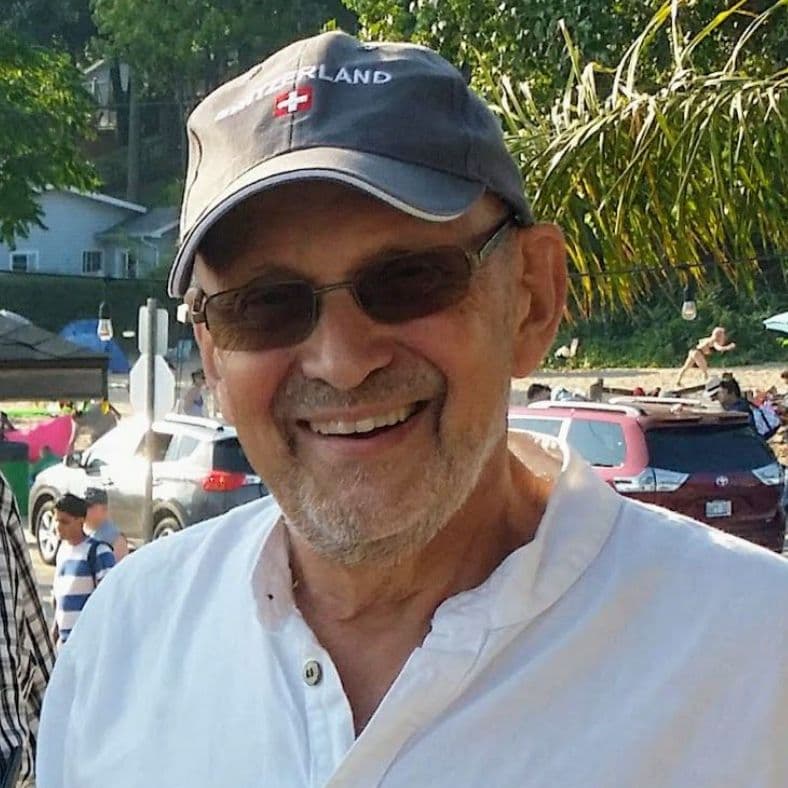
Full Transcript Introduction to Dr. Dave Davis 0:06 Welcome to the Doctors Making a Difference podcast where we help physicians to be empowered with the tools they need to be successful in medicine, 0:13 in finance, and in life. 0:15 Join us as we highlight doctors and other professionals around the world who are making a difference. 0:27 Today, I am excited to welcome Dr. 0:29 Dave Davis. 0:30 This is an interesting introduction to this, but Dr. 0:33 Davis is the most cited primary care physician in the entire nation of Canada, which is such an interesting and bold claim. 0:43 He's also a published author and I'm excited to talk to him about his work, but Dr. 0:47 Davis, would you mind telling us a little bit about how you became the most cited primary care physician in the entire nation of Canada? 0:56 The first thing to say is thanks for inviting me to do this today, Peter. 0:59 It's a great pleasure to meet you and to talk a little bit about my career and I've been able to use medicine as a platform for me. 1:09 I became interested in continuing education at a really early stage, almost day one in practice. 1:16 And I decided I would start attending continuing education courses. 1:20 So I went to a very traditional course, like 200 physicians sitting looking at another physician talking to us for 57 minutes out of an hour. 1:31 And I thought, there's got to be a better way to do this, right? 1:34 So it began a lifelong interest in continuing education, in large part my own continuing education. 1:41 But in the process, began doing continuing education for other people at a local hospital and then at a university called McMaster University. 1:50 And the last few years in my career at the University of Toronto, which is a huge university in Toronto, no surprise. 1:58 And during that time, I wrote papers. 1:59 One of those papers said, lectures don't work. 2:03 Actually, what it said was CME doesn't work. 2:05 It's a very provocative statement. 2:07 I just thought I'd wake up in the morning and think, are they going to assassinate me today? 2:11 What is this going to happen? 2:12 Anyhow, it was in the days when you did randomized controlled trials. 2:15 I did a randomized controlled trial and then I did a review of randomized controlled trials, all using lectures as a form of. 2:23 and comparing it to other forms in CME. 2:26 And it got published by JAMA, which you guys know. 2:29 Yeah. 2:30 Widely publicized. 2:31 No jam. 2:31 That's right. 2:32 Yeah. 2:32 Widely publicized. 2:33 And I guess the title was so provocative. 2:36 People read, I don't know whether they read the article, but. 2:38 read the headline and that counts as a citation. 2:41 The head of things that deserved much more citation than mine, like a cure for cancer or something new is an investigation of heart disease.
Early CME Research and the Power of Lectures 2:50 This got picked up. 2:51 So it got something like, I don't know, 10,000 citations. 2:54 So therefore I became in a field in family medicine, not known for its publications because we're the guys in the frontline doing all the work. 3:05 Because of that, it got me this. 3:08 notation or citation as the most cited to reference family position in Canada, an honor which I bear and don't talk about. 3:18 So there you go. 3:19 So that's me in a nutshell. 3:20 I'm retired now. 3:22 I can yak about this. 3:24 I'm really happy to be. 3:25 I appreciate the answer. 3:26 It is interesting and like we talked about, I'm a primary care physician like you and had worked in that. 3:32 A lot of times I'm the one who is on the receiving end of published data. 3:36 A lot of times I'm the audience and reading it and trying to understand what was happening and you were able to publish that. 3:43 One of the things that a follow-up question is as you publish that and did you find up a better way to do continuing education? 3:50 Because like you said, the lecture series sometimes doesn't always work. 3:54 Certainly not every person learns in the same way. 3:56 So I'm curious, what did you learn was the best way to educate ongoing for doctors? 4:01 I guess it depends on what you want. 4:02 If you want to keep up to date reading as good or talking to your colleagues or being in a small group that shares journals, 4:09 there's so much written. 4:11 We could drown in information. 4:13 It isn't just Family Doc, Primary Care Docs here. 4:16 Brown and all that information, it's the specialist as well. 4:18 Somebody said, if you started reading right now, say in surgery, if you started reading right now, all the published literature in surgery, 4:27 you'd be two years behind by the time you were a year of reading in. 4:31 And so trying to keep up to that, I think requires a real strategy on our part. 4:37 I used to call it the medical school without walls. 4:39 So think of yourself as never entirely graduating. 4:44 always something that keeps us up to date or needs to be spoken about. 4:50 And so part of the new strategies in continuing education are embedding as much of that learning in your life or your career. 4:57 So the computer helps so you can look up a answer to a question very quickly. 5:02 Your colleagues help either if you're a rural position to connect to them electronically, Here's a rash. 5:08 I don't know what this looks like. 5:09 Anybody else seen that? 5:11 That kind of thing helps being, of course, in touch with specialists always helps as well. 5:16 In terms of continuing education, the medical schools have gotten smarter and have built quality improvement into, at least for staff physicians in those hospitals, 5:26 more continuing education in a meaningful way with feedback and audit and reminders at the point of care, all of which, in my little head at least, 5:37 is continuing education. 5:38 So I think we've changed in continuing. 5:40 The other big thing, of course, is it used to be pharmaceutical companies that supported much of continuing education with all the bias that sometimes implied. 5:50 And so much of that has shifted. 5:52 I spent a lot of my time in medical school, so I was on my own in practice for many years, but then joined a medical school. 5:59 Yeah, I'm just thinking last time I took the board recertification just for the specialty boards and what I found as I was going through it is the thing 6:09 that helped me the most was just like you mentioned the ongoing daily reading, reading the journals, reading things that are updated articles or synthesis 6:18 articles that kind of updated A variety of things and doing it every single day of my practice going, look up, looking something. 6:25 I think I know what to do, but I'm just going to go double check. 6:27 Is there anything new on this? 6:28 And I tell my patients the same thing. 6:29 Give me a second to just review this and see, is there any updates from last time I looked at this? 6:33 You can't possibly know it all. 6:35 There's no way you could know every single thing, but that. 6:38 in the moment I have this patient in front of me they're right here or they just left and I told them I would look this up and now I'm going to research 6:44 it or I'm going to call a friend those stick in my brain like really good because I've had its need to know right then and because I'm in primary care 6:53 we see this broad variety of stuff so I'm so thankful for all the information that's out there. 6:58 A funny story for about a year when I began practice, I'd keep the drug compendium, the big thick book of all the drugs. 7:05 I'd keep it inside a closet and say to a patient, excuse me, I think I have something in the closet. 7:11 So I'd go in the closet, I'd get the book out and look at it. 7:13 I thought after about a year, I thought, oh, the hell with that. 7:15 If she thinks I can keep up to date by keeping it all in my head. 7:19 And so I took the book and put it on my desk where I referenced it regularly. 7:23 No, it's important to find a way to do it. 7:26 I've heard one statistic. 7:28 I don't know if this bore out true in your work, but somebody said that you can't possibly stay up to date. 7:34 But after your residency, most people are out of date by about year six or seven, just because. 7:39 That's about right. 7:40 Yeah. 7:40 So that's been a challenge. 7:42 I'm about 15 years into practice and I attend my continuing medical education courses and my board certification and all those kinds of things.
How Doctors Stay Current in Practice 7:49 But I'll tell you the thing that makes the biggest difference really is just my patients because I see it again and again looking things up. 7:57 That's absolutely right. 7:58 So I remember graduating and thinking, now I know it, so now I'm done, right? 8:03 Because we were taught in a didactic fashion and you get this sense, knowledge is static. 8:08 I think the newer medical school curriculum, McMaster University was my school for many years and it developed a way of teaching that implied you're always learning. 8:19 So it was not just the content of your learning, but the process of your learning. 8:23 And the students were encouraged to do that spread across all of North America and I think well beyond problem-based learning as I think accentuated that 8:31 learning for you. 8:32 So you're probably a graduate of that era compared to my much more didactic era. 8:37 Yeah. 8:38 And it is good to think that we chose medicine because it's so interesting and there's so many things to learn and you can't possibly know it all. 8:44 So you must become a lifelong learner. 8:47 Otherwise you do a disservice to yourself and your patients. 8:49 That's right. 8:50 That's right. 8:50 Absolutely. 8:52 So throughout your career, did you continue to publish other things? 8:56 Obviously you had a lot of citations on your provocative title about CME doesn't work, but I'm curious, did you continue to publish as a primary care doc? 9:04 Yes, I did. 9:05 My wife would accompany me and I went on speaking trip and I can remember, so this is a story that will eventually answer your question. 9:12 And we had, I don't know, 13 speaking engagements in 12 days or something. 9:16 These are the days of overheads, remember? 9:18 Yeah, I do. 9:19 I remember. 9:23 Right after dinner or lunch, I talked to a group of 20 or 30 docs in Australia and she would show the overheads and she said, 9:30 I can give your talk by the end of the time. 9:33 It's all about continuing education. 9:35 So virtually, here's the answer. 9:37 Virtually all I've done is about continuing education in that published sense. 9:43 It got me interested though, both in randomized controlled trials and guidelines or the development of guidelines as a result. 9:51 And I began to spread out towards the last maybe 10 years of my practice life and my continuing education life. 9:58 I began to think much more about quality improvement and systems-based learning. 10:02 how systems learn, how knowledge becomes real action. 10:07 And so those form the big chunk of the publication. 10:10 The vast majority, just like my wife's, is about continuing education and she should be here talking. 10:17 She knew your overheads like the back of her hand. 10:20 We've gone back just a little bit more of your origin story. 10:23 You went and you started off in medical education. 10:26 It sounds like pretty early in your career. 10:28 One of the things that gets talked and bantered around a lot today is people feel burned out and stressed and they say, okay, 10:35 medicine's no longer for me. 10:36 I got to get out of this because it's so hard. 10:39 Or I find that it's not fulfilling me in the way that I thought it would when I started. 10:43 You were able to stick with a full length career and you published and it sounds like you had a lot of opportunities to travel and teach others and interaction 10:52 with your peers. 10:53 How did you find a way to stay engaged in medicine throughout the length of your career? 10:59 It's about relationships, Peter. 11:00 We talked about the relationship you have with your patients, which I'm sure is the driver of what all of us do. 11:08 But we also have a relationship to our family and to our colleagues. 11:13 And I think we all burn out or begin to burn out. 11:17 And maybe 10 years or 12 years into practice for me, I was on a treadmill. 11:22 I would do a little bit of teaching, but I looked at my week one day and thought, so what do I enjoy most? 11:28 What particular chunk of my time do I enjoy the most? 11:31 Of course, I enjoy the relationships with my patients. 11:35 But what I really enjoyed was the teaching component, the sharing of knowledge, sometimes not the specific, not what drug to use necessarily, 11:44 or what laboratory test order, but the notion of a doctor-patient relationship. 11:49 And I had lots of experience in that, and my young students and residents didn't have that. 11:54 So that made me think, listen to your gut. 11:57 I'm listening to my accountant say, see more patients, but I'm thinking I need to listen to myself. 12:03 So it made a change for me. 12:05 You may not know this, but in 1987, 86, 87, in Ontario, there was a physician strike. 12:12 We were forced into a more socialized form of medicine with one insurer, which was the government insurer. 12:20 And my colleagues, there were 10 of us in a group, nine of them decided to strike and I couldn't strike. 12:26 I thought, I just can't do that to my patients. 12:28 I would strike if I could against the government in some way, but I wouldn't strike against my patients. 12:33 So I wound up making house calls for about three hours. 12:36 And I thought, this is stupid. 12:38 I'm wide open. 12:39 Why don't I open my branch? 12:40 So I did. 12:41 So with one other physician who joined me, she and I together looked after the practice of 10 patients for about three weeks. 12:49 And it was the most successful practice I think I felt. 12:54 I was seeing things that were truly important. 12:56 We had a nurse who worked with us, who did all the triage on the telephone.
Burnout, Purpose, and Meaningful Practice 13:01 And so we saw important things. 13:03 I felt like a physician again. 13:04 And subsequently, a position became available at the university clinic. 13:09 It was an urban clinic on what you might call the other side of the tracks. 13:13 I had practiced fairly well to do part of town. 13:17 And this was on the other side of those tracks. 13:20 And that was the most meaningful thing I've ever done in my life. 13:22 That was a community health center. 13:24 Working not only with other physicians, we were a teaching practicer, tons of docs around, but lots of nurses and nurse practitioners and social work and 13:34 psychologists and brilliant psychiatrists. 13:36 It was probably the best learning experience of my life. 13:40 It was also, Peter, at the beginning of the AIDS epidemic, at least in Canada, And we were almost a step down AIDS primary care clinic because most AIDS 13:52 patients didn't want to be identified with the AIDS clinic with a sign above the door that was at the university itself. 13:58 So we were a primary care clinic, a tough end to town, if you will. 14:02 And that was very meaningful for me. 14:04 You know what? 14:05 I felt alive. 14:06 I think this is the first time I've talked about this. 14:08 It's the first time in years I had felt truly alive in my practice. 14:14 That's an interesting thing to reflect on. 14:16 Cause I talked to lots of doctors all over the place and there's this theme. 14:20 Everybody is going to experience burnout at some time. 14:23 And I think what you just hinted at is really the core of it. 14:27 Find out what drives you, not just that I punched a lot of paper. 14:31 I filled out my forms on time or that I was just really good for the accountant, but that I was very good for my patients. 14:38 And I think all of us, when you get into that mission driven, purpose driven side of medicine and you feel like you really are. 14:44 Making this impact. 14:45 It's just something really engaging and reawakening about it. 14:49 And it sounds like you went through that. 14:51 You're right, Peter. 14:52 It's true in life, isn't it? 14:54 And we teach our children to do that and what made you happy today, but we forget it. 14:58 We get driven by whatever the drivers are, whether that's just, it's the accountant and the financial bottom line or. 15:06 the practice demands or being available or building a practice or whatever that is, or the insurers demands. 15:13 I think listening to your gut is truly important. 15:15 So I was very lucky to do that. 15:17 Did you continue doing any of that type of work? 15:19 Yeah. 15:20 So, so for five years, I worked in this particular clinic. 15:24 It made me very much more aware of the needs or social needs, if you will. 15:29 And because we had social work with us, we could meet some of those needs. 15:33 And then after the five years we're up, the Dean of the University of Toronto Medical School called and said he wanted me to come and run continuing ed 15:41 for him. 15:41 And we found a practice site for me, so I did 60% practice and maybe 40% at the beginning administrative teaching and administrative and research. 15:50 And that too was a benefit for me because I could share my practice much better, again in a teaching practice, again in an urban environment, 15:57 which is very exciting for me. 15:59 But also I could share it with others and that's quite powerful. 16:03 And a role in the university, I'll talk about that in a minute. 16:06 The role in the university allows people like you and me to think, oh, I can think outside the box. 16:12 He's given me a half a day a week or a day a week where I don't have to be on the treadmill. 16:18 I don't have to see my 4.5 patients per hour. 16:21 And that's empowering. 16:23 That is empowering. 16:24 I thinking back, just as we're talking, when I think I went to the University of Utah School of Medicine, great university, 16:30 fantastic. 16:31 And I think of all the people I interacted with had some fantastic professors. 16:35 But I would say the one that still stands out strongest in my mind was the physician that taught our outpatient continuity of medicine course. 16:43 And it was laced throughout the first couple of years of medical school. 16:48 And this really accomplished doctor, he just talked about How are you going to prescribe this medication for the person they don't have a refrigerator? 16:55 How are you going to do? 16:55 What have you thought about all the folks that you're caring for in this community that aren't there in your office that they really need the care that 17:03 is available and something so simple that would normally be cured if they had access to a car and insurance and a refrigerator. 17:10 And yet there's a lot of folks who don't have some of those basic necessities. 17:13 I remember him talking about that and things that I had just never really put together and that kind of stuff left a really big impression on me and I 17:20 still try to think about that. 17:21 How do we make it so that people who don't have all those normal things are able to get what they want? 17:26 I feel like I grew up in a really loving home where I had lots of help from my parents. 17:30 We didn't have anything. 17:31 It was a single wide trailer house and we never went to the doctor unless it was falling off or broken. 17:36 And there's a lot of people that are like that. 17:37 It's important to think, how do I make sure that I am not only a steward of those patients who present in my clinic, but how do I help facilitate or support 17:46 a system where everybody can get access to some little bit of care if they can? 17:51 Absolutely. 17:52 I think that was a big lesson for me was not everybody was like you. 17:56 I was raised by loving parents that are fairly well off home and very fortunate in many ways. 18:02 An American raised in Canada by two Americans who were proud Americans and still Canadian at their heart. 18:11 And then to see, and to be in a practice setting where most of the patients that I had were like that and where I didn't have to think about prescribing 18:18 costs and that sort of stuff. 18:19 And then to move into this urban environment where. 18:23 People lived alone or were alcoholic or had drug abuse, or in my case, HIV and AIDS because of drug abuse or because of other activities. 18:33 And so I think just sometimes learning from that holistic environment, seeing ourselves differently, that too is refreshing. 18:40 We're talking about burnout here and how to avoid the burnout, but that refreshment for me just made my career. 18:49 This is another thing on your story that I think is really fascinating. 18:53 So you stuck with a full length career. 18:55 You serve people across the spectrum of age. 18:58 You've worked in academia, but you've also worked in kind of an underserved environment. 19:02 And you're also a published author, which not just for medical publications, but you've written just. 19:09 creative stories and novels. 19:10 And I think that is also a very interesting part of your journey and your personality. 19:15 So how did you get started on that? 19:17 Maybe start with some of the books you've published and then walk us back through how that process started. 19:22 So when I was in high school, so that's like a thousand years ago, I had this idea, we were talking about the universe and how it began as this big bang,
Writing Novels and Creative Work in Retirement 19:31 right? 19:31 And it was infinitely expanding. 19:34 And I thought I had strapped her as kids. 19:36 I stuck on my hand and said, how do we know it's expanding? 19:38 Of course not. 19:39 It doesn't contract. 19:40 But this is when I was, I don't know, 18 or 17 or so. 19:42 And I thought, what the hell? 19:44 So in the back of my mind, I composed a little bit of a science fiction story in my head. 19:50 And on my time off, if we were on holidays or something, I was watching the kids. 19:55 I'd get my laptop out and I'd start to type up a little story and I'd do like a paragraph and then you go off and play with the kids. 20:01 It's just more fun. 20:02 But it was always there until about the time I retired. 20:06 I worked in Washington DC for about eight years and it was much more an administrative job, not clinical. 20:14 And I was allowed a little bit more time. 20:15 And so I'd play with the idea. 20:17 So it became a novel called Potter's Tale. 20:21 You probably know Jeremiah in Bible. 20:24 talks about the potter who gets upset with the pot that he's making and decides it's a collapse of all things. 20:31 So what if God were a potter and decided, you know what, this isn't going well? 20:37 These people, they're the only people in the universe and they're Machiavellian. 20:41 I'm just going to start all over again. 20:42 So that's the story. 20:43 And that became, I'm not real, real proud of it, but I'm proud of the fact that I got it. 20:49 I'll tell you how it happened. 20:50 I was flying somewhere and when I get on an airplane, I don't know what they're like. 20:55 I'm so rushed when I get on the airplane because I always leave. 20:58 I fell asleep for 10 minutes or 15 minutes and we're in the air and I wake up and everybody, literally everybody around me is reading Dan Brown's Da Vinci Code. 21:07 And I thought, oh, poop, that's for me. 21:10 I'm gonna write the next Da Vinci Code. 21:12 So I copied, not the plot, not at all, but the way a thriller like that unfolds. 21:19 So that's how I wrote A Potter's Tale. 21:22 That was a lot of fun. 21:23 And I self-published with help from a publisher in Los Angeles. 21:27 And that was a lot of fun and was successful enough. 21:30 And so I wrote something called The Last Immortal. 21:32 And its question is, what would we do if we lived forever? 21:36 We know about longevity. 21:37 We know about genetic engineering. 21:39 What would happen if? 21:40 10 of us on the planet lived forever and we met one of them. 21:45 What would our life look like? 21:46 So that's how it began. 21:47 What I really loved about it was I think I listened to my gut about this too. 21:52 So I would find if I was writing about the randomized control trial of didactic lectures versus small group learning, if I was writing about that. 22:01 or doing a systematic review and I was doing statistics on it, not enjoying the process of all that. 22:08 And then I turned to my creative writing and think that hour went really fast. 22:14 Why don't you listen to that? 22:15 So in retirement, I've been able to really do that. 22:18 One of the really exciting things is, I have to tell you about this, I'm mostly done a book that we're currently calling clandestine. 22:26 I had a patient who came to me in Toronto years ago, a Jewish woman, who I was explaining something to her and she's always, 22:33 oh, doctor. 22:34 She said, you don't have to explain that to me. 22:36 I was a medical student once. 22:38 I said, oh. 22:39 She said, yeah, in Warsaw, in the ghetto. 22:43 So there was a medical school that taught at one point 500 medical students hidden under the noses of the Nazis. 22:51 Interesting. 22:52 It's a powerful story. 22:54 So in my retirement in the last five years, I've been able to spend time gone to Warsaw. 22:58 I've been able to do some research in the area. 23:00 Other people have done it. 23:01 I've been able to look at transcribed interviews with some of the medical students and some of the faculty. 23:09 And I've built a novel, the historical fiction novel around. 23:13 And that's the most exciting part of my current life, except for one other thing I'll tell you about. 23:19 And that has really allowed me that creative side. 23:23 So there. 23:25 It's fascinating. 23:25 Like a lot of people talk about, oh, I'll be an author someday. 23:28 If you ask a class of fourth graders, they're all going to be novelists someday. 23:32 They're all going to do everything. 23:33 And then we get into the busy pace of career and family life. 23:36 And then some people find their aptitude for writing isn't what they thought, but. 23:41 For the ones who say, I really like this, how did you get into that? 23:45 Because it is hard to find the time and it seems so expensive and so challenging to finally bring something from an idea to actually have the humility 23:55 to allow it to be critiqued and go back and do revisions and to actually publish it and do it again and again so you become good at it. 24:02 I'm interested in kind of the nuts and bolts of how did you actually bring that about? 24:07 Yeah, I think the clue for me just to tie into your theme of not burning out is to hear yourself and to say, what do I enjoy most, 24:15 not only in the day, but in the week or the hour, or what does it play in with my kids? 24:19 Or is it my credit? 24:19 Now it's my grandkids, of course. 24:21 And so something like that. 24:22 So to listen to that, I think is powerful. 24:25 And then to say, I better build in some time for myself. 24:28 If that's an enjoyable thing, whether it's tennis or golf or music or whatever, going to church, whatever it is, build time in to do that. 24:36 And it becomes as precious and as valuable as your on-call hour or your CME requirement. 24:43 It's as important for you. 24:44 We tend to forget that, don't we? 24:46 Health professionals particularly are bad because we're driven by the other, the urgency of the other. 24:53 immediate need. 24:55 The patient bleeding, of course, is the most important thing at the time. 24:58 But in our life, as we look back over a week, paying attention to that. 25:03 So I did that. 25:04 I also took some online courses and I joined in my retirement or pre-retirement, actually. 25:10 I joined a couple writing groups. 25:12 Talk about humility. 25:13 If you weren't humble when you went into the writing group, you sure were humble when you came up. 25:18 I had the experience of being with very knowledgeable writers. 25:22 women who were very blunt in their critique. 25:25 I thought, these are my babies, these little paragraphs. 25:29 My children are the most beautiful thing on the planet. 25:32 And they'd say, this is, Dave, this is bullshit. 25:35 This is poop. 25:36 And I learned from doing that. 25:37 And of course they were more respectful a little bit. 25:40 And in time and I got into the rhythm of doing it. 25:44 So a writing group is powerful. 25:46 And the online learning, I took some master classes, one of which was from Dan Brown. 25:50 And the other thing to say is it doesn't have to be a novel, they're art. 25:54 You have to remember where Johnny is on page 400, where you put him on page 150. You don't have to write a novel. 26:02 You can write something for the local newspaper. 26:04 I've done that. 26:05 You can write a poem and write something for the grandchildren or your children. 26:09 You can write a memoir or write a memory of something that was power for you. 26:14 It started me on my writing career. 26:16 In some ways, my dad died and I was close to my dad. 26:20 And I wanted to write, he died on July 4th, which of course is America's day. 26:25 And he was an American and I wanted to write about that in Canada where he lived. 26:29 I wanted people to know about his Americanism.
Volunteer Service and Human Connection 26:33 in Canada and that became a powerful driver for me using your emotion in that way. 26:38 It was a funny story though, I wrote it long after he died. 26:43 My wife said to me, are you going to submit that? 26:44 I kept on changing a word here and there. 26:47 I didn't want to let it go because I didn't want to let him go. 26:50 It was a powerful thing for me that drove me into writing. 26:53 And it might not be writing for some of us. 26:55 It might be music, like I say, or golf, or something. 26:58 Doesn't matter. 27:00 For me, lately, it's been volunteer work. 27:02 And I'd love to come back. 27:03 If we have time at the end, I'll come back, talk about volunteer work. 27:06 Oh, that's really interesting. 27:07 And I think, like you hinted at, it's not just that everybody needs to become a writer, but there are other areas of your life. 27:15 And I remember at the end of medical school thinking, like, this is my life. 27:18 I have to do this 80 hours a week forever and ever. 27:21 And I love what I do. 27:23 I love being a physician. 27:24 I enjoy my patients. 27:25 I enjoy the constant learning. 27:28 But I'm a whole person. 27:29 I have to say I'm Peter Crane first and all the parts of that identity. 27:34 And I have a career as a physician, which is a unique and interesting career. 27:38 But I can't be, I am only a physician, nothing else. 27:41 And I think sometimes people get on this treadmill and they feel like that's the one and only part of their identity that they've given any attention to. 27:48 And then after a while, if that doesn't feel fulfilling, then they feel a little bit broken inside. 27:53 So you've hinted on something really powerful where you try to explore the deepest parts of your meaning and then listen to what fills you, 28:01 what makes you light up, and how can you contribute to the world around you. 28:04 So thank you. 28:05 I looked after a patient years ago who was the vice president or maybe the president of a big steel company. 28:11 And that was his full life. 28:13 He was the vice president and lost a wife in the process. 28:18 They divorced and I think was a strange from his children, if I remember right. 28:23 And at the end of his career, his retirement at 68 or 70, he said, I'm nothing. 28:29 He said, I'm an empty shell. 28:30 It all went to, he hadn't paid attention to the whole person. 28:35 And it reminded me, not for the first time, that we have to pay attention to that whole person, don't we? 28:41 I didn't learn it. 28:42 My patients taught me some of that, but I was on a treadmill at the beginning, at least of my practice life. 28:48 Yeah. 28:49 And like you mentioned, a service is a way to give back and to find that because you're serving individuals. 28:54 Tell us a little bit more. 28:55 What's your perspective or your experience with service like you hinted at? 28:59 Yeah. 29:00 So in my retirement, I've been able through my church to establish a drop-in center for seniors and others. 29:07 So we're a fairly well-off community. 29:09 We're outside Hamilton, Ontario, if anybody knows Hamilton, Ontario. 29:14 So it's just adjacent to the city and now a part of the city. 29:18 and fairly well-off, but in this well-off community, we have homeless people, and we have people who couch-surf for their life. 29:26 We have a woman who lives in her car, and this church, it's United Church of Christ in the American context, United Church of Canada in the Canadian context. 29:38 And it's decided several years ago after COVID, there's going to open its doors for things like this. 29:43 So my wife and I run this program. 29:45 We started with 15 or 20 people. 29:47 We're not 30, 35, 40 yesterday. 29:50 We serve them lunch and breakfast and friendship. 29:53 And it's not traditionally religious, but there's some things. 29:58 Very important happening. 30:00 And that importance is we care for you. 30:03 I had a friend years ago who worked in an academic environment and he always booked a get acquainted visit at the beginning of seeing patients. 30:11 And I would mean to do it, but it became a medical visit. 30:15 His was always so tell me about your life for 20 minutes or half an hour. 30:19 I never had time to do that or never made the time to do that, but now I do. 30:24 And now in the kind of volunteer capacity, not at all clinical, not at all medical, but the thing that kept me in family medicine first along was getting 30:34 to know patients and their stories. 30:36 Something that I write about, but something that I just love and I'd love to support. 30:41 And so I'm hearing stories like I became homeless when, or I don't speak to my wife, we've been divorced many years and I miss her or another story that 30:53 has to do with alcohol or drug abuse or estrangement or those are powerful stories and just listening to them in some ways is healing for the guest. 31:04 So that's quite strong for us, for both my wife and me, and we feel very lucky to be able to do it. 31:10 Yeah, thank you for sharing. 31:12 I found the same thing, Dave, when I talk to people and you get on that personal level and you get to know somebody, that's where it really matters. 31:20 When you think about that, it's kind of cliche, but live like you were dying. 31:24 If somebody had a chance to have that perspective to say, what would I do if I knew that my time was limited? 31:29 And almost everything that people would do centered around relationships. 31:34 How would I treat other people? 31:35 How would I go out of my way to get to know them? 31:37 How would I interact with people so that I treat the people around me more humane? 31:41 How would I forgive somebody who's wronged me, loved ones? 31:44 And how would I listen to someone and raise them up? 31:47 It's not so much, it can't be about money or building things that are superficial that are only going to last a few years. 31:53 It has to be about those deep core relationships, building things, I think. 31:57 that we've danced around that a little bit in this discussion several times. 32:00 Everything has to hinge about what makes you a full, complete person. 32:04 And then how do you really construct those relationships of trust with others around you, even if it's not like a long-term relationship. 32:11 If people say, wow, when I talked to Dave Davis, that was a genuine conversation. 32:15 I haven't had a conversation like that for years because he seemed like he was really interested and wanted me to be able to tell my story. 32:20 And so I think that work is actually really meaningful and I appreciate you sharing it. 32:25 It is about the relationship, isn't it, despite all the other things I would value in a resident when I was evaluating them, 32:31 or a medical student, for example. 32:33 or drive for learning and all that. 32:36 I would almost always comment on the relationship that I witnessed with the patient whom I observed either in the room or through a videotape or something. 32:44 It was almost always something in that relationship that I felt was important enough to share. 32:50 Not the drug at the time or the lab test at the time, but rather something about the relationship. 32:56 and eye contact and speech and manner of presentation and listening, all those things are very powerful.
Closing Thoughts and Where to Find Dr. Davis 33:05 And it's what makes our job meaningful. 33:07 Primary care, particularly, I'm sure in surgery, it's about sort of the manual aspects. 33:11 I'm sure there are many other things that give you joy, but for us in primary care, at least in primary care and probably across all the profession, 33:18 it's that relationship. 33:20 It's very powerful. 33:21 Yeah, and as we wrap up time, I think there's been several themes through this that you've done a remarkable job of sharing that, 33:27 connecting with those core parts of who you are, building relationships, looking for opportunities to express yourself outside of medicine, 33:34 just outside of the clinical work through writing or volunteering or other means. 33:39 Every one of those things is a powerful tool that if used by any of us will help us to become a better version of ourselves. 33:45 And I think That kind of stuff helps you go beyond what you could ever imagine yourself being as far as a healer and a caregiver, 33:53 more than any kind of course you could take. 33:54 And so thank you for the ongoing medical education you have given us for this experience, Dave. 34:01 Yeah. 34:02 Peter, it was great to meet you today. 34:03 I hope our paths cross again. 34:05 Thank you. 34:05 Will you tell the audience how they can find out about your book? 34:08 Is there a website or a LinkedIn profile or something where folks can follow your work? 34:13 For sure. 34:14 So I am on a website called drdavdavis.com. 34:20 So D-R-D-A-V-E-D-A-V-I-S dot com. 34:25 So easy to find me. 34:26 I'm also on LinkedIn, Dave Davis writer, and I do TikTok for reasons that are obscure to me. 34:34 My kids have talked me into being a TikTok guy. 34:36 So Three or four times a week, I think about a story, something to do with patient care, often sometimes to do with educate a little bit of what we're 34:46 talking about today. 34:47 And so I do 30 seconds, 50 seconds, sometimes an hour, and they're fun. 34:51 So you can follow me on TikTok as well. 34:53 So there you go. 34:54 Awesome. 34:54 Thank you for sharing it. 34:55 I look forward to staying in touch. 34:57 I have not really been on TikTok, but you're tempting me. 35:00 Your kids will get you there. 35:02 Right here. 35:03 Awesome. 35:03 Great talking to you today. 35:04 Keep in touch. 35:04 Thanks. 35:05 Bye bye. 35:07 Thanks for tuning in to the Doctors Making a Difference podcast. 35:10 And thank you for what you do to help your patients and your community. 35:13 Your work truly helps so many people. 35:15 We produce this content to help you have the tools you need to stay in medicine and to highlight the amazing work being done by physicians around the world. 35:22 Please note that while I am a physician and many of the guests on this program are also physicians or other professionals, 35:28 the discussions on this podcast do not represent my employer or any professional organizations to which I belong. 35:35 This podcast is for your information and entertainment only, and should not be taken as professional advice. 35:40 You should seek appropriate professional advice pertaining to your own situation. 35:45 Please check out more of our content on our website doctorsmakingadifference.com. 35:49 Also, please follow, like, or subscribe on your podcast player or YouTube channel and give us a five-star rating. 35:55 It really helps to spread the message. 35:57 Finally, if you'd like to be a guest on the podcast or if you'd like to nominate someone else to be a guest, please visit the website or email admin at doctorsmakingadifference.com. 36:08 See you next time.
Comments