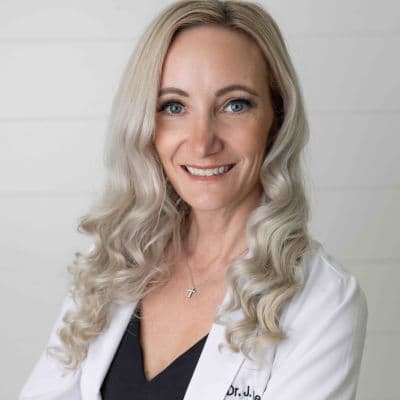
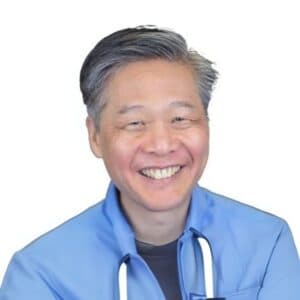
Full Transcript Podcast Intro and Guest Background 0:00 This is really not well. 0:02 And they look at it like, is that normal? Like, no. 0:04 Do you normally look like that when you bleed? 0:06 And they're like, you know, they're freaked out, but they feel me, man. 0:09 I feel like so much better. 0:12 And so we kept doing these treatments on him. 0:15 And, about the four month mark, he comes to me and he says, 0:19 I'm going to go on vacation for the first time in over a decade, 0:23 and we're going to go on a cruise to Alaska. 0:25 Thanks. You saved my life. 0:27 Welcome to Doctor Talks, the podcast where every episode leads to a healthier you. 0:33 Join us as we navigate the world of optimal health, 0:36 uncovering groundbreaking strategies to conquer chronic disease. 0:40 In each episode, we'll bring you the latest insights 0:43 from leading health experts, medical innovators, and wellness warriors. 0:47 If you're seeking to transform your health journey, or if you're looking 0:50 for answers to burning questions, you've come to the right place. 0:54 Get ready to unlock the secrets of lifelong health and vitality. 0:58 This is Doctor Talks, 1:00 real talk from real doctors on the issues that matter to you most. 1:07 Hello everyone. 1:08 Welcome back to the Integrative Health Podcast with Doctor Jen. 1:11 Today we're going to be talking to an herbalist and acupuncturist 1:15 all about Lyme mold and talk a little bit about NASA. 1:19 So today we're going to be talking to Greg Lee. 1:22 He is the founder of Lyme Research and Healing Center. 1:25 He specializes in uncovering hidden factors like infections, toxins, 1:30 and inflammation that disrupts thyroid health and metabolic function. 1:34 For over 30 years, he's helped over a thousand patients heal 1:37 faster using advanced evidence based functional medicine strategies. 1:43 Now, before he became a natural medicine practitioner, he was a NASA systems 1:48 engineer working on robotics, space station and pilot projects. 1:52 In this high stress environment triggered his own health crisis 1:56 irritable bowel syndrome, which conventional medicine couldn't resolve. 2:00 After healing himself with acupuncture and natural remedies, 2:04 he shifted his career to help others overcome their chronic health challenges. 2:08 Currently, he practices at his clinic in Frederick, Maryland, 2:12 and he uses advanced electrical scanning to identify underlying 2:16 infections, toxins, and inflammatory cytokines. 2:20 So we're so excited to have Greg here today. 2:23 We're going to dig into a lot of stuff. 2:25 Welcome to the podcast Greg. 2:27 Hey, doctor Jen. 2:28 I'm so happy to be here with you. 2:31 I have gone. 2:32 Yes, of course, of course. 2:34 And now you are kind of in Lyme Central, so I'm super excited to talk about that. 2:40 But first I want to hear about your journey to 2:44 from going from NASA, being an engineer to now a natural medicine practitioner.
From NASA Engineer to Natural Medicine 2:50 That's kind of a big jump. 2:53 Yeah. 2:53 You tell me about well, 2:55 are we worked on these projects or we would 2:57 we have like astronauts in the space shuttle 2:59 and they'll be controlling robots in our lab. 3:01 And we would be like, do preparing for the experiments 3:05 and getting them, you know, executed like sometimes like three in the morning. 3:09 So we'd be up like 24 hours straight, like working on these. 3:13 And after many of these, I began to like, man, I'm 3:17 I just not as, you know, as strong or I can't like last. 3:22 I'm just I was like, basically burning out at the young age of 29. 3:26 So, but this happened so much. 3:30 This is so common. 3:31 Yeah. 3:32 I mean, I was like, I mean, I was doing martial arts, I was doing sports, 3:36 and I was just like, I don't know what's going on with me, man. 3:39 So that was like the beginning of, 3:42 like when I said, okay, I need to go to a doctor. 3:44 And he diagnosed irritable bowel, 3:47 and he gave me medication and it gave me the worst brain fog. 3:50 Like, I go to work and I couldn't think. 3:52 And I began to fell behind on deadlines. 3:55 And I was just like, Holy, you know, I'm going to lose everything 4:00 because I can't work. 4:01 And, you know, just freaking me out. 4:03 I got insomnia, I got anxiety, and, you know, and just into my bowels, 4:08 you know, saying in the middle of meeting, we got to go now. 4:10 You can't stay here. 4:12 So I had a shootout and people were like, what's going on, man? 4:16 Fortunately, a colleague of mine suggested want to try acupuncture? 4:19 And I was just like, okay, I'll try anything, because my uncle, 4:22 he actually used to work for, the which was called the OSS 4:27 and, World War two, and he's a sting himself 4:30 with bees like bee sting therapy for his, arthritis. 4:34 And I was like, you know, I never like these things. 4:37 I thought, oh, man, get off from me. 4:40 But now that I had my own health issues, I was just like, okay, I'm talking. 4:44 I'm going to do it, man. 4:46 So my acupuncturist called me like, hey, 4:49 when you eat certain things, that's going to affect your symptoms. 4:52 Oh. Duh. You know, I gotta change my diet. 4:55 Oh, I gotta get better rest. 4:57 I gotta take the remedies to get better. 5:00 And within several months, most of my symptoms got better. 5:04 And it was just like, oh my gosh, such a relief having going from like, 5:07 the lowest part of my life to like, feeling, you know, 90, 95% better. 5:13 And it was this hit me that, wow, that was amazing. 5:17 I didn't think much of until a year later, my symptoms started to come back 5:20 and I was just like, no, don't, 5:24 you know, going through burnout, going through all the symptoms. 5:28 It's like, I can't deal with that. 5:30 And so it hit me, go help other people to heal. 5:34 Like I was helped my acupuncturist. 5:37 So I gave up my, I, I was a manager in a robotics lab 5:41 at the time, and my colleagues were like, you are nuts. 5:44 You're going to go study acupuncture? 5:46 Are you crazy? 5:47 And I just said, okay, doing it. 5:50 And so what happened was I gave up my job 5:54 and acupuncture and herbal medicine, and then opened. 5:57 And since I was an engineer, I was like, let's deal with some real complex issues. 6:01 Started with chronic pain patients, fibromyalgia. And 6:04 then they turned to five major patients and they turned the Lyme patients. 6:07 And then the been Lyme chronic infection, autoimmune, 6:12 patients have just been who I've been working with the most absolutely. 6:16 Well, it's hard to niche down because usually the co-infections 6:20 are the root cause of these kind of garbage bag diagnosis 6:25 is like irritable bowel syndrome, you know, chronic fatigue, fibromyalgia. 6:29 And that's what's so frustrating. 6:31 But I understand, like where you're coming from because 6:34 when you're so science rooted, you know, from undergrad or graduate courses 6:39 from all of it, and you're in the lab, you're doing studies, you think that 6:44 you have a problem and a medication is going to fix it, 6:47 or there's one solution and and it's outside of like the root cause 6:51 and you changing what you're doing and you change in your environment. 6:55 So it's it's kind of like an moment. 6:59 And most of us that do what we do now in the alternative space, 7:03 we've all had issues that conventional medicine hasn't helped. 7:07 And we we knew enough to know 7:10 that it doesn't make sense to not actually feel better. 7:14 Like you were saying, you got that awful brain fog 7:17 because they were just mandating your irritable bowel syndrome. 7:21 So it's it's it's so great that, 7:24 you came over to the other side like many of us have. 7:28 And isn't it crazy now because you want to, like, 7:30 shake people and be like, wake up. 7:32 But they can't until they go through it? 7:35 Well, unfortunately, people have to suffer some level of pain 7:39 and struggle before they say, okay, it's not working. 7:44 I got to try something else. 7:45 Yeah, yeah. 7:46 And, you were saying you're pulling all nighters and all that
Entering Lyme Treatment and Herbal Approaches 7:50 stress and, you know, I tell patients that stress 7:55 has such a big impact on our gut health and then our gut health on, 7:59 you know, everything hormones, cortisol, thyroid, immune system. 8:04 And the stress can also be from silent infections or stealth infections 8:09 like Lyme. 8:10 So let's talk about how you got involved in the Lyme space. 8:14 I know you're kind of seated at a really good 8:18 not a good area, I guess a bad area for Lyme, 8:20 but how did you get interested in treating Lyme? 8:23 Well, my chronic pain patients had. 8:26 Then they I had to mention I got the fibromyalgia patients, 8:29 the subset of the fibromyalgia patients 8:31 that were the most challenging to get better were actually Lyme patients. 8:35 And at the time I there was very this is like, you know, 20 8:39 more than 25 years ago, 8:41 there wasn't a whole lot of natural medicine remedies or research. 8:45 So what I did was I looked at the Chinese medicine 8:47 research on spider okay, diseases like leptospirosis, 8:51 and found herbals and other remedies that were effective for people 8:56 with these spiral infections, and that putting those together 9:00 in like herbal formulas really help them to, you know, resolve 9:04 persistent symptoms and recover, 9:07 faster than just antibiotics alone. 9:11 And that's where kind of all started. 9:13 And, you know, being a geeky researcher, I know engineer, it's like, 9:17 well, there's got to be more so than I went into, like essential oils. 9:23 And, what we do, I studied with a natural path. 9:27 You actually know some French system where they use essential oils, internal only. 9:31 So what we do is we take those oils 9:34 and then, I'm one of the. 9:38 I was at a conference with Detroit 9:39 Clean Heart, and he was talking about doing micro encapsulation of herbals. 9:43 And I thought, why should they all do some essential oils? 9:45 So one of our, remedies, that's really a game changer 9:49 for many of our neuro line patients is putting the essential oils 9:52 encapsulated into microparticles, liposomes. 9:55 And then patients take that and we get a much greater delivery 9:58 through the blood brain barrier into the nervous system for clearing. 10:03 There are neurological infections. 10:05 So oh that's really cool. Yeah. 10:08 And this is all like outside the box stuff. 10:10 And a lot of people they try to, you know, 10:13 give a battery of antibiotics for Lyme. 10:16 And from what I've seen that does not help. 10:20 You know I try to tell patients, 10:21 we got to get your immune system booted back on first 10:25 because our immune system can really take care of a lot of these infections. 10:30 It's when our immune system is just down and down for the count 10:34 kind of like a computer when I, you know, I don't know, 10:38 maybe this is dating me, but remember, like, it would come on and it would be 10:41 like a frowny computer, like upside down because it needed a reboot. 10:44 It was totally dead. 10:46 So that's what our immune system needs. 10:48 Yeah. 10:50 Speaking of that, we're looking at how do we retrain the immune system 10:55 using, different acupuncture, treatments? 11:00 I studied, with a doctor, Solomon 11:03 on his, treatments for, like, Alpha gal. 11:06 And so what in theory, 11:09 what he what I kind of surmise from his, training is 11:13 that you're retraining the immune system, especially focused around the liver. 11:17 And Marcel activation to lower that reactivity. 11:21 And then he has one study where he's had a 94% success rate with alpha gal. 11:28 You know, peer reviewed study. 11:29 So that was what caught my attention. 11:31 I was this, like, alpha gal patients, you know, 11:34 they're especially now it's warming up. 11:37 We're expecting many more cases, you know, coming in. 11:41 Yeah. 11:41 Could you dive in a little deeper to what Alpha Gal is and how we get it? 11:47 And I think the biggest thing like, talk about, like, why now? 11:51 Like, why are we seeing this a lot in the past few years? 11:54 It's like booming. 11:55 So Alpha Gal is a sugar that's found in animal 12:00 products, dairy products and, certain ticks. 12:04 Actually, there was a recent study of they found that the black legged, 12:07 you know, line tick can also transmit alpha gal. 12:11 And it before it was just the whatever 12:14 the other tick, the Lone Star is. 12:17 We have so many freaking Lone Star. 12:20 We just moved to Tennessee and we just take them off. 12:23 My cats, like, all day long. 12:25 And my son finally got one on him. 12:27 So we're sending it in and he's like, am I going to get an alpha gal? 12:30 I'm like, no, 12:31 because I'm going to give you some herbs and immune support and gut support. 12:36 I'm like, you're not going to get that. 12:37 Don't say that. 12:39 Yes. Good, good. Mom man. Yeah. 12:41 So I was on it. 12:42 I was like, oh well we knew moving here. 12:45 But but anyway yeah. So now they're finding it. 12:47 And even more ticks I mean there's a lot of like conspiracy 12:51 theories out there about Alpha gal. 12:53 I mean, I think it's a little weird that poof, all of a sudden 12:57 we have this and identify it and from my understanding, 13:01 correct me if I'm wrong, but you can only test the person. 13:06 For alpha gal. 13:07 There's no testing for the ticks that are carrying it. 13:10 Correct. 13:11 But all all ticks, it's some saliva compound in those ticks, 13:17 which then triggers the immune system to become allergic to alpha gal. 13:20 Not everybody who gets bit by a Lone Star attack or a black legged 13:23 tick develops it. 13:25 So it's really unique to the person and their immune system and reactivity. 13:30 And it's just a matter of how do we calm that immune reaction down. 13:35 And so this training I got was using this different ear
Alpha-Gal, Immune Retraining, and Acupuncture 13:40 acupuncture points has been helpful for, significant number of patients. 13:45 So is that the seeding or you're using seeding like this 13:49 really tiny what are called intradermal needles. 13:52 They're about a millimeter, maybe two millimeters long. 13:56 And they sit in the ear, anywhere for up to like three weeks. 14:01 And it's been really good but doesn't always work with every patient. 14:06 But as I said, as I mentioned, that one study that got me to take 14:10 the training was a 94% efficacy rate. 14:13 Yeah. No, that's specific for Alpha gal. 14:15 Is that helping with that training with other symptoms like with Lyme 14:20 and the immune system also where we also treat other allergies 14:24 because obviously, you know, our patients are more immune reactive. 14:28 And so it does help them with their seasonal allergies or food allergies. 14:34 And that's what we're seeing, using this treatment. 14:38 They are also changing their diet and avoiding the triggers as much as possible. 14:42 And, you know, in the training, they talked about different, 14:47 people who had alpha gal, they get treated, 14:49 and then they go the trigger food, and they don't 14:51 have the anaphylactic reaction like they normally do. 14:54 They don't have any reaction in some cases. 14:57 So that's what got me like all over it. 15:00 Yeah. 15:00 Is that one of the favorite things that you do, the regular acupuncture. 15:05 It's one of the things in a in our toolbox. 15:08 And we do lots of other therapies like molecular 15:12 hydrogen therapy for like mast cell activation patients. 15:16 They'll be inhaling it. 15:18 And that really calms down lowers histamine, lowers mast cell activation. 15:23 It's also great. 15:23 Doctor, there's another eliades doc, 15:28 who uses it in her IV clinic in Chicago, and she said that she, Parkinson's 15:33 patients, Parkinson's symptoms just go away when they're on the hydrogen. 15:37 So. Okay, let's break that down a little bit more. 15:40 And how we jump from line to mast cell is a lot of the times that they're related 15:46 and plots and overreactive immune system and sympathetic system overdrive. 15:52 So your body's freaking out because it's like, hey, like I have this infection. 15:57 The immune system is not reacting to it properly. 16:01 I'm freaking out, I need help, pay attention to me. 16:04 And then you go to conventional medicine and they just label you with diagnosis. 16:08 And sometimes I mean, Crumlin would help. 16:11 That's conventional. 16:12 But a lot of the times it's just not helpful. Right. 16:15 So that's why we're talking about alternative routes and treatments. Now 16:19 could you explain this molecular hydrogen therapy to the listeners out there. 16:24 So it takes we have a lab here where we get, purified water. 16:29 And basically 16:30 you put it in the hydrogen generator, it breaks apart the hydrogen and oxygen. 16:34 The patient breathes it in at a sub explosive levels. 16:37 You're not going to have a spontaneous human combustion or anything like that. 16:41 And when the hydrogen is such a small molecule, 16:44 it goes right into the tissues, right 16:46 into the blood brain barrier, right into the nervous system. 16:49 Like I had a, woman from Calgary. 16:51 She works on an integrative clinic, and I'm like, you can get everything you can. 16:55 I have here. 16:56 Why are you here? And she goes, my brain fog is really bad. 16:59 IV's aren't touching it. 17:00 And remedies, you know, medications put her on hydrogen 17:04 and 30 minutes she goes, my brain fog is 50% better in an hour. 17:08 My brain fog is 80% better. 17:10 So now she does hydrogen therapy with her patients? 17:14 She does it when? 17:16 When she goes home. 17:17 She's not tired anymore. She can be a mom. 17:19 She can take care of her family versus just crashing because it's such great. 17:24 Detoxify her. 17:25 And it drains inflammation quickly out of the brain. 17:28 Awesome. 17:28 So what would it look like if someone's like, wow, I want to try this. 17:31 And how how often do you have to do it? 17:36 Do does like the positive benefits. 17:38 Did this like last? 17:40 How does it work exactly. 17:42 So my patients that are really chronically infected, inflamed and toxic, 17:47 they'll buy their own generator and do it at home. 17:49 And it's kind of like my own self-care, routine also. 17:54 So I'll do it in the morning or I'll do it at night 17:56 because it is calming and settling for the nervous system. 18:00 And I get deeper rest according to my, you know, wearables, when I do it 18:05 and that's makes a huge difference in my mood also because I got better rest. 18:10 I'm not and I'm detoxing. And it's really simple. 18:13 Just putting a nasal cannula in and just breathing it for half an hour. 18:17 And kids don't have a problem with it, you know, it's really well tolerated. 18:21 They the only like people who have lots severe heavy metal toxicity. 18:26 They'll sometimes taste the metals coming out of their mouth, during it. 18:30 And that's that's when we say, okay, let's back off. 18:33 We're only doing short dose. 18:34 Hydrogen therapy, but otherwise it's one of our go 18:38 tos, especially Marcel, and highly allergic patients. 18:42 Yeah. That's awesome. 18:43 I tried it once. Biohacking. 18:46 Was it? 18:47 Forget which one it was, but it felt really good. 18:49 I only did it for 15 minutes, and I'm like, maybe. 18:53 Maybe we could add one of these to our home biohacking area, but not yet. 18:59 Not yet. 18:59 But maybe. 19:00 Maybe in the future if I can convince my husband. So. 19:03 But that's great. 19:04 So that's something that you can do at home. 19:07 Get a unit at home, but maybe try it out in 19:10 an integrative office first, or see how well it works for you. 19:14 Have you noticed it works better for some people 19:16 because a lot of therapies are like that. 19:18 Some people are like, wow, it's amazing. 19:20 And some are like, yeah, I didn't really notice. 19:23 Yeah, I had one patient, chronic Lyme. 19:26 He had a lot of detox vacation 19:28 mutations in his genetics, so he really couldn't detoxify. 19:32 And that's why he kept, you know, getting benefit from coming in for treatment. 19:36 And he decided he's going to, you know, buy his own unit. 19:39 And this is right before Covid hit.
Molecular Hydrogen Therapy for Brain Fog and Detox 19:41 And he had severe lung congestion when he got Covid. 19:46 His wife also 19:47 and he said to me later, if I didn't have that hydrogen unit I'd be dead. 19:51 And they have, different videos. 19:54 And also studies in like respiratory journals about hospitals in Asia 20:00 using hydrogen therapy on, you know, really congested severe Covid patients. 20:05 And it really clearing out a lot of that congestion sometimes within hours. 20:10 And they're reporting like as much as a 70%, 20:13 improvement it with just using the hydrogen therapies. 20:16 So well we we definitely won't be seeing that at a hospital any time soon then. 20:21 I'm just kidding. 20:22 Well, if we have someone who wants to have an alternative hospital, 20:26 I'm very happy to talk and, you know. 20:29 Right. But, Right. Yeah. 20:30 If any, you know, venture 20:32 capitalists are out there, just maybe we could get something started. 20:36 Yeah. 20:36 I mean, it would be amazing if we actually worked with our bodies, right? 20:40 But but those are the good thing. 20:42 You guys can take control of your health and do a lot of these things at home. 20:47 Now, you were talking to me about how you live really close to where 20:52 Doctor Shoemaker, which is, a 20:56 like the Goat of Mold protocols you had. 21:00 His office was really close to your. 21:02 So you kind of got all these mold patients. 21:06 So tell tell us a little bit about mold and how it correlates with Lyme. 21:11 Right. 21:11 So when we get mold patients we want to know, you know, 21:15 what kind of micro toxins they have. 21:17 Oh if we can what kind of species. 21:20 And you know you can do that like testing for metabolites. 21:25 But we use, advanced scan uses electrical frequency 21:29 so we can determine that in the office, like we and we can scan for over, 21:33 like, 30 different mold species at about 40 mycotoxins. 21:37 And then we get a sense of, you know, is it Aspergillus, is it oak or toxin. 21:42 And then based on that, we can custom formulate, remedies that are research. 21:47 Will it be, supplements that actually can bind to 21:51 or have efficacy against that kind of toxin? 21:56 And then we custom form like those for patients often into 21:58 what are called microparticles, because that'll get deeper in the tissues 22:02 where, you know, mycotoxins get often sequestered in cells. 22:05 So we want to be able to get penetrate in and get those out. 22:09 And that's part of our our strategies that we use for the 22:14 you know, since Doctor Shoemaker closed this clinic, 22:17 we are seeing, I'd say probably 60% of our patients 22:21 are mold patients at least, slime mold or just mold themselves. 22:26 And then in addition to that, we use, frequency specific microcurrent. 22:30 There's, mold, mold, detox frequencies. 22:34 I think it's like 23, 95 and there's like 97 or 98 that we use. 22:39 And according to doctor, McMeekin, who's one of the, you know, leaders 22:44 in the industry, those are, what she uses 22:47 and sees efficacy for mycotoxins detox. 22:50 So in addition, there's lots of other anti-inflammatory and other frequencies, 22:54 but those are how we are able to get, like, you know, a lot of our patients 22:59 that we scan for often have sinus mold, mycotoxins. 23:03 And we can direct those frequencies into, like the, 23:06 different sinuses or different regions of the brain 23:09 to see if we can reduce the mycotoxins, inflammatory load in those areas. 23:15 Exactly. 23:16 And how would you say that eliminating mold and mycotoxins, 23:22 how it can kind of accelerate line healing? 23:26 Oh, yeah. 23:27 You know, it's like you're exposed to this toxin every day through 23:31 whatever exposure or, 23:32 you know, periodically it's just going to slow down the progress 23:36 because your body needs to detoxify that, your immune system. 23:40 And it gets overtaxed. 23:41 You start lowering that burden, and then the immune system will say, hey, 23:45 now I can start to deal with these other things like infections and co-infections 23:49 and parasites and viruses and whatever else is there have any metals 23:53 now that this mycotoxins also, 23:57 we also look at like oxalates in our skin because a lot of our patients, 24:01 even though they've been 24:02 through the Shoemaker protocol, they often have high levels of oxalates. 24:05 So they need some sort of oxalate detoxification, 24:09 through using different supplements. 24:11 And remedies, to get those out. 24:14 And that also helps increase their, improvements in their health. 24:19 Yeah. It's it's like an onion. 24:21 You're just peeling back these layers and it's very it can be very complicated. 24:26 But this is why, you know, 24:29 alternative medicine is so helpful because you're actually 24:33 getting to the root cause and and pulling out that root. 24:37 You know, we all know 24:38 if you just snip off the top, the weeds going to grow and it grows back. 24:43 Yes. Yeah. Rip it all out. 24:45 What is it? 24:46 Burdock at at our old home in Ohio. 24:49 There are these which burdock can be, you know. 24:52 Good. 24:52 It can be used the burdock root for our different herbs. 24:55 Yeah, but I'm telling you, like like you just can't get that root out. 25:00 And it's so, so deep in there. 25:02 So sometimes it might feel frustrating like that. 25:06 Like you're trying all these things you're not getting is better 25:10 as fast as you think you should be. 25:13 But this could have started in your childhood. 25:15 Some of these things with a tick bite 25:17 or a mold exposure in a dorm room in college, 25:20 and then your body is very resilient and it's just doing its thing, 25:24 trying to survive. 25:25 And then you have one other exposure 25:28 or a stressful job, and that kind of puts you over the edge. 25:32 So that's why it's great that, 25:35 you know, we can really get down to that root 25:39 cause with all of these different strategies and testing.
Mold, Mycotoxins, and Lyme Recovery 25:43 So it's great. 25:44 Now you also use peptides in your practice. 25:47 Do you want to discuss what your favorite peptides are. 25:50 Yeah. 25:51 Well there's the peptide 25:55 strong from Doctor Andy Franklin 25:59 eats got the eye and he's discovered over 6 million plant peptides. 26:04 And so, and he's coming out with this. 26:07 I think there's 1 or 2 others that, he's coming out with soon. 26:11 So we use, that, 26:14 and also, TPV 26:18 we use a lot of Cfpb, BPC, C-Max. 26:25 What else? 26:26 Those are kind of the ones off the top of my head that we use. 26:29 Tb4. 26:31 Thymus and beta, for 26:33 those are the main ones that come to mind for our patients. 26:38 So yeah. 26:40 That's great. Yeah. And peptides strong. 26:42 So this one's great because I like to pair it with patients 26:47 that maybe they are losing muscle mass. 26:50 And we really need to stabilize that. 26:52 And the these I derived plant peptides as you were talking about Greg. 26:58 You know how they're I drive in and they have all of these 27:01 just kind of sitting at their fingertips that they found, 27:04 but they they're testing them. 27:05 So they're only coming out with so many for a quarter or for for a year. 27:11 So that's, that's an exciting, 27:14 just an exciting space for peptides to, to be watching. 27:18 And then you mentioned Cfpb and BPC. 27:21 157 both great for gut health, which the gut health is really 27:27 what is struggling with so many patients? 27:30 I've actually had some cell activation patients 27:33 that would go into anaphylactic shock when I gave them the Cfpb. 27:41 I o and I gave them the Cfpb. 27:43 Then, 27:44 when they would eat their trigger foods, they didn't go into anaphylactic shock. 27:47 It stopped it. 27:49 So it was like amazing for these it all. 27:52 And now there's a Cfpb PR from Health deputy 27:56 that really they have also an uptake compound in there 28:01 that really helps just stabilize Marcel's, best. 28:05 So. Well, so you gave oral Cfpb 28:08 and it stopped their allergic reaction like, overnight. 28:13 So no more kid er visits and things like that. 28:17 So the parents are like, thank you. 28:20 So yeah. 28:21 Yeah it's amazing. 28:22 And there's so many different things out there. 28:24 I was reading some studies about how vagal nerve stimulation 28:28 that they used to use that to cut down asthma attacks. 28:32 And they would like use that like in the hospital. 28:35 And I'm like, why don't we use that in the year now? 28:39 Because, you know, you're activating that parasympathetic system. 28:42 And anyway, yeah, if I could open up a hospital 28:46 using all of these techniques, it would cut hospital stays down. 28:51 Right? 28:52 So, yeah, that's great. 28:54 And then you said c c max. 28:56 So you're using that for the neuro 29:00 effects in your brain fog line patients that you're seeing. 29:04 Yeah. 29:05 So yeah use nasal delivery on that one. 29:08 And that really helps get it more directly into the brain nervous system. 29:12 So that's been really a game changer for some brain fog line patients. 29:17 So yeah yeah that's awesome. 29:20 And that's just like you said it's another tool in the toolbox. 29:23 All that that will help. 29:25 Now you also, it piqued my interest 29:29 to hear that you treat a lot of thyroid dysfunction too. 29:33 So tell us maybe if you have some key stories or tell us a little bit 29:37 what you do with thyroid health. 29:38 So we have, one one patient comes to mind. 29:42 He, he's a local farmer, and he went to Hopkins 29:47 37 times over, you know, nine year. 29:52 Those are really specific number I love that 37. 29:56 That's what he told me. 29:57 I was like, I believe you. 29:59 And, you know, he had been diagnosed with, 30:03 you know, over a dozen different issues and given many medications. 30:09 And he just kept getting worse and worse and worse. 30:11 And so eventually, you know, if, you know, farmers, they're kind of like, 30:16 I'm going to get up and, you know, do what I need to do and push through it. 30:21 But it got to the point where, he was ahead of it. 30:23 He's the head of the farm. 30:24 He couldn't 30:25 add two numbers up in his head, and he's, like, doing the books and all this stuff. 30:29 So it got to the point where he goes, like, I can't do this anymore. 30:32 I don't wanna live this way anymore. 30:33 He told his wife, you know, I want to just end it all. 30:36 And she goes, you're not going to end it all. 30:39 You were going to go to this new place I found so she brought him in 30:43 and he brought me all the test results from Hopkins. 30:47 And I was just like, okay, you know, that's good. 30:51 And then we scanned him and we found three things that Hopkins had missed. 30:56 One, he had Aspergillus in his sinuses, 31:00 multiple mycotoxins that were just, like, in his brain. 31:04 And obviously that's gonna create havoc with thinking and inflammation 31:09 and all sorts of other, you know, downstream effects. 31:12 He had, clostridium in his gut, which was creating a lot of, 31:17 you know, Sibo like conditions, material 31:20 bacterial overgrowth, digestion problems. 31:24 And then you have the gut brain, you know, communication that gets disrupted. 31:28 And he also had, tickborne infection called brucellosis, 31:31 which is like Bartonella and, one of the, 31:35 you know, you get lots of, inflammation, especially in the lymphatics. 31:40 So he was basically had three things that were not being addressed. 31:46 And so we started him on peptides to start him on, detoxification. 31:52 And, we have actually a reflex ologist in our office 31:56 that does amazing work with opening up the lymphatics and the drainage. 32:00 So he was like all over that because he could feel a difference 32:04 just after getting that kind of treatment in a sessions frequency specific 32:09 microcurrent, we initially program it for like detoxification and drainage. 32:13 But as those, you know, pathways get open and then we start going after, 32:18 you know, the mold, mycotoxins in the sinuses, clustering 32:21 in this got, brucellosis in, you know, the different areas 32:25 we found it's a systemic, and so what he kept 32:30 and also we do, kind of like an out there radical treatment called cupping. 32:34 And we're actually pulling out toxic blood out of patients. 32:38 And we pulled that out of him.
Peptides, Thyroid Support, and Complex Case Stories 32:40 His was not like normal blood. 32:42 It looked like jello. 32:44 It was like, you know, it was just so coagulated. 32:48 And that's what we also. 32:49 Yes, that's what we were also seeing a lot in post 32:52 Covid patients would have the elevated hyper coagulation. 32:56 You do this extraction and it's like this is really not well. 33:01 And they look at it like is that normal. Unlike no. 33:04 Do you normally look like that when you bleed. 33:05 And they're like you know, 33:07 they're freaked out but they feel it, man, I feel like so much better. 33:11 And so we kept doing these treatments on him. 33:14 And, about the four month mark, he comes to me and he says, 33:18 I'm going to go on vacation for the first time in over a decade, 33:22 and we're going to go on a cruise to Alaska. 33:24 Thanks. You saved my life. 33:27 And so he says, and if you want to tell anybody I'm happy to talk to anybody, 33:31 I'll get you can get my name and number, and I'm happy to tell him 33:35 all the stuff that you did. 33:36 And that was, you know, one of the patients 33:39 that also had severe thyroid issues because, the, 33:43 toxicity from the mycotoxins that were also in his thyroid. 33:49 And so as we started to really detox, we sent, you can do, 33:54 a frequency specific microcurrent, as I mentioned, 23, 95, 33:57 but also there's a thyroid frequency of 98. 34:01 And you paired those together, you can really start to detox out 34:04 the issues in there, lower the inflammation. 34:07 There's an anti-inflammatory frequency of 40. 34:09 And that was really helpful for restoring a lot of his thyroid function. 34:14 And in addition he also took some glandular, 34:17 thyroid glandular to really help support the healing and energy in that system. 34:24 So I love him. 34:25 And that's so beautiful that you were able to help him. 34:27 That's great. 34:28 And that he it's sad though. 34:30 Like he was so desperate when he came to you. 34:33 Don't you wish sometimes that you're just like, 34:35 can I get someone that just maybe has, like one thing wrong, 34:39 but otherwise they're healthy and we can optimize them instead of, 34:42 like, getting these, like, food, like they're so sick 34:46 because that happens a lot by the time people come to see us. 34:49 Right. 34:50 I'm I'm just committed to I feel like what I'm doing is more rescue medicine. 34:54 And then if later on then they can do the maintenance and stuff like that. 34:58 But I usually don't get the patients that are like, 35:01 you know, I got bit by a tick yesterday, can you help me? 35:05 You know, it's just like, you know, I live in Lyme, Connecticut. 35:08 And then it's like, usually you get the three ring binders of tests 35:12 and lab results that they bring in and the bags of supplements. 35:15 And, you know, it's, it's just, overwhelming for these people. 35:22 And so we try to make it as clear and make a quick 35:25 path to, faster path to recovery as we can. 35:29 So absolutely. No. That's great. 35:31 It's interesting you brought up, like, Johns Hopkins. 35:34 So, I had someone that they were at Cleveland Clinic, 35:39 and they were post cancer treatment, blood cancer. 35:43 And I was like, there's something fishy, there's something going on. 35:47 And I'm like, I think it's mold. 35:49 And we tested high mycotoxins. 35:51 They found mold all in their house. 35:53 Like all along the chimney line. There was a leak. 35:55 So it was in the living room where they were at, 35:58 and they showed the results to the oncologist. 36:02 The oncologist was actually kind of interested. 36:04 He was like, oh, like, this is a real lab that a PhD runs. 36:08 And we're like, yeah, like this isn't, you know, voodoo. 36:12 Like, this isn't woowoo like, come on, this isn't like we're not doing crazy 36:16 stuff here. This is science. 36:17 And it was really interesting because when he was sent home 36:22 after the chemo, they're like, you have to wear a mask 36:26 while you're mowing the lawn 36:27 because we don't want you getting mold spores and breathing them in. 36:31 And I'm like, but is. 36:32 But you don't check mycotoxins, but you don't see 36:36 if they're living in a home with mold. 36:39 I did a podcast a couple weeks ago, and with the founder of the Dust 36:43 Test and, you know, like 50% of homes have mold in them. 36:48 And this is suppressing your immune system. 36:50 So say you live in a house with mold. 36:53 You get bit by a tick. 36:55 Your immune system's already freaked out. 36:58 It's going to freak out more as opposed to getting bit by a tick, 37:02 and your body just takes care of it. 37:04 They take, you know, I mean, it's just it's a little frustrating, right? 37:09 I mean, we need more awareness about all of these issues, 37:13 and that's why we're here talking right, to bring more awareness. 37:16 So first, one of the things that, since I'm in a research facility here, 37:21 one of the other researchers was looking at cold plasma for actually wound healing. 37:25 And there's multiple studies on how it kills mold 37:29 species, detoxifies mold toxins. 37:31 So we're kind of talking about what do we perceive able to use that to get it into, 37:37 you know, spaces that are totally and, you know, and get rid of the mold. 37:43 To a more or less invasive method where you don't have to rip everything 37:47 out and stuff, but, you know, that's kind of the conversations we have here. 37:51 So yeah. 37:53 Yeah, it's and then there's all the, you know, some use 37:56 chemicals, some use the, the dry blasting. 38:00 And then I think you just got to rip it all out. 38:03 It's so hard. Many cases. Yeah. 38:05 Yeah. 38:07 And, and sometimes it hides and sometimes mold inspectors still don't 38:10 find it until, patients renovating a house 38:13 that's just happened to one of my patients. 38:15 And it was in their bedroom. 38:17 And you just had to be aware, 38:21 and know that this is something that can happen 38:25 instead of just being, you know, ignorance is bliss. 38:27 Nothing's going on. 38:29 So, I mean, you know, we're not trying to stress anyone out. 38:32 But more so empower you and also that there are different 38:38 methods and modalities to heal from these insults. 38:42 Yeah. 38:43 And there's, you know, people like Doctor Jen, 38:46 who obviously has a wealth of knowledge that can guide people, you know, 38:51 and through these challenges, you know, and it takes a team because, 38:56 you know, we have actually patients that are our mold sniffer. 38:59 So like they'll go into a place and like I went into this office and they're like, 39:03 oh, there's no mold in here. 39:05 And so I was like, great, I'm moving in. 39:06 You know, they've gone to other places and they're like, no, don't go, 39:09 don't do that. So that's so cool. 39:11 I know there's a dog. 39:13 Someone sent it to me on my Instagram. 39:14 There's like this dog that you can hire 39:17 and it can go to your home and go right to the mold if there is any. 39:20 Have you seen that? 39:21 I read it. I saw an article on that. 39:23 It was really cool. 39:24 I was like, I need to get a dog. 39:25 Like, you know, 39:26 I know, I'm like, I used to train, train a dog for this or train my kids. 39:30 Yeah, well, we can all smell it. 39:32 So I think that's like the big thing. 39:35 Like, those people are really fine tuned when it's really subtle. 39:38 But if it smells musty, 39:41 like my kid's old preschool, like, you can smell it there. 39:45 They they had someone inspected and just got a few plates in there. 39:49 And I'm like, you can smell it. 39:50 If you can smell the musk, that's VOCs. 39:53 There's mold. You just got to find it, you know. 39:56 But yeah. So that's that's one thing. 39:58 And you know, I tell my patients you're out mulching your outside. 40:02 There's going to be mold. 40:03 You're going to be exposed to most mold. 40:05 But it's the the bad black mold, the mycotoxins. 40:09 It's living in it. 40:10 That's when it settles in into the sinuses, the lungs, into the gut. 40:15 And that's when it's just causing havoc, producing lots of mycotoxins in there. 40:21 And then that's disrupting the immune system. 40:23 And your body can't handle these stealth infections anymore. 40:28 Yeah. 40:28 So that's 40:29 why when we do the scan on patients, we look at what kind of mycotoxins we can. 40:33 Also it creates a computer model of the patient. 40:35 Then we can also apply what like essential oils. 40:38 Adamantium mold properties would be most effective against those in that patient.
Clinic Information and Closing Remarks 40:43 So we can actually measure remedy of efficacy through our system. 40:49 So it's just been really helpful to, 40:51 you know, find what works more quickly. 40:54 Yeah. That's awesome. 40:56 And what I like about 40:57 a lot of the techniques at your clinic is they're very gentle for kids, 41:01 and they're gentle for those patients that need gentle, 41:05 because a lot of patients that are sick with mold, with Lyme, 41:09 with co-infections, they need a more gentle approach. 41:13 Yeah. 41:14 Usually it's like, supplements that don't taste bad or homeopathic 41:18 so they can mix in applesauce or something like that. 41:21 With our kids. 41:22 We use a lot of, German biological, homeopathic with the Lyme kids. 41:28 And, it helps them detox and get rid of their infections more quickly. 41:33 Yeah. 41:33 So that's awesome. 41:34 Well, I love everything that you do. 41:36 I'm glad you're not working for NASA anymore, 41:38 because it seems like it's a little weird now. 41:41 Anyway, I joke about that. 41:43 But with the women going to space anyway, 41:47 so I would love to hear 41:50 where everyone can find you in Maryland 41:53 and how people can become a patient of yours. 41:57 So we're, in a research facility here in Frederick, Maryland, 42:01 and you can find us on the web at Lyme Research center.com. 42:07 Also, we have, online communities. 42:12 One is called heal for real, where we do weekly trainings. 42:16 And this month we're actually training on DMs. 42:19 Oh, for Lyme arthritis and inflammation, 42:23 CRP, chronic regional pain syndromes. 42:26 And how we are using that to really help 42:29 patients get over those, Lyme issues more quickly. 42:33 So that's, you can contact 42:36 us, also at our phone, we use the old phone 42:40 (301) 228-3764 and we look forward to talking to you. 42:45 And we are taking new patients at this time. 42:48 So happy to share and talk with anyone who's interested. 42:52 Oh, well that's awesome Greg, so glad you're taking new patients 42:55 and so glad that you are just really, you know, you're in a research center. 43:01 You are doing this the right way. 43:03 We need brick and mortars out there. 43:05 We really do need them still, so I think it's great. 43:09 Thank you so much for being here today and sharing your expertise 43:13 and knowledge with us. 43:14 It's been great. Thank you so much for having me. 43:16 Thank you for tuning in to Doctor Talks. 43:18 We hope today's episode has enlightened 43:20 and inspired you on your path to optimal health. 43:24 Each day is a new opportunity to make choices that empower your well-being. 43:28 For more insights and strategies, subscribe to our podcast 43:31 and visit our website w w w dot Doctor talks.com. 43:37 Stay connected, stay healthy and join us next time on Doctor Talks. 43:42 Real talks from real doctors on the issues that matter to you most.
Comments