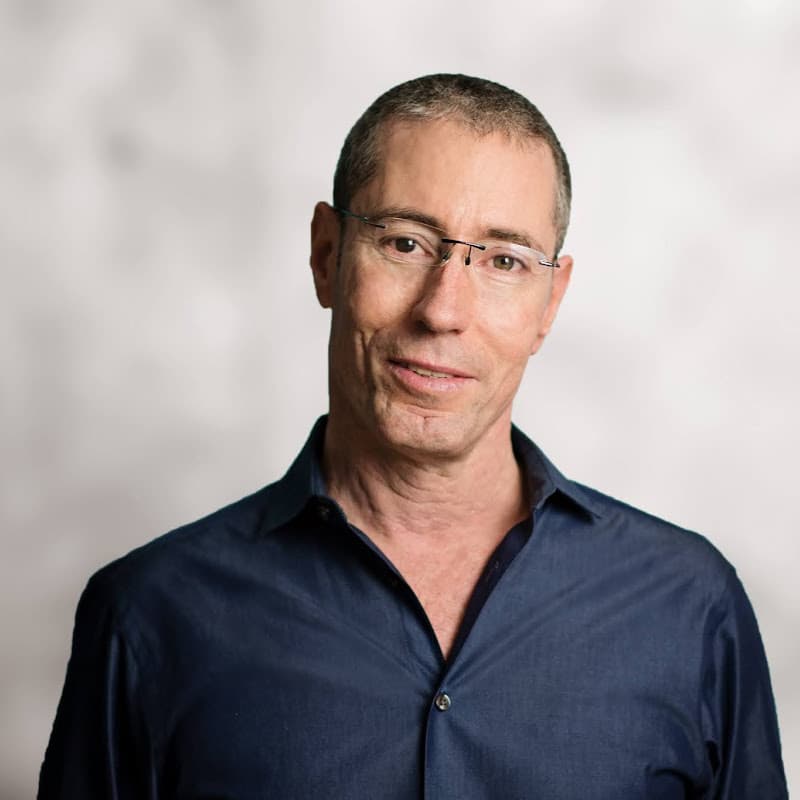
Full Transcript Show Opening and Guest Introduction 0:10 Welcome to Moments with Maryanne. This is your host, Maryanne Pastana, and I am 0:17 so excited to be celebrating 10 years of meaningful conversations with you 0:22 [music] as we step into our new prime time hour. It's such an honor to share 0:27 [music] this exciting new chapter with you. So whether you're starting your day 0:32 out, headed to [music] work, or listening from wherever you are, this 0:37 hour is designed to bring you thoughtful dialogue, fresh insight, and inspiring 0:42 stories so you can make every moment count. 0:47 So, thank you for being here with me today and let's dive in. We're here 0:52 today with special guest Avi Noom Learner who's here to share with us the 0:59 science of mindbody healing. So could your thoughts, beliefs, and 1:06 even emotions influence your body's capability for healing? Well, today's 1:11 guest is here to share with us just that. Avioom learner is a cancer and 1:18 trauma recovery coach, clinical hypnotherapist, 1:22 TEDex speaker, author, and practitioner of integrative medicine who has 1:28 dedicated more than 25 years to helping individuals navigate the emotional, 1:35 psychological, and physical challenges of cancer and trauma. Based in Boston, 1:42 Massachusetts, he works with clients worldwide, empowering cancer patients, 1:47 survivors, caregivers, and their families to become active participants 1:53 in their healing journey while complimenting conventional medical care. 1:59 So, welcome to the show, Alvi Noom Learner. 2:03 >> Thank you very much. Pleasure being here and sharing all this with you. 2:07 >> Oh my goodness. Well, what an honor it is to have you here and to talk about 2:11 this. I think right now so many people are so interested in the mind body 2:16 connection in regards to healing. What first led you to study this 2:20 relationship? >> Well, I don't know if it's a one one 2:23 particular thing, but certainly the um my childhood. I mean we all had a 2:29 childhood but there were certain events during the very early years of my life 2:34 that um I couldn't being so young really process or understand. There were wars 2:40 going on where I grew up. my parents divorced. Um I was separated from my 2:45 brother, my older brother. And so there were a lot of experiences that I 2:49 couldn't really fully grapple with, understand process. Um and that kind of 2:57 forced an awareness into me. I I don't know how else to 3:01 define it where I learned that there is physical experiences that I'm having and 3:06 those are obviously significant, but then cuz those hurt me, right? uh 3:11 playing with friends for example, I I hurt myself. But then there were other 3:16 experiences that were non-physical that hurt me just the same. And I couldn't 3:21 really understand what that was. I was probably six or seven when I came into 3:27 that awareness. And in a way uh that uh inability to process the pain that 3:33 followed the suffering if you will that what kind of started me on this path uh 3:38 cuz I needed to understand I needed to understand myself my experience better 3:42 and I couldn't I couldn't get answers um not until many years later when I I 3:48 actually learned that I can find some of these answers in a field of study called 3:52 holistic health which related to both the mind and the 3:58 Uh that's as close as I could get at the time. Um and that was very significant 4:04 because that's kind of the foundation of what I do today. But even later on, fast 4:09 forward a few years, um it became very clear to me that medicine cannot really 4:15 account or explain uh or didn't really have much words for these dichotomy, 4:21 right? These two parts of who we are. They couldn't explain why one person or 4:26 two people, let's say, with the exact same diagnosis and treatment get 4:30 different results or different outcomes. They couldn't put this into words. And 4:35 anyway, that fascinated me. It kind of related directly to my personal 4:40 experience again early on in life. And that's how I came to it if that makes 4:45 sense. >> It does. And thank you so much for
Avi Noom Learner's Path to Mind-Body Healing 4:48 taking the time to explain that to us. I mean how would you define the mind body 4:53 connection? >> Well, for me uh it's quite simple and as 4:57 you will as we will have this conversation you you might realize for 5:01 me I'm just very grounded in my approach. I need things to be simple and 5:06 grounded. So the mind body connection is not a belief system for me. It's not a 5:10 philosophy. It's not some kind of u [snorts] mystical or esoteric 5:15 uh something. It's measurable biology. And probably the simplest way I can put 5:21 it is that there's a constant conversation between these different 5:25 parts of who we are. There's the physical part and the non-physical and 5:30 our brain in certain environments, nervous system and and endocrine system 5:35 and immune system. All these biological systems are somehow connected. They're 5:40 exchanging signals. And you know if we just again just bring it into our 5:44 experience uh fearful thoughts for example will cause our heart to beat 5:50 faster and then calming thoughts will slow our heart rate. So we can kind of 5:57 engage in that uh higher conversation of exactly the biology and the mechanism 6:03 and so forth. But I like to keep it very simple. And the point is that how we 6:08 think and how we feel impact our biology. That's for me what the mind 6:13 body connection is all about. >> Well, it's so nice also that science has 6:18 so much backing for how the mind and body connect that it makes it very 6:24 simple for many people who are looking for those answers 6:28 >> nowadays. Yes. And actually that's has been the case for probably since the 6:32 early 70s. And I like to talk about this field of scientific study, it's a big 6:36 word. It's called psychonuroimunology. But again, uh when you think about the 6:42 times before um where medicine just didn't really have a rational 6:48 explanation for how the mind, which is not the brain, the brain is the three lb 6:54 gray organ in our skull. And the mind is the self, right? The non-physical part 6:58 of who we are. In other words, if you cut the body open, there's no you're not 7:02 going to find a little person in there. So, medicine couldn't really explain how 7:07 the non-physical part of us impact the organic tissue. But, um, you know, back 7:12 in the day, it was attributed to something mystical or intuition or what 7:17 uh certain eastern philosophies uh kind of cherished and and promoted. But 7:23 medicine, hardcore medicine didn't really know how to bridge that gap. And 7:28 thankfully nowadays um we have the science to confirm that all these 7:34 different ideas around the fact that we are made of these two different parts 7:40 physical and non-physical they are somehow connected and very 7:45 valid and it offers people a way to in my view become active participants in 7:52 their healing and recovery right they have agency we have agency 7:56 >> so I understand that you're a clinical hypnotherapist. What got you interested 8:01 in that arena? >> Well, that's that's exactly the 8:05 intersection where I noticed that some practices relate to the non-physical and 8:12 some practices relate to the physical. So, medicine obviously addresses the 8:16 physical body but not the person living in this physical body. And let's say 8:19 therapy primarily engages the person living in this physical body, but it's 8:25 still in doing so in a very limited way. And hypnotherapy or clinically 8:29 hypnotherapy is one of those very practical pragmatic tools that we can 8:35 use to bridge the gap to connect the dots to engage both the physical body as 8:44 well as the person living in this physical body. So it's just a very 8:47 practical standpoint for me. There's not too many tools that therapeutic tools 8:51 that can help us do that. And what we've learned through what now science have 8:56 confirmed this psychonuroimunology, we learned that there's certain mental and 9:00 psychological patterns that suppress certain biological systems, mainly our 9:05 immune function. And so if we can in theory find a way to engage those mental 9:12 and psychological patterns and resolve them, we can support the body in its 9:18 optimal functioning. And so that's what hypnotherapy allow us to do in a very 9:24 practical and measured way in a goal oriented result-driven kind of way which 9:28 is kind of different from what therapy and I'm happy to talk about the 9:33 different between those but for me it was just a very practical tool. It 9:37 engages the part of the mind we call the subconscious mind. Hypnotherapy that is. 9:42 And that's the emotional mind, right? The emotional part of our mind that 9:46 governs so many of our bodily functions. Right? Now we are breathing. We are our 9:52 body temperature is regulated. We are our heart rate is is is me everything is 9:57 managed beneath the surface of our awareness. In other words, we don't have 10:00 to consciously engage in those activities. It's all done through the 10:04 part we call the subconscious mind. And again, if I kind of lean back into the 10:10 earlier point about therapy, therapy primarily engages the conscious part of 10:14 our mind, which is logical and rational. And hypnotherapy primarily engages the 10:19 subconscious mind, which is the emotional mind, and the part that
Defining the Mind-Body Connection 10:23 governs so many of our bodily functions. So if we take the the element of stress 10:28 for example, we all have stresses in our lives. But when you think about why we 10:34 stress out, you'll find that the cause for stress is not necessarily physical. 10:40 It's how we perceive things to be and how we believe things to be. So if we 10:46 perceive things to be dangerous, difficult, and painful that will promote 10:51 stress and tension in our body. If we don't believe that we have the inner 10:55 resources to cope with what we're going through, that will promote stress in the 10:58 body. So both perception and beliefs are aspects of the mind. They're not aspects 11:04 of the physical body. And so that's what clinical hypnotherapy allow us to do. It 11:11 allows to engage with those intersections that are non-physical to 11:16 affect the physical. That's kind of in a nutshell. For people who might be a 11:21 little skeptical and have seen hypnotherapy in on stages, I would think 11:26 that sometimes you may get some folks pushing back a little afraid going, 11:30 "Well, I don't want to have anything put on me that I'm not in full control of." 11:36 >> Correct. And yeah, I appreciate you bringing it up because it's such a 11:40 misconception. uh and I think a disservice that uh both I mean the 11:46 entertainment industry have kind of promoted for a long time. If you read 11:50 about certain books and certain obviously certain movies uh hypnosis is 11:55 presented in a certain way and um as mind control as people under some 12:00 influence and and the stage shows do exactly the same but in fact in in 12:05 movies you see people fly like Superman and obviously in real life it's not what 12:10 we do but the entertainment industry have learned how to use this innate 12:14 capacity that we have that we're all suggestible right we're responding to 12:20 suggestions and it learned to present it in a so certain way that that looks very 12:25 real but actually is just a psychological 12:29 process if you will. So what you see on stage is people that are very much 12:34 encouraged to participate and there's a certain process of 12:39 bringing everyone on stage and then kind of weeding them out building certain 12:43 pressure. It's just it's just like a magic trick. And so we know that the the 12:49 magician uh has certain ways of doing something that looks very real. Um 12:55 hypnosis in the entertainment industry does exactly the same. But in in truth, 13:00 in reality, in a therapeutic environment, hypnosis is just the use of 13:05 a very innate capacity that we all have. And we might not have called it 13:11 hypnosis, but we've all been in the hypnotic state many, many times. For 13:15 example, when someone watching a good movie and getting sucked into the plot, 13:19 right? We get absorbed in the story line to the point that we feel what the 13:24 actors intend for us to feel. Whether it's laughter, whether it's sadness or 13:30 [clears throat] horror movies, right? If we have a physical response to what 13:35 we're observing, it's because of that same innate capacity that we call the 13:40 hypnotic state. So, we don't have to be uh in a recliner. We don't have to have 13:46 our eyes closed. Most of us have responded to suggestions many many many 13:50 times. Uh commercials, for example, TV commercials, movie commercials, that's 13:55 what they're designed to engage. They're designed to stimulate a certain emotion, 14:01 certain action in us. That's why I think it's actually very harmful, for example, 14:07 that we have um advertisement about medicine in in on TV. You know, it's 14:13 just so blunt and aggressive and we're not medical professionals. We don't know 14:18 what we're sold, you know, what what is promoted, but then talk to your doctor 14:23 about this. The reason we respond to that is because of our uh in this innate 14:28 ability to respond to suggestions. But they don't have to be malicious. We can, 14:34 you know, all of us have had this friend that says, "Look, there's a great 14:37 restaurant that just opened up. You might really want to check it out." And 14:40 if we go and eat in that establishment, we responded to a suggestion, right? We 14:46 just followed through. The same goes about certain items or clothing or 14:51 anything in between. So we are as people just wired to respond in a certain way 14:58 to that these prompts, these suggestions. And what hypnosis does it 15:03 utilize it in a certain practical way to promote um more desirable outcomes. It's 15:11 as simple as that. >> Now you mentioned something earlier I 15:14 want to dive a little bit more into and that psychonuroimmunology. 15:19 Can you share what that is and why it's such an important field of study? 15:24 >> Sure. So, psychonuroimunology essentially is uh the study of how 15:30 psychological states, our nervous system and immune system how they interact. Uh 15:36 and the term came about in the 1970s. Uh Dr. Robert Ader from the University of 15:41 Rochester in New York and he stumbled upon it. His team stumbled upon it by 15:46 coincidence. They were trying to replicate a very famous experiment uh 15:51 that some of our listeners will recognize with Pavlov Pablo Dogs where 15:56 he rang the bell and essentially the dogs started salivating because they 16:00 realized that food is coming. It's called the conditioning process. And 16:04 Ed's team was trying to replicate it just with mice or rodents I should say. 16:08 And what they did, they gave these rodents sweet water that are laced with 16:13 a certain drug that's supposed to give them belly ache. And then they removed 16:18 the drug from the sweet water. And the rodents responded exactly the same as 16:24 anticipated. In other words, the rodents were conditioned to respond to the sweet 16:29 water. It gave them belly ache. So that was expected and in that respect, the 16:34 experiment was successful. But then the rodents began dying and that was not 16:38 explained by this simple drug that was supposed to just give them belly ache. 16:43 But when they went back to the drawing board, they discovered that the drug had 16:47 immune suppressing components and that was not anticipated. Uh that's when the
Hypnotherapy, Suggestion, and the Subconscious Mind 16:52 light bulb kind of went off and they realized u that the immune system itself 16:58 can be conditioned and that's really important specifically to my work with 17:02 cancer patients so forth because they essentially found the holy grail in mind 17:07 body medicine and uh not enough is talked about it a lot of doctors are 17:13 just not familiar with that field of science even though it's their language 17:18 and their research. Um but for non-medical practitioners like myself, 17:25 this open up the door to providing explanation for people how 17:33 they have arrived at what they're where they arrived, why they're dealing with 17:38 what they're dealing with and it matters because so so it gave us a rational 17:43 measurable explanation for what clinicians had observed I would say for 17:47 generation that Basically stress and emotional states affect our health. 17:53 Right? So mind this kind of psychonuroimmonology or PNI um the 17:59 abbreviation is PNI. It it took the mind body connection out of the realm of 18:03 intuition and into the realm of biology and for my field as a clinical 18:09 hypnotherapist that changed the conversation in a 18:13 meaningful way. So now people can better understand why doing this kind of work 18:18 is meaningful, how it can contribute and support their healing and recovery. And 18:23 it give us again I love this word agency. It gives us more agency, more 18:28 control uh about certain aspects of our treatment. 18:33 >> Well, and to dovtail with that, what role do thoughts and emotions really 18:37 play in our overall health? it. Can we experience well-being when we're in a 18:42 sick state if we are keeping our emotions and our thoughts very positive? 18:50 >> Well, well, we can talk about positive emotions in a moment, but I would say 18:53 that uh the big discovery here is that thoughts are not just private 18:57 experiences that we have, right? They they have physiological 19:02 footprint, if you will, right? fear, grief, we could say chronic worry. They 19:08 activate the stress response and the stress response raises certain 19:11 particular hormones like cortisol, adrenaline, and they keep the body in a 19:16 state of brace, right? And and and and in defense mode, if you will. And the 19:21 opposite is true as well. Calm, I would say connection, a sense of agency 19:27 does exactly the opposite. They let the body shift from uh tension into calm or 19:34 into rest and repair. And over time, these kind of states influence how we 19:39 sleep. They influence inflammation, how well we tolerate treatment. And um and 19:45 and so this is significant, but I would say that it's really important uh for 19:50 anyone listening to to hear that that saying that emotions impact biology does 19:56 not mean that emotions cause disease because I I've heard this in so many 20:02 different ways. It certainly doesn't mean that anyone thought their way into 20:07 illness. It's not that simple. Okay? And uh that brings guilt and shame and all 20:12 of those things that we have to address. What it simply means when I say that 20:17 emotions are not just private experiences that they have any 20:20 physiological footprint. It means that our inner state is one factor among many 20:26 factors that shape the conditions that the body is functioning with or in. 20:34 Right? The the conditions the body heals in. And so that's why it's so important. 20:40 For the most part, we have not been fully conscious of what we were thinking 20:44 uh throughout our lives uh for all kind of reasons. How can we blame oursel for 20:49 something we didn't even know that is going on? So I'd like to kind of help 20:54 people shift away from the self-lame and and self-loathing and and and shift into 21:01 different questions, better questions that gives them agency really. So how 21:06 does chronic stress affect the body's ability to function at its best? 21:11 >> Well, stress is in fact is not the enemy. Uh we all have stress in our 21:14 lives and and part of it is normal and there's it's kind of a protective 21:19 response that help us meet all kind of threats in our lives and those are 21:23 important cuz it [snorts] help us manage oursel better. The problem is really 21:27 when that response the stress response that we have to certain events that it 21:33 never get switched off right then the the hormones [snorts] of stress cortisol 21:39 and and the u sympathetic activation stay elevated uh maybe for days for 21:45 weeks sometimes for months and they interfere with the normal functioning of 21:49 who we are they wreck our sleep they they slow tissue repair they sustain 21:54 lowgrade inflammation And uh there was a neuroscientist by the 21:59 name of Robert Sapolski and he basically said that chronic stress slowly erode 22:06 the systems that sustains us. And so the body is simply not built to stay braced 22:11 indefinitely. It's built to alternate between alertness and recovery. This is 22:18 really where much of my work is helping people that's what they we help people 22:23 do shift away from the stress and alertness into rest and recovery. 22:30 >> So what does the research tell us about the relationship between the brain, the 22:34 nervous system and the immune system? Well, the old assumption was that uh you 22:39 know the immune system somehow works on its own that it's completely sealed off 22:45 from the rest of the body certainly from the brain uh that it has its own um 22:50 protocol if you will but we know through research mainly through psychonuranology 22:55 um we know that that's not really true. um the different systems of the body are 23:01 in constant const communication, right? The brain signals the immune cells 23:06 through the nervous system and through hormones and the immune signals or the 23:10 immune cells signal back in ways that affect how we feel, how we think and so 23:16 forth. And uh there were there were a couple of researchers um from Chicago, 23:22 one particularly Janice uh Janice Glasser's work uh and she showed that 23:27 physiological stress measurably slows wound healing and weakens immune 23:31 response. So we have a different picture because of their research because of 23:36 that particular research. Uh and the recent picture is essentially the mind 23:40 and body are one integrated system rather than separate parts. Right? The 23:44 immune system is not disconnected from the brain or from who we are or from how 23:47 we feel and how we think. It's all impacted. In other words, the mind and 23:52 body are an integrated system and change in one part of the system affect the 23:57 whole system. So I think this is what uh we've really learned through through 24:02 research about that relationship about psychonuroimanology that what this field 24:07 of science kind of help us wrap our head around right one integrated system.
Psychoneuroimmunology and the Science of Stress 24:14 >> That's so encouraging to hear because I I think the science is finally catching 24:18 up with where people can really have a major impact on their health. 24:24 >> Exactly. It gives them agency. It gives them a way to become active 24:27 participants. It give them a reason for why becoming an active participant. And 24:31 and again we know through research that helplessness and hopelessness uh those 24:36 are two states of mind that are very I don't know if if normal for us to get 24:41 you know when you receive a diagnosis when it's difficult and painful when uh 24:45 the evidence the tangible evidence is sort of against us it's very tempting to 24:51 feel helpless and sometimes even hopeless. But we know specifically that 24:55 these two states of mind have shown um to impact the way that our immune system 25:01 function in a negative way. So we want to move away from those. We want to 25:05 learn how to break free from those and and step into a different mindset. And 25:10 people say, well, what can I do? There's there's so much that I don't control. 25:14 Well, it's true. uh we don't control what the scans will show and we don't 25:18 control million other elements um when it comes to health and treatment but 25:23 what we can control is how we take care of ourel how we engage with ourselves 25:29 how we respond to stresses uh we can do that in various ways it's not 25:35 complicated simple practices and all of my practices every every tool that I 25:40 ever offered uh my clients is all about you know what if it takes more than uh 5 25:45 minutes. We're not going to do it on a regular basis. So everything, all these 25:51 different tools that help us regulate, they have to be practical, tangible, so 25:55 we can practice them, integrate them into our lives. 25:58 >> What does it look like when someone comes and makes an appointment with you 26:02 and let's say they have a terminal illness? How do you work with somebody? 26:08 The reality is that sometime someone does walk through the door and um they 26:15 are either in an advanced stage or they discovered uh that they're struggling 26:20 with something when it's a bit later in the game. The first thing that I do is 26:25 meet them where they are and we acknowledge the truth of where they are 26:28 in the moment. um if it is in fact uh terminal, what we 26:33 aim to do is to still give them as much agency as possible in terms of how they 26:41 respond to this uh to the demands of this moment. When something changes so 26:46 drastically in our life and it and it's long before it even becomes our defined 26:51 terminal. When something changes so drastically in our lives, there's a lot 26:55 of change that we're facing. A lot of it has to do with change in identity, 26:59 right? Until that moment in time, we were somebody's father, mother, son, 27:03 daughter, and all of a sudden uh we become a patient, right? If we talk 27:08 about illness such as cancer, which is what I I focus mostly on, we become a 27:13 cancer patient, which means we become statistics and and charts and and you 27:18 know, we lie on a table while people in white coats tell us whether we get to do 27:22 more living or not. And that's devastating to our identity. We were 27:28 someone with a full life, productive life. Maybe we even had dreams and 27:32 aspirations. But now we're a cancer patient and our world shifts into uh the 27:40 hospital environment and and that's that caused a great deal of suffering. So 27:44 when someone comes to me with a terminal condition, we try to minimize the 27:50 suffering to provide that person as much agency as possible and help them improve 27:57 their quality of life in their duration. If someone comes right after they 28:02 receive the diagnosis, there's a lot more that we can do. We still will work 28:06 on those components of reducing suffering and identity elements but we 28:10 will also go after the particular mental and psychological patterns that we know 28:16 through research are suppressing the functioning of our immune system. So in 28:20 this way we become an ally. I help these people become allies to their medical 28:25 team because their medical team is again only treating the physical body not the 28:29 person living in it. And what we know through research is that there's 28:33 tremendous meaning and value to addressing the person as well. 28:38 >> When we talk about like our past experiences and unresolved issues or 28:43 stress, how does that affect our health later in life? 28:47 >> It defines in many way the bar or status quo for our nervous system. We grew up 28:53 in um a demanding, emotionally demanding environment, sometimes even um um 28:59 physically demanding environments. We learn how to survive. Survive is not the 29:04 same as thrive. When we learn to survive, we are bracing. When we learn 29:09 to thrive, we open up. And so these are different movements. When they uh when 29:14 we learn to survive, we're in contraction. Our nervous system is 29:18 disregulated. And that becomes our norm which in the 29:23 long terms will impact the quality of our life. How we sleep, what we eat, 29:27 what we choose to eat, what we how we choose to live our lives. And people 29:32 with a disregulated u nervous system tend to go on the risky side of life. 29:38 All kind of behaviors that might not be health conducive. can be addictions, it 29:43 can be violence, it can be uh different environments that are incredibly 29:48 stressful. And it's not to say that this is bad, right? I mean, I would you can 29:52 say, well, being a firefighter is very stressful. True, but different qualities 29:57 of stress. Again, what we know through this field of study called 30:01 psychonuroimology is that there's consequences to our mental and emotional 30:05 makeup. And some patterns will lead more to thriving and some will lead more to 30:12 surviving. And so these are two different trajectories. One is 30:16 contracted and therefore diminishing. One is opening oursel up and therefore 30:21 empowering. And and we know how it feels in the body, right? A person knows if 30:26 they feel tension or if they feel relaxed. That can help us navigate 30:31 better. >> It's interesting. There's a lot of talk 30:34 going on right now about elevated cortisol levels and how someone can in 30:40 some ways manage that. What are some of your thoughts around that? 30:45 >> Well, I again I like to keep it simple at risk of people having some reaction. 30:50 I would say that I'm not big on meditation. uh I think meditation was 30:55 plucked out of a different kind of cultural environment and kind of placed 31:00 in front of us as it's something that we need to learn how to do. We can learn 31:04 how to do that but it's extremely demanding and it requires more than just 31:09 5 minutes a day of practice. For the most part the notion that I hear from my 31:14 clients is meditation I'm supposed to focus on my breath and do nothing right 31:19 but my brain cannot do nothing. my brain is constantly jumping like a crazed 31:23 monkey from one issue to another. So essentially what they end up feeling is
Thoughts, Emotions, and Chronic Stress 31:29 a bit I would I would say defective for lack of a better word. You know they 31:34 can't even do nothing. What does that mean about them? And they and they give 31:37 that meaning they make meaning out of that. So I don't I'm not big on 31:42 meditation as a pathway. Uh mindfulness is better. It's a more active process of 31:47 awareness that can be very useful. And I would say just you know the breath that 31:52 we have if we just in a very practical way strip away all the fluff around it. 32:00 If we just take breathe in for let's say the count of four but we exhale for the 32:07 count of eight it's as simple as it gets. It communicates to the nervous 32:11 system that it's safe that it's calm that the body can shift into healing and 32:15 repair. And it's that practical. It really doesn't have to be any more 32:19 complicated than that. And I I see a lot of people struggling with this. What 32:23 should I do? How should I I teach certain practices to to my clients. 32:27 Practices again that are simple and practical. I love tapping. Some of your 32:33 listeners might have heard about EFT, emotional freedom technique or otherwise 32:37 knows known as tapping. These are very practical practices that can help any 32:42 one of us become uh I I would say a master of our experience in the most 32:48 secular kind of way that I can mean it. It's just you have agency practice bring 32:54 yourself down to the level of experience that you want and manage yourself 32:58 better. >> How does mindfulness support overall 33:01 health and resilience? >> Well, mindfulness forces us to kind of 33:06 slow down, right? It's a trainable skill of noticing what is happening around us. 33:11 It invites us to be more present without immediately reacting to what's happening 33:17 around. And that small pause that we can learn to exercise, that small pause 33:24 matters because well it matters physiologically because so much of our 33:29 chronic stress comes from our mind just rehearsing certain well either 33:34 rehearsing or dwelling in the past or kind of bracing for the future. So when 33:39 we focus on the here and now, what's in front of us or around us, uh when we 33:44 bring attention to the present moment, that stress response can settle. Uh it's 33:49 just a trigger that we can settle and mindfulness is very efficient in doing 33:53 that. I would say that in cancer care mindfulness uh based programs they've 33:59 shown to improve quality of life uh for participants reduce anxiety uh and yes 34:05 lower stress markers during treatment being the cortisol levels and or 34:11 anything else and so it builds resilience not by removing the hardship 34:16 but by changing our relationship to it. How can someone shift from feeling 34:22 overwhelmed to feeling more empowered in their healing journey? 34:26 >> Well, overwhelm uh for the most part comes from us focusing on everything we 34:32 can't control, which is very attractive to the mind cuz the mind obviously the 34:36 mind's job is to maintain our integrity. So, it want to pay attention to 34:39 everything that is going wrong or everything that is not in our control. 34:43 And when we're dealing with serious things, let's say diagnosis, right, that 34:47 list is very long. there's a lot that we don't control. The shift itself really 34:52 begins by turning our attention and we can do that toward what we can actually 34:58 influence even if it's small. Uh obviously we don't control scan results 35:03 as I mentioned earlier but we can influence how we sleep, how long we 35:08 sleep, our breathing for example um whether we ask for support um and and 35:14 how we talk to ourselves. those things that are easy for us to engage with to 35:20 practice. And I I often help people just move away from the famous question, the 35:25 why me question to which brings about blame and shame and so forth to how do I 35:31 want to respond to what's happening around me or to me right now. And and 35:35 it's important to say it's it's not been in denial, right? The fear is very real 35:40 still, but but it's the way that we're reclaiming our sense of agency which 35:44 itself steadying to our nervous system. A simple answer would be shifting from 35:50 what we cannot influence to what we can influence from what's happening outside 35:55 of us to what's happening within us. >> Does having a practice of gratitude and 36:02 hope help in that healing process? then >> most certainly but it's worth clarifying 36:07 what hope really means. I remember working I live in practice in Boston and 36:12 I worked at a certain time at the Dana Farber Cancer Institute and I remember 36:17 some conversations with uh oncologist and clinicians that uh were kind of 36:22 edgy. They kind of uh insinuated that I give my work gives people false hope. 36:29 And my answer was very simple. False hope can only exist when you provide 36:33 false guarantee. And I don't do that. What I give people is realistic hope. 36:38 Right? Real hope holds the difficulty and it still keeps the door open to 36:46 possibility. And that matters because helplessness, as I mentioned earlier, 36:50 tends to shut people down, right? They they stop participating. They stop 36:54 advocating for themselves. They stop doing the small things that really help 36:58 them. And hope is the opposite direction. It keeps people engaged in 37:03 their own care. And of course, uh, we have to be honest. There's only certain 37:07 things that are possible in given situations. Um, if someone is defined 37:13 terminally, you you have to be honest and truthful and and realistic. My point 37:17 is that staying engaged is almost always better for a person than giving up. So 37:24 that's where hope comes into the fold. with regard to gratitude and there's a 37:29 lot of conversation about this partic particular quality of feeling we call 37:34 gratitude but I would say that most people if you ask them what does 37:37 gratitude feel like in the body they will have a hard time answering that if 37:42 I ask them what does fear feel like in the body they have an answer right away 37:46 cuz it's tension it's contraction but what does gratitude feel for us in the 37:51 body we've all said thank you a million different times I teach gratitude a 37:56 little it differently. Uh I like to talk about it as uh you know cuz you can look 38:02 at a beautiful flower and appreciate its beauty. That's where most of us on the
Mindfulness, Gratitude, and Reclaiming Agency 38:07 surface do with gratitude. We experience something, we say thank you, and we move 38:13 on. But I want someone when when you think about gratitude, I want you to 38:17 take that flower. I want you to bring it to your nose and I want you to inhale 38:21 its wonderful scent. We forget to do that. What we have learned from the mind 38:28 body science is that we have to in a way close the circuit and what that means is 38:35 that we can't just think things through. We have to feel them and most of our 38:42 listeners will probably uh have heard of Dr. Jo dispenser. And one of the things 38:48 that I like that he's saying is the way that he explained thoughts and feelings, 38:52 it we have it's kind of a full circle. Thoughts create an electric charge in 38:58 the quantum field and emotions magnetize it back to our experience. Which means 39:02 that we can't just think I want to be healthy. We also have to feel worthy of 39:09 healing and recovery. If someone wants to be to have an experience that person 39:14 also need to feel that this experience is authentic and real for them. If we 39:22 just think thoughts nothing will happen. The potential the field of potentiality 39:29 stays inactive. And if we learn to close the circuit with thoughts and emotions 39:35 then then it becomes more real. We've all done this in a million different 39:39 ways before, but in the wrong direction. And what that means when I explain that 39:44 to someone or a client, and they say, "Well, I I don't know how to do that." 39:47 So my question is very often, have you worried before? Have you have you had 39:53 any worries before? Oh, yeah. I worry all the time. Well, what do you think 39:56 we're doing when we worry? We have a certain thoughts, right? We can sit in 40:00 the privacy of our own homes safe and sound and even healthy and we have a 40:07 scary thought that just popped into our mind. It's just a thought at that point. 40:12 But what we tend to do it almost uh happens automatically because we have 40:17 not trained ourselves to observe when that happens. But a thought when infused 40:23 with emotions become active in the body. So just thinking about something that 40:29 that happened and it's unpleasant. If then we infuse even unconsciously we 40:35 infuse fear or stress into the particular thought then it begins to 40:41 activate and reverberate through the body in the form of stress. And we've 40:45 done this so often that it's seamless. We can again stay at home, feel safe, 40:51 think about something difficult that happened and have an emotional reaction. 40:56 This way we activate our biology and um you know crying is a we think about 41:03 someone who whom we love and really want to be in a relationship with and that 41:08 person doesn't feel the same about us and it all of a sudden that particular 41:12 thought about a person became brought to the surface some sadness and that 41:16 sadness expressed in a biological response we call tears. That's as simple 41:22 as that. And if we can do it, my point to people and the reason we can 41:26 demystify the healing process is because if we can work this path one way, we can 41:32 also work it the other way. We can also use our higher mental faculties, 41:37 imagination ma mainly to see more desirable outcomes or think about better 41:44 things and then infuse that particular frequency of gratitude or emotion of 41:49 gratitude into the experience. Because gratitude or the emotional signature of 41:54 gratitude is of something that was already received and right that's when 41:58 we say thank you when someone did something nice to us or or for us and 42:02 and someone gave us something nice or we just say thank you because it's already 42:07 done. So the subconscious mind can't tell the difference between what's real 42:10 and imagined. If you say it's done, it's done. So a simple path supporting 42:15 ourselves is to just focus on let's say a more desirable outcome feeling better. 42:20 It doesn't have to be completely cured or in remission. It can just be a better 42:26 better experience and then infuse intentionally [clears throat] 42:31 generate the emotion of gratitude to close that circuit. It's it's really 42:36 important that people understand that worry takes us in one direction which is 42:41 more stress and tension and inflammation and doing what I suggested using our 42:46 higher mental faculties to promote better experiences and better emotions 42:50 will take us in a different trajectory. Well, thank you for taking the time to 42:55 share that because that was such an important piece and it's interesting how 43:02 we can make these shifts to really have such a positive impact in our lives. 43:07 >> We can make these shifts on a dime. We've just never really been taught how 43:12 to do that in, you know, in our education and our parents probably 43:17 didn't know much about it at all. They because no one taught them. And so where 43:22 do you where do you come across this kind of information? But I think the 43:26 whole purpose of upper part of it, let's say religion and so forth and and then 43:31 further down um the new age era and all of that, it was all to help us get more 43:38 in touch with our inner agency. And we haven't necessarily learned how to do 43:44 that. But we can do that with our higher meta faculties. Reason, inspiration, 43:48 intuition, memory, and of course, imagination. Those are available to all 43:54 of us. But we kind of have an odd relationship with these higher mental 43:58 faculties because when we grew up, we've heard different things about them, 44:02 right? So how often did we hear ah you're just imagining it, right? Someone 44:07 saying that in a in a way that is diminishing, right? But then you look at 44:12 a beautiful original masterpiece painting or listening to a masterpiece 44:17 of music and someone says wof now that's a person with great imagination. Right? 44:22 So we haven't really heard what we don't know what to think. We think imagination 44:27 is child's play but it really isn't. It's a very tangible faculty mental 44:33 higher faculty that a higher mental faculty that we can utilize every single 44:38 day to contribute to our quality of life to improve um the way that our biology 44:44 is working. And it's just one of many tangible ways to do it. Even top 44:50 athletes use their imagination to run through like a course or uh any type of 44:57 game that they're playing in order to elevate their skill level. 45:01 >> Exactly. Exactly. And they rehearse the event before it actually happens. And 45:07 again, if I can demystify the healing process a little further, if we can 45:13 embrace the emotions, desired emotions ahead of the environment. In other 45:17 words, our physical reality suggests that we might still be dealing with 45:21 illness, but we can dwell in the mental experience through imagination of oursel 45:29 already feeling better, somewhat restored, maybe even healthy. And then 45:34 we can engage or infuse uh emotion of gratitude into the fold. If we can 45:39 embrace the emotions ahead of the environment, we can signal our genes 45:44 ahead of the environment. And this is such an important point because u some
Supporting Patients and Closing Remarks 45:49 might recall that back in the early 2000s, we completed humanity completed a 45:56 very important project. It was it was called the human genome project. And the 45:59 human genome project was incredibly important because we really believed 46:04 before the experiment. We believed that there's a particular gene pericular 46:09 condition. Understand the implication. There's such a I mean if we could find 46:14 the cancer gene and free humanity from that suffering. Oh, what a gift that 46:18 would be. But the reality was that the I think the project was completed in 2003. 46:24 And what what we ended up uh realizing is that there's a certain number of 46:29 genes and a lot more conditions than genes. So onetoone theory didn't work. 46:37 So then uh researchers said okay so it's not a particular gene a particular 46:41 condition it's a combination of genes and not only it's a combination of genes 46:45 but some of these genes are turned on and some of these genes are turned off. 46:50 So then they had to ask themselves okay so what turns genes on and off and in 46:54 part because the answer is complex but in part the mental and emotional 46:59 environment right our mental and emotional atmosphere whether it's 47:03 breathable or not whether it's supportive or um diminishing uh our 47:10 mental and emotional environment certainly plays a part in turning 47:15 certain genes on and certain genes off. So if we can embrace the emotions ahead 47:20 of the environment, we can signal the genes ahead of the environment which 47:26 makes healing attainable and possible. That's the simplest way of explaining or 47:31 demystifying the healing process. >> So how can family members and caregivers 47:36 support someone who's dealing with a serious health issue? 47:40 >> Well, I would say that the most useful thing that a caregiver can do or a 47:44 family member can do is it's quite simple actually. I mean it's to be 47:47 present without trying to fix. Uh I would say that if I talk about cancer 47:52 patients, they very frequently feel that they have to reassure everyone around 47:56 them that they're fine, right? Which is exhausting. So a caregiver that can just 48:02 listen without rushing to silver linings or um give an enormous gift. I mean, and 48:10 it's so much more valued by someone who's navigating something like cancer 48:15 treatment. So practical help matters. I say handling logistics, right? Driving 48:21 someone in and and to and from appointments, helping that person keep 48:26 some ordinary life going so they don't get sucked into the I'm a I'm a you know 48:33 a full-time cancer patient. And I would say that for caregivers, it's really 48:38 important to important to also tend to themselves because they cannot really 48:42 pour from an empty cup, right? So it's meeting meeting the patient where they 48:48 are without trying to fix them. It's helping them with everyday things. Don't 48:52 ask what can I do for you? Just bring something to eat. Whether that person 48:57 like that particular dish, that's not the point. The fact that you engaged uh 49:02 took responsibility, ownership, you you took the initiative to bring something, 49:07 to do something, you know, to call that person say, "Okay, I'm available on 49:12 Monday and Thursday. I want to make sure that I support you. What can I do in 49:16 terms of getting you to an appointment? Do you have anything? Those kind of 49:20 questions make all the difference in the world. Those these kind of engagements 49:24 really help people feel supported. And we know through research that people 49:29 with a strong support system do fare better on many different markers. So 49:34 this is not insignificant. It's it's very significant. Well, Avi Gnome, where 49:40 can our listeners connect with you and be part of your community and learn more 49:45 about your work? >> Uh, having done this for 25 years, if 49:50 you just Google my name, you would come across 49:53 a lot of uh content. I've written certain books. There's one coming up uh 49:58 hopefully next month. Uh it's called Mindful Remission, the mental science of 50:02 healing. And it essentially a uh an encyclopedia if for lack of a better way 50:08 of saying it where I share all the practices that I offered my clients for 50:13 the past 25 years of doing this work and um my website ainomo.com 50:20 um YouTube channels um again Instagram and Facebook those are good places to 50:27 find information and um if they have any question if anyone is curious is I offer 50:34 free consultations and it's um it's always available. 50:38 >> Well, A Nom, thank you so much for taking the time to be on the show with 50:42 us here today. >> I appreciate the opportunity. I want to 50:46 kind of leave um leave people with the idea that 50:51 their inner life matters more than they've been taught, right? The thoughts 50:56 and emotions are not separate from our physical body and tending on them 51:00 tending to how we feel and think. It's not really a luxury. It's just a it's 51:06 worthwhile way of taking care of ourselves and making sure that we stay 51:10 healthy. >> Well, thank you Avioom Learner. It's 51:14 been such an honor to spend this time with you and to talk about the science 51:19 of mindbody healing. Make sure to connect with Avy Noom Learner at his 51:24 website and that's spelled A V I N O A M L E R ne.com 51:32 for more information on his work to schedule a free consultation and also to 51:38 be part of his community. Well, we're at the end of our time 51:42 today. I'd like to thank everyone for tuning in. You're listening to Moments 51:48 with Maryanne, where we make every moment count. 51:55 [music] 52:05 [music] 52:08 In a single moment, your life can change. Moments with Maryanne is a 52:13 transformative hour that covers an endless array of topics with the best of 52:17 the best. Her guests are leaders in their fields ranging from inspirational 52:21 authors, top industry leaders, and business and spiritual entrepreneurs. 52:26 [music] Each guest is gifted and a true visionary. A recognized leader in her 52:30 own work and while teaching others to develop, refocus, and grow. Maryanne 52:35 will bring the best guest and sometimes a special surprise. Don't miss this. You 52:41 never know just which moment will change your life forever. [music] Make sure to 52:46 tune in and visit moments with Maryanne.com for more information. 52:52 [music]
Comments