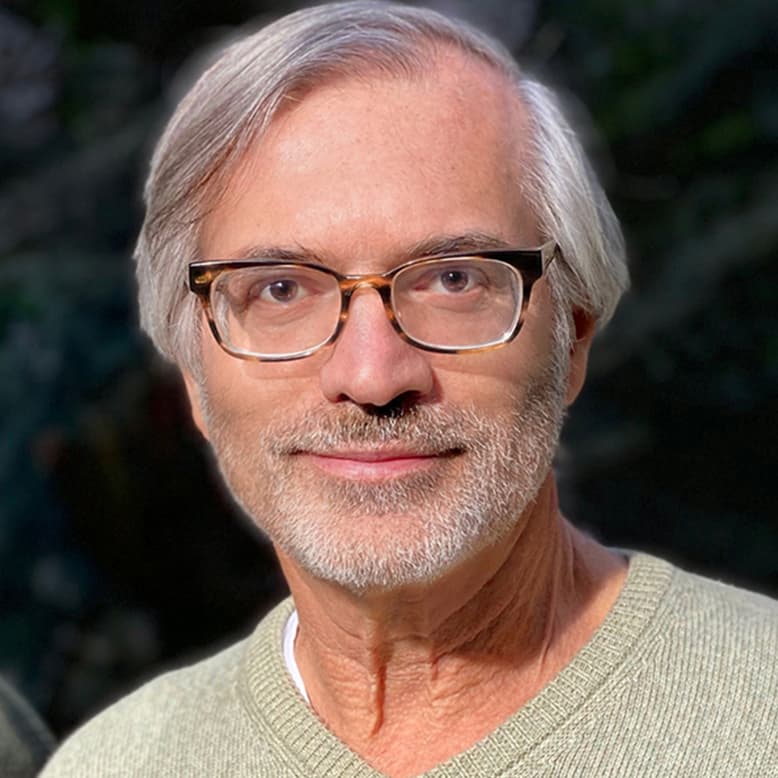
Full Transcript Introduction and Dr. Pattersonu2019s Background 0:07 - Welcome welcome uh we're gathered for another addition so to speak of overcoming long Covid 0:14 and CFS and today it's exciting information packed time. 0:21 I have Dr. Bruce Patterson with me. And Dr. Patterson is head of 0:28 I believe it's in cell D. X. I. and a company that I have been using for a 0:33 year and a half and I have to tell you it's transformed you know my practice. 0:38 Dr. Patterson is a viral pathologist and was head of neurology at Stanford Medical 0:45 School and has I feel been amazing um Trailblazer in 0:52 understanding and also offering some treatments for long haul covid and also for a lot of the 0:59 other chronic inflammatory diseases that we call chronic fatigue and fibromyalgia 1:06 etcetera. So let me just start off and say Dr. 1:10 Patterson tell us a little bit about you know what was your aha moment in the beginning 1:16 you know covid starts and you had some background in looking at viruses. 1:21 So what what got you going? - Well yeah after spending the better part of 25 years on 1:27 virology and viral pathology starting with HIV. I mean it just so happened that was in the 1:32 maybe the wrong place at the right time. I was in china in January 2020 and saw some of 1:38 the first data I was actually at an immunology lab that did car t therapy for cancer. 1:44 And saw some of the immulogic data from patients with SARS Cov two and it was very 1:50 clear obviously that you know it was heavily innate immune system driven macrophages disease, 1:56 something that we really hadn't seen because frankly the infected individuals bodies hadn't 2:02 seen these emerging in. 2:05 So, you know, it was a very unique profile with an 2:11 unfathomable amount of inflammation. And then basically when I got back to the 2:17 States, we started looking at a variety of different drugs in trials of acute covid. 2:23 And one thing that came out from our work, which we published in 2020 was patients with 2:29 acute covid immune suppressed, highly, highly immuno suppressed. 2:33 They, there's CD eight counts were as low as CD four counts in HIV patients. 2:39 CD being the partner with CD four's and fighting off viral infections and cancer. 2:44 So, it was that was probably one of the first aha moments that these people are immune 2:50 suppressed. The second big one was that after the trials 2:54 when we followed up with these patients, you know, they were better, 2:58 they got out of the hospital. They didn't, they didn't die. 3:02 But at 30 days, 60 days, 90 days, by no stretch of imagination was the immune
Early COVID Immune Findings and Long COVID Signature 3:09 system back to normal. It was in complete chaos and we used machine 3:13 learning and ai to show that the chaos in these patients was very different than the 3:19 inflammation and acute covid. So we identified the first signature of long 3:25 covid, which was really vascular inflammation elevation of um, 3:29 SCC 40 oh via Jeff TNF alpha. So, so clearly still driven 3:36 by activated macrophages, but clearly using our algorithms, we could tell the difference 3:42 between someone with long covid and somebody with acute covid. 3:46 We also published a paper at the time it showed that there was viral replication 3:51 potentially out as long as as three months. So there's 34 month window there might still be 3:57 some viral replication. But uh and you'll see a mixture of acute and um 4:03 long covid phenotype. But however you get into the 68, 4:08 12-15 months and it's clearly its own entity immunologically. 4:14 And and that's where we started. And then we started searching for why is there 4:18 this vascular inflammation. - Yeah. Just to get people's attention that this low CD 4:25 eight is a signature that we've often seen in you know, 4:28 you know, a chronic Lyme and chronic fatigue. 4:31 People with Epstein Barr virus activation. So low C. 4:35 D eight's our gateway in a way to chronic illness. 4:39 And this is just - One thing we found that's in that paper is that these patients 4:45 with SARS COv two infection, not only were the CD eight slow but they didn't make Grands I'm a 4:51 which is kind of like their bullets for killing the you know, 4:56 the virally infected cells of the tumor cells. So and we also found immune exhaustion which 5:01 was later corroborated. So you know, it was a whole immulogic mess um 5:07 immulogic chaos in the early days of acute covid. 5:10 And then like I said, when we followed these patients, they just they weren't their immune 5:16 system was nowhere near normal in some of them in 60 to 90 days. 5:23 - And when you start to look at the people who became who we began to call long covid, 5:29 What was the description? You know like the the discriminating factors 5:35 that you saw between the acute and the long covid people, 5:37 - We'll see, most of them were, you know, they're going to their physicians and 5:44 they can't find anything. So this was the summer of 2020 and um these 5:51 long covid patients were being ghosted by everybody because nobody could find anything. 5:57 And one of the reasons is they were using you know, 6:01 crp which is actually a surrogate of aisle six, but the L six is indicative of acute covid 6:08 and tends to be less prominent in long covid. And so you wouldn't see crp or 6:15 they've used some other um test that like um said rate for a measure of inflammation. 6:21 And and so what we had done, we we ran over 100 and 50 to 200 biomarkers 6:28 during acute covid. And then like I said, 6:31 followed these patients up at 60 and 90 days and we found that um um the 6:37 signature of those markers changed and we had machine learning and ai choose which ones were 6:43 the most powerful in our model. And what was indicative of long covid, 6:50 - Which are the ones that show this vascular quite vasculitis or at least a vasculopathy. 6:57 Yes. - Well you know they like the new term is which 7:00 actually probably the most accurate which is endothellitis. 7:03 So and then we started looking at funky named markers like fractal kind and fractal 7:10 kind receptor. And we started looking at monocytes because 7:15 in HIV towards the end it was I mean not towards the end but towards the end of the 7:20 nineties were starting to realize that you know they don't it doesn't just infect t cells. 7:25 It infects monocytes and thesemonocytes are long lived. 7:28 And it was the intermediate monocytes . And we I published a paper in 2009 on 7:35 the these intermediate monocytes also carrying hepatitis C. 7:40 In patients who are infected. So you know I regarded them as as as basically 7:47 a viral garbage can and the Vegas it ties which means they eat up you know everything including 7:53 virally infected cells that are dying off. And you know sure enough we found that s one 7:59 protein in those cells by one technique. And then we sorted those cells and used mass 8:06 spectrometry which is highly highly specific to identify that these cells indeed held 8:12 fragments of S. One and fragments of RNA. 8:17 And this was two years ago people are talking about every day now we found it two years ago 8:22 and published it. And then we did whole genome sequencing and 8:26 showed that it was indeed just fragments. 8:31 There was not enough of these viral fragments or viral um nucleic acid to make a replication 8:37 competent virus. 8:39 - Can you amplify that a little bit because this is something that's really important these days. 8:45 And people you know we do know that the D. N. A viruses and retroviruses can be can 8:51 stay in the body and still be replication conflict meaning you can they can reproduce and 8:56 make more of themselves. - They have true latency. 8:59 Right and so RNA viruses typically don't. But you know the fact is 9:07 You know we we used a technique whole genome sequencing to answer the question 9:14 is are these fragments and persistence of fragments? 9:18 The answer is yes we found that at 15 months. But we went the extra yard to say are these
Viral Persistence vs Replication Competence 9:25 capable of being replication competent? And I think that's the only place. 9:30 So a lot of people are corroborating our data right now with you know you know residual virus 9:37 viral fragments, fragments of protein fragments of RNA and tissues and cells which is very 9:42 satisfying. I think the only thing they think um is that 9:47 that's different is they think there's actively replicating virus at least our data hasn't 9:53 hasn't shown that now we published a paper showing replicating virus out to three months. 9:59 So if you had a long hauler it said oh I've I've been a long hauler for 90 days or 120 days. 10:05 Yeah I bet there's a proportion of them where you could find replication competent virus. 10:10 But you know when we were looking at 12, 15 weeks, 18 weeks. 10:14 Yeah we could use PCR and even artistic chemistry and in sexual hybridization. 10:20 Some of these techniques that detect small segments and find 10:26 residual segments or fragments of protein and RNA. 10:31 But when we actually sequenced both in cells and in tissues from long haulers we found 10:38 that less than 5% of the genome was represented, meaning in our minds you 10:45 can't build a building with 5% of the bricks. And again we still 10:52 are adding more and more um tissue samples to our registry. 10:57 And will soon come out with a paper showing our sequencing results using whole genome 11:03 sequencing. - So getting noises here. 11:08 Two questions about that one. So in other words there can be remnants of 11:15 of RNA that that that can be transcribed but there's not enough but there's not enough to 11:21 make a virus, there's enough to make a protein. 11:24 - Yeah. Some of these groups talk about negative strand 11:26 which means that they're in the process of making a new viral particles that could be done 11:31 on fragments and like I said, you know the whole world sequences every 11:38 tumor that ever comes out of anybody. And for the life of me, 11:41 I don't know why every single tissue from long covid patients. 11:46 They're not doing sequencing to show if there's any um full length replication 11:53 competent virus. And you know what if I were doing a trial with 11:58 um you know, packs livid which again of our 36,000 patients really doesn't work 12:05 uh in a lot of long covid patients. But I'll be interested to see the results of 12:09 that trial. But the fact is no one's really shown a there's 12:13 actual replication competent virus being made here either by sequencing or growing it. 12:20 You know, we we came out in 2020 and said, Oh we found uh SARS COv two RNA in plasma 12:27 and we were actually doing plasma viral load before and after uh the therapies we were using 12:33 in trials and the fact is we could detect plasma viral load. 12:37 And I remember discussions with blood bank directors etcetera and saying, 12:42 hey, is there a risk here? Are we at risk of transmitting you know, 12:46 SARS Cov2 to through the blood supply. That was a big topic. 12:50 And I would say February and March of 2020 when we were using, 12:55 you know, digital droplet R. N. A. I mean PCR to detect RNA in plasma and we were 13:02 finding it. But everybody under the sun took samples 13:08 from us and as did we and tried to grow it, we couldn't. 13:12 So, you know, it's a big stretch to go from, okay, there's viral persistence. 13:18 Yeah, absolutely. We published it, you know, a year and a half 13:22 ago. There's nucleic acid persistence, 13:25 there's protein persistence. But it is a big stretch to then say I can make 13:29 a replication competent new virus that is capable of causing disease. 13:36 - Yeah. Of infecting someone. 13:38 And I guess you're the the holdout that people hold say is that if we biopsy different tissues, 13:44 we might see find a replicating virus and that's your challenge to the world to say, 13:50 well you're getting biopsies, why aren't you doing this? 13:52 - Right. I mean we're looking all over the gut. 13:55 I think a gut is a good place to start. And I think you know there's been some papers 13:59 that come out using immuno autistic chemistry which only tells you that there's protein there 14:04 doesn't tell you that all the proteins there. It says proteins there. 14:08 Right. Great, beautiful, nice stain, you know. 14:12 No surprise there. So but the fact is then extrapolating and 14:19 saying in the discussion that oh this shows that there's you know that there's persistent 14:24 virus meaning there's replication competent virus. 14:27 That's that's a long stretch. - Yes. Well yeah, 14:32 but thank you because this is this is an extraordinarily confusing subject and I thank 14:37 you for helping clarify at least what we know, you know, 14:41 at this at this point in time. And so now talking more about um just a little 14:46 bit about the monas sites because they again, monocytes which become macrophages and 14:51 tissues. So people give some idea because most people 14:54 have heard of macrophages in our in our world. So tell us a little bit about you know quick 15:00 maybe a quick overview of the three different types and like what what you have found. 15:06 - I think it's important because um number one like I said we found other viruses in these 15:11 monocytes we found excuse me my lab we were able to infect intermediate monocytes with 15:17 HIV we found hepatitis E in intermediate monocytes, Zika and dengue fever 15:24 are carried in intermediate monocytes. So you know this is something that 15:31 is really I think underlying chronic inflammation and 15:38 you know all the unmet needs out there in terms of treating in in in managing chronic 15:44 inflammation whether it's post treatment Lyme disease fibromyalgia, 15:48 chronic fatigue, long covid. You know all of these 15:55 are we found similar patterns and then patterns that made them unique. 16:00 So what we were able to do is develop a diagnostic that said I can distinguish 16:06 between post line chronic fatigue long covid which I think is invaluable because they're 16:13 all treated differently and when we're about to launch a clinical trial and to think about 16:18 mixing those you know and having you know a placebo have E. 16:23 B. B reactivation when and get symptomatic when in 16:27 fact they're on a placebo. I mean these are types of things that can 16:30 really damage a trial. You know because placebos are not just you know, 16:36 healthy individuals. I mean you don't know what's happening in them 16:40 if you don't rule out, you know whether or not they have uh line, 16:44 you know, Epstein Barr the other herpes family viruses um when you're designing the trial as 16:50 exclusion criteria. So I think it's extremely important. 16:53 So we divide the diagnostic then only not only said, well you have a long long hauler index of 17:00 X, Y and Z. You must be a long hauler. 17:03 But also we did another study which showed that if we mix samples 17:09 between post line um chronic fatigue, long covid post 17:16 fax patients with long covid symptoms and acute mild and severe
Monocytes, Endothelial Inflammation, and Biomarkers 17:23 acute covid that we could tell the difference. And that is enormous. 17:27 And then we use that on this last trial which I presented at CAssie on over three 300 patients 17:33 on our treatment regimen um for 6 to 12 weeks pre we measured being complete 17:40 sided kind profile before and after therapy and came up with a p value of less than 10 to 17:47 the minus sixth. So we are ready for our clinical trial. 17:53 - Yeah. That that is very,very, very exciting just for I 17:58 want to go. So I want to go to places but let me finish one 18:02 first. So at this point you also have a test, 18:06 you know that looks at whether a remnant of the s one protein is in the monocytes 18:13 and these are usually found in what you call the nonclassical monocytes because you... 18:19 - And the intermediate sites. - Okay. - But what's interesting is um 18:26 we first came out and said, hey these nonclassical monocytes carry S 18:30 One. Well why is that important? 18:32 Well it's the nonclassical monocytes that their sole job is to patrol the blood vessel. 18:38 And so when they bind to fractal kind through the fractal kind receptor that they express, 18:43 they bind the blood vessels and cause blood vessel inflammation. 18:47 Just like we've been talking about this endothelialitis and they're long lived because 18:52 they're expressing an again, so they're a pathetic pathway uh is short circuited and they 18:57 don't die. Everyone is like oh Dr. Patterson, 19:00 they have a lifespan of one week. That's true. 19:03 Non pathologically, you know? But the fact is when they're carrying an again, 19:08 you know, they can be long lived, they were long lived in in HIV as well and considered a 19:13 long lived reservoir. So the fact is the if you look back in the 19:19 early two thousand's in the afro sclerosis literature, believe it or not, 19:23 there is a lot about CCR five which we use the more abstract the CCR five 19:30 antagonists um S. C. D. 40 L. 19:33 Being the first protein expressed in the throne biotic pathway um CCL five 19:39 and SCC 40 L. Are expressed by activated platelets. 19:46 So that's going on. So yeah we came out and said these 19:50 nonclassical monocytes, you know, are elevated in long covid and by the way, 19:55 you know, a significant proportion of them may be carrying S. 19:58 One. And that was corroborated in that recent Yale 20:02 paper that they also found elevated nonclassical monocytes. 20:06 So again, I work from a year and a half ago is starting to be corroborated. 20:11 And I think really the only, the only issue I have is this definition between 20:17 persistence and replication competence. That's it, 20:21 you know. So... - Is there a difference between the, 20:26 I mean because the nonclassical monocytes carrying the S 20:31 One and is there any difference in cause or origin and result? 20:35 If we find a lot of them in the intermediate monocytes as well. 20:40 - The bottom line is by treating them, they tend to die off because you short circuit their 20:47 pathetic pathway. That the problem with those two cell types is 20:51 of course they travel through the blood brain barrier and carry information all over the body. 20:55 So that's why you see the neuro inflammation that people are identifying in long covid and 21:00 and some of the narrow changes because the blood vessels in the in the brain are inflamed 21:05 as well. So when you treat that um that's when you see, 21:09 you know the deal and a lot of symptoms are caused by vasodilatation. 21:15 Because when the blood vessels are inflamed, the vessel dilate so long Covid patients. 21:21 I always ask this because no one else ever ask this. 21:24 Do you have hot cold insensitivity invariably they say yes. 21:29 How did you know? And I said it's because your blood vessels are 21:34 inflamed, they're dilated, dilated blood vessels drop the blood pressure. 21:38 What happens when your blood pressure drops? 21:40 Part goes up? Wow, that pots, you know, So everyone's talking 21:46 about sort of the end result when in fact we've been looking at the cause and then treating the 21:52 cause the same thing with micro clots. I mean literally we haven't had a single 21:57 patient with clots in our 36,000 patients. And it's because we're treating the 22:03 elevations in the expression at S. CD 40 L. 22:08 And platelet activation using statins and CCR five Antagonists. 22:14 So, you know, we we stopped that rather than sucking the clots out, 22:20 we stop the fact that they're even being made. And I think that's that's the strategy that 22:26 we've deployed successfully. 22:29 - And I think that's the exciting part has been the treatment options. 22:35 You know, looking looking at the different sub fractions, 22:41 you talk a lot about, I mean, the CCR five which is and the s the sizable cd 40 22:47 ligand and veg F. That's a trio. 22:50 I said that when I've been doing these tests I've seen in almost everybody. 22:53 - Yeah, that's it, that's the vascular inflammation triad. 22:57 So obviously our goal is to get those three markers down to normal and then the key 23:04 differentiating markers for instance are um you know violate we see that in post treatment Lyme 23:11 disease and patients post vaccination who have long covid symptoms but you rarely see I'll 23:18 eight in true long covid. So our ai and our machine 23:24 learning use that as a differentiating um hub. We have this cytokine hub paper that's out 23:31 And we have the cytokine hub algorithm. We have a long hauler algorithm. 23:37 We're in the process right now getting FDA approval of the algorithms by partnership 23:43 with another company. And the hope is that by getting FDA approval on 23:49 the algorithms that we'll be able to really be a lot more successful with 23:56 reimbursement. That would be that would be good. 24:01 - But I said but these you know I guess in my because I treat chronic illness and I treat the 24:07 people who as you say have been ghosted for basically 30, 24:11 40 years now because their regular blood tests are normal. 24:15 They have learned that they unfortunately have to pay out of pocket to get the tests that 24:19 actually are going to show them something. 24:21 But it's a hard sell for most Americans who have been you know until they got 24:27 long covid have been able to you know operate successfully with conventional medicine and um 24:34 more or less and but when you when you have something where your blood count and your 24:39 chemistries are normal, unfortunately you have to start looking harder. - Again, 24:45 but we also we also have a responsibility to keep pursuing 24:51 better reimbursement. I'm not saying they don't get some Canadians, 24:55 don't get reimbursed for the tasks they do because of one insurance or another. 25:00 But the fact is I think an FDA approval. And then we can go to the 25:06 basically the payers and and and look for for a code to get those reimbursed for long 25:13 covid. So that's been our plan all along exciting. 25:19 - I hope that happens. That will be quite wondrous. 25:22 The but the post vaccine now you see your what it's interesting that you're seeing um 25:29 you said I. L. A. Because I said I've seen I. L. 25:32 A. Again in my chronic Lyme patients. 25:34 And I think I think even some overlap with some of the chronic fatigue people. 25:39 But you're saying any anything else that helps stand out in the post vaccine people. 25:46 - Well again, I think they have the classical, you know, 25:51 blood vessel inflammation. But you know, I do think you know, 25:55 IL8 is the key thing for post facts long haulers. 26:00 And I think you know, whenever I see IL8 you know and other markers 26:07 that are in our hubs, you know, we we know how to treat them. 26:11 And you know, I had some person rebutted interview of mine one time saying, 26:16 oh we don't need a diagnostic for long Covid. Well, you know what when you have all these 26:22 very prevalent conditions with the same symptoms. Yes. 26:27 You do need a diagnostic for long covid. That's like saying, 26:31 oh you have chest pain. I'm gonna treat you for a reflux because you 26:36 know, you don't have a heart attack. - Yeah. And to be fair, 26:43 is that many people who, you know, present with long covid when we talk to them, 26:49 you know, and and we do the testing. We find that there's also the element of the 26:53 recurrent you know, D. N. A viruses, whether it, 26:57 you know, most commonly. - Yeah. - The herpes family viruses that, 27:02 you know, their immune system had been dealing with, you know, 27:04 effectively until they got Covid. - Great. And then they became immuno suppressed and then 27:09 reactivated and they got these symptoms that's now all over the press about what are the 27:13 symptoms of long covid. 27:15 And the fact is, yes, they are the symptoms of long covid, 27:19 but they're also the symptoms of post treatment Lyme disease, 27:22 the symptoms of chronic fatigue and the symptoms of fibromyalgia. 27:26 Right? So, you know what maybe if they have lined, 27:30 you know, we've found since we launched the hub algorithm in the 27:37 spring, we've found between 30 and 50 patients who had line who never knew they had 27:44 line. Okay, just from their immune profile and then 27:48 they get sent to be tested for line. So they have untreated line but they have all 27:53 the symptoms that someone would long covid has And they came to the physician because they 27:58 thought they had long covid because those symptoms are all over the press. 28:02 I think, you know, it has been a huge benefit to patients with chronic 28:09 inflammation across the board because now we're recognizing that people 28:16 with chronic line, chronic fatigue syndrome are suffering just as badly as patients 28:22 with long covid. And they've been searching for 28:27 answers for for many, many years. - Yeah. No. And it helps so much because for,
Diagnostic Algorithms and Treatment Strategy 28:32 you know, for 2025 years we've we've been treat some people, 28:37 for, you know, like the chronic, as you say, the chronic endothelial 28:43 inflammation, you know, with various various remedies. 28:47 I mean, low dose heparin was something like we used a long time ago and there would be subsets 28:51 of patients that would respond beautifully to this. 28:54 Except, you know, it's not good for long term use. 28:56 But the point is is that, you know, we just haven't been able to measure really well. 29:01 You know, who, who's who and I think this is really, really important. 29:06 Are there any when like, you know, what else? 29:10 I mean, we also see some people who look, we think have mast cell on top of this with very 29:16 elevated IL fours and sometimes IL tens. Are you are you seeing that or is that just or... 29:21 - We have to be careful because I think I'll four and IL 10 are also compensatory. 29:27 I mean they're immuno suppressing the cytokines. And and if you have inflammation, 29:32 invariably the body's reaction is gonna be to try and, 29:36 you know, increase those two sided kinds fact is, you know what? 29:41 We have no qualms about somebody taking Zyrtec and Pepcid with whatever we're treating them 29:47 with. But on their own, they just don't seem to be 29:50 working very well. - Oh no, their there band aids, 29:54 they're there, they're just going to quiet down uh irritated mast cell 30:00 population, but they don't make anything really better until you deal with the underlying 30:05 triggers. - Exactly, - That's keeping it going. 30:08 So are are you you know, um in your therapeutic approaches, you know, 30:14 how quick, you know, are you using much in the way of the platelets stabilizing medicines? 30:19 Are you sticking more to the the statins and mara brock? 30:24 - No, we're treating the underlying endothelialitis. 30:28 And that's the bottom line, because frankly, if you do that, 30:32 then, you know, you don't need the plan. You know, 30:36 I can maybe I had maybe five patients feel better on Plavix out of 30:42 5000 or more that I've seen personally. So I just don't see that it's 30:49 helping that much and we know there's studies out there where they just tried that and and 30:54 that didn't work? So you know what it's all about? 30:59 Are you going to treat the cause? Are you gonna treat the result? 31:02 And I think any kind of clotting as a result of what the underlying pathology is and those are 31:08 the pathways that we were targeting. - Okay, so going back then too, 31:13 like you mentioned fractal kind and practical receptors and I'm fairly certain that our 31:19 listeners have no idea what those are. So just a little bit of like how the statins 31:24 and more of a rock work in that would probably be helping these, - These monocytes 31:31 populations have all kinds of receptors on them and that basically tell them where to 31:38 go. I mean that's what randy's or CCR five and CCR 31:43 five are all about telling immune cells where to go in the body to sites of inflammation. 31:49 So the other cool thing about cross linking CCR five with mara brock is that re 31:56 programs monastery to macrophages away from being pro inflammatory, 32:01 so away from making TNF alpha which we found is the number one side the kind associated with 32:07 fatigue IL2. And and the p values are 10 to the minus fifth. 32:12 That TNF alpha and interleukin two are associated with fatigue. 32:17 And so um the morale of Iraq does two things it keeps itself from migrating 32:23 and and potentially binding binding to blood vessels all over the body. 32:29 And the statins decrease fractal kind expression so it decreases the 32:36 receptor by which non classical mono sites bind to blood vessels? 32:42 So and when we block that then the apoptosis pathway of these cells re engages 32:49 And they die. So and we've shown that in serial um serial 32:54 samplings and serial testing using our new S one S 32:58 that's available. - Okay. 33:03 So basically when the when the monocytes isn't able to stick to the blood 33:10 vessel wall, it then tends to follow its normal lifespan. - Correct. 33:15 - It doesn't, okay. When it sticks to the once it sticks to the 33:18 blood vessel wall it has a little tendency towards maybe not immortality but a lot longer 33:23 life. Okay. - And also you know basically getting through the 33:27 wall and causing inflammation. - Right? 33:30 And so you by using the statins you're short circuiting that. 33:35 - Right. - Right. - And we're also looking at new non statin drugs 33:40 that do the same thing because obviously there's a there's a group of patients who can't 33:46 take statins can't tolerate statins. So we have some alternatives that we're 33:51 currently working on right now. - Okay. Anyone you want to mention to people or.. 33:58 - No. - Okay. And and as far as the Morava rock that's 34:04 always been that's been a hot button for a lot of people because of the you know the supposed 34:09 black box warning on it and things of that sort. But I know in our experience it's been benign. 34:16 - But a single liver enzyme elevations. Thousands and thousands of patients, 34:21 not a single liver enzyme elevation. We had one patient during acute covid who had 34:28 taken almost half a bottle of Tylenol and got huge elevations of A. 34:34 S. T. And A. L. T. 34:34 If you ever want to compare the labels on more of a rock and Tylenol you pretty much see 34:41 a xerox copy. And so yes it's been a very safe amazing 34:48 drug and there's actually a recent study out of U. 34:51 C. L. A. That mara brock increased memory in mice. 34:55 So I think it also has a very positive neurocognitive effects - Lowering the 35:01 inflammation - And it's not a steroid and it's not immuno suppressive. 35:06 There's a lot of people early on and said Oh uh you know it's just you know it's a 35:11 immunosuppressive and it's not it's a new modulator um and it's not an immunosuppressant. 35:17 - Yeah and its effect as far as you know it was really pretty limited to the CCR five 35:23 receptors. - Yeah it's very specific. 35:26 So we have a number of different um receptor occupancy assays that we've used for different 35:31 clinical trials over the years. In fact we were involved in With fighter in the 35:38 early 2000's in the original para Barack trials doing essays for them. 35:44 So yeah it's you know I've been working on CCR five since I think the mid nineties in in 35:51 HIV and then obviously have expanded that lately. 35:55 It's very interesting. It's sort of like you you were the right person 35:59 at the right time. - Yeah someone you know in in the right place at 36:06 the right time because I was in china. So someone else told me that the other day, 36:12 - Yeah, it lined up a lot of, you know, uh you know the 36:19 right the right knowledge and the ability to to look at the problem because you know, 36:24 again, not many people unfortunately, you know, immunology seems to be hung up on you know, 36:31 B cells and T cells and and we there's the stepchildren, I don't think 36:37 people appreciate enough how little we understand of immunology. 36:43 - And then the other thing I was saying early on in the pandemic is um we have to use this 36:50 knowledge of of the early days of Covid as we go forward and we face uh new 36:57 emerging infections that will also engage the innate immune system. 37:02 So we need to know find out ways in CCR five antagonism was one of them that we 37:09 can address some of the harmful elements of the innate immune 37:16 system when other emerging pathogens come out because the time until you get pathogen 37:22 specific therapies, whether it be vaccines or drugs or what have you 37:28 is an extended period of time. 37:31 And so we're gonna have to do something that's broad and broad spectrum in general. 37:37 And I kind of used early on to the early interviews when I was doing acute Covid, 37:43 I was using the example of cancer where we found PD L one, 37:47 you know, which is now the you know wonder drug of immuno oncology, 37:51 the PD L one inhibitors. Because by blocking PD L. 37:57 One they bring the immune system back to fight the tumor off. 38:00 Right? And that's the most powerful tool that we 38:03 have. What is that? 38:05 Well that's manipulation of our immune system to um let's call it a favorable light. 38:12 Right. And I think the same thing can be said for um 38:16 CCR five is expressed on um you know, T regulatory cells. 38:21 So dousing is important. So tier egg cells shut off the immune system. 38:26 They turn the light off PD L one brings it back on and then you use you know then then the T 38:31 rex come in and and basically turn that off so that you don't get auto immunity. 38:37 Well now we're using combinations with the PD L. One inhibitors to inhibit the T. 38:41 Regs to prevent auto immunity. So these are ways of manipulating the immune 38:48 system in cancer. Why aren't we thinking about this in infectious 38:53 diseases? And like I've been saying for the last two 38:56 years since we came out with these tests, why aren't we looking at covid and long covid with 39:01 precision diagnostics, you know that tell us what to do. 39:04 You know when we do telemedicine, we look at follow up labs and we see what's going down 39:10 what's going up, we know what the target and you know that instead of just throwing a wet 39:16 towel against the wall and trying the next, you know, the next uh faddish therapy, 39:22 we actually see what's going on with the immune system and we can target different side of 39:27 kinds. I mean, TNF alpha, interleukin six CCL five 39:32 veg F, S cd 40 L. They're all lowered by uh CCR five antagonists 39:38 that's in the literature and has been for a long time. 39:41 You know, TNF alpha is the target of Humira for, you know, 39:45 inflammatory bowel disease. Well, you know what, 39:47 TNF alpha also causes fatigue. I mean, not that you're going to use, 39:51 you know, something as powerful as Humira in long covid, 39:55 because frankly more of a rock does a great job on TNF alpha because it's made by pro 40:00 inflammatory mama sites. So there's a, you know, 40:04 there's this is this is the path that in Saudi X is focused on, 40:08 both on the diagnostic side and on the therapeutic side. 40:12 And we're very excited. We got our first regulatory approval with the C 40:17 E I B D mark on the, on the side of kind kit. Next up is um, 40:22 FDA approvals, um, you know, on the kits in the United States. 40:28 And then, you know, we're anxious and aggressively getting our 40:34 clinical trial organized for mara brock and and and and staff and sort of staff and
Post-Vaccine Cases, Reimbursement, and Clinical Trials 40:40 substitute. - This is so exciting and so important. 40:45 And I just want people again to remember that, what we're seeing here again is that it's not 40:50 so much the bug that got you sick. It's your immune response to the bug that's 40:56 keeping you sick. - That's my message. 40:59 When I'm talking to a Lyme patient, I'm talking to a chronic fatigue patient. 41:04 I'm telling them, listen, you know what, especially crime, 41:08 I don't know what bug causes, but you know what your symptoms are being caused by what you see 41:13 on that piece of paper. And what I'm gonna do is I'm gonna make those 41:17 proteins get better and you have your symptoms go away. 41:22 Then we can deal with the bug is a bug activist bug not active. 41:26 You know, same thing with line, you know, does it still need more treatment? 41:29 Doesn't need treatment. You know, I think um, 41:32 all of that comes into play, but that's why it's so important to say what it is. 41:37 You know, their immediate response. 41:41 I guess what, you know, when they hear about what we're doing, 41:44 trying to parse these chronic inflammatory diseases apart is, 41:50 oh, it doesn't matter. You know, and they're lumping E B B positive 41:54 patients in on um, on long covid, you know, investigations and, 41:59 you know, and then I was like I said, I was happy to see that Duke, 42:04 you know, took, um, I don't know if it was, you know, whether they heard me when or where it 42:10 was in the paper, but we've always said, you know, what you got to exclude line from doing 42:16 any investigation on long Covid because they are almost identical. 42:20 So - And that's just so important because once again, it's, 42:26 you know, treating, you know, chronic fatigue and lyme for 20-30 years, 42:32 you know, in the beginning, you know, you think you have to treat the bug 42:38 and you know, I always say there's about a third of people that when you treat the bug 42:42 they get better, but there's two thirds of people, it doesn't matter how hard you treat 42:47 the bug until you get their immune system working appropriately. 42:51 They're not getting better. - Right. - And 42:55 right. And, and so once, once you get the immune 42:59 system and in our world we often do a lot of detox and things of that nature, 43:03 which will help, but you know, it's just, but when you get the immune system no longer 43:08 kicking you to the curb and actually functioning normally, 43:13 then you often get these bugs to just quiet down because we co evolved with a lot of these 43:20 things. They're not all our death to, you know, 43:22 to death enemies. You know, we can live with them, 43:26 but we have to be able to control them and that means we have to have a functioning immune 43:30 system. And for some reason, um, bugs like Covid really 43:35 can throw a wrench in it. I mean that that I think we - We know they 43:39 dropped the cd 8%. We know they cause immune exhaustion. 43:43 We know we show that that decrease the amount of grands I'm a and then in the cd 43:49 eight sir magic bullet. So you know what, it's, 43:54 it's, that's all out there right now. - So it is, 43:59 yes, this is just such important information. And I really hope that, 44:04 you know, people listen to this and share it with their friends because um, 44:08 you know, I can only, I just want to mention, I mean there was the, 44:14 the article and there was an article, I don't remember which journal, 44:17 not journal. It was a magazine that I was just appalled by, 44:21 um, that we just took such cheap shots they at your work. 44:26 - And yeah that was a year and a half ago, - And it was, it was just this is the 44:32 ignorance that under the guise of medical, of investigative medical journalism that I just, 44:38 I just appalls me where people, they just wanna be insulting, 44:44 they don't really understand what they're, what they're writing about. 44:48 And I just think that I just beg people to, you know, when you read something, 44:53 you know, don't believe everything you read, but at least, 44:57 when people are, when medical, when medical journalists are talking more 45:03 about the price of the test, um, and how nice the doctor was and not looking at the science, 45:10 then, you know, okay, you can listen to that, but don't, 45:14 don't let that sway you buy what therapies you're gonna try, 45:18 I mean you really have to look a little harder and that was just like yellow journalism and 45:24 you know, - It was at its worst and I think you know, we didn't comment on it really, 45:29 but our patients were obviously very vociferous about it. 45:35 I mean nothing about our credentials. Like we were some doc in a box and you know, 45:40 in you know rural America, you know, telling, we've solved long covid, 45:46 I mean it just wasn't the case. We published everything. 45:49 So it was they were peer reviewed, you know, um because but they never mentioned our peer 45:55 reviewed articles, right? So um you know, again there is a lot of that 46:01 early on I think now you know, we got a regulatory approval in europe for our test will 46:06 soon go on to get regulatory approval in the United States. 46:09 We're gonna, we're quickly taking the drug through clinical trials were doing everything 46:14 by the book and we're not afraid to because we are doing things the right way and we are using 46:21 precision medicine. So, you know, at the end of the day, 46:24 you know, that was early in the game. And yeah, 46:27 we get out to a really fast start in terms of figuring it out and you know, 46:33 it's one of those, whoa, you know, let's let's take a look at what's going on. 46:38 And there really wasn't much information that they really knew, 46:42 but like like we were writing the, we've never written a single prescription or we were doing 46:47 the test in our offices, know they were being done by licensed reference laboratories that 46:54 fall under Clia. So you know, there was just so much that was in 46:59 there and then to say that, you know, I was just some middle aged white man in a in a lab 47:04 coat. I mean then it gets personal. 47:06 Then you really wonder what the motives were and you know, 47:10 we later found out who commissioned it. But um, 47:13 you know, that's neither here and there there. We have a we have a job to do. 47:17 - Well on just one more note, I don't want to keep you too long. 47:21 But um, just as far as I could totally off subject but packs love 47:28 it. What what are your thoughts on that just done 47:31 on, you know, where do you, - I think, you know, frankly, 47:37 and I've had, you know, literally once things opened up,
Paxlovid, Blood Vessel Protection, and Closing Remarks 47:41 I started giving um talks at conferences in person and my first two 47:47 conference talks in person. I got Covid and I hadn't had Covid. 47:53 So, um, but I was very much I took Paxil did. It's worked for me both times. 48:00 Then I follow it up myself with more of a rock and statins for a month to protect my 48:06 blood vessels and I'm now nine months out of my first um infection that not a 48:13 single sign of long Covid. I think one of the keys to acute covid and 48:18 potentially even preventing long Covid is protect the blood vessels to protect the blood 48:23 vessels, protect the blood vessels. 48:25 - On that note I think that's we'll wrap up I think that's the important thing is 48:30 how important the blood vessel inflammation is and how much it has to do with a lot of chronic 48:37 illness and just one more important thing that is why you don't have to have the infection in 48:43 your brain to feel bad. Okay I always want to remind a lot of people 48:47 who we panic that they have um these you know severe infections in their brain and those can 48:53 happen but they're rare. Most likely you have inflammation that's 48:57 affecting the blood vessels in your brain and it's gonna look quite the same and you 49:04 know and so again to thank you and if you know just for people to understand is that in cell D. 49:11 X. And is you have a website. 49:14 Right? - So the website for our program is 49:18 Covidlonghaulers.com with an S. And that includes once you're on there you can 49:24 say your Lyme or chronic fatigue or fibromyalgia or post backs whatever. 49:30 You have that option. But it's Covidlonghaulers.com - You know 49:34 and I do feel that getting that test really gives you a leg up on what to do and how to 49:41 treat yourself. And just remember again nothing works 100% of 49:44 the time. I mean I thought that clear is that I I have 49:48 found the in cell D. X. Has to be really helpful and the treatments 49:52 really helpful. But there are still some people who need more 49:56 work. I mean it's I I just want people to understand 50:00 that there's uh you know for some it's a panacea and for some it's just a step up and 50:05 there's still more to do. There's more to look at. 50:08 So Dr. Patterson thank you so much for your time. - I really appreciate it - And again for your work 50:15 and I'm just so glad that you were thinking about monocytes at the right time. 50:20 - They're my favorite. Thank you.

Comments