Full Transcript Introduction to Epigenetics 0:00 I actually love epigenetics. 0:02 It's something that we all are impacted by, whether we know it or not. 0:05 Each and every moment of every single day. 0:08 And the easy way to understand it 0:11 is that epigenetics is really the science 0:13 of how our outer world is communicating to our inner world. 0:17 So that's kind of super, super simple way to think about it. 0:20 But why we really need to care about it is that at our foundation, 0:25 we have kind of this human blueprint, our genetic DNA blueprint. 0:29 But our our genes are not our destiny. 0:32 They're just our potential. 0:34 And what happens is that laying there, I like to think of it kind of like 0:38 ingredients to your favorite recipe that you want to make. 0:41 Ingredients by themselves means nothing, right? 0:44 It's it's how are you going to mix those ingredients in a precise way 0:48 that will actually determine if you're going to have a tasty treat 0:51 or something that's, you know, like rock hard. 0:53 You got to throw it in the garbage, right? 0:55 And so when we think of epigenetics, 0:58 it's the signals, the input, the information. 1:02 It comes from the outer world, the foods we eat, the thoughts we think, the air 1:07 we breathe, the the environment that we are interfacing with, 1:12 sending in signals to our inner world 1:14 that then communicates to basically say this is safe or not, 1:19 this is a good environment or an or an unhealthy environment. 1:23 Welcome to Doctor Talks, the podcast where every episode leads to a healthier you. 1:29 Join us as we navigate the world of optimal health, 1:31 uncovering groundbreaking strategies to conquer chronic disease. 1:35 In each episode, we'll bring you the latest insights 1:38 from leading health experts, medical innovators, and wellness warriors. 1:42 If you're seeking to transform your health journey, 1:45 or if you're looking for answers to burning questions. 1:48 You've come to the right place. 1:50 Get ready to unlock the secrets of lifelong health and vitality. 1:54 This is Doctor Talks, 1:56 real talk from real doctors on the issues that matter to you most. 2:02 Hello, this doctor Kent Holter with another episode. 2:05 Today we'll be interviewing Doctor Melissa Peterson. 2:08 On, epigenetics 2:11 and peptides, the ultimate combo for a healthy brain. 2:16 Doctor Melissa, Gil 2:18 Peterson is a chief nonmetallic, limitless officer 2:22 at appear on zo and director, 2:26 appear on academy and epigenetic coaching. 2:30 She is sought out, for, cognitive optimization. 2:35 Epigenetics is the success coach, author and speaker and more than 20 years 2:40 and has been, supporting purpose driven visionaries 2:45 to express their limitless potential and, experience 2:49 the highest success and outcomes so they can love, lead, and 2:54 live life to the fullest while making their authentic impact in the world. 2:58 So she does it for the top people in the world. 3:03 But also, heck, it works for you. 3:06 You know who doesn't need that?
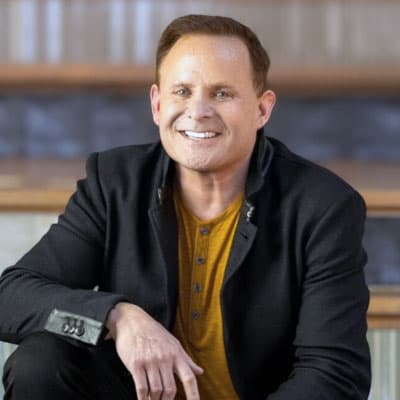
Meet the Guest and Episode Overview 3:08 She's licensed. Great. 3:10 As a doctor of chiropractic and epigenetic human performance. 3:14 Performance success. 3:16 Coach who is board certified in holistic health 3:19 with a master's in wellness, leadership and performance. 3:23 She has dedicated, dedicated her career 3:26 to uplift, inspire and, and enhance 3:30 states of health, 3:33 well-being and human flourishing across the planet. 3:37 Very cool. 3:38 Taking a systems based approach by, providing precision performance care 3:43 doctor balance that leverages genetics, epigenetics and won't ask 3:47 for the difference between all those peak performance and mindset mastery. 3:52 Along with the most advanced neuro and, 3:57 psychosocial, insights, like 4:00 psychological modalities, together with her clients, 4:04 she helps to create a synergistic approach to, infinitely 4:08 expanding one's capacity for success and facets of life. 4:12 So she seems to do the whole ball of wax 4:15 and really get your brain working and show you how to use it. 4:20 Yes. There you go. 4:21 Oh, and thank you for being on the summit. 4:25 Really looking forward to speaking and hearing about 4:29 all the very cool stuff that you're doing. 4:32 And you're really on the cutting edge. 4:34 And I think a lot of this is the way of the future. 4:38 Thank you so much, doc. 4:39 It's really an honor to be here with you today. 4:42 So congratulations. 4:44 And, and we'll we'll get going. 4:47 Yeah. So what the heck is epigenetics? 4:51 And and why the heck do I want to know? 4:55 I like it? 4:56 Hey, let's just get right down to the brass tacks here. 4:59 So I actually love epigenetics. 5:02 It's something that we all are impacted by whether we know it or not. 5:05 Each and every moment of every single day. 5:08 And the easy way to understand it 5:11 is that epigenetics is really the science 5:13 of how our outer world is communicating to our inner world. 5:17 So that's kind of super, super simple way to think about it. 5:20 But why we really need to care about it is that at our foundation 5:24 we have kind of this human blueprint, our genetic DNA blueprint. 5:29 But our our genes are not our destiny. 5:32 They're just our potential. 5:34 And what happens is that laying there, I like to think of it kind of like 5:38 ingredients to your favorite recipe that you want to make. 5:41 Ingredients by themselves means nothing, right? 5:44 It's it's how are you going to mix those ingredients in a precise way 5:48 that will actually determine if you're going to have a tasty treat 5:51 or something that's, you know, like rock hard. 5:53 You got to throw it in the garbage, right? 5:55 And so when we think of epigenetics, 5:58 it's the signals, the input, the information. 6:02 It comes from the outer world, the foods we eat, the thoughts we think, the air 6:06 we breathe, the the environment that we are interfacing with, 6:12 sending in signals to our inner world 6:14 that then communicates to basically say this is safe or not, 6:19 this is a good environment or an or an unhealthy environment. 6:23 And based on what's happening out here, we need to respond accordingly in here. 6:28 Because of course, what is our body always trying to do? 6:31 Number one main thing keep us alive, right. 6:33 So there's this constant kind of back and forth of are we thriving or are we not? 6:38 And what do we need to do? 6:39 What do we need to dial up or dial down to respond to that outer world? 6:44 And and so I think it's very true. 6:46 And you look at, you know, people say, oh, there's a genetic cause and diabetes, 6:52 you know, it's genetic or is it environmental? 6:56 And, you know, I think a very few things
Genes, Environment, and Personalized Health 7:00 are not one or that they're both, you know, you can have a genetic 7:04 predisposition, you can have a severe genetic predisposition. 7:07 You gotta work really hard to keep that from happening. 7:10 And again, I think, you know, we're moving and people doing, 7:14 you know, like genetics where they think, oh, I got this gene, I'm going to get it. 7:19 But the key is, is that you can turn these genes on, turn them off. 7:24 Absolutely. 7:25 And we're learning more and more about that. 7:27 And that's really, really important for everybody to really understand 7:31 because there's still a lot of confusion in the marketplace. 7:33 We have been told the story that genes are our destiny. 7:37 And if you've got it, you've got it. 7:38 And that's absolutely not the case. 7:40 Again, all your genes are are coding, coding of potential. 7:45 It's what do you do with that potential. 7:48 What do you do with that code 7:49 and what determines that is how we're showing up for life every day. 7:53 And you know, you just mentioned diabetes. 7:55 According to my genetic phenotype, I actually have an increase 8:00 increased probability for insulin resistance. 8:03 So insulin insufficiency. 8:06 Yet my A1 c is 5.0. 8:09 You know my glucose is 83. Yeah. 8:11 You don't think I give a problem and and right. 8:14 And so even though I have the genetic potential 8:18 how I live is negating that. 8:20 So I'm keeping that turned off or dial down. 8:23 Now if I were sitting every day and eating lots of sugars in cakes 8:27 and sodas and not moving, you know, 8:30 then I would absolutely be activating that. 8:33 And so then my genetic potential would in fact become my reality. 8:38 And yet, the good news is we can always be in control. 8:42 Once we know, then we can be at choice. 8:44 All right. 8:45 Well, so maybe I do need to change some of the things I'm eating 8:49 because I really want to be ultimately feeling my best, looking my best, 8:53 living as long as I can as well as I can. 8:56 And I think it's really nice. 8:58 I tell people, too, it's like people take all these supplements, hey, 9:02 this is good for you. 9:03 Well, yeah, maybe, 9:04 you know, I can give you a thousand things that could be good for you, 9:08 but what is going to really impact your health? 9:12 And so you can really target the things that you need. 9:16 And, I like to hear your, your thoughts. 9:19 And I found we've been, you know, been doing this 9:22 and even for myself, I have some terrible genes. 9:25 I kind of do that without testing, but, 9:29 the genes that 9:30 I had the, you know, the, the abnormal snips in and issues with, 9:35 that's where I had the problems. 9:38 Yeah. No. 9:38 Yeah. And and isn't it interesting? 9:40 Right. 9:41 Like, we kind of get a sense, we get that gut feeling almost of like, 9:45 I naturally, over time stumbled into my optimized 9:51 nutrition plan, and I didn't do it by following a fad diet. 9:54 I just kind of, you know, innately listened over time. 9:57 I did a lot of wrong things earlier on, and when I finally got my genetic report, 10:01 it was like, I'm eating exactly right for my genetic potential. 10:07 But is that same thing like I the more I listened, I kind of had that, that 10:11 knowing, like I really feel like it's the I feel better 10:14 when I do more of this and less of this, and it works in the other way too, right? 10:18 Like, I feel worse when I do more of this and less of this. 10:22 So I think it's totally true. 10:24 And I ended up on my island 10:27 70% of the things that they recommended. 10:30 And I kind of just let the other stuff, you know, go on the wayside 10:35 because, you know, of course, we all have our, 10:37 you know, hundreds of supplements that we all try and you all, 10:41 you know, yeah, the studies are good, but I don't know, it just doesn't seem right. 10:45 And I find that, you know, people will put people on a lot of things. 10:48 They tend to just go off of things. 10:51 Yeah, that don't work or they don't seem to make a difference. 10:54 And you know, the doctor. 10:56 No. This study shows that this is good for you. 10:59 But you're not a study. 11:00 You're not a study. Exactly. 11:02 And that's why I love what I do, because I take a very bio individualized approach, 11:09 because when we can look at somebody, it's not only their blueprint. 11:13 Right. 11:13 And we'll get into talking, making this connection into the brain, 11:16 because the brain and the body are all interconnected. 11:19 And yet. 11:20 So I can start with a blueprint, I can layer in, 11:24 I can go ahead and layer in, biomarkers. 11:27 I can look at labs, I can look at blood pressure, I can look at HIV. 11:30 Then I can layer in biometrics. 11:32 And I can already see, well, based on your genotype and your phenotype, 11:37 you have an in you have a, a propensity that you would do well with X, 11:41 Y and Z supplements. Right. 11:43 But then I can get even more precise and now take an exact look. 11:47 I can run a micronutrient test. 11:48 I can look at lab values and I can see, are you in fact deficient? 11:52 And you have an increased need for this. 11:54 We absolutely need to formulate that you, on this specific 11:58 regimen versus the next person is going to need something totally different. 12:01 So while we have all been raised in kind of a time from a traditional lens, 12:07 you know, population based studies and taking kind of this group approach 12:11 and trying to learn all and we can learn a lot from population based studies. 12:15 Yes, there's a big picture out there. 12:17 And yeah, exactly to your point, not a single one of us is a study. 12:23 And even if vitamin B12 is good for both of us, 12:28 right, the form that you may need it in versus 12:31 the form that I may need it in could be totally different. 12:34 And so it's just really, really fascinating how we, we are 12:38 in a time where we don't have to guess anymore. 12:42 If we choose to, we can dial in, we can learn a lot about ourselves, 12:46 and we don't have to feel overwhelmed as the client. 12:49 Right? Because it can be super confusing. 12:51 What's the next fad diet? What's the next study? 12:54 What's the next this or that? 12:56 Yet we have we're in a time where science 13:01 and technology are rapidly converging. 13:04 And so what we're able to now see and know 13:07 and understand and apply, if we choose, can radically 13:11 transform the expression of our health and our vitality and our well-being. 13:16 Yeah. 13:16 Just because it works for Kim Kardashian doesn't mean it's going to work for you. 13:19 Right? Right. 13:21 And and it is interesting why it's like you know, treating these multi-system, 13:26 chronic illnesses, you know, people read a line in this person, 13:30 miraculous recovery from some, you know, nutrient 13:34 or but everyone's like taking it like, hey, that's it happened, you know, well, 13:38 there's a reason, you know, and, so very interesting stuff. 13:42 So let's talk about the brain. 13:44 How how do you specifically use it for the brain? 13:48 And again, I'm very interested in this because as like 13:52 we mentioned, before, by the way, 13:55 I had the worst memory of anyone I've ever met, 14:00 starting out and from day one. 14:04 So I've had to do tricks today. It's interesting. 14:07 I can remember medical studies. 14:09 I can remember any that because I think it's you have like different connections. 14:14 It all makes sense and I'm interested. 14:17 I'm super A.D.D. too. 14:19 So it's like, if I'm not interested, I don't remember. 14:21 So, like, we'll go out to dinner with someone and, like, my girlfriend 14:26 will say, oh, remember them, like, never met them before in my life. 14:30 You know, 14:31 we can tell how interested you really were. 14:34 Yeah, yeah. 14:35 So it's it's it's embarrassing. 14:38 So I, I got to come see you and, Yeah, but. 14:42 Yeah, that's what I love about evaluate 14:45 someone who says I have no memory problems. 14:48 I know I can't concentrate, I can't think or or what, 14:52 what type of people usually see, I know you you normally teach the teachers. 14:57 Yeah. Yeah, I do teach the teachers. 14:59 I am the coach of the coach, and a doc to many docs. 15:02 And yet with the I, I only work on a referral base 15:06 or in a situation like this, you know, this would be a referral based, 15:09 where somebody reaches out and I first, you know, 15:12 I take a very small amount of clients in because I want to make sure 15:16 that I'm the right fit for them, and they're the right fit for the process 15:19 that we're going to approach, 15:20 because I always want to meet and exceed the expectations. 15:24 And what I mean by that is if somebody truly just thinks that 15:28 optimizing cognitive function 15:31 and performance can be done with one pill or one supplement 15:35 or one this or one that, that is very, very, very rarely the case. 15:39 Many of us want the outcome without the 15:43 work is the wrong word, but without the participation. 15:48 Right. 15:48 So I guess, by your question, you know, 15:52 what's that? 15:53 I gotta stop my Skittles for breakfast. 15:55 Yeah, yeah, yeah, that would be a good first start. 16:00 All right. 16:01 And that is an important place to start, right? 16:03 Is that. 16:04 And so here's what I've learned after many years in clinical practice 16:08 that look I know food is personal for all of us. 16:10 Right. 16:11 And the last thing that we want to do when we go to 16:13 a provider is be told all the things that we can't do. 16:16 And in fact, that's one of the prohibitive steps for many people. 16:20 They're like, well, I'm not going to go because I'm just afraid 16:22 of all the things they're going to tell me I've got to stop doing. 16:25 And so, you know, if we want to get anywhere, it's where are we at? 16:29 Where do we really want to be, 16:30 and what are we truly willing to do to support ourselves to get there? 16:35 And so when I work with a client, first and foremost, I'm going to do a deep 16:38 dive on lifestyle assessment, on social history, on health history. 16:42 We're going to be looking at kind of all the variables 16:45 that they have an awareness of, of how they're already 16:48 interacting with kind of day to day actions and habits. 16:51 And food is a piece of it 100%, because of the type of client that I work with. 16:56 Again, a lot of professionals and high performers, a lot of these individuals 17:02 have a lot of responsibilities on them, which I know that you do. 17:04 Right. You run a busy practice, you see a lot of clients. 17:07 You've got a lot on your shoulders. 17:09 And so that means that you're already running. 17:12 You're exerting a lot of energy. 17:15 Well, the brain uses the most energy in the body.
Brain Health, Stress, and Cognitive Optimization 17:20 And one of the foundational places for many of us that we are a bit out of 17:24 balance because we don't connect the dots and we don't recognize it, 17:27 is that we're not really fueling ourselves in the right way 17:31 for optimal brain function. 17:33 We're not hydrating ourselves in optimal way. 17:35 I mean, the brain is, depending on what you read and research, 75 to 80% water 17:41 and you know the body is about 70% water and hydration. 17:45 You would be amazed at what a simple, simple step 17:48 that can be in just improving cognitive performance. 17:53 Yet it does is is mostly water. 17:55 So that's good. 17:58 But what that, that, how do you think? 18:03 I think nowadays, too, I think myself, you know, I think there's two key things 18:07 and, and I know I'm the biggest hypocrite, in terms of, 18:12 okay, stress and get good sleep. 18:15 I have up till 530 in the morning getting. 18:19 I've gotten two hours, three hours sleep for the whole week, every night, and then. 18:24 So I can't go and tell someone. Yeah. 18:27 Or what? 18:28 You know, what about how do you what do you tell someone with stress? 18:30 Okay, stop being stressed. Yeah. 18:32 So. Well, you can't just stop stressed. Right. 18:34 And so and that's really let's just say that that's one of the entry points. 18:38 Because if all of a sudden 18:39 we are having a hard time remembering, we're feeling a bit more 18:42 anxious than usual, we're not sleeping as deeply and as well. 18:46 Not waking up feeling as rested, feeling a bit more foggy brain throughout the day. 18:51 It's almost like we've got to push harder, right? 18:53 We still have all the same things we got to do, 18:55 but we're just kind of pushing a little bit harder and things just aren't 18:58 happening as fluidly, as effortlessly as they once were. 19:03 And so let's just say let's just call it stress as one of the main 19:08 precipitates of this. 19:09 And and stress is physical, mental, chemical, emotional and environmental. 19:15 It comes in different ways. 19:16 But let's think of it for the simplicity of the the conversation today. 19:20 It's an overload to the system. 19:23 Okay. 19:23 It is it is something that the system has perceived as a threat 19:28 because it's not getting its basic needs met in the right way. 19:32 So now all of a sudden, if it's too much or not enough, this is a 19:36 this is an issue to to how things are supposed to work internally in the body. 19:41 So yes, people come in with stress 19:42 and I can't just go, oh, doc, just take a chill pill, just breathe. 19:47 Just relax and be like, okay, that'd be nice. 19:50 There's so much more at play. 19:52 And typically one of the first things that happen is, 19:55 is we get way out of balance between our sympathetic fight or flight 20:00 and our parasympathetic rest and digest parts of the the central nervous system. 20:05 And think of this like a light switch. It can either be on or off. 20:08 It can't be a dimmer switch that's somewhere in between. 20:11 So the gas pedal is on that we're stressed and and that to the system again 20:16 for simple understanding means fighting and fighting. 20:19 We got stuff to do or get rid of or get away from or you know, deal with. 20:25 Then we can't be resting and digesting and where we rest and digest 20:28 is where we repair, where we restore and where we revitalize. 20:33 And so if we're always having the foot of, you know, on the pedal, 20:37 full throttle in that sympathetic, dominant, 20:41 we are completely out of balance with our ability to heal. 20:44 So here's here's how I look at this doc, is that 20:48 I always think kind of an a triage, immediate short term, long term. 20:51 So it's a pairing of where are you at and what's essential. 20:56 Like you may have this big vision of where you want to go, 20:59 but like what's immediate right now, what is the most important thing to you 21:02 right now that we've got to determine if we can get you there? 21:06 And what are you willing to do? 21:08 How are you willing to show up for you? 21:09 So hypothetically, if I all of a sudden find that 21:12 you're drinking all sorts of you're just drinking caffeine all day long, 21:16 Coke zero's, you know, coffee, whatever, and you're taking in zero water. 21:21 And if you're not even willing to start with the water, 21:25 you know, like, I'm sorry, I'm not. 21:27 I can do a lot of good things. Yet. 21:29 You are participatory because we can always do short term fixes. 21:34 Right. But it's. Do we want a Band-Aid? 21:36 Do we want a short term fix, or do we really want a long term both. 21:40 Correction and here this this is really, really important. 21:44 We've all so many of us are so busy trying to get away from the pain or the problem 21:51 that the moment that we feel like, oh, I'm out of that danger zone a little bit, 21:54 we let our foot off the gas. 21:56 We're like, okay, all right, but we just come back to baseline. 21:59 We don't really think. 22:00 We always think that the journey 22:01 is trying to get away from the problem and just get to base, 22:05 and we don't really realize that there can be more 22:08 so in the land of how I work with my clients. 22:11 It's in this kind of spectrum from unbalanced all the way over 22:14 to enhanced, and homeostasis is right here in the center. 22:18 So depending on where my clients come in and, and where they're at 22:23 and where they want to be and how quickly they want to get 22:25 there is going to be where I determine, you know, what do we need to do to first 22:30 get you to baseline? 22:31 Because first we got to get you back to homeostasis. 22:33 We do have to regulate that stress response. 22:35 So I am going to bring in neuro technologies. 22:38 We're going to bring in 22:39 biofeedback and neurofeedback and neuromodulation therapies. 22:43 I'm going to go ahead and utilize, you know, some of my tricks in my toolbelt 22:47 as a practitioner as I'm thinking, what can I do if you're my client 22:52 and I'm saying yes and committing to you and you're committing to you, 22:56 then I want to do everything in my power to genuinely get you 23:00 that result as quickly as I can, and as comprehensively as I can. 23:04 So that means if I know that the work we have to do, 23:08 and I always start with a brain map, and I'm able to see what's happening 23:11 with your brainwaves and how they're shifting. 23:13 So sometimes we have we have a neurotransmitter imbalance. 23:17 Sometimes we have, an issue where the brain waves 23:21 and how they're they're like gears, gear shift, brain, mapping. 23:25 Do you use. 23:27 Yeah. 23:27 So I use I do Q EEG brain mapping. 23:30 And so we're going to look at either a 12 or 19 point analysis 23:34 depending on kind of how the clients presenting. 23:37 But we're going to go ahead and map all the brainwave frequencies 23:41 across the brain. 23:42 And then it's going to allow me to see where you're at. 23:45 So beta is your busy wakeful brain. 23:48 Alpha is kind of that flow state. 23:51 Theta is where we start moving into more of a sleep state, 23:53 and that's the state of imagination, deep creativity, deep trance. 23:58 And then we get down into Delta, which is deep sleep. 24:01 Now many people are just not able to gear shift. 24:04 And so these frequency 24:06 all have a different speed and they're appropriate at different times. 24:10 But with anxiety especially, we have in a lot again, 24:14 a lot of high stress people, high tasks, people coming in to work with me 24:18 are really having some insufficiencies moving between beta and alpha. 24:24 And then they're really not sleeping, right. 24:26 So getting down into proper theta delta, but they're stuck up 24:30 in these high ends of their busy brain. 24:32 And so we have to work in stages to begin to retrain the brain. 24:38 And this is something that's really beautiful, is that the brain 24:41 is like a muscle. 24:43 And there is something that's called neuroplasticity. 24:45 We can create new pathways, right. 24:48 We can enhance what's there. 24:50 So if we think about 24:50 I go to the gym and I'm going to workout, I'm going to enhance my muscle 24:54 neurotechnology is neuro therapies 24:57 allow us to do that same type of action within the brain. 25:00 Yet that doesn't happen in one treatment. 25:02 Right? 25:02 So that's where I like to then look and say, okay, what's in my toolbelt? 25:06 And specifically with peptides, one of the things that I'll, 25:09 one of the things I'll defer to is going to be Cmax. 25:12 And I can kind of bring that in as a, as a really quick hit. 25:16 Right. 25:17 To support to support both immediate short and long term effects of what 25:22 we're doing with the brain training and the brain stimulation optimization. 25:27 That's just an example. 25:29 And what I did, my brain mapping, I was done. 25:32 The guy says, do you sleep? 25:33 And can you remember anything? 25:35 You know, so it's like right there, but it's right there. 25:40 Yeah. 25:40 The brain peptides I think are huge area. And 25:45 we love them. 25:46 Can you you mentioned Cmax mentioned a little bit what they mean. 25:50 Not there's so many you know, these and they do so many things. 25:54 They do. 25:55 Yeah they do. 25:56 And I love you know I love the research that's out there. 25:59 And so we're seeing kind of there's and there's a lot 26:03 within the the cognitive department of 26:08 of peptides. Right. 26:09 So some are really helping with healing repair 26:12 of trauma, neuro degeneration. 26:15 And then we look at other sides of it, which is like what I love 26:18 with, you know, C Max is it's helping to improve memory function. 26:21 It's helping with kind of that stress and that that anxiousness, 26:25 that ADHD type of, response. 26:28 And and it does it has this very, neuroprotective, 26:33 if you will, component with increasing the Bdnf in the brain. 26:37 Right. 26:37 So we look and we can see in the studies 26:39 these increases in, in profusion in health and function 26:43 and in increasing, neurotransmitters and in helping with these pathways, 26:49 with being able to really be neuroprotective over time. 26:53 And so, so one of the ones I and there's, there's a bunch of different things, 26:57 but something that I will defer to a lot. 26:59 And you and I were chatting about this before we started, 27:02 which is BPC 157 and some people look at that 27:06 is really for gut health and or as body protective compounds. 27:11 Right. It's kind of this whole body protective. 27:13 Of course there's great research 27:15 on that of of the role it can play with soft tissue injury. 27:18 There's great research around what it can do with gut lining. 27:23 So if there's, you know, any kind of, of gut permeability, 27:28 but with the role of cognitive performance, 27:32 it's there's this connection between the gut and the brain. 27:35 And, you know, so with the, the blood brain barrier, 27:39 that kind of the communication goes immediately two ways. 27:42 And so depending and and this is important to say 27:46 is that at least from where I stand, because I take a very precision 27:50 based approach, there isn't a one size fits all. 27:54 And so I'm not going to just use BPC on everybody. 27:57 Right? 27:58 I have clients that I don't use and I have clients that I do 28:01 use, and I have clients that have nothing to do. 28:02 They're not coming to me for brain optimization. 28:05 They're working with me, you know, on other areas. 28:07 And we're working on the gut because the gut is a foundational pathway 28:12 in the whole health of our body. 28:15 And I could we could have a whole conversation just about that. 28:17 I'm sure you're going to have guests that are talking a lot about bridges 28:20 and, you know, with PPC or I'll that in a gut, 28:23 but it's shown to work for traumatic brain injury. 28:26 You know, it works systemically at potent doses as injectable people. 28:32 People just don't don't seem they don't know whether it's the gut brain axis. 28:36 Do you know, fat or, you know, or actually a direct effect, 28:41 but it looks like both. 28:42 But and, you know, showing you preventing traumatic brain injury and also time 28:47 some data for and we use actually 28:50 active fragment that's orally available. 28:54 Because standard 28:56 thymus beta four, which is a thymic protein, 28:59 is not absorbable orally, but an active fragment 29:03 that does everything that Tb4 does except stimulate mast cells. 29:08 That's good thing. 29:09 It absorbs whole and, you know, has all the systemic effects 29:15 and so many studies showing, you know, helping the heart, the brain. 29:20 I mean, yeah, there's there's so many tools in the toolbox with the peptide. 29:24 There really are. 29:25 And, and I think that's what's so exciting about peptide therapy 29:28 because it is a tool in the toolbox. 29:31 And, you know, I like to explain them as keys 29:35 to very specific locks because they are exact. 29:38 You right there. 29:39 So with these peptide, you know, when we when we look 29:43 at kind of the peptide structure, right, is the amino acid sequence chain. 29:47 Like we have seven, we have eight, we have 27, we have 47. 29:50 Whatever. 29:50 We've got these depending on what it is, 29:53 it is just an exact key to unlock specific pathways. 29:57 And they're naturally occurring to the body. 30:00 And so this becomes incredibly disruptive 30:03 to the pharmaceutical world because it's not a synthetic. 30:07 It is a naturally occurring 30:08 which means the body identifies it, understands what it is. 30:12 And so the effectiveness of peptides, you know, and that's 30:15 why we're just seeing such a massive, kind of growth. 30:18 Of course, they've been around for many years, 30:20 but the conversation 30:21 keeps growing and growing, and the public is wanting more accessibility to it 30:25 because they're safe with minimal to no side effects. 30:30 Right. 30:30 And and highly, highly effective in what they're doing within the body, 30:35 which is why they want to shut them down. 30:38 Big pharma. 30:39 And I think what what you said, they said they have a pathway
Peptides for Brain and Body Support 30:43 where you take a drug, it usually has a specific effect 30:46 where the peptides will stimulate a pathway of healing. 30:51 So you get multiple effects where the drug is into one thing 30:57 and then, you know, but it also that so many side effects is doing 31:01 the one things that have setting down or on the natural pathway. 31:06 And I think this is something that's hard for, you know, 31:10 unless we specifically decide we have a passion 31:12 for medicine, health and wellness and go down that route. 31:16 We don't get an instruction manual on how this body works. 31:19 Right. 31:20 And so the understanding many of us don't have an appreciation 31:24 for why we would we take the things that we would take, why we need to, 31:28 why we need to eat certain foods or not eat others, why we need to drink 31:32 water, why we need to, you know, consider a peptide versus a pharmaceutical. 31:37 And I love what you just said, that it's pathways versus a very specific. 31:41 So of course with medications it's 31:43 going to again turn something on off block it shunt it. 31:47 Right. It's going to try to trump the system. 31:49 It's going to try to say no, you don't see this or you do see this. 31:53 And the peptide is is again, think of it as opening the right pathways 31:57 so that functions can occur. 31:58 Because most functions in the body, they are a pathway or a chain effect. 32:03 It's it's a bunch of think of it like a bunch of helpers. 32:06 And each person, like all of a sudden I'm kind of seeing like we're passing, 32:11 you know, like when they would try to stop a dam or something. 32:14 There's a line and people 32:15 are turning buckets to the next person, to the next person to get the water. 32:19 But in our bodies, we have these helpers, like one person 32:22 sending the signal to the next. 32:23 And then that converts into the next 32:24 and into the next, into the next to get the outcome. 32:27 Yeah. 32:27 And so that's like time the head person to do this and everyone does it. 32:31 Or the drugs will pick out one person to do the thing. 32:34 Yes. Exactly. 32:36 So you're going to get a more comprehensive support to the entire, 32:40 you know, aspect of the system with it. 32:42 And so that's why there's so many benefits. 32:44 Like for most of they gave at, you know, a thousand times a dose, 32:48 they can't find a toxic dose. 32:50 Try that with Tylenol. You're dead. Right. 32:52 Right. Dry with water. You're dead. 32:55 You know. 32:56 So, yeah, it's interesting how safe they are. 33:00 Then doctors get very, you know, they confuse the nervous. 33:04 And it's kind of you can't screw up because, you know, 33:08 and that's what's really nice. 33:09 You can't screw up and it does. 33:11 You know, we all come into the role as a provider and a clinician 33:16 because we do want to give and love and serve and truly help our fellow, 33:19 you know, woman and man to express their greatest health and well-being. 33:23 And yet, the reality is we live in a world where 33:26 if something goes wrong, then our are we the one at fault. 33:29 And so there is this really interesting kind of we want 33:32 we've took an oath to do no harm. Right. 33:35 And so we want and that's what I love about peptides is that there 33:39 is this kind of inherent safety net built in, again, 33:43 because it is already the exact sequencing used by the body. 33:47 It's it is more supportive in its process. 33:50 So I think it gives us as providers greater peace of mind, greater certainty. 33:55 And, and that helps us to have confidence 33:58 about the way that we can support our clients and our patients. 34:01 And that's always what it's all about. 34:04 Very great. 34:04 And, other peptides that you like for brain, 34:08 you know, because I'll tell you, 34:11 because of some of the, the work that I do running. 34:15 So I've got work in my, my centers. 34:18 So some of the other ones that I'll pull to specifically around, 34:22 kind of cognitive optimization is going to be see, like, I'll do we 34:26 I have definitely used, three of our license that you mentioned. 34:30 Be like, what? What is what is healing. 34:33 So, see, like, typically it's in a nasal spray 34:36 and that that's going to really help for more of a calming effect. 34:39 And it's great for people that have been, 34:42 you know, that maybe, have been on, benzos. 34:45 They've got to make a transition off. 34:46 But what's beautiful is the effect that it has on the system. 34:51 So when we're thinking about the brain, we're thinking about an overactive 34:54 or overstimulated brain. 34:56 We what we need to help calm it is going to be the neurotransmitter Gaba. 35:01 And so we'll see, like, specifically it's really Gaba binding. 35:05 So it's going to actually help to in essence 35:10 increase the availability of Gaba to that overactive brain. 35:15 So it's very calming. 35:17 It doesn't have any side effects. 35:18 It doesn't produce any drowsiness. 35:20 You know, it doesn't knock a person out. 35:23 So it just really gives more of that calm brain. 35:26 It allows for focus. It allows. 35:29 So it's, that's that's what I really like. 35:32 So when I've got somebody that's got a really ramped up brain and this is an also 35:36 where I pare things back to their genetics because, believe it or not. 35:40 So one of the phenotypes, there's a variant called the Gad one variant. 35:44 And there is a correlation of propensity that somebody with this particular 35:49 phenotype is going to have an issue potentially. 35:53 Right. 35:53 So it's all in the epigenetics of being able 35:57 to convert the excitatory glutamate glutamic acid down to Gaba. 36:02 And so certain foods are very high in this. 36:04 And so this is kind of now 36:06 where we have this play of going well I can use a peptide to immediately 36:10 elicit a response in the brain and help 36:13 to calm that overactive brain. 36:17 And and what else can the client know. 36:20 So then I like to take a multimodal I like to stack in. 36:23 So all of a sudden if I see that they're eating foods that are high right 36:28 in in this Gad one and this glutamic acid, then we're going to make a plan 36:32 to be able to first be aware of it so that now we can evoke 36:36 strategies to reduce, remove and or replace those types of foods. 36:41 And then in some cases, something even as easy as magnesium, glycine, 36:45 I can support that as well. 36:46 So it kind of ranges on the degree of severity. 36:49 Like what? 36:51 Like NutraSweet. 36:52 You know, all the, yeah, I, you know, I try I want to sit here 36:59 and, and not come across in a really, you know, 37:05 harsh way. 37:06 I have my own opinions about all those neurotoxins. 37:09 There's the word of all the other fish. 37:11 So sort of interesting story on that is that 37:14 I developed the worst stuttering problem you can imagine. 37:18 I could not carry a phone. 37:20 I couldn't say hello at, you know, 37:23 and then I was going to go to this clinic in Irvine, which actually turned out 37:26 to be run by a guy who did all my rotations with in medical school. 37:31 Then I read a study on NutraSweet, 37:35 you know, causing stuttering because it is an insider toxin. 37:39 It's addictive. It's hard to get off. 37:41 And so I stopped two weeks later, I don't stutter. 37:45 And, you know, if I accidentally get 37:48 I switched from start box and whatever the skinny, like their, 37:53 artificial stuff to Coffee Bean and they use NutraSweet. 37:58 Splenda. 37:59 And so I got some. 38:02 And then about two days later, I start stuttering. 38:03 I'm like, what's going on? 38:04 So it really shows that neurotoxin, you know, type thing excite or toxin. 38:10 Exactly. 38:12 And what's happening, you know, even something as simple as caffeine. 38:16 And many of us love caffeine. 38:17 Don't take our caffeine away. Right. 38:19 I, a slow metabolism, and I didn't know that. 38:24 I mean, I could have told you kind of 38:25 going back to earlier in our conversation, that gut feeling I would on days 38:30 that I would have a lot, or if I would have it later in the day, 38:33 I would notice I get like this really low grade headache, 38:36 kind of at the back, you know, the occipital region. 38:39 I'd always be like, oh, I've had too much coffee 38:41 because that was that was when I would feel it. 38:43 Well, it wasn't until later, get my report and oh, I'm a slow metabolism. 38:46 Isn't that interesting? Yeah. But here's the thing. 38:49 If I didn't know that, and I was a person that was drinking coffee all day, 38:54 guess what that's going to do. 38:55 It's not going to break down and leave my system. 38:58 It is going to be more stimulatory excitatory. 39:00 So all of a sudden if I'm not sleeping, if I'm feeling anxious, right, 39:05 and I'm not connecting the dots, and that's what happens. 39:08 We're all living in busy, full lives. 39:12 Something by itself seems benign, right? 39:16 Yeah. I had some coffee. I drink coffee at 3:00 am, I drink. 39:19 I picked. Yeah, right. 39:20 But if I'm a slow metabolize or drinking coffee at 3:00 39:24 and all of a sudden I'm trying to get to bed and I'm laying there 39:26 wide eyed and, you know, busy brain still at midnight. 39:29 And I'm like, crap, I gotta wake up at 6 a.m.. 39:32 That's going to be a real problem. 39:34 And so all of these things start to stack and weigh on the system. 39:38 But just the same way they stack up 39:40 and create these, you know, what do I want to say? 39:44 Kind of like a snowball vicious cycle, I think. 39:48 Yeah. Everything in this is a vicious cycle. 39:50 Yeah, it is, but we can also take them away. 39:52 Right? So that's the difference in a good way. 39:55 I want everybody to really hear that. 39:57 Like you totally have power. 39:59 And and we also again we think it's got to all be overnight and everything now. 40:05 But what's beautiful and I love I always give the example 40:09 of compounding interest. 40:12 So you will win when you can do small, 40:16 consistent actions over time. 40:20 I would so much rather, you know, for a long time, years ago 40:23 I did a lot with women's health around weight loss and thyroid and Hashimoto's 40:28 and I did a ton around hormone optimization and, 40:32 you know, and people and I think I know you do some of this in your clinic stocks. 40:35 We did a lot with HCG and all of it. 40:37 And so, you know, people can dig in like, okay, I can get rid of all the crap 40:40 and I'll eat 500 calories or whatever for X amount of time. 40:43 And then really bringing somebody back into a kind of normal what's, 40:47 what's healthy eating like it, it would just not necessarily sustain. 40:52 And so then people would get so in their head and I would just start to 40:55 say, look, I just have four days, 40:58 you know, have four days clean, one day off, four days clean one day off. 41:03 And I would explain because every 72 hours is the inflammatory cycle. 41:06 Right. 41:06 So if you can give an extra day you're going to actually get ahead and heal. 41:09 And I'm like some this now becomes almost the 8020 rule. 41:13 Because if you can spend 80% of your days over the course of your year. 41:18 So that means you and I did the math at one point. 41:21 But I'm just like, that's going to give you 41:22 holidays, vacations, birthdays, special occasions. 41:26 You can eat whatever the heck you want. 41:28 I think if you try to make it perfect, can you mess up? 41:32 Oh forget it. 41:33 You know, it's the people I go with the gym. 41:36 And also we find where like for weight loss is they workout. 41:40 People think they're not whatever and then they don't lose weight. 41:42 They forget like anything you know. 41:44 So you got to make it. So they do. 41:46 You mention one more cerebral icing. 41:49 Yes. So cerebral icing, has a lot to do with, 41:54 you know, there's, there's, with memory impairment. 41:58 And so there's a lot of research around the use 42:02 and the effectiveness around just really bolstering memory. 42:05 Any kind of TBI trauma. 42:07 So if there's been trauma to the brain, if we think that there's a potential risk 42:10 of Alzheimer's dementia, it's a really great one to utilize. 42:14 And so there is a portion of my population, 42:18 I have a lot of my high performers that they will refer 42:21 in their retired mothers. 42:24 And it's beautiful. 42:25 So it's like I love I love my, my client base. 42:28 And so I have, a percentage of my client base that are women 42:32 in their late 60s, early 70s who they were professional women. 42:37 They, you know, they they remember what it was like to, to live at a high level. 42:41 And the fact and they were smart and brilliant 42:44 and their brains are just not keeping up the same way. 42:48 And this is one that, that I've used a lot. 42:51 And of course, there's been some changes recently. 42:53 And so with our compounding pharmacy and the FDA, we're 42:57 not able to utilize that at this time.
Practical Steps for Better Brain Function 43:00 But it is one that I absolutely love. 43:02 Yeah. 43:03 It's very hard to get and I love it 43:06 that it really helps me. 43:10 And I've mentioned before, 43:11 well, we're bringing it out as a supplement 43:14 and the oral form is shown the studies to work, 43:18 and change EEG patterns and that so 43:22 that should be out with some other things as well. 43:25 So we're excited about that because yeah, 43:29 I was like, okay, I got I gotta get this some call. 43:32 Yeah. 43:33 Or myself like rush, you know, and yeah. 43:36 And trying to get it and yeah, the 43:39 this the studies are great on, Alzheimer's patients. 43:43 What, what percent you treat like Alzheimer's. 43:47 Parkinson's like neurodegenerative diseases. 43:50 Yeah. 43:50 So I, I, I don't do a lot of treatment of those patients 43:55 because I, I do work more in the land of optimization. 43:59 So some of my right. 44:02 So with some of my women that are again in the retirement years, 44:06 they have more of a I'm concerned 44:10 that what I'm exhibiting could be I'm starting to have early forgetfulness. 44:14 Right. 44:14 Like they're not in that I have I've only had a very small percent, 44:18 that I've worked with in the past that actually are Parkinson's 44:22 and have had some outstanding results with. 44:28 And it's a it's always a multimodal approach. 44:31 And I will say I wasn't doing peptides at that time, so I can't say specifically 44:36 in regards to that, but really looking what's your thought 44:40 if there haven't been on estrogen for, you know, 20 years? Oh. 44:48 So again from a on the spot there's. 44:50 Yeah. Yeah. 44:51 I mean for me it's 44:53 I don't mean to make it a complicated answer, 44:55 but I need to see more than just that. 44:56 Obviously that's going to be a component in it, especially for women. 44:59 Right. 45:00 Like that is very vital to their brain health. 45:03 But then also what's that in relation to testosterone levels. 45:06 Right. 45:06 Like what we need to look at a comprehensive picture to be able to 45:11 understand how the system is, where it's at, what immediate support it needs. 45:17 And then how do we how do we, titrate that out or, 45:22 or create really that plan over time? 45:25 I really like that. 45:26 And when you said, 45:27 you know, a comprehensive picture, I tell patients and, you know, 45:32 they go to the lab and there are still 35 tasks like, this is crazy. 45:36 This doctor doesn't know what he's doing, you know, whatever. 45:39 Like now we do I want to paint a picture. 45:42 You know, I want information. 45:45 And then we can, you know, do the best treatment. 45:48 So let's say this is. 45:50 Oh, I'm so sorry, doc. 45:51 And obviously we love this conversation. 45:53 And we can any time because I'll keep chatting clearly. 45:57 But I would have, you know really everybody tuning in right now. 46:00 Think about if you are each of us are a biodynamic 46:06 informatic organism like informational is what it's all about. 46:11 Information is always coming in. 46:12 So data labs, biometrics, right. 46:16 It's like all of this good stuff is data points 46:21 that allow us as providers and clinicians to really hone in 46:26 so we can the more we know, the more we can rule out, the more 46:30 and or the more pieces that we can see 46:32 where they connect and overlap, so that we can really zone in 46:36 on that orb of probability so that we don't have to guess. 46:41 And that's really what it's all about. 46:42 Because if you come to me and, and in a couple of weeks, you're 46:46 not feeling significantly different, you're going to go, that doesn't work. 46:49 I'm on to the next thing. 46:51 Yeah. 46:51 The more if we can paint that picture and you can see 46:54 where you're at in relation to where you want to be. 46:57 And then one of the things that I do a lot is we constantly 47:00 are assessing and monitoring, biometrics. 47:04 So I have a dashboard for my clients. 47:05 And, you know, they're able to see where we're tracking their sleep 47:09 and their deep sleep in their RV, and we're tracking their blood pressure, 47:12 and we're tracking their body battery, their readiness for the day. 47:16 Are they depleted? 47:17 And they're trying to push, you know, trying to do 60, miles and first gear. 47:22 Right. 47:22 And we need to 47:23 get them all the way up to fourth gear so they are not burning out their engine, 47:27 you know? 47:27 So the more that you can understand those data points. 47:31 Yeah. 47:32 And I think is the client too is I think people get so much information on Google 47:36 and then they're just overwhelmed that they do nothing. 47:39 So woman 50 years old, 47:44 you know, I can't stand I'm losing my keys all the time. 47:48 What's my next step? 47:52 Well, like I said, so next step. 47:54 So let's think of some basic things. 47:56 First and foremost, right before we determine, am I really, 48:00 having some potential, cognitive dysregulation? 48:05 So let's just look at realizing how you interact in your daily world matters. 48:09 So the body is like a battery. 48:11 So are you feeling it 48:13 if you're if you're asking your body and your brain to perform. 48:17 And the moment we open our eyes, we're asking it to perform tasks right. 48:20 Cognitive function, to make decisions, to assess information. 48:24 So are we first and foremost fueling it? 48:26 Are you eating ideally three meals a day. 48:29 And let's just keep it general right now 48:31 without knowing your your most preferred genetic diet type. 48:35 Let's just keep it safe. 48:36 A nice kind of Mediterranean style. 48:38 Each meal having some kind of a protein, some type of a complex 48:42 carbohydrate veggie, and some type of a healthy fat. 48:45 So are we at least getting three meals a day? 48:49 Are we hydrating right? 48:51 Are we hydrating with water? 48:52 So kind of the simple rule of thumb 48:54 half our body weight in ounces should be clean, filtered water. 48:58 We do not need more than that. 49:00 Unless we're really working out and, you know, depleting ourselves, 49:03 so are we at least getting some of these minimum requirements? 49:07 Are we then? 49:08 So once we look at some of those basics, are we resting? 49:11 Do we do we get a good night's sleep and a good night's sleep. 49:14 And just by looking at genetics. 49:16 Yeah, yeah. 49:17 7 to 9 hours is the range you know typically for most. 49:21 So let's just say are you getting at least seven. 49:23 I'm, I have the chronotype that I'm able to do better with less sleep 49:27 but others need more. 49:29 So let's just pretend like minimum is seven ideally nine. 49:33 Yeah. 49:34 And you monitor their sleep. 49:36 Absolutely 100%. What do you use an app. 49:38 So most of my clients, I have them 49:41 use the aura ring or, I'm a big proponent. 49:45 I have a Garmin. 49:46 We do a Garmin a lot 49:47 because they get some really great biometrics, 49:49 but even something like a Fitbit, you know, or an Apple Watch 49:52 does pretty good with being able to collect sleep data. 49:56 Some of the other markers 49:56 that I might want to look at, I like to look at, through other devices. 50:00 So so we're tracking and we want to see trends over time because 50:06 just a weird one off night is not going to completely disrupt our system. 50:10 Right. 50:10 So did the, forgetting where I put my keys. 50:13 I'm feeling foggy brain. 50:15 Is that a once in a while or is it becoming a common occurrence? 50:19 Yeah. 50:19 And then what are those things that you're doing each and every day 50:22 that we might be able to make some super simple, obvious changes? 50:26 I'm literally working with a client right now 50:29 that when I tell you she was not simple, so simple, not getting enough 50:34 nutrients at all for the demands and our blood work, 50:37 we're seeing that she's, you know, hypoglycemic. 50:40 She's too many blood, blood sugar spikes. 50:43 She's not stabilized with it wasn't eating enough. 50:46 And also she was drinking. 50:48 She was micronutrient depleted. 50:50 So when we think about the brain and and we mentioned this a little bit ago, 50:55 something as important yet as basic as magnesium. 50:59 Magnesium helps to regulate more than 400 functions in the body. 51:03 Right. 51:04 And a lot of them 51:05 dealing with how nerves are firing, how signals are being communicated. 51:09 And so we don't recognize that sometimes 51:14 all we need to do is start with food, water, hydration. 51:19 And are we at least getting some sound 51:22 micronutrients in now, let's say we're doing all those right things. 51:26 Then we're going to go deeper. 51:28 Then the next thing that we really want to look at is 51:30 we do want to do a brain map, and we do want to do some foundational, lab. 51:35 I want to look at blood work. Right. 51:36 Because do we have hormonal issues 51:38 that are happening in there that are at play within this? 51:41 Do we have, you know, inflammatory? 51:43 Do we have dysbiosis in the gut? 51:45 Is there an issue between how the gut and the brain are talking? 51:48 I'm going to map the brain. 51:50 And that's going to tell me a lot. 51:51 I can already see by certain patterns, just like just like the doctor that said, 51:55 are you sleeping? Are you remembering anything? 51:57 Yeah, kind of right there in the maps. 52:00 Yeah. 52:00 And then when we get that information, 52:03 then we're able to determine how we can begin. 52:06 And doc, here's the last thing I'll say, because that may sound like a lot, 52:10 but one of the simplest things, simplest places that I start with 52:14 all of my people because all of a sudden weight, food, rest. 52:17 But if I were eating, I was like, if I were doing all that, 52:20 I wouldn't need you. 52:21 Okay, so let's go. 52:22 Even simpler back fact when we talked about 52:25 sympathetic parasympathetic dysregulation, stress imbalance, 52:29 which is what most of this begins with a little longer. 52:33 And chronic stress chronically ill they're just fight or flight. 52:36 And yes. 52:37 And then the more imbalanced 52:38 our hormones become, the more our gut gets broken down, 52:41 the more our immune system gets dysregulated. Everything falls apart. 52:44 So if I only had one thing that I could tell somebody right now, 52:49 I would say start with your breath 52:53 and specifically what's called a state of coherence. 52:56 So a very simple biofeedback communication between the brain and the body 53:02 is to start by simply focusing on your breath, breathing 53:06 in and out through your nose, not your mouth. 53:07 Keep your mouth closed. 53:09 So soft. 53:10 Easy in and out breaths through the nose. 53:13 And then as you're breathing in and out through the nose, 53:17 you want to bring your awareness to your breath and envision 53:22 as if that breath is actually moving in and out through the heart. 53:28 Now there are 53:30 over two three decades worth of research 53:32 on coherence, over at Hart Math Institute. 53:36 And this very simple act, I will tell you on my Garmin, I've done this with my son. 53:41 I do this with my clients. 53:42 I've done this with myself. 53:44 I'll look down and I'll see my stress levels elevated. 53:47 And so I will just take 60s and I will do exactly what I'm telling you to do. 53:51 And I'm not even going to tell you fancy breathing. 53:53 We can go into all sorts of places 53:55 with breathwork, but, for right now, just soft in and out through the nose, 53:59 bring the awareness to the breath and imagine the breath is going in and out 54:02 through the heart. 54:03 And then as you're feeling good with that, just focus 54:06 on a neutral, feeling of appreciation. 54:10 Just something that feels nice, neutral, all the way up to joyful. 54:15 And so I'll do that for 60s. 54:17 And I've watched my stress levels go from 79, which is super high. 54:21 I'm not often there, but when I get there, I get there 54:24 all the way down to 19. 54:26 In 60s what is your wearing? 54:28 A garment? 54:30 Yes, and I my it's upstairs charging right now. 54:33 I keep doing this because it's, you know I'm this red. 54:35 Yeah I'm like g a little crazy. 54:38 Oh. I'm 54:40 missing my data right now, but, but, yeah, I mean, any kind of device. 54:45 But what I love about, you know, so a wearable piece of technology. 54:50 Woop is a really, affordable band. 54:53 And they do a really good tracking of stress and hrb. 54:56 So what I like about something like a Garmin 55:00 is that I can real time look down and I can see my HRV, 55:04 I can see my stress level, I can even see what's called my body battery, 55:08 which is again, really looking at metrics that are showing my 55:11 my energy availability. 55:14 And so what becomes super cool now about leveraging data 55:18 and technology is I can go, okay, I'm forgetting my keys. 55:22 My brain's foggy. 55:23 I don't know what the heck it is. I don't know what to do. 55:25 I feel totally overwhelmed and feeling anxious. 55:28 Like too many decisions, food, sleep, all that crap 55:32 will overwhelm the heck out of anybody. 55:34 It's a different world. 55:35 Like, you know, we. Yeah. 55:37 So we used to write a letter sent in the mail. 55:39 I'll wait for it or KP. Okay. 55:42 We once a year chased by a Bay area. 55:46 Now it's faxes, email your checking your iPhone all the time. 55:51 Yeah, it is constant. 55:52 But you know, we have to be the ones to set our own boundaries. 55:56 And the emails will still be there, right? 55:59 They will.
Closing Thoughts and Where to Learn More 56:00 There's it. 56:01 And it's it's a really interesting psychological process 56:05 that we all go through. 56:06 And kind of like, oh, I need to I need to pick up my phone. 56:08 What's going on? 56:09 What's going on? 56:09 Like, there's I mean, we're literally getting a, you know, in a freaking, 56:15 serotonin hit every time. 56:17 Like we're constantly shooting up when we click that darn phone. 56:21 Yeah. 56:21 And so we're always in a stimulatory mode. 56:24 But it is absolutely important just to remember that there's a balance. 56:29 There's a balance to it all. 56:30 We have to sleep. 56:31 We're programed or driven by these circadian rhythms. 56:34 These on and off switch rest and digest. 56:37 And I need to record just right that part. 56:40 And I'm going to play it every night for myself. 56:42 We need that balance and we do that. 56:45 So today I mean I could talk forever and I love this. 56:49 Yeah I know I love talking and it's so interesting. 56:51 I could I could keep going. 56:53 Where just very quickly where can listeners find out more. 56:58 Yeah. 56:59 So I think the easiest place doc melissa.com. 57:03 So Jose yeah I'm just doc melissa.com. 57:07 And you can find out anything there from you know working with me 57:10 one on one to the work I do with up here on academy with our students. 57:15 And we teach peptide courses and so as people want to learn more 57:18 about all the cool stuff you're bringing to the world, 57:20 which is so great yet, as we wrap up today, 57:23 I really want to thank you for your time for this platform. 57:26 And I hope that for anybody that's still listening and watching that, 57:30 you remember that it begins with you each and every one of us. 57:34 Like it has to. 57:35 We have to pour into ourselves first so that we can pour into others. 57:38 Put the life vest on yourself first. 57:41 Take a deep breath and it really does help. 57:44 Doesn't have to be 20 things at once. 57:46 You don't have to get it all right and all perfect. 57:48 But know that every moment that you are willing to care for you, 57:53 to put you first, knowing that as you care for you, you can care 57:57 for all the other people and places and things in your life that matter. 58:01 Well, that each moment 58:04 is that compounding the fact that will continue to stack up more of 58:08 what is good, more of what supports and enhances 58:12 a thriving state for you? 58:15 So there we have. 58:16 It just feels good. 58:18 I feel calmer right now. Already. 58:21 That's great. 58:22 That's wonderful. I think it's great. 58:24 A lot of great information for all the viewers. 58:26 I thank you for your time. 58:29 You're doing, wonderful things. 58:31 So, thanks for being on. 58:34 It's my pleasure. 58:35 Thank you. All right. 58:36 Thank you for tuning in to Doctor Talks. 58:38 We hope today's episode has enlightened 58:40 and inspired you on your path to optimal health. 58:43 Each day is a new opportunity to make choices that empower your well-being. 58:48 For more insights and strategies, subscribe to our podcast 58:51 and visit our website WW Dot doctor Talksport.com. 58:57 Stay connected, stay healthy and join us next time on Doctor Talks. 59:02 Real talks from real doctors on the issues that matter to you most.

Comments