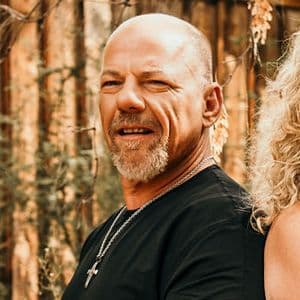
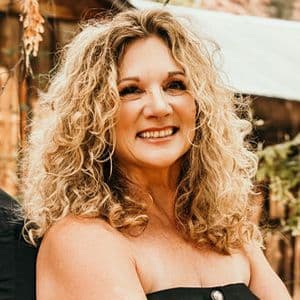
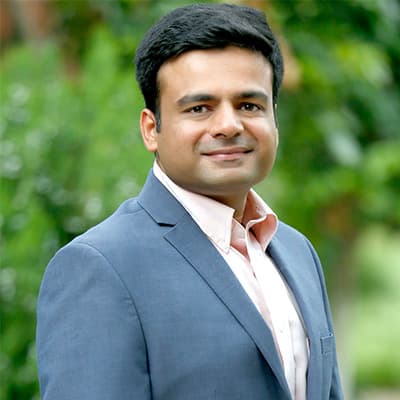
Full Transcript 0:00 Hashimoto's disease is the number one autoimmune condition worldwide. 0:05 This is a most common auto immune condition. 0:07 Now the reason it is undiagnosed is that most people do not even get complete testing for Hashimoto disease. 0:13 They go to their doctor. 0:15 The only blood test they get is at TSH. 0:17 That checks for hypothyroidism. 0:19 they don't go beyond that. 0:20 If they are hypathyroid, they go on a medication and that's it. 0:24 So that is reason a lot of people they do have Hashimos, but they dont even know about it Welcome to the Holistic Truth Podcast. 0:32 I'm Jamie Dorley, CEO of Nutritional Frontiers. 0:35 And I am Christine Genovese, creator of the Soul Intelligence Method. 0:39 We're here to help you break through chronic disease and dysfunction physically, mentally, emotionally and energetically. 0:45 With real proven strategies, protocols and tools you can use in your practice today. 0:51 Hello again, everyone, and welcome back to your favorite podcast for natural healing, where we address your health and wellness from a mind, 0:59 body and soul perspective. 1:01 This is the Holistic Truth. 1:03 Can you handle the truth? 1:05 I think I can. 1:06 I'm sure you can! 1:07 I am your host, Jamie Dorley. 1:09 CEO and founder of Nutritional Frontiers. 1:12 We're on a mission with my co-host, the one and only, our Chief Growth Officer, Christine Genovese. 1:18 What's our mission? 1:19 Our mission is definitely to make the world healthy on every level, mentally, emotionally, spiritually, energetically, any way we can, 1:26 and we're so excited to introduce a new guest to the Holistic Truth today. 1:32 I love it. 1:33 He's a pioneer in my eyes because anyone who's the medical doctor in the United States and takes the very courageous route across that bridge to the functional 1:45 medicine side really makes me excited and proud and thankful that we have doctors and physicians actually doing this. 1:53 He actually practices functional medicine right around the corner from Nutritional Frontiers in Pittsburgh. 1:59 He's in Cleveland, Ohio. 2:01 And they got to be really excited today. 2:02 They knocked off the old Cleveland Browns and the Ravens. 2:05 So we like that doc. 2:07 Yeah. 2:08 We're excited to have him on here. 2:10 Um, he has a very interesting perspective. 2:13 You know, when I was being trained by Dr. 2:15 Jeff Bland and Dr Weiner, They always said one of the most common things to focus on, regardless of symptoms, is thyroid dysfunction. 2:25 And I suffered through Hashimoto's for a few years, years ago, and was lucky that one my functional medicine doctors, Dr. 2:32 David Klein, was able to rectify that, not only fix it, but fairly quickly. 2:37 It was like just a couple of months. 2:40 Blown away, completely changed my life. 2:42 And, you know, the fact that he focused on here and what they used to call the goiter belt. 2:46 I don't know if they still do, kind of like that Cleveland, Pittsburgh, New York area up there. 2:53 So let's give a nice warm welcome to Dr. 2:55 Gupta. 2:55 How are we doing today? 2:57 Well, I'm doing really good. 2:58 Thank you so much for the introduction and having me on the show. 3:02 Well really appreciate it. 3:04 You know I am really serious and I say a pioneer. 3:07 because a lot of your colleagues either don't know about functional medicine, which is even worse, or have learned it or looked at it and say, 3:15 oh, it's not for me. 3:16 But I really know that the system has really been starting to be influenced more and more by functional medicines. 3:23 I'd like to just take a step back and how do you even get into medicine? 3:27 Is this like a parents were into it or just a passion of yours? 3:31 And then how did you get the ability and the focus to want to actually take the transition to functional medicine. 3:39 Can you tell us about that? 3:41 Absolutely. 3:42 So, well, regular medicine, I just, when I was very young, you know, saw my uncle who was working in a small town, making a very big impact in people's life, 3:53 working with them closely on their health, improving it. 3:56 That kind of motivated me. 3:58 My parents were not into medical fields. 4:00 They were businessmen. 4:02 But I wanted to help people out and treat chronic diseases. 4:06 And that's what my entrance into regular medicines was there. 4:10 Uh, but you know, like how you, once you enter your med school and you got the trainings and realize that majority of it is all about kind of medications 4:18 and how to kind do sick care. 4:21 And I was more interested in prevention and also treating chronic diseases. 4:25 So after completing my residency, actually, you don't like I working in rural Virginia in a small town. 4:31 Outside Richmond just couple of years into my own private practice, you know, I started noticing my health actually started worsening I said it gaining 4:38 a lot of weight even though I did not change anything in my diet or my lifestyle You know I was getting brain foggy at the end of the day to the point 4:46 that I could not concentrate much as well as I Was tired or fatigued a Lord to the point that I would take a nap during the lunch hour and then plus you 4:55 know I was having this horrible horrible stomach pain and the pain will just hit me randomly any point of time doesn't matter what I do or eat and things. 5:04 I thought it was acid reflux so I started taking medications for it but it wasn't getting better. 5:09 So slowly and slowly my health started deteriorating and I very young at that point only 32 years of age. 5:15 And I had no idea how to get it better. 5:18 I started seeing different kinds of specialists, did bunch of testing, endoscopies, ultrasounds, blood work, everything came back normal. 5:25 They added even more medications to fix my gut and fix stomach problems, but again, nothing was working. 5:32 Then somebody said, well, people like you who don't get answers, they go to functional medicine, so maybe you should look into it. 5:37 So I started researching functional medicine, got trained into it, and then started implementing those protocol on my own life. 5:44 Made a few changes to my lifestyle, started eating better, you know, starting working out. 5:49 And then some basic supplement protocol is what I've started on. 5:52 Within one month of doing that, my stomach pain went away completely. 5:56 and within six months, I was off all medications. 6:00 You know I lost more than 40 pounds during that time. 6:03 Wow. 6:04 Congratulations, doctor. 6:06 That's incredible. 6:08 And I was always a chubby kid, you know, like since I've was born, I'm like chubby kid everybody will love to kind of be around. 6:15 Grab your cheeks, right? 6:18 Exactly. 6:20 So I never lost weight in my life. 6:22 That was the first time I could keep the weight away. 6:26 So then I realized functional medicine is powerful. 6:29 Literally, it can do a lot for you just within a few months of making changes. 6:34 So, then, I got this opportunity to work at the Cleveland Clinic Functional Medicine Center. 6:37 Dr. 6:38 Mark Hyman started a research program over there to kind of look and help people out and do research into this model of care. 6:45 So over there, actually, I started kind of seeing patients which were very similar to mine. 6:50 You know, they all were tired. 6:51 They all had brain fog, had weight issues. 6:54 they were taking medications. 6:56 And one thing was common.They all have thyroid or Hashimoto's disease. 7:00 So that actually connected to me immediately that, okay, well, you know like they have very similarly issues and nobody could help them out. 7:07 you Know, They had no idea what to do next, what do to get their life better. 7:14 Can you just share a little bit, what is Hashimoto's in case we have some listeners who aren't familiar with what that disease is? 7:22 Absolutely, yeah. 7:23 So, Hashimoto's is basically an autoimmune disease of your thyroid gland. 7:27 What that means is that your body starts producing antibodies against your own thyroid glands and starts a very slow destruction. 7:35 And then after days to weeks to months, then it leads to what we call as hypothyroidism where your Thyroid gland is not able to produce enough thyroid 7:44 hormone to sustain your Body. 7:46 So that's the reason Hashimoto's is the first thing that starts in your body, which is an autoimmune disease. 7:51 And that leads to hypothyroidism or the low thyroid, Which most people get diagnosed from. 7:58 So what do you feel the most common cause of this? 8:01 I know that it's a lack of iodine in the diet. 8:04 It could be a toxicity. 8:06 What do find with your experience? 8:08 Cause I suffered from that too. 8:10 At one point my, you know, my body weight was going up and up, and I couldn't figure out what was. 8:16 And eventually one of my clients was like, I can help you if you want. 8:19 I was, like I'll do anything cause I'm eating, working out and my weight's just going up. 8:26 And he said I had an allergy to soy and he actually used nature's thyroid. 8:31 Then since then we've actually created our thyroid complete. 8:35 So for our hormone doctors like you, autoimmune thyroid completes a number one formula. 8:41 that we recommend and that they utilize for it. 8:44 So in your experience, what is some of the most common, and there could be anything, but what are some the common underlying causes of Hashimoto's? 8:54 Absolutely. 8:54 So again, a lot of people, when they go to the regular doctor and ask them this question, why did I get Hashimoto's disease? 9:00 And the answer they get is that we don't know, you know it just happens. 9:03 But in reality, if you look at research, the research gives us answer. 9:06 Autoimmune diseases interplay between your genes and the environment around us. 9:12 And most people, as soon as they hear this answer, they will say, oh, so it is in my genes. 9:16 And tell them, no, it's not genetic. 9:18 If it was the case, you know, a decade ago when there was no Hashimoto's disease, why suddenly we are seeing like, an epidemic literally of Hashimoto's? 9:27 So the reason is our environment. 9:29 There are five main root causes which play a role in Hashimaoto disease. 9:34 The number one over here is food sensitivities. 9:37 Like how you are mentioning that soy was the one thing that you were sensitive to. 9:41 So we are realizing more and more people are becoming sensitive with different foods like gluten, dairy, soy, corn, processed food. 9:49 A lot of these foods are developing which leads to damage to our gut which we call as leaky gut issues and that leakey gut starts the whole autoimmune 9:58 cascade in our body. 9:59 So food sensitivities is a very big reason at this point of time which is leading to Hashimoto's disease. 10:05 The second one is nutritional deficiencies. 10:07 This is where how you're mentioning iodine. 10:09 So now we're realizing there are other nutrients which are thyroid needs like selenium, zinc, vitamin D, you know iodide and again deficiency of these 10:19 vitamins and minerals again is the very main reason of Hashimoto's. 10:22 Now the big question is that why are we deficient? 10:24 People who are eating, you know, good food. 10:26 Well, the reason is that our food itself is actually low in these vitamins and minerals. 10:31 Because there was a study which was conducted which compared the nutritional amount of these Vitamins, from 1980s to 2010. And what we realized was that 10:41 the current food is much lower, specifically in this vitamins & minerals So lot of people, this nutrition deficiency is the second root cause. 10:49 The third root Cause is stress. 10:51 And the stress can be anything, physical, emotional, psychological, or even hormonal. 10:57 That is the reason that females are more prone to Hashimoto's disease because they have several hormonals changes. 11:03 One is obviously happening every month, but otherwise, you know, as soon as they deliver a child, we see postpartum Hashimotosis happening. 11:11 The second time is menopause. 11:12 As soon again they hit menopus, higher chance of Hashimatosis. 11:17 So, stress, you know, any kind of stress again triggers Hashimoto's disease. 11:21 The fourth over here is chronic infections, which can be infections in your gut, like bad bacteria, parasites in the gut. 11:29 We already know reactivation of Epstein-Barr virus can lead to Hashimottosis disease and plus post-COVID also we are seeing long COVID as a lot of people 11:39 are being diagnosed with Hashimaotosis. 11:41 So these are certain infections which have been linked to Hashimoto's disease on the regular basis. 11:46 And then last reason, which is the fifth reason is a toxicity. 11:49 The toxicities are obviously environmental toxins like plastics, BPAs, pesticides, glycosides, heavy metals like lead, mercury, 11:58 or the mold toxins that we are now associating with several autoimmune diseases also. 12:04 So, these were the five major root causes which most people will have leading to hashimoto. 12:12 Wow, that's amazing. 12:14 I didn't realize there were that many things leading into that. 12:19 You covered so much ground there. 12:22 So you said the majority of your practice is focused on Hashimoto's. 12:28 It's that pervasive. 12:30 That is correct. 12:31 So Hashimoto's disease is the number one autoimmune condition worldwide, not only in the United States, but worldwide. 12:38 This is a most common auto immune condition. 12:41 Now the reason it is undiagnosed is that most people do not even get complete testing for Hashimoto disease. 12:47 They go to their doctor. 12:48 The only blood test they get is TSH. 12:50 That checks for hypothyroidism. 12:52 they don't go beyond that. 12:54 If they are hypathyroid, they go on a medication and that's it. 12:58 So that's the reason a lot of people, they do have Hashimoto's, but they don't even know about it. 13:03 So, that is the number of Hashimoto's cases that are present around us now. 13:08 That literally every second thyroid patient, you know, which we are seeing, has Hashimatosis. 13:13 Yeah, it's interesting because when we're creating a thyroid complete, our number one formula for thyroid health, we have the selenium and tyrosine and zinc. 13:24 And then we also added the sensor rule, which is a trademark Ashwagandha. 13:29 So for the stress component, we're hitting on a lot of those things you talked about. 13:33 And we've also add fat, PHAT, pituitary, hypothalamus, adrenal, and thyroid support. 13:41 You're addressing all those components. 13:43 I think sometimes in medicine or even sometimes nutraceuticals, You know, people focus on the one ingredient as the cure all nutritional frontiers. 13:53 We're known for more comprehensive formulations. 13:56 And our number one formula is what? 13:58 Our number 1 GI complete. 14:01 So addressing exactly what you're talking about, Doc, you know, I love the way you put it, we think of infections, but we don't usually think the candida 14:10 and the parasite and bacteria as infections. 14:13 But the gut is probably the most prone to. 14:16 And that's why a lot of your colleagues utilize our GI complete. 14:20 which we put together eight different ingredients to make that a very comprehensive formula in a powder with no artificial anything. 14:28 And I love your approach to addressing autoimmune from the gut perspective. 14:34 That's where we've seen the best results personally and professionally. 14:39 So when your patients are coming in, can you explain a little bit or let people know a bit about what is the process? 14:47 Because I know medicine has changed so much. 14:49 In the old days, you'd go to a doctor and You know, you go there live and they would do the basic blood work. 14:56 But I like how you do comprehensive testing. 14:58 My doctor is a functional medicine doc, and I believe there's 12 thyroid panels that she tests. 15:04 And she takes 24 vials of blood to the point that the woman at Quest always gets mad because she's got to do extra work, 15:12 right? 15:13 So can you tell us a little bit about the experience a patient would expect to have with you? 15:19 And what does that look like? 15:20 They call, they schedule online. 15:22 And then what is that I look all the way through your program? 15:26 Yeah, so we are completely virtual practice now. 15:28 So, you know, we're not seeing in-person patients anymore. 15:32 People can just go on our website, which is AnshulGuptaMD.com. 15:35 There is like, people can sign up for a free valuation call to kind of understand where they are. 15:41 We also kind can tell them a little bit more about like how we offer things. 15:46 But then we do a very detailed intake call after that. 15:50 Before that we send them certain forms that tells us the underlying dysfunctions a person is going through. 15:56 As well as we ask them for the complete list of medications, supplements and as well a food list. 16:01 So I am obviously in whatever blood work they have done before seeing us. 16:05 So that I analyze those things in that first call I go in the details about what is going on with their body based on my assessment of all of those thing. 16:13 And then we decide what further testing would be necessary. 16:16 Now this is where our practice differs a little bit different from other functional medicine practice. 16:20 Some functional medical practice will order all the blood work. 16:24 or all the testing on this earth, which can be a little bit expensive for certain people. 16:28 So what I do is that I tailor down those testing based on the person's need or what we are going to see over there. 16:35 If that is a gut test, we have that advanced gut analysis, advanced toxin analysis nutritional analysis hormonal panels as well as chronic infections panels. 16:46 So those testing are done, but even before the testing results are out, from the first visit itself, we lay the foundation of starting their healing journey. 16:56 Because the way it works is that, let's say if you're making a 10-story building, you don't start on the 10th floor. 17:01 You start in the basement. 17:05 Exactly. 17:06 So that's what we do, foundational lifestyle changes. 17:08 What is the best diet for those people, what is a best workout regimen for them, how to work on your stress levels and things. 17:14 And some basic supplements are started over there. 17:16 Then obviously, the more advanced testing is done. 17:19 After that, once the testing results come back, we go over them with them. 17:23 Based on that advanced protocol in a step-wise fashion is created for that. 17:28 Let's say if you find something going on with the gut like SIBO or CFO or a parasite, we take care of those first, you know, 17:34 fix a leaky gut. 17:36 Then we go after replenishing the nutrients for those people and then obviously removing the toxicities, like whatever toxins we find for these people. 17:45 Now this is what I found out in my practice and that's the reason we get good results is that people are always looking for just one root cause. 17:51 When Hashimoto's disease, it is generally between two to three root causes which is leading to a problem with those people. 17:59 And that is the reasons we have to look for all the causes and work on all of them. 18:02 Then only a person gets better. 18:04 Wow. 18:05 Well, Dr. 18:05 Gupta, that sounds really thorough. 18:07 And I know you are so passionate about Hashimoto's. 18:11 You actually wrote a book about it. 18:14 Can you tell us a little bit about your book and maybe what a mitothyroid connection is and why that's so critical in diagnosing Hashimoto's? 18:25 Absolutely. 18:25 So the book is called Reversing Hashimoto's. 18:28 That's a simple name I kind of wanted to give it to it. 18:30 And it's about the three-step process, you know, which I developed, to help people with Hashimoto's disease. 18:36 Literally, they can reverse it, like how you were able to do it so similar process is what we follow. 18:42 The process very simple. 18:43 You know the first step is figuring out what are your root causes. 18:46 So in the book, certain people obviously can do advanced testing, but as I said, even before the advanced test, which advanced tests to get, 18:54 right? 18:55 This is where we have given certain questions, set of questions for each and every root cause, and people can answer those questions and that gives them 19:02 a scoring system to tell them whether that particular root causes might be an issue and they should look further into that or not. 19:09 So that's the very first step. 19:10 Then the second step, you know, is obviously start fixing the thyroid, by following a particular diet and certain supplements and things. 19:18 And this is where we talk about mitothyroid connection. 19:21 Now, what is this? 19:22 So this all about connection between your thyroid and your mitochondria. 19:28 I was wondering if that's what it was. 19:32 It is, yes. 19:32 You know, and you obviously know a lot about mitochondria, but some people might not know. 19:36 They might have heard in their biology book and it gave their mind grade that, okay, well, that is a powerhouse of your cell. 19:43 What people don't realize, mitochondrial is the center stage now these days of inflammation, autoimmunity, anti-aging, literally everything. 19:51 And there is connection that exists between thyroid and mitochondrion. 19:54 where basically thyroid is your gas pedal and mitochondria is the engine. 19:59 So let's say you're pushing your pedal but the problem is in your engine, doesn't matter how much you push your throttle, 20:07 the car is still not going to run. 20:08 This is very important that all the symptoms of Hashimoto's or low thyroid are actually mitochondrial symptoms. 20:16 Like instance, the most common symptom is fatigue or tiredness. 20:19 Well, mitochondria is a powerhouse. 20:21 It produces energy. 20:22 So obviously, if your mitochondrion is not working, you are going to feel tired. 20:26 The second is weight gain. 20:27 Now mitochondrial burns energy in your body. 20:30 You know, that is, you know thermogenic. 20:31 So again, if mitochondria is not functioning, your body's basic metabolic rate decreases. 20:36 Highest concentration of mitochondrion is your brain. 20:39 Brain fog is a very major symptom of thyroid. 20:41 And again because the mitochondry has not functioned. 20:45 Another common symptom is cold. 20:47 People will just feel cold intolerances. 20:49 Again, mitochondrial produces heat in our body. 20:52 So, mitochondrial dysfunction will lead it. 20:54 So that's the reason just fixing the thyroid is not going to do it, we have to fix the mitochondria also in Hashimoto's so that, 21:02 you know, person can get better. 21:03 That's a second step of working on a diet which supports the mitothyroid connection as well as supplements, natural ways to support this connection. 21:12 And the third step is then about removing the toxicities which is causing the damage so that the long-term benefit of people can get it. 21:19 Which is removing their regular toxins plus also removing stress toxicites. 21:24 So that's the three-step process I talk in the book about kind of walk people through a very like, you know, a practical approach they can start implementing today. 21:33 And plus it is research-based. 21:34 So I quote more than 160 research studies of what I'm talking about is backed by science, not just one day I thought about it and kind of, 21:43 put it out there. 21:44 Well, it's really interesting. 21:46 You know, I really believe that, you know the divine God gives us the patience that we're supposed to help and heal. 21:52 And obviously you starting, figuring out you had Hashimoto's has really led to your passion and your career. 22:01 You talked a little bit about the toxins. 22:06 Mold, I understand, is also a really big toxin. 22:09 Especially in Florida. 22:10 Yeah, and was just curious how that plays into Hashimoto's and then whether or not you're using peptides to help with the disease. 22:21 Absolutely. 22:21 First of all, mold, yes. 22:23 We are seeing more and more mold being diagnosed in people. 22:28 Interestingly, we already knew about mold toxins causing damage from livestock study. 22:35 Years ago, livestock animals were studied and they found that the grains that were fed to them because they were not stored properly can grow mold. 22:44 and that will cause a lot of, you know, autoimmune and inflammatory conditions in them. 22:47 But nobody thought, well, if it was able to harm the animals, it can actually harm us also. 22:53 So that's where, again, a couple of doctors, like around 15-20 years ago, started looking for mold toxins in human beings and we realized now we have so 23:03 many mold-toxins which have been associated with auto-immune conditions, specifically hormonal conditions. 23:10 They can actually cause Hashimoto's disease as well as can interfere with conversion of your T4 to T3 which is inactive to the active thyroid hormone. 23:19 And the way it does is that basically it hijacks your immune system and leads to something called SERS which CIRS, Chronic Inflammatory Response Syndrome. 23:27 This is a chronic inflammatory condition that mold causes and that chronic underlying inflammation starts damaging your gut, 23:35 cause leaky gut as well as leads to immune tolerance. 23:38 So what happens is that your body's immune system turns against your own body and this is what we call as autoimmunity. 23:46 The good part is that now we have testing available, you know, like to check for mold toxins. 23:50 Just a presence of mold in our environment doesn't guarantee that the mold is actually living in your body. 23:57 So now, we are testing it available which can actually check the mycotoxins in the body so we can know if a person has it or not. 24:03 And if the person does have it, then we make protocols to remove the more toxins from there. 24:09 So that was about the whole mold question and then obviously about peptides. 24:13 So yes, you know, I've been using peptide in my practice for more than seven or eight years now. 24:18 It's a very long time. 24:20 Obviously now along with the peptidies, we have bioregulators, which are very, very even more precise and more specific. 24:26 And we a thyroid bi-regulator which can actually help with thyroid functioning with Hashimoto's reducing antibodies as well as supporting the thyroid health. 24:34 And then obviously, the peptides are obviously a generalized word, right? 24:38 For most people don't know, peptide are basically natural compounds which your body makes, which are small chain amino acids. 24:45 People might have heard of proteins. 24:47 Proteins are long chain amino acids and peptids are a small-chain amino acid. 24:52 The most common peptid or the first peptde we are using for a long time is insulin. 24:57 So you're already using insulin as a medication for a long time, which is a peptide. 25:01 But suddenly, obviously, now we have more than 100 peptides that we are aware of that have different roles to play in our body. 25:08 So we use them in specific reasons and specific conditions for our patients. 25:13 Wow. 25:13 I had no idea that insulin was a pep-tide! 25:16 You just totally blew my mind with that alone! 25:19 What are some of the other supporting peptids that you might use in connection with Hashimoto's? 25:25 So first of all is the gut healing peptides. 25:27 You know over here BPC 157 and KPV are really good. 25:31 They both help in inflammation as well as healing our leaky gut. 25:36 Then we have peptide, we use sometimes thymus in beta now. 25:40 Priyase used to use thymosin alpha also but now you know it was taken away from the FDA a couple of years ago. 25:47 So we don't have it now, but thymus and beta is the one which helps in healing process. 25:51 You know, specifically for Hashimoto's patients who have a lot of chronic inflammation, chronic pain or have too much infections going on in their system. 26:01 Thymos and Beta can be very, very useful in those people. 26:04 Now the hair loss or hair thinning is a major issue with again lot of thyroid and Hashimoto's patients. 26:10 So GHKCU is the great peptide which is copper containing peptides. 26:14 And I have shown some good results with hair-thinning or issues with that. 26:20 Then we have couple of other peptides called CMAX or C-LANC. 26:23 Those are nootropic peptide which basically helps with anxiety, depression or can help with mental clarity. 26:29 So those are the other peptides that we use certain times when Hashimoto's clients have too much brain fog or issues with the anxiety and depression. 26:39 Yeah, our peptide synergy is a combination of the KPV, the BPC, and then we also add in PEA, which isn't technically a peptid, 26:50 it's more of a fatty acid, but it works good with those other two peptides together. 26:55 So you've got the immune support, you have the healing, especially of gut, with the PPC. 27:02 And the PEAs and anti-inflammatory that works on a different pathway than EPA, DHA, or even SPMs do. 27:11 So I'm glad you're utilizing the same things that's been very common that we're seeing. 27:16 And our clients really like that. 27:17 We have an option now with a capsule, you know, because sometimes the patients are on too many different injectables or some people travel a lot. 27:25 You have some other options there for them. 27:27 I heard you mentioned the mycotoxins, the molds. 27:31 The IgG, the immunoline that we utilize with the GI complete, that's actually in teragram, five grams or more. 27:40 It's a prescription medication. 27:42 And it does an incredible job of binding, neutralizing, and removing some of these foreign invaders. 27:50 And the newest research has been on mycotoxins, which is so exciting. 27:55 They did research on Candida, C. 27:57 diff, H. 27:58 pylori. 27:59 Some of the most toughest foreign invaded are getting better deep in this GI tissue. 28:05 Now we have another solution in addition to not only the peptides, the supplements, and medications, because I'm sure that when you first got into medicine, 28:15 that patients weren't nearly as complex as they are these days. 28:19 And I think it's a strong testament to the toxicity issues that people are dealing with, especially what they perceive as food. 28:28 So what are some of the foundation dietary recommendations you give the patients and what is some things that they're eating that, 28:37 they think are healthy. 28:39 Yeah, so first of all, obviously, like laying the foundation of a healthy diet is very important. 28:44 What that means is that stay away from processed food, you know, fried food. 28:47 Stay away form trans fats, those are the things people need to stay way from. 28:52 Plus, a lot of sugary foods and sugaring drinks. 28:55 Not only with food we add so much sugar through a load of drinks that we do on a regular basis that affects them negatively. 29:02 And then if a person can go to the next stage of maybe giving up gluten, dairy and soy for a certain amount of time, that will be really useful specifically 29:13 for healing their gut and also their immune system. 29:15 And after that limiting their caffeine and alcohol intake is also very important so that again their body can function good. 29:22 And then eating real foods, you know, is very important over here. 29:26 So what that means is that, again, eating a lot of variety of healthy, non-starchy, colorful vegetables. 29:33 What people don't realize is, that each and every color in a vegetable or a food we are eating is a different antioxidant, 29:40 different vitamin or mineral. 29:42 Literally, like you are you eating multivitamin if you're eating like eight or nine colorful foods on a daily basis. 29:49 Why not get all those things from your food if can? 29:52 So make sure, you know, eating a lot of colorful, vegetables, specifically non-starchy ones, adding good quality protein. 29:59 Whether you are eating animal products, whether you're eating, if you vegan or vegetarian, doesn't matter what kind, but make you sure you eating all the good, 30:07 quality proteins so you can get all amino acids, so that you build your thyroid hormone as well as support your enzymatic processes. 30:14 And then comes the Good fats. 30:16 Very important to include good fats. 30:18 Again, we have been told that low-fat diet is really good, but obviously all the research studies have told us against it. 30:24 What we forgot to tell people was that there is good fat and there's bad fat. 30:28 The only fat you need to stay away from is the bad one. 30:31 You need good fatt. 30:32 All of your cell linings are made from good fatty. 30:34 Your brain is literally fat, so if you do not have good in your diet, obviously your immune system doesn't work very well. 30:43 So good fats like olive oil, like coconut oil if you want to include some nuts and seeds like almonds, walnuts, chia, flax, 30:50 or avocados in your diet or avocado oil. 30:53 Make sure you do include good facts in you diet. 30:55 Very, very important over here. 30:57 Now some specific things, specific nutrients like selenium. 31:00 Typical foods do not have selinium, this is where if eat Brazil nuts, one or two Brazil nut a day will give you good amount of selanium so that your thyroid 31:09 can function better. 31:10 Second is zinc. 31:12 Zinc is a little bit more easily available, but you have to make an effort of eating mainly animal-containing foods, though, 31:19 for zinc, which will be, again, your meats, a lot of seafood will have zinc into it. 31:25 If you're a vegan or vegetarian, you can get some from seeds and nuts, like pumpkin seeds, and things. 31:30 You can some zinc over there. 31:32 Those are the other foods to include on a regular basis. 31:35 So that's the basis of a healthy diet for a lot of people as you're talking about, you know, food myths. 31:42 So the first myth is obviously iodine. 31:46 Some people want too much iodine and some people don't want iodines in their diet. 31:50 Well, the research is very clear. 31:52 Your thyroid does need iodides. 31:54 But if you do too many, that will be harmful for your thyroid because that causes Hashimoto's disease. 31:59 If you have very little bit of iodide, it will also cause Hashimotosis. 32:03 So first of all, make sure that there are some foods of your diet, whether you eat seafood or sea vegetables, which are very important. 32:11 If you don't eat those, then unfortunately iodized salt is the only way that you are left with to replace it. 32:18 Or obviously taking a supplement of iodine is what you're looking at. 32:22 So that's the most controversial food about iodines. 32:25 I want to clear that myth out, some people eat very less and some eat too much of Iodine. 32:32 And then comes those goitrogenic foods, which are like cauliflower, cabbages, you know, broccolis and things. 32:38 Again, a lot of people think that these goituagenic vegetables are not good for people. 32:45 But that was a very old study. 32:46 Now, the recent research study says that all of these foods are very high in sulforaphane, are really good, for body's health and thyroid condition. 32:57 So I like people to include those also on the regular basis. 33:01 Sometimes doctors can get too technical or assume people know, but you bring a lot of clarity and you're speaking our language. 33:08 I got chills because I love the fact how you explain all the different foods you need to eat. 33:14 And one of my doctors did this exercise with his patients. 33:16 You'd have him write down all of the foods they eat and it's usually only about 20. I'm even thinking for myself when you talk about the phytonutrients, 33:24 you know, I eat spinach and mushrooms and broccoli a lot. 33:28 I got to get some more colors and some variety because each of those, we don't even know what some of these are, provide these phytonutrions. 33:35 And he said, You know why? 33:36 He says he's from Asia. 33:38 He said there's over 400 foods you can choose from. 33:42 She says, and you're eating 20. I was like, oh, okay, it makes sense. 33:46 And in fact, even with our multivitamins at Nutritional Frontiers, our men's complete, or our women's compete, in our Frontier Multi, 33:53 all have a serving of fruits and veggies in them, just to give you an extra amount that you need and give some variety because people tend to eat the same 34:02 things if they're any vegetables at all. 34:04 And then we have a full line of powders called the Pro Color Series, where you have your green powder, your reds, you oranges, 34:11 and your purples for exactly the point you had mentioned so that people get a wide variety and a very thorough amount of all the phytonutrients that they need. 34:22 Yeah, Dr. 34:23 Gupta, you've shared so much with us today. 34:25 You are certainly, um, You have to be the, one of the world's leading experts in Hashimoto's and we are so pleased to have had you on the Holistic Truth. 34:35 I am absolutely confident that people have heard something today, and learned something that other people need to hear. 34:41 They better have, I've been doing this 35 years and I learned a lot. 34:45 And you reconfirm what my co-founder, Doctor Weiner said, that He said the most common causes are under thyroid, parasites, 34:55 and candida, which you term as these mycotoxins or these infections in the GI tract. 35:02 So everything I've been trained on all these years, but you connected a lot of dots even for me. 35:07 So I am going to highly encourage everyone to like, comment and share this episode with someone they know needs to hear it. 35:14 I learned so much. 35:15 Insulin is a peptide. 35:19 Dr. 35:21 Gupta, where can people find you? 35:23 Because I'm sure they're going want to work with you. 35:26 Absolutely. 35:27 So the best way is that, you know, our website, which is AnshulGuptaMD.com. 35:32 We have a great blog over there, so people who want to read things, again, research-based information is over their. 35:39 People who are more visual than I have, a good YouTube channel. 35:42 Again, the name is ANSHULGUPTAMD, where again I share very practical tips of what people can start doing today itself to improve their thyroid or Hashimoto's. 35:51 Those are the two places that people that can find more information. 35:54 And where can they buy your book? 35:56 And Amazon. 35:57 So Amazon is the best place where people can buy the book. 36:00 Again, it is in the Kindle form as well as you can get the physical book, read to it. 36:05 It's a very easy read. 36:06 The goal of the books was not to write a thesis where a lot of jargon is thrown, but a simple language book which a person can understand and practical 36:17 things we can start doing tomorrow. 36:19 Good. 36:19 That's what people need, right? 36:20 They need something they can understand and start to use right away. 36:23 So thanks, Christine. 36:25 Thanks, Doc. 36:26 This was fantastic and even more important, I look forward to working together down the road and growing together as we continue making the world healthy. 36:41 If this episode spoke to you, please follow the show and share it with someone ready to take charge of their wellbeing. 36:47 And if you can, leave us a review. 36:49 It helps others find our podcast. 36:51 For more tools and practitioner's support, visit NutritionalFrontiers.com.
Comments