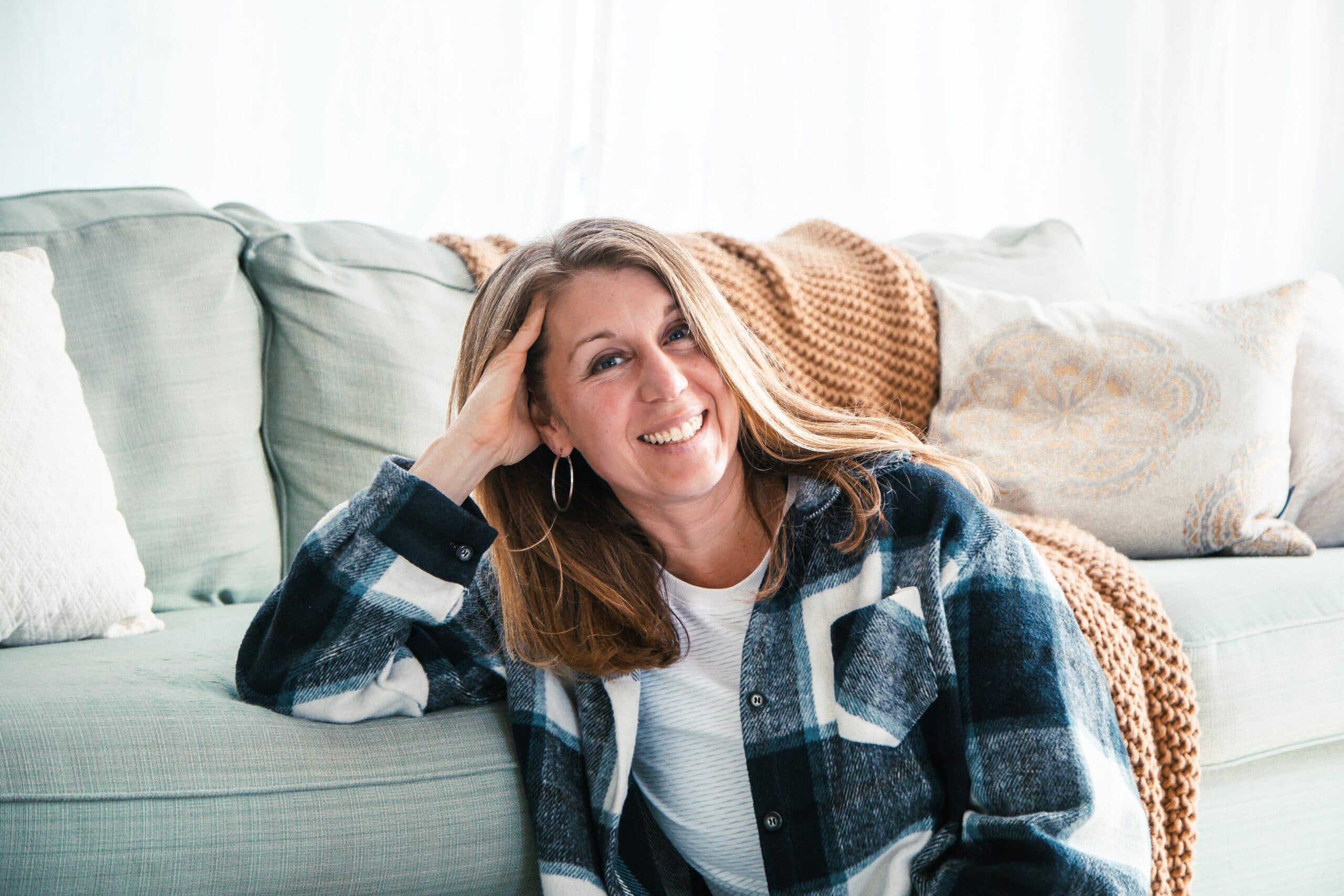
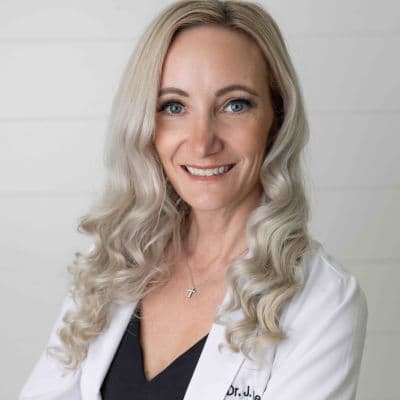
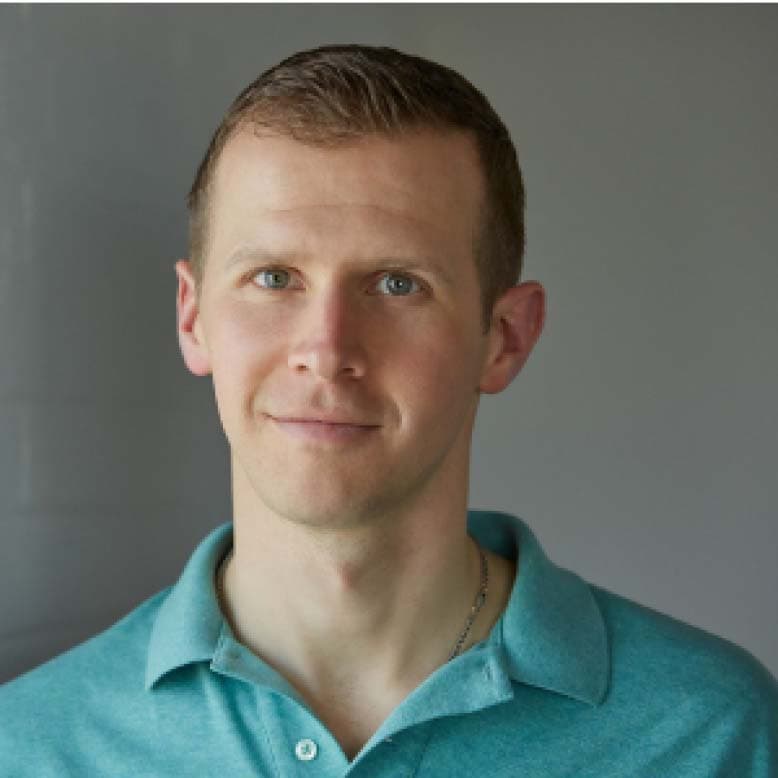
Full Transcript 0:00 said thank you for the diagnosis we're going to go get a second opinion and um yeah and then there was like you know they didn't stop us but there wasn't 0:09 just a train of doctors and nurses and social workers all coming in to give us their their pitch on why we should stay and and all this stuff yeah we did 0:20 not and we left so We didn't know if there was going to be a cop waiting for us downstairs or what, but yeah, we did leave. 0:26 There was no cop, and we went home. 0:29 And for the next day and a half, that's when we just got really serious about calling her. 0:35 Welcome to Take Back My Brain with Lori Hammer, where real healing starts in the brain. 0:42 I'm Lori, a functional nutritionist and mom who's walked the path from anxiety and burnout to clarity and calm. 0:51 Each week, we're going to dive into brain-based tools like amino acid therapy, gut health, fasting and faith to help you reclaim your energy, 1:00 emotions and sense of self. 1:08 Do you know someone that is suffering with cancer or who has had cancer and once more than the conventional system? 1:18 Well, then stay tuned today. 1:19 Today we have the creator of the Stern Method, Ryan Sternegel. 1:25 And I am Dr. 1:27 Jen and I'm here with host. 1:31 I've Laurie Hammer from the Take Back My Brain podcast. 1:35 And we're at a conference and we are sitting down to have a discussion because we met Brian, who's such an interesting person. 1:42 And, we were so excited to share the Stern method and natural ways to help you and your family. 1:50 So, tell us a little bit about how this started because you had something happen to your. 1:54 Family and you shared your experience and it kind of just went crazy. 2:01 It's been a while, Brian. 2:02 Yeah. 2:05 We, my wife and I were, it's funny, I was actually just telling somebody here at the conference that we were both kind of the nothing ever happens to me 2:15 type person. 2:15 Our first 28 years of life, when this was all happening. 2:21 And yeah, we had our first son and we we're doing what we thought was, actually not what thought, but a lot of that Mike stuff, 2:28 getting rid of chemicals in the house and eating organic. 2:34 getting an EMS from, you know, the wifi and all the things, right? 2:39 We were actually pretty, pretty into health stuff even before he was conceived, never vaccinated, anything like that. 2:46 But yeah, so we had our self rider. 2:50 He was our first son, good first year of life doing typical baby stuff. 2:58 Then about a month before his first birthday, my wife was breastfeeding him. 3:05 Yeah. 3:05 She, she felt just on his back, just right. 3:08 And there was a, there's a lot sticking out of his mouth and that was obviously very concerning. 3:14 What's this, what's the sloth doing in our little baby's back? 3:19 And then, you know, we had, so we, set an appointment with the pediatrician and in the meantime, while we were waiting for the appointment, 3:28 So much stuff started like, I guess adding up to different things that people told us were not a big deal. 3:38 He had fallen off the growth chart, so he was bored in the 90-something percentile for both height and weight, and I think he down in 20s at that point. 3:49 and he wasn't crawling at 11 months old. 3:53 He could barely, you know, he could kind of roll himself over. 3:56 he was not able to handle solid food at the time, which maybe, maybe not. 4:03 And what else? 4:04 And then as of the past, a couple of few weeks, she'd also been really constipated. 4:08 and that was like a new thing too, because he'd been, radioed over the rest of his life and then just stopped pooping. 4:17 So yeah, all that stuff together. 4:18 And then when I'm sticking out of his bag and like, Oh, there's something's going on. 4:24 What was your first step after she found that mom? 4:29 Yeah. 4:29 So, I mean, the first, first up was just set an appointment with his, with this pediatrician. 4:34 Yeah, it was, was also our midwife and she was actually, you know, uh, The naturopath. 4:40 Like I said, already in a lot of the stuff, but for whatever reason, you know, her and her team weren't really conserved with the law. 4:49 Yeah. 4:50 had a, we walked out of there with a prescription for speech therapy to teach him how to eat and occupational therapy, to teaching him had to crawl and 4:59 to know, you know it's like, just I'm not, I, not sure what the lump is, but I was sure it was fine sort of thing. 5:05 No ultrasound or anything. 5:09 Yeah. 5:09 So it is interesting because so at this point of the journey, You had it kind of push for what is going on because it, it kinda like oh yeah, 5:17 that's no big deal. 5:19 So then what did you do? 5:20 Oh, that's yeah. 5:22 Yeah, we went to the hospital that way. 5:24 OK, straight from the wave. 5:27 Oh I did just as soon as we get it. 5:29 Wow. 5:29 You know what, what what the exact timing delay was, but. 5:34 Yeah, that's funny. 5:35 You know, we now on the integrated international side will make fun of the conventional guides for, you know not taking things seriously, 5:43 but it can exist in the natural side as well. 5:46 Yeah. 5:49 There's good doctors and bad doctors, good plumbers, bad plumber all the way around. 5:54 But yeah, no. 5:55 So we went to the hospital and We thought it was a doctor that we were meeting with at first, and then it turned out to be a physician's assistant. 6:04 The physician assistant took an x-ray and all he saw was that Ryder was constipated. 6:10 Then I think we walked out of that with prescriptions from an accident and we kept racking up all these interesting prescriptions that did not, 6:18 you know, uh, and he told us to come back in six weeks if the lung was still there. 6:23 And that was his. 6:24 Yeah. 6:26 So this doctor said the position assistant said it was a long list from constipation. 6:34 No, the constipation was showing up on the x-ray. 6:39 The lump was not showing on x ray. 6:43 You didn't know what it was. 6:44 I think it's like a fat tumor or something. 6:48 Okay, so that one. 6:51 So no ultrasound? 6:52 No. 6:53 Yeah, just an accident. 6:56 Like, yeah, I'm remembering it now. 6:58 Yeah cuz like i said he wasn't was it crawling in the guy you know he he was he tested my sense reflexes on his feet right and. 7:08 He would like to go one for the good friends and my son you instantly move his leg or whatever and we sat there tickling his other foot like you don't 7:18 two minutes. 7:19 And then my son finally moved and it's like, Oh, okay. 7:22 All right. 7:23 I think he's good. 7:24 It was wild. 7:25 Yeah. 7:26 Those are some red flags. 7:28 That'd be like admission right now. 7:31 We're in the ER for like two decades. 7:34 So, wow. 7:35 But parents, one thing I've noticed working in ER, if parents are like something is wrong and if they say that, they're like this is raw and we don't find 7:46 something sometimes i'll just admit them to the hospital and the pediatricians will be like well why i'm like because their parents said something wrong 7:53 and they are with this child all the time so wow okay yeah when so uh yeah i think that was Friday, you were back on Monday, 8:05 just asking to talk to somebody else. 8:08 This is crazy. 8:09 And I mean, yeah, we got an actual doctor this time and then her like, nurse type person as well. 8:19 And they tried to do the same thing. 8:21 I think it was the nurse that was saying, well, I spend time in the oncology ward and those kids look like they have cancer. 8:29 Your son does a thing, so I over the weekend, my wife, yeah. 8:35 getting the timing right. 8:36 My wife had like kind of the doctor googled, diagnosed her with neuroglastoma, you know. 8:42 On her own. 8:45 I mean, nothing is like a mama with a sick kid. 8:47 Yeah. 8:47 They can do anything. 8:49 But yeah, so the nurse said, no, your son doesn't look like he has cancer. 8:55 And, you know, we just, at that point, let's kind of put our foot down and set books just. 9:01 Test them. 9:02 Give us an ultrasound, if you're so sure. 9:04 Like, it's really not a big deal. 9:07 Oh, yeah. 9:07 Yeah, so we did get the ultrasound finally and it went way longer than it was supposed to go. 9:15 And you can just kind tell the guy was seeing something that was needing more examination. 9:21 And yeah, sure enough that you'll show the ultrasound showed masses and then that, you know, that led to an MRI being scheduled. 9:29 And, uh, and same thing, the MRI was a couple of days later. 9:32 In meantime, even just waiting for that couple days for the, MRI, I was called around to, every, alternative to cancer kind of thing that I could, 9:42 or just cancer, just calling her and starting to research everything we could. 9:46 I was ordering supplements, preparing for the worst, hoping for best, all that stuff. 9:52 Yeah. 9:52 And then MRI came, same thing. 9:55 I think that was scheduled for 45 minutes. 9:57 It lasted an hour and a half, even closer to two hours. 10:00 Yeah, at some point the doctor and nurse both came back to the room and they both had tears in their eyes. 10:07 They said the lump you felt in your son's back was just the tip of the eye squirt. 10:12 That was there. 10:14 medical terminology. 10:16 And yeah, so it was, it's stage four neuroblastoma. 10:19 It was his tumor was completely engulfing his spine. 10:23 Like you could, he was inside and growing out of it. 10:27 He was just, you know, You couldn't see the spine on the MRI. 10:31 Just completely, yeah. 10:33 Engulfed with the whole thing. 10:33 Yeah. 10:35 Secondary tumors, the secondary is where we gastricized and his hip bones. 10:40 Wow. 10:40 That's, That was all, then that happened 11 days before it's first birthday. 10:46 Yeah. 10:47 Wow. 10:48 So obviously devastating. 10:51 You were, you were more natural and you're already researching alternative approaches, how to best navigate this. 10:59 What happened when you went to see oncology? 11:02 So that was obviously the next step. 11:04 And that is where you really, your story began. 11:11 Yeah. 11:12 And, you know, like, I said, we were, it's funny. 11:15 Like even when, before any of this happened, my wife and I were just getting into natural health stuff in general, but we even just went on a like alternative 11:26 cancer documentary spree just because it was interesting to us. 11:29 Right. 11:30 I was like oh, okay. 11:33 big guy getting this ready whatever right but yeah so I mean we like it you know we'd be to start a call around to well okay no so yeah when so when we 11:45 yeah we got the diagnosis or no it wasn't the diagnoses but when I'm they wanted to put in an amulet we're in this this hospital over here the main children's 11:58 oncology hospitals 20 minutes away. 12:00 They want to post an ambulance that 20 minute drive to the hospital so. 12:06 I guess we could do the chemo that much faster, you know? 12:10 Yeah, and so I wanted to start right away. 12:12 Yeah. 12:12 It was like the same doctors that were telling us to come back in six weeks are now saying that you need to be in chemos yesterday and all this stuff. 12:21 What did you say to the docs when they gave you that diagnosis? 12:24 You were like, I've already told you this was happening? 12:27 How did your wife react? 12:31 I don't think we spent much time trying to do that rather than just because we you know we're focused on what what the hell are we going to do now sort 12:39 of thing right but yeah yeah i think the ambulance ride that's interesting because sometimes when something is so urgent we do, 12:47 that because, sometimes you'll send private ambulance like you, will have the parents sign off they're like we are going, 12:53 to private you private vehicles, but private ambulance to the hospital, and then they'll never show up at the hospitals. 12:59 So if I have like a really sick kid, sometimes I'm like, I am sorry, they have to go on ambulance, you can go with them. 13:05 To play advocate here with all of it. 13:09 I mean, that's the reason. 13:11 And the medical field, at first you didn't see you saw a midwife and a physician assistant, then you've saw the doctor. 13:18 for like data diagnosis. 13:19 So I just have to give my doctors some love out there. 13:22 But it's hard to navigate all of this because when there's a kid involved, sometimes doctors, they don't have a good gestalt with it, 13:31 right? 13:32 So they just like treat all parents like they're gonna take that stuff. 13:36 And I'm like, you know, those are like yes, so you trained in a inner city ER and you've seen bad stuff, but like come on, 13:43 like we're seeing a lot. 13:45 In the news, the stuff happening, Parents are getting taken away from their kids and they're good parents. 13:52 So this is a very crazy situation with medical freedom. 13:56 So did you go in the ambulance or did your guys just strike? 13:59 We declined in there. 14:01 So that was probably your first strike. 14:03 Yeah, that's funny. 14:05 Nobody has mentioned that to me until just now. 14:09 I bet you were on. 14:11 You were already on a ringer. 14:14 Okay. 14:14 Well yeah, so then we got to the other hospital. 14:17 We drove there over to court. 14:21 Yeah, and then we had, you know, it was like a teaching hospital, right? 14:24 So there was, like, eight different teams of residents and stuff coming in and asking us the same questions over and over again, 14:30 all that other stuff. 14:32 Yeah. 14:32 And so we, I don't know. 14:34 We got, we got a biopsy, Right. 14:36 and we did get a line laced because, well, one, when we work like dogmatic, there's no way we're going to do chemo and all of that. 14:48 But we were going to keep our options open and in our minds, you know, we wanted to go with you. 14:53 I divided at sea and stuff like that anyway, right? 14:56 So let's just get the line placed. 14:58 And at that point, after that, all those things were done. 15:01 We said, thank you for the diagnosis. 15:03 we're going. 15:04 To go get a second opinion. 15:06 Yeah. 15:06 and then there was like, they didn't stop us, but there just a train of doctors and nurses and social workers all coming in to give us their pitch on why 15:19 we should stay and all this stuff, right? 15:23 Yeah, we did not and we left and I, you know, I already knew, We already know what the system was like, right? 15:30 So we didn't know if there was going to be a cop waiting for us downstairs or what, but yeah, when we, did leave, there wasn't a cops and then we went home. 15:40 And for the next like day and a half, that's when, yeah we just got really serious about calling. 15:47 other hosts we were calling, you know, integrated cancer clinics, we're calling cancer coaches, just, everything you could like kind of wrap your minds 15:56 around the biggest picture that we possibly could. 15:58 Hey friend, just a quick break to remind you if calming your brain is the missing piece in your practice or in you home, 16:05 my Mind Thrive certification course teaches you exactly how to do that with targeted amino acid therapy. 16:11 So it's real science, real results, no band-aids. 16:14 Enrollment is now open. 16:16 Link is in the show notes. 16:18 Back to the Show. 16:20 Yeah. 16:20 And to be clear, you've never refused treatment. 16:23 You actually were fined, and you just asked for a second opinion, which sometimes that can hurt people's, like, but no, we get second opinions all the 16:34 time for, if you're going to do a remodel of your house, or a mail estimate. 16:39 Yes. 16:39 I mean, this is like an insurance quote. 16:42 So this was, obviously this, was crazy that you know they were really concerned about this and you guys knew how urgent this was and it's not that you 16:55 were refusing care so. 16:58 No, no, yeah. 17:00 And yeah, you know, it's great. 17:01 So that it actually didn't last that long, us being out of the hospital, because I think it wasn't that same night, but it was the next night. 17:11 Ryder, my son was in bed with us because he still slept in the bed, and my wife woke up in middle of night because she was burning up. 17:22 Yeah, he was 100 something, very high fever. 17:27 And then all of a sudden it starts beeping all over the place and we didn't know what was going on outside of our son had just been diagnosed with stage 4 17:36 cancer and now it looks like he's going to die right here tonight. 17:38 And so it was, you know, 90 miles an hour on the freeway back to the hospital that we just, yeah, took so much fortitude to lead all that stuff. 17:48 And it turned out that they, as a result of them putting that light in, I guess, you know, like I'm not going to say they did it, 17:55 but yeah, he was, she was setting with the staff. 17:59 Yeah. 18:01 And at that point, so yeah. 18:02 You know all of our, we're going go to Europe or Mexico or all that. 18:06 Now we are getting patients in the hospital with, uh, IBM antibiotics and all the stuff. 18:12 Yeah, to your point, we knew we needed to do something quickly. 18:16 It's like with pretty much every cancer, the system will make it like it's the end of the world and you need to start treatment tomorrow or you're gonna 18:27 die and all this stuff. 18:29 And 95% of cases, people have way more time than they're allowed to believe. 18:35 You can take a step back and make an informed decision and do all of this. 18:39 With Rider, it was, Some of those kids, they don't get it caught and they, you know, think they get paralyzed. 18:46 Right. 18:47 So yeah, we were fully cognizant that something needed to happen soon. 18:52 Uh, so yeah. 18:53 At that point we consented to, to around chemotherapy because you knew, that was pretty much the only thing that we're going to be in for a little while. 19:01 There'd be an inpatient, all that stuff. 19:04 And we went home, it was kind of, you know, the infection cleared, we were home and it's like, okay, where do we go from here? 19:12 Same thing, sort of calling around everywhere and figuring out our next move and that point. 19:18 Can I interrupt you for just a second? 19:19 What were you finding when you were calling her out? 19:23 Because paediatric is much different than, you know. 19:28 Yeah, and that's the, I guess it's not funny, but we were calling all these different cancer clinics and stuff like that. 19:35 And yeah, no kind of alternative integrative, whatever you want to call it, clinic would touch us with a 10 foot pole. 19:42 Right. 19:43 It wasn't. 19:46 wasn't gonna be happening that route. 19:47 And, you know, looking back on it, I'm actually glad that that was the case because we, yeah, we went, and I talked a lot about this with the people that 19:55 want to, they're confused that you're, that there's, these expensive clinics that they can go to and get all these treatments and stuff like this, 20:03 so they cost, what, 50, 60, 80 grand sometimes. 20:07 Yeah, it's like, if, as I say now, like if you have that money laying around, and it's just not a big deal. 20:18 Sure, that'd be a great boost to start your journey, but it is not like you're going to be. 20:23 Cured in three weeks, right and I just blew all of your money on You know on this on This integrative cancer clinic and now you come home and you know, 20:33 you can have you got a mattress that's been off gassed and formaldehyde in your face for the past ten years and Now you you don't have the money to buy 20:41 a cardiac mattress because you just flew it all in this cancer kind of thing. 20:44 You probably should just Stay home. 20:47 And you have turned your we're really big on like turning your home in Europe. 20:50 Oh, yeah Right. 20:52 Yes. 20:52 That's, that's what we, you know, we started getting devices and juicing and, and all this stuff. 20:57 Right? 20:58 But I forget what the question was. 21:00 Let me just don't worry everything about all that stuff Well, You answered it, but what happened when you didn't, when he called, 21:09 he couldn't really find anything. 21:10 Did you go back and get didn get, well, yeah. 21:14 So we got, I mean, got the first round when, Yeah. 21:17 When he was in patients and then, Well, in, you know, while we were calling around and kind of figuring everything out, we, 21:24 were, going back to an appointment and, just like a check-in appointment, to that appointment. 21:31 We got a call from my uncle who had been, kind stop him by the house and help him out with stuff. 21:38 He was there when, when Childhood Tech Services showed up. 21:43 Yeah. 21:46 At this point, it seemed like you've been pretty. 21:48 I think. 21:50 They probably, the best we can figure, they called the minute we walked out of the hospital and said, we're going to go get a second opinion. 21:57 And just the government being the Government, it was a couple weeks since I already got around this. 22:06 Actually coming and trapping us down, right? 22:08 Yeah, and so then outside, okay. 22:12 Like I said we were on the way to the Hospital for the check-in appointment. 22:16 So when we talked to them, Did you guys call CPS? 22:20 No, I don't know how that happened. 22:23 Okay. 22:25 Yeah. 22:26 Um, yeah. 22:27 And so then we're, you know, there were the CGS agents office for medical neglect and child abuse. 22:33 Those were our charges. 22:35 They charge you with medical neglected for what? 22:38 Like because you wanted a second opinion? 22:40 That was it. 22:42 That seems to be the case. 22:45 What did you, what did say to the social worker? 22:49 I mean, you were, at that point, we were just trying to, get out of skates. 22:53 It makes me really mad right now. 22:56 Yeah. 22:57 Well, it's funny to like, I don't tell this part very often, but she made this comment like we're not as bad as they make us out to be in the movies or something. 23:11 She literally said that, But she also just looked like this little like demonic troll. 23:16 He's like, you're actually honest. 23:19 Yeah. 23:19 Trying to save face while he's charging you with medical lag. 23:26 And I think the worst thing is when They send this agency effort good parents when they're going through really hard things. 23:34 But well, yeah, that's we. 23:37 Yeah, we just are. 23:38 Some had just been diagnosed with stage four cancer, and now I'm sitting there answering questions about how I discipline my one year old and was I sexually 23:45 abused as a child and these. 23:47 Oh yeah. 23:49 All these all these funny questions. 23:52 I know you don't really answer this, but what does that have to do with anything that you were dealing with? 23:55 That just doesn't make any sense to me, nonetheless. 23:59 Well, yeah. 24:00 I mean, that makes sense. 24:02 What does it make sense? 24:02 I'm just so curious because they did not go in for that. 24:06 So why would we just start asking those questions? 24:08 Well it might have just been their standard when they're doing any sort of, they just probably ask all those. 24:14 They probably have too. 24:15 but why they were called in the first place. 24:18 Yeah, that doesn't make sense. 24:20 But I mean, those questions, I think that is pretty relative, you know. 24:23 So, were you just, not compliant, but you were just trying to get through, answer the questions. 24:28 Well, we were not trying be combative. 24:33 Sometimes I get defensive and I'm like, well, it's not the agent's fault. 24:37 It's usually people It's the people that told, and usually they can't say who's reported to you. 24:43 Did you ever get like a name of who reported you? 24:45 Yeah. 24:45 Yeah, they're not allowed to because during the pandemic, I would get complaints. 24:50 And I'm like, why can we know who complained against us so we can go in there and do like the good Matthew 20 and be like let's talk this out. 24:58 Let's see what problem you might have so that we could work this so you don't keep hurting people. 25:04 Yeah, actually in the justice court system you're allowed to, you know, have the right to face your accuser or whatever, 25:11 right? 25:12 Yeah. 25:12 Isn't that weird? 25:17 So you got through it. 25:19 He got to Ryder got, to stay with you guys. 25:22 And yeah. 25:23 So at that point it was like, it became a, okay, we're playing chess dot checkers a year. 25:29 Right? 25:29 And so I, so we asked them like okay. 25:34 how much chemo are you guys working to do? 25:36 And they said four rounds. 25:39 That's what it's gonna be, it is four round. 25:42 And we said, okay, well what are looking for in those four hours? 25:46 What metrics are trying to hit these sorts of things? 25:49 They gave us reduction tumor size and carvers produced by this much and blah blah. 25:56 We said well, what if we get there in two rounds? 25:59 That said that's impossible. 26:01 It's never happened before. 26:04 But if it humors you, usually they don't do scans again at the last, the fourth round. 26:09 But, if he humours you then we'll do a scan after the second round and it's great. 26:15 And then, you know, we got, I mean, I don't know. 26:19 We had a juicer like in the hospital room, right? 26:22 And people like, we had the family and friends bring us coolers and produce. 26:26 He got, he got the, finally we were back in hospital because after the antibiotics stopped, the infection came back because it turned out it was living 26:37 in his line and they didn't think to change the line. 26:39 Oh my goodness. 26:41 Like everything, it just, like, how's that time with each other? 26:44 Yeah. 26:45 So yeah, we were, yeah. 26:47 We were back in nationals. 26:50 Yeah, and so yeah and then they took the line out and poured in and all this stuff, right? 26:54 But Yeah, I mean, so yeah, we had a juicer in there. 26:57 We started ordering all the supplements we could, and I was mixing the juice, the supplement into the juic,e and we got them feeding to, 27:06 because we realized that's how we were going to get all this, you know, supplements and juice and so on and forth into them. 27:12 You know we ended up going One of the best naturopathic doctors in the country slash world, and one of few that will see kids on top of that, 27:25 Dr. 27:25 Molly Anderson. 27:27 Yeah, we were here in Seattle at the time. 27:31 His clinic at that time was not far from the hospital. 27:34 So we're like, you know, sneaking around in the hospitals. 27:36 We go to IV vitamin C and DMSO adductions with Dr. 27:40 Ray and then grilling him at every appointment and all the things. 27:48 the farthest form alternative quarters of the internet that I was fighting on cancer stuff. 27:53 He had the perfect answers for everything that was asking him about. 27:59 I thought that that's just what working with any naturopathic doctor must be like. 28:05 The answers that i was getting from Dr. 28:06 Ernest turned out well good. 28:09 There's there's no need to hold a dodge, right? 28:11 But yeah, so we, you know, we were doing all this stuff, and the second round came, We got scans. 28:18 Blew the markers that they, you know, had given us out of the water. 28:22 And they said, oh no, we, yeah, no. 28:24 We never said that it's going to be, if you got any four rounds and I was like, okay, I'm actually not surprised. 28:31 Said that and we'll just keep on trucking along with all the stuff we're doing. 28:36 So we did the third round and were coming up on number four and a lot of other crazy stuff happens in the meantime. 28:44 And yeah, we said, okay, come on down before we're done now, right? 28:48 And he said oh, who said anything about porous? 28:50 It's eight. 28:52 And we need to start talking about radiation and all this stuff. 28:57 None of that was ever on the radar to star with. 29:00 No, I mean, they never, it was on the radar in that, you know, skipping ahead to the story. 29:07 It turns out that that was always the standard of care. 29:10 But they didn't everybody that to you for what you're saying. 29:12 No. 29:13 Yeah. 29:13 We got, we got it. 29:14 Was four definitively at the start. 29:17 And then maybe you can have two and then back up to four and So they kind of manipulated you and like, right? 29:26 I mean, they weren't just like yeah, which isn't okay, because that wasn't true in form set. 29:31 And I think that that is very frustrating. 29:34 I They were dealing with the child too, and they were probably following, yes, the standard of beer and no one's doing what you did with your child. 29:45 So they're just basing it on this thing and their worried about litigation and all this stuff. 29:50 And this is why medicine is not amazing because there's such a fear-based approach to it. 29:56 that the eyes are not open to, this is really getting better because they're doing all this extra stuff. 30:02 I mean, there's probably no way they would have put it in writing. 30:06 You know what I'm mean? 30:06 It's almost like, you know, people are navigating health stuff with their kids. 30:11 Like, do you just sign and inform them with your doctor? 30:14 Like I understand the risk and benefits. 30:16 Let's leave it at that and you'll partner with me. 30:19 It just didn't seem like a good partnership. 30:23 It breaks my heart. 30:24 Certainly not a good partnership. 30:26 Because it makes people swing dramatically to say, I don't want any chemo. 30:31 And what I was taught in my integrated medicine fellowship, we had cancer experts training us and they said there's a minimal, 30:37 like always stick to the minimum, you know, therapeutic chemodose. 30:40 Like we don t have to blast everyone out. 30:42 We can go low, especially if they're pairing it with lifestyle like you were and in alternative medicine. 30:49 For me, it's my heart because you're giving a nice story of meeting in the middle, right? 30:55 Except they didn't meet you in them at all. 30:56 They said they would and you showed up. 31:00 It's just, oh, why can't it be better? 31:02 Why can we all do? 31:04 better you know anyway it just when I look back at that I'm just it's hard and let's not forget because if you were if he was an adult if she was 18 when 31:15 this happened over if it was one of us getting this treatment it wouldn't be a big deal to stand up and say no but the problem was they're almost they 31:23 were like holy it Well, okay, to be honest, it's Spirit of Malak. 31:26 It's child sacrifice. 31:27 They're like, hold me in your kid. 31:29 You know, this is all a spiritual battle. 31:31 I see everything as a spirit battle, so any insights for you? 31:34 Well, I might disagree with you just a little bit in my cancer story that it was about. 31:40 I got a lot of flack for not doing what they had designed. 31:44 Oh, no. 31:47 Yeah. 31:47 Even as an adult is what I'm saying. 31:49 Why? 31:49 What were they going to do? 31:50 Well they wanted me to go do experimental chemotherapy. 31:54 And I was supposed to be able to click on clinic because there wasn't anything that they could do for my answer because it had been seen in the Mayo Clinic. 32:02 20 some years, or they were gonna drop it. 32:06 They were like, Oh, no, this or we're Yeah, they thought I was crazy. 32:12 Bro, people was like all sorts of different things. 32:14 I'm in a small town, like doctors talks to family members. 32:18 It was, it was bad. 32:21 And so I got a call and talked to the hospital administrator and say, buddy, this needs to stop. 32:27 And, you know, he's like, people are just concerned, which is great. 32:29 I'm glad people were concerned about me, but don't call my church. 32:32 Don't talk to my parents. 32:33 Stop talking to. 32:34 Oh, yeah. 32:34 Yeah. 32:35 So, Yeah, because I was like. 32:38 . . I knew that I. 32:40 Was healed and I know what I, was going to do to build up my body and. 32:44 It wasn't going. 32:44 To do anything that they were going, to tell me to, do so. 32:47 That's, so I kind of take back then when I say, cause you. 32:50 Know what they actually could do for adults. 32:52 We call it a pink slip. 32:54 Have you guys heard of that? 32:55 No. 32:55 So they could like say you're clinically insane that you were like refusing treatment and they like pink-slip you with like family members. 33:05 I mean, there is kind of a lot of things. 33:06 Well, because I was just thinking about that. 33:08 Sometimes they ask me to pink slip me. 33:10 He could be like, she's mentally insane. 33:12 Like that's why she was refusing to treat me, I didn't think about it. 33:15 There is this like kind. 33:17 How many people do pink slips? 33:19 Me? 33:19 I'm an ER doctor a lot. 33:21 I mean, I didn't want to, not for refusing like treatment, but if they said they were going to hurt themselves or others. 33:28 Like I've had to call so many police like for that aspect. 33:32 So it's like, that I was thinking, like clearly adults would be fine. 33:36 But then as you were saying that, and like no way I bet you we're going start seeing this too. 33:41 They are. 33:42 Yeah, certainly. 33:44 the other ways. 33:45 Anyway, we interrupt your story, so continue. 33:50 So I'm just kidding. 33:51 But you know, it was a good, good sidetrack. 33:54 Yeah. 33:54 So at that point, we, my wife just looked at me in the car on the way home and said, should we move to Utah? 34:01 And I said yes. 34:03 Uh, w we've been, that's funny. 34:06 We, had been before the diagnosis we were into, starting to get it like, I don't know. 34:11 Like prepping, you see, into the role type stuff. 34:15 we'd gotten this book called strategic relocation that rates all of the states, right? 34:21 And he has all these different subcategories of, you know, does it get five stars on this or less or whatever. 34:29 In Utah and Idaho are the only two that like were both high on the personal liberty scale and also high on the natural health friendly scale, 34:39 right? 34:39 Because it's like, you know, Washington, where we were, very high in natural-health friendly, obviously horrible with personal-liberty. 34:46 But then you go to like some southern states, it was like high-on universal liberty, but low on natural and health-friendly, 34:52 that sort of thing. 34:53 Yeah, so that was kind of the rationale. 34:56 Like I said, the conversation was just me saying yes, and we we're gone two weeks later. 35:03 and got to Utah before he was scheduled for the fourth round when we got Utah. 35:13 That's how fast we were going. 35:15 We got on with the new team, we did do the four rounds, put our best foot forward, I guess that sort of thing. 35:23 Then at that point, that's when rediscovered that the New Team told us that The standard of care or his diagnosis was eight rounds and potential radiation 35:37 because it was non-resectable. 35:38 That's where the radiation would come in. 35:40 At that point, we kind of had the talk and said we'd like to back off. 35:50 and there was a social worker in the room and we you know it's like when we saw a Social Worker in there like okay here we go again but you don't ever 35:58 forget it he did the team said these words literally left him out and said you guys the parents of you no vest we're here to support you that's what it 36:08 should always be He said, of course we would like you to do more, but do scans really frequently. 36:17 It doesn't have to be a final answer. 36:18 If we need to start again, we can start it again. 36:20 That was pretty reasonable. 36:30 Well, it seemed like this team actually was working with you and maybe you hit it on the hammer of the nail on personal liberty and freedom state. 36:42 So, yeah, and you know, that's it's not like there's no. 36:46 You know, those, these types of stories do exist in Utah as well, right? 36:51 So that's not like some bastion of everyone's moving to Utah. 36:57 CBS and Utah, I think they call it something else, but yeah, you know. 37:01 Stuff happens there too, But it's yeah. 37:03 It's just, we'd be happy to land on the right team. 37:06 And it is a better atmosphere for the, the reasons we just talked about. 37:10 So yeah and then it was funny because we actually like, Once we had that decision, once we have that choice, it freaked us out. 37:22 Here's this guy telling us that, I would really like you to do the rest, but it's on you. 37:27 It's your choice. 37:28 That's tough too. 37:31 So that was actually a gut check for me. 37:32 They're like, do we want to stop? 37:38 Just that reasoning of, yeah, we can, you know, start again if we need to. 37:43 Let's see if, because that's the thing with childhood cancer is that, at least on average, Conventional medicine does have a better access rate with childhood 37:55 cancer than with adult cancer. 38:08 But yeah, the thing that they don't talk about as much is some, what is it, like 80-something percent of childhood cancer survivors will go on to face 38:20 major secondary chronic illnesses. 38:22 The vast majority of those secondary chronical illnesses are life-threatening, such as secondary cancers, so on and so forth, 38:29 right? 38:30 Yeah we were very aware of that's going into it and you know so we like okay yes we're gonna do some chemo but. 38:37 We really want to minimize it because we know these statistics right yeah so it was it with that and it is it. 38:44 They treat right like an individual right which you should all be treated like you and said that they knew we are doing good. 38:53 alternative whatever you want to call it stuff. 38:55 I don't know how much stock they put into it, but at least they were willing to say that maybe that was enough Kvo for Ryre. 39:02 Maybe he only needed half because he was doing so much better. 39:10 Very long story short on there, we tripled down on everything you were doing on the integrative side and found the practitioner in Utah to pick up all 39:21 the IV protocol that Dr. 39:22 Anderson put together for him and more juicing, more supplements, We worked with energy workers. 39:32 Like I was saying earlier, we just turned our house into a mini-healing clinic. 39:35 We got as many devices as we could. 39:38 It had gone out in the woods several times a week because of the forest bathing studies in Japan. 39:44 Everything we can think of or find out about, just implement it. 39:52 Yeah, and then along the way we've been putting everything you're doing out there on Facebook or fundraising because my wife and I were kind of typical 40:02 entry level out of college job. 40:05 not wildly successful at that point or anything like that. 40:08 And of course we had help from family and some friends and stuff, but there's no amount that's really enough when you try to afford all IVs and all that stuff. 40:19 So yeah, we raised tens of thousands of dollars just from putting the journey out there and it kind of organically grew into this, 40:26 you know, he'd call it the following. 40:28 Yeah, which was really neat. 40:30 Then we started websites and then it was ironic because we left. 40:34 Seattle, which was a good thing, getting away from the system there. 40:38 It was the bad thing because we were leaving Dr. 40:40 Anderson, and that was kind of before COVID, right? 40:44 So, telemedicine laws were, they were still a lot stricter. 40:48 So we couldn't really find anybody in Utah. 40:53 I felt like I didn't already know where that came from, the cancer stuff. 40:57 And so we started a podcast at that point. 41:01 That was probably like security. 41:04 Telemedicine laws was, you know, all right, let's start a podcast and I'll get my questions answered. 41:13 And then what else? 41:15 We were paranoid about everything to do with environmental toxicity. 41:20 So we bought land in the middle of the woods and built a house from the ground up with non-toxic materials. 41:28 with the idea of making writers own the whole healing oasis sanctuary type thing. 41:34 That is where we live now. 41:36 It took a lot longer than it was supposed to. 41:39 But yeah, we're documenting that whole journey along the way and the day job went away unexpectedly. 41:44 Not like it wasn't a bad thing, they just, you know, that they were super supportive of the, whole, the thing right. 41:51 And even re-moving and all this stuff. 41:53 They stuck with us, but they changed bottles. 41:57 stopped needing a sales guy around as a Sales Guy. 42:00 And we took it as aside. 42:02 I'm a big guy that maybe this is what we're supposed to be doing. 42:06 Yeah, we were starting with really help people, right? 42:09 Yeah. 42:09 Started getting all these comments about, you know, how, informative. 42:14 Thank you for putting all your research out there and all this stuff. 42:16 Right? 42:17 Amazing. 42:20 tens of thousands of dollars in debt and had a, you know, I think they gave us a two-month severance which they didn't have to do that, 42:28 it was very nice. 42:29 And yeah, somehow we made it all work in two months and that was in 2018 I thinking. 42:36 Yeah, we've been spreading the good word of integrated marketology ever since. 42:41 Yeah, and it's something that is not spoken about a lot and if it is, it shut down. 42:47 So, we need people to talk about it. 42:50 And how's Breider doing today? 42:52 I've tried to learn about the people hanging with that for so long. 42:59 Yeah. 43:00 He's 13. You just turned 13 this year. 43:01 It's crazy. 43:07 He's great, he's got a little sister, a brother. 43:11 He was diagnosed on the spectrum along the way as well. 43:16 We're pretty darn sure he was not on a spectrum before the conventional treatment. 43:22 Going back to like, thank God we did minimize it. 43:26 Yeah. 43:26 And he was, he, was pretty, pretty darn autistic when he got diagnosed. 43:31 That was three years old when we got that diagnosis. 43:34 Then, you know, doing the staring at fans thing, that sort of thing. 43:39 Right. 43:39 Yeah, it's okay. 43:41 Now we're dealing with this and we just kind of tripped down on, uh, detox, added brain support and just started learning about, 43:51 yeah. 43:51 Started learning. 43:53 Autism stuff and you know present-day. 43:56 I I call them slightly courteous on it. 43:59 You wouldn't really you don't know you wouldn' know Yes talking to him, but he is you now some kind of genius It's pretty wild actually. 44:09 No, that's actually like this this new weird pressure. 44:11 It like my They weren't doing enough to nurture this beautiful mind, you know. 44:16 Yeah, yeah, but that's a good problem. 44:20 So tell us something about being parents and what do you have going on with Stern Method and everything right now? 44:26 Yeah. 44:27 Our website is the Stern method. 44:30 It's funny, it was called My Kid Cures Cancer when we first did it. 44:34 I do. 44:35 You do have that. 44:38 Yeah. 44:39 And then, you know, we did like, our first big summit right after we, right at our last day job and the gal that was helping us out with that. 44:48 Uh, so you can't, You're about to be in front of a hundred thousand people. 44:53 You can go around. 44:54 Here's cancer, your brand name. 44:56 Yeah, it's catchy, but yeah, yeah. 45:01 So I don't. 45:03 Our last name is Stern-Eggman. 45:04 It's hard to remember her spell. 45:06 The method art was just really like, me and my wife and I were inherently Taipei, Gitterdam, Taipeepo. 45:16 You know what I mean? 45:17 But when we started learning about all this stuff, we realized that we really needed to make ourselves into those types of people. 45:25 So yeah, I always encourage people to just get super organized, to makes lists, put printouts in the fridge, make your morning routine, 45:33 your afternoon routine your evening routine. 45:37 Something on schedule. 45:41 You should be getting out in the woods, right? 45:42 When are you going to put that on the schedule to get out woods? 45:45 All these things, okay? 45:46 Right? 45:47 So, yeah, that's the main command station, I guess, Stern Method. 45:51 Our big things right now, we've got a membership community called Going Integrative Plus where I just, you know, have continued to go to oncology, 46:00 Integrated Oncology conferences. 46:01 first it was to you know for like physicians conferences was at first to learn I could for my my son we were going through it right it's like I want to 46:09 know what the doctors were learning so I started going to physicians' conferences and I just kept going ever since and kept curating just you who I consider 46:18 to be the best and best integrated cancer doctors so we get We get different integrative cancer doctors on a call every week and essentially it's just 46:26 people get to ask whatever they want to one of the best cancer, doctors in the world, which is what I'm going to give them anything for. 46:33 And people use it kind of doctor shop too, right? 46:37 You know, it's like now, now telemedicine is a thing and you can't, you do have your choice of a doctor in the country. 46:45 Right. 46:45 Yeah. 46:47 It's kind of like, that's kinda like our own second opinion machine. 46:49 But then, but then that also like it gets overwhelming people. 46:53 Okay, now I have a choice of anybody who am I supposed to choose, you know what I mean? 46:58 And that's Ryan who's the best. 47:00 Okay there is no best, but I can bring you who I consider to be the Best of the BEST and whoever resonates with you the most, 47:11 that that is the the work for you. 47:14 There's a bunch of different assets to the community. 47:16 That's one of them. 47:18 We've been doing these Q&As for so long. 47:22 They're all transcribed and everything. 47:24 And we've got this huge repository of integrative oncology clinical pearls, you could say. 47:32 Pretty much any question that you can think of, like a cancer question. 47:36 I like to think a more educated group of folks with us and so they're asking like really smart questions to all these really small answer doctors. 47:46 So yeah, currently we have all that set up like in its own little search platform thing. 47:52 So you can search breast cancer or cis-platin chemotherapy or keto or whatever it is, right? 48:01 And see what all the best doctors have said about that. 48:04 I'm currently working on doing that, but with AI of course, and so then pretty soon you'll be able to say like, tell me everything that all these doctors 48:13 had said, about cisplatin or chemo or breast or cancer, or wherever it's right. 48:18 Yeah, so that's going integrative plus. 48:20 We're really active email lists, right? 48:22 We do webinars weekly on some kind of deep dive topic, product or device or just a topic of some sort that I think is interesting that our broader email 48:36 list community would be interested in. 48:37 Those are always really popular. 48:39 And then a couple of years ago, we started our own supplement line, which is kind of the, you know, it's what we've got that line right now. 48:48 It's my product, but it is the one we always want. 48:51 Which is all the classic botanicals, I call them classic anyway. 48:56 But the most researched stuff that you can go to PubMed and type in, curcumin cancer, green tea cancer or stent cancer. 49:05 So on and so forth. 49:08 thousands and thousands of studies. 49:11 And yet I designed it to kind of, you know, hit as many different relevant pathways as I could. 49:16 A bunch of different ways to look at it, right? 49:17 But, bottom line, it's stuff that people concerned with cancer are probably going to be on. 49:24 Anyway, but people get tired ordering all of these different bottles. 49:28 So we said, let's put them all in one at significant doses, right? 49:32 Cause that's, you know, sometimes there's just the sprinkling of things in there so they can say it's putting it on the label or whatever. 49:38 No, it was actually a lot in their, But then, yeah, the other thing was just, I got tired of finding a trusted source. 49:45 And then that source getting bought by a pharmaceutical company or investment group or something like that. 49:54 Again, going back to just wanting everything to be perfect from a cleanliness standpoint. 49:59 How much heavy metals are glyphosate and all these things? 50:03 Is there chemicals used in the extract process, stearates and dioxides? 50:09 The exact opposite of all that stuff is what we have going on. 50:14 Absolutely. 50:16 Our health naturally is the copy and paste of that. 50:18 The product is called Hour 7. And your main website is? 50:23 The Stern Method. 50:25 Okay. 50:26 That's amazing. 50:26 And check Ryan out on social media. 50:29 I just think that anyone, I mean, most people are touched by cancer somehow. 50:34 So what a great, amazing resource. 50:37 Thank you for being so vulnerable and just sharing our story. 50:41 It's just going to touch people out there and I know it touched both of us when we met you yesterday. 50:47 We're just so glad Ryder's doing really, really well. 50:50 And we just wish God continued to bless your family and your business and all that you have going on. 50:56 Everybody, go to the website. 50:58 If you want a second opinion, if you wanna do the research, it sounds like you've created this amazing resource. 51:04 I wish I would have had at that point when I had the cancer diagnosis too. 51:08 So I am very appreciative for all of you and the family you're doing. 51:12 Thank you so much for being on podcast. 51:14 Appreciate you having me on. 51:15 All right. 51:16 Thank you ladies. 51:17 Thanks for listening to Take Back My Brain. 51:19 If today's episode helped you connect with hope or direction, I want you to follow the show, leave us a review and share it with someone who needs it. 51:29 And if you're ready to start your own healing journey, Explore our courses and our coaching programs at lorihammer.com backslash store. 51:38 So until next time, remember you cannot medicate away a nutrient deficiency and healing your brain isn't just possible, it's powerful.
Comments