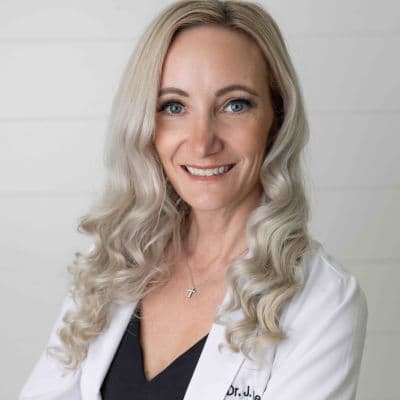
Full Transcript Intro to Gluten Detection Dogs 0:00 If the dog is not trained properly, they're going to make mistakes 0:04 that are going to impact your health and you don't want to mess with that. 0:07 As one of my my friends who is a a gluten detection trainer, 0:11 she said, you know, you're not going to just, 0:15 you know, perform heart surgery or want your heart 0:18 surgery performed by somebody that's not a heart surgeon, right? 0:22 You're not going to go to your general practitioner to do heart surgery. 0:26 And that's and that's kind of what it is. 0:28 Welcome to Doctor Talks, the podcast where every episode leads to a healthier you. 0:34 Join us as we navigate the world of optimal health, 0:37 uncovering groundbreaking strategies to conquer chronic disease. 0:41 In each episode, we'll bring you the latest insights 0:44 from leading health experts, medical innovators, and wellness warriors. 0:48 If you're seeking to transform your health journey, or if you're looking 0:51 for answers to burning questions, you've come to the right place. 0:55 Get ready to unlock the secrets of lifelong health and vitality. 0:59 This is Doctor Talks, 1:01 real talk from real doctors on the issues that matter to you most. 1:08 Hello everyone. 1:09 Welcome back to the Integrative Health Podcast with Doctor Jen. 1:13 Today we're going to be talking to Kendra Williams. 1:16 She was diagnosed with celiac disease in 2017, 1:20 and she found that eating a strict gluten free diet was very challenging due 1:23 to many instances where food and restaurants contain gluten. 1:27 Even though they were told that it was gluten free after getting sick 1:31 many times, she decided to train a gluten detection dog.
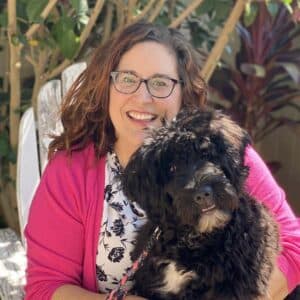
Kendra's Celiac Diagnosis Story 1:35 She's been training Suki since he was six months old. 1:40 She she checks all of her food, medicine, and personal care products. 1:44 She's already saved. 1:45 Kendra several times from getting finally ill from gluten. 1:50 Suki is a Portuguese water dog who is a gluten detection dog. 1:53 She checks food, medicines and personal care products 1:56 for her mom, Kendra, who has celiac disease. 1:58 She raises a pot when she detects gluten and knows is a leg when there is none. 2:04 She was born March 20th, 2020. 2:07 So welcome Kendra. 2:09 I found your story on Instagram and it's just so cool. 2:14 So tell us a little bit about yourself. 2:17 Well thank you. 2:18 So yeah, I live my whole life, without celiac disease, 2:23 I ate gluten, I ate everything, I had no issues. 2:27 And I mean, I had, 2:29 I think, different issues over the years, but it was very strange to me. 2:33 When I really got, I got very, very sick, in 2017, 2:39 went to lots of different doctors and they couldn't figure out 2:43 what's going on with me. 2:44 And I finally went to actually an integrated integrative rheumatologist 2:49 who, was able to figure out that 2:53 at the core of my problem, among other things, was celiac disease. 2:57 So, it was really strange because my diagnosis was not a typical meal. 3:04 My number one complaint was I was coughing, 3:08 excessively, like I basically had bronchitis 3:12 that didn't go away for months and months and months. 3:14 And even after, you know, invasive things. 3:18 I had a bronchoscopy and, 3:20 and they were like, oh, your lungs are filled with inflammatory cells. 3:24 Well, what's causing it? O acid reflux. 3:27 And so, you know, it's just all this stuff that was not it 3:33 was leading me to be in a really bad place because I was so physically sick. 3:38 So thankfully, I was diagnosed. 3:41 I mean, it's not a good thing to get a diagnosis of a major autoimmune disease, 3:46 but I got the diagnosis and then going gluten free, I started to feel 3:49 significantly better and yeah. 3:53 So that but you know, having never done it and then basically go 3:57 just eat gluten free. 3:58 Here's a two page list of stuff that you can and can't have. 4:02 And, you know, good luck to you is what happens. 4:06 And unfortunately, you make a lot of mistakes. 4:10 And, I have a social media presence. 4:12 So I hear that a lot from a lot of people that when you're diagnosed 4:16 with celiac disease, 4:18 you people just don't have any idea about the ramifications of it. 4:22 And I thought that it was as simple as, you know, you could, 4:26 you know, if you went to a place you could remove the insides 4:28 of the sandwich and eat the the meat and cheese kind of thing. 4:32 No, you can't do that. 4:33 And, and I think I realized that pretty soon on. 4:37 But I didn't understand the issues 4:41 with cross contact because I'm somebody that occlude my whole life. 4:44 So why would a tiny bit of gluten, 4:48 be causing you problems? 4:51 So, any time I went out, I was getting sick and even doing my best. 4:58 So I one of my first meals, I went out with one of my friends, 5:02 and I went to a place that was recognized for being good for gluten free. 5:07 And I had a plain burger, a kale salad with a vinaigrette, 5:12 just basically plain kale with a vinaigrette, and then, an avocado. 5:19 And I, I couldn't even make it home from the restaurant. 5:23 I was sick, so, you know, stuff like that, that just was 5:28 kind of my day. 5:28 And on one side, I felt a lot better because the coughing 5:32 and some of the, the other physical issues were going away. 5:35 But then it was not easy. 5:38 Right. 5:40 Yeah. 5:40 And, and things will say 5:42 at the restaurant, it will say like now they say gluten friendly. 5:46 So then they can like avoid, they're like, well, it's not good for celiac. 5:50 And I'm like so I personally I was never tested for celiac and I'm not 5:56 not going to start eating gluten ever again to get the official tests. 6:00 But I, I probably did, I don't know. 6:03 So I had Hashimoto's and it finally healed 6:07 and my antibodies went to zero when I took out all gluten. 6:10 And I can tell if I've been gluten bombed. 6:12 I call it. 6:14 Yeah, but but my 6:16 but I don't know, maybe I'm, I'm a non celiac gluten sensitivity person instead 6:22 though you know and I think this is something important 6:25 to talk the difference between if you want to. 6:28 Yeah absolutely. I mean I think it's challenging. 6:30 There are people that are gluten free for other health reasons like Hashimoto's.
Understanding Celiac vs Non-Celiac Sensitivity 6:34 I also had thyroid. I had thyroid cancer. 6:37 I was never officially diagnosed with Hashimoto's, 6:40 but I'm pretty sure prior to I had Hashimoto's. 6:44 So but I no longer have a thyroid. 6:46 So people, for those reasons or, you know, other autoimmune diseases like 6:52 you said, I feel like this alpha gi, this is another reason 6:54 a lot of people are gluten free. 6:56 So those are those reasons. 6:58 And then there's non gluten sensitivity. 7:00 So my my niece has non gluten sensitivity. 7:04 She's been tested for celiac disease all the way through. 7:06 Endoscopy is not positive yet she reacts 7:10 extremely badly with neurological symptoms. 7:14 I mean basically like absent seizures really, really really bad 7:18 if she eats gluten. So those are those things. 7:20 So I always like to see that because sometimes people say, oh you're 7:24 non gluten sensitivity. 7:25 That's not that big of a deal. 7:27 No. And I hear from people all the time I have non celiac gluten sensitivity 7:32 and they have as significant of issues as celiac disease. 7:38 And and you know who knows. 7:41 There could be a tie to it too. 7:43 They just never found what that all looks like. 7:46 And I think the amount of research that needs to go into celiac disease 7:51 and celiac disease 7:52 as an autoimmune disease where your body attacks, 7:57 the, the village of the small intestine so easily side 8:01 what I like to compare it to is your villi are like 8:05 they are the lining 8:06 of your small intestine, that, they're finger like projections, 8:10 I always think of it in a healthy person is like a shag carpet, 8:14 you know, big and fluffy, and the nutrients get absorbed. 8:17 But when you have celiac disease and you're not eating gluten free diet, 8:22 those bill, they become blunted and fall down. 8:25 That I think I like to describe. 8:27 It is tile like it's a tile floor. 8:29 There's nothing getting in there. 8:31 Yeah, they're not there rather than this, it's, you know, flat like this. 8:36 So but when you go gluten free, then the villi 8:41 grow back and there and they're better. 8:44 So you're are you are able to to process 8:47 the cool news for, for for people like you. 8:50 And then I have other family members that are in the same that obviously 8:53 you don't want to go through and do all the testing 8:56 because that means you have to do a gluten challenge, which is eating gluten 9:00 for a number of days. 9:02 They are now in testing of some blood tests where you can. 9:07 And it sounds like it's very promising. 9:10 I saw a doctor in Australia talk about it, where they can, 9:15 they can test blood of people and give a definitive 9:19 diagnosis of celiac disease without a gluten challenge. 9:23 So it feels like that is right around the corner 9:26 because they're advanced in the testing. 9:30 The Celiac Disease Foundation had some research on it, too. 9:33 So, definitely check it out, I need it I need to do a post about it, 9:37 because I think that's probably one of the most exciting things 9:40 that I learned over in recent and recent history, because I do find 9:45 that there's a lot of people that are in your position that went gluten free, 9:50 especially because most people go, oh, just go gluten free 9:53 and you know, you'll feel better. 9:56 But once you go gluten free, yes, 9:57 you do feel better, but they won't definitively do the tests. 10:01 For the endoscopy. Right. 10:04 So and it is also it's really exciting because it's noninvasive to correct. 10:09 That would be that'd be a great blood test. 10:11 So one post that I loved of yours was 10:16 you had just talking about 10:18 like the cross-contamination, like you had a salad 10:21 that had a crouton on it and you took the crouton off and you don't 10:25 see any gluten, but technically there's still gluten particles there. 10:29 Correct. So it's right. 10:31 It's scary because when you go to a restaurant, 10:34 you have people working back there that may not understand why 10:37 people are gluten free, or they might think, oh, 10:40 this person just doesn't want a bun because they're doing low carb. 10:43 So oops, I forgot to take the bun off. 10:45 So I'm going to they put it on by accident. 10:47 So then they're going to take it off. 10:49 And that can really wreck people for a couple days
Why Kendra Trained Suki 10:54 a couple weeks at an immune level too in the body. 10:59 So tell us why you decided 11:02 to to get a gluten detection dog and how. 11:05 Yeah, I so I was just sick of, getting sick 11:09 and I had learned about gluten detection dogs and I thought, oh, this is great. 11:13 And I'm someone who's always had a dog. 11:15 And my dog at the time was 16 years old, so I knew 11:19 he wasn't going to be around very long. 11:21 And it coincided with the pandemic. 11:23 So for work, I travel a lot and nobody was traveling. 11:27 So I thought, oh, perfect time for me to get and train a puppy. 11:33 And that was kind of just, I thought, this will be great. 11:36 I'll do it. 11:37 And, you know, I didn't know then what I know now. 11:41 So I made a lot of mistakes, I would say early on, 11:45 and it was definitely a comedy of many errors. 11:48 That thankfully worked out okay, but but yeah. 11:53 So I started to to I decided I'm going to get a dog 11:57 and then I'm going to find a trainer and I'm going to train. 12:00 That's not the right way to go about it. 12:02 And, and then I started training my gluten detection dog, Suki. 12:07 And so that was in I got her in May of 2020, 12:12 and it's a two year process to train a detection dog, so. 12:17 Wow. Yeah. 12:18 So you work with, with and owner training, which is what I did. 12:23 You work with a gluten detection trainer, somebody who specializes in it. 12:27 And, they meet with you 12:31 via zoom for 1 or 2 times a week, 12:34 and you do a session, and then you train on your own in the interim. 12:39 So you do daily training with your dog and depending on what you're doing, 12:43 but you're training not only the gluten part, you're also training the behavior. 12:47 Because service dogs have a different level of behavior standards. 12:51 And so you're doing all that on a regular basis. 12:56 So. So my Chihuahua, she, she passed, a couple of years ago. 13:01 She was a service dog. 13:03 And yes, like lots of training had to pass as therapy dogs, international training. 13:09 The hardest part was to have her sit for I think it was like a couple minutes. 13:13 I was like, don't lift your butt up. 13:15 Like because they're a Chihuahua. They're always anyway. 13:17 But she did, and it was great because I could bring her to my office. 13:21 We did events at the library, and it was it was so great. 13:24 It was a lot of hard work, though. 13:26 So the gluten detection dogs there, so they're service therapy dogs 13:31 plus extra training or so they're their dog is different than a service dog. 13:37 A therapy dog provides therapy in group settings. 13:41 And so the level of training on a therapy dog is very different than a service dog. 13:45 A service dog is trained to help someone with their disability. 13:49 So, celiac disease is recognized 13:52 as a disability, as our food allergy. 13:55 So she is task trained. 13:58 So she's trained to perform a task for me. 14:02 And the task is gluten gluten detection. 14:05 Or it would fall under the category of allergen detection dogs, 14:08 medical alert dogs. 14:10 So her task is gluten detection. 14:12 So that's that's what she does. 14:15 And so she has to have all the training of behavior and service, 14:19 and then she has to be trained in that task of gluten detection. 14:24 And it's actually multiple tasks because it's she tacks 14:28 plates bowls, cups, you know, so food empty like in a restaurant.
How Gluten Detection Dog Training Works 14:33 She checks my medicine and then she also checks packages of food. 14:37 So when I go grocery shopping, she checks the food in the package, 14:41 before I buy it or when I bring it home, she checks the packages 14:45 before I put them away. 14:48 So walk us through the training a little bit. 14:51 And and it's two years minimum, right? 14:54 If someone out there is listening, like, I would love to do this. 14:57 Like, could they do it with their dog that's five years old? 15:01 Could they do it with any breed of dog? 15:03 How does this work? 15:05 I don't recommend doing it with an older dog like that, 15:09 because it takes two years, and then you've got into a point 15:12 where it's a lot of work for the dog, like just the sniffing takes a ton of energy. 15:18 It is more than an hour of exercise sometimes for the sniffing. 15:23 It just requires that much brainpower. 15:25 And and and think that's why trainers 15:30 recommend sniffing games for puppies 15:33 to get them, to work off some of their energy. 15:36 So generally it gets into old 15:40 when you get into upper ages like that, and Grant and five is not old 15:45 school is four, but you have to worry about their physical abilities. 15:49 Suzuki travels with me, she goes places. 15:52 She's doing a lot more than she would do when she's home. 15:56 So, you know, on a day like today, I'm working all day. 15:59 She's laying on the couch or laying in her bed and we go for walks. 16:03 But if I'm going to a conference or trade show 16:06 or meetings, she's walking through airports with me. 16:09 She's so it's physically demanding and that ends up 16:12 being a lot for a dog the older they get. 16:16 As far as breeds go, you really do need to be selective. 16:21 Of breeds. 16:22 There are breeds that are probably easier, you know, more capable of doing it. 16:28 You definitely don't want, 16:31 you want a dog that is 16:32 going to be engaged with the work and ability to work. 16:36 So, so, you know, normally service dogs, 16:40 you look at labs, goldens and, and, and poodles, 16:43 those tend to be the, the main, the main ones of service dog work 16:47 because they're temperament wise, the ability to do it. 16:51 But finding the right breed for you has to be based on the person as well. 16:56 So you know what your needs are, what your abilities are, 17:01 you know, because some people might have additional physical limitations. 17:04 They might have limitations. 17:06 Where they live and things like that. 17:10 So talk about the trainer, I guess. 17:14 So, because I'm sure some people listening out there are like, wow, 17:18 like I'm all in, I want to do this. 17:20 So you said you worked with a trainer via zoom two hours 17:25 or two sessions a week, 1 to 2 depending. 17:29 Yeah. 17:30 Now is this sorry, is this someone that could 17:33 assist you be like, this is something that I want for 17:36 my family or one of their kids or or something. 17:39 Could they assist you with the breed and like, 17:43 with suggestions on how to start out? 17:45 That's 100% what I recommend. 17:47 So I'm actually in the process of launching some courses 17:51 to help answer a lot of those questions. 17:54 And the idea behind it is I made all the wrong mistakes. 17:58 So I got a dog first. 17:59 I didn't know my dog breed would not be one that I would recommend for people. 18:04 Because of their their needs. 18:07 And they're just harder to train because they're super smart. 18:10 She's a Portuguese water dog. 18:12 You know, chose the breeder, chose a dog on my own. 18:17 Not good. 18:18 Then I went to a trainer who was a service dog trainer 18:21 who said, oh, I can train gluten detection. 18:24 The thing she told me to do put my health at risk. 18:28 Yeah. So? 18:30 So all those things. 18:31 And I hear stories of people all the time 18:34 that went to a trainer that ended up with a really sad. 18:38 I mean, I just I'm working on an interview I just did with a gal that, 18:43 you know, her, she was left with a dog, wasn't 18:46 even trained, and she was sold a dog that wasn't even trained. 18:49 So I recommend working with a trainer and doing owner training 18:54 and a trainer that is specifically trained in gluten 18:57 and allergen detection because unlike regular dog training. 19:01 So you said you trained your service dog. 19:03 You're learning behaviors. 19:05 Sit, stay. 19:07 You know, being calm, 19:10 maybe doing, you know, tasks like alert task jumping up or, 19:15 or, you know, alerting to a behavior or things like that. 19:18 Those are pretty typical service dog tasks 19:22 where gluten in an 19:23 allergen detection, you are 50% of the thing. 19:27 So you how your body is positioned, how you hold the plate, 19:32 how you hold the package, what kind of signals you give to the dog. 19:36 You cannot check yourself, 19:40 during the training process without someone. 19:43 Because, I mean, I, I watch I see videos of people 19:47 all the time where I'm like, oh, they're totally signaling that dog. 19:50 And, oh, yeah. So it's really important. 19:54 So you work with a trainer that's, that's trained in gluten and allergen detection, 19:59 and then they're watching you and they will say, okay, you did this. 20:03 And there's so many things that are 20:07 unconscious to you. 20:08 And there was one point, you know, how frequently 20:12 you change out the samples or what the, the the pattern that you have. 20:17 So as you're doing training, you're presenting gluten samples and gluten 20:21 free samples, over time and all of a sudden you're going, 20:25 wow, I didn't realize that every time I do two gluten free and a gluten 20:29 and dogs can pick up on those patterns, and those are things. 20:33 As a handler, you don't think about. 20:35 And it's important then to have somebody going, 20:38 wow, you did that, or hey, did you know you moved your left leg forward? 20:43 A half a half a centimeter. 20:46 And it's almost like a lie detection test, like I'm kind of 100%. 20:50 And dogs are so much more intent on your body language. 20:56 Yeah. 20:56 Then then voice. 20:57 They they're not listening to your words. 21:00 They're much more feed off of, you know. 21:02 Oh, you tilted your head to the right a little bit or, 21:06 you know, you scrunched up your face and all those things. 21:10 It's you. 21:10 That's why you want to work with the trainer. 21:13 And the other part is it's your health as well. 21:16 If the dog is not trained properly, they're going to make mistakes 21:20 that are going to impact your health, and you don't want to mess with that. 21:23 As one of my, my friends who is a a gluten detection trainer, 21:27 she said, you know, you're not going to just, 21:31 you know, perform heart surgery 21:34 or want your heart surgery performed by somebody that's not a heart surgeon. 21:38 Right? 21:38 You're not going to go to your general practitioner to do heart surgery. 21:42 And that's and that's kind of what it is. 21:44 And I, I agree, I mean, 21:47 I see it in the integrative functional space. 21:50 People will just say, oh yeah, I'm an expert. 21:53 And they took a weekend course or they don't even see patients or, 21:59 you know, you have to be careful and do do, do, do do diligence out there 22:03 because there's people they just want your money. 22:06 So they're going to say whatever, but this is about your health. 22:10 And like you said, oh my gosh, I couldn't imagine spending 22:14 not only money but training hours. 22:18 And the dog wasn't trained the right way, 100%. 22:21 That would not be not be good. Yeah. 22:24 So that's that's one of the things. 22:26 So I partnered with, with one of my friends who is a gluten and allergen 22:30 section, actually with two human allergen detection trainers to put together, 22:35 kind of a baseline of here's the things you should know going into it. 22:41 And to really help, because it's a major commitment. 22:44 Once you decide, 22:45 I mean, you get the dog, you're you're committed for the dog's life.
Choosing the Right Dog and Trainer 22:49 Right? 22:49 And and if if you're doing the training and depending on how 22:54 you do it, a lot of the horror stories I hear are people that. 22:57 Well, I got a dog that was fully trained, you know, so they're out the money 100%. 23:03 The owner. Yes. That was my question. 23:06 Can someone just pick a dog up that's already trained in this? 23:10 They do have those. 23:12 Okay, I, I personally don't necessarily 23:15 think that's the right way to go just because you're 50% of the deal. 23:20 And so you don't have that 23:22 level of trust with your dog as you do as you build it. 23:26 So and you're also not as able to read the dog. 23:29 People do it, and there are programs out there. 23:32 But, I really, truly believe because you're going to also be ongoing 23:37 maintenance training your dog and it's not you have to keep up with it. 23:42 So I think it's best to do the owner training with the trainer. 23:47 But and there's also cost differentials too. 23:50 When you've got the fully trained, they, they're training that dog for a year, 23:55 or two years before you are even engaging with the dog. 24:00 Or you might be going there for a week or so at a time to do some, some sessions. 24:06 And generally that's like one big chunk out of pocket 24:09 when one thing is I like about the owner training is they're doing it 24:13 basically on a pay 24:15 as you go basis, on a monthly basis for the training that you're taking. 24:19 So I do think that two financially is a way better way for most people. 24:23 I mean, it definitely was for me. 24:26 Now, this may be a random question, 24:28 but I mean, this is a medical thing. 24:32 And like having a gluten detection dog would keep you out of the hospital 24:36 maybe, or something. 24:37 Would and insurance help with any of this? 24:41 And unfortunately not. Of course not. 24:44 Why would they? 24:45 Why would they? 24:46 I mean, some people have said they've used their, hsa HSA plans for it. 24:52 I'll take that. 24:53 Yeah, yeah. 24:54 So some of those I personally have not I'm self-employed, 24:59 so I don't have an HSA, but, but I, 25:04 I know some people who have, you can do some deductions. 25:09 I just had a conversation where I, some people were asking me those questions 25:14 on Instagram and a CPA wrote me, but the challenge is 25:18 it has to be more than 10% of your income, which most people the 25:22 the general deduction is going to be, you know, more 25:26 than, than what that cost is. 25:29 So depending, depending on where you are and what you're doing, 25:33 in that that time. 25:36 Right. 25:37 So who would benefit from a gluten detection dog? 25:40 Because I know you said you travel a lot, so that makes perfect sense. 25:44 You're eating out more. 25:46 I mean, does everyone with celiac or even non celiac 25:50 gluten sensitivity with, you know, severe reactions, 25:54 you know, who would benefit from from one of these sucks? 25:57 I think the big thing is, is first of all, 26:00 if you are continuing to have issues 26:03 and your celiac is unresolved, I think some people especially like 26:07 with refractory celiac disease that is not treatable. 26:12 That would be a huge that's a huge one. 26:15 I would say people that continue to have issues 26:18 that cannot be addressed with, with changing other things, 26:23 people who want a different level of confidence, it's not 26:26 the same is just having a quick little it's not a quick little 26:30 hey, I'm going to just test this and see. 26:34 And it's all well and good. 26:36 Because it requires ongoing maintenance 26:39 and you're taking the dog with you, so it's it's work. 26:43 So you also have to make sure that you have the capability 26:47 and the time in your life to devote to a dog 26:51 and to take care of a dog because it's a it's a living, 26:55 breathing being that you do have to, you know, take care of and work with. 26:59 And it's not just, you know, a device that you're sitting on the machine 27:04 or in a system, you know, I mean, technically, under the law, 27:07 they're medical devices, but it's not the same is, 27:11 you know, a walker, right? 27:14 It's it's something that, you know, Walker, you can put in the corner, 27:17 and you don't have to feed it or water it or exercise it or, 27:20 you know, do anything like that. 27:22 And a dog requires all that, so you have to have that capability. 27:26 I would say for me, the benefit of having her even at home, 27:32 and going to people's houses and things 27:35 like that is I did not realize after diagnosed this 27:41 what a mental load it was. 27:43 Every time I ate. 27:45 So the stress of eating and, you know, I 27:50 ate meals and 27:51 I'd go if I, unless I'd prepared it, 27:54 to 5050 that I'm going to get sick of this food. 27:58 And you don't realize how that affects you mentally. 28:03 So I will say that was that's probably the biggest thing for me. 28:08 The other thing that has been huge for me is she checks on my medicine 28:14 because I have been sickened by medicine, with gluten in medicine. 28:18 And so that's another one that you can't 28:22 you can't test it, you can't know you can call. 28:25 But frankly, 28:26 the medicines that I was sickened off of, well, the one when I was sick enough 28:30 when she alerted to they both said there was no gluten in there. 28:34 Right. And their pills. 28:36 So you you just don't know.
Costs, Insurance, and Who Benefits 28:39 You really just don't know. 28:41 Yeah. 28:41 And I like how you brought up, like, the emotional aspect. 28:44 And I was just at a conference 28:46 couple weeks ago and I was like, hey, what's gluten free? 28:49 Because my husband's like, it's meat. 28:50 It's going to be gluten free. I'm like, not always. 28:52 They put nasty stuff in and, it, it would be great. 28:57 Like, it's really cool that you have Suki because you could just have her check 29:02 because it literally takes ten minutes sometimes for like if you're at 29:05 a conference for them to go back because it's not labeled and check. 29:09 And then even if it is labeled, sometimes I'm like, that looks a little sketchy 29:13 and I double check, are you sure there's no gluten in there? 29:16 I'll get sick and they're like, okay, I'll check with the chef. 29:18 I love it when the chef comes out to talk to me. 29:21 That's when I have respect. 29:24 But you don't want to get sick. 29:25 I try to tell my husband, I'm like, when I get gluten exposure, like I feel bad. 29:30 I feel it in my bones. 29:31 And then that's just inflammatory. 29:34 I don't want that. 29:35 So it is really hard for those because there's people that suffer 29:40 with celiac with non celiac gluten sensitivity, because not 29:43 everyone understands they they're just like whatever. 29:47 And you're and you have to deal with the consequences. 29:49 So that makes it hard. 29:52 Yeah. And I sorry sorry no go ahead. 29:55 I was just going to ask like how how do people respond to Suki and you in this. 30:00 I mean did some people like get offended if 30:05 I don't think 30:05 people understand that if you prepare the food 30:08 in, like if you go to a friend's house and they 30:10 they have made other things with gluten, but they made you something special, 30:14 gluten free, it still could register with gluten. 30:17 Like, has that happened to you? 30:19 That would be kind of embarrassing, right? 30:21 Yeah, it's for that for them. I mean, it's hard. 30:24 Yeah. 30:25 I have a friend who actually is a nurse. 30:27 Awesome. Awesome person, super supportive. 30:30 And we had a potluck which actually was at my house, like, 30:34 at the pool in my neighborhood. 30:36 And, she, she understands and she knew. 30:41 And she goes, 30:42 I looked at all the labels of everything, and everything was gluten free. 30:46 And I was like, this is great. 30:48 And I'm still. 30:49 And nothing that she made technically had gluten. 30:53 Because she said she verified that Suki checked it and it had gluten in it. 30:59 Another time, and I was on a trip 31:02 with some friends and there they they are gluten free. 31:05 They don't have celiac, but they're gluten free for other health reasons. 31:09 And so they know and they're super careful. 31:11 And we had Suki check the sausages before they put them on the grill. 31:17 And I was super tired. 31:19 So I didn't tell them, hey, cook mine on foil. 31:23 Or, you know, put something under mine. 31:26 And so they cooked them on the grill, came back up and Suki alerted to gluten 31:30 in the sausages because of the cross contamination of the grill at the Airbnb. 31:35 So all those things. 31:37 Yeah, it's it's you just don't know. 31:40 And even people that are 100% trying their best 31:45 to make sure they're still risking eating that food. 31:49 So her checking makes 31:52 I think most people that care and understand are great about it. 31:55 They're they're fine with it. 31:57 It's interesting in restaurants and stuff. 32:00 I felt like oftentimes they take my questions more seriously. 32:05 So I still, if I'm going somewhere, I what I like to tell people is 32:09 she doesn't make the food inherent safer. 32:14 She just lets me know that if it's safe to eat or not. 32:17 So if I go to a restaurant, I still have to ask all the questions 32:20 about preparation. 32:22 I still have to ask ingredients. 32:24 I still have to, you know, do my due diligence beforehand. 32:29 But then when it comes out, I have the reassurance that 32:33 it's going to be safe because she's going to tell me if it has gluten or not. 32:37 And in that those cases, 32:41 they don't just, you know, sometimes you go to a restaurant 32:44 and they kind of almost roll their eyes because you're just being difficult. 32:47 And I live in California, and in California there is a lot of, 32:52 I call them lifestyle gluten free people that are gluten free 32:56 for lifestyle choices and, and to have no health ramifications. 33:00 So they might be gluten free. 33:02 You know, I don't want the bread. 33:04 So please take away the bread plate. 33:06 But that when the dessert comes out, ooh, that layered chocolate cake 33:10 sounds really good. Or that brownie sounds good. 33:13 Let me get that or let me have a bite of that. 33:15 As someone with celiac disease, I would. 33:18 That's not me. 33:19 And that's going to make me extremely ill. 33:22 And I'm never going to just have a bite and never even just touch something. 33:26 So as far as a tiny, you know, I don't want even a piece of bread 33:31 touching my food because that's going to make me sick to, 33:36 so they having her makes those restaurants 33:40 take me a bit more seriously and go, okay, this is a real deal. 33:45 Yeah. 33:46 That's great. 33:46 Now she's she's a big dog. 33:49 How how do you travel with her? 33:50 Does she have to. 33:52 Can she come with you on the regular. 33:54 Yeah. Like passenger airplane area and. 33:57 Yes. Yes. 33:58 Buy your an extra seat or. How does that work. 34:00 No. Under the law, service dogs are allowed 34:03 to travel in the, in the passenger cabin. 34:07 So pets are not unless they're in a carrier and placed underneath the seat. 34:12 But service dogs travel, so she's trained, she goes underneath the seat. 34:17 Or she. 34:18 If I sit at the bulkhead, she just goes at my feet at the bulkhead. 34:22 And, she just lays there and and sleeps 34:26 and she goes with me, and I just have to pack everything for her. 34:31 So I'm packing, you know, food and treats and booties and, you know, brushes 34:36 and anything that I need for her goes with me, on the travel. 34:41 So she is never. 34:43 Not like you've never taken a trip without her since. Yes. 34:47 No, I have,
Living and Traveling with Suki 34:49 I have it depends on where I'm going. 34:51 So I just did a Celia Cruz this summer, and, 34:55 it was in Europe, and it was super hot, and I. 34:58 I'd never taken a cruise before, and I didn't think a cruise ship 35:02 and in and out of really hot cities, 35:05 in Europe would be the best place for her. 35:08 So she stayed home and had a vacation. 35:10 And then I had a vacation, too, because I didn't have to worry about her. 35:14 Yeah. 35:14 While I was on the trip, mainly it was safe because, 35:18 you know, it was a celiac cruise. 35:19 So the whole thing was 100% gluten free. 35:22 I've also gone I've had some work, travel, 35:26 for where I was teaching some classes. 35:29 So I flown on those trips without her. 35:32 Mainly because I'm teaching a class for eight hours. 35:35 That is stressful for me to worry about her 35:38 and how she's going to behave when I'm trying to give my best to my work. So. 35:43 So in those instances, I left her. 35:46 I've left her behind. 35:47 But at the end of the day, this, like you were saying, this is a pet. 35:52 Another life to take care of. 35:55 So it's, It's so cool, though, I, I just love what you do. 36:00 And you're bringing more awareness to celiac disease, which is great. 36:05 Yeah, it's 36:06 it's just it's a lot like you were saying, when people when you go out to eat, 36:10 it's a lot of anxiety because you don't want to get sick. 36:13 So it's so great that Suki is there for you 36:16 to, to enjoy eating out again 100%. 36:19 And when I'd say when I went on the when I go on these trips 36:23 without her, I miss her terribly like it does. 36:27 That stress comes back to me. 36:29 And you have other things where you're like, I hope this is safe. 36:33 So I went to, I went on a trip to Chicago, 36:37 and I ordered at a restaurant, and 36:40 I also had a Nema sensor. 36:43 That so I tested with it. 36:46 And those would always frustrate me because it takes like, six 36:49 minutes to get a result, and then the result is not. 36:52 It's usually inconclusive when I do it. 36:56 But I know a lot of people love, love that technology. 36:59 Anyway, I, I was not well and like I, 37:03 I'm pretty sure that had some minor cross contact of that food. 37:08 But you know, it's like you're hungry, you have to eat. 37:11 And I'm like, oh, she was here. 37:13 She would have told me conclusively one way or the other, 37:16 and I wouldn't have felt bad, but it wasn't. 37:18 It wasn't a bad, cross contact. 37:20 So, all right, what do you do when your food comes out? 37:25 They say it's gluten free. 37:27 You did all the due diligence asking, and then she 37:31 she says, you know Sue, she's like, yeah, there's gluten on there. 37:34 Like, what are the like waiters responses and the chefs and like what happens? 37:39 Do they send it back and try again. 37:42 Has it ever twice had gluten. 37:44 Like how do you handle those situations I guess yeah. 37:47 I usually just tell them 37:49 and depending on what it is and what my level of confidence is. 37:52 So if it's a place that I'm like, it was sketchy 37:56 to begin with, then I'm just like, well, whatever. 38:00 So, I went with a celiac friend 38:04 recently to a Mexican restaurant and they're like, 38:07 it had good reviews and stuff, but, it was one of those where there 38:14 some of their answers were a little bit weird. 38:16 And the, the friend who's celiac, she's like a restaurant expert. 38:20 So she was asking really good questions and she's like, well, 38:24 and she trains restaurants. 38:25 So, and oh, you have cool friends because I. 38:28 Yeah, yeah, I'm the weird one. 38:30 When we go out, you know, I'm like, asking all these questions. 38:33 Everyone's staring at me and I don't care. 38:36 Well, that's with my regular friends. 38:37 This is one of my my internet, celiac friends. 38:41 Oh, love is celiac with Kayla. 38:43 Anyway, she so so they 38:47 we asked them a bunch of questions, and then they came back and the chips. 38:51 Suki alerted to that, they said they had fried earlier. 38:55 Afterwards, we thought about it 38:57 and we should have tested some outside of the basket, 39:00 because it might have been the basket that was contaminated, but got it. 39:03 Then they had said, you have the tortillas. 39:06 We ordered the same thing. 39:08 We ordered chicken tacos. 39:09 Super plain, but they said we'd be better off, using just the lettuce wrap 39:15 or the lettuce tacos instead of the tortillas 39:18 because the tortillas was were cooked in the same area. 39:22 So we're like, great. 39:23 So two tacos each one of the tacos. 39:27 Suki alerted T for gluten, and we tested it multiple times. 39:30 So it's just we just put that aside. 39:33 She took it home to her boyfriend and he ate it. 39:36 That's usually, frankly, to be honest, what I do if if something is, 39:41 I will let them know there's other areas 39:43 where I've had them redo it and and come back. 39:49 Now, do you alert 39:50 reviews like, for people on this or, 39:54 you know, because it's hard because it's like you don't want to slam 39:58 the business, but you also don't want people to get hurt. 40:02 Yeah, it's really hard. 40:04 I tend not to recommend 40:07 places 100% unless they're, like, wholeheartedly, 40:11 unless they're 100% gluten free, because there's so many variables to them. 40:15 Right? Yeah. Right. 40:17 You know, I ate recently with a friend at a breakfast place 40:22 and they said all the right things, and the meal was fine, 40:26 but the gluten free toast was had gluten on it. 40:29 Maybe they same toaster? 40:32 Maybe. No, they said they had a gluten free toaster. 40:34 But who knows if people are pulling that bread, that gluten free bread with gloves 40:40 that touch the gluten, you know, there could be any point 40:44 if they're pulling bread from a gluten loaf, 40:46 putting it on a plate and then pulling bread from the gluten free, 40:49 then maybe they've contaminated the bread that way, I don't know. 40:53 It gets to be really hard. So some of those right. 40:56 I put those down as reviews. 40:58 But that's so random. 41:00 Yeah. 41:00 And for the most part, the main of the meal was fine. 41:04 The other part is the dogs can detect down to lower amounts 41:10 than, you know, what is considered safe. 41:13 So you can eat. 41:15 The research is 20 parts per 41:17 million in a day, which is still not 41:20 very much. But, 41:23 you know, is that, 41:27 is that is what she alerted to? 41:28 More or less. So, 41:31 I find that more often than not, she gives me the all clear. 41:35 If I'm doing my due diligence and I'm asking all the right questions about it. 41:41 So, so I do. 41:43 I she's given me a lot more confidence in eating out than I had before. 41:48 Yes, I love it. 41:49 That's amazing. 41:51 Well, everyone has to go check you out. 41:55 Kendra and Suki on your Instagram 41:58 because I love watching your reels that are fun. 42:02 And you do great teaching on there. 42:03 So why don't you tell everyone how they can find you in Suki? 42:08 And best way to get Ahold of you. Yeah. 42:11 So, suki.com is my is my website 42:16 on Instagram, TikTok, Facebook, YouTube. 42:21 Every single one of those is under, Suki, 42:25 which is Suki p dwd for Portuguese Water Dog. 42:29 And those are those are all the all the ways to get a hold of me. 42:33 And, our courses are going to be launching soon. 42:38 So probably by the time this comes out, 42:40 if you're interested in getting a gluten detection dog. 42:44 Those are that's a great way to start to give you the information you need. 42:48 And also just to figure out, hey, is it right for me? 42:50 We go through that, that you can really look at. 42:53 Is it is it right for you? 42:55 Are you ready for it in your life and where you're where you are 43:00 I love it. 43:00 Well, today was so informative. 43:02 I've learned so much about gluten detection dogs. 43:05 Really appreciate you being here today. 43:09 Well, thank you so much, Jen. 43:10 I really appreciate the opportunity.
Comments