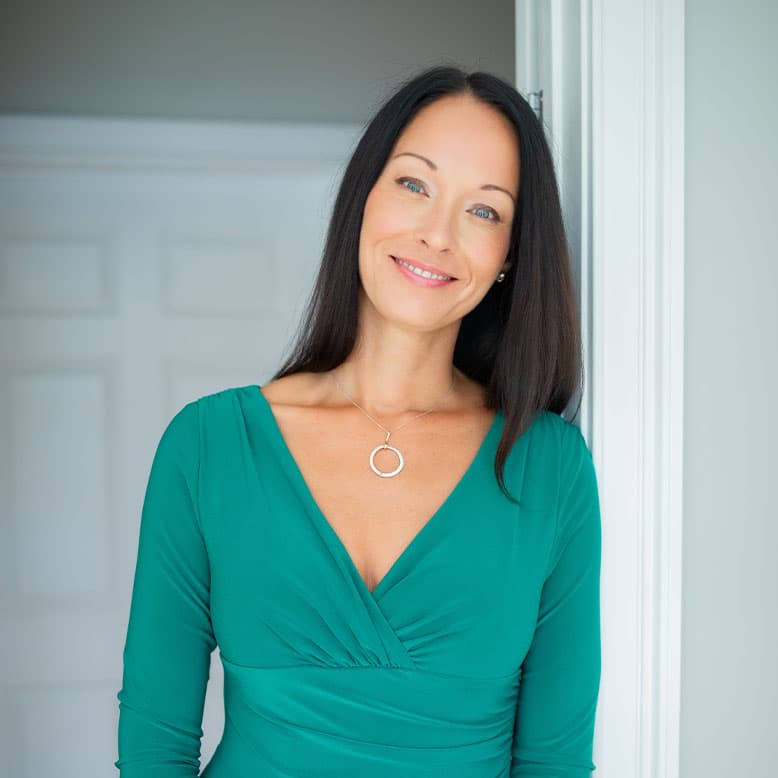
Full Transcript Podcast Introduction and Episode Focus 0:00 One is eating an anti-inflammatory diet is just really important. 0:05 Yeah, you can cheat every now and then again, with your audience probably having a lot of physiological challenges. 0:11 Don't even cheat. 0:13 Stick hard to that either AIP. 0:15 I think Dr. 0:15 Gundry is even a little bit more aggressive than the AIIP autoimmune protocol. 0:19 So stick with that. 0:20 I think that's really valuable. 0:22 Take creatine every day, I take vitamin D, A, K, and E like the basics. 0:27 And then of course my product on a regular basis and an exercise, right? 0:31 And if it's again, if you don't need to be, you may not need be in a position or be a good position to overstress, but put some stress if its a walk and 0:41 it may be little bit longer or a little faster. 0:44 Like, you need to have motion, that blood flow adds value, allows your body to do it. 0:50 We were designed to move, we weren't designed do what most of us do these days. 0:53 Hi, and welcome to the Lime Bites podcast, where we shine a light on the misunderstood science of Lyme and other vector-borne diseases, 1:01 as well as the truths that many still miss. 1:05 I'm Dr. 1:06 Mariah Hinchey, naturopathic physician and fellow of the Medical Academy of Pediatric Special Needs. 1:12 I specialize in treating chronic Lyme disease, as well as other complex inflammatory conditions. 1:19 In this podcast, we break down what's working and what not. 1:22 We share the facts that most people miss, We challenge outdated thinking, and we give both patients and practitioners the tools to heal smarter. 1:32 So let's get into it and change the way we heal Lyne. 1:38 Hi and welcome to another episode. 1:40 Now, when we're talking about Lyme and other vector borne diseases, we are not just talking infection. 1:45 We are talking what those infections do to the body. 1:49 As you all know, they drive persistent inflammation, generate excessive oxidative stress, and impair mitochondrial function at a cellular level.
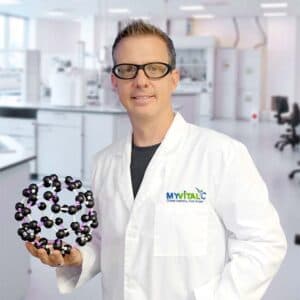
Chris Spurs and ESS-60 Background 1:58 And when that happens, the body loses its ability to produce energy, regulate the immune system, and ultimately to heal. 2:06 This episode's conversation is focused on targeting that deeper layer of dysfunction, cooling oxidative stress and restoring mitochondrial function. 2:17 And joining us for this conversation, is Chris Spurs, founder and chief scientist at My Vital C. 2:24 Additionally, Chris is an author, a podcast host, a longevity expert, and he's known for his work with a Nobel Prize recognized molecule designed to support 2:36 cellular health and longevity. 2:38 Welcome, Chris. 2:38 Thank you so much for joining us. 2:40 Dr. 2:41 Moriah, thank you for having me. 2:42 I'm excited. 2:43 Glad we got to meet in New York at IHS and then if we ended up putting this together with the amazing Christie. 2:49 So thank Thank you again for being here. 2:53 So let's jump right in. 2:55 I know we don't have a lot of time, but I want to start with discussing how inflammation, oxidative stress, and mitochondrial dysfunction are responsible 3:04 for many of the core symptoms and negative effects of a Lyme infection. 3:10 Yeah. 3:11 Well, so I've actually put together a presentation, So I'll hop into that if that makes sense. 3:16 That would be great. 3:17 All right, so great. 3:20 Lime Recovery Blueprint is kind of like a rough title that we have here. 3:23 I was always told, well, one, to have some sort of kind design of how much of what we're going to do together. 3:29 So a little disclaimer, of course, there'll be a bit about me, the downstream effects of say, Lyme disease or vector borne diseases. 3:37 The molecule that I've been working with since 1991, a full 34 years, pretty amazing how it works and then kind put all of this together Anything, 3:46 anytime I'm talking, you know, I'll be talking about this molecule and ultimately this molecules in a product that we have. 3:52 The FDA has not evaluated our product. 3:54 It is not intended to treat, diagnose, cure, or prevent any disease. 3:58 I like to say I will probably share a couple of anecdotes and I just share, hey, just assume this won't happen for you. 4:04 Dig into the research and you'll probably have a link for ya at the end of the presentation if you're interested. 4:10 Just a little bit about me. 4:12 As I mentioned, I've been working with this molecule, ESS-60. 4:15 You can see this beautiful molecule. 4:16 There's actually a book called The Most Beautiful Molecule written about this molecular. 4:21 We'll get into what that is here in a second. 4:23 I did write the book, Live Longer and Better. 4:26 Your journey to living longer and better has never been more achievable than today. 4:31 the story of this molecule and kind of my journey into the longevity space. 4:35 I have a podcast called Live Beyond the Norms. 4:37 So I'm excited. 4:38 You're going to be on my podcast soon. 4:39 And I am putting stuff out on Instagram and YouTube. 4:42 It is a lot of work and it's great to kind give that information back to people. 5:01 I was recently on Dave Astray's podcast, so that was a super exciting experience. 5:06 For those of you who don't know, he's considered the father of biohacking, the founder of Bulletproof Coffee and now Danger Coffee. 5:13 So a pretty spectacular opportunity. 5:16 Now, when we think about Lyme disease and vector-borne diseases, they're really kind of three kings. 5:21 You already touched on these. 5:23 By the way, I put this presentation together and haven't run it by you, so if there's anything that you need to tweak because you are more of the LyME expert, 5:31 i'm talking about how ESS-60 might play a role. 5:34 We've got chronic inflammation, right? 5:36 So one of the things these vector-borne diseases are good at is being a master of disguise. 5:41 Your immune system knows that they're there, but can't really resolve them in a lot of cases. 5:46 Like that's where you come into play. 5:49 And this ultimately ends up in an immune system that's reactive and creating what's called a cytokine storm. 5:55 This is the thing in the middle of COVID, the cytoking storm was the things that was actually causing the most damage as the body was trying to defend itself. 6:04 So that is really kind of this persistent inflammation, joint inflammation and neuro-inflammation, all of the kinds of things you get feedback on on a 6:12 regular basis. 6:13 This kind of ties into this cytokine storm kind also drives oxidative stress, this ongoing oxidate of stress and really starts depleting your glutathione. 6:24 So glutothione is a master antioxidant. 6:27 It's good for detoxing, immune support, cellular repair, otolimidocondrial function. 6:33 You can see, we'll be talking about that in a second. 6:35 And so that is the oxidated stress that we see. 6:39 And then in terms of mitochondrial dysfunction, the mitochondria is the most sensitive part of your cell. 6:44 And when they break the lights go out, right? 6:46 Like the cells don't operate. 6:48 You can imagine if you take the engine out of the car, there is no running car. 6:53 It's just something that sits there and does nothing. 6:56 damage through this inflammation, this oxidative stress, but it also takes some of the components that your mitochondria need to generate energy like manganese 7:07 and lipids. 7:07 It has this hunger and is stealing nutrients for them. 7:11 And we'll be talking about ESS-60. 7:13 We believe it's involved in membrane stabilization, free radical sponge. 7:17 we actually know it can hold up to six negatively charged particles and then really kind of lowering that cytokine storm. 7:24 I don't know if all this makes sense, all these checks, anything to add to that? 7:28 No, it all makes perfect sense. 7:30 And honestly, Chris, this is what I talk about all the time when I'm presenting to other medical professionals with all of the things that we have to be 7:39 looking at and the actual changes in the terrain that need to addressed and why we need just stop focusing on killing, killing killing all time.
How ESS-60 Works Against Inflammation and Oxidative Stress 7:50 Are you ready to revolutionize your approach to diagnosing and healing complex chronic inflammatory illnesses in both adults and children? 7:59 The Lime Bites Symposium is your gateway to cutting-edge education, groundbreaking research, and innovative therapeutic solutions. 8:06 Join us at LIME BITES SYMPOSIUM. 8:10 at the Fort Lauderdale Marriott, Pompano Beach Resort and Spa. 8:14 Lion Bites is the premier functional medicine conference on complex, chronic, infection-driven inflammatory illnesses. 8:22 This year's meeting is jam-packed with leading industry experts discussing lung COVID, mycotoxin illness, PANS Pandas, as well as Lyme and other vector-borne diseases. 8:32 This conference will arm you with the knowledge, clinical pearls, and practical solutions that you can implement immediately into your practice Monday 8:41 morning that will literally change your patient's lives and get them on their path to true healing. 8:45 So join us at Pompano Beach or virtually from anywhere. 8:49 Register now at limebites.com. 8:52 That's L-Y-M-E-B- Y-T-S dot com. 8:58 It's got to be support, because there are so many things that are going wrong. 9:02 So this, of course, begs the question, what is this ESS-60 molecule? 9:06 Again, I've been working with it since 1991. The molecule was discovered in 1985 at Rice University here in Houston. 9:15 That's where our lab is based. 9:17 And the three scientists who discovered the molecule, Dr. 9:20 Smalley, Doctor Curl, and Doctor Croto, went on to win the Nobel Prize for the discovery in 1996. And you'll notice here that my lab actually started producing 9:31 it in 1991, a full five years before the Nobel Prize was awarded. 9:34 I am not a very braggadocious person. 9:38 So this is the biggest bragger you're gonna hear from me. 9:42 It is not unreasonable to suggest that because we were delivering commercial quantities of this carbon nanomaterial, ESS-60, 9:50 to research institutions around the world, scientists actually had the material, could actually run studies and tests and experiments and could understand 9:59 how valuable the materials was, and that led to them getting the Nobel Prize. 10:04 So that's as kind of braggadocious as I'll get. 10:07 Now, this molecule is amazing. 10:11 The way I describe it is it performs as well or better than the current best material in almost every application. 10:18 It makes better inks, better batteries, This is often where people get nervous. 10:23 It's like, wait a second. 10:25 Did I just like switch, switch interviews? 10:28 Nobody who's reached out to you and is, you know, struggling with Lyme or some other vector borne bacteria is like hey, I wonder what part of my car battery 10:36 I should be taking on a daily basis for my health. 10:38 Right. 10:39 So, and I'll be honest, the story gets a little worse first. 10:42 This shape right here, front and center is the same shape as benzene. 10:47 it's not the chemical formula, but the shape. 10:51 And in fact, you can see it occurs a lot of times in this photo. 10:54 That's seven times. 10:55 It actually occurs 20 times and this full cage, the soccer ball like cage and benzene is ubiquitous in our society and necessary for modern society. 11:05 And if you have any doubts, just kind of glance around you and think of anything that's plastic or notice anything as plastic gone because the benzine 11:13 ring is the foundational molecule. 11:15 Many medications have the benzing ring as a foundational molecular, including aspirin. 11:21 So we don't have modern society without it. 11:24 It's everywhere. 11:25 And that's great, except when benzene is on its own, it's known to be toxic and known be carcinogenic. 11:32 So this shape occurs 20 times on the exterior of this ESS-60 molecule. 11:37 They thought it would be TOXIC. 11:39 and they put it in a toxicity study. 11:41 This is, I promise, that is the worst. 11:43 Now the story starts getting a lot better. 11:45 Um, it actually starts getting a whole lot better. 11:46 Three pieces came out of this toxicity study. 11:49 First off, the test subjects that they gave it to, in this case, Wistar rats lived 90% longer than the control group. 11:57 So the single longest longevity experimental results on mammals in history, peer-reviewed published research is because of. 12:04 This ESS 60 molecule dissolved in olive oil. 12:08 And I'm very proud to share my lab provided the material and my lap is mentioned in that original study, That's amazing. 12:14 Let me interrupt you. 12:15 I have one question. 12:16 Whatever made someone think, here's something that appears almost to be a toxin, right? 12:23 Like benzene is a very significant carcinogenic toxins. 12:28 What would ever make you think to give it to an animal, like to a mammal, to rat, anything living? 12:36 So because it's great in inks, batteries, tires, and photocells, right? 12:40 They thought we might be, we as a man might working with it on a regular basis. 12:44 I would love kind of a nickname of this is a bucky ball. 12:47 It would be very cool to have a Bucky battery. 12:50 That just sounds really cool. 12:52 So they thought man would working it with on regular bases. 12:56 And if you think you're gonna be working on it regular base and you suspect that it might toxic, you need to understand is it toxic? 13:04 So remember, this study was a toxicity study. 13:06 That I missed. 13:08 They were convinced these rats were gonna die, right? 13:13 And then they were going to write a report. 13:15 Actually, it's a great time to interject. 13:17 I love to give credit to these researchers because, yeah, let me skip ahead to this charge. 13:21 So we'll do this because this is a Three groups of rats, right? 13:25 One group was given water, a control group. 13:28 Another group is given olive oil, semi-control group, and then another group given the ESS-60 molecule with olive. 13:34 And that's the group that lived out 90% longer. 13:37 Remember, this is supposed to be a toxicity study, so If anything is ever true, especially about a toxicity study, when all of your water control rats 13:49 are dead and all your, quote unquote, toxic rats, are alive, the molecule is not toxic, right? 13:56 There's zero doubts at that point. 13:59 So instead of ending the test here right at about the 32 month mark, that's an average, so there's a little bell curve around it. 14:06 They kept doing the animal husbandry for about two and a half more years to keep these rats alive, right? 14:13 They were like, when are they going to die? 14:15 In reality, they were down to two more rats. 14:18 One of them died. 14:19 They euthanized the last one so they could finally publish their results, so it's pretty fantastic. 14:25 Another thing I like to point out, right? 14:27 Olive oil is kind of all the rage. 14:29 You've got Dr. 14:30 Steven Gundry talking about olive oil. 14:32 you got Brian Johnson selling an olive. 14:34 Well, in fact, I love what Dr Gundrey says. 14:36 He says the purpose of food is to get more olive into your mouth. 14:40 Right? 14:40 Isn't that great? 14:42 So here's an 18% extension of life and Wistar rats because of olive oil. 14:47 I would agree. 14:48 The purpose of food is to get more olive into your mouth. 14:51 Now this is already a fantastic result. 14:55 We're the, the other piece that's really pretty amazing is a typical Wister rat lives out to 32 months, right? 15:02 And has a known amount of tumor mass in its body. 15:05 And here you can see in this graph, the tumor mass is growing as time goes on. 15:10 Even though the ESS-60 rats lived out to 62 months, none of them had any tumors, right? 15:15 So if you were to project this graphic, like there should have been a mass of tumors in these rats and there was zero mass. 15:23 None of the had tumors. 15:24 Now, I've told that story and people said, oh, cure for cancer. 15:27 And my immediate response is no. 15:29 And then I follow that with another no. 15:32 There's a big difference between dealing with the cancer that has metastasized and potentially being like this suggests a cancer preventative. 15:39 We know things as simple as good exercise, good nutrition, and good sleep are cancer-preventatives. 15:46 This piece of the study just throws this ESS-60 molecule into that arena. 15:51 I will add, it is a petri dish study that I'm going to talk about. 15:55 Petri-dish studies are the lowest possible study, right? 15:59 But it is relevant, I think. 16:01 So, in a petri dish, they have cancer cells and healthy cells, and they introduce an anti-cancer agent, which is a poison, 16:08 right? 16:08 You're hoping to poison the cancer before the healthy cell. 16:12 In the presence of the ESS-60 molecule, there's increased efficacy against the cells. 16:18 And protective effect for the health cells So what that means is in the present of ES-S60, more cancer cell die, less healthy die. 16:28 And we have a kind of a rough idea of why that might be going on. 16:33 And it's related to the mitochondria and what we believe the ESS-60 molecule is doing in the Mitochondria. 16:38 So pretty profound results so far. 16:41 I want to talk a little bit about this kind cool transition. 16:45 That study came out in 2012. Mid-2013, we start getting phone calls from this crazy, wacky group of people called biohackers. 16:53 and I can say that affectionately now because I am a bio hacker. 16:56 And they were like, hey, how much of this should I take? 17:00 And my business partner and I were conservative carbon nanomaterial scientists. 17:05 And what we heard is, Chris, How much that stuff that you sell to research institutions around the world to put into inks, 17:12 batteries, tires, and photocells, And we thought the answer was zero.
Longevity Study Results and Safety Story 17:18 We actually added not-for-human consumption to our labeling in mid-2013. 17:22 So think about that. 17:24 From 1991 all the way to mid 2013, we don't have to have not for human consumption on the labeling. 17:31 Now we add it. 17:33 This created a very unique situation where we were getting two to three phone calls a week that sounded kind of like this. 17:39 Hey, Chris, my knee pain is gone. 17:42 And I'm like, Joe, you mean the knee-pain of your rat? 17:44 Because it literally says not for human consumption on the labeling. 17:48 Joe was like yeah, hey, if my rat weighs 275 pounds and does HIIT training on Wednesdays and Fridays, should my rats take more on a Wednesday and Friday? 17:57 So we knew what was going on. 17:59 And the reason we allowed it is because it was clear in the literature that this material is safe, including this very particular study, 18:07 toxicity study quote unquote, where the rats live 90% longer than the control group. 18:12 Quarter after quarter, my business partner and I are getting together. 18:15 Do we want to get into the supplement industry? 18:18 A, I think generously describe the Supplement Industry as challenged, right? 18:22 Like you're in the space, so challenged might be generous. 18:26 And so quarter after a quarter we're like, we don't want get in to this space. 18:31 And in fact, it wasn't until 2017, and I'll talk about this kind of YouTuber that changed everything, but in that interim period, 18:39 I found a peer-reviewed published research paper that showed that 50% of the supplements that were on the market, this research group purchased, 18:47 didn't have in them what they said they had in, right? 18:50 That challenged, again, as being generous. 18:53 So we're used to delivering commercial quantities of carbon nanomaterials to research institutions around the world, highest level, 19:00 right? 19:00 They have the equipment to test it. 19:02 They know we shipped, you know, how to tests what we ship them and confirm that what promised is what shipped. 19:07 And so we just kept saying no quarter after quarter. 19:10 And then finally in 2017, a guy with a big YouTube follower following. 19:15 He was actually in the Bitcoin space, but he started talking about all the benefits he was getting taking it on a daily basis. 19:21 And our phone went from those two to three calls a week to 10 calls. 19:26 So now we look back at that quarterly meeting and we looked back that research paper where 50% of the supplements didn't have in them what they said they 19:34 had in. 19:34 We knew that was gonna happen in this space. 19:37 Were the oldest and longest manufacturer of this molecule on the planet. 19:41 we have the lab, we've been delivering lab quality materials. 19:45 So we decided, well, We asked ourselves two questions before we decide to get into the industry. 19:51 The first one is a moral question. 19:53 Are we comfortable selling it? 19:55 I take it, my wife takes it. 19:57 Everybody on our team here takes. 19:59 By the way, not a requirement. 20:00 Like you don't, you know, clock in and take your shot of my vital C. 20:04 It enhances your work production, right? 20:07 It actually, it actually does. 20:08 I'm about to share a testimonial video, video from a Dr. 20:12 Young. 20:13 Where he says they believe the product should just be in their break room for their employees. 20:19 Like that's how important it is to them. 20:21 So, so yeah, I'm comfortable selling it. 20:23 And then the next is the legal, the FDA and the FTC. 20:25 You got to cross the T's, you got about the eyes and you'll hear me crossing and dotting eyes throughout this presentation. 20:31 Cause we have to be really careful. 20:33 Then we did bring this to market. 20:35 Now I do have this. 20:37 Dr. 20:37 Lane Young. 20:40 at our booth at A4M, which is in Las Vegas. 20:43 A 4 M stands for the American Academy of Anti-Aging. 20:46 Unfortunately, I can't set it up so that you can hear it, but here's what he said. 20:50 And obviously I've listened to this video a number of times. 20:53 In fact, he told me this and then I was like, Dr. 20:55 Young, have to record this. 20:58 Chris, I don't care if you're male, female, pre-surgery, post- surgery, cardiovascular disease, or otherwise healthy. 21:04 Your product is reducing elevated HSCRP numbers. 21:08 That stands for high sensitivity C-reactive protein. 21:11 I'm sure you deal with that regularly. 21:15 He not in this video of subsequent conversations said from nine, an HSCRP of nine down to 0.9, which is in normal ranges in four to eight weeks. 21:26 He also says that they're seeing improvements between 20 and 60% and HRV. 21:32 So heart rate variability and sleep, all of these incredibly important. 21:37 And as I mentioned already, he said, we believe it should just be something that we keep in the break room for employees. 21:42 Now, HSCRP often associated with cardiovascular disease. 21:46 I had a conversation with an oncologist after kind of this happened and he shared that if you have an HS CRP of nine, we assume you of cancer until we 21:57 prove otherwise. 21:58 Is that a marker that you track and is elevated? 22:01 Are you suffering from Lyme disease or another complex chronic illness and aren't sure who to trust when it comes to herbal supplements? 22:09 Hi. 22:10 I'm Dr. 22:10 Mariah Hinchey, founder of Lime Core Botanicals. 22:13 As a naturopathic physician specializing in complex, chronic, infection-driven illnesses like Lyme disease, I needed herbal medicine I could truly trust. 22:23 That's why I formulated LIME Core botanicles. 22:26 where our herbal tinctures are handcrafted in small batches right here in Connecticut. 22:31 We use the whole herb, never isolates, to preserve the full spectrum of medicinal compounds. 22:38 Every single step from sourcing to extraction is done with precision to ensure maximum purity, potency, and consistency. 22:47 These are the same herbal formulas I used to heal myself and have used for years to help my patients and family members heal too. 22:55 And now I'm making them available to practitioners and patients everywhere. 23:01 Lymecore Botanicals, herbal medicine you can trust from a doctor who lives this work. 23:06 Learn more at LymencoreBotanicles.com Yeah, absolutely. 23:19 And we see it elevated in a lot of patients that have vector-borne disease because of the significant inflammatory nature of these diseases. 23:28 If you get it done somewhere like Quest, you'll see under the description of what the numbers mean, if it's greater than 10, it actually says that this 23:41 number could suggest a chronic infection or an active infection, I should say. 23:47 Yeah. 23:48 Yeah, so we're, in fact, I'll talk a little bit about this later, but we are working on doing a clinical trial on HSCRP. 23:57 Not only do we have Dr. 23:58 Young's testimonial, there is in-fact peer-reviewed published research showing reductions in HS CRP in beagles, right? 24:04 So a pretty large mammal, you know, compared to a rat. 24:07 So like, this is, we were excited to be going down that path. 24:13 I will share kind of one other testimonial. 24:15 Gwen is our largest distributor in Houston. 24:19 She originally purchased the product for her dog with no intention of taking it. 24:24 Notice such a profound difference in her dogs that she decided to start taking. 24:28 And I like to point out, like this is new. 24:30 This is, I know this, probably the second time you're Dr. 24:33 Moriah hearing about this. 24:35 You should have like, oh, wonder what part of this placebo because the reality is placebo affects everything. 24:42 It affects the medications that your doctor prescribes. 24:45 Do you believe in them? 24:46 That makes a difference. 24:47 The supplements, your workout routines, you whatever daily routine, all of it matters. 24:53 And we're subject to the principle, but dogs aren't. 24:57 Right?
From Research Material to Supplement Market 24:58 Ironically, they're not smart enough to have this placebo of I got my dropper, so I should have more energy today. 25:03 And I shouldn't be, you know, feisty or whatever. 25:05 They just act the way they feel. 25:07 So Gwen starts taking the product and, and I'm going to share, this is probably the worst testimonial about a supplement you're ever going hear. 25:14 But she, but she said, I did a video with her and she shared that at the three month mark, she didn't really notice anything until she stopped and kind 25:23 of took stock of her life. 25:24 and just like, well, I am working later, I'm waking up earlier, and I was never a morning person. 25:31 And here's the worst testimonial about a supplement ever. 25:34 I cleaned my garage. 25:35 So we don't use that in any marketing literature, but it means something like cleaning your garage is potentially hot and sweaty, 25:41 or you're in Connecticut right now, cold and miserable. 25:44 Like it is a big deal. 25:47 One last, I'll blow through this one. 25:49 Kyle Zagradsky, he's a owner of Osteostrom, which is a global franchise that helps women with osteopenia and osteoporosis. 25:59 So build bone density. 26:01 His son brought home a dog. 26:03 You can kind of see here, they took it to the bed. 26:06 It was showing the signs of retention on the surface of its brain. 26:09 Its balance was off. 26:10 it was dizzy. 26:11 Could barely eat. 26:13 Three days after he got the dog, He got our product. 26:16 He was giving the dog two to three doses per day. 26:19 And at the time that he wrote this, it was 80% better. 26:23 Really, the vet was like, It seems like a miracle. 26:26 The other quote that I like kind of similar to Dr. 26:28 Young's, we just believe we should provide it to our employees. 26:32 Kyle shared that He will never not take our product, right? 26:35 So he's in the health space. 26:37 So I think that that is important. 26:39 Now, How might this be working? 26:42 I don't know if I've mentioned, but our most consistent testimonial is people take the product in the morning, report mental focus and energy during the day, 26:49 and then better sleep that night. 26:50 We all know that sleep is good for your mental, physical and emotional wellbeing. 26:54 So that was as I'm stepping into this role, this new role of being the chief scientist of a health and wellness company. 27:01 That was the first place I landed. 27:03 The next, I was trying to figure out why might these rats have lived longer. 27:07 So let's look at the medical community and let us look what they think about aging. 27:11 And they do not all agree, but they tend to think of it as an oxidation and an inflammation process. 27:16 oxidation and inflammation, two of the three key things that we're seeing as outcomes of these vector-borne diseases. 27:24 So in terms of antioxidant, there's an ad hoc study showing our product to be 172 times more powerful than vitamin C, and there is peer-reviewed published 27:33 research showing it to 125 times powerful that vitamin c. 27:36 I'm in Texas, we put a big old check mark on antioxidants. 27:41 In terms inflammation Here's some of the crossing the T's and dotting the I's. 27:47 We have to be really careful when we talk about inflammation because the FDA equates conversations of inflammation with the diseases of information, 27:56 which are also the disease of aging. 27:58 So like arthritis, Alzheimer's, cardiovascular disease, cancer. 28:02 If I come here and say we address inflammation, the FTA hears me claiming, weak your cancer, we cure cardiovascular diseases. 28:09 we are not claiming that. 28:11 There is so much research that would need to go into that and frankly, really expensive research in order for us to claim that. 28:18 The FDA does allow us say that we address exercise-induced inflammation. 28:24 So we've all had a tough workout or maybe just walked farther than normal and woken up that next day and felt that sense of inflammation in our body. 28:32 the FDA allows us that say we addressed that type of information. 28:36 And then we finally landed and this is gonna pull all things together. 28:40 on the BOSS theory. 28:41 So buffering oxidative stress system. 28:44 Let me change slides here. 28:45 Buffering, oxidate of stress. 28:47 Here's what drives it. 28:48 We know from peer-reviewed published research that this ESS 60 molecule gets into the mitochondria. 28:54 we also know, from way back in the 90s, that it can hold up to six negatively charged particles on, the exterior of this cage and what that looks like. 29:03 Right. 29:04 I know you know this the mitochondria is the powerhouse of every cell. 29:07 There's between 50 and 5,000 mitochondrion every sell in our body. 29:11 Except for our blood cells which have zero and our brain and neurons which half 2 million I it's fascinating how much energy are nervous system uses relative 29:21 to our other systems now. 29:23 like any energy source, powerhouse of every cell, like energy sources, there is a negative byproduct. 29:29 You think about a car going down the road, it's got exhaust, you think of a power plant, its got a smoke stack. 29:35 In the case of mitochondria, is reactive oxygen species. 29:39 Now, the way I picture these, they're like little bumper cars, and if they are left to their own devices, their running around the body and everything 29:46 they smack into, that cause oxidative stress, oxidate of damage, ultimately inflammation, right? 29:52 Which sounds horrible, and it is. 29:54 And like so many biological systems, mitochondria has a way to manage this. 29:58 That is with the antioxidants glutathione and melatonin. 30:03 These are key antioxidants inside the mitochondrion. 30:06 I like to pause here because melotonin is the sleep hormone. 30:09 Remember, one of our most consistent testimonials involves sleep. 30:14 There's some nice parallels here. 30:16 So in a healthy mitochondria that's not overproducing, you can see that these reactive oxygen species, there's this beautiful, 30:22 tranquil blue color, because they're bonded with glutathione or melatonin. 30:26 So they can't run around and do any damage. 30:29 But what happens when you stress a mitochondrion? 30:32 We don't need to be, first off, how do you stretch the mitochondry? 30:35 You don' have to belabor it with your audience, right? 30:37 What they are dealing with is stressing their mitochondrial, but even if you're not dealing a vector-borne disease, it's smoking, 30:44 drinking, pollution, it's EMF exposure, if you live in modern society of stress mitochondria. 30:54 And at that point, the mitochondrion starts producing more reactive oxygen species than can be managed internally. 31:00 So you see here that there are some that are this blue color that is being managed by the glutathione and melatonin, but it is just producing them more 31:08 than it can manage. 31:10 have the opportunity to run around and cause oxidative stress, oxidate of damage. 31:16 And that's where the ESS-60 molecule comes in. 31:19 We know from peer-reviewed published research, it's in there. 31:22 Then we believe it is holding on to up to six of these negatively charged particles so they can't run-around on their own and do damage and then when that
Testimonials, Biomarkers, and Early Clinical Research 31:31 mitochondria replenishes the glutathione, replenish the melatonin, then it can manage those reactive oxygen species appropriately. 31:40 Um, and that's why we say that this molecule is the boss buffering oxidative stress system. 31:45 And the summary is we believe we're reducing the negative impact of stress mitochondria. 31:51 and if you reduce the impact stress, mitochondrion, you should have systemic benefits and you have what we have, which are head to toe testimonials. 31:58 I've been talking a lot, I have a fun analogy of this to maybe break it down, but it would not surprise me if he had any questions or something to interject here. 32:07 No, I really don't. 32:08 It makes perfect sense. 32:09 I think maybe using your analogy might be helpful for our listeners to understand it a little bit better. 32:16 So I have to ask you this. 32:19 I think that all biological analogies should start with Mardi Gras. 32:22 What do you think? 32:23 I'll go with it. 32:25 A lot of biology happens at Mardigras. 32:28 So it's the end of Marde Grasse and you have these drunk reactive oxygen species running around on Bourbon Street, right? 32:35 Causing this rust, spray paint in the walls, smashing windows. 32:38 And you've the New Orleans police department, the glutathione and the melatonin coming on to Bourben Street. 32:44 handcuffing themselves to those reactive oxygen species and getting them off of Bourbon Street. 32:49 But what does the New Orleans Police Department do when they get overwhelmed? 32:53 They take those Reactive Oxygen Species and they put them in a paddy wagon. 32:57 They attach them to the exterior of the ESS-60 molecule, so they can't run around and do any damage. 33:03 And then when the new Orleans police department replenishes the glutathione, replenish the melatonin, then they could handcuffed themselves, 33:09 to these ReactivOxygen species, and get them of of bourbon street. 33:13 And again, that's why we say the ESS-60 molecule is the boss, a buffering oxidative stress system. 33:20 It's a great analogy. 33:25 So I do have a couple examples that are kind of in the realm of inflammation, really related to my biological age. 33:32 So there's a lot of biological-age tests. 33:34 I took one called ESR, which stands for Eurythrocyte Sedimentation Rate. 33:39 It is the rate at which to basically take a drop of blood into a capillary tube. 33:44 You hold it vertically, so gravity acts on it. 33:48 And the rates that the plasma separates from the blood cells is an indication of your inflammatory status, right? 33:54 Your overall inflammatory. 33:56 When I took this study, it had me at 20 plus years younger than my chronological age. 34:01 I'm happy about that, all right. 34:03 The next one is glycan age, you may have heard this. 34:06 It's based on glycans. 34:07 Glycanes are sugar molecules and they attach to molecules in your body a very specific way and a map as you age in a specific direction. 34:17 And this is really an indicator of inflammation Also, when I took this test, I was 34 years younger biologically than I, 34:25 was chronologically at the time I as 21. I kind of joke like if you're younger, biologically than 21, can you still drink? 34:31 Like, we shouldn't be drinking, but you know, it's nice to have the opportunity, right? 34:37 Um, and then this last test I got to be honest, not still not happy with the numbers, But I am happy With the direction. 34:44 So this is DN age. 34:47 Um, it's looking at methylation. 34:48 And when I first took this test, It had me, I was, uh, 51. It has me at 59. So I very like not happy about this, right? 34:56 I'm doing lots of stuff. 34:57 I've taken my product, but I took the test three years later. 35:05 So in the course of three chronological years, I reverted one biological year. 35:10 And so a pretty fantastic result. 35:13 I want to talk a little bit about some of the testing that we're doing. 35:16 Of course, we provided the material in that original Bhatti study where the rats live 90% longer than the control group. 35:23 It's called the Bhatti study because the grad student who did all the work was Bhati, but the research professor was Dr. 35:30 Fatih Musa. 35:31 We've published with him in 2024, 2025. Uh, we will be publishing with them in 2026. And I, and I do want to point out we're a very weird supplement company. 35:41 Most supplement companies don't do research, and even fewer publish that research or continuing to do that stuff, including what's about to happen. 35:49 A sleep study, we did do an ad hoc sleep, study. 35:52 I've got a graph of that here. 35:54 This was a crossover study So we were asking the survey questions were things like rate your sleep. 36:00 How easy was it to fall asleep? 36:02 How restless was your. 36:04 We asked those questions for 10 days prior to them taking the product 10, days while they were on the. 36:09 10 Days back off the and then 10 back on. 36:14 You can see, and this is the aggregate of the data that everybody reported improvements in sleep when they. 36:20 Not only is that true of the aggregate of data, it's actually true on the individual basis. 36:26 Everyone reported improvements in sleep when they were on product. 36:30 Which again is not surprising given our most consistent testimonial. 36:33 Take it in the morning, mental focus and energy during the day, and then better sleep that night. 36:38 So this is, we're actually going to do clinical trials. 36:41 We should start these four clinical trial before the end of year. 36:45 One of them is on, so it's on sleep, you know, it on headaches, frequent headaches. 36:50 And the reason is because we have just testimonials, including my own. 36:53 I won't get into it, but I did used to track my migraines back to 2014. When I started taking this, I went, and I was getting four to five a year. 37:01 But when I starting taking the product, 18 months without a single migraine. 37:06 Wow. 37:07 I joined our sleep study. 37:09 So I went off the product and that's when I got my first migraine in over 18 months. 37:13 Wow. 37:14 I was actually going to ask you, so what year did you start taking this product? 37:18 And you had said it was 2014. Well, no, that's when I started my migraine, my my grain, like I was getting migraines and I'm trying to figure out what 37:27 caused them. 37:27 I really started taking this earnestly in 2018. So, so that when started. 37:32 And, and so we're doing that study and in fact, this is kind of a screenshot of the study. 37:38 Then we're doing an HSCRP study. 37:40 So high sensitivity C reactive protein, a more rigorous study, right? 37:44 So our study this one is kind of an ad hoc study with a small cohort. 37:48 We're working to do a much bigger one. 37:49 And then we do have a cosmetic product. 37:52 Again, if you're improving mitochondria, everything should be improving. 37:55 so we are going to start a wrinkle and age spot study moving forward. 38:00 That's great. 38:02 And then to kind of tie, remember we saw this in the beginning. 38:04 I kind wanted to go in and tie these things together. 38:07 So chronic inflammation, that's that false alarm. 38:10 We do believe that ESS-60 has the ability to dampen that down. 38:14 If you think about what it's doing, I mean, really this false, alarm is probably all driven by the mitochondria and mitochondrial dysfunction. 38:21 You're probably talking about that on a regular basis. 38:25 And again, we have to be careful about talking about chronic inflammation. 38:27 So we are not making any claims about Chronic inflammation, oxidative stress. 38:31 We talked about what it's doing actually in the mitochondria, which is incredibly powerful. 38:37 You want to suppress that oxidate of stress, you know, prevent those reactive oxygen species from running around like little bumper cars and causing and 38:45 wreaking all sorts of havoc. 38:46 And then in them, mitochondrion. 38:48 Um, you know, the advantage that we saw in the boss theory is dampening that reactive oxygen species. 38:55 And again, I like to describe it as reducing the negative impact of stress mitochondria and, and that's the overall benefit. 39:03 Now, one last slide. 39:05 Before I share, if anybody wants to connect, people ask, what does it look like to take the product? 39:11 We think of it in terms of a three month timeline. 39:13 And it has parallels with our most consistent testimonial, take product in the morning, report mental focus and energy during the day, 39:20 and then better sleep that night. 39:22 So month one, we're looking at focus on energy. 39:25 The testimonials that I lean on here, or I will share here. 39:29 is we got some product to an influencer, she took it, She recorded her video that night, and she pointed out that she didn't finish her cup of coffee. 39:36 Now, I don't know if you're a coffee drinker, but if You are a Coffee Drinker. 39:40 Not finishing it is a big deal noticing that you fit didn t finish it as a potentially even a bigger deal. 39:46 And I will share I used to be a two to three cup Of coffee per day person. 39:51 I'm now more like a one maybe even half. 39:53 It's about the ritual for me, right? 39:56 I come to work, I make my cup of coffee. 39:58 By the way, a little bit apprehensive of even dropping the habit, because that's actually when I take my product. 40:05 When I didn't have it as part of my routine, i could get to two or three in the afternoon. 40:10 I could be, oh, do I need a nap? 40:12 Do I, need another cup a coffee? 40:13 And I can look back and I hadn't taken the product that morning. 40:16 So that I'm down to half, we'll say half a cup coffee, there are some potential weight loss benefits. 40:22 It's well documented that if you reduce saturated fats, if your replace saturated fat with an oil like olive oil, then there are weight loss benefits. 40:31 The next is month two, and we lean on it for deeper sleep. 40:36 I think the improvements in sleep are happening sooner, but everybody gets a little bit more or less sleep every night, right?
Mitochondria, the BOSS Theory, and the Mardi Gras Analogy 40:43 Nobody's like Brian Johnson getting the exact same amount of sleep, every single night. 40:48 And so it can be hard to pinpoint, Oh, I started taking my vital C. 40:51 Now I noticed that I'm getting that better sleep. 40:54 And what I lean on here is my business coach. 40:58 He shares that for 50 years, he needed an alarm clock to wake up. 41:01 When he started taken the product, He wakes up before the alarm. 41:04 I like to point out he's a business. 41:05 Right? 41:06 So he has got late night mixers, late-night dinners. 41:09 None of that matters unless he goes without the products for about 10 days. 41:14 and then he starts to need. 41:16 the alarm clock again to wake up. 41:17 So that's sleep. 41:18 And then finally on month three, we're, talking about reducing the negative impact of stress mitochondria, which should have systemic benefits. 41:27 And frankly, we have a lot of testimonials and I'm sure you'll appreciate this, that we just can't share. 41:32 The FDA wants us to do a whole lot more research and, I've kind of mentioned, expensive research in order to be able to share those testimonial. 41:40 I will share, my father-in-law was walking with a cane at about the three month mark. 41:45 He started walking without the cane and therefore started walk more, right? 41:49 No brainer here. 41:50 And of course, when you're walking more you are losing weight, so it had this kind systemic benefit. 41:56 And that's the testimonial that I can share kind of on month three. 42:00 That's great. 42:02 And I don't know if you have any questions or anything. 42:04 Well, I was just going to say, and I mean, if I remember what you told me in New York when we met is that this is really, 42:11 you're taking this just once a day, right? 42:14 It's not like we're taken multiple doses all day long. 42:16 It is like that dose that you are taking in the morning is increasing energy focus and enhancing sleep, but you've only taken that once-a-day dose. 42:25 It's really profound to take something in the morning and positively impact sleep at night. 42:31 I mean, that's one of the biggest kind of pieces of evidence that the BOSS theory is right, right? 42:37 Because the boss theory's working at the level of mitochondria. 42:39 Think about 2 million mitochondrion in every brain cell, every neuron, well, you should have an outsized impact. 42:47 And I'm sharing our most consistent testimonial are all brain related focus and energy and then better sleep that night. 42:53 So yeah, it's, absolutely profound that it has the impact on sleep from something that you take in the morning. 43:00 I will also point out. 43:01 Remember in the, the testimonial from Kyle where he was giving, because the dog was in such bad shape. 43:07 He was given three servings to the. 43:10 And I'll share this. 43:12 So we've got a two time us ultra running champion who loves our product and my conversations with him were pretty, pretty awesome. 43:20 The first one was, Hey Chris, I was taking one serving of your product. 43:24 I didn't really notice anything. 43:25 and then I joke like all good biohackers, he tripled the serving. 43:29 And by the way, there are some things you should definitely not triple. 43:32 So like, be careful, but ours is okay. 43:34 And he said, when he tripled the serving, he was blown away. 43:38 He said. 43:38 Wow. 43:39 I think your product could be the difference between somebody having Robin running as a hobby and running. 43:46 He went on to say, I don't believe that your product speeds up exercise recovery. 43:52 I believe it prevents damage in the first place. 43:55 And the reason he said it was because on the last five miles of a 50 mile run, which is a phrase you will probably never hear again anywhere. 44:05 But on the last five miles of a 50 mile run where strength and stability used to be a problem, they're no longer a. 44:12 And if you think about this, yes, a 60 molecule holding on to the oxidative stress that this ultra runner is clearly doing to his body, 44:22 and then giving the body the time, the space, that bandwidth to do what it's supposed to. 44:27 That makes perfect sense. 44:29 So yeah. 44:29 Yeah, I was going to ask you, is there any dose-dependent study that you've done where you really didn't see any more benefit doing a higher dose? 44:41 That's a great question. 44:42 We do have people who will take our recommended serving as one teaspoon or five mils in the morning. 44:48 There are people. 44:49 Who take a tablespoon as an example, Anthony Kunkel, who's the two-time U S ultra running champion. 44:54 He actually starts, we have an MCT product and he starts the MC T cause there's some weight loss benefits for MC or hunger management. 45:01 And you know, he's running. 45:03 for a long time, 50 miles. 45:05 So he needs every ounce of anything that he can not have on his body. 45:09 Like that's a goal. 45:10 And so we'll start with that, but our MCT has a lower concentration of the ESS-60 molecule. 45:17 As he's getting closer to competition, he ramps up into the olive oil and he literally just like drinks it out of a bottle. 45:25 The target may be three servings, it's more. 45:28 A more accurate answer. 45:30 We haven't done dose specific, right? 45:32 We're working on, really I'm working, on how do I get this into more people's hands because of the testimonials that we get on a regular basis. 45:40 And from there, we're doing this research. 45:42 So this will allow me to talk about things that really are impactful to people. 45:47 If you start thinking about frequent headaches, you started thinking HSC or P actual sleep, like so a clinical quality trial on sleep and of course wrinkle. 45:56 an age spot, when we can more concretely, crossing the T's and dotting the I's, talk about those, then we start investing in the next level of research, 46:07 which I'd be very interested. 46:08 What is the dose dependence on it? 46:10 To hear all of the research that you're doing. 46:12 Everything that we're talking about applies so much to our complex chronic illness audience. 46:20 Yeah. 46:21 So I have made a special link for your complex illness audience. 46:26 so it's myvitalc.com forward slash healing lime. 46:30 And so they can go there a couple of things. 46:32 I'll share like the plan of action when you go. 46:34 There. 46:39 I got to interview like Dave Asprey, Ben Greenfield, Dr. 46:42 Steven Gundry, many, others. 46:44 And I asked all of them, like, what are two to three habits or shortcuts that you would share for longevity? 46:50 And, I compiled those down into 18 biohacking tips. 46:54 So, you can go to that link and you get those 18 Biohackin tips for free. 46:58 It's a, give you the email and your name and we'll get the bio hacking tips to you. 47:03 I have a special offer for your audience, as much as a 40% discount for you audience. 47:08 I really want people to try this. 47:10 If they scroll down on that page, they'll see an offer, for two, three or six bottles. 47:15 And the six, the concept, that's where the biggest discount is, a forty percent discount. 47:19 The concept is hey, it's a three month kind of trial, right? 47:22 That's what I mapped out. 47:24 Maybe keep three bottles for yourself, give three bottle to somebody who might need them, or you might be selfish like I would and just keep all six for yourselves. 47:32 On each of these, there is an additional discount on subscription. 47:38 Go ahead and take, even if you just want to order one batch or whatever, take advantage of that subscription, our customer service team has a thousand 47:46 five-star reviews on Google. 47:47 They are not trained to talk you out of canceling your subscription they're trained, to help you and they do do an amazing job.
Testing, Sleep, and Future Studies 47:54 It just seems most people don't cancel their subscription There is a coupon code on that page. 47:59 I'm not gonna give it to you here. 48:00 You gotta go to that to get the coupon for $30 off. 48:03 That $ 30 off does apply to just those deals on the page, I gonna mention one other thing, we didn't talk much about it. 48:10 So this is our four ounce bottle. 48:13 This is what's called our redo set. 48:16 We actually get more amazing testimonials about this. 48:18 It's a cosmetic. 48:20 Basically in the taller bottle is peptide we called UTH 29, which stands for youth 29 kind of cool. 48:27 And then my director of research said, Hey, I found this peptide. 48:30 It's got 30 years of skin and hair improvement. 48:33 I looked at it. 48:33 And I was like, we need to have this product with ours, but our ESS 60 molecule is oil soluble. 48:38 The peptides is water soluable. 48:41 We could have shoved these together with an emulsifier. 48:43 So we wanted as few as those as possible. 48:51 You do one squirt of UTH 29 activator in your palm. 48:56 Uh, and then for every squurt, you do two drops of the ESS 60 activater. 49:00 So you ate Uth 29 lotion and ES 60. Activator you activate it right in hand and apply it to everything that might show aging. 49:08 And yeah, we're, that's the one that we'll do a study on that is a little bit farther down the page. 49:13 You can get the inside outset and I have one last thing that I want to talk about. 49:16 I'm so proud of it. 49:18 My book, uh, live longer and better is available on Amazon 1999. It's available. 49:23 On this landing page, same price for 10 extra dollars. 49:27 I will autograph that book for you. 49:31 100% of that $10 goes to operation underground railroad. 49:34 You may remember a movie called the sound of freedom, right? 49:37 An amazing movie about a horrible topic, which is child, child exploitation operation under grass. 49:44 The movie is about operation, underground, railroad, And they're doing a great job of getting that off of our planet. 49:50 So a hundred percent of that signature fee goes to Operation Underground Railroad. 49:54 That is awesome, Chris. 49:56 Thank you. 49:57 Cool. 49:57 And that's my presentation. 49:59 I thank you for bringing me on. 50:01 thank You for exposing this molecule to your audience. 50:05 If you've got any questions, I'm still here. 50:07 I don't think I have any questions. 50:09 I'm excited about all of this.I did grab a sample from you at IHS and I did take it and, you know, I swear I didn't feel different on it. 50:18 And I felt better,I felt clearer throughout the day. 50:21 Those were really long days and late nights and um, i swear i felt a difference. 50:27 i am definitely going to take advantage here of some of these links that you have, and I'm going to give it a good three month try and see how it goes. 50:36 I am one of those people where even though I don't really have any issues, it's like, I think we could all feel better. 50:43 Yeah. 50:45 Yeah, we could all be a little bit better for sure. 50:47 And I want to prevent I don't want To try to treat I wanna prevent everything in my life. 50:54 If we're doing the right things, We should be stressing our body. 50:56 The reality of stress is right. 50:58 Like you should have tough workouts, right? 50:59 You should maybe do a Little intermittent fasting here. 51:02 Again, your audience is probably has enough kind of physiological stress as it is. 51:06 So don't push yourself, but yeah, it's, good to have something that can really sop up those and hold onto, right? 51:12 Cause remember we're not replacing glutathione. 51:14 We're now replacing the body's natural processes. 51:17 we are just giving it some buffer so that it can do its job. 51:21 Right. 51:22 You know, I think a good ending note might be, obviously, this isn't the only thing, but I it's a key piece to the puzzle. 51:32 What are your, let's say, top three favorite things to use conjunctively with this?
How to Use the Product and Final Recommendations 51:39 Yeah. 51:39 Well, so I'll share things that I'm on. 51:42 One is eating an anti-inflammatory diet is just really important. 51:48 Yeah, you can cheat every now and then. 51:49 Again, with your audience probably having a lot of physiological challenges, don't even cheat. 51:56 Stick hard to that either AIP, I think Dr. 51:59 Gundry is even a little bit more aggressive than the AIO protocol. 52:03 So, so, stick with that. 52:05 I think that's really valuable. 52:07 Take creatine every day, I take vitamin D, A, K and E, like the basics. 52:12 And then of course, my product on a regular basis and an exercise, right? 52:17 And if it's again, if you don't need to be, you may not need be in a position or be a good position to overstress, but put some stress if its a walk and 52:27 it may be longer or a little bit faster. 52:29 Like you need to have motion that blood flow adds value, allows your body to, we were designed to move. 52:37 We weren't designed do what most of us do these days. 52:40 Like as enjoyable as this has been, right, to be on this podcast with you, you aren't helping our health other than by getting good information in our head. 52:48 Movement is so important. 52:49 And our listeners, we talk about this. 52:51 We talk a lot of lifestyle things. 52:53 So, you know, circulating the lymph and the blood and, just oiling the joints. 52:59 All of those things are so, so. 53:01 Important. 53:02 Oiling the joint. 53:04 That reminds me, my dentist, the way he described taking this product, right? 53:08 Cause he's been over patients all day, whatever. 53:10 He goes, I feel like the Tin Man. 53:13 after he's been oiled, right, because of our product. 53:17 So it's funny that you mentioned that. 53:19 Yeah, no, and a lot of listeners are dealing with significant chronic pain, stiffness, et cetera. 53:25 I would challenge all of you listening to try it. 53:29 Try it and give it a 90-day try and see if you feel better. 53:32 Because it is not just a Band-Aid. 53:34 It's not something that's just managing. 53:36 it actually getting to the heart of the issue. 53:41 and helping your body to repair on a cellular level, which is literally what we've been talking about for a lot of the summit. 53:50 So thank you, Chris, for being here with us. 53:53 Thank you for sharing all of this with. 53:55 And to the listeners at home, if this was helpful, please share it with someone that you think it can help as well, because together we all heal stronger. 54:05 We'll see you next time. 54:06 Bye bye. 54:07 If this episode gave you an answer, brought you new insight, or made you think differently, subscribe to the Lime Bites podcast and share with someone 54:16 who's ready to take control of their healing journey. 54:19 And if you can, please leave a review. 54:21 It helps others to find the show. 54:23 Thanks for listening and we'll see you next time.
Comments