Marketing Tips for Doctors: How to Grow a Practice From Zero Patients

Founder and CEO of DrTalks.com
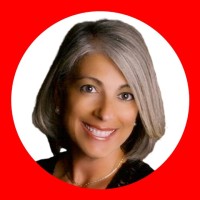
Physician, Medical Marketing Strategist, Author & Founder of The Medical Strategist
- Discover how old-school marketing strategies like local networking, referral relationships, and community visibility can still help doctors grow.
- Understand why listening to patients, defining your niche, and communicating clearly can make your practice more trusted and more memorable.
- Learn how AI scribes, concierge care, social media, and multiple revenue streams can help doctors reduce burnout and build more sustainable practices.
Full Transcript
Introduction and Guest Background 0:00
They're burnt out because the medicine that they are required to be in now with the system is not the Welcome to another edition of the Doctor Talks podcast. I'm your host, Brett Gregory. And the founder, and we are democratizing the creator economy for doctors. and I am so honored and excited to have with us Dr. Barbara Hales, MD. She's the CEO and founder of The Medical Strategist. Dr Hails, thank you so much for coming on our program. Thank you for inviting me. It's a pleasure to be here. So tell us a little bit about what you do and how you came to Be the Medical strategist?
I started out doing was seeing patients in obstetrics and gynecology. When I did my training, I went through each of the different types of environments, the big hospitals, clinics, private practice. and emergency room, urgent care. And what I decided for me was to have my own private practice so that I could really get a personal relationship with each one of my patients, understand them, communicate well with them and not be rushed. But after creating my and designing my own practice and opening the doors, it took about two minutes to realize I don't have any patience.
I didn't join a practice that was already in progress. And I had, you know, no referrals, I didn't buy a practice, had no patients that way. I was just starting out. And I opened the doors and that was it. So it really only took that long to realize that if I did not market myself, that three weeks from then I would be closing the door as the bills came in, you know, rather stressful. In those days, doctors did not really market themselves and there really were no mentors to show you how to go about it.
So therefore, I had to create my own systems. Some didn't work, fortunately most did, so that over time I figured out how too properly market. I went from zero patients to 10,000 active patients over time.
Building a Practice Through Old-School Marketing 3:00
Wow. Sorry, that's a lot. How much time did it take you to achieve that? Well, years. The thing is, it's really a question of communicating and networking and getting your name out. Great, well, okay, so let's talk about that journey. So what was step one when you, you know, now you have your own practice, no patients coming in, your day one, what step was one to starting that successful journey? Step one was joining the Chamber of Commerce. Okay. To let all the business people in the area know that I existed.
Yeah. And then they would send patients my way. What I would tell patients, what I will tell doctors is, do you market yourself? And they will say, I don't know how. are, I don't have the time or I have a budget. But Brett, what marketing is essentially is telling people what you do and where you're located. Can you imagine saying to someone, this is what I do, but guess where my office is? are, this is where my office is, guess what I do? It's ludicrous, doesn't it? So it's really a question of getting the word out, what it is that you do, What value that You can provide for people and how they could come get it.
So what I love about what you said, step one, joining the Chamber of Commerce, I call that old school marketing that works. And I'm a big fan of marketing. That works, of course, the old-school marketing, that work is like developing the chamber of commerce. What you're doing there is you are developing referral sources. building relationships, developing referral sources. And referral services can come from a lot of different places. It can from from the Chamber of Commerce. One of my favorite things when doctors ask about, hey, how can I find, where can i find you know, high paying cash patients in my local community?
And I asked people a little bit about like, tell me about your behaviors and habits. Where do you meet people? and they mentioned the local farmers market and I said, well, what about getting a booth at the Local Farmers Market? And the pretty much every doctor that has ever done that, has been able to start generating cash patients right away. And you know, the nice thing is, there's no competition. There's No other doctors at the local farmers market. That's where all the Local high paying cash, patients are spending their Sundays.
And that's a great example of old school marketing that works. I love that for you and what you just shared there. So tell us a little bit, okay, so that was step one. What was Step 2? What is this journey that you're going on? Well, Step two was to sit down and say, what type of specialties need to refer their patients to OB-GYN and who I could refer back to so that it's not just a one-way street. And to me, that was radiology. Each of my patients was going to need to have ultrasound, for instance, to find out if they had a pelvic mass.
If they were pregnant, how far along their pregnancy was.
Referral Sources and Market Research 7:00
So I was always going be referring to a radiologist. Besides that, the radiologist, once he found out his patient was pregnant or she had a pelvic mass, he wasn't going to be able to treat that patient. He was going have to refer that patients. So by having a relationship with that doctor, it gave me immediate referrals and they could see the value of that because they would get referrals back. I introduced myself to them, took them to lunch. We chatted about how we could be mutually beneficial to each other.
And I always left with a referral pad for their desk so that they didn't have to think about it. All they had to do was to scribble their name and hand it to the patient. So I love that. So you took the time to develop that referral source. And I loved the idea of, you know, leaving the referral pad behind so that whenever it came up, they thought of you first. I think that's brilliant. I given that you know we do podcasts at doctor talks and you have a podcast. One of the things that I an effective strategy that i've seen a lot of doctors take is if they've started their own podcast they would interview local referral sources.
like that radiologist you mentioned, and sometimes it's patients or other healthcare practitioners. But it can also be a local nutritionist, it could also a fitness studio owner, or it also can be local aesthetics practitioner. There's not just one referral source. So, okay, you started out with old school marketing that works, which I love. Then you moved on to developing referral sources, so that started that. flow of patients. Okay, what was the next step that you took and you could help our listeners learn from?
Well, the thing for me since it was my office was to listen to the people in the community as to when they had desire to see their doctor, whether it was evenings, early in the mornings before they started work, to make myself accessible to them. So I would call that market research. You're talking to your patients, clients, and customers, asking them, when do you like to see your doctor? And there's a lot of really helpful questions you can ask. Where do they go to do research about your Doctor?
What are some other market-research suggestions and techniques that you could recommend to our listeners? Another thing you may want to ask yourself is what would make you unique? What services can you provide that maybe are not really accessible by other physicians in your area? And can you, so I call that defining your niche. And, can just talk about some specifics. So you mentioned the menopausal women, but talk some about specifics in your example and how you came to figure out your nitch. One thing that I started on years before, it really was something people provided or offered was bioidentical hormones.
interested in not just being a number where you just got the same prescription that everybody else did, but that it was going to be tailored to them specifically based on their blood test results, based their examination findings. So it really was a more personalized way of treating someone. And did you get that from interviewing your patients and did they tell you that's what they were most looking for? Well, one of the best ways that I found out what were interested in was to just sit down, put the pen down.
Turn the computer off, just look them in the eyes and actually listen. I let them do all the talking. Instead of being talked to, I just listened because every patient comes with a story and unfortunately, they don't often get a chance to tell it. some of the most successful doctors who become entrepreneurs are also the best listeners. And that's what, so I'm a marketer and we as marketers know that having that conversation and then asking the question and just listen, let them talk. That's where you can find a gold mine, a treasure trove of information that your clients will tell you if you simply ask and Listen, I love it.
So why let's talk a little just take a step back for the doctors that are, you know, thinking about making this journey. A lot of doctors I hear from a lot doctors, that they're burnt out. Why do you think right now today so many doctors are burnt They're burnt out because the medicine that they are required to be in now, the system, is not the medicines that the signed up for.
Finding a Niche and Listening to Patients 13:00
You know, when they started with bureaucracy intervening and they had all this charting It was a question of a lack of time. I would meet doctors in the parking lot or in a hall crying that were saying, for every hour that I see patients, I have an additional two hours treating their charts. Yeah. And that it's, you know, I'm just taking care of charts, taking of the charts and I find it like 11, 12 o'clock and i'm still taking, care, of chart. So that, it has been years that I haven't had dinner with my children, that i haven,t done anything with, my family and that You know, it's gotten to the point where, you know I can't take it anymore.
Yeah. So the system has become intolerable for many. It's unsustainable. Yes. The way it currently is. However, what is very, very encouraging is that there are alternatives, there are options, and the system is slowly changing. Part of that reason for change is AI. Yeah, well, okay, so tell, yeah, let's jump at AI, do you think it's helping or hurting medicine? Well, both. First of all, AI is never going to replace your position. I agree. Ironically, AI and machines and technology are actually making medicine more human.
I would also agree. Yes. Sounds like a contraindication. But if a doctor has an AI scribe, then When the patient comes into the office, they are no longer just looking at the top of the doctor's head while the Dr is frantically typing. You know, the thing is that no doctor signed up in medicine to become a full-time data entry person. So by having an AI scribe who is not only going to You know, take dictation and transcribe the conversation, but the AI scribe also has the capacity to put it in the various places of the chart that it goes to.
So that rather than spending all the time, you know writing and typing and entering data, the doctor can just sit and start a relationship again and recoup that relationship doctor to patient, just listening and looking face to face, eyes to eyes. You know, patients often say, you know it's been years since I have been able to just look at the doctor and have the doctors see me, hear me and see without worrying about the chart and also without just being pushed out every 7 to 10 minutes. That I get to actually talk to the Doctor now.
Yeah, having that workload taken off of them, letting them just look at you and listen is making a world of difference. Absolutely. Why are concierge and telehealth models growing right now? The reason that they are growing is because with A dependence on insurance reimbursement, you're having to see more and more patients to earn less and less. Reimbursements are declining, expenses are soaring, and you could just never see enough patients too to make it work. But by having a system where you are not seeing thousands of patients, but just maybe 300, 400 patients tops, you're able to recoup that relationship again
Burnout, AI, and Concierge Care 18:00
that patients can call or enter when they want to have an office visit and have more personalized care. Instead of getting an appointment three months from now, they can come in today or tomorrow. Patients love that and it's much less stress for the physician as well because the physicians loves that too. They want to have personalized care for their patients. Even as a patient, in the last few years, I would call as a patient to a doctor's office. And the first thing that you would hear, even when the office was open, the thing you'd hear is, if this is an emergency, please hang up and dial 911. If this is a call about, then hit number one.
If it's a cool about this hit, number two, if it was about insurance hit. Number three, by the time they've gone through everything, you are sitting for 20 minutes on that telephone, which is which is for a busy person, very frustrating. And then by the time you get to the office answering the call, you may find out that they can't help you after you've been on for 20 minutes. Whereas with concierge, a lot of offices enable people to make their appointments online themselves. and they could go into a portal and ask their question, type it in right away.
And if they can't type, the system is also able to just have you say what you want and the chat bot will type in for you. You can also, through the portal, find out what your test results were, whether they were normal, or whether you need to follow up on them. It is empowering the patient to take a more active role in their care themselves without having to spend months waiting. So let's talk about communication in our last five minutes here. How important is communication for physicians today?
Communication is so important, both for patients and for physicians, which is why social media is also becoming a lot more prevalent because patients want to understand what's going on. They don't want just get a prescription and told this is what you have to do, this what do you take next. Patients want know what is going. What is the cause of And if the cause is not known right away, what are the following steps to take to then find out? And the physician also wants to communicate that. They want to let the patient know what different disease entities are, What they could expect, to what they can appreciate, just as if a person were to have a surgical recommendation, what makes you a candidate for that surgery and what does not make you candidate that for surgery?
What should you do in preparation? Would pre-op be? what can you expect? And after the surgery, what post-op things can you expect? You know, I used to tell my patients, you know you're not going to feel great. Don't expect to have the surgery or a procedure done. And then, like tomorrow you are a new person. The fact of the matter is for that particular process, not really feel yourself for six weeks. So don't put that much pressure on yourself because it's going to take you that long. And patients need to know that.
a transition in modern medicine where communication is key. And doctors that are going to be successful are not just the ones that can treat the patients appropriately, but are good communicators as well. You mentioned social media. Let's talk about our last little bit here. Why are physicians seemingly suddenly interested in social Quite frankly, social media gave physicians a voice that they didn't actually have before. Current medicine took their voice away because they were dependent upon the computers and bureaucracy and the guidelines that were within whatever hospital that they we're practicing in.
And social media has enabled doctors to have a voice, to tell people you know, to explain to people what different disease entities are,
Communication, Social Media, and the Future of Medicine 24:00
what difference treatments are. And it is just so advantageous for both. It's not even just treatments. I'd like to give an example when we started with COVID, a position that just went online for like three minutes. I don't know whether it was Facebook or Instagram, but what he did is he brought out on his phone. three or four bags of groceries that he got from the supermarket. And he said, this is what you would do to treat what have bought. You would isolate this. This is okay to put in the refrigerator right away.
He went through just common living you know, situations for the average person. And it was not fancy Hollywood cameras. It was just the phone that everybody has now. Everybody has the ability to make a video. Nobody's expecting perfection with the video, they're just expecting to understand, to see, and to hear. For doctors to portray and for patients to, you see and hear. And by seeing these videos, they have a better understanding. You know, it's simplified, the understand things and they can enact upon them.
But the doctor that first made that video with the groceries had within a week, more than 3 million views. Wow. That's amazing. If you could find that video, share it with me and we'll put it in the show notes. I'd love to see it. Last question, what's the future of medicine? Well, you know, the future of medicine, I think, is very encouraging because it's evolving from doctor knows best to doctor explains best. I like that. Yes. So that, with the AI world, healthcare is becoming one where when a patient wants to find a doctor.
It's not who is the doctor that's closest to me in location, but who the is doctor I trust the most. You know, it's really becoming a question of not only doctors treating a patients, Mm hmm. Oh, I love that. And I've found that the, you know, trust factor with doctors is so high. So when you go on as a doctor, when You go, on social media as A doctor when, You Go on a podcast, the trust Factor is still incredibly high and that is not going away. I actually think it's getting higher in the event of advent of you know, telemedicine and AI and social media, I think, you're hearing from your doctor is becoming more important than ever.
The thing is that Brett, that, by being prevalent in social, media people get to see you and know you before they even come in as a patient. They already feel that they know. And I agreed. And so Dr. Hales, what services do you offer? What I offer is a way for a physician to navigate in today's day and age, the milieu of how to get better rankings and reviews, how to get multiple streams of income so that the office is making revenue as well as the doctor. The doctor doesn't always have to be there so they can spend time doing what they love with the people they loved and not just medicine.
So you can help physicians who want to grow their practice, who wants to market their practices, basically marketing and business coaching for doctors. Exactly. Amazing, amazing. And how can doctors get a hold of you? They can reach me through my website at themedicalstrategist.com forward slash contact. They could call me, through a number that is in my show notes or on my web site. Absolutely. You also have your own podcast, which we will also, what's the name of your podcast? My podcast is called Marketing Tips for Doctors.
Marketing tips for doctors. That's very clear. Dr. Barbara Hales, thank you so much for coming on the Dr Talks podcast. We really appreciate you being here. And thank That's the edition, this edition of Doctor Talks Podcast. We'll see you on the next one. If you found this episode valuable, please consider hitting the like, subscribe and leave a review. It really helps others find the show. And if you're ready to get known, get booked, and get more patients now, visit doctortalks.com forward slash connect to sign up for free and start getting booked on podcasts today.
Comments