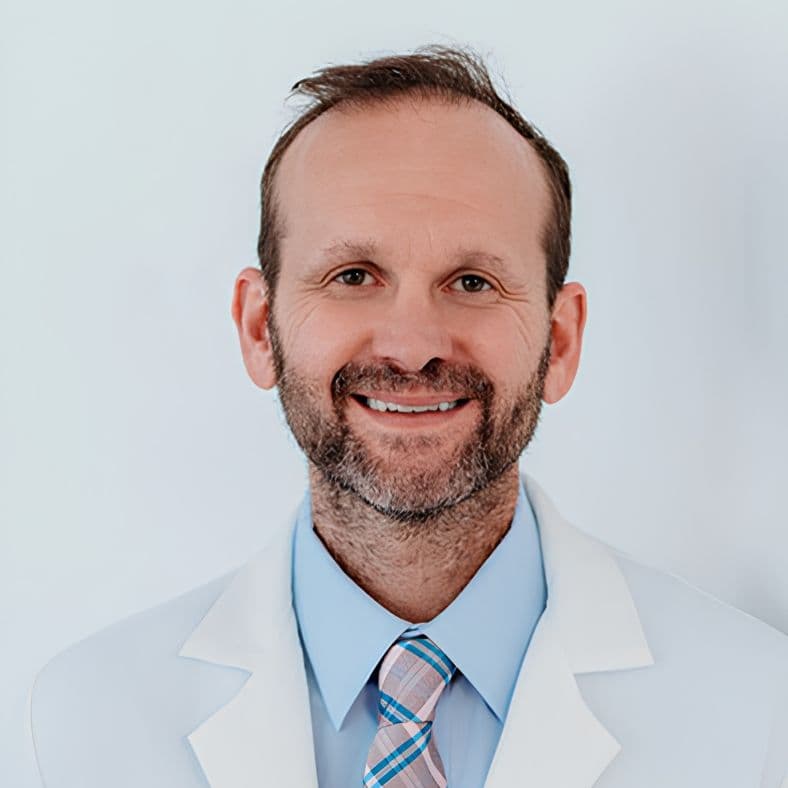
Full Transcript Opening: Mold, illness, and the terrain concept 0:00 When someone becomes sick after living or working in a water damaged environment, one question naturally comes to mind. 0:06 Is the mold the problem? 0:08 And sometimes the answer may be yes. 0:10 The complex chronic illness rarely fits neatly into a single explanation. 0:15 two people living in a similar environment and have very different health responses. 0:20 One person may recover after the exposure is removed, and another may continue dealing with fatigue or food sensitivities, 0:26 digestive problems, hormonal issues, immune dysfunction, or difficulty tolerating treatments. 0:32 And then there are patients who seem to react to almost everything that they try. 0:36 They may have already tried removing the cells from the environment. 0:40 They have tried supplements, binders, detox protocols, restrictive diets, and multiple other approaches, yet they still don't feel better. 0:49 So what is actually happening? 0:51 Is the environmental exposure still driving the illness or has something else become important in determining why that person remains unwell? 1:00 Today, we're going to explore a concept that can change the way clinicians think about these complicated cases, the terrain. 1:07 not as a way of dismissing environmental exposure, but as way as asking a broader clinical question, what is happening inside this particular patient and 1:17 what needs to be addressed first? 1:19 Stay tuned, we've got a great show coming up for you. 1:22 I think you'll really enjoy it when we meet with Dr. 1:24 Kozlowski. 1:27 You've tried everything, you've changed your diet, detoxed, even moved homes, and yet you still feel sick. 1:34 Headaches, brain fog, fatigue that no one can explain. 1:38 What if it's not you? 1:39 What is your environment? 1:41 Welcome to Mold Microtoxins and More. 1:43 I'm John Borden. 1:44 Each week I sit down with experts uncovering how mold, microtuxins, environmental exposures affect your health and what real recovery looks like. 1:52 Let's get into today's conversation. 1:55 The information provided on the Mold Pros Podcast is for educational and informational purposes only and is not intended as medical advice, 2:02 diagnosis, or treatment. 2:04 Listening to the podcast does not create a doctor-patient or professional-client relationship between you and the Podcast host, 2:10 guest, and Mould Pros. 2:11 The content shared should not be used as a substitute for professional medical advise, diagnoses, treatment, And always seek the medical advice of your 2:20 physician or qualified healthcare provider with any questions you may have regarding the medial condition, potential mold exposure, 2:26 or health concerns. 2:27 Never disregard professional medical advise or delay in seeking it because of something you heard on this podcast. 2:32 And while we strive to provide accurate and up-to-date information, we make no representations or warranties of any kind, 2:38 expressed or implied, about the completeness, accuracy, reliability, and suitability of all the information discussed. 2:44 A guest's experience and outcomes discussed on this podcast are individual cases and should not be considered typical results. 2:50 Your situation may differ significantly. 2:53 As always, if you think you have a medical emergency, call your doctor or 911 immediately. 2:58 By listening to the Mold Pros podcast, you acknowledge that you understood this disclosure. 3:03 Welcome to another episode of Mold Microtoxins and More, where we explore how our homes, workplaces and broader environments may influence chronic illness, 3:11 and where bring together physicians, researchers, environmental professionals and innovative thinkers working to improve patient outcomes. 3:19 I'm your host, Jon Bode, co-founder of The Mould Pros. 3:22 Today's conversation takes us beyond the question of whether mold can make someone sick. 3:27 We're going to talk about what happens when a patient has multiple symptoms systems involved and the clinician has to decide where to begin. 3:35 Our special guest is a good friend of mine, Dr. 3:37 Peter Kozlowski, a functional medicine physician who's been practicing root cause medicine since 2011. His clinical work spans gut health, 3:46 the microbiome, SIBO, food sensitivities, immune balance, hormones, detoxification, genomics, cardiovascular health infertility, 3:56 addiction recovery, and mind-body connection. 3:59 What ties that work together is a focus on a fundamental question, not simply what label fits, but why is this happening? 4:06 Since 2025, Dr. 4:08 Kozlowski has served as the full-time Director of Clinical Intelligence for Ortho Molecular Products. 4:15 He's also the creator of Root Cause Practice Pro, which is an AI-powered platform delivering structured, evidence-based protocols for complex chronic conditions. 4:25 And he's also the chief medical officer for Hans, which is an AI platform built specifically for functional medicine workflows. 4:32 He's, also, the author of Unfunk Your Gut and Get the Funk Out. 4:37 Got to make sure I enunciate that really clearly because this is a family show. 4:42 He's a nationally recognized speaker for organizations such as IFM, A4M Intellex DNA, BOSAIC, Diagnostics.
Podcast intro and guest introduction 4:50 I've had the pleasure of listening to some of his presentations. 4:52 Just a brilliant guy. 4:54 You guys are going to love this episode. 4:56 Dr. 4:56 Kaas, welcome to Mold Microtoxins and More. 4:59 Never thought I'd be on a podcast called Mould Micotoxin and more, but life takes us in beautiful directions and I'm honored to be here. 5:07 Hey, we're glad to have you, man. 5:10 So, you know, You've been doing this for a minute. 5:12 In fact, about as long as we've done it, We're both going on about two decades down this journey. 5:19 And things have evolved so much. 5:20 I am really excited to get into this AI conversation. 5:23 When you and i were together in Austin, Um, at this last, uh, conference, we talked a little bit about what you're doing. 5:29 It's really exciting stuff, but I can't wait to turn to AI. 5:33 Things have changed so much since you started out. 5:35 So just an open question. 5:37 The first question, you know, when you've started this and you start looking back at some of your earlier mode cases that you had, 5:43 some your patients, how has your approach changed today? 5:47 And do you think maybe you were getting something wrong back then? 5:51 What would you do differently today. 5:54 It's a great question and I would do a lot of things differently, but I always try to remind my patients and myself, like we're all doing the best we can 6:03 in that moment with the information we have, right? 6:05 And I was just kind of talking about the, you know, the progression of like a career into alternative or functional or longevity medicine seems to be the 6:16 trendy term now. 6:17 I say functional medicine because that's where I got my training is with Institute of Functional Medicine. 6:25 And I came at it from being a traditional family practice doctor. 6:28 So I, both my parents are regular MDs and I went to regular med school and went into residency. 6:36 And that's where I say like, I'm kind of shocked to be on a podcast like this. 6:39 Cause if you would ask me when I was an intern in residency or graduating medschool, would you be doing functional medicine? 6:44 I would have laughed in your face. 6:47 I was very traditional based. 6:50 And for me, it was just random luck. 6:52 We had an attending doctor that would make us start a multivitamin and vitamin D on every patient that was admitted to the hospital when he was on service. 7:00 and we used to make fun of him because the rest of the doctors would just have us do the regular meds like for blood pressure and cholesterol and opiates 7:09 and the traditional medicine stuff. 7:11 So it's weird to be prescribing multavitamins in the And he was the one that introduced me to functional medicine. 7:17 And because I kind of asked him one day, we were on call together in the middle of the night, and I was like, his name was Dr. 7:24 Batra. 7:24 I'm like Dr Batara, why are you weird? 7:26 Like, Why do you make us do this? 7:28 And, he's like oh, I am studying this thing called functional Medicine and he took me the website and it looked interesting and The next coming show was 7:36 in LA and I needed to pick a conference to go to. 7:39 So I went to an IFM, the general conference. 7:43 And from the first hour I looked around and it was like, wow, like why, why have I not been being taught medicine in this manner? 7:50 Like, and the, first talk I listened to was on the thyroid and. 7:54 It just made so much sense. 7:56 Like why? 7:57 Right. 7:57 Instead of just like here's a pill. 7:59 Why is this happening? 8:02 And getting into that, like, to me, functional medicine starts with the gut and the guts starts, with food. 8:10 And so when I was transitioning from being a regular doctor to a functional, medicine doctor, that's where I really focused on in the beginning is like 8:17 start with a gut, start it with gut start, and testing people for food sensitivities, prescribing elimination diets, learning how to do stool testing, 8:26 testing for candida and dysbiosis and treating those things. 8:31 And then I learned very quickly that SIBO is the most common gut condition, small intestine bacterial overgrowth. 8:40 So I got really good at treating SIBo and diagnosing it. 8:45 And not everybody was getting better, right? 8:48 It wasn't enough to just do the food and gut. 8:52 The next kind of area for me was hormones. 8:56 And then I was like, you know what? 8:58 I gotta get good with thyroid. 8:59 I got to get with HRT and hormone replacement and the adrenals. 9:04 And so then, I kind of really focused on hormones and got good that. 9:08 Then I realized, hey, there's still people not getting better. 9:12 So the next kind area that I need to explore and get better at was detox. 9:19 For whatever reason, coming at functional medicine from a traditional medicine background, What scared me the most was getting into detox. 9:29 I don't know what was poisoned in my brain being a traditional doctor, but I was afraid to test people and treat people for heavy metals. 9:41 We learned about mold allergies. 9:45 mold toxins. 9:46 When I was writing Get the Funk Out, which is my book on hormones and toxins, I went back to the big pathology textbook, 9:55 the thickest textbook I have. 10:00 I was like, did I just sleep through those classes? 10:03 Did we learn about mold toxicity and I wasn't paying attention? 10:06 Or did i miss something? 10:07 So I went back through the path book and in the entire book, the one that I had was 1,200 pages, smallest print you've ever seen. 10:17 I searched the entirety, which is supposed to be everything that could ever go wrong with the body. 10:23 And there's two pages on mold in the entire book. 10:26 And those two page is just focused about allergies. 10:29 Like we, they talk about the IgE response to mold and there was nothing on, mold toxicity. 10:36 Um, and mold, toxicity is one of the most common things I treat now. 10:43 So that was the kind of, the last era, not the, last area, but the next area after food and gut and hormones that I really kind, 10:49 of try to get comfortable with was testing for toxins. 10:54 detoxing toxins, how to do the follow-up testing. 10:57 Um, and that made a huge impact because, uh, my experience has been as there's a lot of people with gut issues, where the main underlying root cause is 11:09 just mold. 11:11 Which was really weird. 11:12 Like I, you would think. 11:14 It was SIBO and Candida and typically those things go together. 11:18 So frequently I find people that have a mold problem will frequently also have Candid and SIbo. 11:24 And it's like, which one came first? 11:25 And then you kind of have to get in the decision making of which ones are you going to treat first. 11:32 When I started trying to learn about mold and how to apply it, the main thing that most people were doing was the Schumacher protocol. 11:44 This is my personal belief with it. 11:47 I know a lot of people still practice the schumach protocol, but There's kind of some non-specific testing, some genetics, 11:54 and it's like if you have a history and you've kind these non specific markers, then we try to detox you for mold. 12:00 I didn't love that. 12:02 The way I like to practice is very objective. 12:05 And this is where I don't know if, you know, what year the urine mycotoxin testing came out, but it was since I started practicing. 12:15 And so when that came out, I was like, if I could objectively measure someone's urine levels of the mycotoxins, match that up to their environment,
How Dr. Kozlowski evolved from conventional to functional medicine 12:25 that to me makes a whole lot of sense and I can explain that. 12:31 So pretty much from the time that I starting treating mold, i've relied on urine mycotoxin testing. 12:40 So it's a very long answer to your question is like, what would I do differently? 12:45 Um, it took me years of practicing functional medicine, uh, before I got comfortable with working on toxins and detox. 12:54 So I guess what I would have done differently is try to start doing it earlier and not be afraid of detoxing people or testing people for toxins. 13:06 That, that's, I mean, again, but you know, it also took time to get comfortable with dealing with food sensitivities. 13:12 It took. 13:13 Time to getting comfortable the gut. 13:14 I took, time, to, get, comfortable, with hormones. 13:16 Took time. 13:17 To, uh, Get comfortable. 13:19 With detox and toxins. 13:21 Uh, But I guess that what I would love to have done is probably be comfortable that sooner than I, than, did get. 13:27 Comfortable with it. 13:29 I think to answer your question, uh, I met with Dr. 13:34 Hooper, the, one of the. 13:37 The founder of a real time labs, it was around 2012, maybe, then we met down in Carrollton. 13:45 So it's been, out there for, for a minute and I consider him to be a trailblazer. 13:50 Um, in this industry, just like Dr. 13:54 Richard Shoemaker was. 13:56 I think both of those guys have made enormous contributions. 13:59 When a patient arrives to see you and they have a strong belief about what's making them sick, especially when it comes to environmental illness, 14:10 that belief comes from very real experiences, right? 14:13 There's some symptomology there, They may be sick in a particular building, and usually the telltale is that, hey, when they leave, 14:22 you start feeling better. 14:22 They come back, they're not feeling so good. 14:25 So I was going to pick your brain a little bit about that clinician approach to that situation. 14:30 You don't want to dismiss what the patient's experiencing or Or prematurely assume that, hey, that one factor is everything. 14:39 Because we understand this can be a pretty complex diagnosis and the road to recovery can a little more complex as well. 14:46 So before you agree with that patient that strolls in, what are you actually, so there's so many different things, right? 14:53 You talked about Candida. 14:55 You talk about SIBO. 14:57 What are actually looking at at that moment with the patient? 15:02 Yeah, lots of different things, obviously. 15:06 But one of my favorite things kind of what you mentioned is, you know, when you have the history of like, hey, When I go on vacation, 15:13 I feel better. 15:14 And then I come back home or when I leave, and I'm comeback, feel unwell. 15:21 To me, that usually means it's two things. 15:23 It's either a problem with the house, Or a lot of times it's a problem in the family. 15:28 Cause I'll typically be like, well, does your spouse go on vacation with you or not? 15:32 And if you're on a vacation without your. 15:35 And you were feeling better than maybe it was not the house. 15:38 Maybe it is your relationship. 15:40 So that, that's always in my differential is, is who's going with. 15:43 When you are out of the environment, because. 15:47 I am a believer that the root cause of all disease is our mental, emotional, spiritual, and social health. 15:56 When we live in that sympathetic fight or flight response, just from a detox standpoint, you shut down your ability to detox as well. 16:04 If you're chronically in the fight-or-flight, that obviously shuts down you gut and it affects your hormones. 16:11 To me, the root cause in pretty much all disease and it's at the center of the functional medicine matrix. 16:17 And a lot of people forget it when they start practicing because we have access to all these cool tests. 16:22 But really the core is just turning off that sympathetic nervous response. 16:27 I would remind practitioners if you're getting into treating, don't just jump right away that if the person leaves that they feel better when they're out. 16:36 You know, think about that, you know just that sympathetic nervous response to are they just when, they you, know they, just chronically sympathetically 16:43 activated and, and is it, or is that both? 16:46 I mean, for most people it's both, right? 16:47 Because just being chronical exposed to mold will keep you chronicle sympathically activated. 16:54 So that again kind of brings the kind the complicated answers like I try to think about all these things when I meet with someone. 17:01 I have kind an unfair advantage a little bit and most of us practicing functional medicine do is that my patients will fill out about 40 pages of intake 17:10 paperwork before they see me. 17:12 And that includes like a history, which includes everything from like the time they were in utero to their childhood to adult and et cetera, 17:21 and their allergies and what supplements are they on, their family history et Cetera. 17:26 But one of the forms that they get is an environmental exposure form. 17:32 And so that gives me a clue in and I'd love your opinion on this. 17:38 I learned to not ask people, have you been exposed to mold? 17:43 I, since I started doing this is I ask, Have you ever had water damage? 17:48 So. 17:50 Almost every patient I've diagnosed with mold toxicity usually fights me on it at the first visit. 17:55 They're like, no, I did my traditional home inspection. 17:59 We did what the realtor told us, we did with the bank told. 18:02 There's no mold or my husband's a contractor. 18:05 My husband has been in the attic and the basement and I definitely don't have mold. 18:10 So I never ask someone, have you been exposed to mold? 18:14 I ask, you know, Have you had any history of water damage? 18:18 Love your thoughts on that as an expert from the environmental standpoint. 18:24 100%. I would even take it a step further. 18:30 We kind of kid about it being the Scarlet M. 18:34 There's this mindset that if you have mold in your structure that somehow you're dirty, you don't a good housekeeper, those sorts of things. 18:45 A lot of the work that we do, and for those that have listened to this podcast for a while, it's not water damage. 18:51 Most of work we actually do is humidity driven. 18:55 So I would encourage you to take that question one step further about having water damaged in your home, but also is your house moisture affected? 19:04 what's the relative humidity in your home? 19:07 The EPA recommends we maintain ideally relative to maybe between 30 and 50%. And so if you get elevations of those things, 19:16 you can get xerophilic mode growth like penicillium aspergillus, which can create aflatoxins, as you know, ochratoxin, gliotoxins et cetera. 19:26 And that can be in duck work. 19:27 You may not be able to see it as well. 19:29 It's not really apparent to the naked eye. 19:32 We just wrapped up Huge projects in Houston. 19:34 We've got one here in South Florida. 19:37 Where the whole thing, Nice Helms, it was all humidity driven. 19:42 Not a water leak. 19:45 What do I tell my patients? 19:48 How should they test that? 19:49 I think my thermostat at home does it, but I don't know, is that enough? 19:54 What what do i tell them to do? 19:55 Because I would imagine most people aren't going to know. 19:59 I don't know the percentage of humidity in my house, but now I'm going to go check after this. 20:03 Yeah. 20:03 Right. 20:04 So sometimes the thermostats, the smart thermostat can be a good indicator. 20:08 I think, uh, initially just awareness, right? 20:11 They can go to, and we've encouraged folks go Amazon and get the little hygrometers. 20:16 They're like 10 bucks an hour or not. 20:19 Spot on great. 20:20 Uh, as some of the commercial equipment that we have, but you're actually, they could be a good, a, good way for people and just monitor that because that 20:28 elevates humidity. 20:28 It doesn't take much for those molds to thrive. 20:31 And so, uh, just the awareness that humidity, so I'm glad that you were talking to him about water damage as opposed to mold. 20:38 Talk to them about, you know, is your building moisture affected? 20:42 And I think that over 30% you said or over 50% is when they over a 50%. The EPA says ideally to maintain your relative humidity between 30%, 50%, you go 20:53 too dry, you start getting sinus issues, wood cracks, that kind of thing. 20:57 So yeah, just to wear us around humidity, I And would you sell, cause something else that I hear is, you know, well, there was, 21:08 uh, water in our basement, but we don't ever go in there. 21:11 There was watered my attic and I don' never go. 21:13 Um, so I mean, I obviously counsel them like if it's anywhere, it' everywhere with the humidity check. 21:20 Would you advise people to check like each floor of their house or different rooms or. 21:25 Absolutely. 21:26 You can have pockets. 21:27 So like, for example, you're in Chicago land area, right? 21:30 And so you have basements, which we don't have here in South Florida. 21:34 But one of the things, and I used to do it myself when I lived in the Midwest, You go down, the basement is always cool. 21:40 What do you do? 21:40 You shut the HVAC vents. 21:43 And what happens is that stops the ventilation cycle through there. 21:49 And that can create pockets, and so that could be problematic. 21:54 Also, speaking of HVACs, we always encourage people to think of the HVOC systems as being the lungs of a house. 22:02 And so if you have an airborne, to your point earlier, if we've got airborne sporulations or problems with mold in the basement, 22:08 you may not go down there, but you probably have returns in a basement that's pulling those contaminants into the system and spreading them throughout 22:15 the structure. 22:16 So that's why we encourage folks, we were talking with someone earlier today, and they're like, ah, just my basement's the problem. 22:23 I don't want to test the rest of my home. 22:25 And we encouraged them, let's get all the data so you know what's going on because you don' want treat that problem and still have a problem that is unresolved 22:36 upstairs and it kind of creates this cross-contamination loop, right? 22:38 You feed one and the other is going to recontaminate and that kind Yeah. 22:43 Uh, whole house inspections. 22:46 It's all it, you know, I, it just dawned on me. 22:49 You talk about the body and all these different things being kind of interrelated. 22:53 The home is exactly the same way. 22:55 There you go. 22:57 Yeah. 22:59 That's like, I mean, my father does construction since immigrating from Poland, but I like the, the home construction and the body are very similar, 23:08 right? 23:08 Like you have your plumbing, you, have you're electricity. 23:11 It's your nervous system, so a lot of similarities overall between the bodies and homes. 23:17 Yeah. 23:17 Yeah, no doubt. 23:19 Uh, so I think it's easy to break those analogies down that to help people understand when, um, and we've talked about this, 23:25 you know, that I've, I'd been through detox. 23:27 I mold exposure is something that is kind of common. 23:30 It's a, uh, industrial hazard that comes with my business. 23:33 We have to make sure we're really well protected when we go into homes and occasionally get exposures that, just cause we see it all the time. 23:41 So. 23:43 When you got somebody and we're talking about detox and detox, it can be rough. 23:47 We've had that conversation before. 23:50 I've lived through it. 23:52 So, you know, sometimes these supplements make you feel worse or the binders make it feel worst. 23:57 The diets can a little restrictive, right? 23:59 I have seen some of the protocols, when it comes to not eating this or that and that sort of thing. 24:04 Can you share a bit what's happening physiologically and kind of where you start on some that stuff? 24:13 It really, really varies person to person. 24:15 In functional medicine, we really try to promote personalized medicine. 24:21 That kind of drives me nuts. 24:22 A lot of our field is driven by what's posted on social media and people selling products online. 24:29 Just the general detox protocols and stuff you can buy, the supplements here, just take this detox protocol for 30 days. 24:37 I, or the liver cleanses or parasite cleansers. 24:40 I don't, I hate all that stuff. 24:42 Um, um, very objective based. 24:44 So I really rely on testing. 24:48 My typical flow, like if I'm, uh, also be curious your thoughts on this, you know, to me, the, only step, though, approach that I take the two detox is,
Evaluating environmental illness and water-damaged buildings 24:58 Um. 24:59 The only stuff that matters and detoxes to stop exposure. 25:02 Yep. 25:06 For me to diagnose someone or feel confident in starting to treat someone for mold, I like to do a body test, so I do urine mycotoxin test and I match 25:17 that up with a home test for mycotoxins. 25:21 And some, you know, so when I'm going through it, the hard part with this field is most of the testing is not covered by insurance, 25:29 right? 25:29 So there is out of pocket costs. 25:31 So I always like to go over cost with patients. 25:35 And so if I really suspect, if they have like autoimmune stuff going on and one of their kids has eczema or skin stuff and they had some water damage history, 25:49 In my ideal world, I'm ordering a urine mycotoxin test, and then they're doing a home test for mycotoxins. 25:55 For a lot of people, they are like, well, if I am going to do just one, which one should I do first? 25:59 That's always a hard one. 26:01 It's easy if there's just 1 person in the house, since I m a human doctor, let's do the urine test. 26:09 If you're positive, then let s do home tests. 26:12 For some people, they're very sure they have exposure. 26:15 They'll order both at once. 26:17 Or if they had a family, like I just had this a week ago where the woman was pretty sure that they'd had mold and one of her kids had some allergy and 26:28 skin stuff going on and she had autoimmune stuff. 26:30 So I was like, You know, and cost was a concern. 26:33 I was like, so why don't we just start with the home test since there's multiple people affected and cause I'm not really going to start detoxing you if 26:41 your house is full of mold. 26:43 Um, we're not going get anywhere. 26:47 that's always been a hard one because people are like, you know, sometimes I'll have people test positive and they're like well I'm, 26:53 this whole remediation process, I mean they are going to fight with my insurance to pay for it or my husband wants to do it himself or we're going hire 27:02 the mold pros and the process can take a while and well do I start detoxing or not and that is kind of a harder question. 27:09 I am like If for a while I'm like, like no, don't start detoxing. 27:13 Cause it's kind of irrelevant. 27:14 Because you're, you know, we're taking stuff to detox, but then you are breathing it in. 27:18 So we are just spinning our wheels. 27:20 And then I had a patient open my eyes and it was kind, of we open our eyes together. 27:23 It's like well, my kids, what do I do about my kid? 27:28 And I am like. 27:29 Then I thought about it. 27:30 I mean, I have kids now and I was like if it were my, kids I would start detoxing them. 27:34 Like whether or not the house is clean or no. 27:37 Anything is better than nothing. 27:39 I think so that that kind of experience changed me to where I'm like, we might as well start a detox protocol, even if you're in the process of remediation, 27:48 because thinking again, for me and myself, I don't care as much, but for my kids, if it was them, i'd want them to start doing something that nothing So 28:00 I typically, you know, I'm like, we're not going to make it very fun. 28:05 My approach is like if we were going do a detox protocol, it's like I'll recommend a protocol which I hate protocols because they're different for everybody. 28:12 But typically three months once exposure has stopped. 28:17 So if you have a positive urine mycotoxin test, Typically give you a three month plan and the timer doesn't really start for me until we can identify, 28:28 we clear up that exposure is no longer happening. 28:31 Right. 28:33 And so we'll, start that protocol and then we will retest after three months. 28:38 Some people it's gone and some people, it is not. 28:44 Yeah, sorry. 28:45 So that's kind of an approach that I take. 28:48 I would just to kind of circle back on something that you said, if I can make a suggestion on the remediation side, we understand that, 28:55 you know, sometimes it's not inexpensive. 28:59 It depends on kind the scope and nobody has money trees in their backyards. 29:06 And so that is a consideration. 29:10 A good inspection really helps determine actually where the scope is. 29:14 And so oftentimes we see people that kind of take that ostrich approach, they bury their head in the sand and say, okay, 29:19 we'll just... 29:20 For some reason it's better to take supplements and I get what you're saying. 29:25 I think I wouldn't disagree that I would probably want my kids to start that process sooner rather than later. 29:33 But spend the money and get a good quality inspection. 29:39 That way it really determines scope. 29:42 We have projects that We've tested out the house and when it's like, listen, upstairs is fine. 29:48 We don't need to treat upstairs, we need treat this area. 29:50 It's the water damage and living room closet. 29:53 Unfortunately, it is all surface growth or whatever and hasn't really aerosolized. 29:58 And so that really good inspection can and you can get in that laboratory data just as you do on the clinical side, have an element of environmental side. 30:09 helps develop a proper scope for your home to really rifle in to get that nailed down. 30:13 Sometimes expensive, sometimes it's not. 30:15 But at least have the data so you can make the right decision, right, for you family would be an encouragement I would make. 30:23 Easy for me to say, I know I own an inspection and remediation company, but we've had that thought process for forever. 30:33 It's no different as we talked about the house and the body, it is the same. 30:36 Get good data. 30:38 Yeah. 30:40 My approach to medicine is very objective-based. 30:45 I hate guessing because on paper, I could have somebody that's screaming Candida overgrowth and they test negative for Candid and it's SIBO, 30:56 or they're screaming SIBo and SIbo is negative and its actually Cand. 31:00 Or they're screaming SIBO and Canada, and it's actually a mold problem. 31:04 Um, so I, you know, there's some practitioners that will do a lot of treatment just by history. 31:11 I personally hate that approach for me. 31:13 Uh, I I've just been proven wrong so many times by testing that I'm not as great as I think I am. 31:19 And so, uh, rather. 31:21 Plus, testing gives me a baseline. 31:23 If I have a base line of like, here's your level on this, you're deficient in this. 31:28 You have too much of this here is a treatment plan and three months from now, we're going to retest and I'll show you that what we are doing is working. 31:38 I've been doing a lot more nutrient testing. 31:42 Looking at omega-3, omega 6 levels, looking at amino acid levels. 31:47 Intracellular versus serum levels of vitamins. 31:51 Those are fun tests to do. 31:52 Lately, it's been a lot of teenagers with fatigue stuff and you test them and they're deficient in CoQ10. 31:58 They're deficiency in choline. 32:00 Their omega six ratio to omega three is like 60 times normal because they are our standard American diet. 32:06 And then you put them on, so Omega-3, put the on some CoQ-10, and three months later you repeat and everything's getting better and then they're feeling better. 32:15 That's a lot of fun. 32:15 And the same thing with mold. 32:18 You know, somebody suspects it, they come in, we test them, their positive, the get the remediation done, then go through the detox, 32:25 retest them and now they are negative. 32:27 My favorite probably story ever in medicine is, is I had a woman that came to me for a bunch of, buncha things. 32:34 But, um, the main thing I think really was infertility and you know, she had been struggling for years and. 32:41 We went through all types of stuff and then we finally got some mold testing and her mycotoxin urine was positive. 32:50 Her home was. 32:52 She actually worked as a teacher, which love your opinion on that. 32:56 My experience, some of the moldiest places in America are schools. 33:00 Yep. 33:01 I would disagree. 33:02 Yeah. 33:04 And it's sad since that's where our kids grew up, but the school district refused to test. 33:11 So she actually snuck in a mycotoxin test, paid for it herself. 33:16 That was positive. 33:17 Her house was. 33:19 She quit her job. 33:21 She moved out of her house, left her husband in the moldy house as they were mediated and she moved in with her parents. 33:27 And it was honestly one of the earlier mold cases I treated and I was not feeling good. 33:32 I'm like, man, like this woman has given up a lot, her job, living with her husband, all on some mycotoxin testing and a hope and prayer that this was 33:43 the root cause. 33:44 And, it wasn't even really for the fertility stuff. 33:47 It was, she had a lotta chronic fatigue and other stuff and we, you know, She did it all. 33:53 She put in the work obviously. 33:56 Three months later, her mycotoxins came back at zero. 34:00 She was feeling a lot better. 34:01 And then it was like four, three, between three and six months. 34:06 Later, I got an email that was titled first to know, and it, it. 34:12 I'm pregnant. 34:14 And I mean, her son is like seven now, I want to say, and I ran into them at the mall with just the son and the husband not that long ago.
Detox, testing, and when to treat mold first 34:24 And that experience really, it was like, okay, i'm really going to be testing people for mold now. 34:33 But that was one of my favorite patient stories. 34:38 that kind of exemplifies, you know, for some people how much work it involves in regards to treatment. 34:45 It's honestly probably one of my less favorite things to diagnose because it's not just like here, change your diet, your supplements and everything will 34:56 be okay. 34:56 There's, John and the mold pros are involved because you have to take care of your home as well. 35:04 And it's hard. 35:07 It's a lot more than just like, okay, stop eating gluten or here, take some supplements and rebalance your microbiome. 35:14 There's lot of life stuff that comes with it too. 35:17 So you talk about food, gut, hormones, toxins, and you've talked about some of the mental, emotional, the spiritual side of things, 35:25 all that kind of goes into it. 35:30 Is that the terrain that you talk about? 35:32 The what? 35:34 And the, the train of knowing the patient's terrain of kind of all these things. 35:40 Yeah. 35:41 And how it fits together. 35:47 A lot of it goes back to that intake paperwork. 35:49 So, you know, we get a lot going on that and. 35:52 My first book was Unfunk Your Gut. 35:54 Most people that come to a functional medicine doctor think gut. 35:59 But sometimes I don't always do the gut testing. 36:03 If somebody comes in, they're like, I'm moving my bowels every day. 36:05 I didn't have any digestive symptoms, but they were telling me about their home and they are telling about autoimmune disease. 36:14 skin stuff or gut stuff, or heart stuff for anxiety stuff hormone stuff. 36:18 And we suspect hormones and toxins. 36:22 It looks a little bit different. 36:23 Like with pre-metapuzzle women, the most common thing I treat as estrogen dominance. 36:28 So we might just start focusing on getting the woman's progesterone up. 36:33 Um, Some people come in with a little bit of all of it, right? 36:37 And it's like, there's a lot of doctors that'll argue you shouldn't detox until your gut's right, so a lotta doctors will say, 36:45 you gotta fix the gut before you detox. 36:50 The, what toxins are is our fat soluble and detox is making them water soluable. 36:55 So we can then poop pee and sweat them out. 36:59 That's the way I kind of simplify it. 37:01 And so if I do have someone that's constipated, I'm definitely not going to start detox, right? 37:07 Like we have to get them moving their balls before we could start talking about detox. 37:12 And that might mean just eliminating food sensitivities, or that may mean treating a dysbiosis or a SIBO. 37:19 But if they're moving their bowels regularly and, you know, in Every patient, I would love to do a microbiome test. 37:27 I Would love To do gut testing. 37:28 But again, that testing comes with cost. 37:30 And so if their guts pretty balanced, then I might not do A gut test at first. 37:35 We might focus on toxins first and like I said, to me, it's a at least a decent marker. 37:41 If, if again, ability to order a bunch of tests is limited. 37:45 And I don't like to just order all the tests for everybody because for me, I'm only ordering a test if it changes our treatment plan. 37:51 But that's a decent way to start pinpointing like, do I start with the gut or do i start With toxins like well, if they're moving their bowels every day, 37:57 that' s a pretty good sign there. 37:58 At least they' re eliminating. 37:59 So if the are toxic, we can at least start detoxing them. 38:04 Whereas if, if we get their history and they're not moving their balls and their constipated, even if their environmental history is really bad, 38:13 I'm going to do the gut stuff first. 38:14 Cause we got to at least get them pooping before we can start detoxing them. 38:20 So the terrain is, you know, it's different, right? 38:22 And if you're chronically in that fight or flight response, well, your shutting down everything. 38:27 You're shutting your gut. 38:28 Your shutting out your detox, or shutting on your hormones. 38:33 That would be, I would love to have a magic pill. 38:37 Uh, to me, like all disease would, be treated if we could just activate our parasympathetic nervous response. 38:42 But there's nothing more difficult than to activate that response, uh, traditional medicine has tried to come up with a Magic pill and that's antidepressants. 38:52 And for most people, that not the magic and you actually kind of have to peel back the layers of the onions and let go of control. 39:01 turn off that sympathetic nervous response. 39:05 At the same time, it's hard to turn that off if your hormones are imbalanced or if you're toxic. 39:10 For most people, I'm working on a little bit of all of it all at once and then prioritizing based on the individual where do they want to begin. 39:18 I try to meet people with where they're at. 39:21 If somebody comes into me and they're obsessed with treating SIBO or they are obsessed treating mold and I'm like, no, I really think you should do the opposite. 39:30 That's not really going to get us anywhere either. 39:34 sometimes I'll order some gut testing and toxin testing, and then let the patient decide based on what comes back worst or where they're at in their life. 39:42 A kind of a thing coming up right now is we're about to hit Halloween, Thanksgiving, Christmas, New Year's, I used to joke I should just shut down my practice 39:55 because I'm giving dietary advice and a lot of times these diets are weeks to months and people are like, well, I'll reach back out after January 1st or 40:07 let's do the testing now and then we'll decide or we will start making a strategy after the new year. 40:15 Detox is a little bit easier with that because for most people, you can do supplements and meds and at least get that detox process going while they still 40:24 enjoy their Thanksgiving and their holidays and New Year's. 40:28 But there's just so many variables that play a role in every single person. 40:33 that healing the terrain, the train looks different in all of us and at different points in our lives too. 40:40 Right. 40:43 So it's shifting gears a little bit. 40:45 I've sat through one of your presentations, I think it was the Institute for Functional Medicine Conference, if I remember correctly. 40:53 Was that the one on? 40:55 reproduction that you did? 40:56 Yeah, infertility. 40:57 Yeah. 40:57 Infertility, yeah. 40:59 So that's the one that I said a little bit. 41:02 You teach commissions nationally through these different conferences and what have you. 41:08 When you're training those physicians on mold or say environmental illness, what's they concept that they, would you say they mostly get kind of hung up 41:17 on or stuck on? 41:21 There's probably a few things. 41:23 I mean, coming from me, if you've gone through traditional medical school, and that's more my familiarity. 41:32 In our world, you work with naturopaths and people that do acupuncture and health coaches. 41:38 So there's a lot of people, most of their training starts from the beginning, more alternative. 41:45 For someone that comes from more of the traditional background like me I would say a big, big difference. 41:54 And the thing that I had to come across is the way we're trained is acute toxicity from a traditional medicine background. 42:03 The example that typically give is, I mean, it's a while ago now, but in Flint, Michigan, the kids that were exposed to lead, 42:11 right? 42:11 There was something happened with the water supply and they got a bunch of lead and these kids ended up hospitalized with neurologic symptoms. 42:19 And that's where traditional medicine gets behind it. 42:21 Cause it's like an acute toxicity, even for me, the way I would describe mold. 42:26 It's not like. 42:27 Acute toxicity that like you walk into a moldy building and you're just like, all of a sudden, like have neurologic symptoms. 42:34 Like with a concept that I learned from a traditional medicines standpoint is total toxic body burden. 42:43 Right? 42:43 So not an acute toxicity, but that bucket, right? 42:48 That's an analogy that I not original. 42:50 I've taken it from somebody. 42:51 It's like, we were all born with a bucket. 42:55 Some of us have a huge bucket and we fill it with all types of bad life decisions, But eventually it overflows. 43:02 some people are born With a very small bucket And you know, a couple things sets them over into disease and So it's, and I, 43:11 my personal experience with mold is like, you know, there are people that could live in a moldy house for 20 years before it actually starts turning into 43:20 like disease, right? 43:21 Like it not like. 43:22 And I'd say that's the hardest concept for doctors to, again, I think more and, uh, can only speak from my experience from the traditional background is, 43:30 like That can't be the root cause because they've been exposed to that for 10 years or five years and now all of a sudden it's like now it is a problem. 43:40 But it IS. 43:43 From the time we're born, we are accumulating toxins before we were even born. 43:48 You know, they've done studies on umbilical cord blood and there's hundreds of toxins in umbalical chord blood. 43:53 So if I have a woman that's like coming into me for pregnancy planning, unfortunately, most women come once it's already like been diagnosed infertility. 44:02 But like, if you come to me and you're like a, you know I'm looking at having kids this year in a year and two years. 44:09 then we're just focusing on toxins. 44:11 I'm testing you for heavy metals, for glyphosate, phthalates, mold, and we want to get those toxins out of the body before you even start planning a pregnancy, 44:19 right? 44:19 Because you're going to start transferring that stuff through utero. 44:22 There's a good study. 44:24 The Thrasher family of five, I think we still have it up on our website that Dr. 44:28 Thresher did for family in Hawaii. 44:30 where she was passing it off, the microtoxins to her unborn child. 44:35 And then they actually, if I remember correctly, through breast milk as well. 44:40 Yeah. 44:43 Exactly. 44:43 So that, you know, in traditional medicine, they'll say, well, like, while you were born with that much and, that didn't give you autism or that doesn't 44:53 gave you an autoimmune disease. 44:54 It must be fine. 44:55 Like there's a normal level for these toxins in our body. 45:00 I would argue there's not, right? 45:01 Like our normal level should be pretty close to zero, I think. 45:07 And so that's like, the hardest concept to come to like at least it was for me to comes to terms with is like hey, you gotta get out of this thinking of 45:17 like acute toxicity. 45:18 Like it's that you walk into a moldy building and you fall over and all of a sudden all your organs start shutting down, 45:27 but you could live there for 20 years. 45:29 yeah, thank goodness, right? 45:30 Because we'd have a lot more disease, but that's that concept. 45:36 That's what I encourage, like if there's doctors that are just trying to get into this, it's like, yeah you might have person that was exposed for a long 45:43 time and it is just setting off disease. 45:45 Well, why now? 45:45 Well maybe there is a new stressor at home. 45:48 Maybe all of a sudden their hormones have now started to go or maybe they are some kind of GI illness that now is kind, what's made that bucket overflow, 45:57 and that is like You know, like I said, I mean, some people have a small bucket for some. 46:01 A lot of stuff can happen over the course of six months or three months, or a week where all of a sudden that bucket really overflows. 46:08 And now it's presenting it as all these different symptoms. 46:11 So getting out of that thinking of like, this is like an acute poisoning versus like could a lifetime accumulation be a problem. 46:22 My understanding is one of the reasons they got away with Roundup is they studied glyphosate independently, but not glyphasate mixed with all the other 46:34 chemicals it's mixed. 46:35 That's the same for our bodies. 46:38 Well, you throw some lead accumulation, some mercury accumulation. 46:41 You throw all of our herbicides and pesticides our food's covered in. 46:45 Then you move into a moldy house and all that stuff is like, whoa, my body can't keep up. 46:51 Right. 46:52 And then you're aging, your hormones are going, Your guts getting worse. 46:56 All of a sudden, before you know it, there's like multiple diseases being diagnosed. 47:02 So our job as like a functional medicine or whatever term you want to throw on it provider is to empty that bucket.
The terrain: gut, hormones, toxins, and nervous system 47:09 Do the testing, identify what's in that pocket and start emptying it out. 47:14 One of the things that you touched on, and it's kind of funny, it is the 1,200 pages in the book and two were on mold. 47:22 We do work for probably 150, 175 doctors now nationwide, right? 47:28 And how many times I've heard, I didn't want to be an environmental illness doctor. 47:34 I don't wanna be a doctor, It's like I kind fell into this. 47:38 So I did not choose this path, but this is my life now, so. 47:44 For those folks that are going down, so those healthcare providers are goin' down this path, there's a learning curve. 47:51 There's no doubt about it, right? 47:53 Med school doesn't prepare you from what you've said for this type of really root cause analysis and treatment. 48:04 What is the honest learning curves? 48:06 And if you had some advice to give to a practitioner that's listening, What should they not try to do on their own initially? 48:14 Where do they go for resources? 48:18 Yeah. 48:18 I mean, it's a great question. 48:20 It's changed, right? 48:22 And that's, I think AI is changing the game and I will do a plug for what I'm working on because that's been my passion is education. 48:34 I think it's a lot easier now to learn functional medicine than when I started. 48:40 And I don't think most people in any profession will say that, right? 48:45 As you get older, you're like, man, I wish I would do it now because it is so much easier. 48:48 But you know, you need to take time to learn all these different modalities, right? 48:57 Because in traditional medicine, it's like, well, you have a nephrologist, a cardiologist, an endocrinologist. 49:03 But if you're going to functional medicine and you are an old school doctor, then you'll have to know a little bit about all of it, 49:10 and then The more you learn about it, you're like, well, I need to learn more about this, right? 49:14 Because I can learn enough about food to be dangerous. 49:17 I could learn a lot about gut to dangerous, but it's like I really want to help people. 49:21 Really got to dig in and learn this stuff. 49:22 And I have to think about how treating their gut is going to affect their detox, how it is gonna affect cardiovascular health, 49:28 and how is it going affect mental health. 49:30 We're kind of like going back to like if you are becoming a functional medicine provider, it kind like becoming an old school doctor where you have to 49:38 like know a little bit about everything. 49:39 And it's the opposite of traditional medicine. 49:41 It's like, well, I only think about your thyroid and I don't care what medicine I prescribe, how it affects your heart or your kidneys. 49:47 Cause I'm just fixing your. 49:48 Thyroid. 49:50 That doesn't fly in our world. 49:51 Like I can't just work on your gut and not think. 49:53 How it doesn' affect everything else. 49:56 So If doctors are getting into this, I mean, it brings back joy. 50:00 I don't think it's fun to just be like, well, all I only care about your kidneys. 50:18 Sometimes I'm a little bit of all of it at once. 50:20 And I think that for most of us, when you start, like, that's what you want to do. 50:23 Like you, you know, and you wanna heal the body and healing the, body doesn't mean just focusing on one organ. 50:29 Um, but that obviously, it takes time. 50:33 There's A4M, there's IFM. 50:35 there are a lot of these, institutes that are now teaching functional medicine. 50:41 and that is where I love to teach. 50:44 And what I've personally worked on is, is so I got into AI. 50:48 Um, you know, I wrote a book on gut health. 50:50 I write a. 50:50 Book on hormones and toxins. 50:53 And I was writing a third book. 50:54 Uh, mitochondria and genetics. 50:57 So I. 50:57 Was going to kind of combine, uh, that's been my style, combining two topics and mixing them. 51:03 and so. 51:03 Started writing this third. 51:04 On genetics, using genomics and personalizing care through genomic and. 51:09 I think at the core of all disease besides mental, emotional, spiritual health is when our mitochondria get damaged and there's nothing that toxins do 51:18 more than damage our Mitochondria. 51:21 So the best way to heal your Midochon is to get rid of what's causing that problem. 51:26 And for a lot of people, it's toxins. 51:29 And so I was writing this book and then all of a sudden I had a woman who came to me for a second opinion. 51:34 She has twins that were diagnosed with autism and the doctor ordered an organic acid test, which is a great test. 51:43 for autistic children or just in general to learn a lot about your body. 51:48 And she's like, well, this doctor couldn't interpret it or like I could just tell they were kind of not really understanding the test. 51:55 So she was like so I put my results into chat and I was, what? 52:00 And this is three years ago now. 52:02 I didn't know people do that or maybe it might've been two years. 52:08 And I was like, can you please send me the output? 52:10 Can you, please like copy and paste whatever chat told you? 52:13 I just want to see what chats telling people. 52:15 Cause I could tell, I like well, if she's doing this, like this is now going to be the future of my career is like fighting with chat. 52:22 And, and so she sent me that output and it was awful. 52:25 Like I. 52:26 Could not believe like what chat was telling her. 52:30 Um, And so that's when I, was I don't, kind of threw, didn't throw it out cause it's still on my computer, but I You know, 52:37 screw this third book. 52:38 Like I need to figure out AI. 52:41 Um, and so that's when I mean, initially started with just like, I'm going to take every treatment document I've ever created and put it into a chat bot 52:49 and like see what that turns out like. 52:51 And that what Root Cause Practice Pro was. 52:54 And it was good, but it. 52:56 Was just my clinical experience. 52:58 It wasn't evidence-based per se. 53:01 You know, just like a guide to help doctors like really streamlined, like, Hey, what's a Canada protocol? 53:06 Hey. 53:07 What's the SIBO protocol. 53:11 And it would spit all that out, but to be legit, I think you need the evidence behind it. 53:16 So that's when a little over a year ago, now I joined the Hans project, so hans.fm for a plug. 53:24 But basically we've created more or less an EMR, an electronic medical record that is also trained in functional medicine. 53:35 So it started in my job in that project has been creating the clinical content. 53:40 So if you ask Hans a question, me and my team are basically, I've been, creating what are called clinical intelligence guides, 53:47 which are, basically book reports on all the different functional medicine topics. 53:52 There's a, so clinical, intelligence, guides for fun. 53:55 I call them SIGs, C-I-G, clinical Intelligence Guide. 54:01 They're cigs and there's cig on everything. 54:03 So I've got 25 cig's on chronic Lyme disease. 54:08 With Hans, you can upload a mosaic Lyne test from Galaxy. 54:14 You could upload an hygienics test, vibrant wellness, their Lymen test and it'll analyze it and then give you every treatment protocol ever created for Lyme. 54:26 And then you can then ask Hans like, well, what's the most evidence-based protocol? 54:31 And it'll give you the evidence behind each nutraceutical or pharmaceutical in a Lyne protocol. 54:36 You can upload a SIBO test, a mold test a food sensitivity test and a patient's genetics and just say, where do I start? 54:43 Should I with their gut? 54:44 I should start with mold. 54:45 Can you combine a CIBO and mold protocol for this person? 54:49 Well, this patient only wants to do five supplements. 54:52 They don't want to be on 20. What's their top five All right, well now here's their genetics. 54:57 Well, what's the top five supplements based on their. 55:00 And so that's what Hans does for people. 55:03 It creates emails for me. 55:06 So. 55:07 When I would say, well, hard part of doing this is like, you know, I do the 40 pages of intake paperwork. 55:13 I'll do a 90 minute visit. 55:15 And then I don't want to spend an hour and a half writing an email to a patient saying like. 55:20 You know this, is everything we just talked about and why I'm like well I just, You Know, i'm not getting paid for that time. 55:25 iIm getting Paid for the time with the visit so that was always a time suck with practicing functional medicine is, like You know, 55:32 and you go over a lot, right? 55:33 If you hit a patient in 90 minutes to teach them about mold, heavy metals, in the gut, it's like they walk out of that office with their head spinning. 55:41 So a rule I had at my practices is like, I would always make someone join them at the visit. 55:47 Like you either got to bring your wife, your husband, you kid, or your parents. 55:51 I have double whammy of backup. 55:56 A lot of times what will happen is Two days later, they'll email and be like, hey, we never talked about my gut. 56:02 And then I'm pulling whatever hair I have left out. 56:04 I was like we spent like 35 minutes talking about your gut, how do you not remember that? 56:09 And I had to find grace for patients. 56:11 It's like yeah, I get it why you don't remember because it's your head spinning because they come in, and they're like I thought we were going to talk 56:17 about this and that and then this guy talked for an hour and it was what do I do? 56:21 Well now I Yeah, and I'm not dealing with healthy people, right? 56:29 So they're also coming in like I like their last resort. 56:34 Well, now I could have Hans open during a visit or I just take notes during the visit and Hans will turn that into like a four page email. 56:42 And I can tell Hans like, write this at a 12th grade level, right? 56:45 This as my health coach, this like explain to the patient, you know, how a mold test, why we're testing for mold, Why they should care about it, 56:55 How it relates to their history, And then now I have backup for like, you know, now they have that 90 minute visit. 57:03 Plus they. 57:04 Have a four page explanation that's customized with my logo, with tagline that says, we put the funk in functional medicine. 57:11 And they that on top of. 57:15 all the time they got with me. 57:19 So it's completely, that's, you know, AI has changed the game for me and a lot of people are worried about like, is it going to replace me? 57:25 Is it replacing my job? 57:27 I think it is, what I'm finding is like how do I use it to make me better and make the patient's experience better? 57:33 Because that is a struggle, right? 57:35 Like, if you're trying to start a practice in functional medicine, it is a steep learning curve. 57:41 We met at the genetics conference. 57:42 I would argue that was the hardest thing to learn. 57:45 When I started doing genetics, I hate the mornings I get a notification that I got a genetics report back because I'm going to spend four hours going through 57:54 this trying to create a report for my patient and they're still going to be confused by it because some genes say, yeah,
Teaching clinicians and the challenge of acute vs chronic toxicity 58:01 you need magnesium. 58:02 And some are like, well, no, it's bad for you. 58:03 Some are, like well you do really well with alpha lipoic acid, but this gene says you needs berberine. 58:09 It's like man trying to make sense of that. 58:12 What I've done in my job for the last year plus is create the most robust genetic knowledge base that now you can take any genetic report, 58:21 upload it into Hans and it'll create a patient report for you and in whatever level you want. 58:27 Well, this patient wants their top five supplements for longevity or this person wants there top 5 for detox or What is their risk for cognitive decline 58:37 and what supplements should they take? 58:39 Well, now they got a 160 lab panel marker back from Function Health. 58:46 How does their history relate to their genetics or their mold test? 58:50 So it's that using something like Hans has, uh, just made me a better doctor. 58:56 I miss less stuff. 58:57 And so that's where I see the beauty of AI, like when used appropriately is like, Hey, it just helped me not miss stuff or help me, 59:06 you know, create a report to a patient that makes their life better. 59:09 That makes them have a understanding of their care. 59:13 Cause also the better people understand things, the more they're going to follow through. 59:17 Right. 59:18 I could spend two hours in a visit, but if they've got brain fog, which most people do coming in and their heads spinning even worse from listening to 59:25 me talk for two. 59:26 Well, at least now I have something I can send them that backs up what I did. 59:31 But the difference is I'm not spending hours to create that I am spending seconds or minutes. 59:36 And that completely changes life. 59:39 Um, and then it's, I think practitioners that are listening, this could relate to is like, Well, you know, patients will see me and then they don't follow 59:48 up for three months or six months, or they come out of nowhere and they're like, hey, remember me? 59:52 Like, this is where I'm at in my plan. 59:54 It's like man, I've seen a lot of patients since I'd seen you. 59:57 And then I am going through my emails, and going to my EMR, going though their lab records. 1:00:02 Now with Hans, once you create a patient chart, it's HIPAA compliant and everything lives in one place. 1:00:07 So if you saw me as a person, you disappeared for a year and all of a sudden you're like, Hey, Dr. 1:00:12 Kaz, like remember me, we were doing this, this that. 1:00:16 you know, in reality, it's probably like, I don't remember at all, but let me just go back to our Hans chat and oh yeah, 1:00:22 like it, we never left anywhere. 1:00:24 So there's so many little ways that we've just tried to focus on making it a tool to make your life easier as a doctor and which in turn makes your patient 1:00:33 lives better. 1:00:34 And if your patients lives are better, your practice is going to be better So there's definitely AI is here to stay. 1:00:41 You can't turn on the TV and watch news without hearing something about AI, right? 1:00:45 Now there are a lot of concerns around privacy and data breaches. 1:00:49 And you mentioned it being HIPAA compliant. 1:00:51 Ken, for anyone who's listening that says, okay, this kind of scares me a little bit. 1:00:57 Can you just take a minute or two to talk about the security side of that? 1:01:03 Yeah, I mean, you know, just reading about Muse, the new thing that came out from Facebook. 1:01:11 And, you know, there's already people reporting like, I told it to, it's like a shopping app and you're supposed to do and everything, 1:01:18 like this amazing assistant. 1:01:20 It's, well, told to not look at my iMessages and then people are like well I can clearly tell it read every i message. 1:01:28 You know, in my phone, it's like, yikes. 1:01:32 So, you know there's some people that are just like well, I'm just going to upload all my lab results into my chat account and I am going use chat to be 1:01:41 my doctor. 1:01:41 And it is like where is that information going? 1:01:46 I can't speak on what's going on in the general thing. 1:01:48 I mean, I'm at a place where I just don't really trust anything that most of the powers that be say. 1:01:56 So I am a skeptic on most things and at least with our tool. 1:02:04 I think if you're a doctor and you are not using AI, then you know, you, are doing yourself and your patients a disservice. 1:02:11 Um, like maybe traditional doctors that are listening, most of us use open evidence, uh, which is an amazing tool for traditional medicine, 1:02:20 but it hates functional medicine. 1:02:22 And, and that's kind of how I describe what we've created as Hans is open-evidence for functional. 1:02:30 So for us, ours is a desktop app. 1:02:32 It's not a cloud-based app and that creates more security. 1:02:35 So things live on your local computer instead of being sent out to the cloud. 1:02:42 And that's given us way more speed and security and for, you know, I mostly can speak on the content side and, and. 1:02:53 The advantage is, like I said, most AI tools hate functional medicine or will say it's not evidence-based. 1:03:00 So for us, we've created a tool that just focuses on functional medicines. 1:03:05 It thinks through a root cause functional approach before it thinks about anything else. 1:03:12 For a practitioner that's been practicing for a while that wants help speeding things up, I've used it. 1:03:18 It's not great. 1:03:20 I think a lot of jobs are going to get replaced with AI, but I now use Hans as my receptionist and my health coach. 1:03:28 Um, I run a micro practice. 1:03:30 So, uh, my staff is just me now. 1:03:34 And so I use Ponds to reply to new patient emails. 1:03:38 I used it, you know, if somebody is like, If I recommend to a patient, I'm like listen, You have to cut out dairy. 1:03:43 And I, use it to create a whole health coaching plan of like what to eat instead, what things to look for on labels, et cetera. 1:03:53 So I think, hopefully the powers that be are working, continue to work on the greater security of some of the apps that people are using. 1:04:05 I think one of the concerns is like your, your outputs with AI are only as good as what's in there. 1:04:10 And that's where, you know, we've really focused on creating something at least, our tool is specifically for one thing. 1:04:16 That's for providers that are practicing functional medicine, right? 1:04:20 Or longevity medicine or alternative medicine. 1:04:22 So we have a very targeted group that we focused if you're just getting into this or you've been doing this for a long time and, 1:04:31 you know, a lot of doctors, what they could relate to is like, well, now I've built a booming practice and I'd been trying to hire people and it's so hard 1:04:38 to get people up to speed to have practitioners that can like see some of the patients that are used to seeing me. 1:04:44 And that's where something like a tool like this that is fully trained in functional medicine can help train new doctors very quickly. 1:04:50 So that that where I say it. 1:04:51 It's a little easier to into the space now because of tools like ours that to help you think in this root cause functional thinking. 1:05:01 You've cleaned, repainted, and replaced filters. 1:05:04 And still, you're not getting better. 1:05:07 Headache, fatigue, brain fog, the doctors can't explain it, but your environment can. 1:05:12 At The Mold Pros, we specialize in uncovering what's hidden in plain sight. 1:05:16 Our environmental testing looks beyond surface mold, identifying bacteria, volatile organic compounds, even microtoxins in the air that you breathe. 1:05:26 Then we correlate those results with your clinical data, showing how your space may be affecting your health.
AI in functional medicine and the Hans platform 1:05:32 Next, we use our patented remediation process to safely remove toxins, restore balance, and prevent them from returning. 1:05:40 It's more than just a cleanup. 1:05:42 it's a science-based system designed to help your body heal by healing the environment first. 1:05:48 If you're ready to breathe freely again, visit themoldpros.com and schedule your free consultation. 1:05:54 because wellness doesn't start in the doctor's office. 1:05:57 It starts where you live. 1:06:11 He was my Director of Information Technology back in my corporate banking days. 1:06:18 He's a brilliant nerd, lovingly said. 1:06:22 And he's been on some of the forefront working internationally for some these AI firms, and he talked about how what it does, 1:06:28 it kind of gets rid of middle. 1:06:29 So you still have to have, like for software developers, that it's got rid a lot of basic coders, right? 1:06:35 Because it can do that kind. 1:06:37 But you have people that really understand the intricacies the details because it's not always spot on. 1:06:43 So I guess my last question to you around the AI space would be, there has to be some limitations around AI in medicine. 1:06:53 so what are those limitations and what shouldn't it be doing in a, in like a clinical encounter? 1:07:00 Yeah, I think the biggest concern that I have is like helping to create this knowledge base and, um, from when I present our tool like at conferences and 1:07:10 people see it and they're like, I mean, had one doctor that was like so I don't need to do any training. 1:07:15 I could just use your tool and I'm just like scary. 1:07:18 Yeah. 1:07:19 That's where I am like. 1:07:21 But I think we're all experiencing that. 1:07:24 There's people now that think they're experts in anything because they are like, well, I just asked AI and AI told me exactly what to do. 1:07:30 If you're a clinician, yes, tools like this are amazing and help, but you still have to think. 1:07:38 Cause we, you know, it's one thing to have a tool like Hans. 1:07:40 It's another thing, to learn how to use it. 1:07:42 So I, I help doctors learn. 1:07:43 How to optimize then using that tool, but you still have to do the education. 1:07:47 You still. 1:07:47 Have to read the outputs. 1:07:49 I think you get it, we think we all get. 1:07:55 when you get someone that sends you an email that they just copied and pasted, they used whatever AI tool and it's got the little emojis in there that 1:08:05 AI uses and you're like, this is just AI slop. 1:08:07 You didn't even read this. 1:08:08 Like you just copy and paste this and send it to me. 1:08:12 Not that long ago, I had a patient who replied to one of my emails with like 15 questions and in the matter of like a minute and I'm like okay, 1:08:22 you clearly used AI to like ask this. 1:08:25 And when I did the follow-up visit with her, I just called her out right away. 1:08:29 I was like, did you just take my email and put it in the AI and just feed me back whatever it asked? 1:08:34 And she's like yeah, it did. 1:08:36 So during this follow up visit, do you want to talk human to human or do want me to just go through what AI sent me? 1:08:42 She's like, no, we could talk as human beings. 1:08:46 A lot of the world's becoming is like well, my AI is talking to your AI and we still need the humans. 1:08:55 My advice for practitioners is yeah, what we've created is amazing and super helpful, but you still have to think, you have read the outputs, 1:09:02 edit it, talk to the human being. 1:09:07 I think it's also being honest that you're using it. 1:09:09 Like I tell my patients and now I'm like, for every visit, I like. 1:09:13 Listen, um, taking notes during the visit. 1:09:16 And then I am going to use Hans to create an output for you just so you know. 1:09:20 So. 1:09:22 So you're gonna get something more thorough than you used to, but I am using my AI tool to help. 1:09:27 And I've tried to always be that way with my patients. 1:09:29 It's just like honesty is like, when I know something, I'll tell you. 1:09:33 When I don't know, something I tell and now, if I'm using AI to helped me, Listen, you're going to get a much, much better email from me and a bunch better explanation, 1:09:43 but AI is helping me do that. 1:09:45 I mean, I proofread it and I edit it. 1:09:48 So that's my advice with AI, is don't just trust what it says. 1:09:54 Read it, make sure you read it before you send it to a patient. 1:09:59 be human, talk to the patient as a human. 1:10:02 Remember there's humans and like use it for what it helps. 1:10:05 I kind of describe it like, use for you the things you don't want to do, like the stuff I hate doing, writing long emails. 1:10:11 Like I used to warn my patients, I had a patient like 10 years ago asked me if I was mad at him at a follow-up visit. 1:10:20 And I'm like why would I be mad you? 1:10:22 And he's like well your emails are so short. 1:10:27 So for 10 years, I've been like warning every patient I have ever seen. 1:10:30 I'm like, listen, email is the best way to communicate with me. 1:10:34 My emails are very short, but very fast. 1:10:36 Like I am not someone that can have like 10 unread notifications. 1:10:40 like I, someone who goes through everything and goes replies to everything. 1:10:45 But my response will be very, short like no, yes, let's schedule a visit. 1:10:49 Now I get at least one to two thank yous a week for my emails, which every time I crack up, I'm like, this is nuts. 1:11:00 I went from patients questioning whether or not I was mad at them to now being like. 1:11:06 regular on the regular getting thank yous, like thank for being so thorough. 1:11:10 And like I said, for me, that's like, I'm extremely thorough during a visit. 1:11:14 Um, but like outside of the visit, you know, have a life, family, things I like to do. 1:11:19 I don't want to spend all night and all morning writing notes and writing emails. 1:11:24 So like now having a tool that could take my notes. 1:11:26 Turn them into beautiful emails is pretty cool, just make sure you read it is my advice. 1:11:32 Don't, don' just send out AI slop to people. 1:11:36 Yeah, we do the same thing now. 1:11:38 We go over lab results with individuals on the environmental side. 1:11:41 And so we'll do a Zoom call so that we can share the labs with them and then we will turn around. 1:11:46 Uh, have our AI, uh, tool through zoom around and summarize some of this form that way you have something tangible that you can go back and review later. 1:11:54 So I think it's, it certainly good in that, in way. 1:11:56 Well, man, so always good to, to catch up with you.
AI limitations, patient communication, and closing remarks 1:12:00 We don't do this enough. 1:12:02 Uh. 1:12:03 Always enjoy our time together, whether it, we're not getting a barbecue and in Austin, Texas or, or spending time display. 1:12:11 Um, So. 1:12:14 Dr. 1:12:14 Kaz, if anyone wants to get a hold of you or learn more about Hans or your books, can you share some contact info real quick? 1:12:22 Shameless plug? 1:12:23 Yeah, absolutely. 1:12:24 Shamless plug. 1:12:26 Hans.fm is our website for our AI tool. 1:12:30 Got lots of demos, lots for our AI tool, my practice website and me is doc-coz.com, D-O-C-K-o-Z. 1:12:47 And then my books are on Amazon, Barnes and Noble. 1:12:49 They're on audible wherever you get your books and it's unfunk your gut with a C. 1:12:55 So, cause we say we put the funk in functional medicine. 1:12:58 It's on funk, your got with the C and get the funk out. 1:13:02 Also funk is with C, and those are any available anywhere you give books. 1:13:07 Hans.fm doc dash cause or Amazon et cetera for, for my. 1:13:13 Very good. 1:13:13 We'll make sure that the. 1:13:16 the wizards behind the production, get all that information put on the YouTube videos and that sort of thing. 1:13:22 So really appreciate your time carving out. 1:13:25 Always great to talk with you. 1:13:27 For those listening, we appreciate you listening and taking time out of your day. 1:13:31 Please subscribe to the podcast. 1:13:33 And as always, if you know of somebody you think this podcast may help out, share the episode with them and leave us a review. 1:13:41 Your support helps bring together health care providers, researchers, environmental professionals, and patients working to get a better understanding of 1:13:48 these complex health issues. 1:13:50 So I'm your host, John Boddy, co-founder of the MoPros. 1:13:53 Until next time, remember, understanding the environment is important, but understanding, the individual is essential. 1:14:01 Thank you very much. 1:14:01 And we will talk with you next week. 1:14:06 You've been listening to mold, mycotoxins and more with John Bodie. 1:14:10 If you're ready to take the next step towards a healthier home, follow the show and visit TheMoldPros.com for your free consultation. 1:14:17 Because clean air is the first step to true healing.

Comments