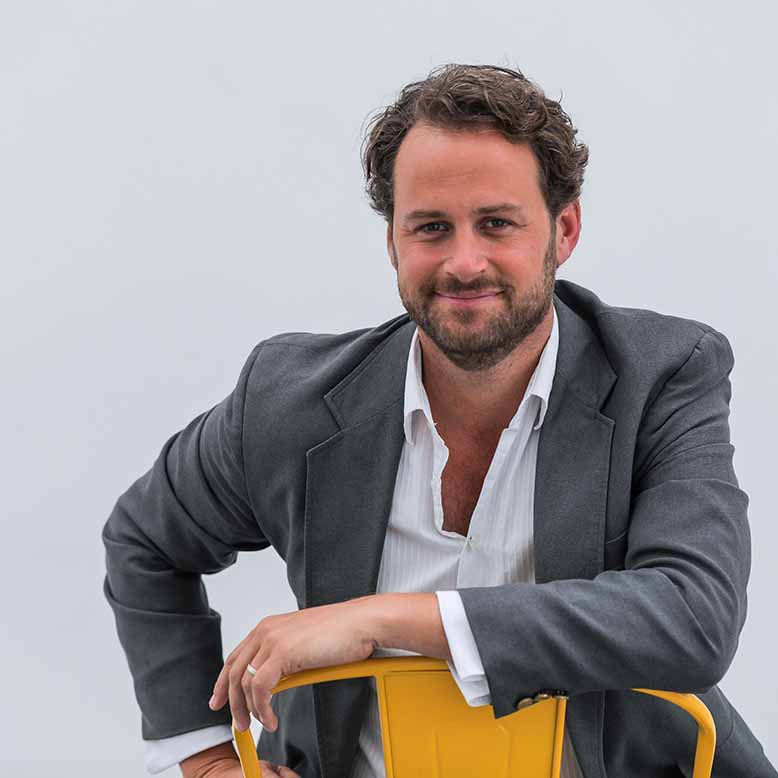
Full Transcript Podcast Introduction and Guest Welcome 0:00 My business was getting my best, and my family was kind of getting what was left. 0:04 It's often the people closest to us that keep us in our old narratives. 0:08 To qualify for those studies, the patients had to have a supportive partner. 0:13 So if we're not going to talk about that, like, there's not enough B12 that can fix. 0:18 There's no SOPs necessarily for how you live your life. 0:22 A lot of times it's like taking a popcorn kernel and putting it on the heat for an hour and a half and taking the fucking thing off just as it was about 0:27 to get going. 0:28 What feels really good is to be known, really known by the other person and still love. 0:34 You have kids who are 13, 14 years old and it's like, wow, has it been 13 or 14 great years or one year repeated 13 fucking times? 0:41 Hello and welcome to the podcast. 0:43 This week we feature Dave Inglis and Jen Forrestal. 0:47 They are partners. 0:48 and they are also coaches and I had a chance to work with them this last summer. 0:53 Dave is the author of Chief Family Officer and if you are a practice and you also have a partner and those worlds interact in different ways and are looking 1:03 for better ways to manage that interaction, to talk about that, communicate with your partner, you know, this is for you. 1:11 We've never really got into this topic on the Evolution of Medicine podcast but I just think it's mission critical And I think so many of the issues that 1:17 hold us back from true practice success are psychosocial and natural and familial in nature and systems of living in Nature. 1:25 And you're going to get into all of that and more, and we're gonna get Into the Kitchen. 1:29 Welcome to the episode. 1:30 Enjoy. 1:31 So a warm welcome to The Evolution of Medicine podcast. 1:34 For the first time, we have Dave Inglis and Dr. 1:38 Jen Forrestal. 1:39 welcome guys. 1:40 Thank you. 1:41 It was so good to have you here and to be with you And this is an international podcast. 1:46 Dave and Jen are in Spain as we speak. 1:49 How's life over in Valencia? 1:51 It's wonderful. 1:52 It is the rainy season. 1:53 So we get a couple days of sweater weather like you're having right now, but mostly, you know, mostly sunshine. 1:58 And so we're enjoying a few cozy, cozy rainy days, And as Canadians, you know, we always kind of giggle a little bit here, 2:05 James, where whenever it rains, the city always shuts down for the two or three weeks that it reigns. 2:10 And we also laugh. 2:11 Like, schools are closed, and for us as Canadian, my gosh, if we did that, then we would never get out of the house.
Why Home Life Shapes Practice Success 2:15 So, it's tons of fun for all of us. 2:17 We're loving it. 2:18 Can we get the City to ourselves, basically? 2:20 Exactly. 2:23 Well, look, this is a very special podcast because, you know, over the years of the evolution of medicine, we have really focused on three main topics. 2:30 We've got sort of clinical medicine and Jen is an naturopathic doctor. 2:34 And so we got a little bit of that here, but we've talked about practice management and that's been a big theme. 2:39 Then also we talked I've written a book on community, my work's been on the cross-section of community and functional medicine, 2:48 and what we're going to dive into today is actually a topic that we have never talked about, covered, as I spent time with you earlier this summer, 2:56 I realized that this is so central to the delivery of functional medicines, because ultimately, if you look out of the market, 3:04 There are some bigger growing organizations right now but for the last 10 years since evolution of medicine has been a thing. 3:10 This is like a cottage industry where you know doctors hang their shingle and they get out into practice and you different types of practitioners work 3:19 on it but. 3:19 They each have a family. 3:21 They're each running, you know, family life and home life, and work life. 3:26 And, I can't believe that it's taken this long to think that we should have conversation about it because ultimately, this is taking up the majority of 3:34 the mind space of practitioners that listen to this podcast. 3:40 It's so well said. 3:41 I remember when we were together in Porto this summer, you had just talked about that family system at home really being a linchpin to the impact for a 3:49 lot of the practitioners. 3:50 And I thought that was just such an astute and poignant way of being able to point out just how critical, if you get that right, 3:56 how much it can unlock in harmony and well-being of an actual practitioner, but also how sometimes we take for granted how the dynamics at-home relationally 4:05 Like you said, we burn a lot of calories on it. 4:07 And so to be able to spend some time opening up those conversations, like we spent this summer, We couldn't agree with you more. 4:13 It is a critical part of the relational equation, but also just flourishing and doing well as an individual, right? 4:20 Yeah, I mean, you think about whether you wake up refreshed each morning. 4:24 A lot of it has to do with what happened the night before at home, in your family, and the dynamic, right? 4:30 And bringing your best self I think is really related to, very related, to the people who are closest to you. 4:38 Well, that's what we're going to talk about today. 4:39 We're gonna talk. 4:56 We were in Porto at the Freedom Practice Coaching Legacy event. 5:01 And for those of you not familiar, Legacy is sort of the highest tier of freedom practice coaching, where it's really for clinics that are doing a million 5:10 plus in revenue. 5:11 I've been on the faculty for the last three years and had the opportunity to do Three or four of these trips now, four I think, 5:19 where I've gone with the crew and really sought to meet the needs of the practitioners. 5:25 Practitioners who do over a million in revenue, they do have different needs than practitioners who are just getting started. 5:31 And so we learned a lot. 5:34 Dave and Jen were there this year as the entertainment, as you know, the leaders of the three-day retreat. 5:44 And part of why I know Seth, who is a friend of Dave's and organized all this, and Seth has done such a masterful job in my judgment of of co-hearing that group, 5:57 of understanding what they need. 5:58 And, you know, freedom practice coaching tends to attract couples who are running a practice together. 6:05 That's sort of like the average, um, the, uh, average demographic of the freedom, practice, coaching successful clinic. 6:12 Even the clinics that are just starting is typically, a practitioner and their spouse. 6:17 And they're on the journey to try and understand how to build a sustainable, healthy practice. 6:22 And it's the keys in the name with freedom, right? 6:25 You want some freedom. 6:26 Typically, people there are chasing some level of freedom and have in this group a lot of success in doing that. 6:32 And so I just want to, you know, honor Seth for bringing you there because I think what it took from him was a deep listening to his people to say, 6:44 hang on a minute, these issues keep coming up and most of them seem to do with like what's going on at home. 6:49 When are we going to get into that? 6:51 And this was really the moment to Get into That. 6:55 Well, to your point of Seth's deep listening to the people in the legacy group, one thing that happened beforehand that I think is important to point out 7:04 genuinely from a place of admiration is that, I actually saw it starting from Seth being really attuned to what he needed personally. 7:14 And it was like the matching of his own self-awareness and his journey and being able to see that connection within his group. 7:21 I just love that about Seth. 7:23 He's not someone who's just out there kind of bringing people in just to kind-of entertain like you said or have an experience. 7:29 There was a real personal connection for him too. 7:32 To see him be a really participant With his community alongside in that was such a real gift, I think for everybody that there, 7:40 let alone him just being the spark to kind of bring it all together too. 7:44 It was a really gift to see everybody participate, even the freedom practice coaching team members directly in the work that we're talking about here today. 7:53 Yeah, that was great. 7:55 I personally got a lot of value from it and I'll share some of that along the way. 7:59 You know, I want to share my own story of this. 8:02 The most poignant story, you know I've been married 17 years. 8:06 My wife Rachel and me have been together for 21. There's been some definitely like ups and downs in the journey to, raise children and have businesses 8:15 and work together and, work apart and live in New York and living, live with Rachel's mom and all these different things along But I would say, 8:24 you know, the most poignant thing that I can speak of. 8:26 So, Jeff Bland is the godfather of functional medicine. 8:29 And in 2018, I came up with this crazy idea to do 26 live events in four months across the country.
The Chief Family Officer Thesis 8:39 Myself and my wife and family would drive across country and do these live event in like a bus basically. 8:45 The first stops was in Seattle and Jeff bland took me aside and he was just like, the most important thing out of all of this, 8:55 it doesn't matter about the bus, the business, whatever. 8:58 It's like your relationship with your wife. 9:01 And you know, he recognized in me and probably was like intuiting what was going on is that even though Rachel was driving the bus most of the way and 9:12 we had our kid on board and, you know, we have a friend there who was sort of helping out as well. 9:16 But like, ultimately, he was right. 9:19 And I think my ability to make change in the world and to be effective has been getting the house in order and really taking care of what needs to take 9:30 care at home. 9:31 Now I have two daughters, there's a lot going on, but I just want to reflect on the degree to which When I created my own personal chaos and that bus tour 9:42 is the epitome of that, which was me creating chaos for myself, it limited my ability to really be of service to the world and be an example of you know, 9:53 rich and healthy living. 9:55 And so I'm really grateful to have had mentors like that along the way. 10:00 I think it speaks to kind of the journey that you're hoping that practitioners will or your clients go through. 10:05 Cause I know you don't only work with practitioners, but you do work quite a lot because Jen understands the world. 10:10 So yeah, I just wanted to share that. 10:14 Is there something special for you in working with the functional medicine practitioner community, or is this just a sort of one of types of clients that work? 10:23 I mean, for me, I just find that people who work in functional medicine understand that there might be a root cause that's deeper than what is on the surface. 10:34 And so even relationally, the idea that you can really get to the bottom of something and operate from a healthier place going forward, 10:44 it really resonates with that community. 10:47 So personally, have always felt like a part of that community and also drawn to work with people who desire to understand themselves a little bit more 10:59 deeply and to really get to the root of what is happening for them so that they can have healthier relationships, you know, 11:06 and healthier lives and really just enjoy the journey. 11:10 Like I feel that so much is lost along the way, Dave and I have worked together many times, some failed, failed starts, you know, 11:18 and I feel like we're finally getting our groove. 11:20 But when you have two people who decide to add something else to their life, kids, businesses, right now, all of a sudden, 11:28 your two lives that seem to fit really well together, now you've got a third you're trying to orient around, it adds this extra difficulty or pain point. 11:38 And so it requires a little bit more digging to do that really well and keep your joy and the life that you wanted to have together. 11:47 So I think in the functional medicine space, that speaks to me for sure. 11:53 What about you Dave? 11:54 Besides being in love with the naturopath. 11:55 Of course. 11:56 I mean, automatically I might be inlove with this space. 12:02 No, I mean, it was a real gift for me to be able to see you kind of come to life in an environment with your people, in that way, 12:08 which is always really lovely. 12:11 For me, that was my first opportunity, James, working in such a high environment of concentration of practitioners like that. 12:18 And we had a whole theme in our conversation over the three or four days about being undefended, which we described as, are you willing to be changed by 12:26 the conversation or experience that you're having? 12:29 And to your point with like the desire to learn and want to understand, that was just such a starting shared value in the entire room that to do this type 12:37 of work that we're talking about, it really feels like a prerequisite, like, the willingness to change, to willingness, be able to found out. 12:45 And so this community, I think, was so innately oriented in that way that allowed us just to feel like we could kind of jump right in the kitchen, 12:54 like, we talked about as a group really quickly. 12:56 And that was a really special, special part of it, I think, just being able to kind get right into it together. 13:02 So it was really nice opportunity to meet a groups with such shared values in a way. 13:07 I would say as well, I think that group particularly is hungry for this because you spend enough time in community and that's what it is, 13:15 right? 13:15 They're together every week on phone calls, they're listening to each other's problems, their co-creating solutions. 13:22 And I have my men's group. 13:24 And so I understand, if you listen to enough people sharing enough pain for enough time, you start to see the threads that are in common. 13:31 For me, I think there was a big exhale as it was like, okay, finally, we're gonna get into this because this is where so much of the work is and so many 13:40 of that issues that I'll be brought up are really like home or home balance related things. 13:49 Even if it's not definitely home-balance, It could only be fixed by changing the balance at home, you know, oh, I'm just provided just quit, 13:57 You know I've got to take on all of those patients. 13:59 That means I got a work three hours a day more than you. 14:02 Know I was for the next, 60 days while we on board the. 14:05 Next practitioner like. 14:06 There's a ripple effect out to the rest of your life and then someone else is going to have to, you know, hold that. 14:12 So maybe Dave, what would you say if you had to sum up the sort of core of the thesis of The Chief Family Officer for the practitioner community that you're 14:21 speaking to now, What would say is sort like your core message? 14:27 I would say the core message is really being in really good relationship with your family system requires active intention, 14:36 right? 14:37 And we don't want to leave those things to chance. 14:39 And so my experience of where a lot of that came from when I wrote Chief Family Officer came really spending many, many years being intentional how I design 14:50 my business. 14:51 And it was when my partner walked out of me on the time when I realized, my gosh, My business was getting my best and my family was kind of getting what 14:58 was left and I was building my Business by design, but my Family was just by default on how things were going in the moment and really recognizing there 15:07 were some pretty deliberate practices that I was putting into the business, but just wasn't putting it into my most important enterprise. 15:14 Like I, was a real practitioner of business but I wasn' t a really practitioner in my own life and my relationship, if that makes sense. 15:20 That wasn t where I exercising my practitioner nature. 15:23 And that's probably what I loved doing in Portugal together was taking a group of practitioners and bringing them back into the practice of running their 15:31 own life and really starting to ask themselves, what is the most important question that our family or myself should be asking and having that conversation? 15:40 So Chief Family Officer is just recognizing that, our own individual needs are continuously evolving and are alive and we want to be able to build a practice 15:50 around that. 15:51 to continue to be in conversation with ourselves, with our families. 15:54 And that's really how we can continue in the game of building intimacy in our own homes is by being in continuous conversation. 16:02 So that is really the hope for it and that what we brought together in Portugal was On court, we opened up some big conversations, 16:10 many of those inviting these practitioners to start to take the discipline that you and the freedom practice coaching community has brought to scaling 16:17 their venture to starting to look at really critically what their family is asking of them and how those two things can really be aligned together. 16:25 So that's my thesis. 16:26 If we actually build some structure around that, that we can continue to be in the right conversations. 16:31 Yeah. 16:32 And Uncooked was a great name because we were in an incredible wine estate. 16:36 What a beautiful place that was. 16:37 I'm so grateful to have the opportunity to visit some new places. 16:42 If you're listening to this and you want to go to Islet next summer, this is the moment to get in touch. 16:47 Call me, call Seth, get on the crew. 16:51 It is not only a lot of fun, but as you are hearing now, where else are you going for this conversation? 16:59 This is now happening.
Systems of Living and Family Conversations 17:00 Um, at the conference at dinner, maybe with like a conference buddy who you can really drop in with. 17:06 But that would have had to being cultivated over a long time to have the sort of depth of connection here. 17:11 I have a little bit of this with, you know, my men's group, but my man's, group isn't a master in designing systems of living. 17:18 You know? 17:18 They're just also living their own life. 17:20 That's right. 17:22 But they, you know, they have some maybe emotional maturity, but they're not coaching people on how to build systems that actually work. 17:28 So I'd like to get into that phrase, the systems of living, because like, to me, that was actually probably the most interesting part is, 17:35 is really being conscious about the Systems of Living that you're building. 17:40 There's so many SOPs. 17:42 that you might have in your practice but there's no SOPs necessarily for how you live your life or it's a bit slapdash or a little bit like random and 17:51 so maybe that's good place for us to start digging into the practicality of the message. 17:56 Yeah, Jenny, maybe a question for you. 17:58 Like in this season of our life, when you think about different, like living systems that we have, the kids' education, finances, 18:07 what system of living has been up for discussion most currently in our own life? 18:13 I think for those listening, and the idea of system-of-living, right to your point, James, it can be interpreted as like, 18:18 are we talking about SOPs or are talking how do we construct the right ecosystem kind of qualities around these things. 18:25 How do you think about that and what our current system looks like? 18:30 I mean, I think first and foremost, that I always think of the systems that we have to have conversations, like to work on the plumbing when it's not raining, 18:39 as you always say. 18:39 Dave has a million analogies, or what do we call them? 18:42 Metaphors. 18:43 Metophors for things, but like, to having conversations ongoing about our lives that are not under pressure. 18:52 that are not in the moment that it's happening, but are like reflecting on that. 18:56 So we have daily practices that do that, right? 18:58 We have monthly practices, that look at where we're going and allow us to work on those types of... 19:06 of conversations when we're not under the direct pressure of dealing with whatever that challenge is. 19:12 So we have a kind of evolving system where we can feel like we are making progress in conversations rather than just like looping around the same thing 19:21 over and over again, which I find is what generally happens is trying to get past a certain point and instead you're just kind coming back to it and coming 19:30 to back it over in conversation. 19:34 Those things are really important to me in our systems. 19:36 Yeah, one of the things that we've always talked about when it comes to systems, James, is there's like getting things done as a family, 19:43 obviously. 19:44 But even when It comes To building more intimacy in a home and to your point earlier of like, getting your house in order, 19:50 there is like Getting the house and order and how it functions. 19:53 And there Is getting an order the way in which you talk about and make decisions about how your House functions? 20:00 You know, we often say, it's never really about sex, drugs, alcohol, fitness, health. 20:05 It's like, how do we talk about those things as a family? 20:07 And I think that's what you're speaking to, Jen, is like the foundational systems and how we intentionally create the space for the high quality, 20:16 important conversations that allow us to continue to reorient ourselves around what are we doing together? 20:22 How are doing this together and maintaining that, you know core connection between us, right? 20:27 Well, I think the other thing that that does, and you probably see this in your patients too, is it's often the people closest to us that keep us in our 20:37 old narratives. 20:37 So, you know, your trying to make a difference in you health and it is your spouse who is actually the one who continues to pull you back into your old 20:46 narrative because they know you the best. 20:48 They're like, oh, well, that you're, like this, right? 20:50 And they continue to tell you how you are. 20:53 If you don't have a practice that allows you to check in often enough to create a new story about the person that you're with, 21:02 then it's really hard to move forward. 21:05 It's hard in your health, in relationship, your intimacy, anything. 21:10 Yeah. 21:10 Ways of being able to recognize, right. 21:12 And to be able recognize ourselves. 21:14 I wanted to share, you know, that, um, I've spent a lot of time in the last two years, really in, uh, kind of science and process of understanding this 21:25 sort of model of precision brain health, which is really functional medicine applied to the brain. 21:30 You know that there's been some studies now that have shown. 21:36 what would be considered miraculous improvements in patients, but a foundation of those studies, like to qualify for those. 21:43 The patients had to have a supportive partner because ultimately they knew that if this person didn't have that, they would not be able to implement some 21:53 new healthy behaviors. 21:55 And I'm just thinking to myself, if I want to be the best clinician that I can be. 21:59 I want to really have an own lived experience to draw from when I recognize that this is the pattern that's stopping the patient from getting better, 22:08 right? 22:08 There's something at home that is stopping this. 22:10 If I don't have the skills to deal with it, or I can't tell an emotive story that it's going to like force some change at I'm not sure if I can help here. 22:20 You know what I mean? 22:21 So I just want to take a minute to talk about the incredible mission partners that we have here at the Evolution of Medicine that have made this possible. 22:28 So first and foremost, I want thank Fullscript and Full script Journey. 22:32 Full scripts has been an amazing partner for 10 years. 22:34 We only pick partners, that can helps us achieve our vision and help you achieve your practice vision. 22:40 And Full Script have been incredible partner, for a decade. 22:43 But their new offering journeys, this is why we called it the evolution of medicine journeys. 22:47 is allowing practitioners to combine the relationships that they have with the newest technology to sell direct-to-consumer lab testing and use it as a 22:57 funnel to bring into your practice and it's a game changer for the whole industry. 23:00 So go to goevomed.com slash journeys and you can get started on building the journeys for your practices an optimal way into practice. 23:08 We're going to have some conversations about it. 23:10 This is a Game Changer. 23:12 Next, Jenova. 23:13 Janova have been fans of the Evolution of Medicine for a long time. 23:16 We're big fans with them and they now have a lot more specialty testing. 23:20 They have lot of more tools and it's a key part of understanding the body ecologically. 23:26 So go to GoEgoMed.com slash Jonova to find out more. 23:29 Come on over here and I want to show you about the other mission partners. 23:33 If you've been following us for a while, you know that these are organizations that we trust, that add a lot of value. 23:39 Freedom Practice Coaching, I have been supported by them since the beginning. 23:44 And so many of the issues that practitioners face in building a successful practice, scaling a success practice come down to having the right support with 23:54 people who have done that. 23:55 Go to goevomed.com. 23:59 Big boost marketing. 24:01 Uli and his team are the best in the business when it comes to really understanding how to market your functional medicine practice. 24:07 Go to goevomed.com slash big boost and see how they can help you. 24:12 And then what you're going to be hearing a lot about is the formation of clinical networks. 24:17 Ultimately, True Neura is our first effort at that, which is to build an integrated clinical network combining independent practices from across the country 24:27 into a network that can reverse cognitive decline. 24:29 And if you go to goevomed.com slash true neuro, you can get a demo. 24:34 You can see what it means to be part of an integrates clinical networks, mentorship, that software, and that's making it easier for you to get incredible 24:44 outcomes in a disease state where there are no other options. 24:46 So thanks to our mission partners. 24:48 Let's get back to the content. 24:55 Well, once you get in those situations too, I believe, and you guys correct me if you think differently, but at that point if your trying to invite someone 25:04 to see something or a dynamic that they otherwise haven't wanted to, it's not so much like here's the factual answer, here is the test and here what we 25:11 need to go and do. 25:13 It is modeling by good student behavior and allowing someone to be able to see it by actually showing them it in you first as a way of being able welcome 25:23 the possibility of someone considering themselves and how that might be impacting them. 25:27 That's what we talked about about being in the kitchen. 25:29 Right. 25:30 And that's effectively what Jen, you're speaking to is how do we create regular space to get into the kitchen and sometimes invite our partners or other 25:39 close people around us, our support system to be able to help us see ourselves way more clearly. 25:44 Yeah. 25:44 Share the Kitchen analogy. 25:45 Cause I think that it's really powerful. 25:47 Like what, what do you mean when you say get in the. 25:49 Yeah, so we briefly use this as a way, originally, I remember on day one, it was so fun when we all got together. 25:56 I mean, everybody landed from a long day of travel and we get to the vineyard and you walk right in, and it's a magnificent property.
Kitchen Conversations and Emotional Intimacy 26:03 And there's like a museum right up front. 26:05 Do you remember that, James? 26:06 Like, awards on the walls, they had books everywhere, you know, celebrated wine. 26:12 And we describe that as really like being the front of the house. 26:15 That's the thing that everybody sees. 26:17 It's a presentation and the accolades and story they want other people to hear about the brand. 26:24 Its the polished version. 26:26 And, we talked about front-of-the-house because we've come to really appreciate a lot of restaurants that we have visited around the world. 26:32 Like, there's some really great dining rooms. 26:35 Some really, really good dining room for having things turned on makes a lotta sense. 26:39 But even at this vineyard when we arrived, it was interesting to be able to look at all those awards and understand what they've accomplished. 26:46 But where everybody got really, really engaged was when actually brought the owner of the vine yard in for an uncorked conversation on night one and we 26:55 called it a kitchen conversation. 26:56 Because instead of it being the front of house and telling the public story, It was an opportunity for all of us to be welcomed into what it's actually 27:04 like right now to run this business in this season of their life and to have the conversation that's messy and not all put together and it is filled with 27:13 all your fuck ups and the things you are struggling with right And the thing that we've learned, and even in our own experience of going to restaurants, 27:21 it's a lot more fun. 27:21 You want to stay a little longer when you get invited into the kitchen to see how things are made. 27:25 And you feel a part and you have that sense of connection in that relationship. 27:29 The wine tastes better. 27:30 It also goes down faster. 27:36 In the kitchen too, but that's what we were really talking about in the context of this work. 27:41 You know, there's conversations at conferences and getaways that are typically dining room conversations. 27:48 How's the business going? 27:50 What are you doing that is working really well? 27:51 And everybody is sharing their success stories. 27:53 And this is, I think, why that retreat was so different. 27:56 The whole three or four days was in kitchen. 27:58 It was what's actually going on and what are really struggling with at home? 28:03 You know that you might need to talk about but you're afraid to because you know, it's gonna ask a lot of you Like the hard conversations in that particular 28:11 space Those are the kitchen conversations and that's also where our common humanity is Experienced right where we can actually see and others to the same 28:20 type of struggle that we're navigating and have a little more intimacy You know, you talked about this group being really kind of eager to go deeper. 28:28 I think they were really eager. 28:29 Deeper and intimacy and like that's the whole kitchen conversation and what we meant, right? 28:34 Was welcoming people into our kitchens and that being a way where we can have more access to those types of real conversations. 28:41 Well, I guess, yeah, sorry. 28:43 Go for a chat. 28:44 Yeah. 28:45 I'm just going to say I think in relationship, what feels really good is to be known, really known by the other person and still loved. 28:54 So that is kind of the kitchen in a relationship too, right? 28:58 Instead of bringing a defended version of yourself where you're always fighting for the person to see you the way you want to instead bringing a real version 29:09 of yourself, weaknesses and strengths included, and still being loved and admired by that person. 29:16 I think that's the goal, where you can be all the versions of your self. 29:20 That is the most powerful version you, not something you put on on the outside that then has to be defended. 29:27 which creates a lot of conflict in relationships, right? 29:29 In work relationships and romantic relationships. 29:32 That's the real crux of how we, I think, go wrong in creating what we know intimate, you know, those really deep relationships are the things that keep 29:43 us healthy, that help us live longest, and keep happy. 29:47 And yet we almost create the conditions where we're defended against. 29:52 being ever in those relationships yeah we know from a lot of great research right we all collectively do that is wanting to have those relationship that's 29:59 another thing to engage them when you're struggling and when we need them do you actually bring people in right into your life and allow them to see you 30:06 in your mid-crossing is how we often describe it right it's like not actually going to getting there but that the kitchen that I'd love to understand a 30:17 little bit of like, let's say you start working, if you were to start with a couple who run a functional medicine practice together, 30:24 what does a system of living look like that you might help them implement to get into the kitchen more often and to have these kinds of conversations? 30:32 I mean, I found this men's group that everyone who listens to my podcast is definitely bored of me talking about. 30:40 Uh, you know, seven years every Wednesday from six 30 to nine 30, like I'm in the kitchen with some men and we're doing it, 30:48 and ultimately, um, I've come back for the Portugal event with creating some structures with my wife to have similar types of moments, 30:56 but I was wondering if you have identified a best practice for, starting the process of, of having a consistent kitchen experience and a healthy kitchen, 31:07 experience, Yeah, maybe we could explain one of the couples that we were with actually just days before we took off to Portugal as a good example of this. 31:17 And you can maybe speak to Jen what you think is most important to each of these. 31:22 So one other things that really anchor a lot of us around James, like we had a couple that work with over the course of a year who are in a business together, 31:31 run a big family business, is a two or three day family-based camp to get started. 31:36 So we typically once a year take these couples away for imagine your freedom practice coaching legacy retreat, but specifically designed around your family 31:47 and using that as an opportunity to have a really thorough space to go through all the important elements of that family system. 31:54 So your kids. 31:55 health, finances, difficult conversations, and really having an opportunity to actually experience what it's like to be in the kitchen for a longer period 32:06 of time. 32:06 Like for us, we've learned the embodiment of feeling safe in those types of conversations is something that's really important to get right. 32:14 doing that in person where you have enough time to actually change the state like our strong belief in some of these systems James is you need enough Time 32:23 together to get to a state change and these hour two hour long conversations here and there counseling coaching What have you a lot of times? 32:30 It's like taking a popcorn kernel and putting on the heat for an hour and a half and taking the fucking thing off Just as it's about to go in And so for 32:37 us it's like we want to go away for enough time to really be able to sit into it to have the important conversations reveal themselves and to be to get 32:45 through them. 32:46 And that's an important part of starting this and we typically set that up as a once a year piece and then we kind of connect in between that every three 32:54 or four months with a bit of a half day kind a sync up and that usually a little bit more practical like what do the kids need now and what are our priorities 33:01 as the family like there's a lot of times that I'm not Jen's most important priority. 33:06 That's okay." And we move through that and being able to have those types of conversations. 33:11 And then the thing that we kind of find ourselves sprinkling in between that, James, is some one-on-one conversations with each of the family members. 33:19 Often Jen and I will rotate on these just to be able hear, like, what's everybody's actual experience as they go through this? 33:26 And using that as opportunities and conversations to support them in living in a more kitchen style in their own home, ongoing. 33:33 but also starting to reveal and work towards the important topics and things that they should be working together on going throughout the year. 33:41 So that's how we kind of set it out. 33:43 Would you add anything whenever we work with families and important pieces to you? 33:48 Only that I think often our goal at the beginning is that people move from being in their lives to being able to see themselves in there. 33:58 So they're, you know, the ethnographers of their own relationship and they become more students of what's actually happening day to day in their lives, 34:06 with their relationships, their kids. 34:08 That piece in and of itself takes a bit of time to understand how you're defending yourself, what your patterns are, and breaking that down a little bit. 34:19 But once that piece is done in a more intensive way, then the continued work with people is just more and more exciting and learning of how they can get 34:30 better and better at being in their lives in a way they're happy with. 34:35 I think what we're trying to say in some ways around that is the hardest work teams is getting people to actually want to go in the kitchen. 34:40 As fun as it sounds with the metaphor of like, oh yeah, there's more wine in kitchen like we said earlier. 34:45 It's also where the unfinished conversations are that we don't know exactly how are they going to land. 34:52 And a lot of times the real important conversations are the ones that are asking to bring the relationship into more integrity and a more alignment.
Applying the Model to Functional Medicine 35:00 And those are hard conversations. 35:01 So once you're into the kitchen itself, we all know what it feels like to have that conversation that we've been waiting to half that brings us deeper 35:10 and how much lighter that feels and good that feel in our bodies. 35:14 But getting into it is a whole other thing too. 35:17 Well, I would love to recommend that if you're listening to this and you run a practice and, you have a partner and a life and kids and so forth. 35:27 And you feel like there's an inner knowing to you that this part is not supporting that part. 35:33 There's some rebalancing that needs to happen. 35:35 You're not sure how to facilitate that. 35:37 I'd love for you to get in touch with Dave and Jen because they this is their world and they would have a unique view on it from doing this with a lot 35:45 of couples, but also really understanding the functional medicine, naturopathic world. 35:51 But I can't help but draw the parallel from the clinical work too, because what I see in functional You know, when doctors come into this work, 36:00 maybe they're starting their naturopathic practice gen or whether they've come from conventional medicine and they, you know switching over to practice 36:06 and functional medicine, they often sort of focus on, I would say, not, it's sort what they might think of as the root causes, 36:15 but like they are doing the labs and running the protocols and you're sort in that type of medicine. 36:22 But I think that what I've seen is that as practitioners get more experienced, there's sort of like a call to bring the patients into the clinical kitchen, 36:31 right? 36:32 Where they're able to really say, look, what's going on with your life? 36:36 Like where, you know, tell me what is happening. 36:38 Because, I had Zach Bush on the podcast a couple of weeks ago and he was just sort like, if you, the education that he got at the beginning of his medical 36:46 school was if he listened to the patient long enough, They'll tell you what's wrong with them and they know how to get better. 36:50 You just have to like have a space for listening. 36:53 That kind of it speaks to the point that you're saying that maybe that's going to take a six hour retreat with your loved one, 36:58 you know, to Get there. 36:59 But I just feel like oftentimes the skill in the functional medicine work is to identify like what the blockage in The flow system here. 37:08 Yeah, right. 37:09 Blockage of the flow. 37:10 System is typically some psychosocial thing that's happening that isn't allowing them to do the healthy things that they know they need to. 37:19 And so if we're not going to talk about that, like, there's not enough B12 that can fix that. 37:26 Exactly, exactly. 37:28 If you look at the connection between autoimmune disease and certain populations of ages of women, for example, who are experiencing this in a higher volume, 37:40 it's not easy to understand how your psychosocial dynamics might be hurting your physical self, right? 37:50 And the more that happens, the people dig into the resentment and frustration they're feeling in their lives and kind of push it out onto the other people 38:00 around them rather than taking that relationship and understanding how it came to be and really fixing the foundation so that people can be well. 38:10 Yeah. 38:12 That's so good. 38:13 Well, you know, last week on the podcast, since I've seen you and I haven't told you this, but since i've see you, I felt I had a kind of a cool experience 38:23 in my men's group in the middle of September. 38:25 And I have a bunch of speaking gigs lined up for the beginning of October. 38:31 What really triggered it was I was asked to speak at a conference, which is called Reclaiming Our True Nature. 38:35 If this is the first time you're hearing this. 38:38 It was literally like last weeks podcast or two weeks ago. 38:41 But yeah, it was a focus of really understanding that the work that was happening in the men's group, one of the processes that we do called bucketing, 38:49 was really a process of taking men to a point where they could understand what behaviors did they adopt when they were younger, 38:58 when didn't get what they needed in order to meet their needs at the moment that are now holding them back from living a healthy life. 39:07 you know, ultimately I recognize that that process of adaptation is happening in a psychosocial way and with these new behaviors. 39:16 But ultimately, like the body is going through adaptation when dysfunction starts too. 39:20 And part of what being a good practitioner is working on, is what is the dysfunction on the way to disease? 39:27 And then what are these adaptations? 39:28 How is that body trying to make up for it? 39:30 What symptoms are they experiencing that are part that adaptation rather than the core dysfunction? 39:35 That's like, you know, really understand the body at a sort of a deeper level. 39:39 And, ultimately, these tools have to be applied somehow. 39:44 Um, and ultimately that's why I've been an advocate for group medicine, because I don't think that this is, typically taught in schools and you might go 39:52 to an internal family systems training and try and implement it as a therapist. 39:56 But like you, know this, is critical work and this critical for getting the trajectory of the patient in the right direction. 40:05 And I think that if you're not bringing this to your medicine, you could be, not getting to the depth of the root cause that you think you are. 40:15 Well, and like we talked about in Portugal, like I, think the opportunity for a lot of these practitioners is to really be a embodied example of this. 40:26 to their patients as a starting spot, right? 40:28 And true point of bringing it into the practice. 40:32 A big part of that, like you said, is like being able to know it yourself to be able spot it and to have done that. 40:38 And I think there's the obvious ability to like bring it in to your clinic. 40:44 um, by understanding this to help with patients. 40:46 And there's also the excess capacity, bringing this into your family can have and allowing your clinic to be able to have more of you to, 40:53 to go and do the work that, that you're doing too. 40:56 So yeah, being students, like if past practitioners listening, it's like being a student of this, I think is such a, almost like a multiplier effect, 41:04 right? 41:04 There's so many outcomes that come from just committing themselves to this work. 41:10 Would you guys be open, you know, just in a few minutes to give like a sort of a, a use case, right. 41:17 Practitioner or someone in their business, they have this partnership, the struggling. 41:21 They come through a process with you and this is, this what comes out on the other side. 41:27 Just to like, like you would give a clinical case study. 41:30 Could you, could you do that briefly? 41:33 We'll just think about the conversation that we had earlier this week when we were doing one of our catch-ups with one the families. 41:42 I think it's a great example of a four or five month journey around that that went from a very different kind of entry point into this fall together. 41:54 Yeah, well, I mean, we can share the story back, because I'm sure you have details too. 41:59 But as Dave was alluding to, you know, We worked with the family in the summer and took them away for a couple of days to really get to the root of what 42:08 was in their way. 42:09 And maybe just like for context of the type of family, business owner in the steel industry and a partner who's actually a physician and runs and operates 42:20 the clinic herself. 42:21 So both running businesses, but not in same business together, if that makes sense. 42:25 with a few kids who are on the spectrum, with some ADHD, a combination of some real challenges in their children as well. 42:36 Or, you know, those things that make the job of parenting, which is already very difficult, even more challenging, right? 42:42 And even, more labor intensive. 42:43 So, we were working with them in the summer to really get to the bottom of what was the challenge between them, because they were great parallel play, 42:53 people before kids and before all of this, you know, they loved their lives together. 42:57 They had no conflict at all. 42:59 And as soon as they started out, They would happily sit down at the dinner table. 43:02 they'd be working side by side, parallel play, like you said, it was easy before that change. 43:08 Yeah. 43:09 So, getting to the bottom of what was really going on with them, we realized that for her, she was creating emotional punishment. 43:19 What was the word she used? 43:21 Oh gosh, it was emotional payback. 43:24 Emotional pay back. 43:25 So he is working a lot, not at home a lots. 43:29 When he would come home, if he wasn't present and with the family, she would create this kind of emotional payoff where she punish him for this, 43:39 just by withdrawing emotionally or creating, you know, a dynamic where the families, where he was, passive aggressively, 43:51 navigating their life together. 43:54 And he on the other side, you can wanna. 43:57 Yeah, I mean, his big thing that would happen is anytime that there would be any sense of like judgment that he was doing something wrong, 44:03 coming home after lots of travel and trying to contribute with the family, any type of criticism or tension that exists that was internalized as I'm really 44:13 fucking up as a parent, and I am a terrible partner. 44:15 Which I just wasn't true and so there was a whole bunch of internal kind of collapsing that would happen typically of like trying to come back trying, 44:21 to get engaged and then just being tension that's there but not actually having conversations of what's actually happening just interpreting it as I'm 44:29 really fucking up and this isn't going well and Then all of a sudden that continuing to create more distance and around and round you go like this dynamic 44:37 as a family Yeah, you can imagine how that plays out, right? 44:41 She's getting more and more controlling of the whole family system. 44:45 He's pushing back against her and arguing about things he doesn't even care about because he didn't want to be controlled necessarily. 44:52 The whole dynamic. 44:54 So we help them unravel some of those pieces. 44:57 recently met with them again to see how they were doing. 45:00 He's really busy with work right now, and so not around a lot. 45:04 And the amount of clarity in their ability to observe what was happening in that relationship was incredible. 45:13 Like, the way that they where able to identify when they're coming to a conversation that was just going to be a back and forth, 45:20 no, I'm right, right? 45:22 And get above that to look and see, like, Why is she so upset right now? 45:28 Okay, this is why. 45:29 Why am I feeling like I need to fight back against this?
Case Study: Unpacking a Family Dynamic 45:32 What's going on for me? 45:33 And then their clarity in their life now is creating a dynamic that's really working for them. 45:42 So they're able to navigate this really, really stressful time, which would normally be a really awful time for them in a way that they are feeling really 45:51 good about, right? 45:52 That they were more joyful, more connected, sharing the load without it feeling like this tension that that, they can't get to the bottom of. 46:00 So I don't know if that really It's a good example of that. 46:04 And one of the things that going back to your question, James, around systems of living. 46:07 So much like some of their legacy clients who are like million dollar plus businesses, they have different resources and means to solve some other problems 46:14 as a family. 46:14 It was just the reality of being at different stages of growth. 46:18 This being an example, of a who has two or three staff members who were working with their kids and helping get things done all the time between housekeepers, 46:27 child care and all that, And the presence of that help was actually very inflammatory. 46:32 Like it wasn't actually like getting things done, it was creating even more tension. 46:36 It was like another example of having another third that they needed to work with and collaborate on how to get that thing working right in their family. 46:44 And through being able to really kind of get down to it, really starting to recognize that the way they were engaging that helped was to, 46:51 get a whole bunch of things, done factually, but it actually creating the feeling that, they wanted inside of the home. 46:58 And so even in that space, being able to go back to what does it actually feel like to be in our home right now? 47:04 What does is feel to like be with each other? 47:06 And then starting to actually look at how do we start to engineer the support that our family has to better create that feeling. 47:13 That's a very different way of operating together that allowed them not only to kind of figure out how they're working together to navigate those types 47:21 of conversations, but how you elevate the environmental conditions where The actual baseline, what it feels like to be in here is more aligned to what 47:29 they want. 47:30 So these are all things that as busy families, like they just don't have two or three days to go deep into those conversations and to able to make some 47:37 choices together, right? 47:38 And we often say in those moments when we go away, these were so important because if we don' have them all of a sudden, 47:44 you have kids who are 13, 14 years old and it's like, wow, has it been 13 or 14 great years or one year repeated 13 fucking times? 47:51 like has this actually been something that we've been getting better at together. 47:55 So that's a bit of a use case and an example of it. 47:59 And then there's still in it, like this isn't a project. 48:01 I think that that is an important thing that really emphasize with families. 48:04 This isn' like a renovation. 48:07 Right? 48:07 A lot of times, like, sure, there's the odd case where the relationship is maybe on the line and that comes to making a bigger decision. 48:13 But a lot times what we're really encouraging and building is a practice. 48:17 It's a discipline inside of the system, inside the family. 48:23 And I think like just to speak to what's different about what Dave and I do, I thing is we work always together. 48:30 As you probably saw in Portugal, there's two sides to every story. 48:34 And when you can see both sides with somebody who's willing to dissect their own flaws and really be vulnerable and honest about why they behave the way 48:44 they do in different situations, most often people can relate to one side or the other and then they can approach a conversation at one arm's length, 48:54 because there can be a conversion about us and our experience, how it reflects upon them allows people to see themselves in either side of the story and 49:05 neither side is the bad side. 49:06 The hardest piece is getting people recognize what they're actually doing, why they are defending, and how that's not the other person's. 49:17 fault, right? 49:19 And so I think that is the unique piece and why we work together instead of always separately. 49:25 It's an important part of making an undefended environment, making it easier to be undependent. 49:30 Yeah, there's two sides to every story and both sides are fine. 49:34 Both sides Yeah. 49:37 Well, I really think you did an amazing job at using your own vulnerability to be able to create trust in the room so that people could uncork and get 49:46 undefended and, and to a point where they were really able get into some of their stuff. 49:50 It's really cool in that environment because you do have like a husband and wife team showing up together. 49:55 And so they're ready to do it together And the spaciousness of the property allowed people to go on walks and to have those kinds of conversations. 50:05 And I know that those efforts are still reverberating in positive ways with the clients that are there with myself. 50:14 And, you know, I want to say before we finish, there was one part where you said, like, what's the most important thing that could happen in the next year? 50:22 And that was on of the exercises we had. 50:24 And fingers crossed what I put down is miraculously coming. 50:30 Would you be willing to tell us what that is? 50:36 I'll tell you. 50:36 I'd bring you back in Q1 of 2027. If it's all worked out, then I will give you partial credit about that. 50:45 Well, look, thank you so much for being part of it. 50:47 If people are interested in getting in touch, do you have to be a steel magnet to work with you guys or can you work? 50:57 So what's the best way to get in touch with you if people are interested in finding out more? 51:02 Yeah, I mean, we're both on Instagram. 51:04 You're my Dr. 51:05 Jen, right? 51:06 On Instagram, and I'm just Dave Ingles, easy to find me there. 51:09 Daveingles.ca. 51:10 And Jen does some amazing work with something she calls the Umbella Project, really teaching some great social-emotional learning skills inside of schools 51:18 and families too. 51:19 That's a cool place to check out some of the great work that you do with schools around the world, but great to have you on here and or good to be here 51:27 with you rather. 51:27 And our book is also a great way of being able to learn about some other work too, right? 51:32 Chief Family Officer, you can get on Amazon or Barnes and Noble and all that stuff. 51:37 Then Jenny has the Umbrella Effect, which is a Great Parenting Guide. 51:42 How do you build a really strong, resilient So those are good places to get to know our work and get Some of these types of questions, 52:06 you may be sitting having dinner at a conference and they share and you're not feeling confident to be able to support the person in the right way. 52:13 And maybe having a couple like you two who can sit on both sides and listen and empathize and actually have the skills to bring people back is something 52:23 that might be valuable to them. 52:25 This has been the Evolution of Medicine podcast. 52:28 Thanks so much for tuning in. 52:30 I'm your host, James Maskell, and we'll see you next time. 52:35 Cool. 52:35 Awesome. 52:36 That's great. 52:36 Thank you. 52:37 It was fun. 52:38 I expected to go just the way it did. 52:40 You guys are fluent and we had a real experience. 52:45 Sorry, the case study wasn't presented very medically. 52:48 Takes me up. 52:49 No, I needed some prep on that. 52:54 I think it's from the heart and it speaks to the actual work and what it looks like. 53:00 It's improving without an end in sight. 53:03 There's no end goal. 53:06 Um, look, I know, um, you wanted to connect with Zach Bush and I've been holding off on it because he was doing that big event on Saturday. 53:14 And so he may be back in America at this point. 53:17 Um. 53:18 There's this thing that I thought you might, so, he's got this like working group working on like, essentially like taking biological elegance to the people 53:30 and you know and. 53:32 I, you know, his assistant is organizing it. 53:36 And I'm using Matt, right? 53:38 What? 53:39 Matt? 53:39 Is that his sister? 53:40 No, this one's called Rachel, I think. 53:43 But I can literally like introduce. 53:45 I could just stick you in that in their WhatsApp group, and I couldn't make that introduction. 53:51 Just thinking about what the best way is to do. 53:53 Yes. 53:53 Maybe you could. 53:54 Tell me like what what was the context of the connection and what you hope so I. 53:58 Could represent it in the. 53:59 Best way. 54:00 Yeah, truthfully, just to speak to the truth of it, this was a funny, the origins of, Seth and I were in the truck together going back to one of the planes 54:10 in Africa and we were playing a game together and he's like, hey, so who do you want to have lunch with? 54:15 And I just mentioned Zach Bush. 54:16 And then after we were together in Portugal, he's just like, hey, so I've connected you with Zach Bush's assistant, this guy, 54:23 Matt, and wanted to connect you guys because I know it was somebody that you wanted connect with. 54:28 So I guess it wasn't, I say that because it isn't necessarily a simple ask, like hey I have this thing I want to talk to Zach about. 54:37 It wasn' necessarily that. 54:39 I would say in the bigger picture, Jen and I, I'm sure we'd love your thoughts on this, either now or another time. 54:46 I think we're trying to understand in the bigger context of like the zeitgeist, if you will, of human healing, like where this work really fits in at scale. 54:58 And I see Zach is a really good example of someone who has a big vision for the future of Well, and so like this kind of, 55:08 yeah. 55:09 And you, James. 55:10 You too. 55:11 Great. 55:13 I've got an idea for you if you want. 55:16 So I'll tell you because it's offline, but this bit will be cut out by the editors and I will make sure of that. 55:23 Yeah. 55:23 So, you know, I'd be working for the last two years on this project to scale the precision brain health delivery system. 55:30 And what, the thing that I put down on my thing is like, i gotta make this work, right? 55:35 I'm the founder. 55:36 I've got to make it work. 55:37 You know? 55:38 And we're going to get into it. 55:40 and so, um, You now, hi, uh, since I saw you. 55:48 Some things have come along where we may have gone from like a tech team of three to attack team have 19 with like the most cutting edge technology team 55:56 who just love the project and we're we literally like taking the first step now but to basically have like killer.
Scaling Relational Health and Closing Remarks 56:05 Uh, product that every functional medicine practitioner would want to run their practice on. 56:09 Every one of those people would wanna have the details because of many things that it does that they can't do today. 56:15 Um, but you know, what's become clear to me is like, I had a business before where I really, where, uh, really built like this, 56:25 um, group visit as a service business. 56:28 So I would like run group visits in partnerships with clinics and we'd have, it'd be our technology and our coaches. 56:34 And their patients and their insurance contracts, that's how it worked. 56:37 But ultimately what I want to do in this project and now have like the killer guys who know exactly how to execute anything to deal with like teaching 56:46 millions of people to learn. 56:48 What I'm seeing it now as is sort of like, you know, the group school? 56:53 You know that SKOL? 56:55 Like imagine a school, but it's right really to with all forms of healing. 57:01 where essentially the clinics are using the software and so all the clinic's patients are going into the softwares and they can choose a chief family officer 57:12 group program that ends up being the top of the funnel for you to sell everything else underneath. 57:20 I see, like, and look, that runs in bigger circles, but ultimately what I say is that, you know, in the in-betwixt between all of these nodes of practices 57:33 that are functional medicine practices, if you can really turn that into like a clinical, neural network, which is really the purpose of the business, 57:41 what's my gift to bring in there is is thinking about how do you create health in groups And so like, I'm just speaking to these other guys today and they've 57:51 started a process of building like a group and training program around giving people great sleep. 57:57 And I was just like I just don't know if it's its own business, but I think that we could create a structure where people could build a business inside 58:04 our four walls, you know, knowing that the majority of the patients that are coming into all these practices have disposable income. 58:10 And if they were able to talk, the cool thing is this relational AI. 58:16 So it's like, if you could describe your course really well and people say to it, I want to get healthy, but my wife sucks. 58:23 She just keeps, she offers me a cigarette every night and blah, blah blah. 58:27 Like they say, hey, you'd be a good fit for Jen and Dave's community, that kind of thing. 58:32 because that's what the software does is really synthesize from across the existing data in an important way and allow you to pinpoint specific pieces 58:43 of information, but also to contextualize really well and really rapidly. 58:49 So as I'm sitting here thinking, I think there's probably a way that we could work out that you could lead that effort and make money and drive all your 59:03 other sales and bring a lot of value to people across the ecosystems of all those practices. 59:10 Yeah, I was thinking about that a lot too after our, after Portugal, like the need for that piece of medicine, even when we were talking about Zach, 59:19 to me, that's the piece that is incredibly important in the future is that we're going to need to be in real relationships with people. 59:26 We're gonna need know how to do that well. 59:29 And, you know, generally what's being taken from us is that skill right when you look at the next generations coming along so certainly for me that that 59:40 resonates and having a and we have a you know we a group coaching group in this space that's small that we're kind of playing with right now to understand 59:50 that piece but i i do definitely see that yeah well i guess It really is the scale question of like, how do you take the, 59:56 like the group, health in groups or the Group Healing and the type of work that we do to more is, the question that you scrapped your head on. 1:00:04 I guess maybe that's a good journey to be focusing on now is like you know, How does the groups thing work? 1:00:09 What are the limits of it? 1:00:11 How long do need to able to create cohesion? 1:00:14 You know, is there a set of learnings that you could distill into like a micro-course that would, you know give that group the context to be able to continue 1:00:27 on after you ejected yourself in a healthy way so that could have multiple groups? 1:00:33 I'll just share from our, what we've seen this thing do already Is that we have, we've had this 18 month container of learning how to do precision brain medicine. 1:00:43 And it started off with Dr. 1:00:44 Burke teaching the methodology. 1:00:46 Then there's been case studies and special speakers and whatever. 1:00:50 But now it would be better if I could show it to you, but I can't do it right now because you got to jump. 1:00:55 It's going to be an order of magnitude less time that it's gonna take for people to get up to speed with the methodology because you can say, 1:01:04 hey, I've got a new nurse practitioner. 1:01:06 She's really good at gut and hormones, but she doesn't know any of the other elements like the biotoxins and the dark detox and whatever. 1:01:12 Can you create a custom learning journey for her to really understand this system? 1:01:17 And then also like, so it does that very well. 1:01:21 And so like if you have pre-existing materials inside the Dave and Jen relational downline. 1:01:31 You could have a core education journey and then that core educational journey could inform that. 1:01:36 And then you could run, I think you can run like half a dozen groups at the beginning to seed the system. 1:01:42 Then the systems might be able to work with a lot less touch points from you and just feed out leads for higher ticket stuff. 1:01:51 I don't know exactly how it can work, but I only just come to imagine it. 1:01:55 You know, I'm just something like that. 1:01:59 Anyway, there's a lot still coming. 1:02:00 Yeah. 1:02:01 But I'll I will speak to Zach as well and see, you know as I as, as you see that, But. 1:02:08 I think. 1:02:11 There's there are some elements where the work you're doing, is super relevant. 1:02:18 Well, it's helpful to understand and see that through your eyes. 1:02:22 And yeah, to Jen's point, like that's why I was trying to be clear on the origin of the Zach Bush piece. 1:02:27 It's not like a specific ask of Zach bush or you with Zach busch at all. 1:02:31 So appreciate that. 1:02:33 But yeah, the future of where we play or the planet is going. 1:02:38 I think learning that like the undefended piece is getting to your real power. 1:02:45 You know, I that is a real turning point for people as well. 1:02:51 I'm sure you got a call in the hour. 1:02:53 Yeah, I did. 1:02:53 Thank you, guys. 1:02:54 Appreciate you guys, much love. 1:02:56 See you soon. 1:02:56 Bye. 1:02:57 So we are here asking practitioners about their practitioner journeys. 1:03:01 And the reason why is because Journeys is a new product from Fullscript. 1:03:05 Journeys allows you to set up your own lab offerings as the top of the funnel, give the patients what they want. 1:03:12 They want to know about themselves, and it's the easiest way to bring them into your practice. 1:03:17 We have all types of practices from across the country that are building their own unique lab panels for their unique practices, 1:03:24 selling them to their community and acting as a great funnel into their practice. 1:03:27 This is a massive innovation. 1:03:29 I think this will accelerate the evolution of medicine. 1:03:32 You can go to goevomed.com slash journeys to find out more, set up your own journeys in half an hour and transform the health of your community. 1:03:41 Go get it. 1:03:42 So that was the podcast. 1:03:44 What an epic session. 1:03:45 Thank you so much for tuning in to the Evolution of Medicine podcast, we'll be back again next week. 1:03:51 And thanks so
Comments